
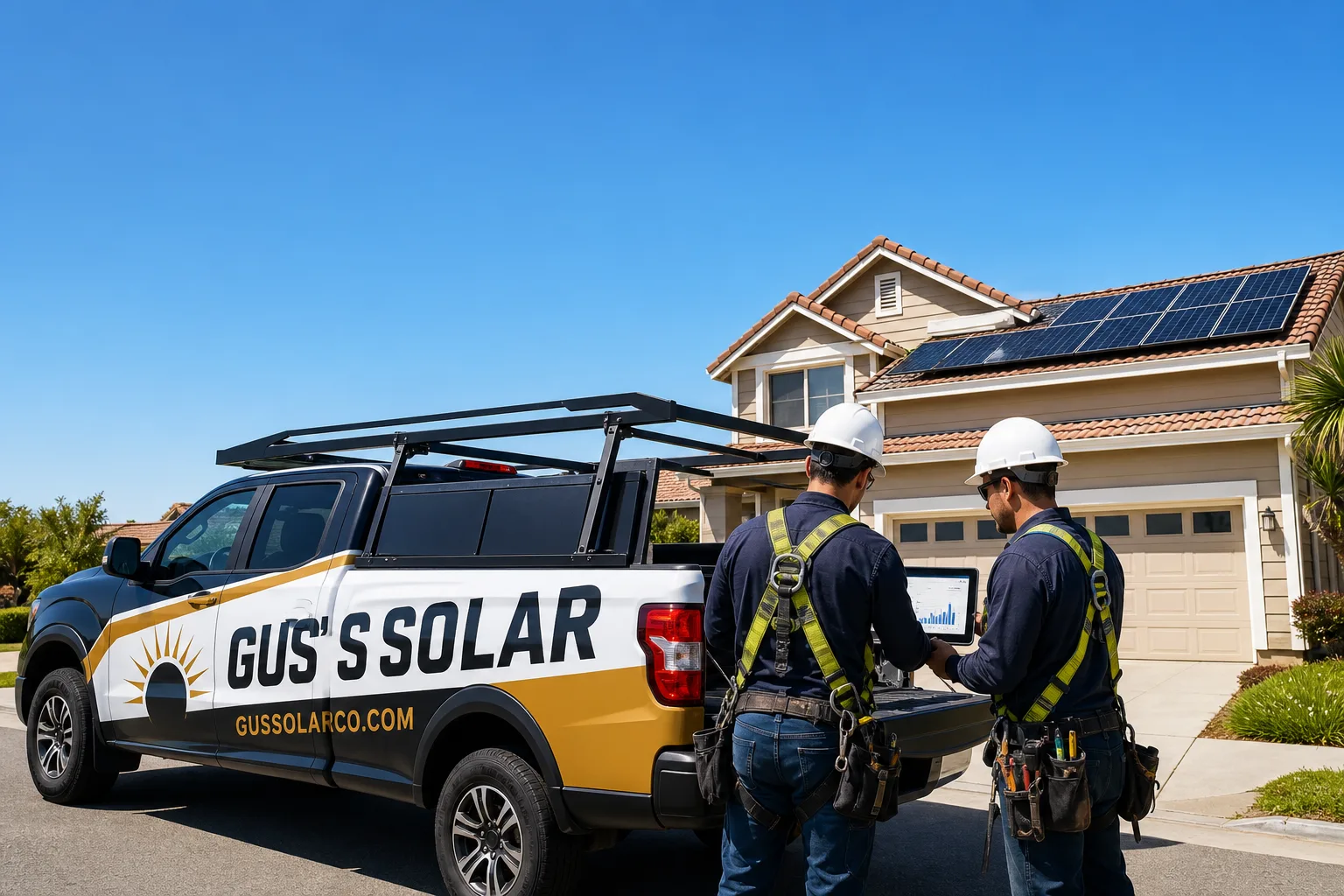
Free bill analysis - bring a power bill, get the production math for your actual roof, panel brands like Qcells and REC compared side by side
If the pitch starts at your door and ends with "sign tonight for the special," sleep on it. The sun will still be there tomorrow; so will we.
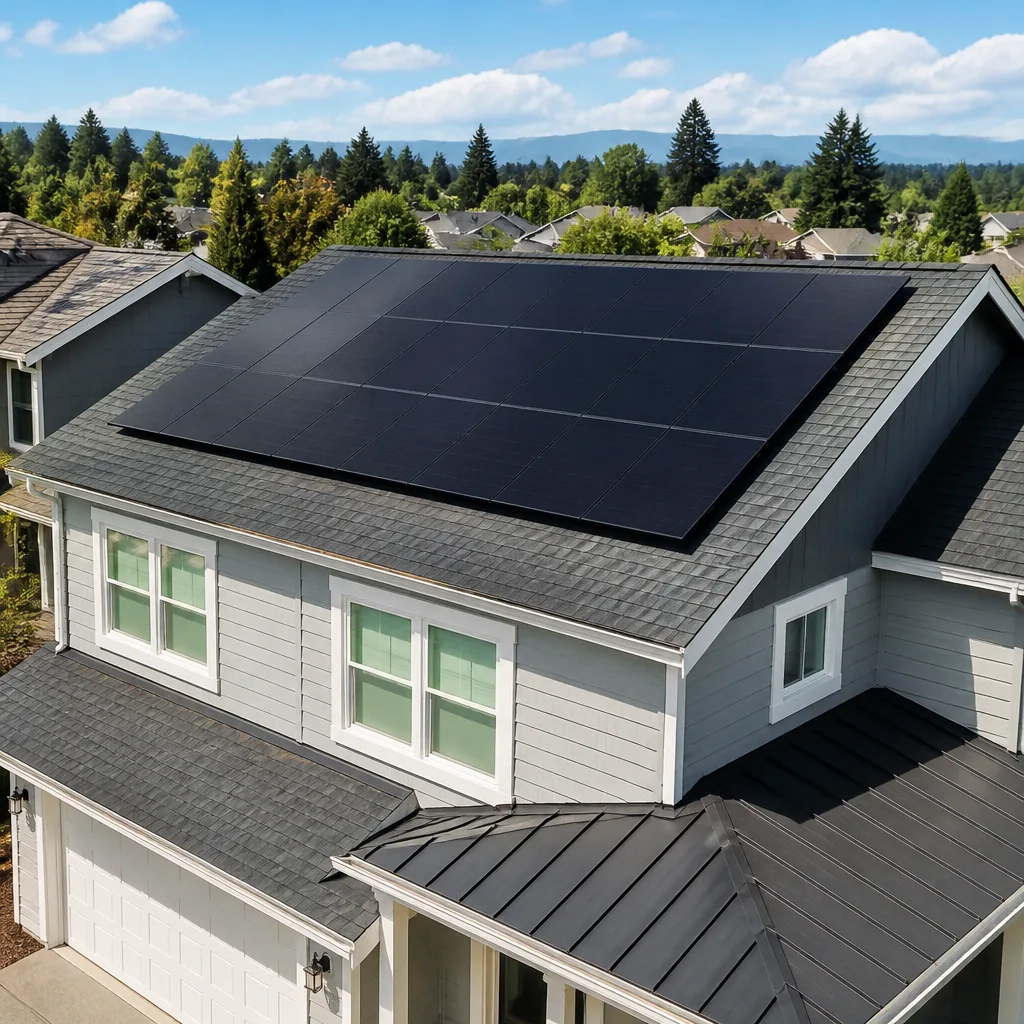
 Before
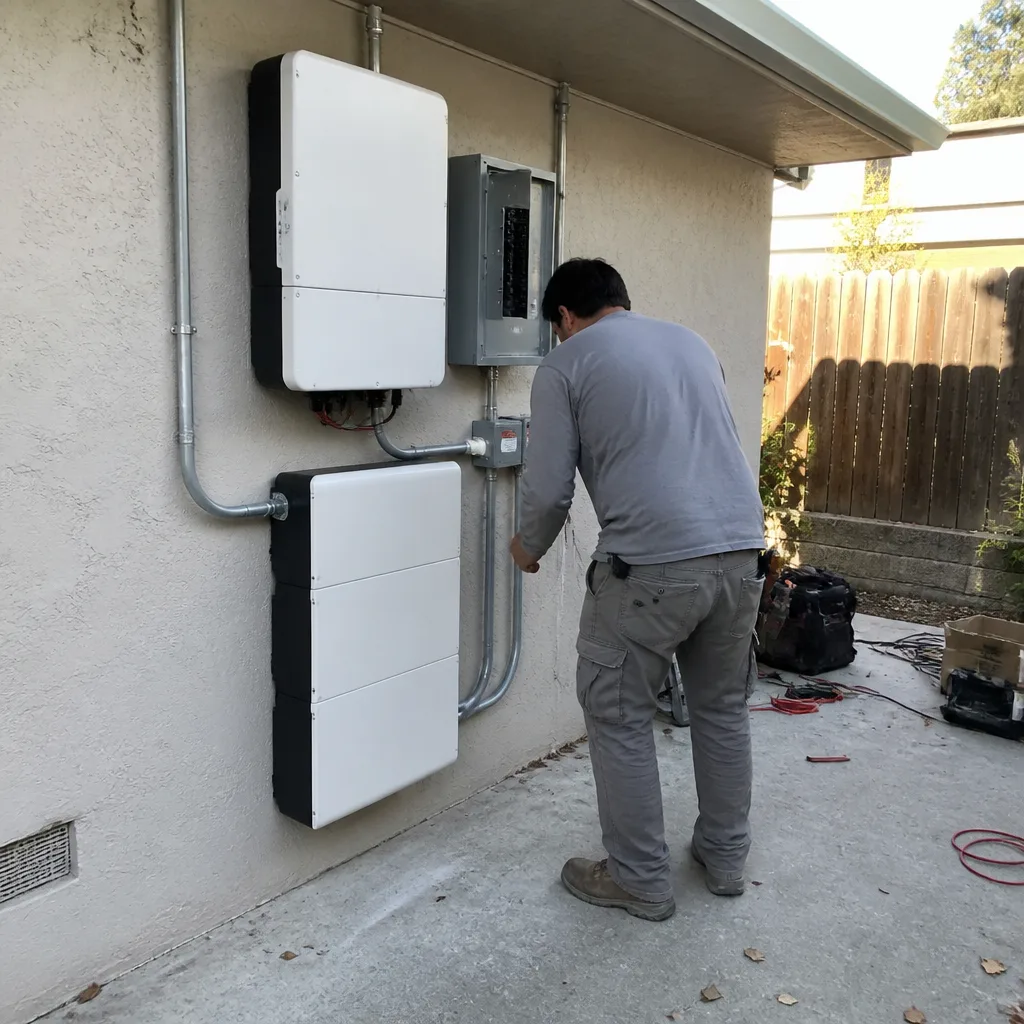 After
After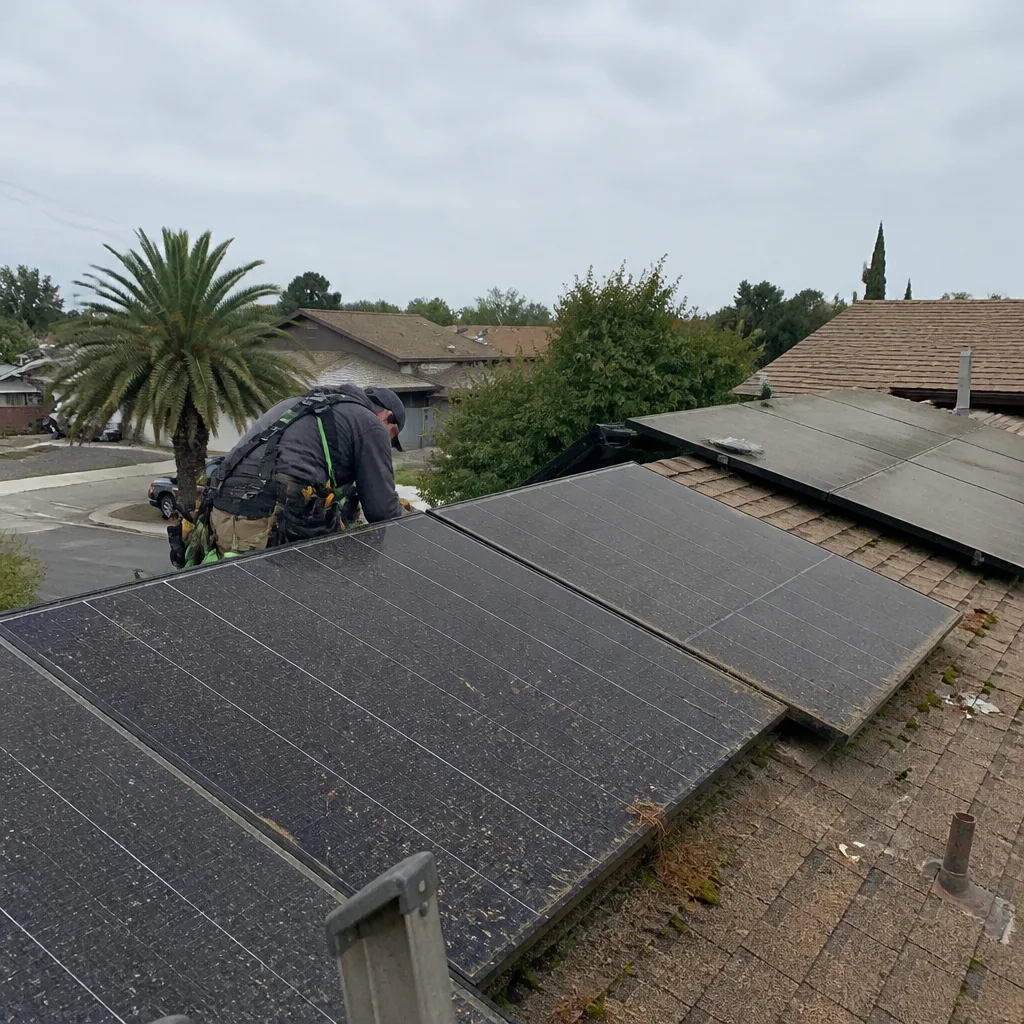 Before
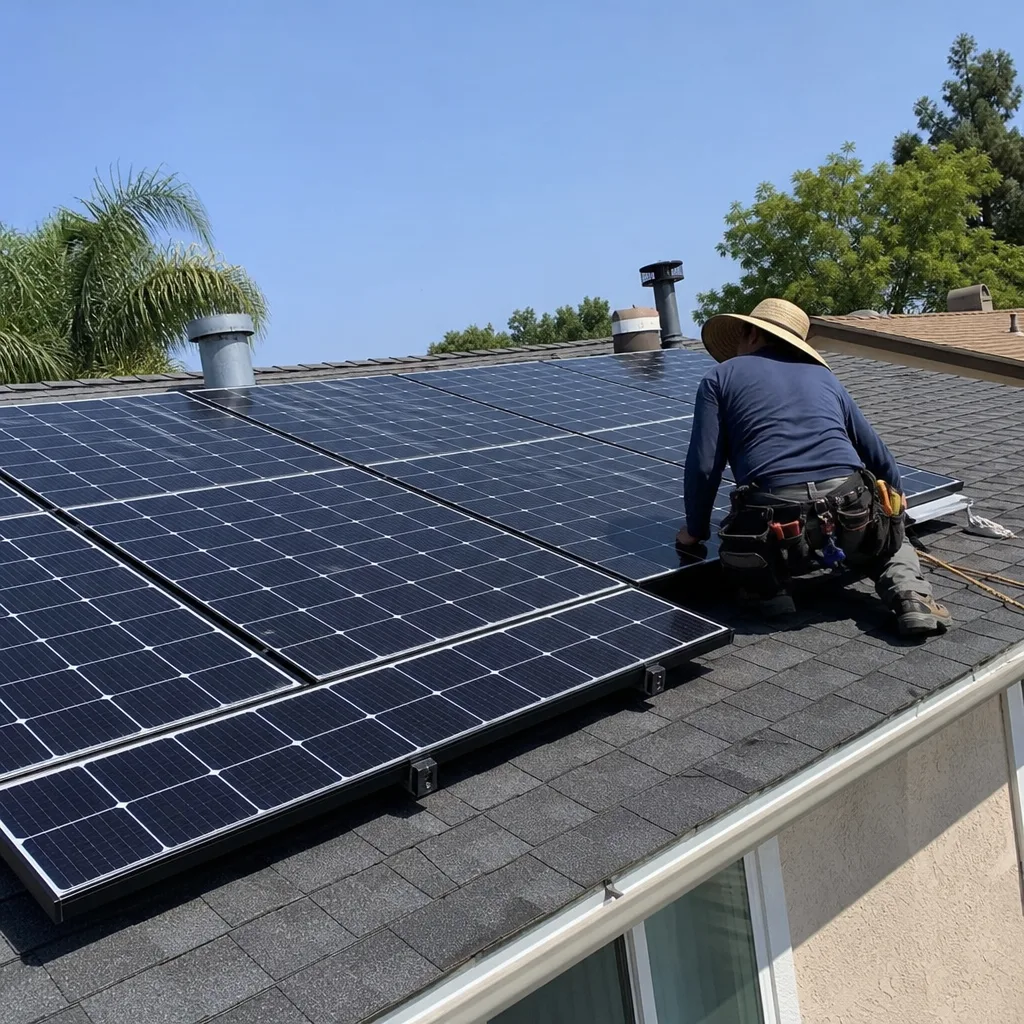 After
After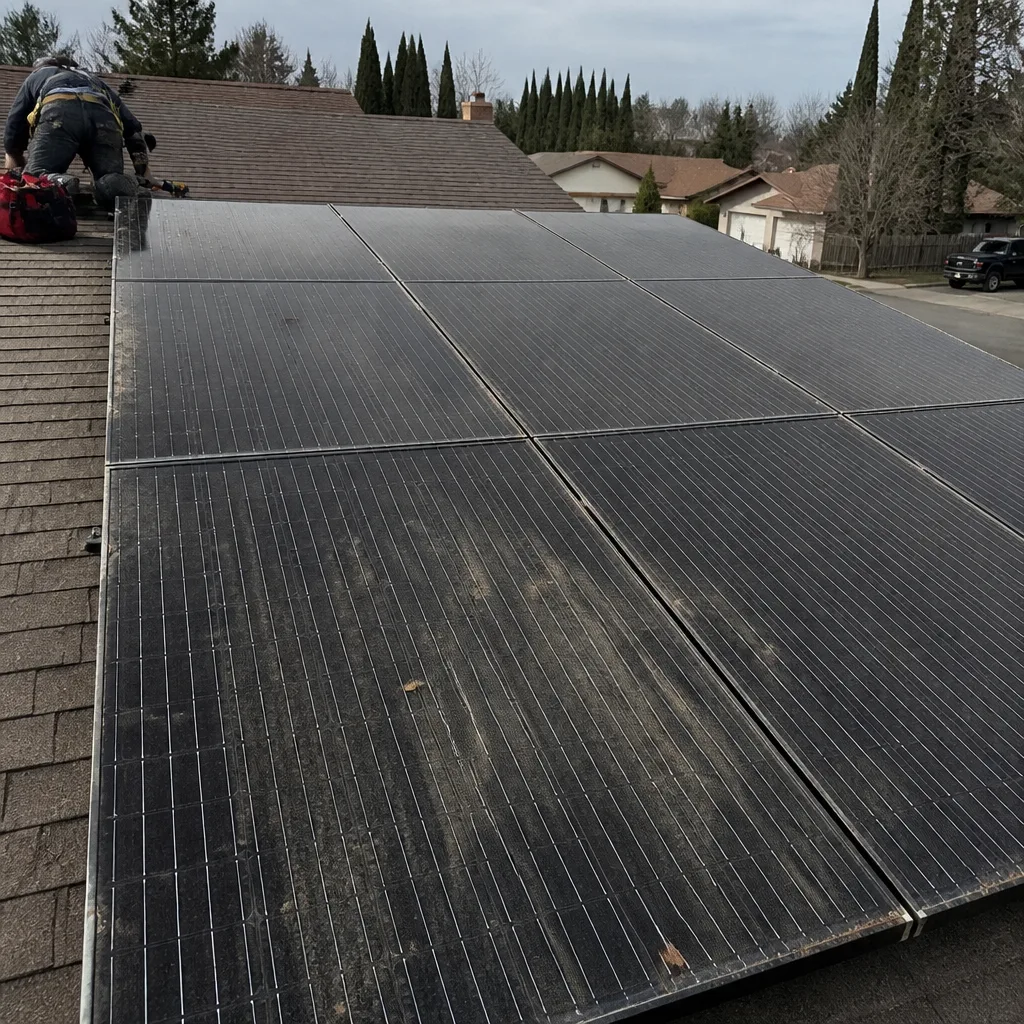 Before
 After
AfterFast, Reliable Solar Panel Cleaning Across South San Gabriel
Solar panel cleaning in South San Gabriel typically runs $150-$280 for a standard residential array, and most jobs are done the same week you call. That price covers a soft-brush, deionized-water wash that strips the 710-corridor particulate film that builds up faster here than almost anywhere else in the San Gabriel Valley. We’ve been cleaning panels on 1950s and 60s ranch homes in the 91755 for long enough to know which roofs need extra care and which panels are losing production to soiling, not age. If your Enphase or SolarEdge monitoring shows a steady dip that doesn’t match the weather, call Gus’s Solar at (877) 550-6892 and we’ll give you an honest read on whether cleaning is worth it.
Key Takeaways
- Typical South San Gabriel cleaning cost: $150-$280 for most residential arrays; commercial arrays run higher based on panel count and roof access.
- 710 corridor soiling is real: Panels here lose more production to particulate buildup than coastal LA panels, which means cleaning pays for itself faster.
- Older ranch roofs need soft-touch methods: We never pressure-wash 1950s-1970s composition shingle roofs. Ever.
- Bird issues are common in South San Gabriel: Pigeons roost under open-eave ranch panels, and their droppings etch glass over time.
- County inspections affect cleaning timing: Since South San Gabriel is unincorporated LA County, post-installation rooftop access depends on county inspector schedules, not a city hall.
Why Gus’s Solar Is South San Gabriel’s Preferred Solar Panel Cleaning Company
Gus Petrakis has been running solar crews in Los Angeles County since 2011, and South San Gabriel is one of the communities we know best. Homeowners here call us after noticing their SCE true-up statements creeping upward, or after a neighbor mentions that pigeon mess under their panels is getting worse. We answer the phone. A live person, any hour. When you call about panel cleaning in South San Gabriel, you’re talking to someone who knows what a 1963 ranch roof feels like underfoot and knows the difference between a panel that’s simply dirty and one that’s failing.
We’re not a pop-up crew that blasts through the 91755 with fliers one month and disappears the next. Gus’s name is on the work. The Solar Panel Cleaning team that shows up at your door is our own crew, background-checked, uniformed, and trained on soft-wash methods for older composition shingle roofs. If something isn’t right, the 90-Day Done Right Promise means Gus comes back and makes it right. In writing, on every job.
South San Gabriel homeowners have told us they appreciate that we don’t hand work off to subs and we don’t quote one number on the phone and another at the door. The price we quote is the price you pay. And we’ll tell you straight if your panels don’t need cleaning yet, because sometimes a production dip is shading or an inverter issue, not dirt. We’d rather lose a cleaning job than charge you for something that won’t help.
Our Solar Panel Cleaning Services in South San Gabriel
We built our South San Gabriel cleaning services around what actually happens to panels in this specific pocket of the San Gabriel Valley. That means dealing with the 710 corridor soiling, the pigeons that love open eaves on ranch homes, and roofs that can’t take aggressive cleaning methods.
Residential Panel Cleaning
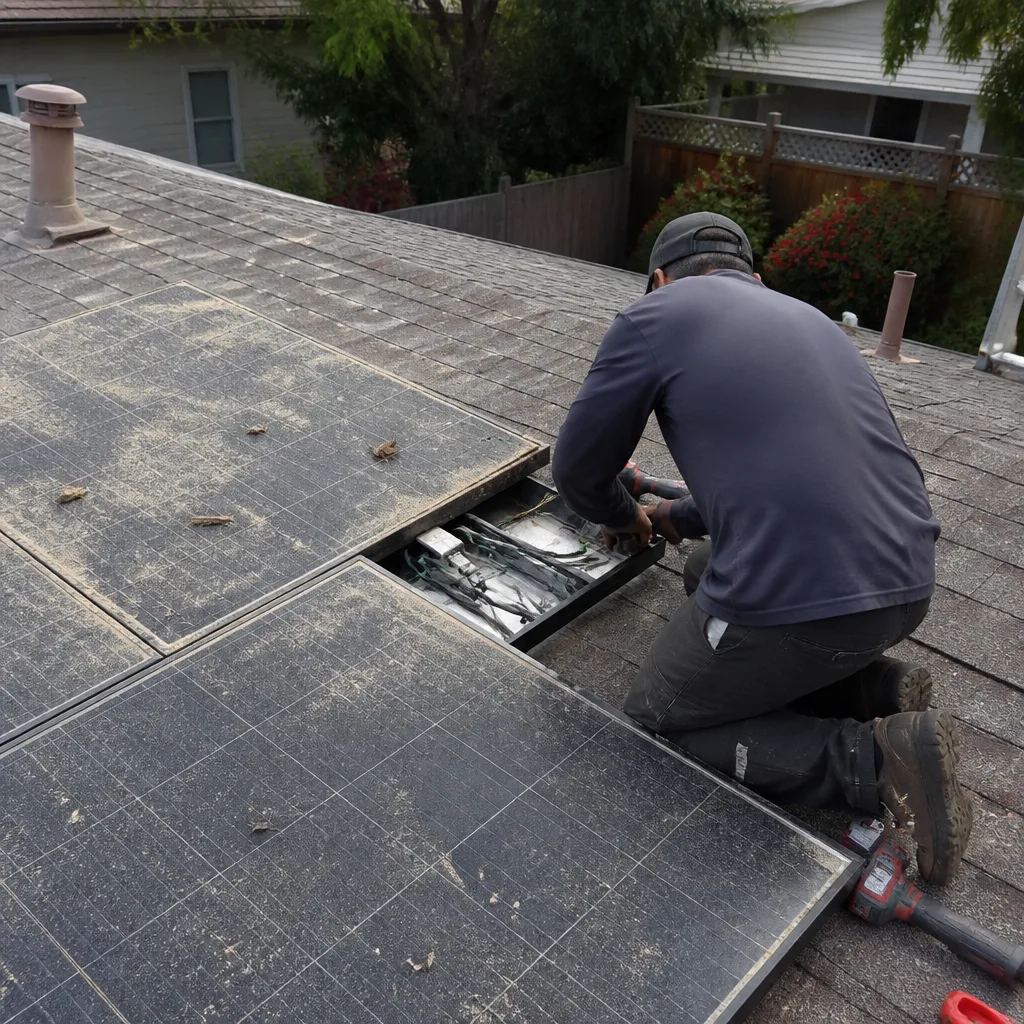
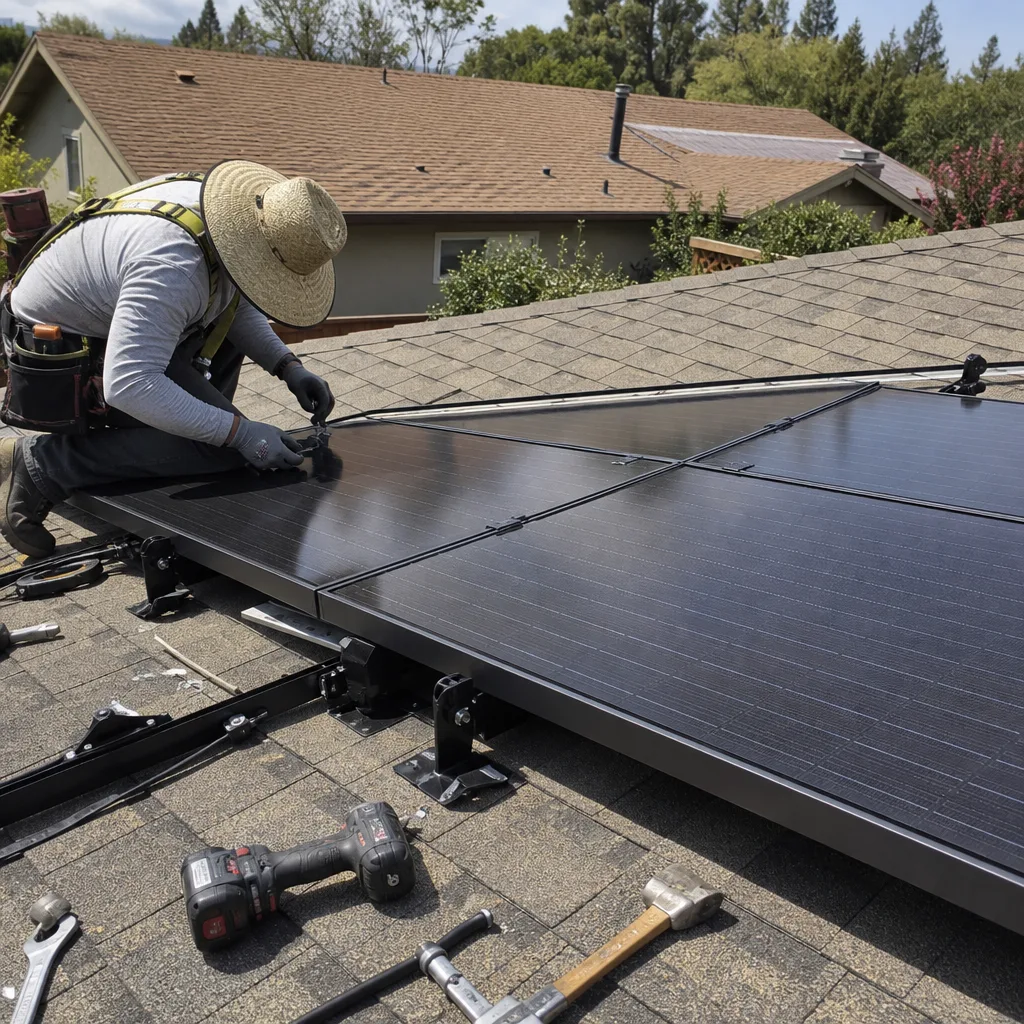
Most South San Gabriel homes have rooftop arrays on low-pitch composition shingle roofs from the 1950s through the 1970s. That housing stock shapes everything about our approach. We use a soft-brush head with deionized water, never a pressure washer, because brittle old shingles crack under high-pressure spray. A standard residential cleaning in the 91755 takes about an hour to ninety minutes depending on array size and access. We check array edges for bird activity while we’re up there and flag anything that looks like it needs attention.
Bird & Critter Guard Installation
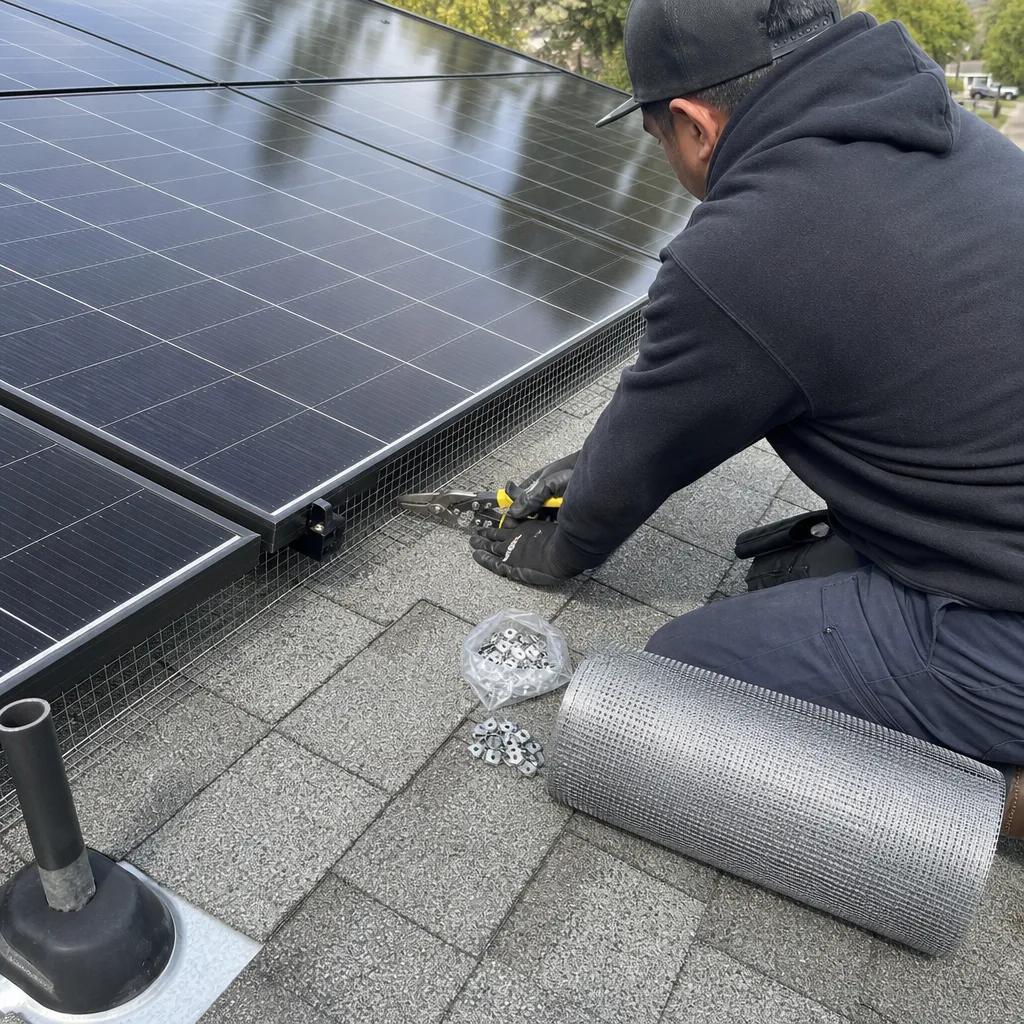
This is one of the most common requests we get from South San Gabriel homeowners, and for good reason. The ranch and bungalow homes in this area have open eaves and wide soffits that pigeons treat like a covered porch. Once they nest under the panels, acidic droppings accumulate on the glass and aluminum frames, and over time that etches the glass surface and accelerates frame corrosion. We install critter guard around the array perimeter, sealed along the panel edges, which keeps birds out without blocking the airflow panels need. For a 1960s ranch with a standard 20-24 panel array, guard installation usually runs $400-$700.
Debris & Soiling Removal
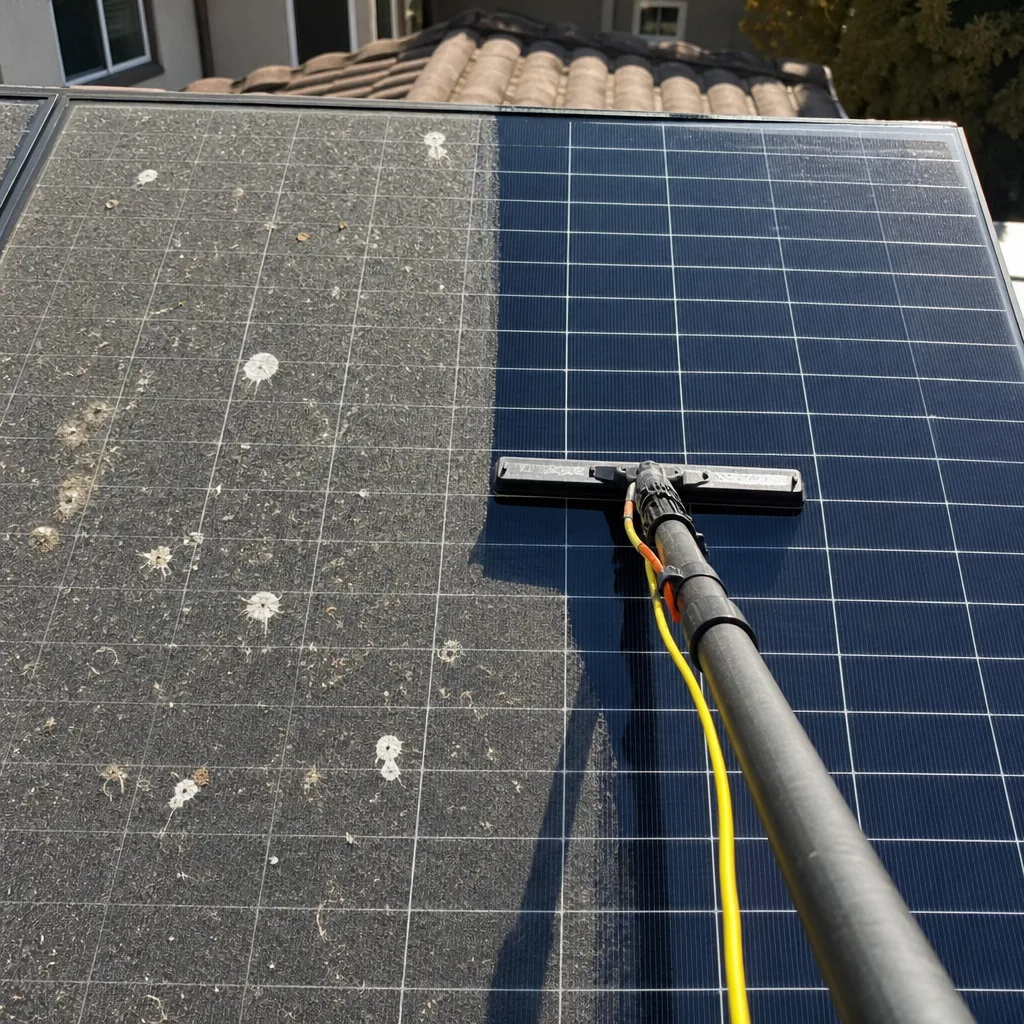
The inland basin geography of South San Gabriel traps particulate matter from the 710 corridor and nearby industrial zones. Unlike coastal neighborhoods where marine air scours panels occasionally, the air here sits, and so does what’s in it. The result is a film of fine particulate that doesn’t always look dramatic from the ground but measurably cuts light transmission. A panel with just a visible dust haze is losing 5-10% of production; a heavily soiled one can lose 15-20%. Cleaning removes that film and restores the production curve to what your system’s degradation rate says it should be. Debris removal from array edges and under-panel spaces is part of every residential cleaning we do in South San Gabriel.
Scheduled Cleaning Plans
For South San Gabriel homeowners who’d rather not think about panel soiling, we offer scheduled cleaning plans. Given the local air quality patterns, most customers here choose an annual or twice-annual cleaning. We’ll coordinate directly with your schedule, and if you have critter guard installed, we inspect the guard for any gaps or damage during every visit. Plans are priced per cleaning, not as a bloated contract: a typical single cleaning is $150-$280, and a twice-annual plan knocks a bit off each visit. You can cancel anytime. Gus would tell you the same thing he tells everyone: take two weeks, think about it, the price will be the same.
What happens when you call
- 1
A real person answersNo phone trees - you reach a local pro.
- 2
You get an upfront price rangeHonest numbers before anyone is dispatched.
- 3
A background-checked tech heads outLicensed & insured, dispatched right away.
- 4
You approve before work beginsNothing starts until you say go.
Trusted Brands We Service in South San Gabriel
We clean panels from every major manufacturer, including Panasonic, Canadian Solar, Qcells, and the full range of equipment we install. If your South San Gabriel home has an Enphase microinverter system, we’ll usually recommend pulling your per-panel production data before and after cleaning so you can see the difference in kWh. Same for SolarEdge string systems with module-level monitoring. The point is that cleaning should produce a measurable result. If it doesn’t, we missed something, and we’ll tell you that. We keep our cleaning methods matched to the equipment: some panel types and coatings do better with slightly different brush pressure or water temperature, and we adjust accordingly. You won’t get a one-size-fits-all scrub from us.
Common Solar Panel Cleaning Problems We See in South San Gabriel Homes
- 710 corridor particulate film: South San Gabriel sits far enough inland that the coastal marine layer doesn’t clean panels, but close enough to the 710 corridor and regional industrial sites that fine particulate settles and sticks. Homeowners often mistake this for panel aging, but a wash restores production within a day. The key is noticing the slow drop across all panels, rather than one panel failing, which points to equipment issues instead.
- Pigeon nesting under open-eave ranch panels: The 1950-1975 housing stock in the 91755 has open eaves and raised-panel mounting that creates a sheltered gap. Pigeons roost there, and droppings build up under the array edge where you can’t easily see them. The acid in droppings etches glass over time and corrodes aluminum frames. Critter guard installation solves this, but it has to be properly sealed or the birds just find a new entry point.
- Brittle composition shingle roofs: Many South San Gabriel ranch homes still have their original or early-replacement composition shingles, and after 50-70 years in the San Gabriel Valley sun, those shingles are fragile. Foot traffic without roof protection can crack them, and pressure washing will definitely damage them. That’s why we use walk pads and never pressure-wash a roof in this area. If we see roof damage, we document it and tell you before touching any equipment.
- Delayed post-installation rooftop access due to county inspection timelines: South San Gabriel is unincorporated, so solar permitting and inspections run through LA County Building and Safety’s Alhambra district office, not a local city hall. County inspection slots for residential solar often run longer than what neighboring incorporated cities like Rosemead or Montebello experience. Once the system passes county inspection and SCE issues Permission to Operate, that’s when we can schedule a post-installation cleaning without interfering with inspection requirements. Some homeowners don’t realize until after install why there’s a gap between flipping the switch and getting the first cleaning done.
Pricing for Solar Panel Cleaning in South San Gabriel, CA
Residential panel cleaning in South San Gabriel runs $150-$280 for a standard 16-28 panel rooftop array. Ranch homes with single-story access and walkable low-pitch roofs stay on the lower end; two-story or steep-access homes run higher. Critter guard installation adds $400-$700 depending on array perimeter length and the number of gaps that need sealing. Commercial arrays are priced per panel and per site visit, usually $8-$15 per panel for accessible rooftop systems. Scheduled cleaning plans reduce the per-visit cost by roughly ten percent. Every job comes with a free estimate before any work starts, and the quote Gus gives you is the number on the invoice. If a salesman needs an answer tonight, your answer is no. Our number is (877) 550-6892, and you can call it whenever you’re ready.
We Also Serve Cities Near South San Gabriel
While South San Gabriel is home base for a lot of our cleaning work, we also cover the surrounding communities: Monterey Park, Montebello, East Los Angeles, and Rosemead. If you’re in one of those areas and dealing with the same 710-corridor soiling issues, the same soft-wash approach applies. Call us and we’ll send a crew that knows the housing stock and inspection landscape across this part of the San Gabriel Valley.
Serving South San Gabriel, CA - Our Local Coverage Area
We’re based in the South San Gabriel area and know this community well. Use the map below to see our service coverage - if you’re nearby, we can almost certainly help.
FAQs - Solar Panel Cleaning in South San Gabriel
Most South San Gabriel homes do best with a cleaning every 9-12 months. The inland basin geography means particulate from the 710 corridor and regional industry settles on panels and stays there; there’s no marine air or regular rain to clear it. If you’re near a freeway overpass or in one of the lower-lying blocks of the 91755 where air tends to pool, twice-annual cleaning may be worth it. Check your monitoring data: a slow, even production drop that doesn’t match weather patterns is the tell. Call (877) 550-6892 and we’ll look at your numbers with you.
Yes. Because South San Gabriel is unincorporated, solar inspections come from LA County Building and Safety’s Alhambra district office, and county inspection slots often run longer than incorporated cities’ schedules. Once the county approves and SCE issues Permission to Operate, your system is live and we can schedule a post-installation cleaning without any inspection conflicts. Most new installs don’t need an immediate cleaning, but if months passed between physical installation and PTO, panels may have accumulated a layer of construction dust and particulate. We’re happy to schedule around your inspection timeline.
They can, and over enough time, they usually do. Pigeon droppings are acidic, and when they sit on glass or aluminum frames under a South San Gabriel summer sun, the heat bakes the acid onto the surface. Glass etching from prolonged droppings doesn’t wash off; it’s permanent surface damage that reduces light transmission. Frame corrosion is often the more visible problem, especially on older aluminum racks. The fix is critter guard installation around the array perimeter, which keeps birds out and halts the problem. If droppings have already accumulated, we clean the affected areas first, then install the guard.
There are, and they’re the reason we never pressure-wash a roof in this area. Those postwar composition shingle roofs are brittle after 50-plus years of San Gabriel Valley heat cycles. Pressure washing, even on a low setting, can dislodge granules and crack shingles, which voids the roof’s workmanship warranty and opens the home to leaks. We use walk pads, soft-bristle brushes, and deionized water applied at low pressure. If we spot cracked shingles or structural concerns while we’re up there, we’ll document it and tell you before we proceed with anything.
Yes, and this is where soiling hits South San Gabriel homeowners differently than people closer to the coast. Your net metering credits under SCE depend on how much energy you export over the year. When particulate from the 710 corridor cuts your production 10-15%, you’re generating less energy to export, and that shows up as a higher true-up charge at year-end. Cleaning restores production and protects your export credits. The math is simple: a $200 cleaning that restores 10% of annual production on a typical South San Gabriel system pays for itself in the first true-up cycle, and every cycle after that is pure benefit. Call (877) 550-6892 for a free estimate and we’ll walk you through the production data.
Written by Gus Petrakis, Owner at Gus’s Solar, serving South San Gabriel since 2011.