

Free bill analysis - bring a power bill, get the production math for your actual roof, panel brands like Qcells and REC compared side by side
If the pitch starts at your door and ends with "sign tonight for the special," sleep on it. The sun will still be there tomorrow; so will we.
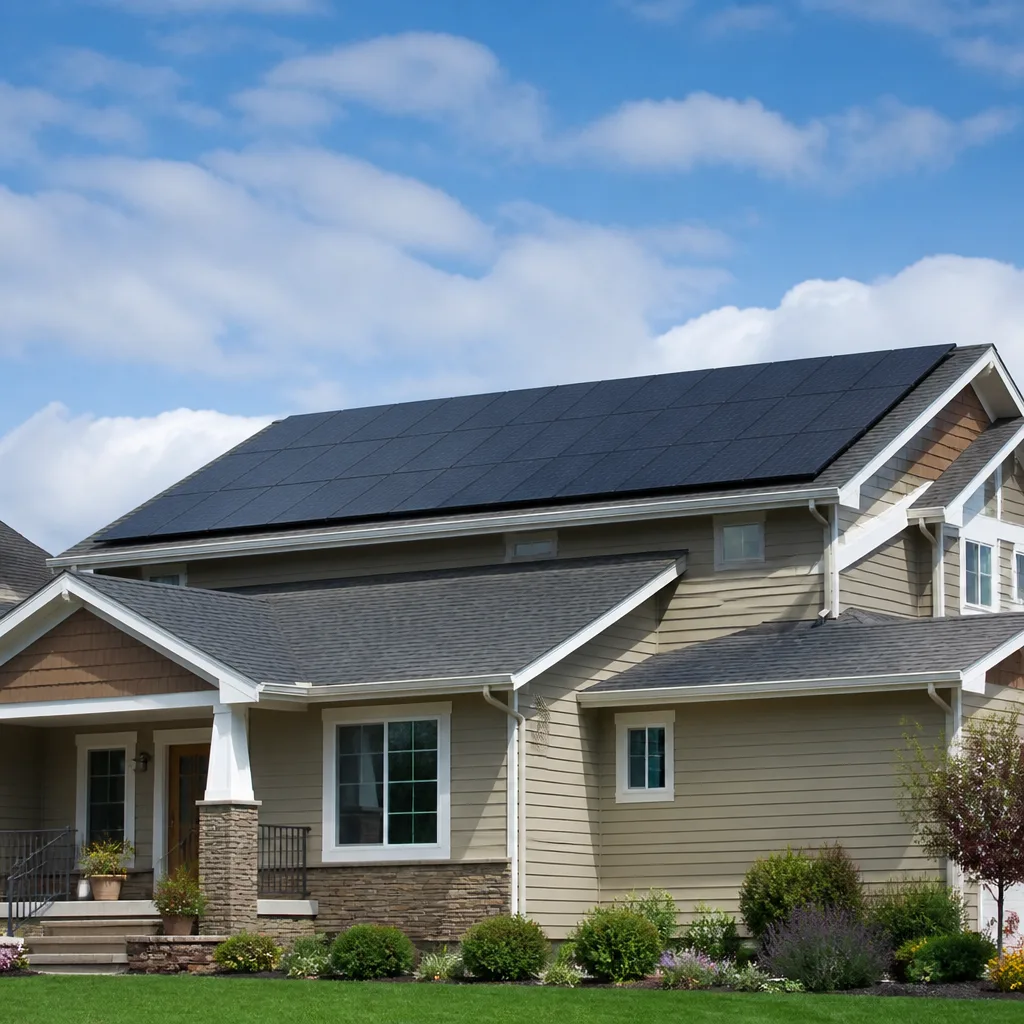
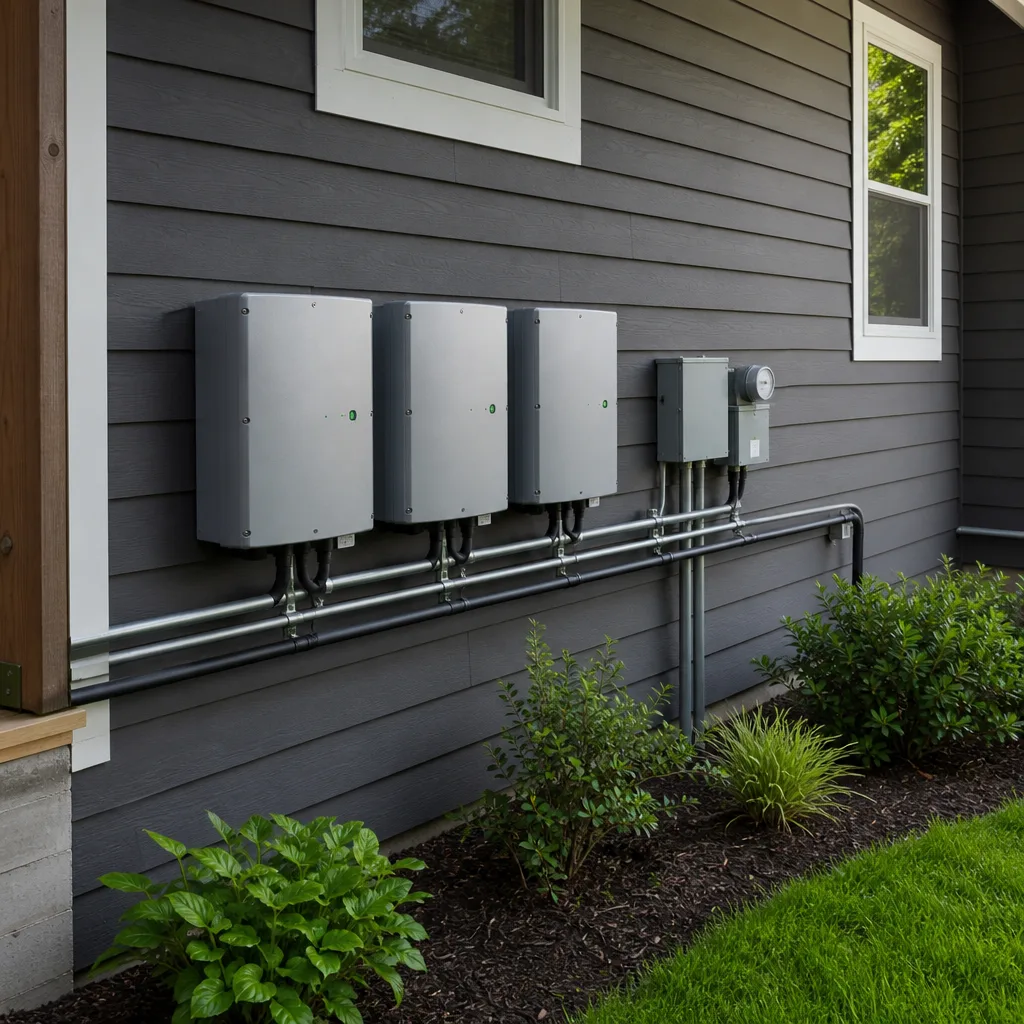
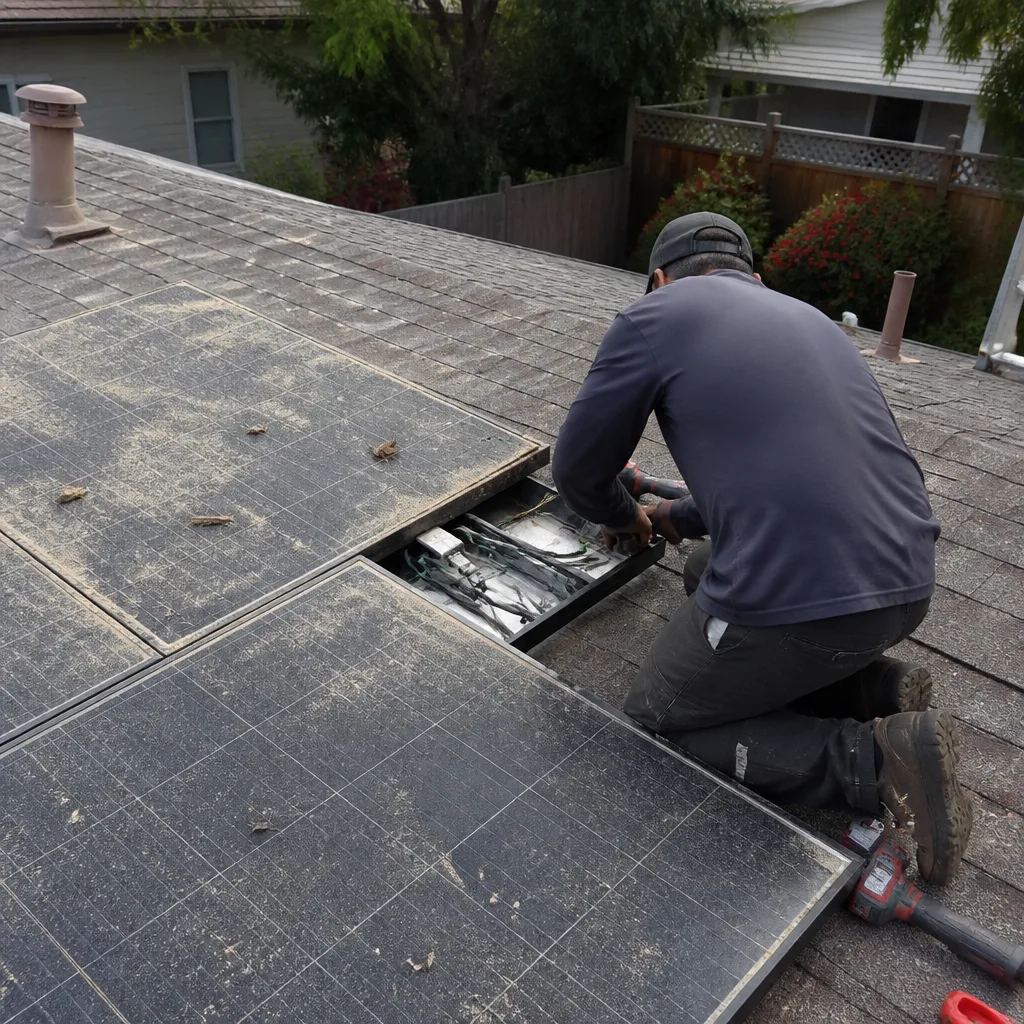 Before
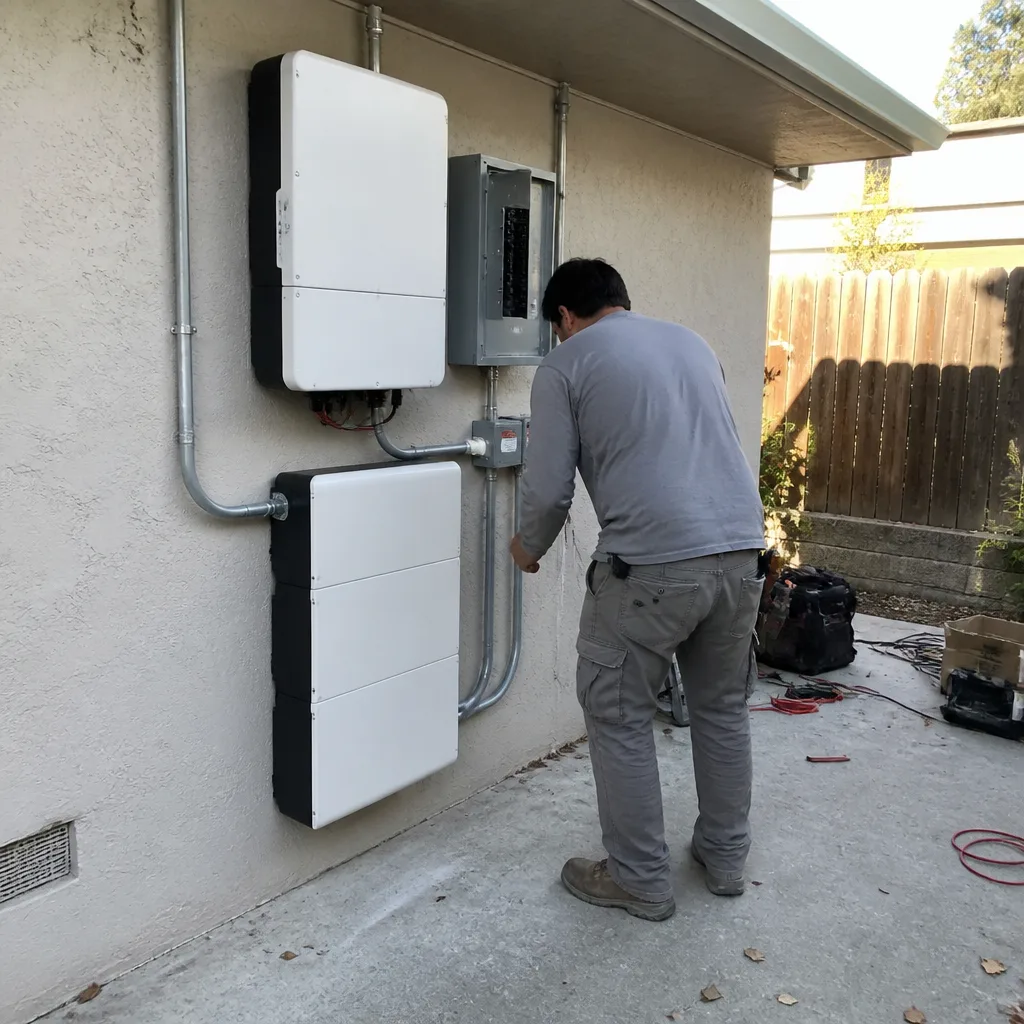 After
After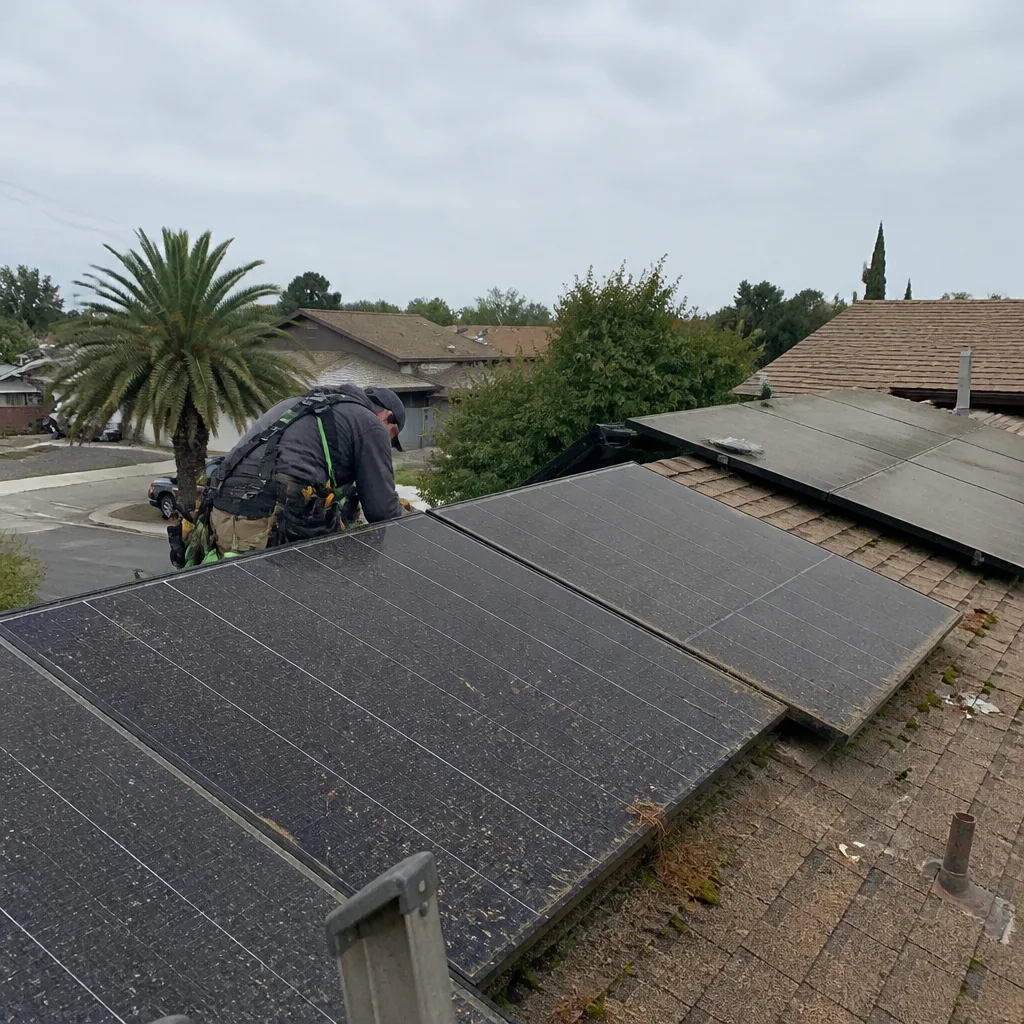 Before
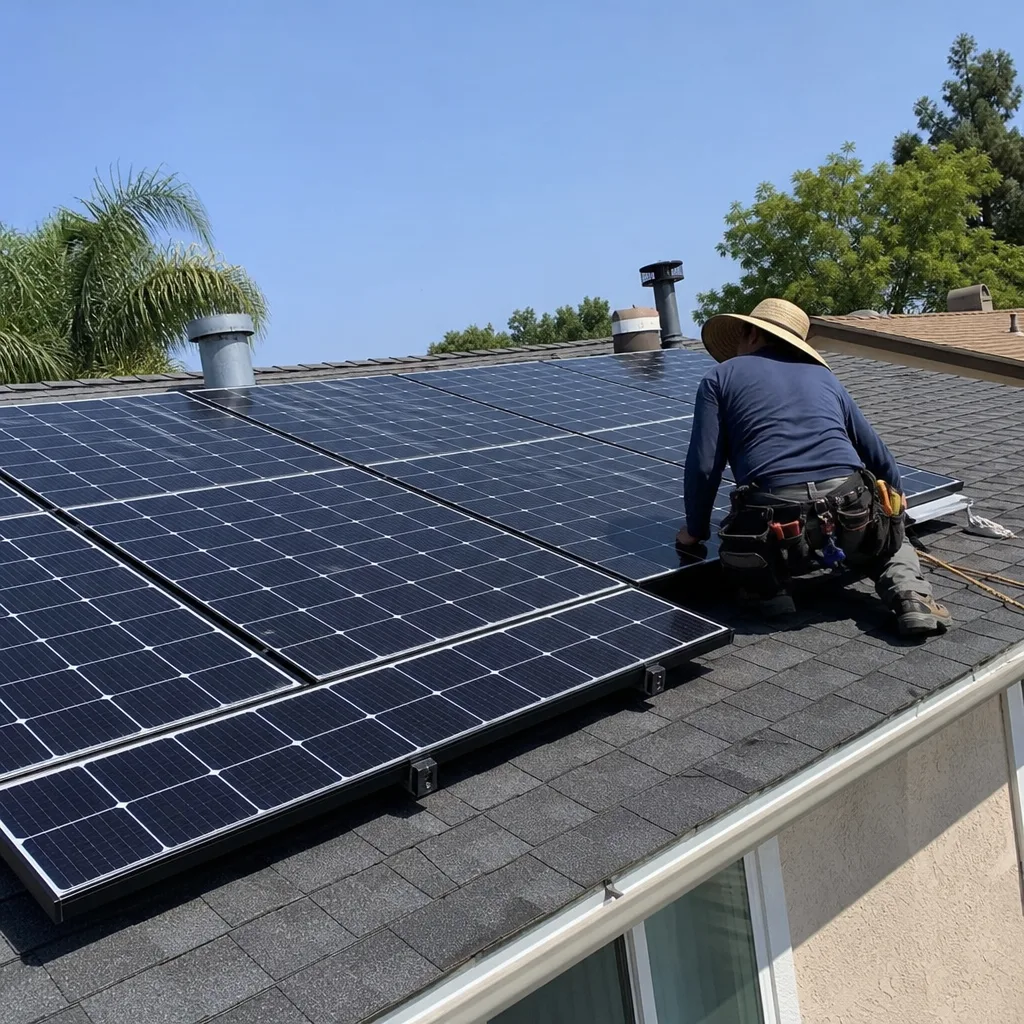 After
After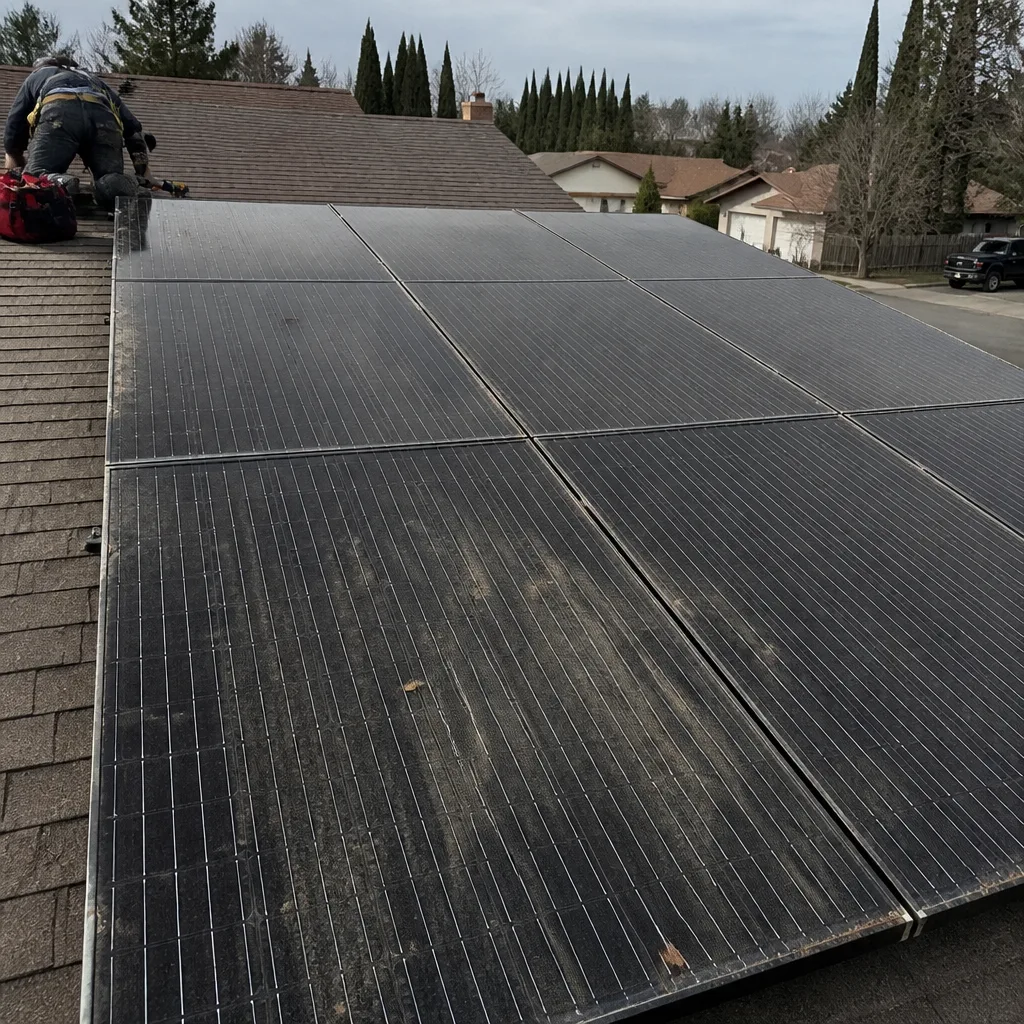 Before
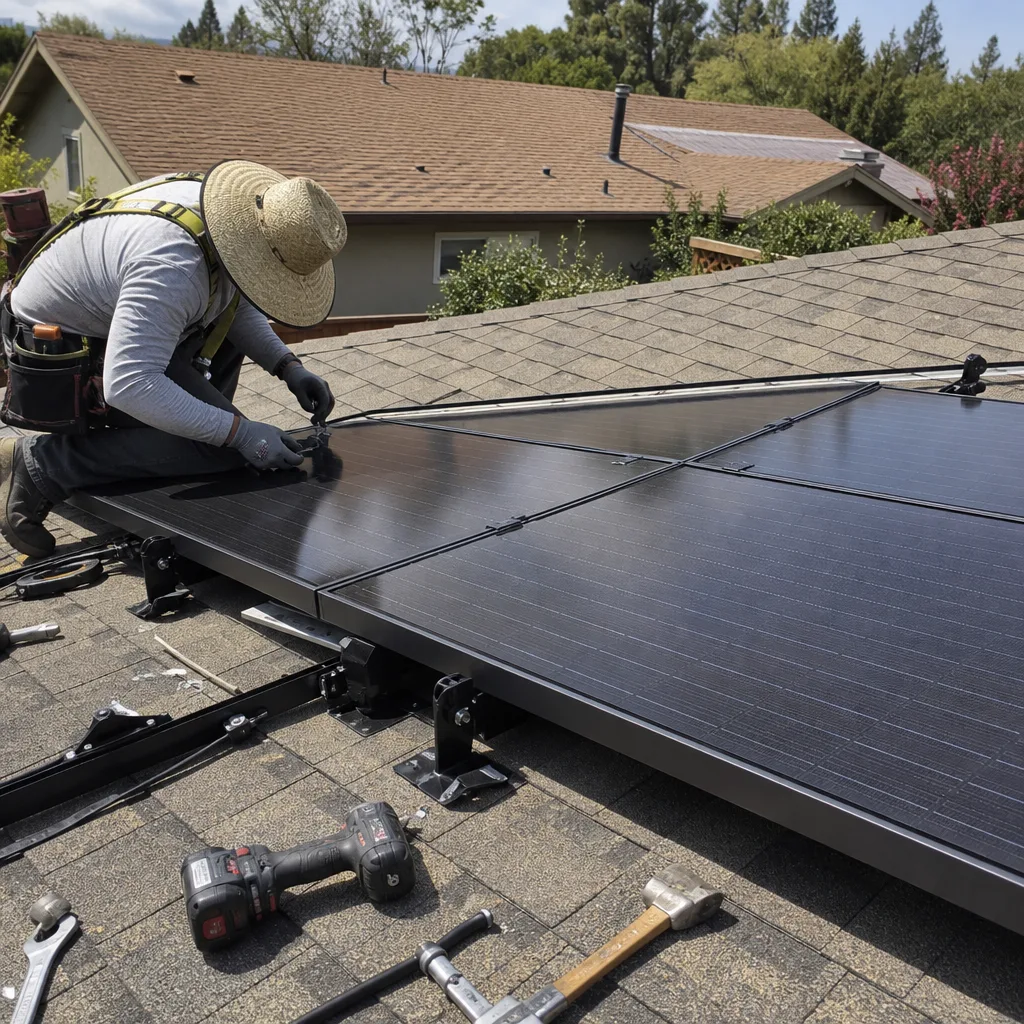 After
AfterFast, Reliable Solar Panel Cleaning Across Culver City
Solar panel cleaning in Culver City typically costs $150-$350 for a standard residential array, and most jobs are finished in under two hours. The marine layer that rolls in off the Pacific leaves a fine film of grime on panels from May through July, and that film quietly cuts production by 8-15% if it sits too long. Our crew works Sunkist Park, Blair Hills, Carlson Park, and every ZIP code from 90230 to 90233. Call (877) 550-6892 and we’ll give you a straight number before we ever put a ladder up.
We’re Solar Panel Cleaning specialists, and we’ve been doing this long enough to know that Culver City rooftops behave differently than rooftops ten miles inland. The coastal air, the tree canopy in older neighborhoods, the flat commercial roofs along the Washington/National corridor. It all matters when you’re trying to keep a solar array producing what it should.
Why Gus’s Solar Is Culver City’s Preferred Solar Panel Cleaning Company
Gus Petrakis founded this company in 2011 and put his own name on it. That’s a different standard than a call center three states away. When you call about Solar Panel Cleaning in Culver City, you reach a live person who knows what a 1940s bungalow roof on Higuera Street looks like, and who can tell you whether that pigeon activity near the ridge vent is a cleaning issue or a critter guard issue.
Our Culver City customers tend to be homeowners who’ve already dealt with the big national outfits. They’ve heard the pitch, signed the paperwork, and then spent six months chasing someone for a simple service call. That’s not how we work. Gus’s crew does the work. Background-checked, uniformed, and trained on the specific panel brands we service. We don’t hand your roof off to a subcontractor, and we don’t disappear after the invoice clears.
Response time to Culver City is typically same-day or next-day for cleaning jobs, depending on the season and how many roofs we’re already scheduled on. We answer the phone 24/7, so if a storm rips through and leaves your array covered in eucalyptus debris from the parkway trees over on Lucerne, you can reach someone at 2 a.m. who can put you on the schedule. The 90-Day Done Right Promise applies to cleaning work too. If we miss something, Gus comes back and makes it right. In writing, on every job.
Local roots, on time, community first, accountable, loyal. Those are the L.O.C.A.L. values we run on, and they’re not printed on a poster in a break room. They’re how we schedule, how we quote, and how we treat a homeowner in Blair Hills the same way we’d treat someone in Studio Estates.
Our Solar Panel Cleaning Services in Culver City
Residential Panel Cleaning
Most Culver City homes fall into two camps: the 1940s-1960s bungalows and stucco ranches south of Washington Boulevard, and the newer builds and remodels scattered through the hills. The older roofs tend to have tighter clearances, shallow pitches, and decades of established tree growth dropping sap, leaves, and bird droppings onto panels. We clean residential arrays with deionized water and soft brushes, nothing abrasive, and we inspect every panel for microcracks, hot spots, and critter damage while we’re up there. A standard single-story ranch in Sunkist Park takes us about 90 minutes from setup to rinse.
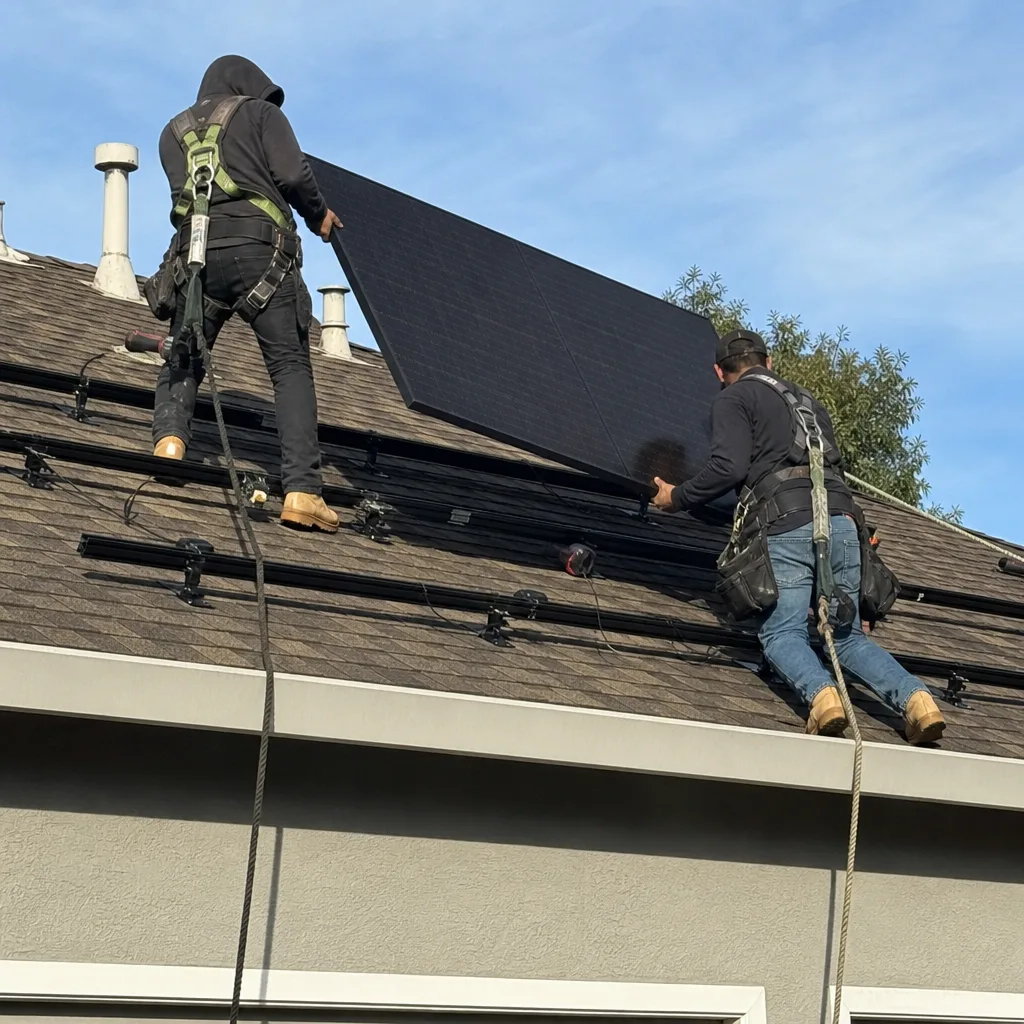
Commercial Array Cleaning
The Hayden Tract and the Washington/National corridor are full of converted 1950s and 60s industrial buildings, and a lot of those now have solar on flat built-up or single-ply roofs. Commercial arrays need a different approach. Flat roofs collect standing water, dust, and bird waste faster than pitched residential roofs, and the access is often through roof hatches or ladder wells that were never designed for regular solar maintenance. We clean commercial systems in Culver City with the same care we’d give a residential array, but we also document everything with photos so a facility manager can see exactly what was done. If your building is one of the old creative campuses now occupied by media tenants, we know the access quirks.
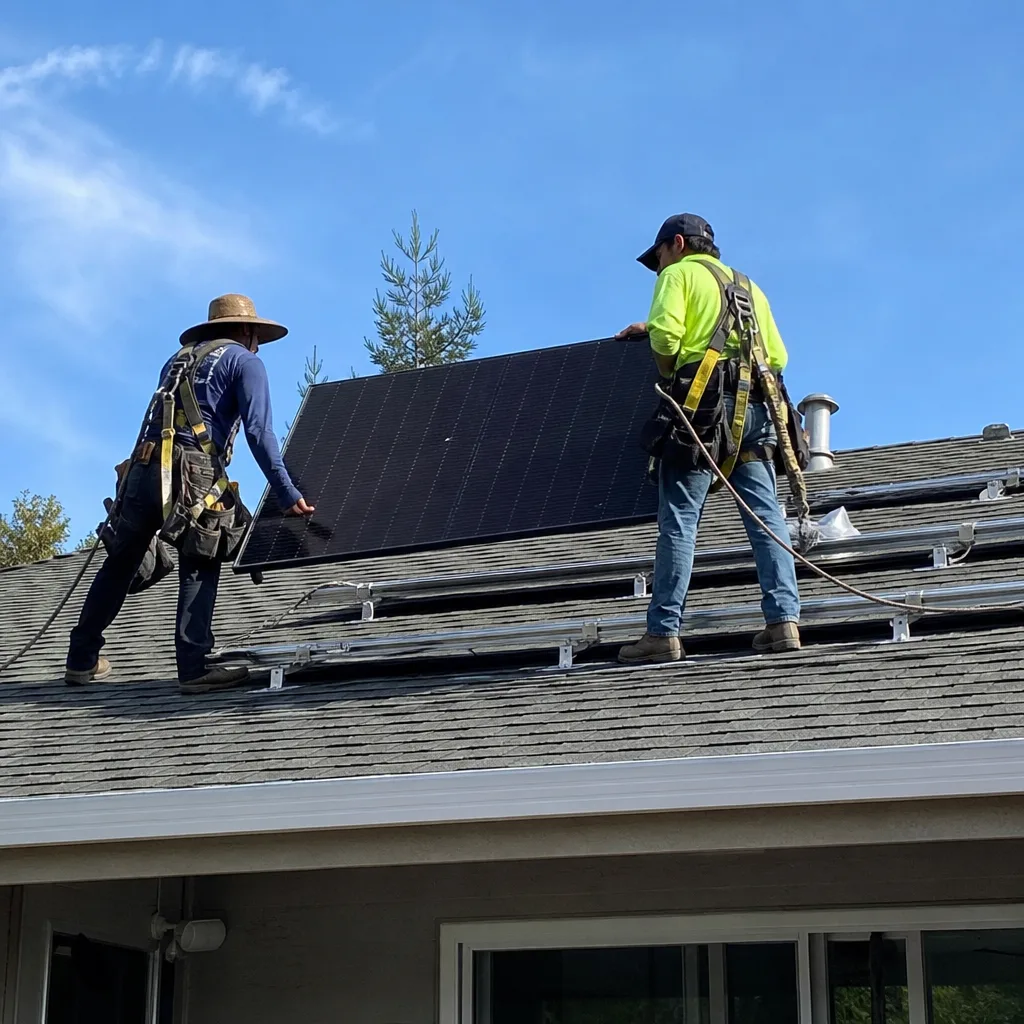
Debris & Soiling Removal
This is the big one for Culver City. Between the marine layer, the coastal haze, and the mature trees in neighborhoods like Carlson Park and Veterans Park, panels here collect a specific kind of soiling. It’s not just dust. It’s a damp, slightly tacky film that traps airborne particles and hardens in the afternoon sun. Left alone, it creates a crust that rain won’t wash off. Our debris and soiling removal service targets that layer, plus the leaves, twigs, and eucalyptus droppings that accumulate around panel edges and under the racking. We also clear debris from around roof drains and scuppers if it’s affecting the array.
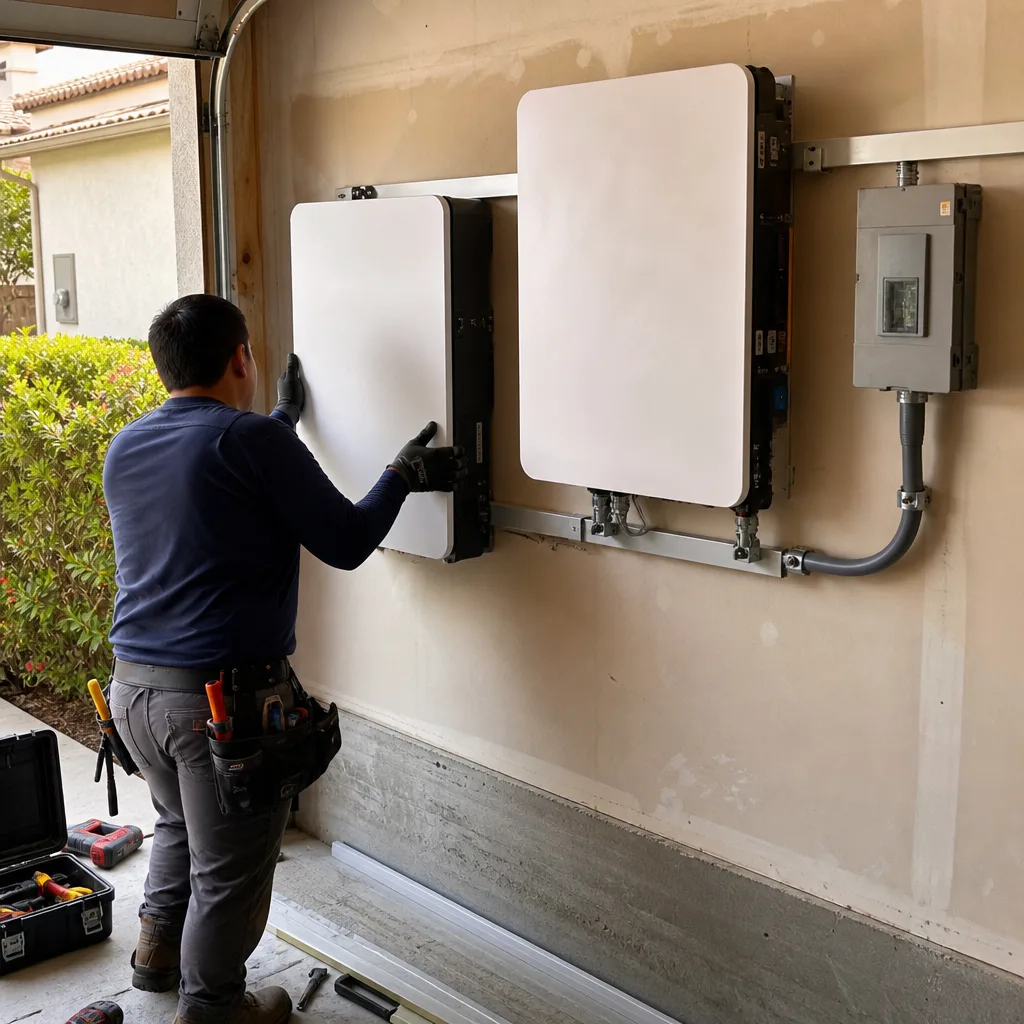
Bird & Critter Guard Installation
Pigeons love the space under solar panels. It’s shaded, protected, and close to food sources. In Culver City, where older homes often have overhanging trees and older tile roofs with gaps at the edges, pigeons and squirrels can nest under the array and cause real damage. They chew wiring, they build nests that block airflow, and their droppings corrode aluminum framing over time. We install critter guard around the perimeter of the array that keeps birds and squirrels out without trapping any animals inside. If you’ve already got a nest, we’ll remove it first, clean the area, then install the guard. This is one of the most requested add-ons we do for Culver City homeowners.
Scheduled Cleaning Plans
For homeowners who want to set it and forget it, we offer scheduled cleaning plans across all four Culver City ZIP codes. Most residential customers book twice a year, once in late spring after the June Gloom lifts and once in late fall after the Santa Ana winds blow through. That cadence keeps production numbers where they should be without you ever having to think about it. The price is locked for the year, and you can skip or reschedule anytime. No contract traps. Gus doesn’t do contract traps.
What happens when you call
- 1
A real person answersNo phone trees - you reach a local pro.
- 2
You get an upfront price rangeHonest numbers before anyone is dispatched.
- 3
A background-checked tech heads outLicensed & insured, dispatched right away.
- 4
You approve before work beginsNothing starts until you say go.
Trusted Brands We Service in Culver City
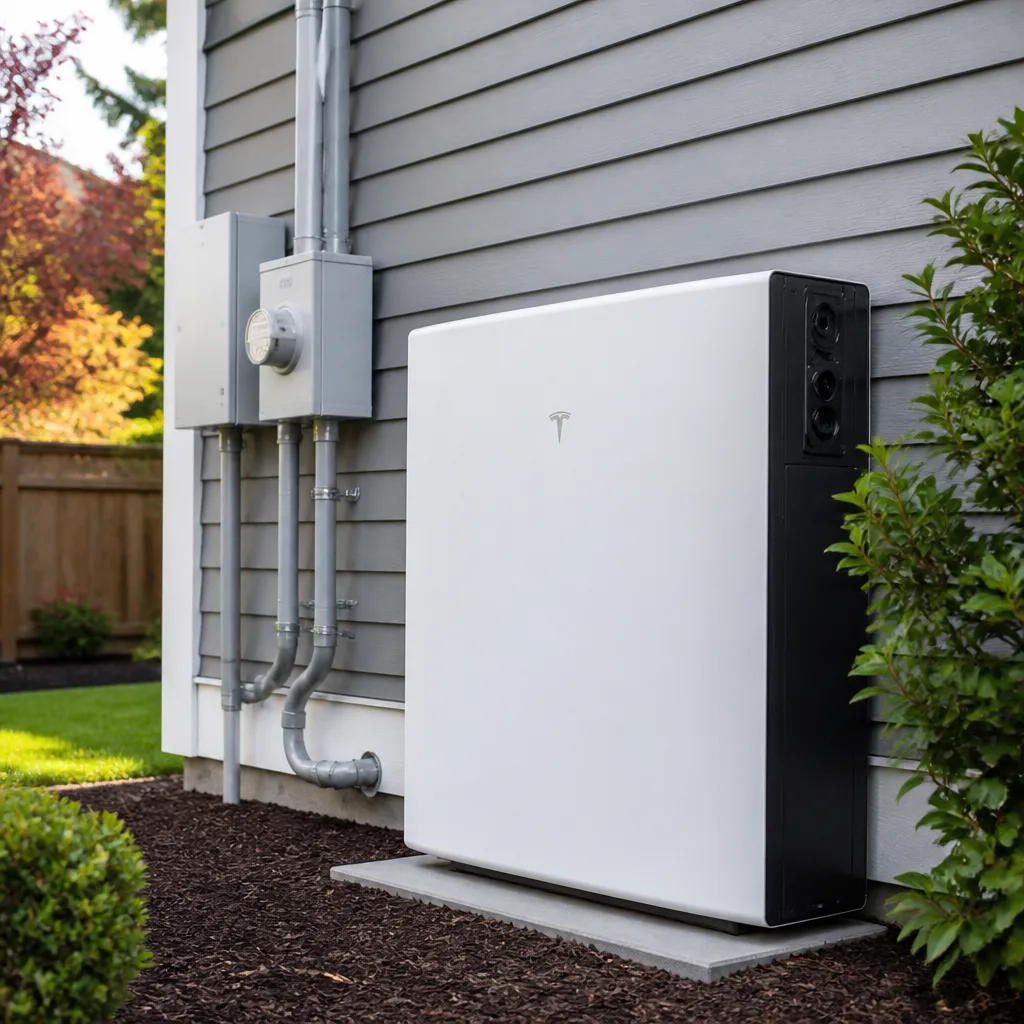
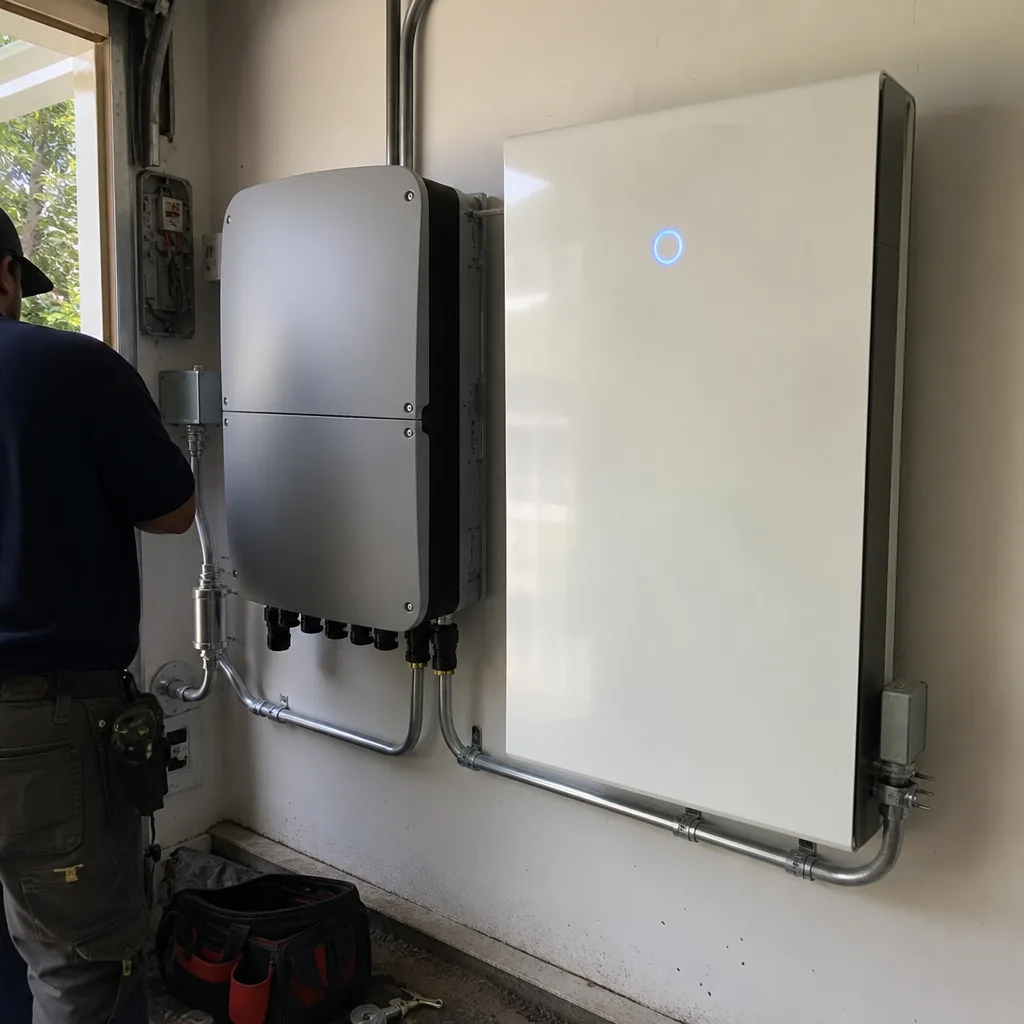
We clean and maintain systems built with Panasonic, Canadian Solar, JinkoSolar, and FranklinWH components, among others. The brand on the panel matters less to a cleaning than the age of the system and the condition of the racking, but we train our crew on manufacturer-specific cleaning guidelines so nobody uses a chemical or a bristle that voids a warranty. If your Culver City home has a battery paired with the array, like a FranklinWH unit, we’ll check the cabinet for dust buildup and ensure the cooling vents are clear while we’re on site. It’s a small thing that extends the life of the equipment.
Common Solar Panel Cleaning Problems We See in Culver City Homes
- Marine layer grime that hardens into a crust. The coastal moisture that settles on panels overnight from May through July mixes with dust and pollen, and if it’s not cleaned within a few weeks of the season ending, it bakes into a residue that’s much harder to remove. This is the most common issue we see across 90230 and 90232.
- Eucalyptus and magnolia debris from mature parkway trees. Culver City’s older neighborhoods were landscaped generations ago, and those trees are now 60 to 80 feet tall. They drop leaves, seed pods, and sap onto panels all year, but especially during Santa Ana season in the fall.
- Pigeon and squirrel nesting under arrays on older tile roofs. The combination of aging clay or concrete tile roofs and the protected gap under solar racking creates ideal nesting spots. Once a colony establishes, droppings and nesting material can cut panel output and attract additional pests.
- Microinverter heat stress from poor airflow. On older Culver City bungalows with low-profile racking, heat builds up under the panels. When soiling adds a layer of insulation, the gap temperature climbs, and microinverters age faster. A regular cleaning improves airflow and reduces that thermal load.
Pricing for Solar Panel Cleaning in Culver City, CA
A standard residential cleaning for a 20-25 panel array in Culver City runs $150-$275. Larger arrays or homes with steep pitches and difficult access, like some of the hillside properties near Blair Hills, run $275-$400. Commercial flat-roof systems are quoted per panel, typically $4-$8 per panel depending on roof access and soiling condition. Critter guard installation is separate and runs $300-$600 for a typical residential perimeter, including removal of any existing nesting material. Scheduled cleaning plans start at $250 per year for two cleanings on a standard residential array. Every quote is free, and the number we give you is the number you pay. No trip charge inside our own county. Bring us your bill and we’ll show you exactly what dirty panels are costing you on your SCE true-up.
Call (877) 550-6892 for a free estimate. We’ll give you a price over the phone or after a quick site visit, and you can take two weeks to think about it. The price will be the same.
A Note on Culver City’s Own Rules
Here’s something most solar cleaning companies won’t tell you, because most of them don’t know it. Culver City operates its own building and safety department, separate from LA City’s LADBS. Homes here are served by Southern California Edison, not LADWP. That matters for cleaning work in a specific way. A property one block away, across the city border into Los Angeles, falls under a completely different utility and permitting regime. The net metering rates your solar system earns are different. The interconnection paperwork is different. A crew that treats your Culver City roof like just another LA job is missing the context that determines whether a cleaning is routine or urgent. We know which side of the border your house sits on, and we know what that means for your system’s payback math.
Our crew cleaned a 1940s bungalow’s solar array in Sunkist Park where a decade of coastal marine layer residue and tree debris had cut production enough that the homeowner’s true-up statement showed a surprise charge. We removed the soiling, inspected the microinverters for heat stress, and confirmed the azimuth and panel tilt hadn’t shifted. The system’s payback period got back on track without any interruption to net metering credits. That’s the kind of detail that matters when you’re paying for a service, and it’s why we don’t rush through a cleaning with a pressure washer and a wave.
We Also Serve Cities Near Culver City
If you’re just outside the Culver City border, we also serve Ladera Heights, Century City, Venice, and Beverly Hills. The utility and permitting picture changes quickly once you cross those lines, and we keep track of those differences for every property we service. If you’re in one of those areas, give us a call and we’ll tell you exactly what applies to your address.
Serving Culver City, CA - Our Local Coverage Area
We’re based in the Culver City area and know this community well. Use the map below to see our service coverage - if you’re nearby, we can almost certainly help.
FAQs - Solar Panel Cleaning in Culver City
No, it usually means the opposite. The marine layer in Culver City deposits a moist film on panels that traps dust and pollen, and when the fog burns off in the late morning, that film bakes into a crust. Inland cities get dry dust that a rainstorm can partially wash away. Culver City panels hold onto soiling longer, so most of our customers here benefit from twice-a-year cleanings. Call (877) 550-6892 and we’ll look at your specific array and tell you what the buildup pattern has been for other homes on your street.
Yes, and this happens more than it should. Culver City has its own building and safety department, and certain structural changes near the array, like moving racking or adjusting the attachment points, can require a permit from the city. A cleaning crew that doesn’t know Culver City’s rules might start loosening hardware or repositioning rails without realizing they’re creating a code issue. Our crew is trained on what’s routine maintenance and what crosses into permit territory, and we’ll tell you before we touch anything structural. If a permit is needed, we’ll say so plainly and let you decide.
Southern California Edison’s net metering rates in Culver City are structured differently than LADWP’s, and the difference matters when panels are dirty. SCE’s time-of-use windows mean the highest-value production hours are in the late afternoon and early evening, exactly when a dirty panel in a coastal climate is already losing output to haze and heat. A 10% production loss during those peak-rate hours costs more on your true-up than a 10% loss at noon. That means a cleaning that restores peak-hour output has a faster payback for Culver City SCE customers than it would for an LADWP customer in Los Angeles. We build that math into our estimate. Bring us a bill, we’ll bring you the numbers.
Yes. Pigeons are the main problem, and they’re worse in the older neighborhoods with mature trees and clay tile roofs, like the areas around Carlson Park and Veterans Park. Squirrels also nest under arrays where roof edges have gaps or where old satellite dish mounts left openings. During a cleaning, we check the entire array perimeter for nesting signs, and if we find activity, we can install critter guard the same day. The guard pays for itself by preventing the kind of damage that turns a $200 cleaning into a $1,500 repair.
A charge on your SCE true-up after a cleaning usually means one of three things: the system was undersized from the start, the production loss from soiling went on long enough that it permanently reduced your annual credit balance, or the panels were cleaned but the inverter or microinverters have an undiagnosed fault. We see all three in Culver City, and we’ll help you figure out which one applies. Sometimes the answer is a second cleaning focused on heat-stressed sections of the array. Sometimes it’s an inverter check. We don’t guess and we don’t sell you a service you don’t need. Call (877) 550-6892 and we’ll come look.
Written by Gus Petrakis, Owner at Gus’s Solar, serving Culver City since 2011.