

Free bill analysis - bring a power bill, get the production math for your actual roof, panel brands like Qcells and REC compared side by side
If the pitch starts at your door and ends with "sign tonight for the special," sleep on it. The sun will still be there tomorrow; so will we.
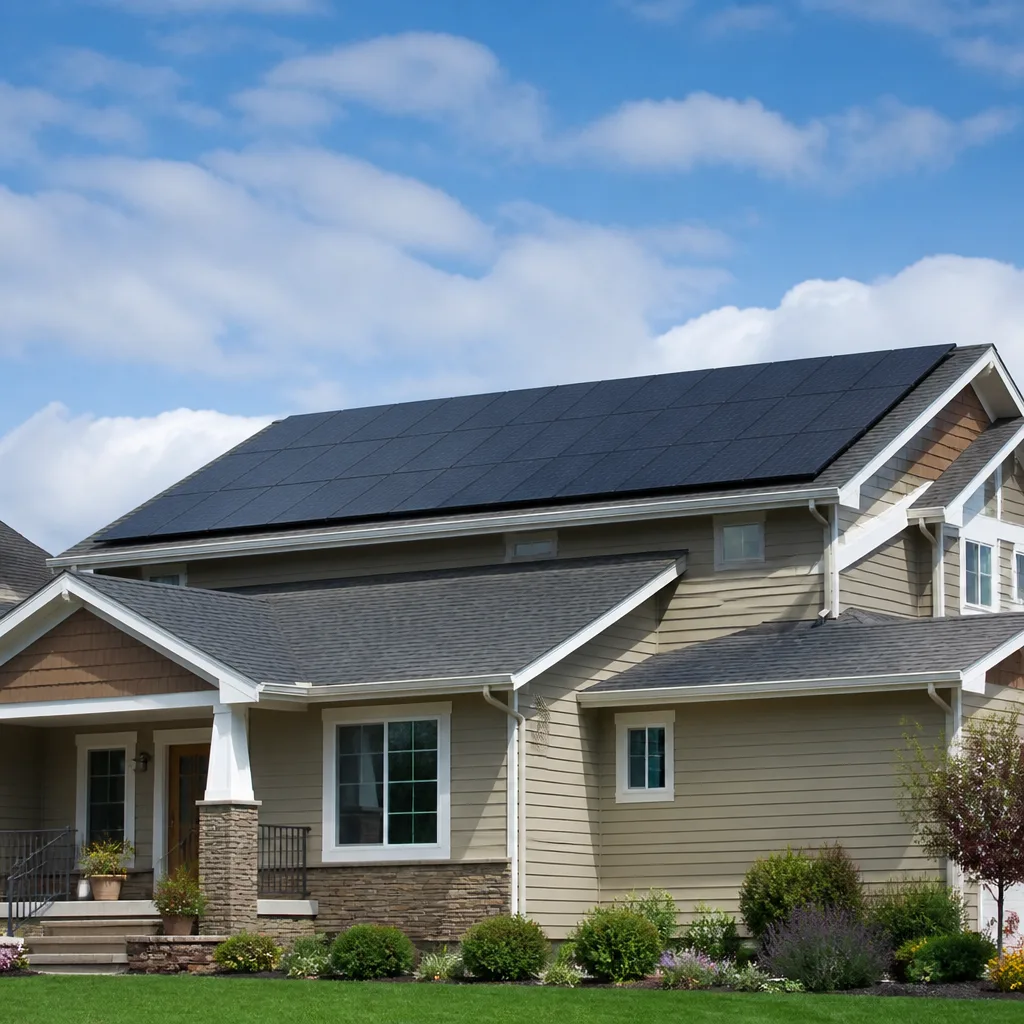
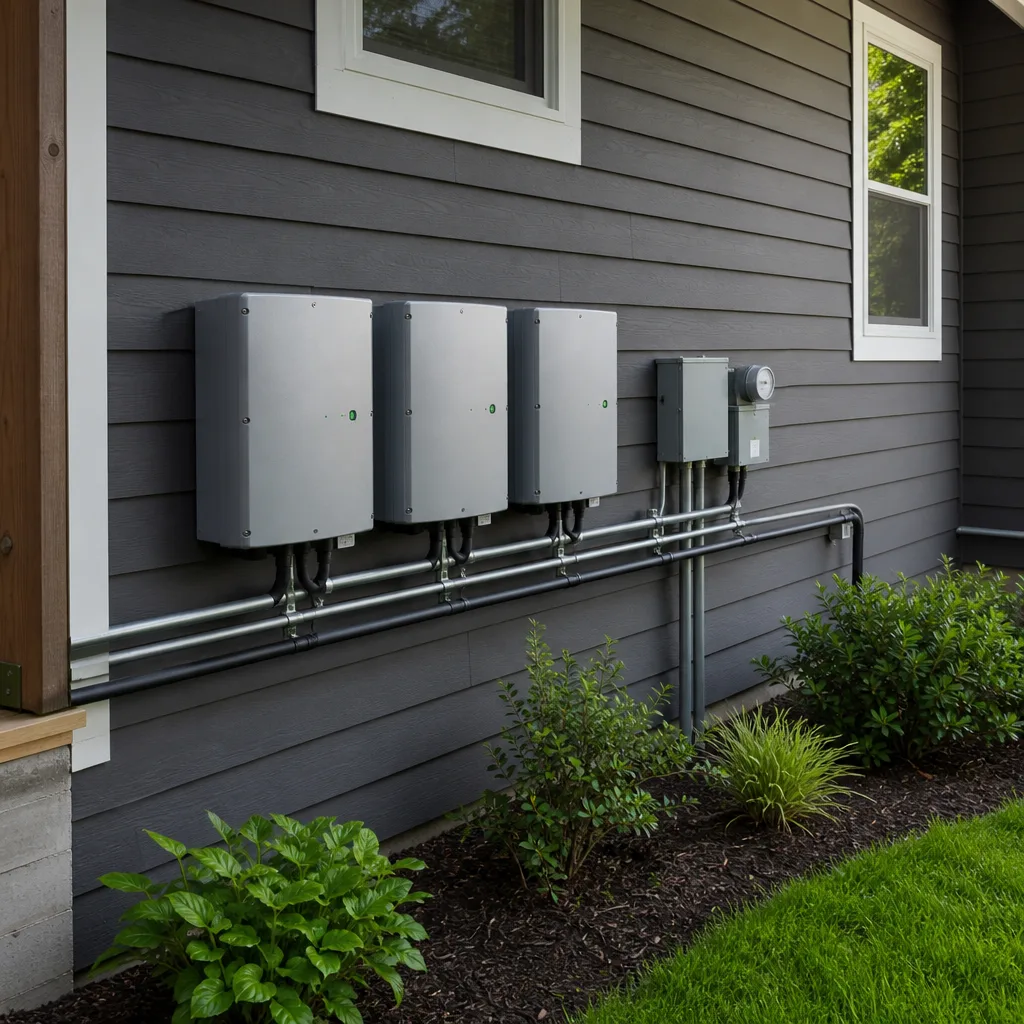
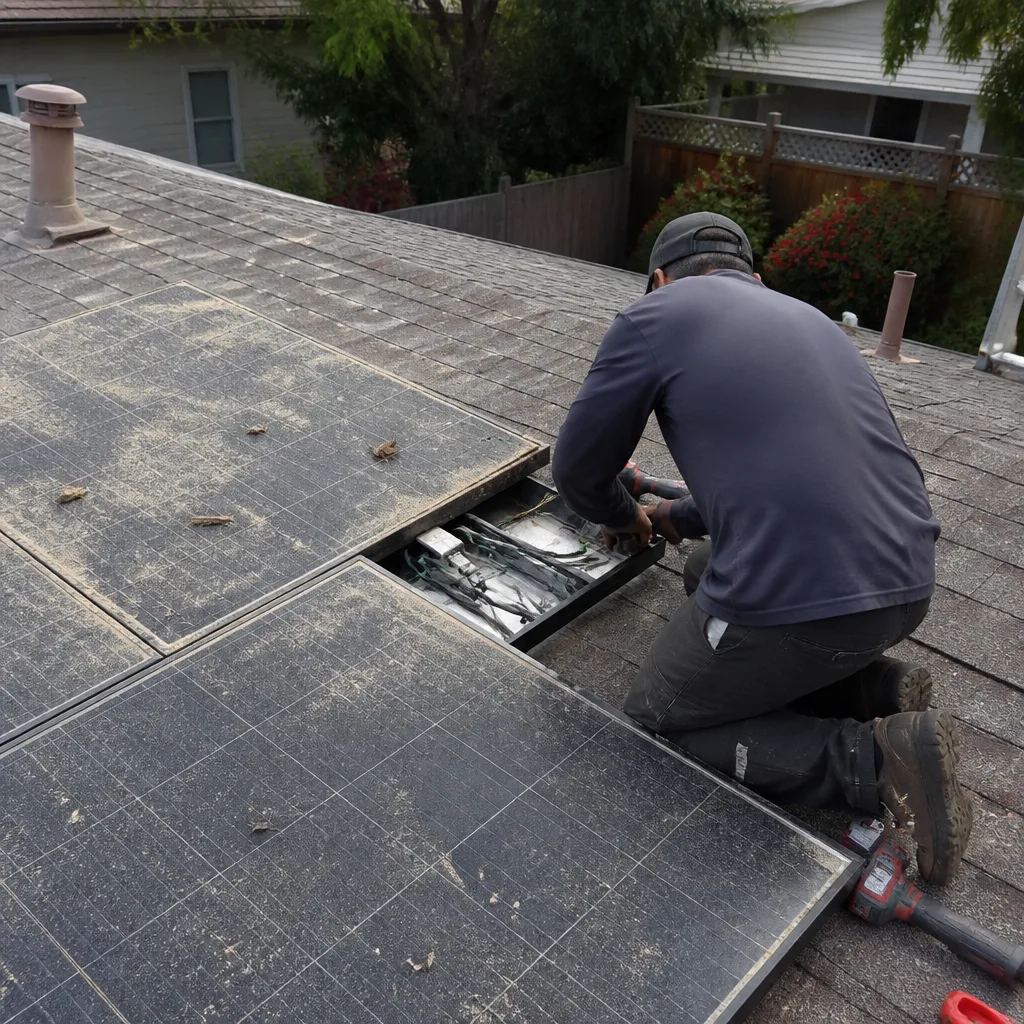 Before
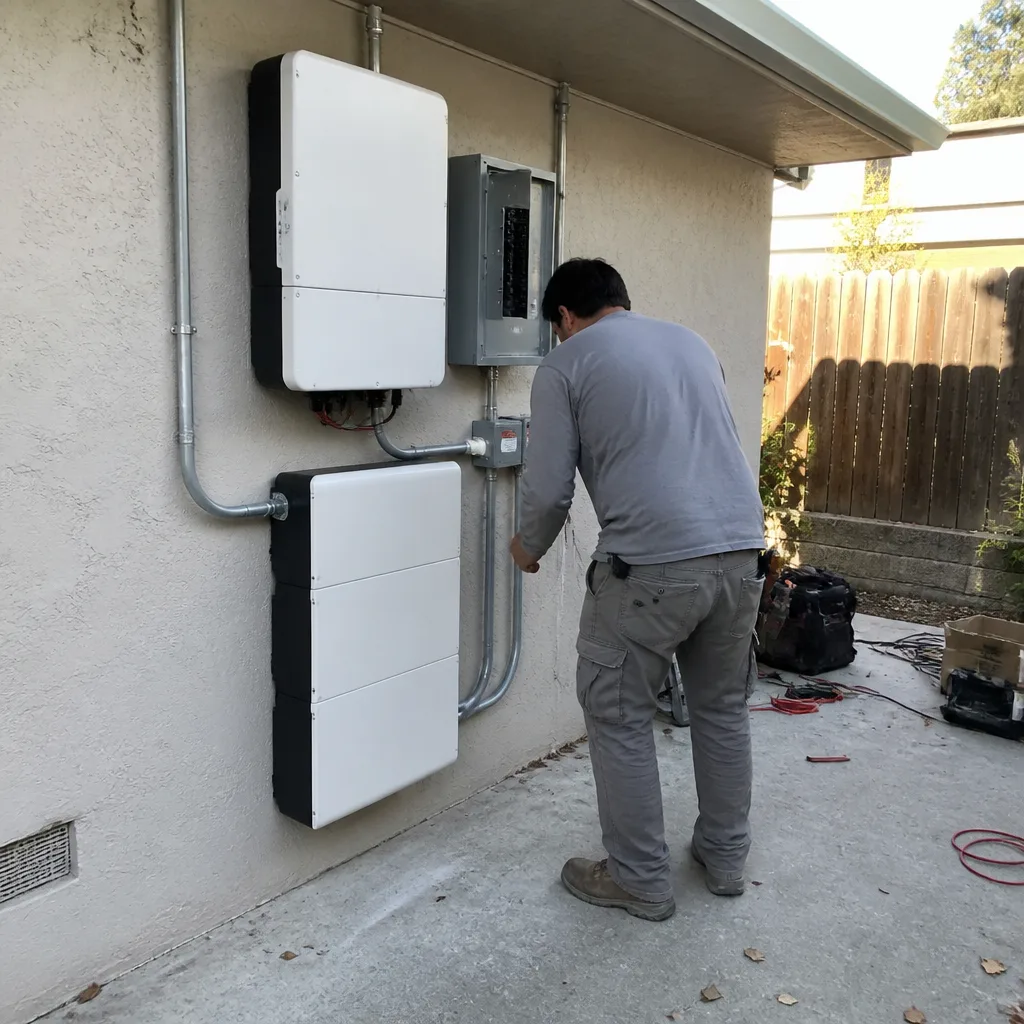 After
After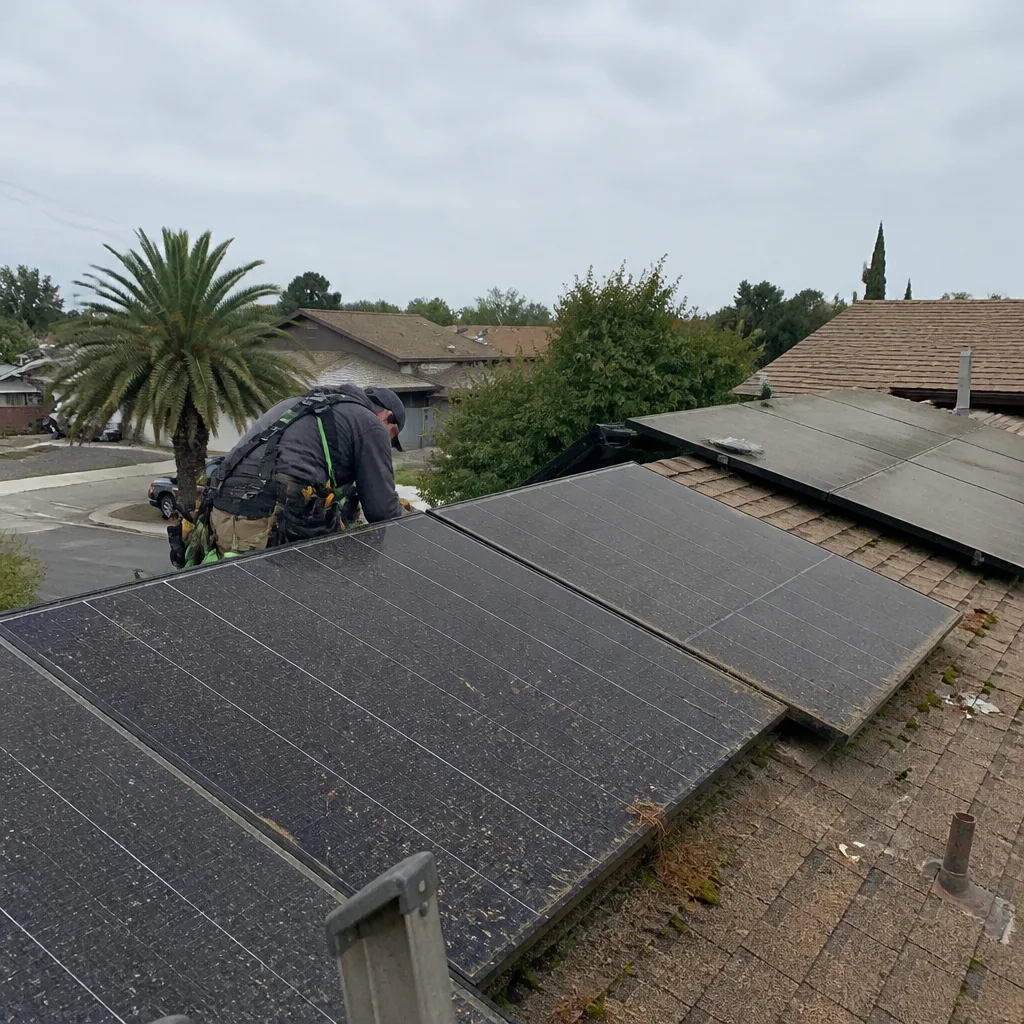 Before
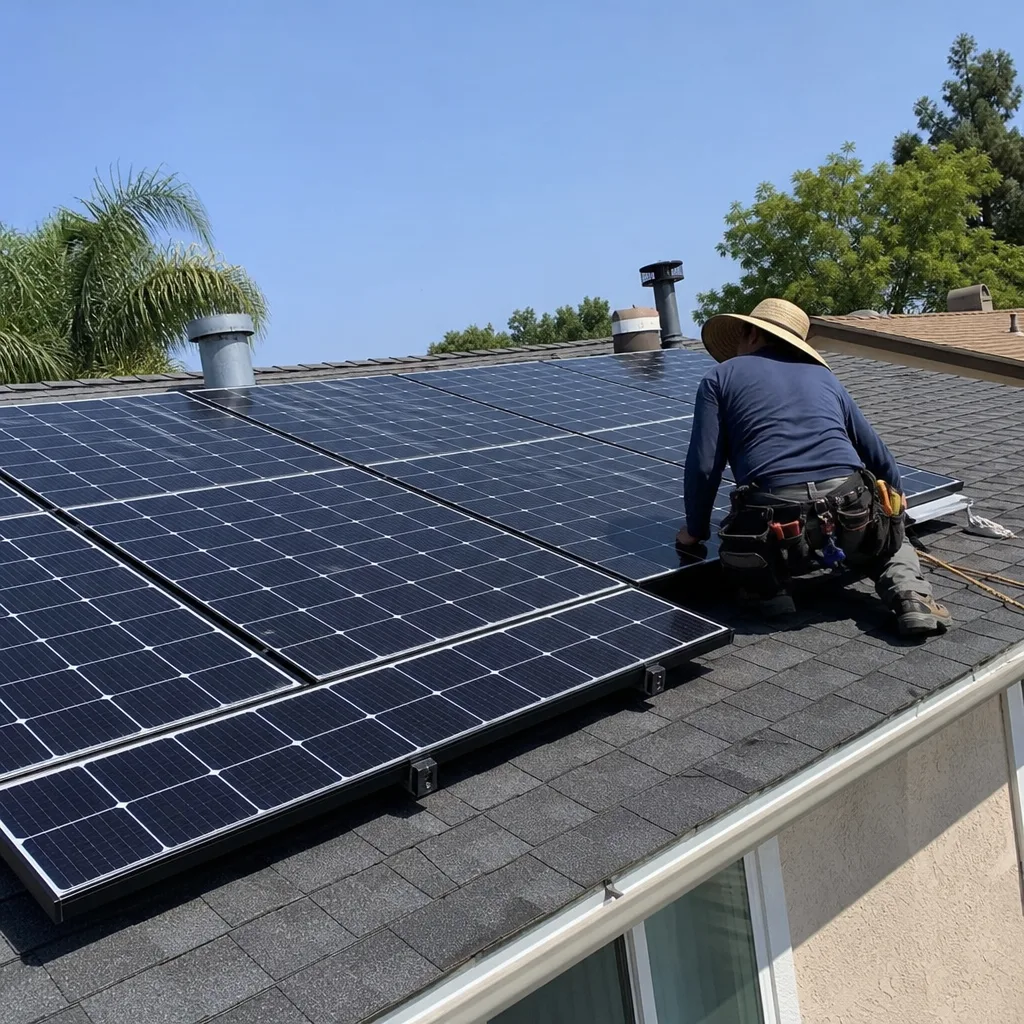 After
After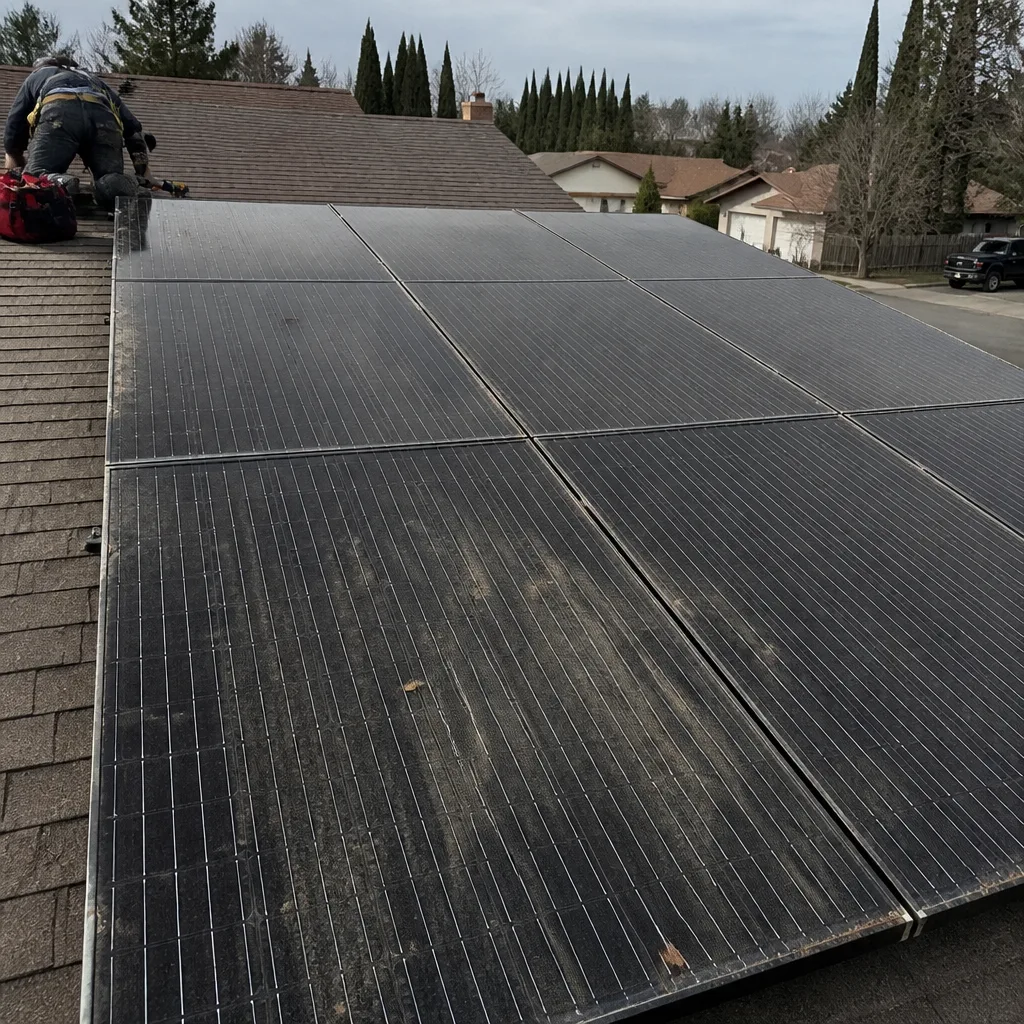 Before
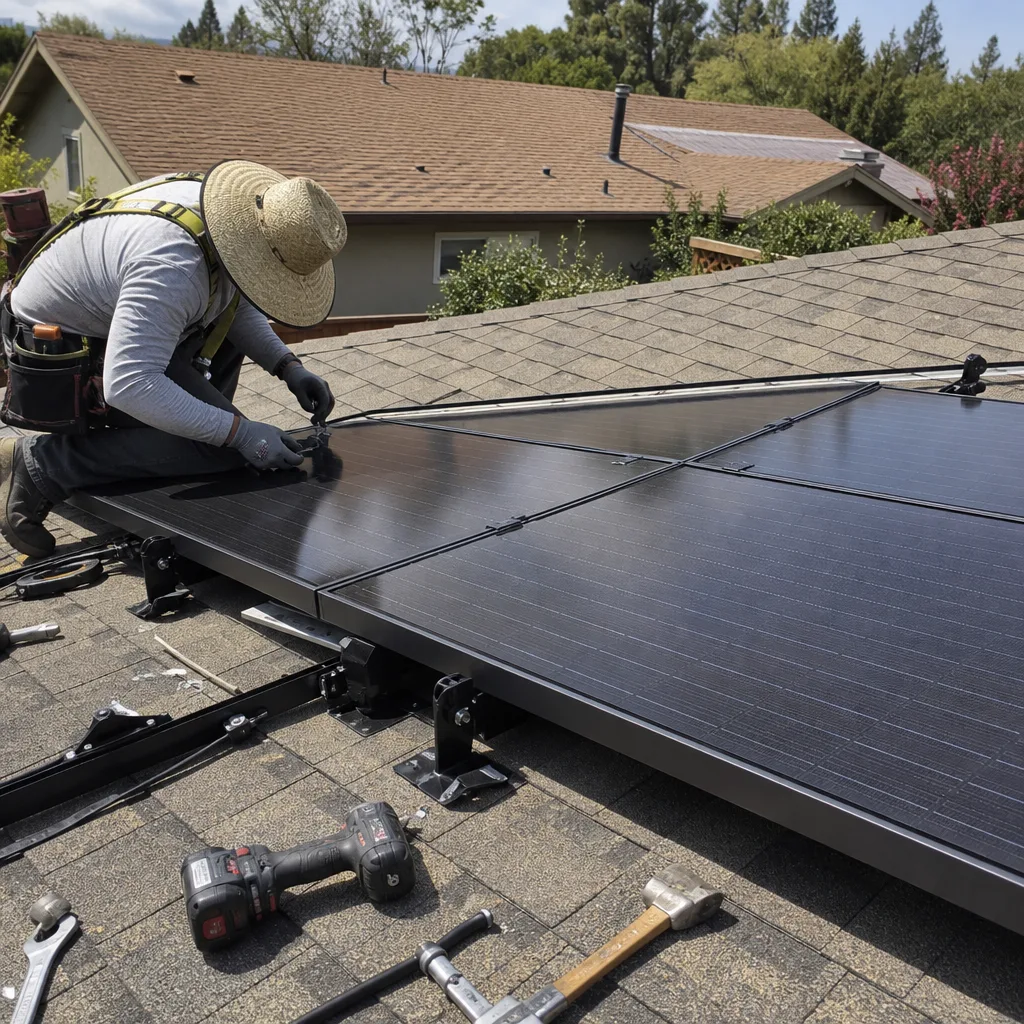 After
AfterFast, Reliable Solar Battery Storage & Backup Across Strawberry
Solar battery storage in Strawberry, CA typically runs $9,500-$18,500 installed, and the real question for mountain cabins is not “can I save on my bill” but “will my pipes freeze when PG&E goes down in January.” We plan systems around a cabin that sits empty for five months under snow. That’s the difference between a battery that works when you need it and a $12,000 paperweight you discover in June. Gus’s Solar has been doing this for over 29 years, and a live person answers 24/7 at (877) 550-6892.
Key takeaways for Strawberry homeowners:
- Batteries installed outdoors on Strawberry cabins fail when temperature drops below 32°F; thermal management is non-negotiable.
- A seasonal cabin needs 3-4 days of critical-load backup, not the 1-day figure valley installers quote.
- Retrofitting a 2010s-era solar array to a new battery is standard work here, but your old 100-amp panel often needs an upgrade first.
- Prices below include the heated enclosure or interior placement Strawberry’s climate demands.
- We quote off your real bill and your real outage history, not a brochure. Bring us a bill, we’ll bring you the math.
How Much Does Solar Battery Storage Cost in Strawberry?
A single Tesla Powerwall 3 or Enphase IQ Battery 5P installed in Strawberry runs $11,000-$15,500 depending on whether we can use an interior closet or must build a heated enclosure. Two-battery systems for whole-home backup on larger cabins run $19,000-$27,000. Retrofitting a battery to an existing solar array adds $1,500-$3,000 in electrical work beyond the battery itself. Here’s the Strawberry-specific breakdown:
| Scope | Strawberry Price Range | Notes |
|---|---|---|
| Tesla Powerwall 3, single unit | $11,000-$14,500 | Interior closet placement preferred; heated enclosure adds $1,800-$2,600 |
| Enphase IQ Battery 5P (5 kWh) | $4,800-$7,200 per unit | Two units typical for whole-home critical loads |
| Whole-home backup (2 batteries + panel upgrade) | $19,000-$27,000 | Includes 200A service upgrade, smart load management |
| Retrofit to existing solar | $1,500-$3,000 electrical work | Plus battery cost; includes permitting to Tuolumne County |
| Battery replacement or expansion | $6,500-$14,000 | Depends on whether old mounting and wiring can be reused |
Call (877) 550-6892 for an exact quote. Estimates are free, and nobody’s going to ask you to sign tonight. Take two weeks. Think about it. The price will be the same.
Why Gus’s Solar Is Strawberry’s Preferred Solar Battery Company
Gus Petrakis puts his own name on the truck and his own crew on your roof. That’s it. No subcontractors, no call center three states away. When you call about a battery that’s not charging during a snowstorm, the person answering actually knows what a Chiquito Ridge Road winter looks like.
Strawberry homeowners who’ve been through one bad winter outage tend to call us after the national installer stops returning calls. We hear the same story: someone sold them a system designed for a Modesto subdivision, mounted the battery on a north-facing exterior wall, and by February the pack hit its cold-weather protection limit and shut off permanently. That’s a dead $7,000 battery. Gus’s crew has pulled more than one of those off a Strawberry cabin wall. We size for the mountain, not the valley.
We’ve served the 95375 ZIP code long enough to know which cabins have original 1950s fuse boxes, which roads PG&E tends to prioritize after a December storm, and which generators have been sitting with stale fuel since 2019. Our response time to Strawberry is same-day for battery issues in most cases, because we keep a truck staged in the Highway 108 corridor during outage season. A live person answers the phone at (877) 550-6892, 24/7. Not a voicemail. Not a ticket portal.
Our Solar Battery Storage & Backup Services in Strawberry
Strawberry’s housing stock is overwhelmingly A-frames and rustic cabins built between the 1950s and 1980s. That shapes every service we offer here. Steep roofs, aging rafters, 100-amp panels, and 4-5 months of below-freezing temperatures mean a valley-standard install will not survive. Here’s what we actually do.
Tesla Powerwall Installation
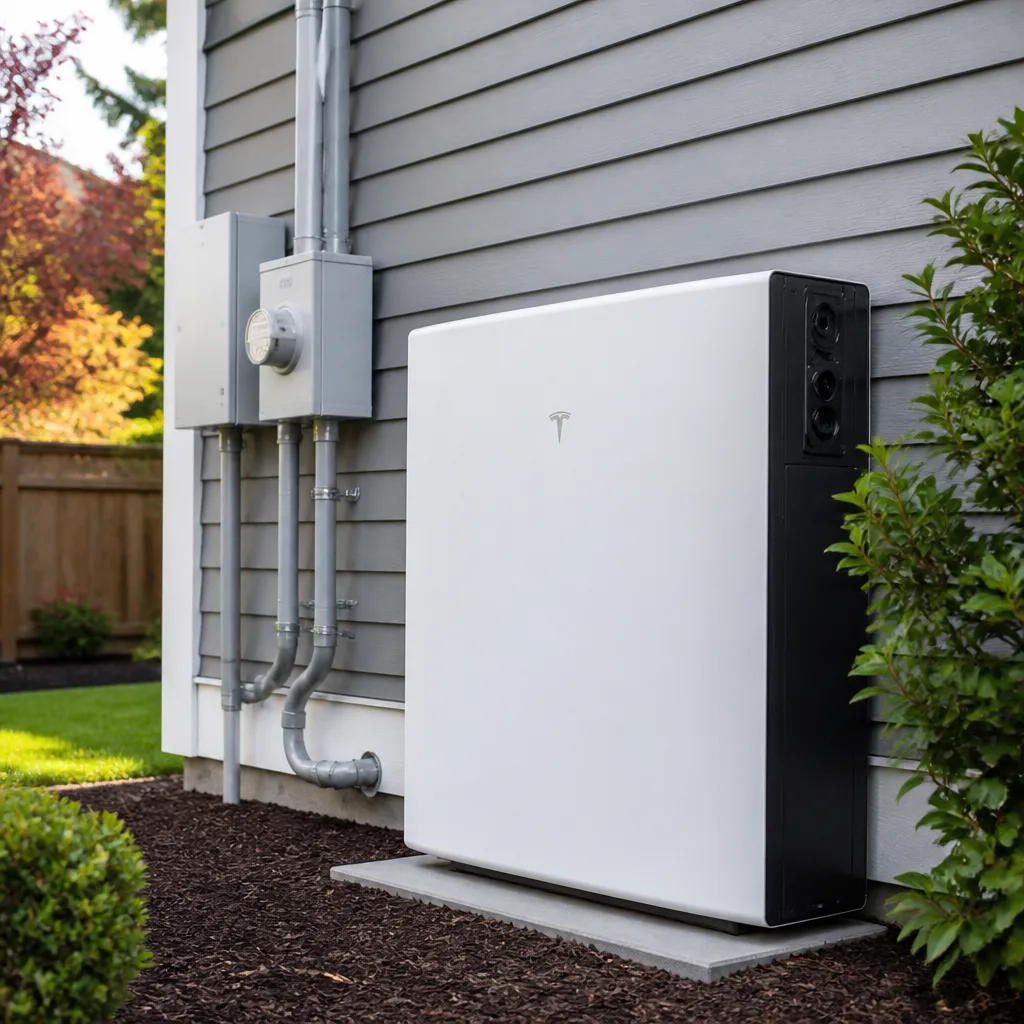
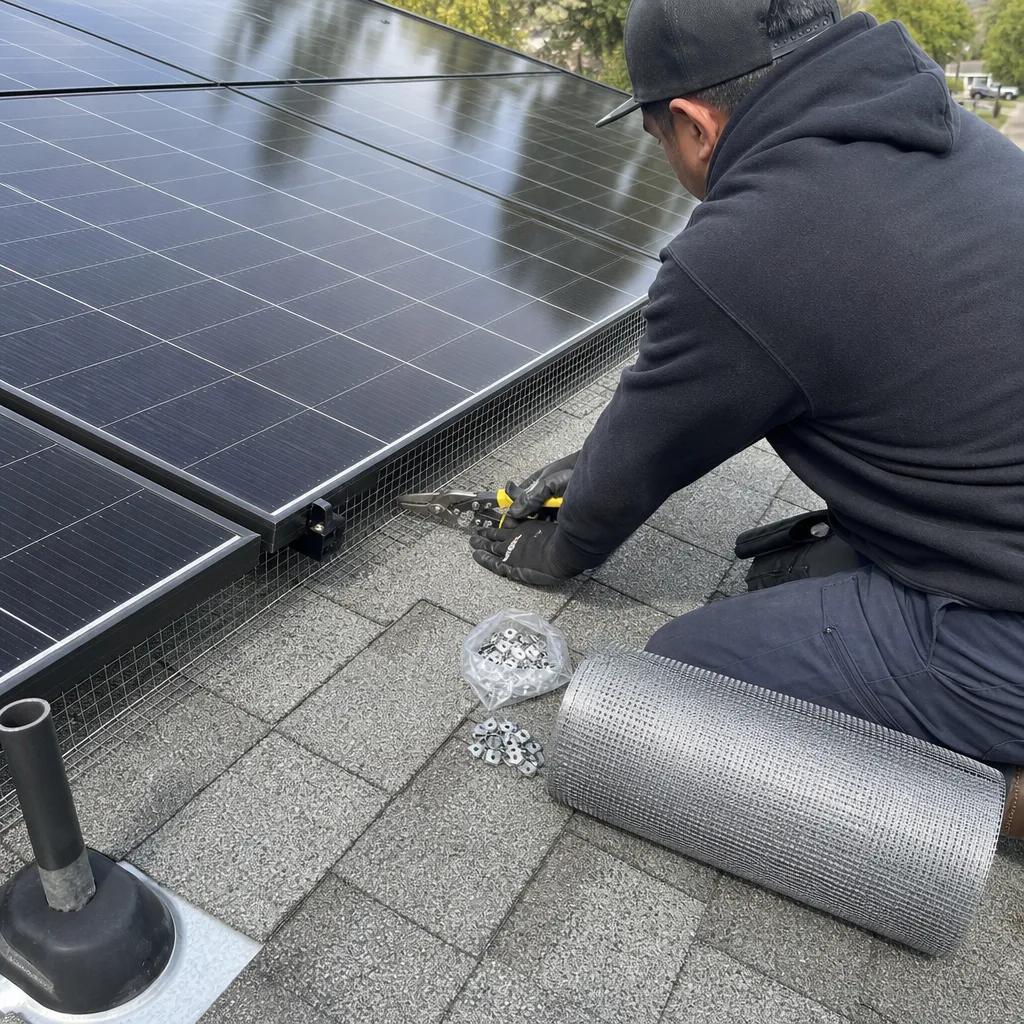
We install Tesla Powerwall 2 and Powerwall 3 systems in Strawberry, and we always start with the question of where the battery will live. On a heated utility closet, a Powerwall 3 handles Strawberry winters without issue. On an exterior wall, it will not charge below 32°F, period. Most Strawberry cabins have some interior space that works, but when that’s not an option, we build a heated enclosure rated for single-digit temperatures. A Powerwall install in Strawberry runs $11,000-$14,500 for the first unit, with the enclosure or interior placement already factored in. If your cabin has baseboard heat and a freezer, one Powerwall 3 typically carries those critical loads for 2-3 days through a PG&E outage.
Enphase IQ Battery Installation
Enphase’s IQ Battery 5P is our most common recommendation for smaller Strawberry cabins that need refrigeration, a well pump, and heat trace protection, not a full-house carry. Each unit stores 5 kWh, and two units are typical for whole-home critical loads. The same cold rule applies: the IQ Battery’s operating temperature range expects a heated space in Strawberry conditions. We inspect the interior for a suitable location, then route conduit through the wall. Prices run $4,800-$7,200 per unit installed, before any panel work.
Whole-Home Backup Power
For year-round Strawberry residents, we design whole-home battery backup systems that carry your panel’s entire critical load for 3-4 days, assuming you have enough battery capacity and your array can recharge during a winter clear spell. This typically means two batteries, a 200-amp service upgrade, and a smart load-shed device that keeps your furnace, well pump, and refrigerator prioritized while backing off non-essential loads. Most Strawberry whole-home systems land between $19,000 and $27,000. If a salesman quotes you less for a “whole-home” system without asking about your heat trace, your well pump, and your panel amperage, the answer is no.
Battery Retrofit for Existing Solar
Many Strawberry cabins had solar installed between 2008 and 2016, back when net metering was generous and batteries were too expensive to justify. Now those owners want backup, and retrofitting is perfectly doable. We assess your existing inverter and panel, then add either a Tesla Powerwall or an Enphase system, often without touching the roof array. The electrical work for a retrofit runs $1,500-$3,000, plus the battery itself. One caveat we see constantly in Strawberry: cabins built in the 1950s and 60s have 100-amp fuse boxes or original knob-and-tube branch circuits that cannot accept a whole-home backup relay safely. We’ll inspect that first and tell you straight if a service upgrade is mandatory before anything else.
What happens when you call
- 1
A real person answersNo phone trees - you reach a local pro.
- 2
You get an upfront price rangeHonest numbers before anyone is dispatched.
- 3
A background-checked tech heads outLicensed & insured, dispatched right away.
- 4
You approve before work beginsNothing starts until you say go.
Trusted Brands We Service in Strawberry
We work with the industry’s leading equipment brands, and for Strawberry’s climate we stock the ones with proven cold-weather performance: Tesla, Enphase, FranklinWH, and Panasonic. FranklinWH’s aPower battery has performed especially well for us at altitude, with a heat-pump-based thermal management system that keeps the pack within charge range even when the cabin next to you is reading 14°F. We keep critical parts locally for Strawberry customers, which means a battery firmware issue or a gateway communication fault gets resolved without a two-week wait for parts out of a warehouse. Fast turnaround matters when your freezer is on the line.
Common Solar Battery Storage & Backup Problems We See in Strawberry Homes
- Outdoor lithium batteries that never charge all winter. Valley installers mount batteries on exterior walls because that’s standard practice where lows don’t drop below 32°F. In Strawberry, an exterior battery spends November through March frozen solid. Lithium-ion chemistry cannot charge below freezing. By the time the owner returns in spring, the battery has entered permanent protection mode. That’s a dead asset. Every battery we design for Strawberry goes in a heated space or a heated enclosure, full stop.
- Legacy 100-amp panels that can’t handle the transfer switch. 1950s and 60s Strawberry cabins frequently still run on original fuse boxes rated for 100 amps or less. A whole-home battery backup relay needs a modern 200-amp panel with proper grounding. We regularly find owners who were sold a battery system by someone who never looked at the main panel. The system can’t pass inspection, and the owner is stuck with a battery in a box and a quote for an additional $4,000-$6,000 service upgrade they never budgeted for. We pull the panel cover before we quote, not after.
- Dead propane generators being counted on as backup. Strawberry has a high concentration of seasonal cabins where the owner installed a propane generator years ago and has not started it since. Fuel goes stale, carburetors gum up, and the generator fails to start on the one December night it’s actually needed. We see this pattern all along Highway 108. A solar-plus-battery system does not require fuel maintenance, and it works while the cabin is unattended. That’s the pitch no one had to make twice: come home to a warm cabin with the freezer still running.
- Batteries sized for a one-night outage, not a five-day snow event. PG&E outage durations in the Strawberry corridor are routinely 2-5 days during winter storms. A single 5 kWh Enphase IQ Battery might carry your freezer and furnace for one night. Then it’s empty, your array is buried under snow, and you have no recharging source until the plow clears your driveway and the sun comes back. We size for 3-4 days of critical loads. The cost difference is real, and so is the difference between a warm cabin and a frozen pipe manifold in the crawlspace.
The Strawberry Problem No Valley Installer Understands
Strawberry sits at roughly 4,500 to 5,000 feet along the Highway 108 corridor, and the winter snowpack routinely reaches several feet from November through April. For a solar battery, the two threats are temperature and recharge time. Most lithium-ion chemistries cannot charge below 32°F. Put the battery outside, and you’re relying on the unit’s internal heater to keep itself warm enough to accept a charge. That heater draws power from the very battery it’s trying to protect. After enough days of heavy snow with no solar input, the battery hits its cold-weather protection limit and shuts down permanently. This is not hypothetical. We have removed multiple bricked outdoor batteries from Strawberry cabins in the month of June.
At a 1970s A-frame off Chiquito Ridge Road, we retrofitted an existing 4.2 kW solar array with a Tesla Powerwall 3 after the owner’s neglected propane generator failed to start during a December outage. Our techs confirmed the old 60-amp main panel and the cabin’s steep 10/12 roof rafters were sound, then placed the Powerwall inside a heated utility closet because the outside wall is snow-buried and below 20°F most of January. The system now carries the cabin’s baseboard heat and freezer through multi-day PG&E outages while the owner is away. That’s the standard we design to in Strawberry, and it’s not the standard a Modesto-based installer will bring up the mountain.
If you own a seasonal Strawberry cabin, the battery spec that matters is this: heated placement, 3-4 days of critical-load capacity, and a system that monitors itself and can be checked remotely while you’re in the Bay Area. We build those systems. And if your old generator is still sitting there, we’ll tell you honestly whether the battery is the right replacement or whether you should keep both.
Time-of-Use & NEM 3.0 Optimization for Strawberry
Since NEM 3.0 went into effect, the economics of solar in PG&E territory changed for everyone, but Strawberry has its own calculus. A valley homeowner can arbitrage time-of-use rates by storing daytime solar and exporting at peak evening hours. In Strawberry, the bigger issue is that winter outages wipe out any export credit you were expecting. If your battery is sized only for daily load shifting, it will be empty by hour four of a five-day outage, and there’s no solar input until the snow clears. So we optimize differently. We prioritize outage survival and then capture whatever TOU savings are available. The two goals can conflict, and we side with keeping your pipes thawed. Bring us a bill, we’ll bring you the math on what NEM 3.0 actually means for a seasonal Strawberry cabin with PG&E’s current export rates.
We Also Serve Cities Near Strawberry
Our crews serve Strawberry and the surrounding Highway 108 and foothill communities, including Strawberry itself as well as Pollock Pines, Ione, Oakdale, and Waterford. If you’re in one of those areas, the same team and the same cold-weather methodology applies. Our Solar Battery Storage & Backup work throughout the region follows the same rule: design for the mountain, not for the brochure.
Serving Strawberry, CA - Our Local Coverage Area
We’re based in the Strawberry area and know this community well. Use the map below to see our service coverage - if you’re nearby, we can almost certainly help.
FAQs - Solar Battery Storage & Backup in Strawberry
No, not unless you want a bricked battery by February. Most lithium-ion chemistries cannot charge below 32°F, and Strawberry outside walls spend months well below that. Both Tesla and Enphase batteries have internal heating, but that heater draws from the battery it’s protecting, and after enough snow days with no solar input, the unit hits its cold-weather protection limit and refuses to charge. We install batteries in heated interior spaces, typically a utility closet, or in a heated enclosure we build specifically for Strawberry conditions. If a contractor quotes you an exterior wall mount without asking about winter temperatures, get a second opinion. Call (877) 550-6892 and we’ll tell you straight.
Three to four days of critical-load capacity, not the one-day figure valley installers use. PG&E outages along the Strawberry corridor routinely run 2-5 days in winter, and your array will be buried under snow for much of that time. Your critical loads, meaning the freezer, well pump, and heat trace for pipes, need to run unattended while you’re not there. A single 5 kWh Enphase IQ Battery is not enough for that. Two Enphase 5P units or one Tesla Powerwall 3 is the typical starting point. If your load calc suggests more, we’ll tell you, and we’ll show you the math off your actual usage, not a guess.
Yes, in almost all cases. Panels installed between 2008 and 2016 work fine with modern battery systems, provided the inverter is either compatible or we replace it as part of the retrofit. The snow is the bigger variable. If your array was installed at a shallow tilt, Strawberry’s heavy snowpack can bury it for weeks, which means no recharging during exactly the outages you bought the battery to survive. We assess tilt angle and sometimes recommend a steeper re-rack for snow shedding. That’s a Strawberry-specific conversation you will not get from a valley installer. The electrical work for a retrofit runs $1,500-$3,000, plus the battery.
Yes, if the system is designed for unattended operation, which is exactly how we build for Strawberry’s seasonal cabins. Modern Tesla Powerwall and Enphase systems include remote monitoring that we can access from our end. If a fault occurs, we get an alert and can often diagnose it remotely or send someone up the hill. The system does not require anyone on-site to reset it under normal conditions. What does require attention is the old propane generator sitting next to it. If you’re keeping both, we recommend exercising the generator quarterly, and we can include that in a maintenance plan. But dozens of Strawberry owners have simply removed the generator entirely and rely on the battery alone. The choice is yours, and a free estimate at (877) 550-6892 will help you decide.
Yes, and in most cases it should. Propane generators in Strawberry suffer from the same neglect pattern we see all along Highway 108: the cabin sits empty, fuel goes stale, the carburetor gums up, and the generator fails on the one night it’s actually needed. A solar-plus-battery system has no fuel to go stale and no engine to gum. It operates unattended and self-monitors. The tradeoff is upfront cost, a battery system runs $11,000-$15,500 for a single unit, versus maybe $6,000-$9,000 for a new standby generator. But the battery has no fuel bills, no maintenance, and works when no one is there to pull a recoil cord. If your generator has already failed you once, that’s the conversation we should have.
Call Gus’s Solar for Battery Storage & Backup in Strawberry
If your Strawberry cabin has a solar array that does not work when PG&E goes down, or a propane generator you no longer trust, call (877) 550-6892 and talk to a live person. We will ask about your panel, your outage history, and where the battery can live where it will not freeze. Then we’ll give you a number off your actual usage. No signature wanted tonight. No pressure. Just a straight answer from a local crew that has been doing this for over 29 years, backed by the 90-Day Done Right Promise: if it’s not right, Gus makes it right, in writing, on every job.
Written by Gus Petrakis, Owner at Gus’s Solar, serving Strawberry and the Highway 108 corridor since 2011.