

Free bill analysis - bring a power bill, get the production math for your actual roof, panel brands like Qcells and REC compared side by side
If the pitch starts at your door and ends with "sign tonight for the special," sleep on it. The sun will still be there tomorrow; so will we.
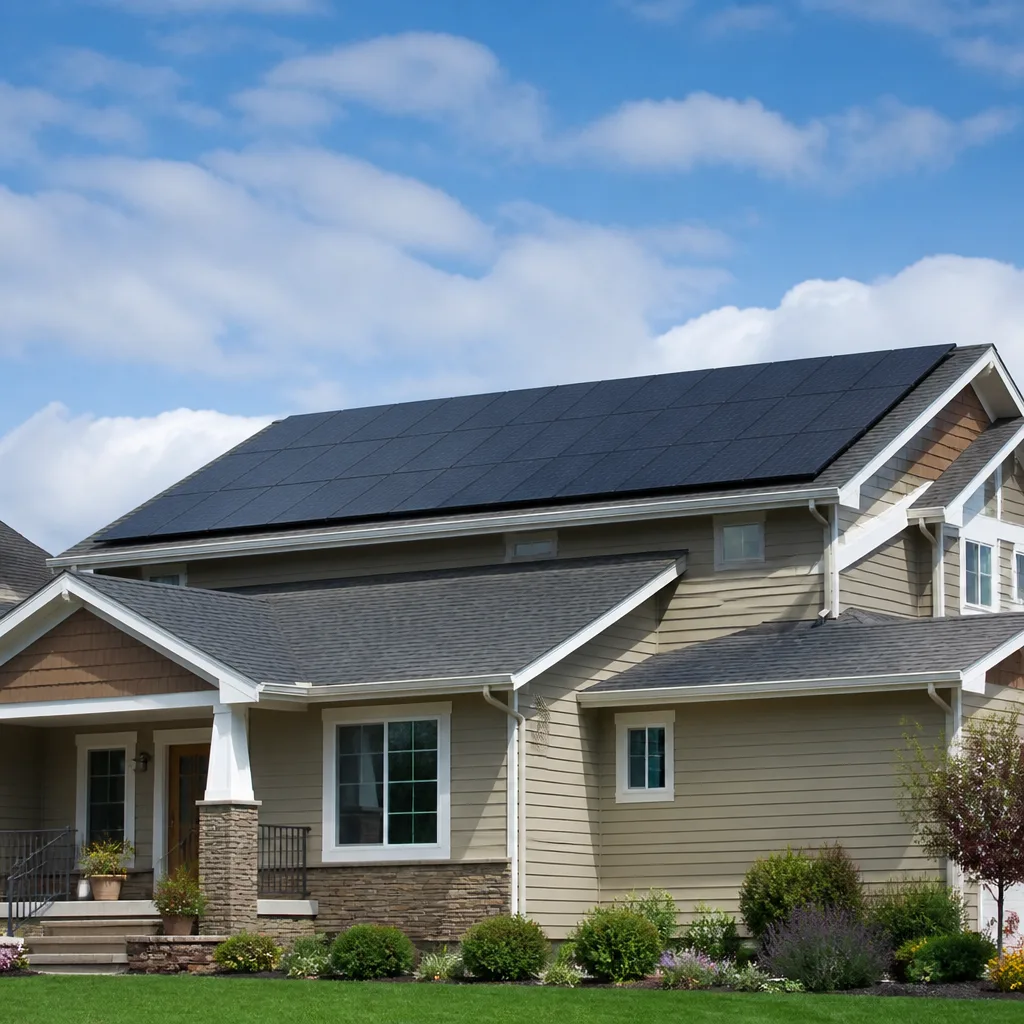
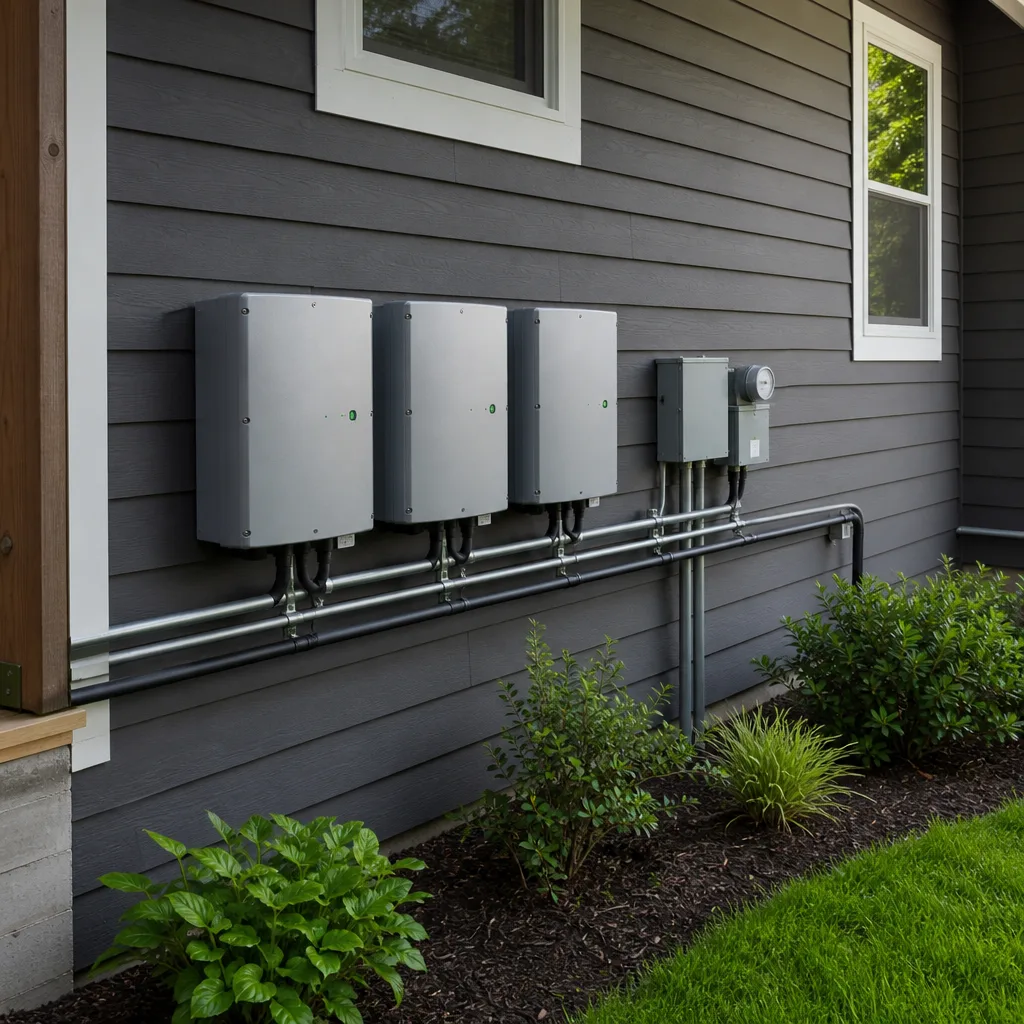
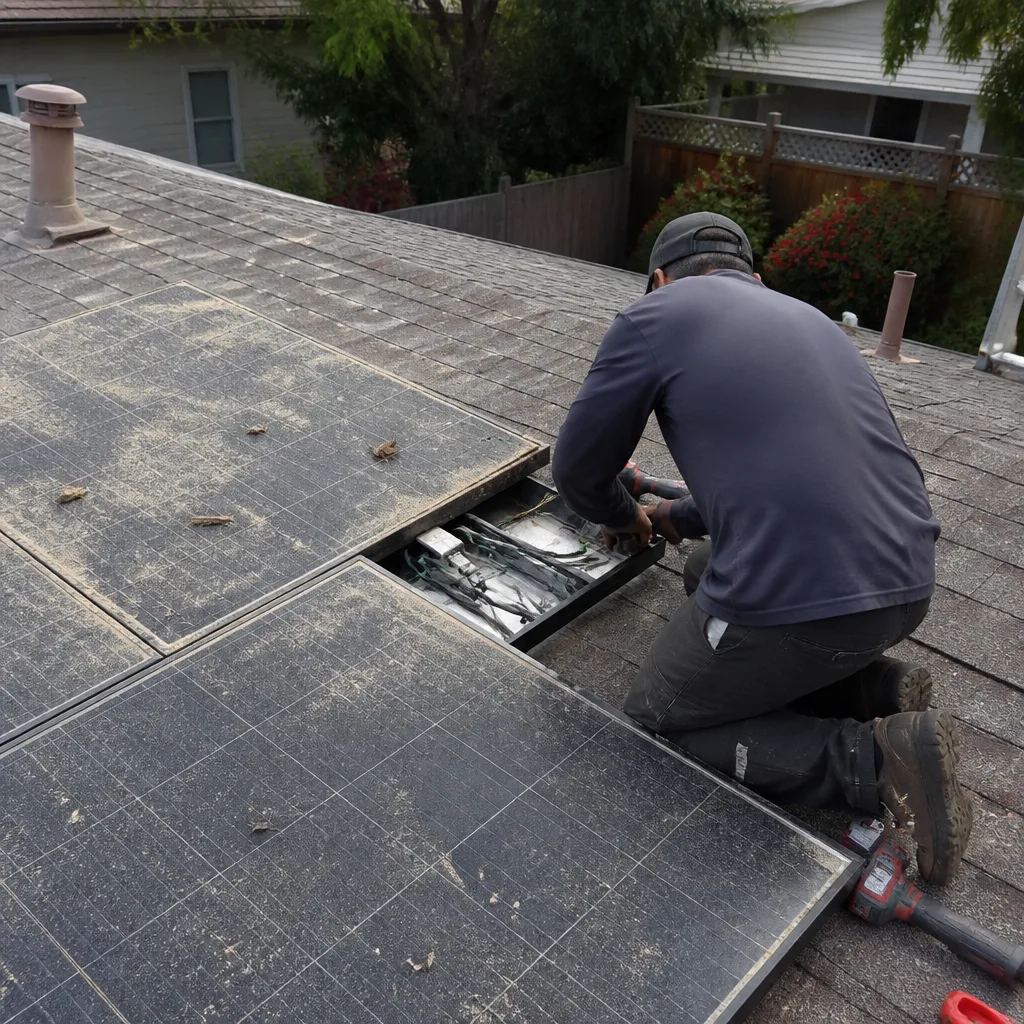 Before
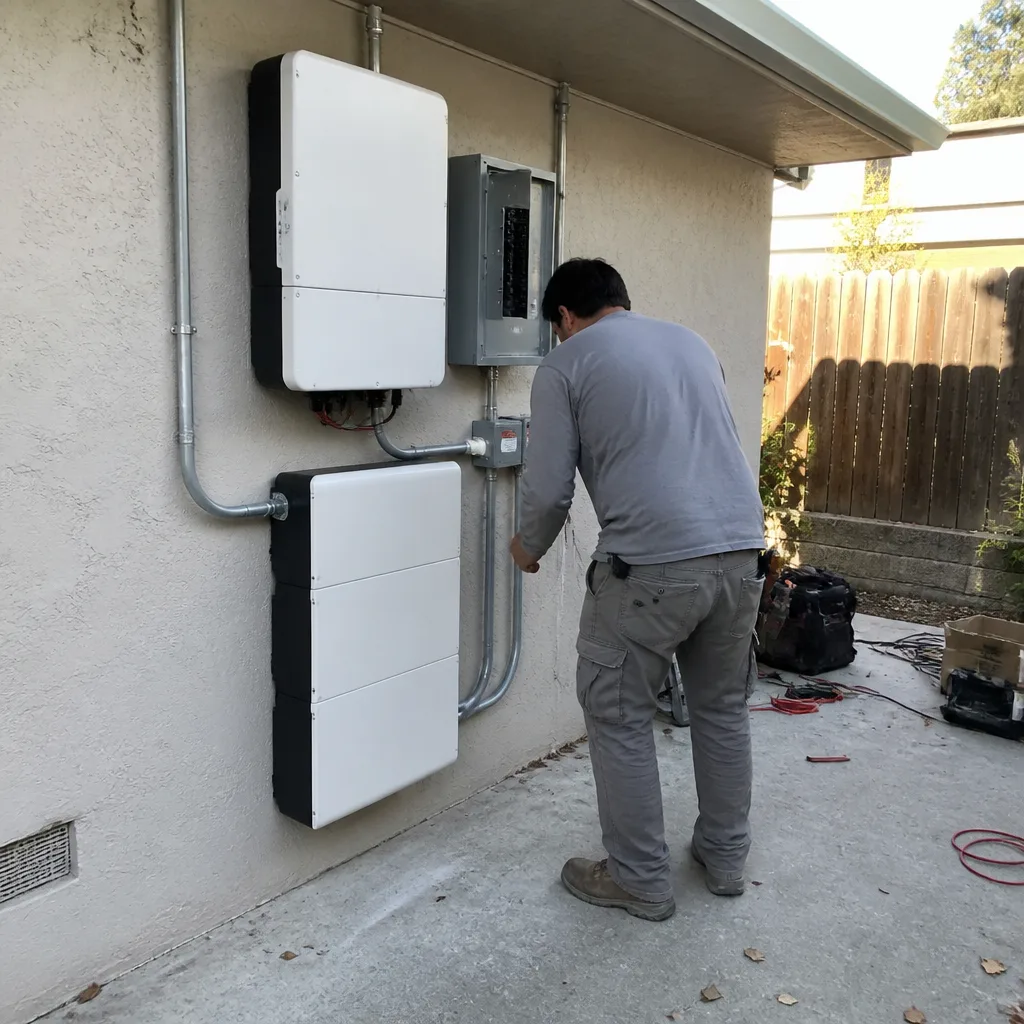 After
After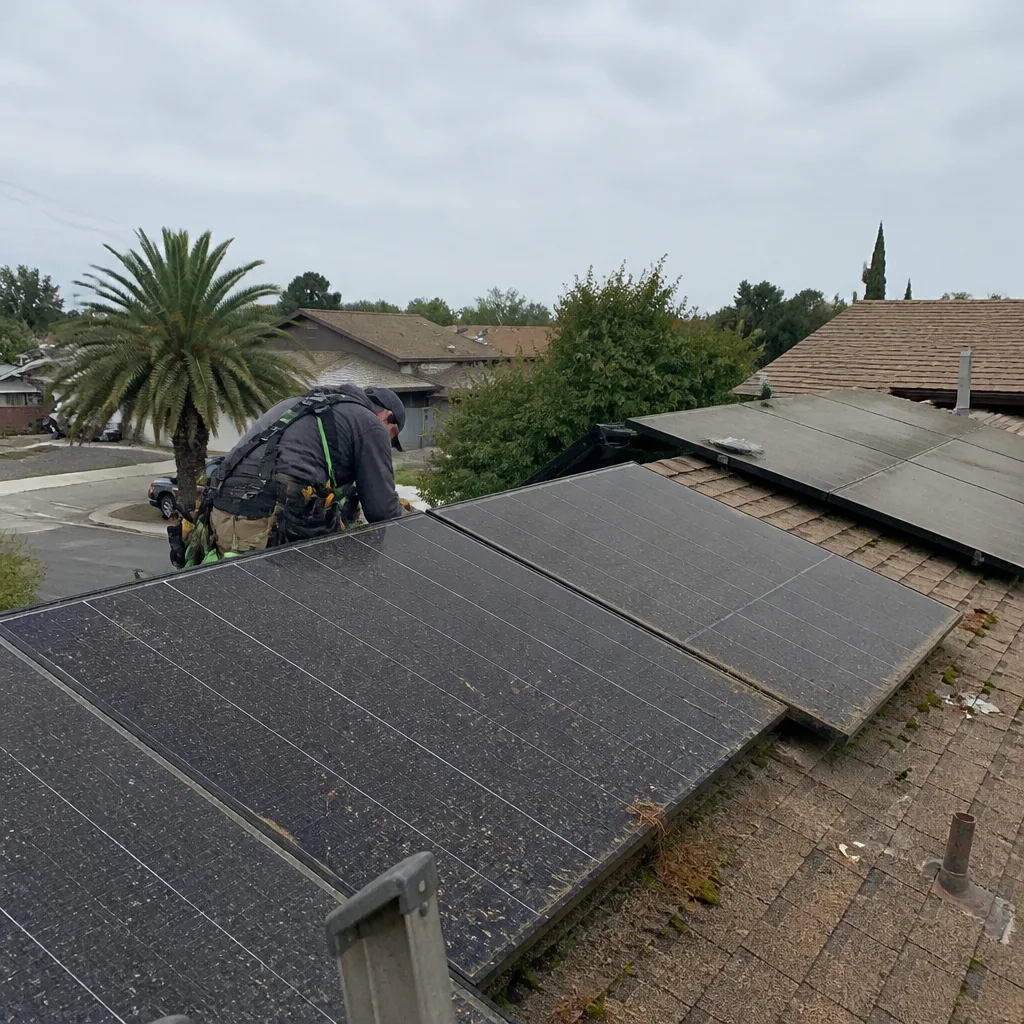 Before
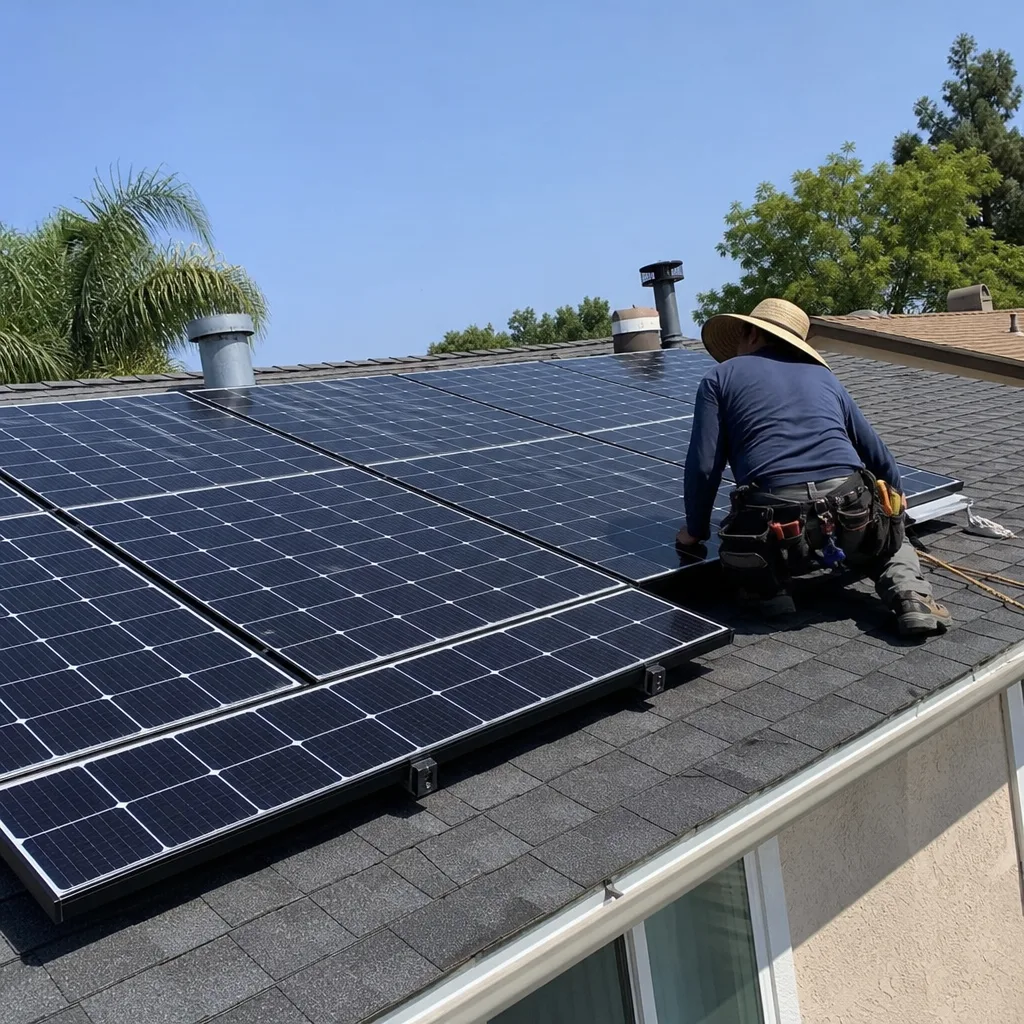 After
After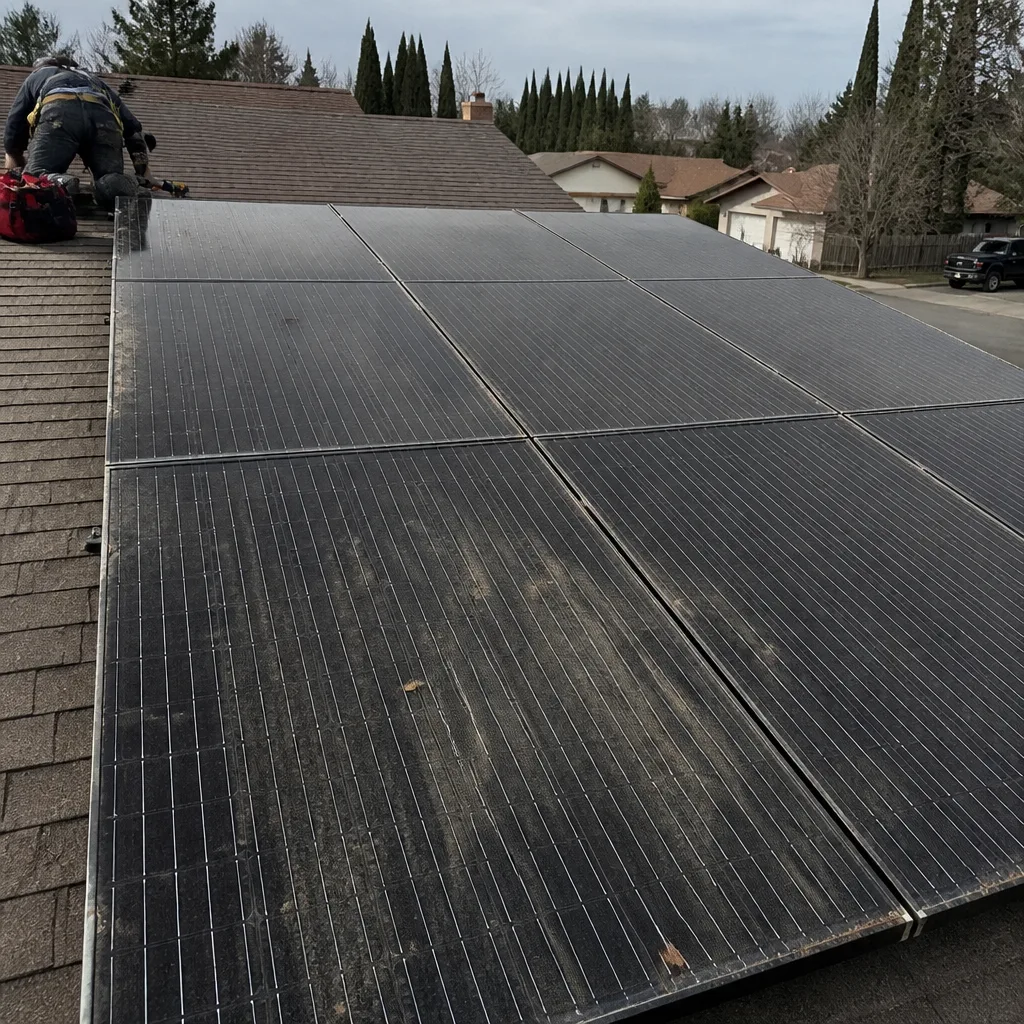 Before
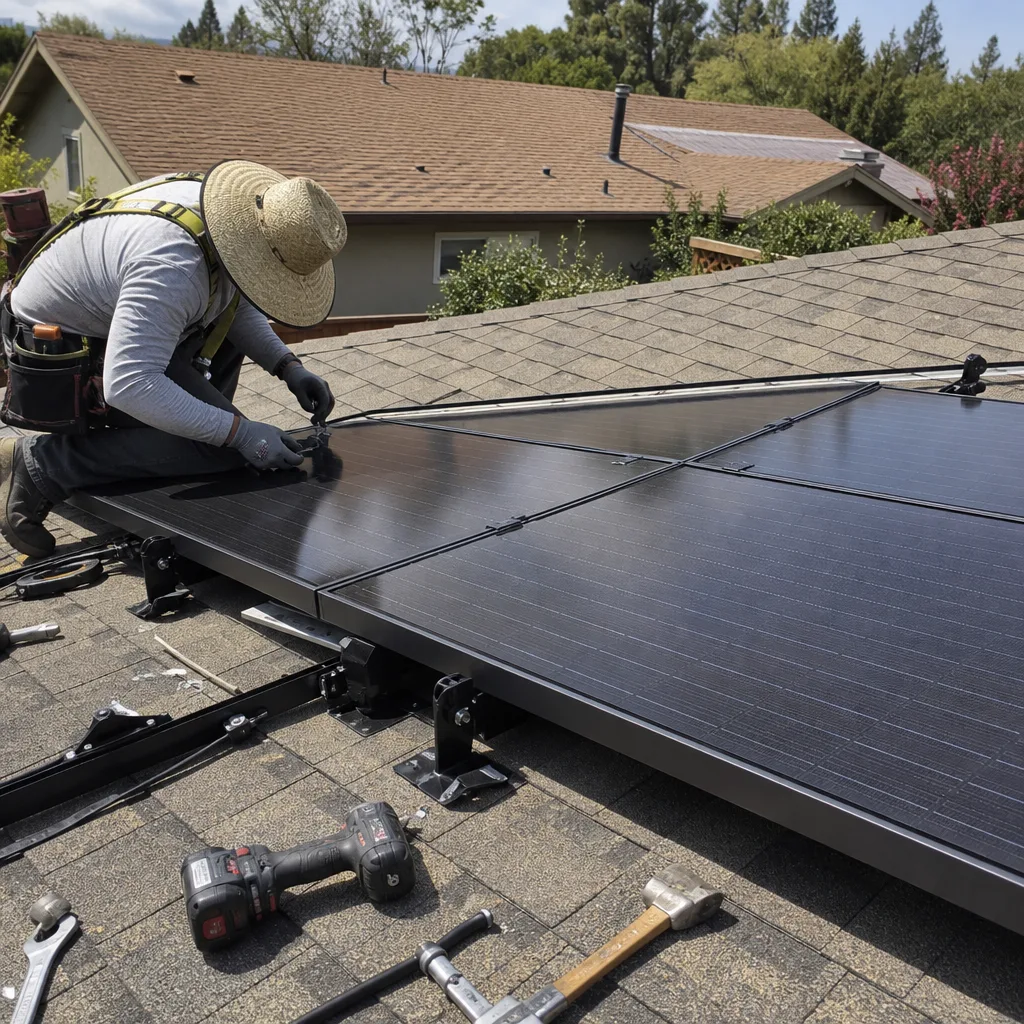 After
AfterFast, Reliable Solar Battery Storage & Backup Across Stanford
Adding battery storage to a solar system in Stanford, CA is a different process than almost anywhere else in the Bay Area. Because Stanford University owns virtually all real property in the 94305 ZIP code, every residential battery installation requires landlord approval through Stanford’s Facilities Management and must integrate with the campus’s own Stanford Energy System Innovations (SESI) metering, not a standard PG&E or Palo Alto Utilities interconnection. That is the first thing we explain to every Stanford resident who calls us. The second thing is this: we have done it before, and we can walk you through it start to finish. Call (877) 550-6892 and Gus will answer the phone himself.
We are Solar Battery Storage & Backup specialists who have spent over a decade working with institutional landowners, historic review boards, and campus energy managers. Stanford is not a market you parachute into. It is a place you learn, building by building, approval by approval.
Why Gus’s Solar Is Stanford’s Preferred Solar Battery Storage & Backup Company
We have been doing solar work in and around Stanford long enough to know the people who make decisions. That matters here more than in any neighboring city, because the decision-maker is rarely the person living in the house. It is the facilities manager at the university, the SESI engineering team, and the historic-character review board. A contractor who does not know those relationships will file the wrong paperwork and stall the project for months. We do not file the wrong paperwork.
Gus Petrakis puts his name on every job, and that means something on a campus where accountability is everything. Our crew has retrofitted batteries onto mid-century Faculty Staff Housing homes, coordinated with university energy managers on demand-charge issues, and navigated the architectural review process for visible equipment placement. We have also learned when to push back on a proposed battery size. Stanford’s inland irradiance is well above the Bay Area average, which means many residents need less storage than a standard coastal production estimate would suggest. We will tell you that, even if it means quoting a smaller system.
Live person answers the phone 24/7. No voicemail, no ticketing portal, no call center. You call, Gus answers.
Our Solar Battery Storage & Backup Services in Stanford
Here is what we actually do in Stanford, day to day. Not a menu, just the work.
Battery Retrofit for Existing Solar
Most Stanford faculty and staff homes already have rooftop solar. What they lack is storage. Retrofitting a battery onto an existing system in 94305 means coordinating with the original inverter, the campus metering protocol, and the university’s load-shedding schedule. We have done this on Gerona Road, Frenchman’s Hill, and throughout the Faculty Staff Housing corridors. The retrofit itself is usually a one-day job. The pre-coordination is where experience matters.
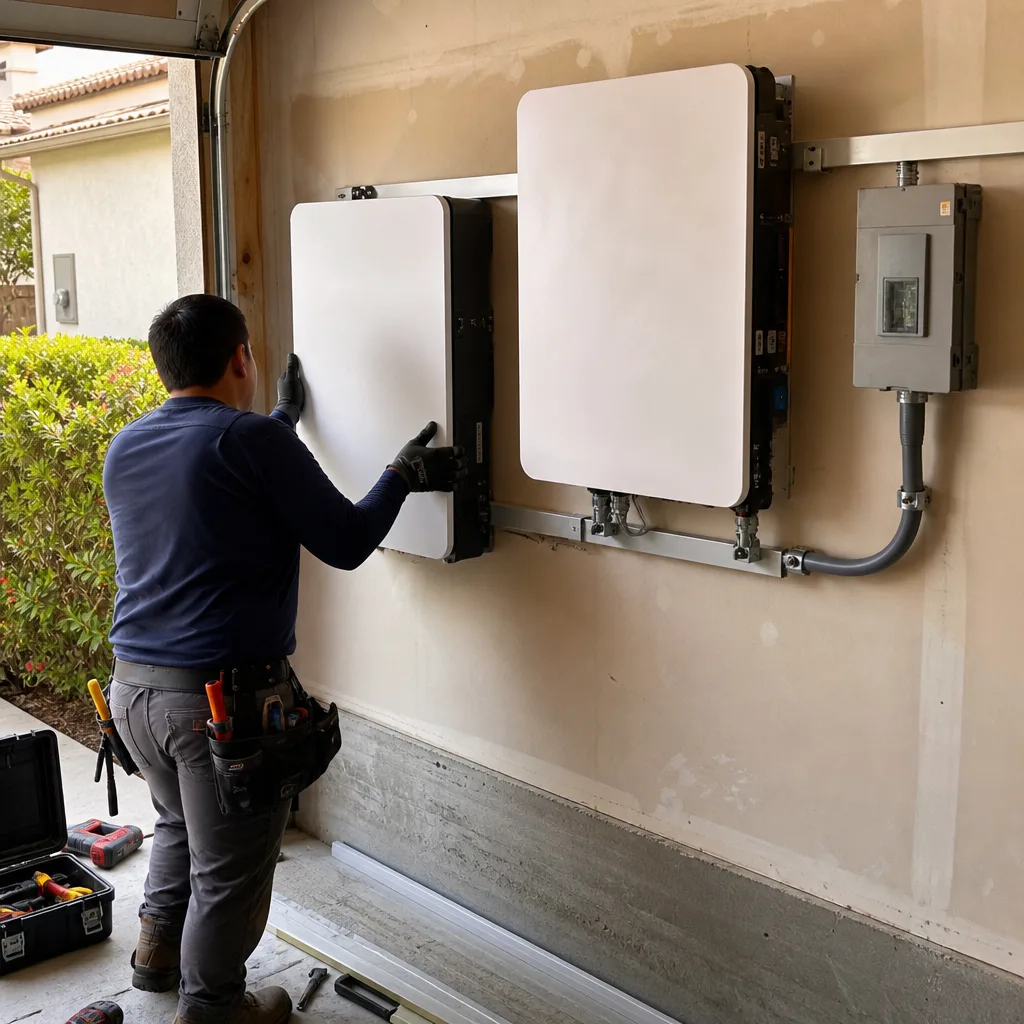
Whole-Home Backup Power
Stanford’s campus grid is reliable, but it is not immune to maintenance outages and planned load-shedding events. Whole-home backup on a Stanford-owned property means routing critical circuits through the battery in a way that does not trigger a university demand charge. That interface is the part most contractors get wrong. We get it right because we have sat in the meetings with SESI engineers and understand their metering protocols.
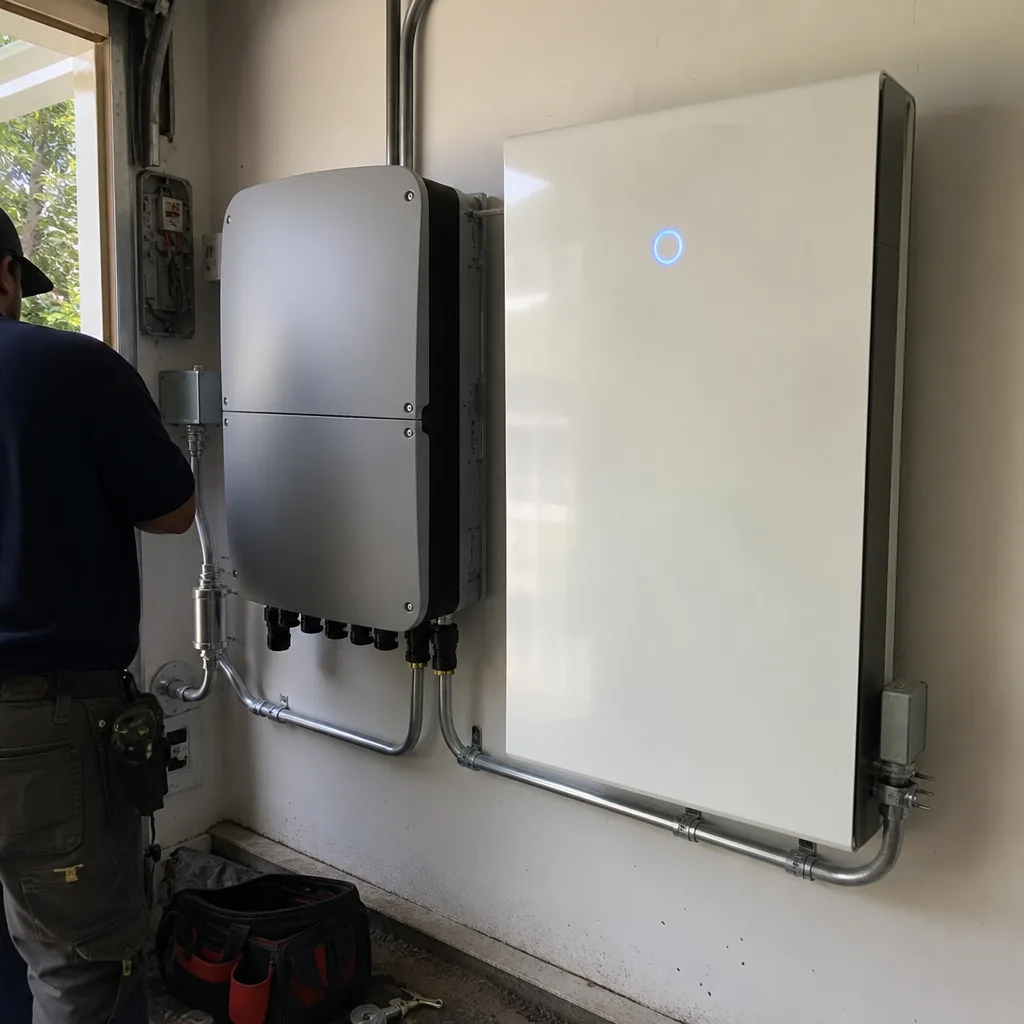
Time-of-Use & NEM 3.0 Optimization
Stanford residents who work on campus often have unusual usage patterns: peak demand in the early morning before class, low draw mid-day, another spike in the evening. NEM 3.0 changed the export math for everyone, but on Stanford-owned property the calculus is different because you are not exporting to PG&E. You are interacting with the university’s internal distribution network. Optimizing a battery for that environment means understanding both rate structures: the one on your utility bill and the one Stanford’s energy managers see. We model both.
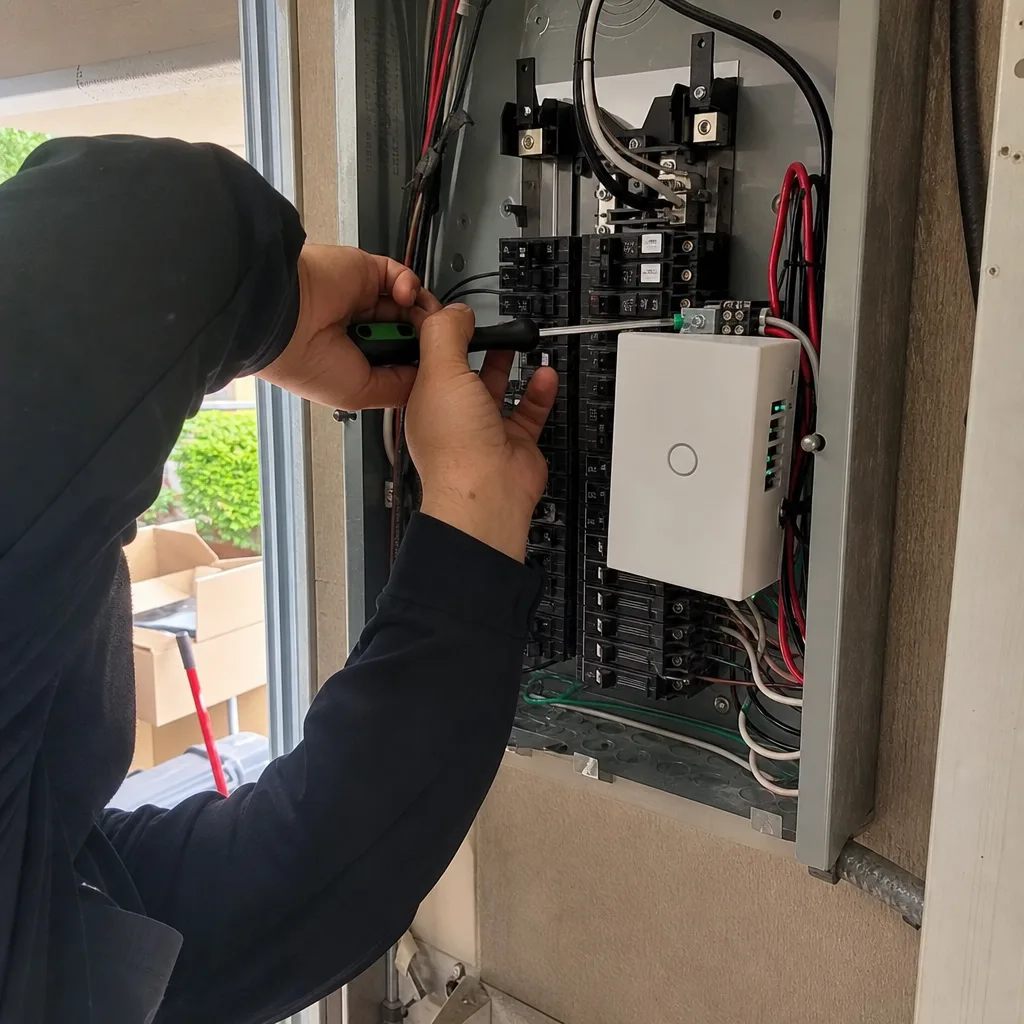
Enphase IQ Battery Installation
For Stanford homes with existing Enphase microinverter systems, the IQ Battery is often the cleanest path to storage. The integration is native, the monitoring is granular, and the approval process is straightforward because Enphase equipment is already on the university’s approved list. We install and configure IQ Batteries for Stanford residents regularly, including the newer 5P modules with higher continuous output for whole-home backup scenarios.
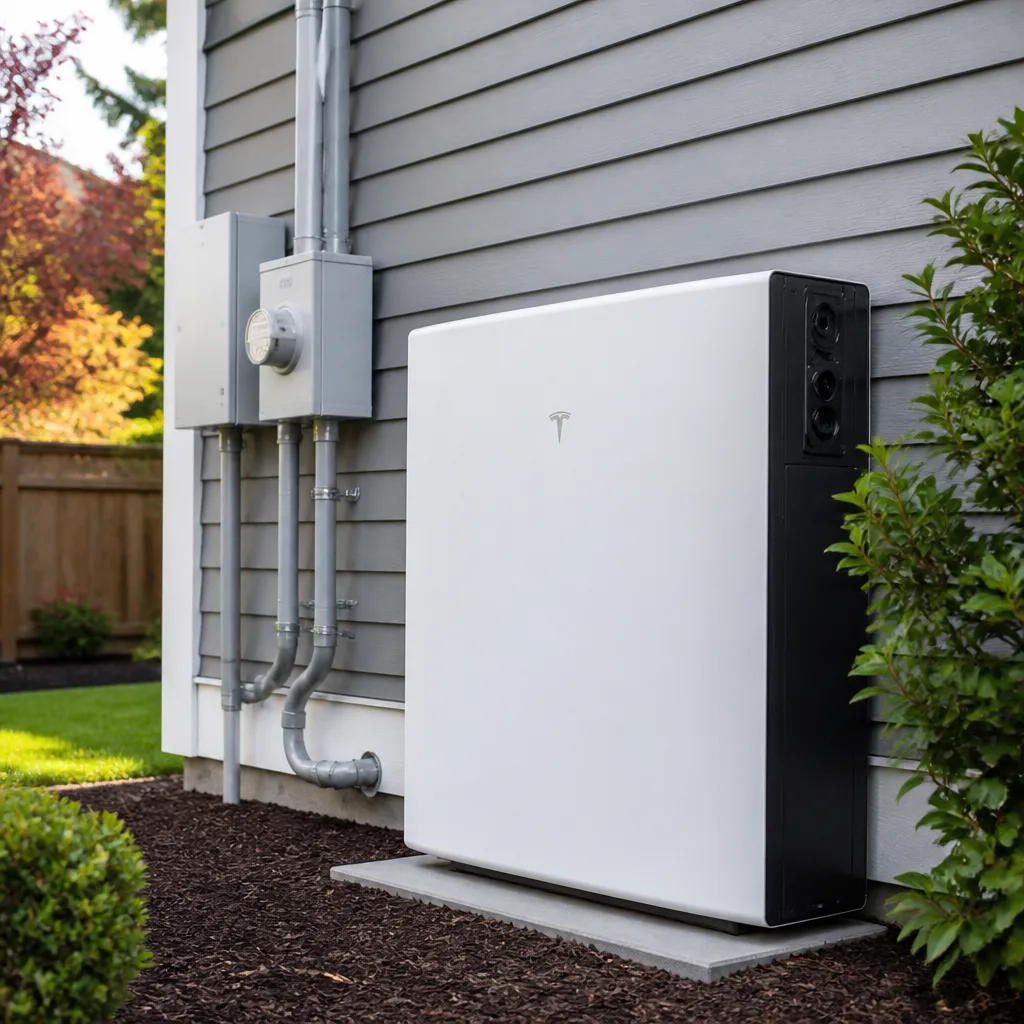
We also handle Tesla Powerwall Installation where it makes sense. One project stands out: we retrofitted a Tesla Powerwall 3 onto an existing 9.6 kW rooftop system at a mid-century Faculty Staff Housing home on Gerona Road, routing the backup circuit through Stanford’s internal SESI metering so the household could ride through campus maintenance outages without triggering a university load-shedding event. That coordination took three weeks of pre-construction meetings. The physical install took six hours.
What happens when you call
- 1
A real person answersNo phone trees - you reach a local pro.
- 2
You get an upfront price rangeHonest numbers before anyone is dispatched.
- 3
A background-checked tech heads outLicensed & insured, dispatched right away.
- 4
You approve before work beginsNothing starts until you say go.
Trusted Brands We Service in Stanford
We work with Tesla Powerwall, Enphase IQ Batteries, and FranklinWH aGate systems in Stanford, and we stock local parts for all three so service calls are not waiting on a warehouse three states away. If your Enphase battery throws a fault, we can usually be at your door in Stanford the same day with the part on the truck. We do not sell a brand; we match the battery to the house, the panel, and the university’s approval list.
Common Solar Battery Storage & Backup Problems We See in Stanford Homes
Stanford has its own failure modes. Here are the ones we see most often:
- Contractor files a PG&E interconnection application. Stanford’s SESI team rejects it because the battery must be metered behind the university’s own distribution network. This stalls projects for months and sometimes kills them outright. We start with the university, not the utility.
- Battery placed on an exterior wall without historic-character review. On the sandstone Romanesque buildings and even on some mid-century Faculty Staff Housing stock, visible equipment triggers a stop-work order from Stanford’s design review. We know which elevations are reviewable and which are not.
- Battery sized from a coastal fog estimate. Stanford sits far enough inland that it largely escapes the marine layer that suppresses production in San Francisco or Half Moon Bay. Your battery does not need to be as large as a coastal proposal suggests. Oversizing kills the payback period.
- No coordination with university energy managers. Battery discharge during campus peak-demand windows can incur SESI demand charges that wipe out any savings. You need someone who has read Stanford’s demand-response calendar and knows when to hold power back.
Pricing for Solar Battery Storage & Backup in Stanford, CA
A typical battery retrofit in Stanford runs $9,500 to $14,000 for a single Enphase IQ Battery 5P with installation and SESI coordination. A Tesla Powerwall 3 retrofit typically lands between $11,000 and $15,500 in 94305, depending on whether we need to extend the backup circuit or add a sub-panel. Whole-home backup with two batteries generally runs $22,000 to $30,000 in Stanford, including the university approval paperwork and any metering modifications SESI requires. The pre-construction coordination adds $800 to $2,000 compared to a standard city install, because it involves meetings with university energy managers and architectural review. We quote the year-25 output, not the day-one brochure number. Call (877) 550-6892 and bring us a bill. We will bring you the math.
We Also Serve Cities Near Stanford
We serve Solar Battery Storage & Backup in Stanford and the surrounding communities, including Palo Alto, Atherton, East Palo Alto, and Los Altos Hills. Each has its own utility rules, its own approval process, and its own climate quirks. We know them all. But the Stanford process is the one that catches outside contractors off guard, and it is the one we know best.
Serving Stanford, CA - Our Local Coverage Area
We’re based in the Stanford area and know this community well. Use the map below to see our service coverage - if you’re nearby, we can almost certainly help.
FAQs - Solar Battery Storage & Backup in Stanford
Yes. Every battery installation on Stanford-owned property in the 94305 ZIP code must go through Stanford’s Facilities Management approval process, including architectural review for any visible equipment. This is not optional, and skipping it will trigger a stop-work order. We handle the approval paperwork as part of our Stanford installs. Call (877) 550-6892 and we will walk you through the timeline.
It will interact with Stanford’s internal distribution network through the SESI metering protocol, not a standard PG&E or Palo Alto Utilities interconnection. That means your export credits, if any, are governed by the university’s internal rate structure, not a public utility tariff. We model both before we quote so you know exactly what the savings math looks like.
Enphase IQ Batteries are the most commonly approved brand for Stanford-owned residences, largely because so many campus homes already run Enphase microinverters and the university is familiar with the equipment. Tesla Powerwall systems are also approved for many properties, particularly in newer graduate housing. FranklinWH is gaining traction with the university’s energy team. We will tell you which one matches your specific building type after one site visit.
Stanford’s inland location means it largely escapes the persistent marine fog layer that suppresses solar production in coastal ZIP codes like San Francisco or Half Moon Bay. Your panels produce more, more consistently, so you need less storage to achieve the same backup duration. That reduces your battery cost. We have seen quotes from out-of-town contractors that oversize Stanford batteries by 30 to 40 percent because they used coastal production assumptions. We do not.
Most mid-century Faculty Staff Housing homes on Gerona Road, Frenchman’s Hill, and Mayfield Avenue can be backed up with one Powerwall 3 or one Enphase IQ Battery 5P if we route only critical circuits, not the entire panel. Whole-home backup on larger homes, especially with electric heat or EV charging, usually needs two batteries. We will give you a straight answer after looking at your panel and your actual usage, not a brochure estimate. Call (877) 550-6892 for a free on-site assessment.
Gus’s Solar is locally owned and owner-operated. We founded this company in 2011, and we have been navigating Stanford’s unique approval process ever since. The 90-Day Done Right Promise is in writing on every job. If it is not right, Gus makes it right. One call brings him back.
Take two weeks. Think about it. The price will be the same. If a salesman needs an answer tonight, the answer is no.
Call (877) 550-6892 for a free estimate. Live person answers, 24/7.
Written by Gus Petrakis, Owner at Gus’s Solar, serving Stanford, CA and the surrounding Bay Area communities since 2011.