

Free bill analysis - bring a power bill, get the production math for your actual roof, panel brands like Qcells and REC compared side by side
If the pitch starts at your door and ends with "sign tonight for the special," sleep on it. The sun will still be there tomorrow; so will we.
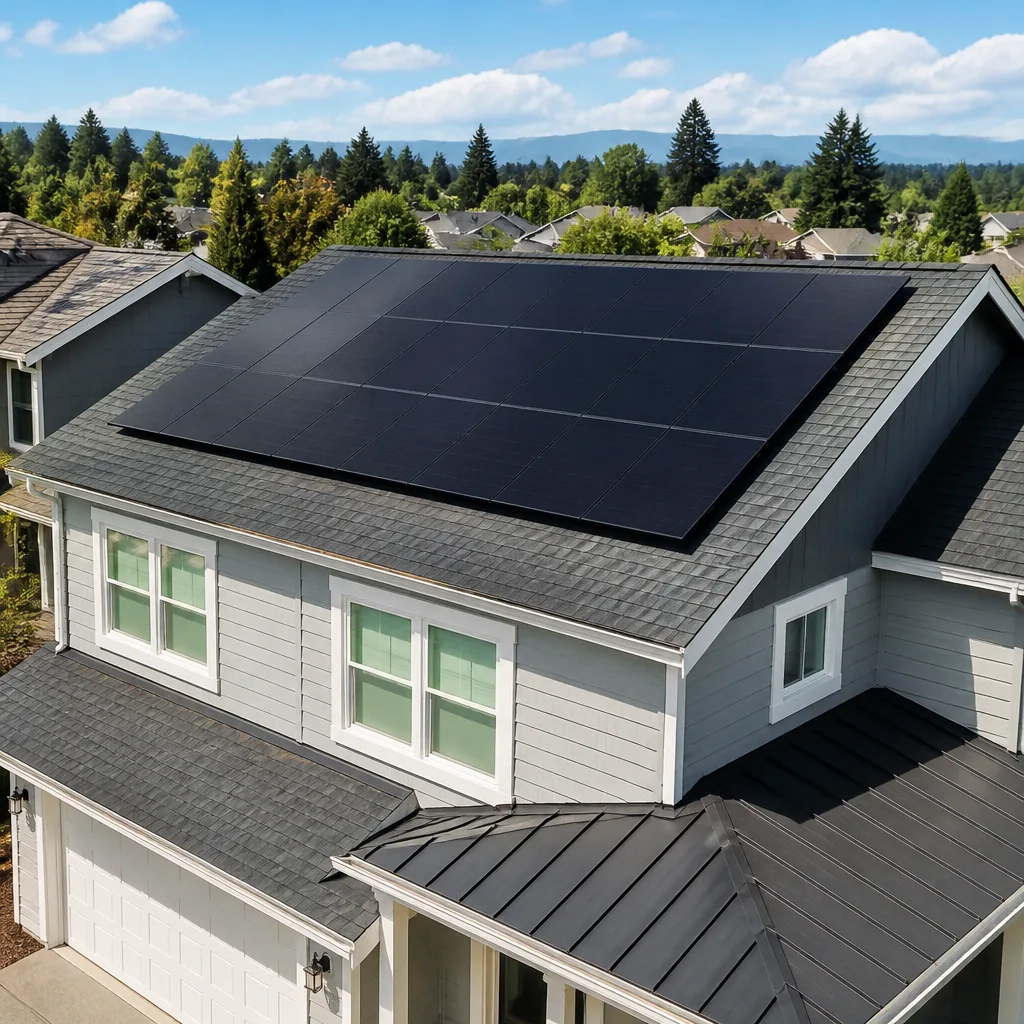
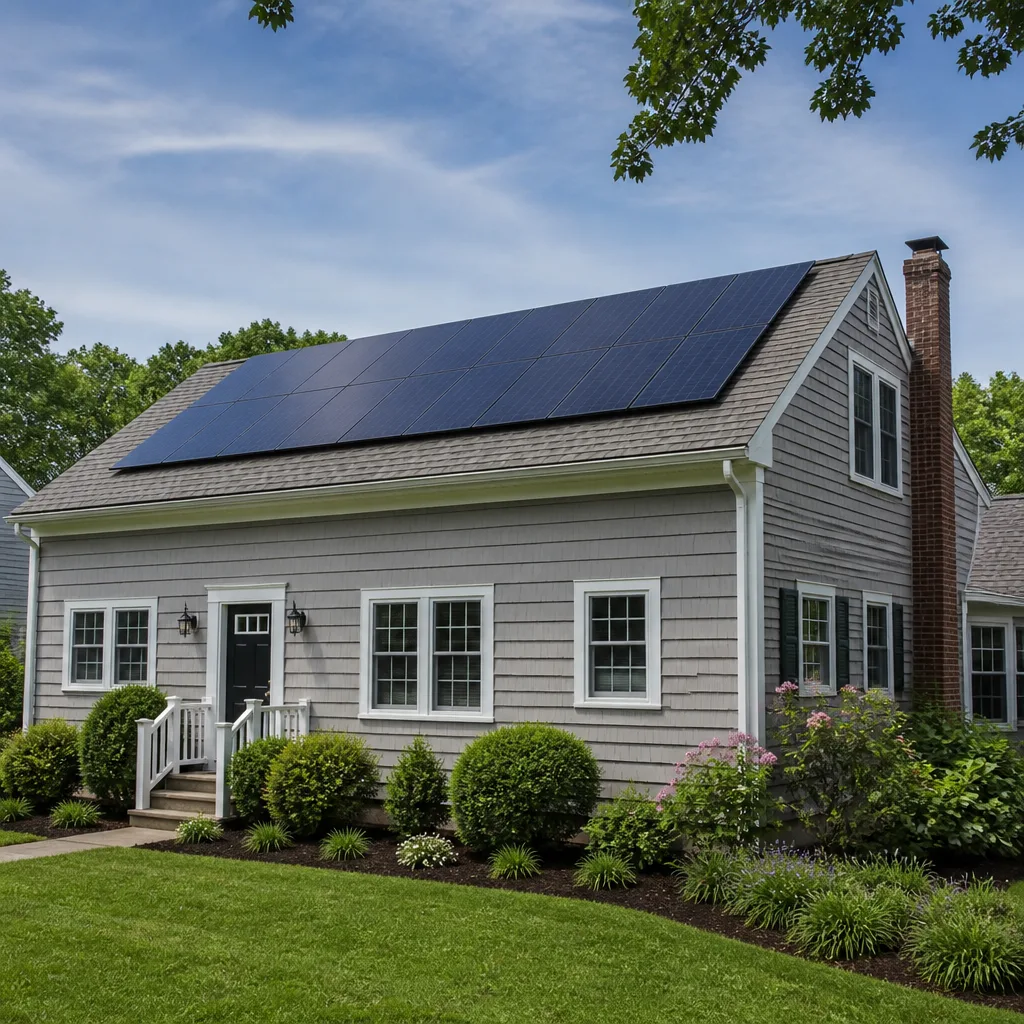
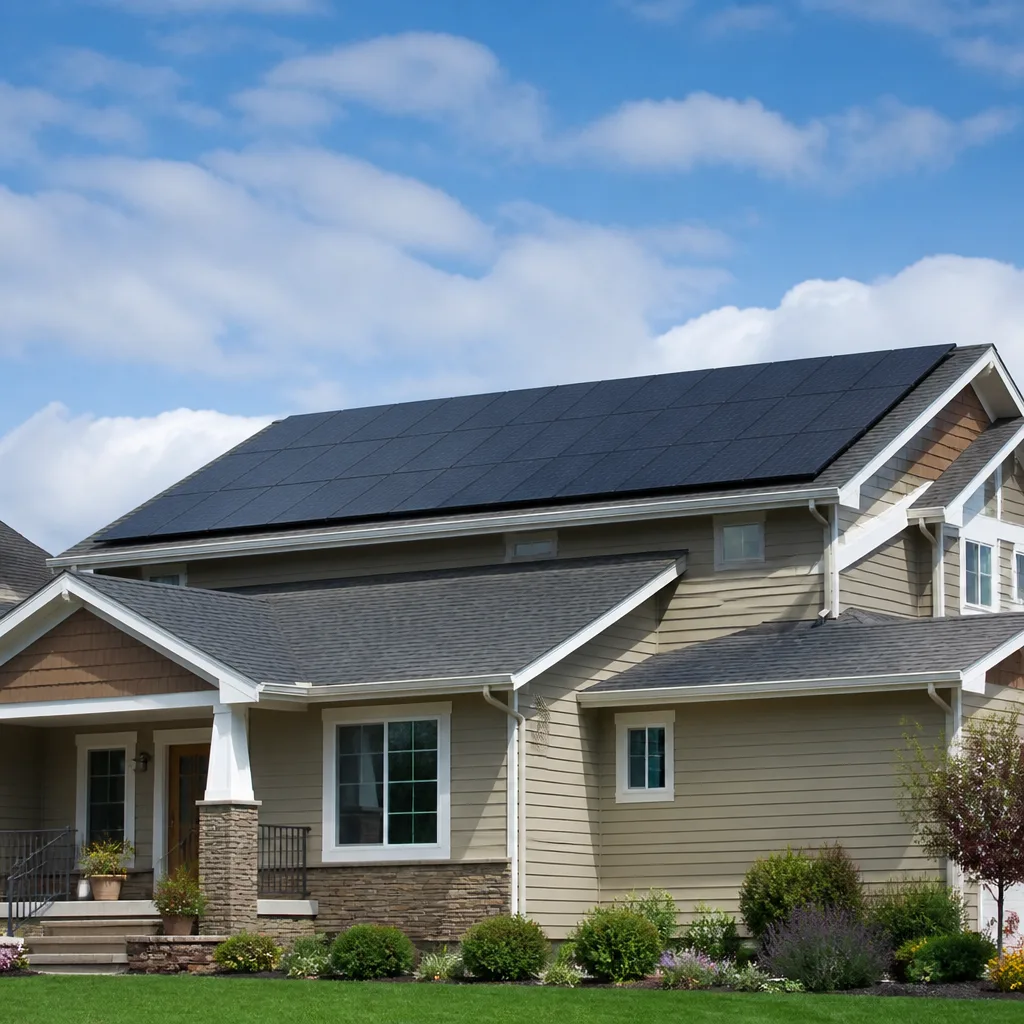
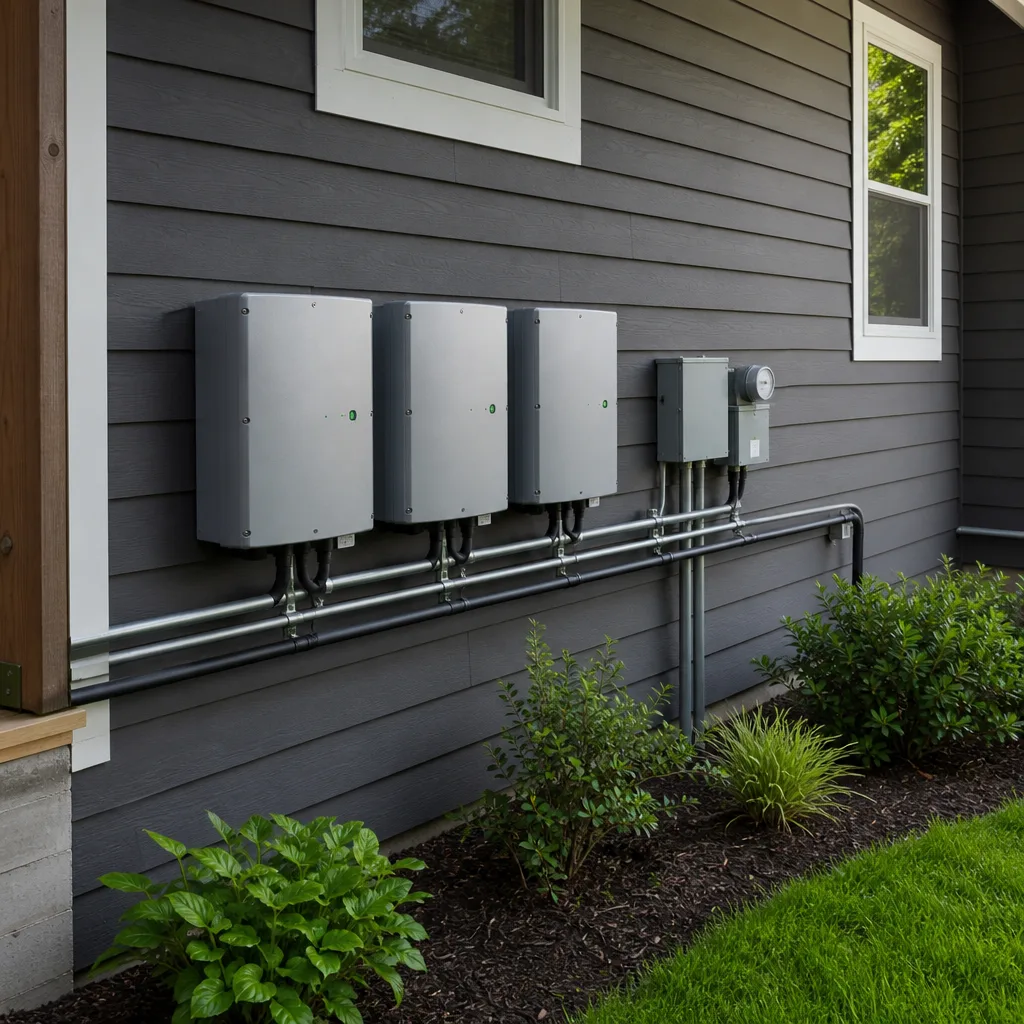
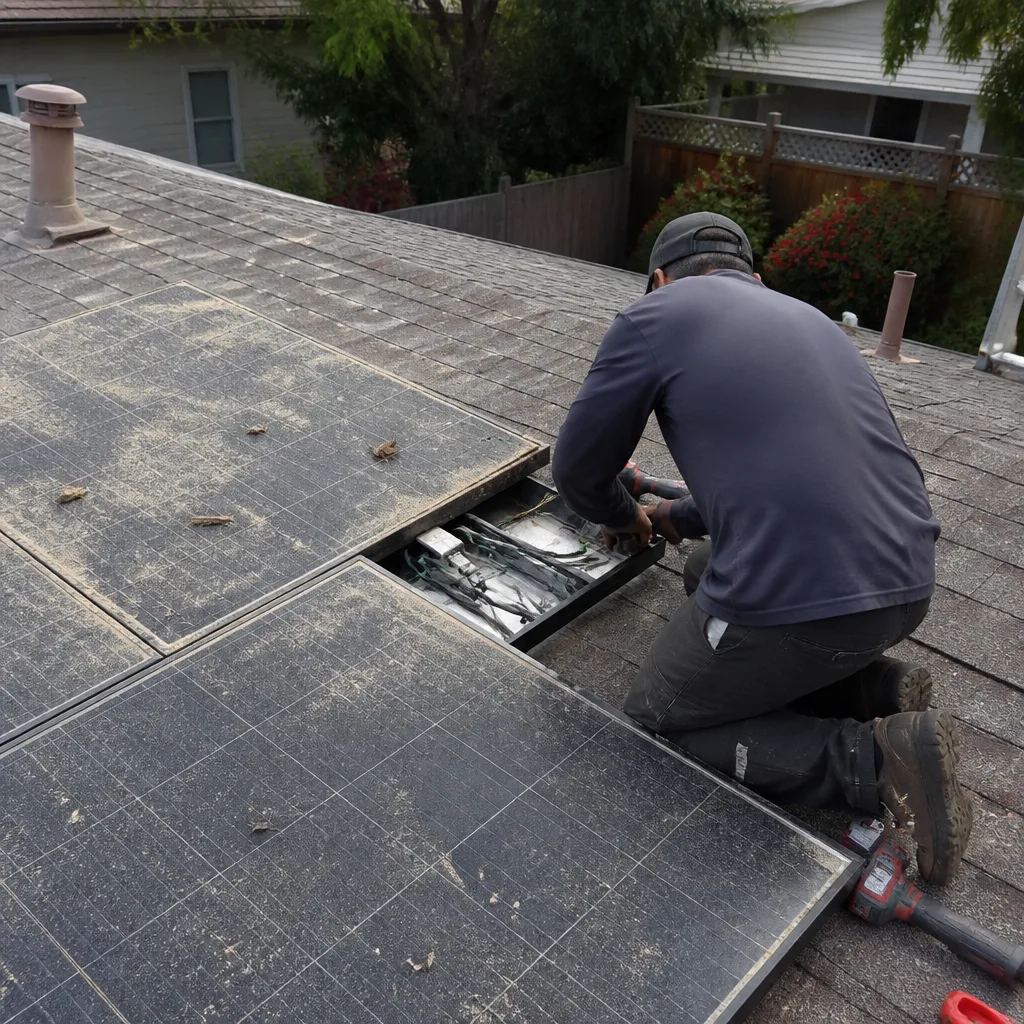 Before
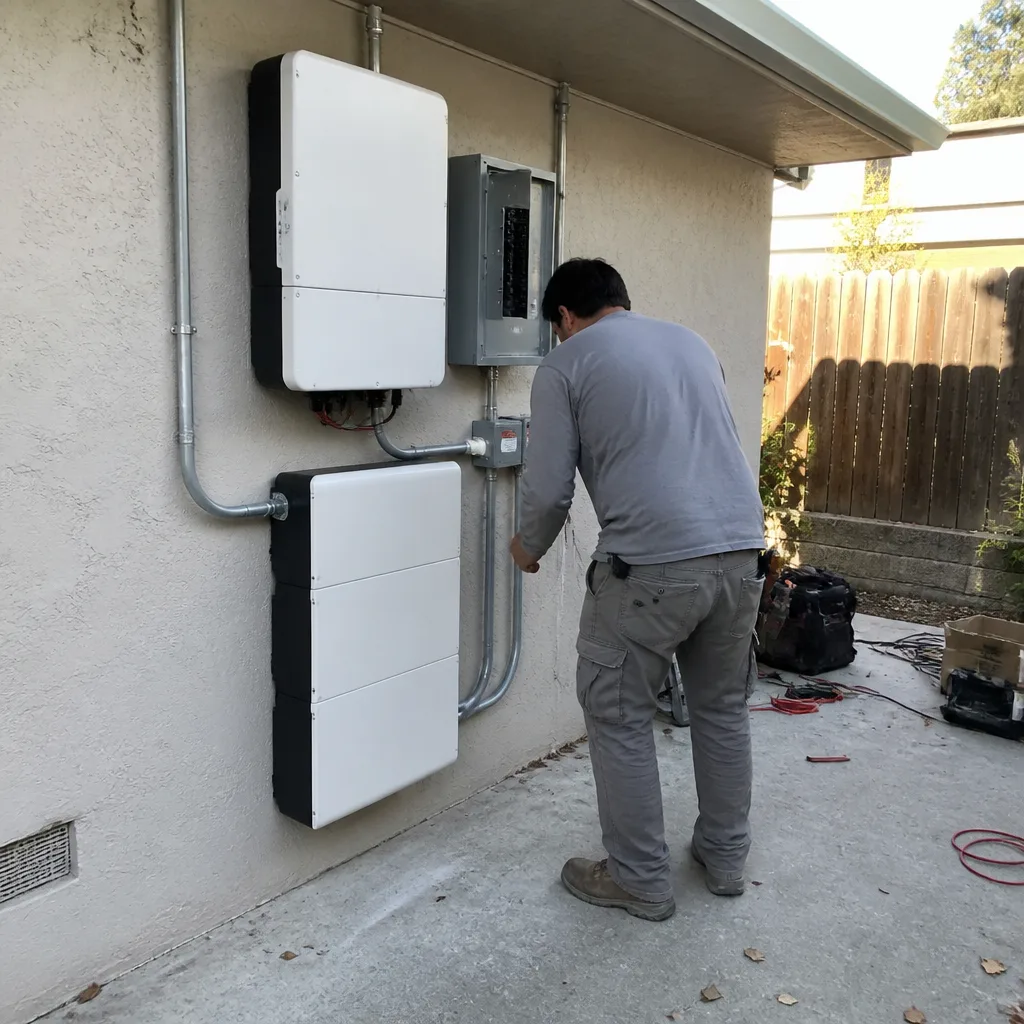 After
After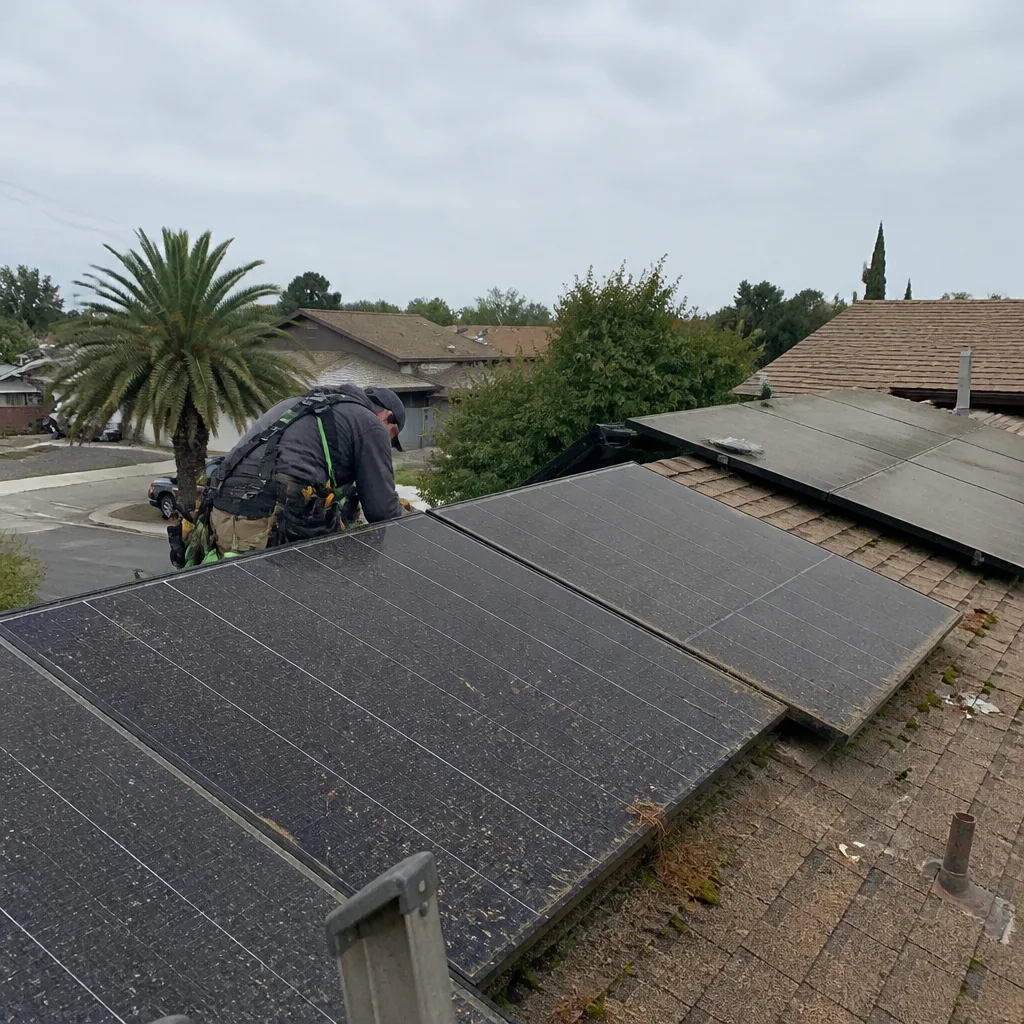 Before
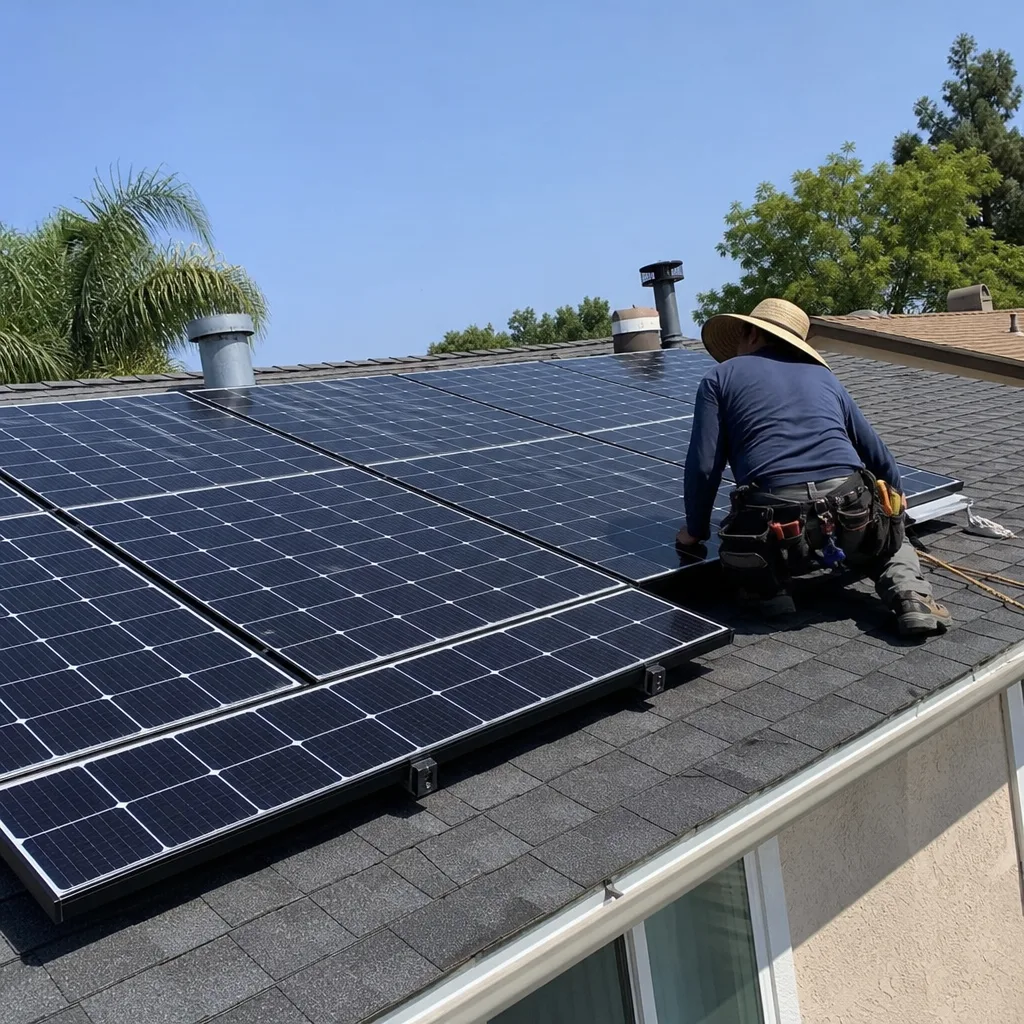 After
After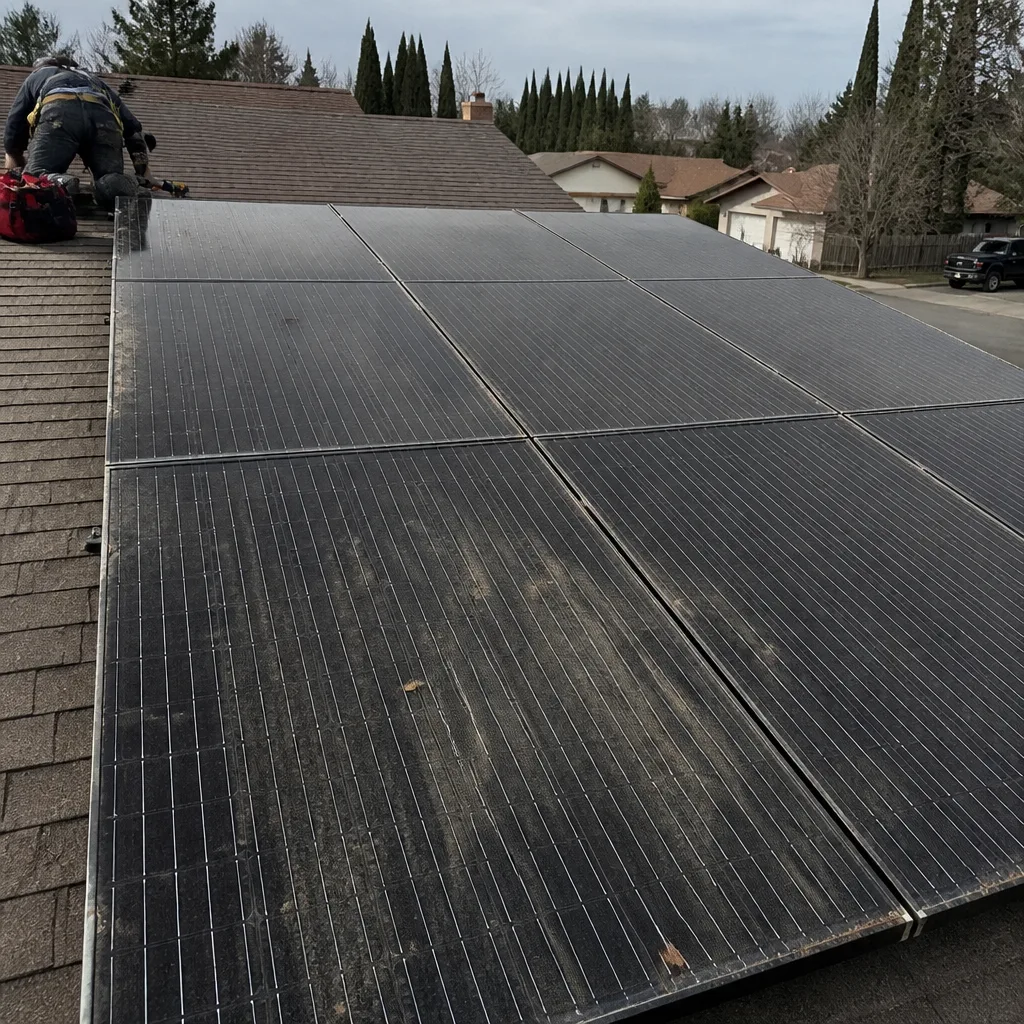 Before
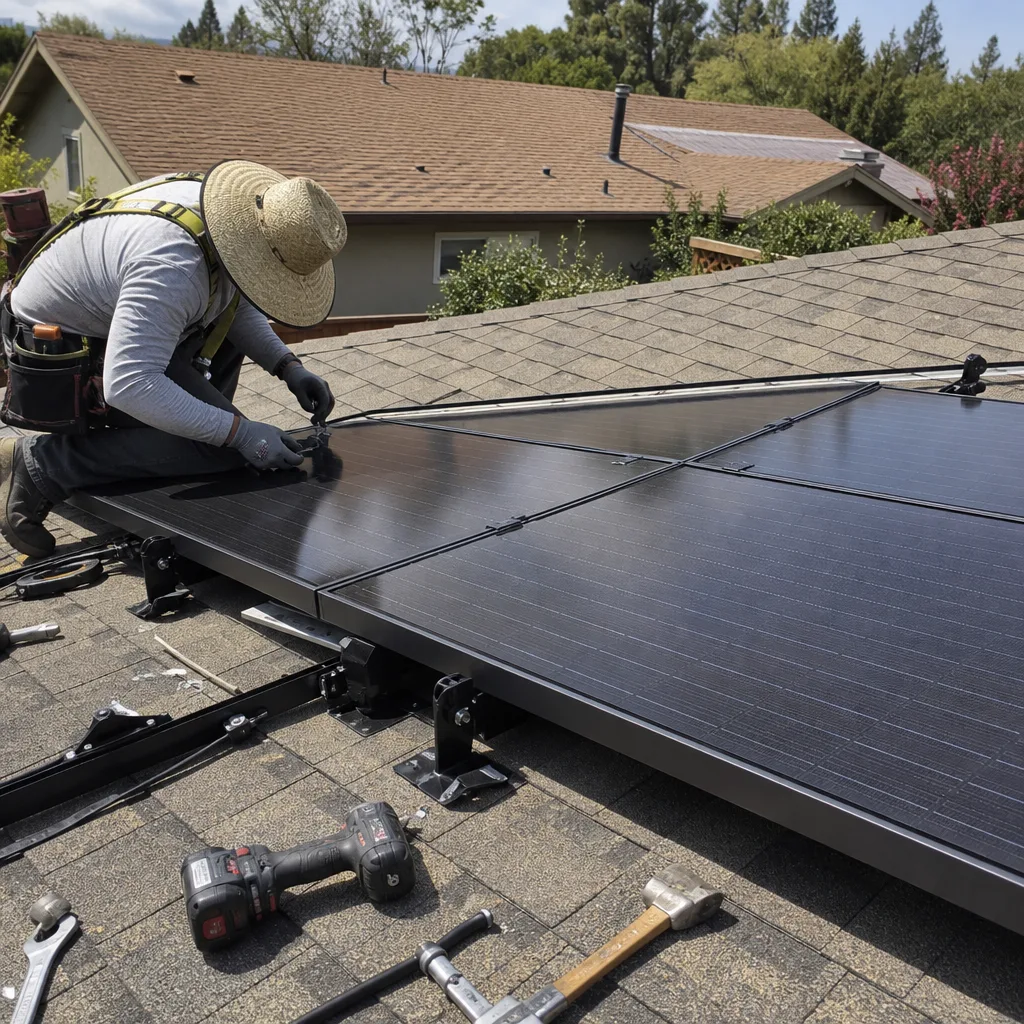 After
AfterFast, Reliable Solar Battery Storage & Backup Across Stanford
Adding battery storage to a solar system in Stanford, CA means working through Stanford University’s Facilities Management and SESI energy office, not just filing a standard interconnection application. Most battery retrofits and whole-home backup projects in the 94305 ZIP take 3 to 6 weeks from initial consultation to final approval, with the university’s design review driving much of that timeline. Gus’s Solar has navigated that process enough times to know exactly who needs to sign what, and we’ll walk you through it without the guesswork. Call (877) 550-6892 and we’ll explain what your specific property requires before you spend a dime.
Why Gus’s Solar Is Stanford’s Preferred Solar Battery Storage & Backup Company
Gus Petrakis founded this company in 2011 and still answers his own phone. That matters in Stanford, where university-owned housing means every project has a landlord approval layer that out-of-town installers rarely anticipate. We know the Faculty Staff Housing stock on Gerona Road and Frenchman’s Hill, the newer graduate apartments at Escondido Village, and how the Main Quad’s historic-character rules affect visible equipment. Our crew has worked directly with Stanford’s energy managers on multiple battery jobs, so we speak their language from day one.
The work is done by Gus’s own background-checked, uniformed technicians. No subcontractors, no anonymous crews. When a Stanford project hits a snag with Facilities Management or SESI metering, the person fixing it is someone who works for Gus, not a temp from a labor pool. Our Solar Battery Storage & Backup team has handled enough 94305 installs to foresee the coordination issues before they stall a project.
Every job carries the 90-Day Done Right Promise in writing. If something isn’t right, Gus comes back. One call, and the owner of the company shows up. That’s the whole point of hiring a local shop instead of a national sales machine.
Our Solar Battery Storage & Backup Services in Stanford
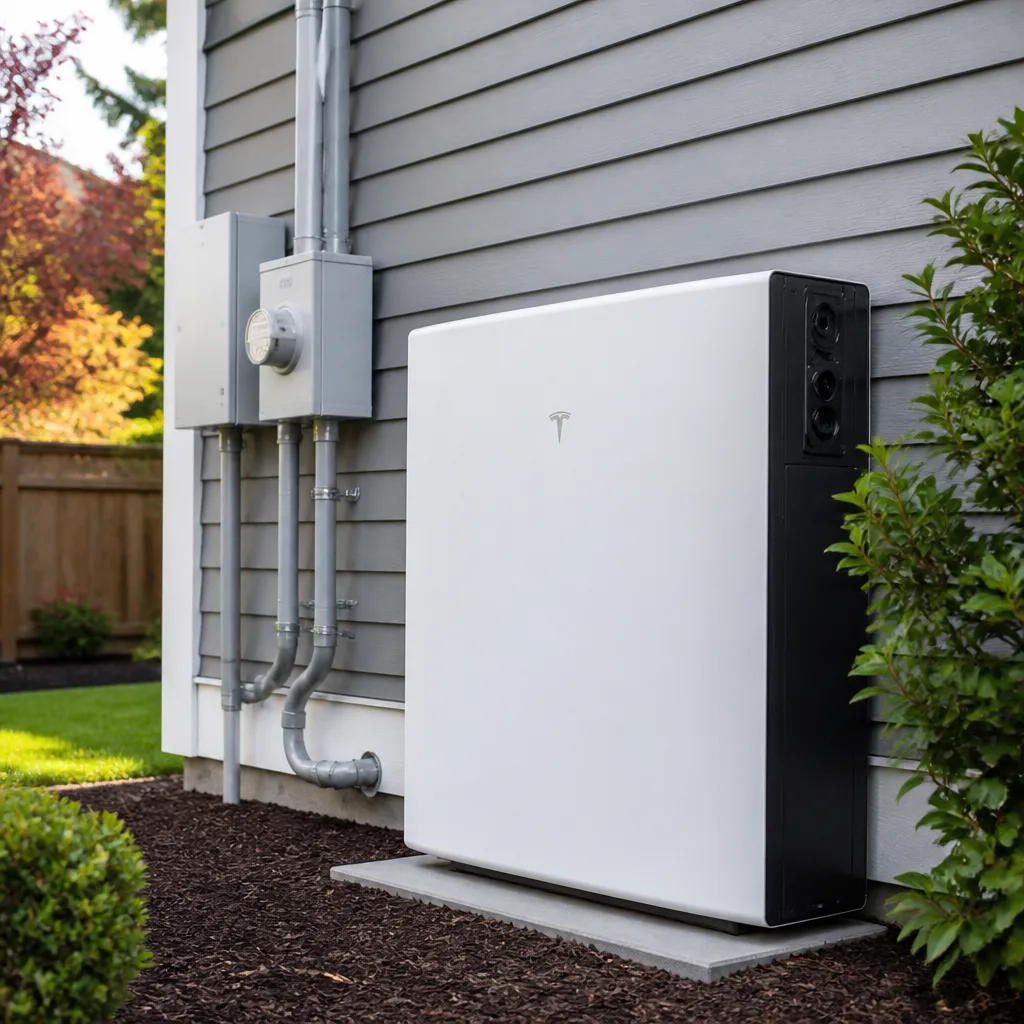
Tesla Powerwall Installation
A Tesla Powerwall installation in Stanford typically runs $13,500 to $17,800 before incentives, including hardware, electrical work, and university-required documentation. For Faculty Staff Housing with 100-amp panels, the job often includes a panel upgrade or a load-shedding device, which adds $1,800 to $3,400. The Powerwall 3’s integrated inverter simplifies retrofits on older ranch homes, but Stanford’s design review still wants to see the full spec sheet before you get the green light.
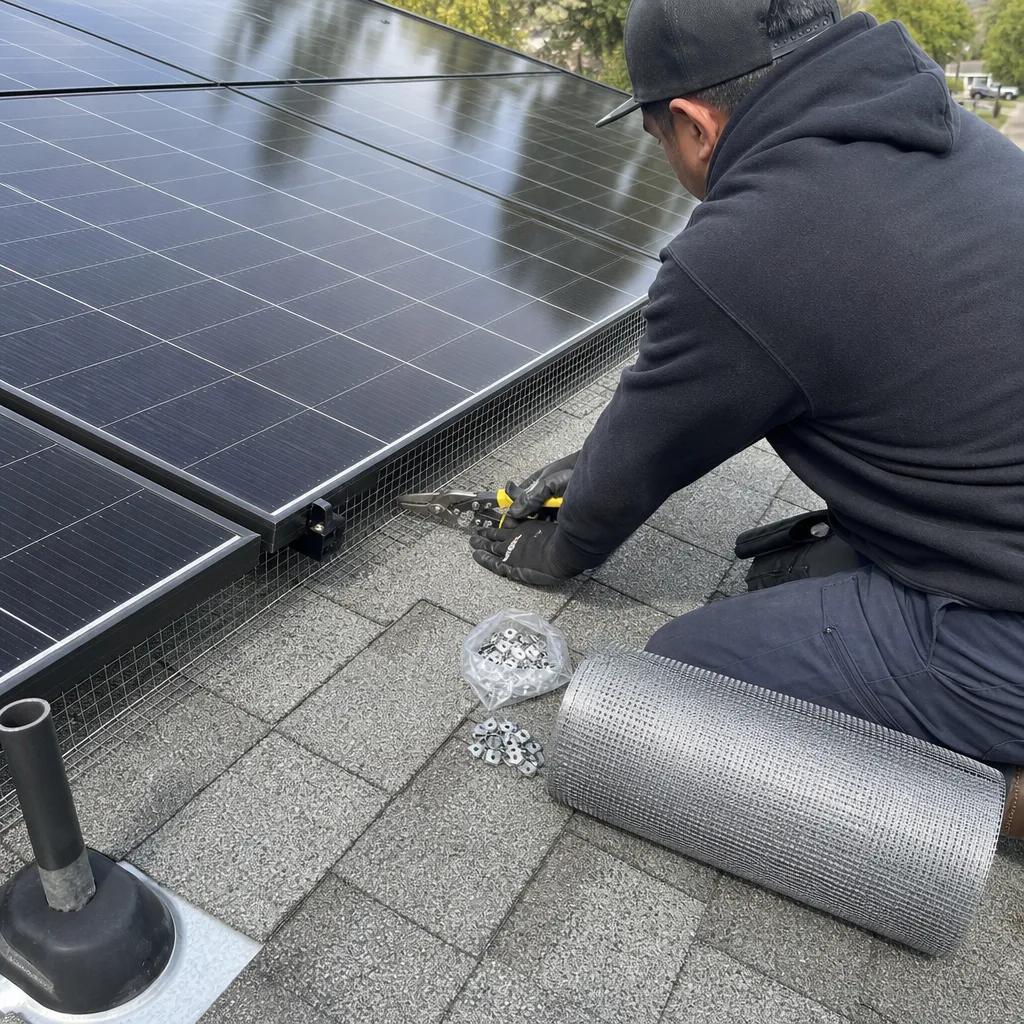
Enphase IQ Battery Installation
Enphase IQ Battery systems in Stanford generally land between $9,200 and $14,600 for a single 5P unit with installation. The modular design works well for the smaller electrical footprints common in mid-century Faculty Staff Housing, where wall space and panel capacity are both tight. If you already have Enphase microinverters on your roof, the integration is cleaner and the monitoring software shows you exactly what Stanford’s time-of-use structure is doing to your bill.
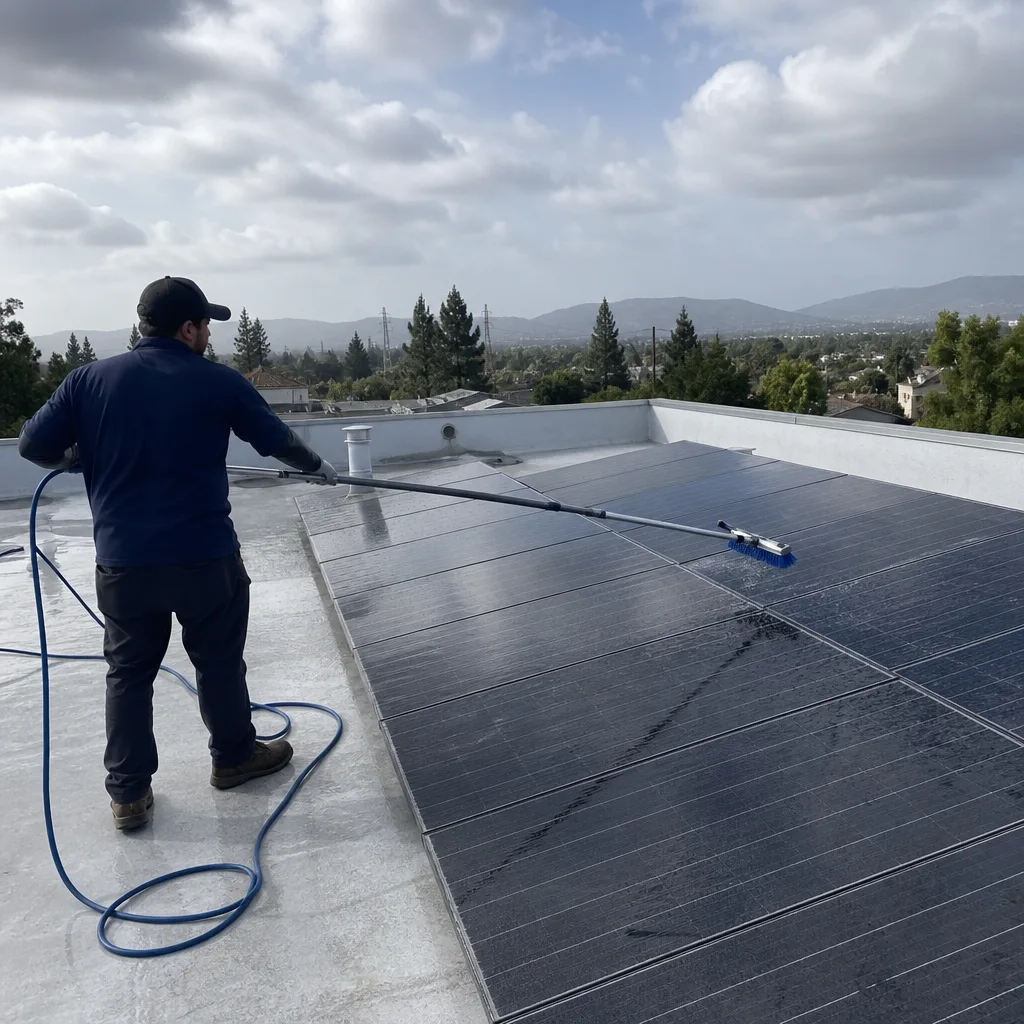
Whole-Home Backup Power
Whole-home backup for a Stanford property with a detached workshop, well pump, or EV charger usually requires two batteries, landing between $22,000 and $31,000 installed. The surge load from a workshop compressor or well pump is what catches generic installers off guard. We size the system from your actual usage data, not a square-footage guess, and we map every circuit you want backed up before the equipment order goes in.
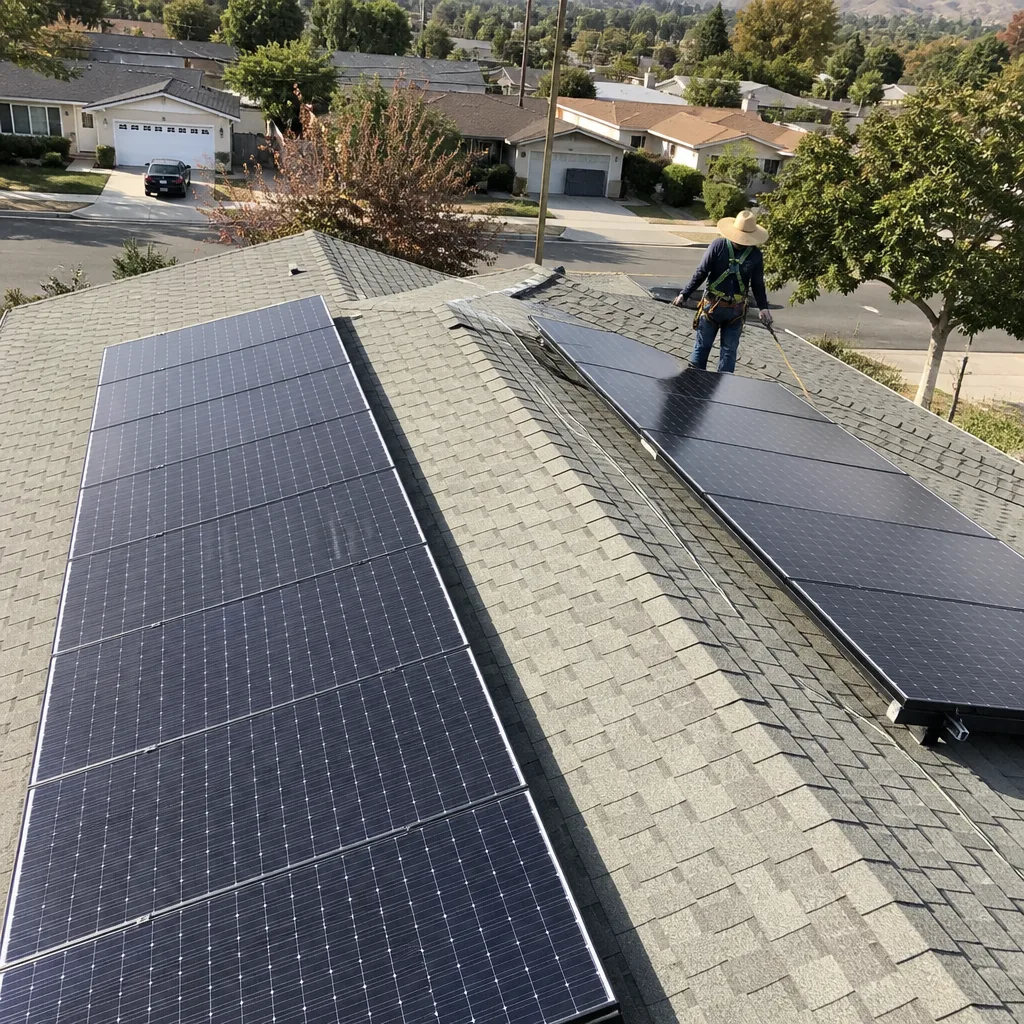
Battery Retrofit for Existing Solar
Adding a battery to existing solar panels is the most common request we get in Stanford, and it typically costs $11,500 to $16,200 depending on your inverter setup. String inverter systems from the 2010s often need an AC-coupled battery like a FranklinWH aGate or Tesla Powerwall, while newer Enphase systems take a direct DC retrofit. The real variable in Stanford isn’t the hardware. It’s the approval chain, and that’s where our experience with SESI coordination saves you weeks.
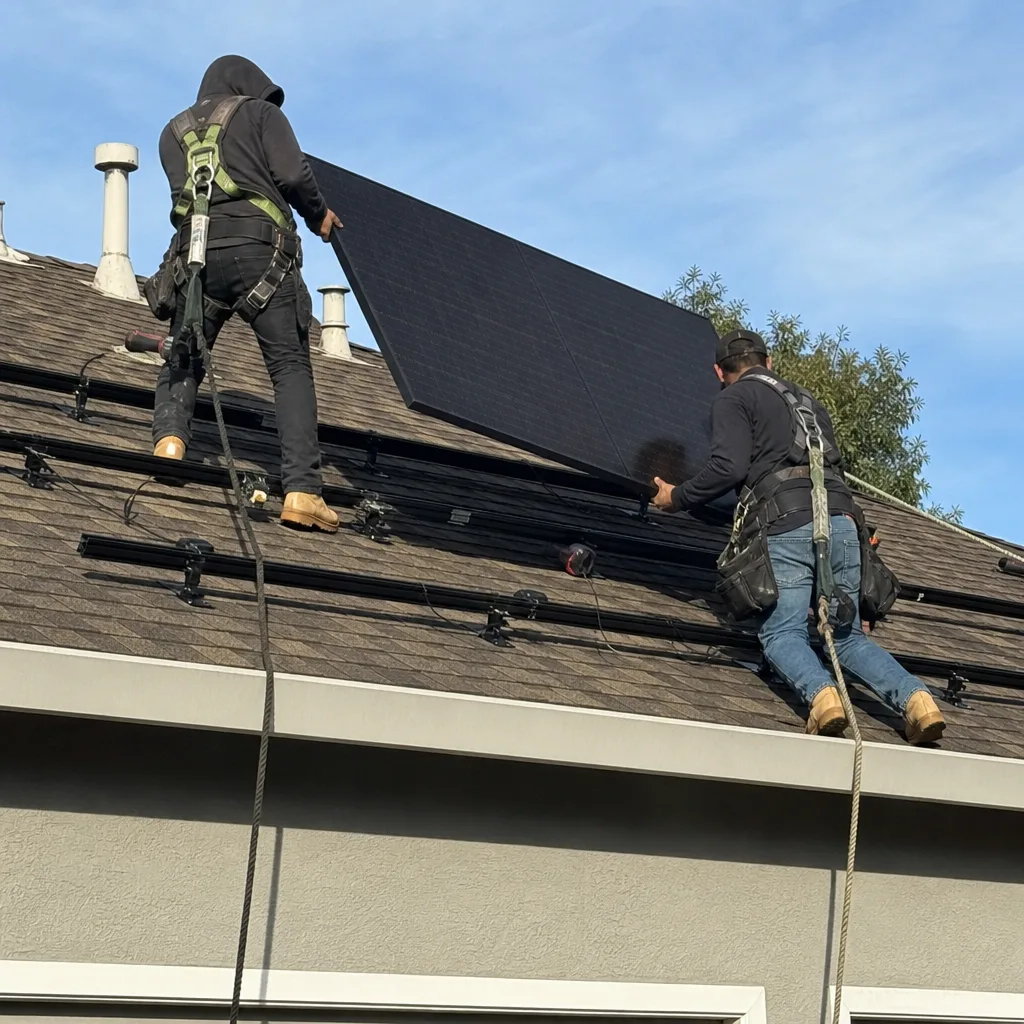
What happens when you call
- 1
A real person answersNo phone trees - you reach a local pro.
- 2
You get an upfront price rangeHonest numbers before anyone is dispatched.
- 3
A background-checked tech heads outLicensed & insured, dispatched right away.
- 4
You approve before work beginsNothing starts until you say go.
Trusted Brands We Service in Stanford
We install and service Tesla, Enphase, and FranklinWH battery systems in Stanford, and we also handle solar panel repair when your existing array needs attention, and we stock common replacement parts locally so a service visit doesn’t turn into a two-week parts wait. If your existing system uses SolarEdge or SunPower inverters, we can still retrofit a battery, but the integration path differs. Gus quotes year-25 output numbers, not the day-one brochure figure, so you’ll know what to expect from your equipment a decade from now, not just on install day.
Common Solar Battery Storage & Backup Problems We See in Stanford Homes
- SESI interconnection stalls. Stanford runs its own electrical distribution under the Stanford Energy System Innovations program, so a contractor who files a standard PG&E or Palo Alto Utilities application hits a brick wall. The project sits idle while someone figures out that the university metering protocol applies instead.
- Facilities Management approval gaps. Mounting a battery on a university-owned wall without landlord sign-off triggers architectural review citations and rework. We’ve seen contractors install first and ask later, and the university makes them move the equipment at their own cost.
- Undersized backup for acreage loads. The rural pockets of Stanford near Frenchman’s Hill and Mayfield Avenue have detached workshops, well pumps, and outbuildings that draw surge current far beyond a cookie-cutter house. A battery sized for average suburban load leaves those circuits dark in an outage.
- 100-amp service constraints. The 1940s-to-1960s Faculty Staff Housing stock was built for a different electrical era. Adding battery storage often means a panel upgrade or a smart load manager, and skipping that step causes nuisance tripping and failed inspections.
Pricing for Solar Battery Storage & Backup in Stanford, CA
| Service | Typical Stanford Range |
|---|---|
| Single battery retrofit (existing solar) | $11,500 - $16,200 |
| Tesla Powerwall 3 installation | $13,500 - $17,800 |
| Enphase IQ Battery 5P installation | $9,200 - $14,600 |
| Whole-home backup (two batteries, panel work) | $22,000 - $31,000 |
| Electrical panel upgrade (when required) | $1,800 - $3,400 |
The university approval process adds time to every Stanford project, but it doesn’t have to add cost if the coordination is handled up front. Gus brings you real numbers built off your actual utility bill. Bring me a bill, I’ll bring you the math. Estimates are free, and the senior and veteran 10% discount applies to every battery installation. Call (877) 550-6892 for a written quote.
We Also Serve Cities Near Stanford
Our crews regularly take battery storage and backup projects in Stanford and the surrounding communities, including Palo Alto, Atherton, East Palo Alto, and Los Altos Hills. Each of those cities has its own utility rules, and we know the difference between a Palo Alto Utilities interconnection and a Stanford SESI coordination without looking it up. If you’re just outside the 94305 ZIP, call us and we’ll tell you straight what applies to your address.
Serving Stanford, CA - Our Local Coverage Area
We’re based in the Stanford area and know this community well. Use the map below to see our service coverage - if you’re nearby, we can almost certainly help.
FAQs - Solar Battery Storage & Backup in Stanford
Yes. Every residential property in the 94305 ZIP is university-owned, so adding a battery requires written approval from Stanford’s Facilities Management before any equipment gets mounted. The process includes design review, architectural sign-off, and coordination with the university’s energy managers. Contractors who skip this step end up redoing work at their own expense. Call (877) 550-6892 and we’ll map the exact approval chain for your specific building.
Stanford’s SESI program operates its own internal metering and billing structure, which means your battery’s charge and discharge windows get set to align with the university’s time-of-use rates, not PG&E’s or Palo Alto Utilities’ schedules. Export rules differ from standard NEM 3.0 frameworks, and the battery’s software must be configured to match Stanford’s internal protocols. We handle that configuration during installation, so your system actually saves what it’s supposed to save.
Visible rooftop solar and wall-mounted batteries in the Main Quad’s sandstone Romanesque buildings are effectively off-limits under Stanford’s historic-character guidelines. For Faculty Staff Housing elsewhere in the ZIP, less restrictive rules apply, but all visible equipment still needs design review approval. We recommend ground-mounted arrays or battery placements in utility rooms or side yards where visibility is minimal, and we’ll prepare the documentation the review board expects.
Modern panels degrade at roughly 0.5% per year, so a system installed today should still produce about 87% of its original output at year 25. Stanford’s inland position means strong annual irradiance and minimal fog interference, so actual production often tracks above the manufacturer’s curve. Gus quotes year-25 output numbers on every proposal. That’s the figure that matters, not the day-one sticker.
Payback in Stanford runs longer than in Palo Alto or Atherton because the university’s internal rate structure and approval overhead add soft costs that don’t exist in consumer-owned housing markets. A typical battery with existing solar pays for itself in about 9 to 13 years here, versus 7 to 10 on the other side of El Camino. The value in Stanford is often reliability, not bill savings, especially if you’re running a workshop or home office out of a detached structure. Call (877) 550-6892 for an exact quote built from your actual usage data.
The Stanford Difference: Institutional, Not Consumer
Stanford University owns virtually all real property within the 94305 ZIP code, which means there is essentially no private homeowner solar market here in the traditional sense. Every residential and commercial installation must clear the university’s Facilities Management design review and comply with campus architectural standards. A solar contractor operating in this ZIP is pitching a single dominant landlord: the university, not individual homeowners. That changes everything about how a battery project gets quoted, permitted, and completed.
We retrofitted a Tesla Powerwall onto a 1950s Faculty Staff Housing ranch on Gerona Road, where the 100-amp service panel and original asphalt shingle roof required Stanford landlord sign-off before our crew could finalize the interconnection design. Our techs worked through SESI’s energy managers to map the backup loads for the detached workshop and main house, then set the battery’s charge window to align with Stanford’s own time-of-use rate structure. All of it happened in one trip after the pre-coordination cleared.
Stanford sits far enough inland from the Pacific that it largely escapes the persistent marine fog layer that suppresses solar production in coastal ZIP codes like San Francisco or Half Moon Bay. The dry summers and minimal shading mean your panels produce well above the Bay Area average. The physics favor solar here. The process just happens to run through a university procurement office instead of a standard utility desk, and that’s the part Gus’s Solar already knows how to handle.
Call Gus’s Solar for Battery Storage in Stanford
Take two weeks. Think about it. The price will be the same. If a salesman needs an answer tonight, the answer is no, and that’s not how we work anyway. Gus Petrakis puts his name on the truck and his license on the building. He’s the one who shows up when something goes wrong. For battery storage and backup in Stanford, call (877) 550-6892 for a free estimate, or bring us your latest bill and we’ll do the math in front of you.
Written by Gus Petrakis, Owner at Gus’s Solar, serving Stanford and the surrounding communities since 2011.