

Free bill analysis - bring a power bill, get the production math for your actual roof, panel brands like Qcells and REC compared side by side
If the pitch starts at your door and ends with "sign tonight for the special," sleep on it. The sun will still be there tomorrow; so will we.
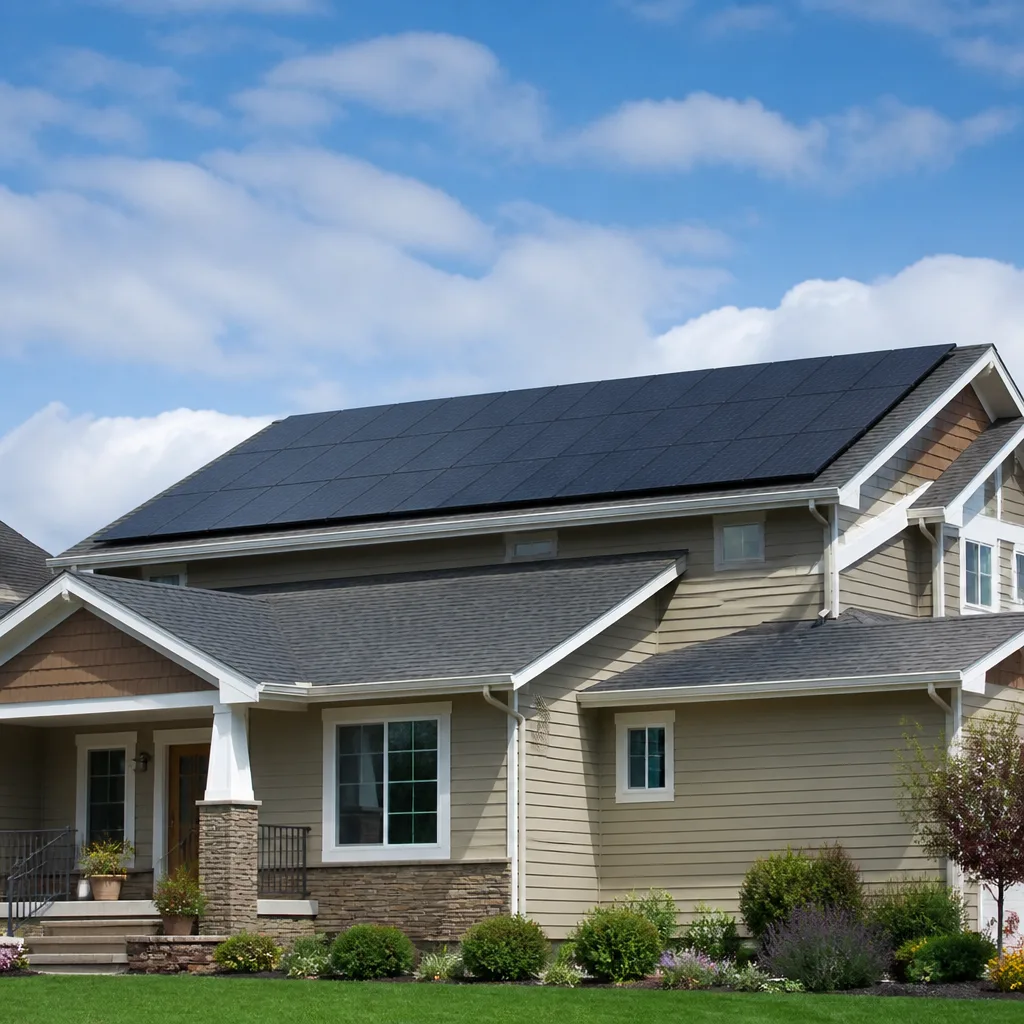
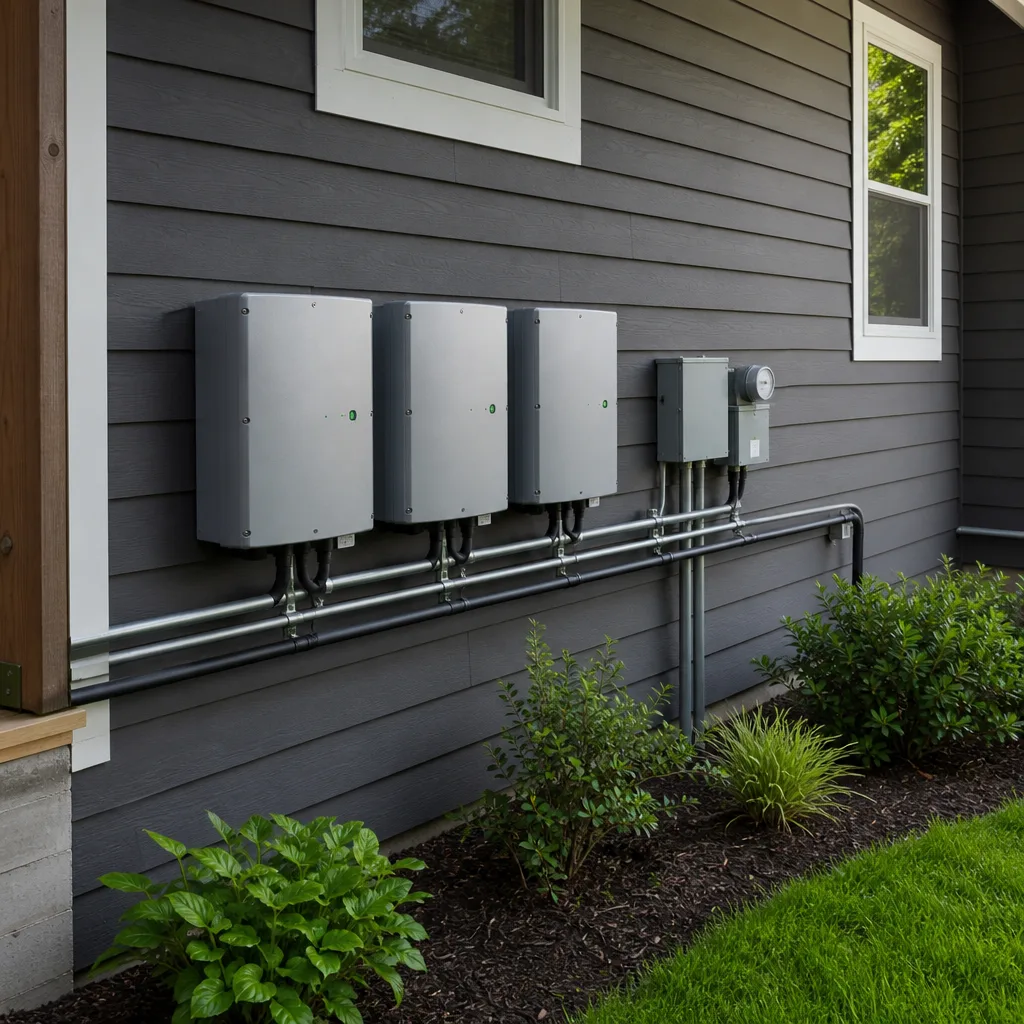
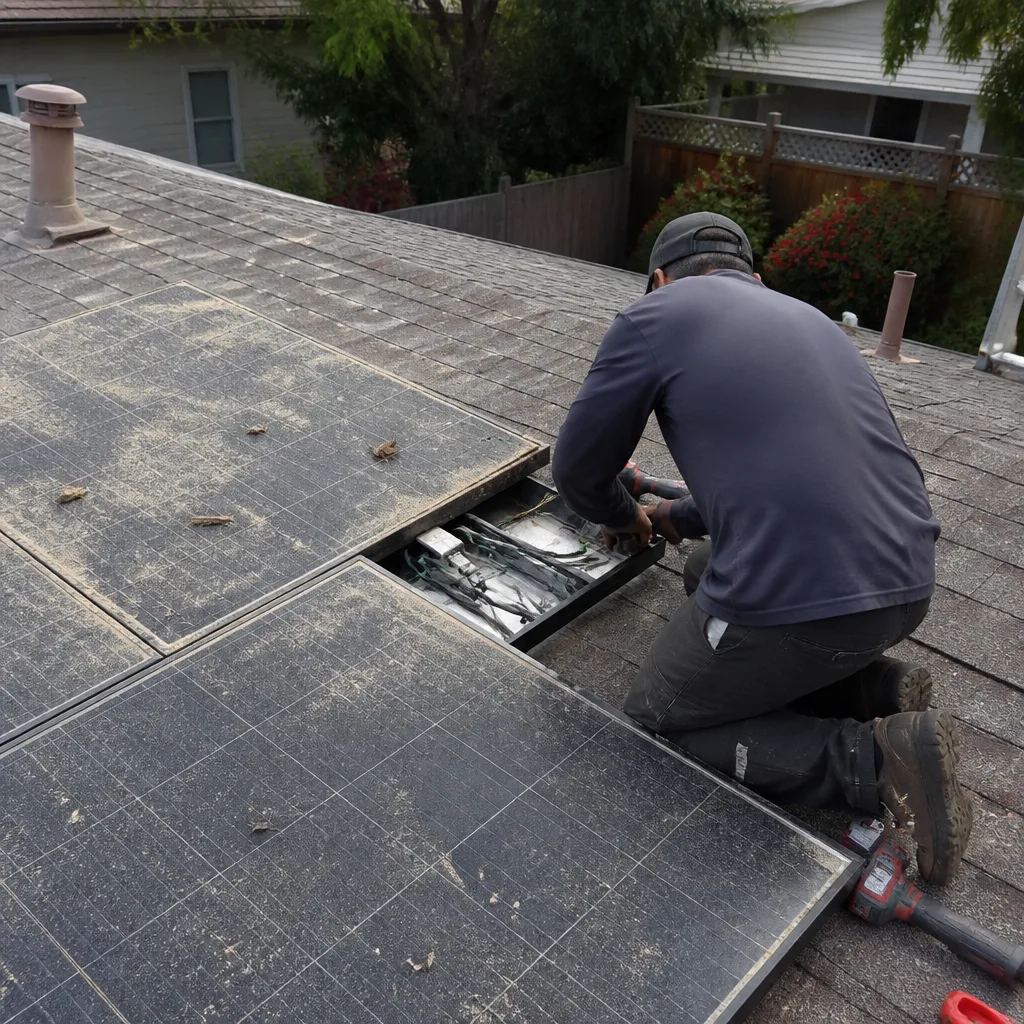 Before
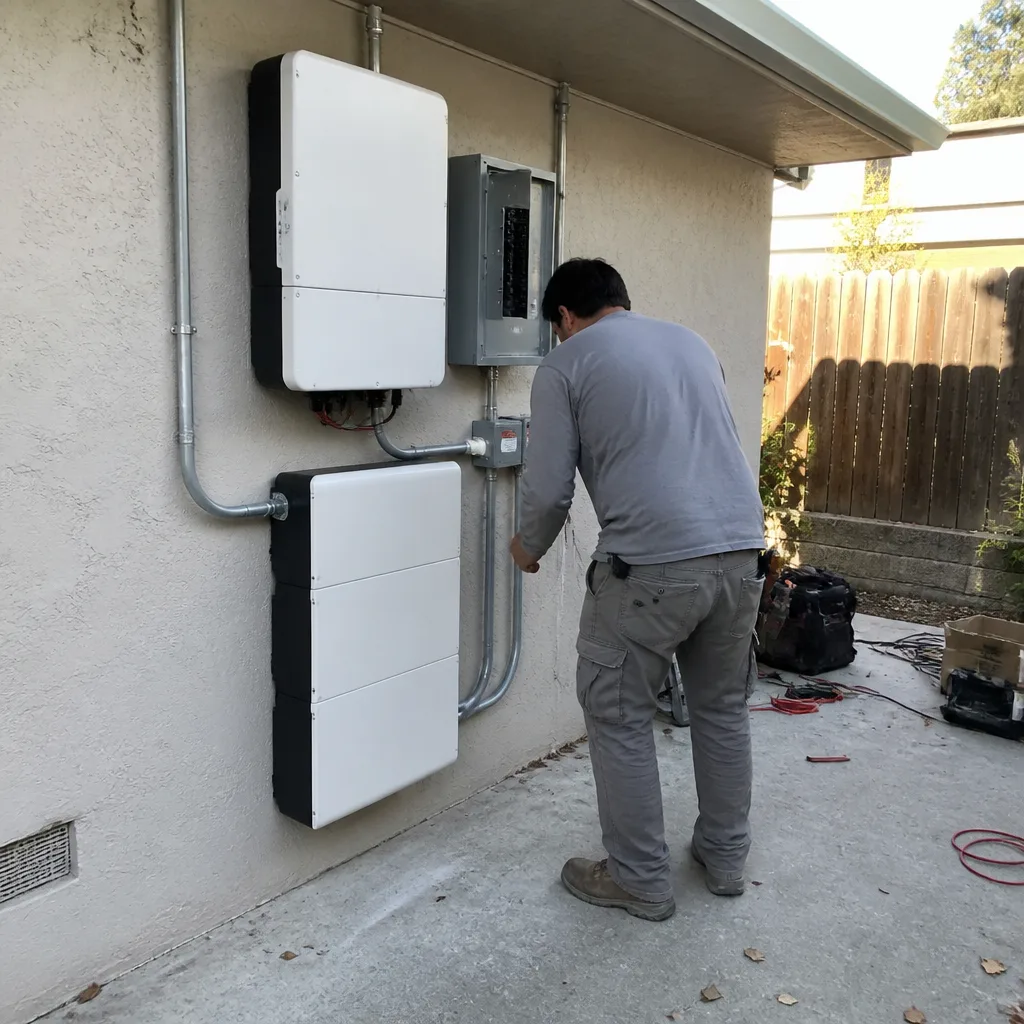 After
After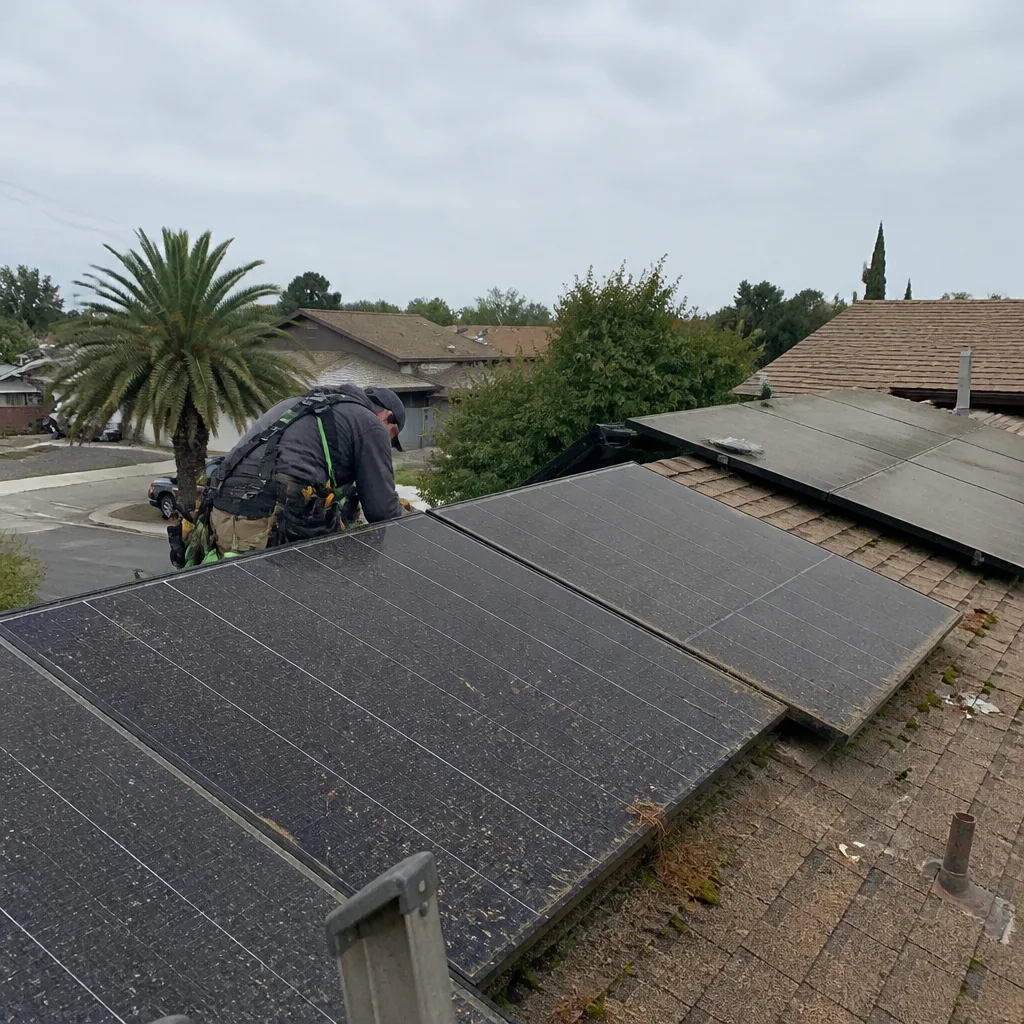 Before
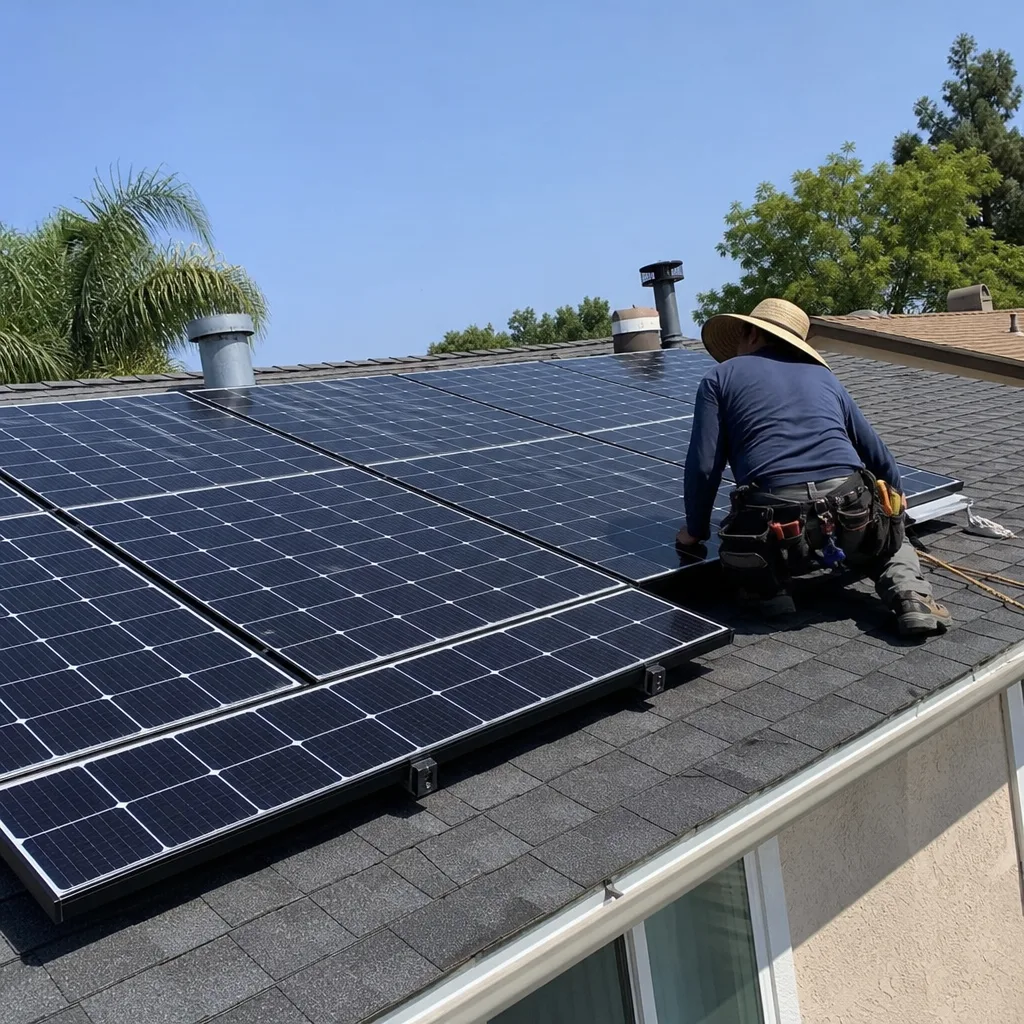 After
After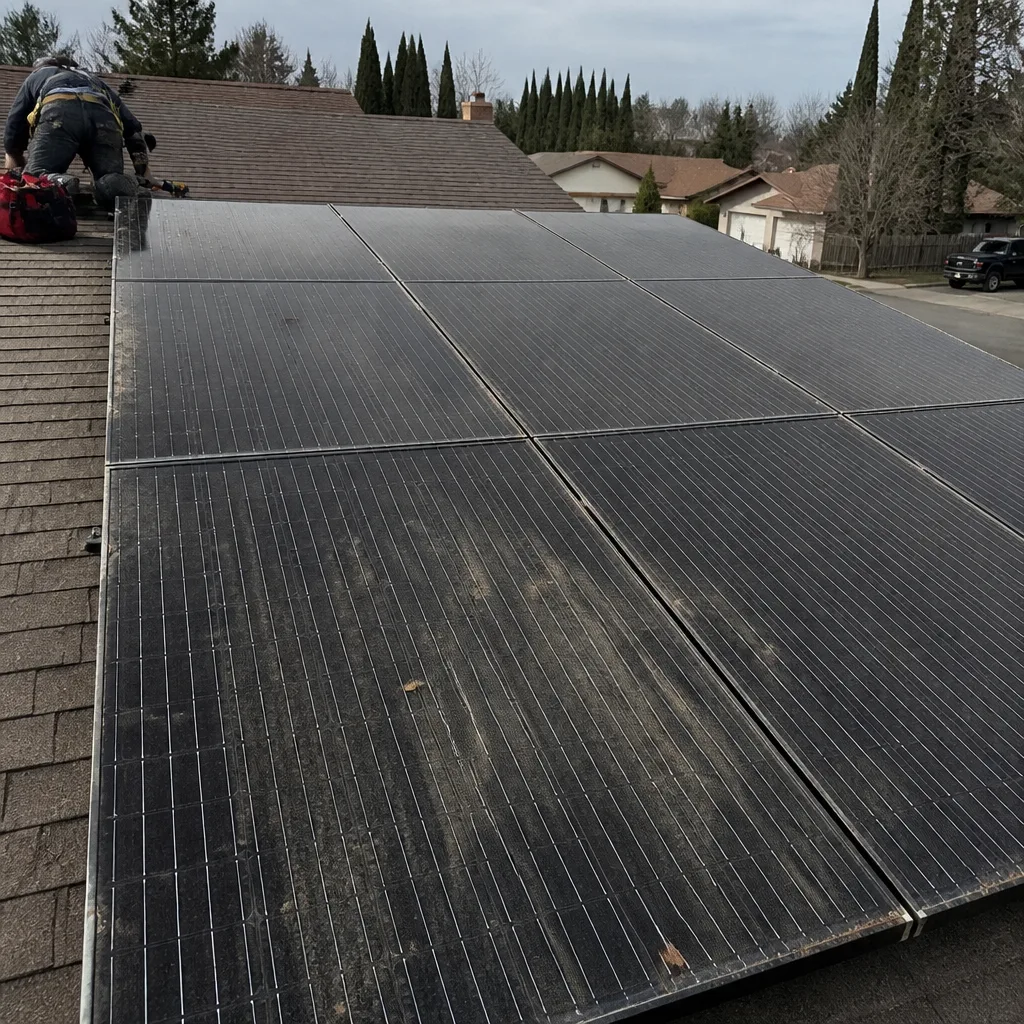 Before
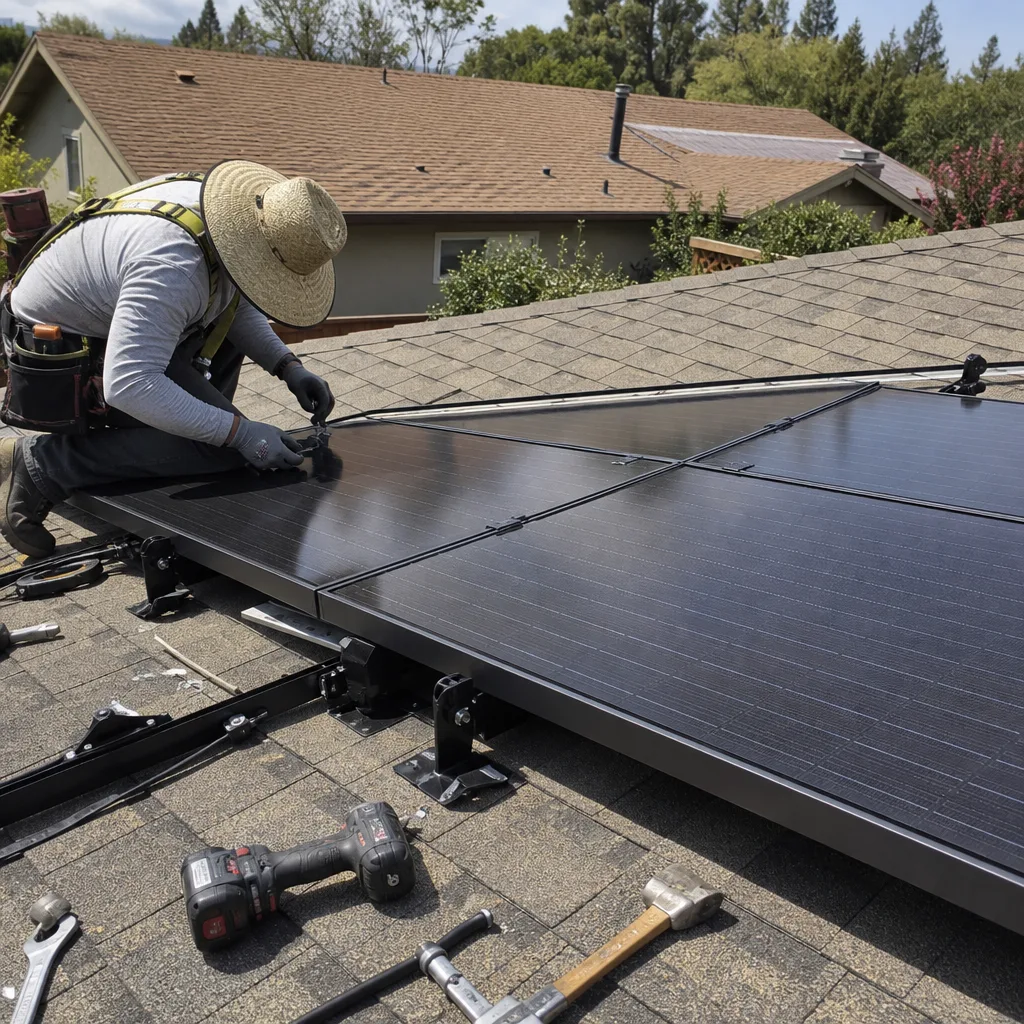 After
AfterFast, Reliable Solar Battery Storage & Backup Across Mira Monte
In Mira Monte, a battery without a shading analysis is a bet you don’t have to take. Most homes in the 93023 ZIP sit inside the Ojai Valley bowl, and the Topa Topa ridgeline to the north cuts into morning and late-afternoon sun more than most installers from the coastal plain ever account for. That means your battery needs to be sized and programmed differently here than in Ventura or Oxnard. Gus’s Solar has been working these valley rooftops long enough to know the difference. If you want honest numbers built off your actual utility bill and a roof that still produces when the ridgeline wins, call (877) 550-6892.
Key Takeaways for Mira Monte Homeowners
- A shaded Mira Monte roof can still charge a battery to full, but only if the charge window is set to capture clipped midday solar rather than stretched across a flat 9-to-3 curve.
- Whole-home backup on a post-Thomas Fire rebuild with a 200-amp panel often still needs a dedicated backup loads subpanel to avoid tripping the main breaker during an outage.
- Older 1960s and 70s ranch homes in Mira Monte frequently have string inverters without rapid shutdown compliance, which means a microinverter or DC-optimizer retrofit has to happen before a battery can be added.
- Battery payback in the 93023 ZIP under SCE’s TOU-D-PRIME rate depends heavily on the mountain shading profile of your specific roof orientation, not a generic table from a brochure.
Why Gus’s Solar Is Mira Monte’s Preferred Solar Battery Storage & Backup Company
We’re the shop that shows up. Gus Petrakis founded this company in 2011, and he still puts his own name on the truck. Mira Monte homeowners have a particular reason to care about that: this valley is full of properties where a national outfit quoted one number over the phone and then found reasons to raise it after the site visit. We don’t do that. The price Gus quotes off your SCE bill is the price on the contract. If a salesman needs an answer tonight, the answer is no. Take two weeks. Think about it. The price will be the same.
Response time to Mira Monte matters when a grid outage hits and your battery doesn’t kick over. We schedule from our Fresno office and send crews directly into the Ojai Valley, usually with same-week availability for battery retrofits and emergency diagnostics. A live person answers our phone 24/7, not a voicemail queue. When you call about a battery that’s not charging or a breaker that tripped during the last SCE event, you get a human being who can tell you what to check and when we can be there.
We also know how Mira Monte’s housing stock shapes battery work. The patchwork of mid-century ranch homes and post-fire rebuilds off Burnham Road, Creek Road, and the smaller lanes around Santa Ana Road means no two service panels look alike. Some homes have 100-amp panels that need an upgrade before permitting. Some have 200-amp panels but no backup loads subpanel. Gus’s crew handles both, and the Solar Battery Storage & Backup team does the install with our own background-checked, uniformed technicians. No subs.
Our Solar Battery Storage & Backup Services in Mira Monte
Battery Retrofit for Existing Solar
This is the most common job we do in Mira Monte, and it’s where the valley’s older housing stock shows up most. A 1960s or 70s ranch home with an existing string inverter system usually can’t add a battery until that inverter is replaced or supplemented with microinverters or DC optimizers that meet current rapid shutdown code. We don’t upsell that work. We walk the roof, check the inverter, pull the permit history if it’s available, and tell you exactly what has to happen and what it costs. That’s the 90-Day Done Right Promise in practice: if it’s not done right, Gus makes it right, in writing.
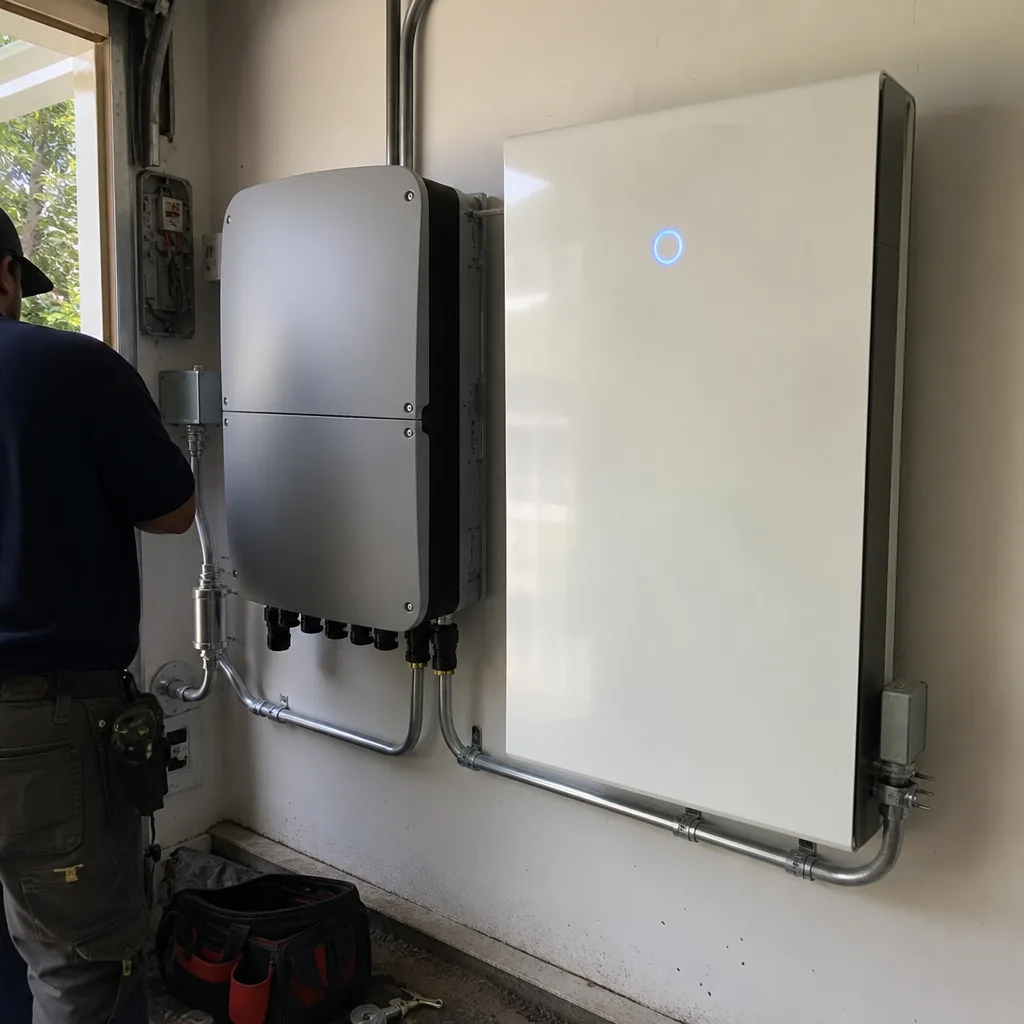
Time-of-Use & NEM 3.0 Optimization
Mira Monte sits in SCE territory, and under NEM 3.0 the export rate for surplus solar is a fraction of what it was under NEM 2.0. That changes the battery math. Instead of selling clipped midday production back to the grid for pennies, the smarter move for many valley homes is to charge a battery from that midday surplus and discharge from 4 to 9 PM when TOU-D-PRIME rates are highest. The ridge shadow actually reinforces this: east- and west-facing arrays lose production in the early morning and late afternoon, so the battery does its heavy lifting precisely when the roof can’t. We model this off your actual 12-month SCE usage history, not a brochure estimate. Bring me a bill, I’ll bring you the math.
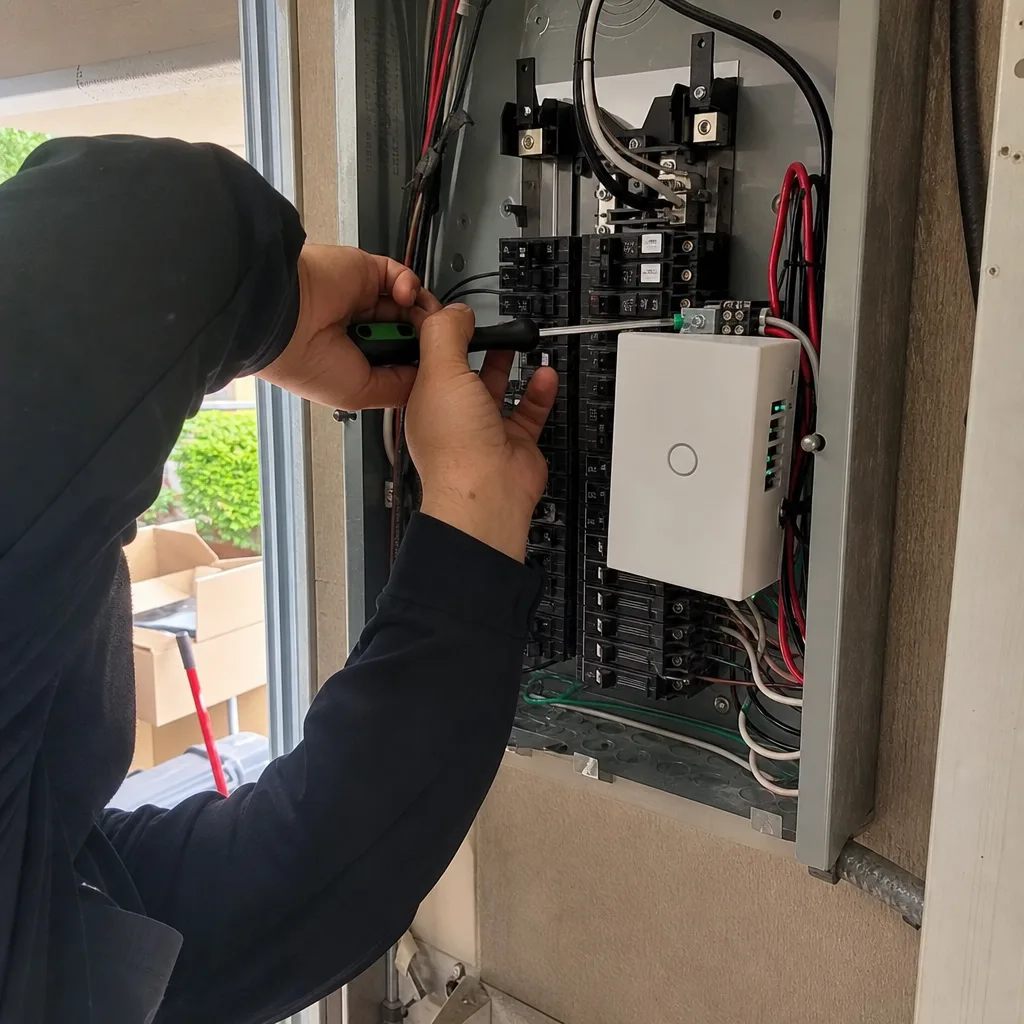
Whole-Home Backup Power
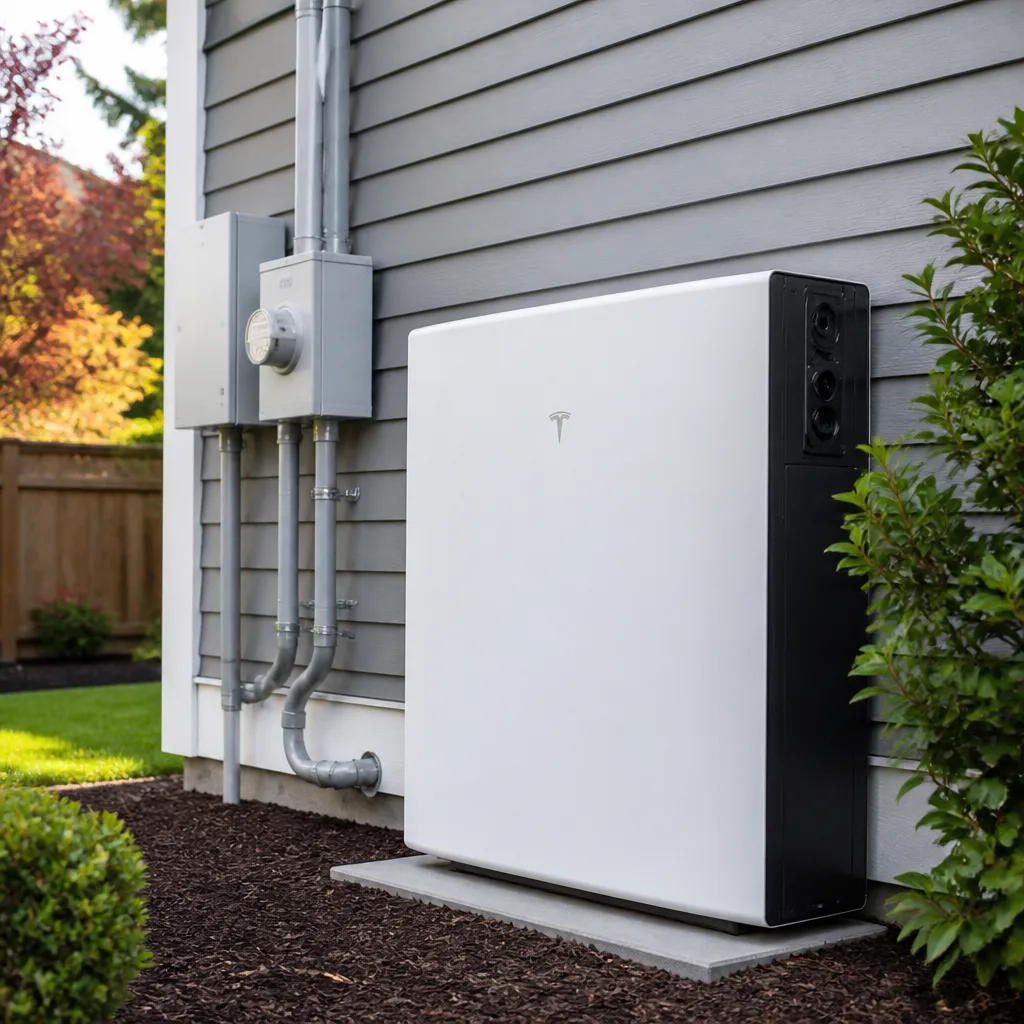
Mira Monte’s wildfire season is a lived reality, not a talking point. The 2017 Thomas Fire burned extensively through the 93023 ZIP, and many residents now treat backup power as a safety system, not a convenience. Whole-home backup here usually means a Tesla Powerwall 3 or FranklinWH aGate paired with enough capacity to ride through a multi-day outage. But the valley’s rebuild history introduces a quiet failure mode: many post-fire rebuilds with modern 200-amp panels still lack a dedicated backup loads subpanel. When the grid drops and the battery takes over, the main breaker can trip if the load isn’t partitioned correctly. We check for that before we quote, because a battery that fails during an outage is worse than no battery at all.
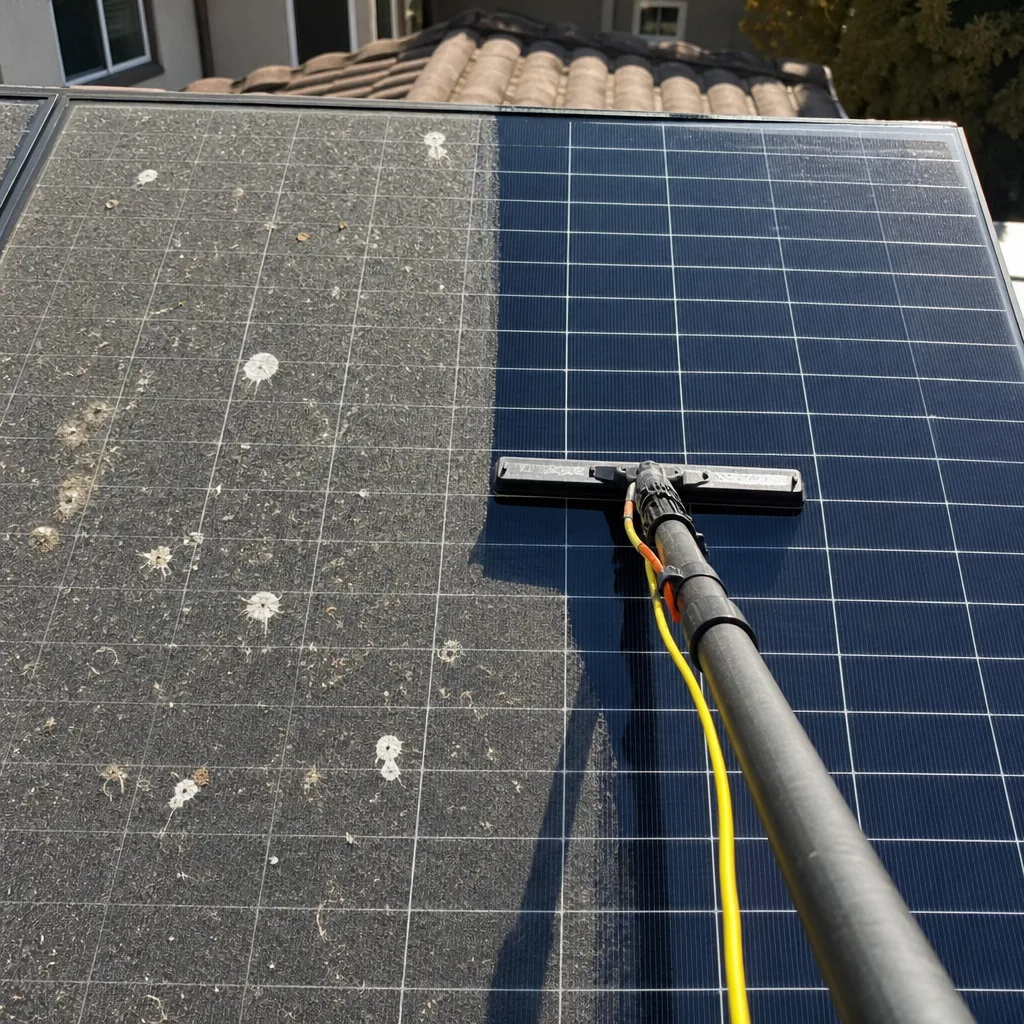
Enphase IQ Battery Installation
For homes that already run Enphase IQ8 microinverters, the Enphase IQ Battery is a natural fit. It integrates with the existing gateway, handles islanding cleanly, and gives you per-circuit load control through the Enphase app. In Mira Monte, we frequently pair an Enphase battery with an existing IQ8 array to handle the shaded-hour gap. The system charges from midday production and discharges through the evening ridge shadow, which means the battery is doing work every single day, not just during outages. That daily cycling is what makes the economics work under NEM 3.0.
What happens when you call
- 1
A real person answersNo phone trees - you reach a local pro.
- 2
You get an upfront price rangeHonest numbers before anyone is dispatched.
- 3
A background-checked tech heads outLicensed & insured, dispatched right away.
- 4
You approve before work beginsNothing starts until you say go.
Trusted Brands We Service in Mira Monte
We work with the equipment that actually holds up in valley conditions: Tesla, Enphase, FranklinWH, and SolarEdge. Those aren’t brochure choices. They’re the brands we’ve watched perform on Mira Monte rooftops through heat, Santa Ana wind events, and the occasional cold snap. For valley customers, we keep common replacement parts and firmware update capability on hand so a battery that’s throwing a fault code doesn’t have to wait on a shipped part from a distributor. Fast turnaround is part of being local, and being local is the whole point. Our L.O.C.A.L. standard: Local roots, On time, Community first, Accountable, Loyal. That’s not a slogan. That’s how we schedule.
Common Solar Battery Storage & Backup Problems We See in Mira Monte Homes
- Undersized batteries that never reach full charge before peak TOU hours. The Topa Topa range pushes usable solar into a narrower midday window on many valley roofs. If a battery is sized off flat-terrain assumptions, it won’t fill in time to matter. We size off your actual shading profile, not a generic PVWatts number.
- Whole-home backup installs that trip main breakers during grid outages. This happens most often on post-fire rebuilds with 200-amp panels but no dedicated backup loads subpanel. The battery handles the load fine until a well pump or HVAC compressor kicks on, and then the main trips. We flag this on day one.
- Existing solar retrofits on old ranch homes with non-compliant string inverters. A 1960s or 70s Mira Monte home with an original string inverter can’t legally or safely add a battery until rapid shutdown compliance is addressed. We handle that retrofit as part of the battery job and quote it as one line item, not a surprise change order.
- Batteries installed without a shade report that chronically underperform. We see this on homes where a coastal installer mapped the roof, assumed flat terrain, and missed the eastern ridge. The first monitoring report shows the battery hitting 60 percent charge by 4 PM. By then the fix costs more than doing it right the first time.
Pricing for Solar Battery Storage & Backup in Mira Monte, CA
A single Tesla Powerwall 3 installed in Mira Monte typically runs $11,500 to $14,500 before any applicable tax credit. An Enphase IQ Battery 5P installation lands between $7,000 and $9,500 depending on whether it’s a retrofit or part of a new array. Whole-home backup with a FranklinWH aGate and two aPower modules usually falls between $16,000 and $21,000. Battery retrofits on older ranch homes with string inverters add $2,800 to $5,000 for the microinverter or DC-optimizer conversion. If your home needs a main panel upgrade from 100 amps to 200 amps, plan for another $3,500 to $5,500. These are real numbers for this valley’s housing stock. Call (877) 550-6892 for a free estimate built from your actual SCE bill. No signature wanted tonight.
We Also Serve Cities Near Mira Monte
Gus’s Solar handles battery storage and backup work throughout the Ojai Valley and the surrounding corridor. We regularly serve homeowners in Solar Battery Storage & Backup in Mira Monte, Ojai, Ventura, Santa Paula, and El Rio. If you’re in one of those communities and dealing with ridge shading, NEM 3.0 export math, or a battery that’s not performing, call us at (877) 550-6892.
Serving Mira Monte, CA - Our Local Coverage Area
We’re based in the Mira Monte area and know this community well. Use the map below to see our service coverage - if you’re nearby, we can almost certainly help.
FAQs - Solar Battery Storage & Backup in Mira Monte
Yes, if the charge window is set correctly. The ridge shadow from the Topa Topa range cuts morning and late-afternoon production on many valley roofs, but midday clipping often produces more surplus than the array can export. We program the battery to charge from that midday surplus, which means it reaches full charge by early afternoon even on an east- or west-facing roof. The key is that the shading analysis has to be done before the battery is sized and the charge schedule is set. A flat-terrain installer will miss it. Call (877) 550-6892 if you want a battery checked against your actual roof orientation.
Under NEM 3.0, surplus solar exported to the grid earns roughly 75 percent less than it did under NEM 2.0. That makes the battery the moneymaker. The play in Mira Monte is to charge from midday clipped solar and discharge from 4 to 9 PM under SCE’s TOU-D-PRIME rate, when electricity costs the most. For a home with the right shading profile, that can cut the annual true-up by $200 to $450 compared to exporting the same energy. The exact number depends on your usage history and roof orientation, which is why we build every quote from your actual bill.
Usually no, but often yes on the subpanel side. A 200-amp main panel is generally sufficient for whole-home backup capacity. The issue we see on many post-fire rebuilds in the 93023 ZIP is the absence of a dedicated backup loads subpanel. Without that partition, a battery trying to power the entire home during an outage can trip the main breaker when a large load like a well pump or central AC kicks on. The fix is usually a subpanel install, not a main panel upgrade. We check this during the site visit and quote it upfront.
No, not safely or legally. String inverters installed before current rapid shutdown requirements don’t meet the code needed for battery integration. To add a battery, the system needs either microinverters or DC optimizers installed at the panel level. That conversion runs $2,800 to $5,000 on a typical Mira Monte ranch home, and we handle it as part of the battery job. The alternative is replacing the string inverter entirely, which sometimes makes more sense if the inverter is near end of life anyway. We’ll give you both numbers and let you decide.
For most Mira Monte homes with east- or west-facing arrays, one 13.5 kWh Tesla Powerwall or an Enphase IQ Battery 5P plus a second module is enough to cover the shaded evening hours plus a reasonable overnight outage buffer. The math is simple: if the ridge steals two hours of evening production, that’s roughly 6 to 9 kWh of lost output on a typical residential array. A single Powerwall covers that and leaves headroom. Larger homes with well pumps or all-electric appliances often need two batteries. We size it off your actual consumption during the 4 to 9 PM window, not a square footage table. Call (877) 550-6892 for a free estimate; no signature wanted tonight.
Written by Gus Petrakis, Owner at Gus’s Solar, serving Ventura County since 2011.