
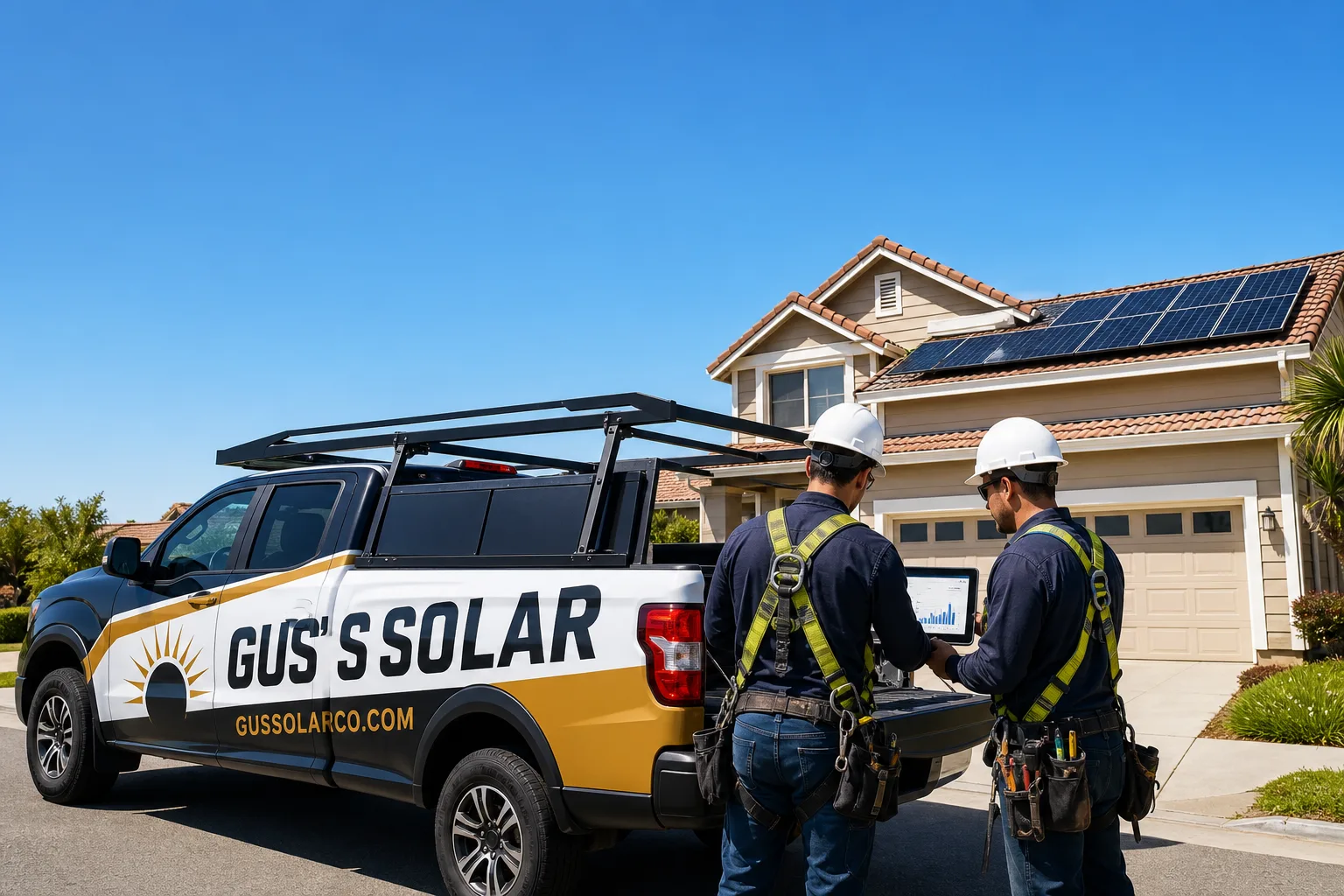
Free bill analysis - bring a power bill, get the production math for your actual roof, panel brands like Qcells and REC compared side by side
If the pitch starts at your door and ends with "sign tonight for the special," sleep on it. The sun will still be there tomorrow; so will we.
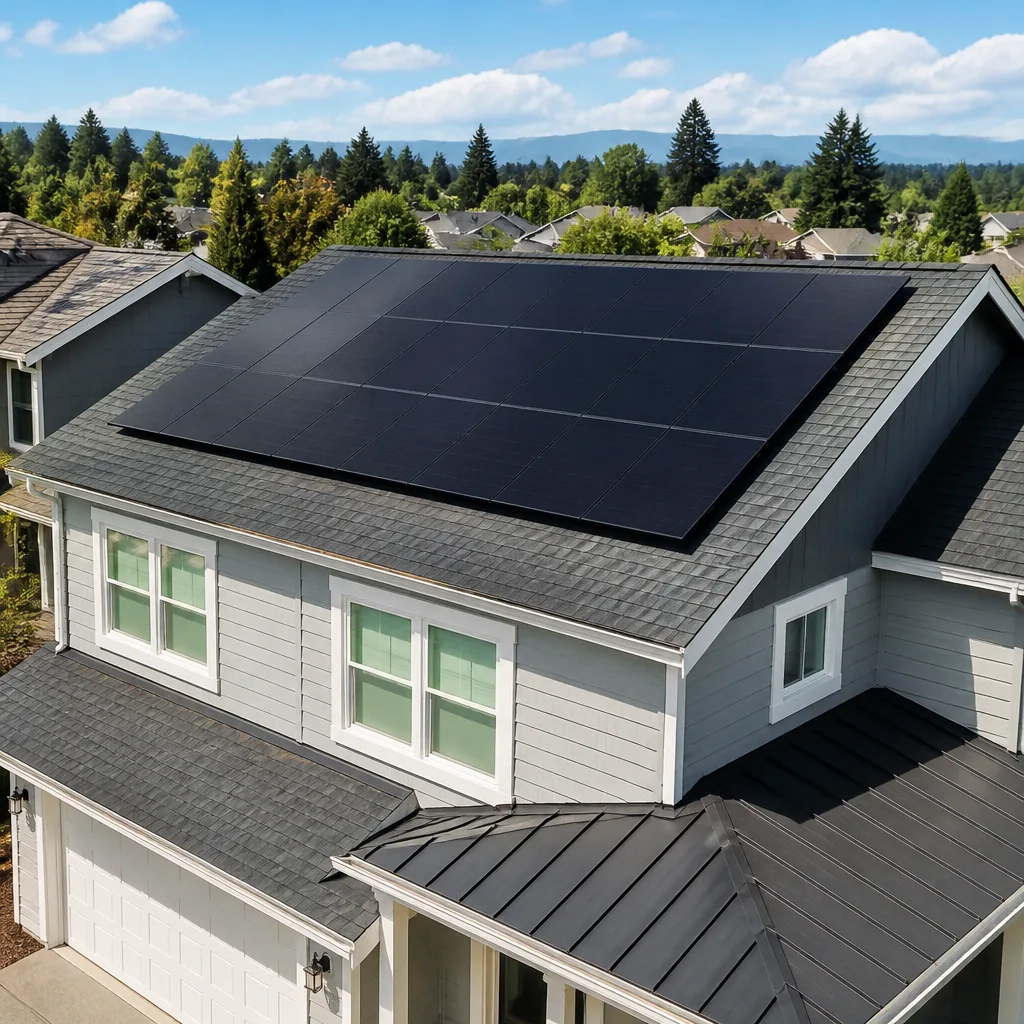
 Before
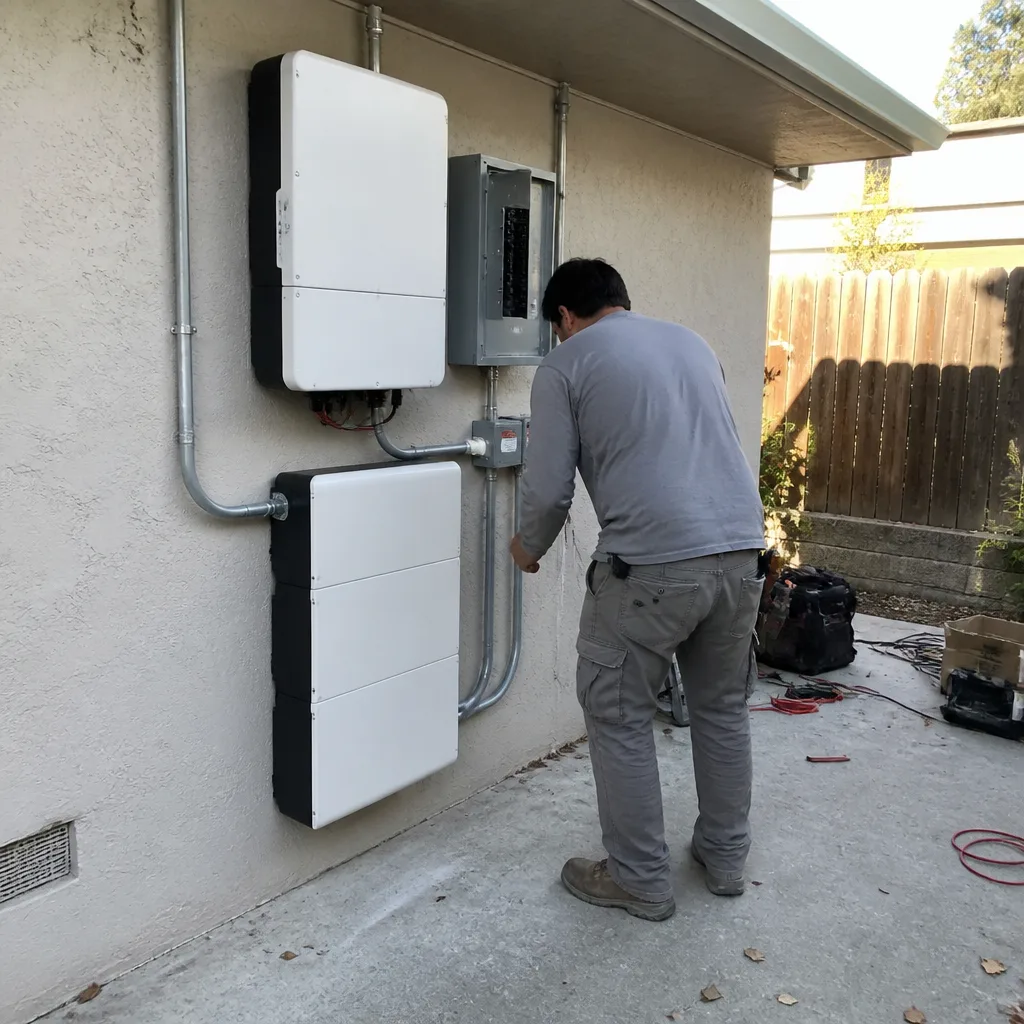 After
After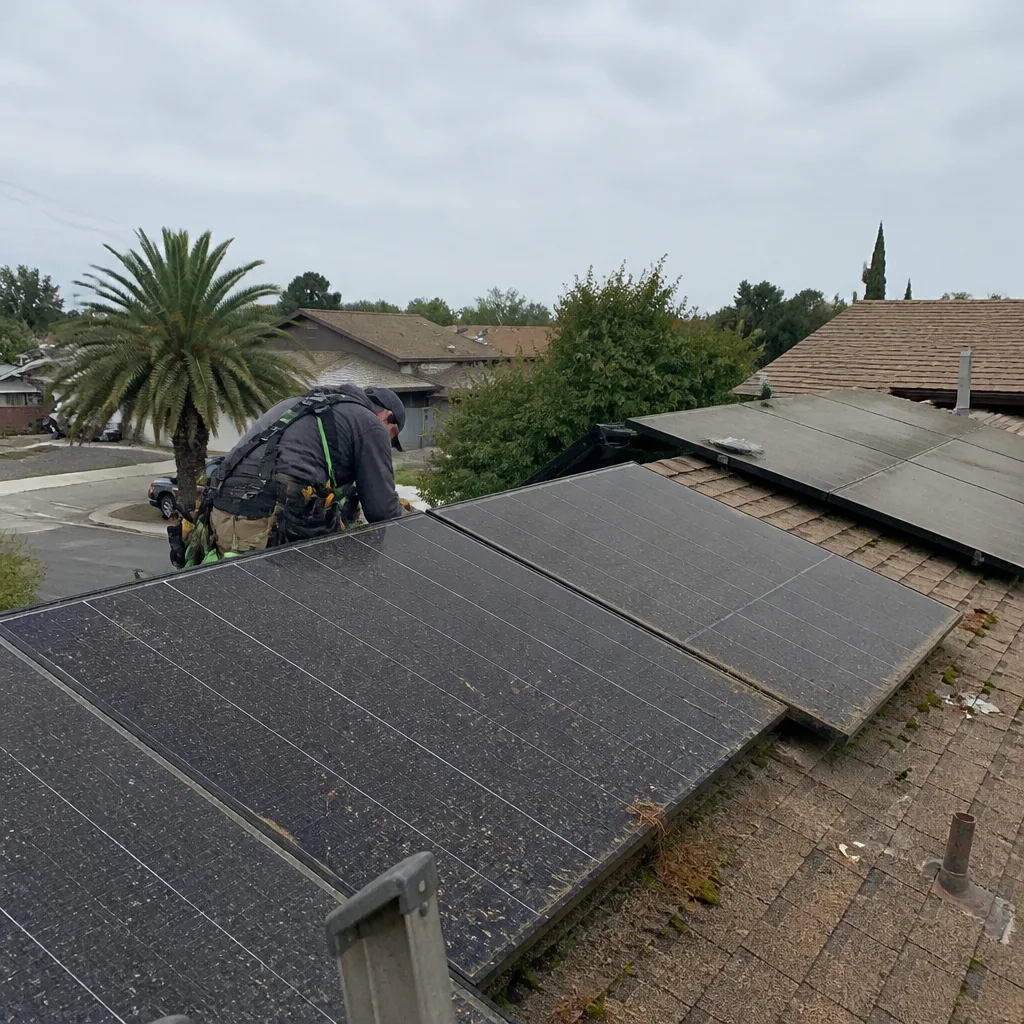 Before
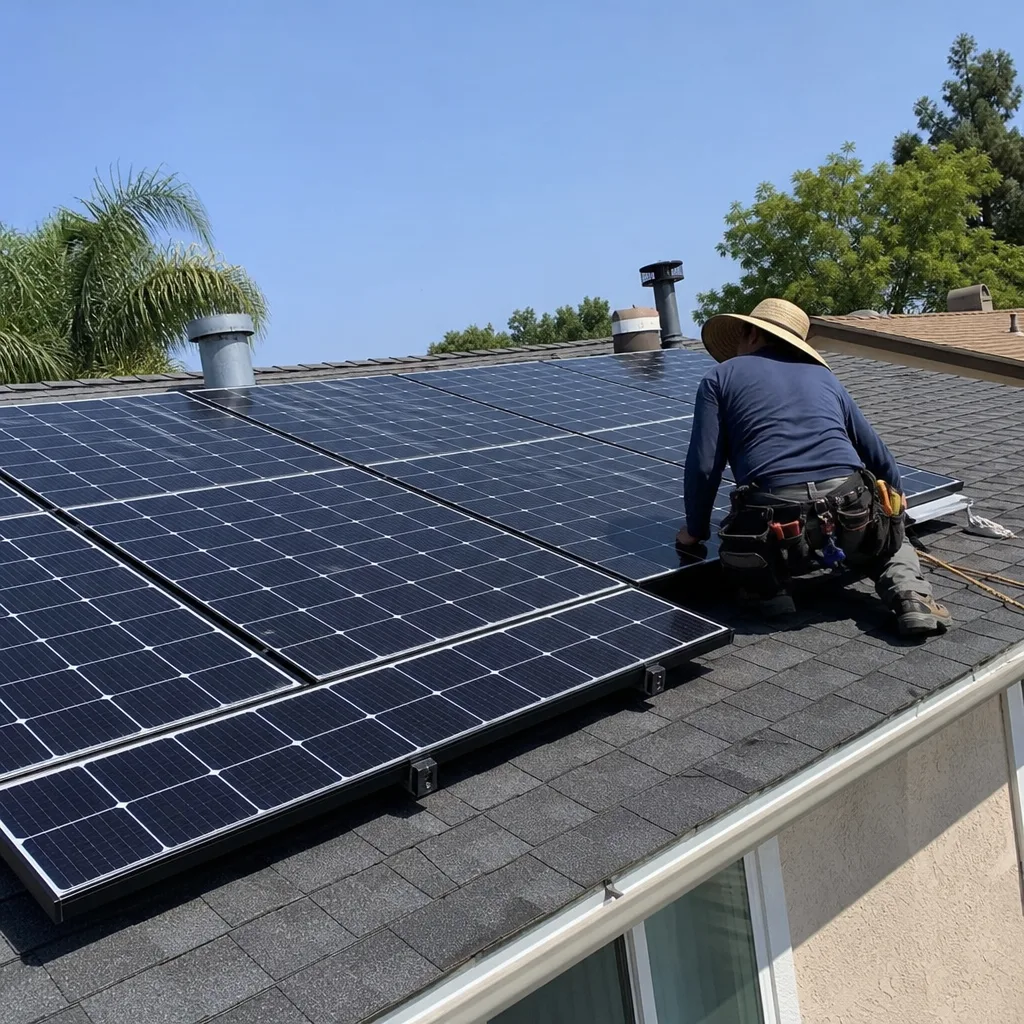 After
After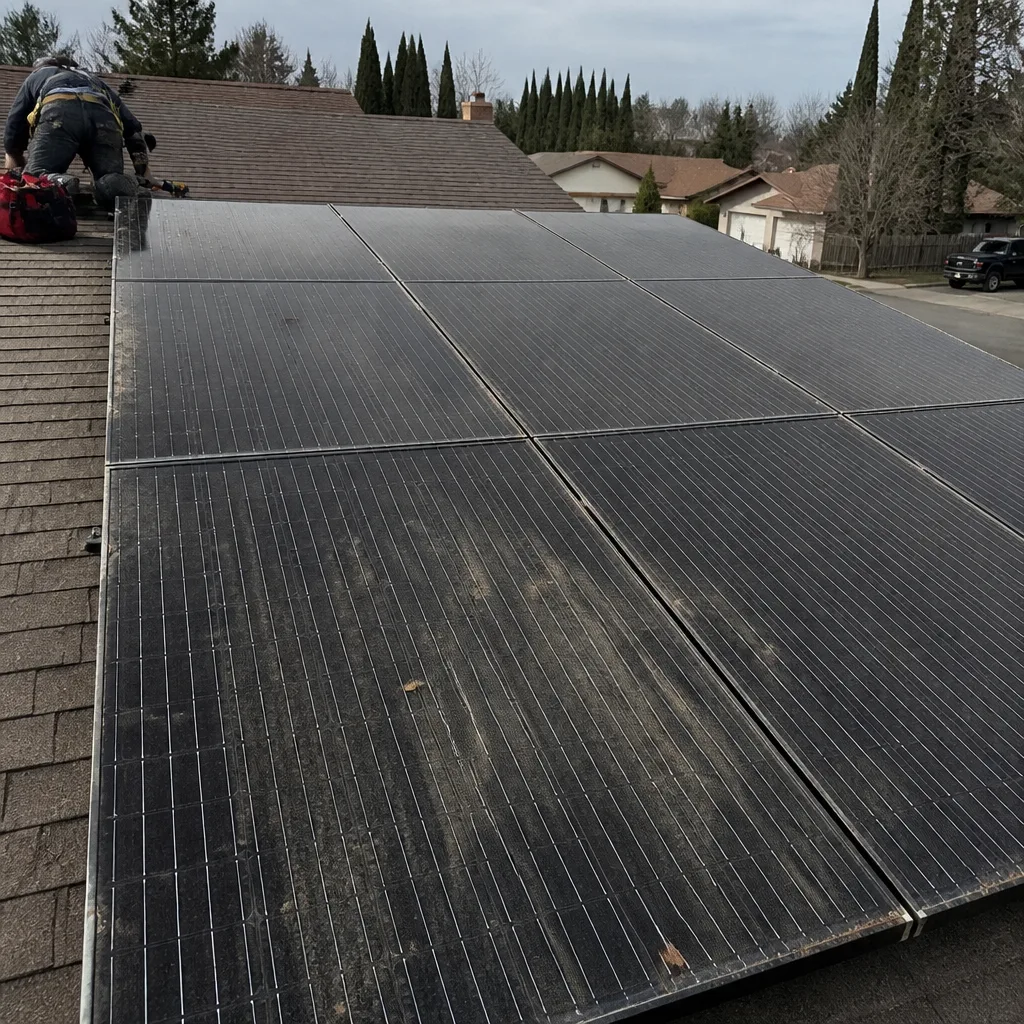 Before
 After
AfterFast, Reliable Solar Battery Storage & Backup Across Covina
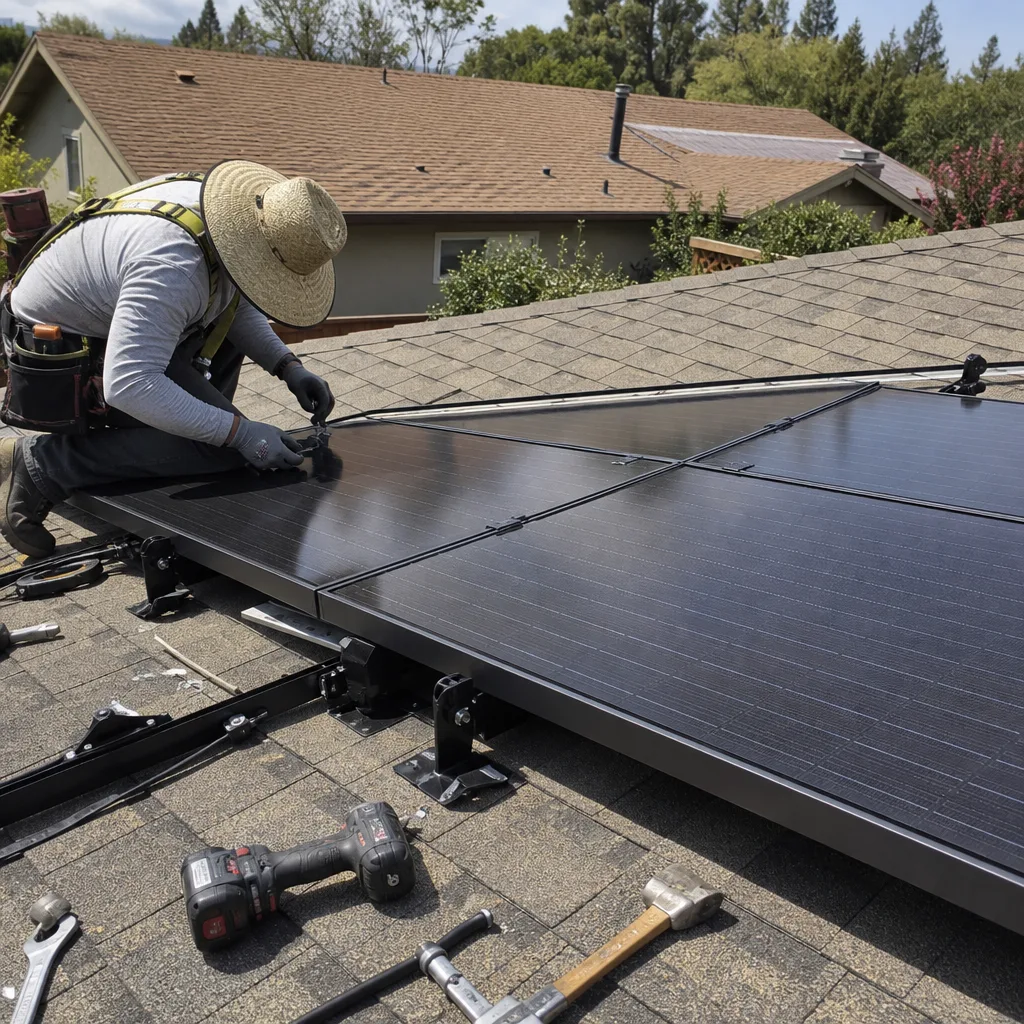
Solar battery storage in Covina runs $9,500 to $18,500 for a single battery installed, and $16,000 to $34,000 for a whole-home backup setup with two or more batteries. Most Covina jobs take one to two days once equipment arrives, and we carry Tesla Powerwall 3, Enphase IQ Battery 5P, and FranklinWH aGate inventory at our Los Angeles yard, so we can usually be on your roof within a week of your signed agreement. Gus Petrakis built this company in 2011 with a simple rule: quote the year-25 output, not the day-one brochure number. If you’re in Covina and tired of seeing your solar array export power for pennies while you buy expensive SCE electricity after 4 PM, call (877) 550-6892 and we’ll walk you through the math off your actual bill.
Why Gus’s Solar Is Covina’s Preferred Solar Battery Storage & Backup Company
We’ve worked on enough ranch homes in Covina to know what we’re going to find before we open the panel: 1950s to 1970s construction, a 100-amp service, and an SCE bill that’s climbed every summer. That’s not a guess, it’s what we see on the majority of jobs across ZIP codes 91722, 91723, and 91724. When you call us, a live person answers. Not a voicemail, not a ticketing portal, not a call center three states away. You’ll likely talk to Gus himself, and if he’s on a roof, someone on his crew picks up and tells you when he’ll call back.
Our Covina customers tend to be people who got burned by a door-knocker promising one number and charging another. That’s exactly why Gus puts his name on the truck and his license number on the estimate. We don’t sub out the work. The same background-checked, uniformed crew that installs your battery is the crew that comes back if anything acts up. And every job carries our 90-Day Done Right Promise in writing: if it’s not right, one call brings Gus back to make it right.
We also know Covina’s electrical landscape cold. The panel upgrade conversation isn’t a surprise add-on for us, it’s part of the first appointment. We’ll tell you before we quote whether your 1968-era 100-amp service needs to become a 200-amp service before SCE will approve a battery interconnection. No discovery fees mid-install, no “we found something” phone calls. The number you see is the number you pay.
Our Solar Battery Storage & Backup Services in Covina
Tesla Powerwall Installation
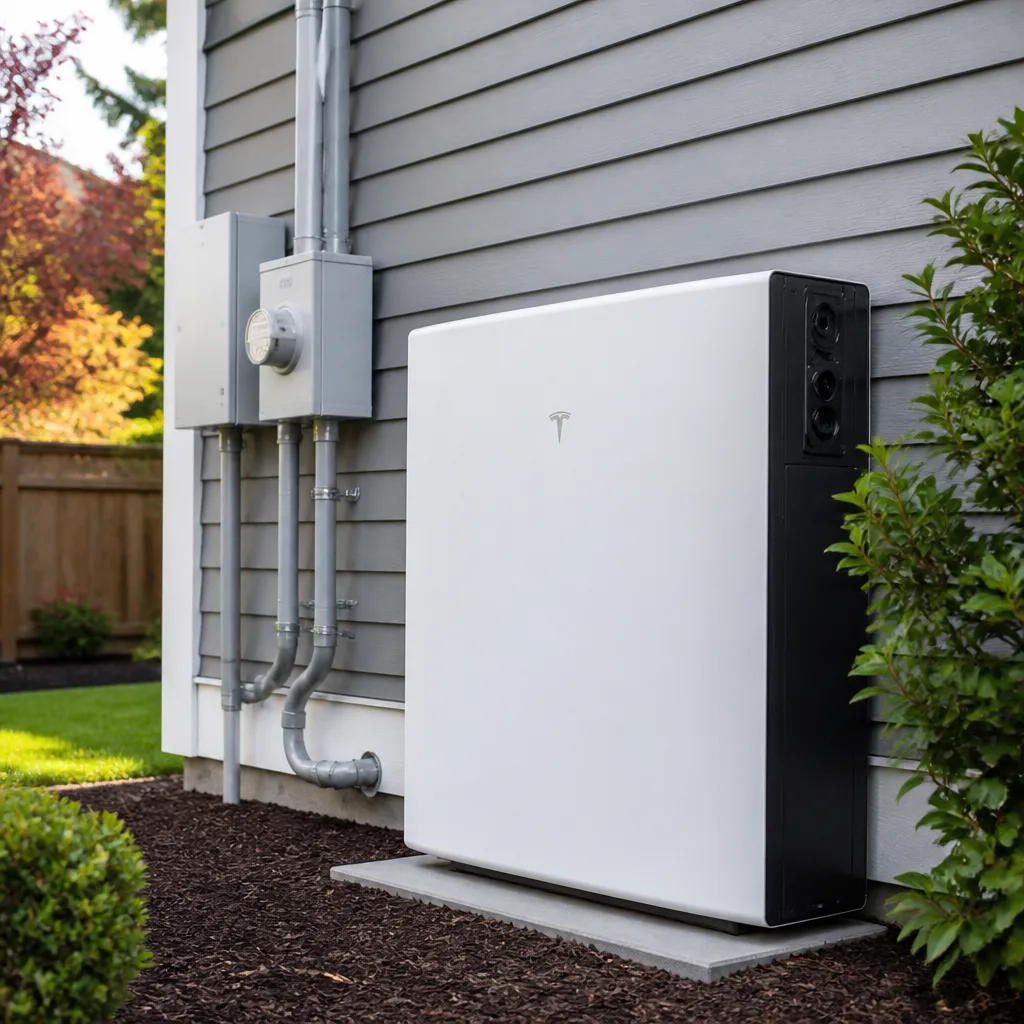
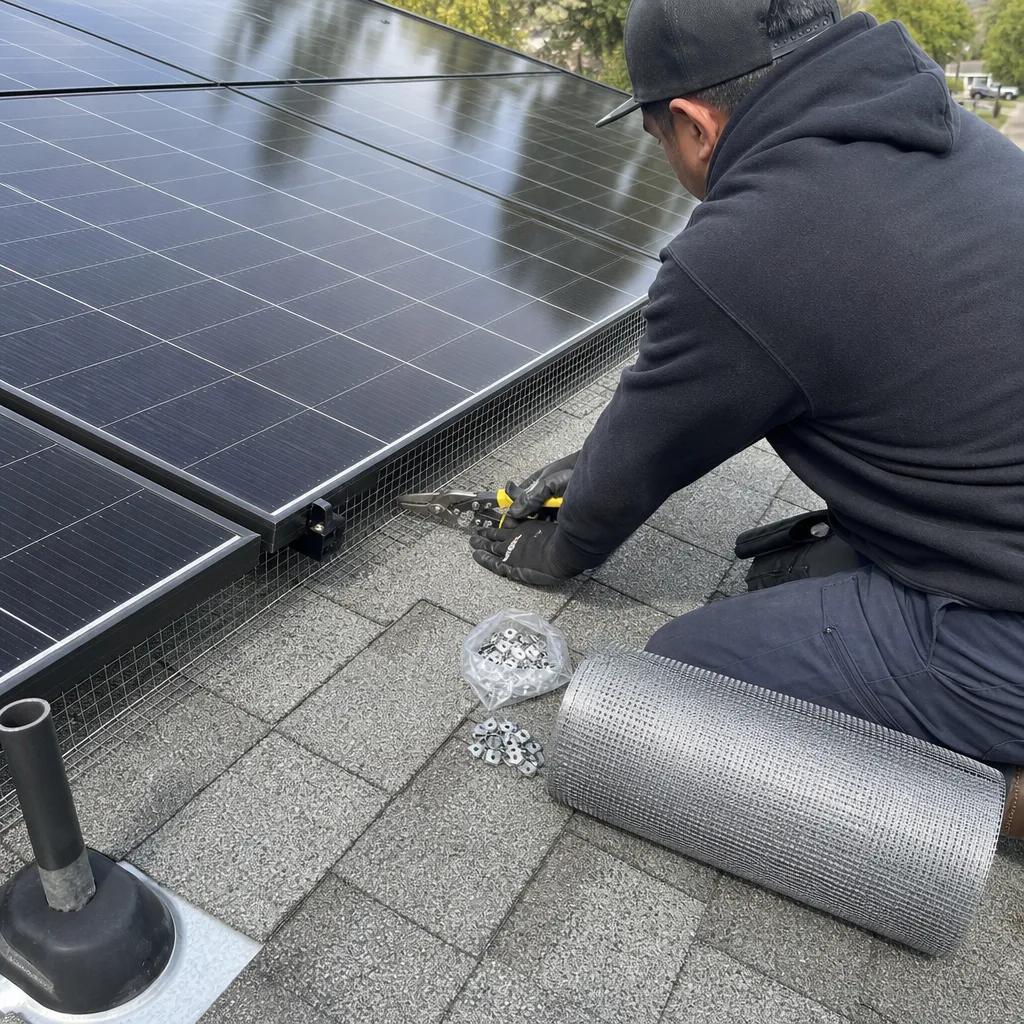
The Tesla Powerwall 3 is the most common battery we install in Covina, and for good reason: it handles a central AC startup with ease, which matters when August afternoons hit 102°F and your compressor kicks on at 4:15 PM. A single Powerwall 3 in Covina typically runs $11,000 to $14,000 installed before any applicable incentives, and it pairs cleanly with most existing solar arrays. We stock Powerwall 3 units locally, so a Covina install rarely waits more than seven to ten days from signed agreement to finished job.
Enphase IQ Battery Installation
If your Covina home already runs Enphase microinverters, the IQ Battery 5P is usually the smartest add-on. It integrates natively with your existing Enphase monitoring, so one app shows both production and storage, and the modular design means you can start with 5 kWh and expand later without replacing what you bought. A single IQ Battery 5P in Covina runs $6,500 to $9,000 installed; pairs run $12,000 to $16,000. We recommend this system heavily for ranch homes where roof planes face south and west, which describes most of the homes we see off Citrus Avenue and Badillo Street.
Whole-Home Backup Power
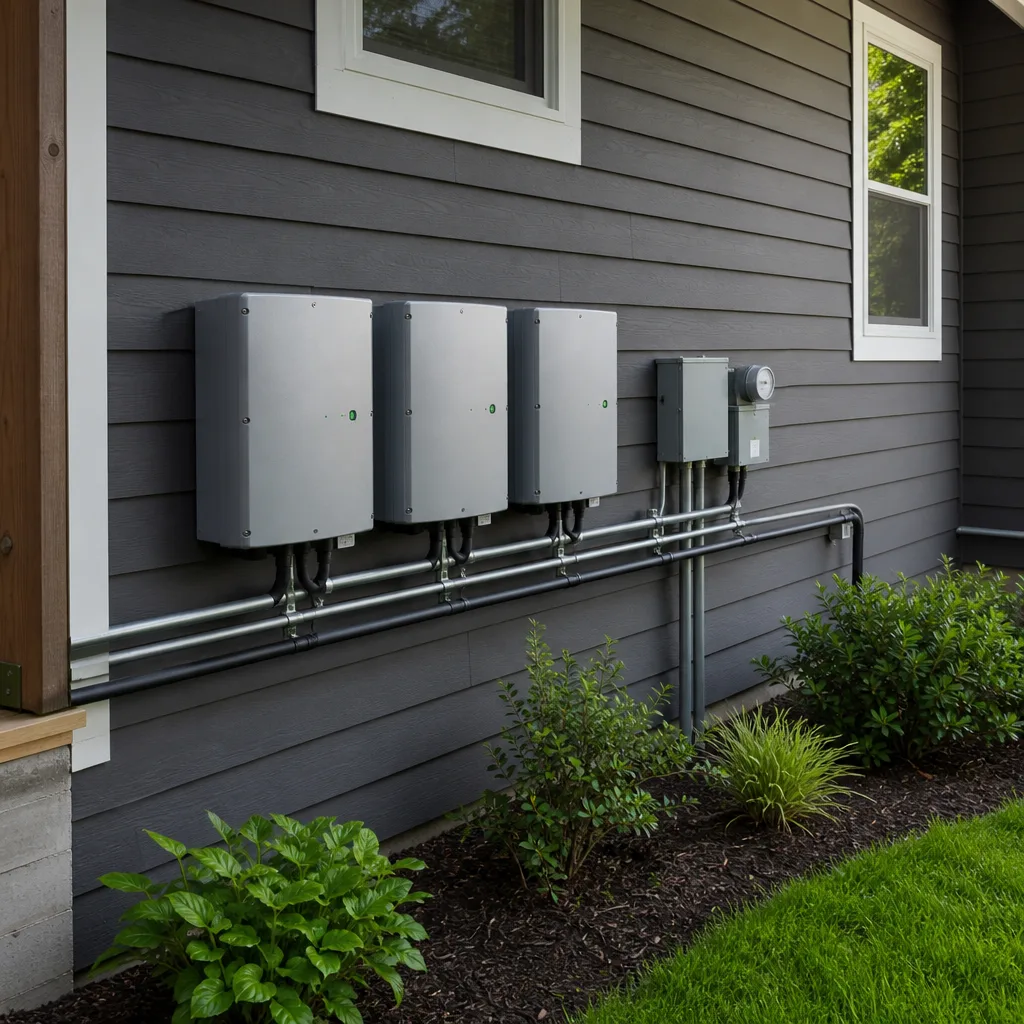
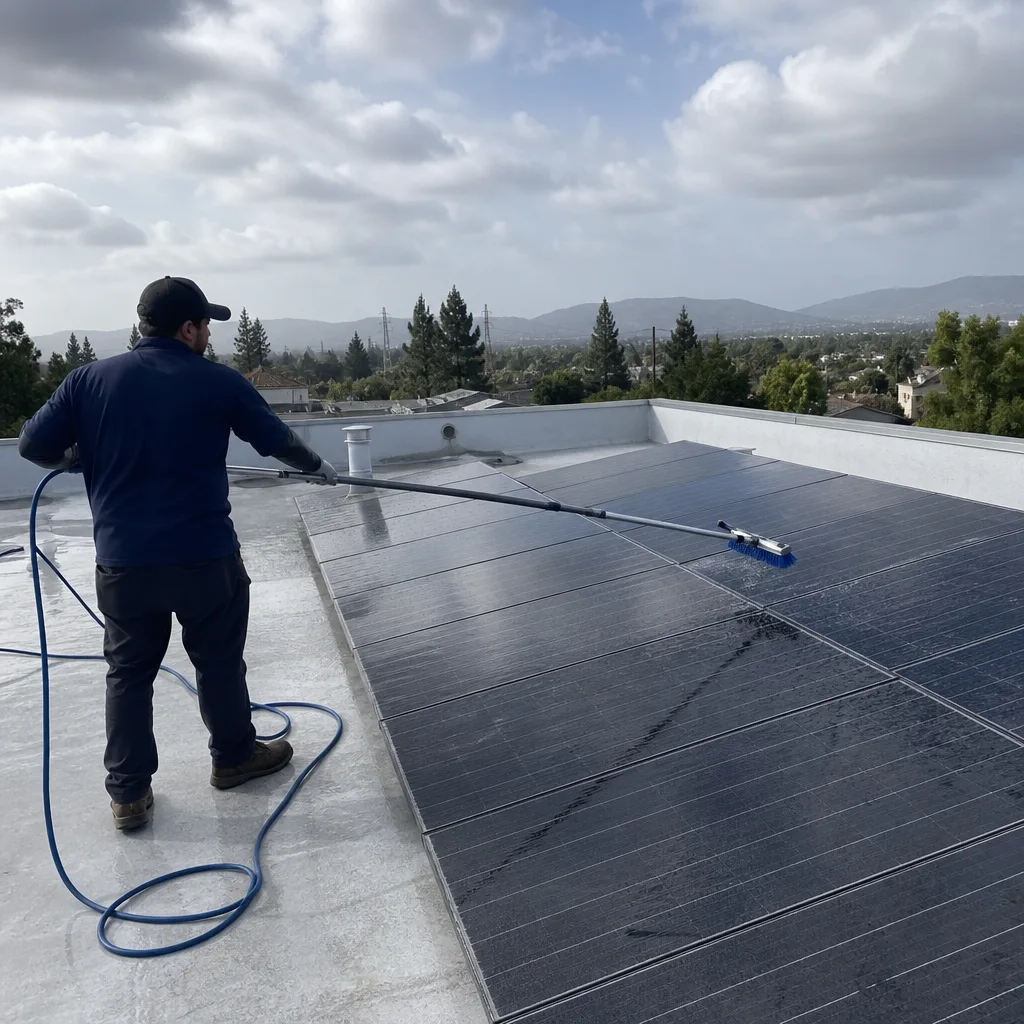
Whole-home backup in Covina means sizing a battery bank to cover your central AC, refrigerator, lights, and well pump (if you have one) through an SCE outage, not just keep your phone charged. For a typical 1960s ranch with a 4-ton AC unit, that means two to three batteries and a smart load panel that sheds non-essential circuits during an outage. Expect $18,000 to $34,000 depending on battery count and whether we’re upgrading your main panel at the same time. We’ll map your breaker box first and tell you exactly which circuits get backed up before we ever quote a number.
Battery Retrofit for Existing Solar
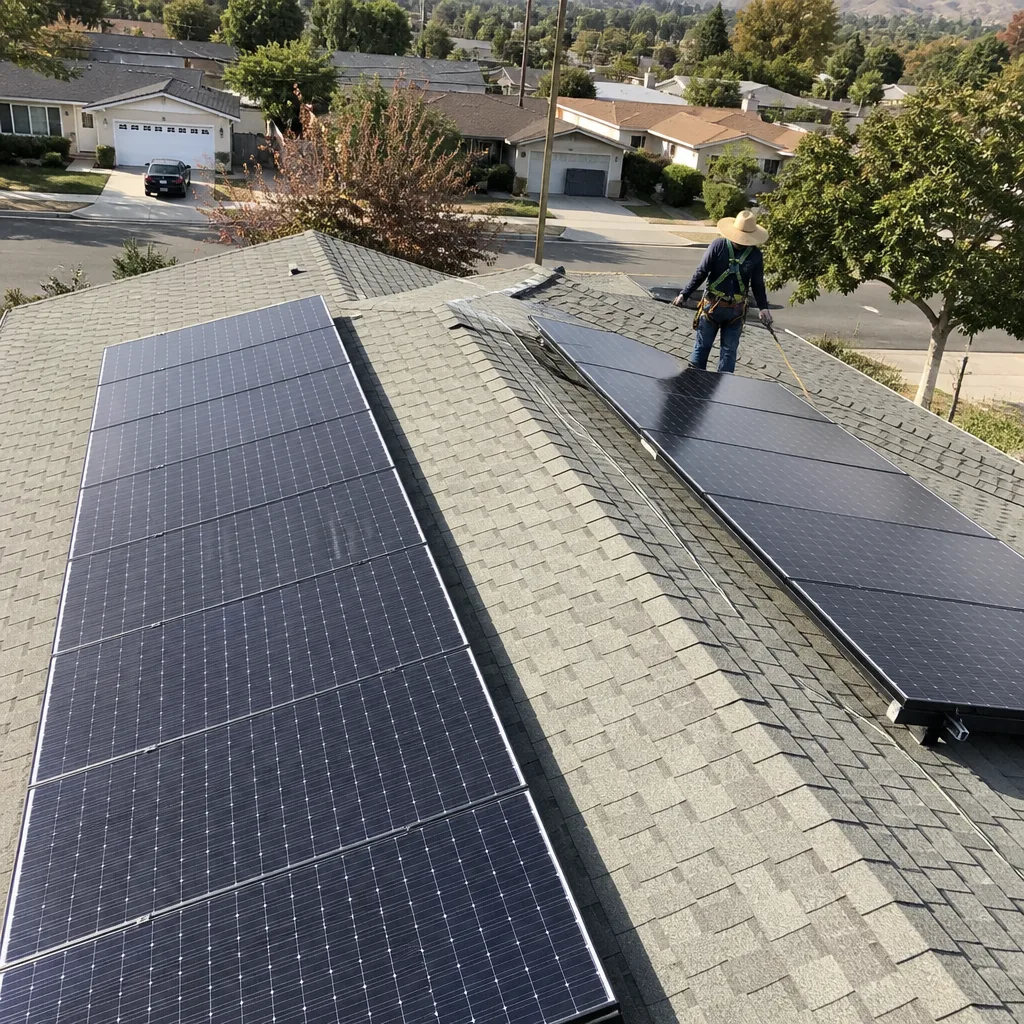
This is the service Covina homeowners call about most since NEM 3.0 took effect. If you installed panels before 2023 under NEM 2.0, your system is grandfathered into better export rates, but adding storage still changes how you consume what you make. The catch: many older Covina systems were built with string inverters that aren’t battery-compatible. In those cases, we replace the string inverter with microinverters or a hybrid inverter before the battery can even talk to the array. A retrofit with one battery typically runs $10,000 to $15,000 in Covina, including inverter replacement if needed.
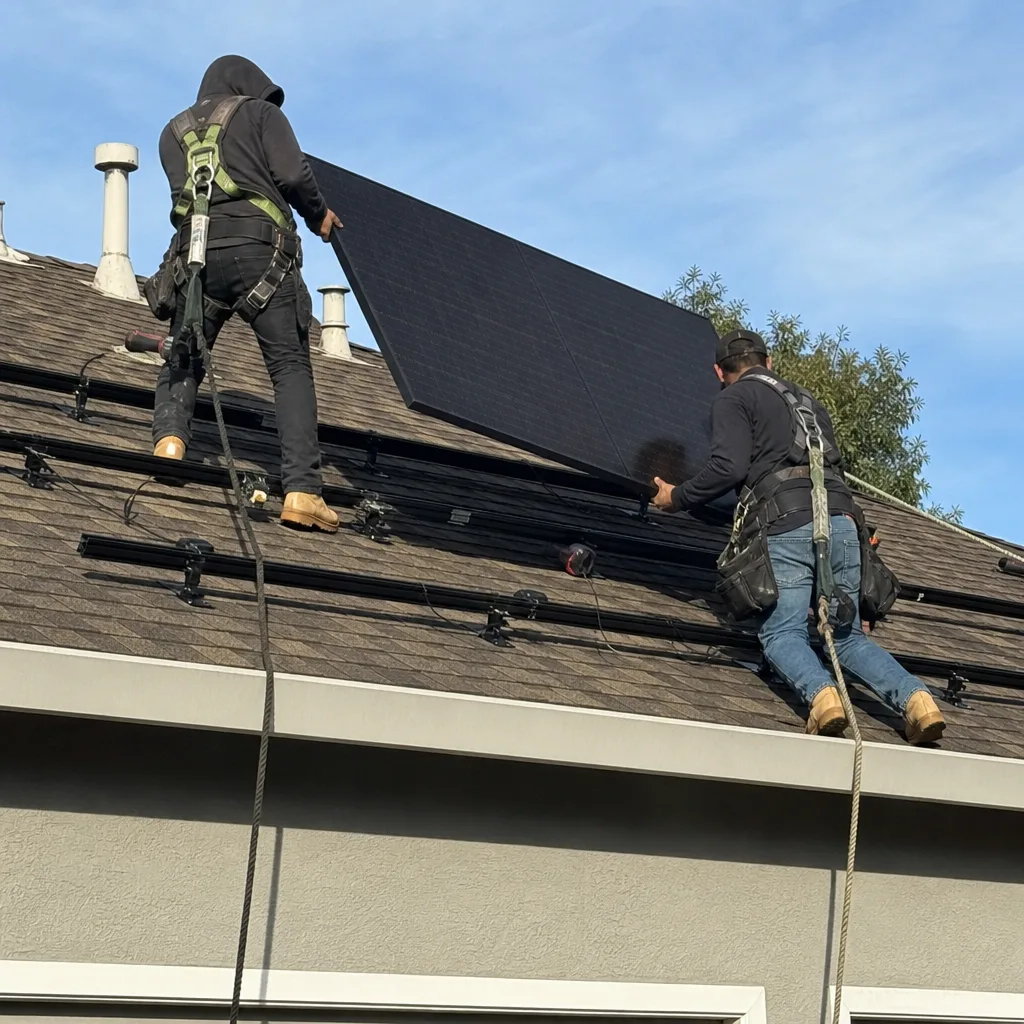
Time-of-Use & NEM 3.0 Optimization
This is where the real savings live in Covina. SCE’s on-peak window runs 4 to 9 PM, and under NEM 3.0, the export credits you earn for sending solar back to the grid in the morning are worth a fraction of what you’ll pay to buy that electricity back in the evening. We program your battery to self-consume: charge from your panels between 10 AM and 3 PM, then discharge into your home from 4 PM onward. For a Covina home running a 4-ton AC against a 100°F heat wave, that single setting change can mean the difference between a $40 monthly bill and a $200 one.
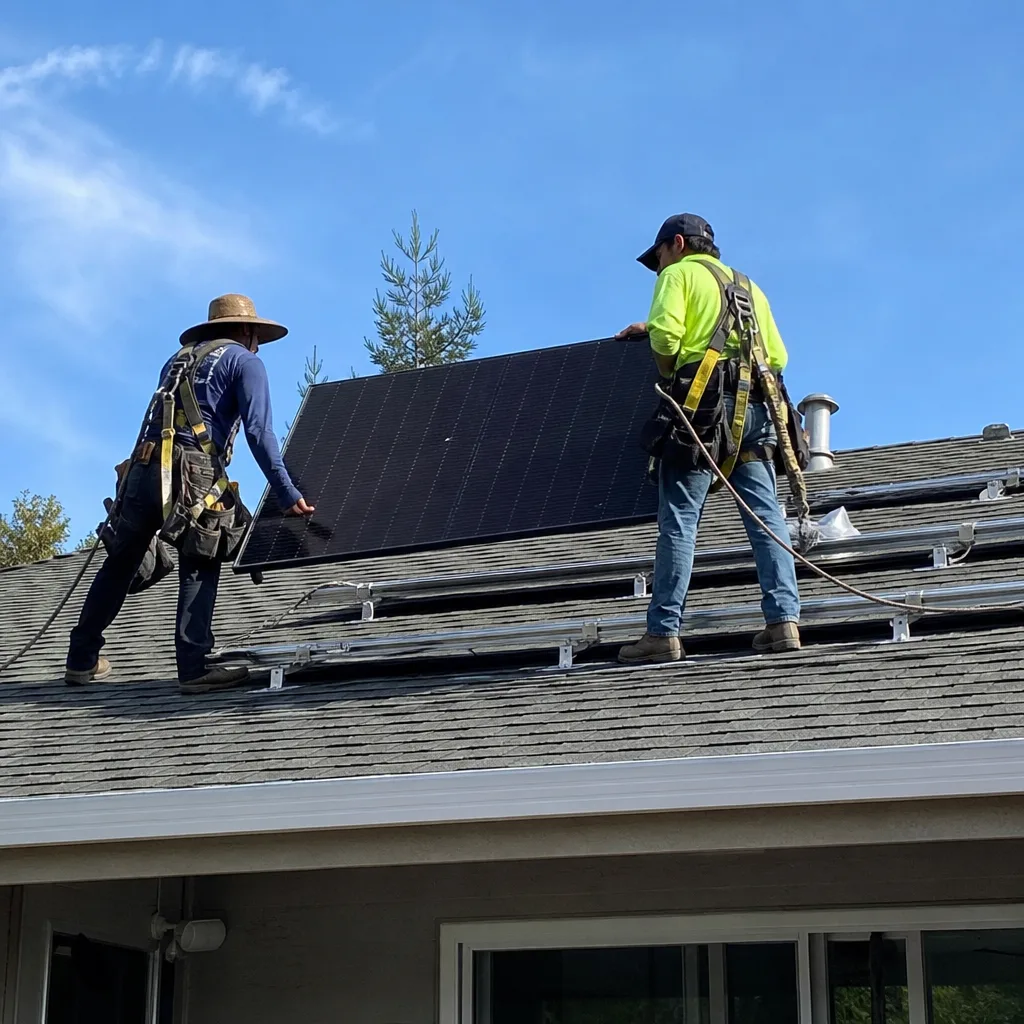
Time-of-Use & NEM 3.0 Optimization
Once your battery is in, the programming matters as much as the hardware. We tune every Covina install to SCE’s actual TOU rate schedule, not a generic template. That means your battery charges during midday solar surplus, discharges through the 4 to 9 PM on-peak window, and holds reserve capacity for overnight essentials. For a Covina household with heavy afternoon AC loads, this optimization alone routinely cuts the payback period on a battery by three to four years compared to default settings.
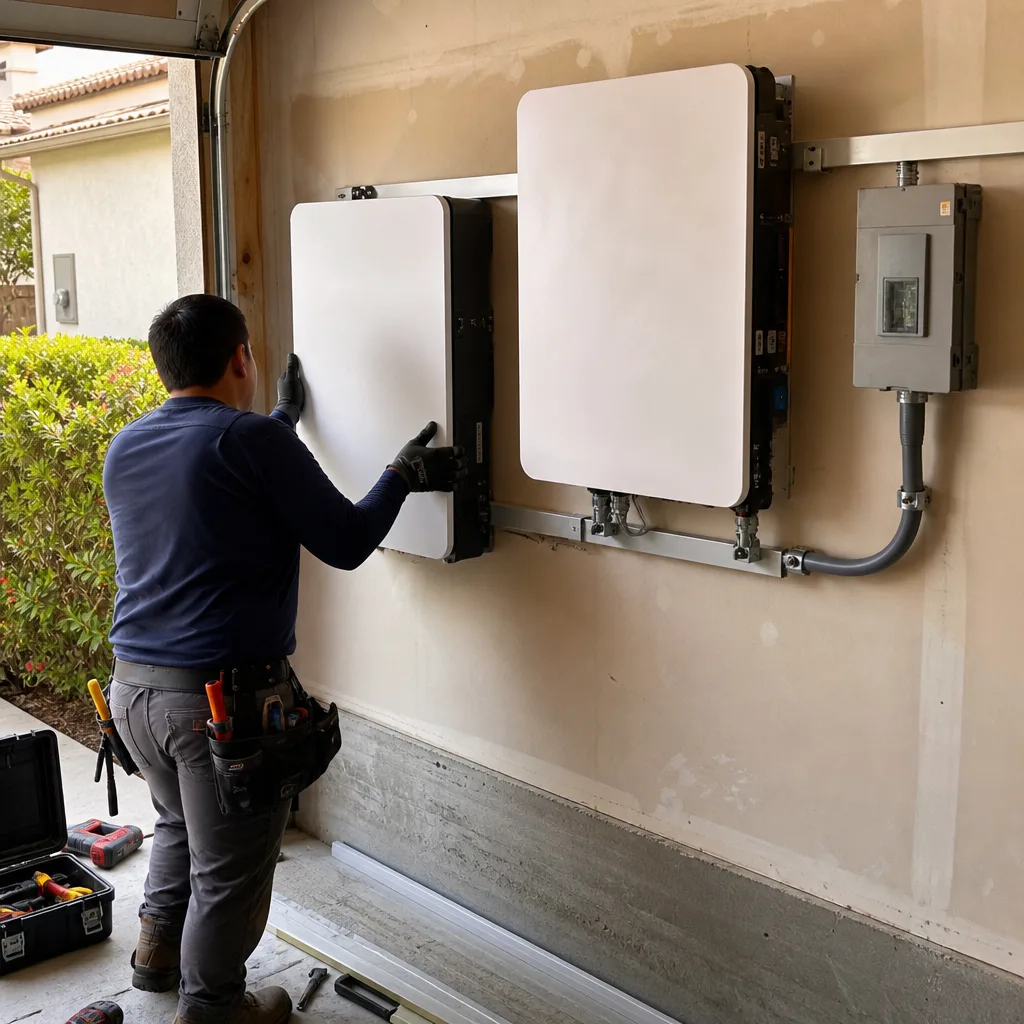
Battery Replacement & Expansion
Batteries degrade, and Covina heat accelerates that process. If you bought an early-generation battery, say a first-run LG Chem or a Powerwall 1, you may already be seeing reduced capacity. We can test your current system, tell you honestly whether replacement or expansion makes more sense, and quote both options side by side. Expansion for existing Enphase or Tesla systems runs $6,500 to $14,000 depending on the unit; full replacement runs $9,500 to $18,500. We’ll give you the year-25 math on both, not a sales pitch.
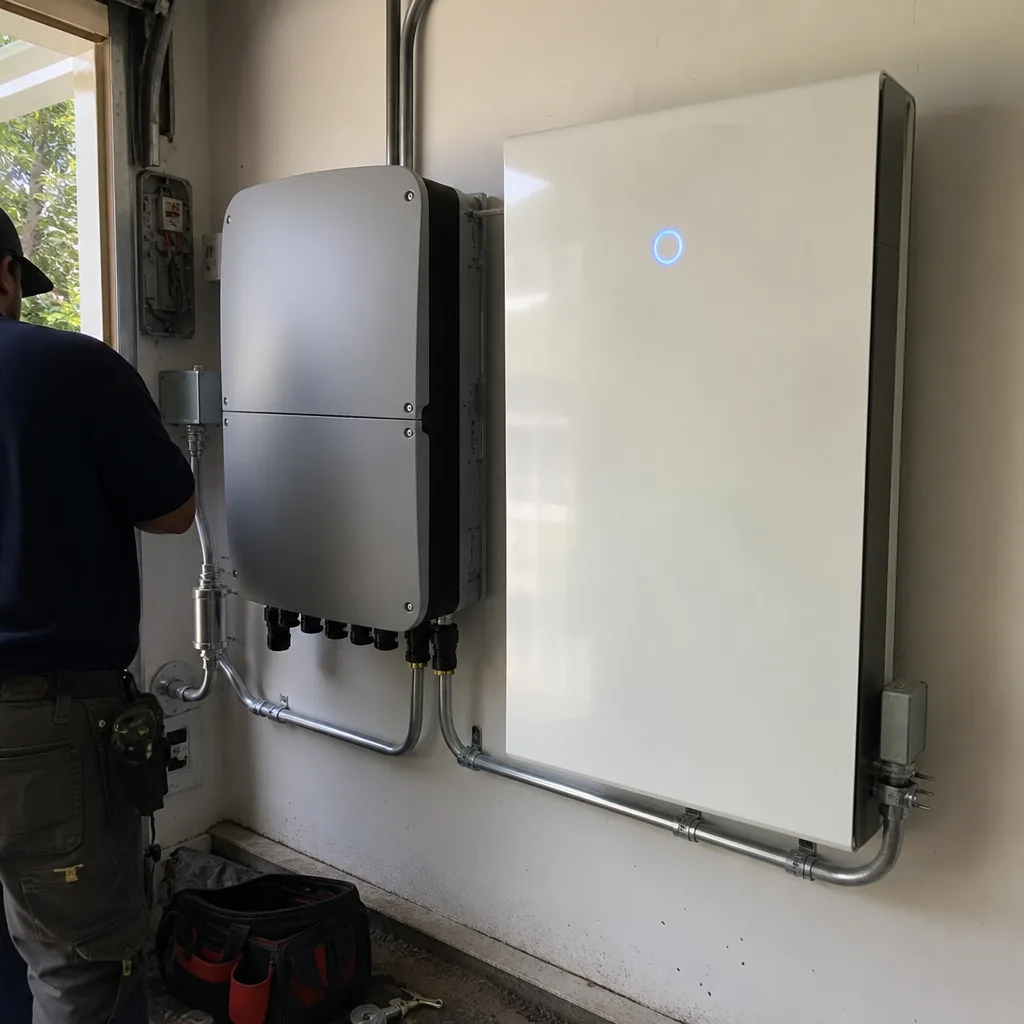
What happens when you call
- 1
A real person answersNo phone trees - you reach a local pro.
- 2
You get an upfront price rangeHonest numbers before anyone is dispatched.
- 3
A background-checked tech heads outLicensed & insured, dispatched right away.
- 4
You approve before work beginsNothing starts until you say go.
Trusted Brands We Service in Covina
We are factory-trained and certified on the three battery systems that matter most in Covina: Tesla, Enphase, and FranklinWH. We stock replacement parts and full units for all three at our Los Angeles yard, which means a Covina service call doesn’t wait on a freight shipment from Nevada. If your Powerwall throws a fault code, if your Enphase IQ Battery stops communicating with your Envoy, or if your FranklinWH aGate needs a firmware reflash, our crew can usually be at your Covina home within 48 hours. We don’t send a sales rep to diagnose a warranty claim; we send a technician with the tools already in the truck. And because we’re certified installers for all three brands, warranty work moves through us without finger-pointing between manufacturer and installer.
Common Solar Battery Storage & Backup Problems We See in Covina Homes
- Original 100-amp panels blocking battery interconnection. The vast majority of 1950s-1970s ranch homes across 91722, 91723, and 91724 still carry their original 100-amp service. SCE won’t approve a battery on a 100-amp panel. We find this on roughly seven out of ten Covina jobs, which is why we always include a panel inspection in the first appointment, not after you’ve signed.
- Undersized batteries draining before the 4-9 PM on-peak window ends. Covina’s summer heat drives AC loads hard from mid-afternoon into the evening. A single 5 kWh battery on a home with a 4-ton AC will be empty by 7 PM, and then you’re buying grid power at SCE’s highest rate. We size batteries to your actual usage, not a one-size-fits-all number.
- Pre-2023 string inverters that can’t talk to a battery. Many Covina systems installed before NEM 3.0 used a single large string inverter. When you try to add storage, that inverter often can’t handle battery communication. The fix is a microinverter conversion or a hybrid inverter swap, which adds $2,500 to $5,000 to the job. We’ll tell you before we quote, not after we open the wall.
- Heat-related battery degradation from unshaded garage or exterior wall installs. Covina regularly hits 100°F and above in July and August, and a battery bolted to a west-facing exterior wall in full afternoon sun will lose capacity faster than one mounted in a shaded side yard or garage. We factor mounting location into every Covina install and will recommend a cooler spot even if it costs a few extra feet of conduit.
How a Battery Changes the NEM 3.0 Math in Covina
Covina sits deep enough in the San Gabriel Valley that it largely escapes the coastal marine layer and June Gloom that suppress solar production across western LA County from May through August. A Covina rooftop routinely sees measurably more peak sun hours than installations just 15 to 20 miles west in places like El Monte or Downey. That’s a real advantage: your panels make more electrons per square foot than your cousin’s panels in Santa Monica. But here’s the catch that most solar salespeople still won’t tell you straight.
Covina is 100% Southern California Edison territory operating under NEM 3.0. Under the old NEM 2.0 rules, your excess solar production in the morning and midday was credited at nearly the same rate you paid for grid power in the evening. Under NEM 3.0, those export credits are worth dramatically less, often 75% to 80% less than what SCE charges you to buy electricity back during the 4 to 9 PM on-peak window. So the high inland solar yield that made Covina such a good panels-only market in 2019 is now, without storage, largely wasted. You generate plenty at noon, export it for pennies, then pay full on-peak rates at 5 PM when your AC is fighting 102°F heat. A battery changes that equation completely: it stores your noon surplus and runs your house through the expensive hours. That’s not an add-on in Covina under the current tariff. It’s the core of any payback math that still works.
One example from our own work: our crew retrofitted a 1962 ranch off Citrus Avenue near Badillo Street with an Enphase IQ Battery 5P after the homeowner showed us a true-up statement that barely credited the 8.2 kW array we’d installed a year earlier. We replaced the original 100-amp panel with a 200-amp service, set the battery to self-consume during SCE’s 4 to 9 PM on-peak window, and now the system offsets over 90% of the home’s annual kWh usage instead of exporting at NEM 3.0’s near-zero rates. That homeowner went from a $1,400 true-up bill to under $200 the following year.
The takeaway: if a Covina contractor pitches you a panels-only system under current SCE rules and never mentions battery storage, they’re leaving real money on your table. Nearly every Covina project now requires a solar-plus-battery conversation from the first appointment. That’s not sales pressure. That’s the arithmetic.
Bring me a bill, I’ll bring you the math. That’s how Gus opens every Covina estimate. We take your actual SCE usage, your actual export history if you already have solar, and we build a battery sizing recommendation around your real consumption pattern, not a brochure average. Take two weeks. Think about it. The price will be the same.
Pricing for Solar Battery Storage & Backup in Covina, CA
Here’s what Covina homeowners should expect to pay, installed, before any applicable incentives:
| Service | Typical Covina Price Range |
|---|---|
| Tesla Powerwall 3 (single unit) | $11,000 – $14,000 |
| Enphase IQ Battery 5P (single unit) | $6,500 – $9,000 |
| FranklinWH aGate + aPower (single battery) | $9,000 – $12,000 |
| Battery retrofit for existing solar (includes inverter work if needed) | $10,000 – $15,000 |
| Whole-home backup (2-3 batteries + smart panel) | $18,000 – $34,000 |
| 200-amp main panel upgrade (required on most Covina ranch homes) | $3,500 – $5,500 |
These are honest ranges for Covina’s housing stock. If a quote comes in well below the bottom of these ranges, ask what’s missing. If it’s well above, ask for line items. We list every component and every labor hour on our estimates, and the price quoted is the price charged. No signature wanted tonight, no “today only” discount. And we’ll give you a free second opinion on any written estimate. Call (877) 550-6892 and we’ll come out to Covina, walk your panel and your roof, and hand you a number you can verify.
We Also Serve Cities Near Covina
Our Solar Battery Storage & Backup team works throughout the San Gabriel Valley. If you’re in Vincent, Charter Oak, Azusa, or Citrus, you’re within our regular service radius and we can usually be there within a day or two. Same crew, same pricing, same live person on the phone at (877) 550-6892.
Serving Covina, CA - Our Local Coverage Area
We’re based in the Covina area and know this community well. Use the map below to see our service coverage - if you’re nearby, we can almost certainly help.
FAQs - Solar Battery Storage & Backup in Covina
A battery matters more in Covina for two reasons: Covina gets more peak sun hours than coastal cities because it escapes the marine layer and June Gloom, and Covina sits entirely under SCE’s NEM 3.0 tariff, which pays near-zero export rates for midday solar. That combination means Covina rooftops generate strong daytime production that’s almost worthless to export, while the city’s 100°F summer afternoons drive heavy AC demand right as SCE’s on-peak rates kick in at 4 PM. A battery closes that gap by storing what you make and using it when the grid is most expensive. In Santa Monica or Long Beach, where LADWP or different SCE zones may offer different net-metering terms and the marine layer suppresses midsummer production, the battery math is often less dramatic. In Covina, it’s frequently the deciding factor between a system that pays for itself and one that doesn’t. Call (877) 550-6892 and we’ll run your actual bill through the Covina-specific math.
Yes, you can add a battery to an existing Covina solar system without replacing your whole inverter if that inverter is already battery-compatible, but many systems installed before 2023 in Covina used older string inverters that can’t communicate with a battery. If yours is one of those, the fix is either a microinverter conversion or swapping the string inverter for a hybrid inverter, which typically adds $2,500 to $5,000 to the job. We’ll identify exactly what your current system uses during the first consultation and tell you before we quote whether an inverter replacement is required. Free second opinions on any written estimate are standard. Call (877) 550-6892.
Under SCE’s current NEM 3.0 time-of-use structure in Covina, your battery needs to be sized to carry your household from 4 PM to 9 PM on weekdays, when on-peak rates apply and your AC is typically working hardest. For a typical Covina ranch with a 4-ton central AC, that means 10 to 13.5 kWh of usable storage capacity, which translates to one larger battery like a Tesla Powerwall 3 or two modular units like a pair of Enphase IQ Battery 5Ps. Undersizing means your battery drains at 7 PM and you buy grid power at the highest rate for the final two hours of the on-peak window. We calculate your exact load profile from your SCE usage data before recommending a size. Call (877) 550-6892 for a free estimate built off your actual bill.
Yes, sustained 100°F-plus heat waves can accelerate degradation in solar batteries installed in unshaded, poorly ventilated locations. Lithium iron phosphate (LFP) chemistry, which is what Tesla Powerwall 3, Enphase IQ Battery 5P, and FranklinWH aPower all use, handles heat far better than older lithium-ion NMC chemistries, but mounting location still matters. A battery bolted to a west-facing exterior wall in full Covina afternoon sun will run hotter than one installed in a shaded side yard or a ventilated garage. We factor mounting location into every Covina install and will recommend a cooler spot even if it adds a few feet of conduit. Heat management isn’t optional here.
Yes, whole-home backup is realistic for a Covina ranch with a 200-amp panel and central AC, but it requires proper battery sizing and usually a smart load panel. A single 4-ton AC unit draws roughly 4 to 5 kW on startup, and your typical Covina ranch also needs to cover the refrigerator, lighting, and a few other essentials. Two to three batteries and a load-shedding panel that temporarily drops non-critical circuits during an outage is the standard setup we recommend. That configuration typically runs $18,000 to $34,000 in Covina. The key is honest load mapping: we’ll inventory your breakers with you and tell you exactly which circuits get backed up before we quote. Estimates are free; call (877) 550-6892.
Written by Gus Petrakis, Owner at Gus’s Solar, serving Covina and the San Gabriel Valley since 2011.