
Free bill analysis - bring a power bill, get the production math for your actual roof, panel brands like Qcells and REC compared side by side
If the pitch starts at your door and ends with "sign tonight for the special," sleep on it. The sun will still be there tomorrow; so will we.
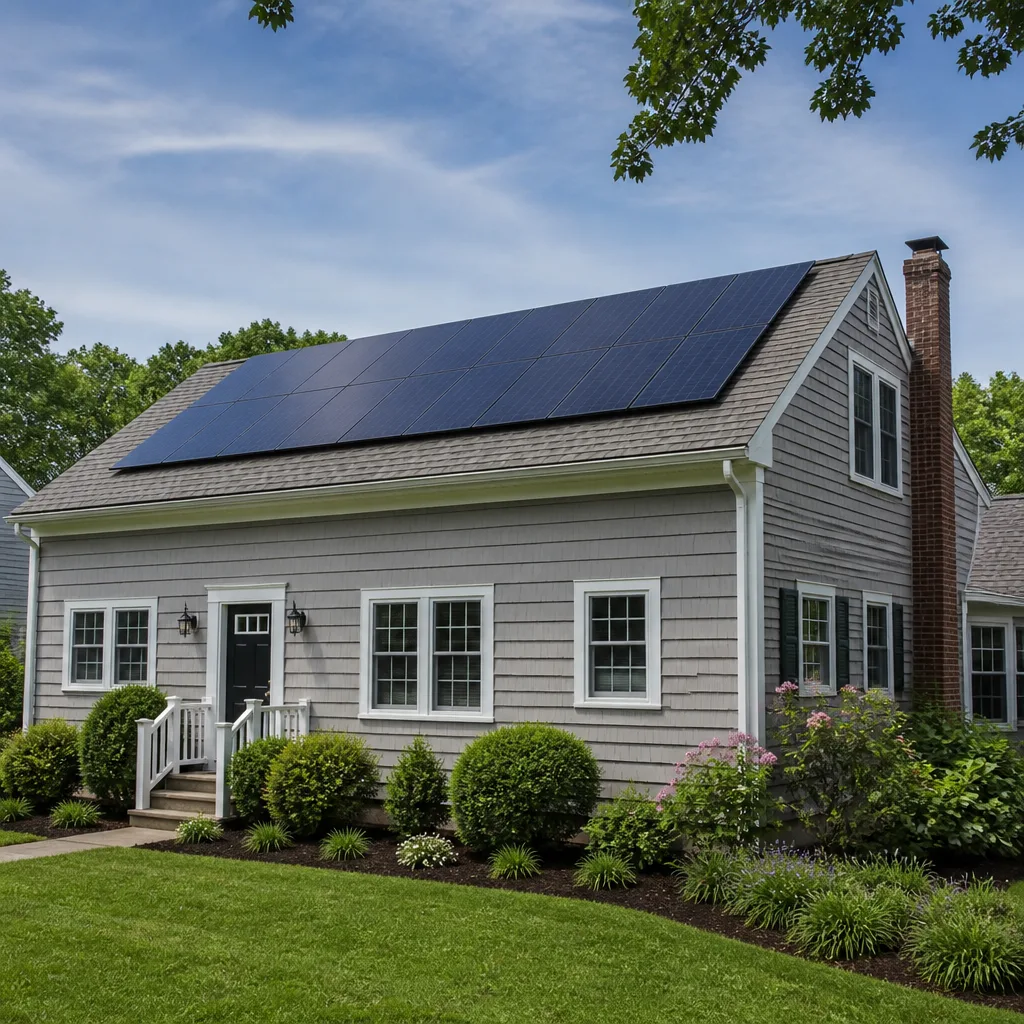
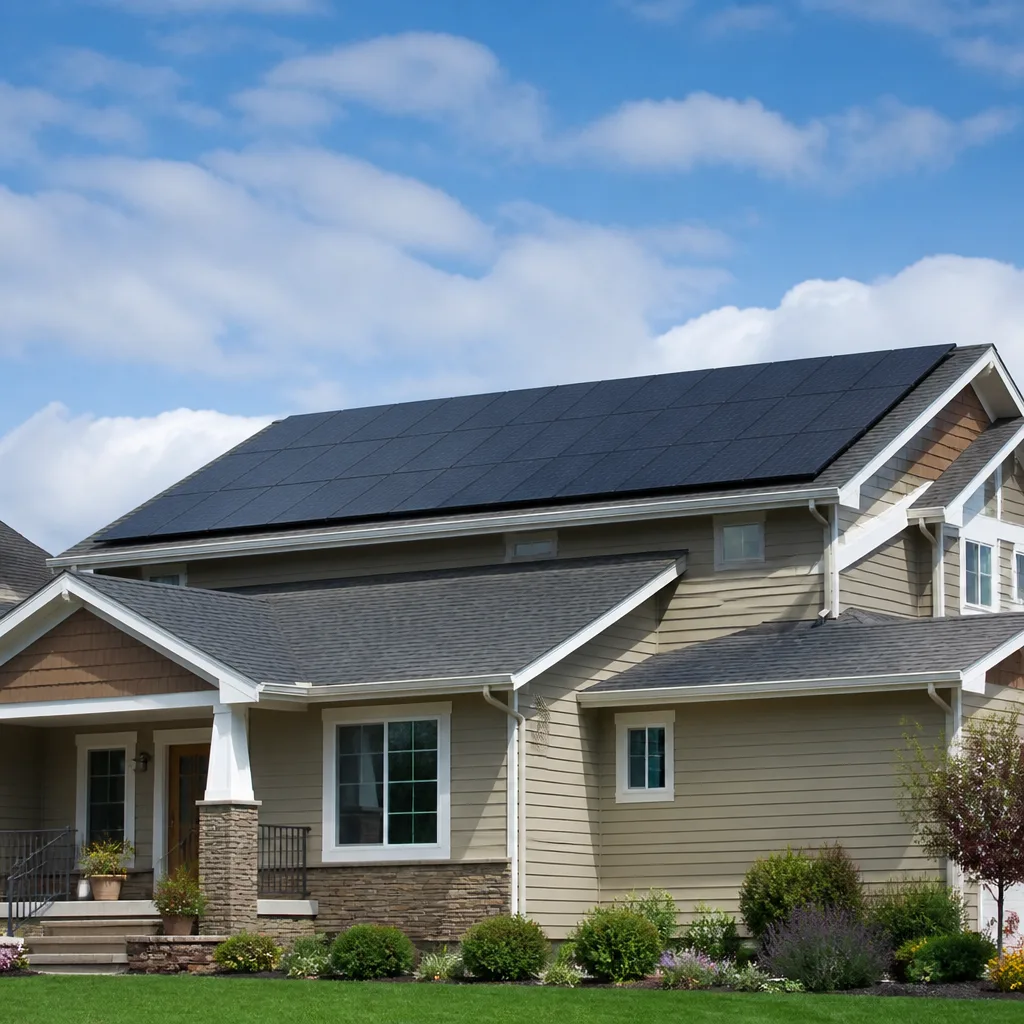
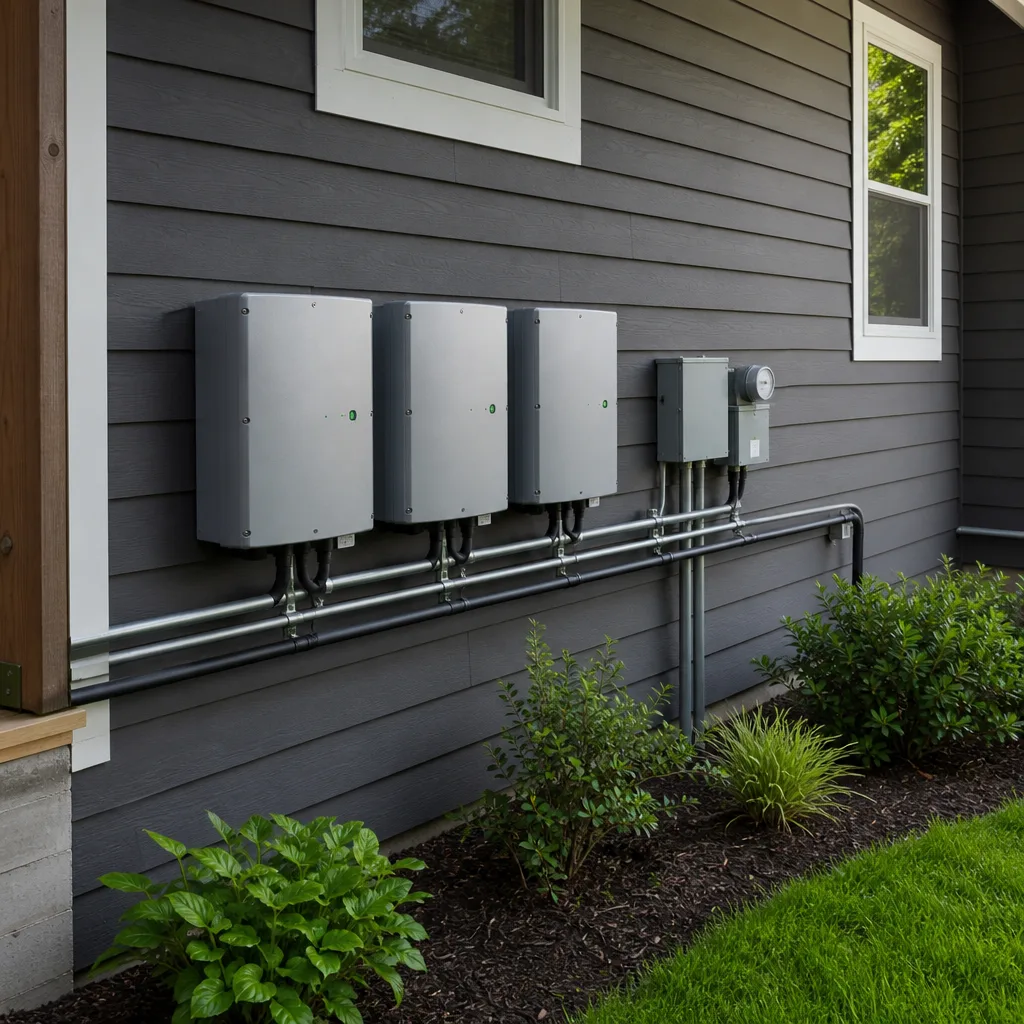
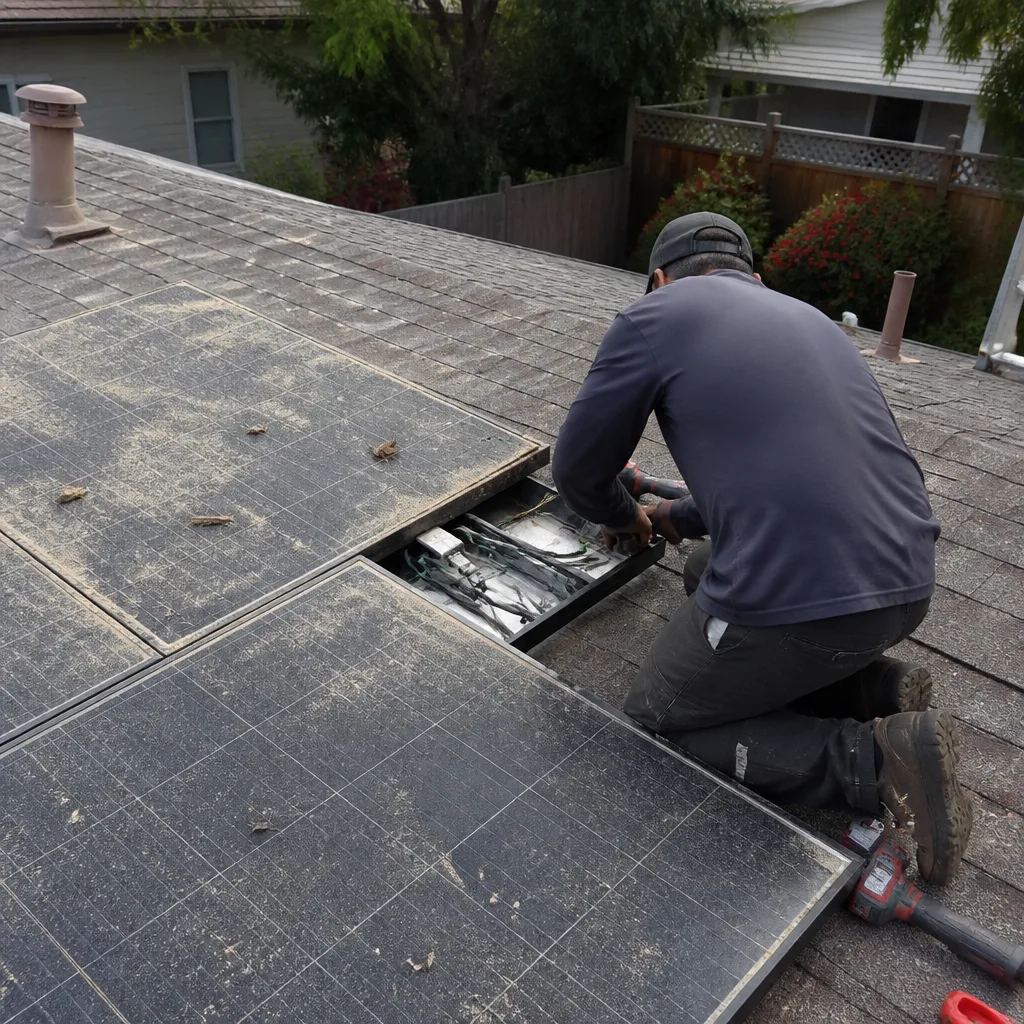 Before
 After
After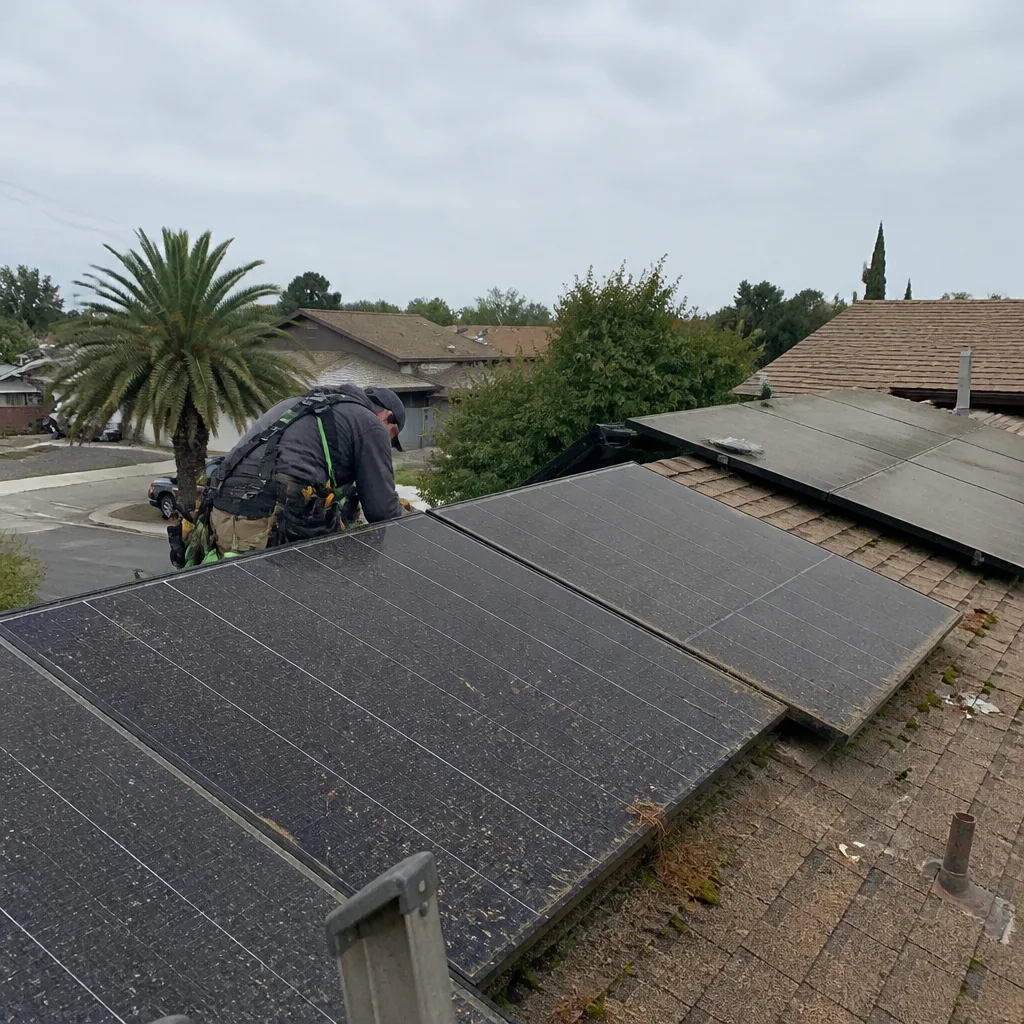 Before
 After
After Before
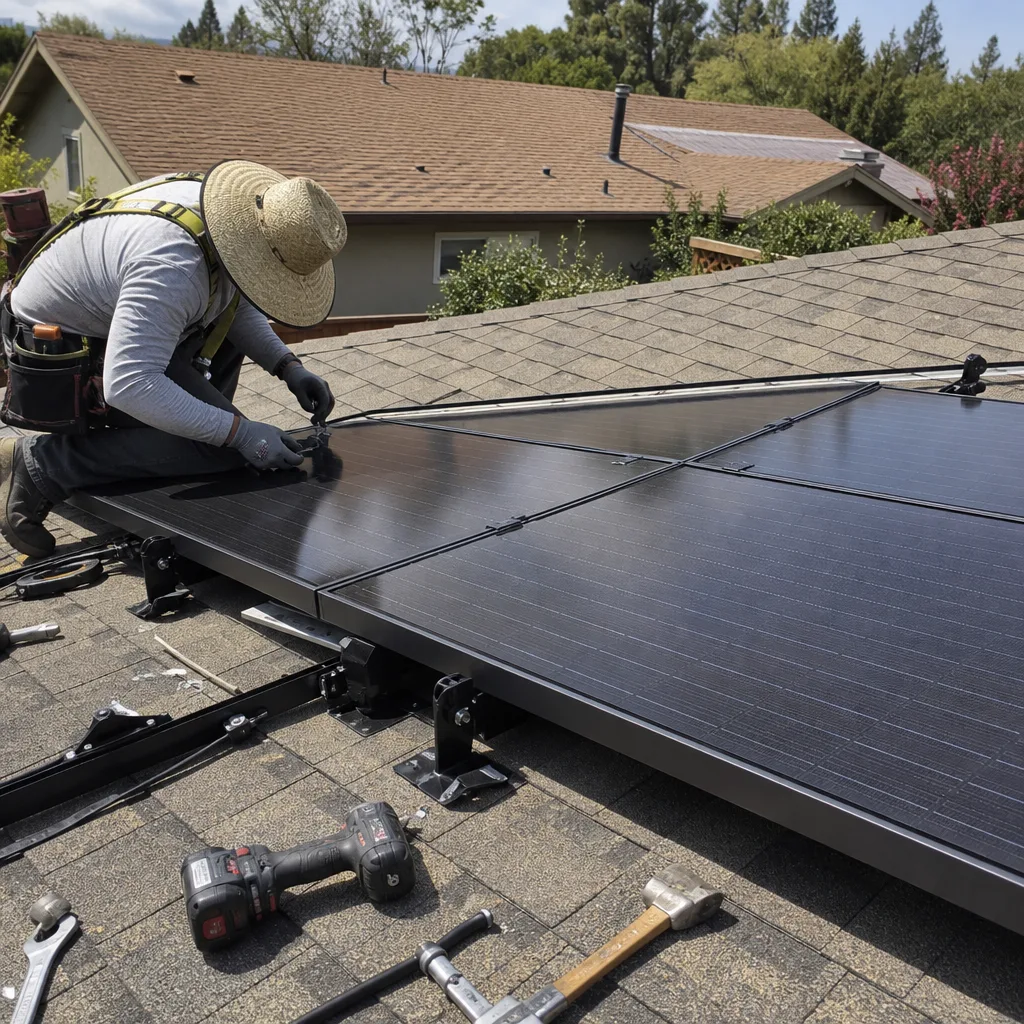 After
AfterFast, Reliable Solar Battery Storage & Backup Across Cloverdale
Solar battery storage in Cloverdale typically runs $14,000-$22,000 installed for a whole-home setup, and the decision usually comes down to one question: how many days can you go without power? We’re Gus’s Solar, and we’ve been answering that question for Cloverdale homeowners long enough to know the real answer is three to five. That’s how long PSPS outages lasted here during the 2019 Kincade Fire, and that’s the number we size battery systems around, not a brochure figure. Call (877) 550-6892 and we’ll walk your actual usage against Cloverdale’s fire-weather reality.
If you’re reading this, you probably already know the drill. PG&E calls a Public Safety Power Shutoff, the wind picks up, and suddenly you’re running extension cords to the neighbor who still has a generator. We work in Cloverdale weekly, from the historic core off Cloverdale Boulevard to the hillside lots above S. Foothill Boulevard, so we know which homes can ride out a three-day outage and which ones go dark by hour six. That local knowledge shapes every quote we write.
Key Takeaways for Cloverdale Homeowners
- PSPS outages here run 3-5 days. Your battery needs to cover that, not a generic 24-hour figure.
- Most pre-1980 Cloverdale homes have 100-amp panels. Expect a panel upgrade before the city signs off on your battery permit.
- Cloverdale’s inland heat derates panel output 8-12% in summer. Coastal Sonoma production estimates will short you.
- Whole-home backup costs $16,000-$22,000 in Cloverdale. Essential-loads only runs $12,000-$16,000.
Why Gus’s Solar Is Cloverdale’s Preferred Solar Battery Storage & Backup Company
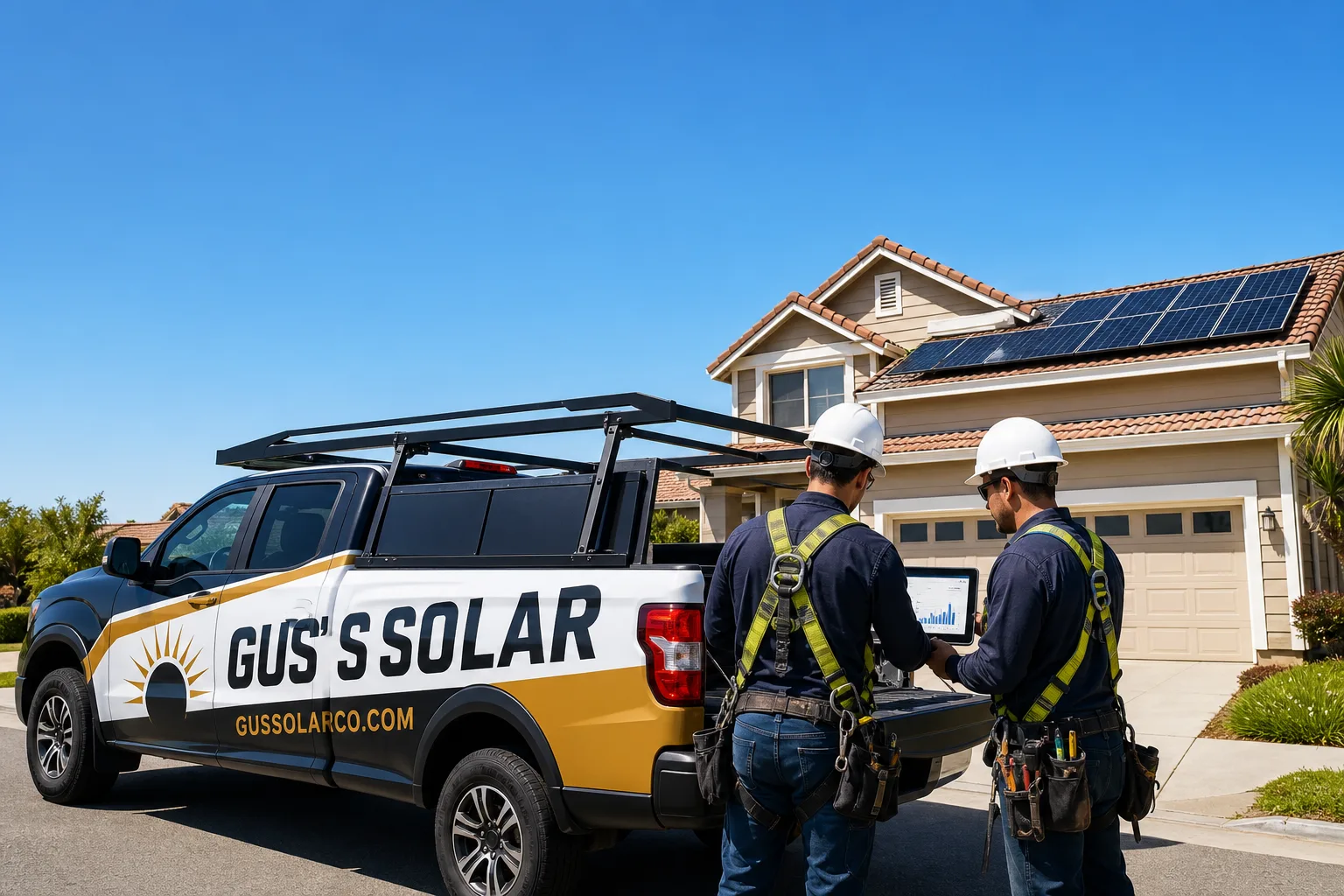
We’re not a pop-up crew that chases fire-season leads and disappears. Gus Petrakis founded this company in 2011, and his name sits on the side of every truck we roll into Cloverdale. That means something in a town this size. When a PSPS notice lands in your PG&E account and your battery isn’t performing, one call brings Gus back. The Solar Battery Storage & Backup team works on a 90-Day Done Right Promise: if it isn’t right, we make it right, in writing.
Our Cloverdale customers call a number that’s answered by a live person, 24/7. Not a voicemail tree. Not a ticketing portal. You’ll talk to someone who actually knows where Cloverdale is and what your PG&E rate schedule looks like. We quote year-25 output on your actual bill, not the day-one brochure number. And we tell every Cloverdale homeowner the same thing: take two weeks. Think about it. The price will be the same.
We serve Cloverdale with our own crew, not subcontractors. Background-checked, uniformed, and trained on the specific fire-hazard-zone requirements that Cloverdale’s building department enforces. That matters when your interconnection application gets kicked back because a previous installer skipped rapid shutdown compliance.
Our Solar Battery Storage & Backup Services in Cloverdale
Whole-Home Backup Power
Whole-home backup in Cloverdale means sizing for the worst week of the year, not the average day. We look at your well pump, your septic lift pump, your AC compressor, and your freezer, then build a load profile around a five-day outage. Most Cloverdale homes on wells need two batteries minimum. One battery keeps the lights on. Two keeps the well pumping.
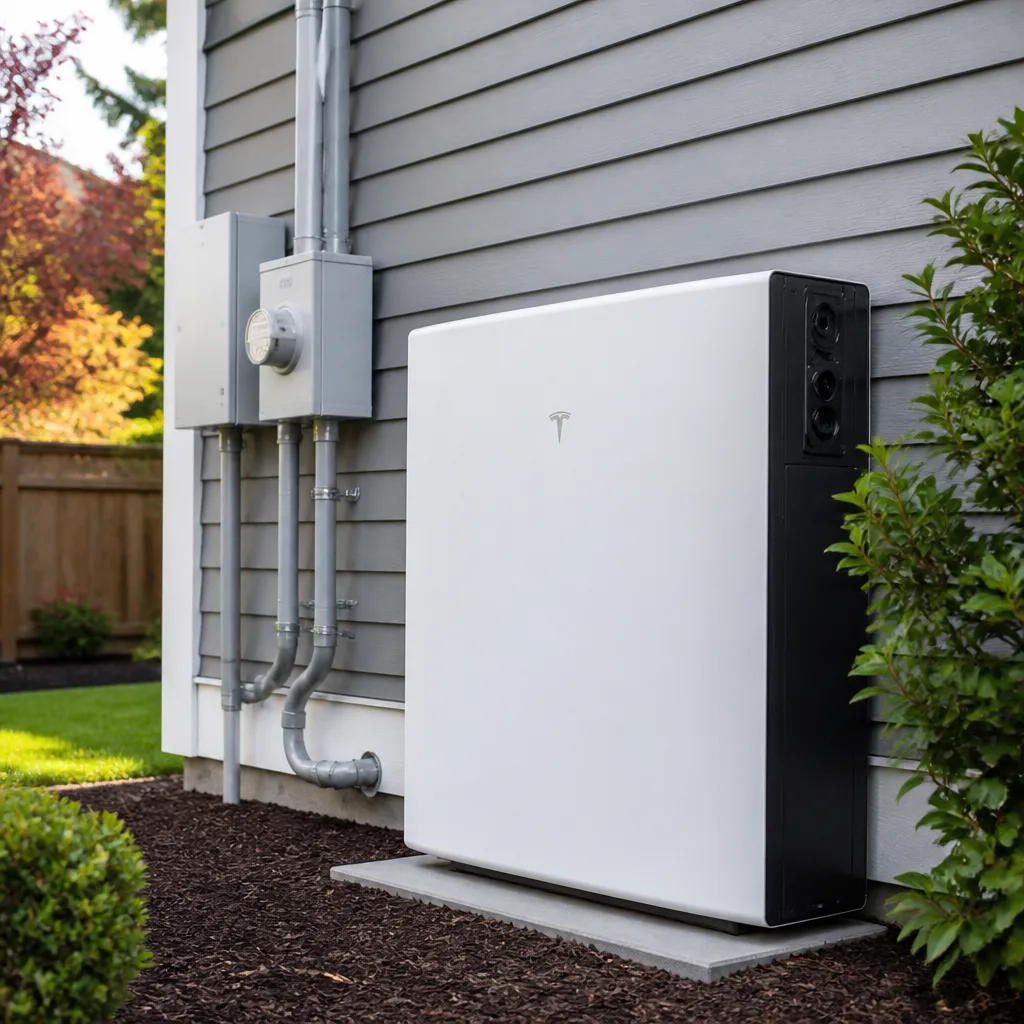
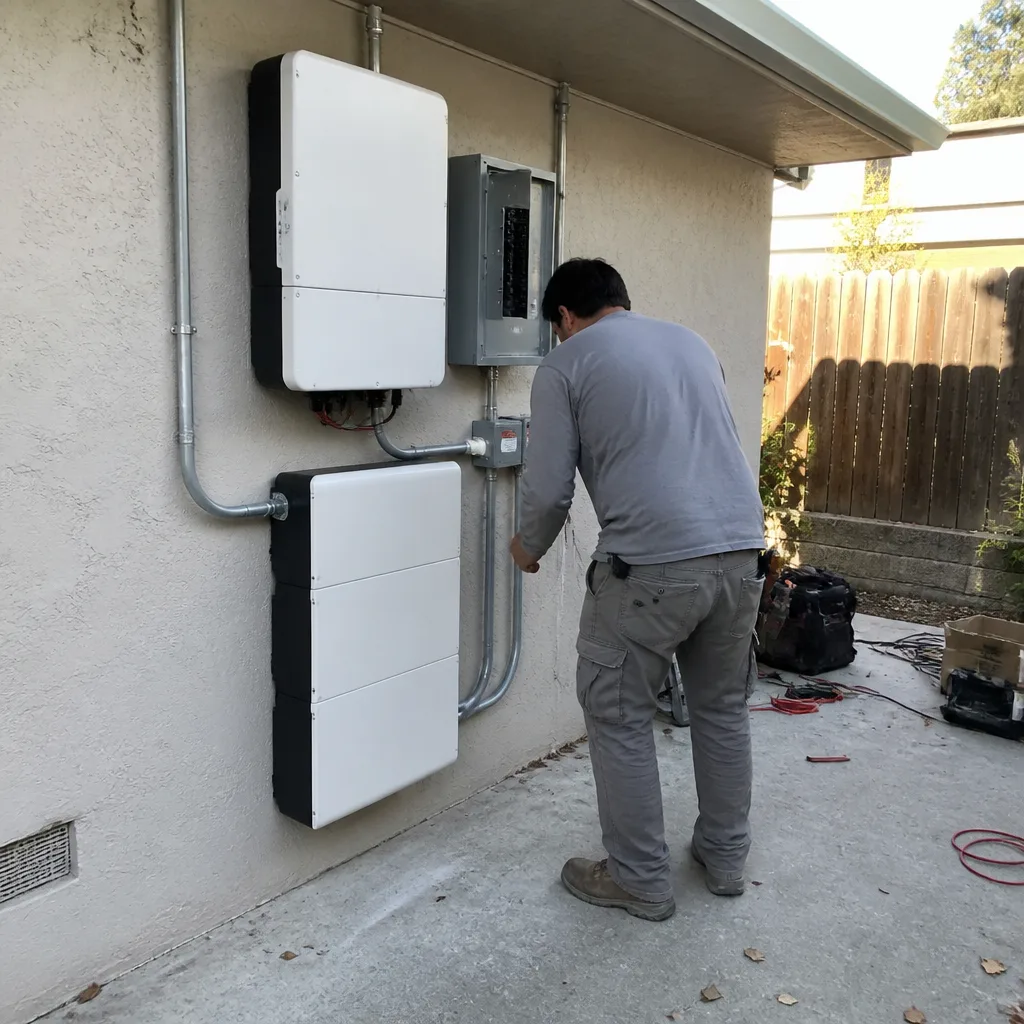
On a hillside home off S. Foothill Blvd, our crew retrofitted an existing 6.8 kW Enphase IQ8 microinverter array with two Tesla Powerwall 3 units so the owner’s well pump, septic lift pump, and 4-ton AC compressor stay online during a PSPS. We first upgraded a 100-amp Zinsco panel to 200 amps to clear the city’s interconnection requirements, then sized backup circuits to cover the longest recorded outage on that ridge.
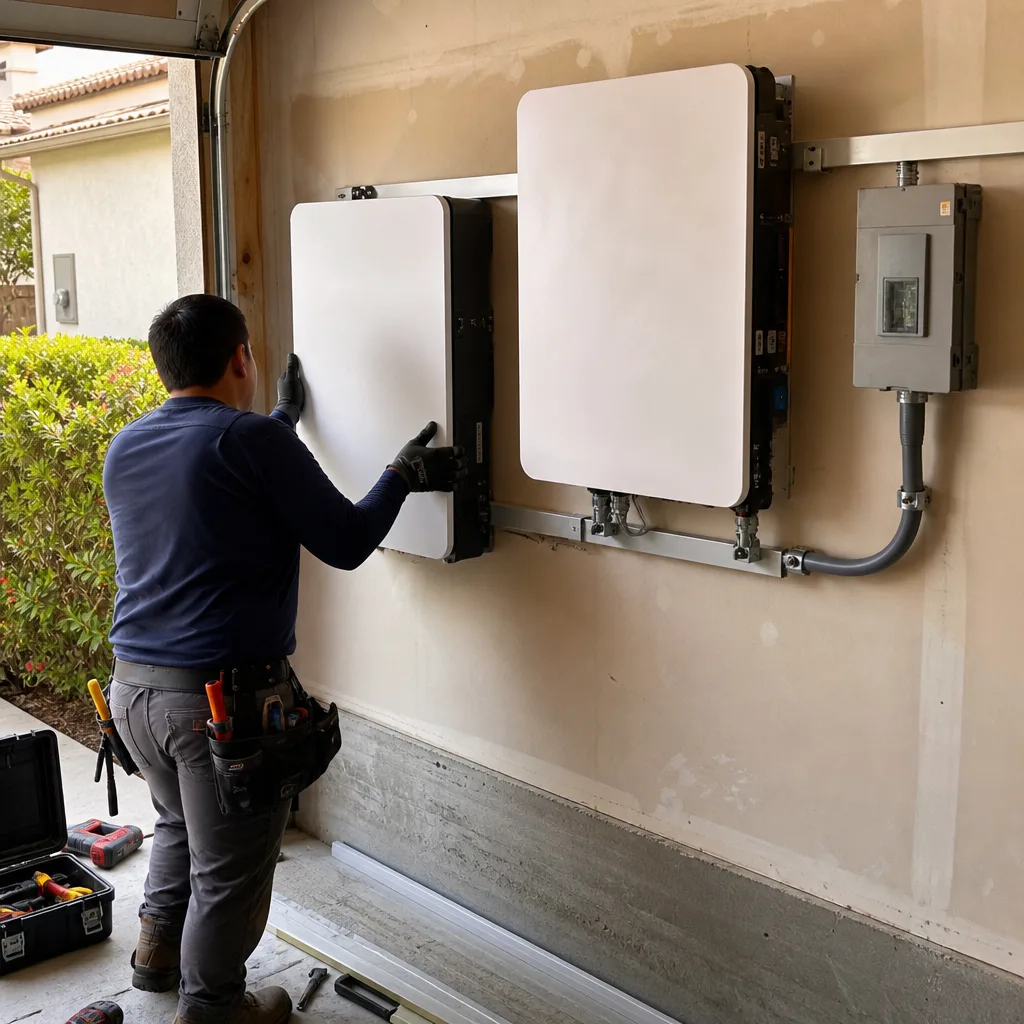
Battery Retrofit for Existing Solar
Already have panels? Good. You’re halfway there, but “halfway” in Cloverdale comes with strings attached. Your existing inverter needs to speak the same language as the battery. If you have a legacy string inverter without rapid shutdown capability, it fails Cloverdale’s fire-hazard-zone inspection. That means a three-week rewire before any battery goes on the wall. We flag this on day one, not after the inspector shows up.
We also check whether your existing solar was sized for NEM 2.0 assumptions. If it was, your export credits are actually valuable enough that draining a battery every evening costs you money. We’ll tell you if a battery makes sense with your specific interconnection agreement, or if you’re better off waiting. Bring me a bill, I’ll bring you the math.
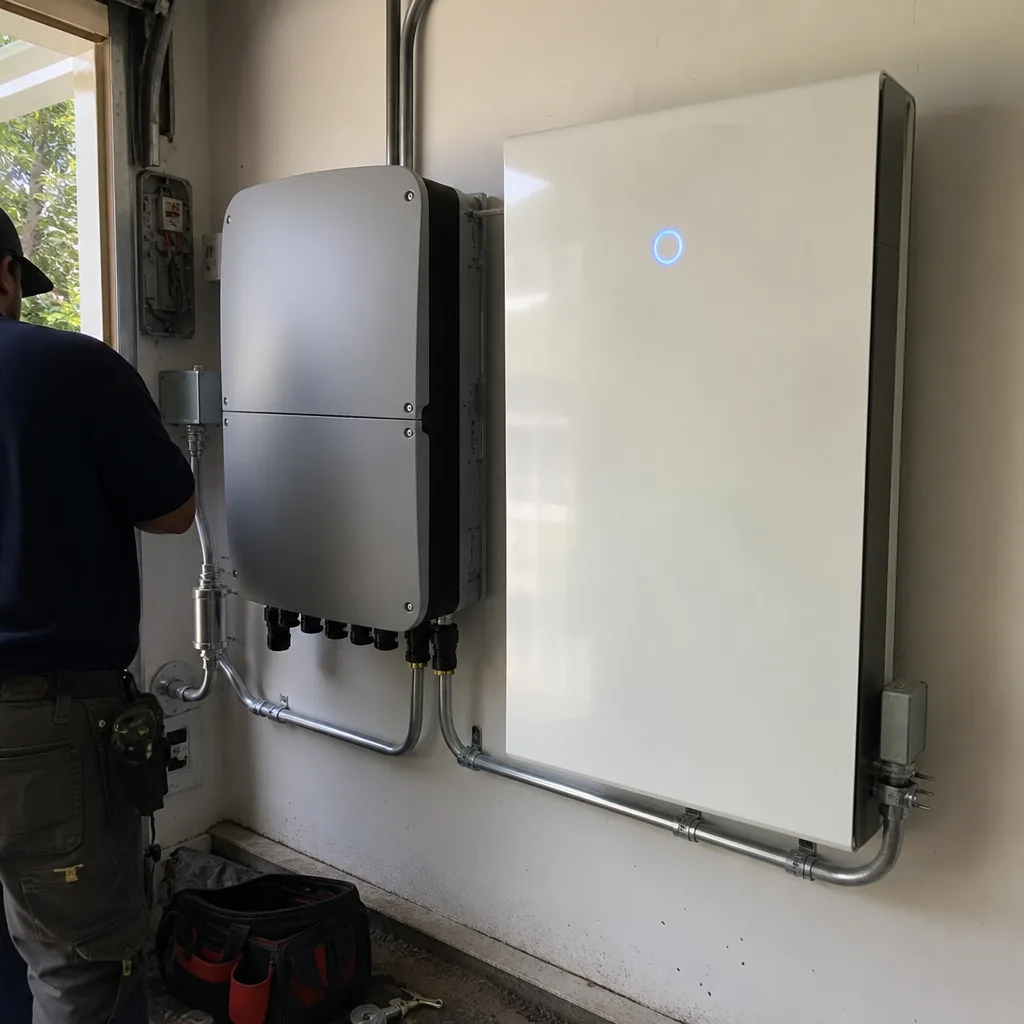
Time-of-Use & NEM 3.0 Optimization
NEM 3.0 changed the math for everyone in Cloverdale. Under the old rules, PG&E paid you near-retail for excess solar. Under NEM 3.0, export credits dropped roughly 75%. That shifts the value proposition entirely: the battery isn’t a luxury, it’s the mechanism that lets you use your own solar instead of selling it cheap. We program your battery to charge during mid-day solar surplus and discharge during PG&E’s 4-9 PM peak window, when Cloverdale’s summer AC loads are highest.
The inland Alexander Valley heat means your solar produces more annually than fog-prone Petaluma or Bodega Bay. But it also means summer afternoons derate your panels 8-12%. We factor both into your production estimate, so your true-up statement lands where we said it would.
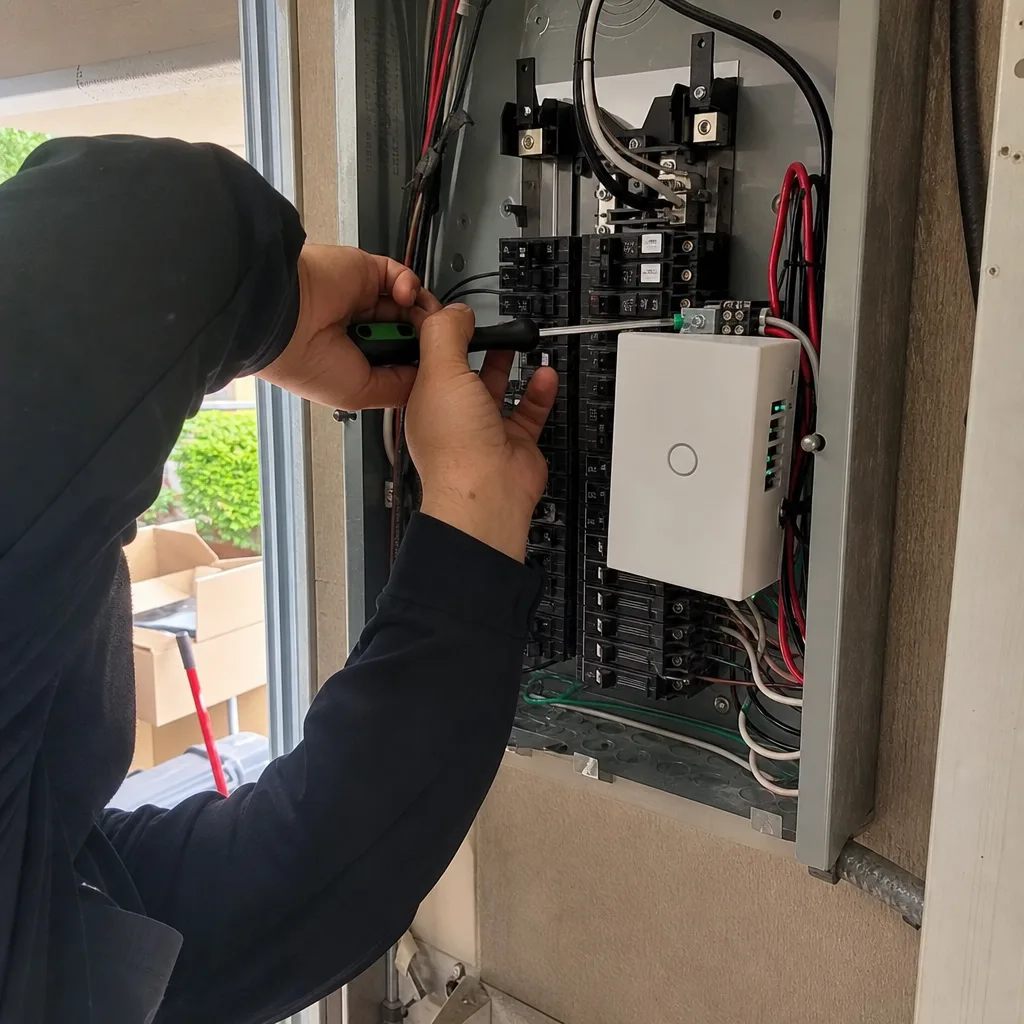
Tesla Powerwall & Enphase IQ Battery Installation
We install both. Tesla Powerwall 3 runs about $8,500-$11,000 per unit before installation, and Enphase IQ Battery 5P runs $5,500-$7,500 per unit. For most Cloverdale homes with well pumps and AC, two Powerwalls or three IQ batteries gets you through a five-day PSPS with sensible load management. FranklinWH is a newer option we’re installing more often for Cloverdale customers who want generator-style output without the generator.
The right choice depends on your existing inverter, your panel capacity, and your outage tolerance. We don’t push one brand. We show you the numbers for each and let you decide. Take two weeks. The price will be the same.
What happens when you call
- 1
A real person answersNo phone trees - you reach a local pro.
- 2
You get an upfront price rangeHonest numbers before anyone is dispatched.
- 3
A background-checked tech heads outLicensed & insured, dispatched right away.
- 4
You approve before work beginsNothing starts until you say go.
Trusted Brands We Service in Cloverdale
We work with the equipment Cloverdale homeowners actually ask for: Tesla, Enphase, SolarEdge, SunPower, Panasonic, Qcells, REC, Canadian Solar, JinkoSolar, and FranklinWH. We stock common replacement parts for these systems in our warehouse, which means when your battery throws an error code during a heat wave, we’re not waiting on a two-week freight shipment. Our techs arrive in Cloverdale with the parts on the truck. One trip, fixed right.
Common Solar Battery Storage & Backup Problems We See in Cloverdale Homes
- Battery left out of the essential loads panel. We regularly see Cloverdale installs where a cheaper contractor “simplified” the interconnection and put the battery outside the essential loads circuit. Result: the battery works, but the well pump and freezer go dark anyway. We fix this by rebuilding the subpanel properly.
- Coastal production estimates applied to Cloverdale’s inland heat. An installer who doesn’t know Alexander Valley summers will quote production numbers that don’t account for 100°F+ derating. Your true-up statement comes in short. We derate every Cloverdale estimate for actual July and August conditions.
- Retrofit on a legacy string inverter with no rapid shutdown. Cloverdale’s Very High Fire Hazard Severity Zone requires rapid shutdown on any new battery integration. Skip it, and you fail inspection. We catch it before the permit is even filed.
- NEM 3.0 export credits assumed identical to NEM 2.0. Cloverdale homeowners who grandfathered NEM 2.0 agreements have a real asset: high export credits. Adding a battery and draining it nightly to “save money” can actually lose money if your NEM 2.0 rates are worth more than the peak avoidance. We run the comparison before you spend a dollar.
Pricing for Solar Battery Storage & Backup in Cloverdale, CA
A typical solar battery storage project in Cloverdale runs $14,000-$22,000 before the 30% federal tax credit. Here’s how that breaks down:
- Tesla Powerwall 3 (13.5 kWh): $8,500-$11,000 per unit, installed $11,000-$14,000
- Enphase IQ Battery 5P (5 kWh): $5,500-$7,500 per unit, installed $7,000-$9,500
- FranklinWH aPower (13.6 kWh): $10,000-$13,000 per unit, installed $13,000-$16,000
- 100-amp to 200-amp panel upgrade (required on most pre-1980 Cloverdale homes): $3,500-$5,500
- Essential loads subpanel (if not doing whole-home): $1,200-$2,000
- Whole-home backup with two batteries, two panels, full integration: $20,000-$28,000
Cloverdale’s aging housing stock is the wild card. Most homes in the historic core and the 1970s-90s hillside subdivisions have 100-amp panels that can’t clear the city’s interconnection requirements. We front-load that cost into your first quote, so the price you see is the price you pay. No surprises after the permit is filed. Call (877) 550-6892 for a free estimate on your specific setup.
We Also Serve Cities Near Cloverdale
Our crews regularly work in Healdsburg, Windsor, Clearlake, and Larkfield-Wikiup. If you’re in one of those communities and dealing with the same PG&E PSPS reality, the same crew that serves Cloverdale is available to you. Same live person answering the phone, same 90-Day Done Right Promise.
Serving Cloverdale, CA - Our Local Coverage Area
We’re based in the Cloverdale area and know this community well. Use the map below to see our service coverage - if you’re nearby, we can almost certainly help.
FAQs - Solar Battery Storage & Backup in Cloverdale
Plan for five days. That’s the longest sustained PSPS outage Cloverdale experienced during the 2019 Kincade Fire, and fire-weather events since then have run three to five days. A household with a well pump, septic lift pump, and central AC typically needs two 13.5 kWh batteries (about 27 kWh total) with modest load management to cover five days. We size systems around that number, not a generic 24-hour outage figure. Call (877) 550-6892 and we’ll run your actual usage against a five-day scenario.
Cloverdale’s building department enforces National Electrical Code load calculations on any battery interconnection. A 100-amp panel cannot support the added backfeed breaker that a battery system requires, especially in older homes in the historic core and postwar ranch subdivisions. The panel upgrade typically adds $3,500-$5,500 to your project and about two to three weeks to the timeline. We include it in your first quote, not as a change order after the fact.
Yes, and it’s measurable. Cloverdale regularly sees summer afternoons above 100°F, and every degree above 77°F reduces panel efficiency by roughly 0.3-0.5%. That translates to an 8-12% production loss on July and August afternoons compared to the nameplate rating. What you gain in Cloverdale is more total annual sun hours than fog-prone coastal Sonoma cities. A good production estimate reflects both. We derate every Cloverdale estimate for actual Alexander Valley summer conditions, so your true-up statement matches the quote.
Sometimes. If you have a modern Enphase IQ8 microinverter system or a SolarEdge HD-Wave inverter, a battery retrofit is straightforward. If you have a legacy string inverter without rapid shutdown capability, it will not pass Cloverdale’s Very High Fire Hazard Severity Zone inspection, and you’re looking at a rewire. We’ll tell you which camp you’re in before you commit to anything. Free second opinion on any written estimate is part of how we work.
Under NEM 3.0, your battery is the difference between selling excess solar at roughly 75% less than the old rates and using that solar yourself. We program Cloverdale batteries to charge during mid-day surplus and discharge during PG&E’s 4-9 PM peak window, when summer AC loads push rates highest. On a typical Cloverdale home with central AC, that shift cuts the annual true-up bill by $1,200-$2,400 depending on usage. If you’re grandfathered into NEM 2.0, the math flips: your export credits are valuable enough that draining a battery nightly can lose money. We run both scenarios before quoting a system.
If you’re in Cloverdale and want a straight answer on battery storage, call (877) 550-6892. A live person answers. Bring us a bill, we’ll bring you the math. Take two weeks to think about it. The price will be the same. If a salesman needs an answer tonight, the answer is no.
Written by Gus Petrakis, Owner at Gus’s Solar, serving Cloverdale and Northern Sonoma County since 2011.