

Free bill analysis - bring a power bill, get the production math for your actual roof, panel brands like Qcells and REC compared side by side
If the pitch starts at your door and ends with "sign tonight for the special," sleep on it. The sun will still be there tomorrow; so will we.
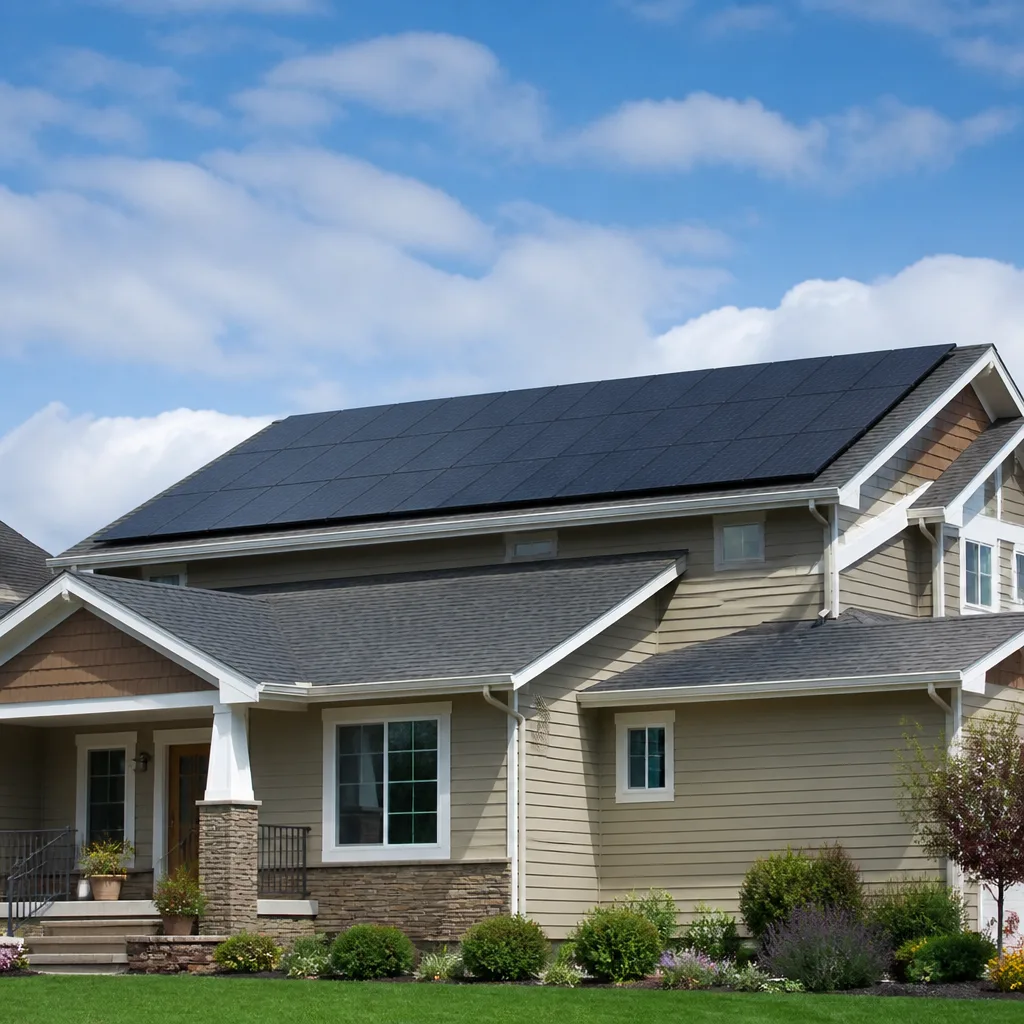
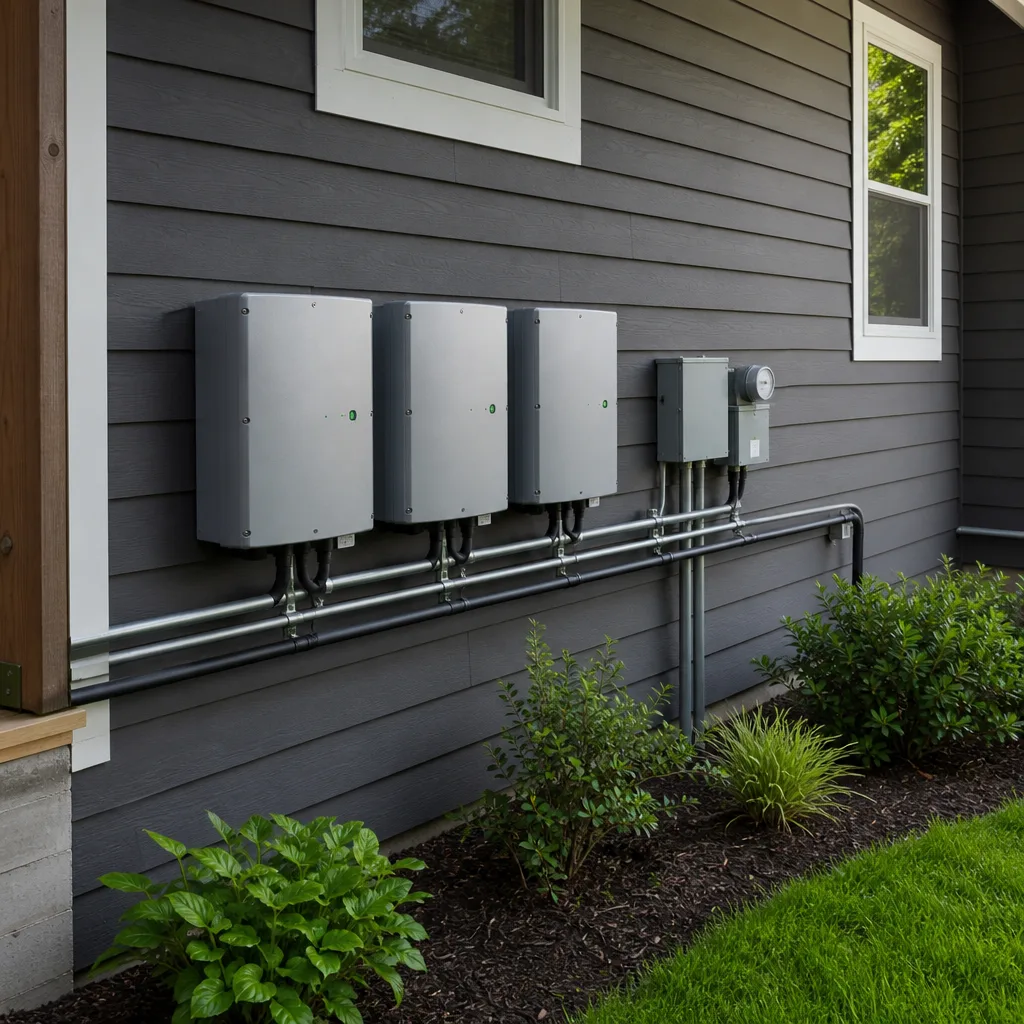
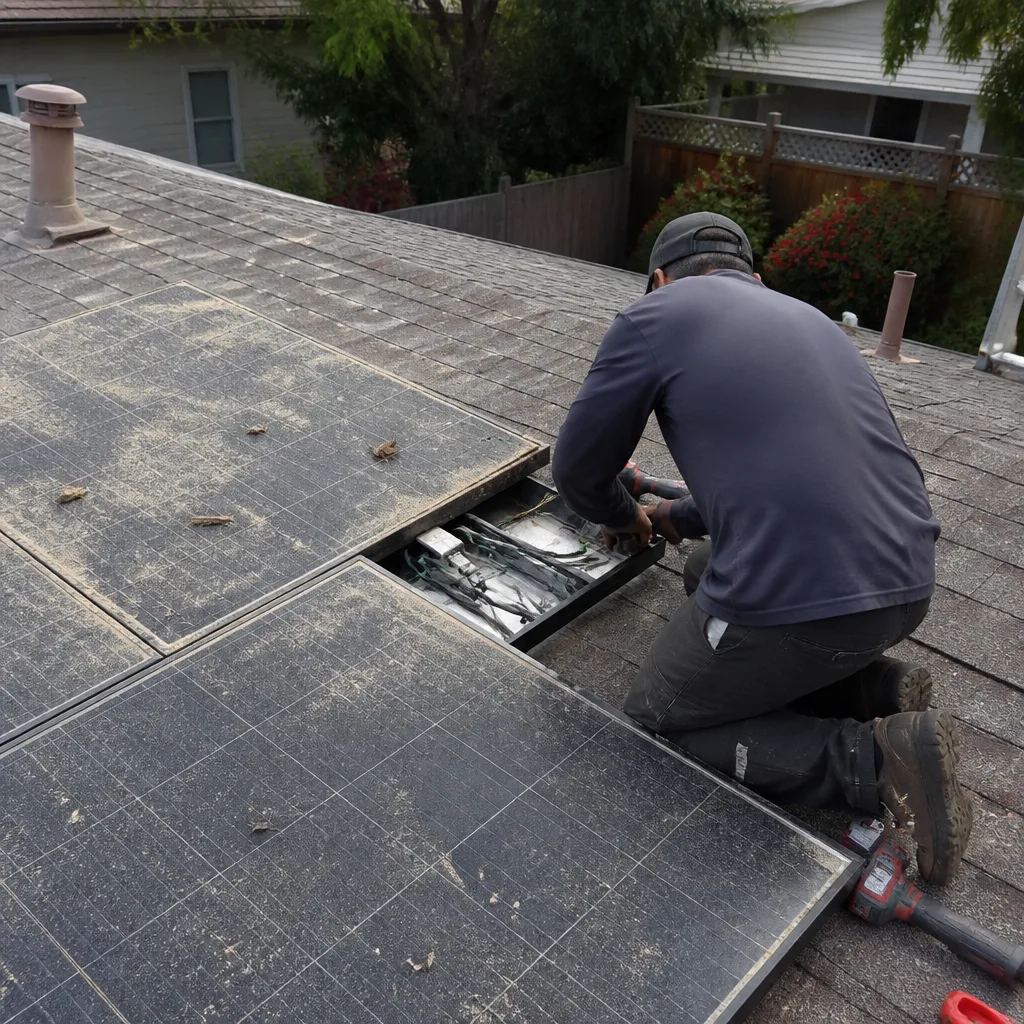 Before
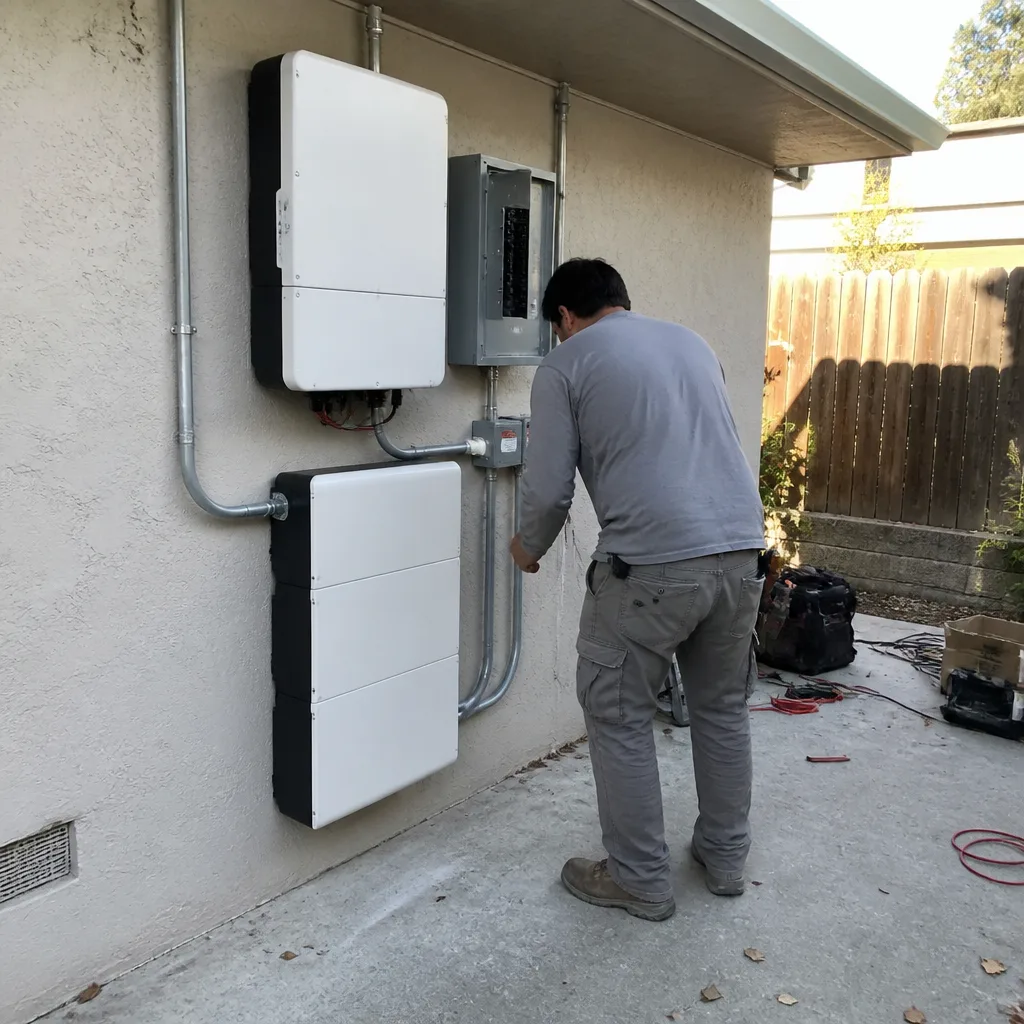 After
After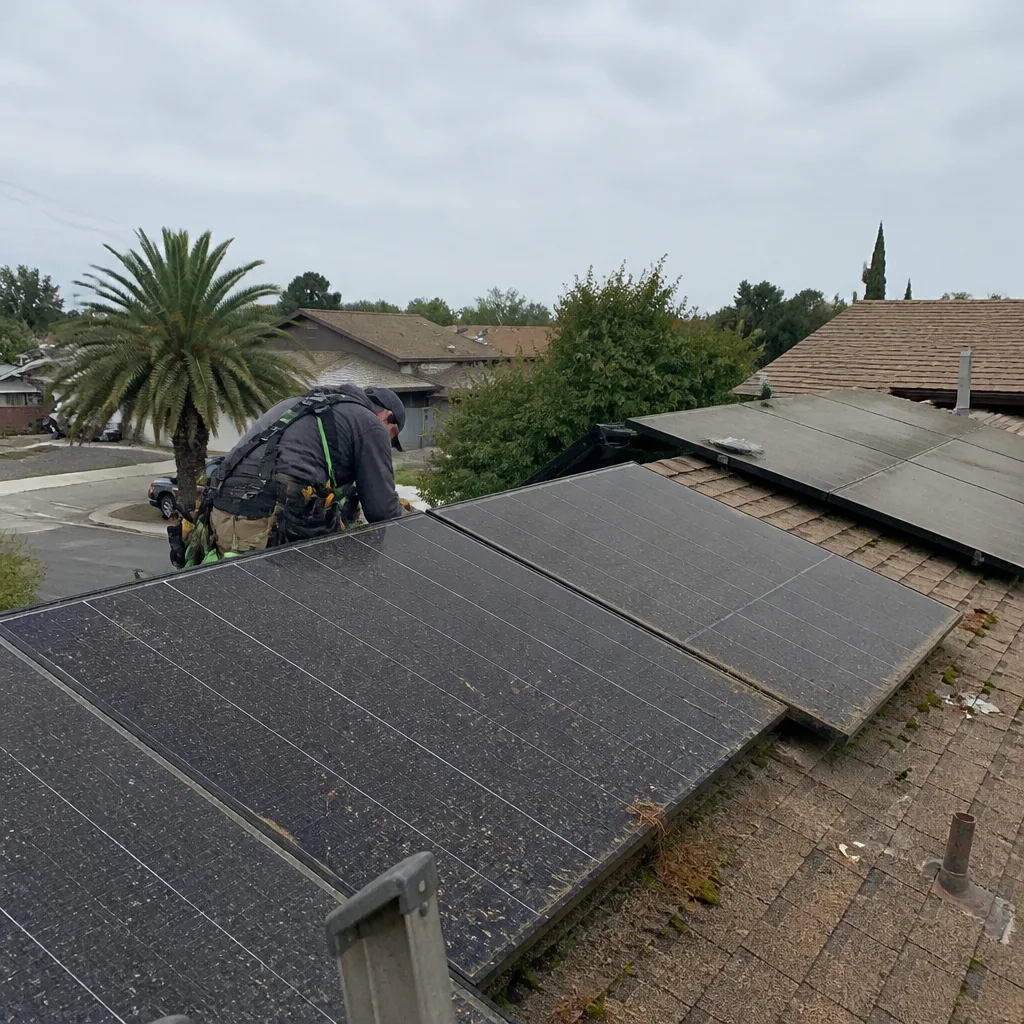 Before
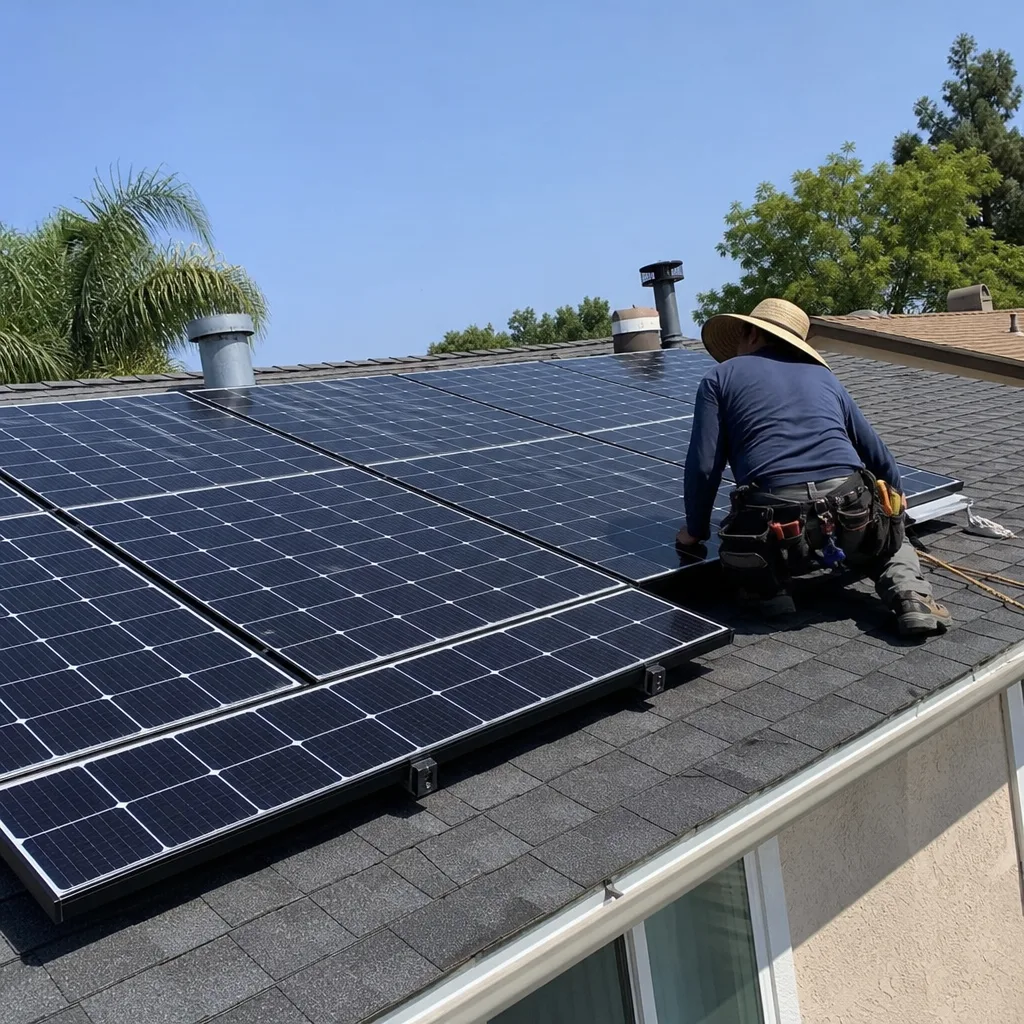 After
After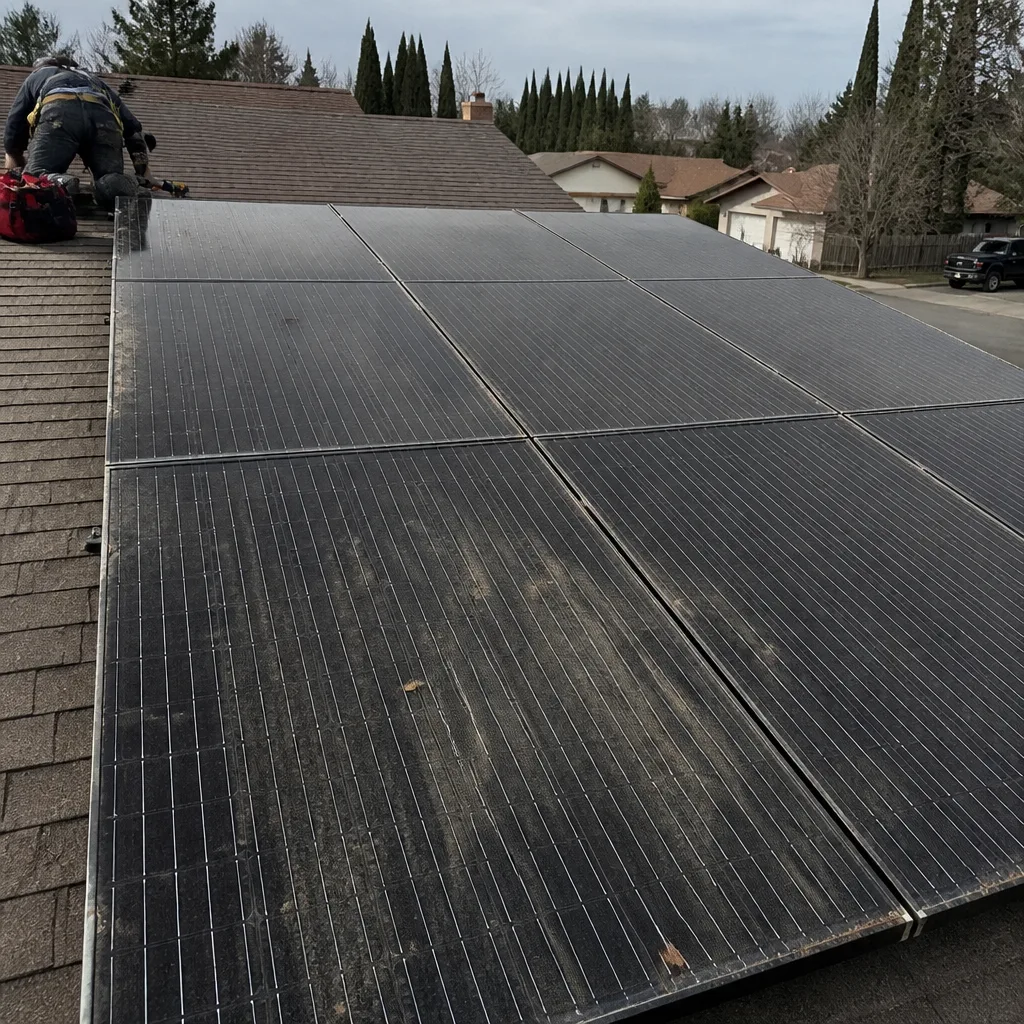 Before
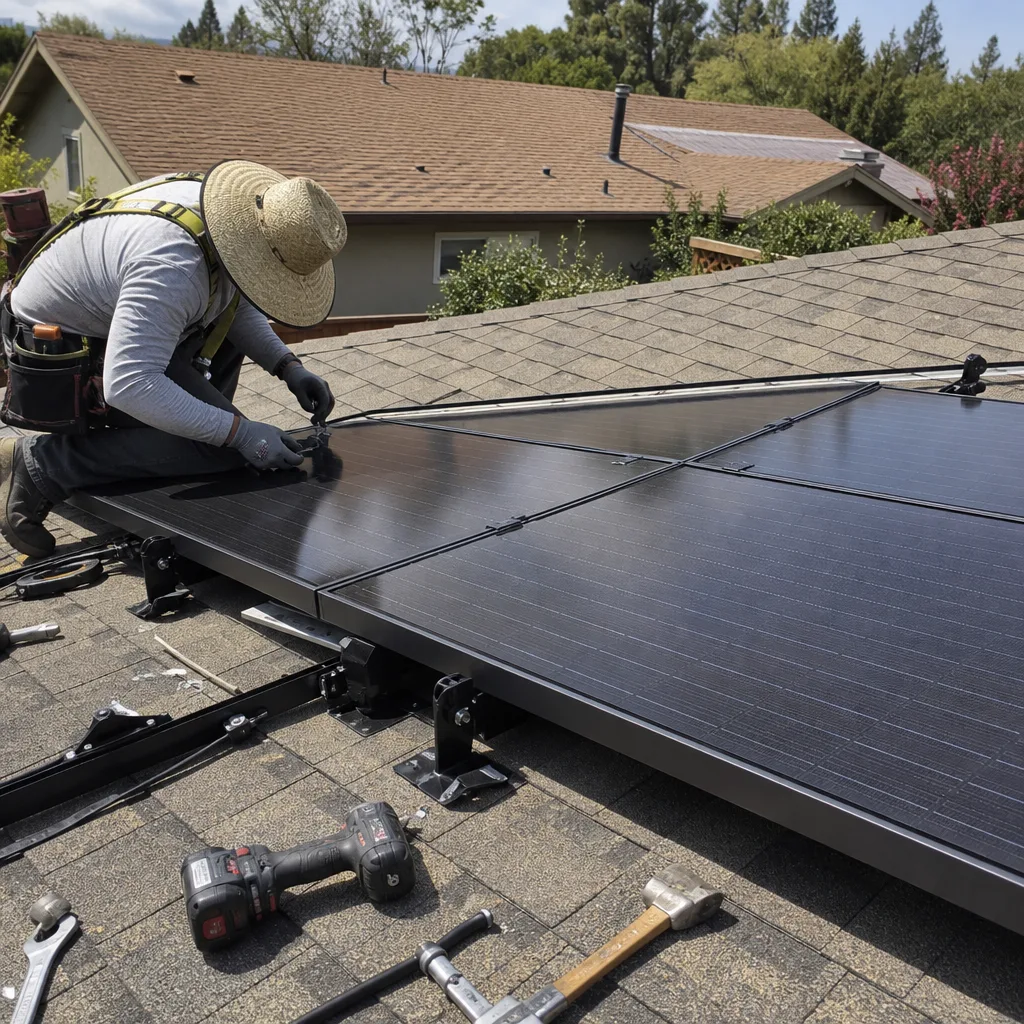 After
AfterFast, Reliable Solar Battery Storage & Backup Across Atwater
Solar battery storage in Atwater runs $13,500 to $21,000 installed for most homes, depending on whether you need one battery or a whole-home setup, and whether your panel can handle it. We serve the 95301 zip code and every neighborhood from the Castle Homes corridor to the newer tracts west of Highway 99. If you’re asking whether a battery makes sense with Merced County’s tule fog winters and NEM 3.0 rates, the short answer is yes, if it’s sized honestly. Gus Petrakis and our crew at Solar Battery Storage & Backup have been doing this work in Atwater long enough to know the difference between a quote that looks good in July and one that still works in January. Call (877) 550-6892 and bring us a bill. We’ll bring you the math.
Why Gus’s Solar Is Atwater’s Preferred Solar Battery Storage & Backup Company
We’re not a door-knocking outfit that rolls through Atwater once a quarter. We’re a locally owned shop run by Gus Petrakis, who puts his name on the truck, publishes his address and license number, and answers his own phone. When an Atwater homeowner calls about a battery that isn’t holding charge after a foggy stretch, Gus is the one who picks up. When something trips on a 1970s Castle Homes panel, his own crew comes out, not a sub.
Our customers in Atwater talk to us the way neighbors do. They’ve been burned by out-of-state installers who quoted one number on the phone and showed up with another. So we do the opposite. The price quoted is the price charged. No signature wanted tonight. Take two weeks. Think about it. The price will be the same. If a salesman needs an answer tonight, the answer is no.
We’ve been at this since 2011. Our technicians are background-checked, uniformed, and employed by Gus himself. You’ll know who’s on your roof before they arrive. And every solar job we do in Atwater carries the 90-Day Done Right Promise in writing. If it’s not right, one call brings Gus back.
Response time to Atwater is typically same-day for service calls and 24 to 48 hours for new battery quotes and site visits. We coordinate scheduling from our Fresno, Central Valley office, and our crews serve Atwater locally, so you’re not waiting on a crew from two counties over.
Our Solar Battery Storage & Backup Services in Atwater
Tesla Powerwall Installation
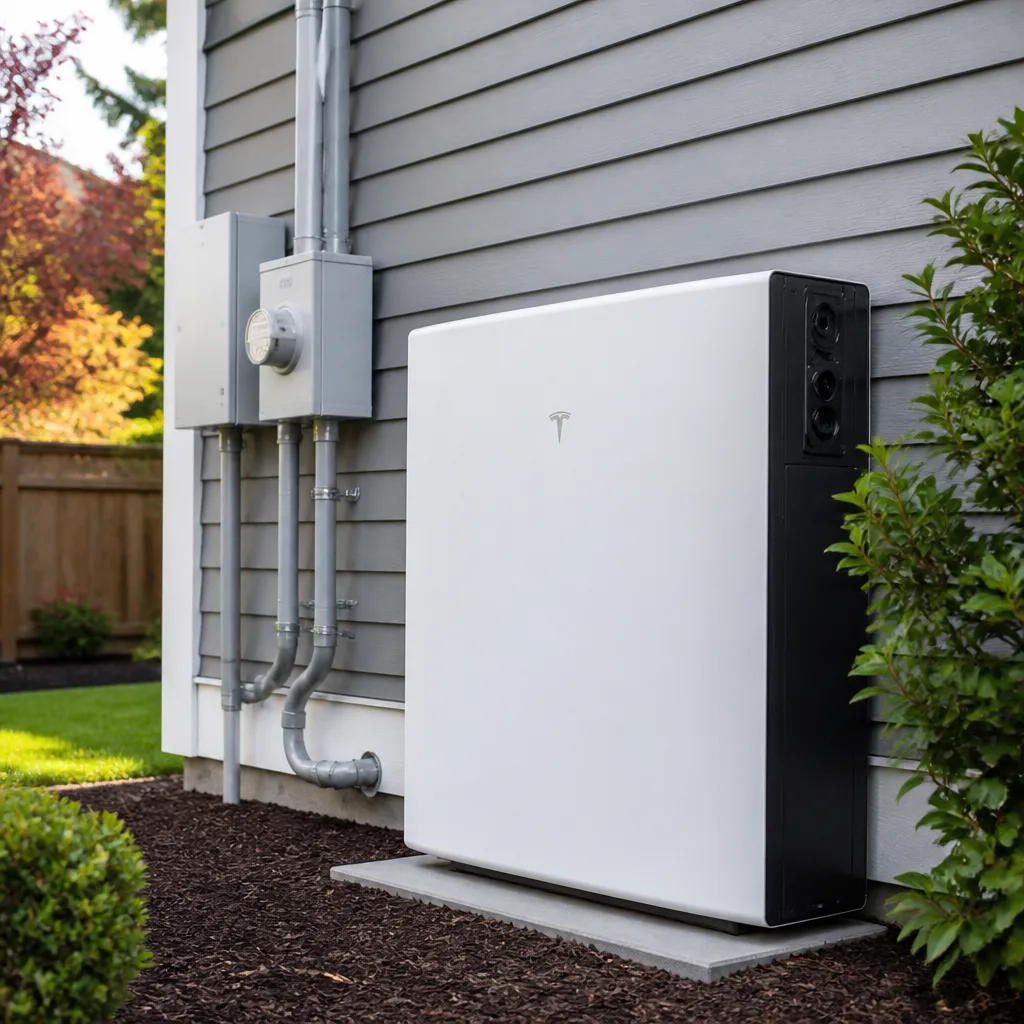
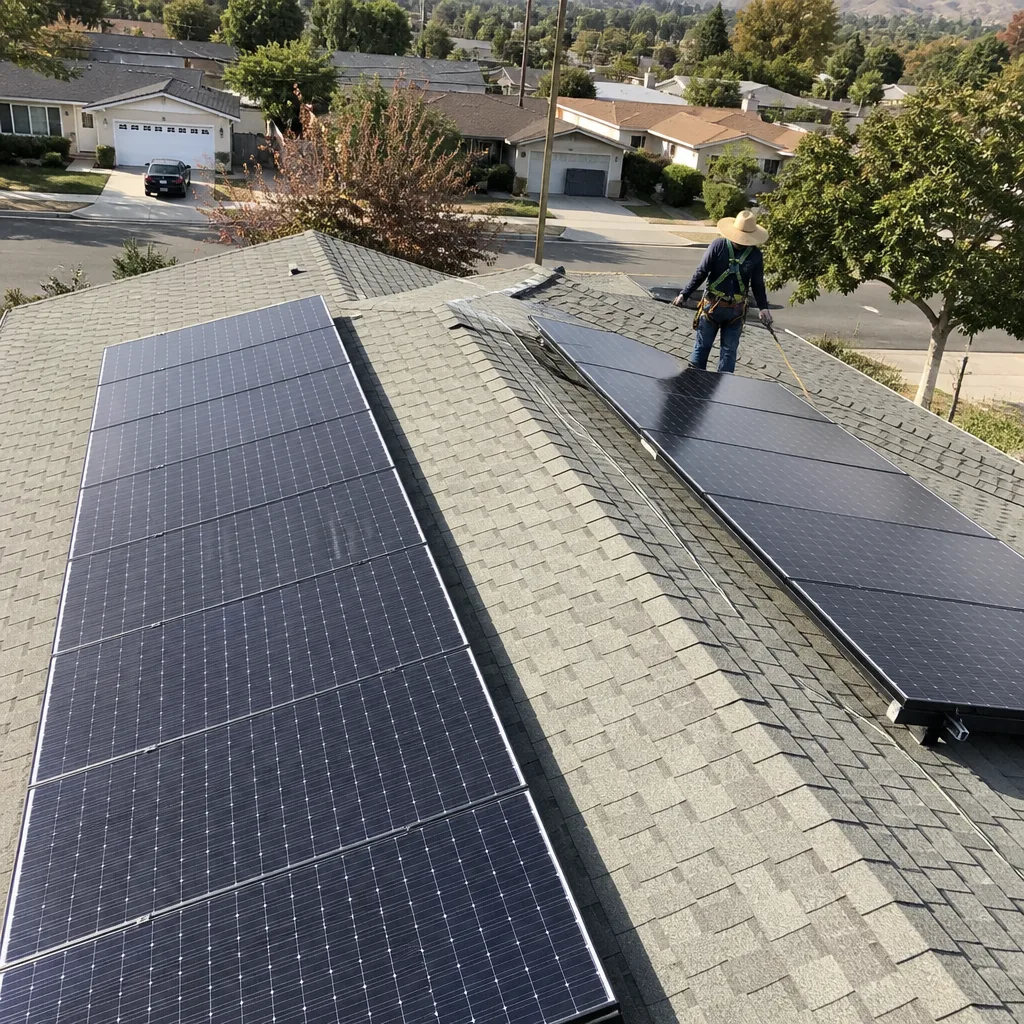
A Tesla Powerwall 3 installed in Atwater typically runs $11,000 to $14,500 for a single unit, including gateway and installation, before any panel work. On the 1950s-to-1970s base-era homes that dominate the Castle Homes corridor, plan for a 100-amp panel upgrade or a smart load-shedding setup. Without it, the Powerwall will fault when the AC kicks on during a 105-degree July afternoon. We set Powerwalls to charge from solar during the day and discharge from 4 to 9 p.m., which is exactly how you flatten a PG&E true-up under NEM 3.0. We stock Powerwall components at our Central Valley shop, so turnaround in Atwater is quick.
Enphase IQ Battery Installation
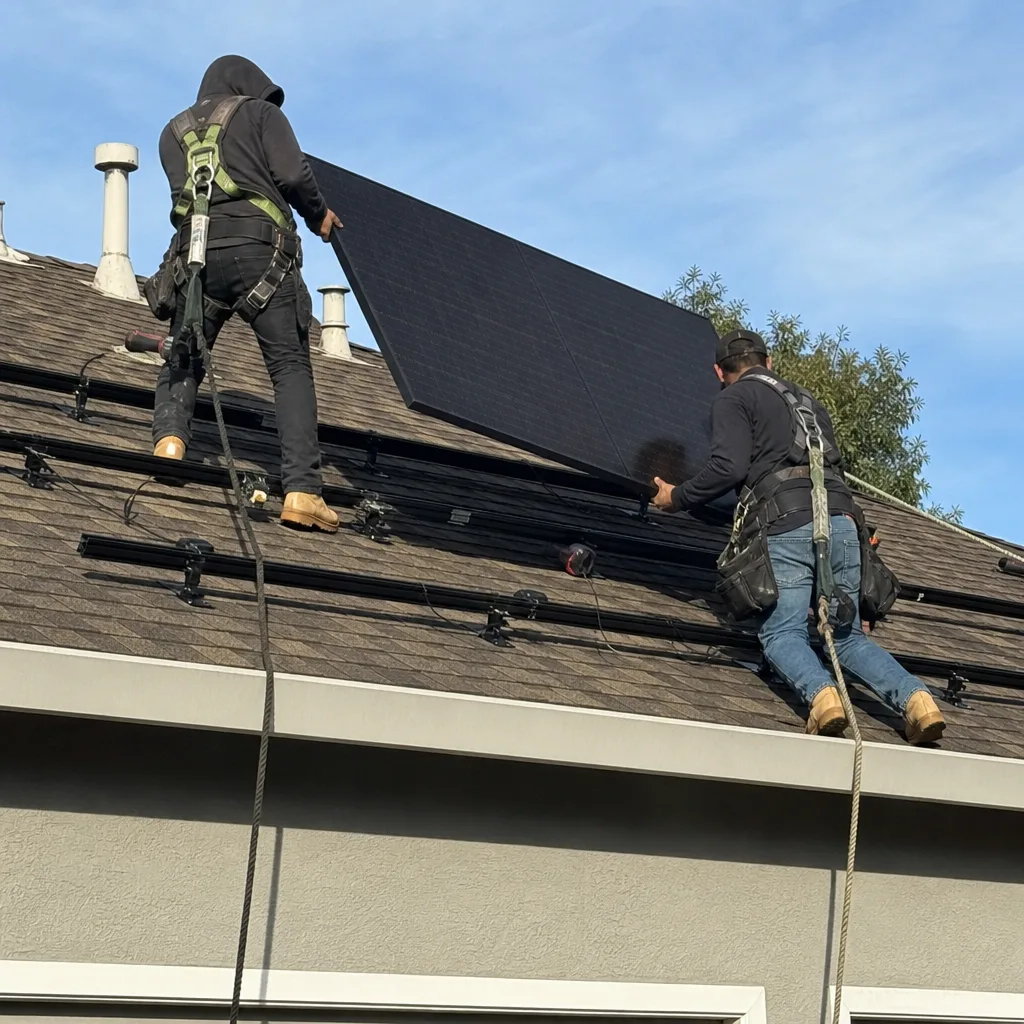
Enphase IQ Battery 5P systems in Atwater run $9,000 to $16,000 for one to two units installed, depending on your existing inverter setup. The 5P is a strong fit for Atwater’s fog months because it handles partial-state-of-charge cycling well, which matters when your panels are producing 40% of summer output for weeks at a stretch. We configure Enphase systems in Atwater for self-consumption mode in winter, so you’re not exporting cheap solar at noon and buying expensive power back at 7 p.m. If your home already has Enphase microinverters, the retrofit is clean.
Whole-Home Backup Power
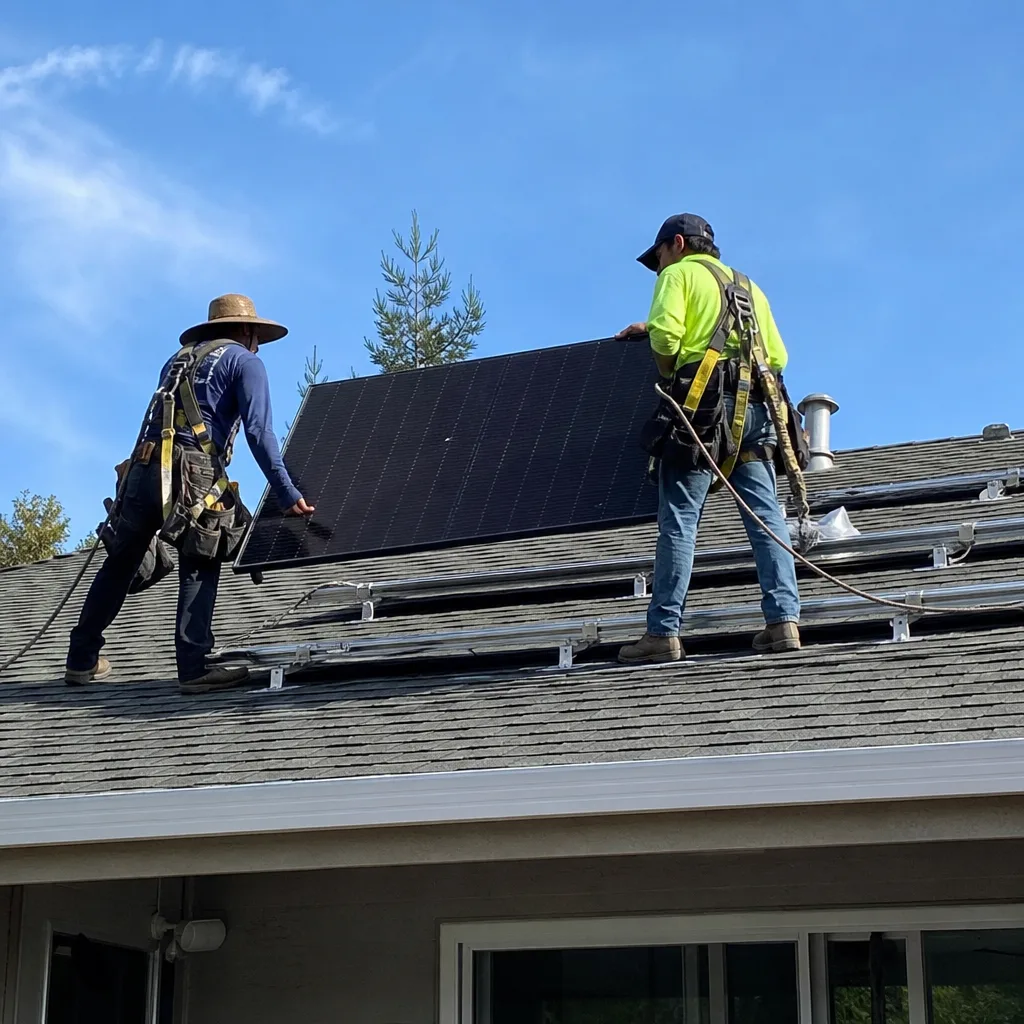
Whole-home backup in Atwater generally starts around $18,000 and runs to $26,000 or more, because you’re usually looking at two batteries plus a critical-loads panel or full main panel replacement. The question that matters here is not “how many square feet is the house” but “what actually has to keep running when PG&E goes dark.” For an Atwater family with a well pump, refrigerator, medical equipment, and a couple of window AC units, we spec the system around real circuit-level loads, not a brochure number. On base-era homes with undersized service, we show you what a whole-home setup really requires before you sign anything.
Battery Retrofit for Existing Solar
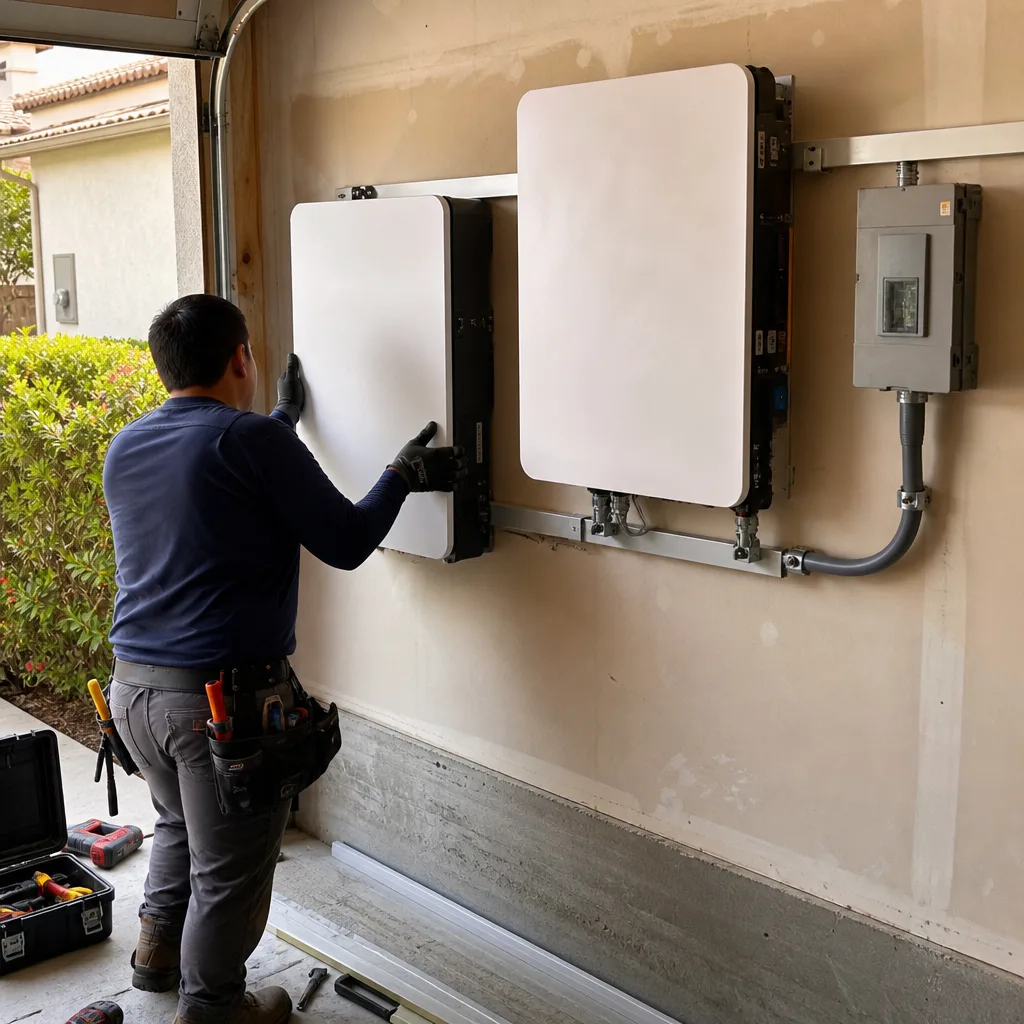
If you already have panels in Atwater and want to add storage, the work is usually straightforward if your inverter is modern and your panel has headroom. A retrofit for a single battery runs $10,000 to $14,500 in Atwater, depending on whether we’re adding Enphase, FranklinWH, or Tesla to an existing system. The sticking point on many Castle Homes corridor houses is the original 100-amp service. We had a homeowner on Shaffer Road last year whose solar array was fine, but adding a battery meant replacing the panel and a rusted out weatherhead. We showed him the photos and the permit requirements. He understood. That’s how we work. No surprises.
What happens when you call
- 1
A real person answersNo phone trees - you reach a local pro.
- 2
You get an upfront price rangeHonest numbers before anyone is dispatched.
- 3
A background-checked tech heads outLicensed & insured, dispatched right away.
- 4
You approve before work beginsNothing starts until you say go.
Trusted Brands We Service in Atwater
We install and service Tesla Powerwall, Enphase IQ batteries, and FranklinWH aGate systems, and we keep common parts stocked locally for Atwater customers so you’re not waiting on a slow freight shipment when a battery throws a fault. We also service SolarEdge systems for homeowners who added storage before the current generation of batteries. If you’ve got a battery from a company that went out of business or an installer who won’t return your calls, we’ll come out and diagnose it honestly. If it’s repairable, we’ll tell you. If it’s time to replace, we’ll show you the math. We also offer a Free Second Opinion on any written estimate, including ones from out-of-town outfits. Bring us the paper. We’ll tell you what’s real and what’s not. And if you’re over 55 or a veteran, ask about our 10% discount. It never expires.
Common Solar Battery Storage & Backup Problems We See in Atwater Homes
- Batteries that never reach full charge in winter. The tule fog season from November through February can cut production so hard that an undersized battery spends weeks hovering at 30 to 50 percent. We size systems using fog-adjusted monthly generation curves, not the sunny-day assumptions that work farther south. Without that adjustment, you’ll wonder why your backup reserve is dead exactly when outages are most likely.
- Main panel overload on base-era homes. Atwater’s Castle Homes corridor is full of 100-amp panels that were never designed for solar plus a battery plus an EV charger. When the battery and the car charger run together, the panel trips, the battery faults, and the homeowner blames the equipment. The equipment is fine. The panel needs to be upgraded. We flag this before the install, not after.
- Backup that can’t bridge a multi-day fog event. A single battery that covers an evening outage in August may not last 48 hours of fog-blanketed January. If your backup plan is built around a summer production estimate, you’ll find out the hard way during the first winter outage. We model December and January specifically, and we show you that graph before you spend a dollar.
- NEM 3.0 systems programmed on public-safety defaults. Under NEM 3.0, exporting power to PG&E during a sunny afternoon in Atwater is nearly worthless. The battery has to charge during the day and discharge during the 4 to 9 p.m. peak window. A lot of battery systems in Atwater are still running on old NEM 2.0 logic and owners don’t know it. We audit Time-of-Use settings as part of every retrofit and tune them to Merced County’s actual rate schedule.
Pricing for Solar Battery Storage & Backup in Atwater, CA
| Service | Typical Atwater Price Range |
|---|---|
| Single battery retrofit (existing solar) | $10,000 - $14,500 |
| Battery + new solar install | $19,000 - $28,000 |
| Whole-home backup (two batteries, critical loads) | $18,000 - $26,000 |
| Main panel upgrade (100-amp to 200-amp) | $3,200 - $5,500 |
| Time-of-Use & NEM 3.0 configuration audit | $180 - $350 |
Those are honest ranges for Atwater’s market. What moves the number is your panel condition, your roof’s mounting surface, and whether you need a whole-home setup or a single-battery backup. We build the quote from your actual PG&E bill, not a brochure estimate. I quote the year-25 output, not the day-one brochure number. Estimates are free. The number we show you is the number you pay. Call (877) 550-6892 to get started, and remember there’s a Senior and Veteran 10% discount that applies to battery work. We also offer $40 off any repair over $200 and no trip charge inside our own county, which includes Atwater.
We Also Serve Cities Near Atwater
If you’re just outside Atwater, we’ve got you covered too. Our crews regularly serve Winton, Livingston, Merced, and Delhi, and we bring the same fog-adjusted sizing approach and no-pressure pricing to every job. No matter which side of the Merced County line you’re on, we’ll come out, look at your panel and your bill, and give you a straight answer. Learn more about Solar Battery Storage & Backup in Atwater and what makes this area’s housing stock unique.
Serving Atwater, CA - Our Local Coverage Area
We’re based in the Atwater area and know this community well. Use the map below to see our service coverage - if you’re nearby, we can almost certainly help.
FAQs - Solar Battery Storage & Backup in Atwater
It affects it a lot more than most solar salespeople will admit. During December and January, dense tule fog can cut daily production to 15 to 30 percent of summer output for days or even weeks at a stretch. A battery sized for a sunny August afternoon may not reach full charge for extended periods in winter, which means your backup reserve is partly empty exactly when winter storms make outages more likely. That’s why we size Atwater batteries using fog-adjusted monthly generation curves, and we show you the December and January numbers before you buy. Call (877) 550-6892 and we’ll walk you through what your system would actually produce, month by month.
In most cases, yes. The base-era homes built around Castle Air Force Base in the 1950s through 1970s almost universally have 100-amp service panels that were never designed for solar plus battery plus modern appliance loads. A battery installation typically requires either a panel upgrade to 200-amp service or a smart load-shedding arrangement. We’ll tell you which you need before the install, show you the permit requirements, and include the cost in your upfront quote. No discovery charges mid-job. Call (877) 550-6892 for a free assessment of your specific panel.
Yes, as long as it’s sized for the right loads and the right season. During summer, Atwater routinely exceeds 100°F and PG&E’s aging infrastructure struggles with demand, which is when a battery can keep your refrigerator, medical devices, and a couple of cooling fans running for hours or days. During winter, storms combined with tule fog can cause longer, multi-day outages, and a single battery may not get you through, especially if it can’t recharge. We walk every Atwater customer through a circuit-level load list and show you exactly what a battery will and won’t cover. That conversation is free. Call (877) 550-6892.
Yes, dramatically. Under NEM 3.0, the export credit for solar sent back to PG&E during a sunny afternoon in Atwater is a fraction of what it was under NEM 2.0. The only way a battery pays for itself now is by charging from your panels during the day and discharging during the 4 to 9 p.m. peak window, when PG&E rates are highest. A battery that just sits full until an outage happens is a very expensive emergency flashlight. We program Atwater systems in Time-of-Use mode and audit the settings seasonally, because PG&E changes rate windows and a battery that was optimized in 2023 may be leaving money on the table in 2026. Ask us for a NEM 3.0 audit. Call (877) 550-6892.
Because generic calculators are built on coastal or desert assumptions and they will overestimate your winter production in Atwater by 40 to 60 percent. If you size a battery based on that inflated number, you’ll end up with a system that doesn’t recharge fully during the fog months, which is when you’re most likely to need it. Atwater’s dense tule fog from roughly November through February is a real, measurable constraint, and any honest local contractor should be factoring it in. We show every Atwater customer a month-by-month production graph with fog-adjusted numbers for December and January specifically. It changes sizing decisions in ways a brochure calculator never will. Call (877) 550-6892 and we’ll build that graph for your roof, your panel, and your usage.
Written by Gus Petrakis, Owner at Gus’s Solar, serving Atwater and Merced County since 2011.