
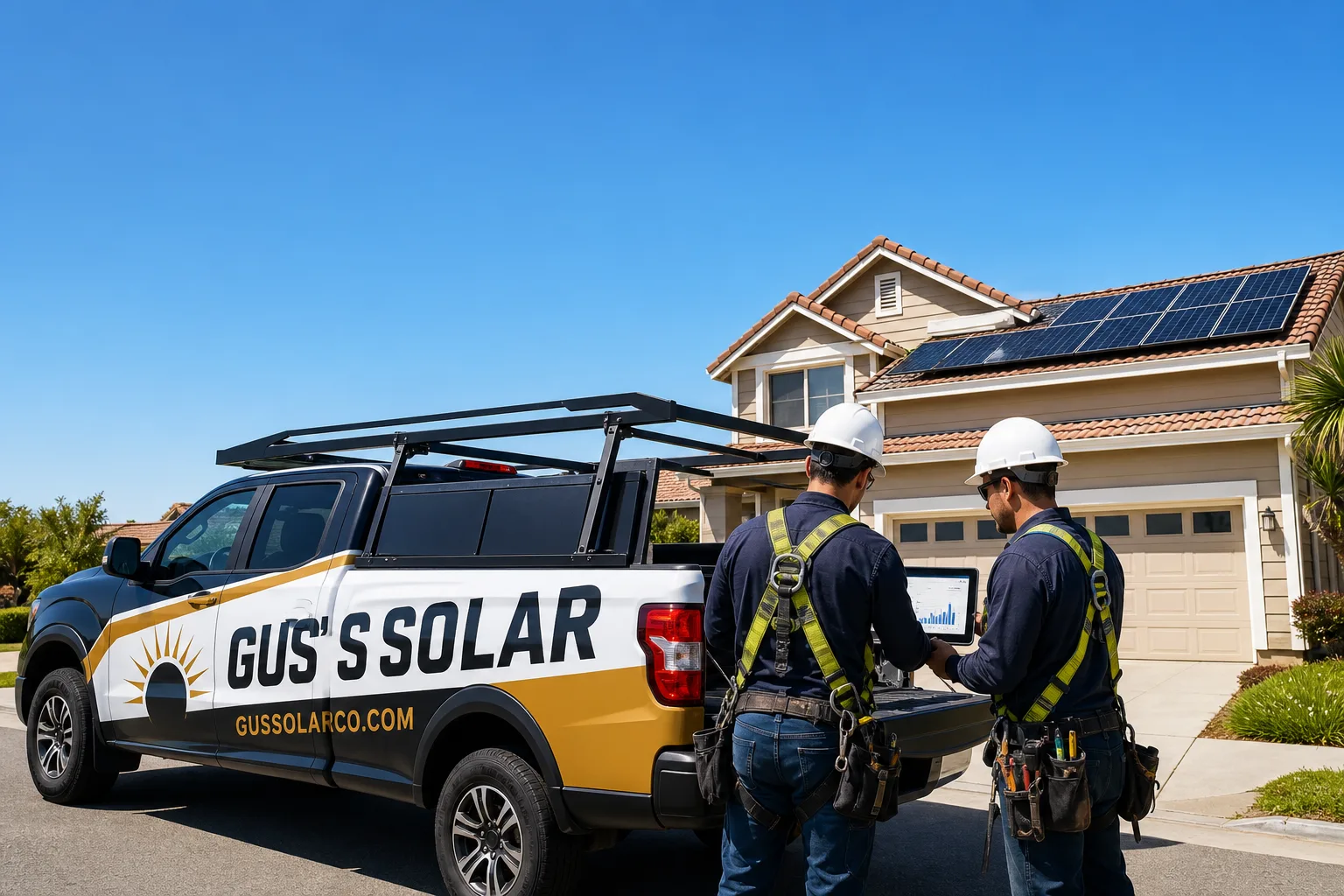
Free bill analysis - bring a power bill, get the production math for your actual roof, panel brands like Qcells and REC compared side by side
If the pitch starts at your door and ends with "sign tonight for the special," sleep on it. The sun will still be there tomorrow; so will we.
 Before
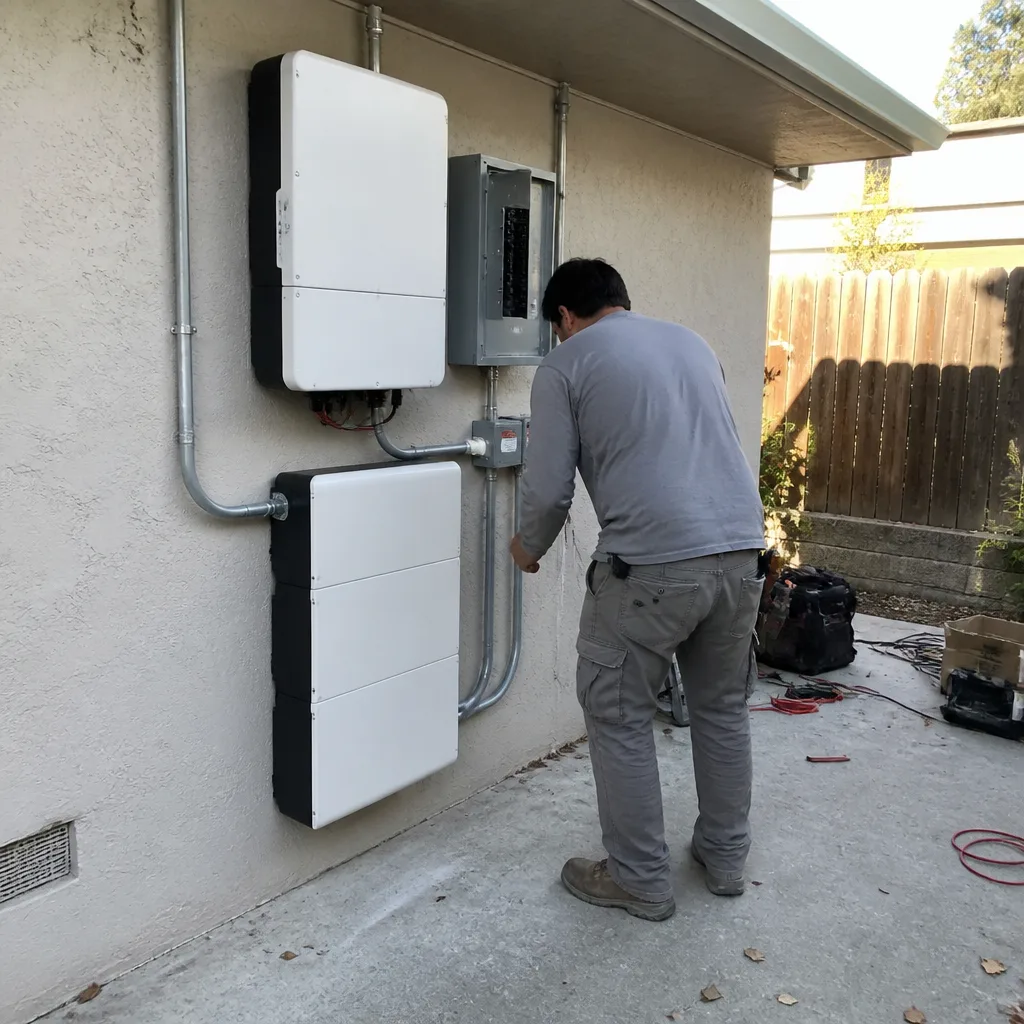 After
After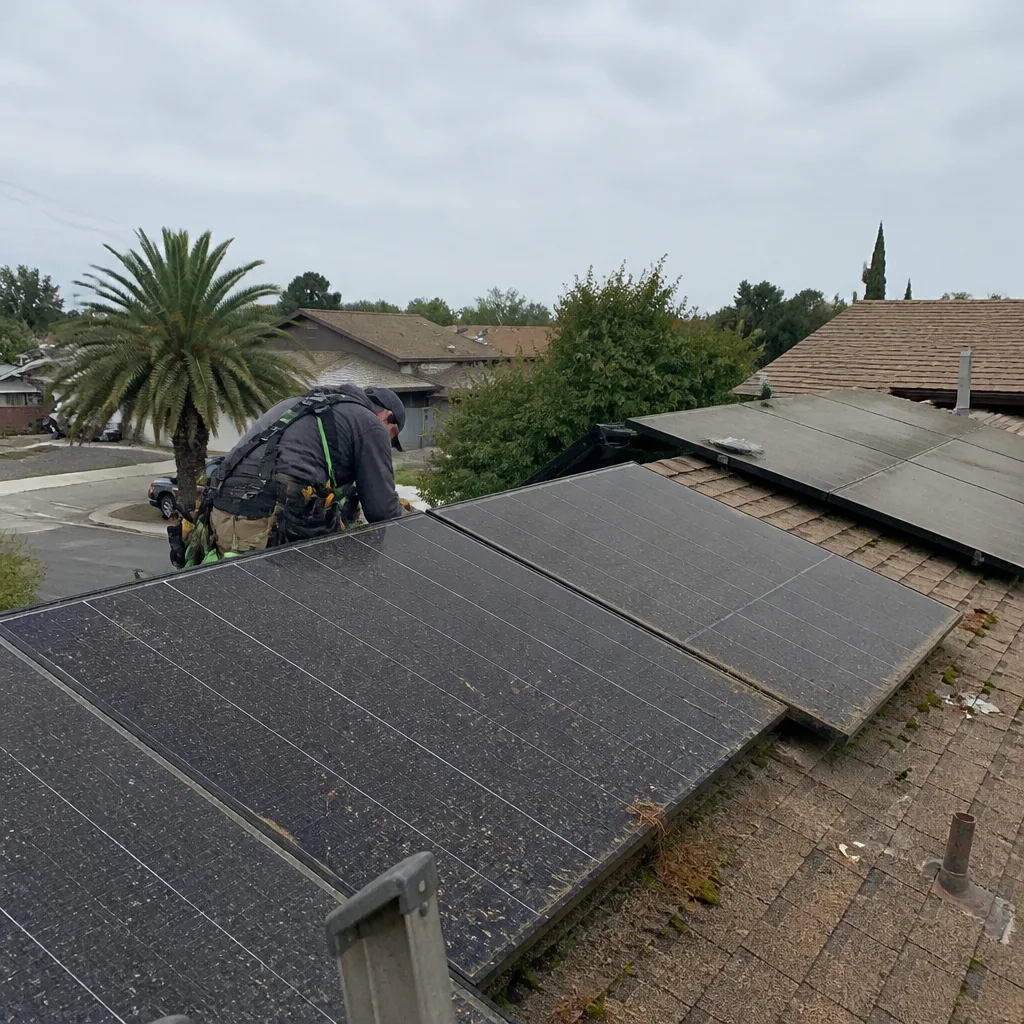 Before
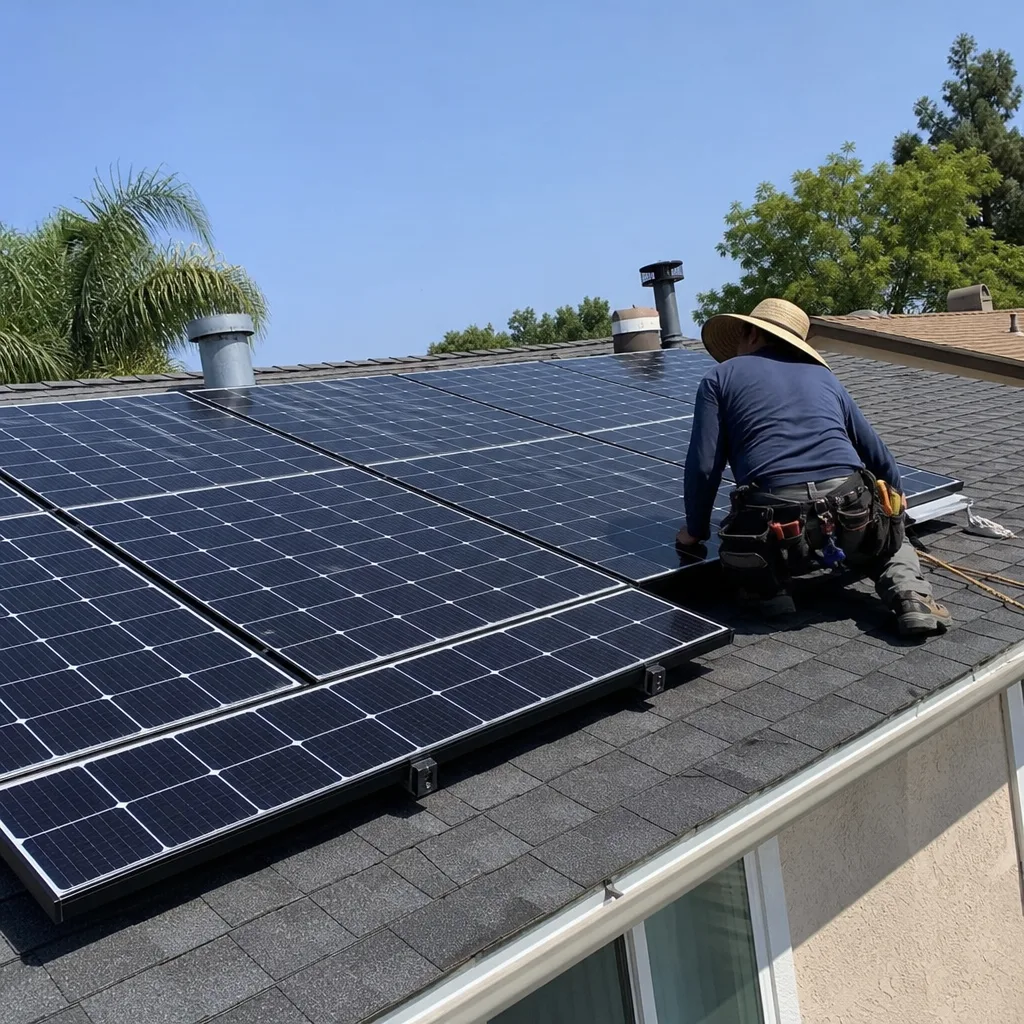 After
After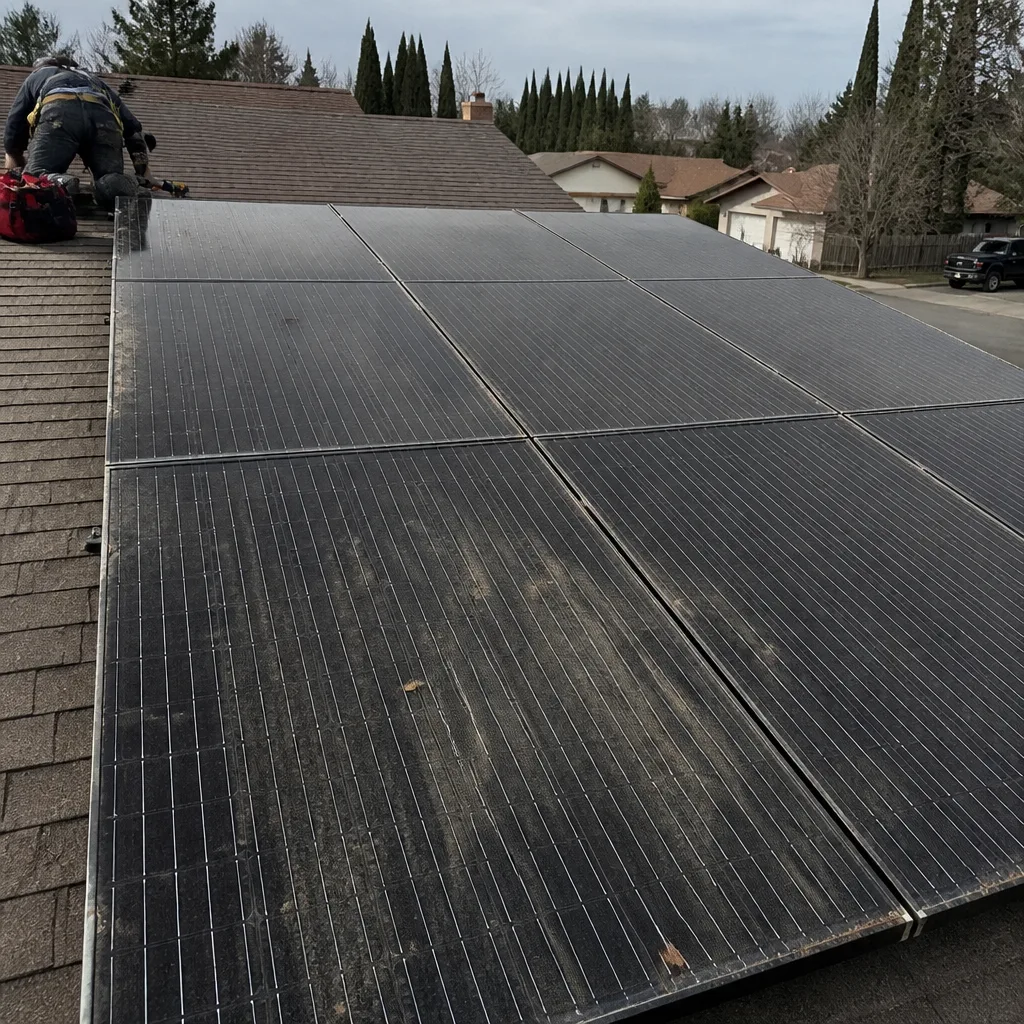 Before
 After
AfterFast, Reliable Solar Battery Storage & Backup Across Artesia
Most Artesia homes need a battery that works with an afternoon sun pattern, not against it. Under SCE’s NEM 3.0 rules, the electricity your panels generate at 3 p.m. earns almost nothing if you send it back to the grid. A properly programmed battery fixes that: it stores the late-day sun and pulls it back out when SCE’s rates jump from 4 to 9 p.m. That’s what we do for homes across Artesia’s 90701 and 90702 neighborhoods, and we’re usually there within 24 hours when something goes wrong. Call (877) 550-6892 and Gus will talk you through what your bill actually says.
Why Gus’s Solar Is Artesia’s Preferred Solar Battery Storage & Backup Company
Gus Petrakis started this company in 2011 and still answers his own phone. Around Artesia, that matters because battery work is not a one-size job, especially not on the postwar ranch homes that fill most of this city. Our Solar Battery Storage & Backup team has been inside enough 100-amp panels on these streets to know exactly what an SCE interconnection reviewer will flag before they flag it. We quote the year-25 output, not the day-one brochure number.
People in Artesia tell us the same thing: another company quoted them a battery over the phone, then showed up and found the panel upgrade, the rewire, and the relocating of the main service entrance added thousands. We do not do that. Bring us your SCE bill and we will show you the actual avoided-cost math on your own usage. Take two weeks. Think about it. The price will be the same.
Every job carries the 90-Day Done Right Promise in writing. If something is not right, Gus comes back. One call brings him, not a ticket number.
Our Solar Battery Storage & Backup Services in Artesia
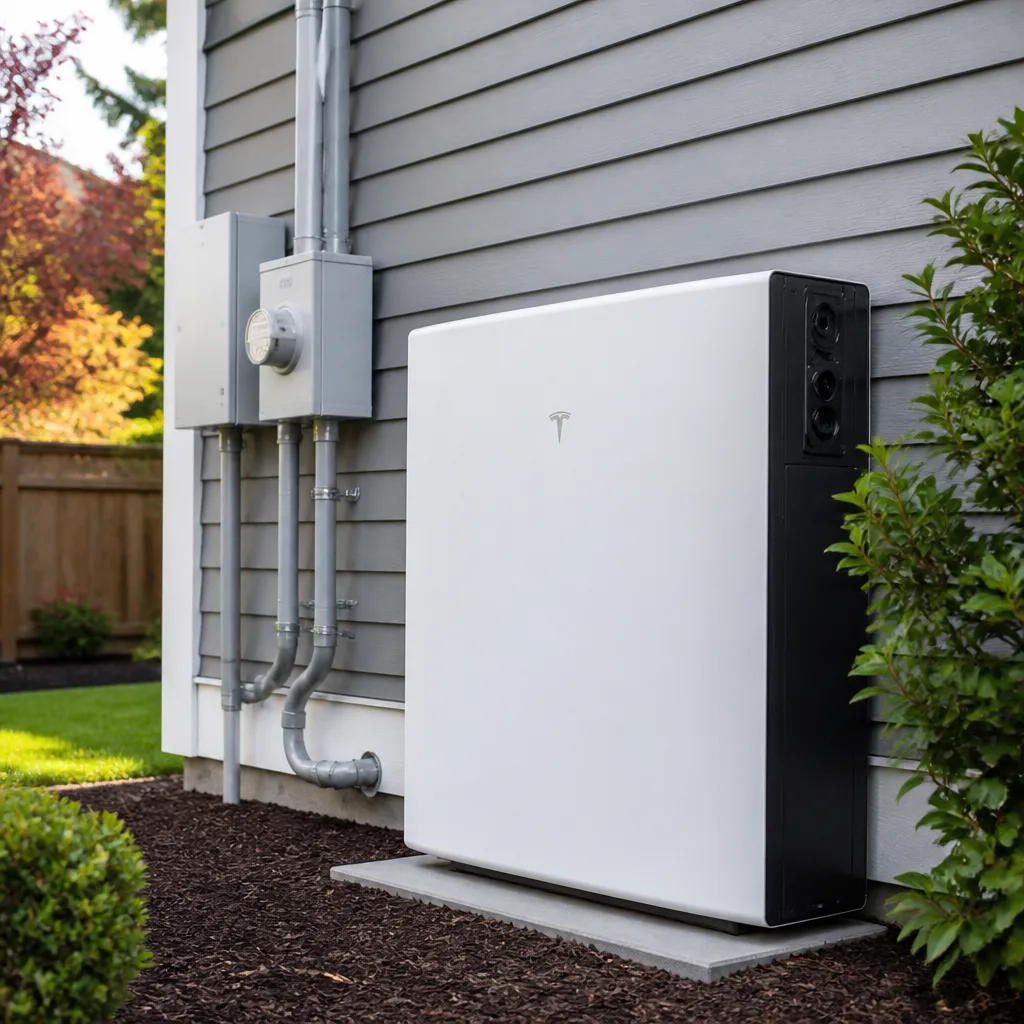
Tesla Powerwall Installation
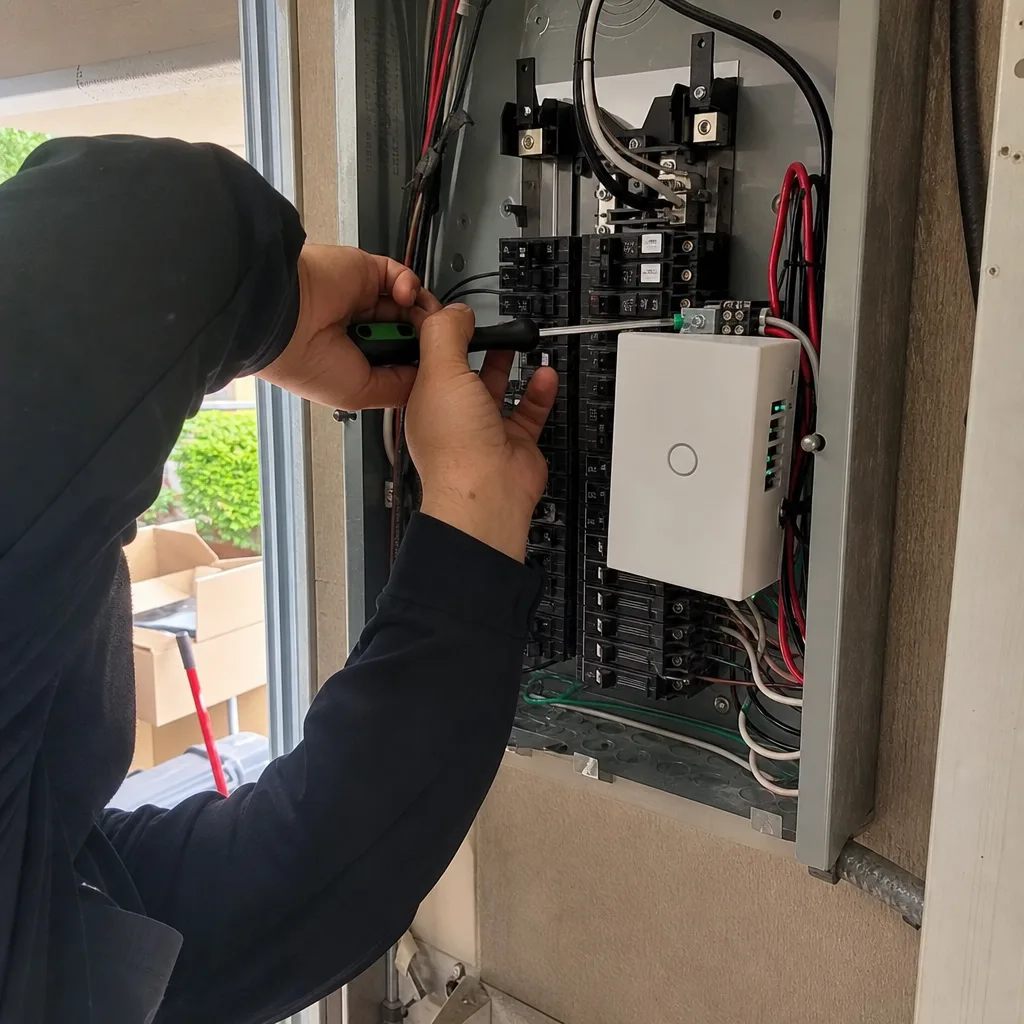
A Tesla Powerwall 3 on an Artesia ranch home typically runs $15,500 to $18,900 installed, before any incentives. That number includes the battery, the Gateway, the wiring, and the labor. What it often does not include on these older homes is the 100-amp to 200-amp service panel upgrade, which runs another $3,200 to $4,800. We tell you that before you sign, not after we open the wall.
Enphase IQ Battery Installation
The Enphase IQ Battery 5P is a good fit for Artesia homes with limited wall space or smaller arrays. A single 5 kWh unit installed usually lands between $8,400 and $11,200. Two units, which gives you 10 kWh of usable storage, comes in around $16,000 to $19,500. Because Artesia’s small rooflines cap most arrays at 4 to 6 kW, two 5Ps are often the right starting point if you want to carry your air conditioner through a summer outage.
Whole-Home Backup Power
Here is the honest truth about whole-home backup in Artesia: the term is misleading on a 1,200 sq ft ranch with a 3-ton AC unit. A single 13.5 kWh Powerwall will run lights, refrigerator, outlets, and the furnace blower, but it will strain against a central air conditioner on a 105-degree Norwalk-corridor afternoon. For genuine whole-home coverage, most Artesia homes need 20 to 27 kWh of storage, which means two to three batteries and a “Partial Home” backup plan that prioritizes the circuits you actually need. We design that plan before installation day.
Battery Retrofit for Existing Solar
If your Artesia home already has panels and you bought them before April 2023, you are probably on NEM 2.0. That changes the retrofit math considerably. Your solar export credits are still worth something, but the question of adding a battery becomes about outage protection and future-proofing rather than pure payback. On an existing 4.2 kW array in 90701 along the Pioneer Boulevard corridor, we recently added a Tesla Powerwall 3 and upgraded the 100-amp panel to 200-amp. The owner’s first true-up statement showed a 73% reduction in non-bypassable charges. Those are the line items SCE hits you with no matter how much solar you make.
What happens when you call
- 1
A real person answersNo phone trees - you reach a local pro.
- 2
You get an upfront price rangeHonest numbers before anyone is dispatched.
- 3
A background-checked tech heads outLicensed & insured, dispatched right away.
- 4
You approve before work beginsNothing starts until you say go.
Trusted Brands We Service in Artesia
We install and service FranklinWH, Enphase, and Tesla batteries most often in Artesia, with SolarEdge inverters in the mix for older grid-tied systems that need a storage add-on. We keep common replacement parts and monitoring hardware in our service vehicles when we come through town, which means a diagnostic visit for a battery that is not charging usually ends with the fix done that same trip, not a callback in two weeks. No-hassle upfront pricing applies here too: the number you see on the estimate is the number you pay.
Common Solar Battery Storage & Backup Problems We See in Artesia Homes
- Skipped panel upgrades on 100-amp services. The original electrical panels in Artesia’s 1950s and 1960s ranch homes cannot safely handle a modern battery’s charge and discharge rates. When an installer skips the 200-amp upgrade, the battery never gets SCE approval and sits dead on the wall.
- Batteries left in “Self-Consumption” mode under NEM 3.0. On an Artesia day, the marine layer burns off by late morning and the array peaks after 2 p.m. If the battery charges itself full by noon, the afternoon surplus exports for near-zero avoided-cost credits. The battery needs to be programmed to wait, and most installers never touch the dispatch settings.
- Undersized backup plans that cannot carry the AC. Homeowners buy a battery for outage protection, then find out during the first SCE shutoff that their single 10 kWh unit cannot start the compressor. We size and wire a dedicated critical-loads subpanel so the air conditioner, refrigerator, and a few outlets are covered, not the whole house at half power.
- Retrofit mismatches on old NEM 2.0 systems. Older grid-tied inverters in Artesia do not always talk cleanly to a new AC-coupled battery, especially if the original installer used outdated string inverter architecture. We test the whole system before quoting the retrofit so you know if the inverter needs to be replaced too.
Pricing for Solar Battery Storage & Backup in Artesia, CA
What you pay depends on four things: battery capacity, whether the panel needs upgrading, whether it is a new install or a retrofit, and how much backup circuitry you want. For a single Tesla Powerwall 3 on an Artesia home with a modern 200-amp panel, expect $14,800 to $17,900. An Enphase IQ Battery 5P single-unit install lands between $8,200 and $10,900. A two-battery whole-home capable system on a postwar ranch, including the 200-amp panel upgrade and critical-loads subpanel, typically runs $26,000 to $34,500. These are honest Artesia numbers, built off real SCE bills and real roof measurements, not a brochure. Call (877) 550-6892 for a price on your specific house. The estimate is free and Gus will not ask you to sign tonight.
We Also Serve Cities Near Artesia
Our Solar Battery Storage & Backup in Artesia coverage extends to the surrounding communities. We regularly work in Cerritos, La Palma, Hawaiian Gardens, and Norwalk. The same crew, the same pricing, and the same owner who answers the phone when you call.
Serving Artesia, CA - Our Local Coverage Area
We’re based in the Artesia area and know this community well. Use the map below to see our service coverage - if you’re nearby, we can almost certainly help.
FAQs - Solar Battery Storage & Backup in Artesia
Artesia sits 12 to 15 miles inland, close enough to the coast that the marine layer holds offshore until mid-morning from May through August. That means your panels generate very little before 10 a.m., then hit peak output from 2 p.m. to 5 p.m. Under NEM 3.0, midday export earns almost nothing, so the battery should not be full at noon. We program it to begin charging at 11 a.m. or noon, absorb the afternoon surge, and discharge during SCE’s 4 to 9 p.m. on-peak window. That is the only dispatch schedule that makes NEM 3.0 economics work in Artesia, and it is specific to this city’s sun curve. Call (877) 550-6892 and we can look at your actual generation data.
Most homes in Artesia were built between the 1950s and early 1970s and still run on their original 100-amp panels. A Tesla Powerwall 3 draws up to 48 amps when charging or discharging. A 100-amp panel with a 4 kW array, an electric range, and a dryer already runs tight. SCE’s interconnection reviewers regularly reject battery applications on 100-amp services because the panel cannot safely carry the added load. The $3,200 to $4,800 upgrade to 200 amps is not an upsell; it is the difference between a working battery and a wall decoration.
Yes. You keep your NEM 2.0 status as long as you do not add more than 10% or 1 kW to the existing array, whichever is larger. Adding a battery is considered separate from adding panel capacity, so a properly permitted battery retrofit does not bump you off NEM 2.0. The work needs SCE interconnection approval, and on older Artesia rooftop systems we often find the original string inverter needs to be replaced with a hybrid or the battery is configured AC-coupled. We check all of that before you spend a dollar.
For a 1,000 to 1,400 sq ft ranch with central AC, you need at least 20 kWh of usable storage to run the air conditioner, refrigerator, lights, and a few outlets for a full summer evening outage. That is roughly two Tesla Powerwall 3 units or three Enphase IQ Battery 5Ps. A single 10 to 13.5 kWh battery will carry the essentials but will not reliably start a 3-ton compressor on a hot afternoon in Artesia. We lay out a critical-loads plan so you know exactly which circuits are covered before the next SCE shutoff hits.
Panel arrays on Artesia’s small ranch rooflines are usually 4 to 6 kW, and they degrade roughly 0.5% per year. Over 25 years, that means a 5 kW array produces about 88% of its original output at year 25. Under NEM 3.0, this matters twice: your array makes less energy over time, and the avoided-cost rate SCE pays for exports stays low. The battery extends payback by letting you use more of what the panels do make, especially the afternoon peak. The honest math is that a battery on an Artesia home under NEM 3.0 typically pays for itself in 8 to 12 years, not 5 to 7. We quote the year-25 output, not the day-one brochure number.
Got a bill from SCE that does not make sense? Bring it to Gus. Call (877) 550-6892 for a free estimate and straight answers about battery storage in Artesia. No pressure, no signature tonight, and a live person answers 24/7.
Written by Gus Petrakis, Owner at Gus’s Solar, serving Artesia since 2011.