

Free bill analysis - bring a power bill, get the production math for your actual roof, panel brands like Qcells and REC compared side by side
If the pitch starts at your door and ends with "sign tonight for the special," sleep on it. The sun will still be there tomorrow; so will we.
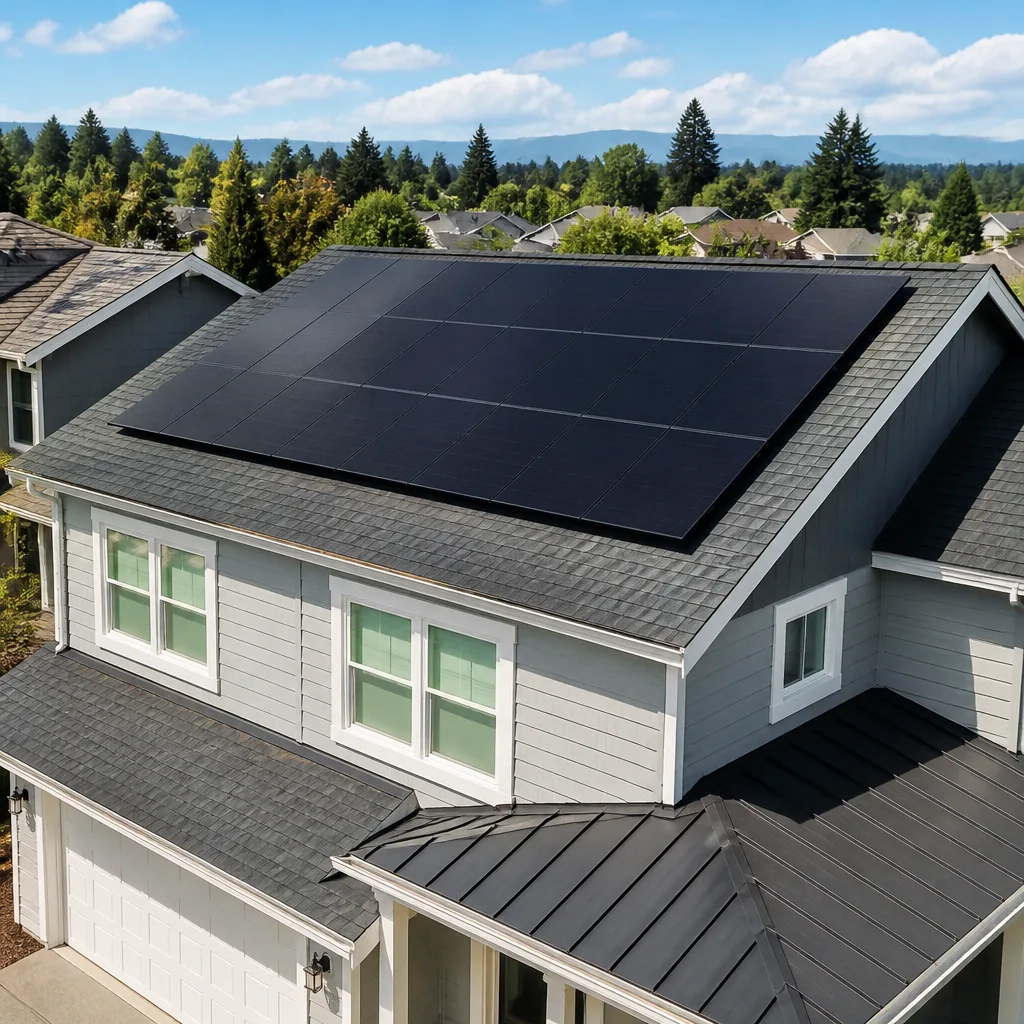
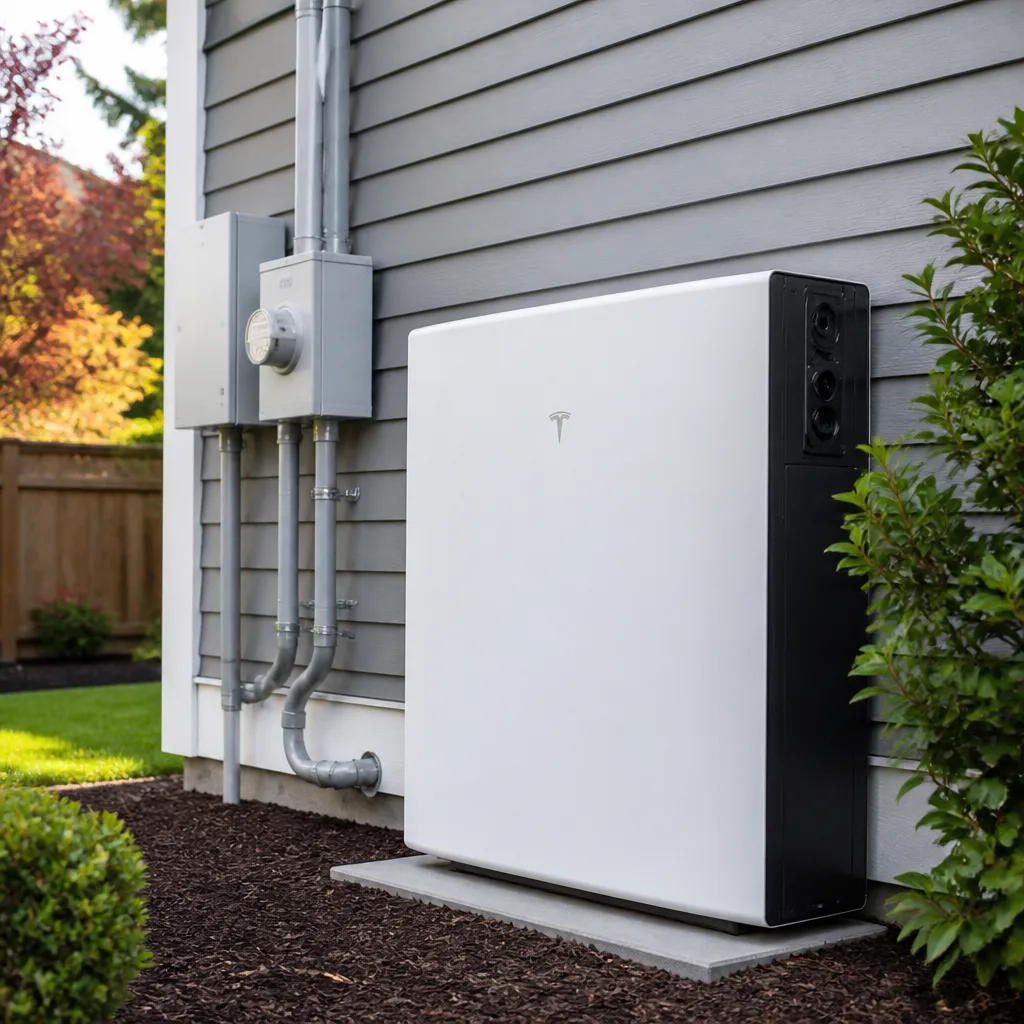
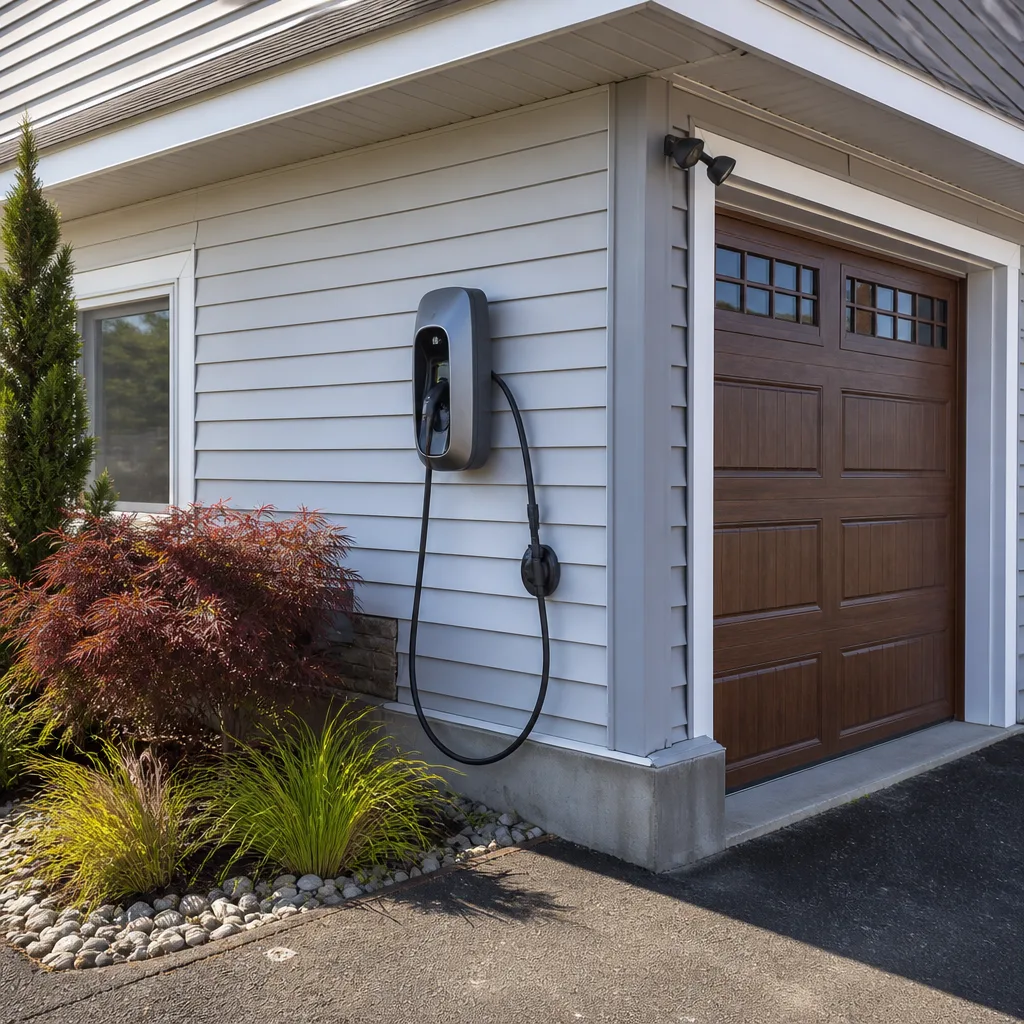
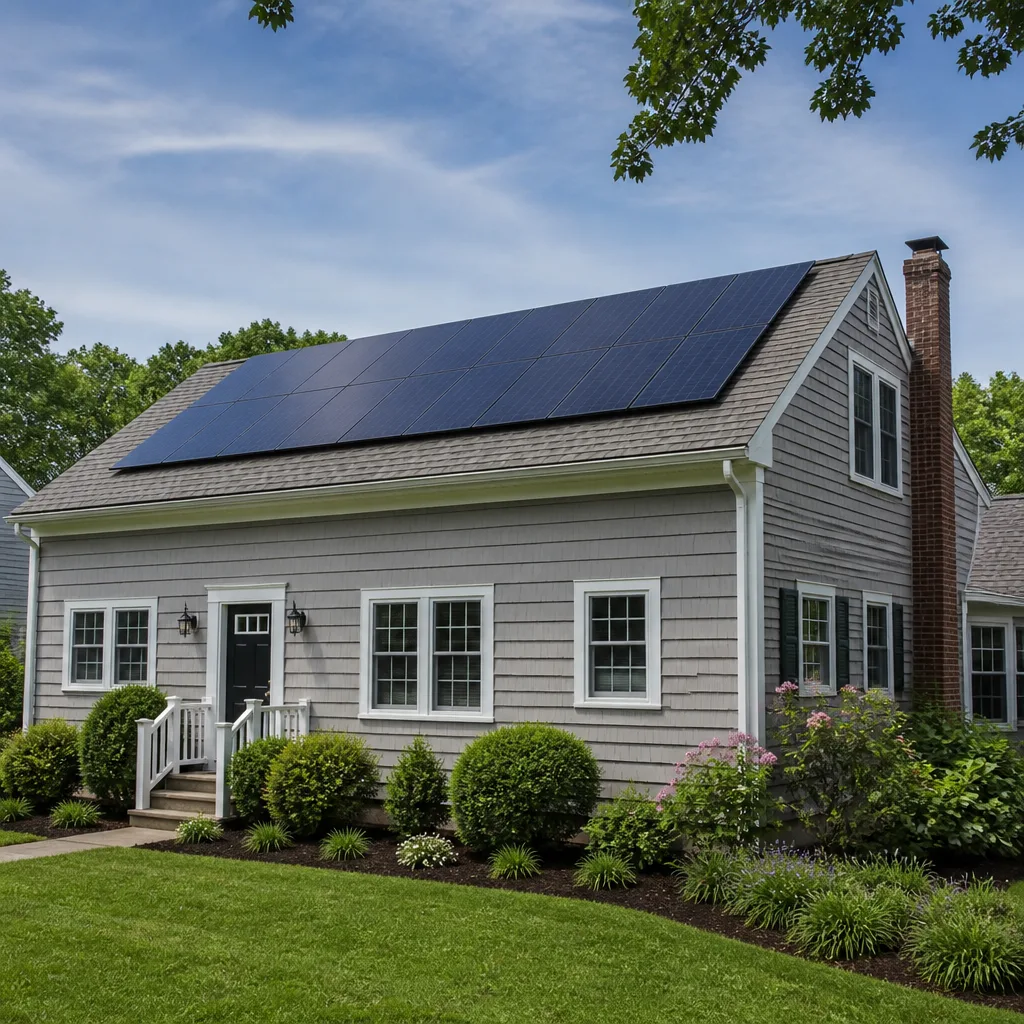
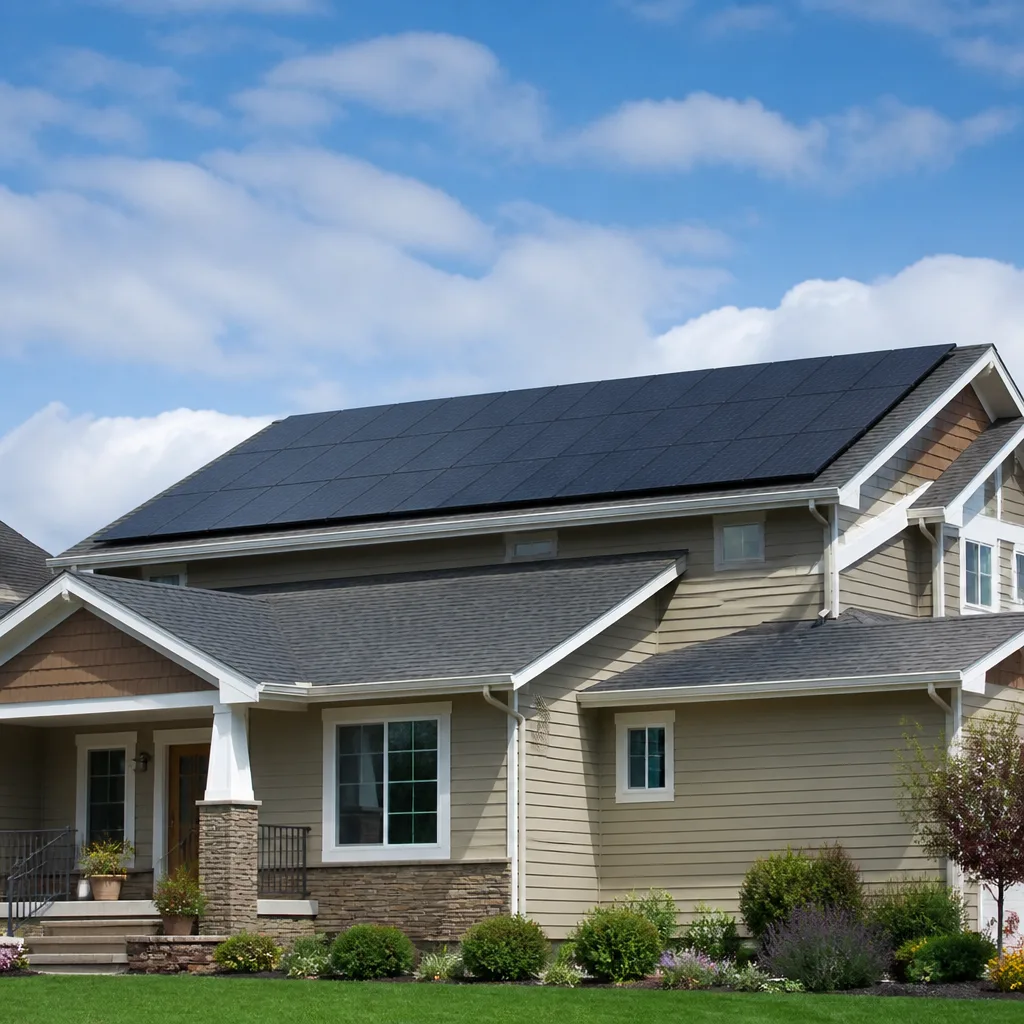
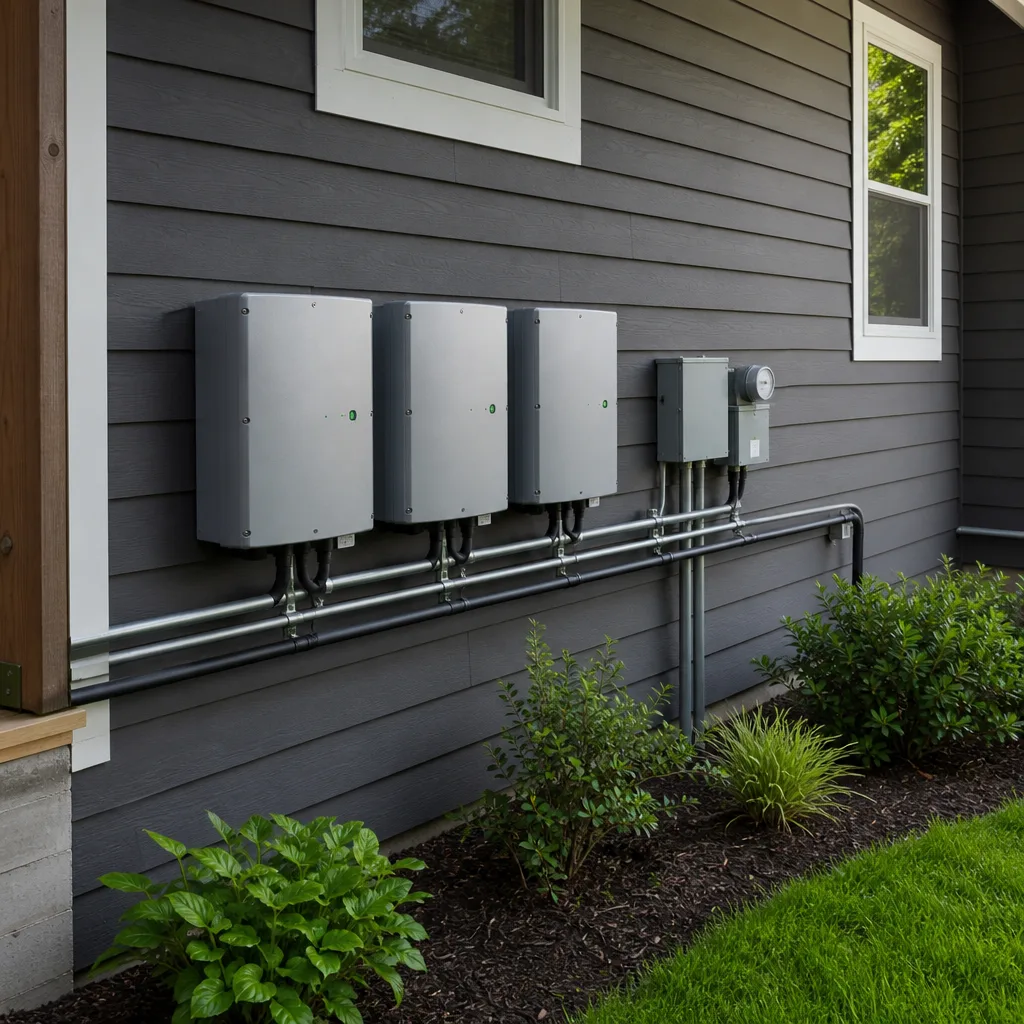
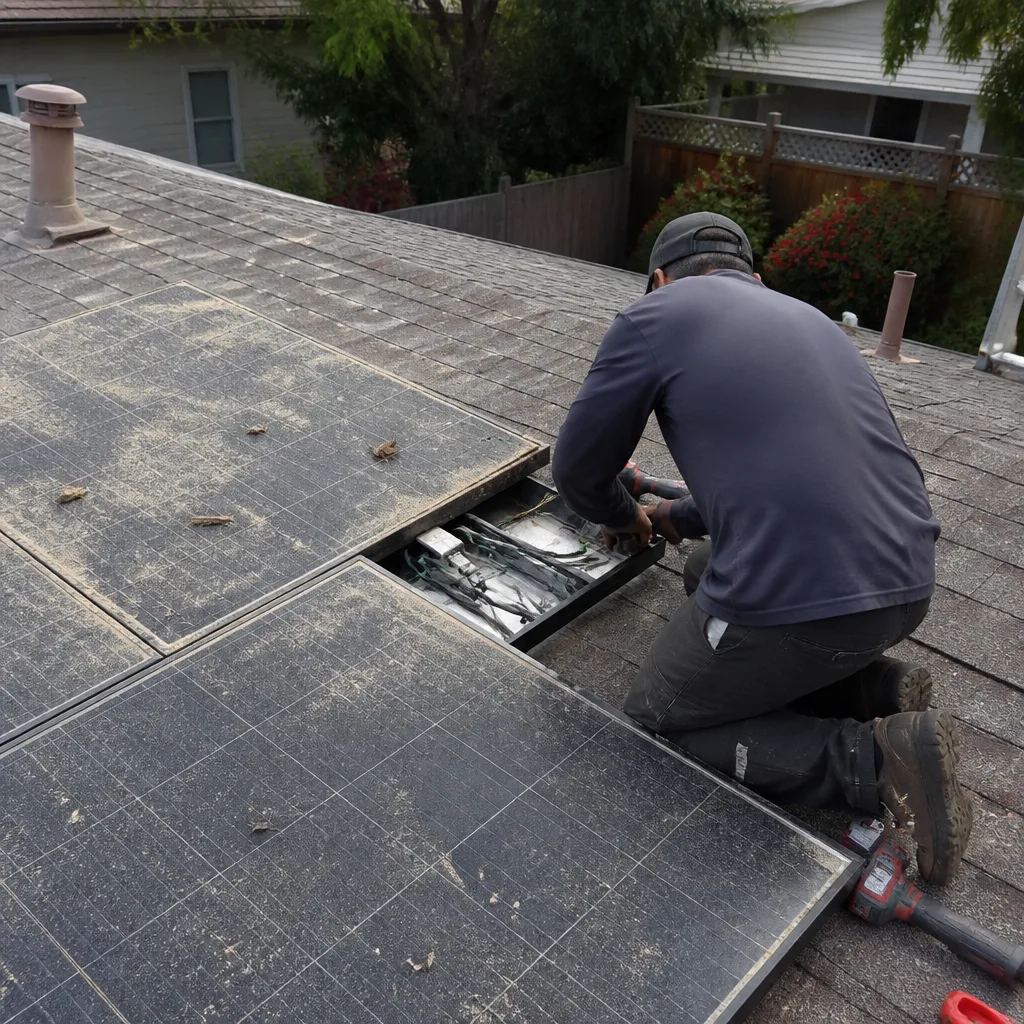 Before
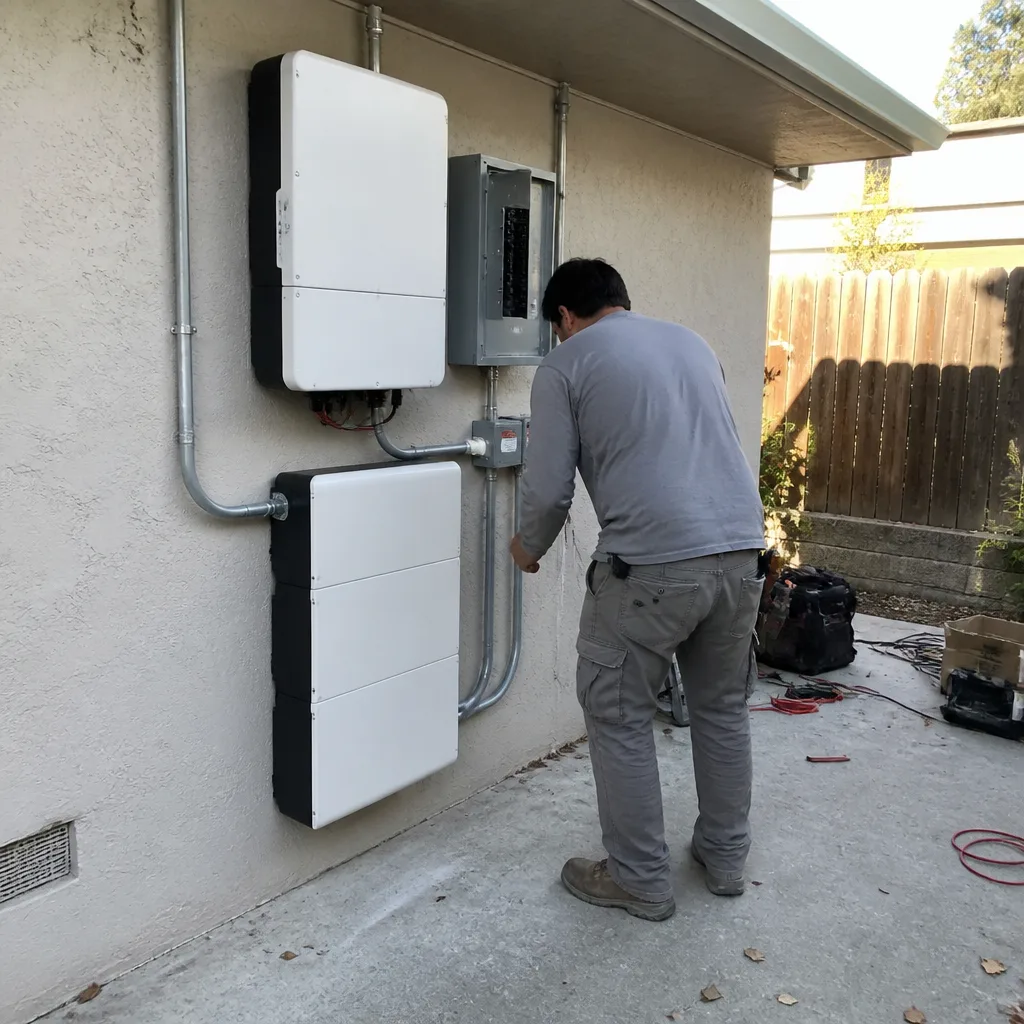 After
After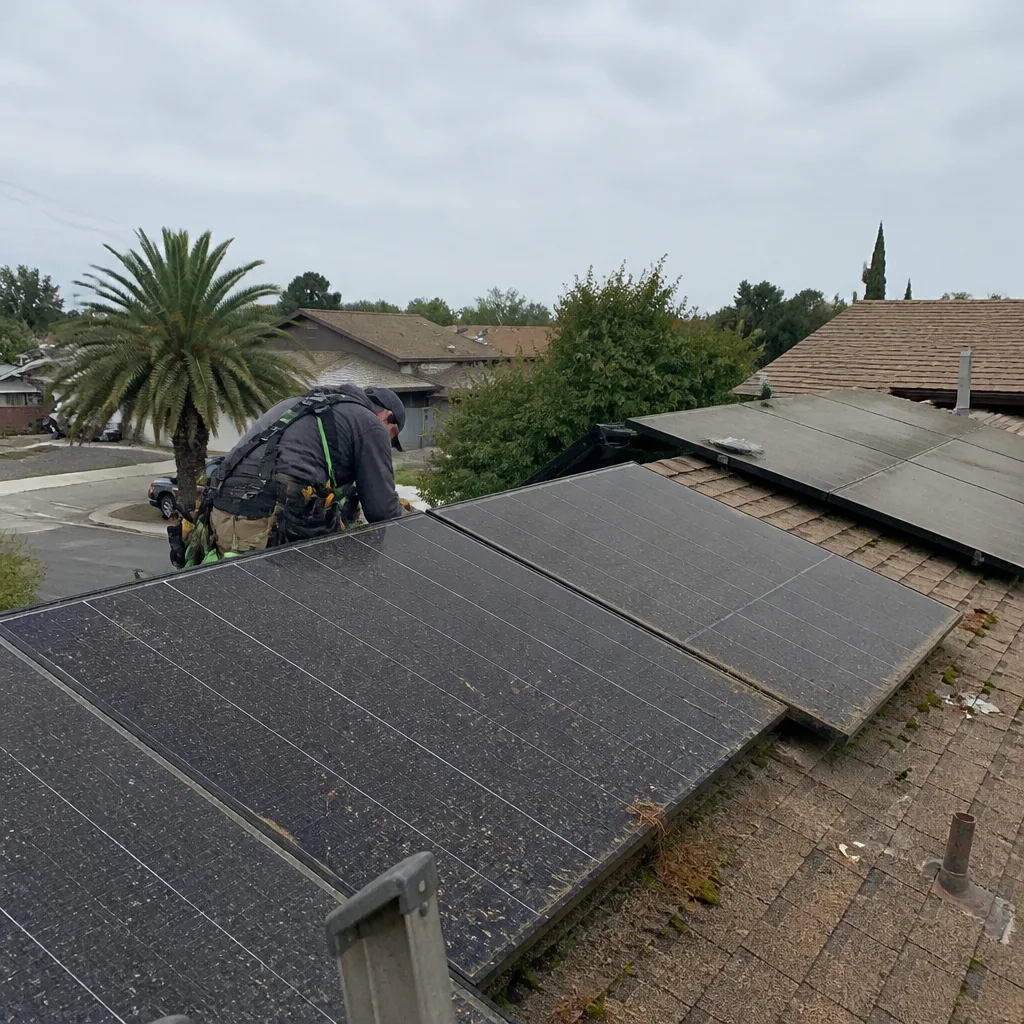 Before
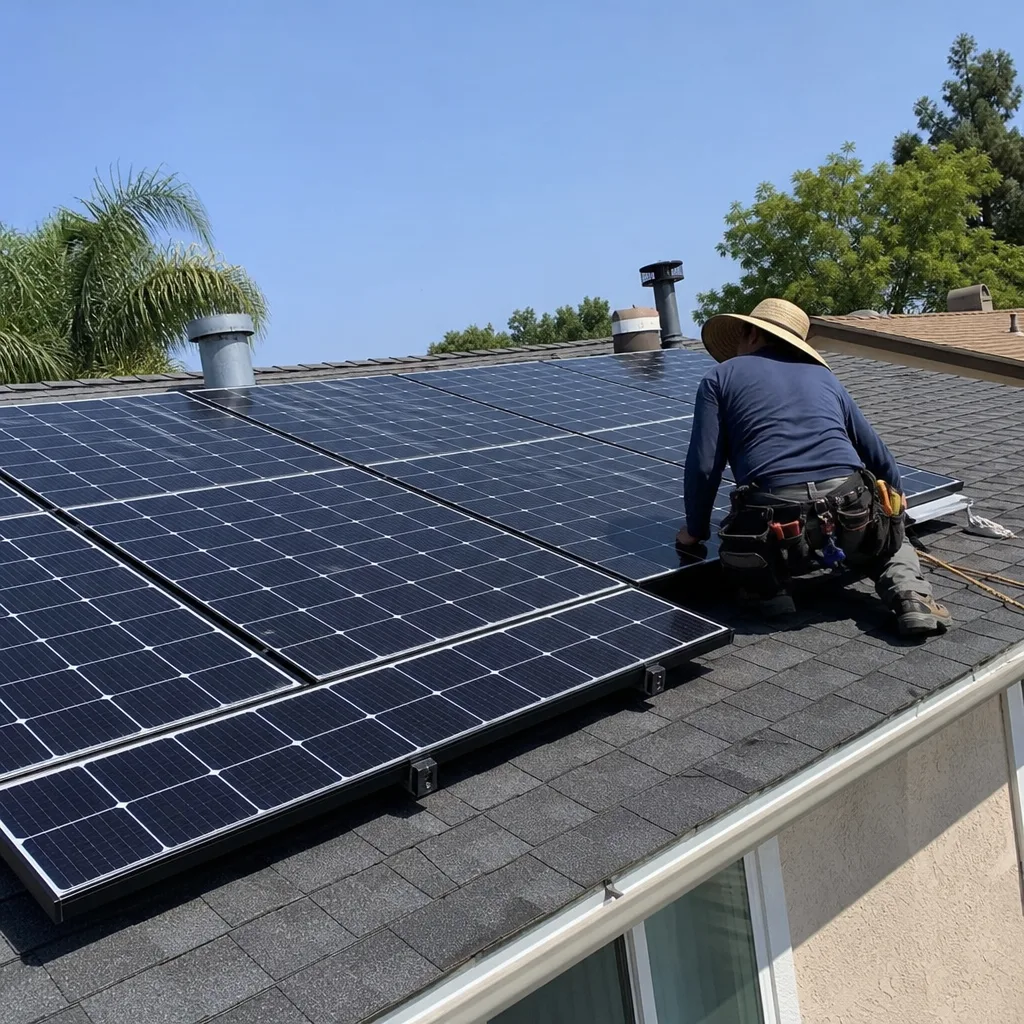 After
After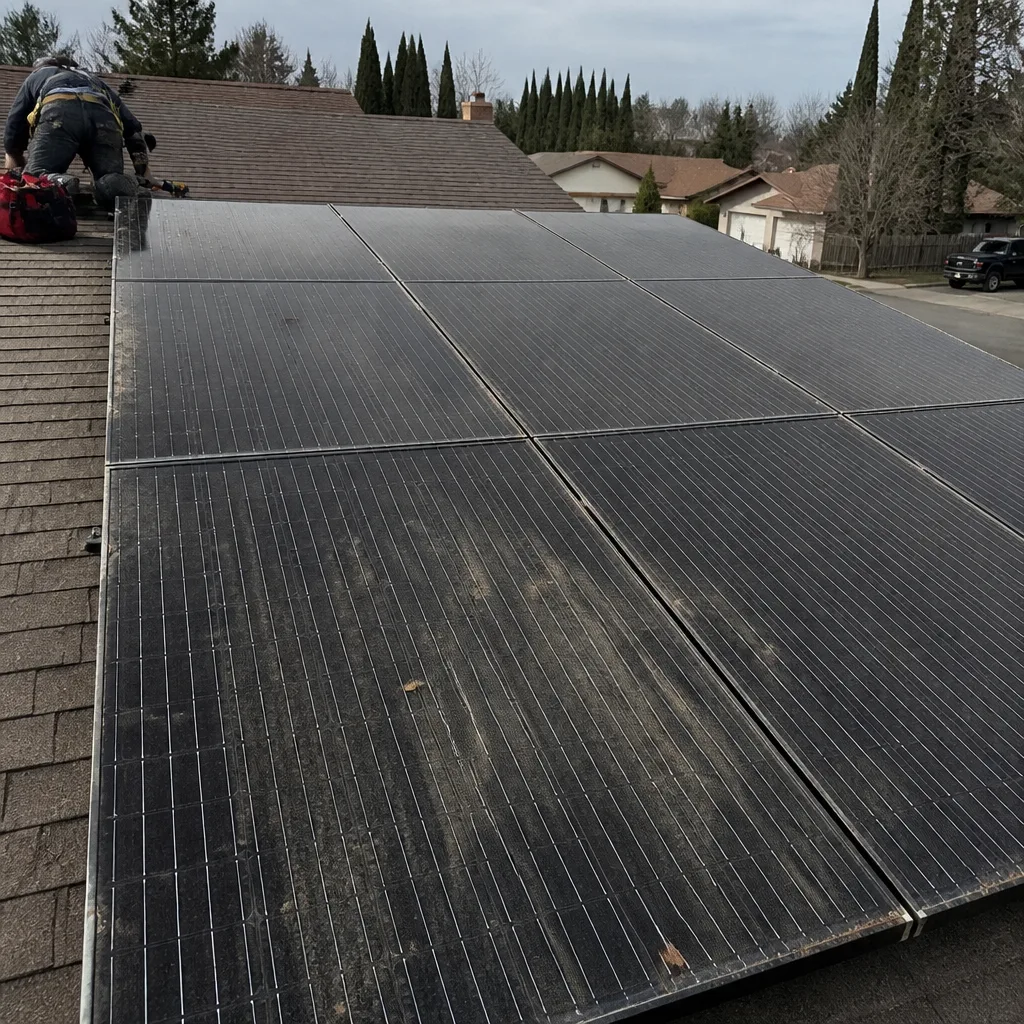 Before
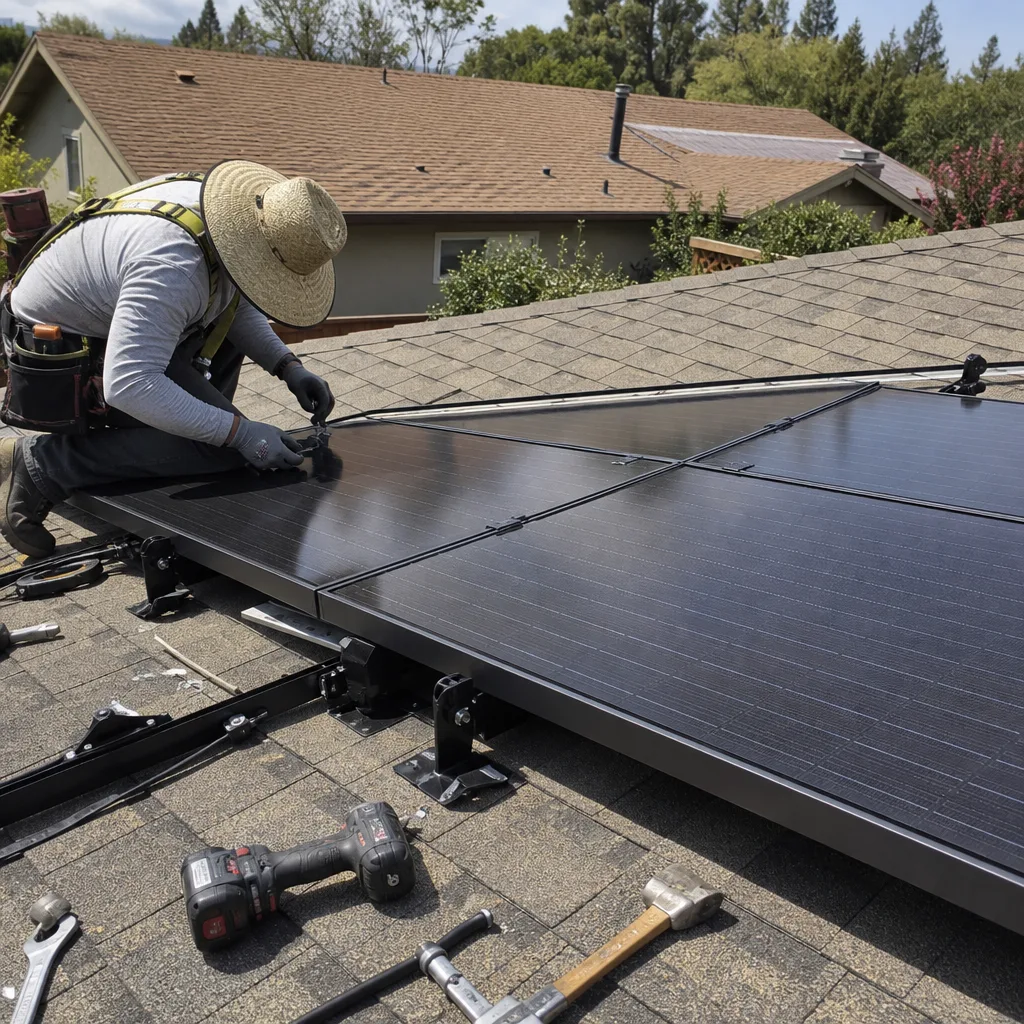 After
AfterFast, Reliable Solar Battery Storage & Backup Across Antelope
Solar battery storage in Antelope runs on SMUD’s rulebook, not PG&E’s, and that changes the math on everything from sizing to payback. A properly sized battery in the 95843 ZIP keeps your AC running through summer peak-rate windows and rolling outages instead of draining before 7 p.m. Our Solar Battery Storage & Backup team designs around SMUD’s actual tariff schedules, not a generic statewide template. If you’re weighing a Tesla Powerwall, an Enphase battery, or a retrofit on an existing array, call (877) 550-6892 and we’ll walk the real numbers with you.
Why Gus’s Solar Is Antelope’s Preferred Solar Battery Storage & Backup Company
We’ve worked on Antelope tract homes long enough to know what the 1980s and 1990s builds throw at you: 100-amp panels that choke when you add a battery plus EV charging, concrete tile roofs that need careful flashing, and SMUD interconnection paperwork that punishes guesswork. Gus Petrakis put his name on this business in 2011, and he’s the one who answers when you call. Not a call center. Not a ticket queue. A live person, 24/7, including the night your backup system throws a code during a heat wave.
Antelope homeowners don’t need a sales pitch. They need someone who has already done the job on a house like theirs off Walerga Road or Elverta Road and can tell you exactly what it cost and how long it took. Our 90-Day Done Right Promise is in writing on every install. If something isn’t right, one call brings Gus back. That’s the standard, and it’s why our Antelope customers don’t have to wonder who they’ll see at the hardware store next week.
Take two weeks. Think about it. The price will be the same. That’s how we quote, and it’s how we’ve earned trust in Antelope without ever asking for a signature tonight.
Our Solar Battery Storage & Backup Services in Antelope
Tesla Powerwall Installation
A Tesla Powerwall 3 installed in Antelope typically runs $14,000 to $18,500 before any SMUD incentives or tax credits, depending on whether you need a panel upgrade or backup gateway rewiring. We size the Powerwall against your actual SMUD bill, not a brochure. If a salesman needs an answer tonight, the answer is no. Bring us a bill, we’ll bring you the math.
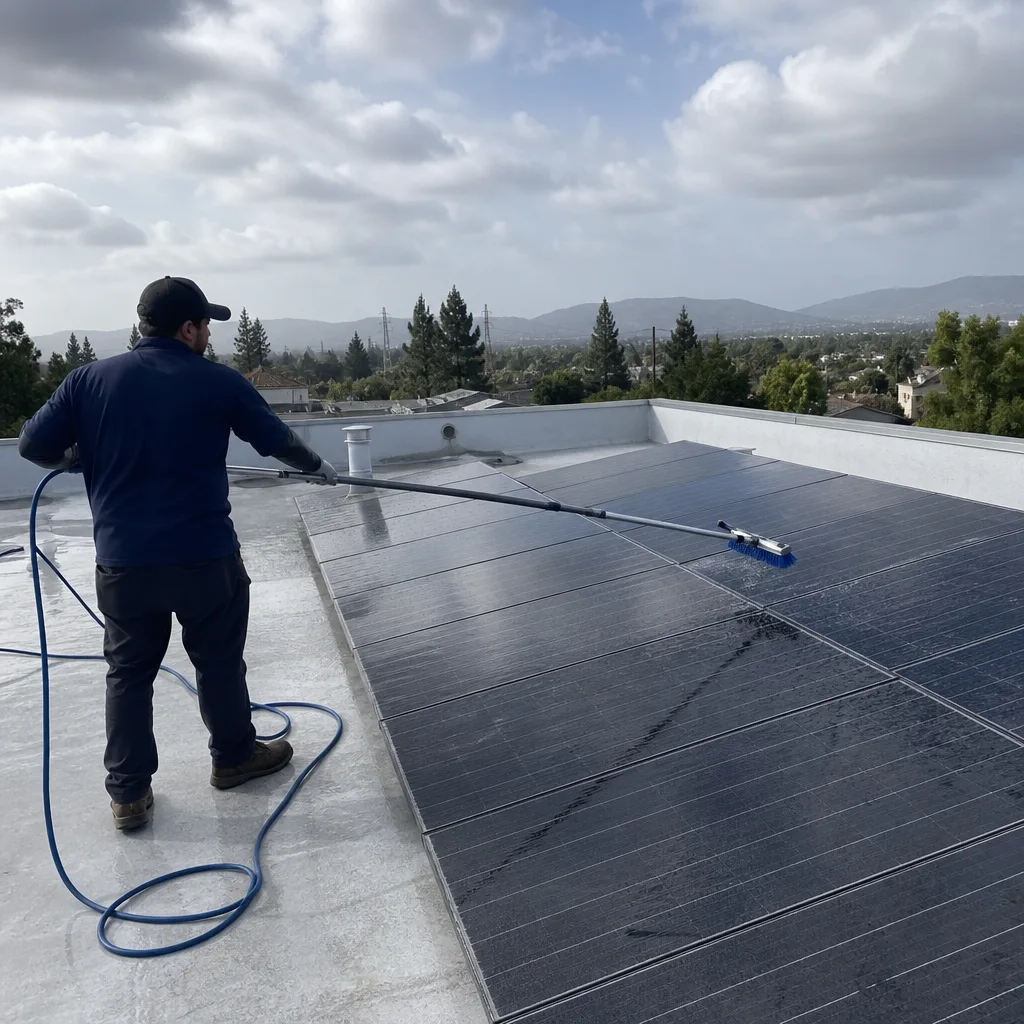
Enphase IQ Battery Installation
Enphase IQ Battery 5P systems in Antelope generally land between $11,000 and $16,000 installed, and they pair cleanly with existing Enphase microinverter arrays that are common on Antelope roofs from the 2010s. The modular design means you can start with one battery and add capacity later if SMUD’s rate structure shifts or you add an EV. We stock Enphase components locally, so Antelope jobs don’t wait on backordered parts from out of state.
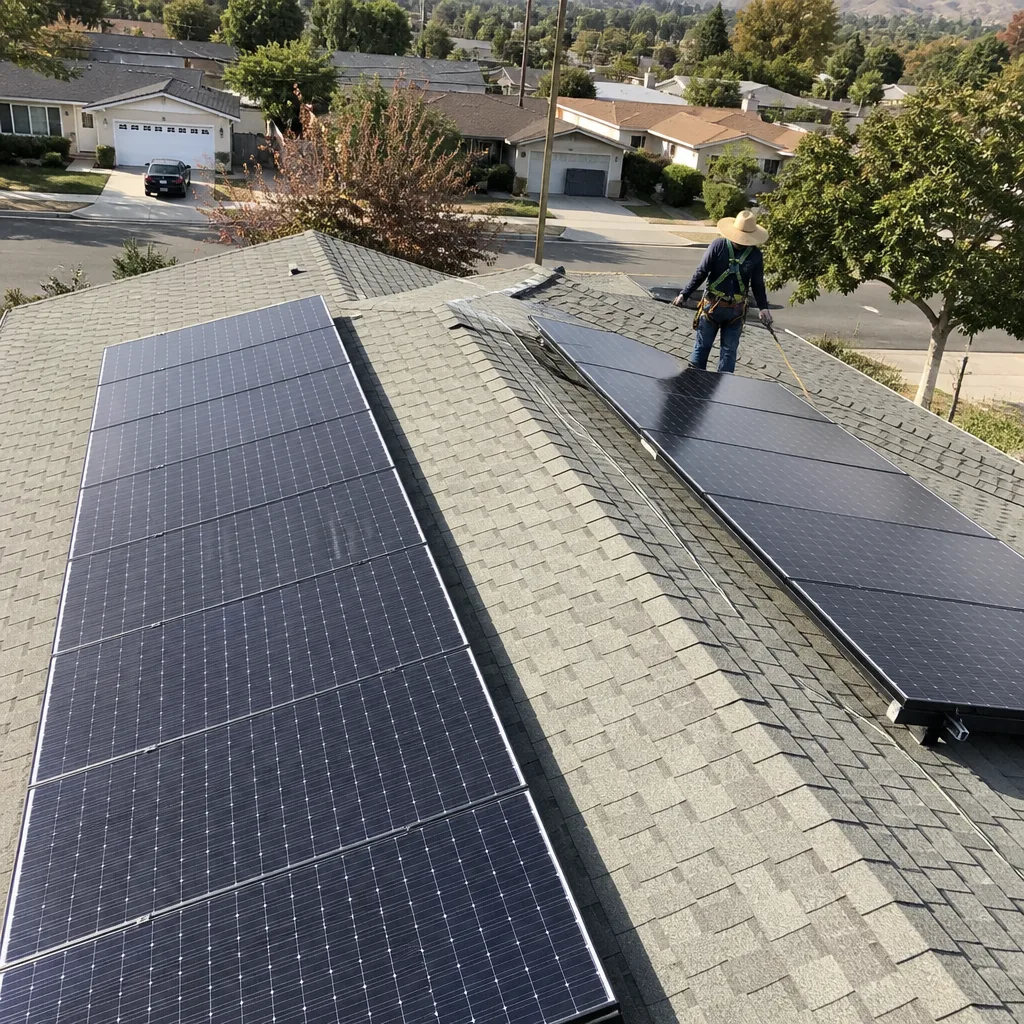
Whole-Home Backup Power
Whole-home backup in Antelope means engineering for 105°F days when your AC compressor cycles constantly and SMUD’s rotary outages can last six hours or more. A single battery may not carry a 4-ton AC unit plus refrigerators and medical equipment through a full outage. We model your actual load profile from your utility data, then build a system that holds the line. On a 1980s tract home off Walerga Road, our crew retrofitted a Tesla Powerwall 2 to an existing 6 kW solar array after the homeowner saw that SMUD’s summer peak rates made battery discharge during 5 to 8 p.m. worth nearly double the off-peak export credit. We upgraded the original 100-amp panel to 200 amps, wired the Powerwall for whole-home backup, and set the system to reserve 20% for outages. During the July 2024 heat wave, it kept their AC and refrigerators running through a six-hour rotary outage.
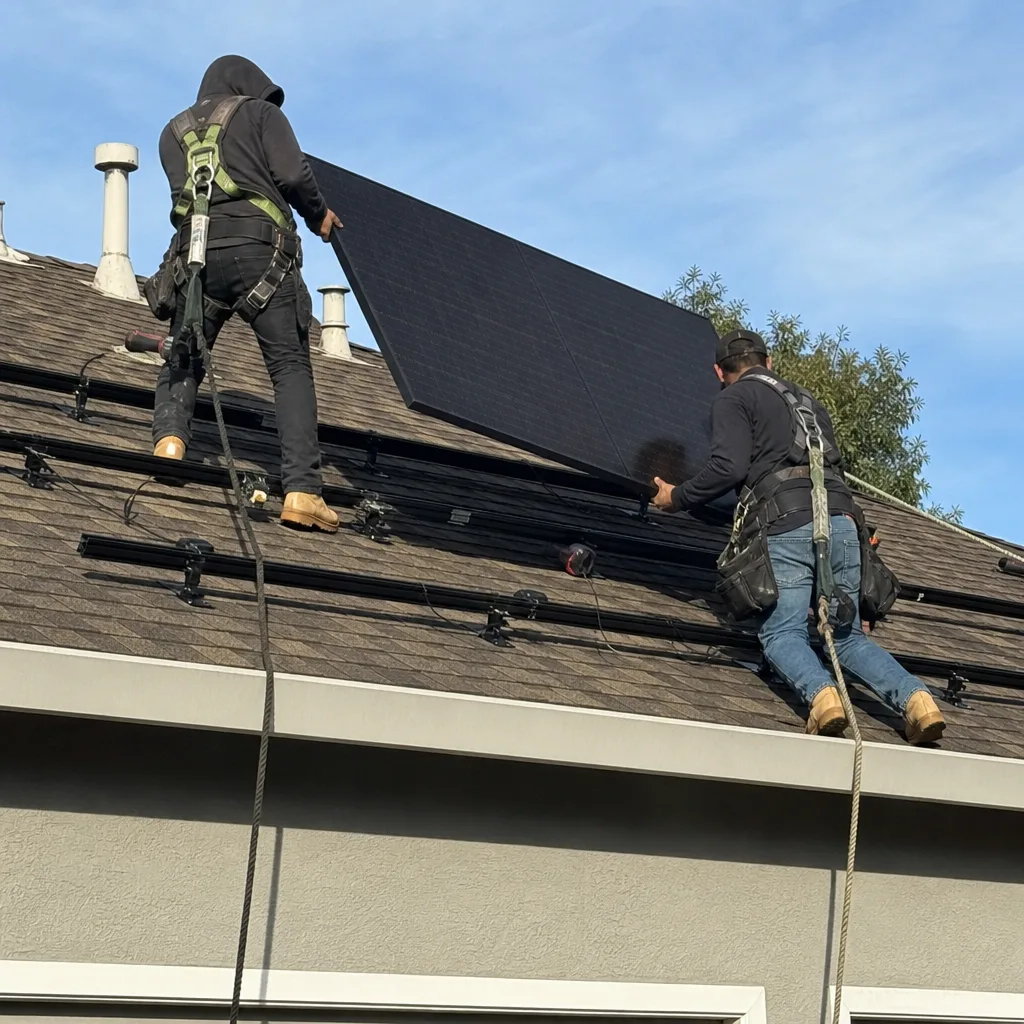
Battery Retrofit for Existing Solar
If your Antelope home already has solar but no battery, you’re leaving money on the table under SMUD’s current time-of-use rates. Retrofits in the 95843 ZIP typically run $9,500 to $15,000 for battery hardware and integration, assuming your existing inverter is compatible. Older string inverters may need replacement to pair with modern battery systems, which adds $2,500 to $4,000 to the job. We check compatibility against your existing equipment before we quote, so the number you see is the number you pay.
What happens when you call
- 1
A real person answersNo phone trees - you reach a local pro.
- 2
You get an upfront price rangeHonest numbers before anyone is dispatched.
- 3
A background-checked tech heads outLicensed & insured, dispatched right away.
- 4
You approve before work beginsNothing starts until you say go.
Trusted Brands We Service in Antelope
We work with the equipment Antelope homeowners actually want: Tesla, Enphase, and FranklinWH. Our techs are trained on all three platforms, and we keep common components in local stock so an Antelope service call doesn’t stall for a week waiting on a truck from the Bay Area. If you already have a SolarEdge inverter and want to explore battery options, we’ll tell you straight whether a retrofit makes sense or whether a new inverter is the better long-term move. No upsell. Just the facts off your actual bill.
Common Solar Battery Storage & Backup Problems We See in Antelope Homes
- Undersized battery capacity. Homeowners buy a single Powerwall without modeling SMUD’s actual tariff, then discover it cannot carry the 4 to 7 p.m. AC load on a 110°F day. The battery drains before peak rates end, and you’re back on grid power at the worst possible time.
- SMUD interconnection rejections. Submitting a PG&E-style NEM 3.0 application to SMUD’s portal causes rejections because SMUD requires its own battery dispatch settings and export limits. Some Antelope projects stall for weeks while the paperwork is redone. We file SMUD-specific applications from day one.
- 100-amp panel bottlenecks. Many Antelope tract homes still run the original 100-amp service from the 1980s and 1990s. Add a battery, an EV charger, or a heat pump, and the main breaker trips until a 200-amp upgrade is done. We flag this before you commit, not after the equipment shows up.
- High-temperature derating. Antelope summers regularly exceed 105°F, which reduces panel efficiency above 25°C and increases cooling loads at the same time. If your system was sized without accounting for Sacramento Valley heat, your battery charges slower than expected and discharges faster. We size for the worst week of August, not the best week of April.
Pricing for Solar Battery Storage & Backup in Antelope, CA
Here are real numbers for Antelope’s market, not brochure ranges. A Tesla Powerwall 3 install runs $14,000 to $18,500. An Enphase IQ Battery 5P system lands between $11,000 and $16,000. A whole-home backup setup with two batteries and a 200-amp panel upgrade typically runs $28,000 to $42,000, depending on your existing equipment and whether you need a main panel replacement. A retrofit on existing solar runs $9,500 to $15,000 for the battery and integration, plus $2,500 to $4,000 if your inverter needs replacing. What moves the number: panel upgrades, inverter compatibility, trenching for detached garages, and whether your electrical service can handle the load today. Free estimates are free. Call (877) 550-6892 and we’ll quote off your actual SMUD bill, not a spreadsheet template.
We Also Serve Cities Near Antelope
Our crews regularly work Foothill Farms, North Highlands, Citrus Heights, and Elverta, which means we’re close by when you need Solar Battery Storage & Backup in Antelope or a neighboring community. Same team, same 90-Day Done Right Promise, same live person on the phone at 2 a.m. if your system throws a fault code.
Serving Antelope, CA - Our Local Coverage Area
We’re based in the Antelope area and know this community well. Use the map below to see our service coverage - if you’re nearby, we can almost certainly help.
FAQs - Solar Battery Storage & Backup in Antelope
A battery in Antelope pays for itself roughly 2 to 4 years faster than the same battery in Roseville because SMUD’s summer peak export rates credit battery discharge during 5 to 8 p.m. at a meaningfully higher rate than PG&E’s NEM 3.0 export schedule. The exact payback depends on your usage pattern and system size, but the structural advantage is real: SMUD rewards load shifting during peak windows, while PG&E’s framework makes batteries more about backup than arbitrage. Call (877) 550-6892 and we’ll run your actual bill through both rate structures so you see the difference in dollars, not theory.
Most Antelope tract homes built in the 1980s and 1990s carry a 100-amp main panel, and a battery plus solar plus the AC load you actually run in July will draw more than 100 amps at peak. SMUD will not approve interconnection on an undersized service, and running the main breaker at the edge of its capacity is a fire risk. A 200-amp upgrade typically adds $3,500 to $6,000 to the job in Antelope, and we include it in the quote upfront, not as a surprise change order.
Yes, but not with the same settings or interconnection filing. If your original installer built the system under PG&E assumptions, the export limits, battery dispatch profile, and application paperwork have to be redone for SMUD’s portal. We handle that conversion as part of the retrofit, and we’ve done enough of them in the 95843 ZIP that the paperwork doesn’t slow the job down. The hardware is usually fine; the rulebook is what changes.
Antelope heat cuts two ways: your AC draws more power in the evening peak window, and your panels produce less per square foot above 25°C. A battery that looks fine on paper in March will drain before 7 p.m. in August if nobody modeled the Sacramento Valley’s sustained cooling loads. We size batteries for the worst two weeks of summer, not the annual average, and we set discharge reserves so you’re not pulling from the grid at 6:30 p.m. when SMUD’s peak rate is highest.
SMUD requires its own interconnection application through its online portal, its own battery dispatch settings tied to its time-of-use windows, and export limits that match its grid protection standards. A PG&E NEM 3.0 filing will be rejected on submission, and the rejection notice takes days to arrive. We file SMUD-specific paperwork for every Antelope job because we’ve seen what happens when a contractor tries to reuse a Roseville template. It stalls the project and frustrates the homeowner. We don’t do that.
Written by Gus Petrakis, Owner at Gus’s Solar, serving Antelope since 2011.