
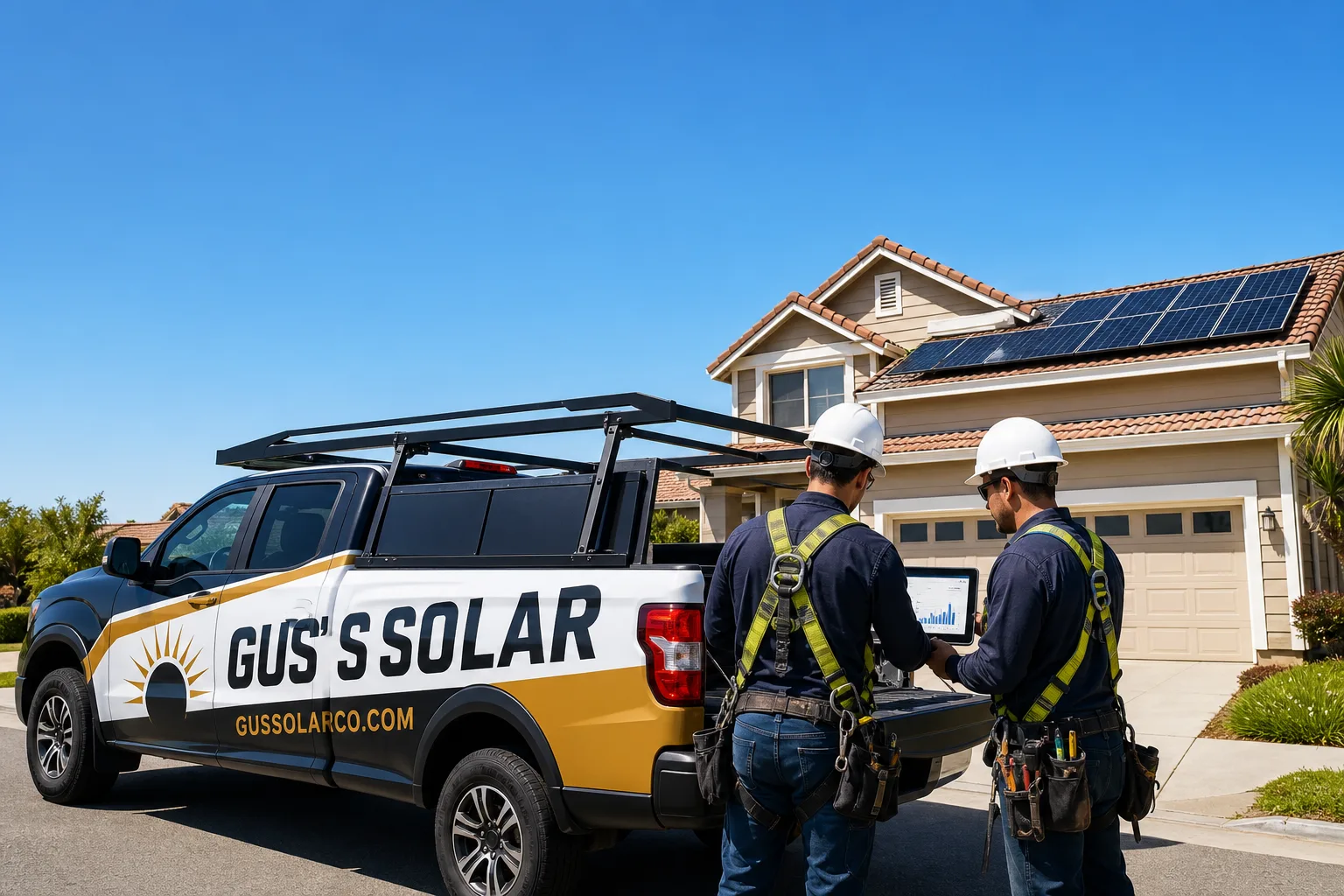
Free bill analysis - bring a power bill, get the production math for your actual roof, panel brands like Qcells and REC compared side by side
If the pitch starts at your door and ends with "sign tonight for the special," sleep on it. The sun will still be there tomorrow; so will we.
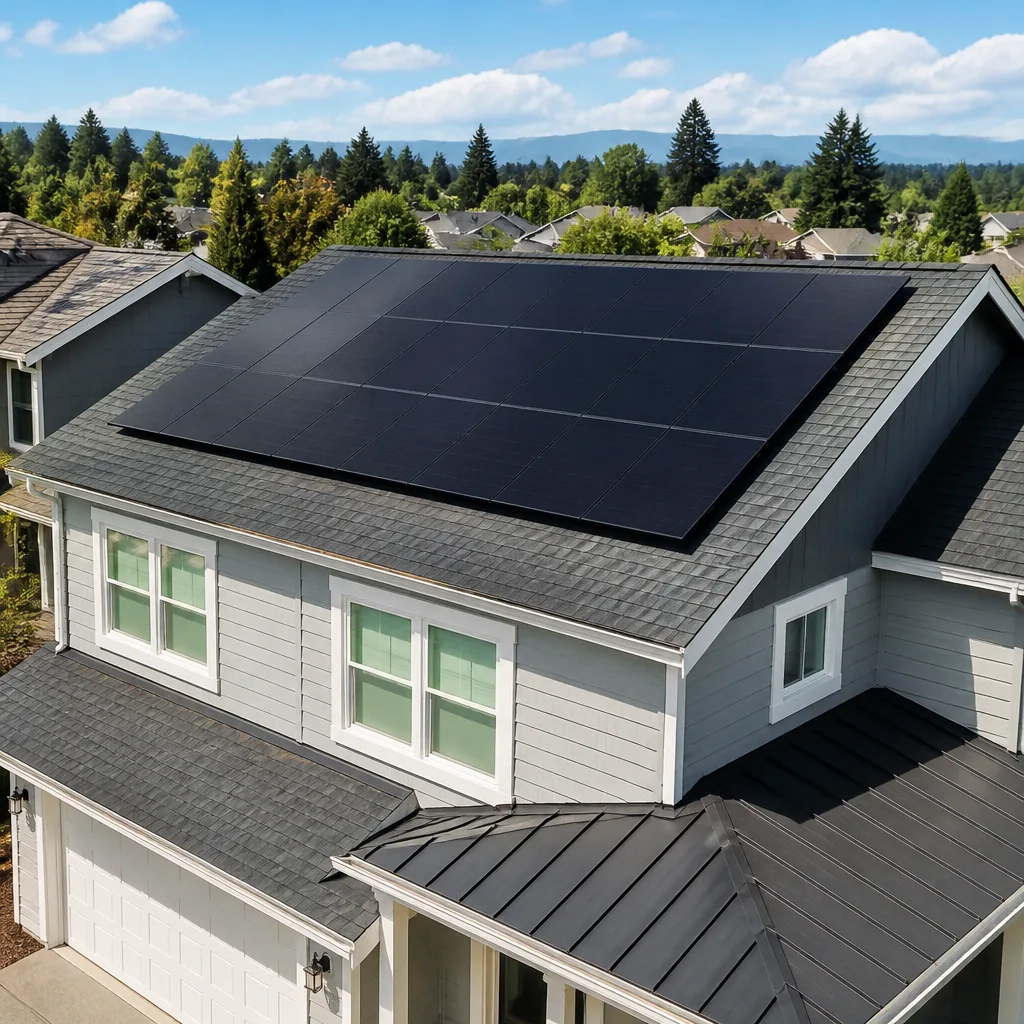
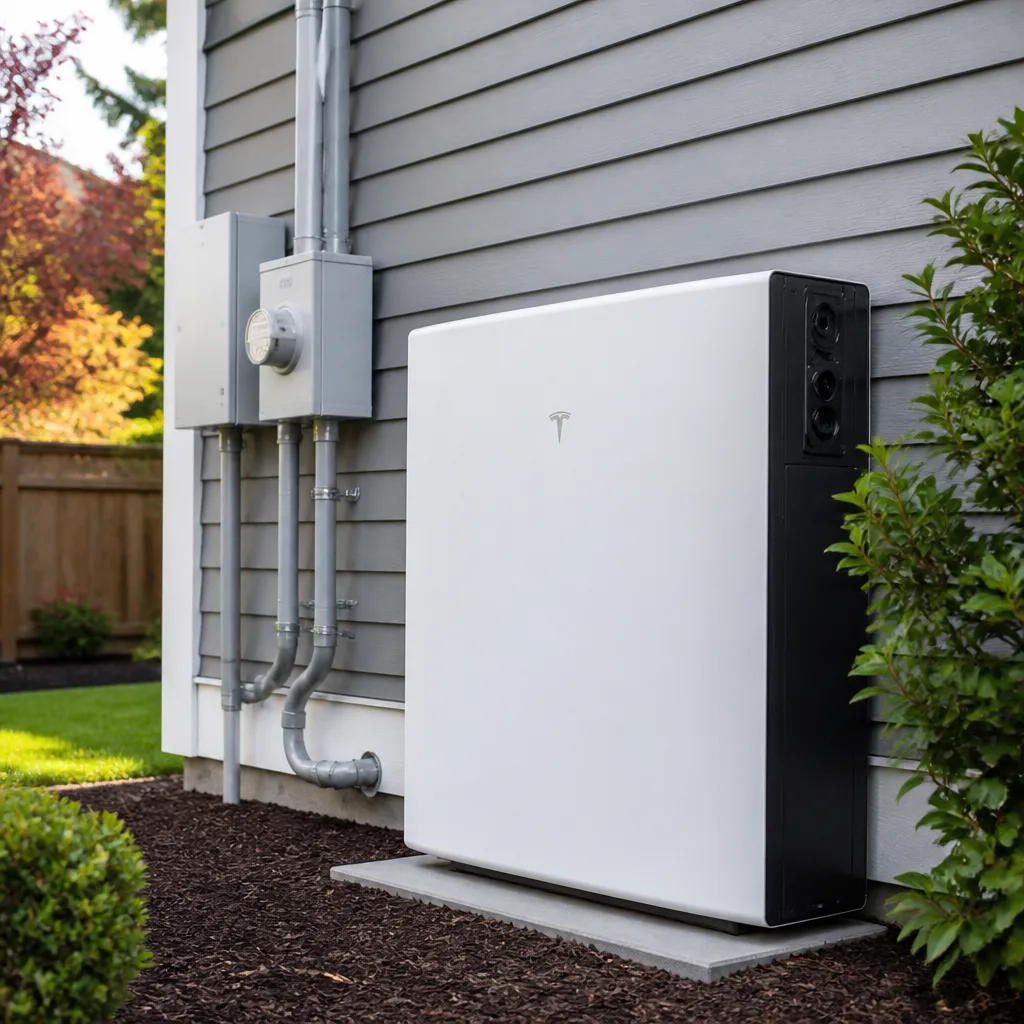
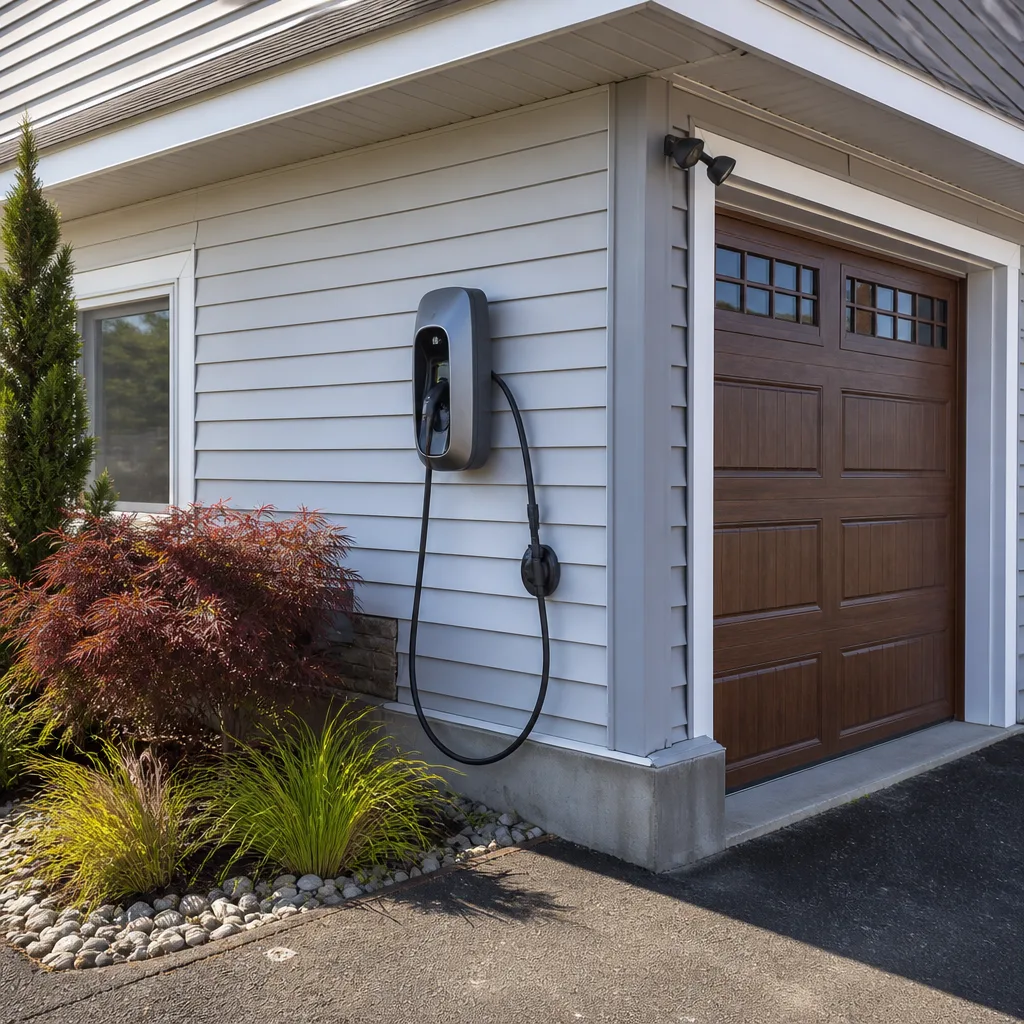
 Before
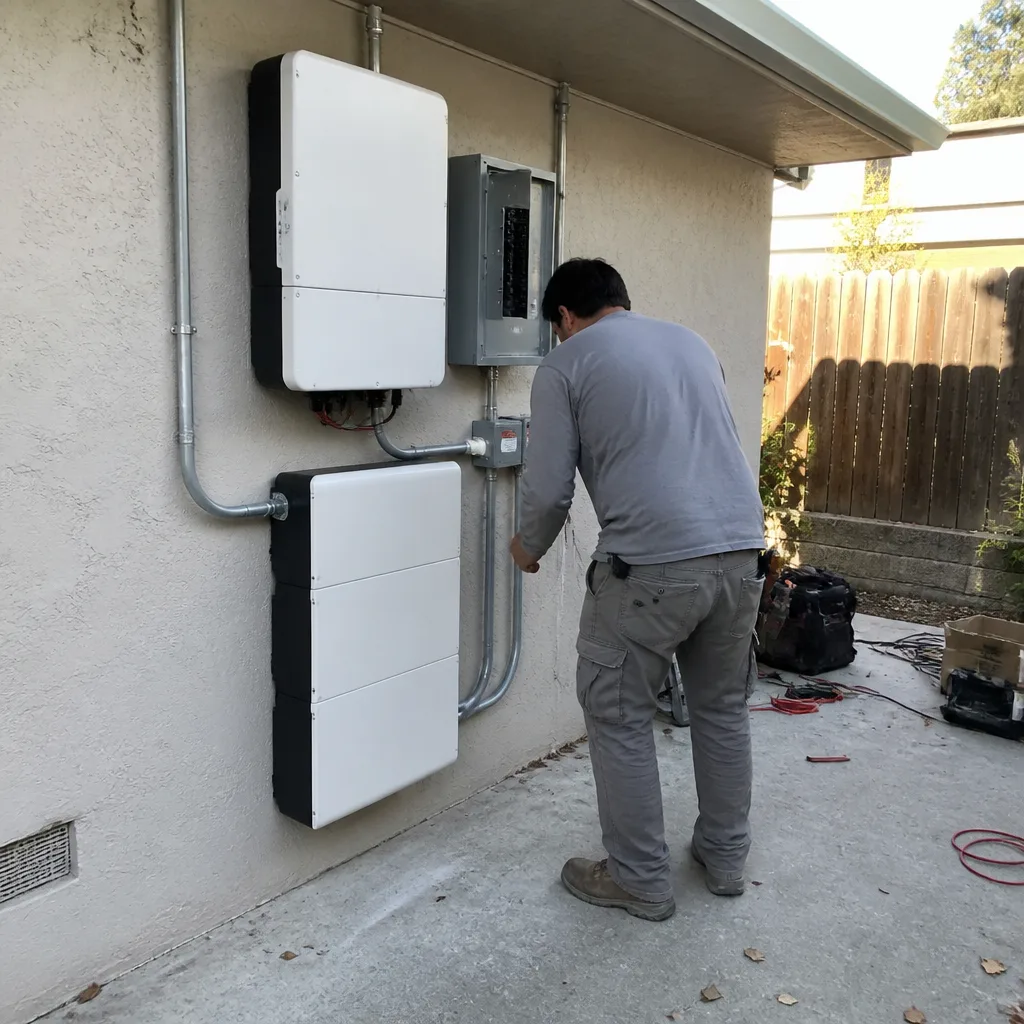 After
After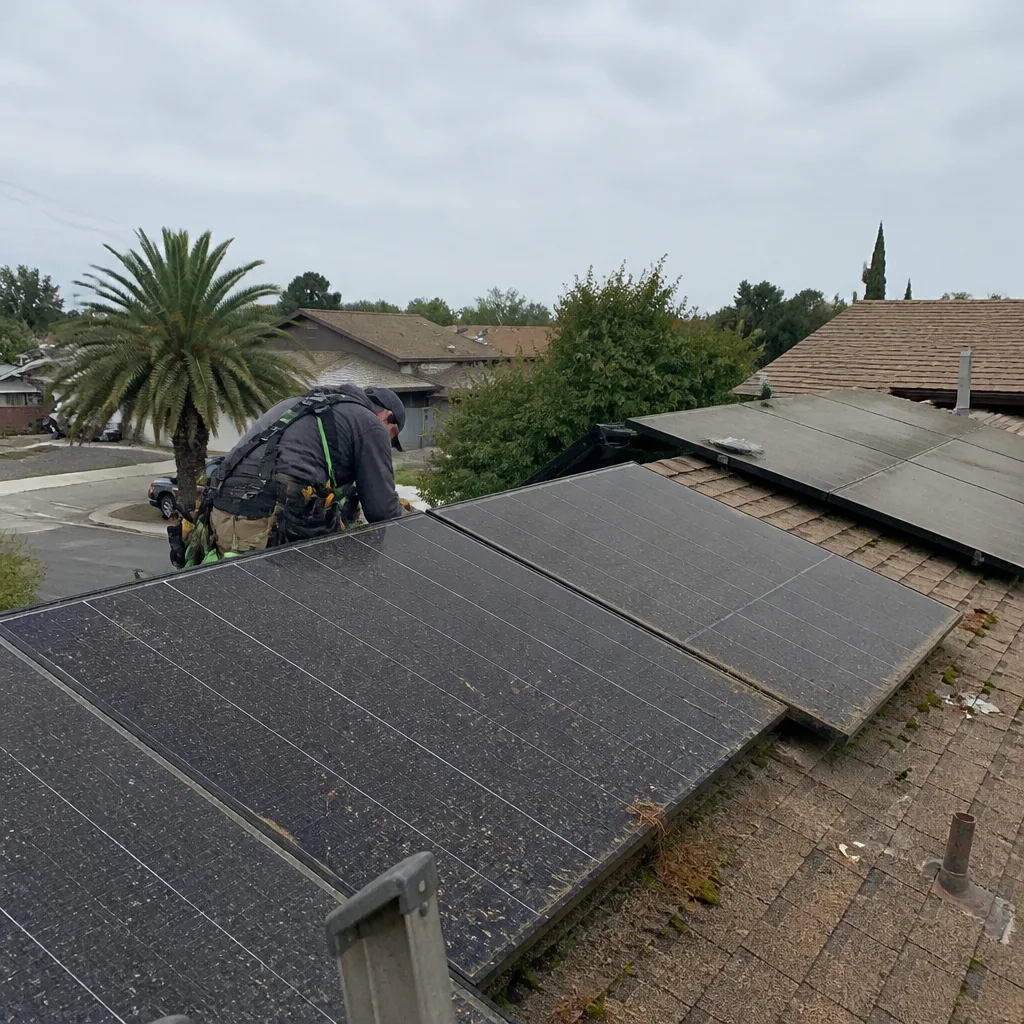 Before
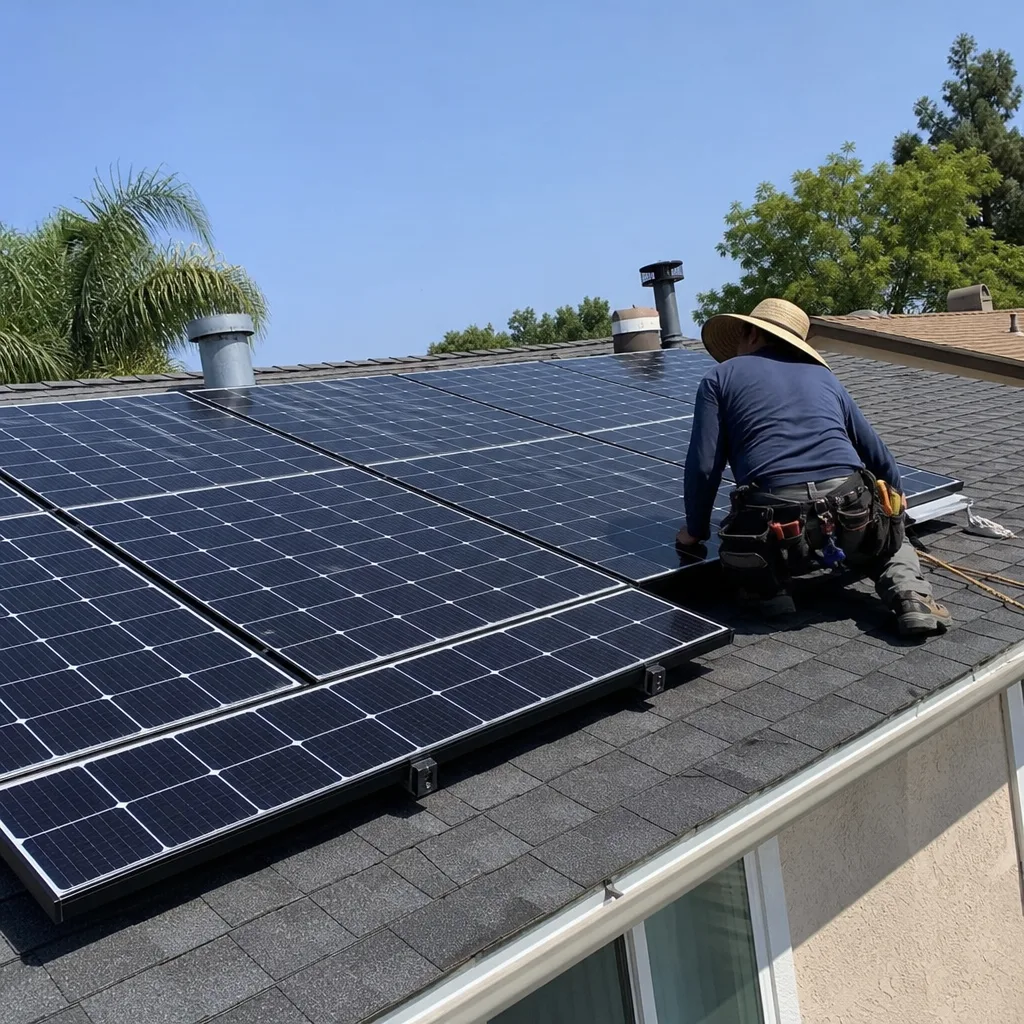 After
After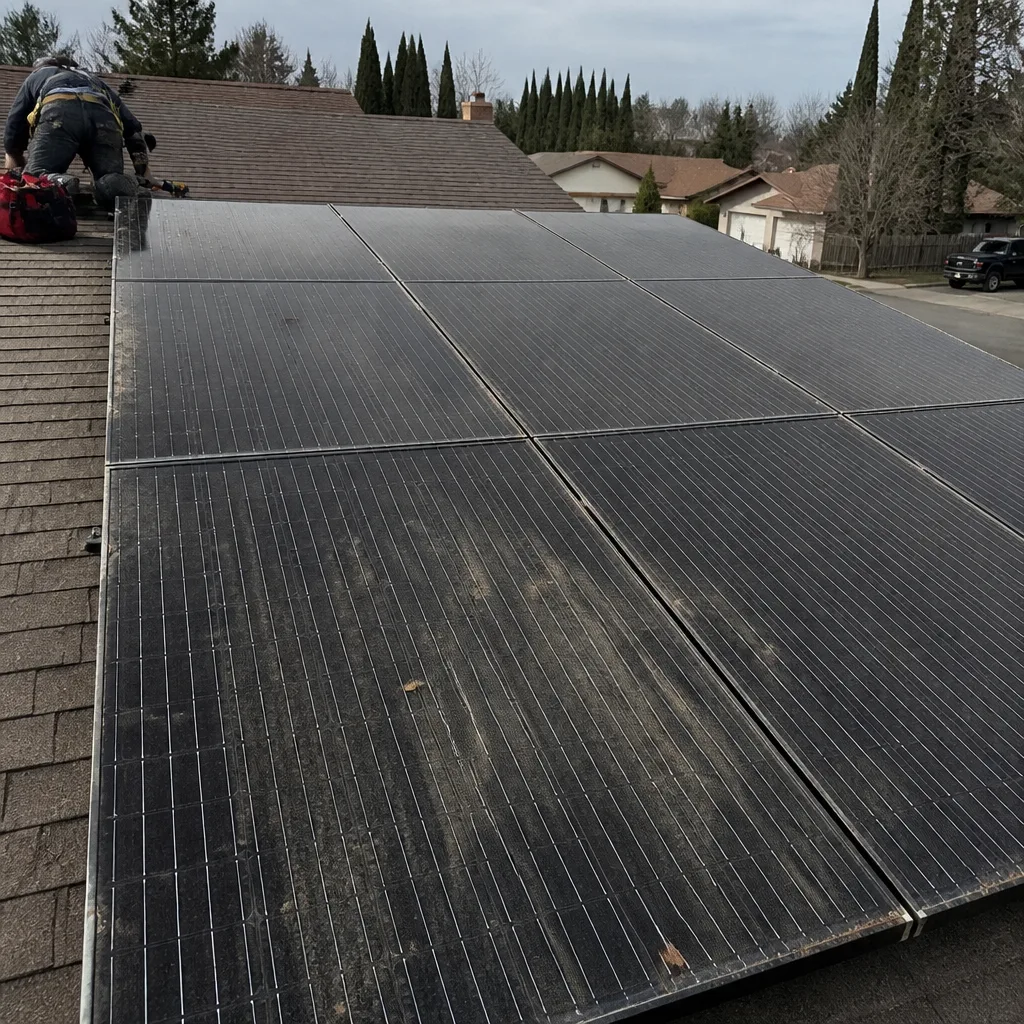 Before
 After
AfterFast, Reliable EV Charger Installation Across Watsonville
Most Level 2 EV charger installations in Watsonville take one day and run between $600 and $2,300 depending on panel capacity, wire run length, and whether you need a service upgrade. That’s the honest range we quote before anyone shows up at your door. We’re not a pop-up crew from over the hill. Gus Petrakis runs this company, his crew does the installs, and if you call (877) 550-6892 during the day, someone here actually picks up. We know Watsonville’s older panels, its manufactured homes, and the salt air that chews through cheap conduit. That local knowledge changes how we size chargers and what we recommend.
Why Gus’s Solar Is Watsonville’s Preferred EV Charger Installation Company
We’ve been doing EV Charger Installation work in Watsonville long enough to know which houses still have pre-1960s service panels and which neighborhoods sit right in the strawberry dust zone east of town. That matters. A charger that works fine off E. Lake Avenue might trip breakers on a mobile-home pedestal near the Pajaro River. Gus quotes the job off your actual panel and your actual drive, not a brochure.
The L.O.C.A.L. values aren’t a slogan here. They’re how we work. Local roots means Gus’s name is on the truck and the invoice. On time means when we tell someone in the 95076 zip we’ll be there Tuesday, we’re there Tuesday. Community first means we respect the working-class reality of Watsonville: many folks here need a panel upgrade before any charger goes in, and we tell them that up front, with a real number. Accountable means one call brings Gus back if something isn’t right. Loyal means we don’t disappear after the paperwork clears.
We answer the phone 24/7 with a live person. No call center. No ticket queue. A Watsonville homeowner who sees a fault light on her charger at 9 p.m. gets someone who can talk her through a breaker check and schedule a visit the next morning.
Our EV Charger Installation Services in Watsonville
Level 2 Charger Installation
Level 2 is what most Watsonville homeowners actually need: a 240-volt circuit that refills 25 to 30 miles of range per hour instead of the 4 miles you get from a wall outlet. We handle the full scope, from pulling the permit to patching drywall after the wire run. In Watsonville’s 95076 and 95077 neighborhoods, we see a lot of 1970s and 1980s panels that need a dedicated breaker added, and we quote that honestly, not as a surprise add-on.
Tesla Wall Connector Installation
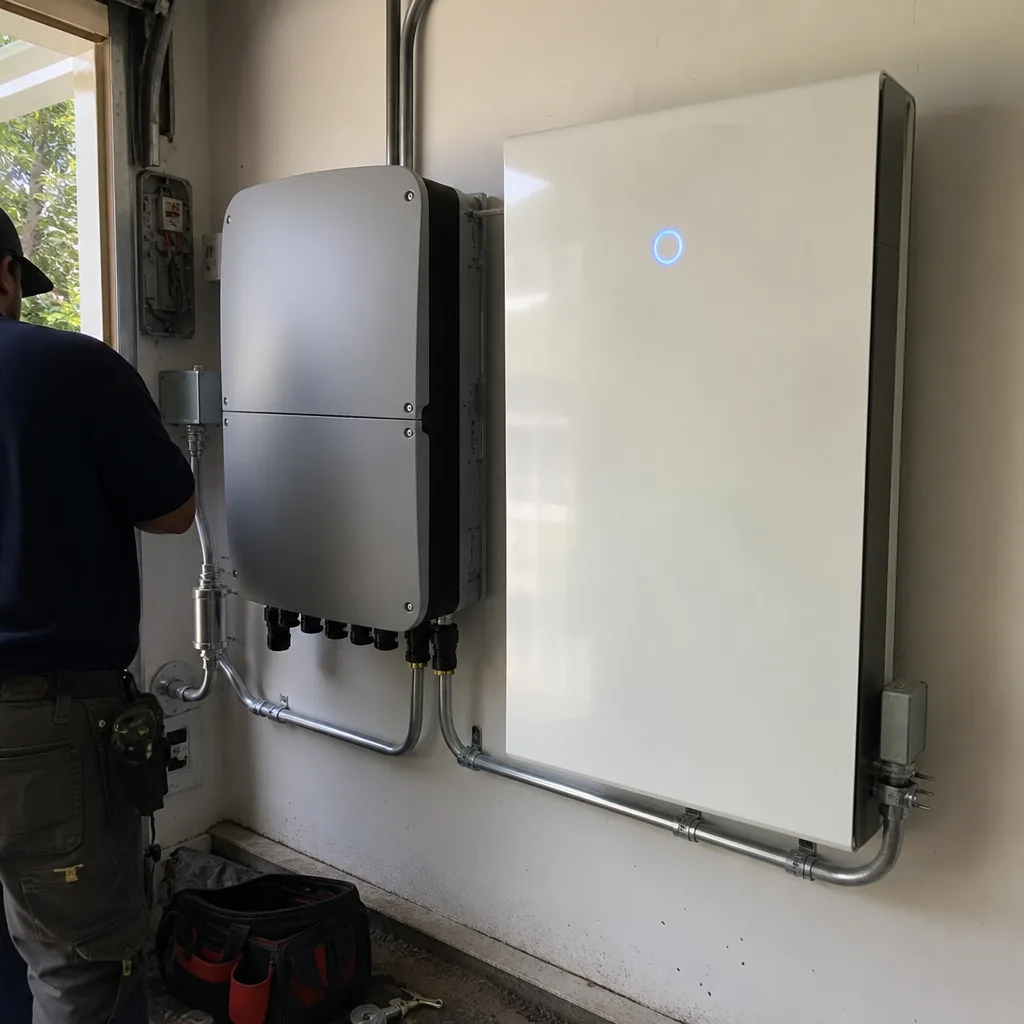
We install Tesla Wall Connectors regularly across Watsonville, and we stock the mounting hardware and torque drivers so we’re not making supply runs mid-job. The Wall Connector is a solid unit, but its cable strain relief and mounting bracket do not love Monterey Bay salt air. We use stainless fasteners and sealed conduit bends where other crews use whatever’s on the truck. If you’re off Holohan Road or near East Lake Avenue, that detail matters.
Panel Upgrade for EV Charging
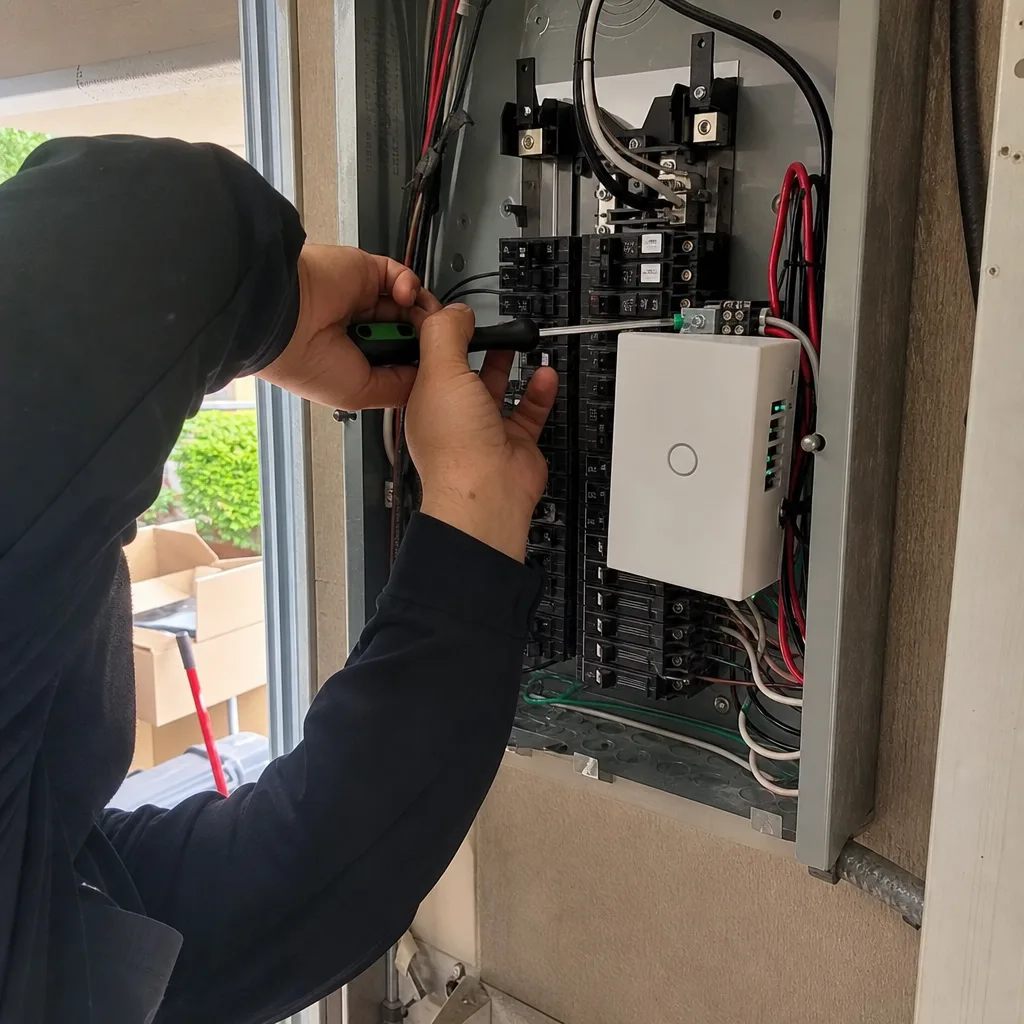
This is the service Watsonville asks for more than almost anywhere else we work. Between pre-1960s homes in the city center, earthquake-era rebuilds from the early 1990s, and the region’s many manufactured homes, a lot of these service panels are 100 amps or less. A Level 2 charger pulling 40 amps through that older gear can overheat bus bars and trip main breakers. We lead with panel-upgrade-led charger installs here: new 200-amp service, dedicated charger circuit, and a plan that leaves room for solar later if you want it. Watsonville’s working-class housing stock deserves a straight answer, not a band-aid. We give you the real cost of doing it right.
Garage & Driveway Charger Wiring
Whether your charger lands in a detached garage off a 1940s home on a narrow lot or on a post next to the driveway of a newer rebuild near Watsonville High, the wire run is where the price moves. We surface-mount in EMT conduit where it makes sense, run through attics and crawlspaces when we can, and always follow Watsonville’s local amendments to the NEC. The salt air here means we use rain-tight fittings on any exterior run and never bury Romex where it shouldn’t be.
What happens when you call
- 1
A real person answersNo phone trees - you reach a local pro.
- 2
You get an upfront price rangeHonest numbers before anyone is dispatched.
- 3
A background-checked tech heads outLicensed & insured, dispatched right away.
- 4
You approve before work beginsNothing starts until you say go.
Trusted Brands We Service in Watsonville
We work with equipment from Tesla, Enphase, SolarEdge, SunPower, Panasonic, Qcells, REC, Canadian Solar, JinkoSolar, and FranklinWH. For Watsonville customers specifically, we often recommend pairing a FranklinWH battery with a solar-fed charger because the fog season means you’ll want stored electrons for overnight charging. If you already have a charger from another brand, we service that too. Parts for the common units are stocked locally, so a capacitor swap or board replacement doesn’t mean two weeks of waiting.
Common EV Charger Installation Problems We See in Watsonville Homes
- Salt-air corrosion on charger hardware and conduit. Marine fog off Monterey Bay settles on metal, and anything uncoated eats itself within a few seasons. We see corroded mounting brackets, pitted connector terminals, and seized strain reliefs on chargers installed near the coast. We solve it with galvanized or stainless hardware and sealed enclosures.
- Agricultural dust fouling charger internals. The strawberry and raspberry fields east and south of town kick up fine particulate during tillage and fumigation. That dust gets into charger connector pins and cooling vents, causing intermittent charging faults. A simple quarterly cleaning routine prevents most of it.
- Undersized panels on pre-1960s and manufactured homes. Watsonville has a high share of mobile and manufactured homes, many built before current codes. Their pedestals and panels often cannot carry a 40-amp Level 2 charger without tripping breakers or worse. A panel upgrade is not optional in these cases; it’s the only safe path.
- Mis-sized solar production estimates for fog. Watsonville’s persistent marine layer from May through September means actual annual output runs below inland California projections. If you’re pairing solar with your EV charger, an estimate built on San Jose irradiance numbers will overstate what your array produces. We quote Watsonville with Watsonville sun, not a generic model.
Pricing for EV Charger Installation in Watsonville, CA
A straightforward Level 2 install with an existing 200-amp panel and a short wire run in Watsonville typically runs $600 to $1,200. A Tesla Wall Connector install lands in the same range plus the cost of the unit if you haven’t bought it. Panel upgrades to 200-amp service run $2,800 to $4,500 depending on your existing service configuration and whether Watsonville’s permit office requires any additional grounding work. If you need a new meter main or a pedestal upgrade on a manufactured home, that adds $500 to $1,500 on top. Driveway post installs and long trench runs from the house to a detached garage add $10 to $25 per foot of trenching and conduit. Free estimates are exactly that. Call (877) 550-6892 and we’ll give you a written number based on your house, not a range that balloons later.
We Also Serve Cities Near Watsonville
If you’re in Interlaken, Aptos, Rio Del Mar, or Capitola, we make the drive. The coastal corrosion and fog patterns are similar, and our crews know the terrain. But this page is for Watsonville, and we’ve covered what makes it different: the dust, the salt, the older panels, and the manufactured housing stock. If you live a few miles away, call anyway. We’ll tell you straight what your house needs.
Serving Watsonville, CA - Our Local Coverage Area
We’re based in the Watsonville area and know this community well. Use the map below to see our service coverage - if you’re nearby, we can almost certainly help.
FAQs - EV Charger Installation in Watsonville
Watsonville’s fog, which sits over the city most mornings from May through September, cuts annual solar production by roughly 10% to 18% compared to inland California models. That means a solar array sized to cover your EV charging needs based on a generic California estimate will underproduce here every year. The fix is to size the array off Watsonville-specific irradiance data and, where possible, pair it with battery storage so you can charge the EV overnight from stored solar instead of pulling from the grid after a foggy morning. Call (877) 550-6892 and we’ll run the actual numbers from your bill, not a brochure.
In most Watsonville manufactured homes built before current codes, no. The home’s pedestal and internal panel are typically rated for 50 to 100 amps, and adding a 40-amp charger load leaves almost nothing for the rest of the house. Running a Level 2 charger on that undersized gear is a fire risk and a code violation. We do panel or pedestal upgrades first, then the charger. It costs more up front, but it’s the only install that’s safe and permitted. A free estimate from us will show you exactly what your home’s current setup can handle.
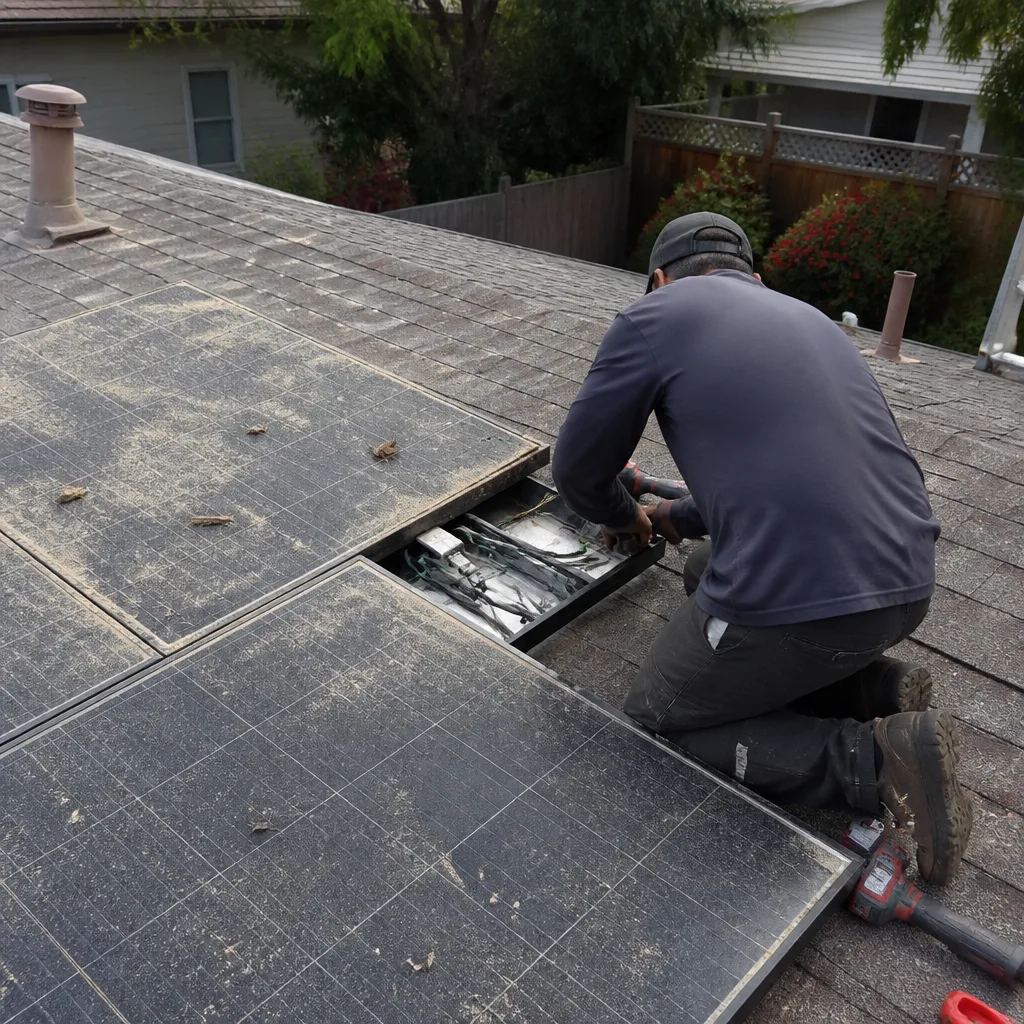
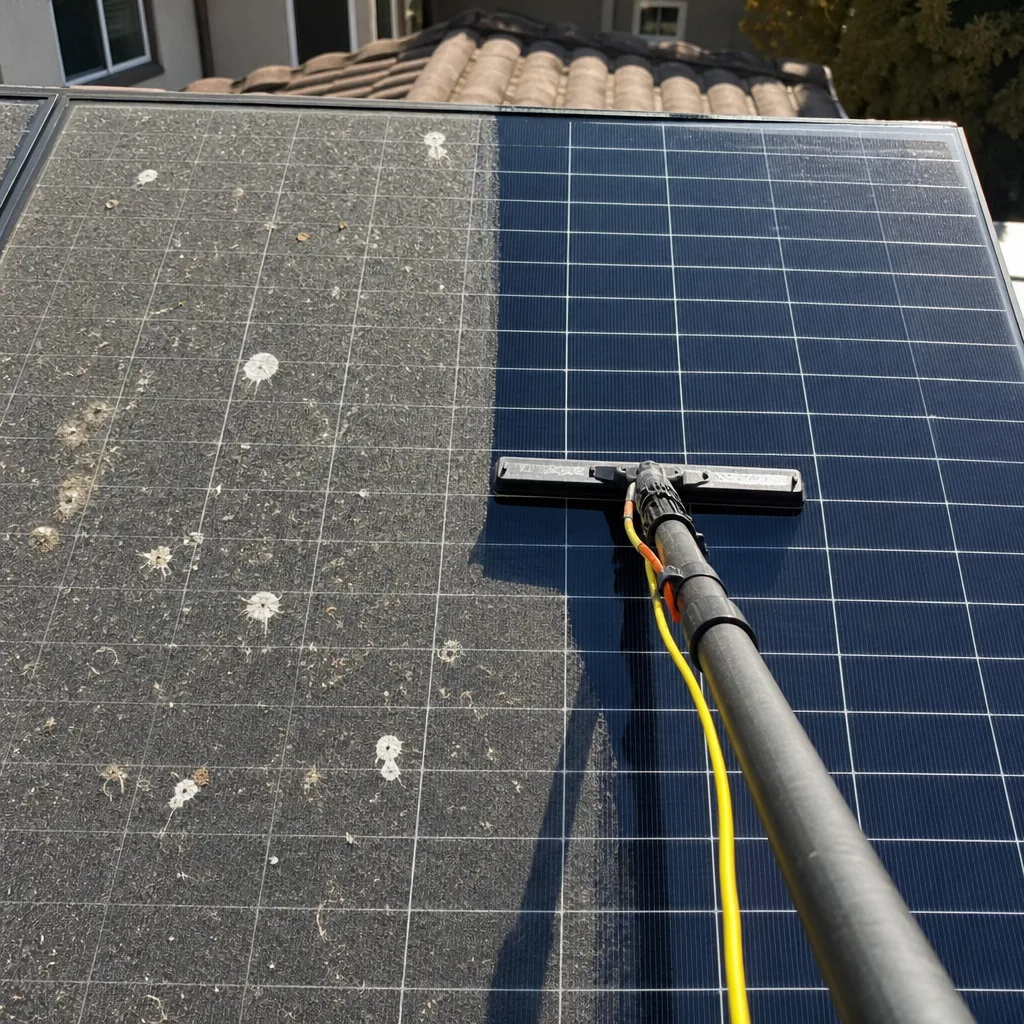
If you live east of downtown Watsonville or near the agricultural edges off E. Lake Avenue or San Juan Road, plan on cleaning your charger exterior and solar panels quarterly, minimum. During strawberry bed-prep and fumigation in spring and early fall, fine soil particulate blows off bare fields and can coat panels within a week. Charger connector pins and cooling vents catch the same dust. A quarterly wash schedule written into your service agreement, plus a simple air-dust of the charger internals twice a year, prevents the intermittent charging faults we see in those neighborhoods. Call (877) 550-6892 if you want us to set that schedule up for you.
Yes, and faster than you’d think. Chargers mounted in garages near the Monterey Bay coast, especially attached garages that stay open, get a fine saline film on exposed metal. We see pitted connector terminals, corroded mounting brackets, and stiffened cable strain reliefs on chargers that are only a few years old. The fix is straightforward: stainless hardware, sealed conduit bends, and an inspection that catches corrosion before it causes arcing. For Watsonville installs, we include corrosion-resistant fittings by default, not as an upsell.
Because Watsonville’s marine layer is heavier and more persistent than in Santa Cruz or Capitola, especially inland from the coast where the fog hangs longer into the day. That means fewer annual kilowatt-hours per panel watt installed, which stretches the payback period on a solar-plus-charger system by one to two years compared to the neighboring coastal cities. The advantage Watsonville does have is lower installation costs for a given project because our crews are already working the agricultural edge and know the housing stock. We’ll give you the real payback math, not a polished number that falls apart in year three. A free estimate comes with that math attached.
Written by Gus Petrakis, Owner at Gus’s Solar, serving Watsonville since 2011.