
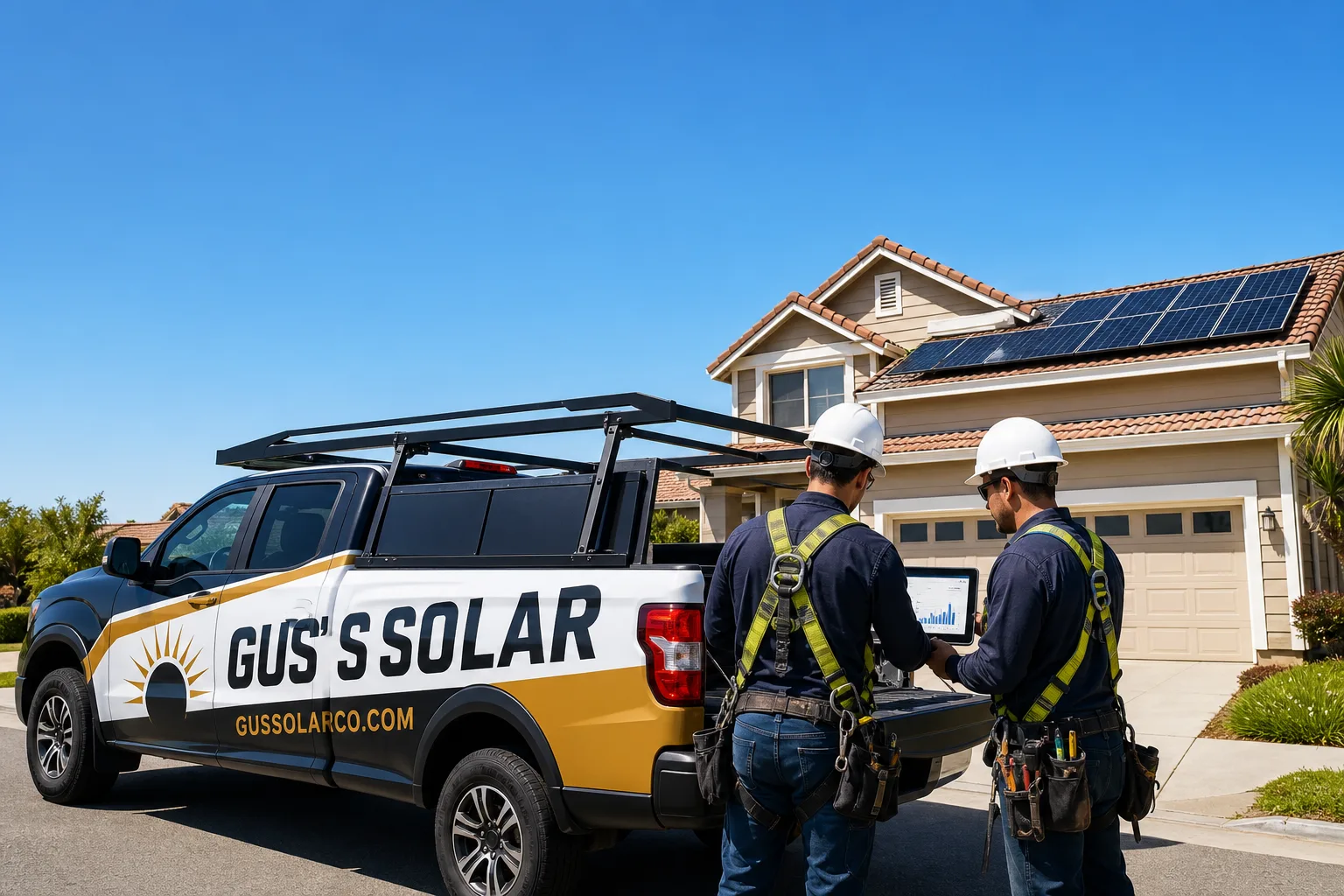
Free bill analysis - bring a power bill, get the production math for your actual roof, panel brands like Qcells and REC compared side by side
If the pitch starts at your door and ends with "sign tonight for the special," sleep on it. The sun will still be there tomorrow; so will we.
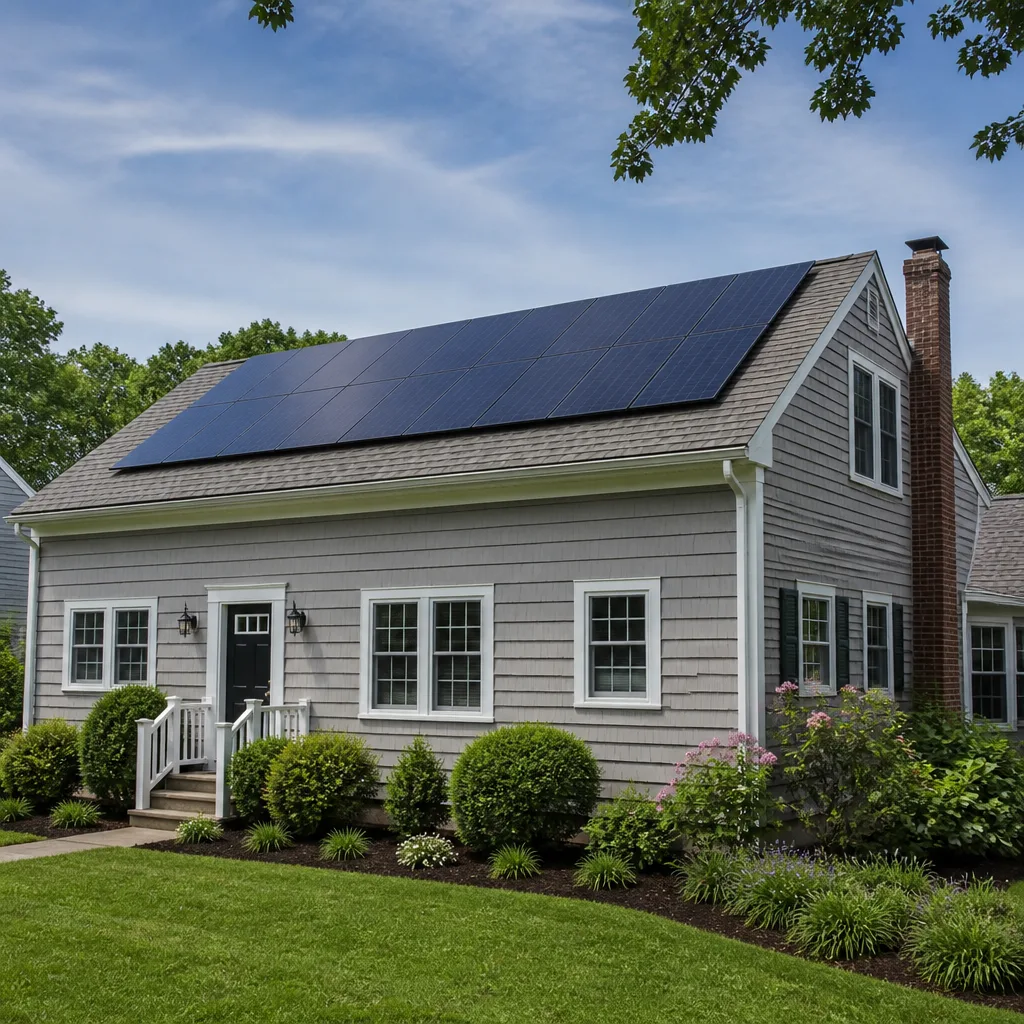
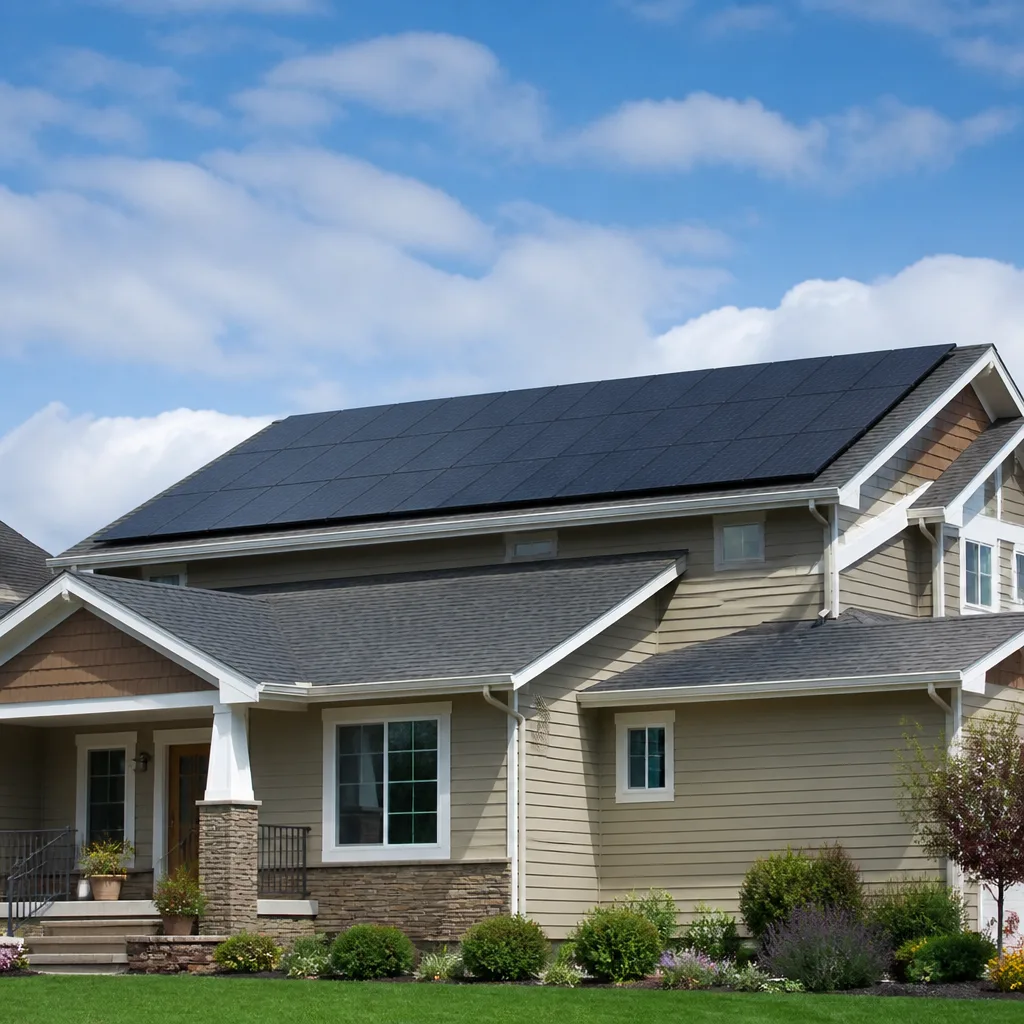
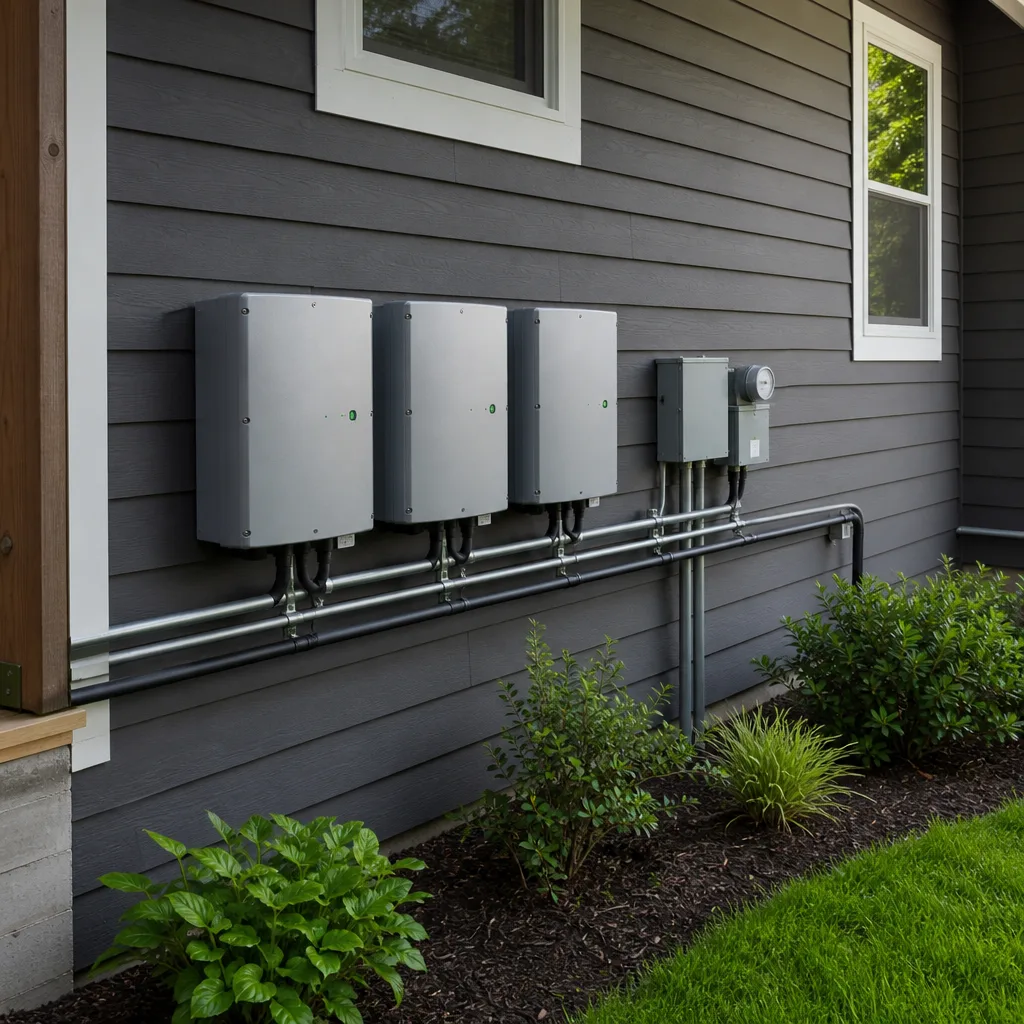
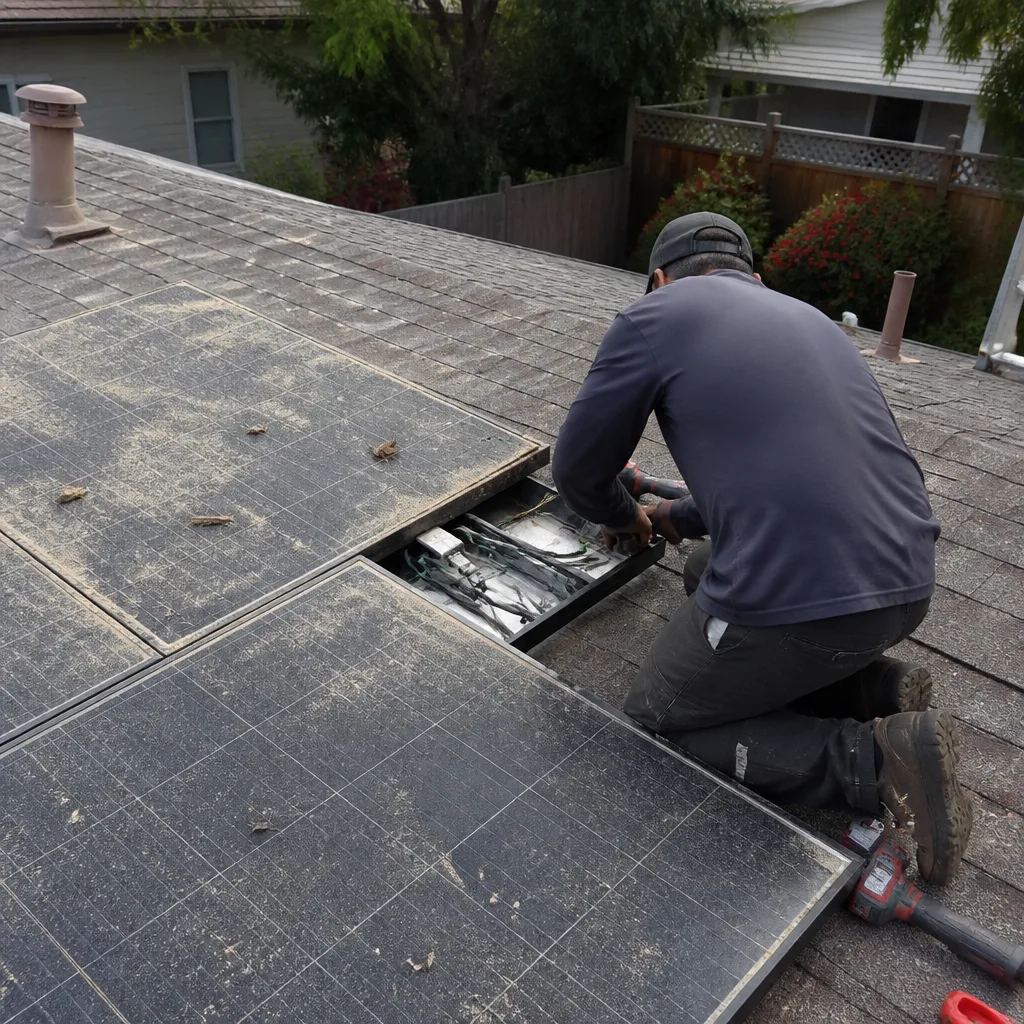 Before
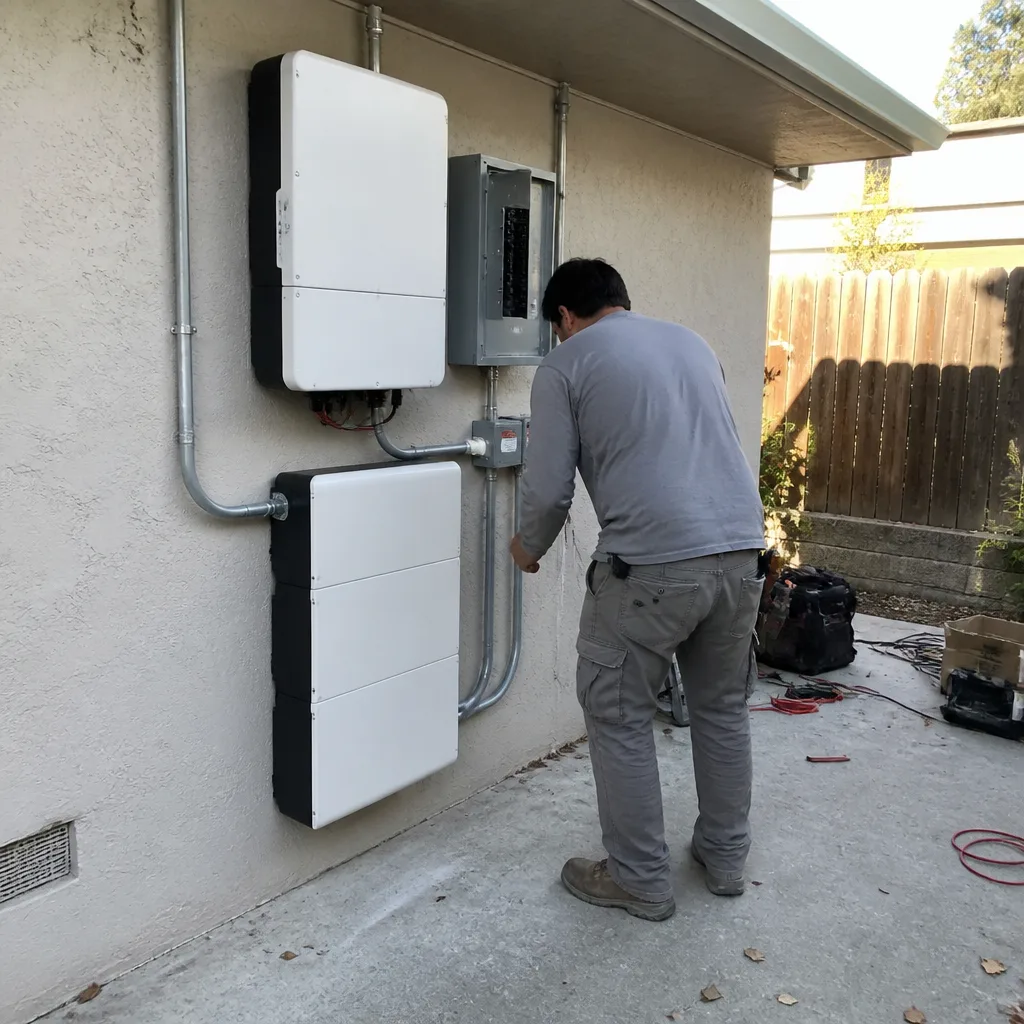 After
After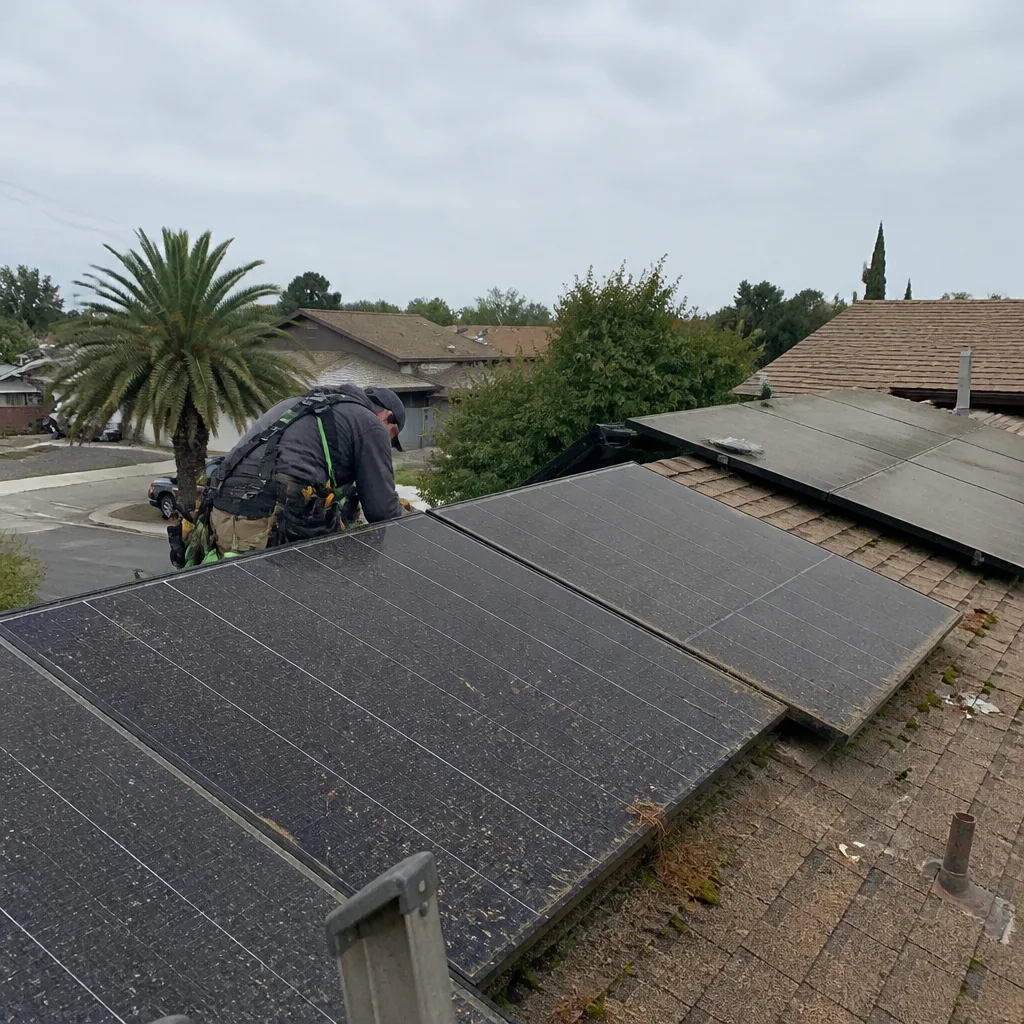 Before
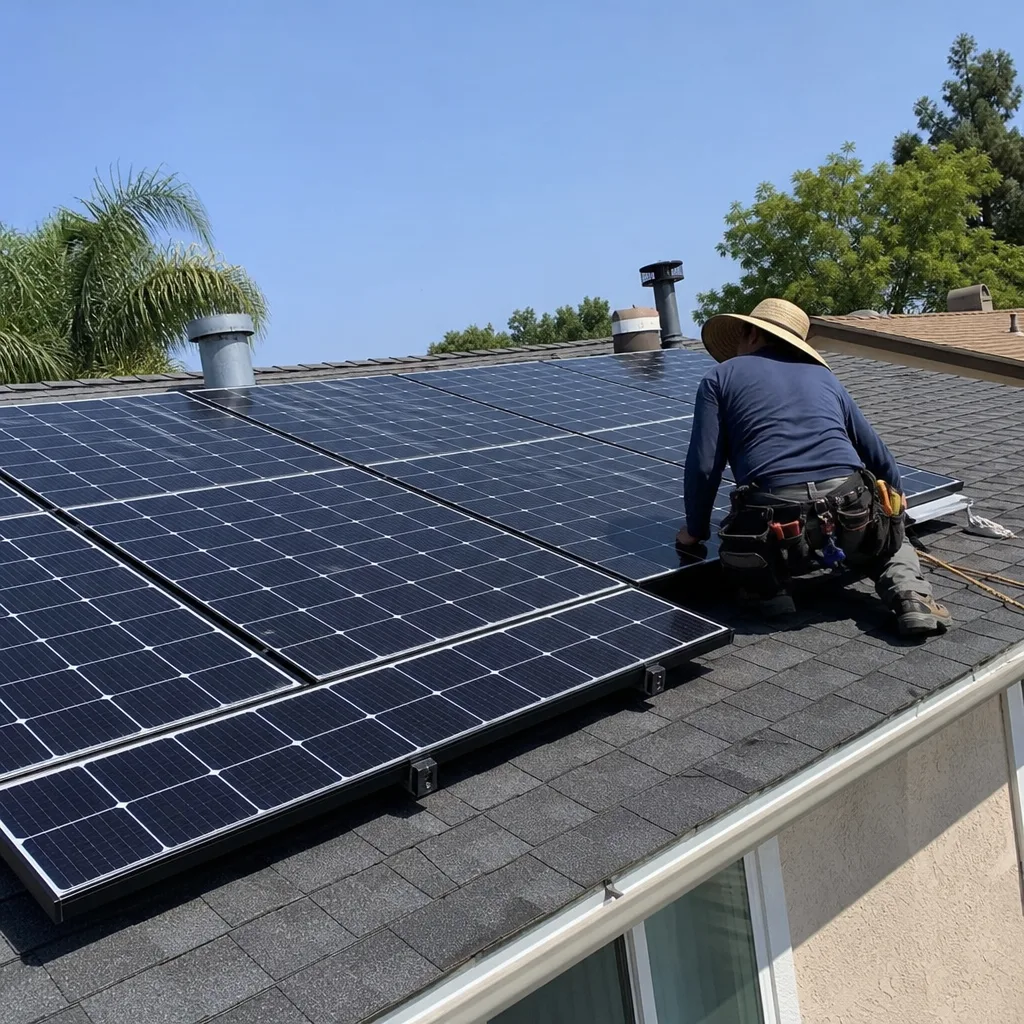 After
After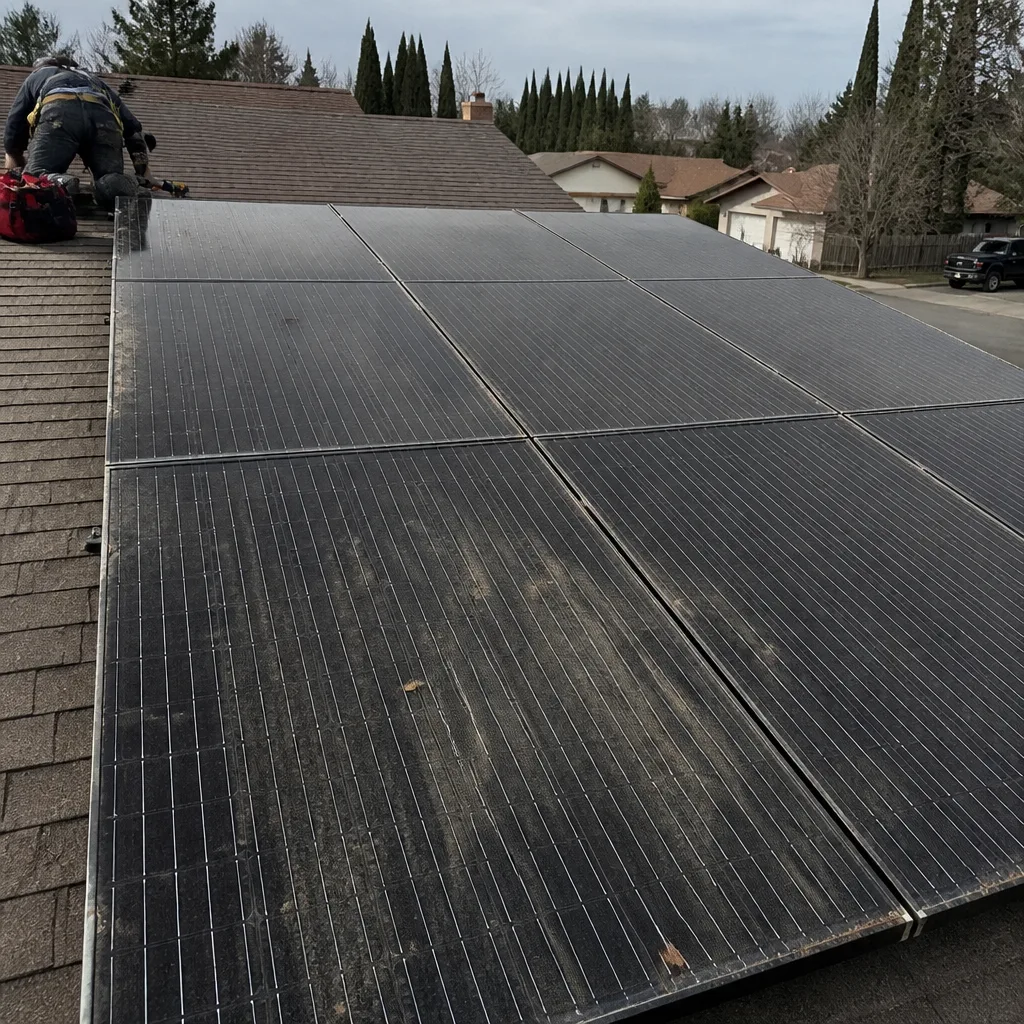 Before
 After
AfterFast, Reliable EV Charger Installation Across Stanford
EV charger installation in Stanford isn’t like a typical residential job in Palo Alto or Menlo Park. Stanford University owns virtually all real property within the 94305 ZIP code, which means almost every charger we install here runs through university approval channels, not a standard homeowner’s to-do list. If you live in faculty housing on Gerona Road, a graduate apartment at Escondido Village, or a 1940s ranch on Frenchman’s Hill, you need a contractor who understands Stanford Facilities, SESI metering, and the design review process before the first wire gets pulled. That’s exactly what Gus’s crew does. Call (877) 550-6892 and we’ll walk you through what your specific unit needs.
Why Gus’s Solar Is Stanford’s Preferred EV Charger Installation Company
We’ve been working inside Stanford’s institutional ecosystem long enough to know the approval path by heart. When a faculty member on Mayfield Avenue calls about a Tesla Wall Connector, we don’t start with a generic PG&E interconnection form. We start with Stanford Facilities and their load calculation requirements, because that’s the gate that actually matters here. Gus Petrakis put his own name on this business in 2011, and he’s been the one answering the phone ever since. A live person picks up 24/7, not a voicemail or a ticket queue.
Stanford customers tell us the same thing: national outfits quote a number, show up confused about SESI, and vanish when the university kicks the paperwork back. We don’t vanish. We’ve coordinated with the residential design committee on architectural-review-sensitive streets, pulled permits through the university’s internal channels, and left every job with a 90-Day Done Right Promise in writing. If it isn’t right, Gus makes it right. One call brings him back.
Our response time to Stanford is same-day for most calls. We keep crews scheduled around the Peninsula so a technician can be at your door on campus within hours, not days. Background-checked, uniformed, and trained on Stanford’s specific electrical infrastructure. You’ll know who’s walking up your driveway before they ring the bell.
Our EV Charger Installation Services in Stanford
Here’s what we actually do for Stanford residents and university-managed properties. Every job starts with the same question: has Stanford Facilities signed off on a load calculation for your specific feeder? If not, we help you get that moving first. Our EV Charger Installation team handles the full scope below.
Level 2 Charger Installation
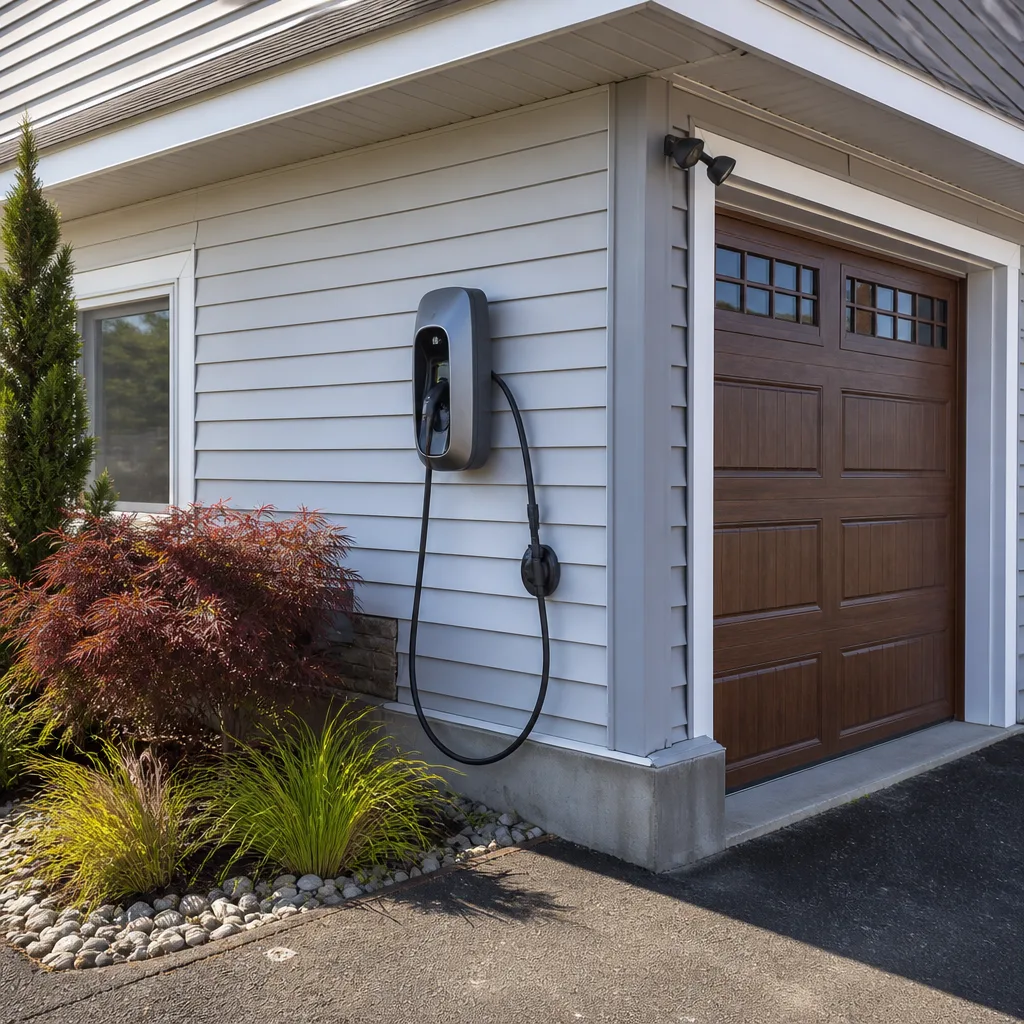
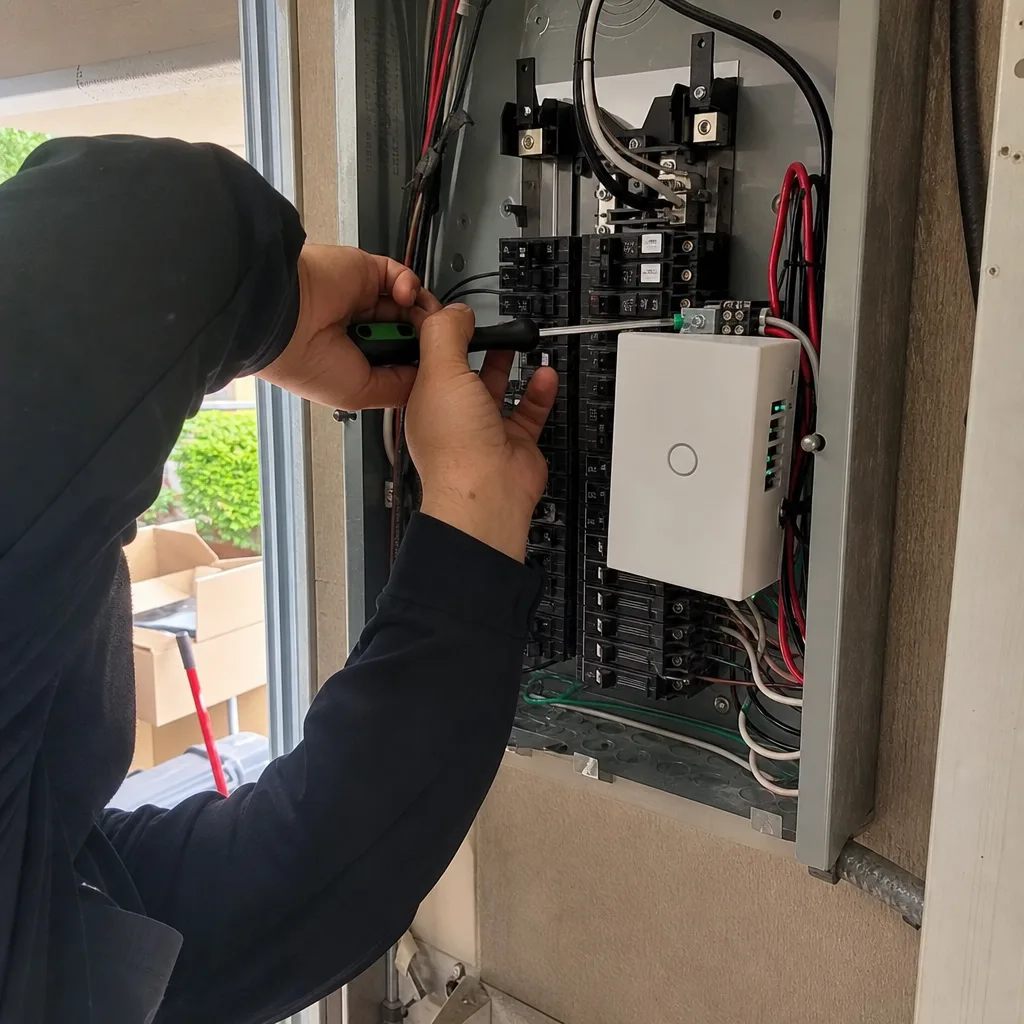
A Level 2 charger in Stanford typically runs $1,100 to $2,400 installed, assuming your panel has capacity and the run from the panel to the parking area is under 50 feet. Most faculty housing units on Gerona Road and Frenchman’s Hill have 1940s to 1960s-era panels that were never sized for a 40-amp continuous load, so expect a panel assessment before we quote. The charger itself, whether it’s a ChargePoint, Wallbox, or another reputable brand, accounts for roughly half that range. The rest is labor, conduit, breaker, and the Stanford-specific coordination with Facilities.
Tesla Wall Connector Installation
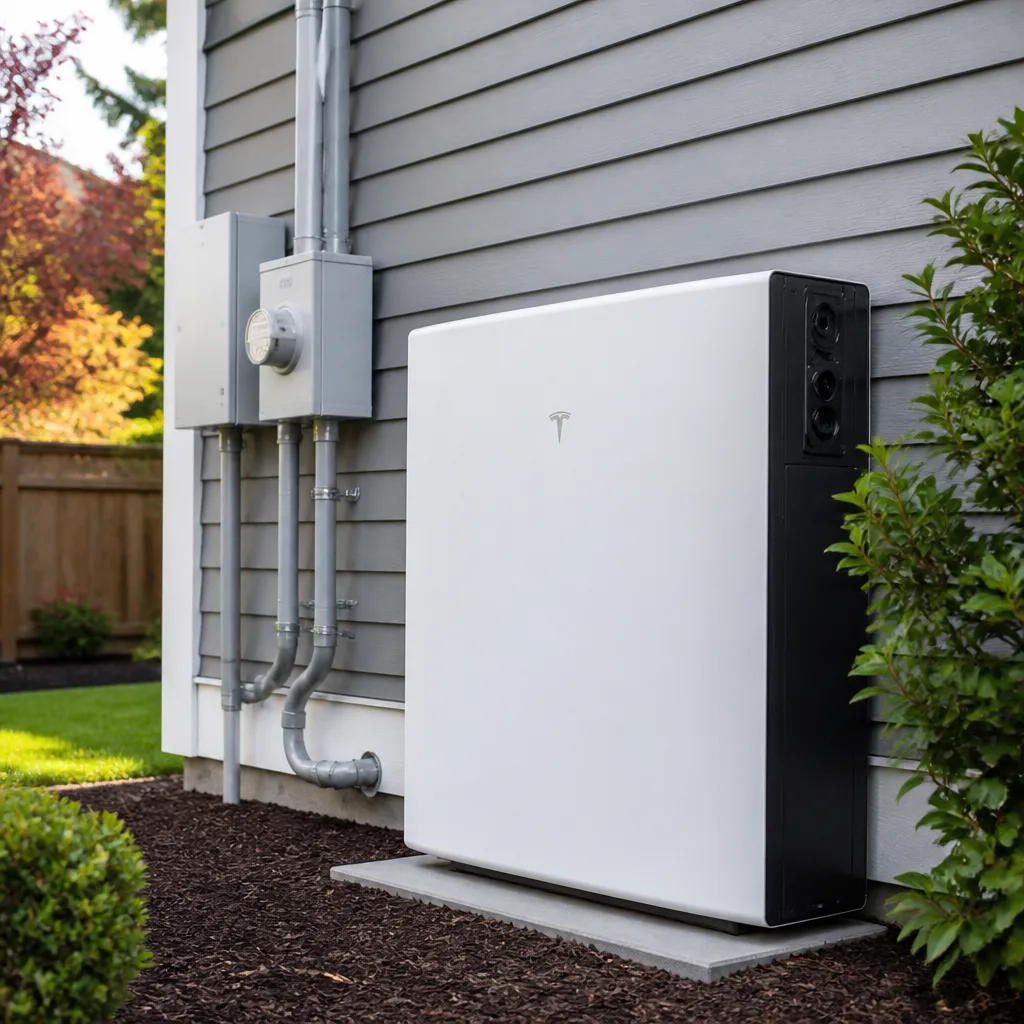
The Tesla Wall Connector is the most common unit we install in Stanford faculty housing. For a 48-amp setup, you’re looking at $1,200 to $2,600 depending on panel condition and circuit run length. On Frenchman’s Hill, we installed one for a faculty unit after routing a 60-amp circuit through the university’s internal metering panel. We coordinated with Stanford Facilities to confirm the charger’s load wouldn’t trip the rapid shutdown requirements on the home’s solar microinverters. That coordination is the part generic installers miss, and it’s the part that keeps your job from getting rejected in review.
Panel Upgrade for EV Charging
Many of the mid-century ranch homes on Mayfield Avenue and the Gerona Road corridor still run on 100-amp panels. A Level 2 charger at 48 amps draws a continuous load that can push an older panel past its safe operating margin, especially in homes that also run air conditioning during Stanford’s dry, hot summer months. A panel upgrade in Stanford typically runs $2,800 to $5,500, depending on whether we’re doing a like-for-like replacement or adding capacity. We always pull the load calculation first and show you the math before we touch a breaker.
Garage & Driveway Charger Wiring
Detached garages are common in the Frenchman’s Hill and Mayfield Avenue areas, which often means trenching or long conduit runs from the main panel. Driveway charger wiring in Stanford runs $900 to $2,200 for most homes, with trenching adding $25 to $45 per linear foot if we have to cut through hardpan, which Stanford has plenty of just below the topsoil. We handle the conduit, the disconnect, and the weatherproofing so your charger survives Stanford’s wet winters without a fault.
What happens when you call
- 1
A real person answersNo phone trees - you reach a local pro.
- 2
You get an upfront price rangeHonest numbers before anyone is dispatched.
- 3
A background-checked tech heads outLicensed & insured, dispatched right away.
- 4
You approve before work beginsNothing starts until you say go.
Trusted Brands We Service in Stanford
We install and service chargers from Tesla, Enphase, and FranklinWH, plus the major Level 2 brands like ChargePoint and Wallbox. If you’re pairing a charger with solar, we work with Enphase microinverters and FranklinWH battery systems regularly on Stanford properties, so we know how to coordinate the charger load with your solar production and battery discharge settings. We don’t stock every unit in the truck, but we can usually have your charger in hand within 48 hours and installed the same week you call.
Common EV Charger Installation Problems We See in Stanford Homes
- Charger installed before Facilities approval. The single most common failure we see: a contractor pulls a permit through the county, installs the charger, and then the university’s residential design committee issues a violation because the load calculation was never submitted. In Stanford, Facilities approval comes first. We don’t start work until that’s in hand.
- Wrong interconnection assumptions. Contractors who work Palo Alto or Menlo Park assume PG&E or Palo Alto Utilities forms apply. Stanford runs its own campus electrical distribution under SESI, and the metering, tariffs, and true-up statements are calculated under Stanford’s system, not the local utility. If you have solar paired with your charger, this affects your credits directly.
- Overloaded legacy panels. The 1940s through 1960s ranch homes on Gerona Road and Mayfield Avenue were built for electric ranges and incandescent bulbs, not a 48-amp continuous charger load. We regularly see main breakers tripping within a month of a charger install because no one checked the panel’s actual capacity first.
- Architectural review violations. Stanford’s residential design standards apply to faculty housing exteriors, including visible wall connectors. A bright, oversized unit on a street with design review can trigger a violation notice. We’ll help you select a unit and placement that fits the street’s character and gets through review the first time.
Pricing for EV Charger Installation in Stanford, CA
Here’s the honest math for Stanford’s market. A basic Level 2 charger install runs $1,100 to $2,400. A Tesla Wall Connector install runs $1,200 to $2,600. A panel upgrade needed to support either runs $2,800 to $5,500. Garage wiring and conduit work adds $900 to $2,200. Solar-paired EV charging, which means tying your charger into an existing Enphase or SolarEdge system, typically runs $1,500 to $3,400 above the charger install itself because of the additional breakers, CT meters, and coordination with Stanford’s SESI metering. Every quote is free, it’s the number you pay, and we’ll build it off your actual panel and your actual electrical load, not a brochure. Call (877) 550-6892 and Gus will bring the math.
Key takeaways:
- Stanford charger installs run $1,100 to $2,600 for most units, plus $2,800 to $5,500 if your panel needs upgrading.
- Facilities approval and load sign-off come before any work starts. Always.
- Stanford’s SESI metering means your solar-paired charger credits are calculated under university tariffs, not PG&E.
- Same-day response to Stanford is standard for us. Live person answers 24/7.
We Also Serve Cities Near Stanford
Our crews cover the whole Stanford area, including Stanford proper, Palo Alto, Atherton, East Palo Alto, and Los Altos Hills. If you’re in a neighboring city, the same team, the same pricing honesty, and the same 90-Day Done Right Promise apply. Call and we’ll be there.
Serving Stanford, CA - Our Local Coverage Area
We’re based in the Stanford area and know this community well. Use the map below to see our service coverage - if you’re nearby, we can almost certainly help.
FAQs - EV Charger Installation in Stanford
Yes. Any modification to a university-owned electrical system, even plugging into an existing 120V outlet for long-term EV use, can require Facilities review depending on the specific housing unit and its feeder capacity. Gerona Road homes fall under Stanford’s faculty housing program, which means the university is your landlord. A 120V trickle charge draws 12 amps continuously for hours, and on an older circuit shared with other loads, that can trip breakers or overheat conductors. Call (877) 550-6892 and we’ll help you determine exactly what your unit requires before you plug in.
SESI means Stanford’s internal metering replaces the standard PG&E or Palo Alto Utilities interconnection you’d use in Menlo Park or Palo Alto. Your solar production and EV charging draw are measured through the university’s own meters, and your true-up statement is calculated under Stanford’s tariff structure, not the local utility’s net metering program. That changes how credits accrue and when they reset. We’ve navigated this for multiple faculty housing units and can show you the actual math on your bill before you commit.
Only through Stanford’s institutional procurement process. Escondido Village is university-owned graduate student housing, and any commercial or multi-unit charging installation must be approved through Stanford Facilities Energy Management and coordinated with SESI load planning. This is not a consumer purchase. If you’re a Stanford department or property manager exploring chargers for Escondido Village, we can prepare the technical proposal, load calculations, and equipment specifications the university’s review board will ask for.
Most 1940s ranches on Mayfield Avenue have 100-amp panels. A Tesla Wall Connector at 48 amps draws a continuous load that often requires a panel upgrade to 200 amps, which in Stanford runs $2,800 to $5,500 depending on the existing service and whether Stanford’s distribution requires a new meter base. We’ll do a load calculation first, show you the numbers, and only recommend the upgrade if your panel actually needs it. No upsell, no pressure.
Yes, solar-paired EV charging is allowed on Stanford-owned homes, but the solar installation itself must go through the same Facilities approval and design review as the charger. The payback math changes because you’re offsetting both household loads and vehicle charging, which typically shortens the payback period meaningfully. However, the SESI metering structure alters how your production is credited, so the year-25 output number matters more than the day-one brochure figure. Gus quotes the year-25 output off your actual bill. Bring us a bill and we’ll bring you the math, and take two weeks to think about it. The price will be the same.
Call Gus’s Solar for EV Charger Installation in Stanford
If you’re in Stanford and need an EV charger installed, upgraded, or tied into your solar, call (877) 550-6892 for a free estimate. The person who answers is a live human being, not a call center three states away. We’ll tell you what the job needs, what it costs, and exactly how to navigate Stanford’s approval process. If a salesman needs an answer tonight, the answer is no. We don’t work that way. Gus’s name is on the truck, on the work, and on the promise. L.O.C.A.L. isn’t a slogan, it’s how we operate: Local roots, On time, Community first, Accountable, Loyal. Call while the weather’s good and before the semester gets busy. We’ll be there.
Written by Gus Petrakis, Owner at Gus’s Solar, serving Stanford since 2011.