
Free bill analysis - bring a power bill, get the production math for your actual roof, panel brands like Qcells and REC compared side by side
If the pitch starts at your door and ends with "sign tonight for the special," sleep on it. The sun will still be there tomorrow; so will we.
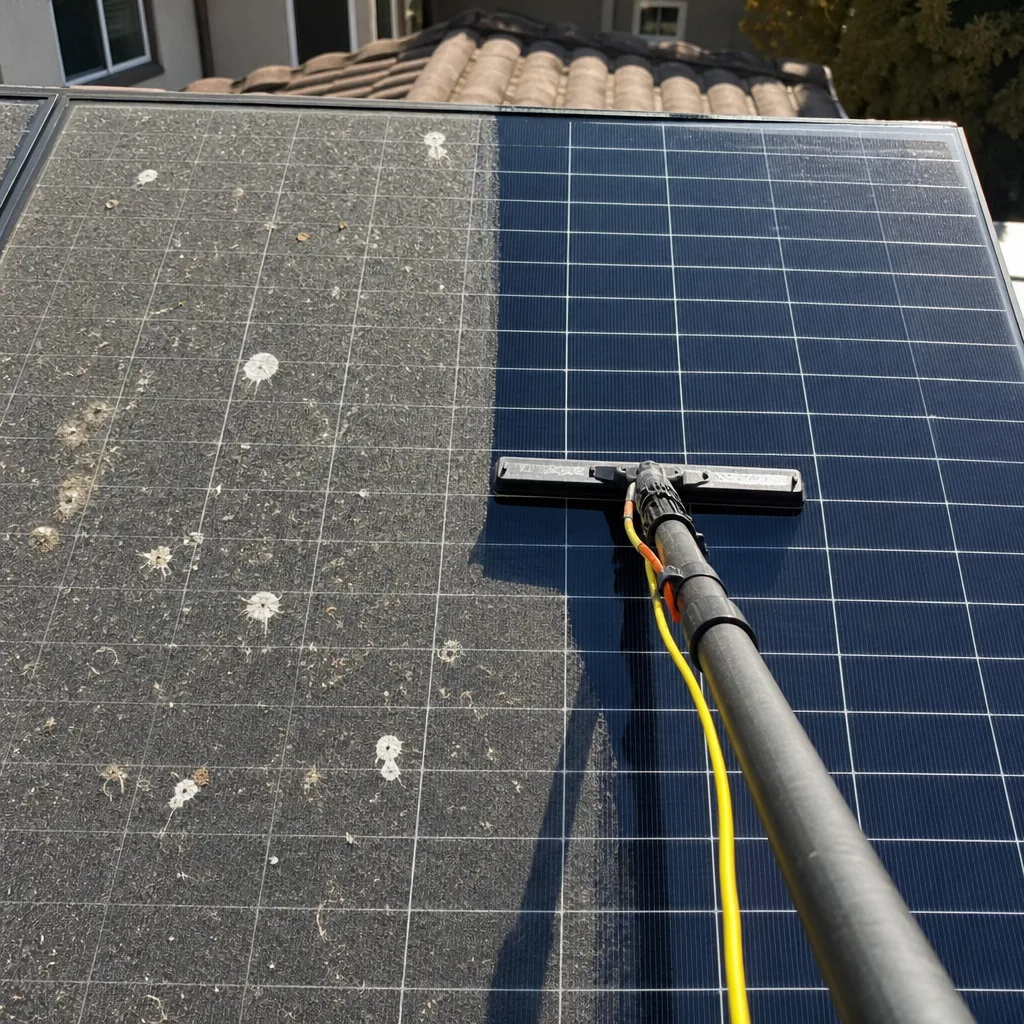
 Before
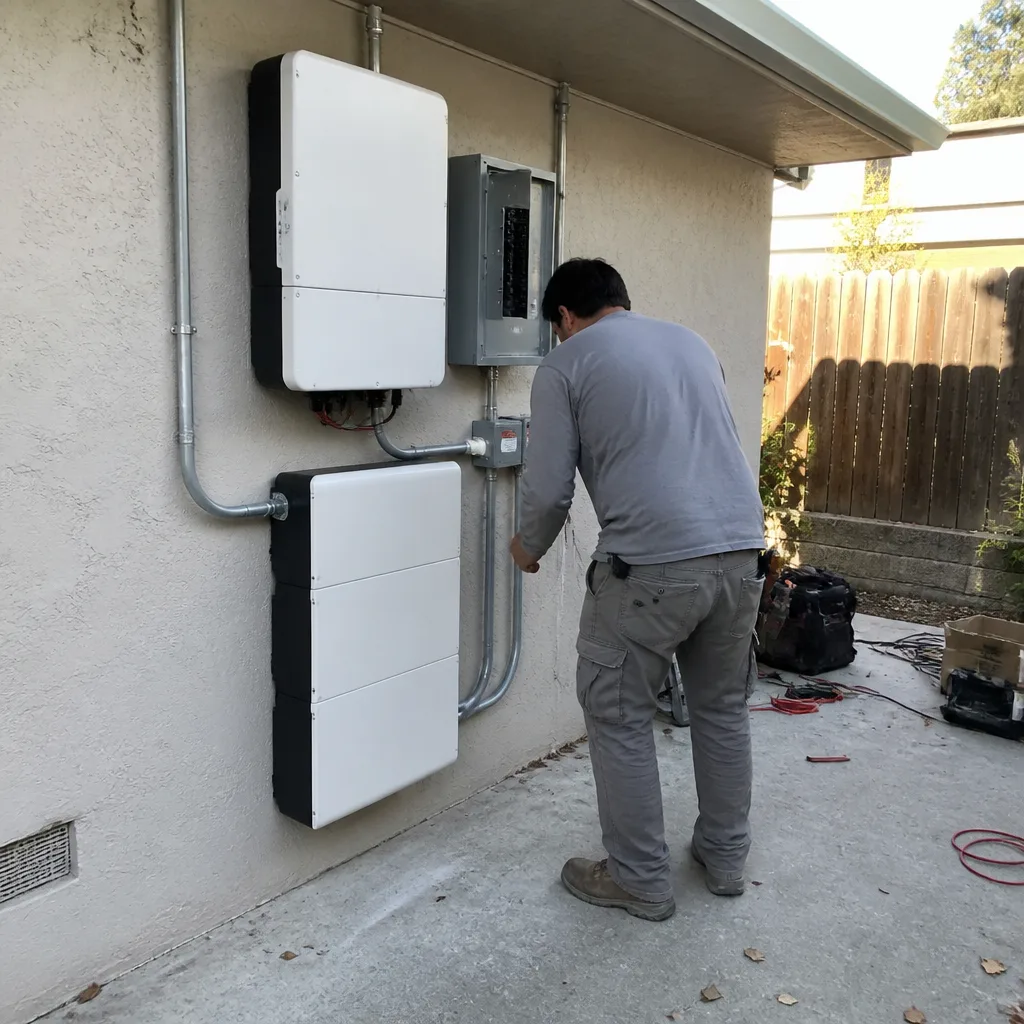 After
After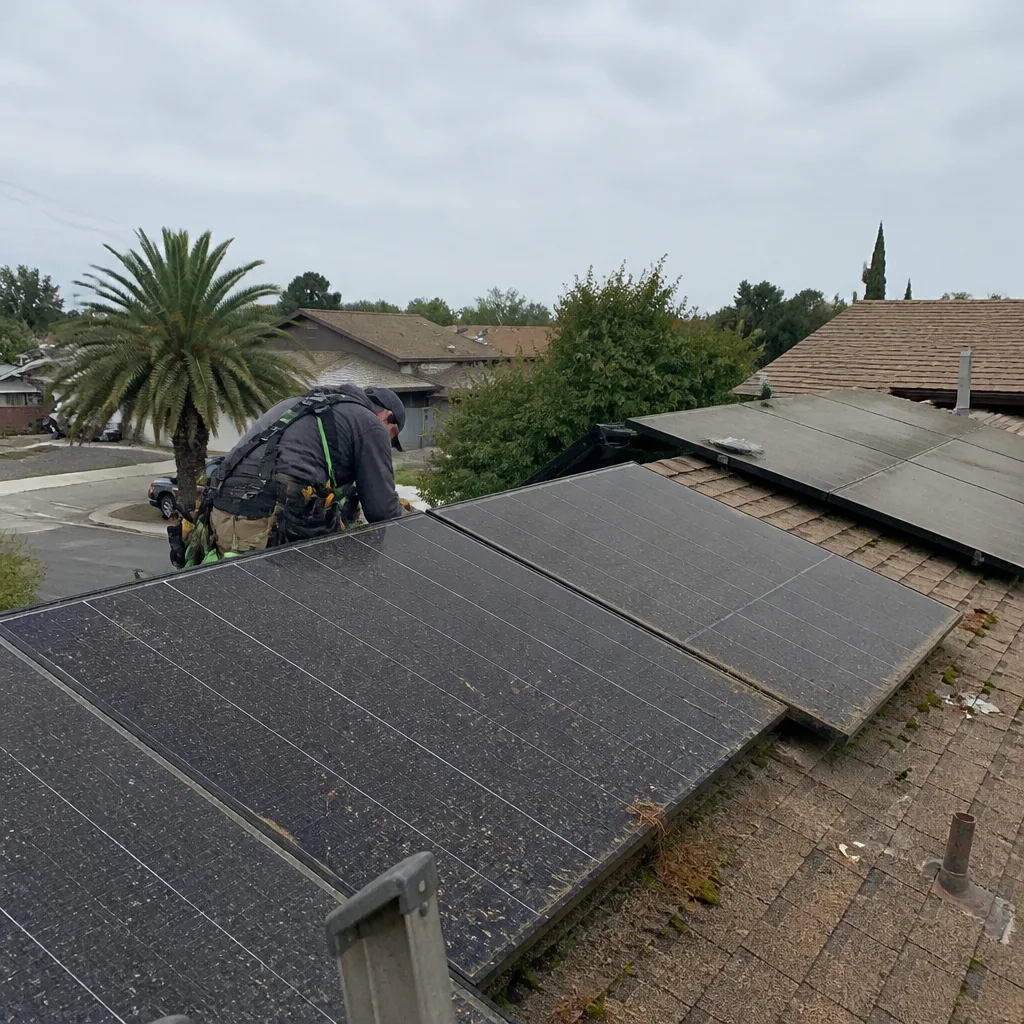 Before
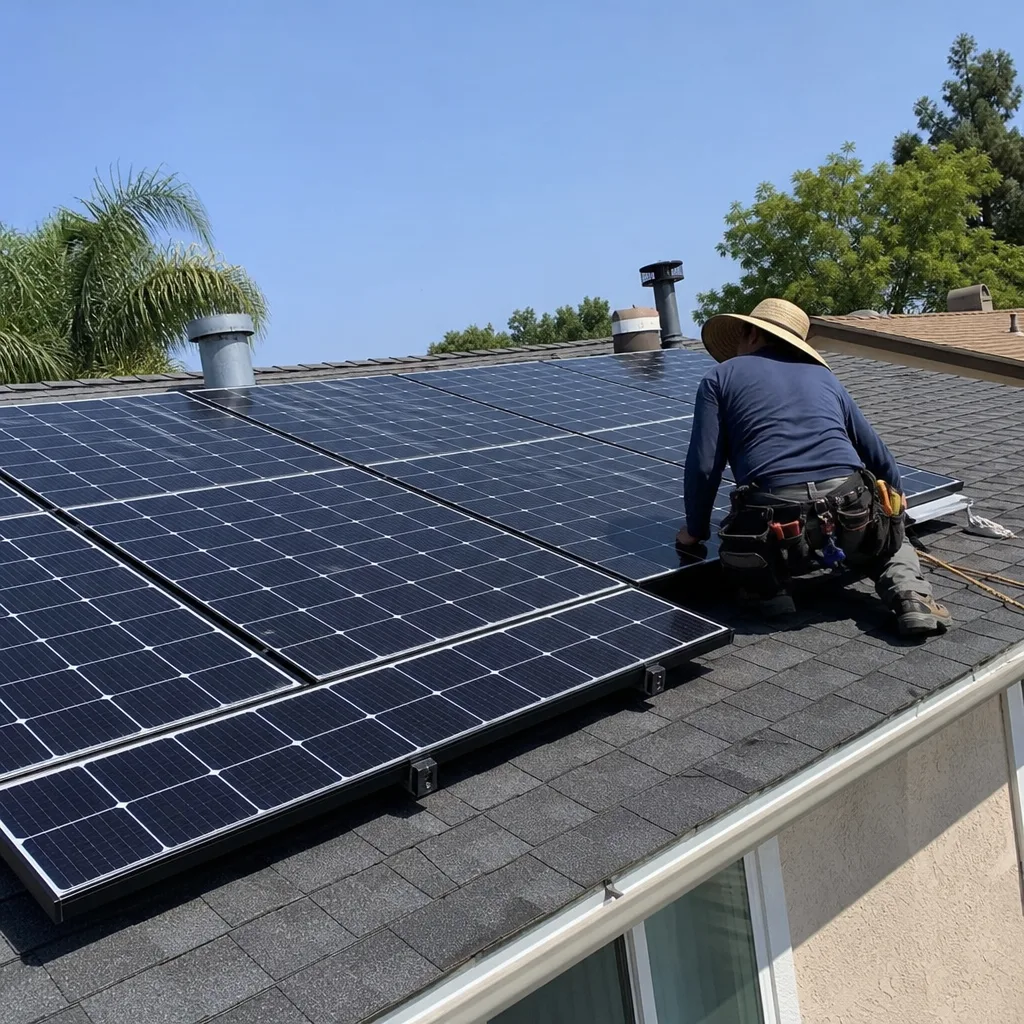 After
After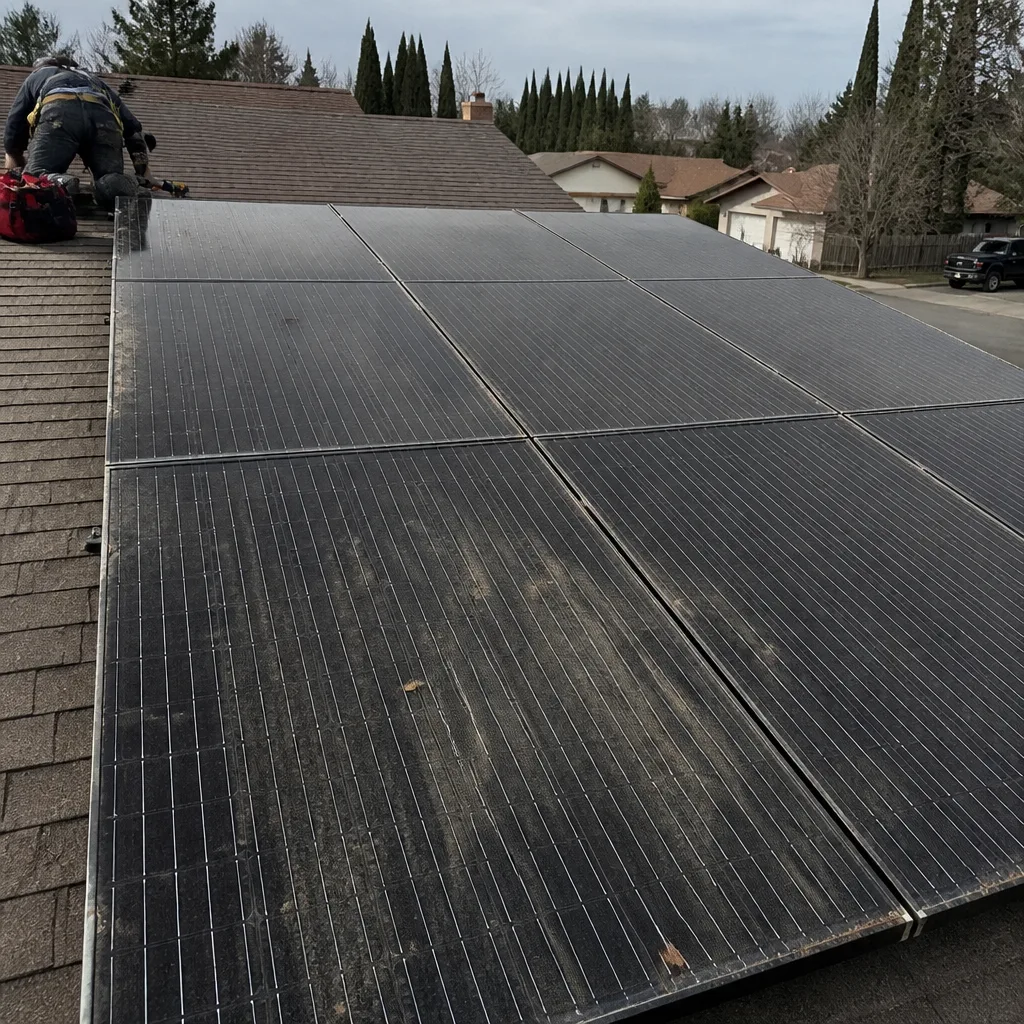 Before
 After
AfterFast, Reliable EV Charger Installation Across Santa Cruz
EV charger installation in Santa Cruz typically costs $800 to $3,200 depending on panel capacity, charger type, and how far your electrical panel sits from the charging location. Most jobs take one day, and we can often schedule within the same week. If you’re tired of hunting for public chargers downtown or fighting for the one outlet in your garage, a dedicated Level 2 charger changes your mornings. Call (877) 550-6892 for a straight answer and a free estimate from a local crew that knows Santa Cruz wiring, not a call center reading from a script.
The marine layer rolling off Monterey Bay does something to electrical connections that inland installers never see. Salt air works into J1772 connector pins and charger input terminals. Fog keeps everything damp until late morning. Older Santa Cruz panels, especially in Beach Flats and the lower Westside, were never sized for a 48-amp draw. We build every quote around what’s actually on your wall and in your weather, not a generic brochure number.
Why Gus’s Solar Is Santa Cruz’s Preferred EV Charger Installation Company
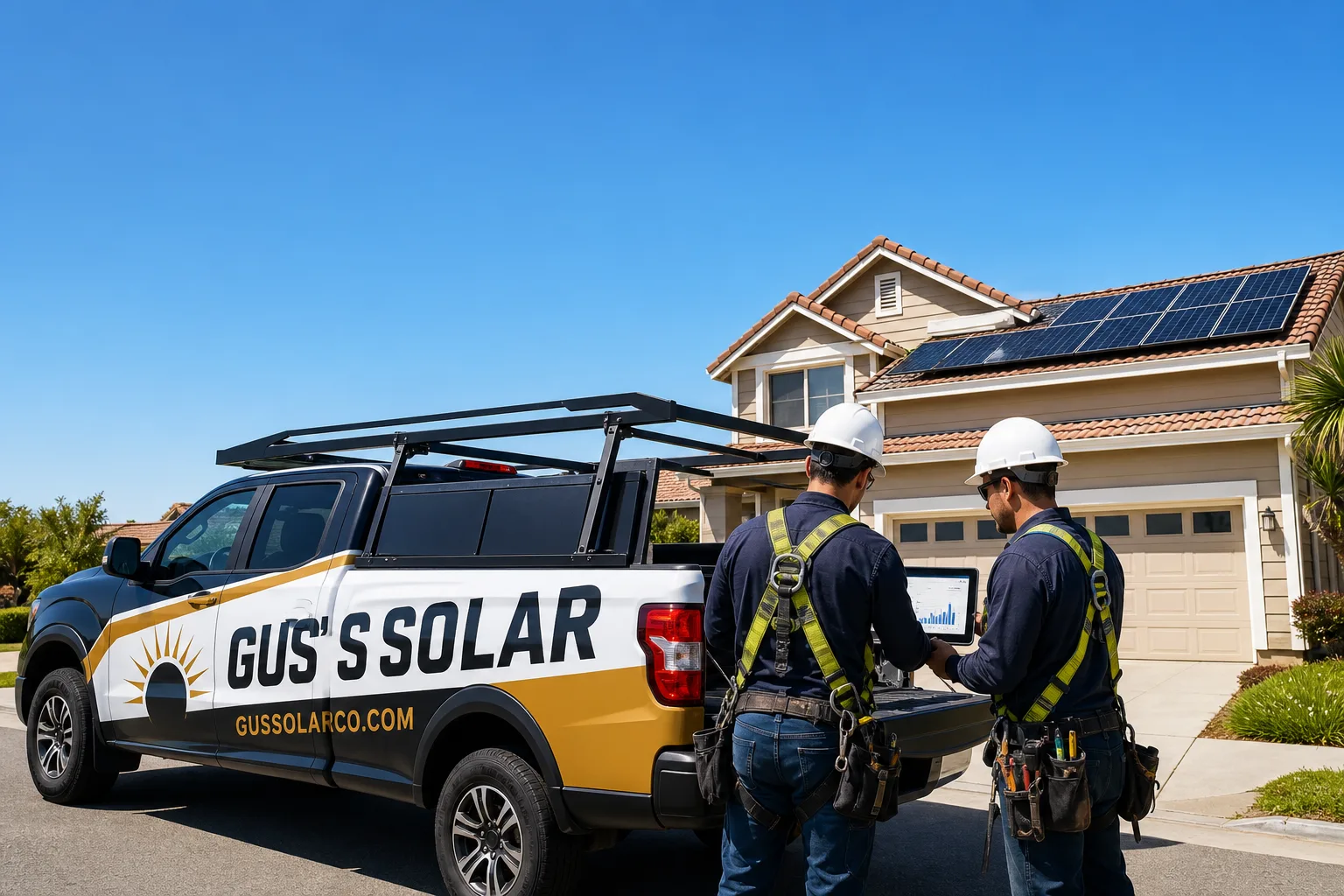
Gus Petrakis puts his own name on the truck. That’s not a slogan. It means the person answering your call is the person who owns the company, and the crew that shows up at your Santa Cruz home works for him directly. No subcontractors. No third-party install crew that disappears after the job. When something isn’t right, one call brings Gus back, and the 90-Day Done Right Promise puts that in writing on every job.
We answer the phone with a live person 24/7. That sounds small until your charger faults at 9 p.m. on a Sunday and you need the car for a Monday commute over Highway 17. Santa Cruz homeowners tell us the same thing again and again: they called a national outfit, got a quote over the phone, and watched it climb at the door. Our price is the price, built off your actual panel and your actual garage, not a sales deck.
We’ve spent years working in the flatlands and the hillsides, from Seabright to the UCSC campus edge. That matters because a charger install in a 1920s Craftsman near Beach Flats is a completely different job from one in a post-Loma Prieta rebuild on the upper Westside. We know which panels trip, which garages corrode, and which hillside roofs lose winter sun to redwood canopy before we ever knock on the door.
Our EV Charger Installation Services in Santa Cruz
Level 2 Charger Installation
A Level 2 charger delivers 240 volts and charges most EVs from empty to full overnight, which is exactly what most Santa Cruz drivers need. We hardwire the unit or install a NEMA 14-50 outlet depending on your setup, and we do the Corrosion prevention work that coastal installations require. An open carport near Pleasure Point or Live Oak is a different animal than an enclosed garage in Scotts Valley, and we build for it.
Tesla Wall Connector Installation
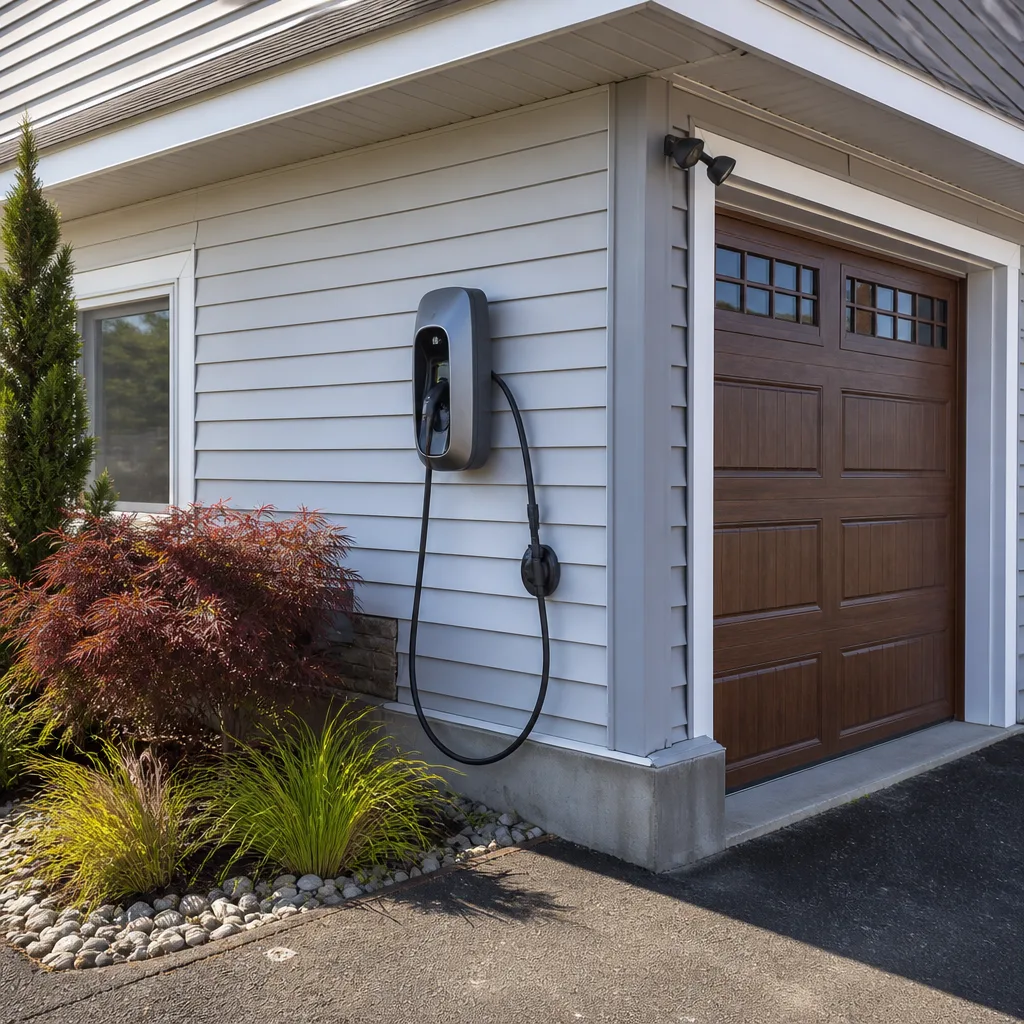
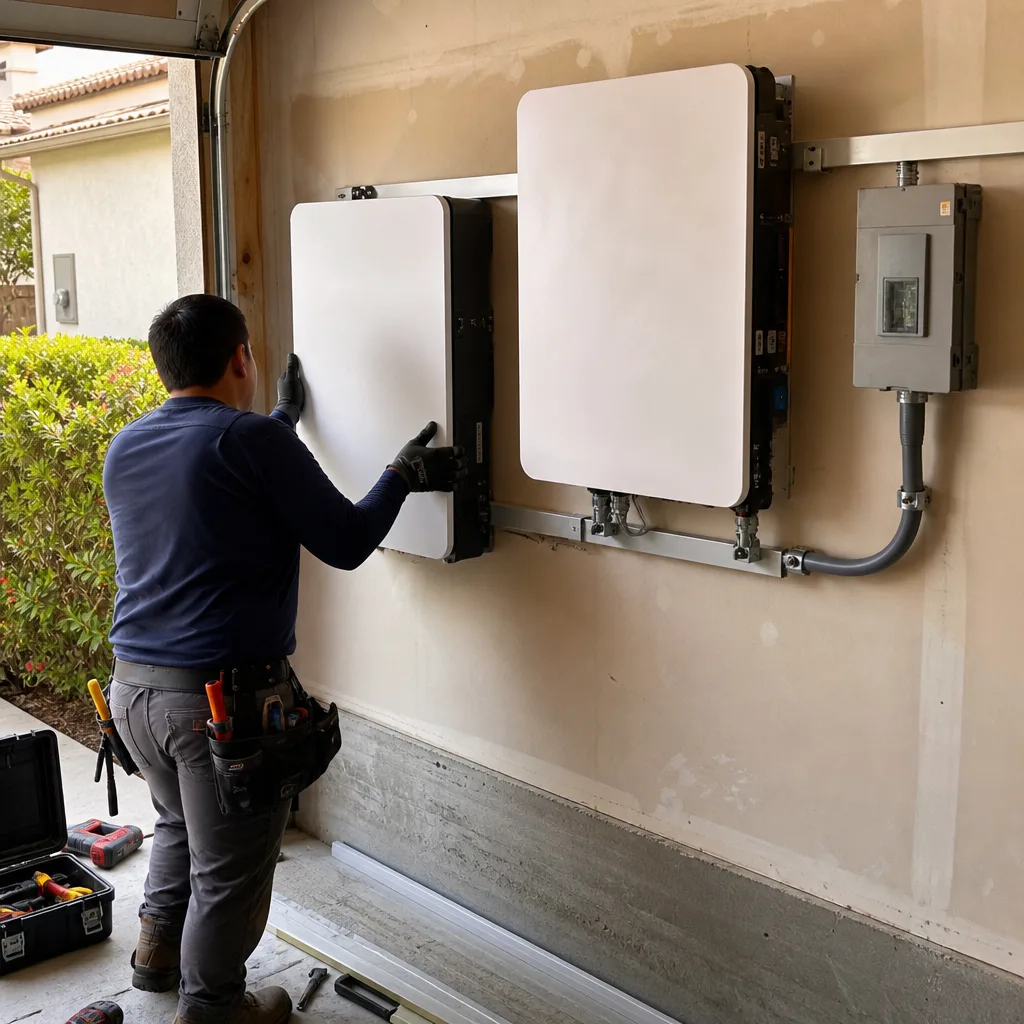
Tesla’s Wall Connector is the most common charger we install in Santa Cruz, and for good reason. It charges fast, it integrates cleanly with solar, and it’s built well. But even a Tesla unit needs proper installation near salt air. We apply dielectric grease to all high-current terminals and use corrosion-resistant hardware, which is standard for us on every coastal job and frankly should be standard for anyone working within two miles of Monterey Bay.
Panel Upgrade for EV Charging
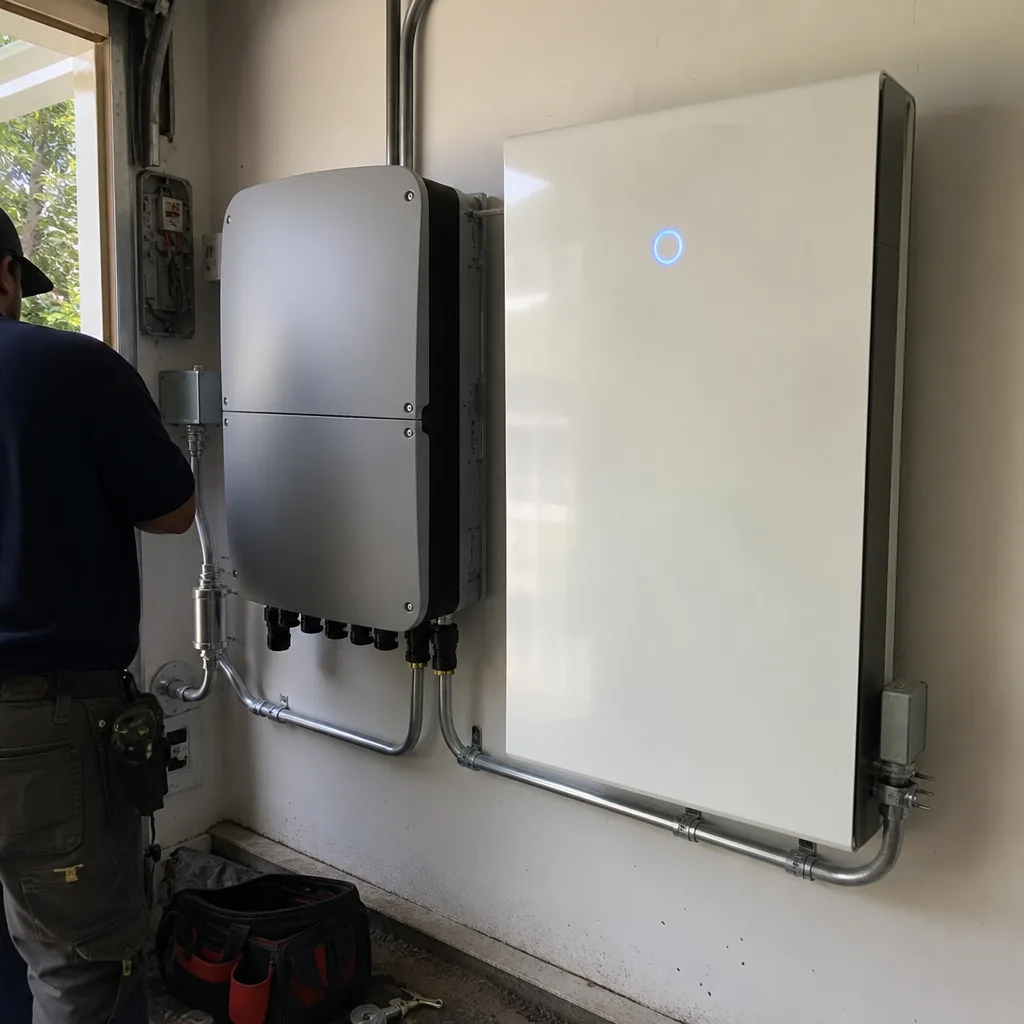
This is the piece most Santa Cruz quotes miss. Homes built before 1970 in Beach Flats, the lower Westside, and parts of Seabright often carry 100-amp panels. Add a 48-amp charger to a heat pump or an older electric dryer and the main breaker trips. PG&E won’t approve the interconnection without a service upgrade. A 200-amp panel upgrade in Santa Cruz typically runs $2,500 to $4,500, and we flag it on the first call, not the day of install.
Garage & Driveway Charger Wiring
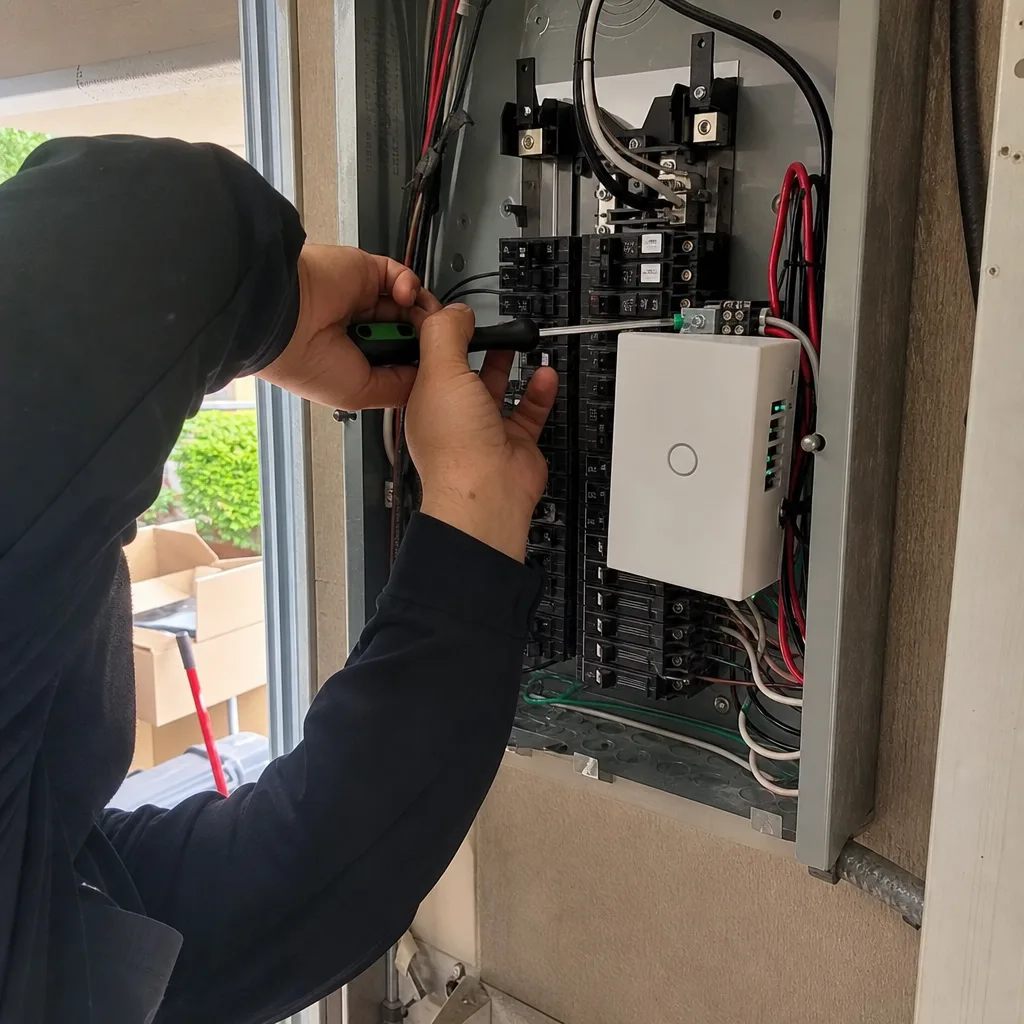
Distance between your panel and your parking spot drives a chunk of the cost. A panel in the back of a Live Oak rancher, 60 feet from the driveway, needs a longer conduit run, and that material adds up. We surface-mount or run conduit cleanly along the exterior, and we don’t bury wire where you’ll find it with a shovel later. For Santa Cruz’s many detached garages, we run dedicated circuits that never share load with a laundry room or kitchen appliance.
What happens when you call
- 1
A real person answersNo phone trees - you reach a local pro.
- 2
You get an upfront price rangeHonest numbers before anyone is dispatched.
- 3
A background-checked tech heads outLicensed & insured, dispatched right away.
- 4
You approve before work beginsNothing starts until you say go.
Trusted Brands We Service in Santa Cruz
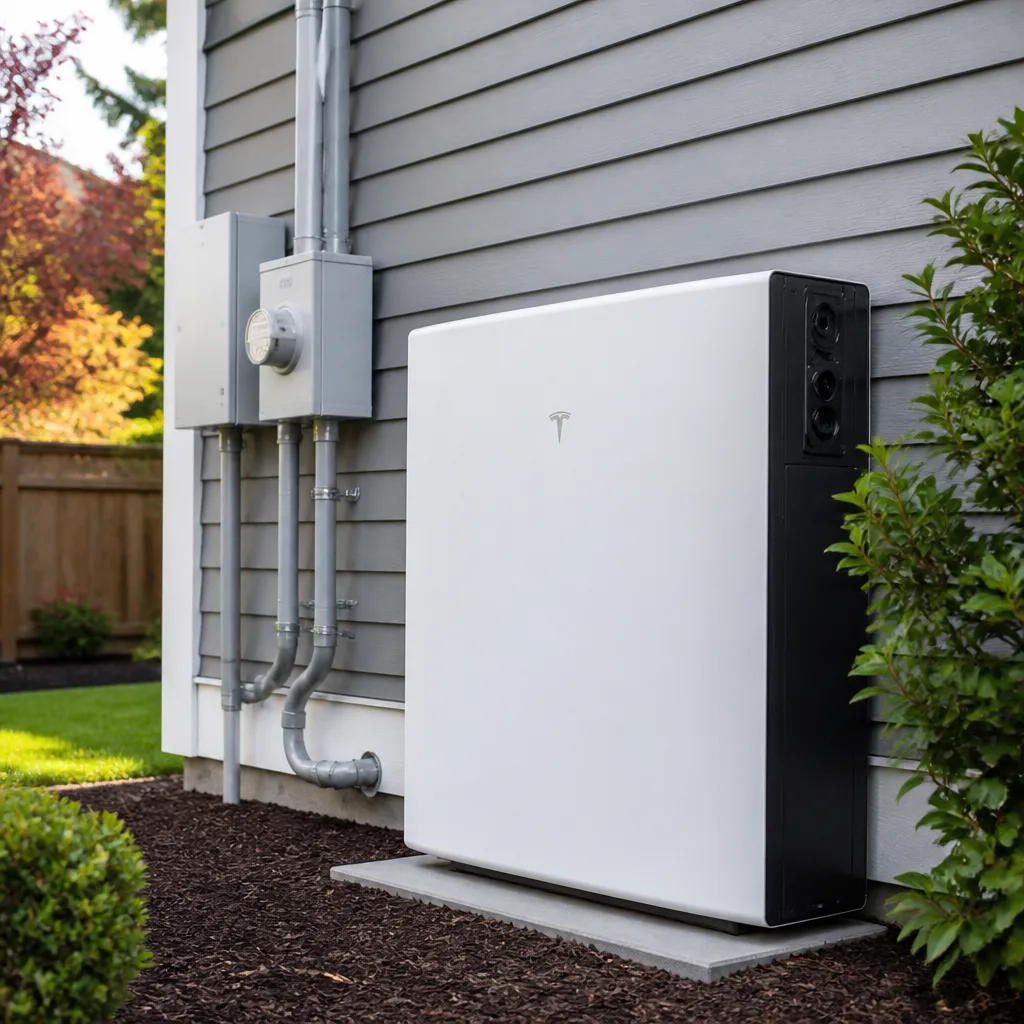
We work with the chargers and equipment Santa Cruz homeowners actually buy: Tesla Wall Connectors, Enphase EV chargers, and SolarEdge systems with integrated EV management. Because we also install the solar side, we understand how a FranklinWH battery and an EV charger talk to each other at the panel level. We keep common parts on hand for Santa Cruz jobs, which means less waiting on a distributor when all you need is a 40-amp breaker to finish the job.
Common EV Charger Installation Problems We See in Santa Cruz Homes
- Salt-air corrosion on J1772 pins and charger input terminals. Open carports near Pleasure Point and Live Oak expose charging equipment to marine air that corrodes connections within two to three years. We see intermittent charging faults caused by corroded pins before we see anything wrong with the charger itself, which is why we schedule corrosion checks at the 12-month mark for coastal installs.
- Undersized pre-1970 service panels that trip main breakers. Beach Flats and lower Westside homes with 100-amp panels cannot safely run a 48-amp charger alongside heat pumps or older dryers without the main tripping. This isn’t a convenience issue; it’s a panel capacity issue, and it requires an upgrade before any charger gets wired.
- Redwood canopy shading on hillside lots near UCSC and the upper Westside. South-facing roof planes that look great on a summer afternoon can lose multiple hours of direct winter sun to neighboring coast redwoods. Many of those trees meet county heritage-tree thresholds and cannot be removed or heavily trimmed, which means the only path to meaningful solar-paired charging is module-level power electronics, not a string inverter.
- Foggy mornings in 95062 and 95060 that suppress solar production until late morning. An EV scheduled to charge at 7 a.m. on a coastal parcel uses grid power almost every day of the year because the marine layer hasn’t burned off yet. Standard production estimates rarely account for this, and it quietly undermines the kWh offset homeowners were promised.
Pricing for EV Charger Installation in Santa Cruz, CA
A straightforward Level 2 charger installation in Santa Cruz, with a panel that has open capacity and a short wire run, typically runs $800 to $1,500. Add a Tesla Wall Connector and the total usually lands between $1,200 and $2,200. Panel upgrades push the job into the $2,500 to $4,500 range depending on whether it’s a 100-amp to 200-amp service change, and solar-paired EV charging with load management starts around $4,000 and goes up with battery integration. The factors that move these numbers: amp rating of the charger, distance from panel to parking spot, panel condition, and whether the install location is exposed to ocean air. We give you one written quote with all of it itemized, and it doesn’t change at the door. Estimates are free. Call (877) 550-6892 and ask for a breakdown.
We Also Serve Cities Near Santa Cruz
Our crews work throughout the county, so if you’re just outside Santa Cruz proper, we’ve got you covered. We regularly install EV chargers in Capitola, Scotts Valley, Soquel, and Ben Lomond, and the same local knowledge applies up the Soquel corridor where winter sun hours run noticeably higher than the coast. If you’re looking for a team with a real EV Charger Installation crew serving the whole Santa Cruz area, call us for a straight estimate.
Serving Santa Cruz, CA - Our Local Coverage Area
We’re based in the Santa Cruz area and know this community well. Use the map below to see our service coverage - if you’re nearby, we can almost certainly help.
FAQs - EV Charger Installation in Santa Cruz
Yes, and more than most production estimates show. Coastal parcels in 95062 and 95060 sit under the marine layer well into mid-morning for much of the year, which means a charger scheduled to run at 7 a.m. pulls from the grid almost daily. The workaround is load management combined with battery storage, which shifts charging to midday or stores overnight energy. If you’re in Seabright or Live Oak, we’ll model your actual production window, not a PVWatts average. Call (877) 550-6892 and we’ll explain what that means for your bill.
Because pre-1970 homes in Beach Flats and the lower Westside were built around 100-amp service, and a 48-amp charger can consume nearly half of that on its own. Add a heat pump, an electric dryer, or a kitchen remodel and you’re tripping the main breaker. PG&E requires a service upgrade before approving the interconnection, which means the panel upgrade is not optional. A 200-amp upgrade in Santa Cruz runs $2,500 to $4,500 depending on the service configuration, and we’ll tell you on the first call if your home needs one.
It can, but only with the right equipment. Upper Westside and UCSC hillside homes frequently lose multiple hours of direct winter sun to neighboring coast redwoods that can’t be removed under county heritage-tree rules. The fix is microinverters or DC optimizers on every panel, which let each panel produce independently instead of dragging down the whole string. That adds cost, but it’s the difference between a system that charges your car in winter and one that doesn’t. We’ll walk you through the math before you commit to anything.
Santa Cruz homeowners are under PG&E’s current net metering rules, which credit solar exports at a lower rate than what you pay to import. That means the real value of solar-paired EV charging comes from consuming your own production during daylight hours rather than exporting it. For coastal homes with foggy mornings, that shifts the design priority toward battery storage and load management so you charge the car from stored solar rather than pulling from the grid at peak rates. We quote year-25 output, not a day-one brochure number. Call (877) 550-6892 for the math on your actual bill.
Yes, and you should insist on it from whoever installs your charger. Salt air accelerates corrosion on J1772 connector pins and charger input terminals at roughly double the inland rate, especially in open carports near Pleasure Point and Live Oak. We apply dielectric grease to high-current terminals at install and recommend a corrosion check at the 12-month mark for any charger within two miles of the bay. If your charger faults intermittently after two or three years, corroded pins are the first place we look.
Written by Gus Petrakis, Owner at Gus’s Solar, serving Santa Cruz with straight answers and local knowledge.