
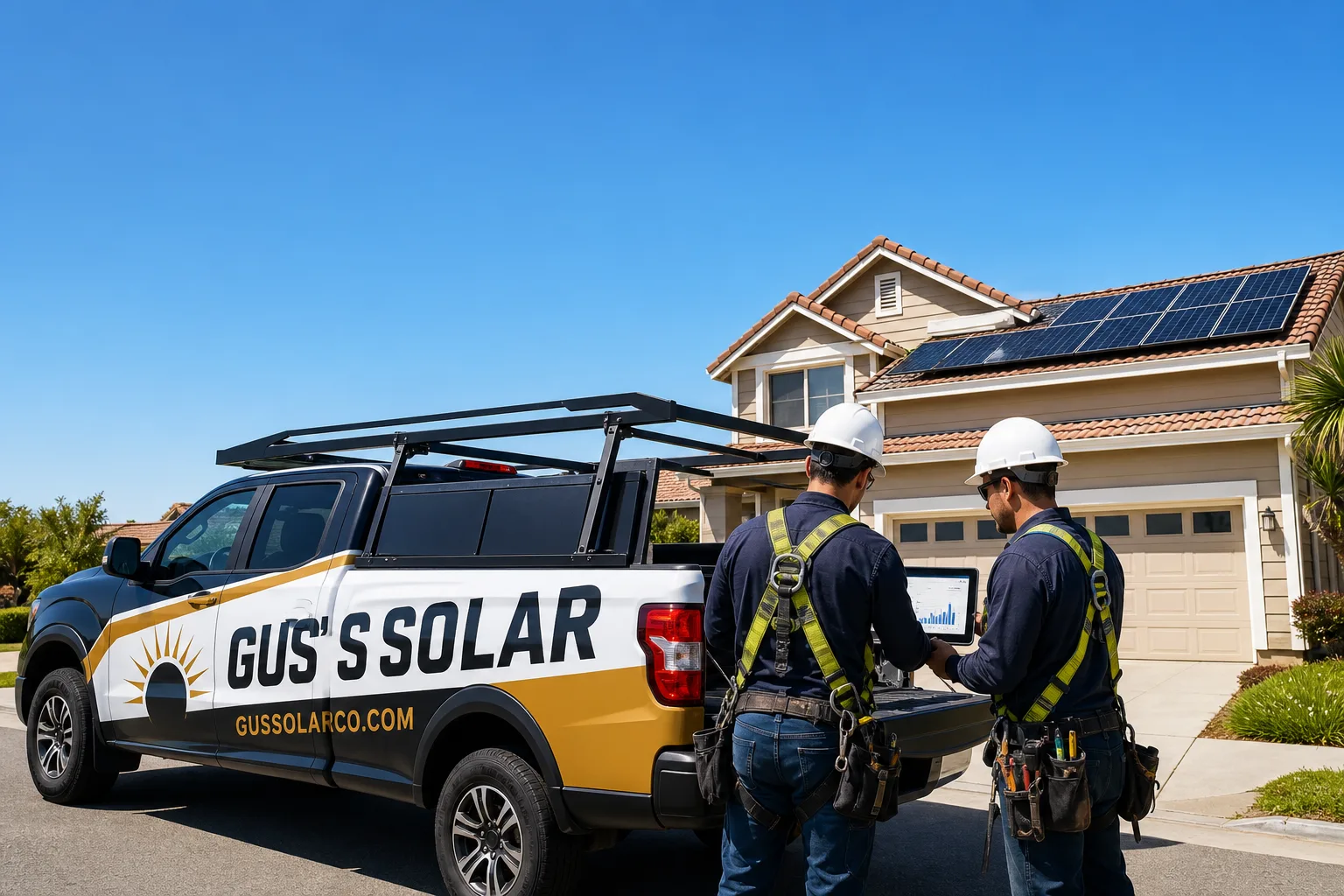
Free bill analysis - bring a power bill, get the production math for your actual roof, panel brands like Qcells and REC compared side by side
If the pitch starts at your door and ends with "sign tonight for the special," sleep on it. The sun will still be there tomorrow; so will we.
 Before
 After
After Before
 After
After Before
 After
AfterFast, Reliable EV Charger Installation Across Rodeo
If you live in Rodeo, you’re probably already thinking about an EV charger, or you’ve got an electric car sitting in the driveway right now. Here’s the straight answer: most Rodeo homes need a panel upgrade before a Level 2 charger goes in, because the original 100-amp panels in our 1940s and 1950s tract homes weren’t built for a 48-amp continuous draw. A typical Level 2 installation in Rodeo runs $800 to $1,600 when the panel can handle it, and $2,800 to $5,500 when it can’t. We’re Gus’s Solar, Gus Petrakis’s own crew, and we answer the phone at (877) 550-6892 when you call. We’ve been doing this work in refinery towns long enough to know exactly what the salt air and industrial fallout do to electrical connections.
Why Gus’s Solar Is Rodeo’s Preferred EV Charger Installation Company
Gus Petrakis started this company in 2011 and put his own name on the building. That’s the difference. We’re not a call center routing jobs to whoever’s available. When you call about an EV charger in Rodeo, you get a live person, and when the crew shows up, they’re Gus’s own background-checked, uniformed technicians, not a sub. We’ve worked the neighborhoods around Rodeo long enough to know which homes still have original fuse boxes on San Pablo Avenue, which ones got panel swaps in the 80s and 90s, and which 1950s ranch near the refinery flare stacks needs marine-grade hardware on everything. That local knowledge isn’t something you can get from a national outfit.
We also don’t do high-pressure anything. Bring us a bill, we’ll bring you the math. Take two weeks. Think about it. The price will be the same. That’s how Gus runs every job, and it’s why our Rodeo customers keep calling us back when they add a second EV or need a battery paired with their charger. Every job is backed by our 90-Day Done Right Promise, in writing. If it’s not right, Gus makes it right, and one call brings him back.
Our EV Charger Installation Services in Rodeo
We install and service every type of home EV charging setup in Rodeo. Here’s what we do most, with the Rodeo-specific context that matters for each one.
Panel Upgrade for EV Charging
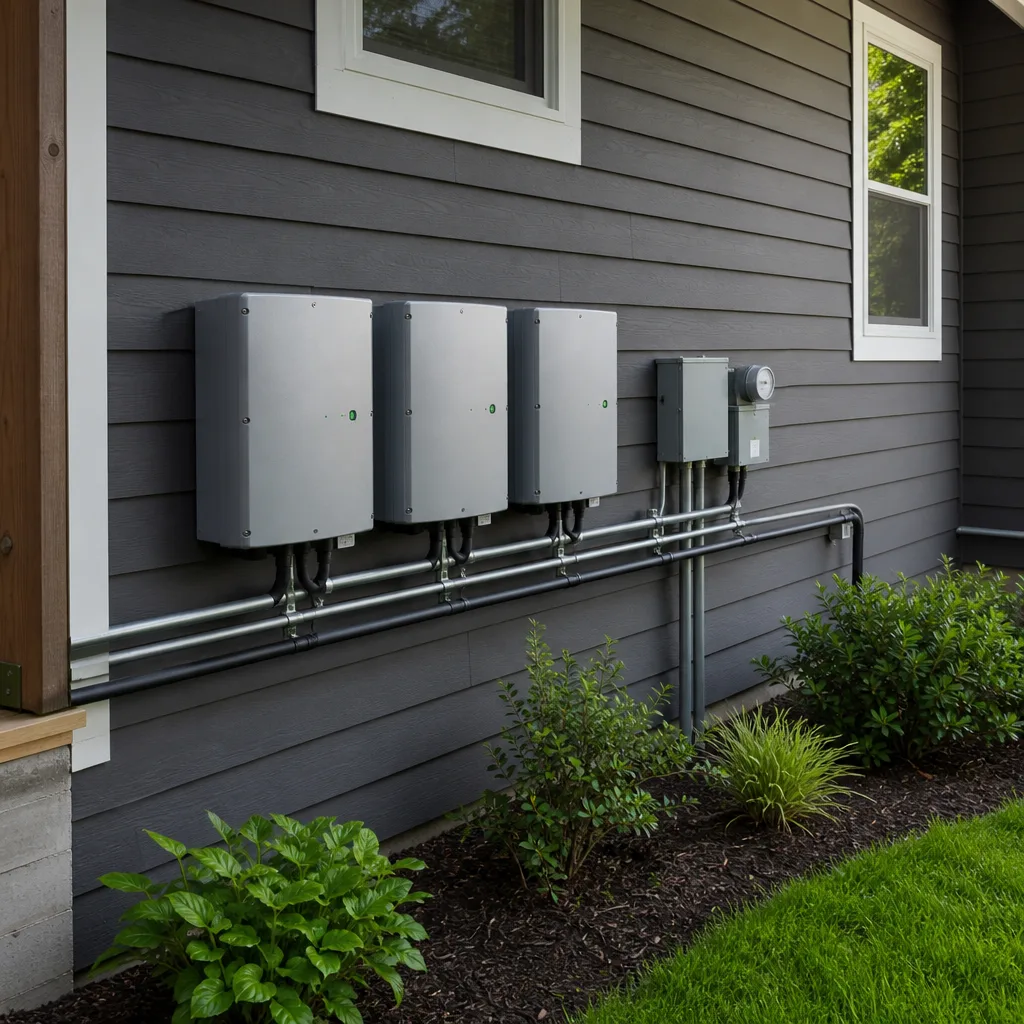
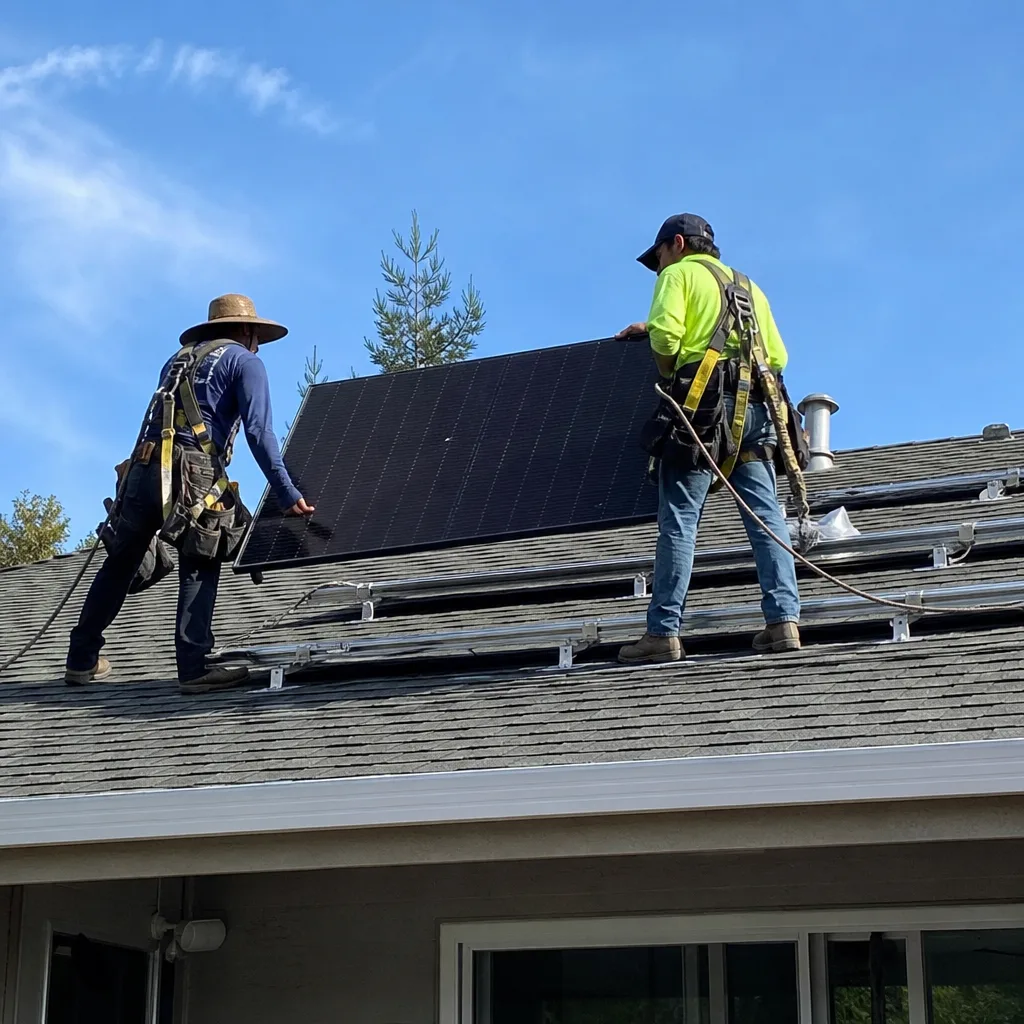
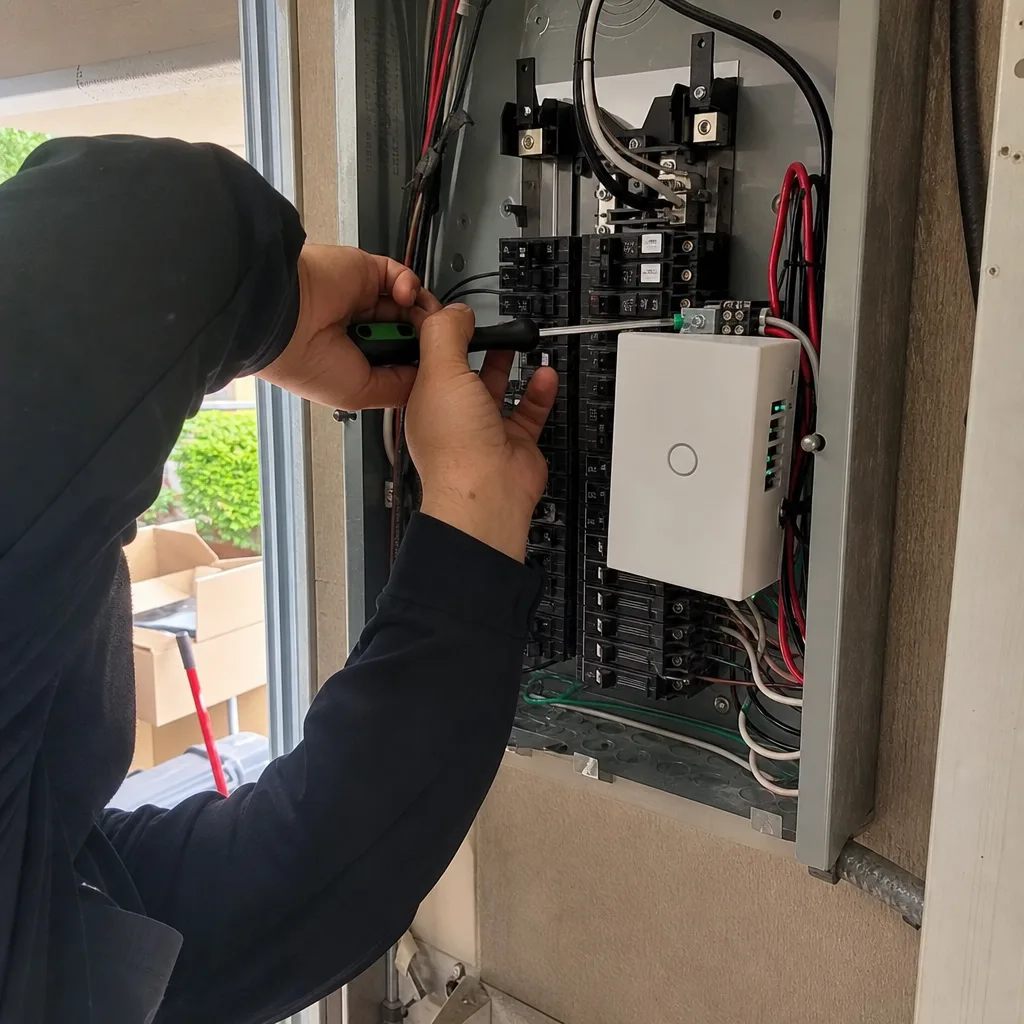
This is the big one in Rodeo. Most homes here were built between the 1940s and 1960s to house Phillips 66 refinery workers, and a lot of them still carry their original 100-amp electrical panels. A modern Level 2 charger pulls 48 amps continuously, which means an old 100-amp panel is running near its limit before you even turn on the dryer. We’ll assess the panel, check for the corrosion and oxidation that’s common within a couple miles of the bay and the refinery, and install a 200-amp solar-ready panel when it’s needed. A typical panel upgrade for EV charging in Rodeo runs $2,500 to $4,500 depending on the existing service and how much rewiring the old knob-and-tube remnants need.
Tesla Wall Connector Installation
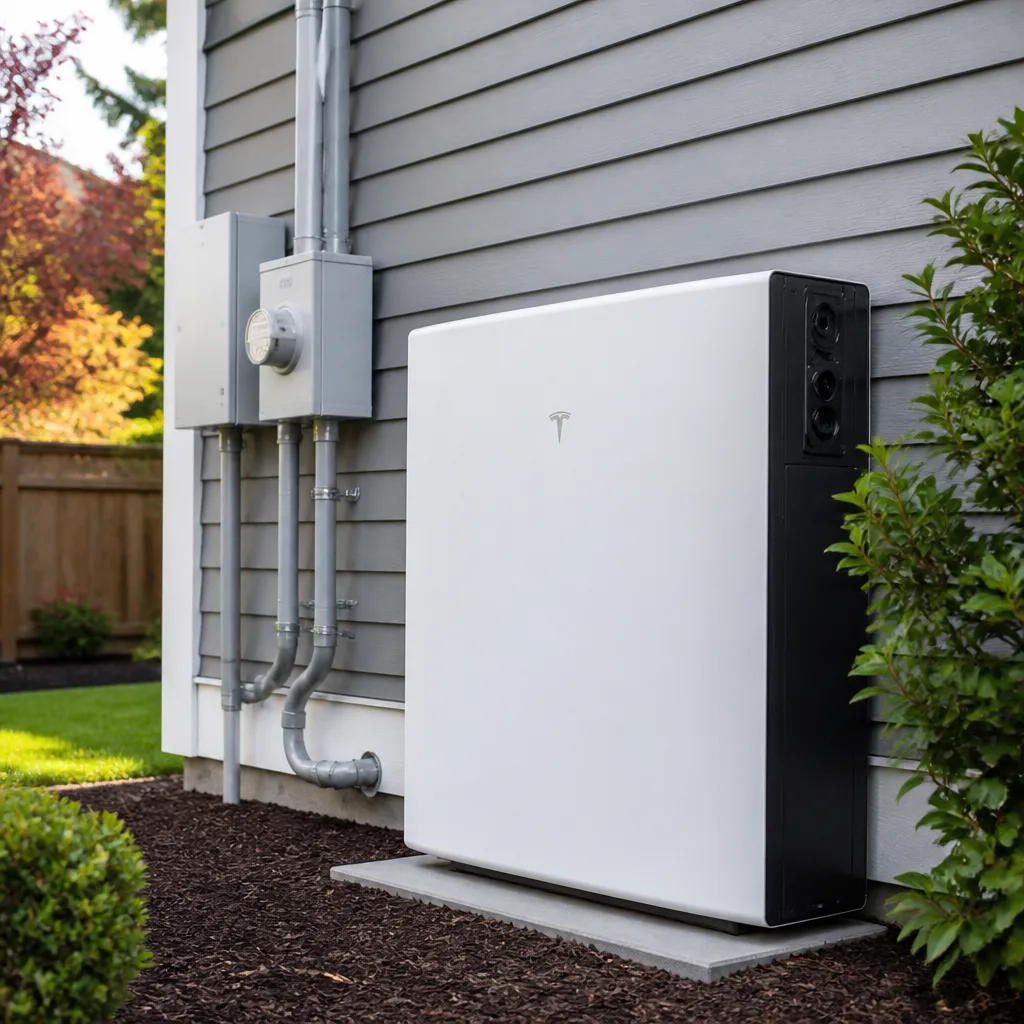
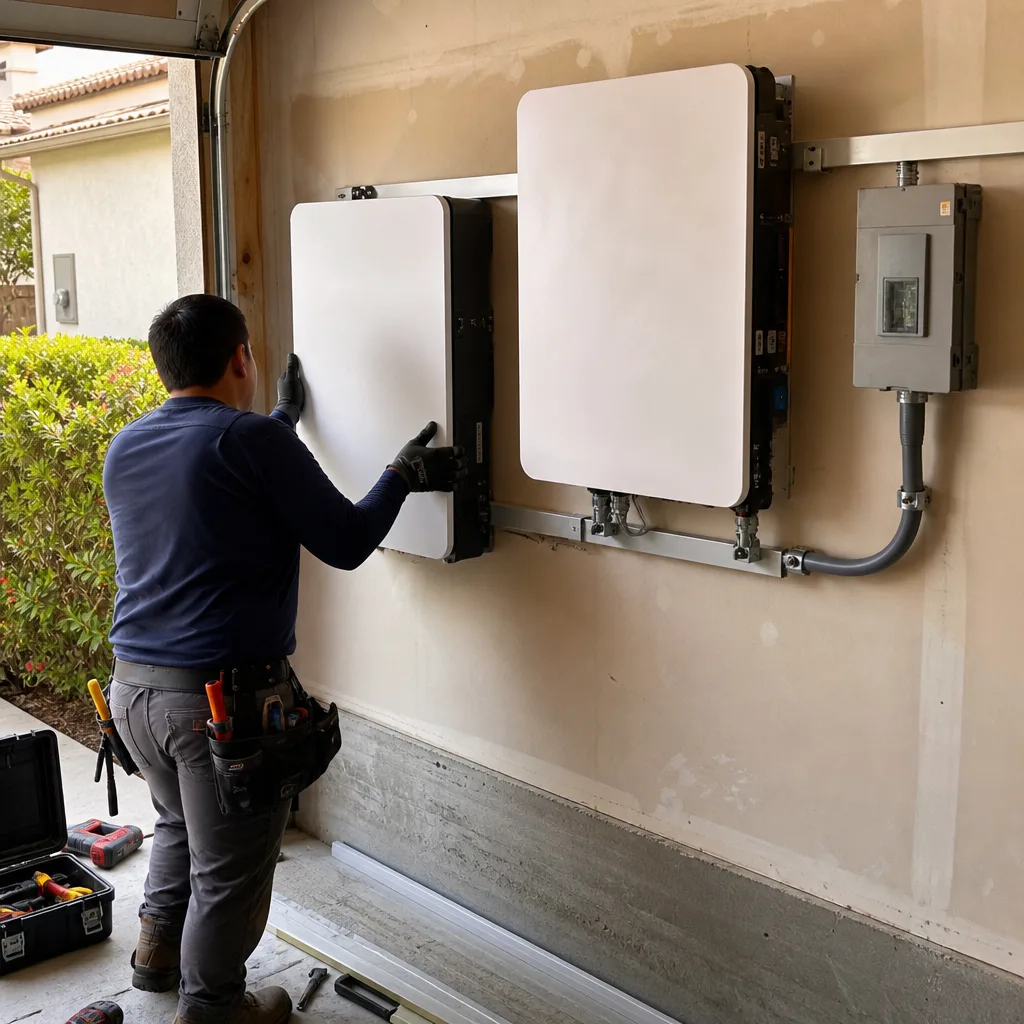
Rodeo has a lot of Tesla drivers, and the Wall Connector is our most-requested charger. We install them in garages, carports, and on exterior walls. The Rodeo-specific issue here is the salt mist off San Pablo Bay combined with refinery particulate. It eats standard hardware. That’s why we use stainless conduit straps and dielectric grease on every terminal, and we seal the enclosure so the coastal fog doesn’t work its way inside. A Tesla Wall Connector install in Rodeo typically runs $800 to $1,400 when the electrical panel can support the load, plus the cost of the unit itself. If you’re still on 100 amps, we’ll quote the upgrade together so you know the full number.
Garage & Driveway Charger Wiring
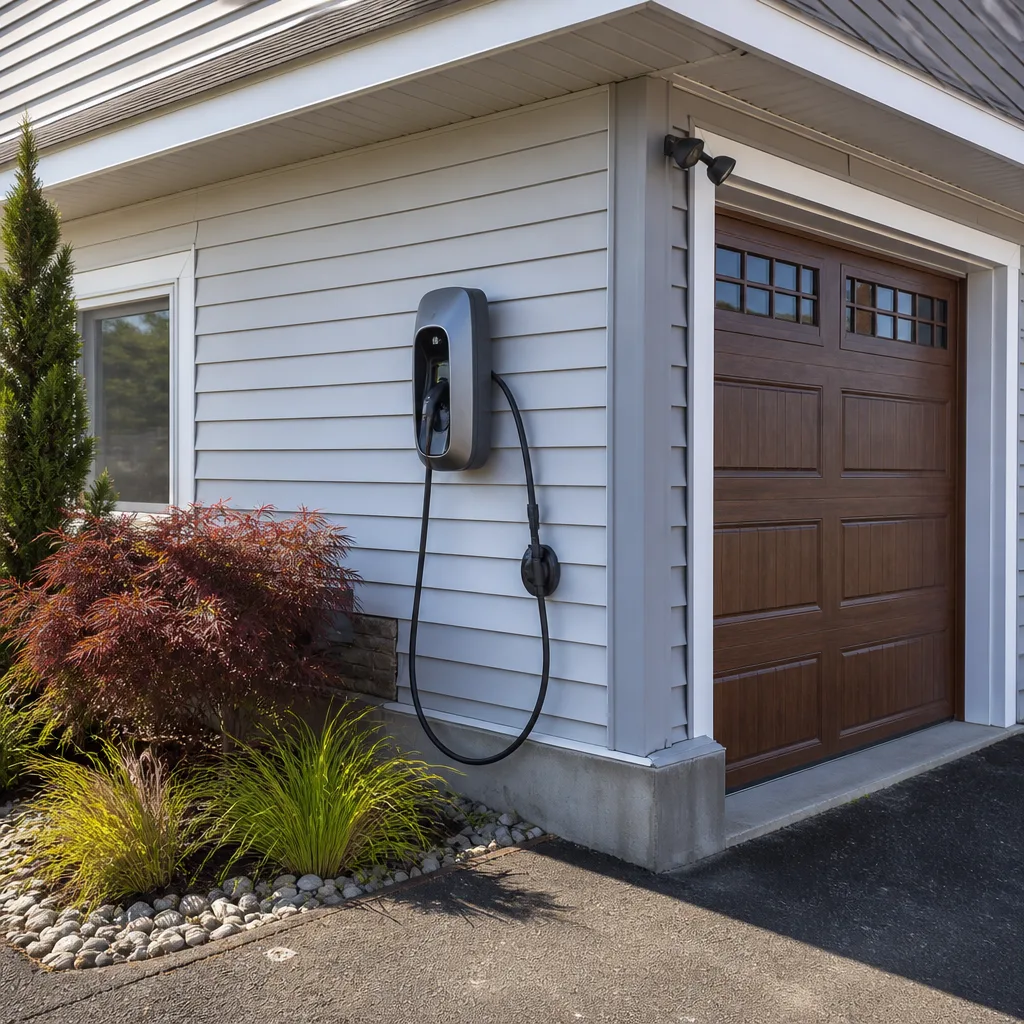
Detached garages and driveway-mounted chargers in Rodeo need conduit runs that survive the local environment. Fog-saturated air, bay humidity, and mild sulfur compounds from refinery operations all shorten the life of standard conduit. We see insulation breakdown and ground-fault trips on installs that were done with cheap materials five to seven years ago. We run schedule 80 PVC or rigid metal conduit with weatherproof fittings, and we route it where the marine layer won’t sit on it. A dedicated 240-volt circuit from the panel to a garage or driveway charger in Rodeo runs $600 to $1,200 for typical runs, more for long trenches or detached structures.
Solar-Paired EV Charging
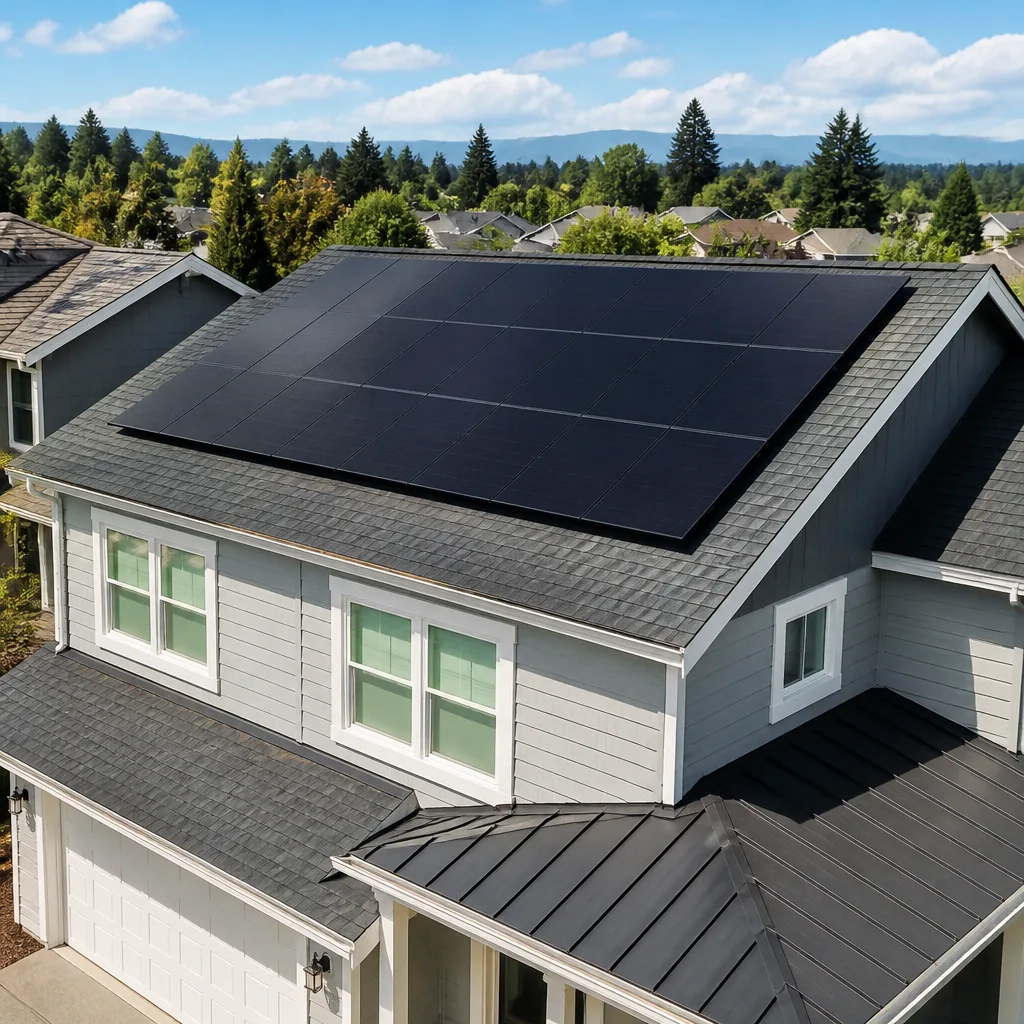
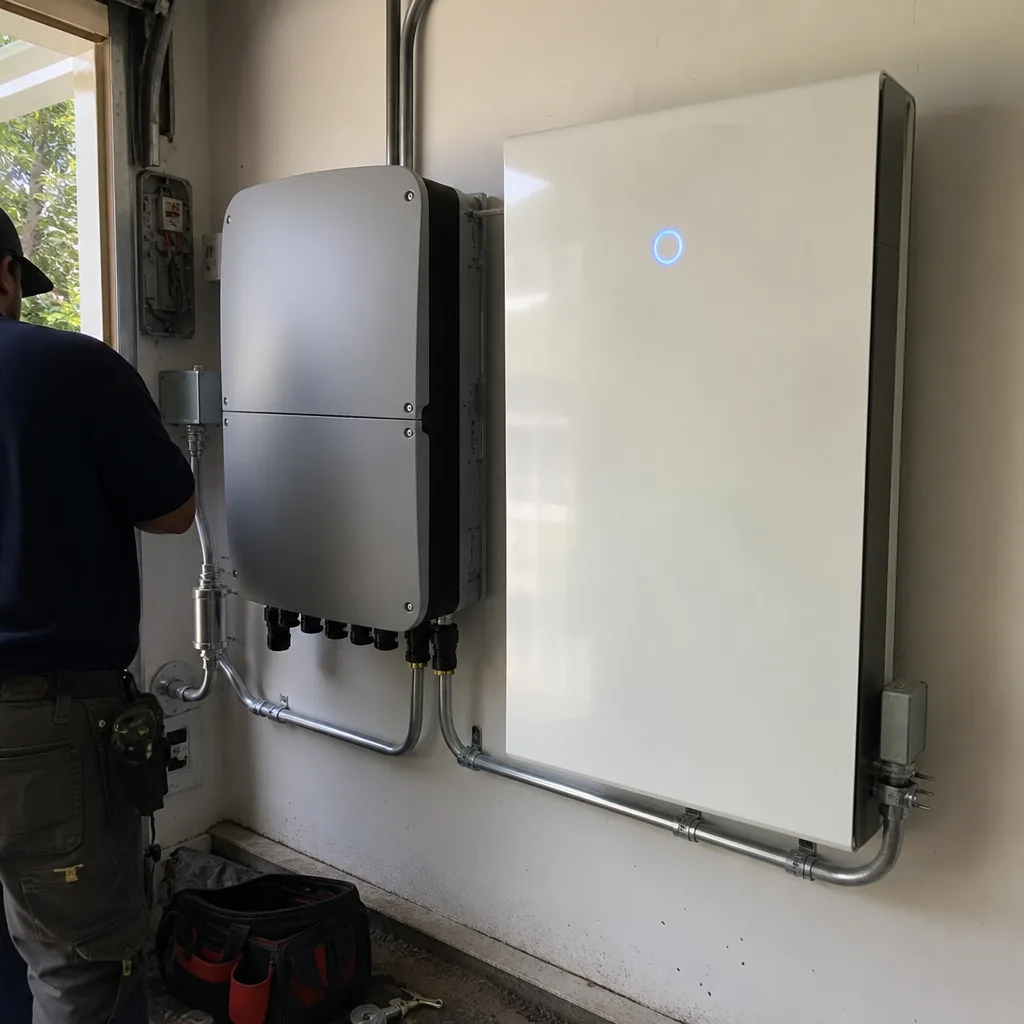
A lot of Rodeo homeowners ask us if they should pair the charger with solar. It’s a fair question, especially since Rodeo’s position on the eastern shore of San Pablo Bay means you get more fog and marine layer than inland Contra Costa cities like Walnut Creek or Concord. That doesn’t make solar a bad idea here. It means the system has to be sized conservatively, with realistic year-one production expectations. We quote the year-25 output, not the day-one brochure number. If you’re going to do both, we’ll design the panel upgrade once, so it’s ready for the charger and the solar. A solar-plus-charger package in Rodeo depends heavily on roof condition and panel sizing, but we’ll walk you through the math line by line.
What happens when you call
- 1
A real person answersNo phone trees - you reach a local pro.
- 2
You get an upfront price rangeHonest numbers before anyone is dispatched.
- 3
A background-checked tech heads outLicensed & insured, dispatched right away.
- 4
You approve before work beginsNothing starts until you say go.
Trusted Brands We Service in Rodeo
We work with the equipment Rodeo drivers actually use: Tesla Wall Connectors, Enphase EV chargers, SolarEdge inverters and chargers, and FranklinWH batteries for whole-home backup that queues the charger smartly. We keep common parts and breakers in stock for these brands, so we’re not waiting on a warehouse in another state when your charger throws a fault. If you’ve got an existing charger from another brand, we’ll service it too. And if you’re pairing the charger with solar, we’ll spec the inverter and battery so everything talks to everything else. No orphaned apps, no “you need to call the other company.” One crew, one name on the work.
Common EV Charger Installation Problems We See in Rodeo Homes
- Corroded terminals on NEMA 14-50 outlets. The combination of refinery particulate and bay salt mist eats standard outlet terminals within two to three years, causing intermittent charging faults. We replace them with industrial-grade outlets and apply dielectric grease to the connections as standard practice.
- Original 100-amp panels that trip when a Level 2 charger runs. These 1940s-1960s panels were never designed for a continuous 48-amp draw. Breakers overheat, bus bars melt, and in the worst cases you get a fire risk. We see it most in the tract homes off Parker Avenue and around Rodeo’s original refinery housing blocks.
- Ground-fault trips on garage and driveway circuits. Fog-saturated air condenses inside cheap conduit runs, breaks down the insulation, and triggers nuisance trips. We re-run the circuit with sealed, weatherproof materials rated for the marine environment.
- Green oxidation on panel bus bars. This one’s specific to Rodeo. Years of refinery emissions and bay humidity leave a green crust on the bus bars of original panels. It increases resistance, generates heat, and shortens the life of the panel. If your panel shows this, a charger is going to stress it further. We’ll show you the panel internals when we do the assessment.
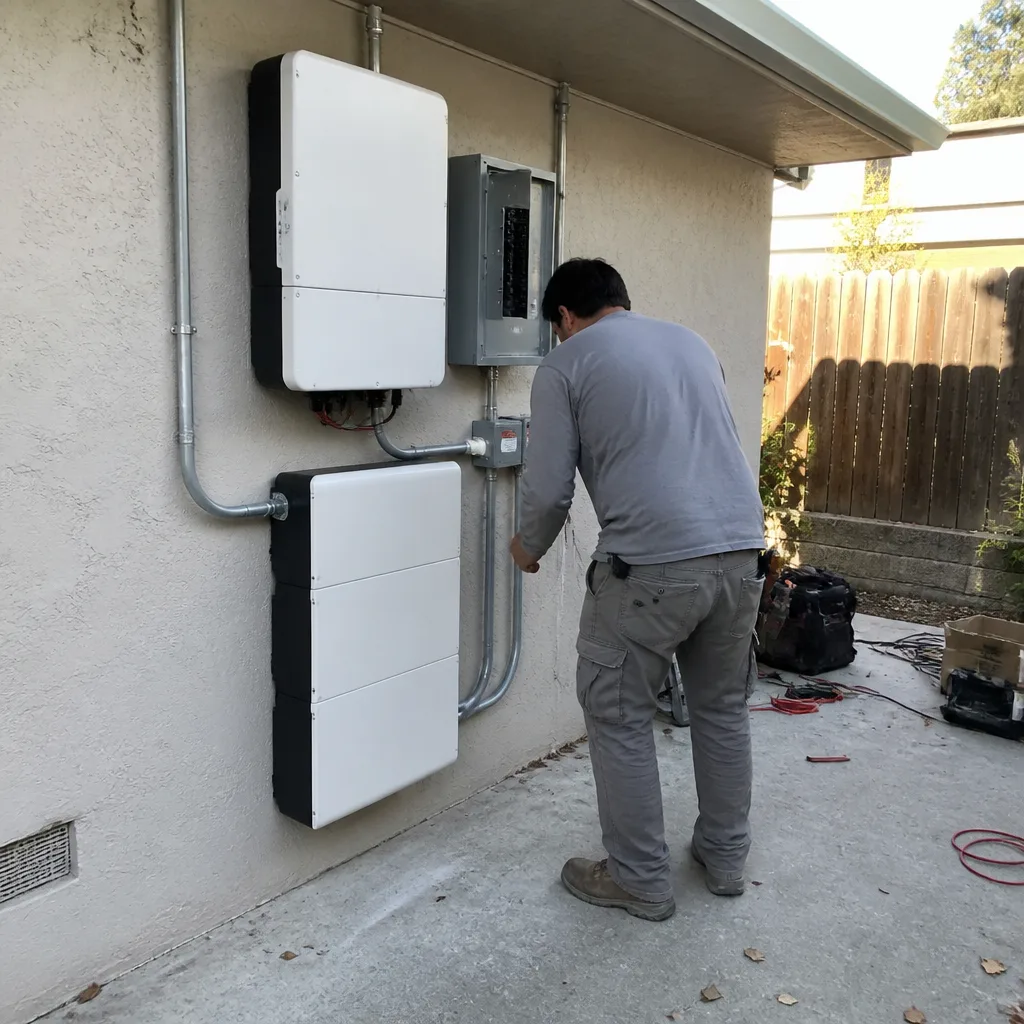
On a 1950s ranch near the refinery flare stacks, our crew replaced a corroded 100-amp main breaker with a 200-amp solar-ready panel and installed a Tesla Wall Connector in the carport. We used stainless conduit straps and dielectric grease on every terminal because the original panel’s bus bar showed green oxidation from years of refinery particulate and bay humidity. That’s the standard we bring to every Rodeo job, and it’s why we don’t cut corners on hardware here.
Pricing for EV Charger Installation in Rodeo, CA
Here are real numbers for Rodeo, not brochure estimates. A Level 2 charger installation where the panel can support the load runs $800 to $1,600. A Tesla Wall Connector install runs $800 to $1,400 plus the cost of the unit. Adding a 200-amp panel upgrade runs $2,500 to $4,500 on top, depending on what the existing service looks like and how much old wiring needs to be replaced. Garage and driveway wiring additions run $600 to $1,200 for typical conduit runs, more for long runs or trenching to a detached garage. Those are the ranges we quote in Rodeo, and the number we give you is the number you pay. No signature tonight, no pressure. Estimates are free. Call (877) 550-6892 and we’ll come out, look at your panel, and give you a written quote.
Standing offers: $40 off any repair over $200, a free second opinion on any written estimate from another company, no trip charge inside Contra Costa County, and a senior and veteran 10% discount that never expires.
We Also Serve Cities Near Rodeo
Our EV Charger Installation crew covers Rodeo and the surrounding communities, including Hercules, Pinole, Tara Hills, and El Sobrante. If you’re in one of those towns, the same crew, the same pricing, and the same 90-Day Done Right Promise apply. See our Rodeo page for the full local picture.
Serving Rodeo, CA - Our Local Coverage Area
We’re based in the Rodeo area and know this community well. Use the map below to see our service coverage - if you’re nearby, we can almost certainly help.
FAQs - EV Charger Installation in Rodeo
Most original panels in Rodeo’s post-war tract homes are 100-amp units, and a Tesla Wall Connector pulling 48 amps continuously will overload them. You’ll need a 200-amp panel upgrade before the charger goes in. We’ll assess the panel during the free estimate and tell you exactly what’s required. Call (877) 550-6892 with your address and we’ll take a look.
Every six to twelve months. The refinery particulate and bay salt mist cause faster corrosion on charger terminals and NEMA 14-50 outlets in Rodeo than in inland Contra Costa. We recommend a visual inspection of the outlet, the plug, and the charger enclosure twice a year. If you notice any discoloration, pitting, or intermittent charging, that’s a corrosion signal. We service chargers across Rodeo and can schedule a maintenance visit anytime.
Yes, but the solar system needs to be sized for the marine layer and coastal fog that Rodeo gets off San Pablo Bay. Production here runs lower than inland cities like Concord, so we build conservative sizing into the estimate. We quote year-25 output, not the day-one brochure number. We design the panel upgrade once so it’s ready for both the solar and the charger from day one.
Yes, and the current export rates matter a lot. We quote the math off your actual utility bill and your current export rate, not a generic estimate. If you’re charging during the day when your panels are producing, you’re using power at its cheapest. If you’re charging at night off the battery, the math changes. Bring us a bill, we’ll bring you the math. That’s how Gus has quoted every Rodeo job since 2011.
We use schedule 80 PVC or rigid metal conduit with weatherproof fittings, stainless conduit straps, and dielectric grease on every terminal. Standard hardware corrodes within two to three years in Rodeo’s industrial-marine environment. We’ve seen the green oxidation on original panel bus bars and the pitted NEMA outlets. Marine-grade hardware is standard practice on every Rodeo job, not an upgrade. That’s the only way we install here.
Get Your Free EV Charger Installation Estimate in Rodeo
If you’re in Rodeo and you’re ready to stop running extension cords to the driveway, call us. We’ll come out, look at your panel, check the conduit and the existing wiring, and give you a written quote with no pressure and no signature demanded tonight. Take two weeks. Think about it. The price will be the same. Call (877) 550-6892 and ask for Gus. He answers his own phone.
Written by Gus Petrakis, Owner at Gus’s Solar, serving Rodeo and Contra Costa County since 2011.