
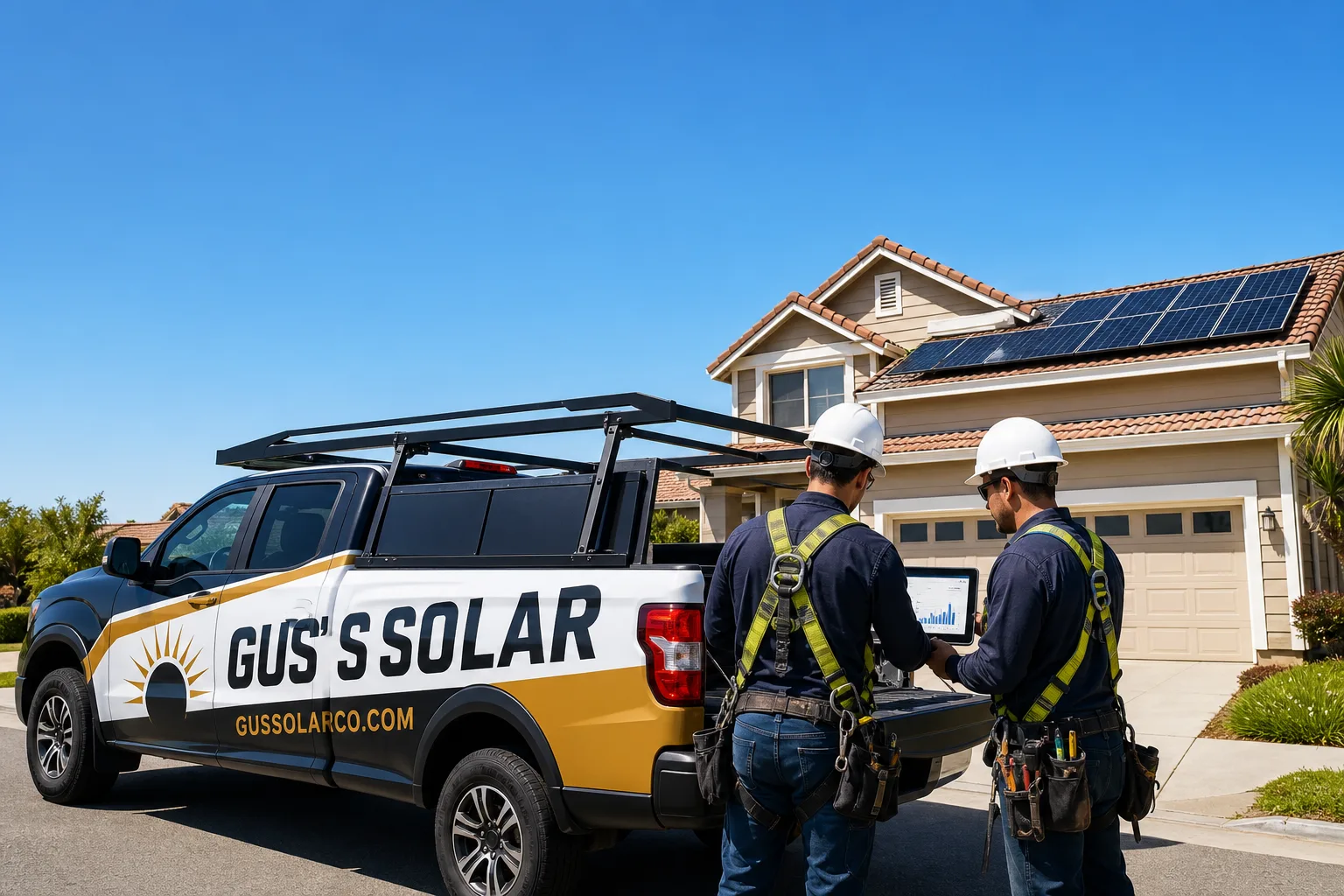
Free bill analysis - bring a power bill, get the production math for your actual roof, panel brands like Qcells and REC compared side by side
If the pitch starts at your door and ends with "sign tonight for the special," sleep on it. The sun will still be there tomorrow; so will we.
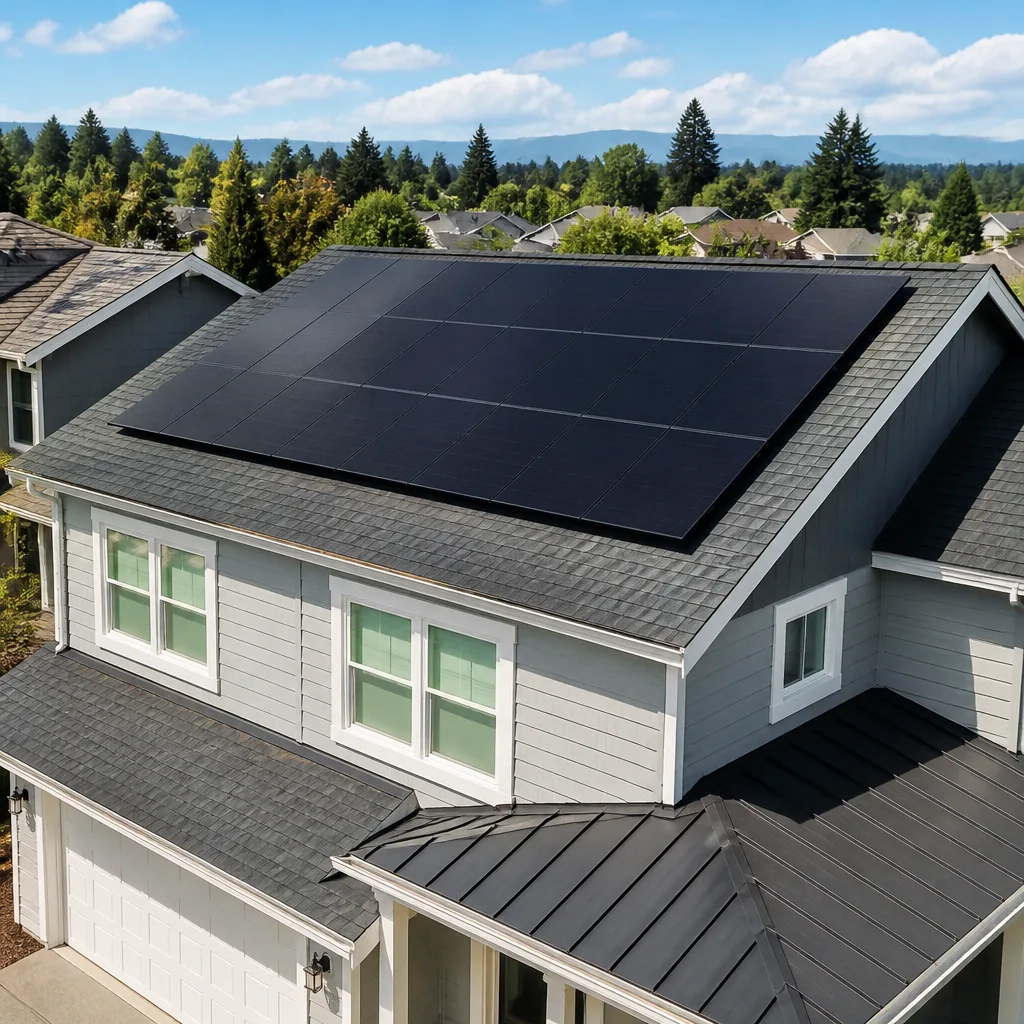
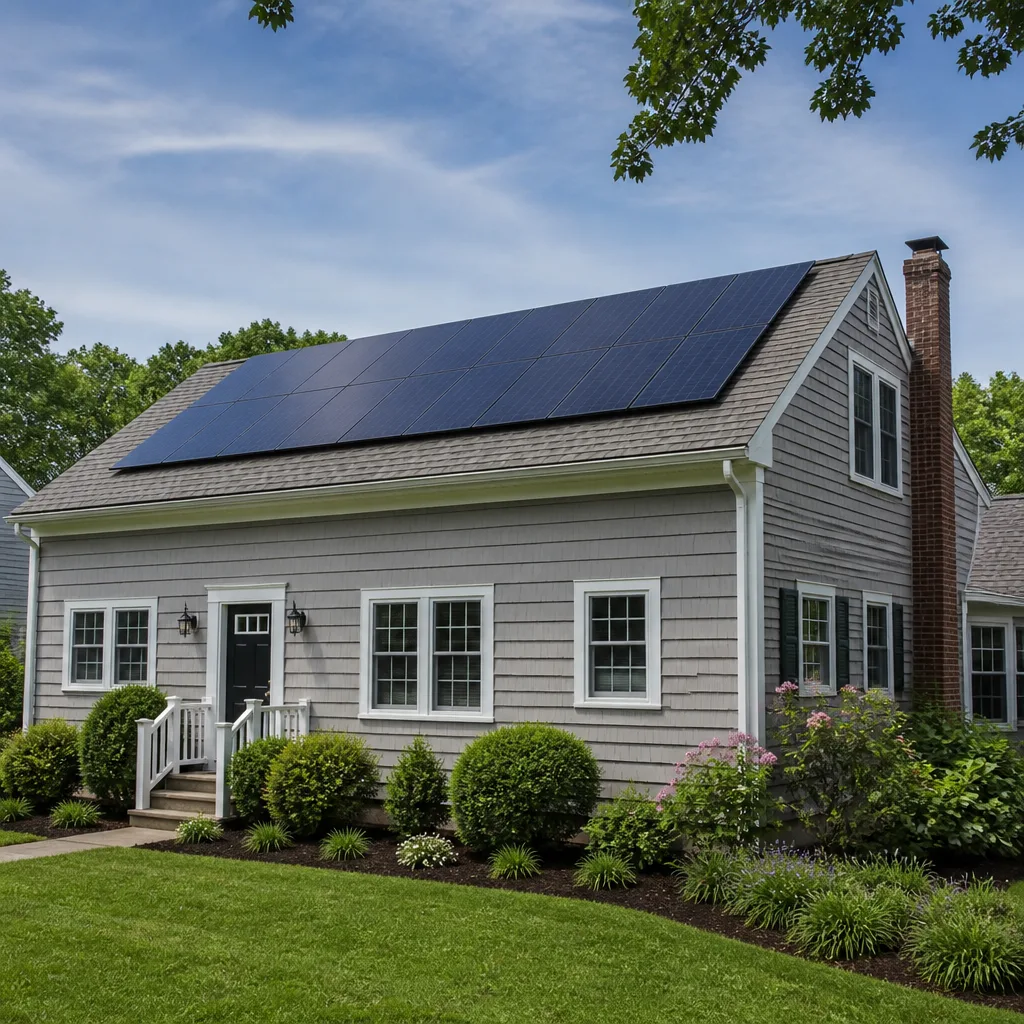
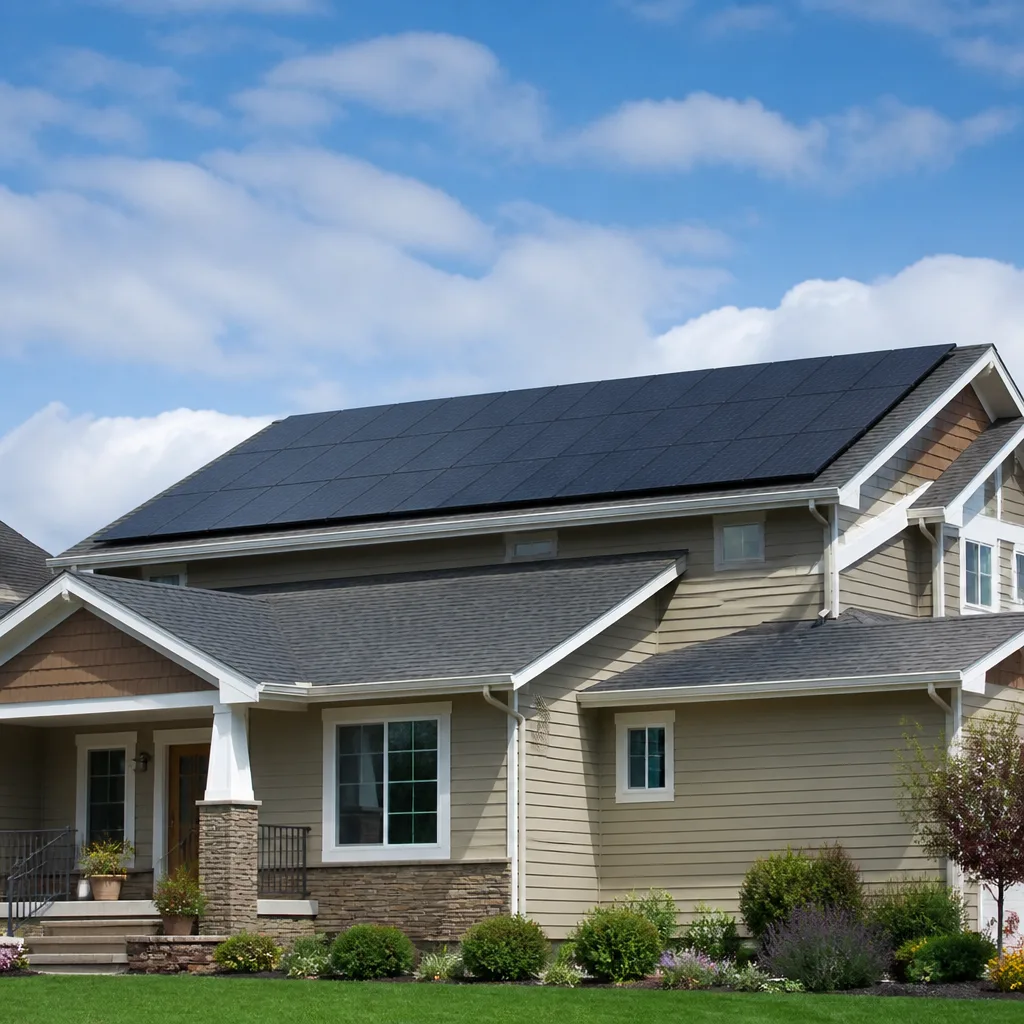
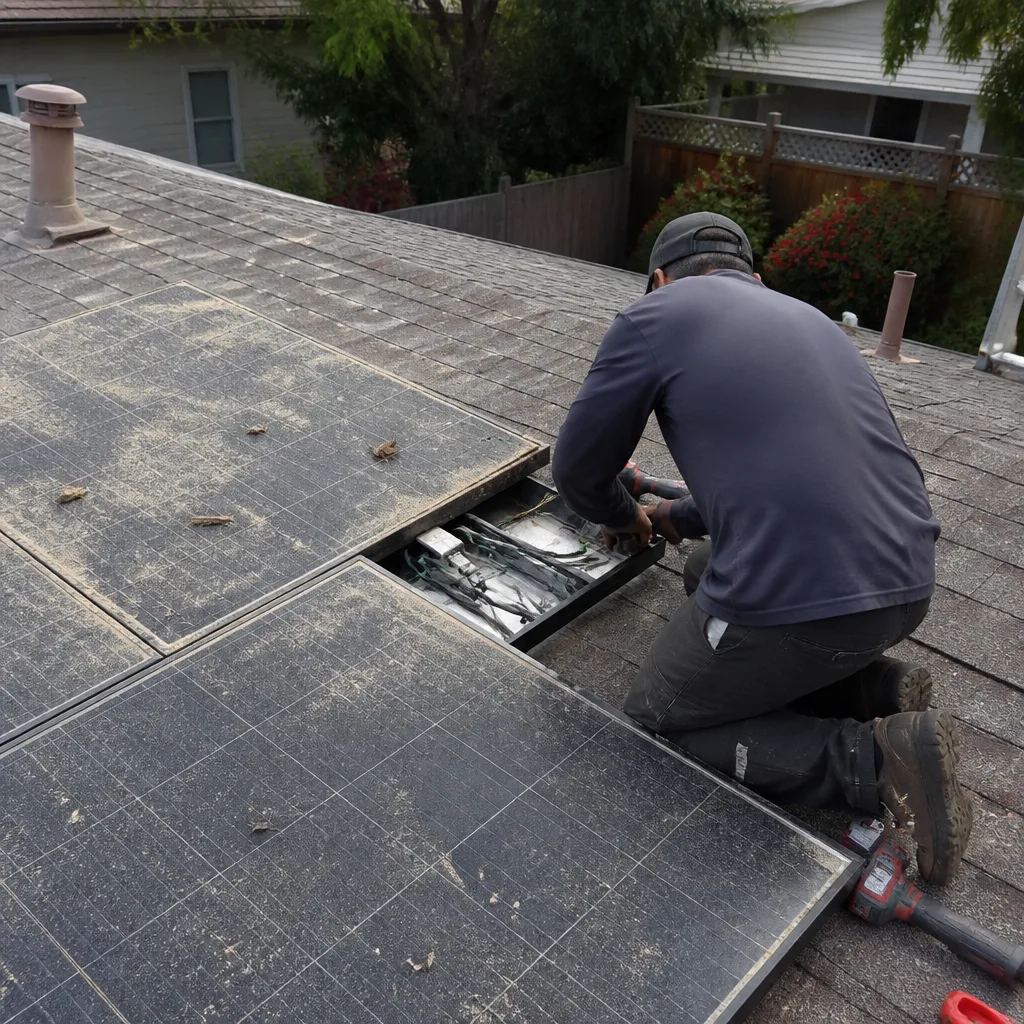 Before
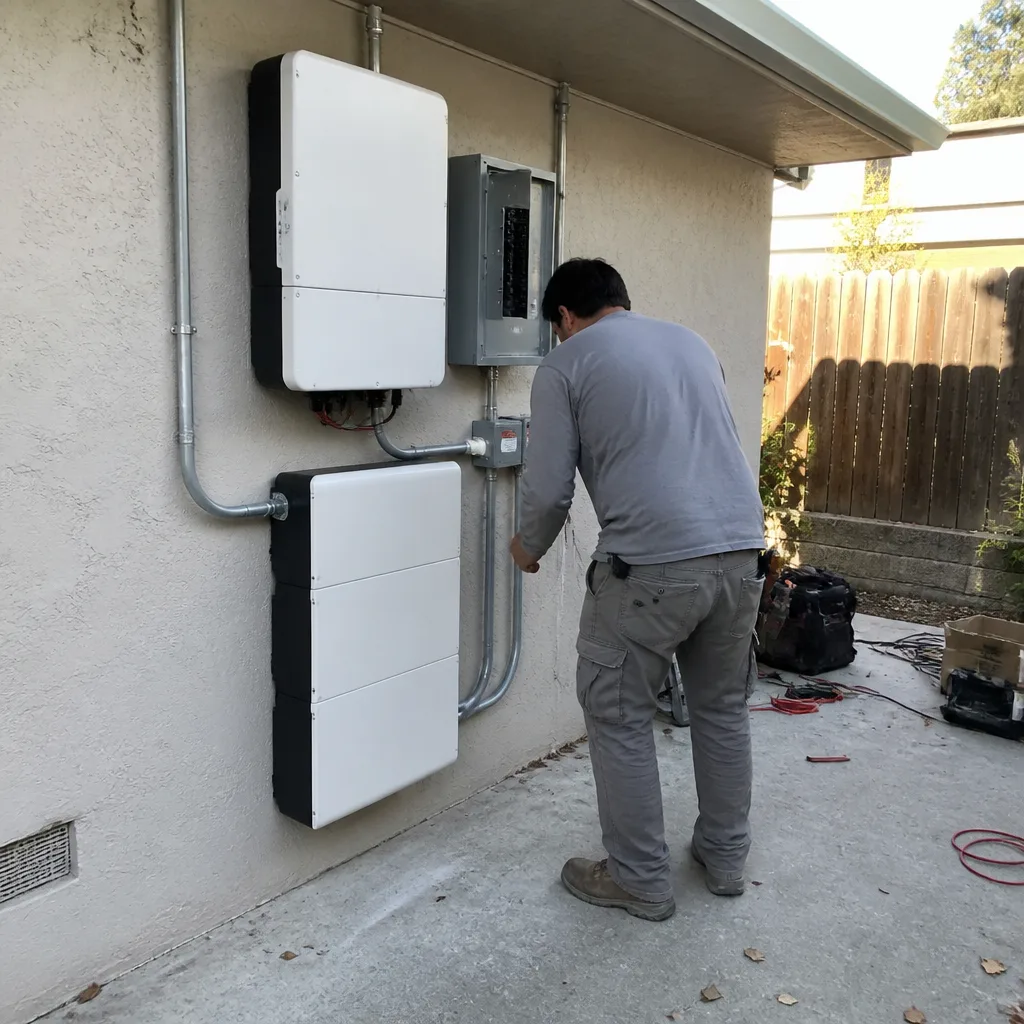 After
After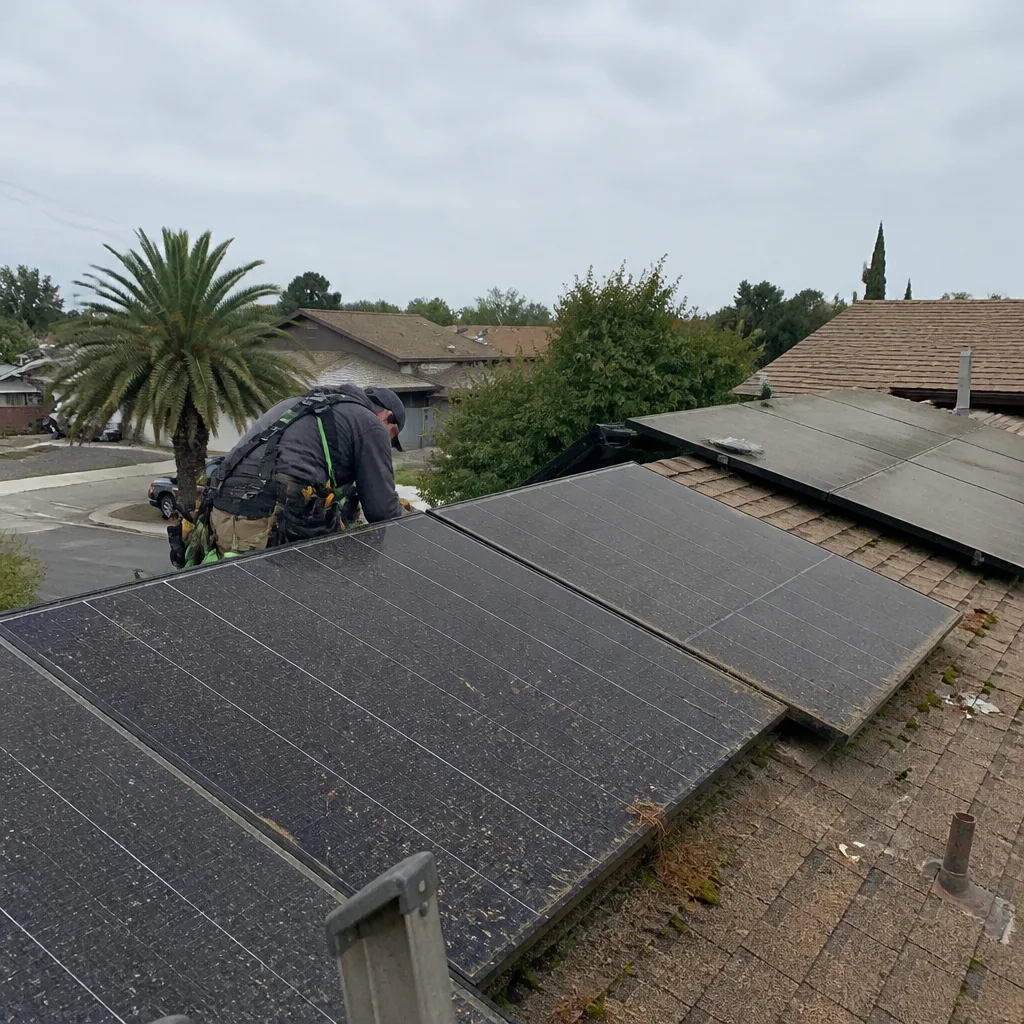 Before
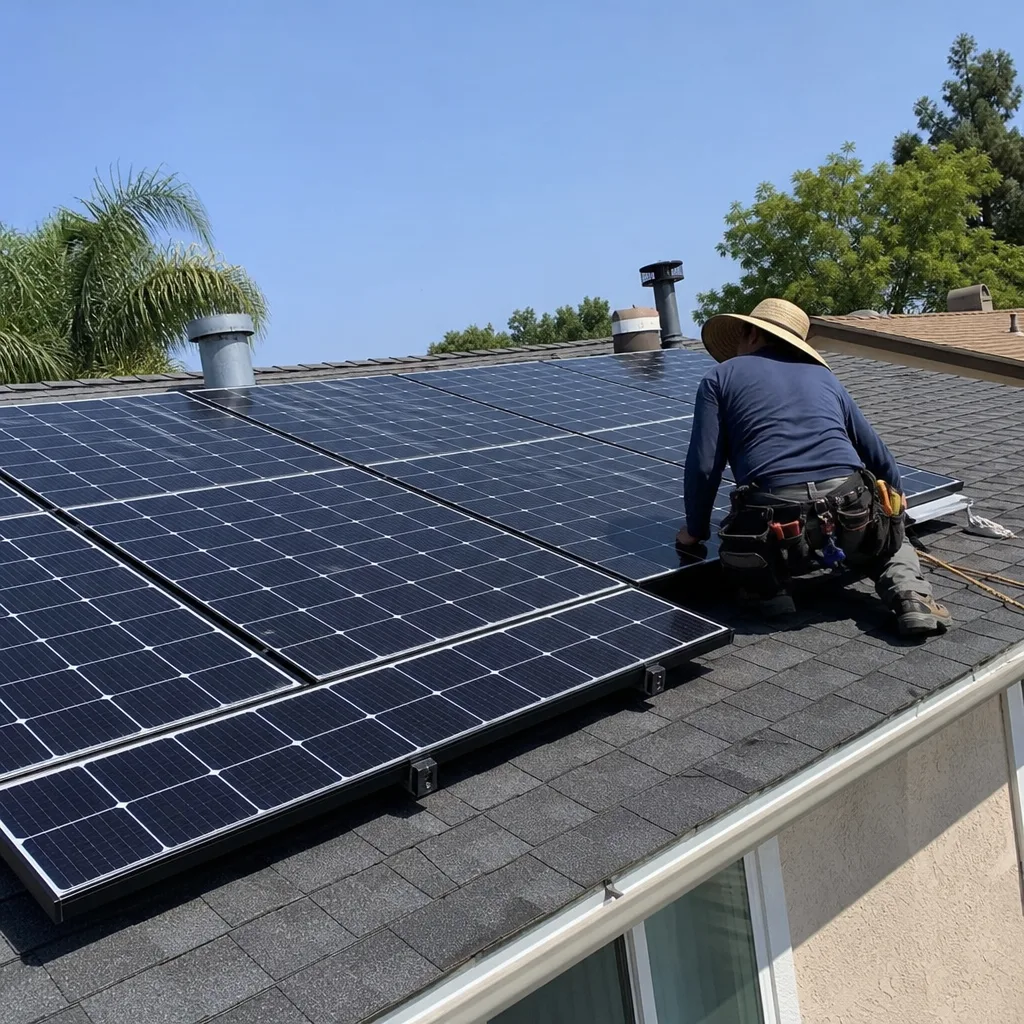 After
After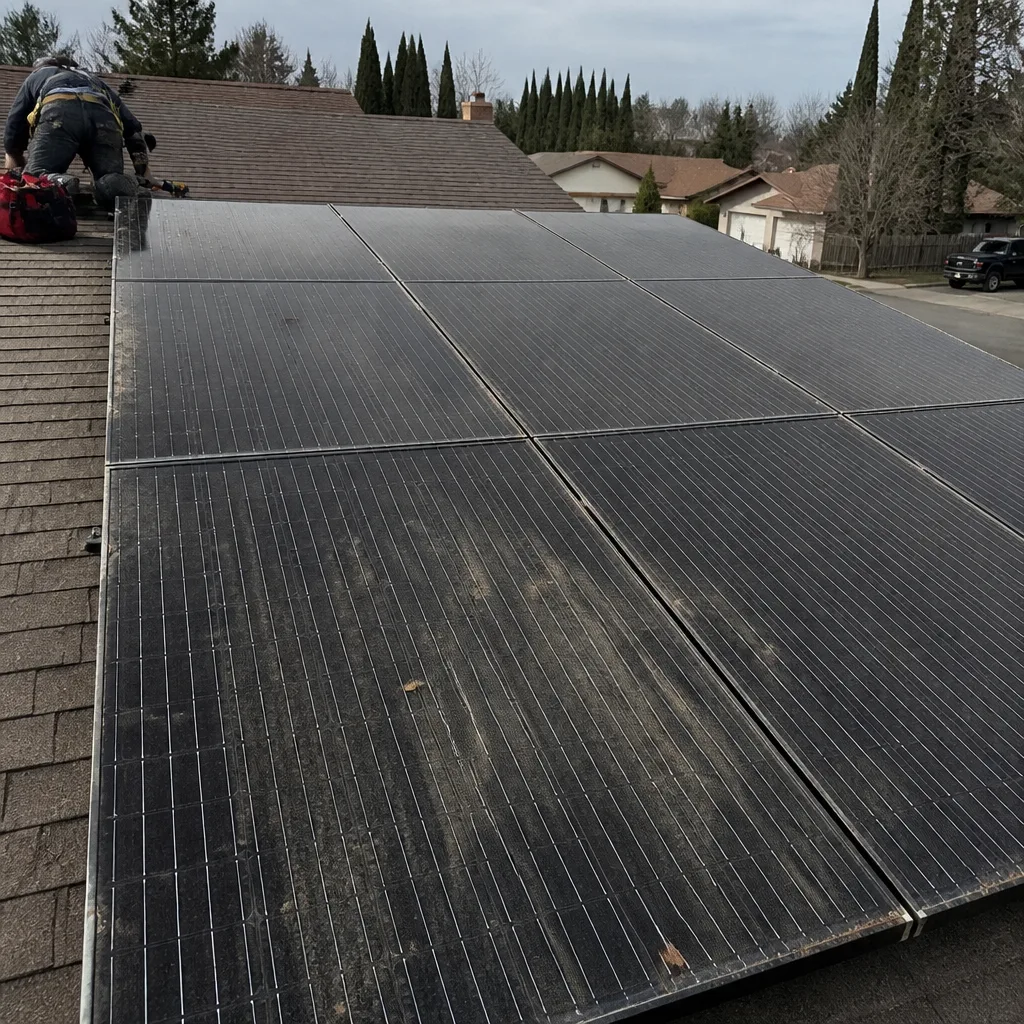 Before
 After
AfterFast, Reliable EV Charger Installation Across Lackland Air Force Base
EV charger installation in Lackland Air Force Base typically costs $1,400-$3,200 for a Level 2 unit, and most jobs on base take 2-4 weeks from quote to final inspection because of the 802nd Civil Engineer Squadron sign-off process. If you live in Lackland family housing or privatized military housing off Valley Hi Drive, you already know the base runs on its own set of rules. Gus’s Solar has existing DoD facility clearance and JBSA base access authorization, so our crew actually gets through the gate. Call (877) 550-6892 and we’ll walk you through what your specific unit needs before anyone schedules a thing.
The hard truth about Lackland AFB is that a contractor without base access cannot even quote your job, let alone pull wire. We show up already vetted, already badged, and already familiar with what the 802nd CES expects on a Level 2 install. That’s the whole difference between a smooth project and three months of phone tag.
Why Gus’s Solar Is Lackland Air Force Base’s Preferred EV Charger Installation Company
Gus Petrakis has had his name on the side of the truck since 2011, and he answers his own phone. That matters on JBSA-Lackland more than anywhere else we work, because the people living there deal with enough bureaucracy without adding a flaky contractor to the list. Our EV Charger Installation team includes background-checked, uniformed technicians who already hold the base access credentials needed to work inside the gate. No waiting while some sub tries to get cleared. No third-party handoff.
Word travels fast in military housing. Neighbors talk over fences on the 802nd’s privatized housing blocks, and when one family gets a Tesla Wall Connector installed without a hiccup, the next three houses call us. We’ve worked in the older 1950s-built units along Ray Ellison Boulevard and the 1970s duplexes in the family housing area, so we know what those panels can and cannot carry. The 90-Day Done Right Promise applies to every charger we install: if it’s not right, Gus comes back and makes it right. In writing.
Response time to Lackland Air Force Base runs same-week for most quote requests, and a live person answers the phone 24/7. Not a call center. Not a ticket. A real person who can look at the schedule while you’re still on the line.
Our EV Charger Installation Services in Lackland Air Force Base
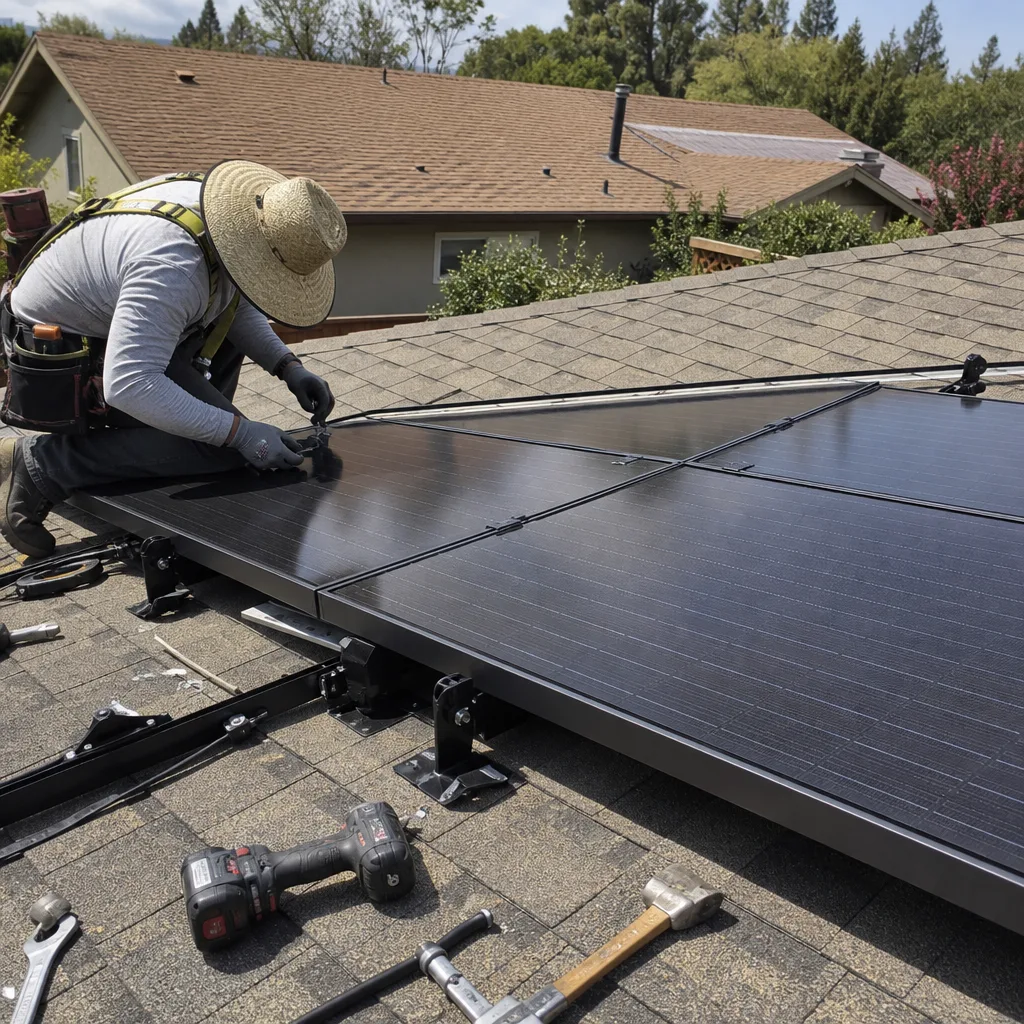
Level 2 Charger Installation
A Level 2 charger in Lackland Air Force Base runs on a 240-volt circuit and typically delivers 25-40 miles of range per hour, which is what most people want for overnight charging. In the standard government-built single-family homes from the 1950s through the 1980s, the main service panel is often 100 amps or less, so we’ll verify the load calculation before adding a 50- or 60-amp breaker. The 802nd CES wants that load calculation documented, not just assumed.
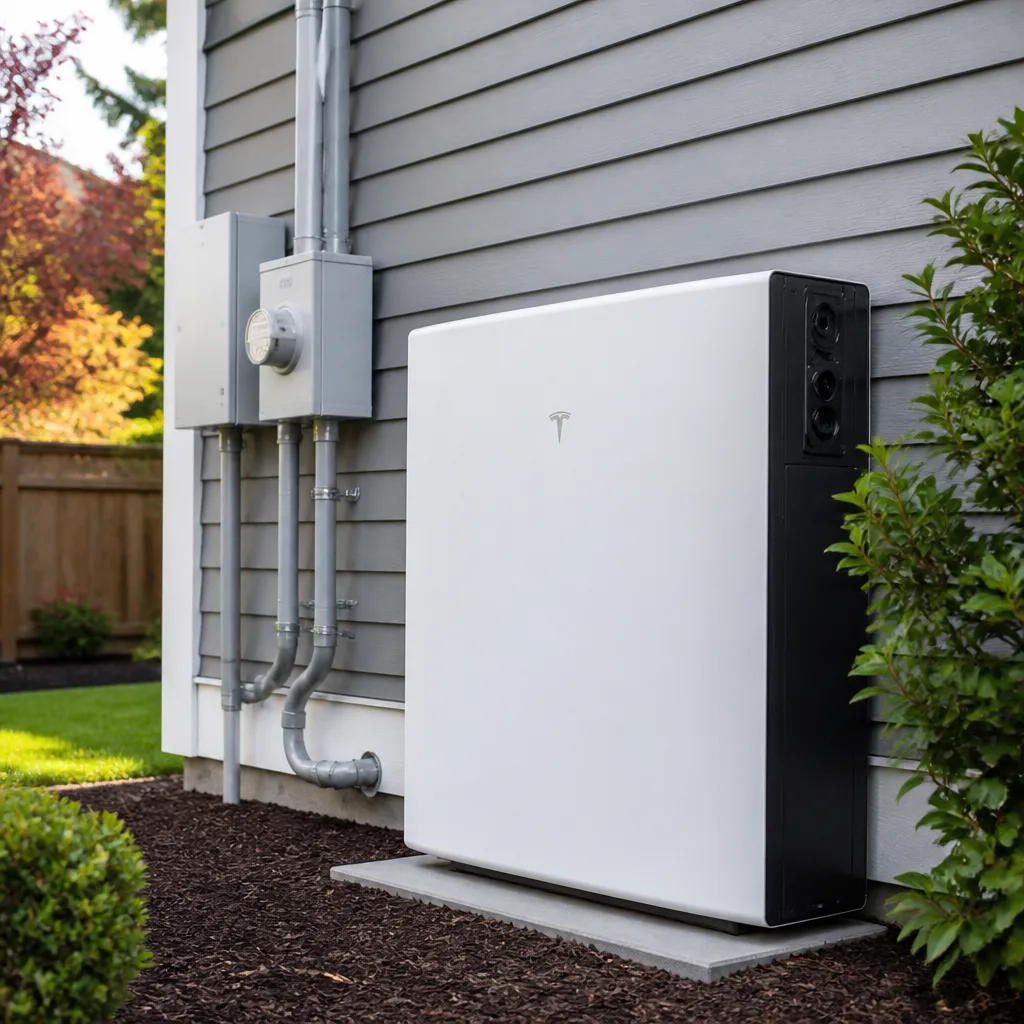
Tesla Wall Connector Installation
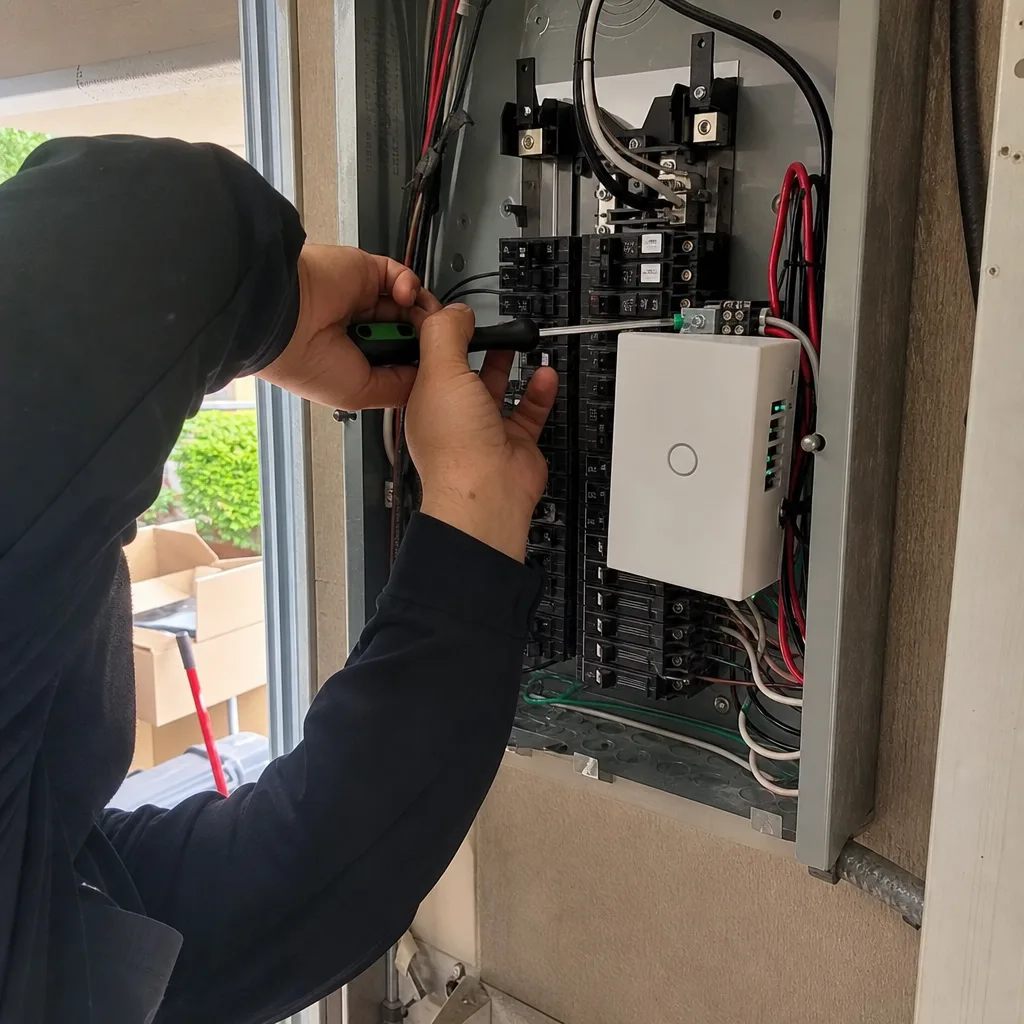
We install Tesla Wall Connectors in Lackland housing regularly, and yes, they’re allowed as long as the wiring and panel capacity meet the Air Force Civil Engineer Center’s standards. The Wall Connector pulls up to 48 amps on a 60-amp circuit, which is a real draw on a 1950s-era panel. We’ll tell you honestly if your panel can handle it without an upgrade, and if it can’t, we’ll tell you exactly what the upgrade costs before you commit to anything.
Panel Upgrade for EV Charging
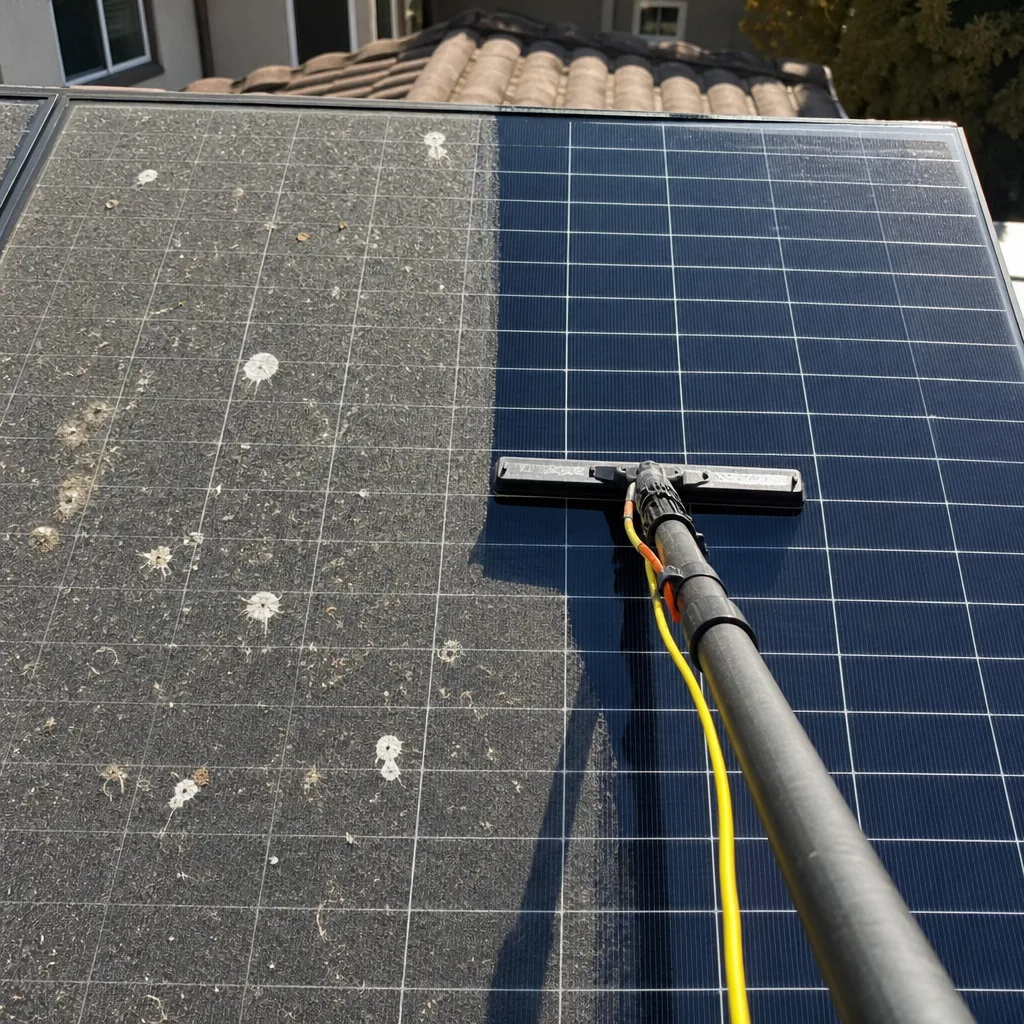
This is the one that catches people off guard. A Level 2 charger needs a dedicated circuit, and many Lackland AFB homes built between 1950 and 1980 have 100-amp or even 60-amp service. Add a charger to that and you’ll trip the main breaker every time the AC kicks on in July. Panel upgrades in Lackland Air Force Base typically run $1,800-$3,500 depending on the service size and condition of the existing meter can. Base housing maintenance standards require any panel work to be signed off, which we handle as part of the job.
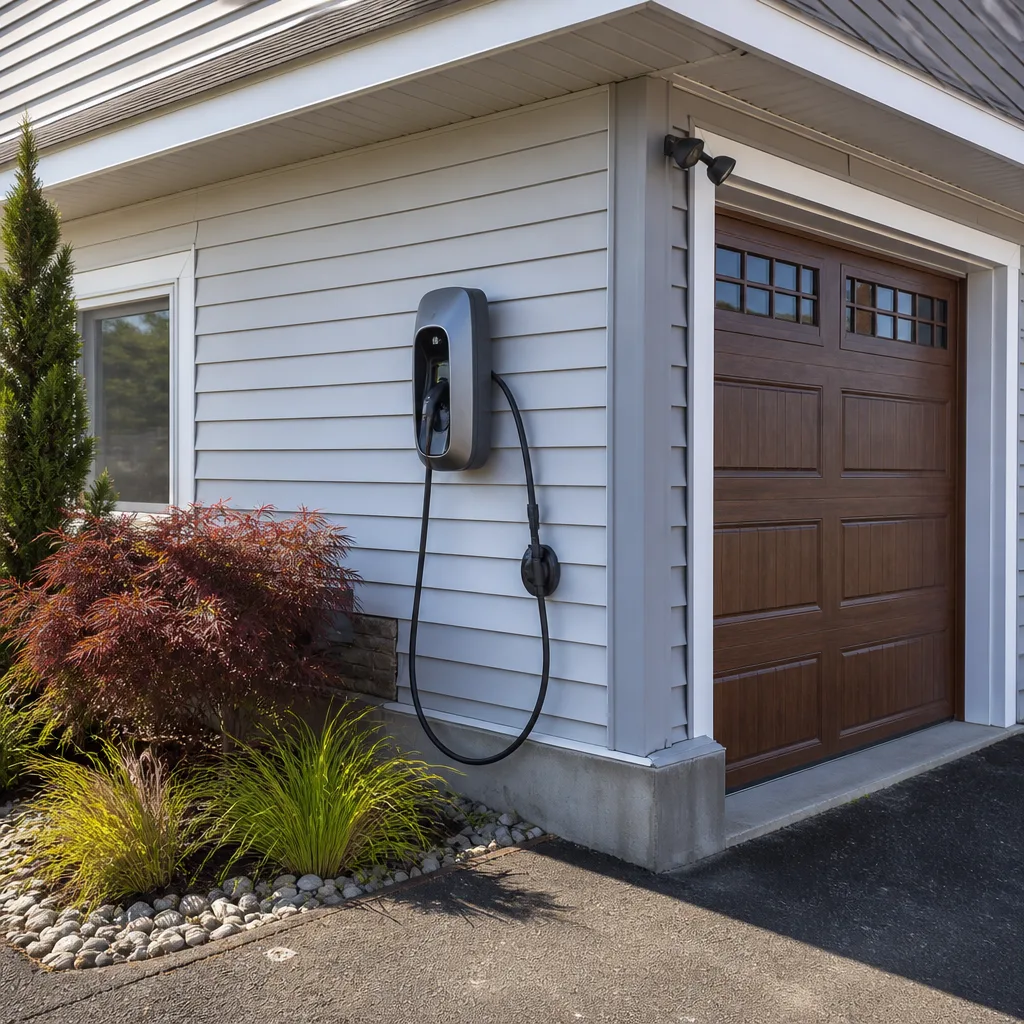
Garage & Driveway Charger Wiring
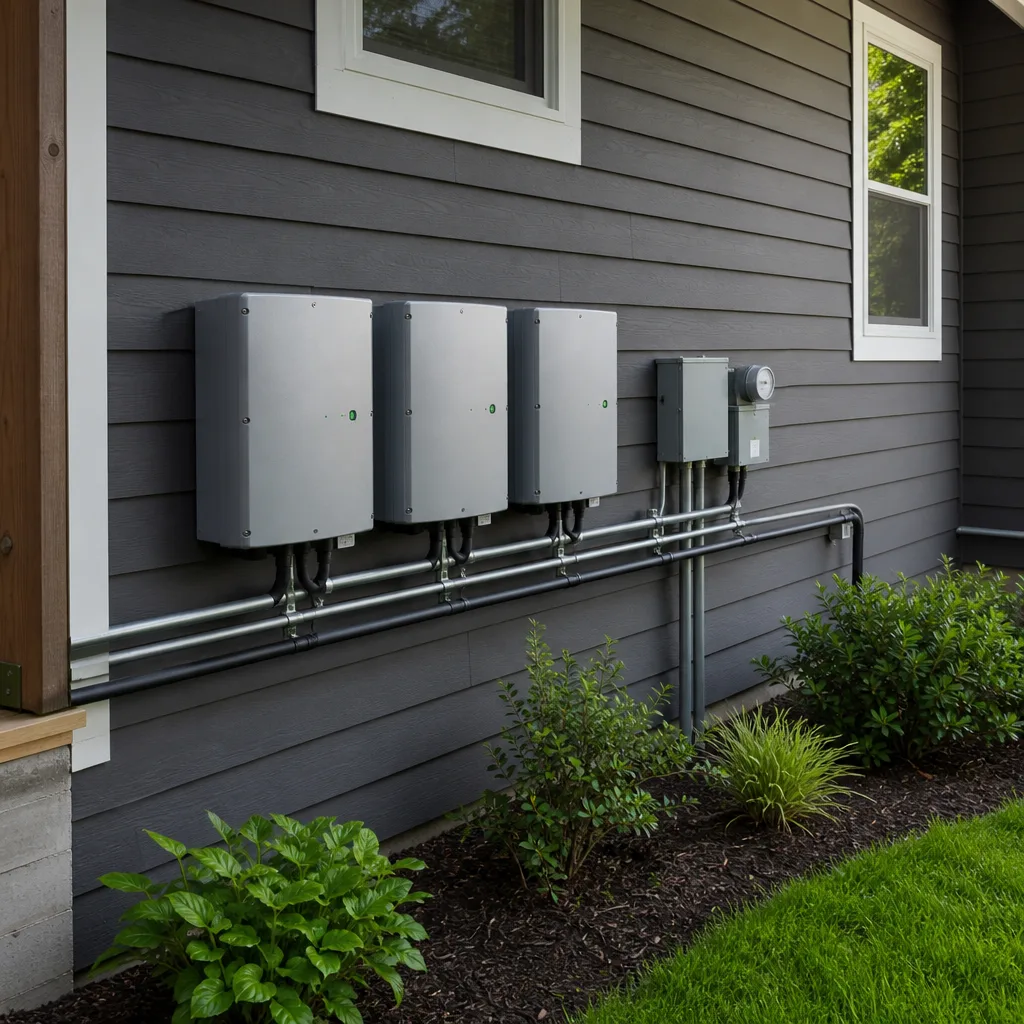
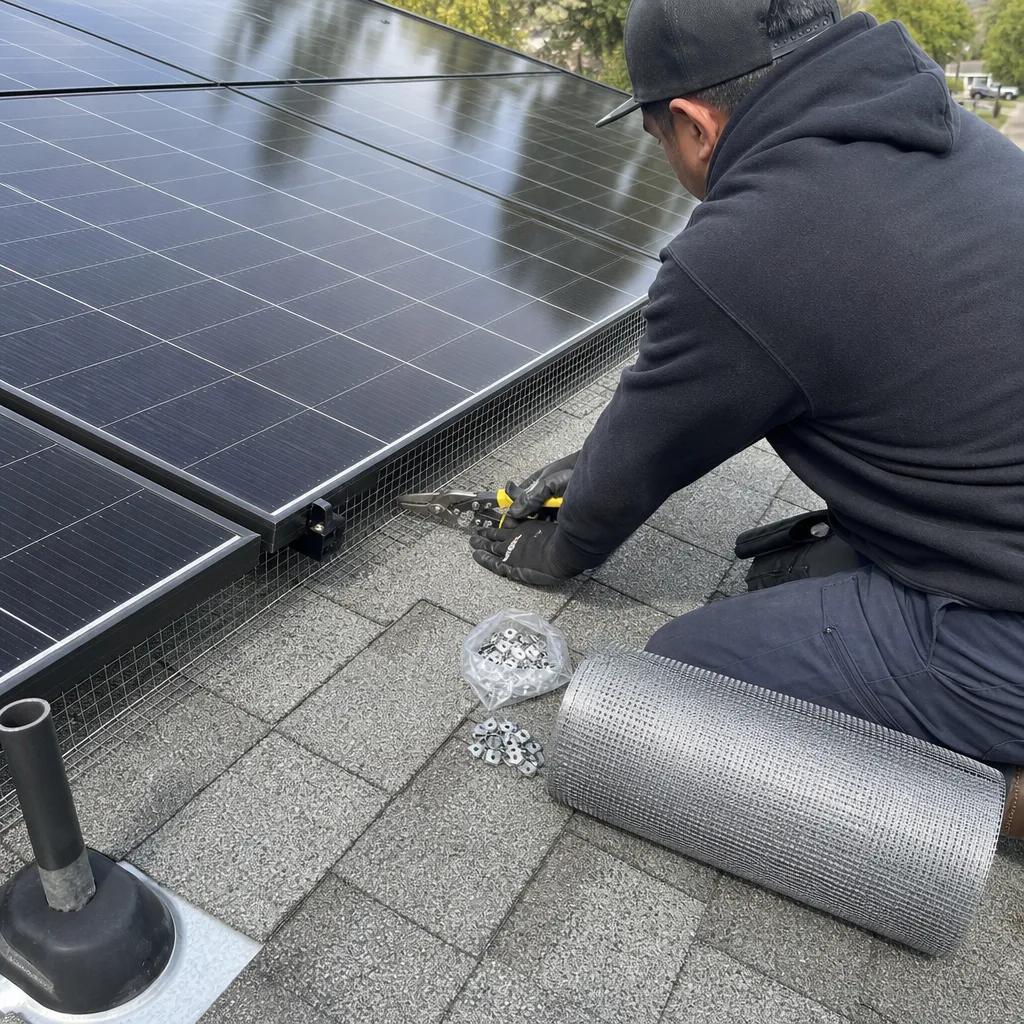
Whether your charger goes in the garage or on an exterior wall by the driveway, the wiring path matters. Exterior installations on Lackland housing face a specific problem: spring hail. A charger enclosure mounted on an exposed wall takes direct hits from hail that cracks plastic housing. We recommend impact-rated enclosures and we route conduit to minimize exposure where possible. Permit-wise, every exterior mount needs base civil engineering sign-off before we drill the first hole.
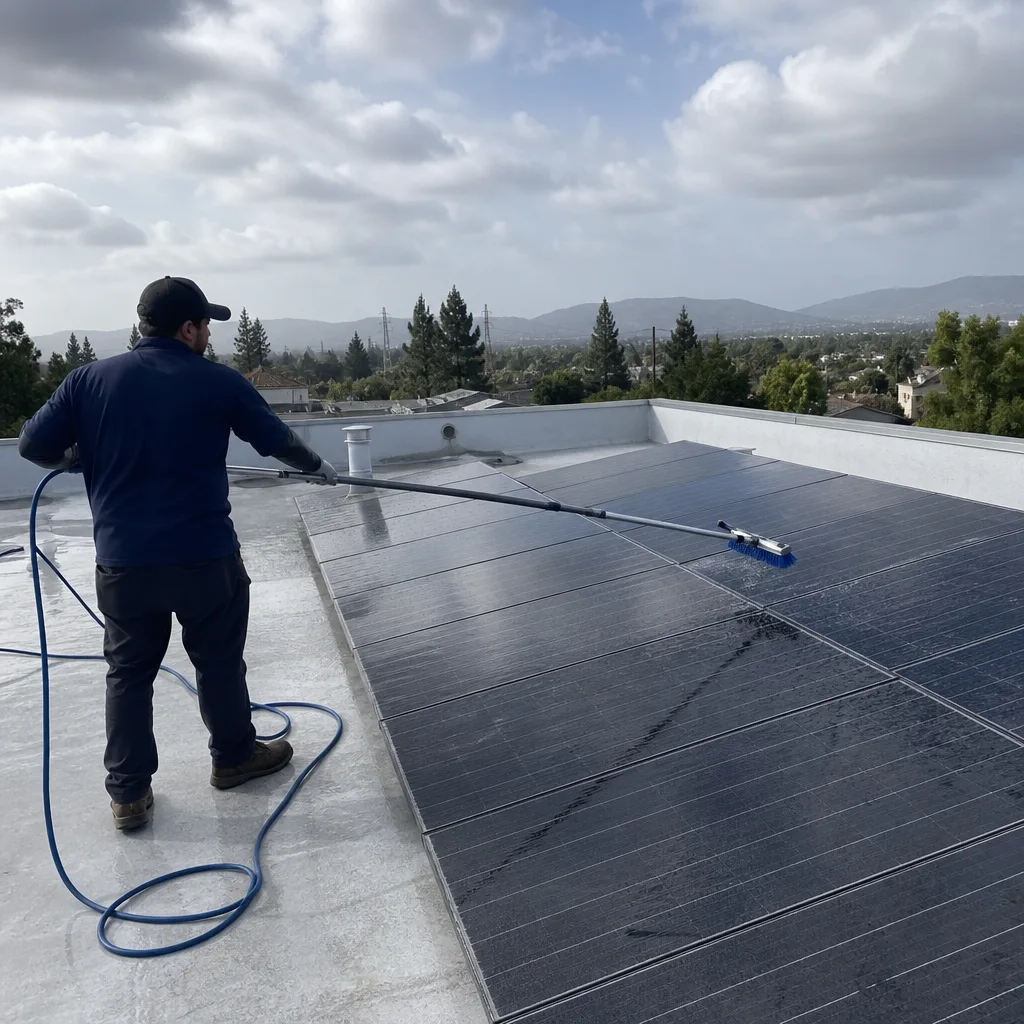
Solar-Paired EV Charging
Here’s the thing most generic San Antonio solar pages won’t tell you: on JBSA-Lackland, the economics of solar-paired EV charging work differently than in civilian CPS Energy territory. Net metering may not apply the same way on privatized military housing, so the value of pairing a solar array with your charger comes from offsetting daytime charging load rather than banking export credits. We’ll look at your actual usage and your actual utility arrangement before we quote anything. That’s the only way to give you year-25 numbers that mean something.
What happens when you call
- 1
A real person answersNo phone trees - you reach a local pro.
- 2
You get an upfront price rangeHonest numbers before anyone is dispatched.
- 3
A background-checked tech heads outLicensed & insured, dispatched right away.
- 4
You approve before work beginsNothing starts until you say go.
Trusted Brands We Service in Lackland Air Force Base
We stock and service Tesla Wall Connectors, Enphase EV chargers and microinverters, and SolarEdge systems, so there’s no three-week wait on parts when your project starts. For Lackland Air Force Base customers living on base, we keep common breaker sizes and enclosures on the truck, because the last thing you want is a second base-access appointment just because someone forgot a 60-amp breaker. If you’re pairing your charger with solar, we also work with FranklinWH for battery backup, which makes a lot of sense when summer afternoon storms knock out power on the southwest side.
Common EV Charger Installation Problems We See in Lackland Air Force Base Homes
- Contractor can’t get through the gate. A generic installer takes your call, schedules a quote, and then sits at the Lackland AFB visitor center without a base access agreement. The appointment is void before anyone shakes your hand. We already hold JBSA base access authorization.
- 1950s panel can’t carry the load. Homes built in the 1950s under uniform military specs often have 60-amp or 100-amp service. A Level 2 charger on that panel without a documented load calculation will trip the main breaker during peak cooling months, right when San Antonio heat is at its worst.
- Exterior charger damaged by spring hail. Lackland sits in the same hail corridor as the rest of San Antonio. A charger mounted on an unprotected exterior wall takes direct hits that crack the enclosure and violate base housing maintenance standards. We use impact-rated enclosures and route conduit accordingly.
- CES sign-off delays that could’ve been avoided. If the paperwork doesn’t match what the 802nd Civil Engineer Squadron expects, the final inspection bounces. We’ve done enough of these installs to file the documentation right the first time, so your charger gets approved without a two-week correction cycle.
Pricing for EV Charger Installation in Lackland Air Force Base, TX
Level 2 charger installation in Lackland Air Force Base runs $1,400-$2,800 when the existing panel can handle the added circuit. A Tesla Wall Connector install typically lands in the same range, assuming no panel upgrade. If you need a service upgrade from 100-amp to 200-amp, budget $2,800-$4,500 on top of the charger work. Solar-paired EV charging adds the cost of the array itself, and that depends entirely on your roof and your usage, but a typical 6-8 kW system sized to offset daily EV charging runs $14,000-$19,000 before any incentives that may apply in your situation. Quotes are free, the price is the price, and nobody asks for a signature tonight. Call (877) 550-6892 and bring us a bill. We’ll bring you the math.
We Also Serve Cities Near Lackland Air Force Base
Our crews work throughout Lackland Air Force Base and the surrounding area. If you live in Leon Valley, San Antonio, Alamo Heights, or Terrell Hills, the same team handles your charger install with the same level of care. Scheduling works a little differently outside the base gate, but the pricing and the 90-Day Done Right Promise stay exactly the same.
Serving Lackland Air Force Base, TX - Our Local Coverage Area
We’re based in the Lackland Air Force Base area and know this community well. Use the map below to see our service coverage - if you’re nearby, we can almost certainly help.
FAQs - EV Charger Installation in Lackland Air Force Base
Yes. Every Level 2 charger installation in Lackland privatized housing requires sign-off from the 802nd Civil Engineer Squadron before any electrical work begins, and the contractor performing the work must hold current DoD facility clearance and JBSA base access authorization. Gus’s Solar already holds both, so the approval process moves on our timeline, not a learning curve. Call (877) 550-6892 and we’ll tell you exactly what paperwork applies to your specific unit.
Yes, but the mechanism is different than in civilian San Antonio. On JBSA-Lackland privatized housing, you may not have standard CPS Energy net metering, so the savings from solar-paired EV charging come primarily from offsetting daytime charging load rather than banking export credits. A properly sized array paired with an Enphase microinverter system can cover a meaningful portion of your EV’s charging demand, and we’ll build the quote off your actual usage history, not a brochure estimate.
Most homes built in Lackland AFB between the 1950s and 1980s have 60-amp or 100-amp main service, and a Level 2 charger on a 50- or 60-amp circuit typically requires an upgrade to 200-amp service. That upgrade runs $2,800-$4,500 in this market, and the 802nd CES requires the load calculation documented as part of the permit package. We’ll tell you upfront whether your panel needs the upgrade, and we won’t pad the number.
Most charger installations at JBSA-Lackland take 2-4 weeks from quote to final inspection. The physical install is a one-day job in most cases, but the 802nd CES approval and final inspection add one to three weeks depending on their current queue and whether the documentation matches their standards exactly. We quote the full timeline at the first meeting, and if we can move faster, we do.
Yes, Tesla Wall Connectors are allowed in Lackland on-base housing, and they require a dedicated 60-amp circuit with appropriately sized copper conductors and a disconnect compliant with base electrical standards. If the existing service panel cannot accommodate a 60-amp breaker, a service upgrade is required before installation. Call (877) 550-6892 for a free estimate, and we’ll confirm your panel’s capacity before you buy any hardware.
What Sets EV Charger Installation in Lackland Air Force Base Apart
Here’s the piece you won’t find on a generic San Antonio EV page. On JBSA-Lackland, a permit that takes two to three weeks through CPS Energy in civilian San Antonio can require months of federal coordination. The 802nd Civil Engineer Squadron reviews load calculations, the contractor must hold current DoD facility clearance, and every appointment has to work around base access protocols. Contractors without an existing JBSA base access agreement are locked out before they quote a single panel. This is not a market where you can price-shop three random electricians and expect any of them to actually complete the job.
On a 1970s-built duplex in the Lackland family housing area, our crew installed a Tesla Wall Connector with a 60-amp circuit after coordinating with the 802nd CES to confirm the main service panel could handle the added load without a full upgrade. We paired it with a 6.2 kW solar array and Enphase microinverters, sized to offset the EV’s charging demand and reduce the resident’s true-up statement. That’s the kind of project that only works when the installer already knows the base’s electrical infrastructure and approval chain.
Add the spring hail corridor to that picture. San Antonio averages over 220 sunny days a year with about 5.5 peak sun hours, which makes Lackland one of the most solar-viable sites in Texas. But hail is a fact of life here, and any exterior-mounted charger or conduit needs impact-rated enclosures and careful routing. IEC 61215 hail certification on panels is not a marketing add-on for this market, it’s the difference between a system that survives three springs and one that doesn’t.
Call Gus’s Solar for EV Charger Installation in Lackland Air Force Base
If you live in Lackland AFB and you’re ready to charge at home, call (877) 550-6892. A live person answers, day or night. We’ll ask about your panel, your housing arrangement, and your vehicle, then we’ll give you a straight answer on what it costs and how long it takes. No pressure, no signature tonight, no contractor stuck at the gate waiting for clearance. Take two weeks. Think about it. The price will be the same.
Written by Gus Petrakis, Owner at Gus’s Solar, serving Lackland Air Force Base with the L.O.C.A.L. values that guide every job: Local roots, On time, Community first, Accountable, Loyal.