
Free bill analysis - bring a power bill, get the production math for your actual roof, panel brands like Qcells and REC compared side by side
If the pitch starts at your door and ends with "sign tonight for the special," sleep on it. The sun will still be there tomorrow; so will we.
 Before
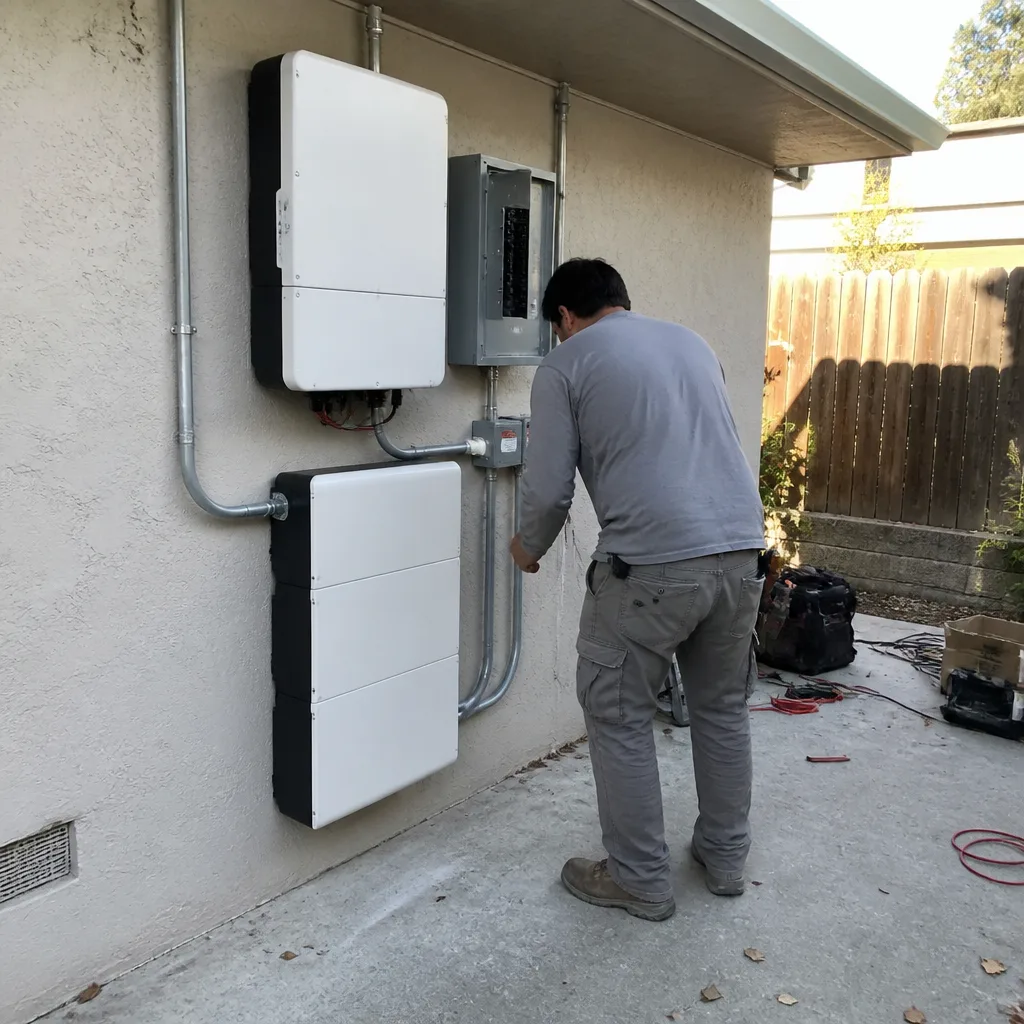 After
After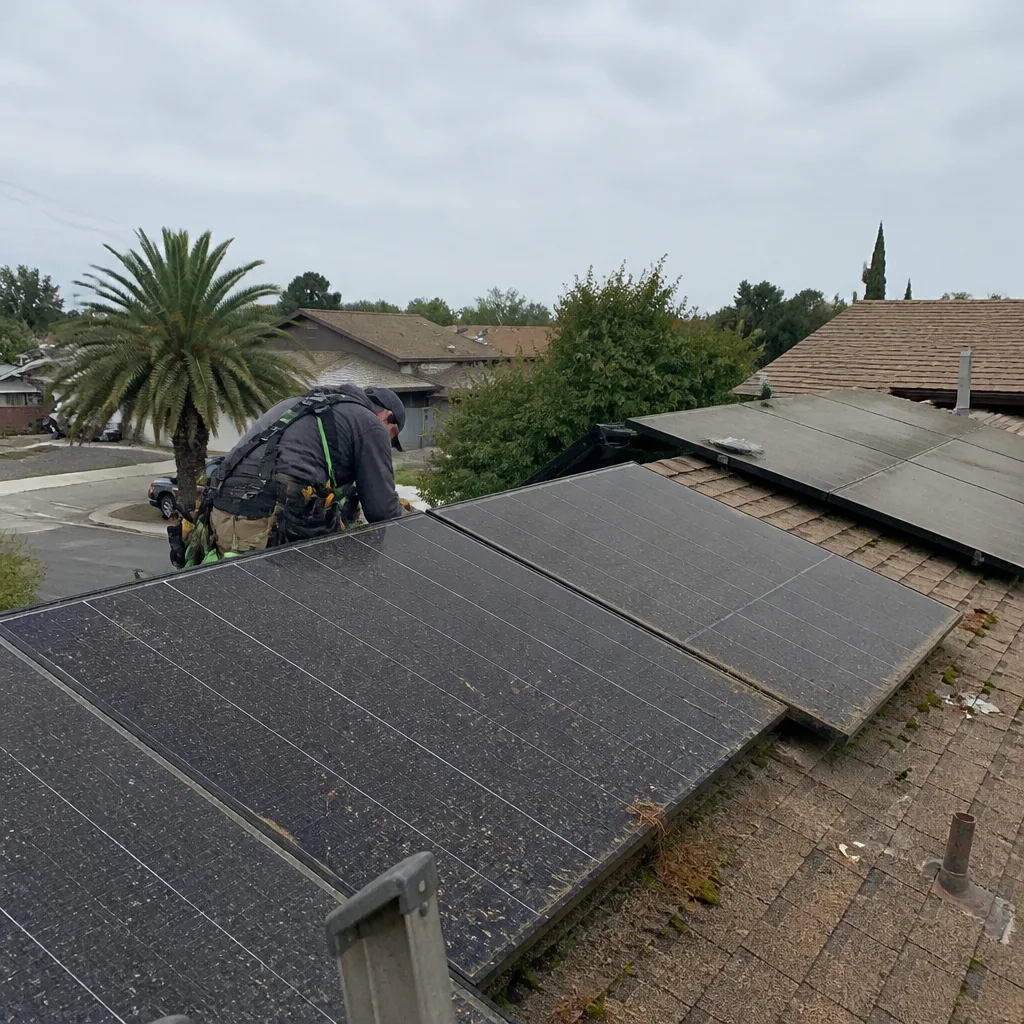 Before
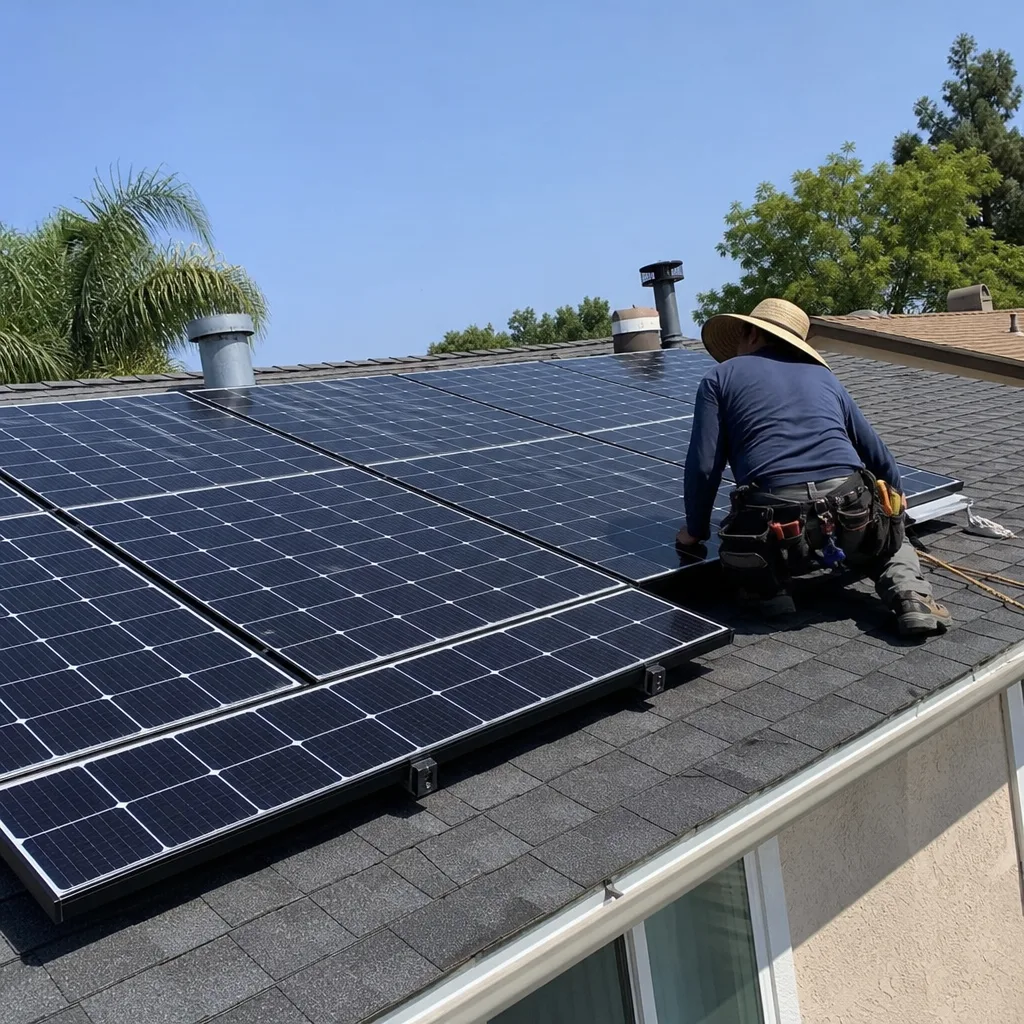 After
After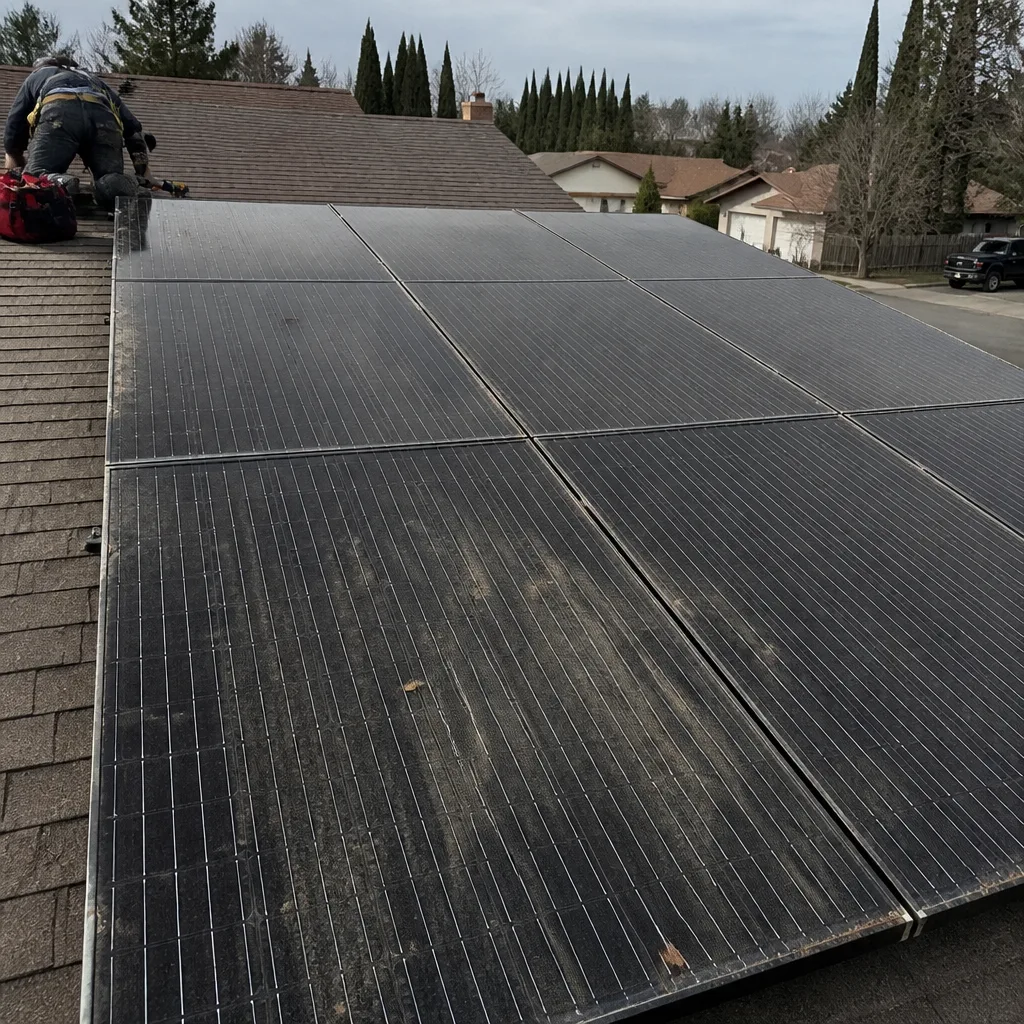 Before
 After
AfterFast, Reliable EV Charger Installation Across Glendora
EV charger installation in Glendora typically runs $800-$2,200 for a standard Level 2 unit, while panel upgrades add another $2,500-$4,500 depending on your home’s current service size. Most jobs are completed in a single day once permits clear. We’re Gus’s Solar, and our crew works in Glendora every week. If you’re in the 91740 flats or up in the 91741 hills, call us at (877) 550-6892 and you’ll get a real person, not a voicemail script.
Why Gus’s Solar Is Glendora’s Preferred EV Charger Installation Company
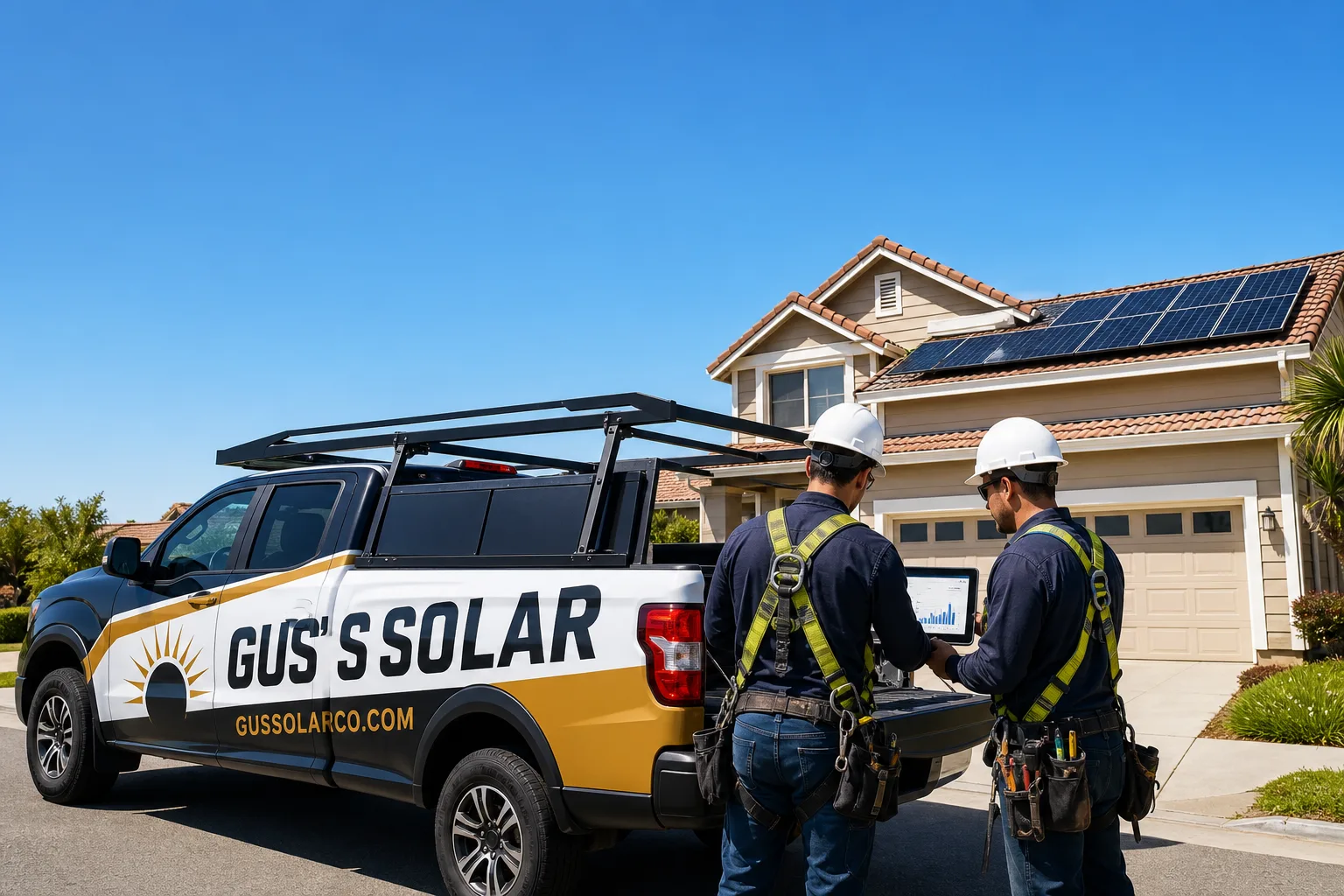
Gus Petrakis started this company in 2011 and puts his own name on the truck. That matters in a town like Glendora, where people still ask who did your panel and whether they showed up on time. We’ve worked on everything from 1950s ranch homes south of Foothill Boulevard to 1990s custom builds off Sierra Madre Avenue. Our EV Charger Installation team knows what Glendora Building & Safety looks for, especially on hillside permits where fire code adds a layer most flatland installers never see.
We don’t hand your job to a sub. The same background-checked, uniformed crew that runs your conduit also mounts your charger and torques the lugs. When a Glendora homeowner calls with a question after the job, Gus answers. That’s the whole model.
Our EV Charger Installation Services in Glendora
Level 2 Charger Installation
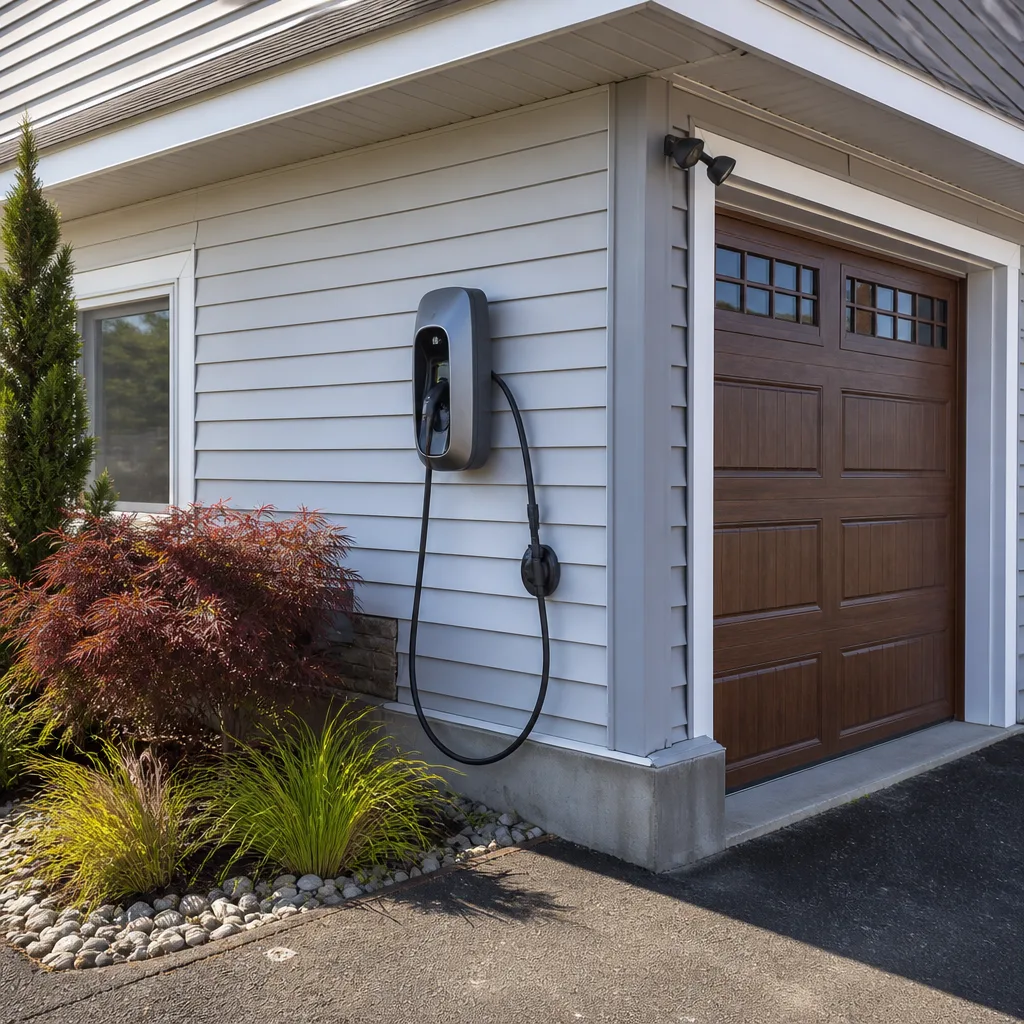
Level 2 chargers run on 240V and charge most EVs overnight. In Glendora’s 91740 ranch tracts, we often install these on a dedicated 40-50A circuit with a hardwired unit like a ChargePoint or Emporia. The flatlands are straightforward, but we still verify your panel’s remaining capacity before we pull the permit, because Glendora inspects dedicated-circuit work closely.
Tesla Wall Connector Installation
The Tesla Wall Connector is a 48A charger that needs a 60A breaker. In Glendora’s northern hills, many homes still have 100A or 125A panels from the 1970s and 80s. On those jobs we often pull a panel upgrade in the same visit. This charger is our most popular hardwired install in the 91741 zip, especially paired with a Tesla or any EV with a J1772 adapter.
Panel Upgrade for EV Charging
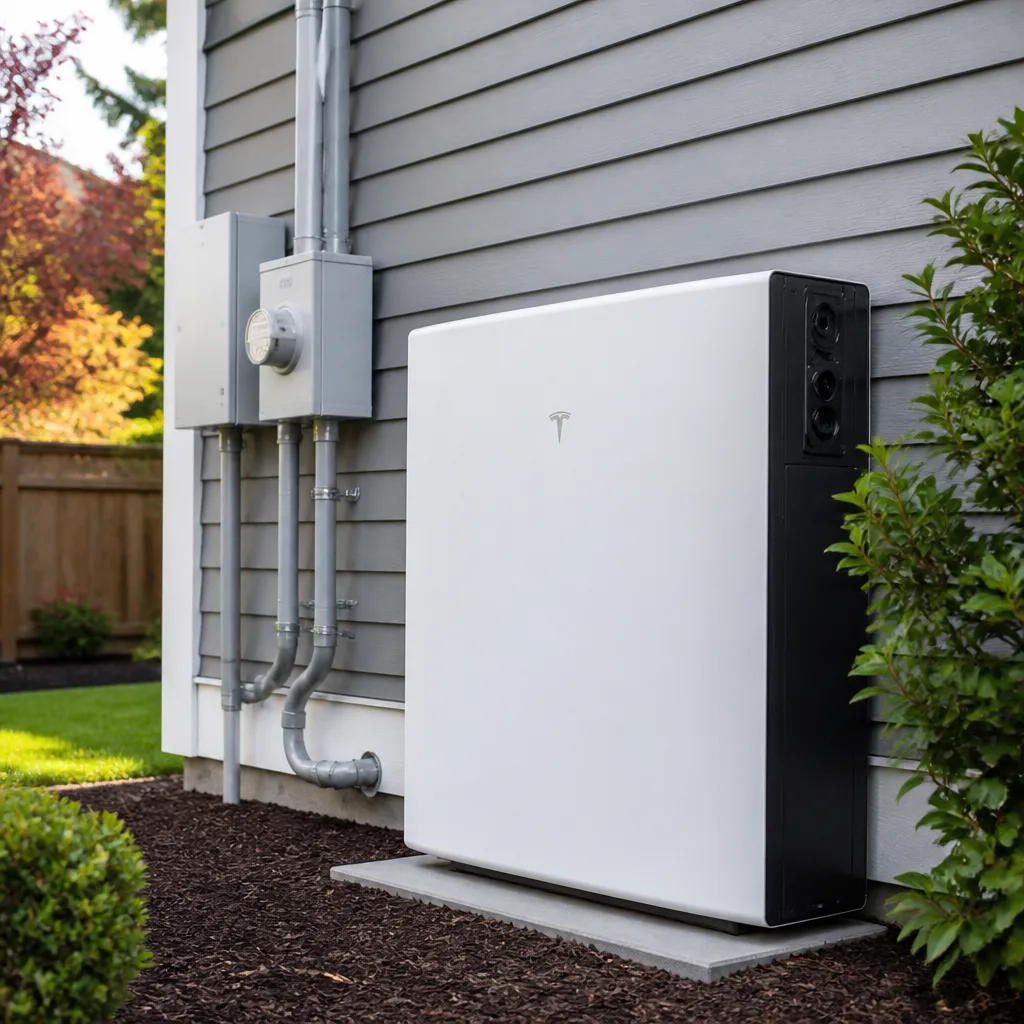
This is the service we emphasize most for Glendora’s older hillside custom homes. If your main panel is 100A or 125A, a 48A EV charger won’t pass load calculations. We upgrade to 200A service, coordinate with Southern California Edison for the service drop, and make sure the new panel leaves headroom for future solar or storage. In the Very High Fire Hazard Severity Zone, we also verify the new equipment meets current arc-fault and weather-sealing requirements.
Garage & Driveway Charger Wiring
Most Glendora garages need a clean run of EMT or schedule 40 PVC from the main panel to the charger location. On hillside homes where the panel is on the uphill side of the house and the garage sits below, that run can be 40 feet or more. We route conduit tight to the structure, use compression fittings where the Santa Anas push moisture, and leave the wall patched and painted. If you park in the driveway, we can mount an outdoor-rated charger on a pedestal or side wall.
What happens when you call
- 1
A real person answersNo phone trees - you reach a local pro.
- 2
You get an upfront price rangeHonest numbers before anyone is dispatched.
- 3
A background-checked tech heads outLicensed & insured, dispatched right away.
- 4
You approve before work beginsNothing starts until you say go.
Trusted Brands We Service in Glendora
We install and support chargers from Tesla, ChargePoint, Emporia, Wallbox, and ClipperCreek. For solar-paired EV charging in Glendora, we work with Enphase, FranklinWH, and Panasonic. If you’re already running an Enphase microinverter system and want your charger to coordinate with battery backup, that’s a common setup for us in the 91741 hills. We keep common breakers, disconnects, and mounting hardware in our trucks so a Glendora job rarely needs a second trip for parts.
Common EV Charger Installation Problems We See in Glendora Homes
- Undersized panels on hillside customs. Glendora homes built in the 1970s through 90s often have 100A or 125A main panels. A 48A Level 2 charger on that panel causes nuisance main breaker trips and fails fire-code load calculations. The fix is a panel upgrade, not a smaller charger.
- Overloaded shared circuits in 91740 ranch tract homes. Homeowners in the flatlands sometimes assume a charger can share a 30A dryer or range circuit. Glendora Building & Safety enforces dedicated-circuit requirements, and shared circuits fail inspection. We run a new dedicated breaker every time.
- Santa Ana wind stress on hillside conduit. Exposed conduit on north-facing garage walls takes a beating during wind season. Installers who skip weather-tight seals and proper lug torque see arcing and charger faults within a year. We torque everything to manufacturer spec and seal every penetration.
- Solar-plus-storage coordination failures. In the 91741 Very High Fire Hazard Severity Zone, a new EV charger that isn’t coordinated with the home’s existing solar and battery system can trip rapid shutdown or exceed the net metering load profile during a Public Safety Power Shutoff. We configure the charger to work within your system’s export limits.
Pricing for EV Charger Installation in Glendora, CA
Here’s what we typically see in Glendora as of 2026. A standard Level 2 charger install on a panel with spare capacity: $800-$1,400. Tesla Wall Connector with dedicated 60A circuit: $1,100-$1,800. Panel upgrade from 100A to 200A, including SCE coordination and city inspection: $2,500-$4,500. Solar-paired charger installation with load management: $1,600-$2,400. Hillside runs and VHFHSZ fire-code requirements add $300-$700 depending on conduit length and mounting conditions. Every quote comes from your actual panel and service size, not a brochure. Call (877) 550-6892 and we’ll give you a number you can hold us to. Take two weeks, think about it, the price will be the same.
We Also Serve Cities Near Glendora
Most of our Glendora customers are within a 15-minute drive of our service route, so if you’re in San Dimas, Azusa, Citrus, or Charter Oak, we can usually schedule you the same week. We keep our Glendora schedule tight and route jobs by proximity so nobody waits long.
Serving Glendora, CA - Our Local Coverage Area
We’re based in the Glendora area and know this community well. Use the map below to see our service coverage - if you’re nearby, we can almost certainly help.
FAQs - EV Charger Installation in Glendora
Most 1960s ranch homes in the 91740 flatlands run on 100A panels, and a Level 2 charger pulling 40-48A will require a load calculation. If your panel is at capacity, yes, you need an upgrade. A 200A panel gives you room for the charger, future solar, and room to add a second EV down the line. We include the load calculation in every free estimate, so you’ll know before you spend a dollar. Call (877) 550-6892 to get your panel checked.
Yes, if the system is configured for it. The key is load management. A 48A charger draws about 11.5 kW, and most home batteries can’t sustain that indefinitely. We configure the charger to throttle or pause when the battery hits a set threshold, so you keep lights, refrigeration, and essential circuits running. Many 91741 homeowners who lived through the Colby Fire and later PSPS events want exactly this. We’ve done it with FranklinWH and Enphase systems.
In Glendora’s Very High Fire Hazard Severity Zone, any outdoor-mounted electrical equipment including an EV charger must comply with California Fire Code ember-intrusion and clearance requirements. That means the charger and its disconnect can’t sit directly against combustible siding without a noncombustible backing, and conduit penetrations through stucco or wood must be sealed against ember entry. These are the same clearances that apply to solar racking and roof penetrations. We build to that code on every 91741 hillside install. For an exact assessment of your mounting location, call (877) 550-6892.
Two reasons: terrain and fire code. Hillside homes in the 91741 zip often have long conduit runs from the main panel to the garage, because the panel sits on the uphill side and the garage sits below. A 40-foot run costs more in materials and labor than a 10-foot run in a West Covina tract home. Second, the VHFHSZ fire-code requirements add sealing, backing, and clearance work that flatland cities don’t require. The charger itself costs the same. The installation path is what changes the number. Call (877) 550-6892 for an exact quote on your Glendora home.
Yes. If you’re already on a net metering agreement with SCE, your solar production credits offset the energy your charger pulls from the grid, provided the charger is on the same meter as your solar system. The real question is whether your system is sized to cover the added EV load. In Glendora’s inland foothill climate, we see strong solar irradiance most of the year, so a system that was sized for household use before you got an EV may cover most but not all of your charging. We’ll pull your actual SCE bill and show you the math before you spend anything. Bring us a bill, we’ll bring you the math.
One Thing Nobody Tells You About EV Charging in Glendora’s Hills
In Glendora’s 91741 hillside Very High Fire Hazard Severity Zone, EV charger installations must coordinate with the home’s existing solar-plus-storage and comply with California Fire Code ember-intrusion clearances. That’s a code layer rarely encountered in flatland Covina or West Covina just five miles south, where standard residential chargers pull permits without wildfire-interface constraints. Glendora’s community memory of the 2014 Colby Fire changed how people here think about electrical work. Homeowners don’t just want a charger that works today. They want one that still works the night SCE shuts off power to keep the wind from pushing a spark through the canyons. That changes how we size the panel, how we mount the charger, and how we coordinate the load with the battery.
Our crew recently installed a Tesla Wall Connector for a 1970s custom home off Sierra Madre Avenue in the 91741 hills. The main panel was at capacity, so we pulled a panel upgrade permit and set the charger to coordinate with the homeowner’s existing Enphase microinverter system and battery backup. The goal: the charger wouldn’t trip rapid shutdown or exceed the net metering load profile during an SCE Public Safety Power Shutoff. It’s the kind of job that looks simple on paper and isn’t.
Written by Gus Petrakis, Owner at Gus’s Solar, serving Glendora since 2011.