

Free bill analysis - bring a power bill, get the production math for your actual roof, panel brands like Qcells and REC compared side by side
If the pitch starts at your door and ends with "sign tonight for the special," sleep on it. The sun will still be there tomorrow; so will we.

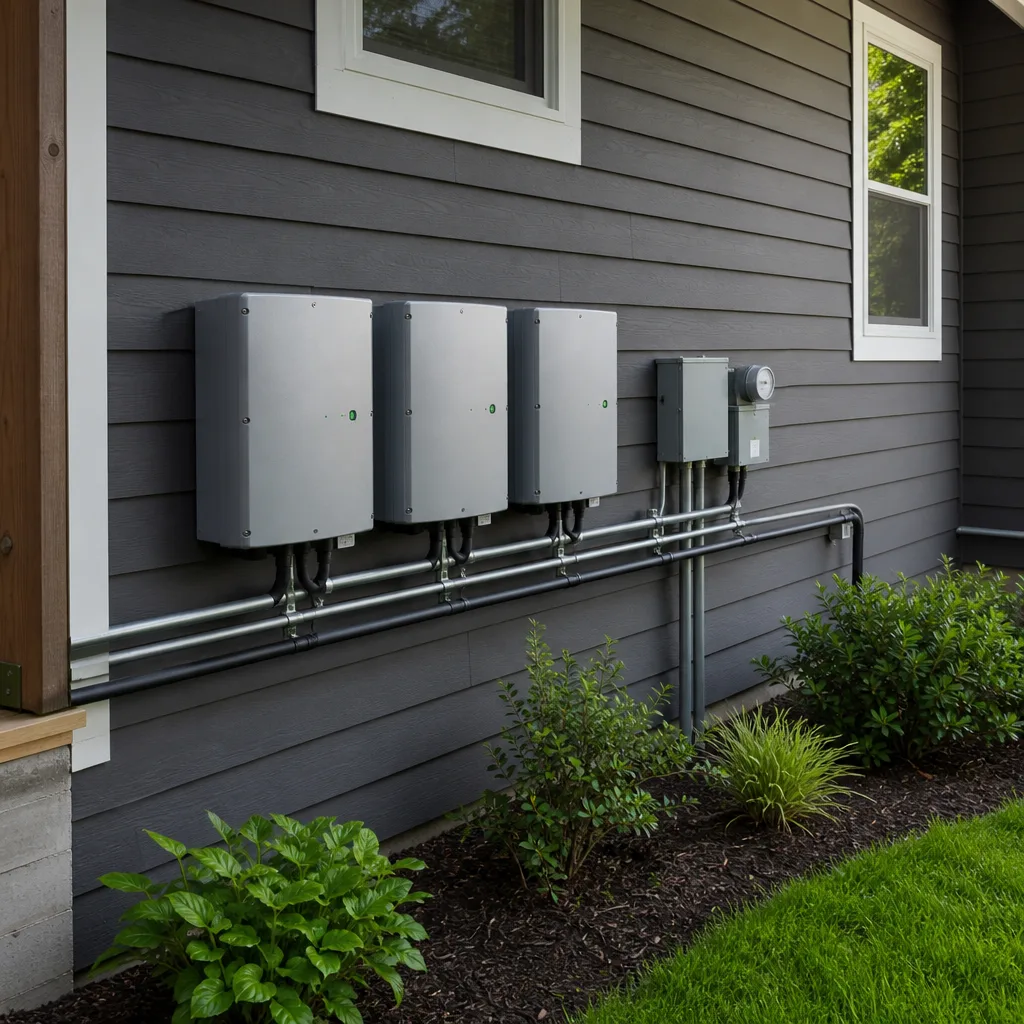
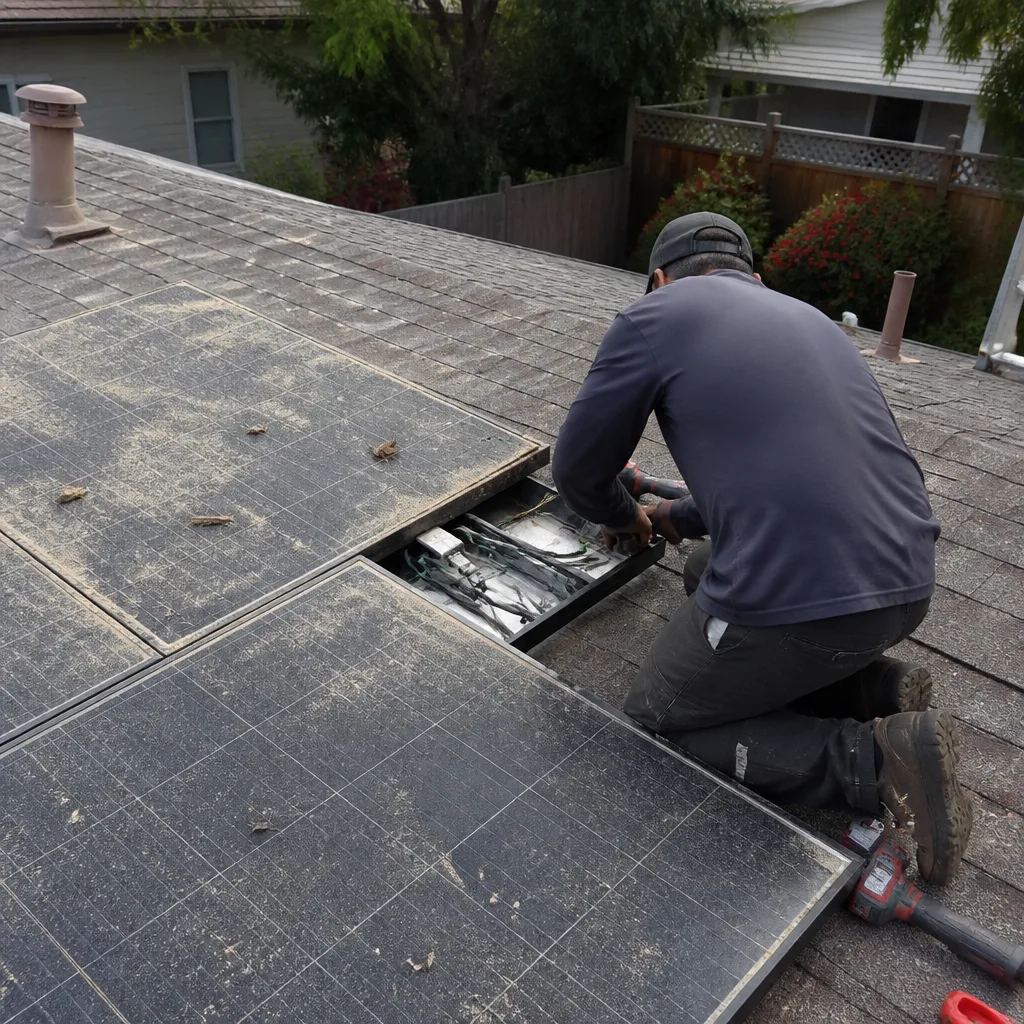 Before
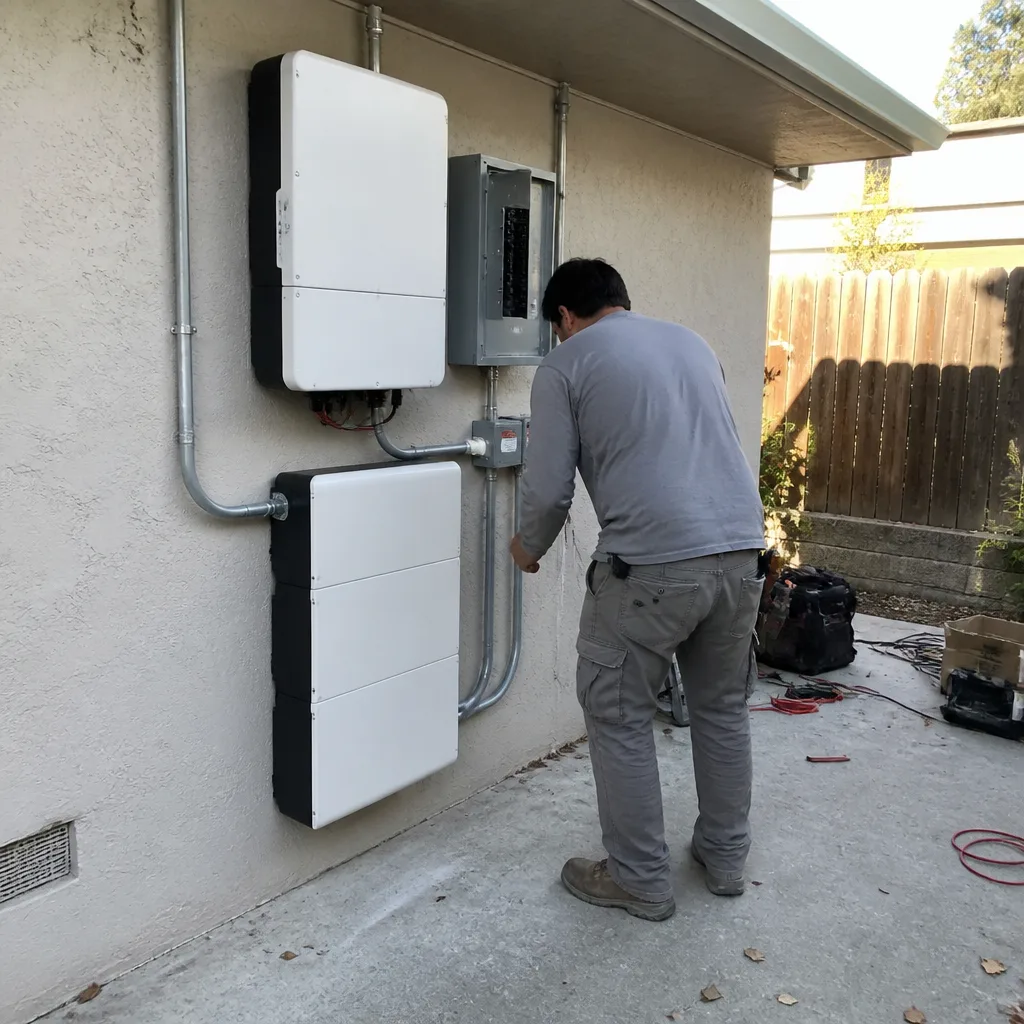 After
After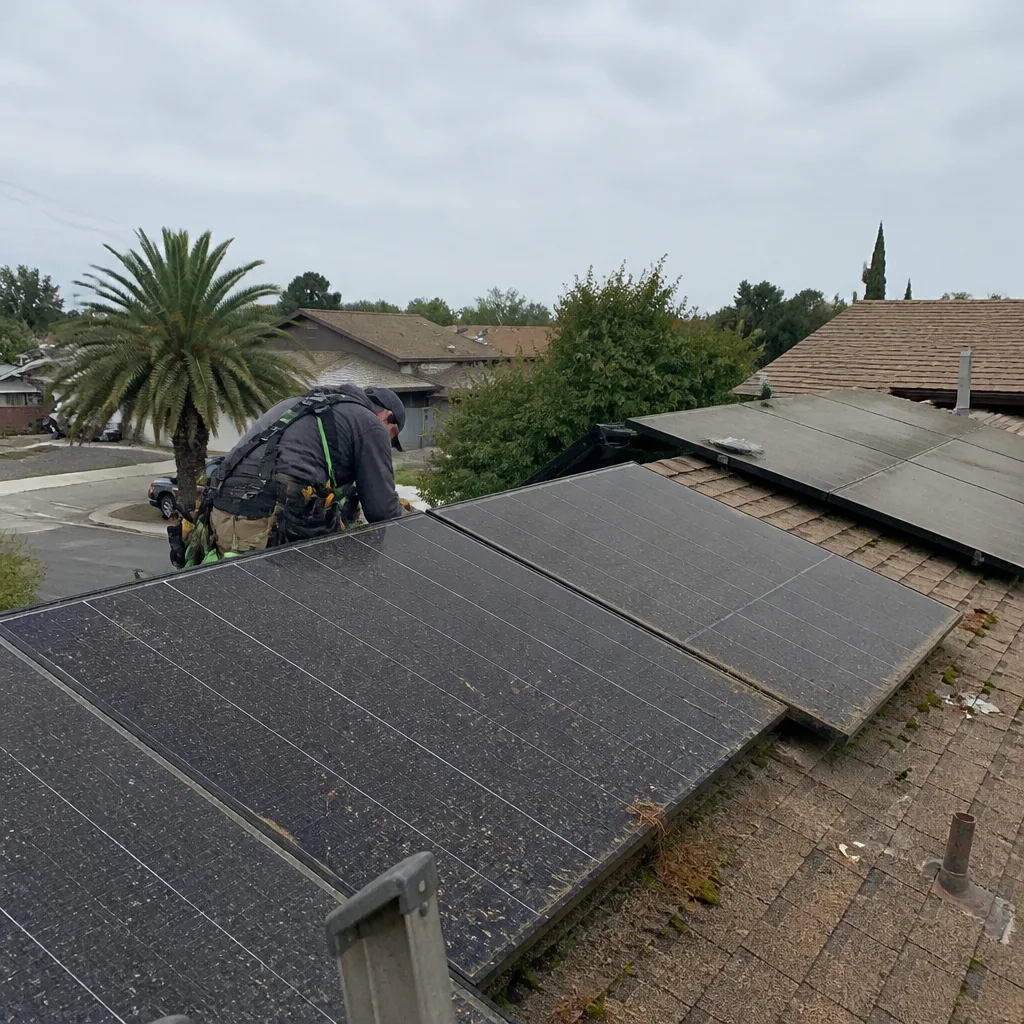 Before
 After
After Before
 After
AfterFast, Reliable EV Charger Installation Across Exeter
If you own an electric vehicle in Exeter, you already know the frustration of finding a working public charger when you need one. The better answer is charging at home. A Level 2 charger install in Exeter typically runs $800 to $2,400 depending on your panel and the distance from it to your parking spot, and most jobs are done in a single day. Gus’s Solar has been doing this work in Tulare County for years, and we know exactly what Exeter’s older ranch homes and citrus-era properties throw at a charger install. Call (877) 550-6892 and we’ll give you a straight number before we ever send a truck.
Why Gus’s Solar Is Exeter’s Preferred EV Charger Installation Company
Gus Petrakis puts his own name on every job, publishes his address and license number, and answers his own phone. That matters when you’re hiring someone to touch the electrical panel in a house built in 1962 on Belmont Avenue. Exeter homeowners tell us the same thing: they’re tired of national outfits that quote one number on the phone and another at the door, then vanish after the paperwork clears. We’re the opposite. Our crew wears uniforms, passes background checks, and does the work themselves. No subcontractors. No call center. When you call, a real person answers. And if something isn’t right after the install, the 90-Day Done Right Promise means Gus comes back and makes it right. In writing.
Our EV Charger Installation team has run dedicated circuits in detached garages off Rocky Hill Drive, upgraded panels near the high school, and wired Tesla Wall Connectors into 1940s bungalows downtown. We know which Exeter homes still run 100-amp service, which neighborhoods have alley-loaded garages, and where the tule fog sits thickest in winter. That local knowledge shows up in every quote.
Our EV Charger Installation Services in Exeter
Level 2 Charger Installation
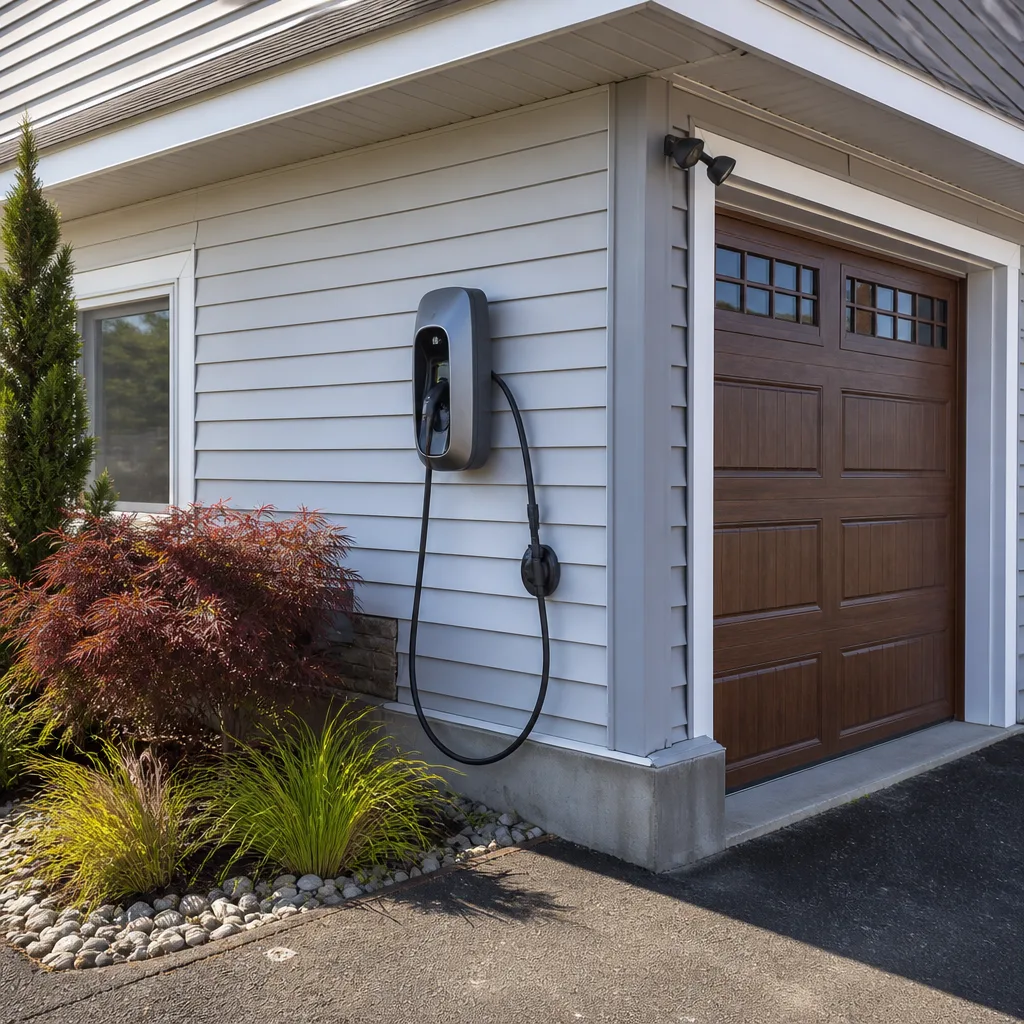
A Level 2 charger pulls 240 volts and restores roughly 25 to 30 miles of range per hour. For most Exeter drivers, that means full charge overnight. On a home with a modern 200-amp panel and the charger within 30 feet of the panel, this is a straightforward half-day job, usually $800 to $1,600 parts and labor. Older homes with 100-amp panels need a panel upgrade first, and we’ll walk you through that cost honestly before we start.
Tesla Wall Connector Installation
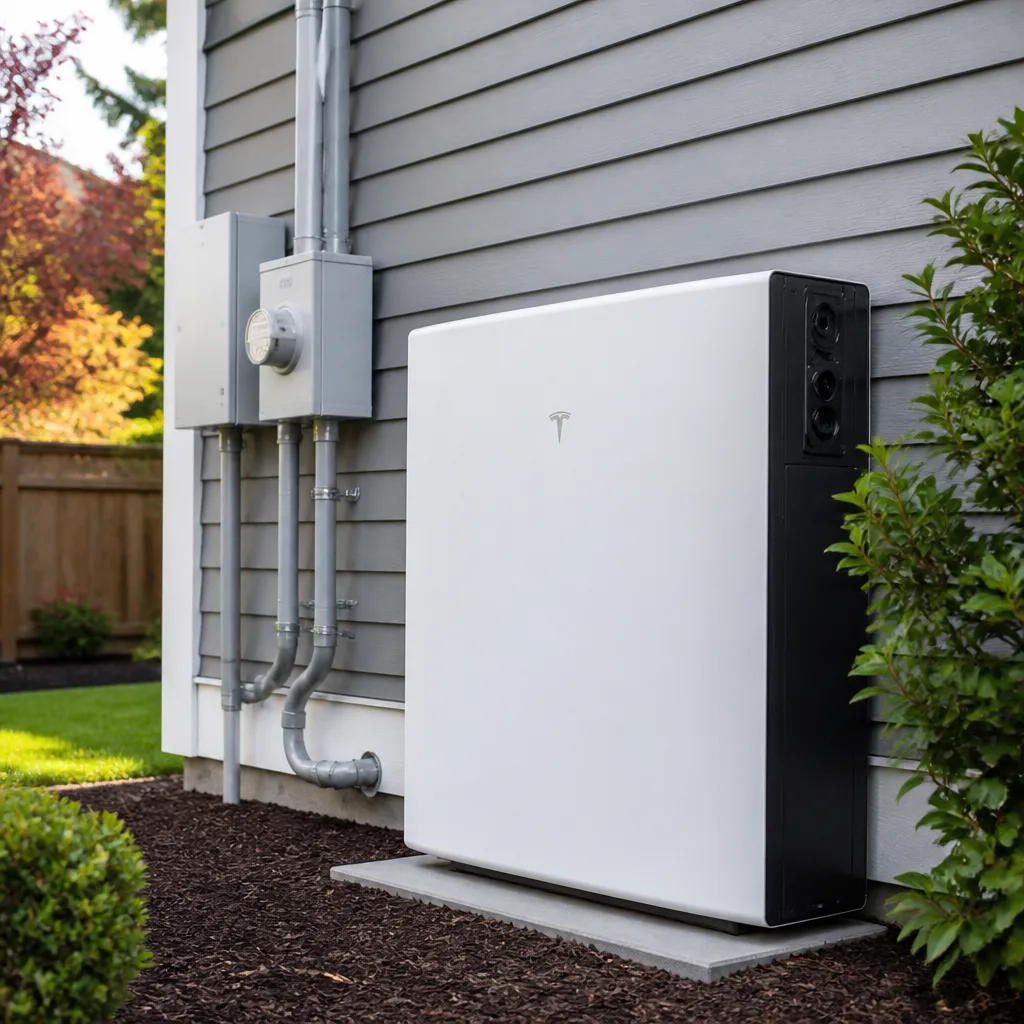
Tesla’s Wall Connector is the most common request we get in Exeter, and for good reason: 48 amps of charging at 44 miles of range per hour beats the mobile connector by a wide margin. The catch on many Exeter homes is the panel. A Wall Connector on a 60-amp breaker needs real headroom. If your 1970s ranch on Visalia Road still has the original 100-amp service, we’ll quote the panel upgrade alongside the charger so there are no surprises when the permit gets pulled.
Panel Upgrade for EV Charging
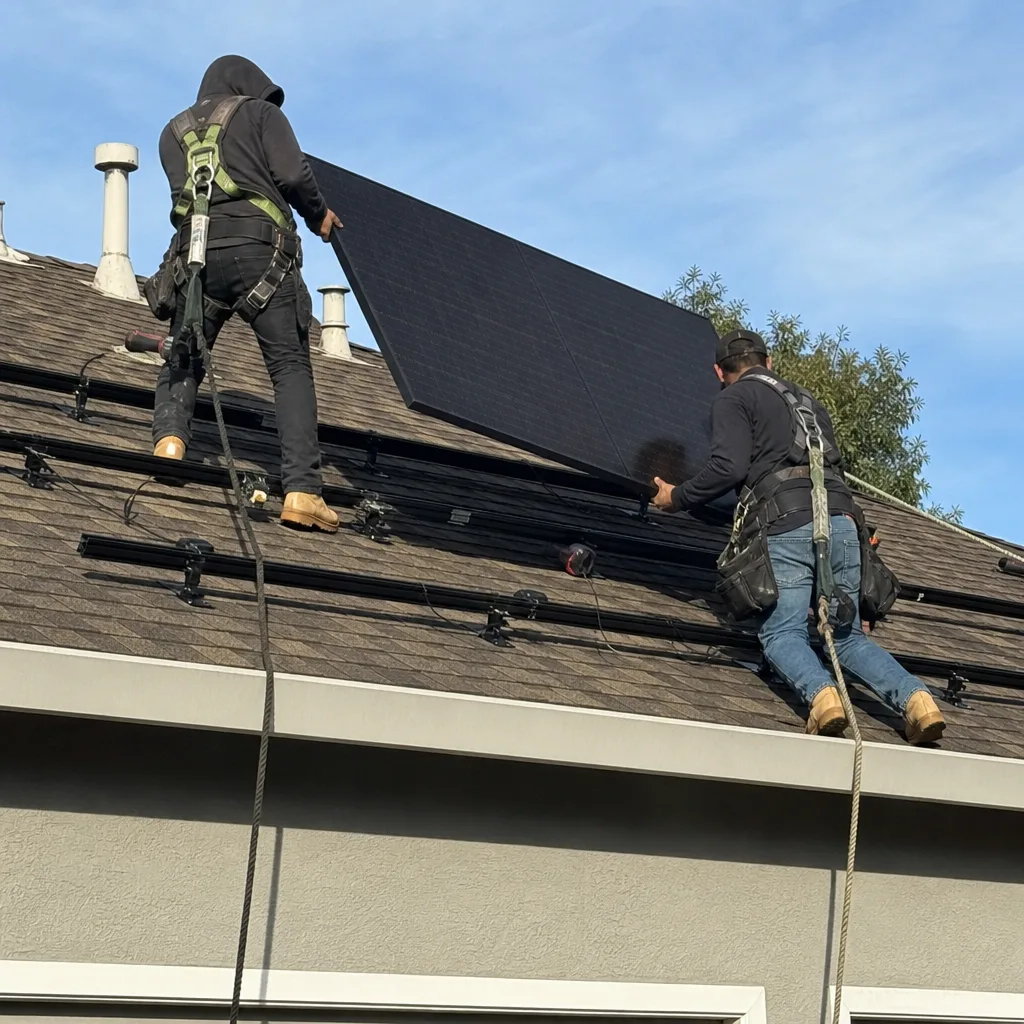
This is the service most Exeter homeowners don’t know they need until the charger trips a breaker. A typical panel upgrade from 100 to 200 amps in Exeter runs $2,800 to $4,500. Homes from the 1940s through the early 1980s dominate Exeter’s housing stock, and a huge share of them still run the original service. Adding a Level 2 charger to that panel while running an old AC compressor and a well pump is asking for a midnight breaker trip. We’ll tell you plainly whether you need the upgrade or can get by without it.
Garage & Driveway Charger Wiring
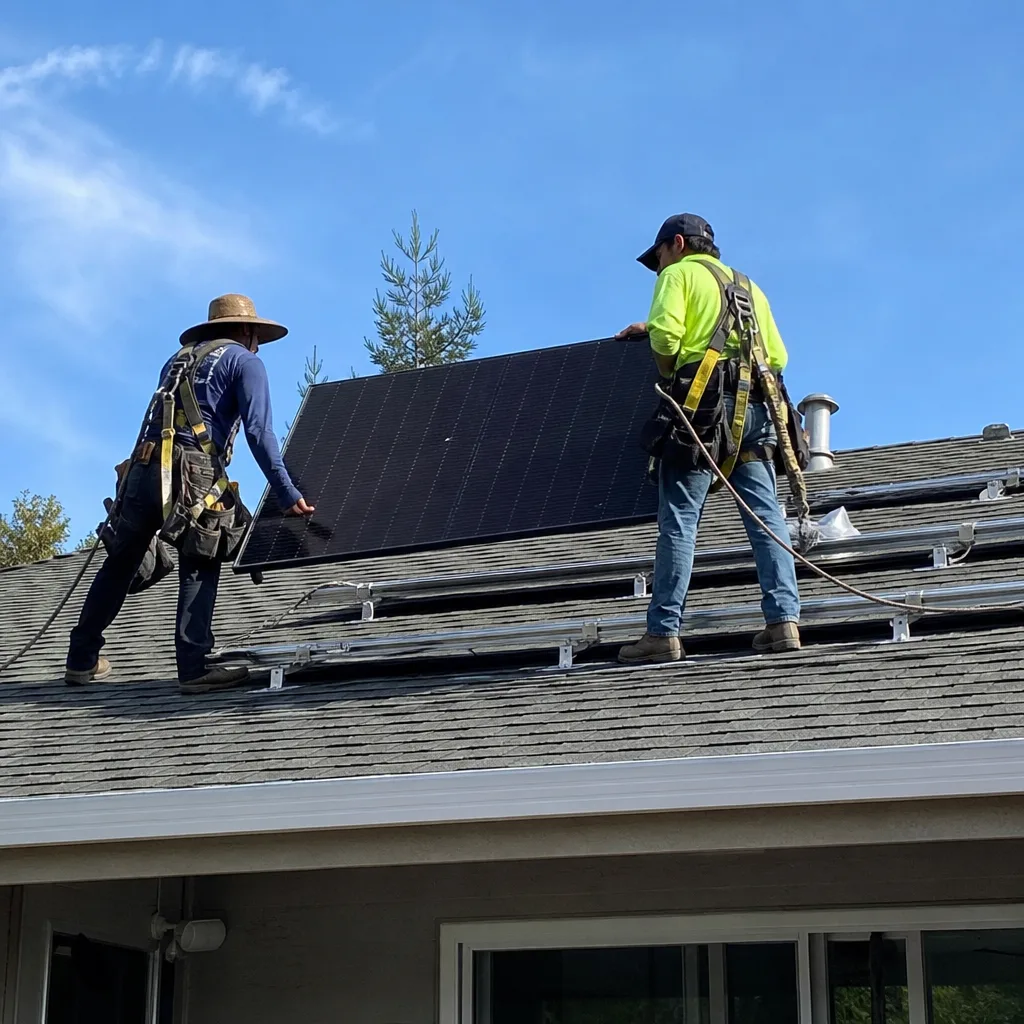
In Exeter, a lot of garages are detached, and many sit at the end of a long driveway. Running conduit and wire from a house panel to a detached garage can add $300 to $900 depending on trenching and distance. If the garage already has separate service, we’ll tie into that if it has capacity. If it’s an old citrus shed with 60-amp service and no ground rod to speak of, we’ll bring it up to code before the charger goes in.
What happens when you call
- 1
A real person answersNo phone trees - you reach a local pro.
- 2
You get an upfront price rangeHonest numbers before anyone is dispatched.
- 3
A background-checked tech heads outLicensed & insured, dispatched right away.
- 4
You approve before work beginsNothing starts until you say go.
Trusted Brands We Service in Exeter
We install and service chargers from Tesla, Enphase, and SolarEdge, and we pair them with solar and battery systems from those same makers plus FranklinWH when you want charging backed by your own production. Because we stock parts in our Central Valley warehouse and dispatch from our Fresno office, we can be in Exeter the same week you call, often faster. You won’t wait three weeks for a charger that some national chain drop-shipped to a warehouse in another state.
Common EV Charger Installation Problems We See in Exeter Homes
- Undersized 100-amp panels on 1940s-1980s ranch homes. Add a 48-amp charger to an old panel running a well pump and an aging AC unit, and the main breaker trips. We see this on Belmont Avenue, on E Street, on the streets that run behind the packing houses. The fix is usually a 200-amp upgrade.
- Detached ag outbuildings with separate, undersized electrical service. Exeter grew up around citrus, and a lot of properties still have a packing shed or detached garage with its own tiny panel. Homeowners assume the main house panel covers the whole property. It doesn’t, and we find this out fast when the charger draws hard and the shed panel gives up.
- Solar-paired chargers sized only on summer peak production. If you already have solar and you’re adding an EV, our honest advice is this: size the system you already have against winter reality, not July. More on that below, because it’s the single biggest trust killer in this business.
- Flat-roofed detached structures that complicate conduit runs. Older citrus-era properties in Exeter often have flat-roof sheds with completely separate wiring run from a sub-panel mounted years ago by someone who wasn’t pulling permits. When we run a charger to those, we’re often replacing that sub-panel first.
Pricing for EV Charger Installation in Exeter, CA
Here are honest, current ranges for what we charge in Exeter. A standard Level 2 charger install on a home with a 200-amp panel runs $800 to $1,600. A Tesla Wall Connector install runs $1,100 to $1,800 when the panel has capacity. Panel upgrades from 100 to 200 amps run $2,800 to $4,500. Wiring to a detached garage adds $300 to $900 depending on distance and whether we’re trenching or running overhead. If we’re pairing the charger with a new solar array, charger wiring is a line item on a combined quote, and the charger may qualify for a federal tax credit alongside the solar. Bring us a bill, we’ll bring you the math. The price we quote is the price you pay. Call (877) 550-6892 for a free estimate, and take two weeks to think about it. The price will be the same.
We Also Serve Cities Near Exeter
Beyond Exeter, Gus’s Solar installs EV chargers in Farmersville, Lindsay, Woodlake, and Visalia. If you’re just outside city limits in the county, call us anyway: we handle rural parcel work with detached ag structures all the time.
Serving Exeter, CA - Our Local Coverage Area
We’re based in the Exeter area and know this community well. Use the map below to see our service coverage - if you’re nearby, we can almost certainly help.
FAQs - EV Charger Installation in Exeter
Probably not, not safely. A Level 2 charger draws up to 48 amps, and a 1960s-era 100-amp panel in an Exeter ranch home is already near capacity with AC, a well pump, and modern appliances. We’ll do a load calculation before we quote. If the math says no, we’ll give you an honest number for a 200-amp upgrade. Call (877) 550-6892 and we’ll check your panel for free.
Not meaningfully. Exeter sits in the densest tule fog zone in the San Joaquin Valley, and December-January production can drop to near zero for stretches of days or even weeks. If you’re pairing solar with EV charging, we’ll show you exactly how many winter kilowatt-hours you’ll still pull from the grid using your own true-up statement, not a brochure number. That’s the only honest way to size this system.
Yes, but only if that service has real capacity and proper grounding. Many of the detached sheds and packing structures around Exeter were wired decades ago with undersized panels and no load calculation. We usually need to upgrade the sub-panel before the charger goes in. We’ll tell you the cost before we start.
Adding a charger increases your annual consumption, and in fog-heavy Exeter, that increase lands hard in winter when your panels are producing almost nothing. We’ll model your true-up with the charger added and show you what your annual bill actually does. If a salesman needs an answer tonight, the answer is no. We’ll bring you the real numbers and give you time to read them.
Because older Exeter homes usually need a panel upgrade first, and running a dedicated 60-amp circuit through a 1960s wall with aluminum wiring takes real labor and sometimes a conduit run across a long driveway. The honest number includes that work. A cheaper quote that ignores it will surface as a surprise change order on install day. Our price is the price. Call (877) 550-6892 for a quote before you sign anything else.
The Exeter Reality: Tule Fog, Citrus Sheds, and 100-Amp Panels
Exeter is the Orange City of Tulare County, and that history shapes every charger install we do here. A meaningful share of our customers are sizing electrical work around agricultural loads: irrigation pumps, cold storage, evaporative coolers. Add an EV charger to that math and the panel math gets serious fast. We recently upgraded a 1970s ranch home on Belmont Avenue where the original 100-amp panel couldn’t handle a Tesla Wall Connector alongside an aging AC compressor and an irrigation pump for the customer’s citrus grove. We replaced the panel, ran a dedicated 60-amp circuit to the detached garage, and tied the charger into a new 7.2 kW solar array with microinverters so the EV mostly charges on summer surplus. But we showed them on their true-up statement exactly how many winter kilowatt-hours they’d still pull from the grid during fog weeks. That’s the difference between an installer who sells a fantasy and one who reads the meter with you.
Exeter sits on the San Joaquin Valley floor, where tule fog is among the densest in the nation. December and January solar production can drop near zero for weeks. That means solar-paired EV charging here must be sized against winter grid draw, unlike neighboring foothill towns where clear winter skies still deliver usable irradiance. A contractor who doesn’t know that will sell you a summer-sized system and leave you with a surprise winter bill. We don’t do that.
Exeter’s housing stock compounds the challenge. Most homes date from the 1940s through the early 1980s. The standard panel is 100 amps. The standard roof is low-pitch composition shingle. The standard property line contains a detached structure with its own undersized service. If you’re adding an EV charger, the most likely recommendation you’ll get from us is: panel upgrade first, then charger, and if you want solar, let’s make sure the solar is sized for what Exeter’s winter actually does. That’s a real answer based on this city, not a generic page reused across a hundred other towns. Call (877) 550-6892 and we’ll put it in writing.
Written by Gus Petrakis, Owner at Gus’s Solar, serving Exeter and the surrounding Tulare County communities since 2011.