
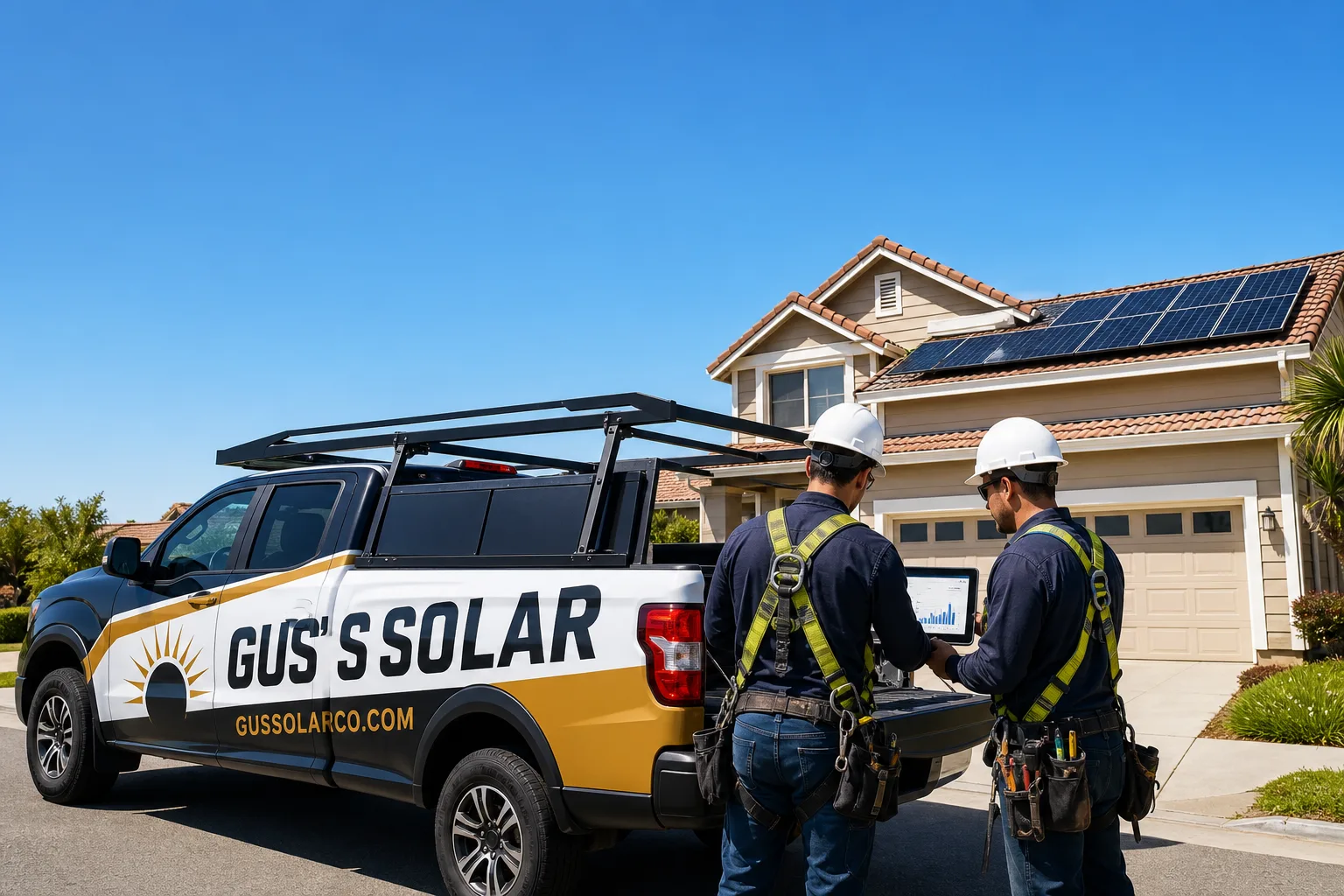
Free bill analysis - bring a power bill, get the production math for your actual roof, panel brands like Qcells and REC compared side by side
If the pitch starts at your door and ends with "sign tonight for the special," sleep on it. The sun will still be there tomorrow; so will we.
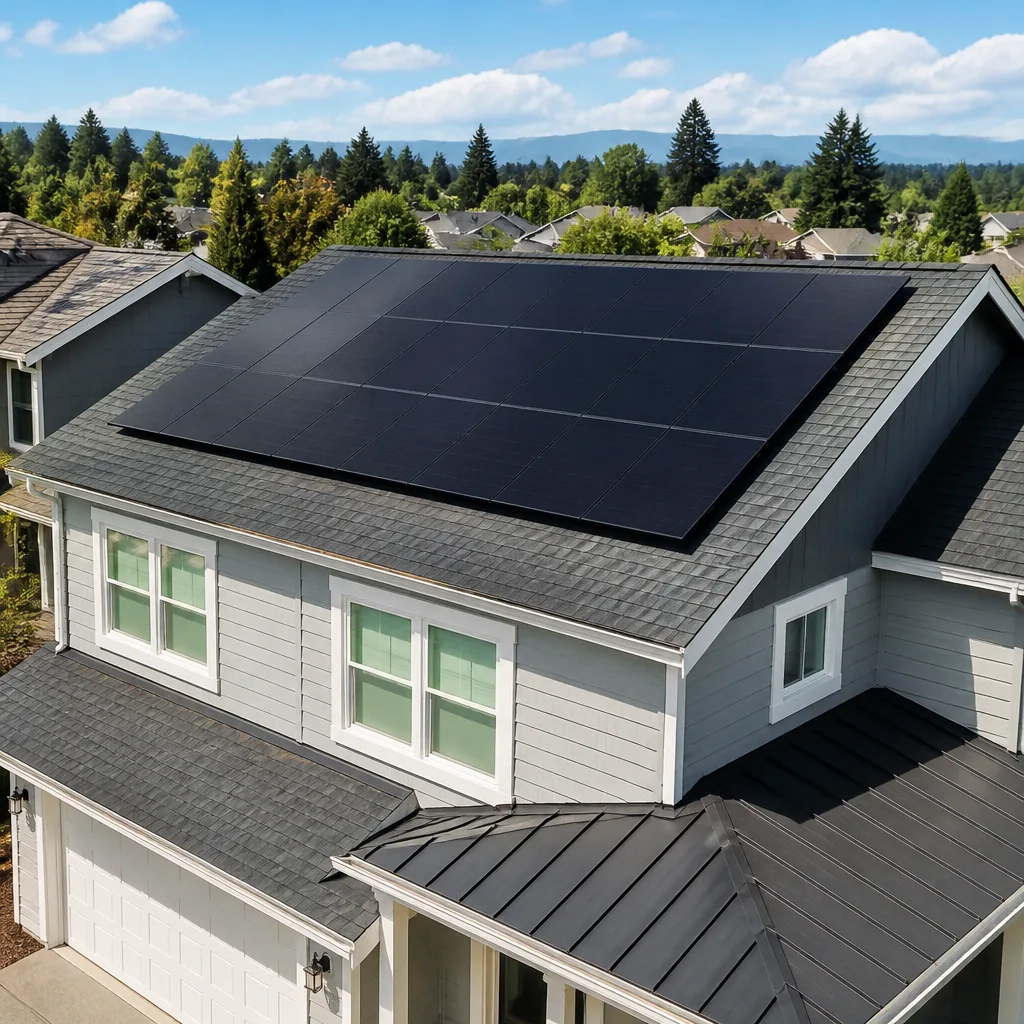
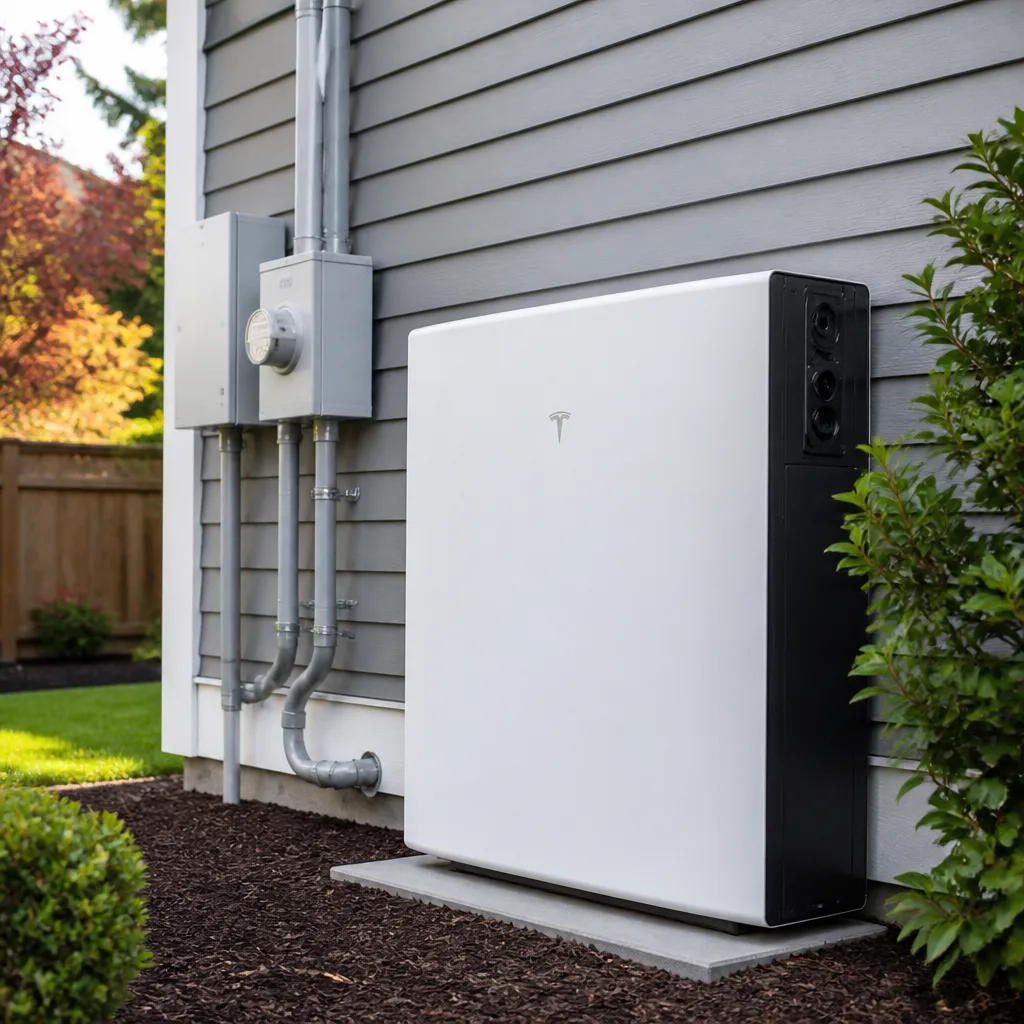
 Before
 After
After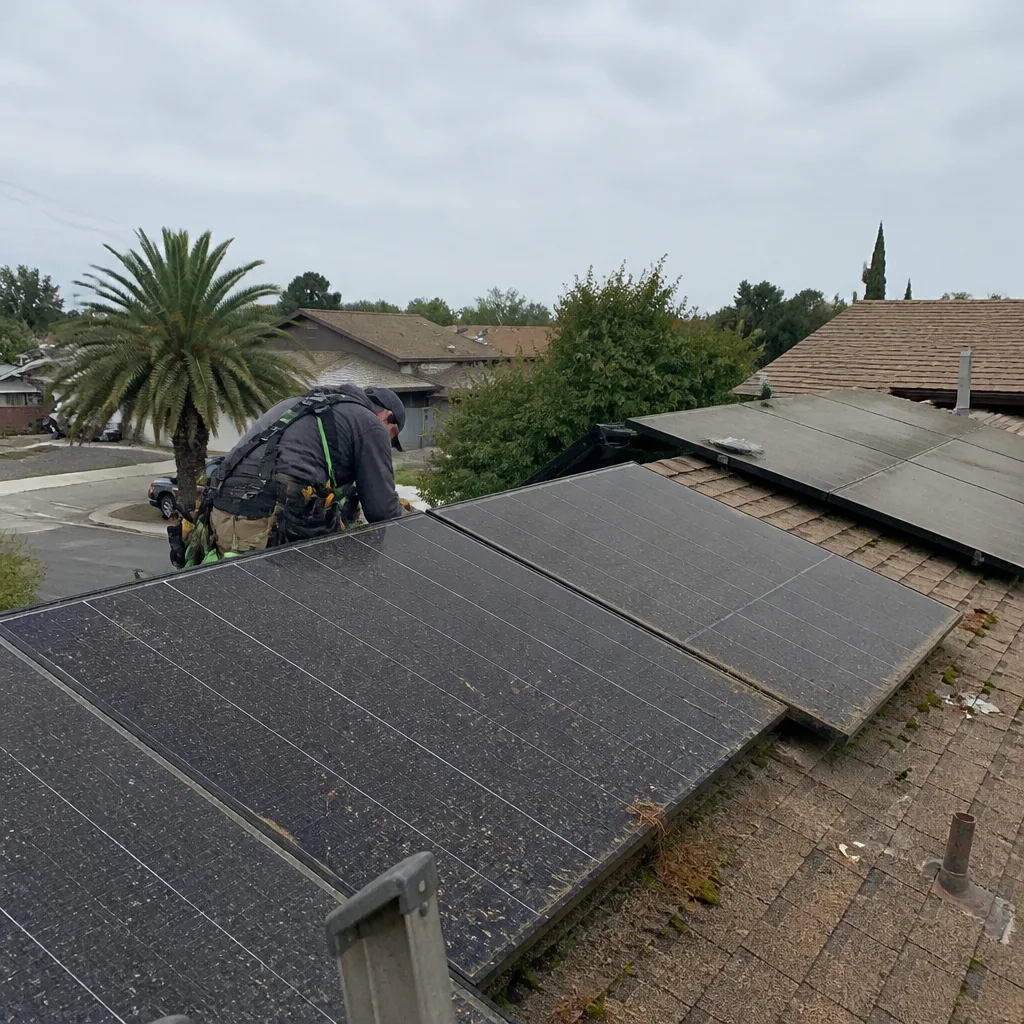 Before
 After
After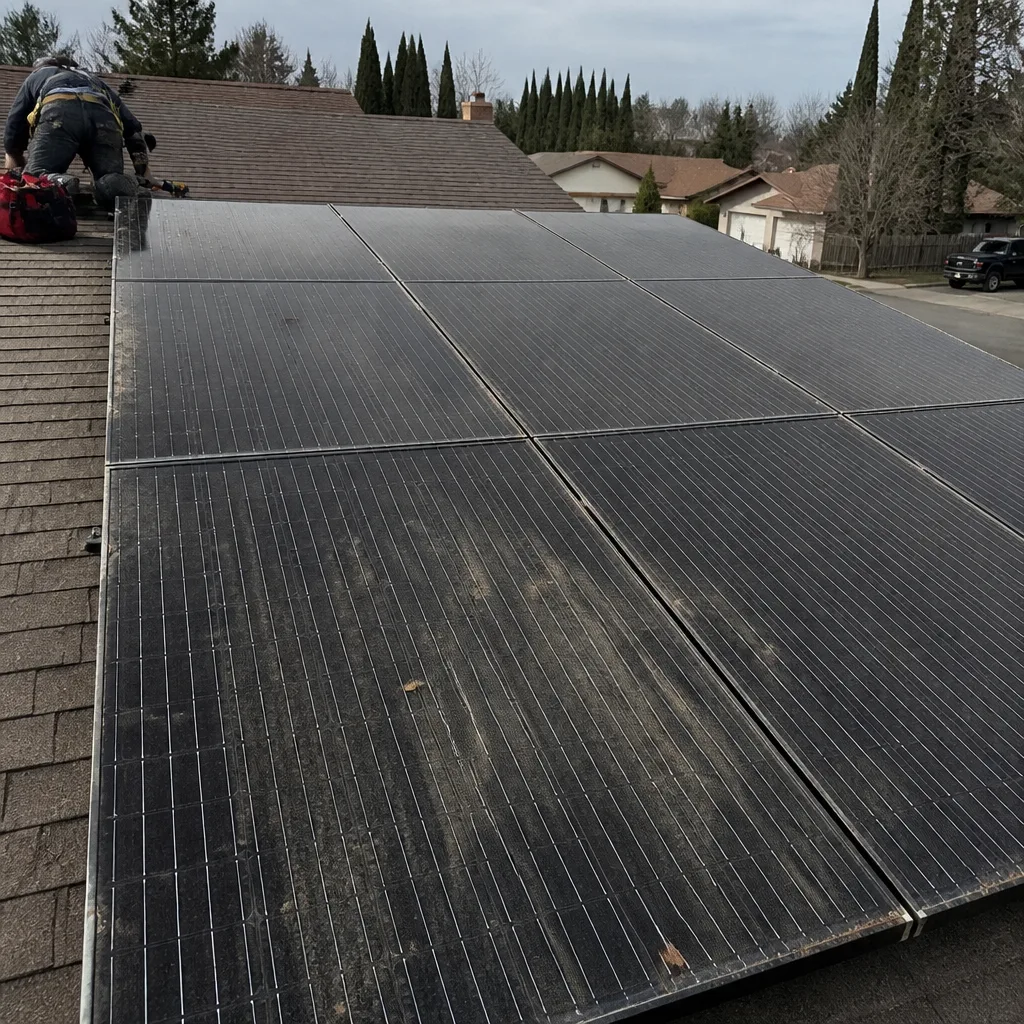 Before
 After
AfterFast, Reliable EV Charger Installation Across Anderson
EV charger installation in Anderson, California typically costs between $850 and $2,400 for a standard Level 2 setup, and most jobs are done in a single visit. If your panel needs an upgrade, which is common here, expect to add $2,500 to $4,500. Gus’s Solar has installed chargers in Anderson homes since the first wave of EV early adopters started asking about range range anxiety more than a decade ago, and we know exactly what the 96007 housing stock throws at you before we even pull up. Call (877) 550-6892 and ask for Gus directly.
Why Gus’s Solar Is Anderson’s Preferred EV Charger Installation Company
We’re not a pop-up crew that parachutes into Anderson when the weather’s nice. Gus Petrakis answers his own phone, publishes his license number, and has been serving this part of Shasta County for years. Anderson customers call us because they’ve already been burned once by an out-of-town installer who quoted a “standard” charger job over the phone and then walked off with a permit stalled at the building department.
When you call, a live person answers. Not a voicemail. Not a ticket queue. When we schedule, our own background-checked crew shows up in uniform with the right parts on the truck the first trip. We don’t hand Anderson work to subs. And every job carries the 90-Day Done Right Promise in writing: if it’s not done right, Gus comes back and makes it right. That’s the whole deal.
Our EV Charger Installation Services in Anderson
We install and service every charger type Anderson drivers actually use. If you’re not sure which one fits your house, call us and tell us what you drive and what your panel looks like. We’ll give you a straight answer before we ever schedule a visit. Here’s what we do most in Anderson:
Level 2 Charger Installation
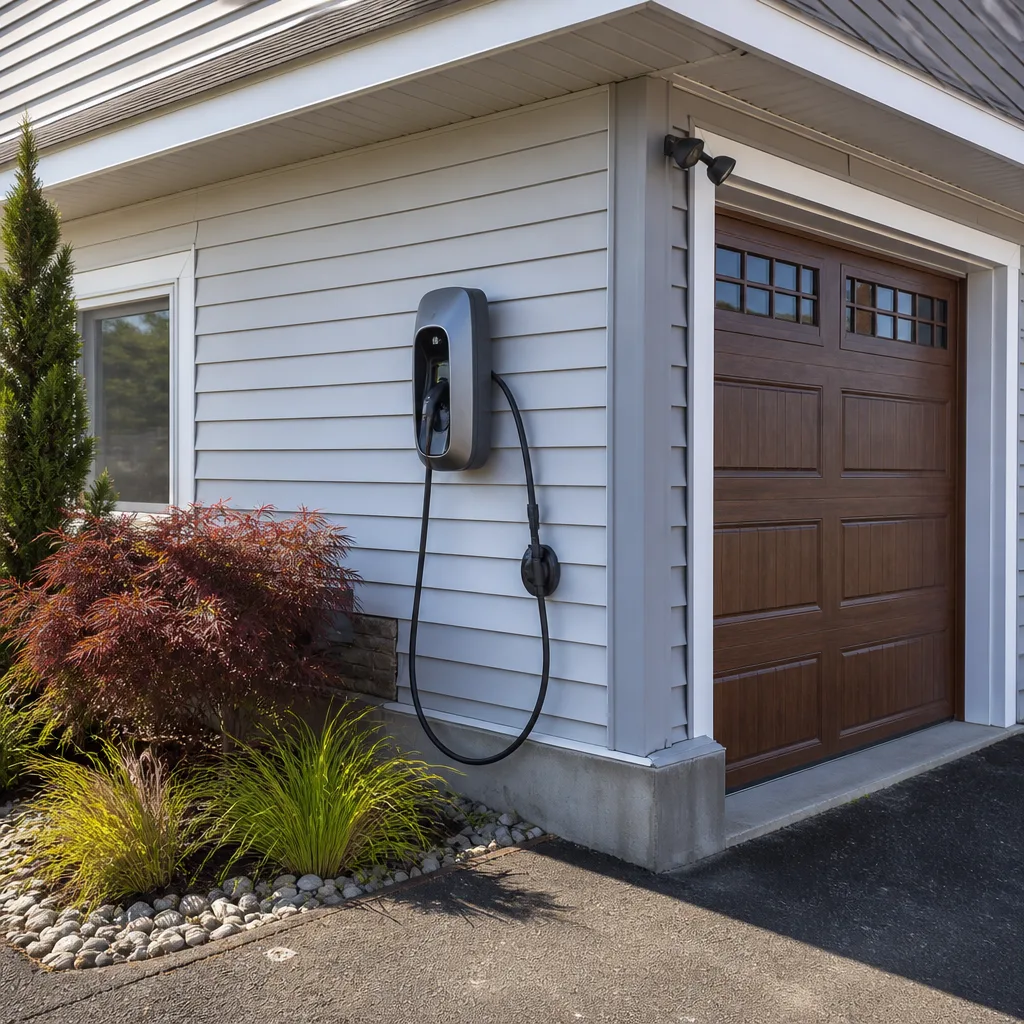
Level 2 is the workhorse charger for Anderson drivers. A 240-volt dedicated circuit charges most EVs from empty to full in 6 to 10 hours, depending on the vehicle and the amperage you choose. We run the circuit, mount the charger, and configure the amperage to match your panel’s actual capacity, not the theoretical number on the sticker. In Anderson’s 1960s and 1970s ranches, that distinction matters more than anywhere else we work.
Tesla Wall Connector Installation
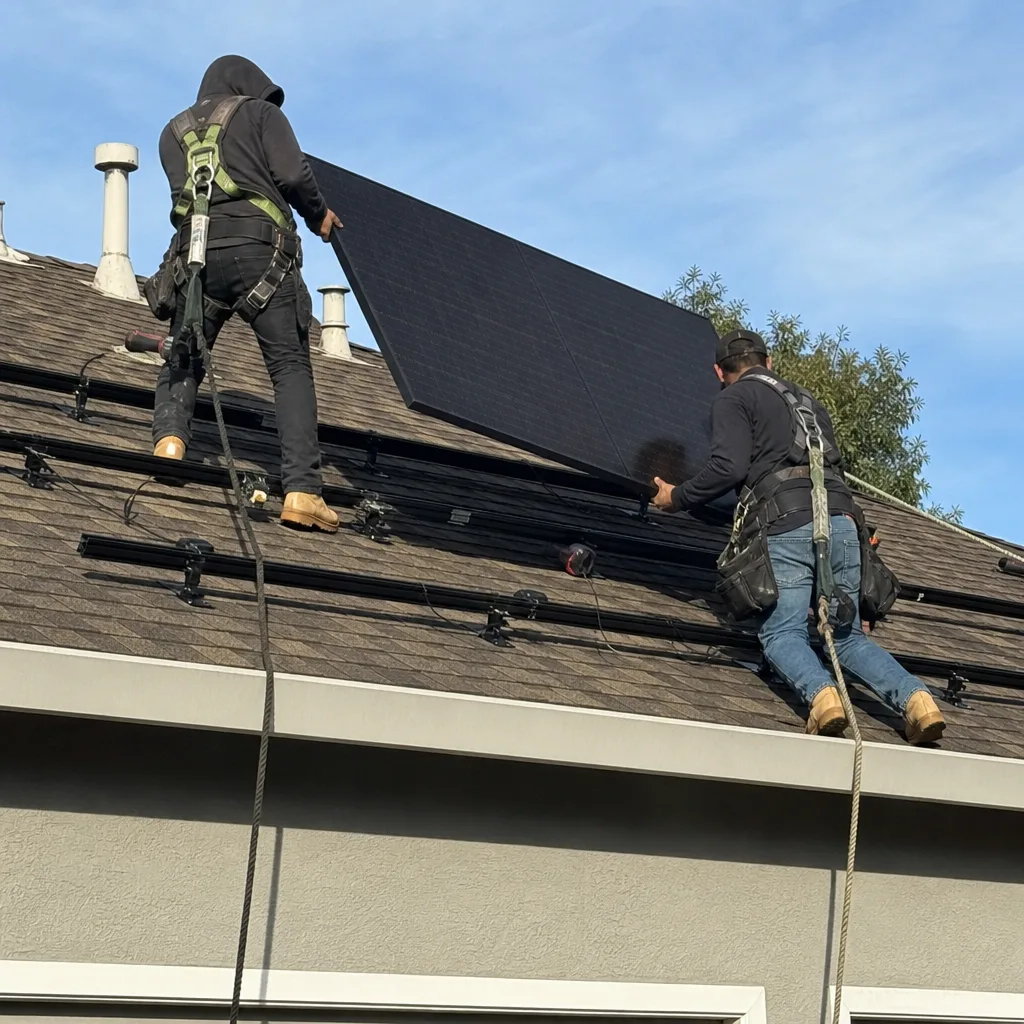
Tesla’s Wall Connector is the most popular charger in Anderson by a wide margin. It’s a good unit. But the 48-amp setting is not a suggestion on a 100-amp panel, it’s a problem. We recently put a Tesla Wall Connector in a 1978 single-wide off Rhonda Road in Anderson. The existing 100-amp panel couldn’t handle the 48-amp continuous load without tripping the main. We upgraded the service to 200 amps, ran 6/3 wire through the crawl space to a NEMA 14-50 outlet on the carport post, and set the charger to 40 amps so the new panel’s load calculation stayed clean. The homeowner had been quoted a “plug-and-play” install by an out-of-town outfit that never mentioned the panel upgrade or the Shasta County structural cert for the manufactured home. That’s the difference between a quote and a job that actually gets finished.
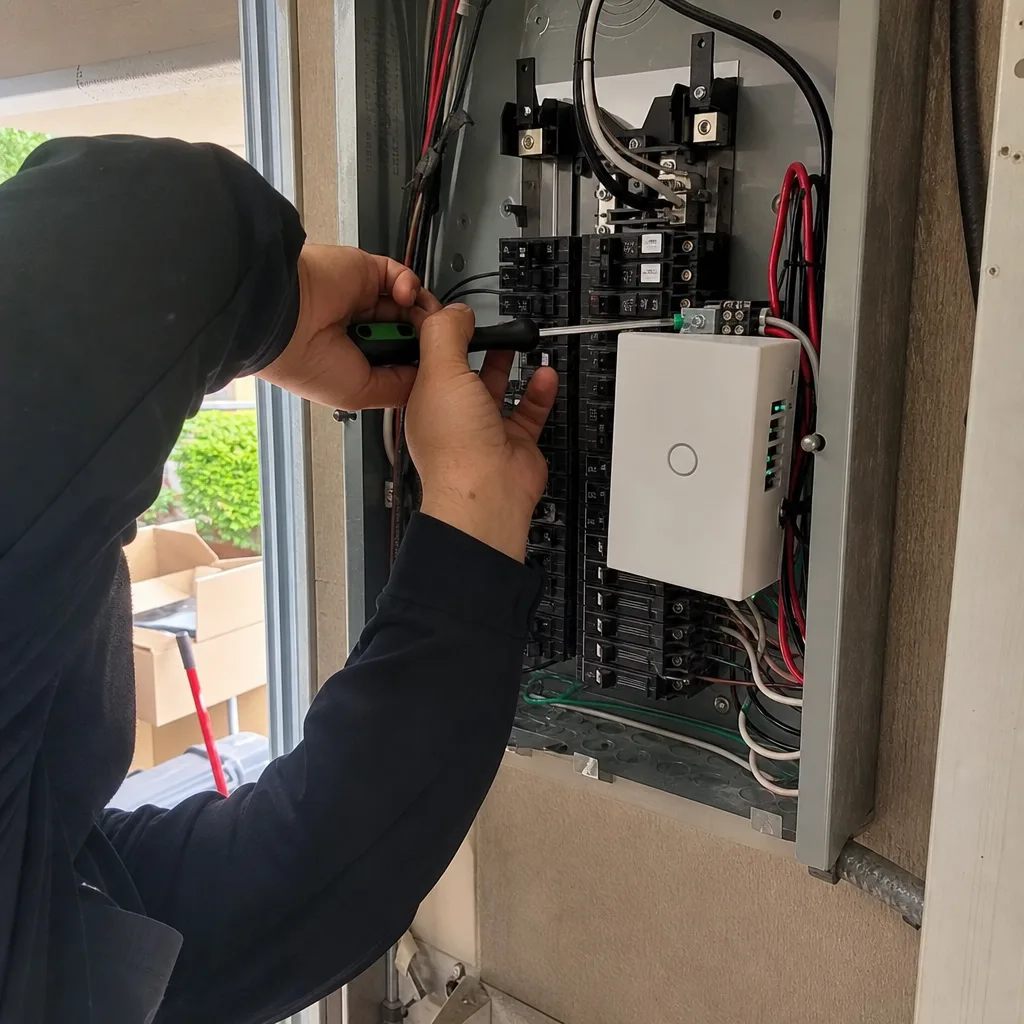
Panel Upgrade for EV Charging
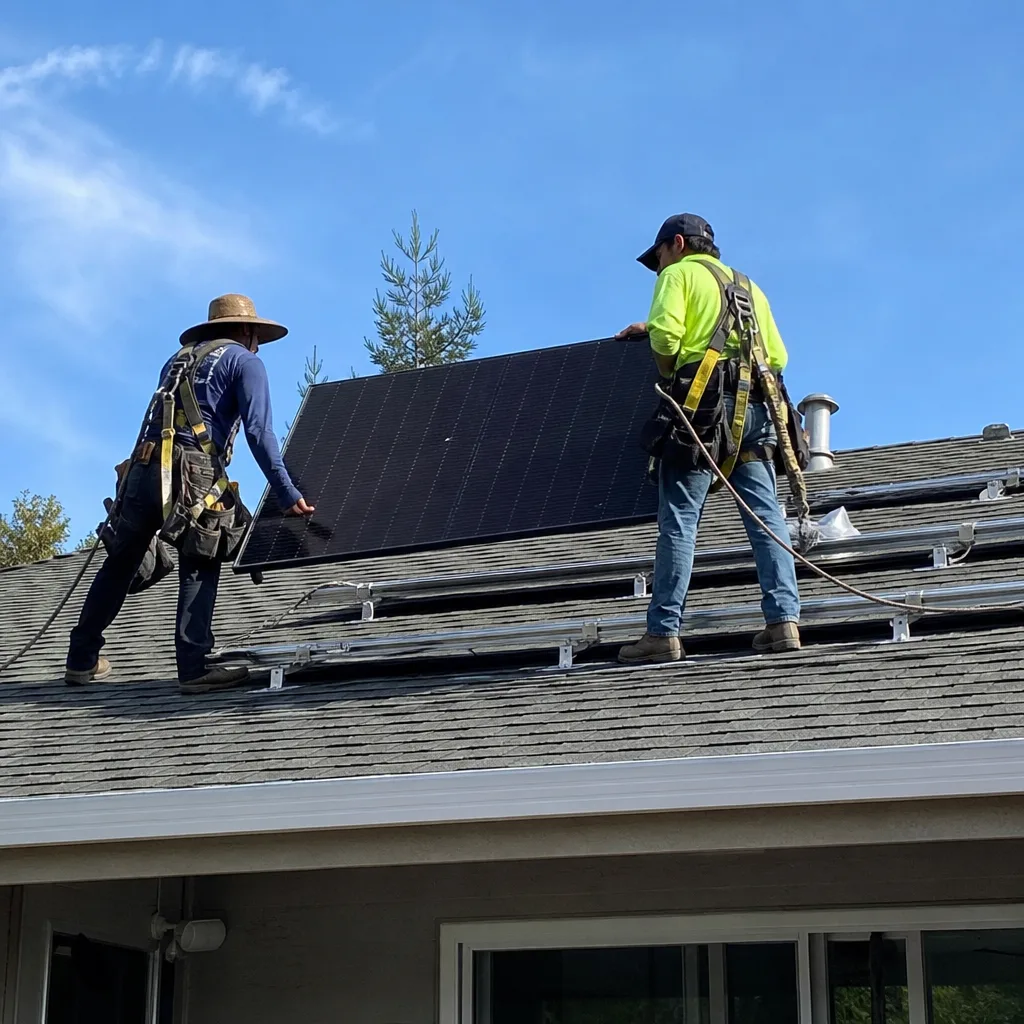
This is the conversation half of Anderson needs before they buy a charger. Most homes in Anderson’s older neighborhoods, especially the 1960s through early-1980s ranch stock around the Sacramento River corridor and the manufactured home parks off Balls Ferry Road and North Street, still run 100-amp panels. A Level 2 charger pulling 40 to 48 amps plus an AC unit on a 110°F afternoon will trip the main every time. We do the load calculation first, show you the math, and upgrade to 200 amps when it’s needed. We don’t wait for the breaker to prove it to you. Anderson drivers care about this because they’ve seen it happen. The service upgrade in Anderson typically runs $2,500 to $4,500, and we fold it into one permit so it’s done right the first time.
Garage & Driveway Charger Wiring
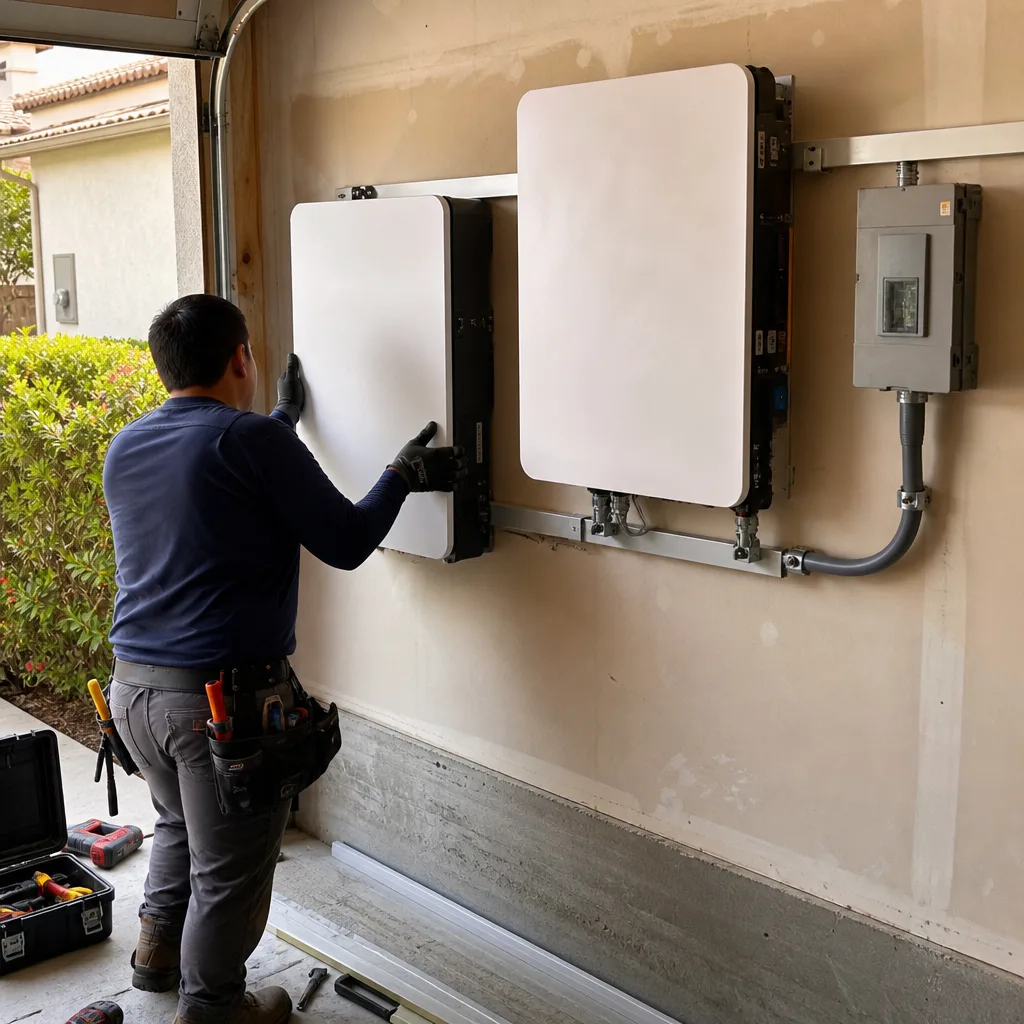
Anderson has a lot of detached garages and carports. That’s just how the housing stock works here. We run conduit and cable the clean way: through crawl spaces, under eaves, along beams, never draped across a yard. If you’re mounting a charger on a carport post, we use weather-rated enclosures and check the post’s structural condition before we bolt anything on. Shasta County gets real wind, and we don’t hang expensive hardware off something that’s been rotting for 40 years. If the post needs replacement, we tell you that before you pay for the charger.
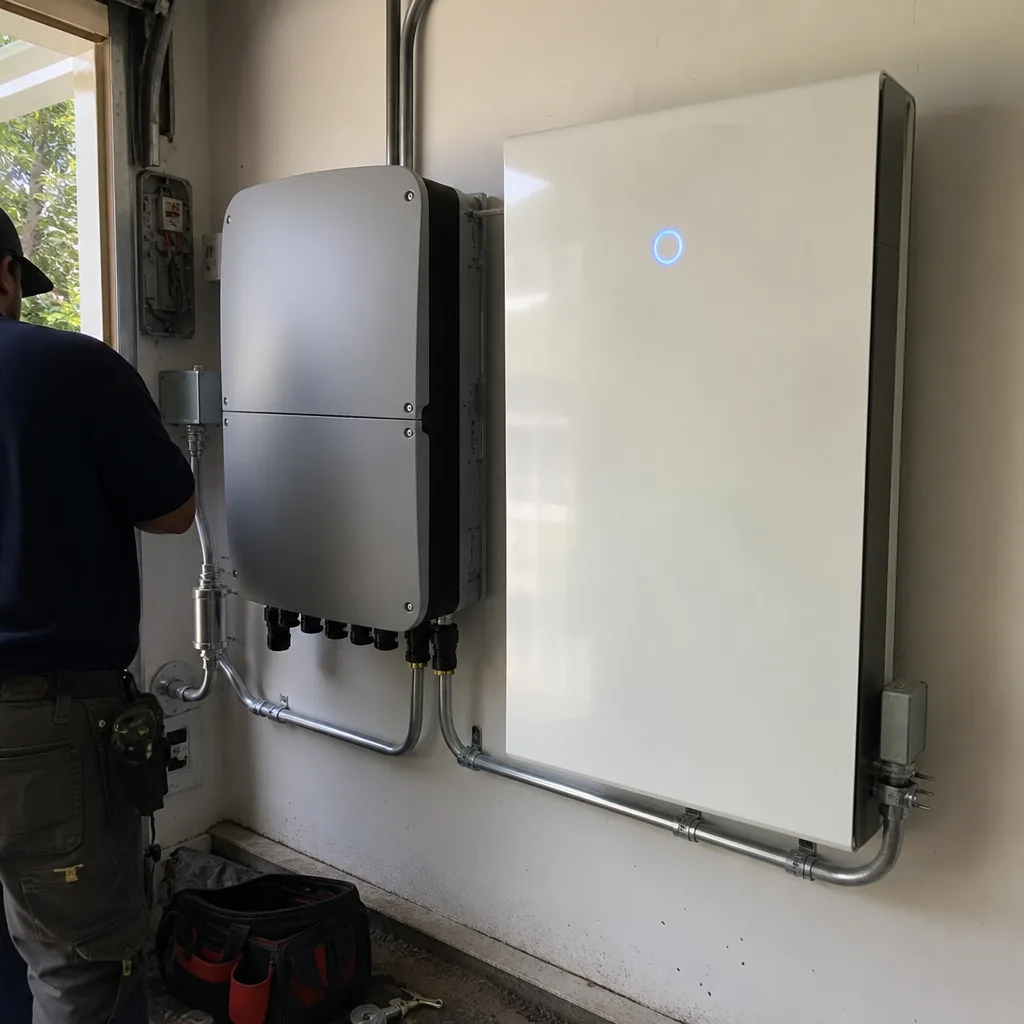
Solar-Paired EV Charging
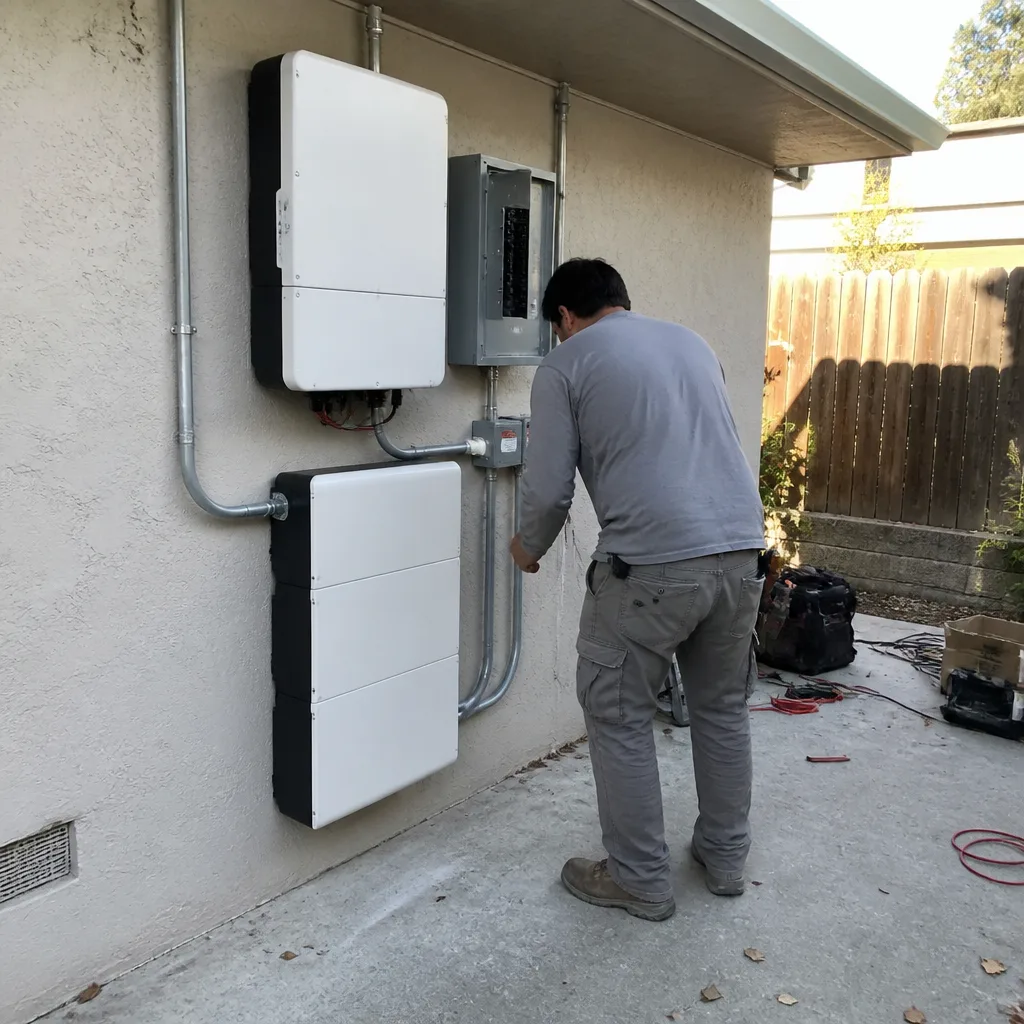
Anderson has more solar per roof than most people realize, and the smartest money pairs it with EV charging. But there’s a catch. Your system was sized for summer AC load, which means it produces almost no spare kWh for fuel. We run the true-up math off your actual PG&E bill, not a brochure. When it makes sense, we tie the charger into your solar and storage setup so the car charges during the day when panels are producing. Under Anderson’s NEM 3.0 rates, that’s a much better deal than exporting cheap midday power back to the grid. We’ll show you the numbers and tell you to take two weeks before you decide anything.
What happens when you call
- 1
A real person answersNo phone trees - you reach a local pro.
- 2
You get an upfront price rangeHonest numbers before anyone is dispatched.
- 3
A background-checked tech heads outLicensed & insured, dispatched right away.
- 4
You approve before work beginsNothing starts until you say go.
Trusted Brands We Service in Anderson
We work with chargers and equipment from the brands Anderson drivers actually have on their walls: Tesla, Enphase, SolarEdge, and FranklinWH battery and energy management gear when a customer wants solar-paired EV charging with real load control. We stock common breaker sizes, conduit, and connectors locally so we don’t make a second trip when your 1968 ranch has a panel we’ve seen a thousand times. If it’s on your garage wall, we can service it, upgrade it, or pair it with your solar array. EV Charger Installation is one of the core services we built the company around, and it shows in how fast we turn around Anderson jobs.
Common EV Charger Installation Problems We See in Anderson Homes
- The 100-amp panel that everyone pretends is fine. Anderson’s housing stock was built for a 1968 lifestyle: lights, a couple kitchen appliances, one window AC. Add a 48-amp charger and a modern AC on a summer afternoon, and the main trips. We do the load calculation before we touch a breaker, so you know whether you need a panel upgrade on day one, not day three.
- The manufactured home structural cert that stops permits cold. Shasta County building department requires a structural roof certification for manufactured homes before it will issue a solar permit, and a significant slice of Anderson’s neighborhoods have these homes. Out-of-town installers don’t flag this upfront. The job stalls mid-permit and the customer bails. We flag it before you sign anything.
- The “solar covers everything” misunderstanding. Your PV system was sized for summer AC, not for also fueling a vehicle. When the charger pulls from the grid at peak rates, the true-up of “free fuel” collapses on the first statement. We size solar-paired EV charging off your actual driving habits, not a generic assumption.
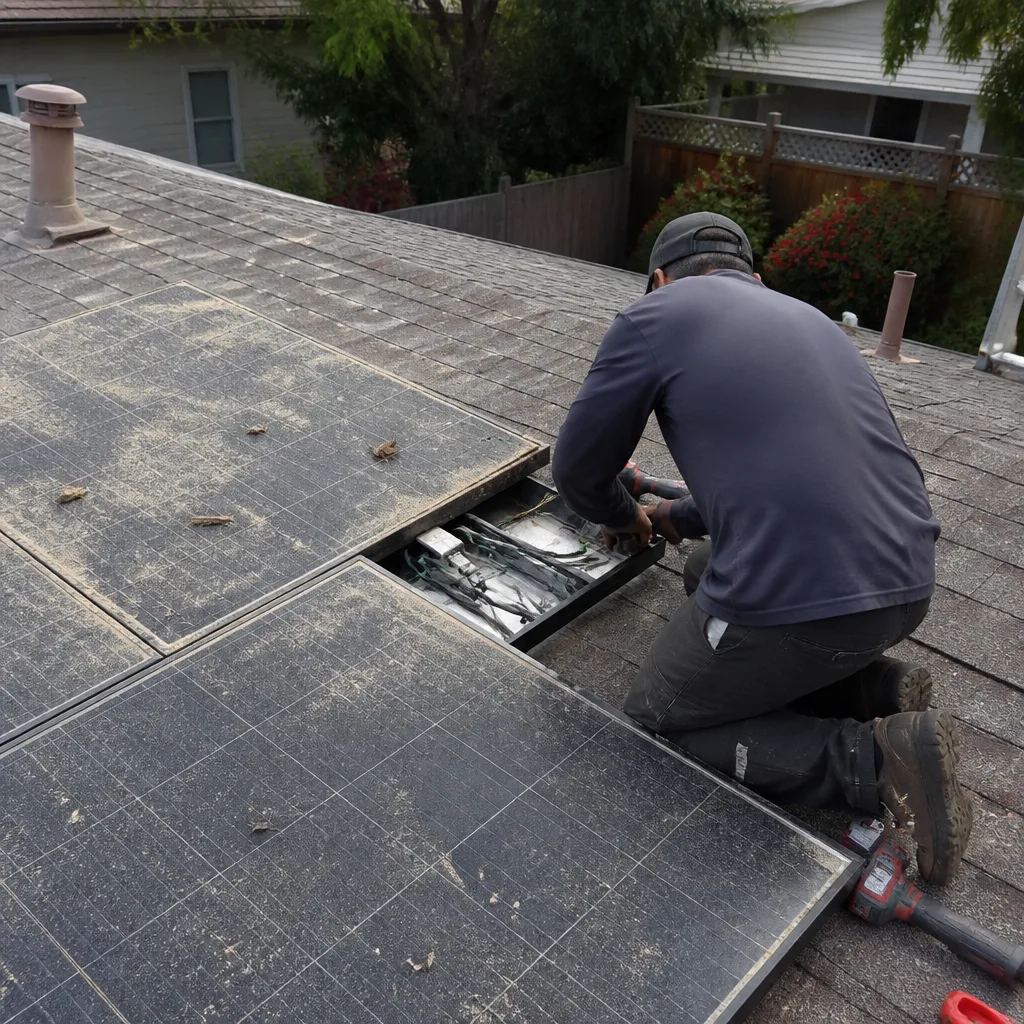
- Wildfire smoke cutting production right when you need charge. Anderson sits directly downwind of Shasta County fire terrain. During the 2018 Carr Fire and subsequent smoke events, particulate buildup dropped solar generation for days at a time. If you’re counting on solar to charge an EV during fire season, we design that buffer in from the start, usually with a battery like FranklinWH’s aPower, and we clean the panels seasonally so they don’t sit under a film of ash.
Pricing for EV Charger Installation in Anderson, CA
A standard Level 2 charger installation in Anderson runs $850 to $2,400, depending on the distance from the panel to the charging location and whether we’re running conduit through a crawl space or surface-mounting in a garage. A Tesla Wall Connector install falls in the same range, usually $950 to $1,800 for the labor, plus the unit itself if you don’t already have one. Panel upgrades in Anderson, which about half of older homes need, add $2,500 to $4,500. Garage and driveway wiring in Anderson’s detached structures typically runs $600 to $1,500 for the run and hardware, before any panel work. Solar-paired EV charging is priced per job because it depends on your existing array, but the payback math is the first thing we show you, and it’s built off your actual PG&E bill. Every quote is free, and it’s a real number you can hold us to. Bring me a bill and I’ll bring you the math.
We Also Serve Cities Near Anderson
We regularly install chargers in Redding, Shasta Lake, Red Bluff, and Durham, and our crews know the drive times and permit offices for each. If you’re just outside Anderson in northern Shasta County, call us and we’ll tell you whether you’re in our normal service area. For the full picture of what we do, see our EV Charger Installation in Anderson page.
Serving Anderson, CA - Our Local Coverage Area
We’re based in the Anderson area and know this community well. Use the map below to see our service coverage - if you’re nearby, we can almost certainly help.
FAQs - EV Charger Installation in Anderson
Shasta County building department requires a structural roof certification for any manufactured or mobile home on a permanent foundation before it issues a solar permit, and that requirement applies whether the charger itself connects to solar or not if it’s part of a solar-paired install. The cert verifies the roof can hold the array, and it costs a few hundred dollars in engineering fees. Many Anderson homeowners in the manufactured home parks off Balls Ferry Road and along North Street get surprised by this because out-of-town installers never mention it. We flag the cert and the fee before you spend a dollar so there’s no mid-permit stall. Call (877) 550-6892 for an exact cost on your specific home.
Sometimes, but not at the charger’s higher amperage settings. A 100-amp panel in one of Anderson’s older ranches can typically support a Level 2 charger set to 24 or 32 amps if the AC load and other circuits are modest. But that’s not a safe assumption to make from across the room. We run a real load calculation first. If the main trips when the AC and charger run together on a summer afternoon, which is the most common failure we see in Anderson, you’ll need a 200-amp panel upgrade. That runs $2,500 to $4,500 here. Get the load calculation done before you buy the charger, and you’ll know the real number.
Under NEM 3.0, PG&E pays very little for excess solar exported to the grid during midday, which is exactly when Anderson’s summer-heavy systems produce the most. That means every kWh you send back in the afternoon is nearly worthless. If you charge an EV during the day instead, you’re offsetting the cost of grid power at the retail rate, which makes solar-paired charging one of the only NEM 3.0 payback strategies that actually works in Anderson. The savings math gets better with a battery in the loop, because you can shift afternoon solar into evening charging when you’re home from work. We run the year-one, year-five, and year-25 numbers off your actual PG&E bill before you sign anything. If a salesman needs an answer tonight, the answer is no. Take two weeks and check our math.
Anderson’s extreme valley heat is the answer. When module temperatures push well above their STC rating on 110°F+ afternoons, your solar panels physically produce 10 to 20 percent less power at the exact moment your AC and EV charger are pulling the hardest. That’s not a system failure, it’s physics. Every solar array in Anderson has this issue, and installers who don’t tell you about it are selling you a fantasy. The solution is sizing the array with heat derating factored in from the start, and pairing it with a battery if you actually want to charge an EV off stored midday production. We quote the year-25 output, not the day-one brochure number, and heat derating in Anderson is part of that math.
Yes, and we’ve measured it on systems across Anderson. Thick smoke from Shasta County fires, like the 2018 Carr Fire and the subsequent fire seasons, cuts direct solar irradiance enough to reduce panel output by 30 to 50 percent for days at a time. On top of that, the particulate falls onto the panels and leaves a film that further cuts production until it’s cleaned. For Anderson EV owners who rely on solar to charge, that means fire season can leave you pulling from the grid at peak rates. We recommend seasonal panel cleaning after heavy smoke events, and we design solar-paired EV charging with a buffer for the fire months so you don’t get stranded on a true-up bill. Call (877) 550-6892 and we’ll look at your setup honestly.
If you’re in Anderson and thinking about an EV charger, call (877) 550-6892 for a free estimate. We’ll tell you what your panel can handle, what the permit will require, and what the real number is. No signature tonight. No pressure. Just a straight answer from someone whose name is on the truck.
Written by Gus Petrakis, Owner at Gus’s Solar, serving Anderson and Shasta County since 2011.