
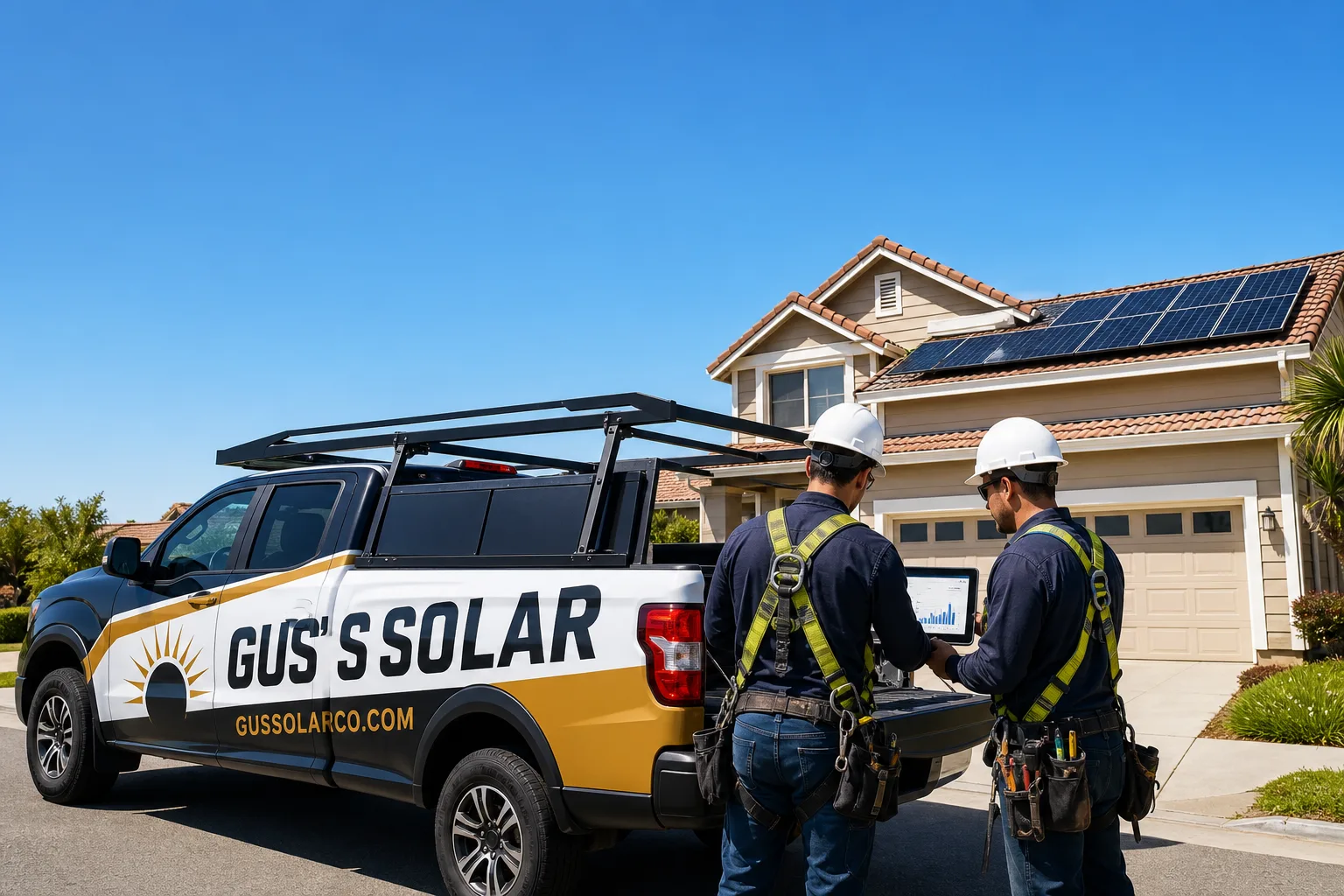
Free bill analysis - bring a power bill, get the production math for your actual roof, panel brands like Qcells and REC compared side by side
If the pitch starts at your door and ends with "sign tonight for the special," sleep on it. The sun will still be there tomorrow; so will we.
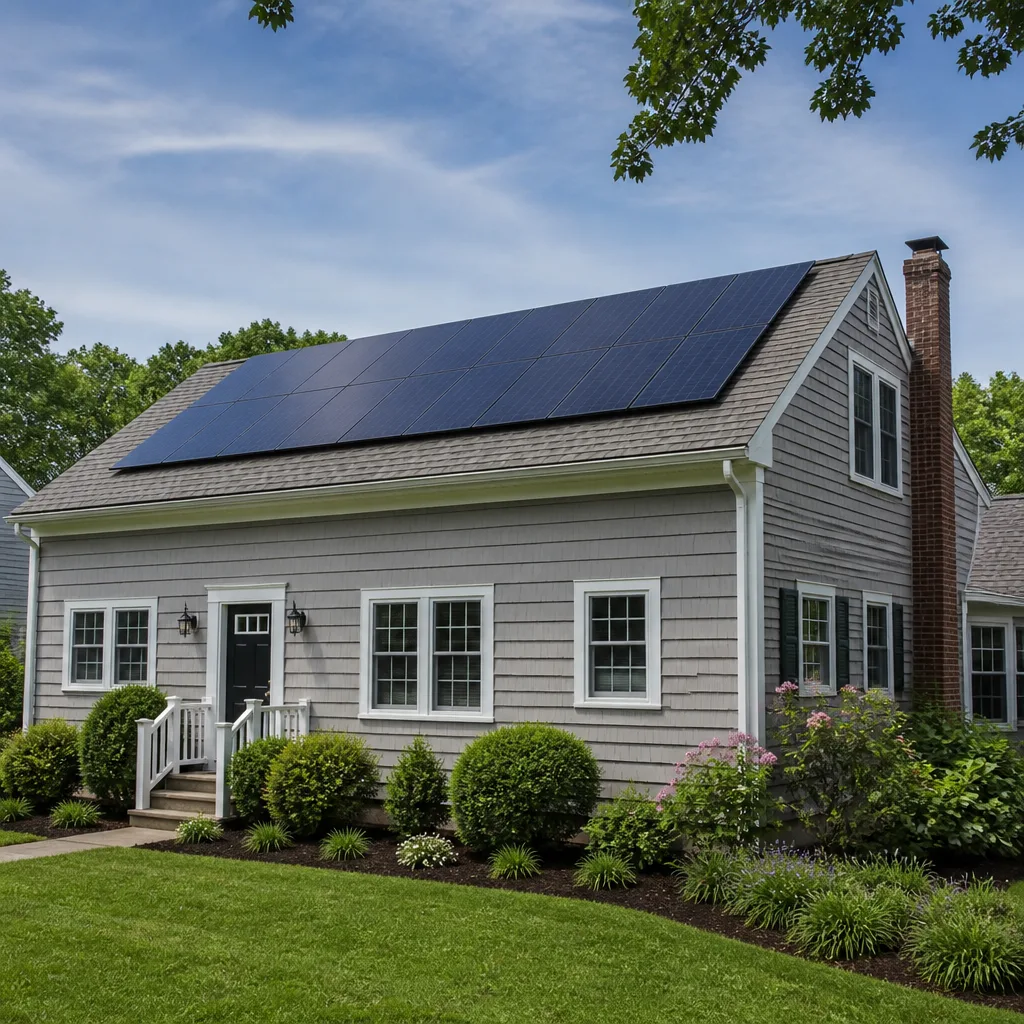
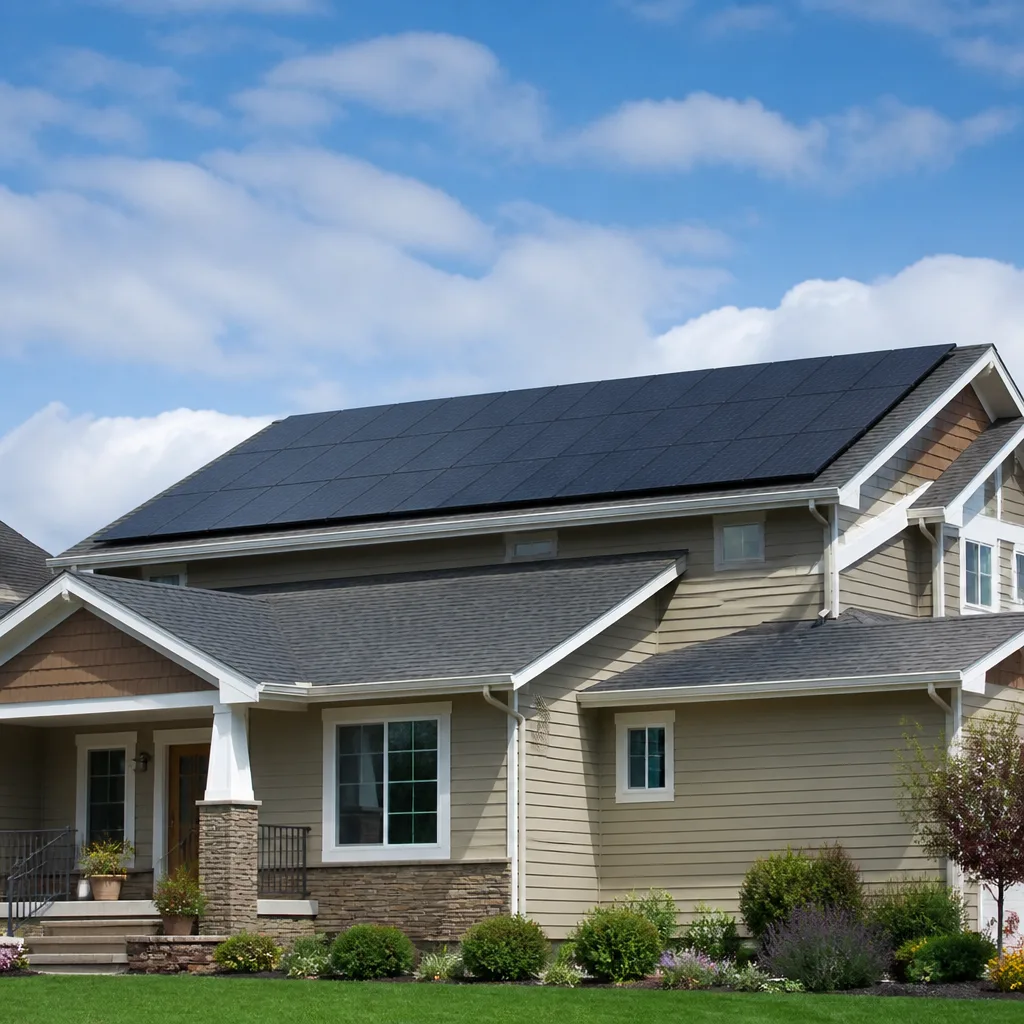
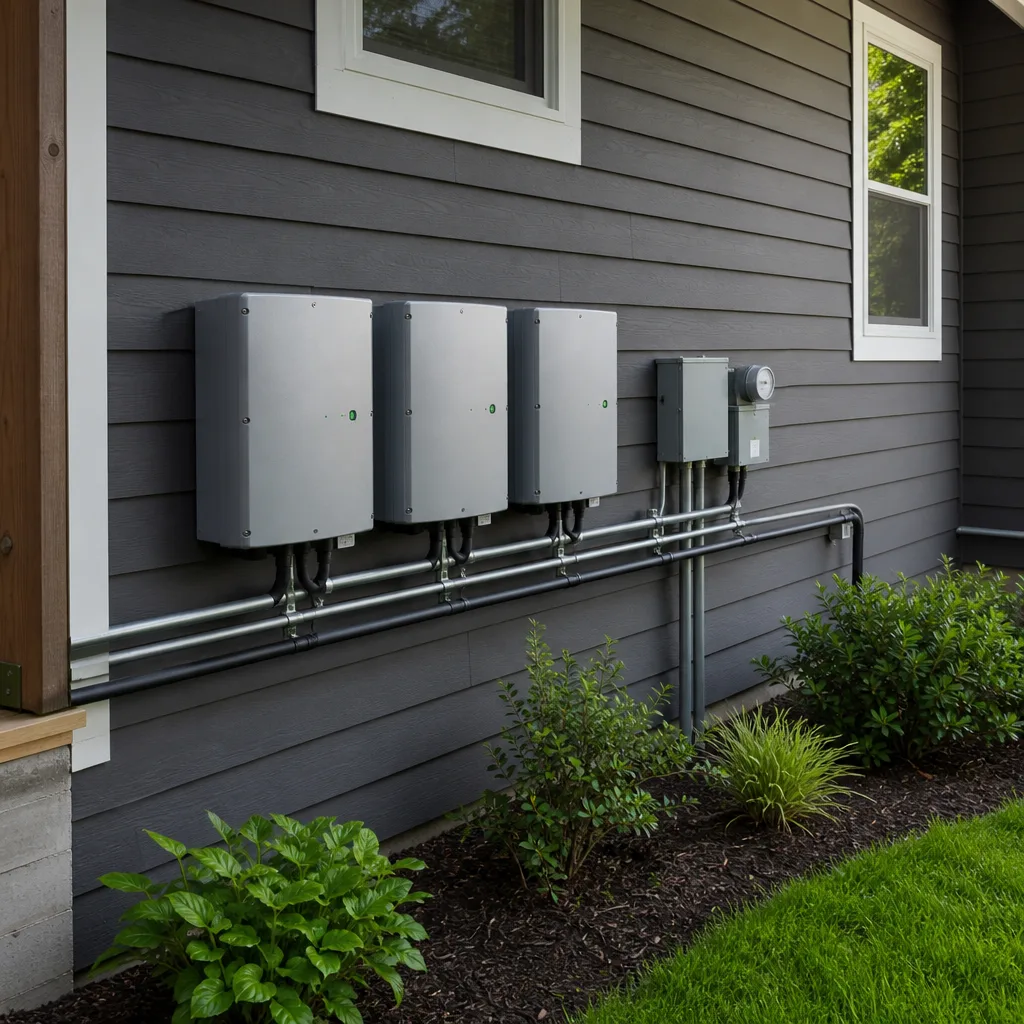
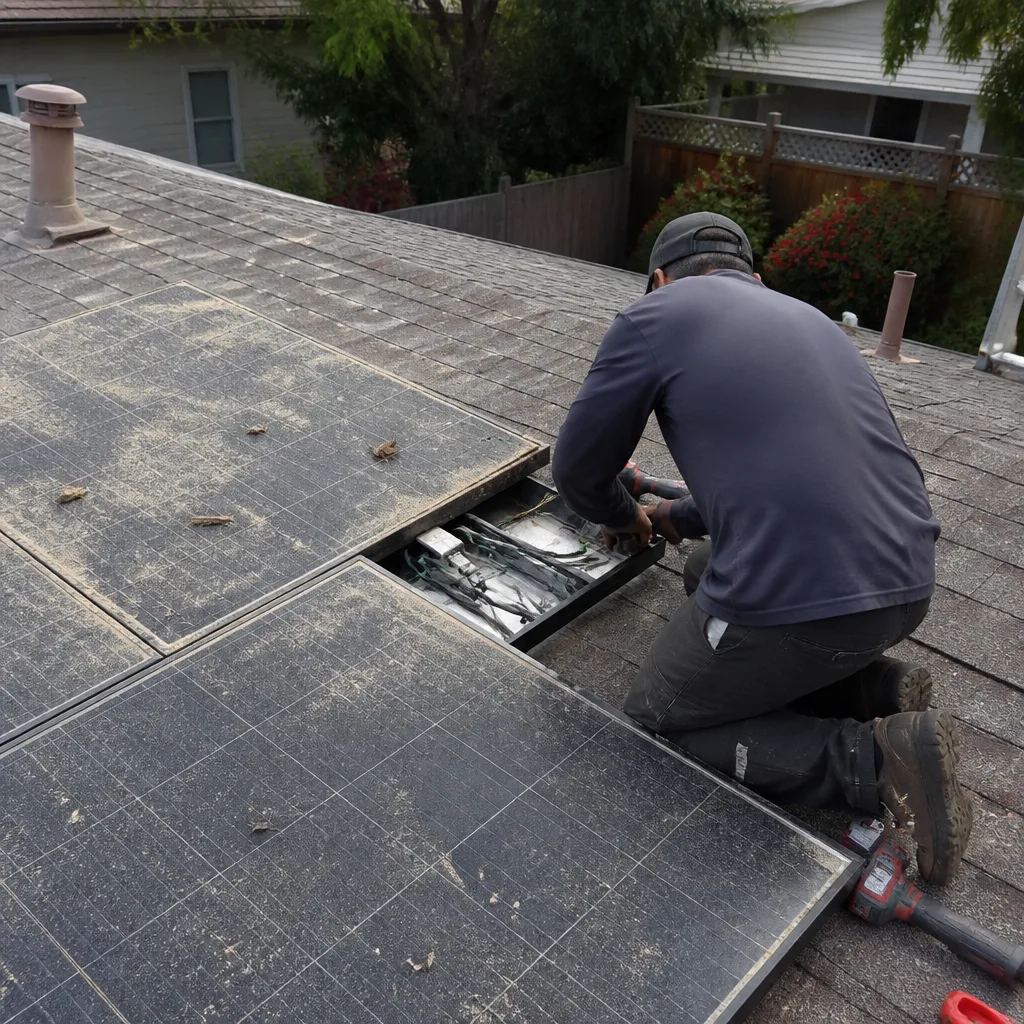 Before
 After
After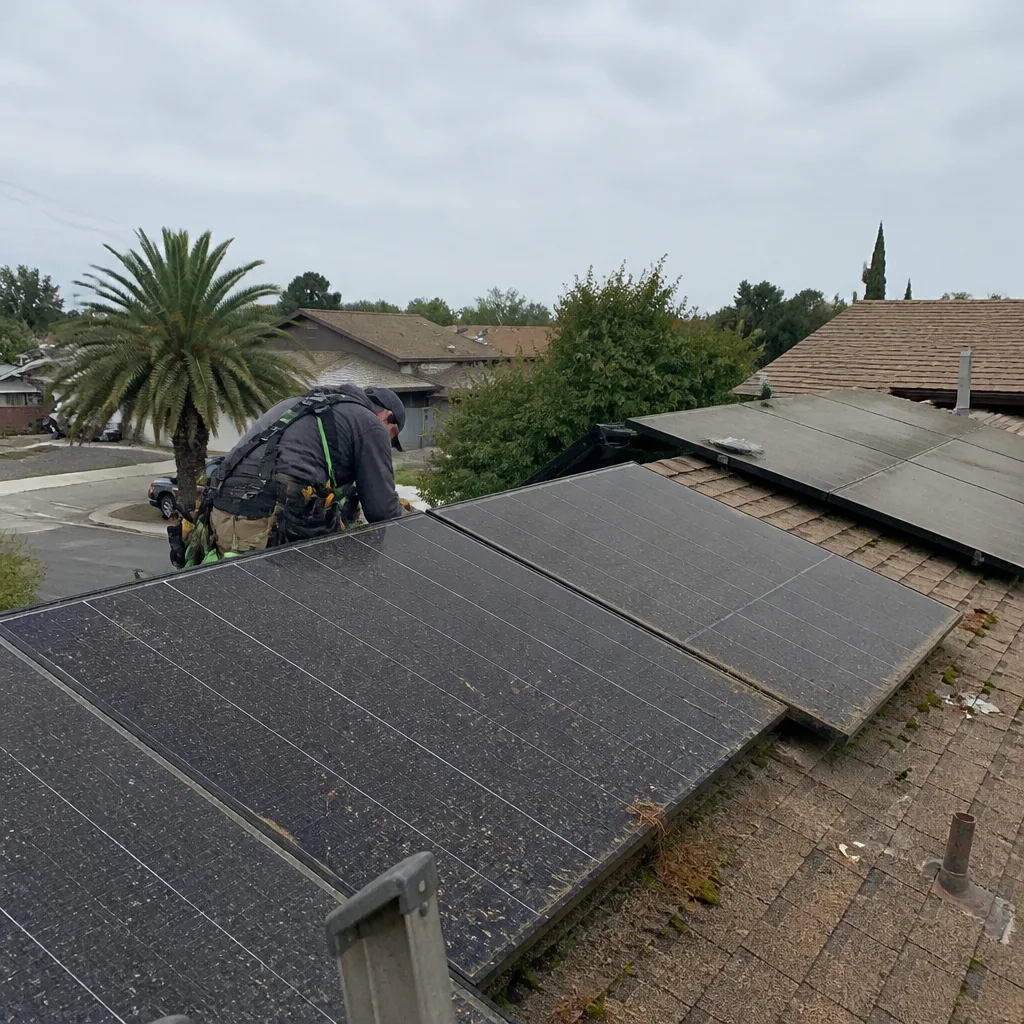 Before
 After
After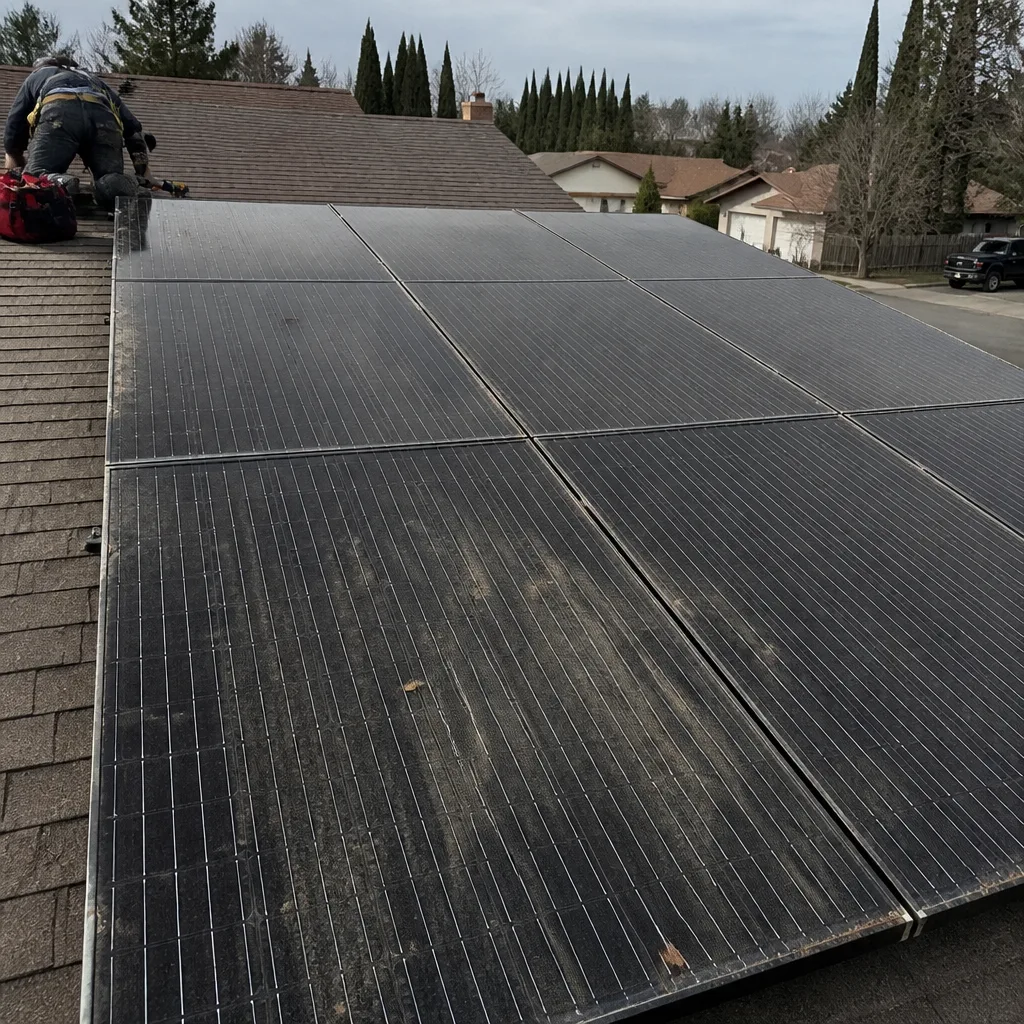 Before
 After
AfterFast, Reliable Commercial Solar Installation Across Walnut
Commercial solar installation in Walnut, CA typically runs $2.10-$2.85 per watt for a complete rooftop system, which puts most warehouse and retail projects between $85,000 and $450,000 before incentives. Most commercial jobs in Walnut take 6-14 weeks from permit to power-on, and we complete the majority without interrupting daily operations. If you own a business in Walnut and you’re tired of watching SCE tiered rates eat into your margin every August, call Gus’s Solar at (877) 550-6892. We’ll pull your last 12 months of commercial usage from your actual utility data, not a brochure estimate, and show you what year-25 output really looks like on your building.
We know Walnut’s commercial rooftops. The aging concrete tile, the sloped lots along the San Jose Hills, the way the afternoon sun beats against the west-facing warehouse walls off Valley Boulevard. This isn’t a market you can serve from three states away with a call center and a subcontracted crew. Gus Petrakis has been putting his name on solar work since 2011, and when a Walnut business calls, a live person answers the phone. Not a voicemail. Not a ticketing queue.
Why Gus’s Solar Is Walnut’s Preferred Commercial Solar Installation Company
Walnut businesses tend to be skeptical of solar sales pitches, and frankly, they’ve earned the right to be. The door-to-door outfits that worked this area over the last decade quoted one number on the driveway and a different number on the contract. That’s not how we operate. Gus’s Solar is owner-operated, licensed, insured, and backed by the 90-Day Done Right Promise in writing on every commercial job. If it’s not done right, Gus makes it right. One call brings him back.
Our Commercial Solar Installation team has handled ground-mount arrays behind agricultural operations off La Puente Road, rooftop retrofits on aging flex space near Lemon Avenue, and battery backup for restaurants that can’t afford a 4-hour SCE outage on a Saturday night. We’ve seen what works on Walnut’s buildings and what fails. That local knowledge is the difference between a system that clips on a north-facing roof plane and a system that actually hits its production numbers by year 7. Gus quotes the year-25 output, not the day-one brochure number. That’s the standard for every Walnut job.
Response time matters when your cash registers are down. Our crews are background-checked and uniformed, and we coordinate scheduling from our Los Angeles office so Walnut businesses get service without waiting two weeks for an out-of-state installer to “dispatch” a truck. We come out, we assess, we quote, and we don’t ask for a signature tonight. If a salesman needs an answer tonight, the answer is no. Take two weeks. Think about it. The price will be the same.
Our Commercial Solar Installation Services in Walnut
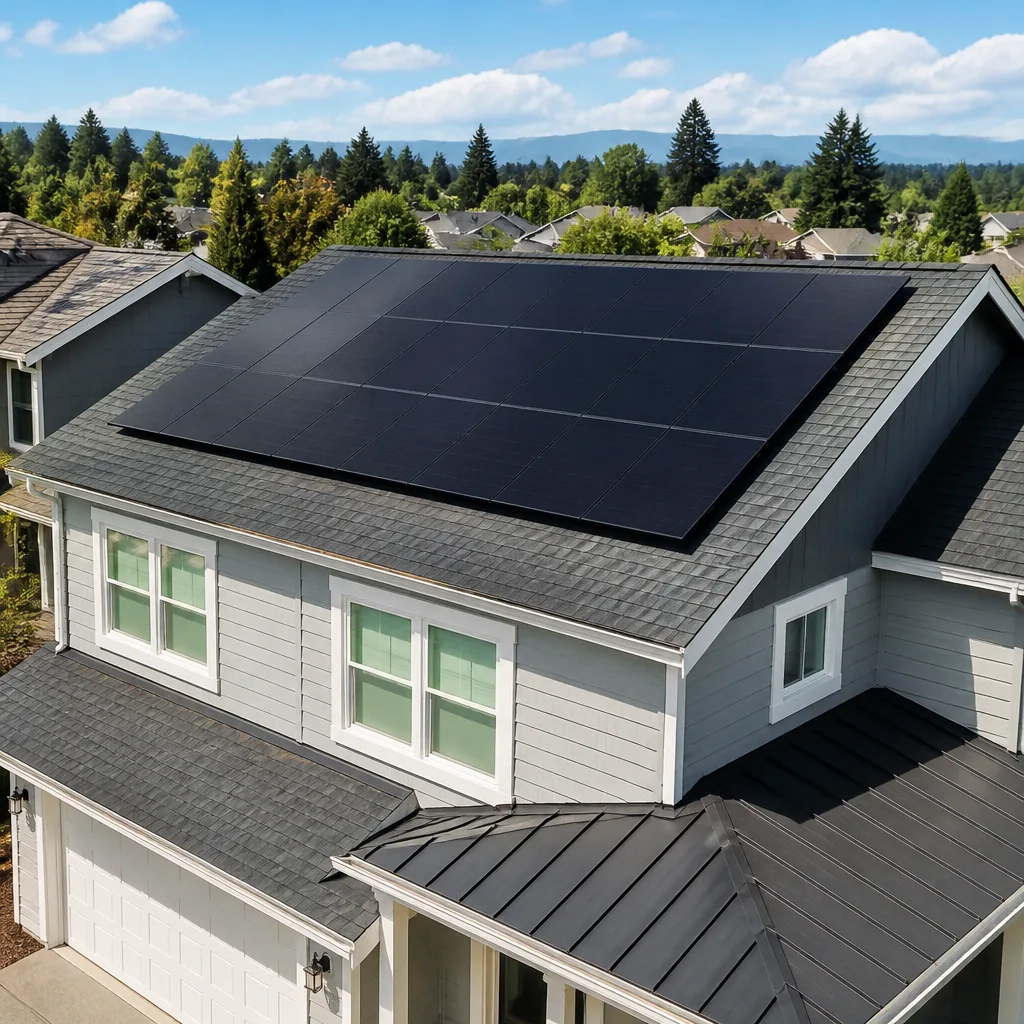
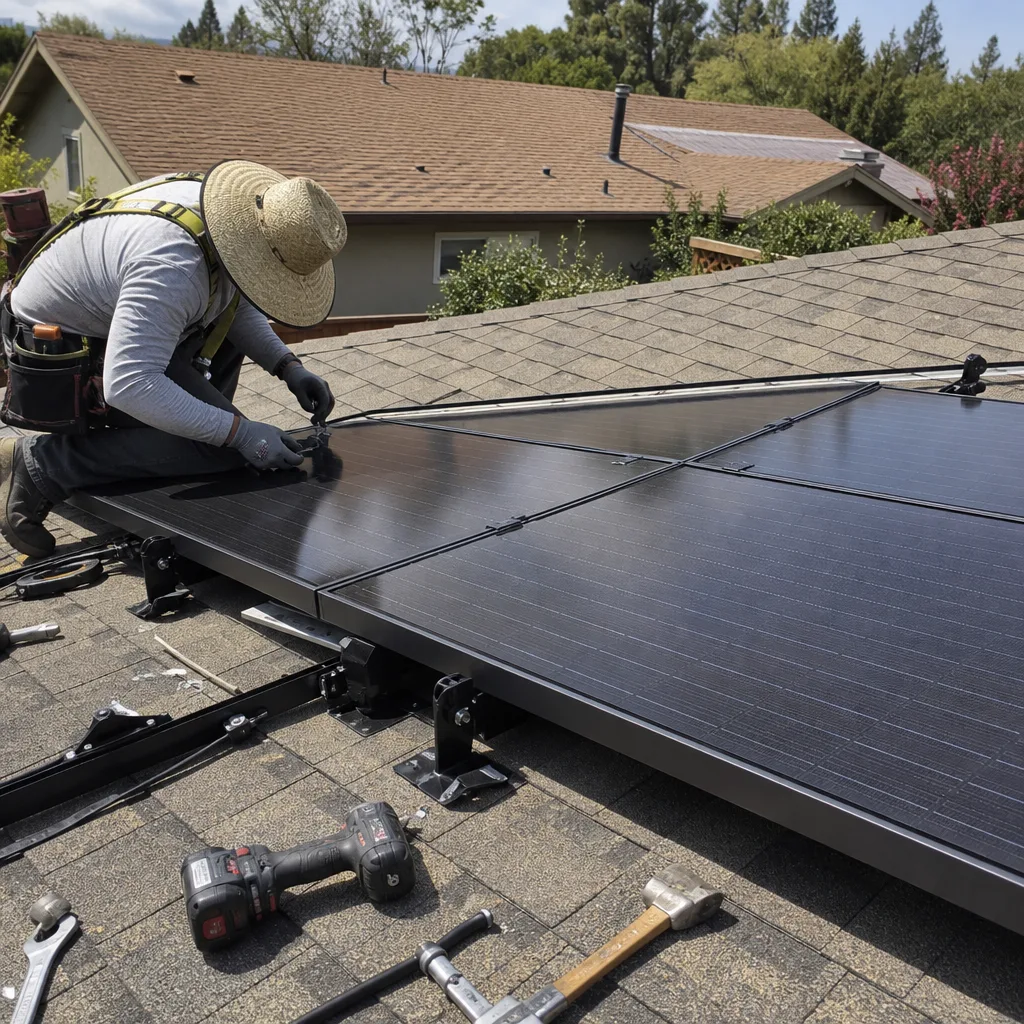
Commercial Rooftop Solar
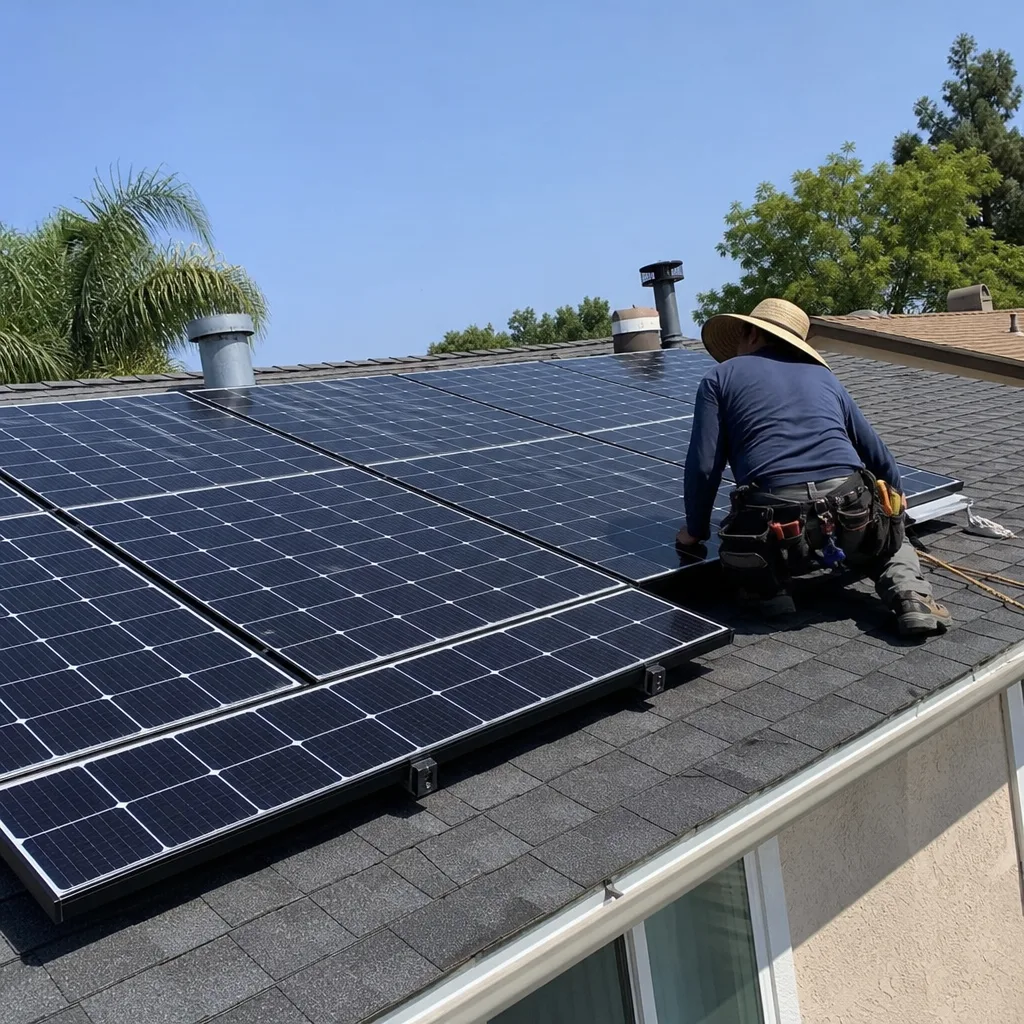
Most commercial rooftops in Walnut are not simple. The buildings went up during the 1970s and 1980s construction wave, and their concrete tile roofs have 40-55 years of sun exposure behind them. A rooftop array here needs tile-hook mounting hardware, a roof-condition assessment before the permit application, and a realistic budget for cracked tile replacement. We handle all of it in-house. For a typical 25,000-square-foot warehouselike building with a flat or low-slope roof in the 91789 ZIP, a rooftop system sized to offset 70-90% of current usage runs $110,000-$230,000 before the federal Investment Tax Credit. The ROI math works fast because Walnut sits far enough inland that your AC compressors run hard from June through October while SCE’s tiered rates keep climbing.
Warehouse & Industrial Solar
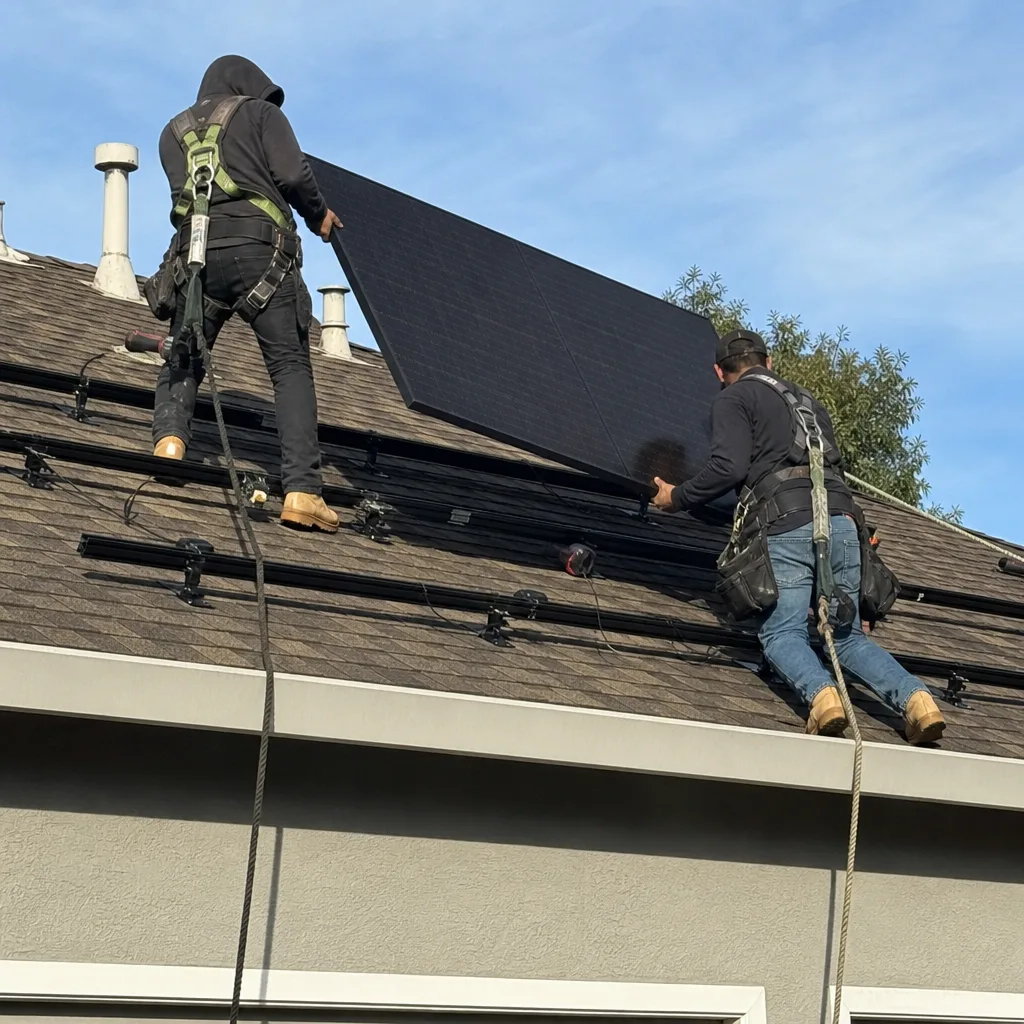
Warehouse and industrial facilities in Walnut’s commercial corridors near Valley Boulevard and Grand Avenue usually have the roof square footage to support meaningful offset, but they also have heavy daytime loads that don’t pause for sundown without storage. We size these jobs off your actual interval data from SCE, hour by hour, not off a square-footage rule of thumb. When we retrofit a warehouse in Walnut, we’re looking at panel density, roof age, structural blocking under the rails, and whether the main service panel can handle the extra breaker. That last one trips up out-of-town installers constantly. A 100 kW system on a Walnut warehouse typically lands between $210,000 and $285,000 before incentives, and we’ll walk you through every line item before you sign anything.
Solar Carport Installation
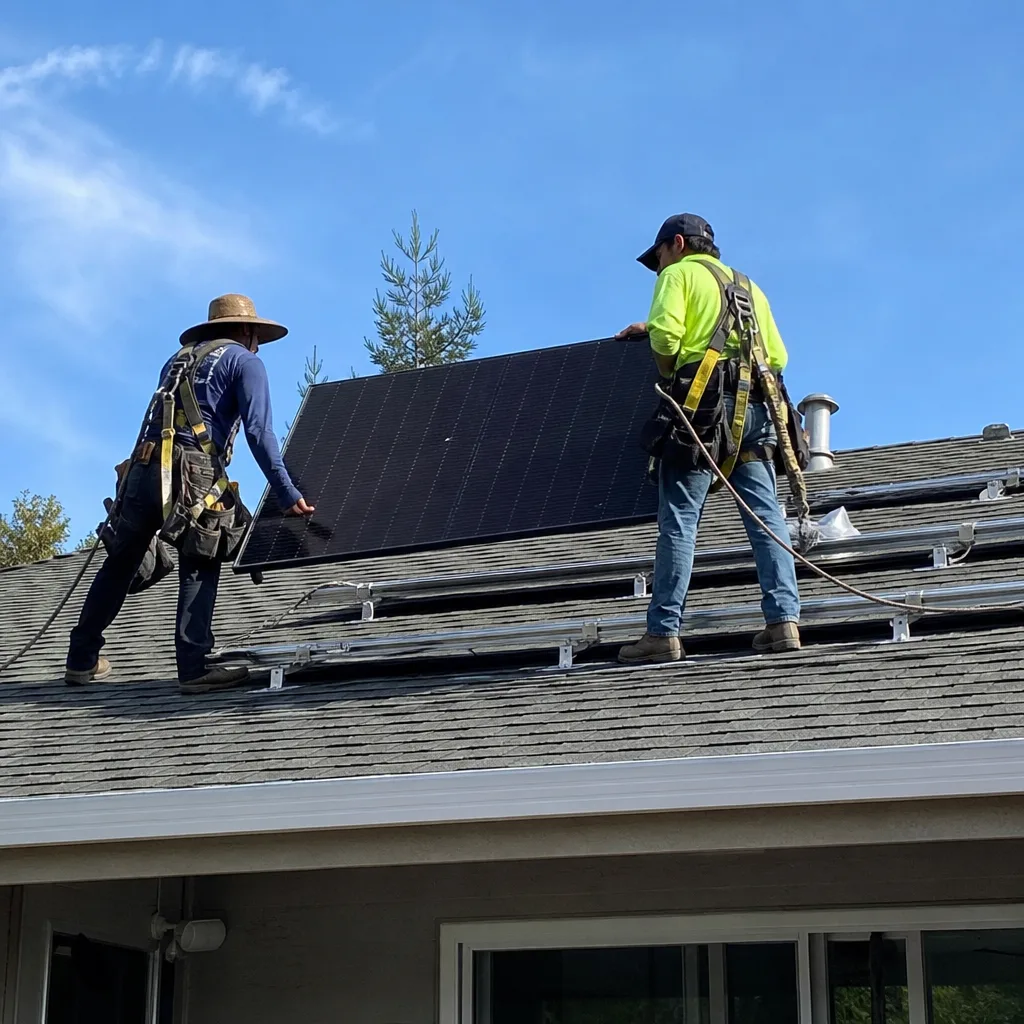
Walnut’s commercial parking lots bake in the inland sun. A solar carport turns dead asphalt into generation and shaded parking, which your employees and customers will notice in late July. Carport structures cost more than rooftop per watt because of the steel and concrete work involved. For a Walnut lot with 20-40 covered spaces, budget $90,000-$180,000 depending on the structure type and soil conditions. The engineering reviews in Walnut go faster when the drawings are clean and the structural assumptions are spelled out upfront. We handle that. No surprises mid-permit.
Commercial Battery Storage
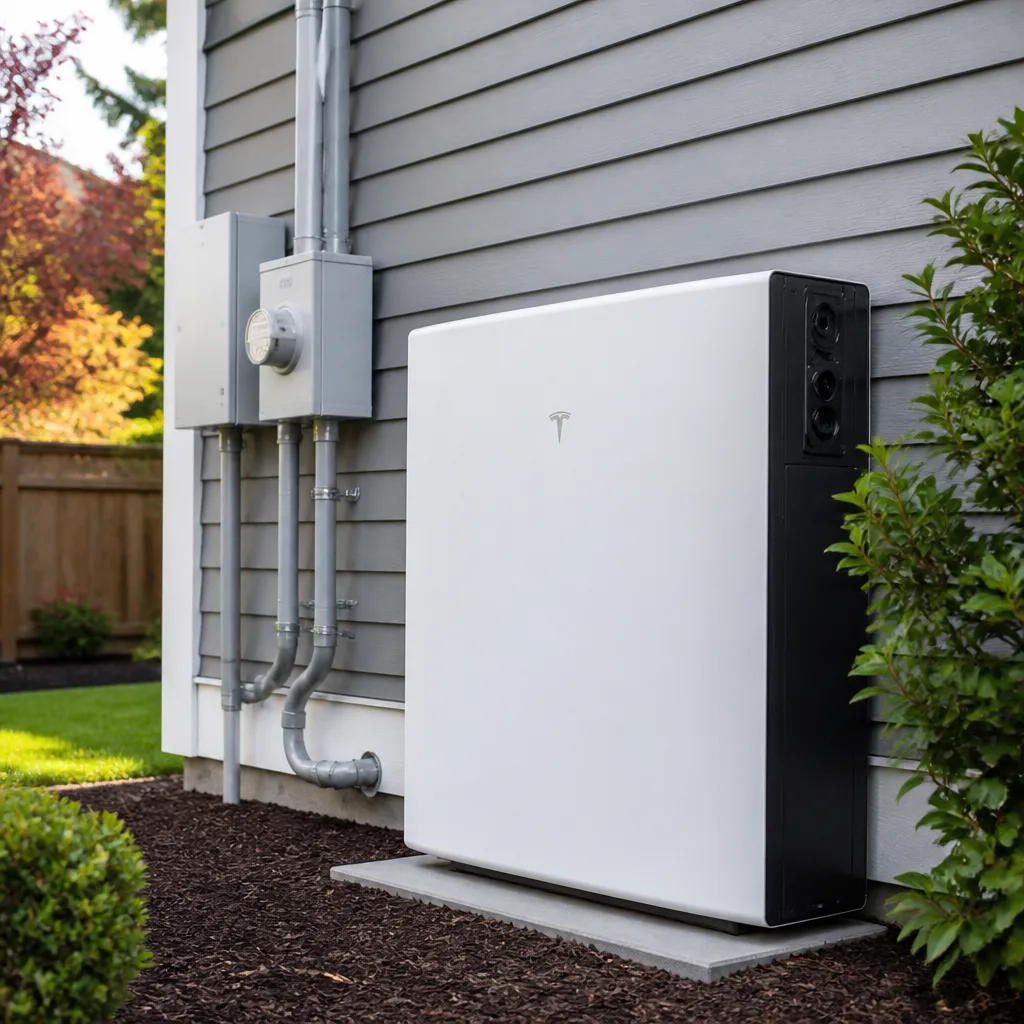
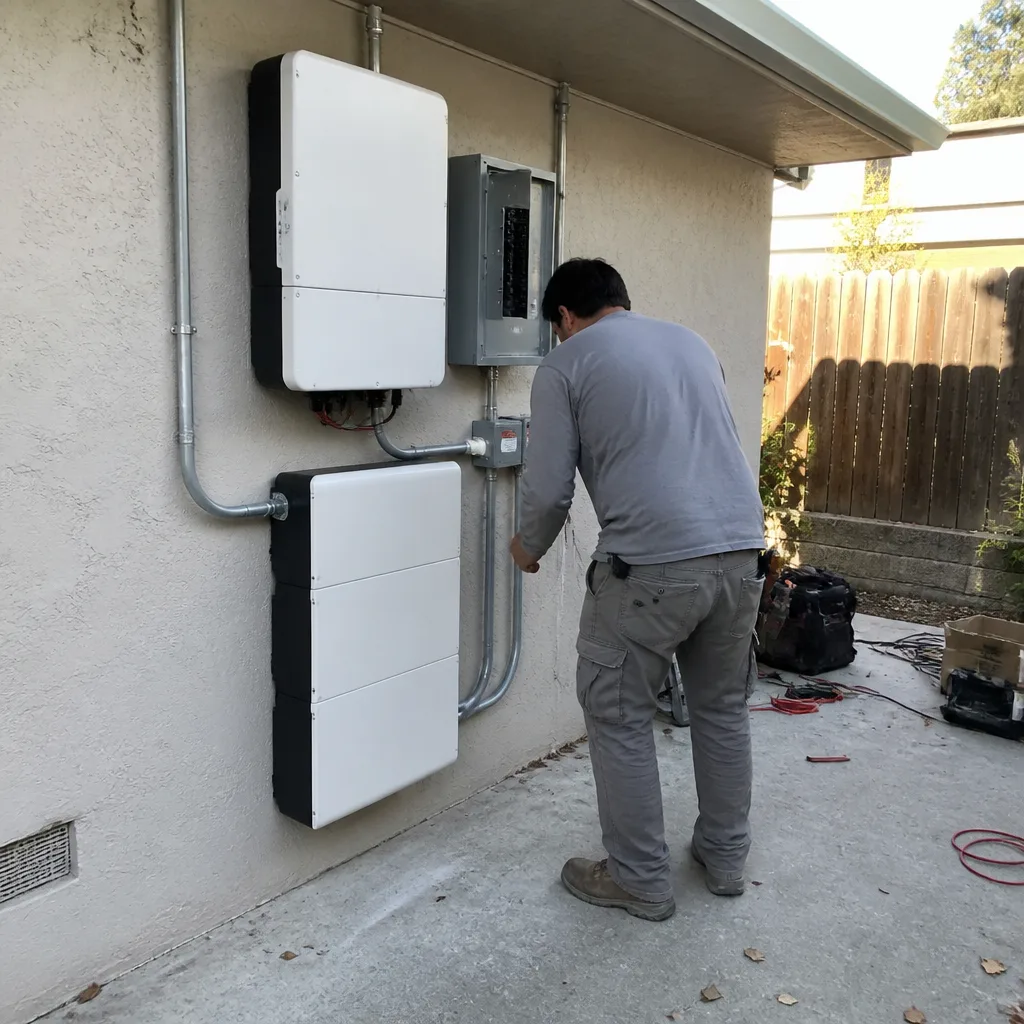
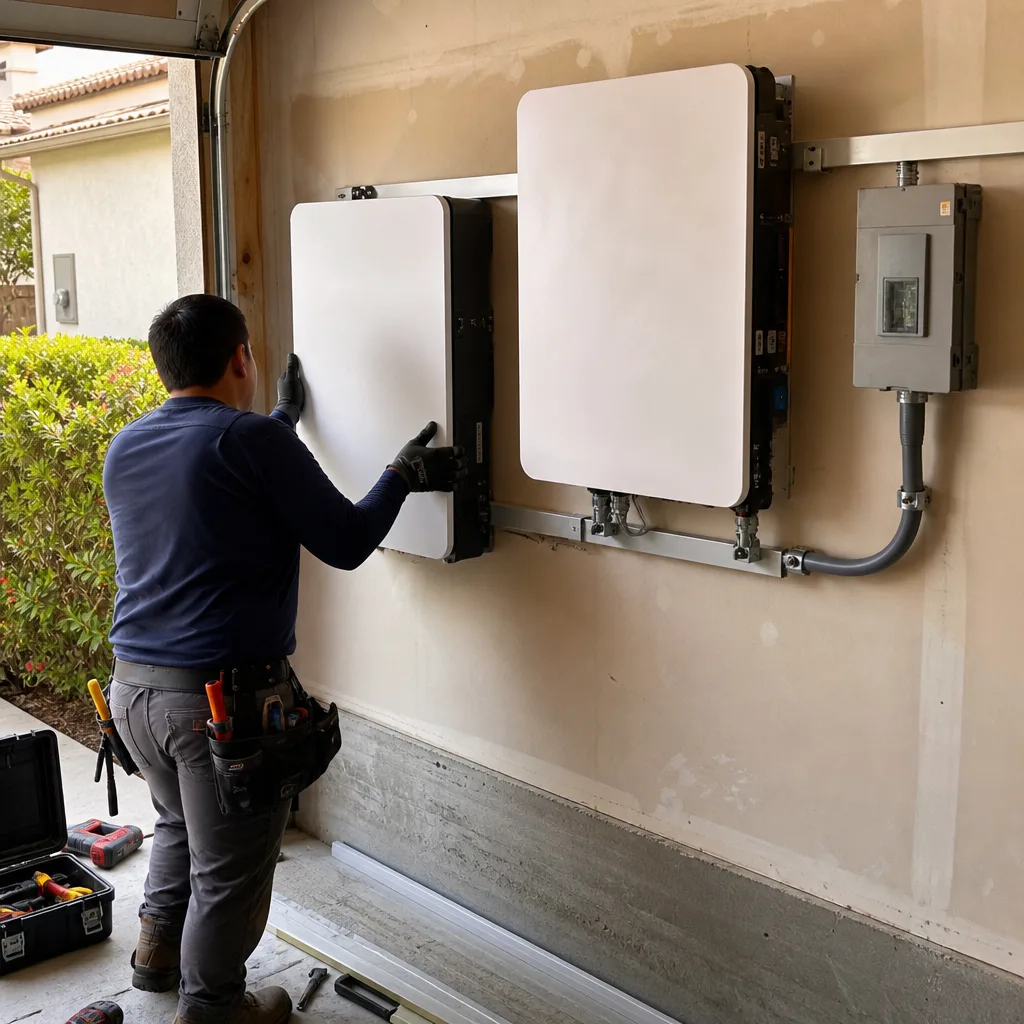
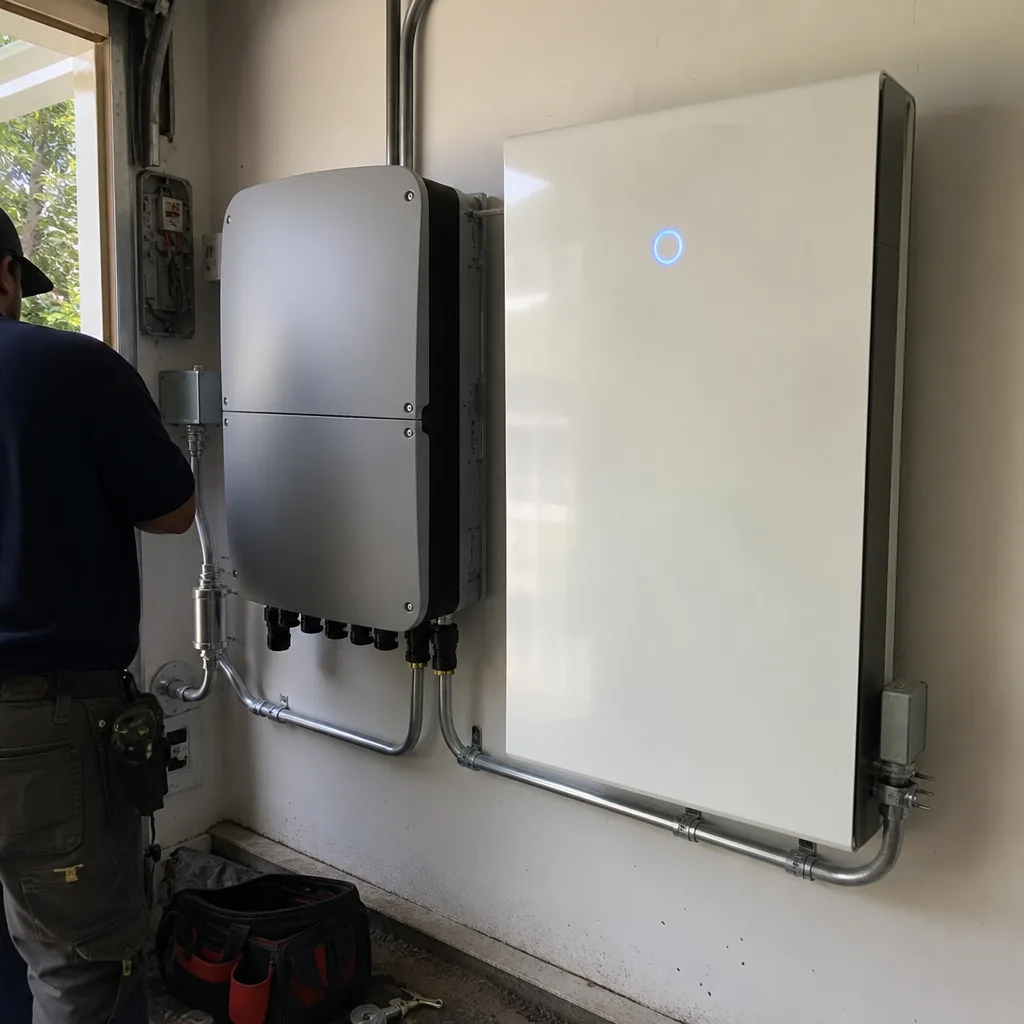
Commercial battery storage in Walnut is not a luxury add-on anymore. With SCE’s time-of-use rates and Public Safety Power Shutoff risk on hot, windy days, a battery bank sized to cover your critical loads from 4 p.m. to 9 p.m. can cut peak charges by 30-50% depending on your rate plan. We install FranklinWH, Tesla, and Enphase battery systems for Walnut businesses, and we size them off your actual peak demand, not a guess. A small restaurant in Walnut might only need a 13.5 kWh Tesla Powerwall, while a cold storage facility near Amar Road could need a 40-80 kWh FranklinWH bank. Plan for $1,000-$1,300 per usable kWh installed, and know that the federal ITC applies to storage paired with solar. Bring me a bill, I’ll bring you the math. That’s how we quote every battery job.
What happens when you call
- 1
A real person answersNo phone trees - you reach a local pro.
- 2
You get an upfront price rangeHonest numbers before anyone is dispatched.
- 3
A background-checked tech heads outLicensed & insured, dispatched right away.
- 4
You approve before work beginsNothing starts until you say go.
Trusted Brands We Service in Walnut
We install and service equipment from the brands that hold up in Walnut’s heat: Enphase, SolarEdge, Tesla, and FranklinWH. We also work with panels from REC, Qcells, Panasonic, and Canadian Solar, so if you already have an existing array from one manufacturer and want to add storage or expand, we can usually match it. Our crews keep common inverter and monitoring replacement parts staged for Walnut jobs, which means a failed SolarEdge optimizer on a rooftop off Lemon Avenue doesn’t mean waiting a week for a part to ship from a warehouse in Texas. We carry what Walnut buildings actually need.
Common Commercial Solar Installation Problems We See in Walnut
- Cracked concrete tile roofs failing during tile-hook installation. Walnut’s commercial and residential construction leaned heavily on concrete tile from the late 1960s through the 1980s. When we install tile hooks, we regularly find 20-30% of tiles cracked or delaminating. Replacing them adds cost and a few days to the job, but skipping the replacement means leaks and warranty fights later. We budget for it upfront. Most out-of-state installers don’t.
- String inverters underperforming on fragmented roof planes. On the sloped lots along Walnut’s northern edge near the San Jose Hills, commercial buildings often have roof sections facing three different directions. A string inverter treats the whole array like it’s seeing the same sun, but the north-facing panels drag everyone down. We default to microinverters or DC optimizers on these jobs. It costs a bit more up front and saves years of underproduction.
- Undersized arrays that leave businesses with true-up bill shock. Walnut’s inland heat means AC loads run harder and longer than coastal businesses expect. If an installer sizes your array to last year’s usage without accounting for SCE rate increases and panel degradation, you’ll get a true-up statement in month 13 that wipes out your first year of savings. We factor in a 0.5% annual degradation rate and current tiered rate trajectories. That’s the honest way to size a Walnut system.
- Main service panel limitations discovered mid-install. A lot of Walnut commercial buildings from the 1980s have 200-amp or 400-amp panels that were never designed for solar backfeed. Upgrading to a larger panel or a line-side tap adds $8,000-$25,000 to the job depending on your building. We check the panel during the site visit and put the number in writing before the permit goes in. That way the quote you approve is the price you pay.
Pricing for Commercial Solar Installation in Walnut, CA
Here’s what commercial solar actually costs in Walnut, as of 2026 pricing. A small commercial rooftop system (10-25 kW) on a Walnut retail or office building runs $21,000-$65,000 before incentives. A mid-size warehouse job (25-100 kW) typically lands between $55,000 and $285,000. Ground-mount arrays for agricultural or industrial properties in the 91795 ZIP start around $2.60 per watt and go up from there depending on trenching, racking, and soil. Carports run $90,000 and up. Battery storage adds $1,000-$1,300 per usable kWh. These are real numbers you can plan around, not a lead-generation teaser. We price off your actual SCE bill and the year-25 production model, not a generic estimate. Call (877) 550-6892 and we’ll give you a written quote with no signature demanded tonight.
Walnut commercial projects do carry one local cost factor: the tile roofs. Budget $2-$4 per square foot of tile replacement on top of the solar scope if your roof is original from the 1970s or 1980s. It’s cheaper to know that going in than to discover it mid-install.
We Also Serve Cities Near Walnut
Our crews serve businesses across the eastern San Gabriel Valley, including Walnut, South San Jose Hills, Diamond Bar, Rowland Heights, and West Covina. If your commercial property sits a few blocks over the city line, the same crew shows up, the same pricing applies, and the same 90-Day Done Right promise backs the work. Call (877) 550-6892 and tell us where the job is.
Serving Walnut, CA - Our Local Coverage Area
We’re based in the Walnut area and know this community well. Use the map below to see our service coverage - if you’re nearby, we can almost certainly help.
FAQs - Commercial Solar Installation in Walnut
Walnut’s commercial buildings were mostly built between the late 1960s and 1990, which means the concrete tile roofs are now 40-55 years old. A roof-condition assessment tells us whether the tile structure can hold solar racking, which tiles need replacement, and whether the rafters need blocking before we file the permit. Skipping this step leads to permit rejections and cracked tile replacements mid-job. Walnut’s building department expects to see a roof assessment in the plan set, and we include it in every quote from day one. Call (877) 550-6892 for a free roof and solar assessment.
A fragmented roof plane means panels facing different directions at different times of day, and a string inverter can only optimize the whole string to its weakest panel. On Walnut’s sloped lots near the San Jose Hills, north-facing roof sections commonly produce 15-20% less than south-facing sections on the same building. We default to Enphase microinverters or SolarEdge DC optimizers on these jobs so each panel runs independently. It costs more hardware up front and squeezes out the clipping losses that would otherwise cut your production for 25 years.
Walnut sits in SCE territory, which means you’re on NEM 3.0 rules. Under NEM 3.0, export credits are worth far less than they were under NEM 2.0, so the smart play for a Walnut business is to size the array to cover your daytime load and pair it with battery storage for the 4-9 p.m. peak window. Oversizing for export makes little sense at current export rates. We model your actual usage against SCE’s time-of-use schedules so the array you buy matches what you actually consume, not what a sales rep thinks you consume.
All solar panels lose about 0.5% of their output per year, so by year 25, a system produces roughly 87-88% of its day-one nameplate output. An installer who quotes production using day-one specs is showing you a number your array will never actually hit. Gus quotes the year-25 output, not the day-one brochure number. We build the degradation into the production model, the ROI calculation, and the system sizing so your year-25 numbers are the ones you plan around. That’s the honest way to quote solar in Walnut.
If we find 20-30% of the concrete tiles cracked during tile-hook installation, the schedule extends by 3-7 business days depending on how many tiles need sourcing and replacing. Walnut’s older tract roofs almost always need some replacement, so we inspect first and order tiles before the install crew arrives. That way the crew isn’t waiting on a pallet of tile while your parking lot sits half-racked. We tell you about the tile situation during the roof assessment, not after the schedule slips. Call (877) 550-6892 for a roof-first assessment on your Walnut building.
Written by Gus Petrakis, Owner at Gus’s Solar, serving Walnut since day one and quoting real year-25 numbers off real utility bills.