
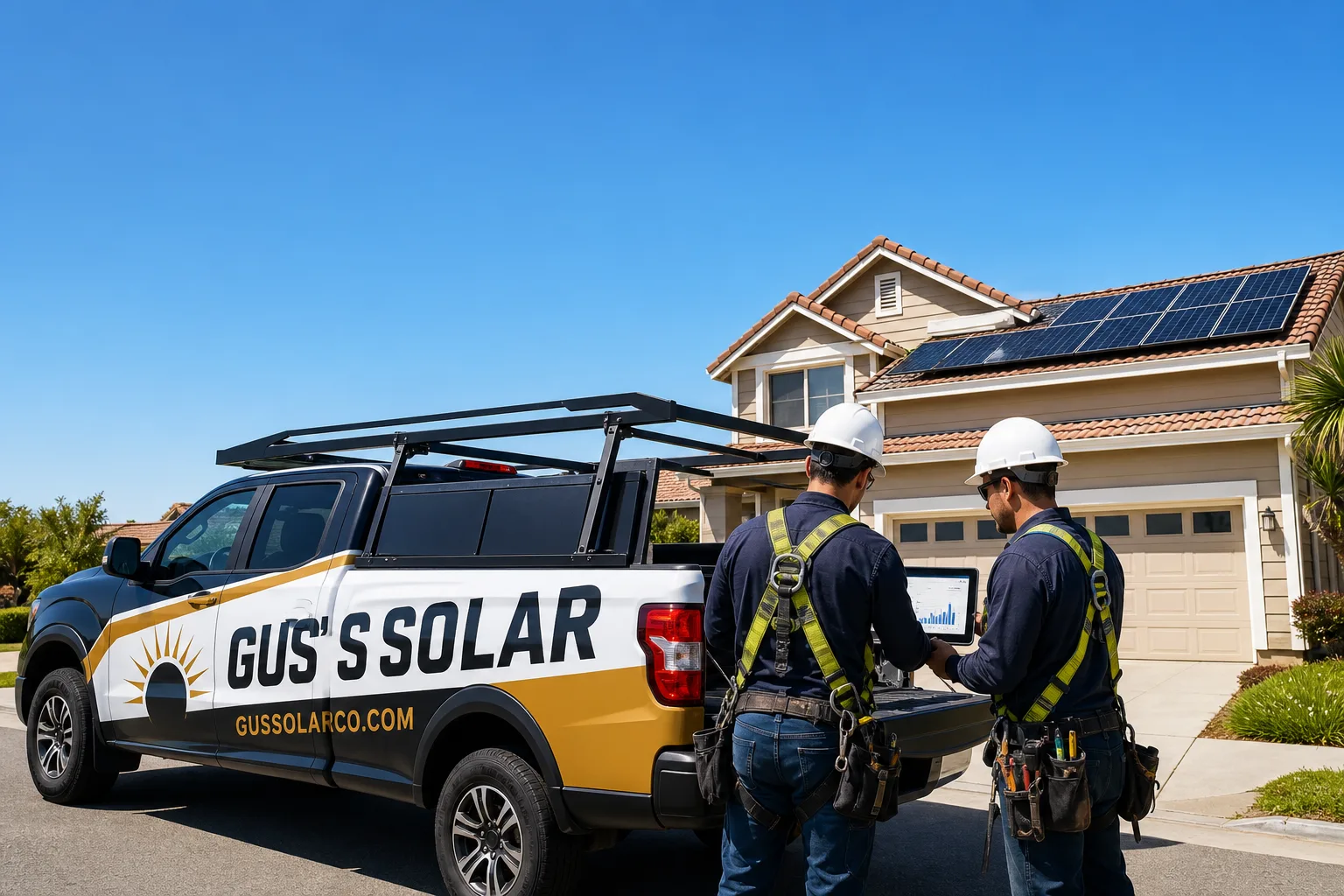
Free bill analysis - bring a power bill, get the production math for your actual roof, panel brands like Qcells and REC compared side by side
If the pitch starts at your door and ends with "sign tonight for the special," sleep on it. The sun will still be there tomorrow; so will we.
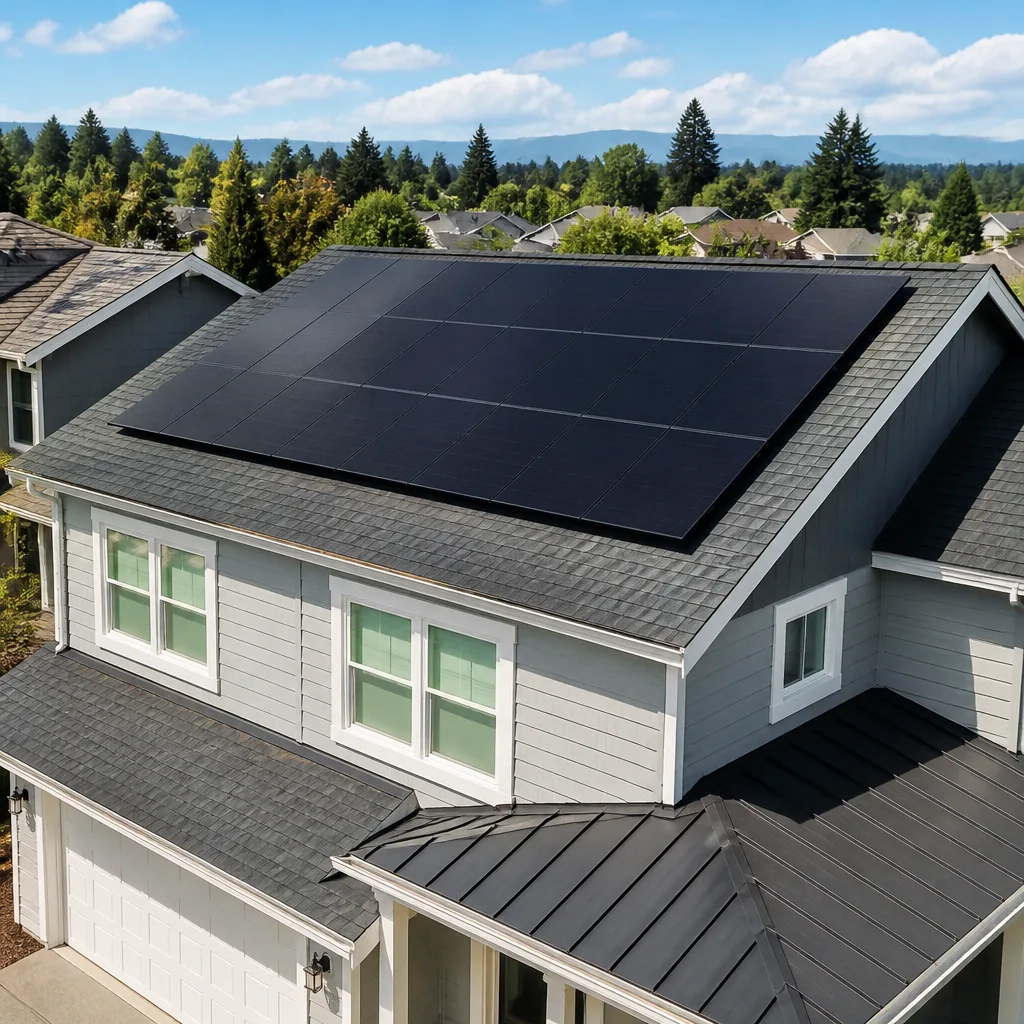
 Before
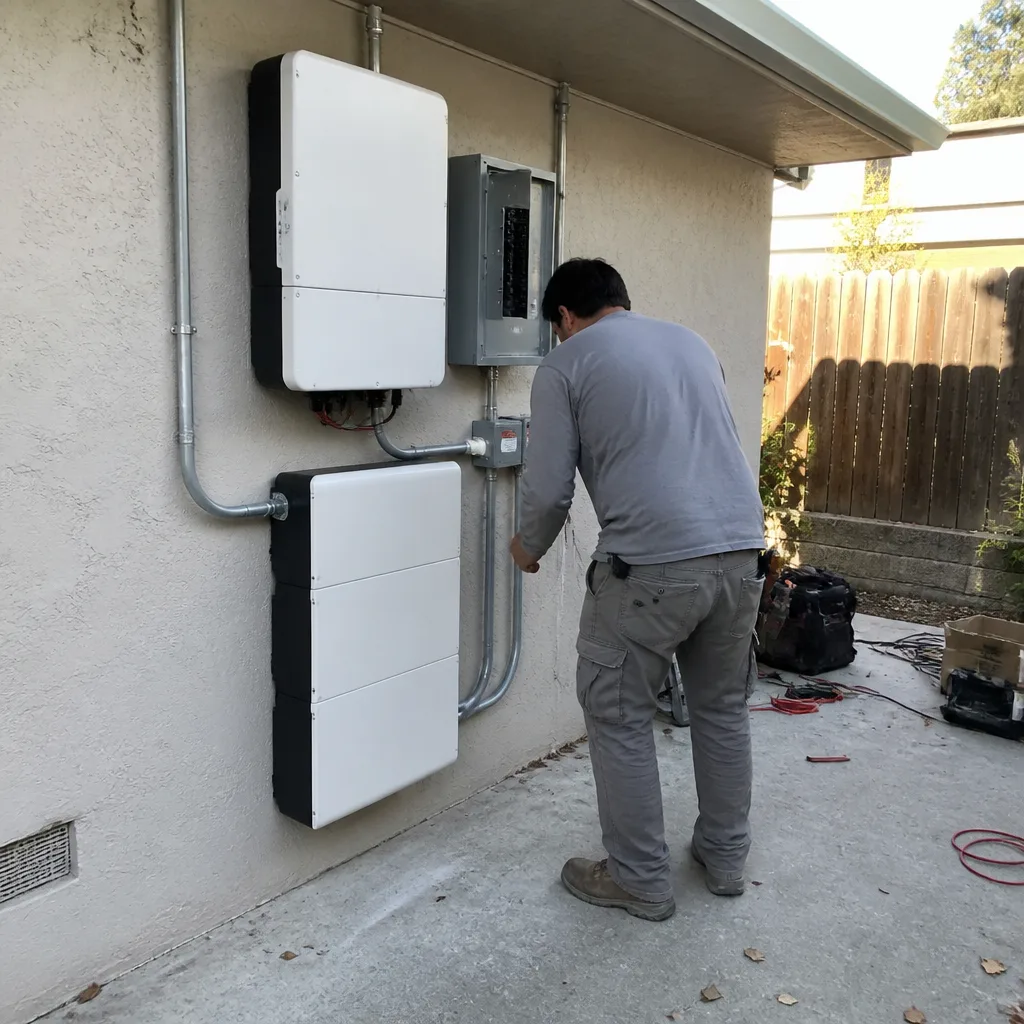 After
After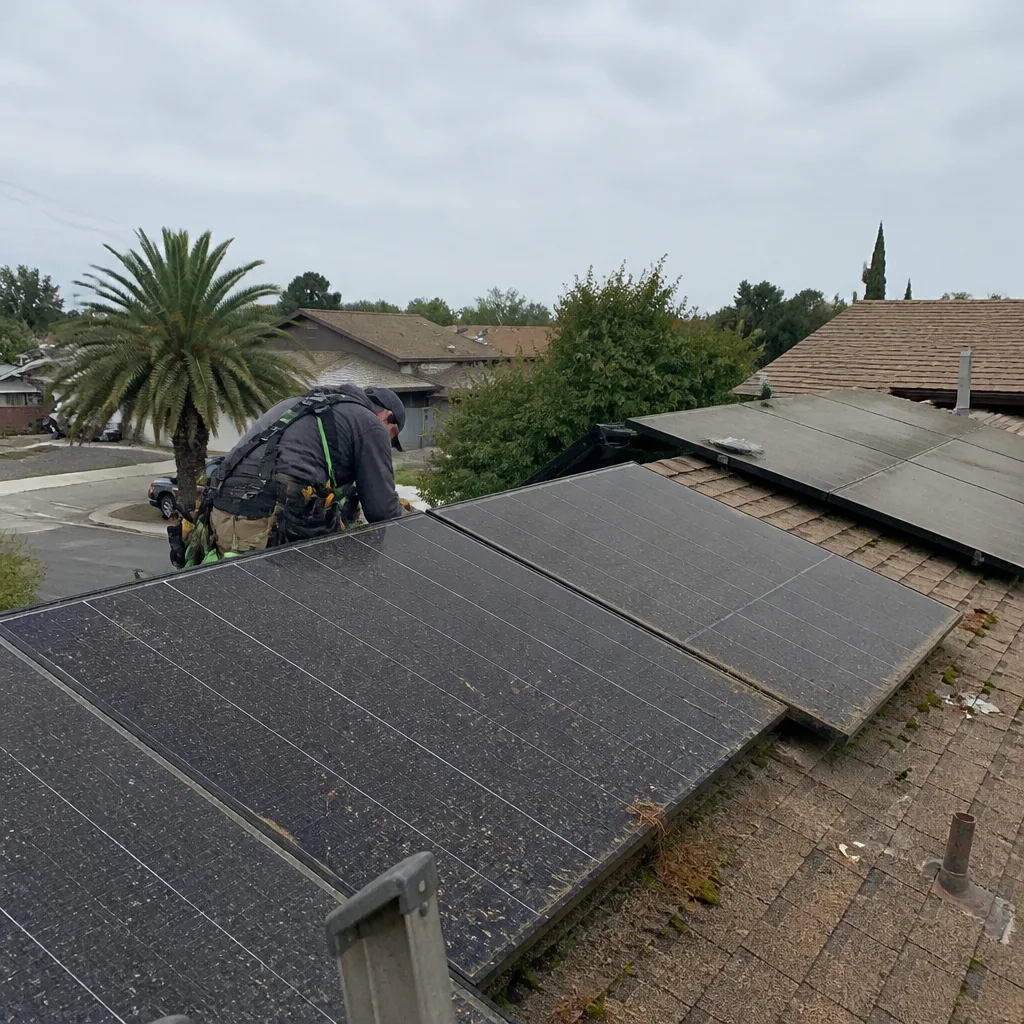 Before
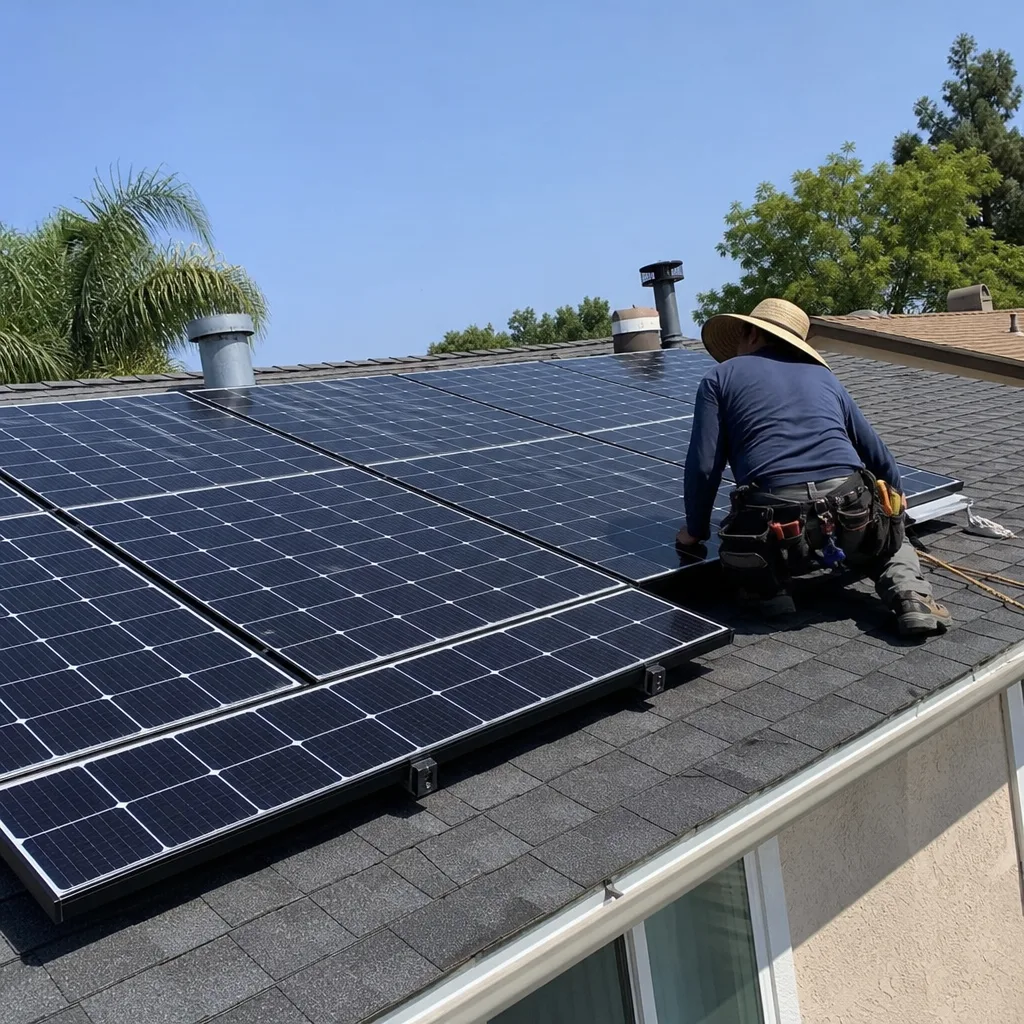 After
After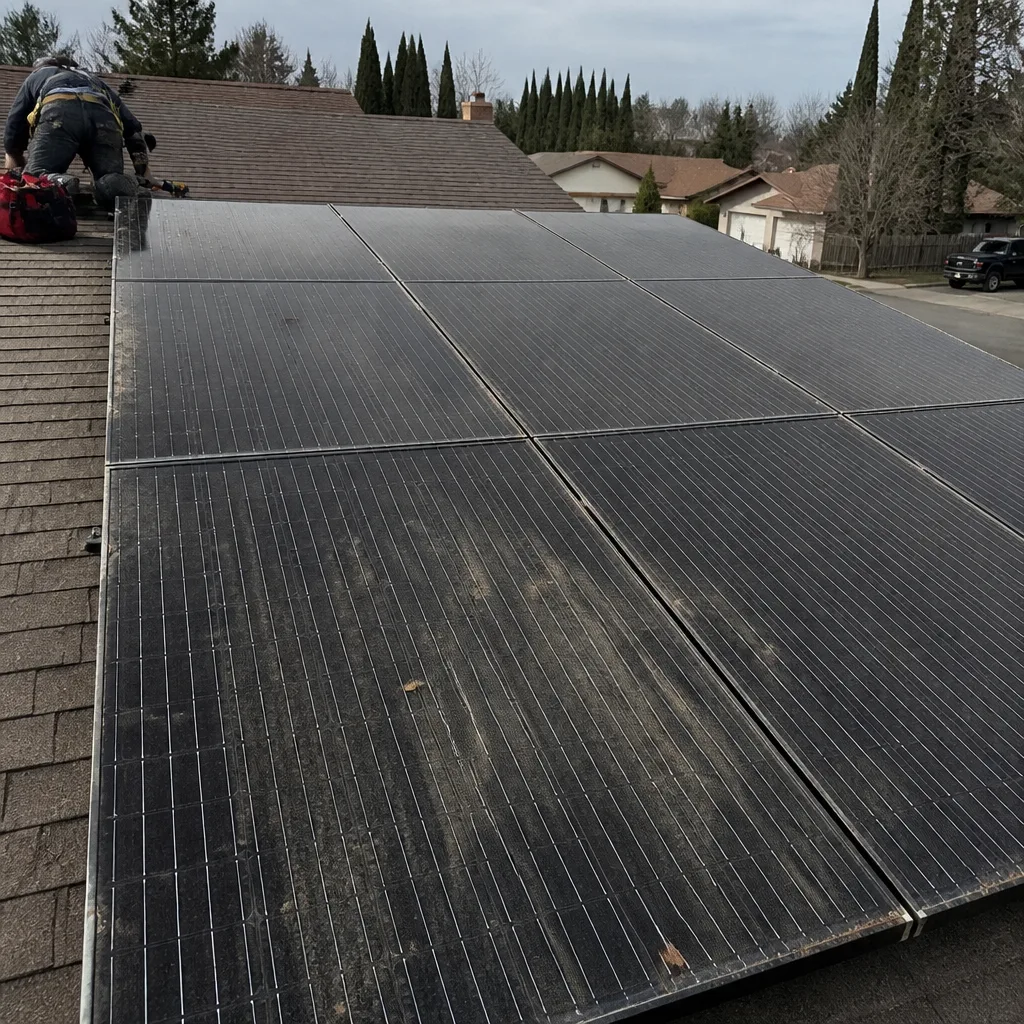 Before
 After
AfterFast, Reliable Commercial Solar Installation Across Walnut
Commercial solar installation in Walnut typically runs $2.35 to $3.10 per watt before incentives, which puts a 100 kW system between $235,000 and $310,000. Most Walnut warehouses and retail buildings we quote see full payback in 5 to 7 years thanks to SCE’s tiered commercial rates and the city’s inland sun exposure. If you’re weighing whether solar makes sense for your Walnut business, the short answer is that this city’s combination of triple-digit summer heat, aging tile roofs, and high-demand charges makes it one of the strongest commercial solar markets in Los Angeles County. Call Gus at (877) 550-6892 and bring a recent SCE bill. He’ll show you the year-25 math, not the day-one brochure number.
Why Gus’s Solar Is Walnut’s Preferred Commercial Solar Installation Company
We’ve been working on commercial roofs in Walnut long enough to know what the city’s 40-to-55-year-old concrete tile roof stock does to a solar array. Most of the commercial buildings along Valley Boulevard and Amar Road were built in the 1970s and 1980s, and their original tile roofs have decades of thermal cycling behind them. That changes everything about how a job should be quoted and installed. Our Commercial Solar Installation team walks every roof before we put a number on paper, because a cracked-tile surprise mid-project is the last thing a business owner needs.
Gus Petrakis founded this company in 2011 and put his own name on the building. That’s not a marketing line. It means when a Walnut customer calls with a question three years after install, Gus is the one who picks up the phone. No ticket queue, no out-of-state call center. A live person answers 24/7, and if something isn’t right, the 90-Day Done Right Promise puts it in writing: one call brings Gus back.
We work with Tesla, Enphase, SolarEdge, and FranklinWH equipment, and our crews are background-checked, uniformed, and trained on the specific mounting challenges Walnut roofs present. We don’t hand work off to subcontractors. The crew on your roof is the same crew that answers to Gus.
Our Commercial Solar Installation Services in Walnut
Commercial Rooftop Solar
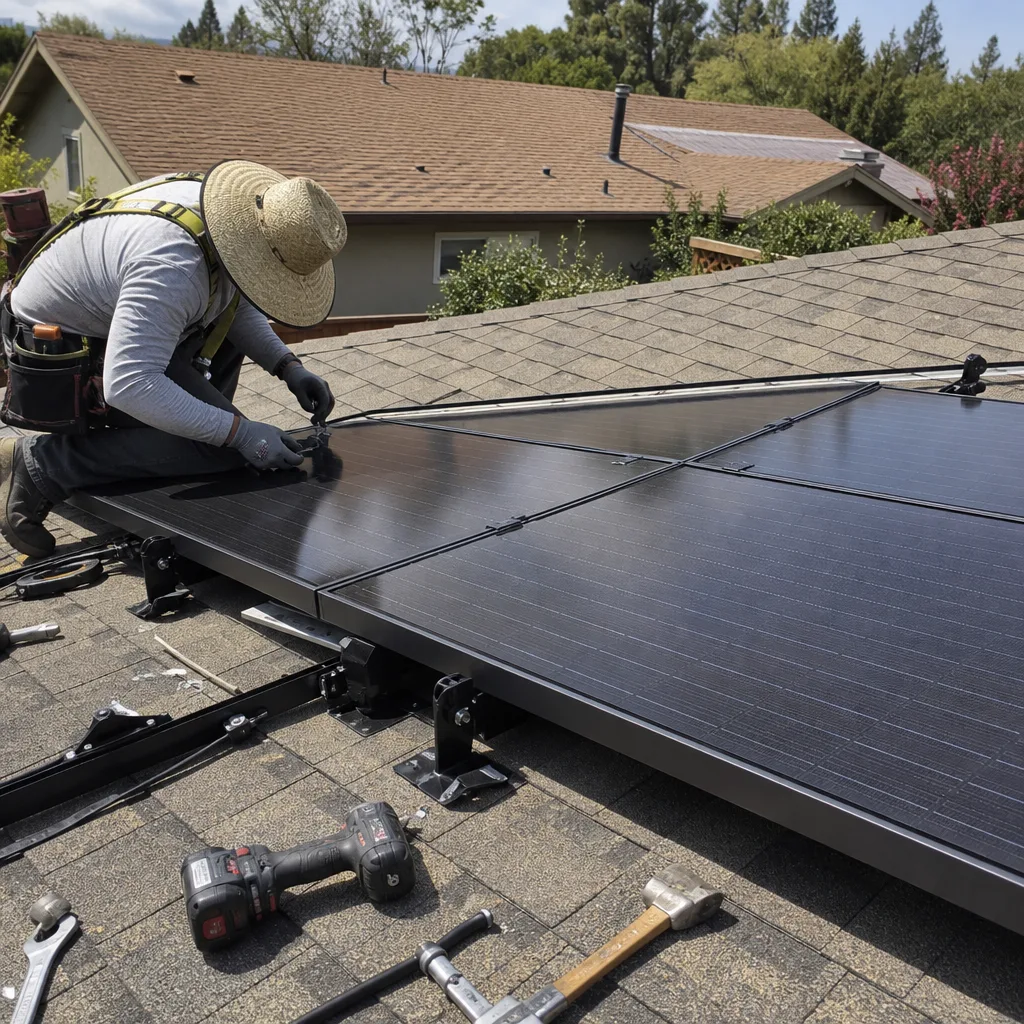
Most Walnut commercial buildings have concrete or clay tile roofs that are original to the structure. That means every penetration point needs tile-hook hardware rated for the specific tile profile, plus a roof-condition assessment before we pull the permit. We quote the tile-hook count and cracked-tile replacement budget upfront, so there are no change orders after we start. A typical 50 kW rooftop system on a Walnut retail building runs $120,000 to $155,000 before incentives.
Warehouse & Industrial Solar
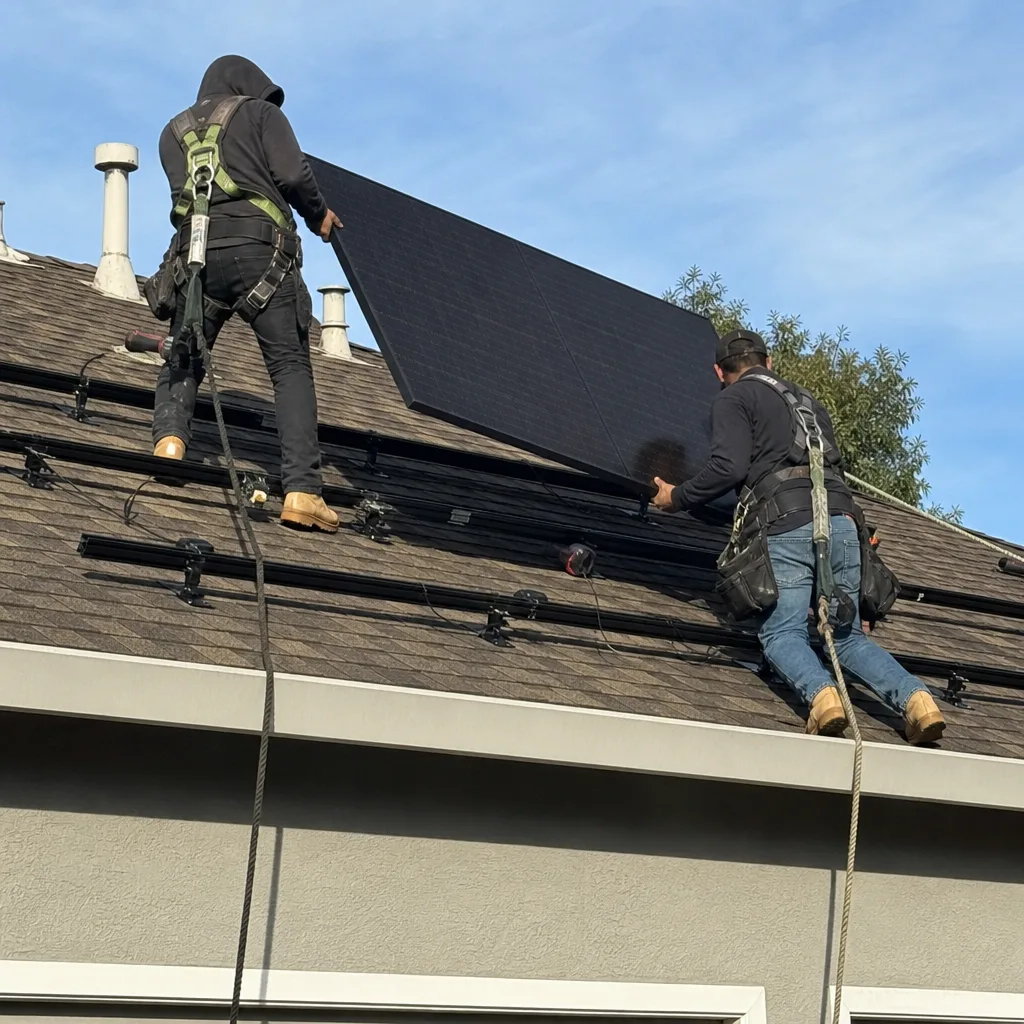
Warehouses near the 57 freeway and along Valley Boulevard are some of the best solar candidates in Walnut. These buildings often have large, unobstructed roof planes that can support a system sized to offset a meaningful share of refrigeration or HVAC load. We’ve found that warehouses built in the 1980s frequently have flat or low-slope sections where water pools around rooftop units. We spec stainless steel racking fasteners on those jobs because standard zinc hardware corrodes faster when it sits in standing water through a Walnut winter.
Solar Carport Installation
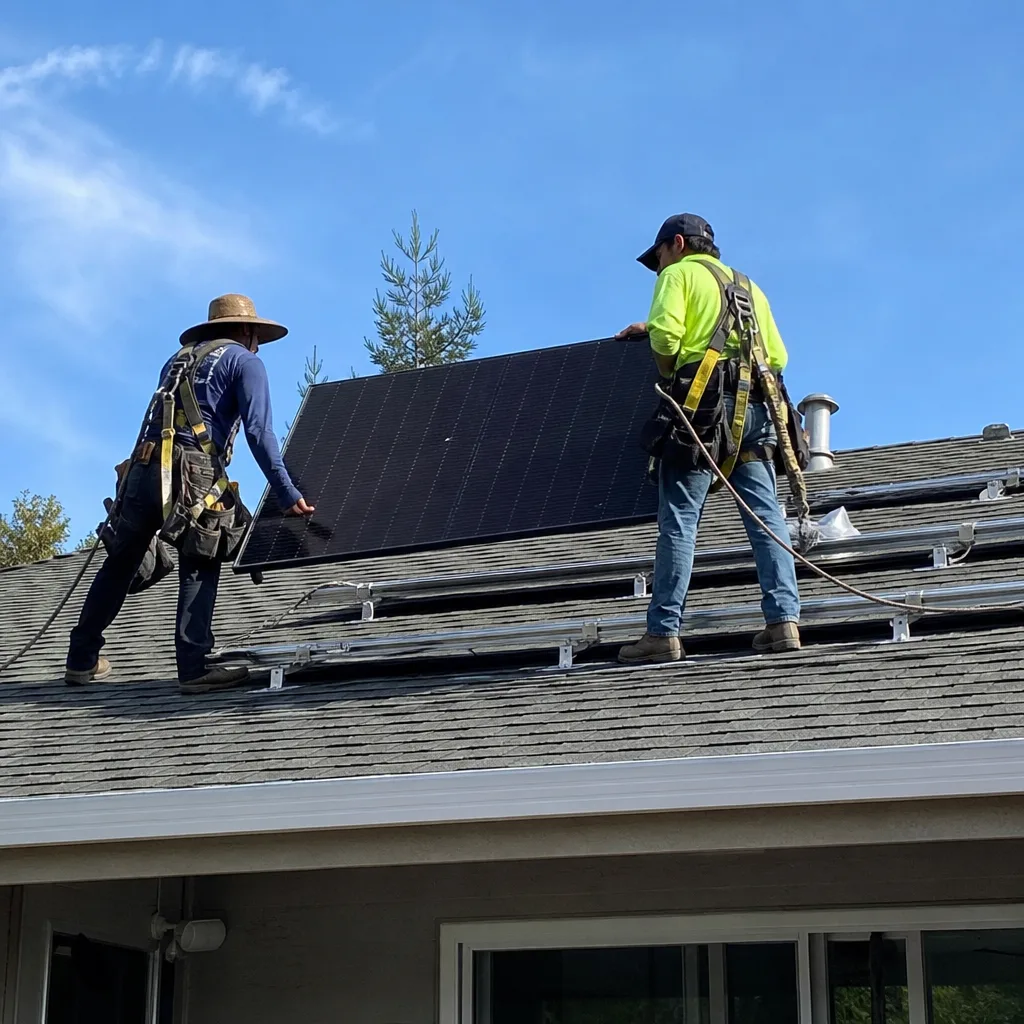
Several Walnut business parks and school district properties have turned parking lots into generation assets with solar carports. These structures do double duty: they produce power and shade employee or customer vehicles during those July-through-September stretches when interior temps hit 100 degrees. A carport system typically costs more per watt than rooftop, often $3.00 to $3.50 per watt, because of the steel structure involved. But for businesses with limited roof capacity or shaded rooftop areas, the carport route is often the fastest path to offsetting a full year of SCE charges.
Commercial Battery Storage
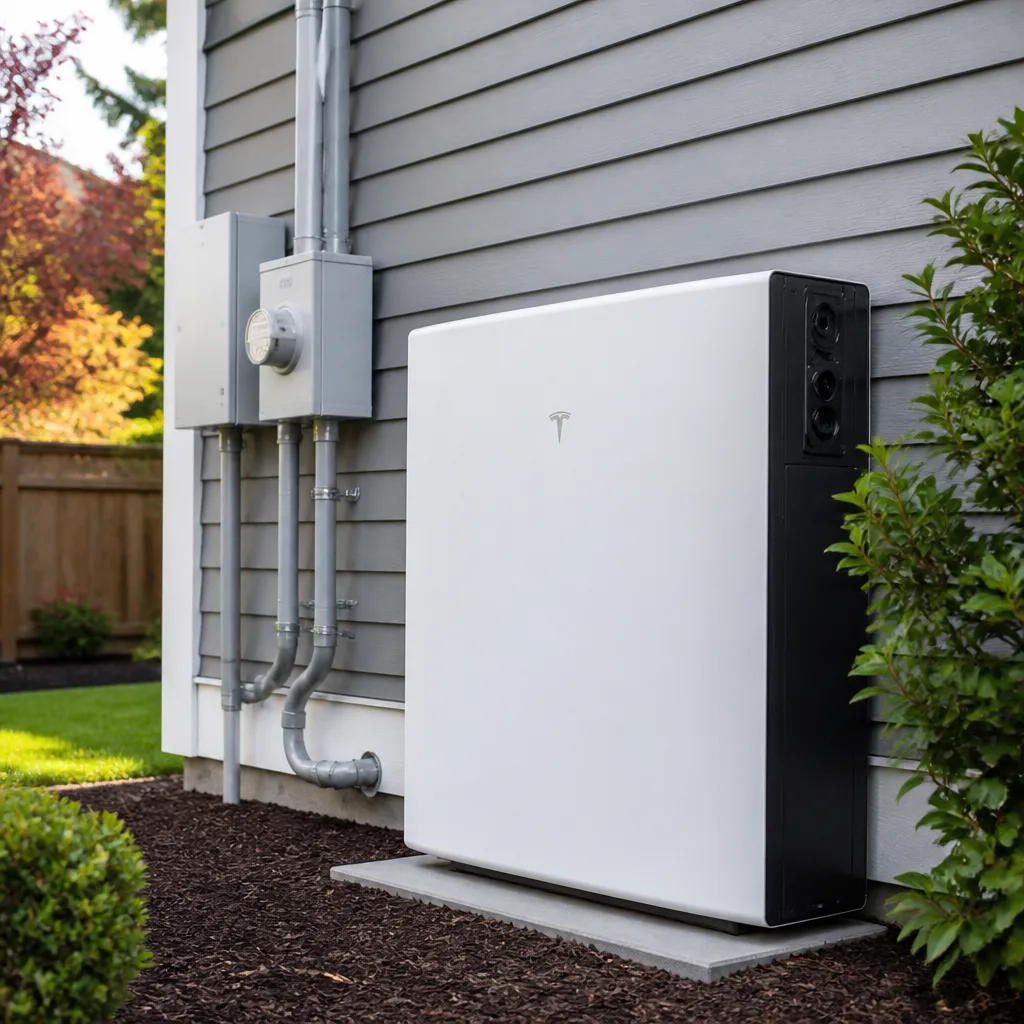
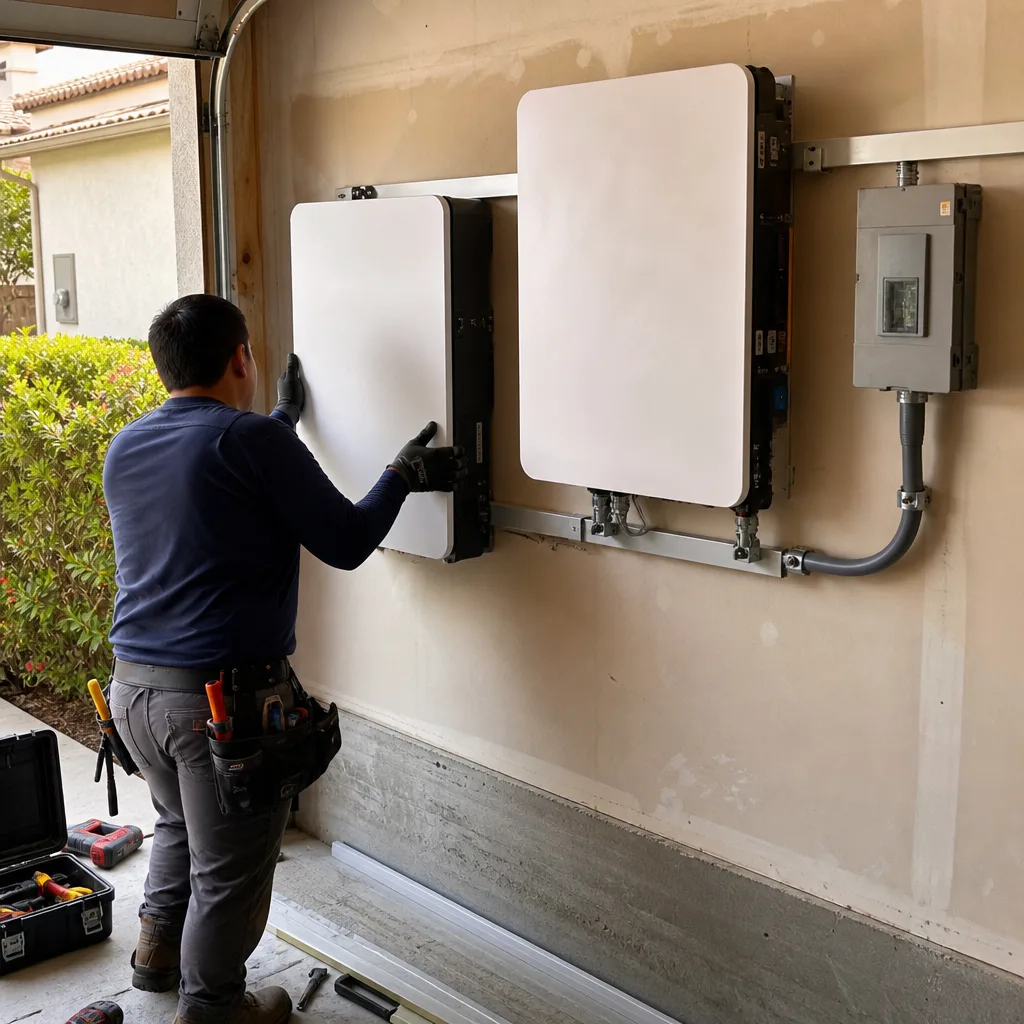
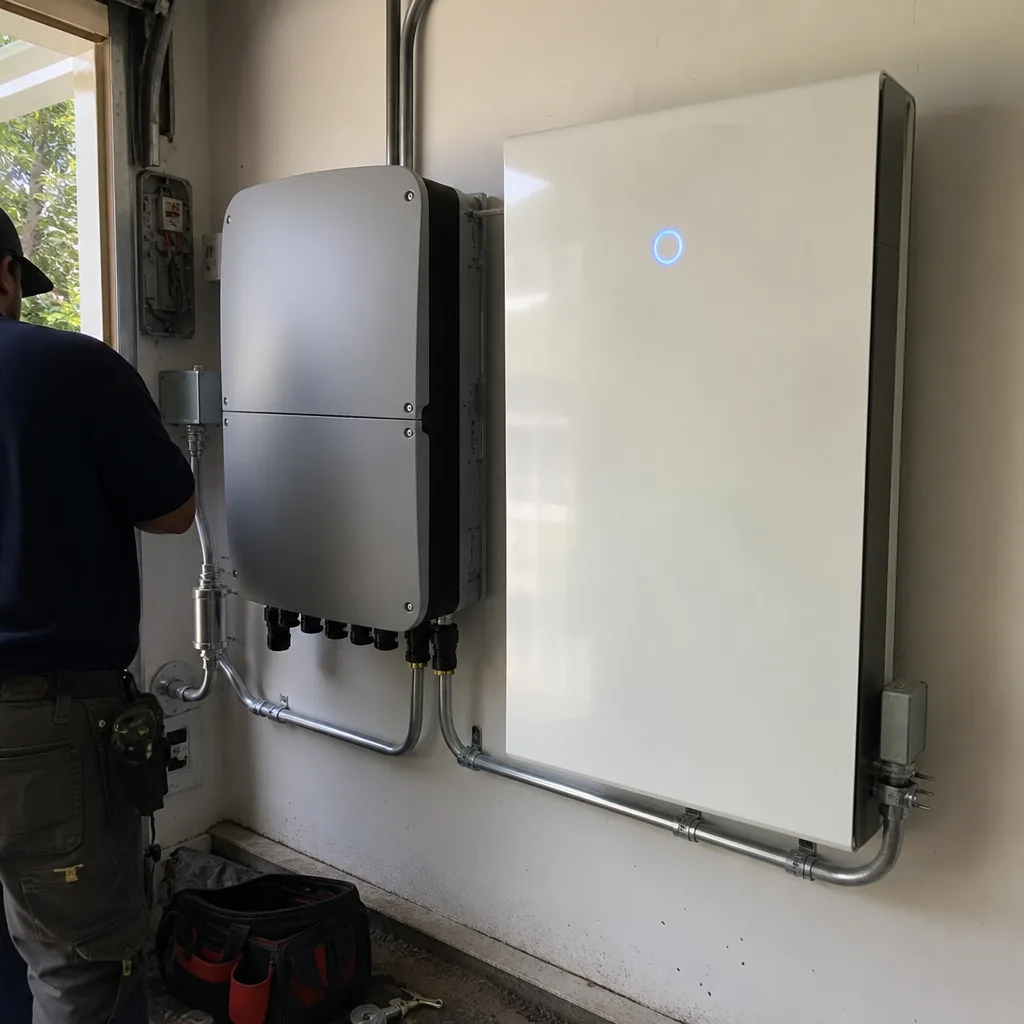
We pair FranklinWH and Tesla Powerpack batteries with commercial solar in Walnut for one reason: SCE’s demand charges. A single hot August afternoon can push a business into a higher demand bracket for the entire month, and battery storage shaves that peak. We size the battery to your actual interval data from SCE, not a generic estimate. A 30-60 kWh commercial battery adds $30,000 to $70,000 to a Walnut project, but for buildings with heavy afternoon AC or refrigeration loads, it frequently pays for itself within four years.
What happens when you call
- 1
A real person answersNo phone trees - you reach a local pro.
- 2
You get an upfront price rangeHonest numbers before anyone is dispatched.
- 3
A background-checked tech heads outLicensed & insured, dispatched right away.
- 4
You approve before work beginsNothing starts until you say go.
Trusted Brands We Service in Walnut
We install and service equipment from Tesla, Enphase, SolarEdge, and FranklinWH, and we keep common replacement parts stocked for Walnut customers so a failed microinverter or optimizer doesn’t mean a two-week wait. For Walnut’s fragmented roof planes, we default to Enphase microinverters on nearly every job. They handle east-west and north-facing sections far better than a single string inverter, and they let us monitor each panel individually after install. If something underperforms, we see it before it shows up on your SCE bill.
Common Commercial Solar Installation Problems We See in Walnut Homes
Actually, let’s be precise: we see these problems on Walnut commercial buildings, not homes. Here’s what turns up most often:
- Cracked concrete tiles from the original 1970s roof. Foot traffic during an install can crack tiles that are already stressed from four decades of UV and thermal cycling. If your building has its original tile roof, budget for a 10-15% cracked-tile replacement factor on the roof sections where we work.
- String inverters on fragmented roof planes. Commercial buildings on the sloped lots near the San Jose Hills often have roof sections facing east, west, and north. A string inverter treats the whole array like its weakest panel. We see 15-20% production losses on those configurations until we switch to microinverters or DC optimizers.
- Pooling water and corroded racking on flat roofs. Older Walnut industrial parks have flat roofs with poor drainage around rooftop HVAC units. Water sits, standard galvanized fasteners rust, and five years later the racking needs replacement. We spec stainless hardware on these roofs from day one.
- Underestimated summer AC load. A solar array sized off a fall or winter SCE bill will underproduce badly in July and August, when Walnut regularly hits triple digits. We size commercial systems off 12 months of interval data, never a single-season snapshot.
Pricing for Commercial Solar Installation in Walnut, CA
Here’s the honest math we share with every Walnut business owner. Rooftop commercial solar runs $2.35 to $3.10 per watt before incentives. A 25 kW system on a small retail building lands around $60,000 to $78,000. A 100 kW warehouse system runs $235,000 to $310,000. Solar carports run higher, $3.00 to $3.50 per watt, because of the steel. Commercial battery storage adds $30,000 to $70,000 depending on capacity and chemistry. What moves the number within those ranges: tile-hook count, cracked-tile replacement, whether we’re using microinverters or a string-plus-optimizer design, and how much roof repair is needed before mounting begins. Bring us a bill, we’ll bring you the math. Take two weeks to think about it. The price will be the same.
If a salesman needs an answer tonight, the answer is no. That’s not how we work in Walnut.
We Also Serve Cities Near Walnut
In addition to Walnut, our commercial solar team regularly works in South San Jose Hills, Diamond Bar, Rowland Heights, and West Covina. Each of these cities has its own mix of roof ages and building types, and we quote every job against the actual roof, not the city average. If your business is in one of these nearby communities, the same crew and the same 90-Day Done Right Promise apply.
Serving Walnut, CA - Our Local Coverage Area
We’re based in the Walnut area and know this community well. Use the map below to see our service coverage - if you’re nearby, we can almost certainly help.
FAQs - Commercial Solar Installation in Walnut
Walnut’s commercial buildings were mostly built between the late 1960s and the 1980s with concrete or clay tile roofs, and those roofs are now 40 to 55 years old. You cannot simply lag-bolt racking through aging tile without cracking it, so virtually every job here requires tile-hook hardware mounted to the sheathing beneath, plus a roof-condition assessment before the permit is filed. Skipping this step saves money up front and causes leaks after the first heavy rain. Call (877) 550-6892 and we’ll tell you whether your specific roof needs tile hooks before we ever talk panel count.
SCE’s net energy metering program credits your business for excess generation at rates that vary by time of day, which means a Walnut system sized against summer afternoon AC load typically reaches full payback in 5 to 7 years. The key is that Walnut’s inland heat drives most of the annual bill, so solar production aligns closely with peak pricing months from June through September. That alignment is what shortens the payback period compared to coastal SCE customers whose bills spike in winter. Bring us 12 months of interval data and we’ll show you the year-25 output number, not the day-one figure.
Almost certainly yes. The sloped lots along Walnut’s northern edge produce fragmented roof planes with east, west, and north-facing sections, and a single string inverter on that configuration loses 15 to 20 percent of potential production because the weakest panel drags down the entire string. Microinverters let each panel operate independently. We default to Enphase microinverters on these lots as a matter of course. It’s not an upsell; it’s the only design that makes the math work on a fragmented plane.
Most commercial panels degrade at 0.4 to 0.5 percent per year, meaning a panel still produces roughly 87 to 88 percent of its original output after 25 years. Walnut’s sustained triple-digit summer heat slightly accelerates that degradation compared to coastal installations, but the bigger issue is heat-related efficiency loss during peak production hours. Panels lose about 0.35 percent output per degree Celsius above 25 degrees, so a Walnut roof at 140 degrees is running meaningfully below nameplate during exactly the hours when your AC load peaks. We account for this in the design. If we quote the year-25 output, we’re factoring both degradation and heat loss into the number you see.
Yes. Warehouses without parapets are common in Walnut’s older industrial parks, and we’ve handled many of them. Without a parapet, we typically use ballasted racking systems that sit on the roof membrane with weights rather than penetrations, though the specific roof load capacity must be verified first. For older roofs with pooling water, we also upgrade to stainless fasteners and recoat the membrane around mounting feet before the racking goes down. We won’t know the right approach until we walk the roof, which is exactly why we do that before quoting.
Ready to Get a Straight Answer on Commercial Solar in Walnut?
If you own a commercial building in Walnut, you’ve probably already had a door-knocker quote you a number that changed later. That won’t happen here. Gus Petrakis answers his own phone, quotes real year-25 numbers off your actual SCE bill, and tells you to take two weeks before you sign anything. Call (877) 550-6892 for a free estimate. If a salesman needs an answer tonight, the answer is no. We’ll still be here in two weeks.
Written by Gus Petrakis, Owner at Gus’s Solar, serving Walnut and the eastern San Gabriel Valley since 2011.