
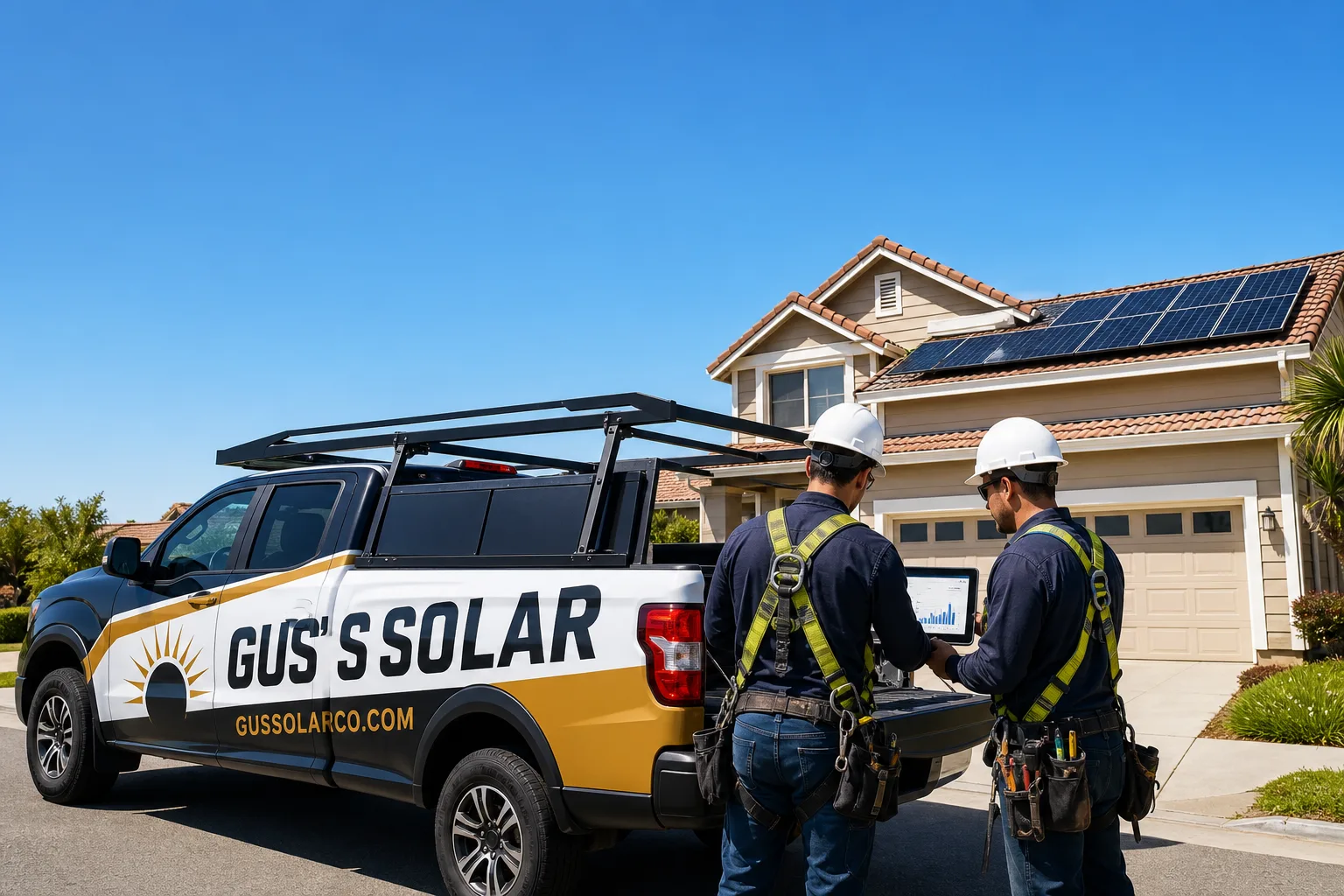
Free bill analysis - bring a power bill, get the production math for your actual roof, panel brands like Qcells and REC compared side by side
If the pitch starts at your door and ends with "sign tonight for the special," sleep on it. The sun will still be there tomorrow; so will we.
 Before
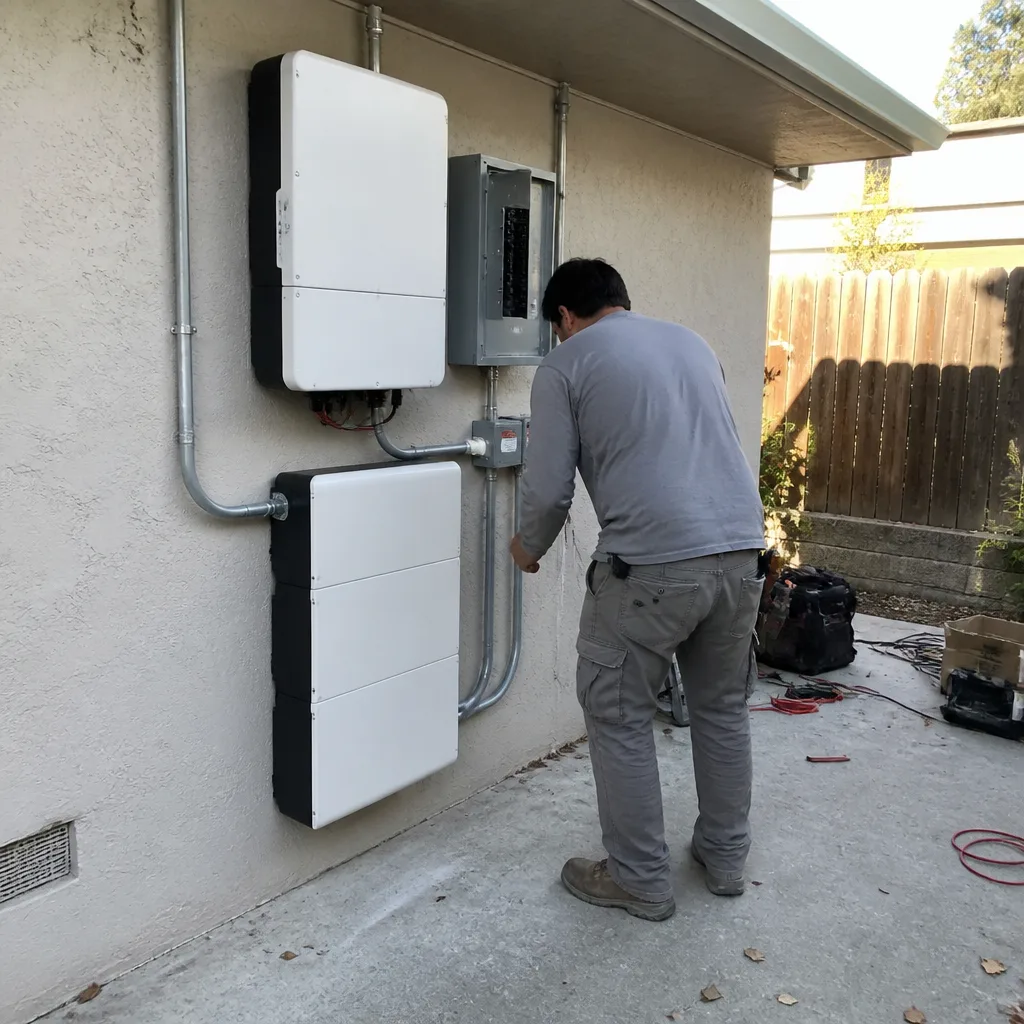 After
After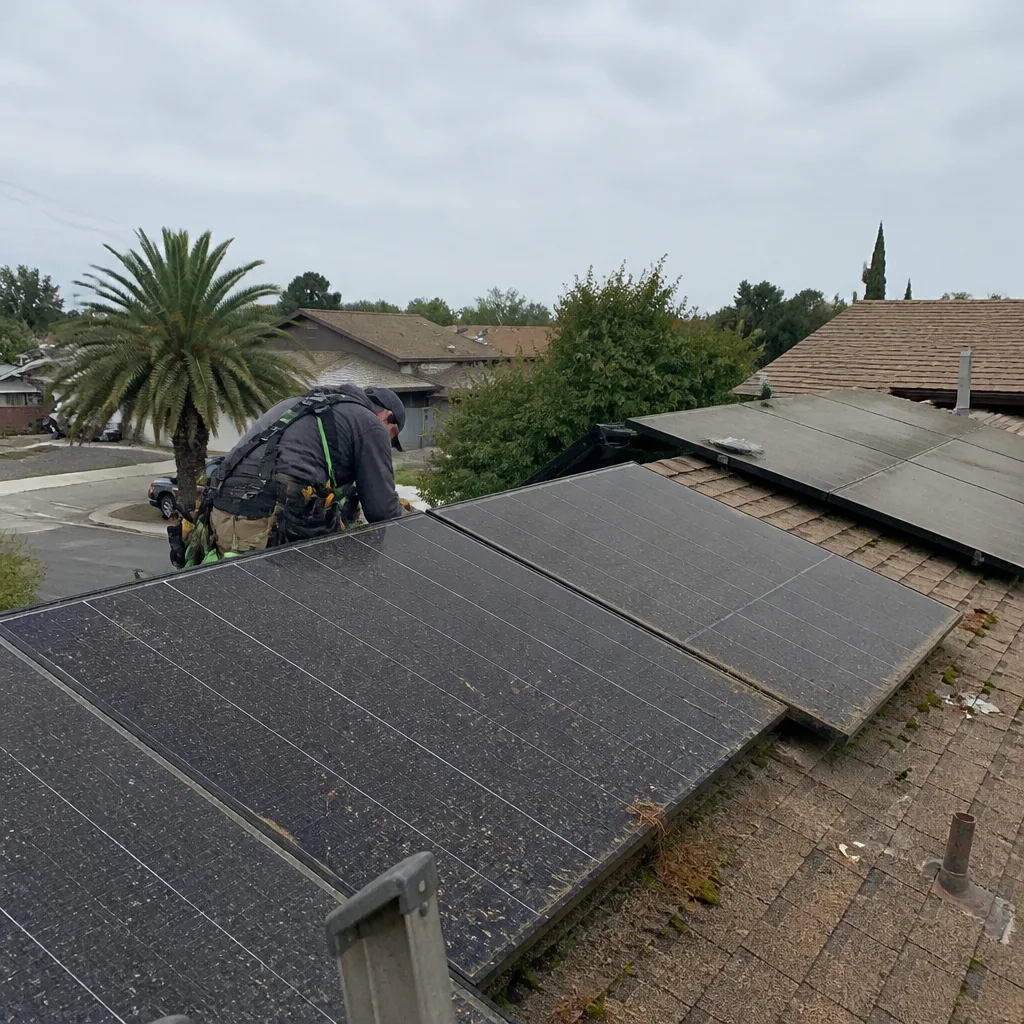 Before
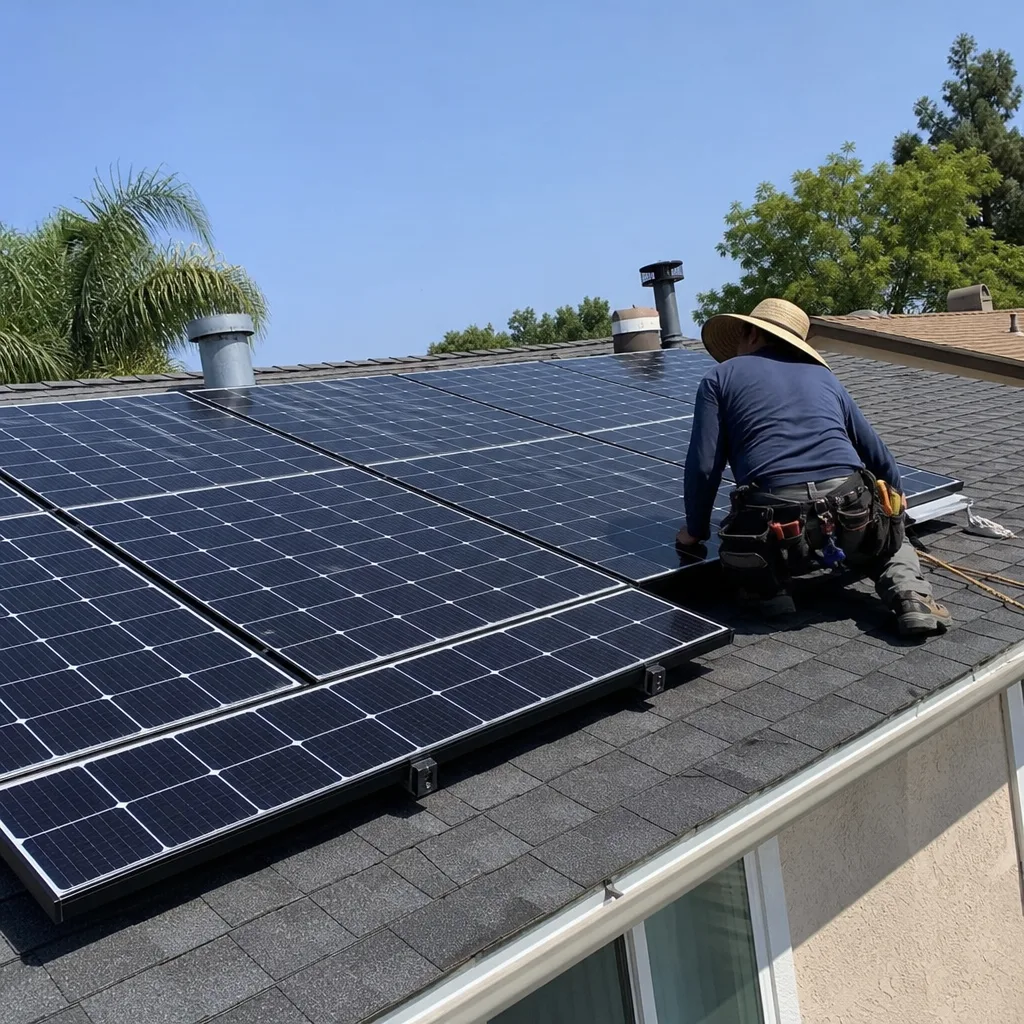 After
After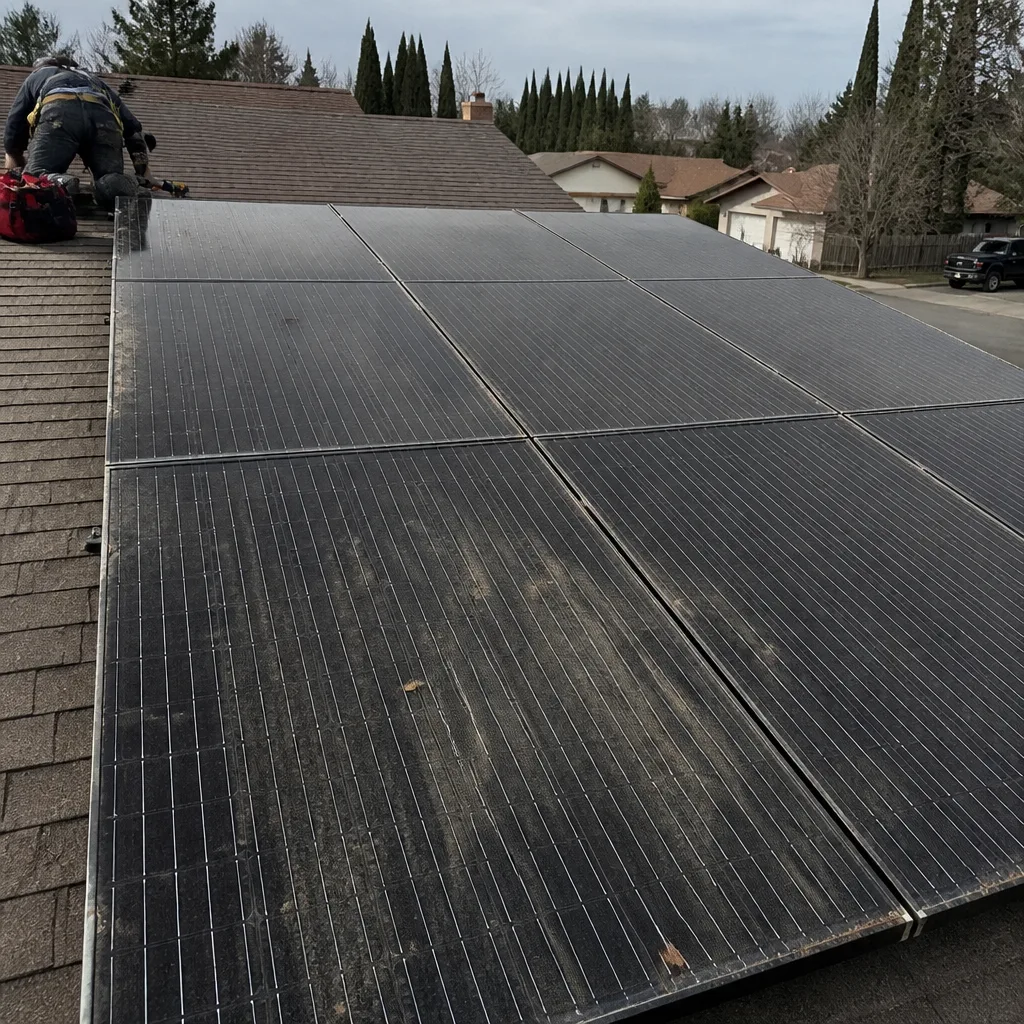 Before
 After
AfterCommercial Solar Installation in Universal City: What You Need to Know
Commercial solar installation in Universal City typically runs $2.40 to $3.10 per watt before incentives, meaning a 50 kW system on a mid-sized apartment building or small office lands between $120,000 and $155,000 before the federal tax credit. With the 30% Investment Tax Credit applied, that same project falls to roughly $84,000 to $108,500 out of pocket. But Universal City is not a flat Valley commercial site, and a price per watt quoted without a shading analysis of the Santa Monica Mountains ridgeline is a number that will not survive contact with your utility bill. Call (877) 550-6892 and we’ll bring a shade meter, not a brochure.
Key takeaways:
- West-facing slopes in Universal City lose 15-25% of estimated production to afternoon ridgeline shading if the installer uses standard satellite assumptions.
- Cahuenga Pass wind gusts require heavier racking and ballast than flatland commercial jobs in Studio City or North Hollywood.
- Gus Petrakis quotes the year-25 output, not the day-one brochure number, and backs every job with the 90-Day Done Right Promise.
- Our crew does the install. No subs. No third-party crew you’ll never see again.
Why Gus’s Solar Is Universal City’s Preferred Commercial Solar Installation Company
We have been doing Commercial Solar Installation long enough to know that Universal City throws every variable at a rooftop at once. Hillside. Wind. Weird roof geometry. Multi-unit ownership structures. A generic quote built on a satellite image will not hold up here. That is why we do something most installers skip entirely: we walk the roof, we run a shade reading at three times of day, and we build the number off your actual meter data. Bring me a bill, I’ll bring you the math.
Gus Petrakis answers his own phone. The crew that shows up to your Universal City property is his crew, background-checked and uniformed, and they have seen this hillside before. We coordinate scheduling from the Los Angeles office and serve Universal City locally, so when you call on a Tuesday morning with a question about a carport array on Lankershim Boulevard, you get a person who knows the property, not a ticket number. The 90-Day Done Right Promise is in writing on every job. One call brings Gus back.
Universal City is essentially a company town built around the NBCUniversal studio lot, the largest single land use in the CDP, sitting at the mouth of Cahuenga Pass in the Santa Monica Mountains foothills. The commercial properties that do exist inside 91608 are almost all hillside apartments, condos, and small office buildings with multi-pitched roofs that make a standard south-facing array assumption nearly useless. Every installation here demands a site-specific shading analysis that a flat-valley job in neighboring North Hollywood rarely requires. We know that because we have done both. The hillside jobs are different work entirely.
Our Commercial Solar Installation Services in Universal City
Commercial Rooftop Solar
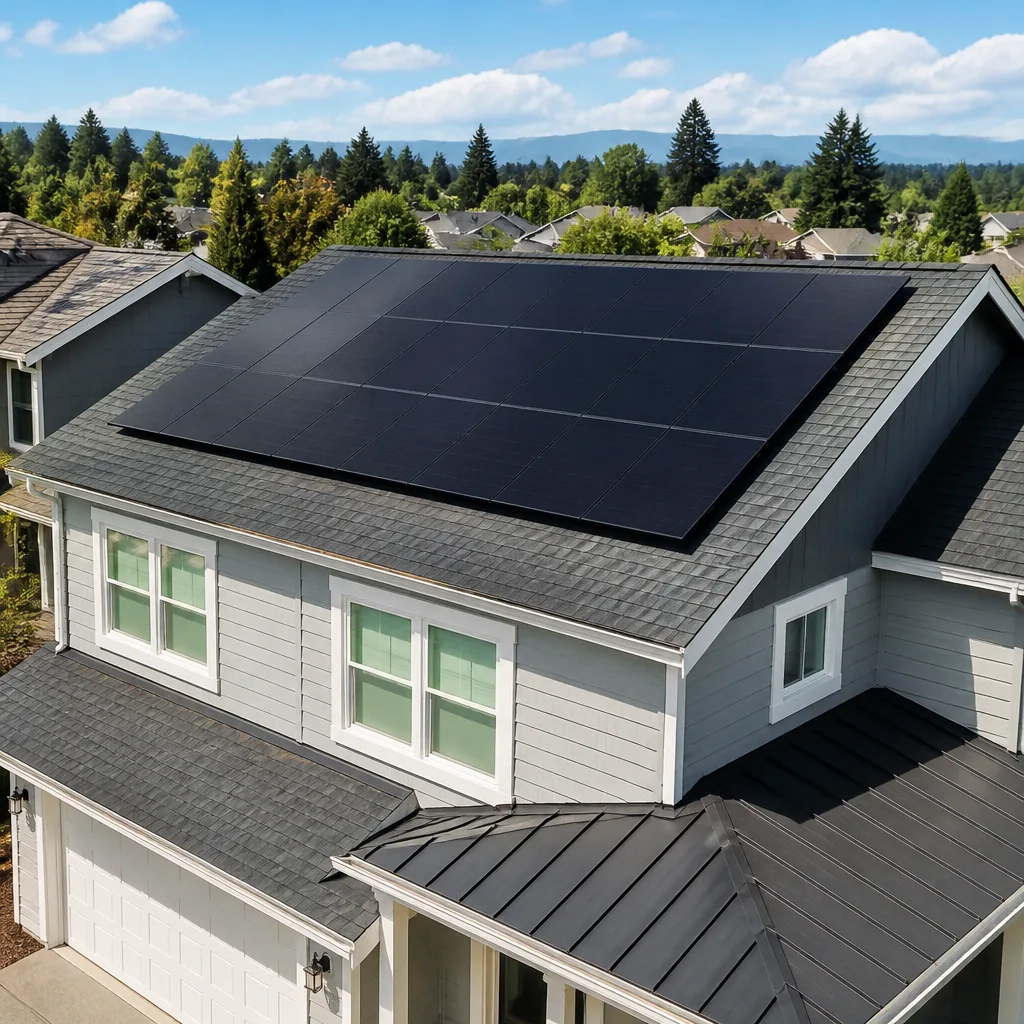
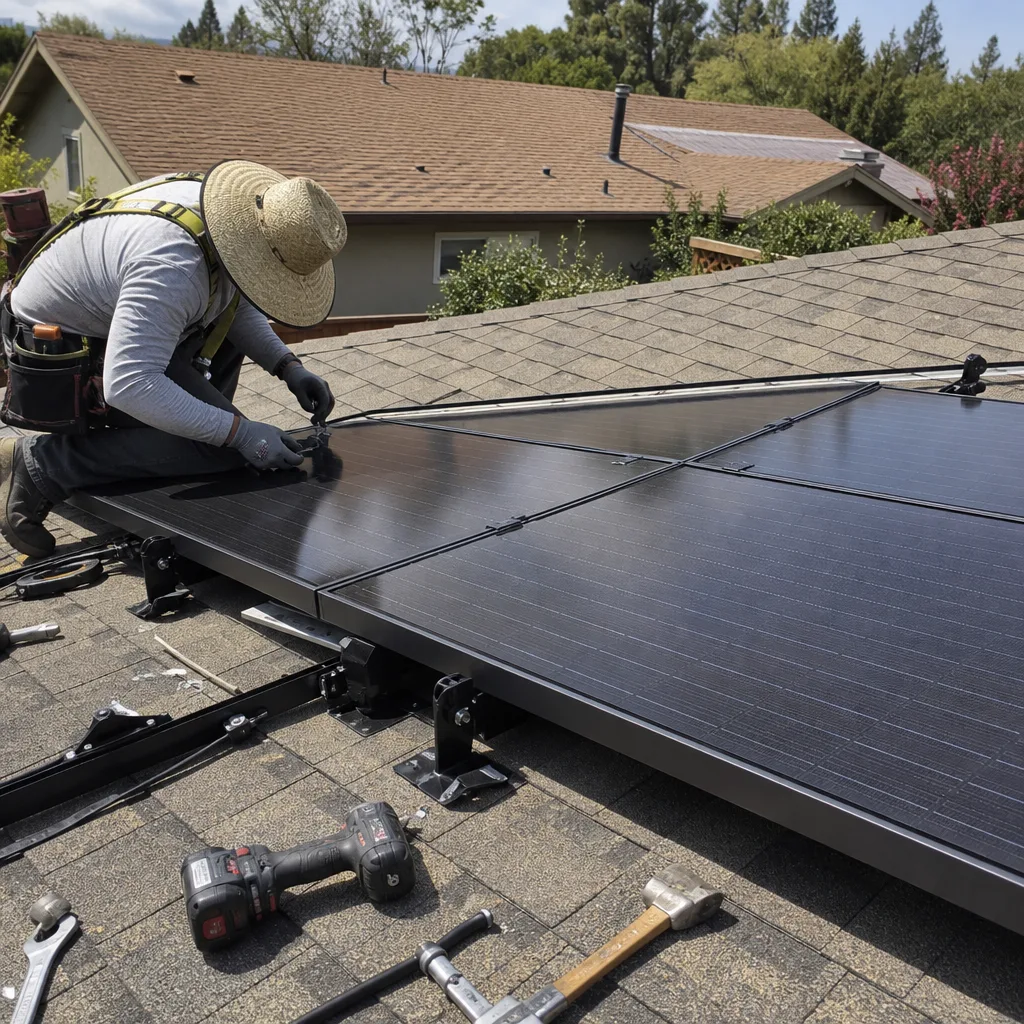
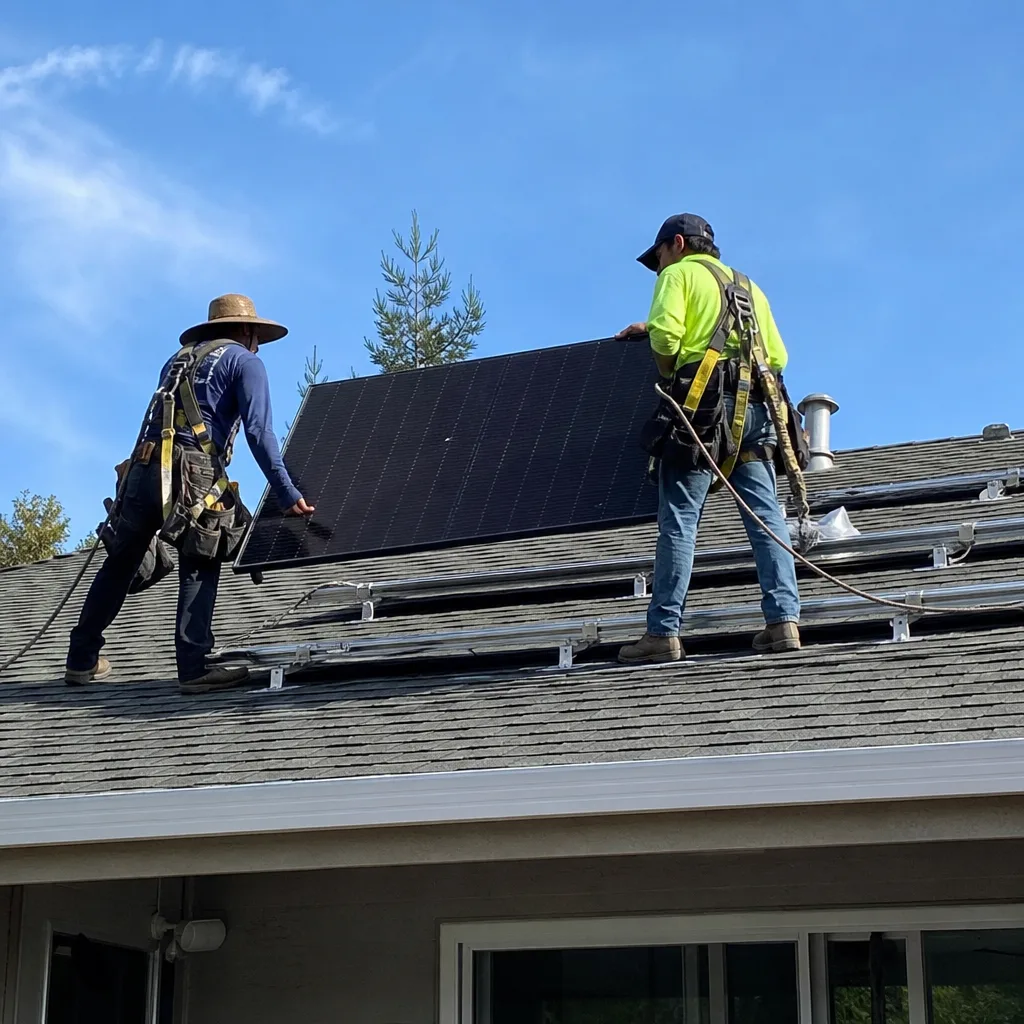
Rooftop commercial solar in Universal City is a roof-geometry puzzle first and an electrical job second. The residential footprint within 91608 skews toward mid-century and later multi-unit apartment buildings and condos clustered along the slopes near Lankershim Boulevard, with complex, multi-pitched roof geometries that limit usable panel area and often push systems toward east- or west-facing orientations rather than true south. We design for what the roof actually gives us. A west-facing array on the slope will produce less at high noon but can outperform a forced south layout that wastes half the usable roof plane. We spec accordingly and show you the production model before you sign anything.
Warehouse and Industrial Solar
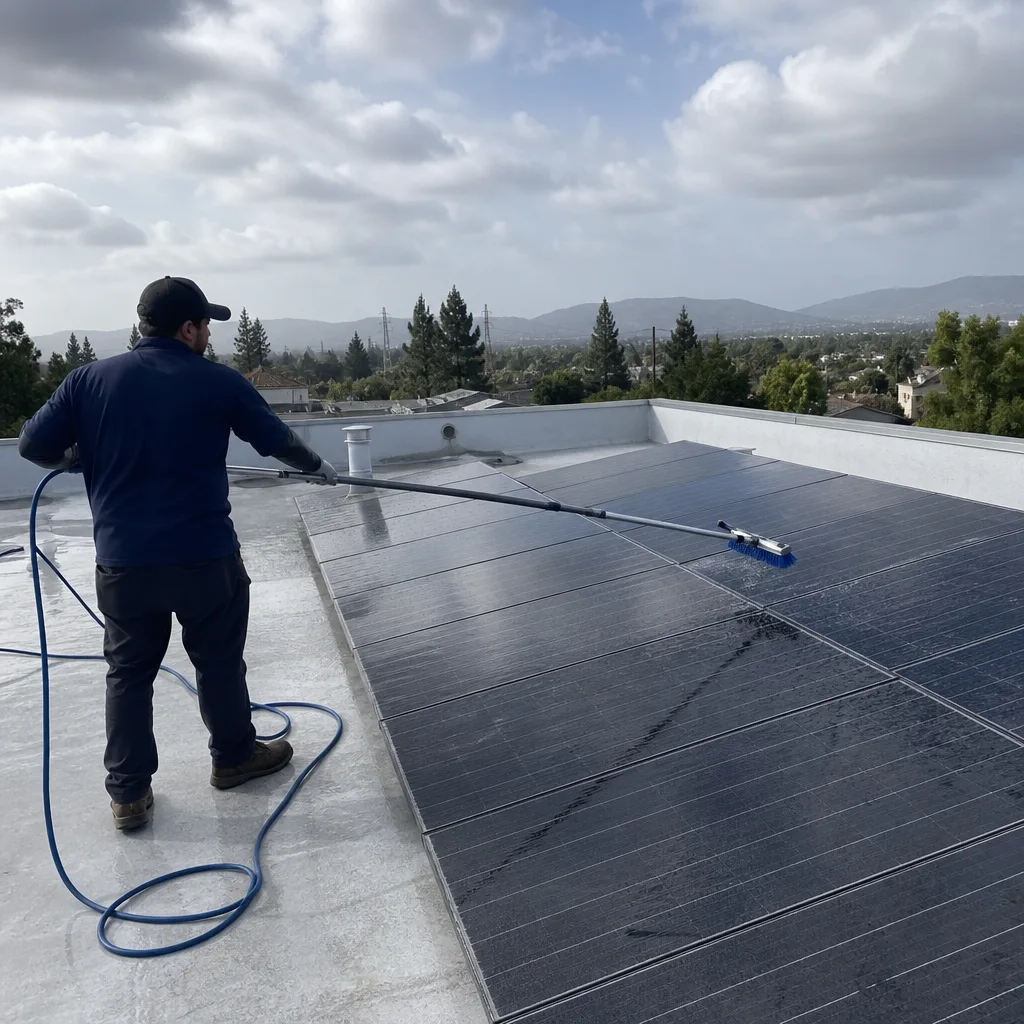
Universal City does not have the sprawling warehouse districts you see in the east Valley, but the studio-adjacent commercial buildings along the pass have their own set of constraints. Flat roofs on these structures need ballast systems rated for the wind that funnels through Cahuenga Pass between the warmer San Fernando Valley to the north and the cooler Hollywood basin to the south. Standard ballast calculations written for Burbank or Studio City will not hold. We use heavier blocks and tighter module spacing, and we document every engineering assumption in the proposal. If a salesman needs an answer tonight, the answer is no.
Solar Carport Installation
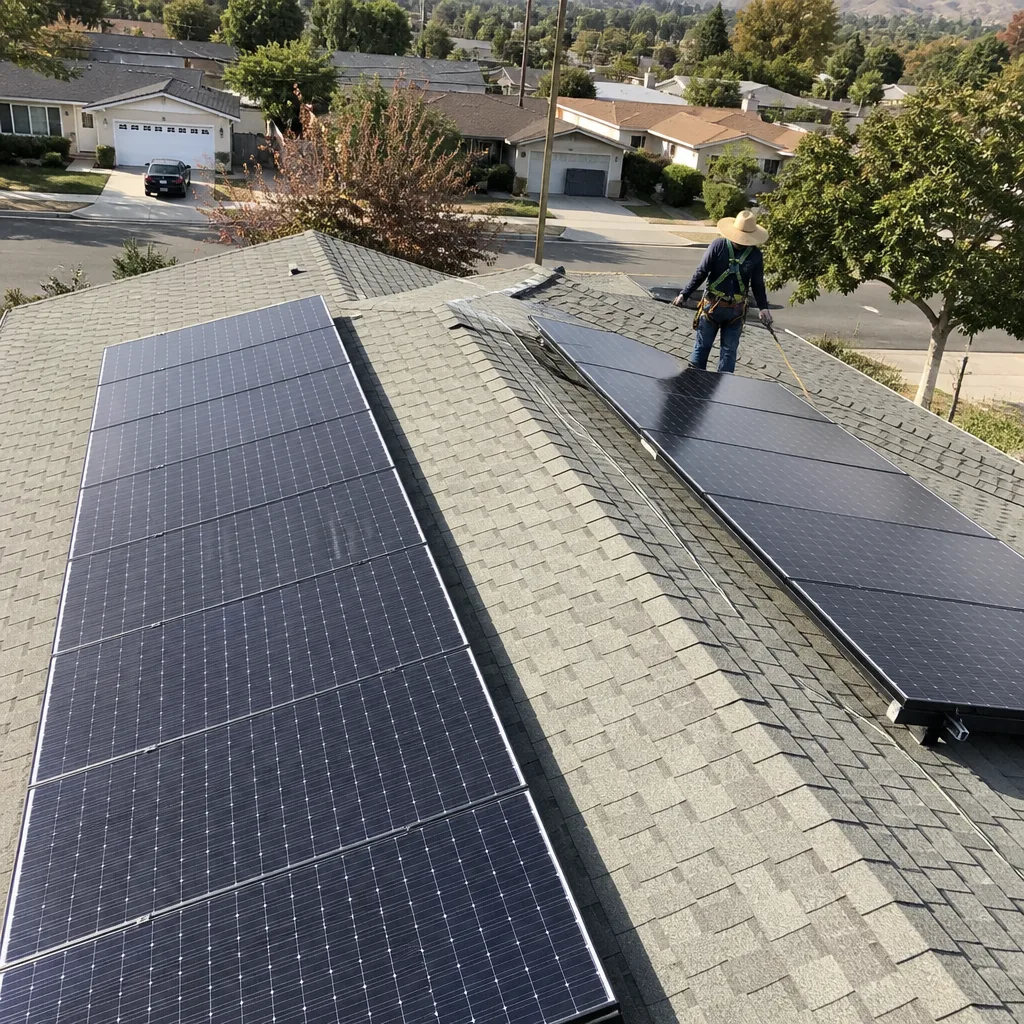
Carport solar in Universal City makes sense on a handful of commercial properties where rooftop space is maxed out or structurally unsuitable. The carports here must be engineered for uplift, because the pass winds do not read a site plan before they hit the structure. We spec steel rated for the gust loads we have measured on actual jobs near the 101, and we run the foundation calculations assuming the worst week of the year, not the average one. The payoff is dual: shade for parked cars and a solar array that faces the direction we choose, not the direction the original roofer chose in 1962.
Commercial Battery Storage
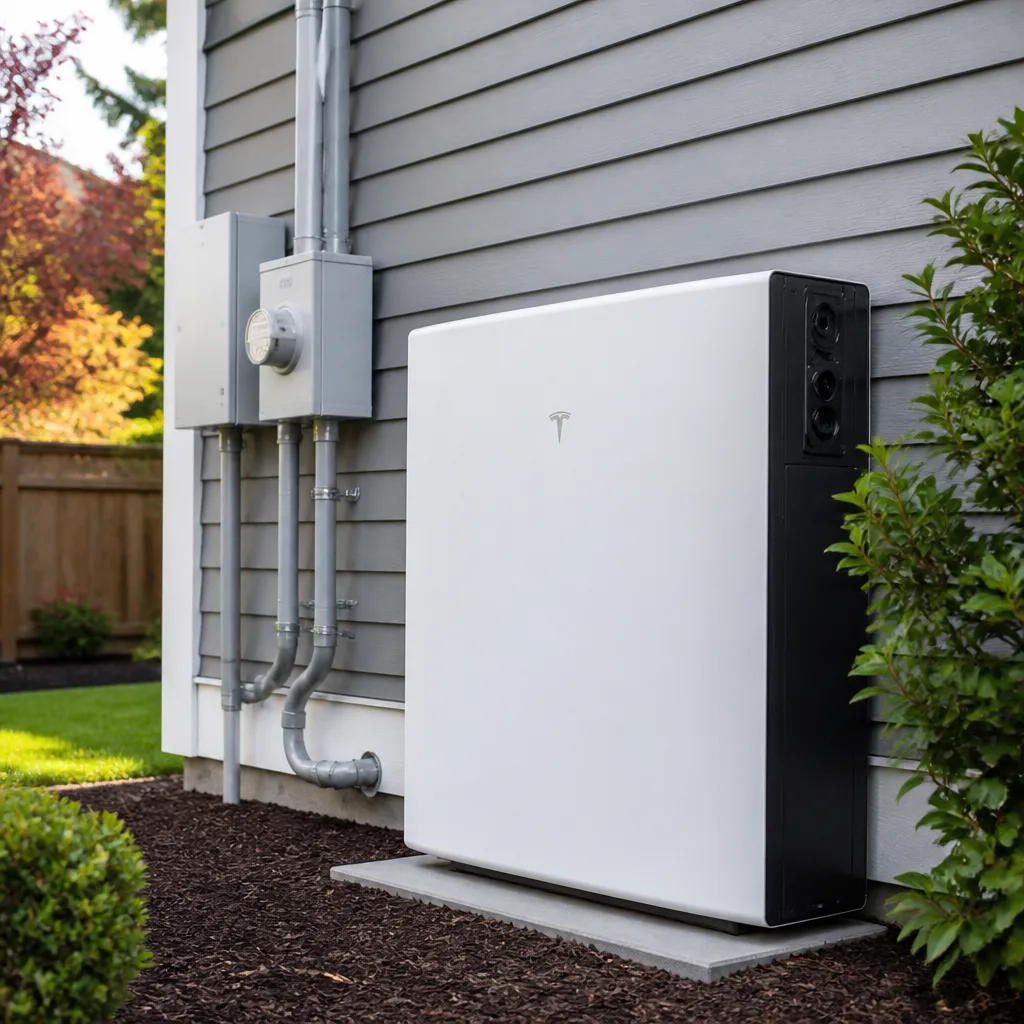
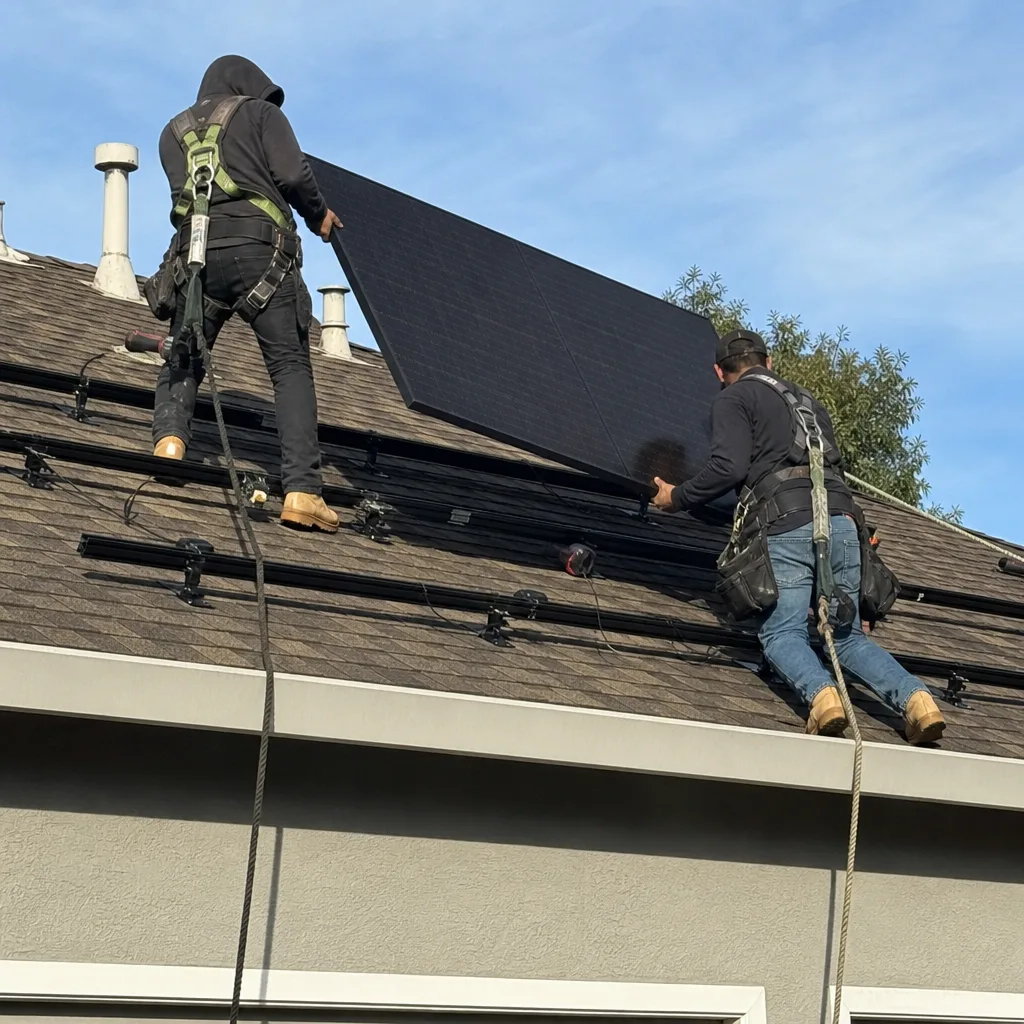
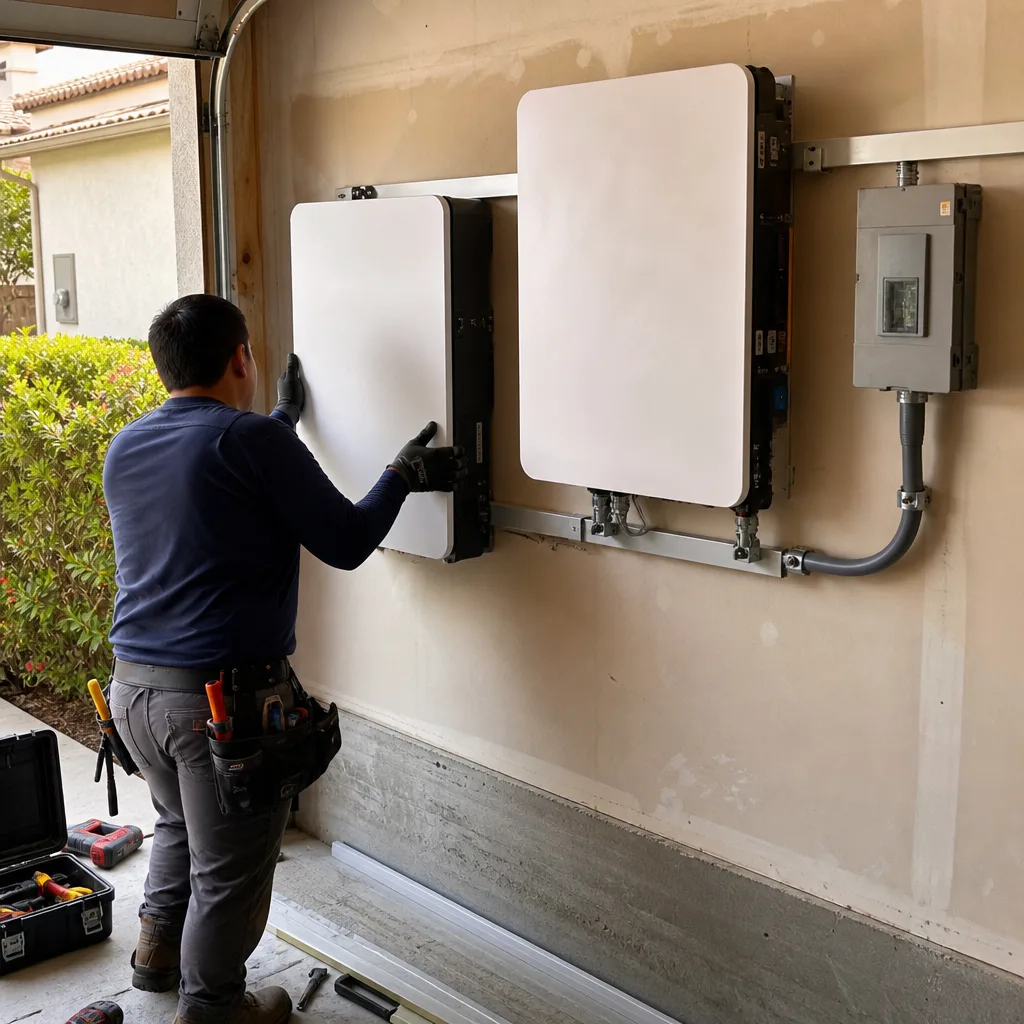
Battery storage is the quiet fix for Universal City’s shading problem. A FranklinWH or similarly sized commercial battery lets a west-slope building capture morning and midday production, then discharge it during the late afternoon when the ridgeline shadows the array and time-of-use rates climb. We size batteries against your actual interval data from LADWP, not a generic load profile. For a Universal City apartment building with constrained roof area, battery storage often moves the payback period forward by two to three years compared to panels alone. That is the kind of number worth getting right.
Commercial Solar Maintenance
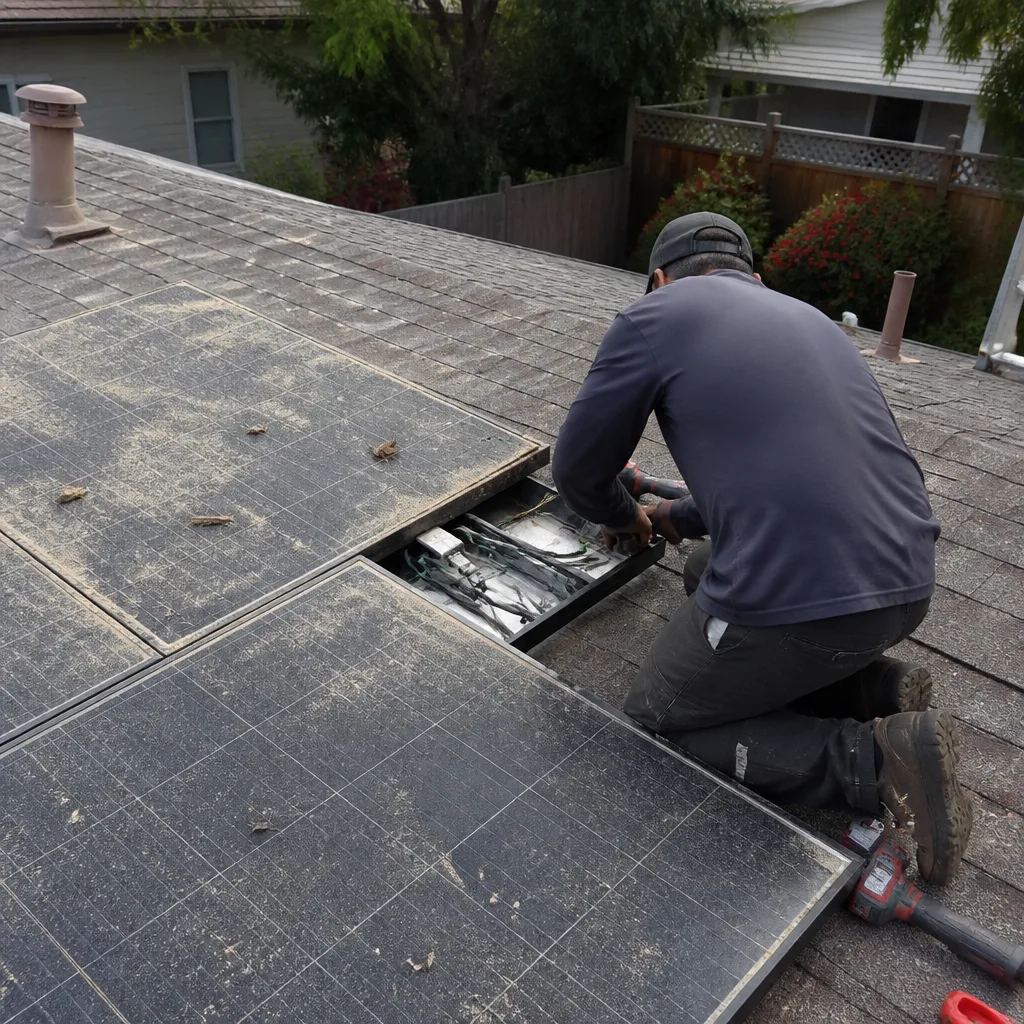
Wind-driven dust and the marine layer that pushes through the pass leave a film on commercial arrays faster than you would expect. We offer scheduled Commercial Solar Maintenance that includes panel cleaning, inverter checks, racking torque verification, and a production report against the original estimate. If something is off, Gus calls you. Not the other way around. For Universal City properties where a 15% shading miss is already baked into the original design, catching a string failure early is the difference between a good year and a bad one.
What happens when you call
- 1
A real person answersNo phone trees - you reach a local pro.
- 2
You get an upfront price rangeHonest numbers before anyone is dispatched.
- 3
A background-checked tech heads outLicensed & insured, dispatched right away.
- 4
You approve before work beginsNothing starts until you say go.
Trusted Brands We Service in Universal City
We install and service equipment from Panasonic, Canadian Solar, JinkoSolar, and FranklinWH, among others. For Universal City commercial customers, that matters in a specific way: we keep common replacement parts and inverter components stocked locally, so a failed optimizer or a cracked panel does not mean a three-week wait for a shipment from a distribution hub in another state. When your array is already fighting ridgeline shading, downtime is not theoretical. We spec brands we are willing to stand behind for the full year-25 output window, and we quote that number before you sign. Take two weeks. Think about it. The price will be the same.
Common Commercial Solar Installation Problems We See in Universal City Homes
Universal City’s older multi-unit buildings share a set of failure patterns we see over and over. Here is what actually goes wrong up here:
- Afternoon ridgeline shading on west-facing slopes. A satellite shading tool shows full sun at 2 p.m. The actual roof sits in the shadow of the Santa Monica Mountains by 3:30. The production estimate misses actual kWh offset by 15-25%, and the owner finds out at the first true-up bill. We run a physical shade reading before we quote.
- Racking specified for flatland wind loads. Cahuenga Pass acts as a thermal corridor funneling wind between the San Fernando Valley and the Hollywood basin. Standard ballast and rail spacing written for North Hollywood will not survive the gusts we measure on Universal City rooftops. Panel uplift and microcrack damage are the predictable results.
- True-south designs on multi-pitched hillside roofs. A mid-century apartment building along Lankershim Boulevard rarely offers a clean south plane. Forcing one wastes usable east and west roof area, and the owner pays for a design that does not match the building. We design for the azimuths the roof actually has.
- Interconnection delays from hillside service upgrades. Many 91608 buildings run on older service panels that need an upgrade before the utility will approve a commercial solar interconnection. We work through that paperwork with LADWP from the first site visit, so the array is not sitting idle waiting on a panel swap.
On a mid-century apartment complex along Lankershim Boulevard, our crew encountered a multi-pitched roof with east-west azimuths that ruled out a true-south array. We performed an on-site shading analysis and found the ridgeline cut three hours of afternoon sun, so we spec’d a SolarEdge inverter with individual panel optimization and heavy-duty racking rated for Cahuenga Pass gusts. The final design delivered 92% of the original kWh offset estimate despite the constrained geometry. That is the kind of outcome you only get when someone walks the roof before they write the quote.
Pricing for Commercial Solar Installation in Universal City, CA
Commercial rooftop solar on a Universal City apartment or small office building typically runs $2.60 to $3.10 per watt for a standard pitched-roof array, with ground-mount and carport projects landing closer to $3.30 to $3.80 per watt. A 30 kW system on a mid-sized building runs $78,000 to $93,000 before incentives. A 75 kW project on a larger property lands between $195,000 and $232,500 before the 30% federal tax credit. Battery storage adds roughly $850 to $1,100 per kWh of usable capacity installed, and hillside installations with heavier racking for Cahuenga Pass winds typically add 5-8% to the structural portion of the bid. Those are real numbers from actual Universal City jobs, not a national average that ignores your ridge.
Call (877) 550-6892 for an exact quote. Estimates are free, and the quote is built off your actual utility bill and a physical shade reading, not a satellite screenshot.
We Also Serve Cities Near Universal City
Our crews work throughout the Cahuenga Pass corridor and the adjacent basin communities. If your commercial property sits across the city line in Universal City or in Studio City, North Hollywood, Hollywood, or West Hollywood, call (877) 550-6892 and we will send the same crew with the same shade meter and the same year-25 honesty.
Serving Universal City, CA - Our Local Coverage Area
We’re based in the Universal City area and know this community well. Use the map below to see our service coverage - if you’re nearby, we can almost certainly help.
FAQs - Commercial Solar Installation in Universal City
West-facing rooftops in Universal City can lose three or more hours of peak afternoon sun to ridgeline shading cast by the Santa Monica Mountains, which cuts actual production 15-25% below what a satellite-based shading tool will predict. The only way to know your real number is an on-site shade reading at multiple times of day. Call (877) 550-6892 and we will bring the shade meter to your roof before we quote anything.
Yes. The pass acts as a thermal corridor funneling wind between the San Fernando Valley and the Hollywood basin, producing localized gusts consistently stronger than in the flatlands immediately east. We spec heavier racking, tighter module spacing, and higher ballast weights than a comparable hillside install in Studio City or Burbank. That engineering shows up in the proposal as a line item, so you know exactly what you are paying for.
East-west arrays on Universal City’s multi-pitched hillside roofs typically produce 85-92% of what a same-sized true-south array would generate, which is often the best available output given the roof geometry. With a battery or individual panel optimization, the gap narrows further because you shift production and consumption timing. We show you the production model for your actual azimuths before you sign. Call (877) 550-6892 for a free roof assessment.
For a Universal City multi-unit building with limited usable roof area, commercial solar typically pays back in 6 to 9 years after the federal tax credit, depending on LADWP rate schedules and whether battery storage shifts your export timing. Adding a FranklinWH battery often moves the payback forward by two to three years. Every quote Gus Petrakis writes is built off your actual interval data, not a generic load profile.
Universal City’s hillside multi-unit buildings often require a service panel upgrade before LADWP will approve interconnection, and the hillside terrain can add structural review time to the permit process. We handle the LADWP paperwork and the structural engineering from the first site visit, so the array is not sitting idle waiting on approvals. Give us a call at (877) 550-6892 and we will tell you exactly what your building needs before you spend a dollar.
Written by Gus Petrakis, Owner at Gus’s Solar, serving Universal City with locally owned, owner-operated solar installation since 2011.