
Free bill analysis - bring a power bill, get the production math for your actual roof, panel brands like Qcells and REC compared side by side
If the pitch starts at your door and ends with "sign tonight for the special," sleep on it. The sun will still be there tomorrow; so will we.
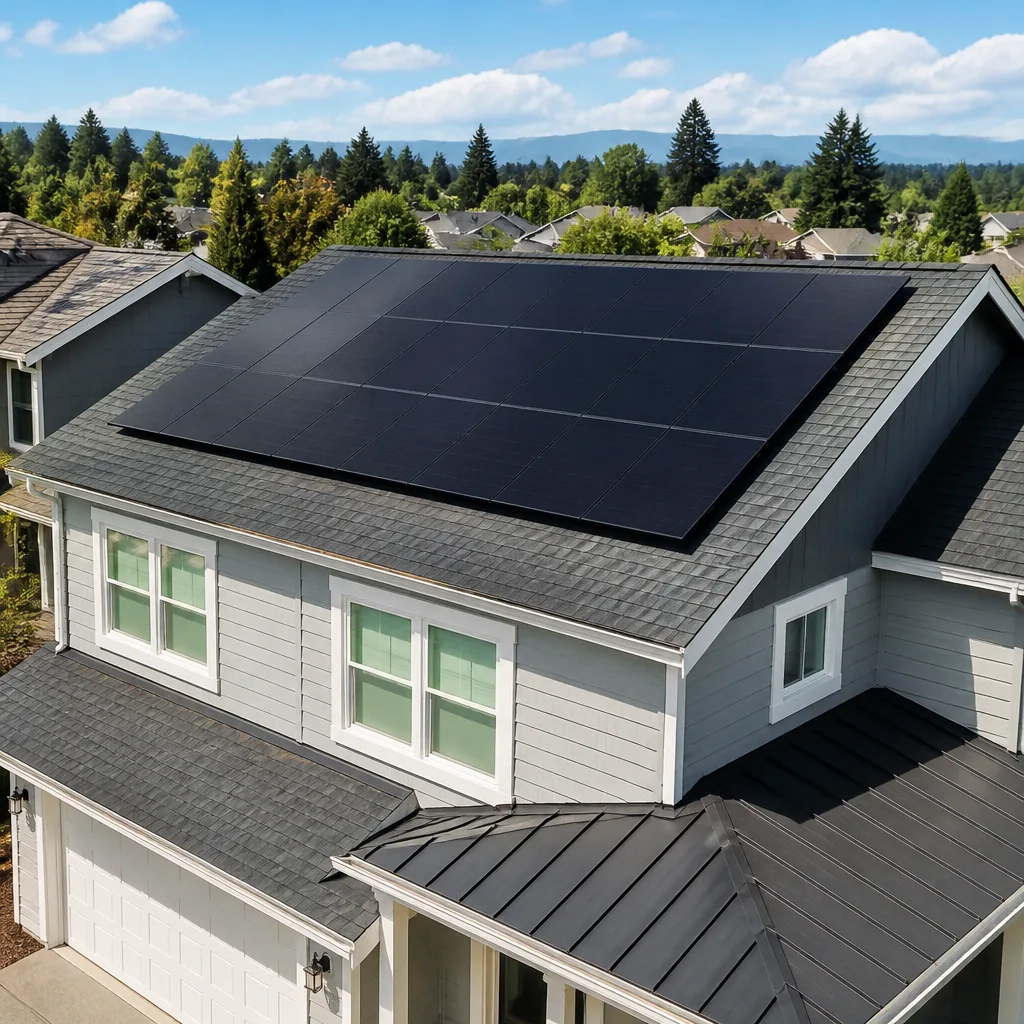
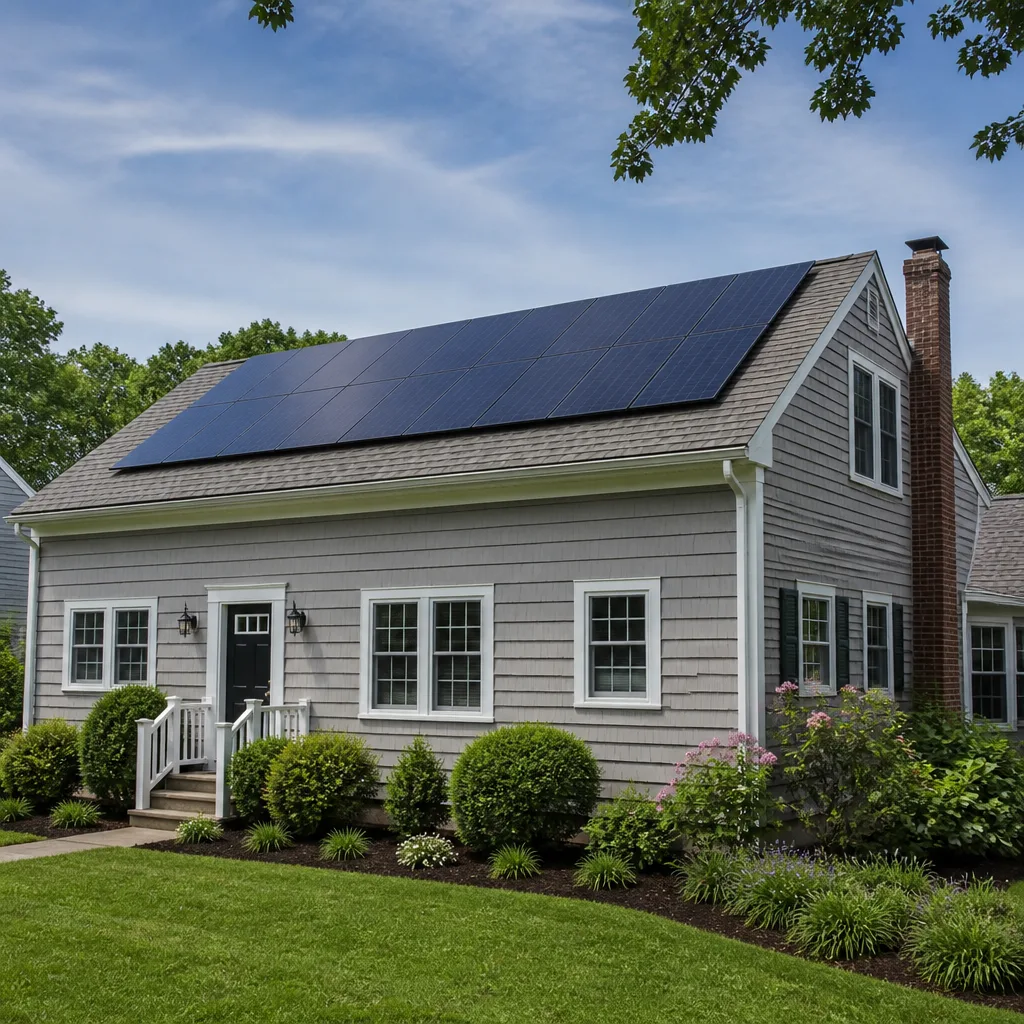
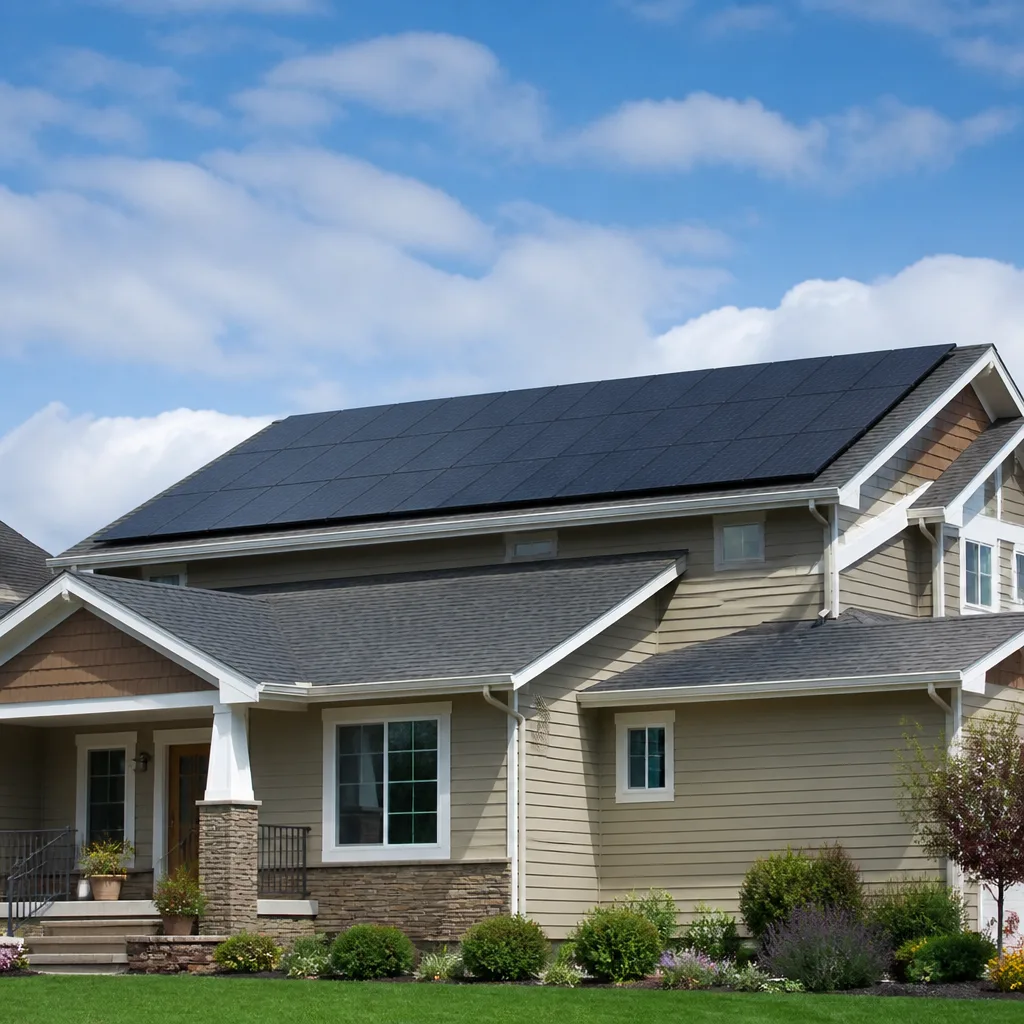
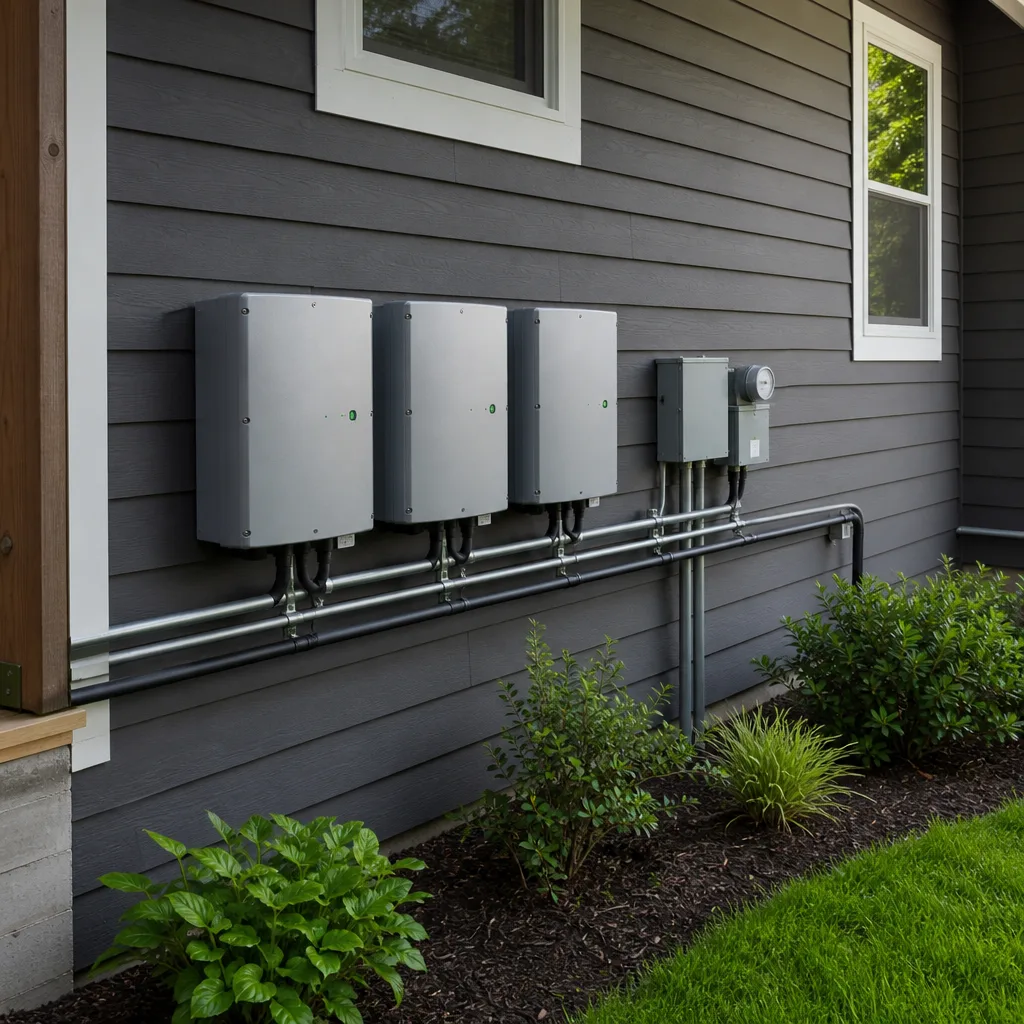
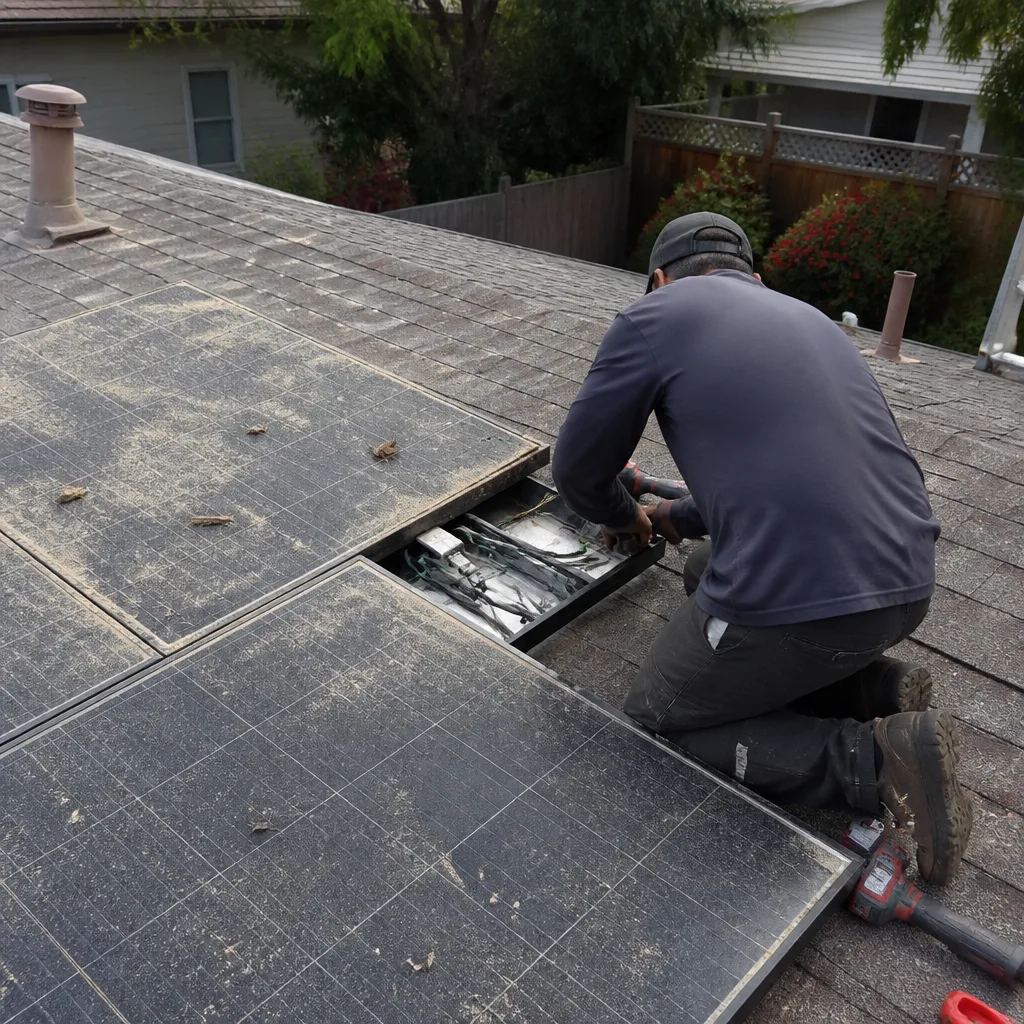 Before
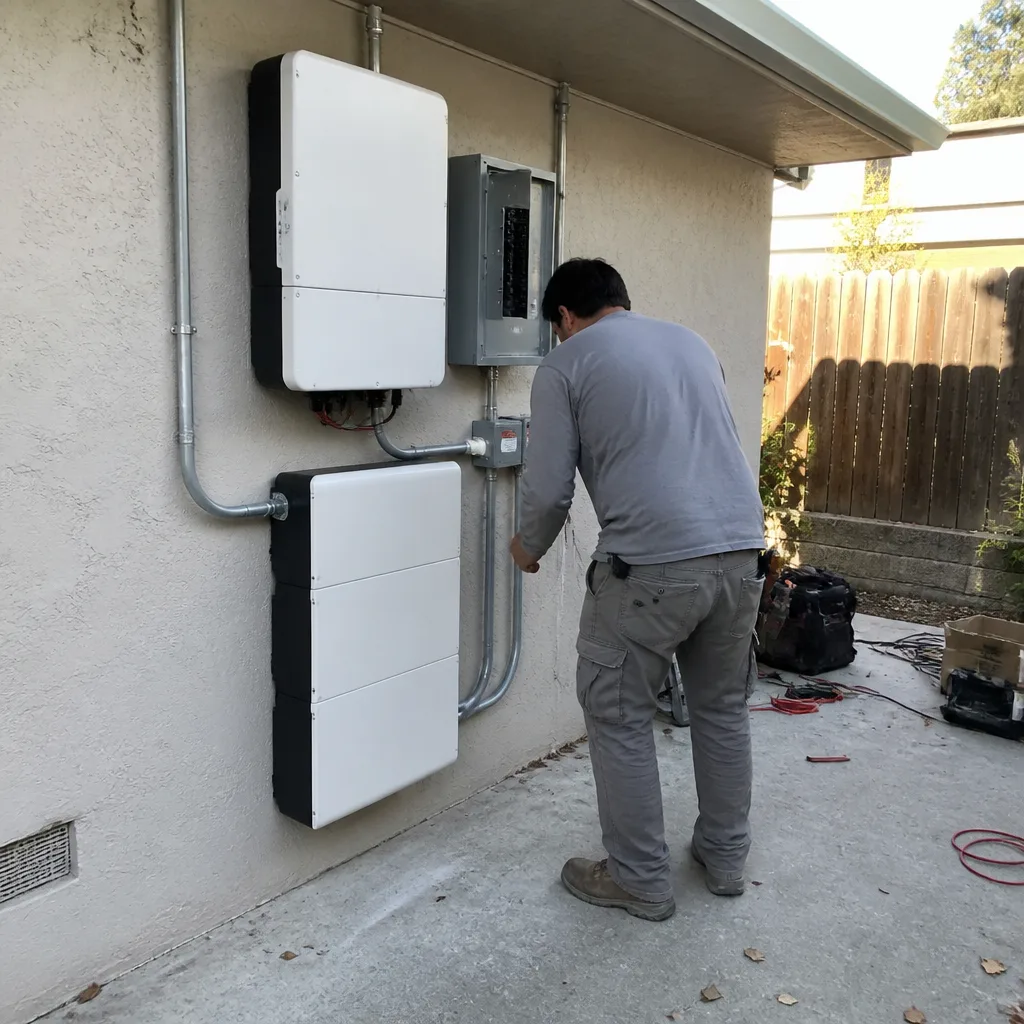 After
After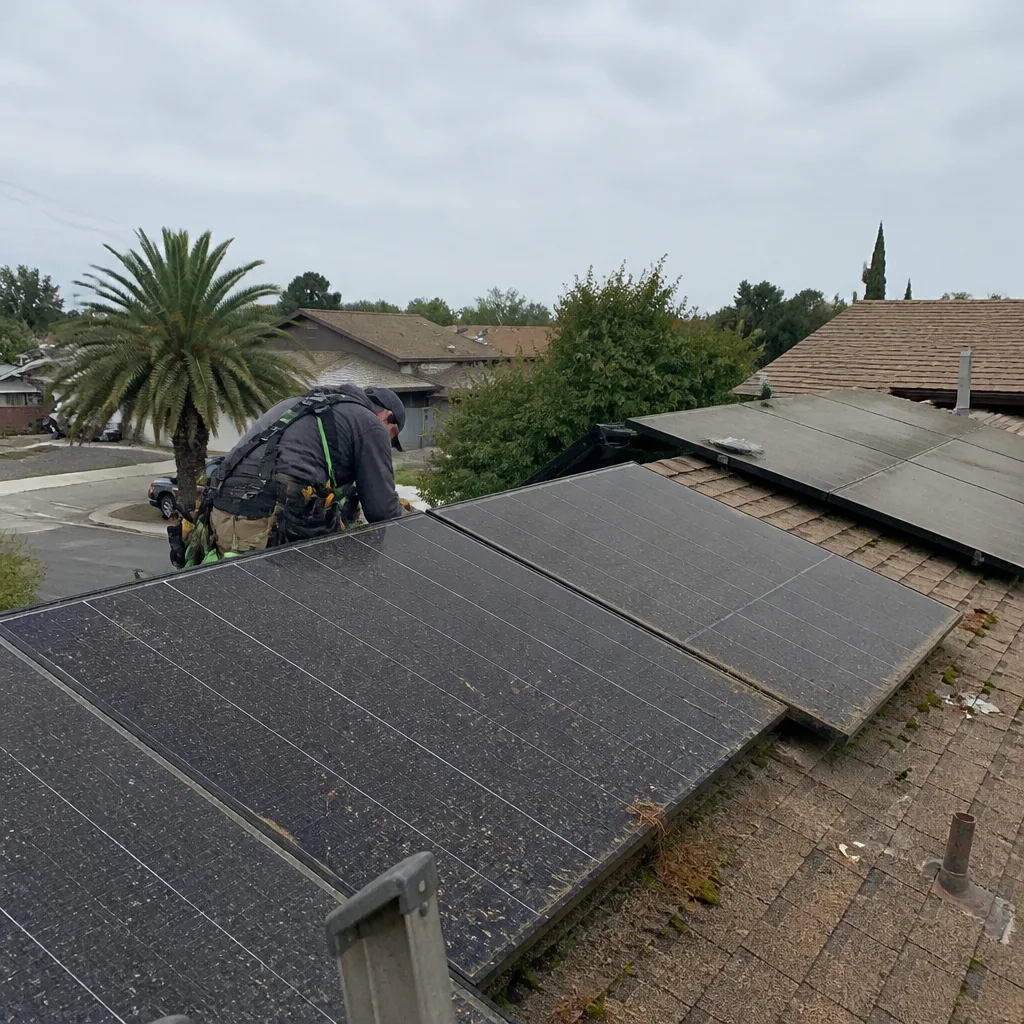 Before
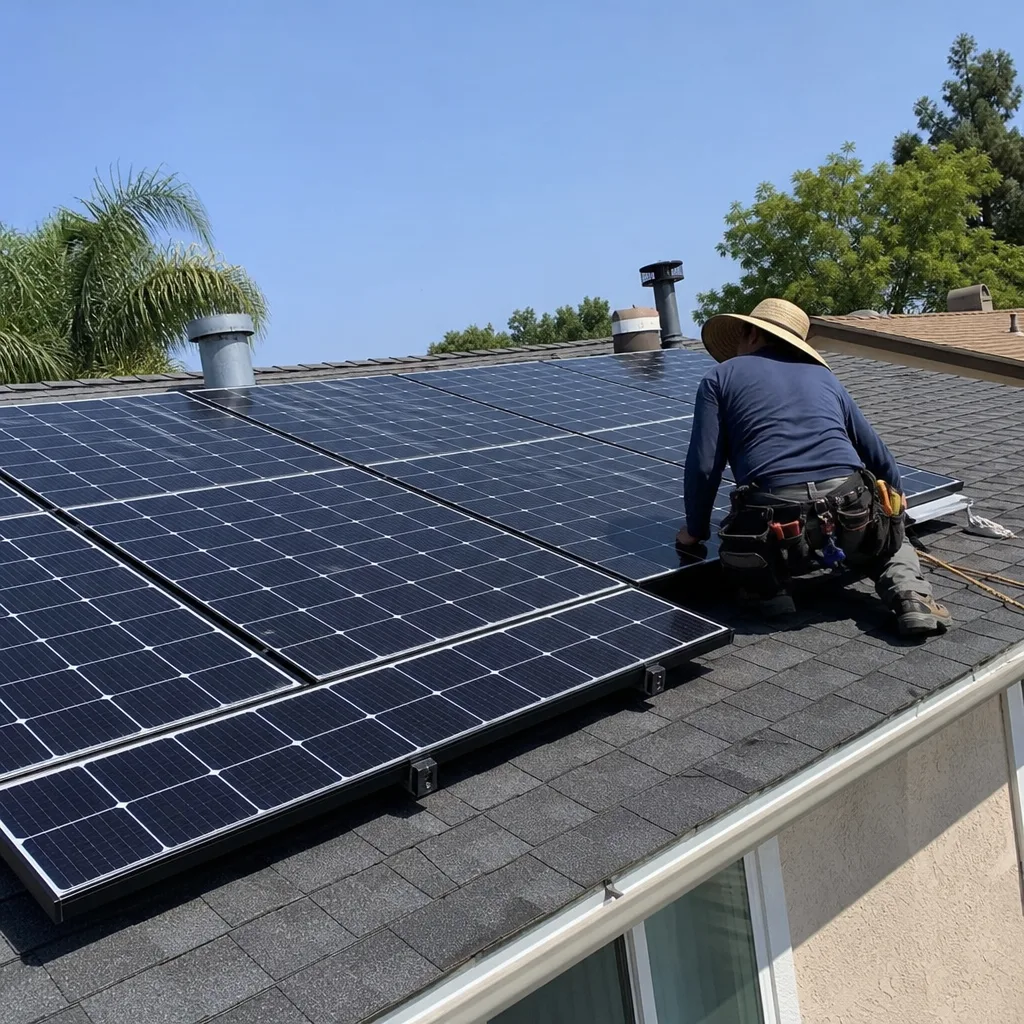 After
After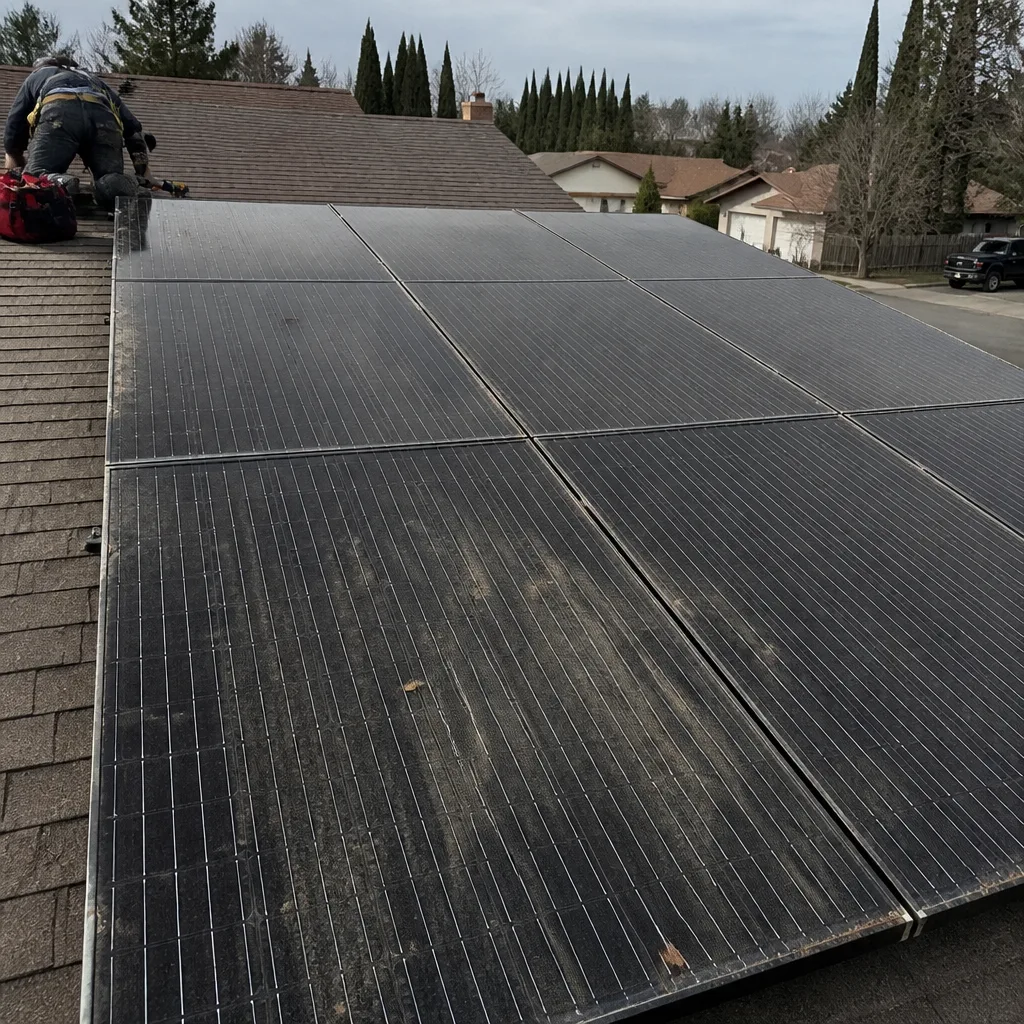 Before
 After
AfterFast, Reliable Commercial Solar Installation Across Shadow Hills
Commercial solar in Shadow Hills costs more than the Valley average, and there’s a reason for that. Every system here has to clear LADWP’s interconnection queue, meet LA’s Very High Fire Hazard Severity Zone roof setback rules, and hold up to Santa Ana winds that flatten lesser racking. We’ve been designing around those three constraints for years, which means we quote you a real number the first time, not a brochure figure. Call (877) 550-6892 and bring me a bill. I’ll bring you the math.
We serve Shadow Hills directly from our Los Angeles scheduling office, and our crews know Wheatland Avenue, Sunland Boulevard, and the equestrian lots off Wentworth Street like their own driveways. If you’re running a barn, a stable, a warehouse, or a ranch operation in 91040, this page tells you exactly what your system will cost, what LADWP will require, and why the fire code here changes everything. Not generic solar talk. Shadow Hills specifics.
Why Gus’s Solar Is Shadow Hills’s Preferred Commercial Solar Installation Company
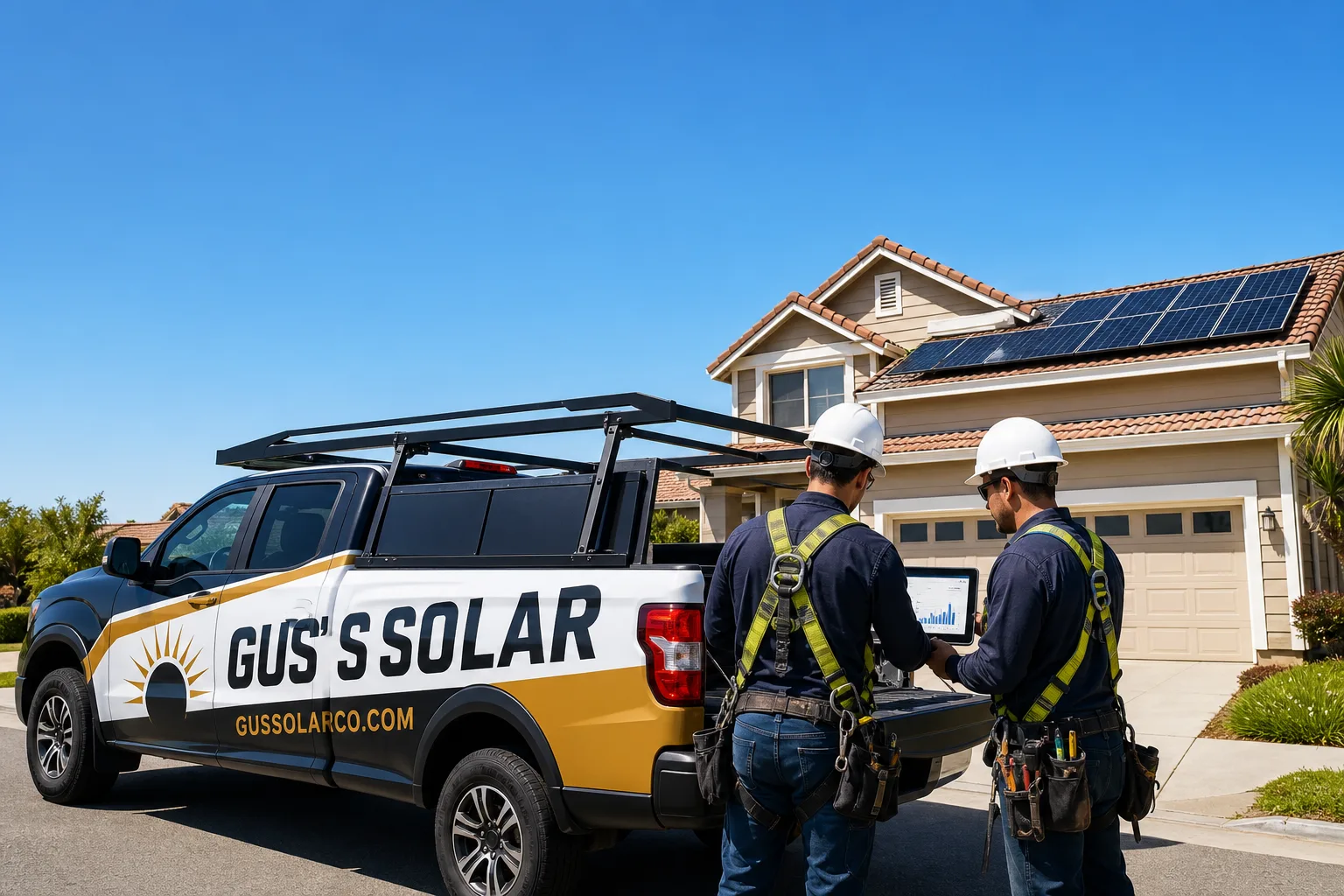
Gus’s Solar has been locally owned since 2011, and Gus Petrakis puts his name, address, and license number on every quote. Shadow Hills homeowners and ranch owners tend to be skeptical of solar salesmen, and honestly, they should be. We’re the company that tells you to take two weeks before you sign anything. The price will be the same.
What you get with us is simple. Gus’s own crew does the install, background-checked and uniformed, and no work gets handed off to a sub. If something isn’t done right, the 90-Day Done Right Promise is in writing on every job, and one call brings Gus back. A live person answers the phone 24/7, even during a Santa Ana wind event when your monitoring flags something at 2 a.m.
We understand what Shadow Hills zoning and LADWP demand because we deal with it every week. When a ballasted ground array over a corral pad makes more sense than a roof penetration, we say so. When a carport structure sidesteps VHFHSZ roofing requirements, we design for that. If a salesman needs an answer tonight, the answer is no. That’s how we operate, and Shadow Hills customers seem to appreciate it.
Key Takeaways for Shadow Hills Commercial Solar
- Every commercial system in Shadow Hills clears LADWP’s interconnection process and net-metering agreement, not SCE’s.
- Very High Fire Hazard Severity Zone rules impose mandatory roof-edge setbacks and ember-resistant underlayment.
- Santa Ana wind corridor demands engineered wind-uplift racking beyond standard Valley specs.
- Typical commercial installs in Shadow Hills run $2.40-$3.10 per watt before incentives.
- Free estimates built off your actual LADWP bill, not a satellite photo.
Our Commercial Solar Installation Services in Shadow Hills
Agricultural & Ground-Mount Solar
Shadow Hills is horse country. Single-story ranch homes on half-acre to two-acre lots, detached barns, metal-roofed stables, and corral pads that bake in the sun. Many of those barn roofs are corrugated metal over non-engineered framing from the 1950s through the 1970s. They can’t take penetration mounts without structural reinforcement, and sometimes reinforcing isn’t worth it. A ballasted ground array over compacted corral pad often costs less, clears LADWP as an accessory structure, and avoids the VHFHSZ roofing requirements entirely. We’ve done exactly that for ranches off Wheatland Avenue, and those systems are outproducing roof mounts every summer.
Solar Carport Installation
A carport structure with panels on top solves two Shadow Hills problems at once: it gives you covered parking or equipment storage, and it gets your array off aging shingle or metal roofs that weren’t designed for penetration loads. Under current LA zoning, carport arrays often permit as accessory structures, which means fewer fire code hoops than a roof-mounted commercial system. We design these with wind-uplift engineering rated for the Santa Ana corridor between the Verdugo and San Gabriel Mountains, not the generic racking a flat Valley site would get.
Commercial Battery Storage
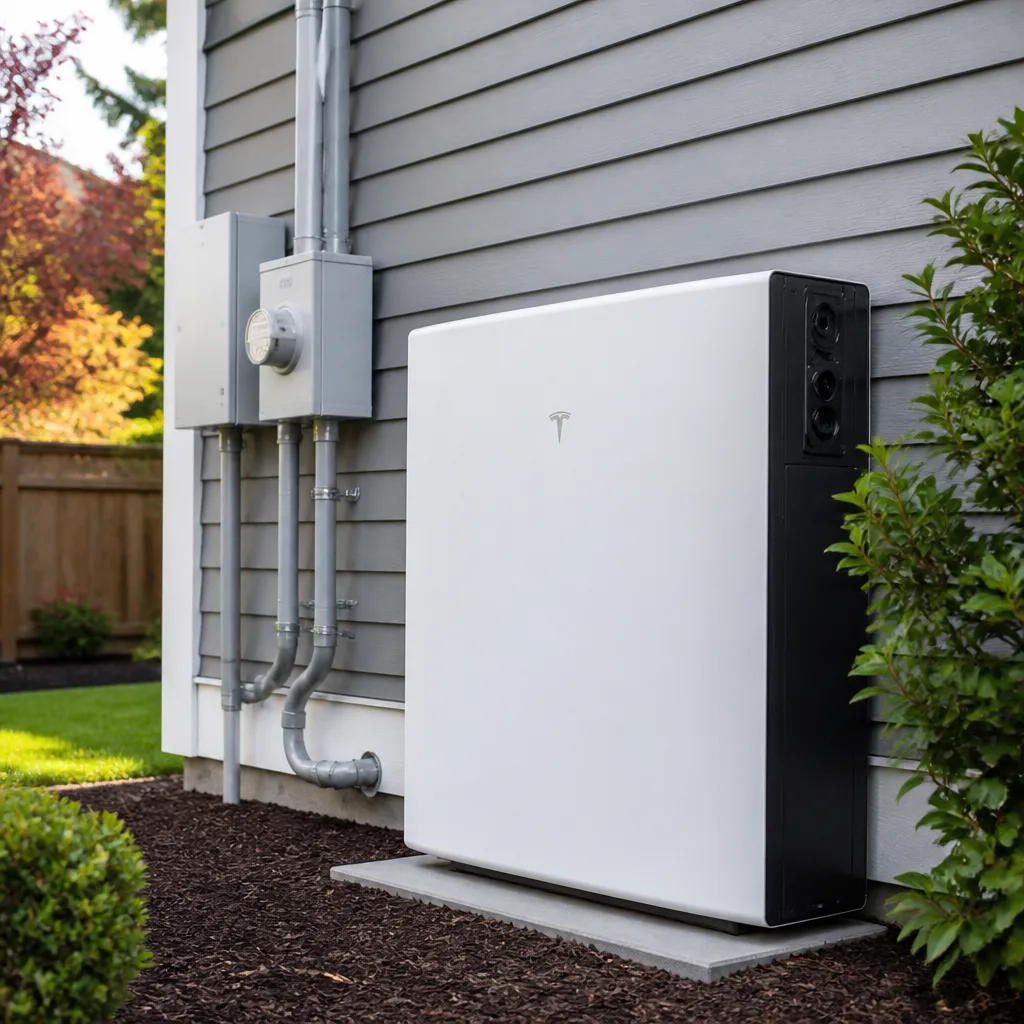
LADWP’s net-metering rates for commercial properties aren’t as favorable as they used to be, which is why battery storage matters in Shadow Hills. Pairing a FranklinWH or Tesla Powerpack system with your array means you store daytime production and discharge during peak LADWP rate windows, which shortens payback considerably. For ranches with well pumps, barn lighting, and security systems, a battery also keeps things running when the wind takes out overhead lines. We’ll size the storage to your actual load profile, not a generic square-footage formula.
Warehouse & Industrial Solar
Shadow Hills has a handful of light industrial and warehouse buildings, mostly along Sunland Boulevard near the 210 corridor. Flat or low-pitch composition roofs on those structures need the same VHFHSZ roof-edge setbacks and ember-resistant underlayment as houses. We handle the permitting, the LADWP interconnection paperwork, and the fire code review as part of the install. You’re not chasing paperwork across three city departments. That’s our job.
Trusted Brands We Service in Shadow Hills
We work with Panasonic, Canadian Solar, JinkoSolar, and FranklinWH, among others, and we stock common parts for those systems locally, which means faster turnaround when a Shadow Hills customer needs a replacement inverter or module. Panasonic modules hold up well in Shadow Hills heat, and Canadian Solar makes a panel that’s become a go-to for ground-mounted ranch arrays around 91040. JinkoSolar’s bifacial modules are worth a look for carport and ground-mount applications where reflected light off gravel pads adds measurable production. FranklinWH batteries integrate cleanly with LADWP rapid shutdown requirements. Tell us what’s on your roof or in your barn now, and we’ll tell you what we’d swap in and why.
Common Commercial Solar Installation Problems We See in Shadow Hills
- Non-engineered barn and stable roofs failing under wind uplift. We see penetrations torn loose when Santa Ana winds funnel through the Verdugo-San Gabriel corridor. Racking installed without structural reinforcement on 1960s barns is a failure waiting to happen.
- Composition shingle roofs delaminating at racking penetrations. Installers who skipped the extra ember-resistant underlayment and roof-edge setbacks required in the VHFHSZ leave ranch homes with leaks and code violations. We fix both.
- LADWP interconnection applications stalling for months. If the rapid shutdown settings and inverter profiles don’t match LADWP’s net-metering expectations, your system sits unenergized. We get the settings right the first time because we’ve done it hundreds of times.
- Undersized systems based on brochure estimates. A Shadow Hills ranch with a barn, a well pump, and a stable has a load profile that looks nothing like a Burbank condo. We build the math off your actual LADWP bill, year-25 output, not day-one brochure numbers.
Pricing for Commercial Solar Installation in Shadow Hills, CA
A typical commercial rooftop system in Shadow Hills runs $2.40 to $3.10 per watt, installed, before incentives. A 50 kW warehouse array lands around $120,000 to $155,000. Ground-mounted agricultural systems on corral pads or open lots run $2.60 to $3.30 per watt, a premium that reflects the ballast weight, wind-uplift engineering, and LADWP accessory-structure permitting. Carport arrays with structural steel typically run $3.00 to $3.80 per watt.
What moves the number in Shadow Hills specifically: whether your roof is engineered to accept penetration loads, whether we need ember-resistant underlayment and fire-edge setbacks, and what LADWP’s current net-metering profile does to your payback math. We quote the year-25 output, not the day-one brochure number. Call (877) 550-6892 for a free estimate built off your actual utility bill. No signature wanted tonight.
Why Shadow Hills Changes the Design and the Cost
Every commercial solar install in Shadow Hills must clear LADWP’s interconnection queue and net-metering agreement, not the SCE process used in neighboring Burbank or Glendale. That means different paperwork, different inverter profile requirements, and different rapid shutdown settings than what an installer from the other side of the Valley expects. Miss any of it, and your system sits dark for months while the application bounces back and forth. On top of that, the entire community sits within LA’s Very High Fire Hazard Severity Zone, which triggers mandatory roof-edge setbacks and ember-resistant underlayment that a standard commercial install elsewhere in the Valley would never face. Those two facts alone change the design, the permitting timeline, and the bottom line. Any company quoting you a number without asking about your LADWP meter profile and your roof’s fire code status is guessing.
Shadow Hills sits at the base of the foothills between the Verdugo and San Gabriel Mountains, which shapes the weather in two ways. Those hills form a natural heat pocket that pushes solar production well above Valley averages, and that same terrain channels some of the region’s most intense Santa Ana wind events directly through the corridor. Our racking and ballast calculations reflect both, because a system that looks fine on paper and fails in a November windstorm isn’t fine at all.
Here’s a real example from our work in Shadow Hills. On a ranch off Wheatland Avenue, our crew serviced a 1970s single-story barn with a corrugated metal roof that couldn’t accept penetration mounts without structural reinforcement. We designed a ballasted ground array over the compacted corral pad using Qcells panels and Enphase microinverters, which avoided the VHFHSZ roofing requirements and cleared LADWP interconnection as an accessory structure under current LA zoning. The system now offsets over 90% of the property’s feed and lighting load, and the owner no longer worries about wind-uplift failures during Santa Ana events. That’s the design problem we solve in Shadow Hills that most solar companies don’t even see coming.
We Also Serve Cities Near Shadow Hills
If your commercial property sits just outside 91040, we also serve Sunland, Tujunga, La Crescenta-Montrose, and Burbank. Each city has its own fire code and utility quirks, so we quote every job against the local rules, not a regional template. Call and tell us what you’ve got.
Serving Shadow Hills, CA - Our Local Coverage Area
We’re based in the Shadow Hills area and know this community well. Use the map below to see our service coverage - if you’re nearby, we can almost certainly help.
FAQs - Commercial Solar Installation in Shadow Hills
Yes. Shadow Hills falls inside LA’s Very High Fire Hazard Severity Zone, which mandates specific roof-edge setbacks and ember-resistant underlayment for any roof-mounted solar installation. Burbank and Glendale have different fire code maps, so a commercial system permitted in Burbank wouldn’t automatically clear in Shadow Hills. We design to the VHFHSZ requirements from day one so your permit doesn’t stall in fire review. Call (877) 550-6892 and we’ll walk you through exactly what your roof needs.
Sometimes, but older metal barn roofs over 1950s-1970s non-engineered framing usually can’t take penetration mounts without structural reinforcement. We’ll assess the framing, and if reinforcement doesn’t pencil out, a ballasted ground array over a compacted corral pad is often cheaper and clears LADWP as an accessory structure. We’ll show you both numbers and let you decide. Free estimates at (877) 550-6892.
Yes. The heat pocket between the Verdugo and San Gabriel foothills pushes solar production above Valley averages during summer months, especially for ground-mounted arrays with good southern exposure. That’s one reason Shadow Hills ranches often outproduce similar systems in Burbank or Glendale. We’ll model your specific site against your LADWP bill. Call (877) 550-6892 for the math.
LADWP’s commercial net-metering rates are less generous than they were a decade ago, which means payback math depends heavily on your load profile and whether you add battery storage. A FranklinWH battery that shifts daytime production into peak evening rate windows can cut your payback significantly. We quote the year-25 output, not the day-one brochure number, so you’ll see the real timeline. Call (877) 550-6892 and bring a bill.
Yes. LADWP has distinct net-metering and rapid shutdown profiles, and if your inverter settings don’t match, your interconnection application stalls. We’ve cleared hundreds of these, so we get it right the first time. That’s the difference between energizing in weeks versus watching your system sit dark for months. Call (877) 550-6892 and we’ll file the paperwork correctly from day one.
Written by Gus Petrakis, Owner at Gus’s Solar, serving Shadow Hills and surrounding communities since 2011. Gus’s L.O.C.A.L. values: Local roots, On time, Community first, Accountable, Loyal.