
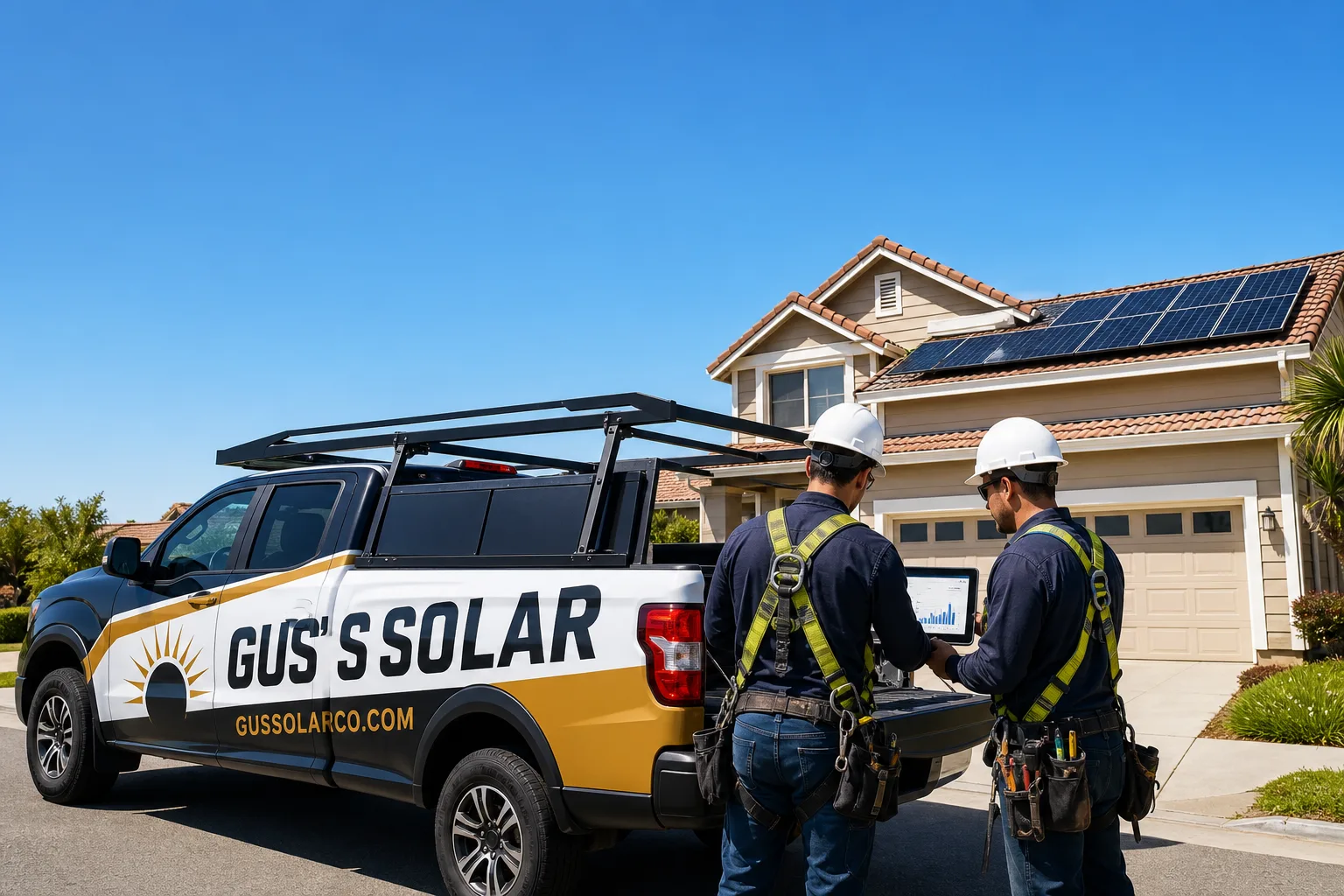
Free bill analysis - bring a power bill, get the production math for your actual roof, panel brands like Qcells and REC compared side by side
If the pitch starts at your door and ends with "sign tonight for the special," sleep on it. The sun will still be there tomorrow; so will we.
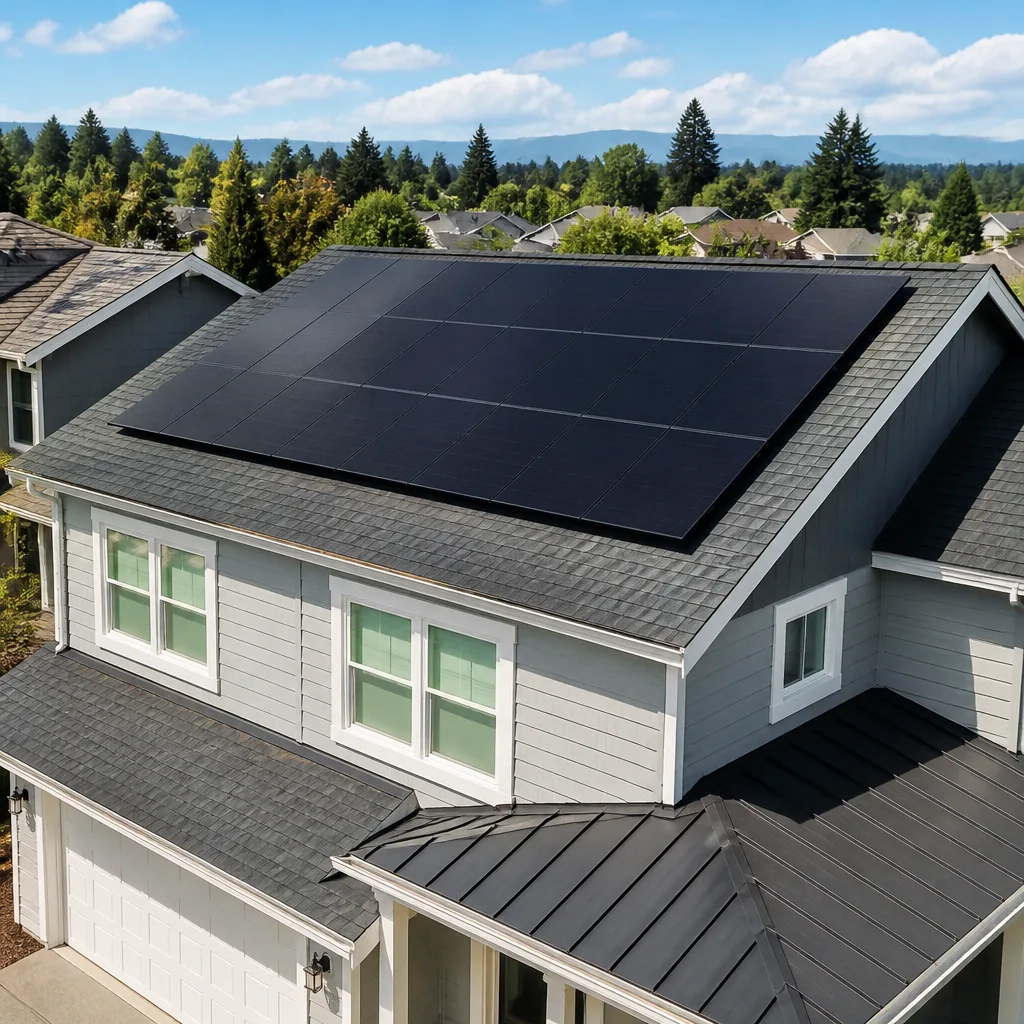
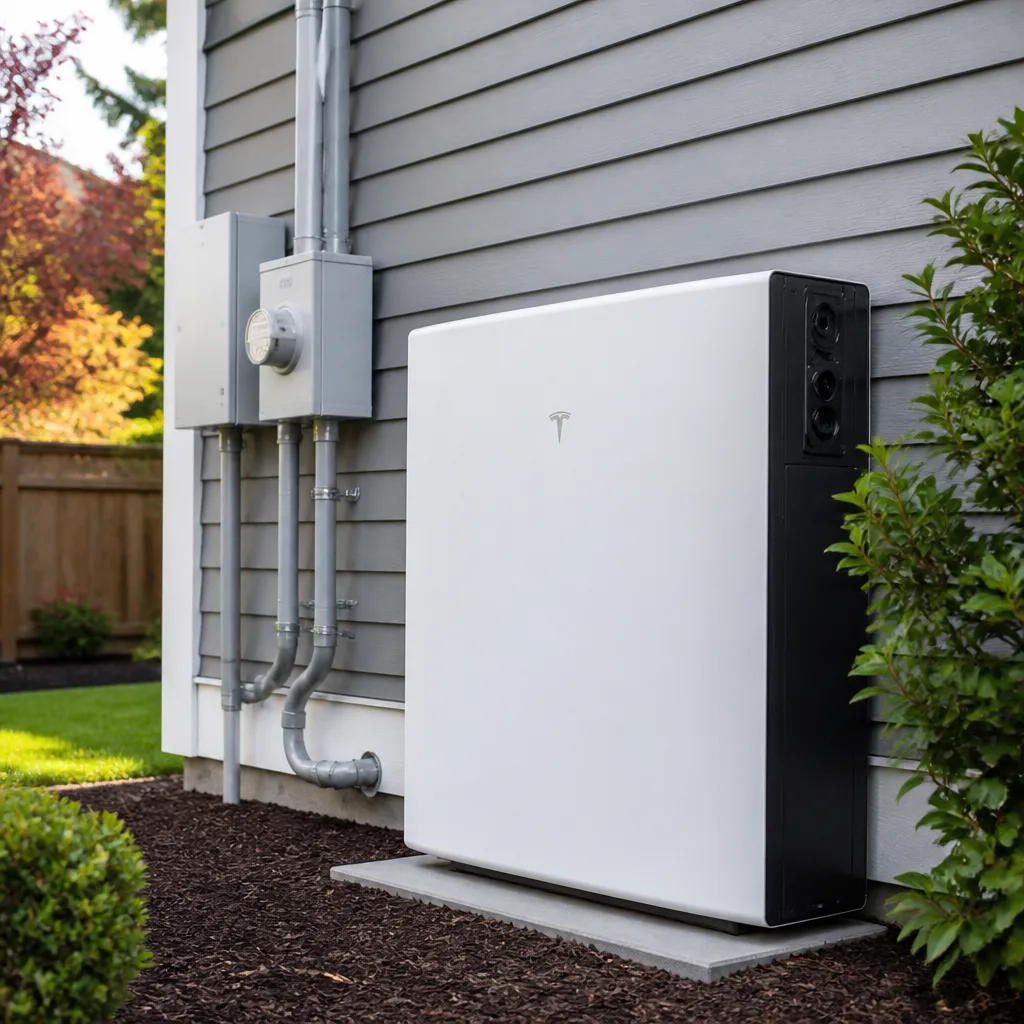
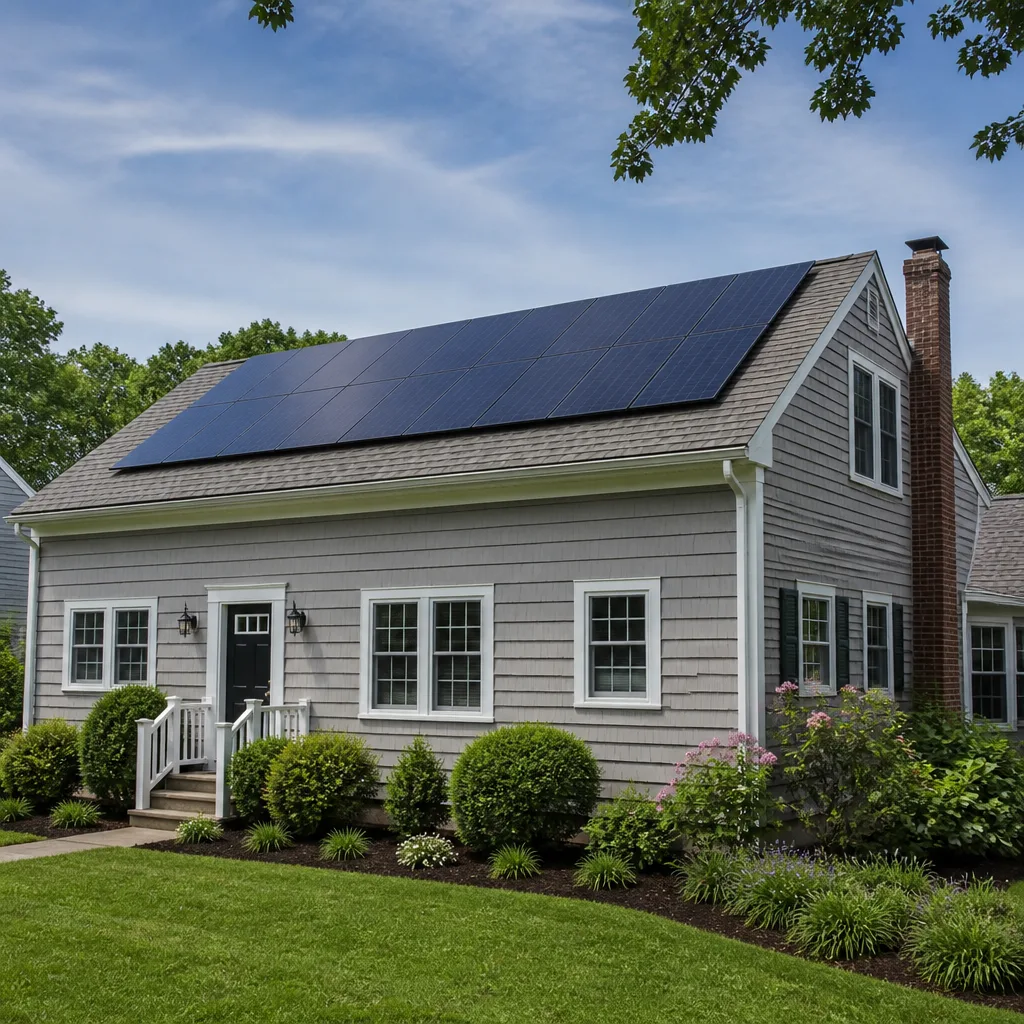
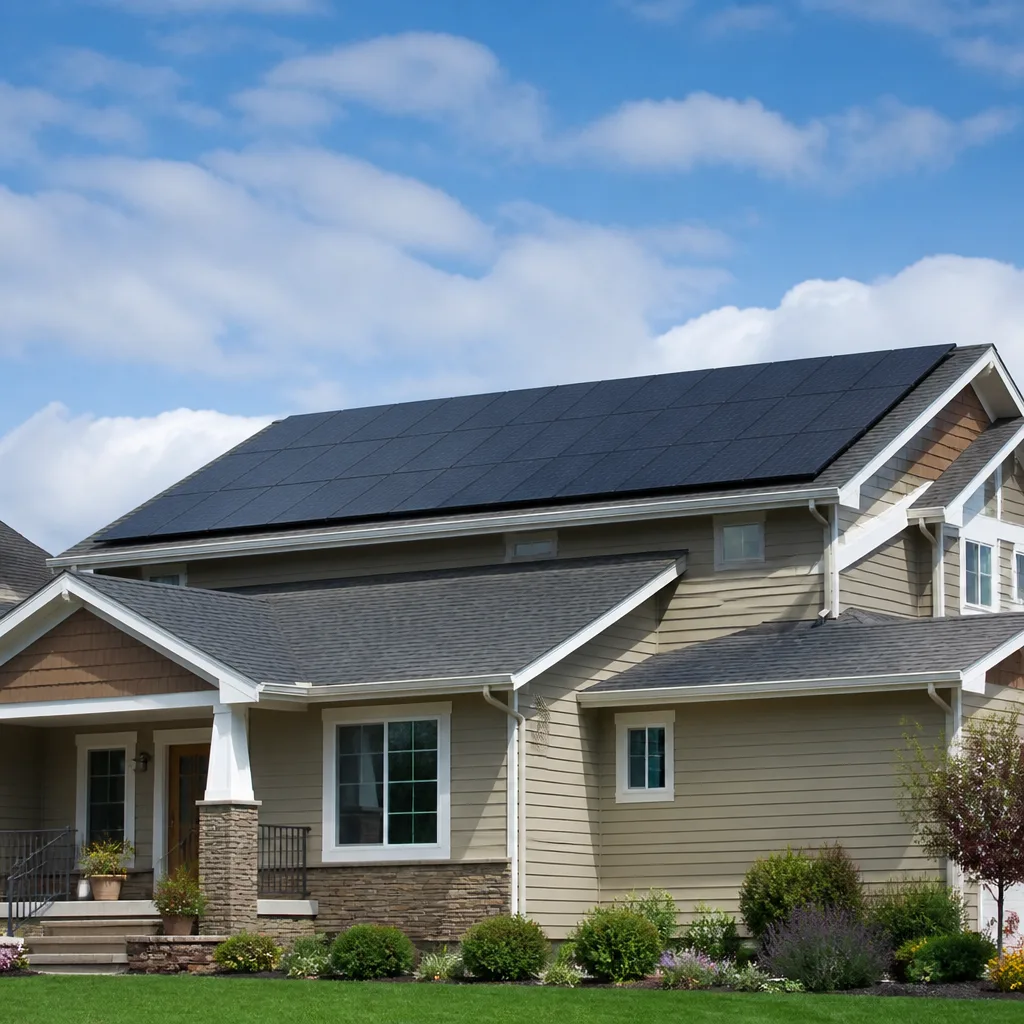
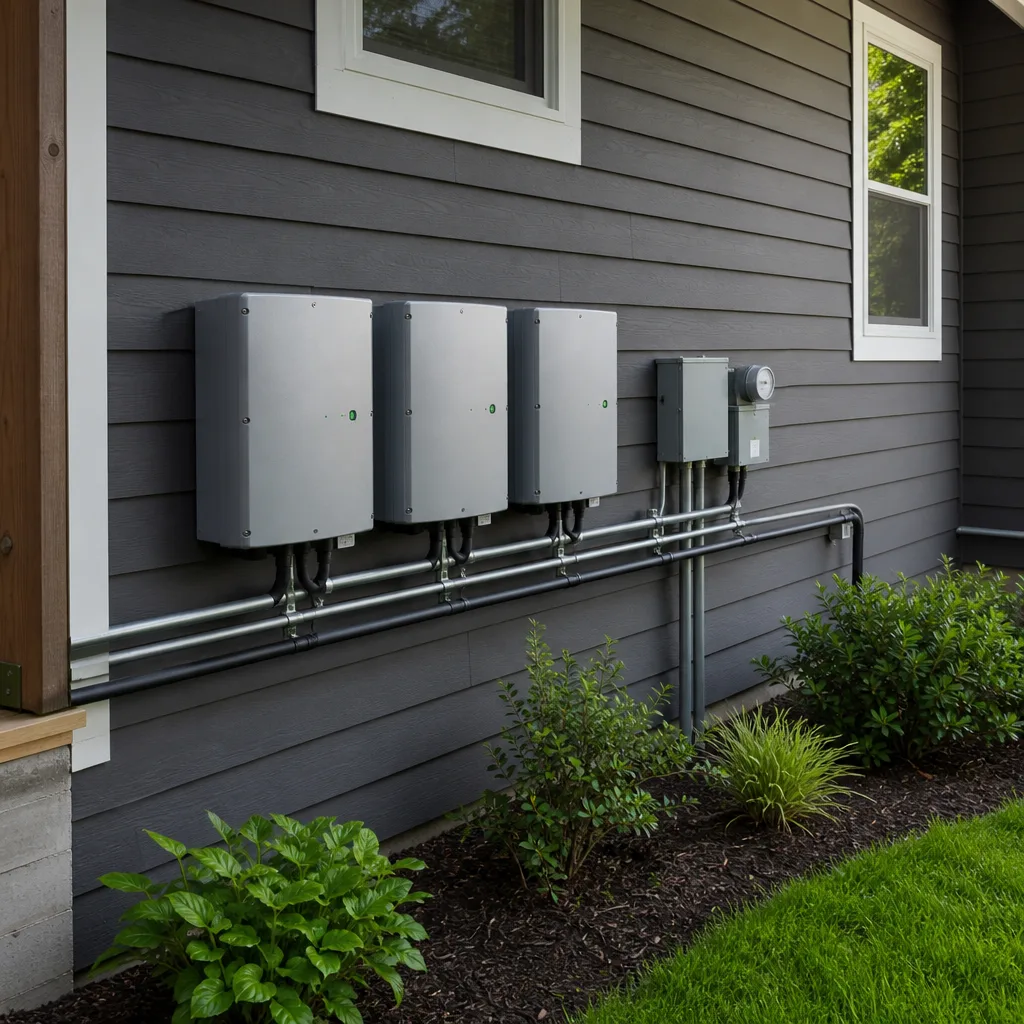
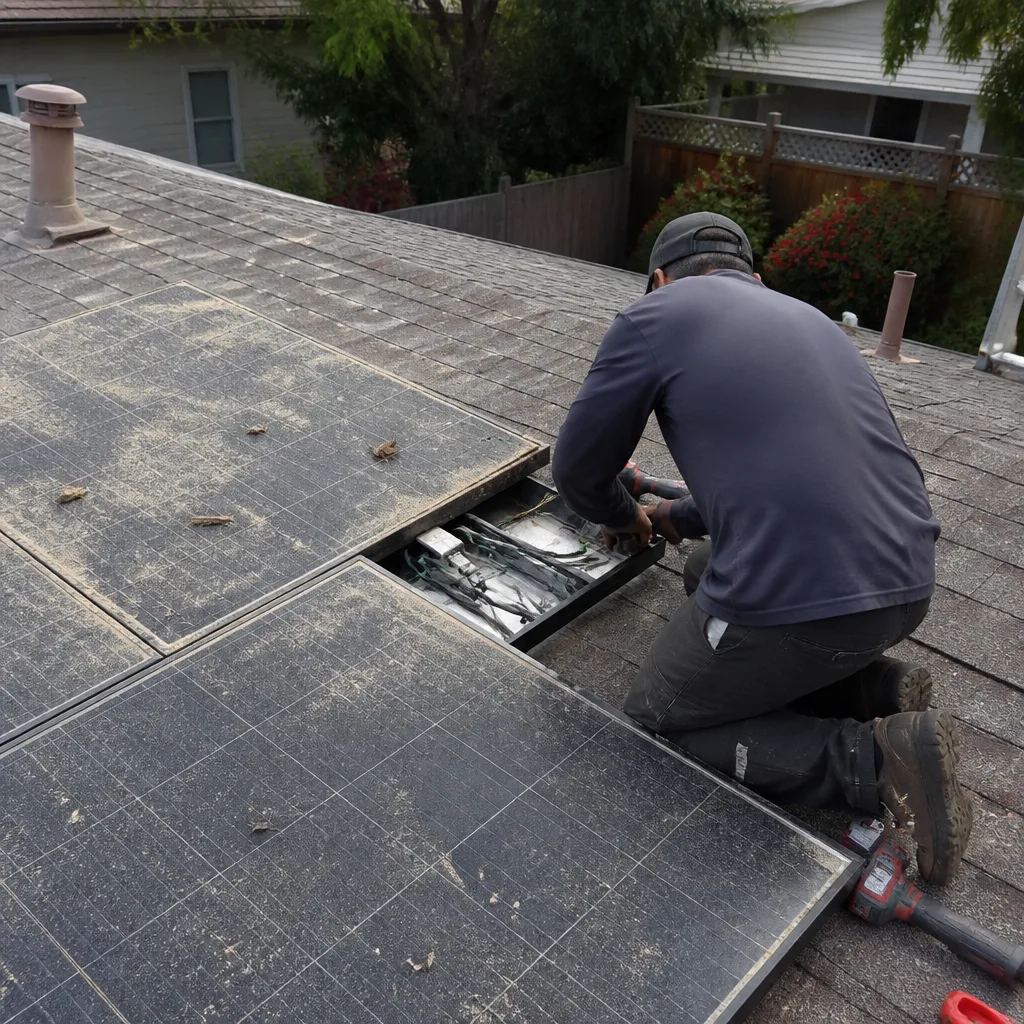 Before
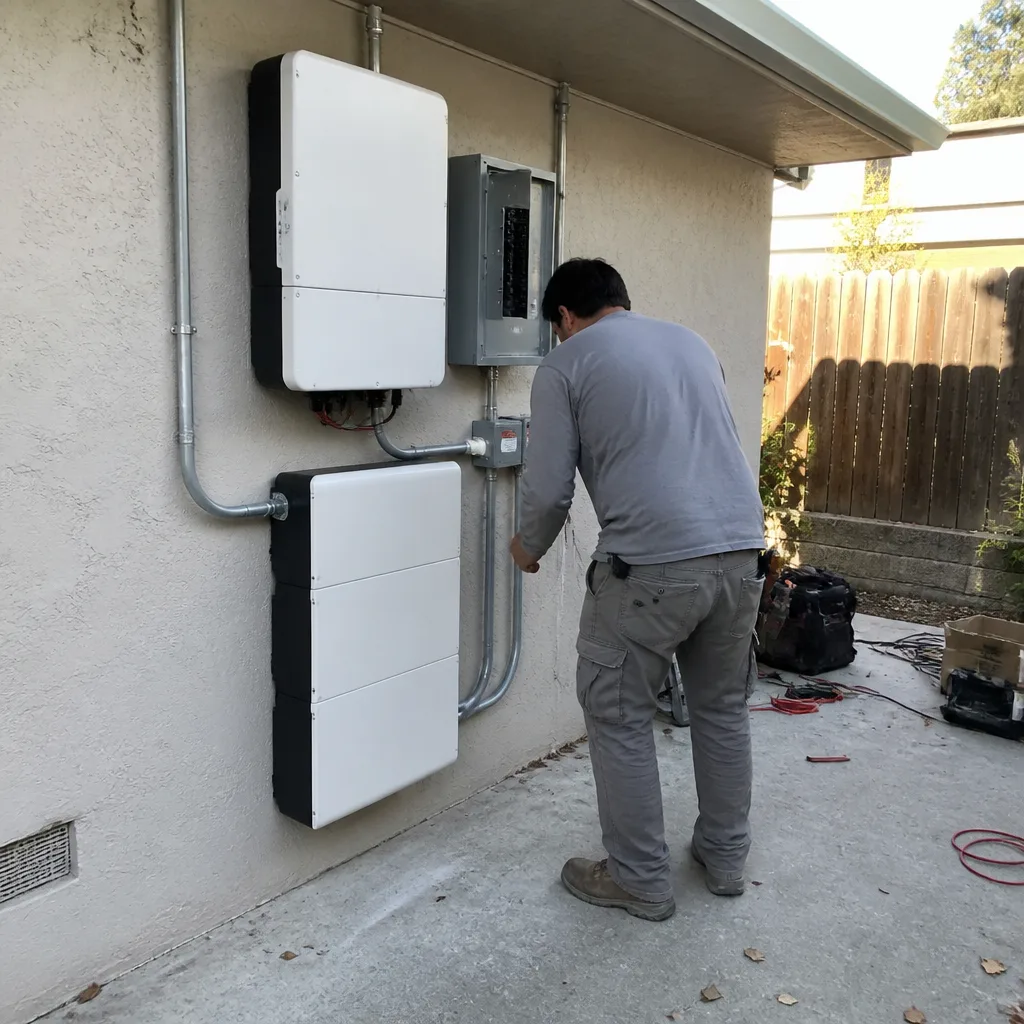 After
After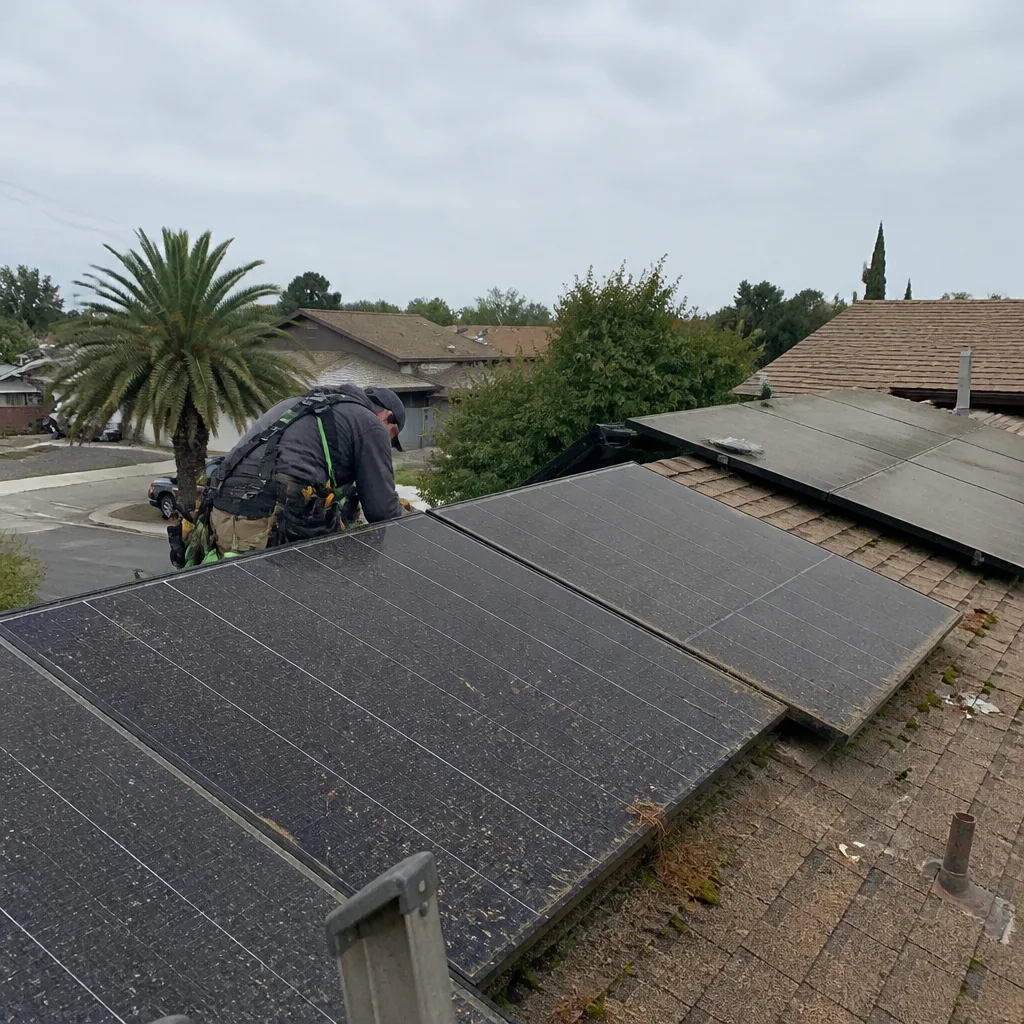 Before
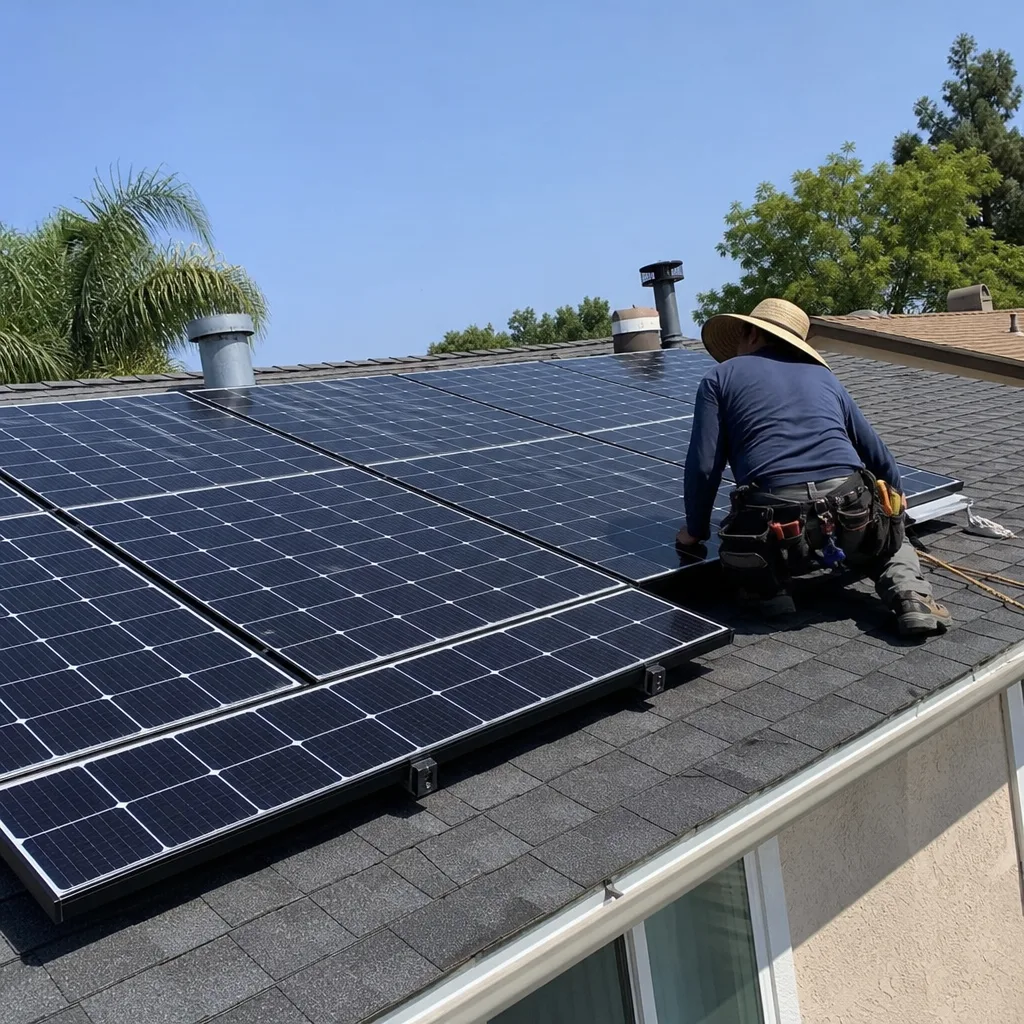 After
After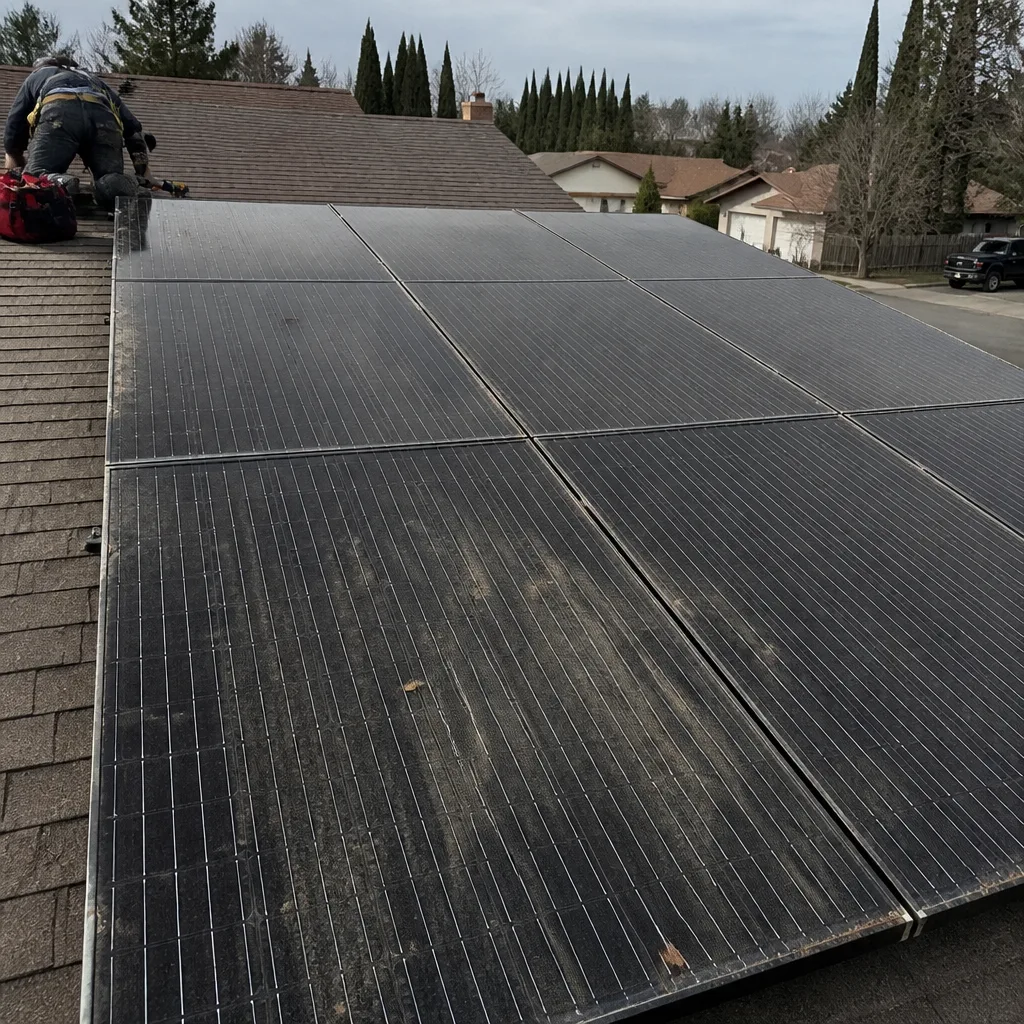 Before
 After
AfterFast, Reliable Commercial Solar Installation Across Scotts Valley
Commercial solar installation in Scotts Valley runs $2.35 to $3.15 per watt, meaning a typical 50 kW rooftop array lands between $105,000 and $145,000 before the federal Investment Tax Credit and any PG&E commercial incentives. Most warehouse and office projects in the 95066 ZIP take 4 to 8 weeks from permit to permission-to-operate, though High Fire Hazard Severity Zone documentation can stretch that timeline if the rapid-shutdown paperwork isn’t complete on day one. We’ve been doing this work in Scotts Valley long enough to know that the redwood canopy changes every production estimate, the fire insurer wants documentation most installers forget, and the PG&E shutoff calendar drives storage decisions more than any sales pitch ever could. Call (877) 550-6892 and we’ll bring the math built off your actual utility bill.
Why Gus’s Solar Is Scotts Valley’s Preferred Commercial Solar Installation Company
Gus Petrakis puts his name on the truck. He’s the guy who climbs onto a tilt-up roof off Scotts Valley Drive with a handheld irradiance meter and checks the shade line himself before anyone quotes a kilowatt number. His crew lives in this county, not three states away. When a tree service nicks a panel on Mount Hermon Road or a squirrel chews through a lead near the Carbonera Creek corridor, one call to (877) 550-6892 brings Gus back, not a ticket number.
We’ve been doing Commercial Solar Installation in Scotts Valley long enough to know what actually fails here. It’s not the panels. It’s the shade analysis that got skipped, the flashing that leaked around a steep Santa Cruz Mountains roofline, the rapid-shutdown documentation that never made it to the underwriter. This is an owner-operated shop. Gus answers his own phone. When you call for a second opinion on a written estimate, he’s the one who reads it line by line, free of charge. Take two weeks. Think about it. The price will still be the same.
For Scotts Valley specifically, our Scotts Valley customers deal with two things most solar companies don’t mention: the post-CZU Fire insurance environment and the PG&E PSPS calendar. A system that isn’t designed around both is incomplete the day it’s commissioned. We design around both, in writing, with the 90-Day Done Right Promise on every job. If it’s not right, Gus makes it right.
Our Commercial Solar Installation Services in Scotts Valley
Commercial Rooftop Solar
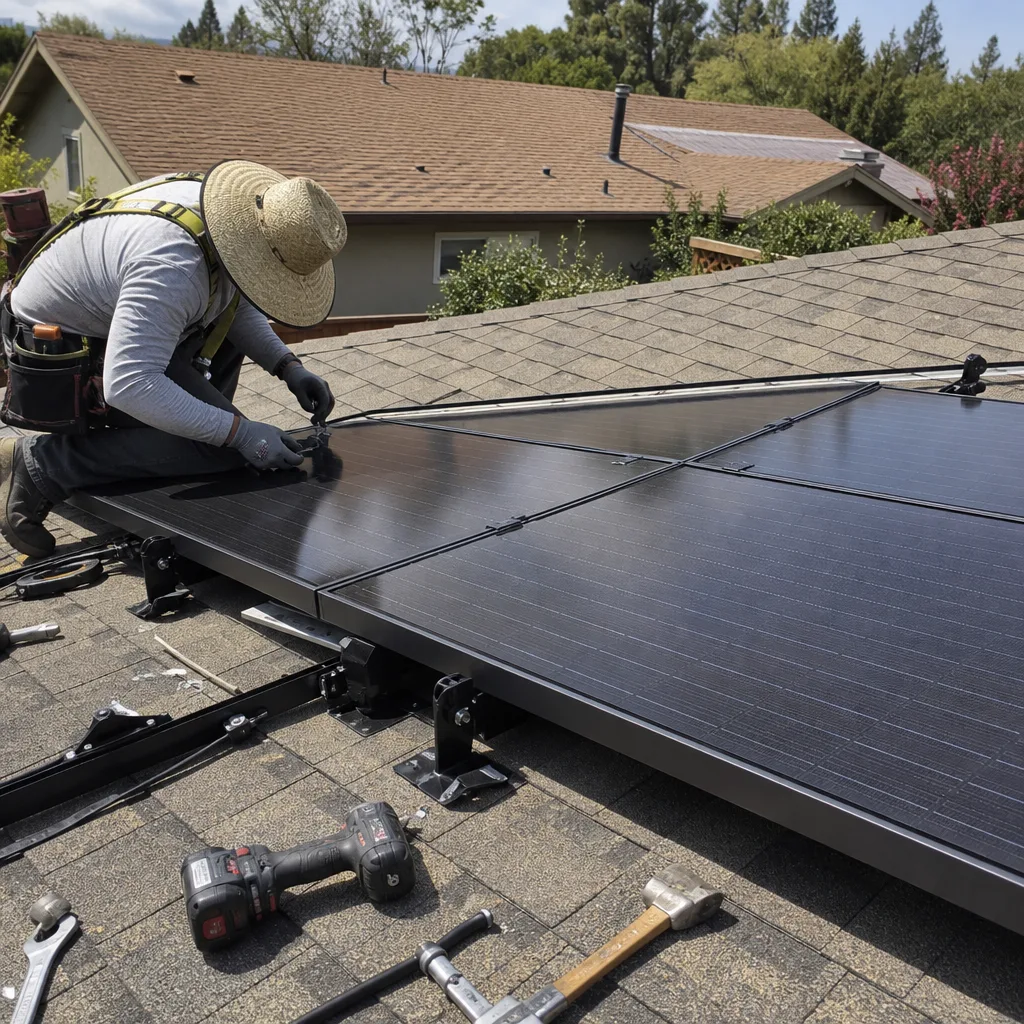
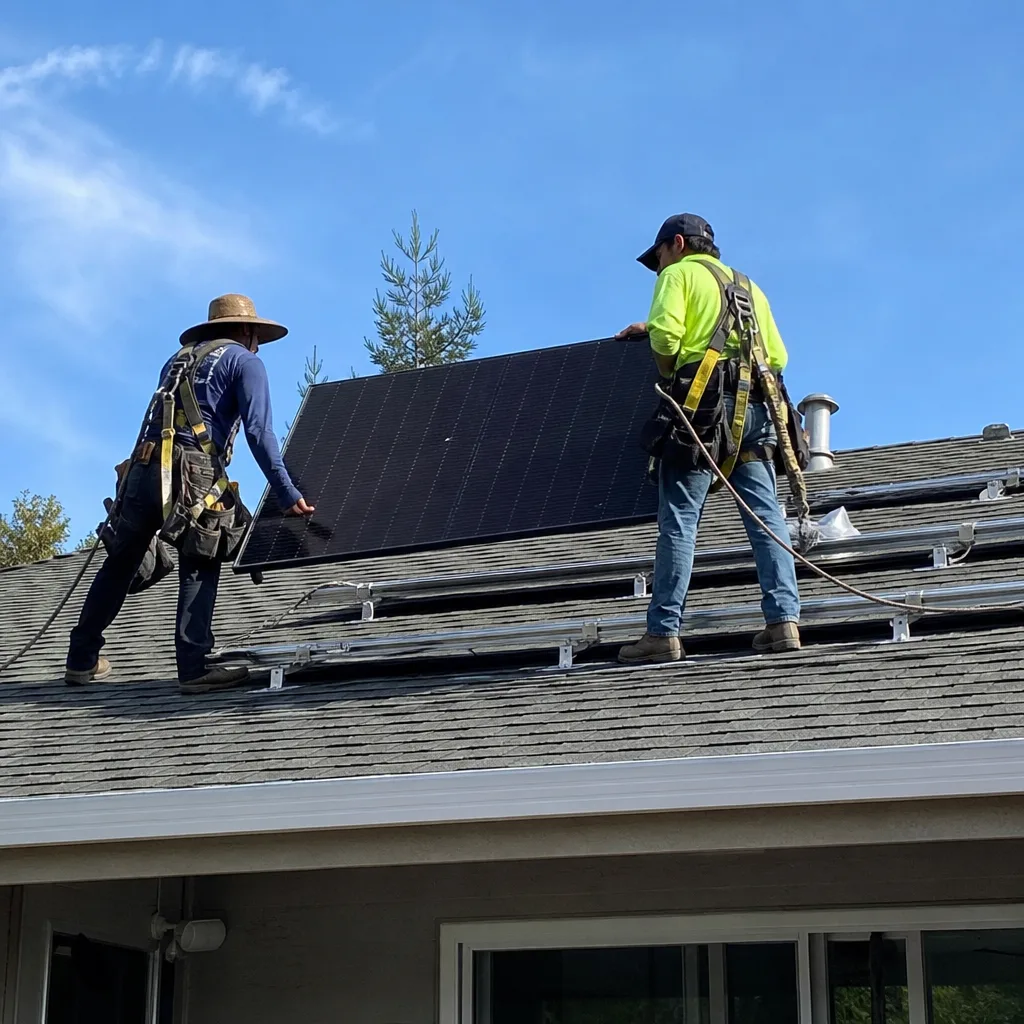
Most commercial rooftops in Scotts Valley are either 1970s-1990s wood-frame construction or newer tilt-up buildings along Scotts Valley Drive and the industrial pockets near the 95066 business park corridors. The challenge here isn’t the structure; it’s the surrounding redwoods and Douglas fir. We run a shade-tolerance analysis before quoting anything. In a lot of cases that means microinverters or DC optimizers, because a string inverter under a mature conifer canopy clips hard and your production estimate misses by 30%.
Warehouse & Industrial Solar
Warehouse roofs in Scotts Valley tend to be wide and low-slope, but the usable square footage is frequently cut by skylights, HVAC units, and the shade line from the ridgelines to the west. We work with Enphase and SolarEdge specifically because shade-tolerant architecture matters more here than anywhere along the coast. A 10,000-square-foot warehouse might only give us 4,500 square feet of clean south-facing azimuth. We design to that number, not the one a brochure estimator would print.
Solar Carport Installation
Carport arrays solve a specific Scotts Valley problem: the roof is either too shaded or too small to hit the offset the business needs, but the parking lot is open to the sky. Steel carport structures also avoid penetrating an aging roof membrane, which matters for property owners whose post-CZU Fire insurance policy explicitly asks about roof condition. A 50 kW carport over 30 parking spaces off Mount Hermon Road is a common configuration we quote.
Commercial Battery Storage
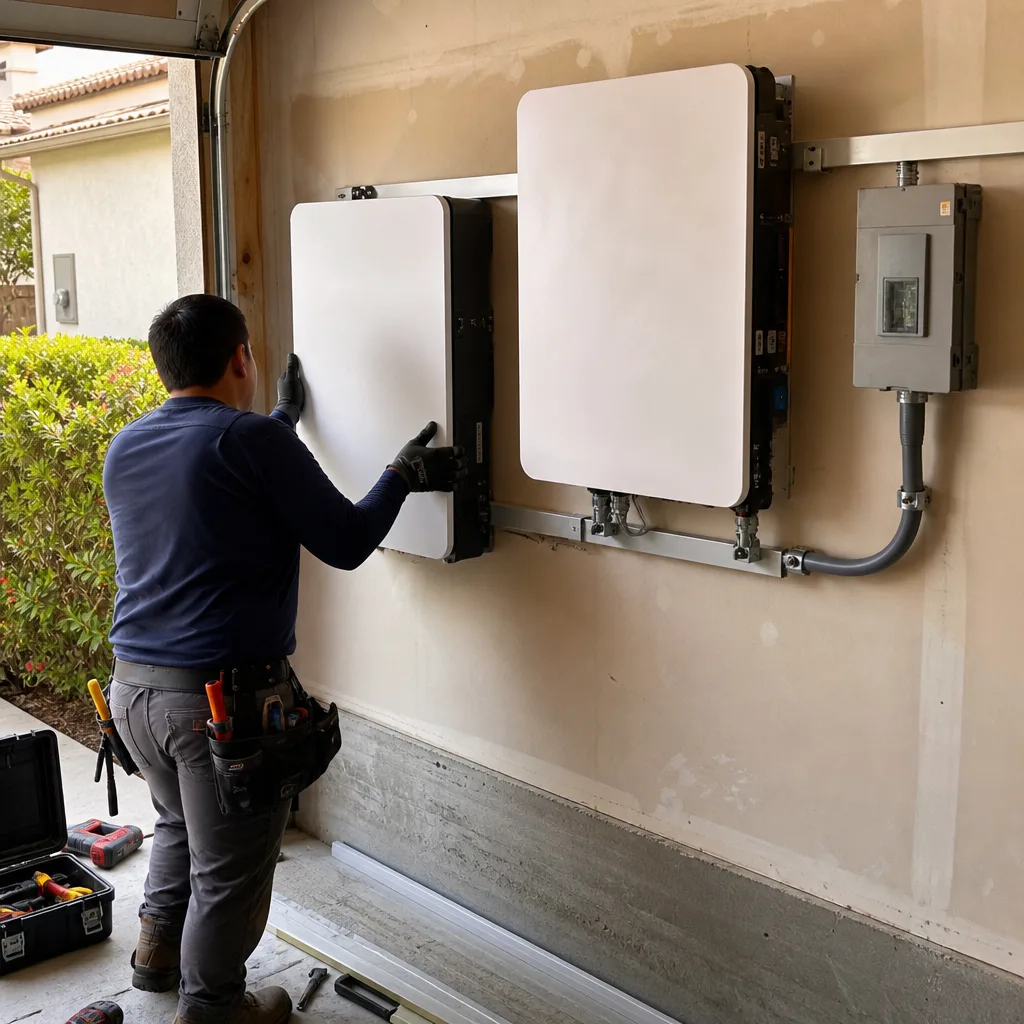
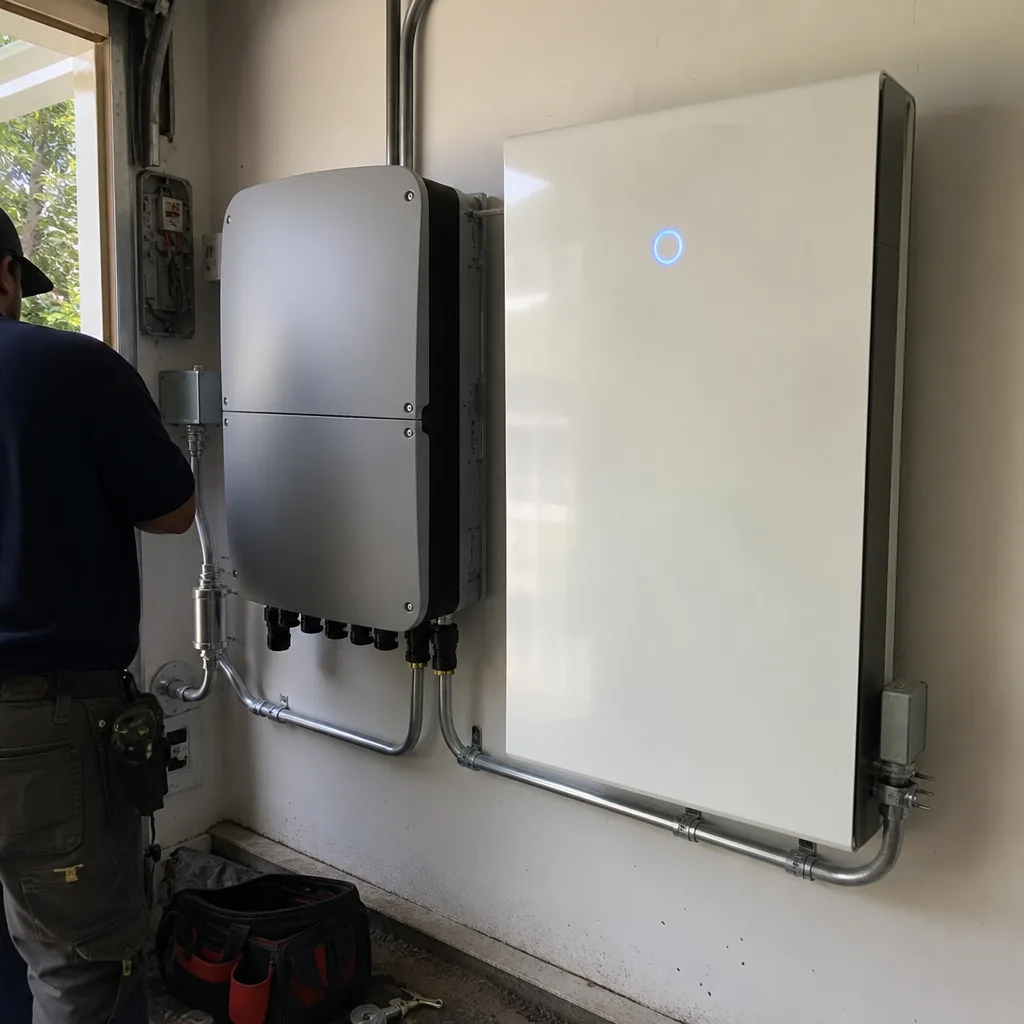
This is the default expectation in Scotts Valley, not a premium add-on. The CZU Lightning Complex Fire of August 2020 entrenched PG&E Public Safety Power Shutoffs as an annual reality in the 95066 ZIP. A commercial array without storage leaves the business dark during a shutoff, and that’s not a production issue, it’s an operational one. We pair FranklinWH, Tesla Powerpack, and similar commercial storage platforms with arrays sized to your real usage, built off your actual utility bill, not a brochure figure. We quote the year-25 output, not the day-one number.
What happens when you call
- 1
A real person answersNo phone trees - you reach a local pro.
- 2
You get an upfront price rangeHonest numbers before anyone is dispatched.
- 3
A background-checked tech heads outLicensed & insured, dispatched right away.
- 4
You approve before work beginsNothing starts until you say go.
Common Commercial Solar Installation Problems We See in Scotts Valley
- Shade-tolerance ignored during design. A 1980s office complex off Scotts Valley Drive had a scattered three-plane roof where the usable unshaded azimuth was less than a third of the total square footage. We ran an Enphase microinverter array and paired it with a 45 kWh Tesla Powerpack, tuning the production estimate to the redwood canopy. The result was a 92% kWh offset with a fixed monthly true-up, not a 30% production miss like the string-inverter quote proposed.
- Missing rapid-shutdown documentation. Much of Scotts Valley falls within a High Fire Hazard Severity Zone, and post-CZU Fire underwriters now ask for documentation of rapid-shutdown compliance and roof condition before binding a commercial property policy. Without that paperwork, the interconnection sign-off stalls and the building can literally become uninsurable.
- Designing to nameplate kW instead of actual sun-hours. Scotts Valley sits in a sheltered inland valley at roughly 400 to 1,000 feet elevation, protected from the coastal fog that suppresses output in Santa Cruz proper just 10 miles southwest. But the surrounding ridgelines and dense conifer canopy mean property-to-property production potential varies widely. A flat assumption nets you a bad estimate.
- No storage paired with a grid that shuts off. Flat, grid-reliable net metering is not the reality in the 95066 ZIP. This is PG&E PSPS country. A design without storage leaves the business dark during a shutoff, and the payback period stretches past the lease term. We build storage-ready systems by default.
Pricing for Commercial Solar Installation in Scotts Valley, CA
For commercial rooftop arrays in Scotts Valley, you’re looking at $2.35 to $3.15 per watt depending on system size, roof condition, and whether we’re integrating battery storage from day one. A small office building at 25 kW runs roughly $58,000 to $78,000 before incentives. A mid-size warehouse at 75 kW lands between $176,000 and $236,000. Solar carports run $3.00 to $3.90 per watt, driven by steel structure costs. Commercial battery storage adds $700 to $950 per kWh of capacity, so a 45 kWh Tesla Powerpack adds $31,500 to $42,750 to the project. These are all-in numbers: design, engineering, permitting, installation, and the documentation trail your fire insurer wants. The federal ITC covers 30% of the total system cost for commercial projects started in 2026, and accelerated depreciation can recover another meaningful portion. Call (877) 550-6892 for an exact quote built off your Scotts Valley utility bill. Estimates are free, and no signature is wanted tonight.
Trusted Brands We Service in Scotts Valley
We work directly with equipment from Tesla, Enphase, FranklinWH, and SolarEdge. That’s not a matter of preference; it’s a matter of what functions correctly under a redwood canopy and inside a High Fire Hazard Severity Zone. Enphase microinverters solve panel-level shading on those complex hillside rooflines. FranklinWH and Tesla handle the storage side for PSPS events. SolarEdge optimizers give us the rapid-shutdown compliance your underwriter wants to see in writing. We keep common replacement components in our Bay Area warehouse so a service call in Scotts Valley doesn’t wait on a slow freight shipment.
We Also Serve Cities Near Scotts Valley
Our Commercial Solar Installation crew covers Scotts Valley and the surrounding mountain communities. From the redwood-shaded lots of Ben Lomond to the flatter light-industrial strips in Soquel and Capitola, and down the hill into Santa Cruz proper, we quote projects the same way: off your real bill, not a generic brochure. Call (877) 550-6892 to schedule a walkthrough.
Serving Scotts Valley, CA - Our Local Coverage Area
We’re based in the Scotts Valley area and know this community well. Use the map below to see our service coverage - if you’re nearby, we can almost certainly help.
FAQs - Commercial Solar Installation in Scotts Valley
Yes. National Electrical Code rapid-shutdown requirements apply to all rooftop PV systems, and the post-CZU Fire insurance market in the 95066 ZIP has made documentation of compliance a standard underwriting condition. Many commercial property insurers in Scotts Valley now refuse to bind a policy without written confirmation that the array shuts down to safe voltage levels within the required window. We provide that documentation with every installation. If you already have a system from another contractor and need a compliance review, call (877) 550-6892 and we’ll come look.
A grid-tied array without storage produces nothing useful during a PSPS outage, because the system disconnects from the grid as a safety measure. That means every shutoff day is zeroed-out production and lost operational hours. In Scotts Valley, where PSPS events are an annual reality since the CZU Lightning Complex Fire, pairing storage with the array is what keeps the payback math honest. Without storage, the payback period can stretch well past the lease term. With storage, the business runs through the shutoff and the utility savings continue. Call (877) 550-6892 for a storage-inclusive quote.
Yes, but the usable square footage matters more than the total square footage. A flat roof with skylights, HVAC units, and western ridgeline shading might only offer 40 to 60% of its area for panels. We quantify that with a site visit and an irradiance meter, not a satellite image alone. A 10,000-square-foot warehouse off Scotts Valley Drive that yields 4,500 square feet of clean azimuth can still offset 85 to 92% of its annual usage with the right microinverter architecture.
Most post-CZU Fire underwriters in the 95066 ZIP ask for three things: confirmation of rapid-shutdown compliance, current photos of the roof condition after installation, and an electrical one-line diagram signed by the installing contractor. Some also ask for a battery-storage system to be documented if it’s installed. We compile all of this into a single packet on every commercial job, because we know the local underwriters and we know what stalls a policy. If a previous installer didn’t provide it, we’ll rebuild the documentation trail.
Yes, slightly. Because Scotts Valley sits in a sheltered inland valley at 400 to 1,000 feet elevation, it gets meaningfully better sun-hours than coastal Santa Cruz, which is frequently fogged in. More sun-hours means more cumulative panel exposure over 25 years, which means the degradation rate compounds slightly faster in real kWh terms. A panel that degrades 0.25% per year loses less production than one at 0.55% per year, and the gap widens every year after year one. We quote the year-25 output on every proposal, not the day-one brochure number.
Written by Gus Petrakis, Owner at Gus’s Solar, serving Scotts Valley and the Santa Cruz Mountains since day one.