
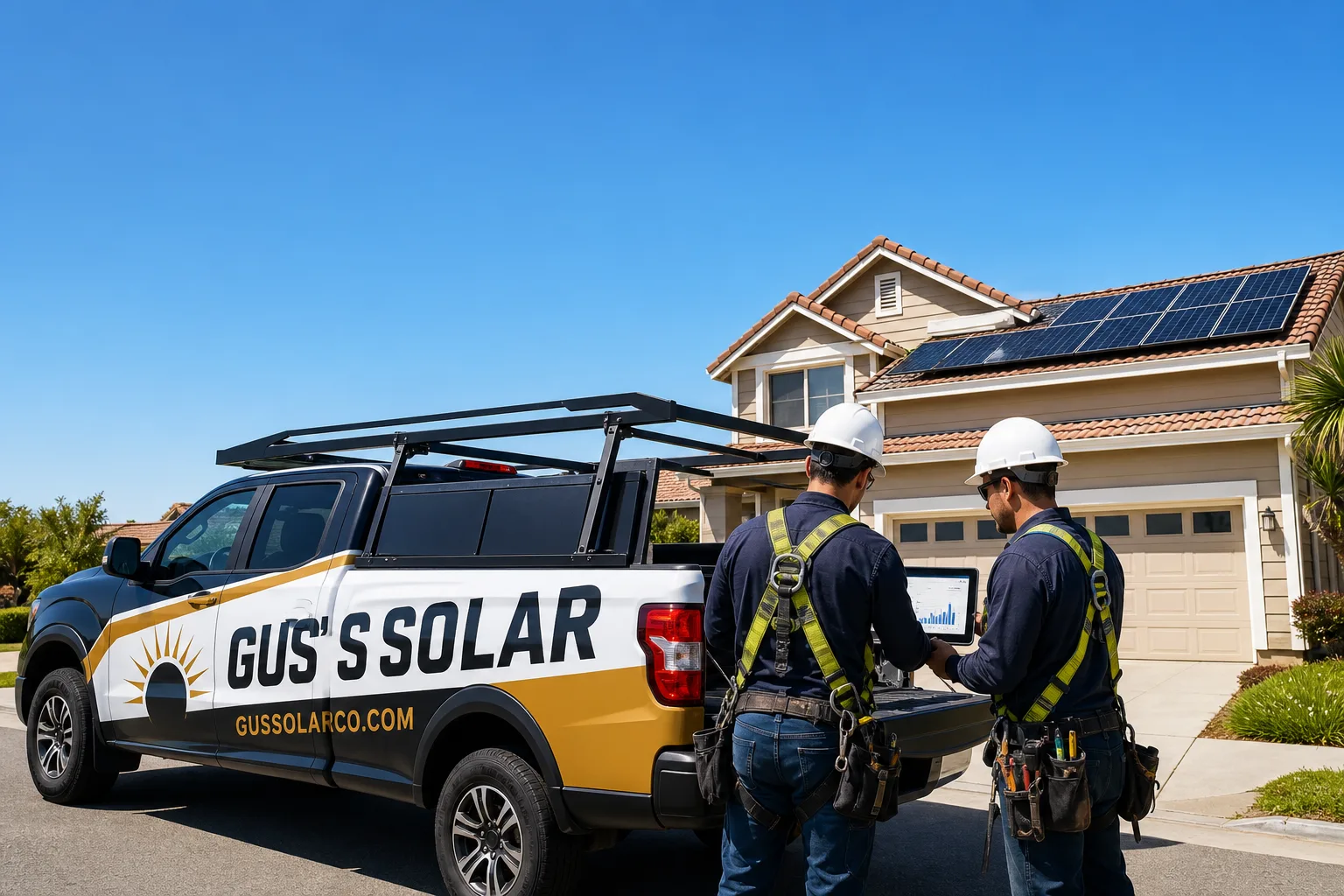
Free bill analysis - bring a power bill, get the production math for your actual roof, panel brands like Qcells and REC compared side by side
If the pitch starts at your door and ends with "sign tonight for the special," sleep on it. The sun will still be there tomorrow; so will we.
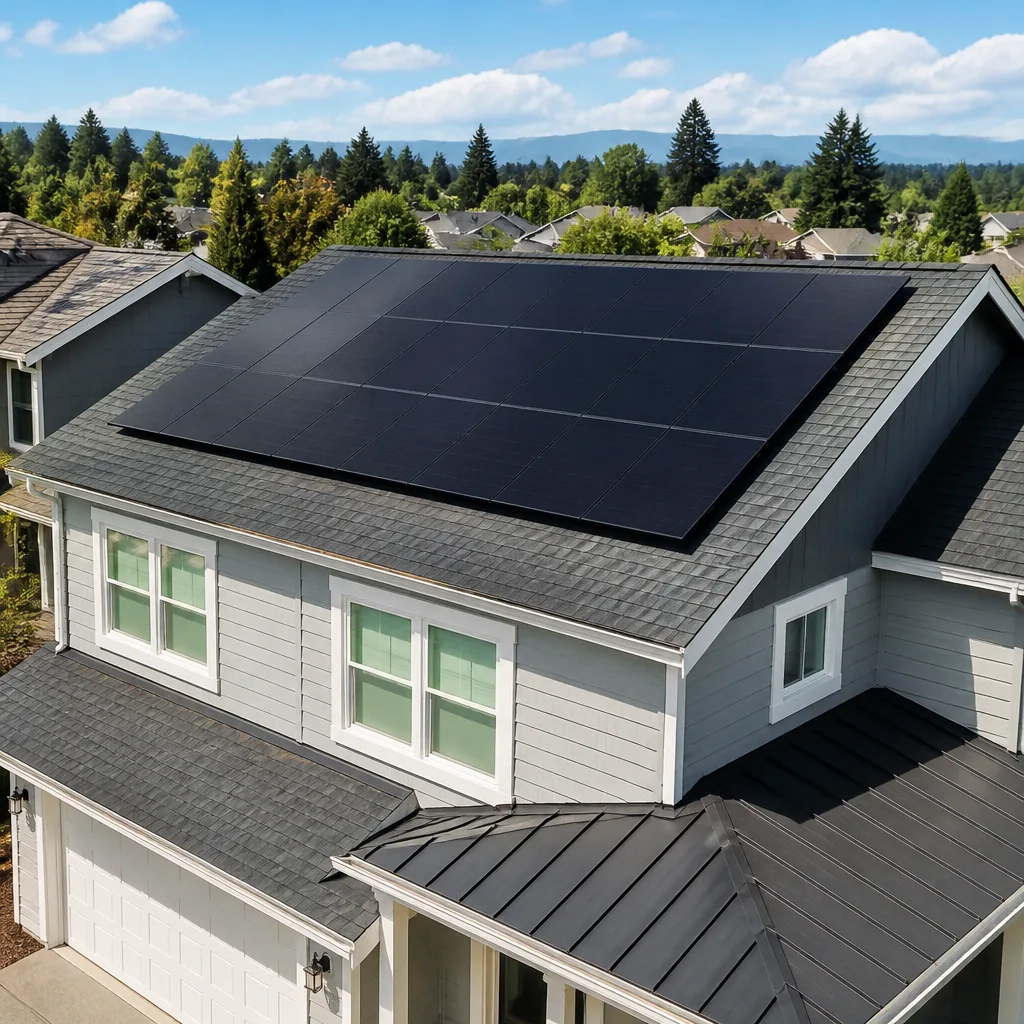
 Before
 After
After Before
 After
After Before
 After
AfterFast, Reliable Commercial Solar Installation Across Santa Maria
Commercial solar installation in Santa Maria runs $2.10 to $2.65 per watt installed, so a typical 100kW rooftop system lands between $210,000 and $265,000 before the 30% federal tax credit and accelerated depreciation. Most warehouse and retail projects in the city take six to ten weeks from contract to interconnection, assuming the building’s electrical service can handle the backfeed. But here’s what separates a straightforward install from a stalled one in Santa Maria: the marine layer off Point Conception. If your production model doesn’t account for it, your payback math is wrong before the first panel goes up. Call Gus’s Solar at (877) 550-6892 and we’ll walk you through real numbers built off your actual utility bill, not a brochure chart for Arizona sun.
Why Gus’s Solar Is Santa Maria’s Preferred Commercial Solar Installation Company
Gus Petrakis founded this company in 2011 and still answers his own phone. That matters in Santa Maria, where commercial property owners on the 93454 and 93458 corridors have seen out-of-state solar outfits quote aggressively, collect deposits, and then vanish when the interconnection hits a snag. We don’t do that. Gus’s crew does the install themselves. No subs. No call center three states away backing up a sales rep with a tablet and a script. Just a local shop with a published license number and a guy whose name is on the building.
Our Santa Maria customers get the same treatment whether they’re running a cold storage warehouse off Betteravia Road or a retail strip near Main Street: a live person answers 24/7, the price quoted is the price charged, and if something isn’t right within 90 days of completion, Gus comes back and makes it right. In writing. Every job carries that promise. No asterisks.
We also know this valley’s production patterns in a way a generic installer simply can’t. When a Santa Maria business owner tells us their June output looks soft, we already know why. We model for it from day one. That’s the difference between a system designed for Santa Maria and a system designed somewhere else and shipped here.
Our Commercial Solar Installation Services in Santa Maria
Commercial Rooftop Solar
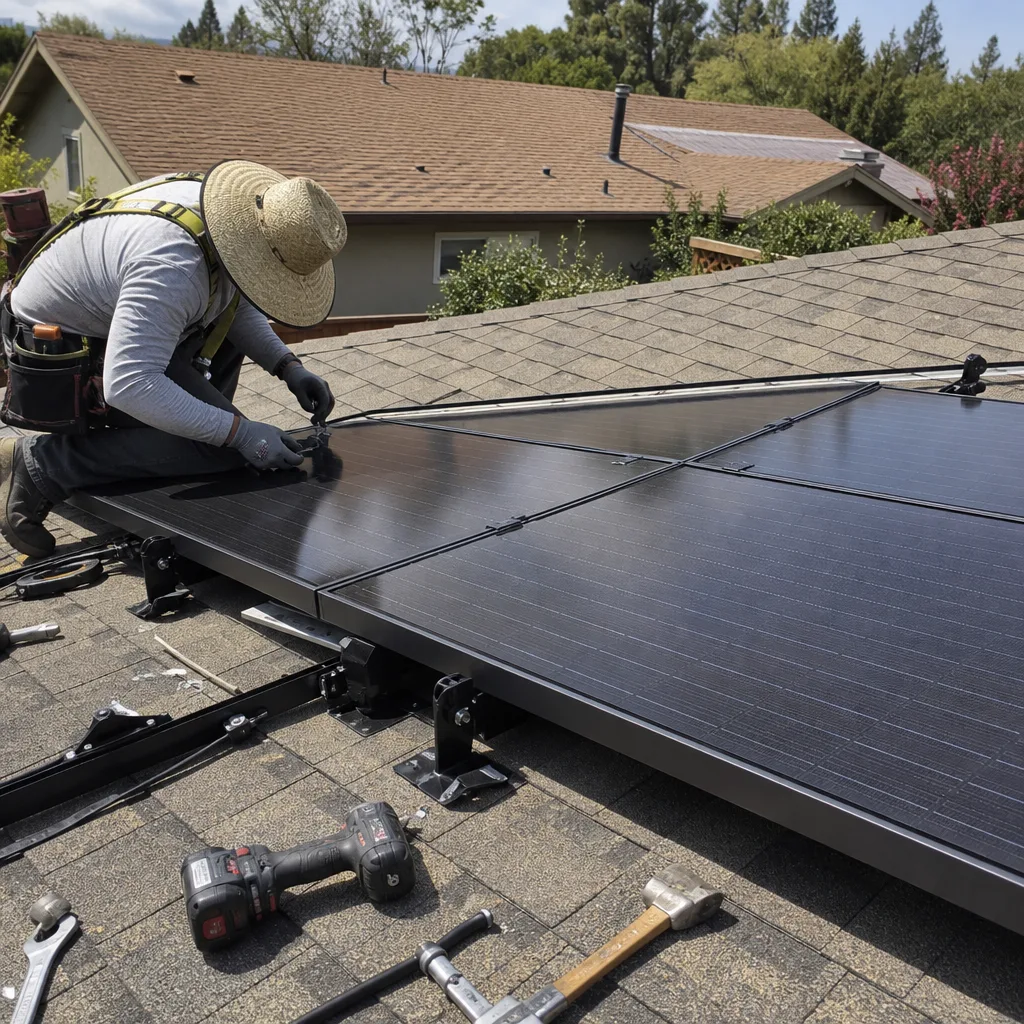
Rooftop arrays on Santa Maria’s commercial stock come with a specific set of challenges. The older buildings concentrated in the 93454 core and along Broadway are mostly 1960s-to-1990s construction with low-slope or flat membrane roofs. Many still have their original 100-amp panels, which won’t pass SCE’s interconnection requirements for anything beyond a small array. We handle the full scope: structural review, panel upgrade to 200 amps or higher, racking on your existing membrane where it’ll support the load, and full re-roof coordination where it won’t. A typical 50kW rooftop system in Santa Maria runs $105,000 to $132,000 installed, depending on roof condition and panel type.
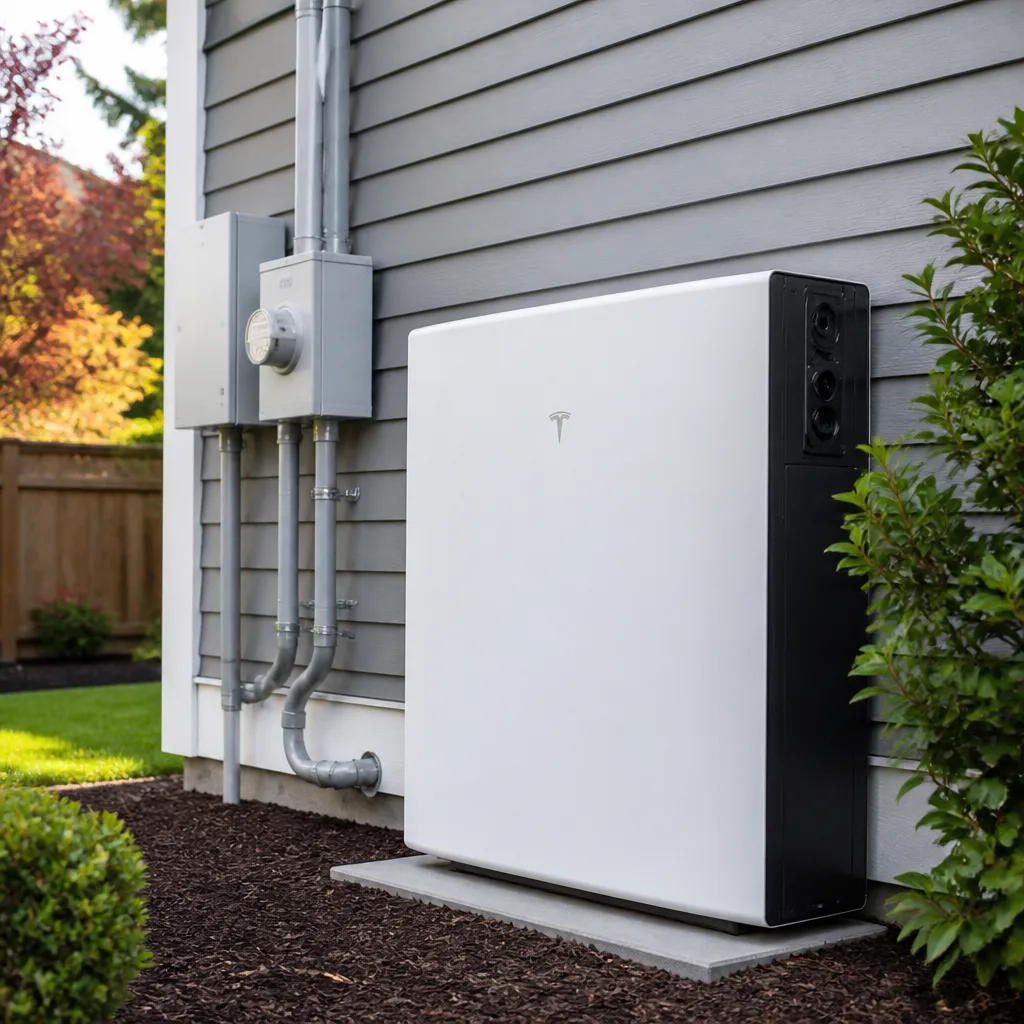
Commercial Battery Storage
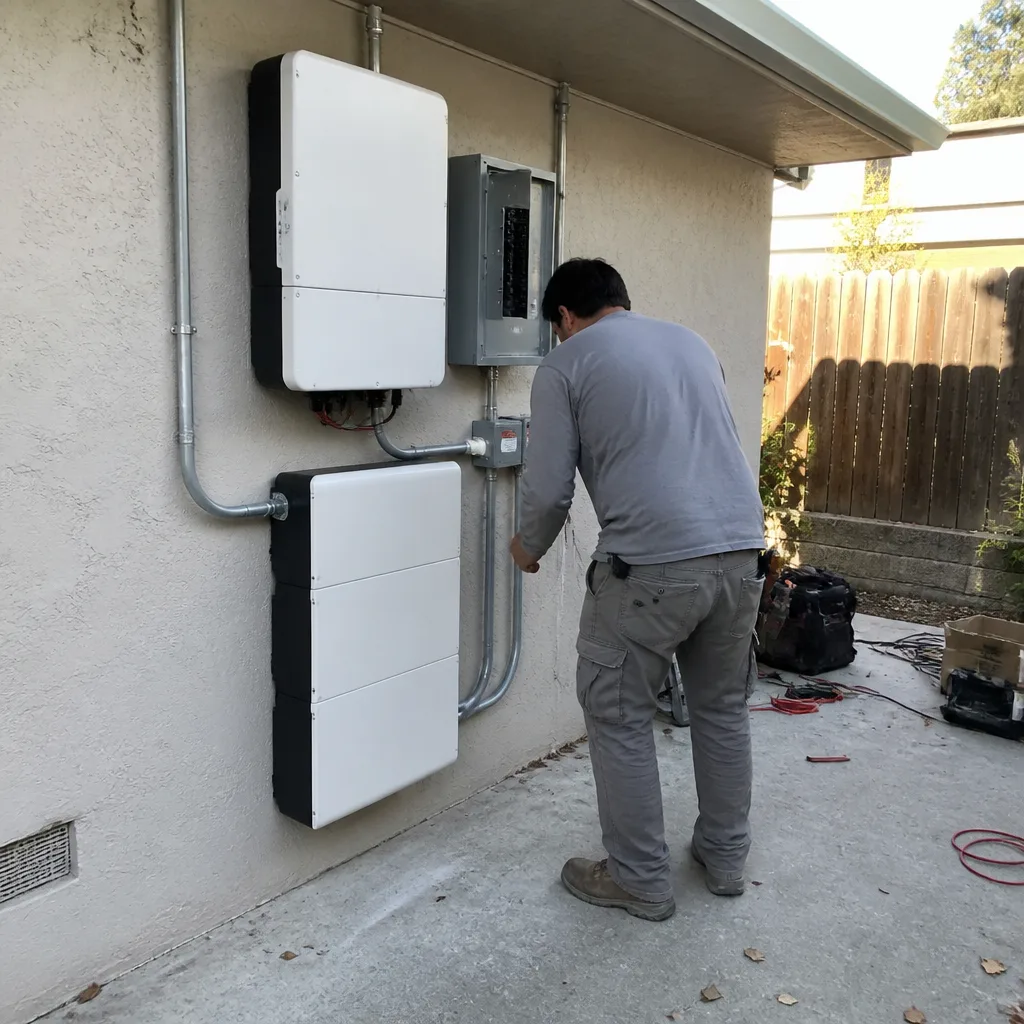
Battery storage changes the math for Santa Maria businesses in two ways. First, it smooths the marine-layer production gap. Your rooftop array may not generate meaningful power until 10 or 11 a.m. from May through August, but a FranklinWH or similar commercial battery bank can discharge stored afternoon surplus into your morning baseload. Second, it hedges against Santa Maria’s net metering structure, which credits afternoon export at lower rates than what you pay for morning grid power. A 30kWh commercial battery system in Santa Maria typically adds $38,000 to $55,000 to your project, before applicable incentives. That’s real money, but for a warehouse running refrigeration overnight the payback often lands under seven years.
Solar Carport Installation
Santa Maria’s commercial lots along South Broadway and the Blosser Road corridor have abundant open parking areas, and carport solar turns that pavement into generating capacity without touching your roof. This is the right call for buildings where the roof needs re-roofing soon or where the existing membrane simply can’t carry a new array’s dead load. Carport systems run $2.80 to $3.40 per watt, higher than rooftop because of the structural steel and concrete footings involved. A 150kW carport array in Santa Maria typically lands between $420,000 and $510,000, but it also provides shade for employee and customer vehicles, which is a real benefit through Santa Maria’s bright afternoons when the fog finally burns off.
Agricultural & Ground-Mount Solar
The Santa Maria Valley doesn’t stop at the city limits. Operations out toward Guadalupe and Nipomo run irrigation pumps, cold storage, and packing facilities that consume serious power. Ground-mount solar on ag land in Santa Maria costs less per watt than rooftop: $1.80 to $2.30 per watt for a system over 250kW. Larger systems hit economy-of-scale thresholds. The catch is land-use permitting through Santa Barbara County and SCE’s interconnection queue, which takes longer than a rooftop project. We’ve done these. We know the process. If your operation runs a pump at 6 a.m., we’ll design around the marine layer so your array meets that morning load instead of missing it.
What happens when you call
- 1
A real person answersNo phone trees - you reach a local pro.
- 2
You get an upfront price rangeHonest numbers before anyone is dispatched.
- 3
A background-checked tech heads outLicensed & insured, dispatched right away.
- 4
You approve before work beginsNothing starts until you say go.
Trusted Brands We Service in Santa Maria
We work with Panasonic, Canadian Solar, JinkoSolar, and FranklinWH equipment, among others. The brand choice affects your year-25 output, not just the day-one brochure number, and we’ll show you the degradation curves side by side so you can see what you’re buying. Santa Maria’s cool marine air actually works in your favor here: panel heat losses stay minimal compared to the San Joaquin Valley, so rated output on a clear afternoon is closer to real output than it would be in Tulare or Fresno. We keep common inverter and rapid-shutdown components in stock locally, and when a monitor flags an underperforming string, we don’t open a ticket and route you through a portal. Gus calls you.
Common Commercial Solar Installation Problems We See in Santa Maria
- The interconnection stall on legacy 100-amp panels. The dominant commercial building stock in 93454 and 93458 dates from the 1960s through early 1990s, and a frightening percentage still carries original 100-amp electrical service. SCE won’t approve backfeed on that panel, so your project sits until the panel is upgraded. Budget $3,500 to $8,000 for that upgrade, depending on your building’s configuration, and plan for it before you sign the solar contract.
- Payback math built on inland irradiance charts. If your installer modeled your return using a generic California production curve, your June and July true-up statements will disappoint. Santa Maria’s May-to-August marine layer from Point Conception keeps rooftop output flat until late morning, four months a year. We model for this explicitly and design arrays with a west-of-south azimuth to capture afternoon sun when the fog burns off. If a sales rep doesn’t mention the marine layer, that’s your sign.
- Flat-roof structural failures on older commercial strips. Many flat commercial buildings in the older core have membrane roofs at or beyond their service life. You cannot put a 25-year array on a roof with five years left. Sometimes a full re-roof under the array zone makes sense; sometimes a carport array on the adjacent lot is the better call. We’ll tell you straight up, even if the answer is that the roof needs work before the panels go up.
- Morning-heavy load profiles paired with all-south arrays. A bakery that fires ovens at 5 a.m., a packing house running conveyors at 7 a.m. Those loads don’t align with Santa Maria’s production curve. If you build a south-facing array and assume morning production that never comes, you’ll import grid power through June and July and wonder where your savings went. West-of-south tilt plus battery storage bridges that gap. That’s not a Tucson concern. It’s a Santa Maria concern.
Pricing for Commercial Solar Installation in Santa Maria, CA
Here are honest ranges for Santa Maria’s commercial market, as of March 2026:
- Commercial rooftop solar: $2.10 to $2.65 per watt. A 50kW system: $105,000 to $132,500. A 100kW system: $210,000 to $265,000.
- Ground-mount solar (ag or industrial): $1.80 to $2.30 per watt for systems over 250kW.
- Solar carport installation: $2.80 to $3.40 per watt. A 150kW array: $420,000 to $510,000.
- Commercial battery storage: $38,000 to $55,000 for a 30kWh system; $110,000 to $190,000 for 100kWh.
- Panel upgrade to 200 amps (when required): $3,500 to $8,000.
These figures include equipment, labor, permitting, and SCE interconnection paperwork. The federal Investment Tax Credit at 30% and bonus depreciation under Section 179 typically bring the effective cost down by 35% to 50% for a commercial owner with tax liability to absorb the credits. Bring us a bill, we’ll bring you the math. The price we quote is the price you pay, and if you want to take two weeks to think about it, the price will be the same. If a salesman needs an answer tonight, the answer is no. Call (877) 550-6892 for a free estimate on your specific building.
We Also Serve Cities Near Santa Maria
Our Commercial Solar Installation team works throughout the Santa Maria Valley, including Santa Maria proper and the surrounding communities of Orcutt, Guadalupe, Nipomo, and Oceano. If your building sits just outside city limits, we still cover you. Call and ask, it’s not complicated.
Serving Santa Maria, CA - Our Local Coverage Area
We’re based in the Santa Maria area and know this community well. Use the map below to see our service coverage - if you’re nearby, we can almost certainly help.
FAQs - Commercial Solar Installation in Santa Maria
That’s the Point Conception marine layer. Cold upwelling water off the point generates dense fog that funnels directly up the Santa Maria Valley and sits over the city until late morning from May through August. Your panels aren’t broken. They’re under cloud cover. We design systems here with this pattern built in, which means adjusting azimuth west of south and, where the building’s load profile demands it, adding battery storage to discharge stored energy into the morning gap. If your existing system is already built and you’re seeing flat morning output, call (877) 550-6892 and we can evaluate whether a battery or reconfiguration helps your specific site.
If your building in 93454 or 93458 still has a 100-amp panel, almost certainly yes. SCE’s interconnection process checks service capacity against expected backfeed, and legacy 100-amp panels from the 1960s through 1990s don’t pass for anything beyond a token array. A 200-amp upgrade in Santa Maria, including labor, panel, and permit, runs $3,500 to $8,000 depending on your building’s age and wiring condition. We bundle this into the solar project so you’re not coordinating two contractors. Newer structures in the Orcutt area east of the city typically already have 200-amp service and can skip this step.
The marine layer shifts your daily production curve hard to the right: minimal output before 10 or 11 a.m., then a steep ramp through the afternoon. That means your array exports more in the afternoon, when SCE’s time-of-use rates and net metering credit values are typically lower than the morning grid rates you paid before the fog burned off. Without storage, you’re selling cheap afternoon power and buying expensive morning power. A battery system lets you store afternoon export and discharge it during the morning gap, which recaptures that value. We’ll model your actual interval data so you see the difference before you spend a dollar. Call (877) 550-6892 for a free bill review.
Sometimes. It depends on the membrane’s condition and remaining service life. Flat roofs on older commercial buildings in the 93454 core are often 20-plus years old, and if the membrane has five or fewer years left, mounting a 25-year solar array on it means paying for a tear-off and re-roof in the middle of the array’s life, which is expensive and dumb. If the membrane is sound and the decking can support the added dead load, we can mount directly with ballasted or mechanically attached racking. If it can’t, a carport array on your parking area may make more financial sense. We’ll bring a structural reviewer and give you the honest answer, not the answer that sells you panels today.
Expect 0.25% to 0.5% annual degradation for tier-one panels from Panasonic, Canadian Solar, or JinkoSolar, with a warranty guaranteeing roughly 85% of rated output at year 25. Santa Maria’s cool ambient temperatures are actually a production advantage: panel efficiency falls as they heat up, and Santa Maria panels run consistently cooler than San Joaquin Valley installations, so your real-world output stays closer to nameplate than it would in Bakersfield or Fresno. The marine layer suppresses morning production, but it also keeps your panels from cooking. Over 25 years, that’s a measurable difference. When we quote your system, we quote the year-25 output on your actual building and your actual bill, not a generic postcard number.
If you own a commercial building in Santa Maria and you’re tired of guessing, call Gus’s Solar at (877) 550-6892. Bring us a bill. We’ll bring you the math. And you can take two weeks to think about it.
Written by Gus Petrakis, Owner at Gus’s Solar, serving Santa Maria since 2011.