
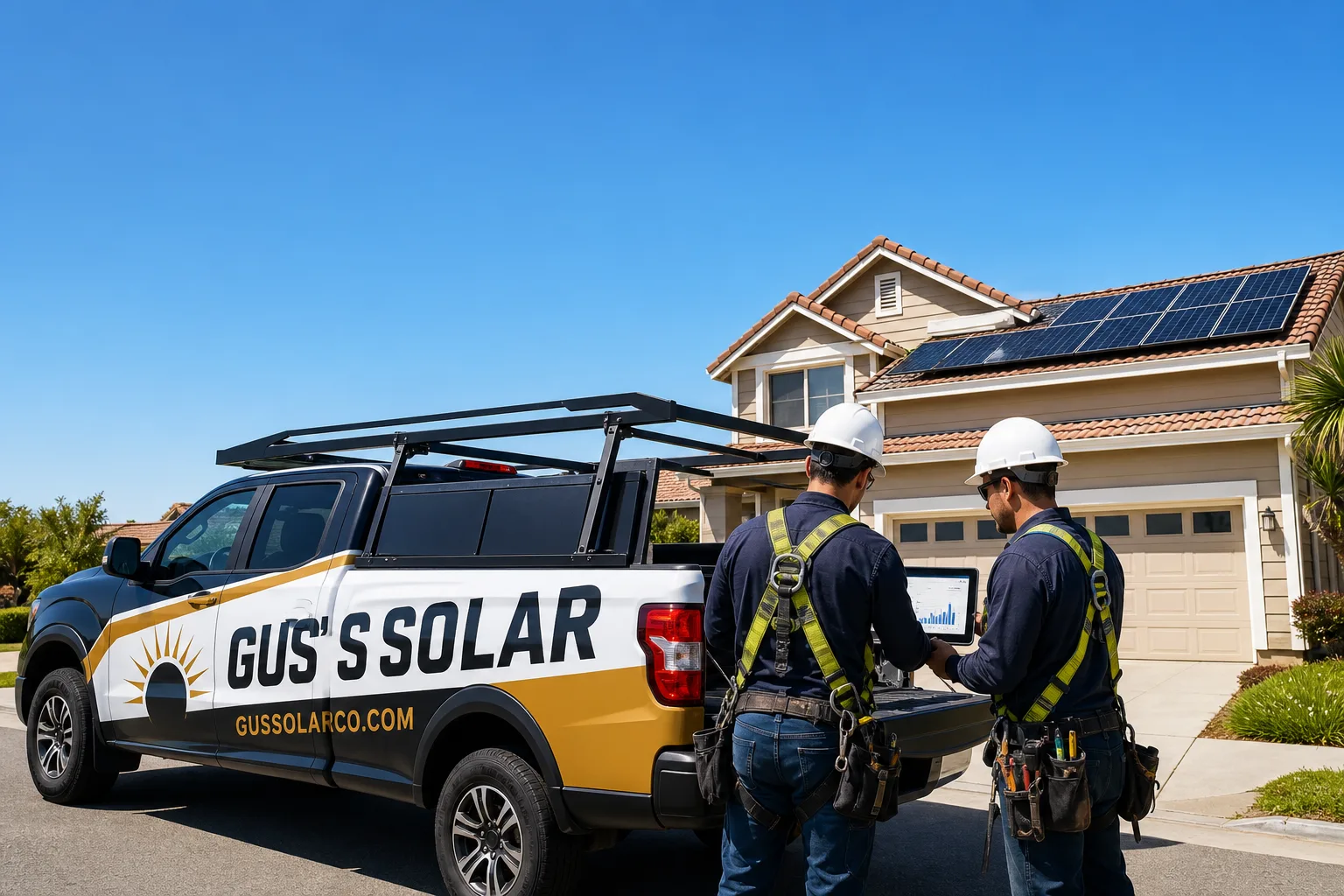
Free bill analysis - bring a power bill, get the production math for your actual roof, panel brands like Qcells and REC compared side by side
If the pitch starts at your door and ends with "sign tonight for the special," sleep on it. The sun will still be there tomorrow; so will we.
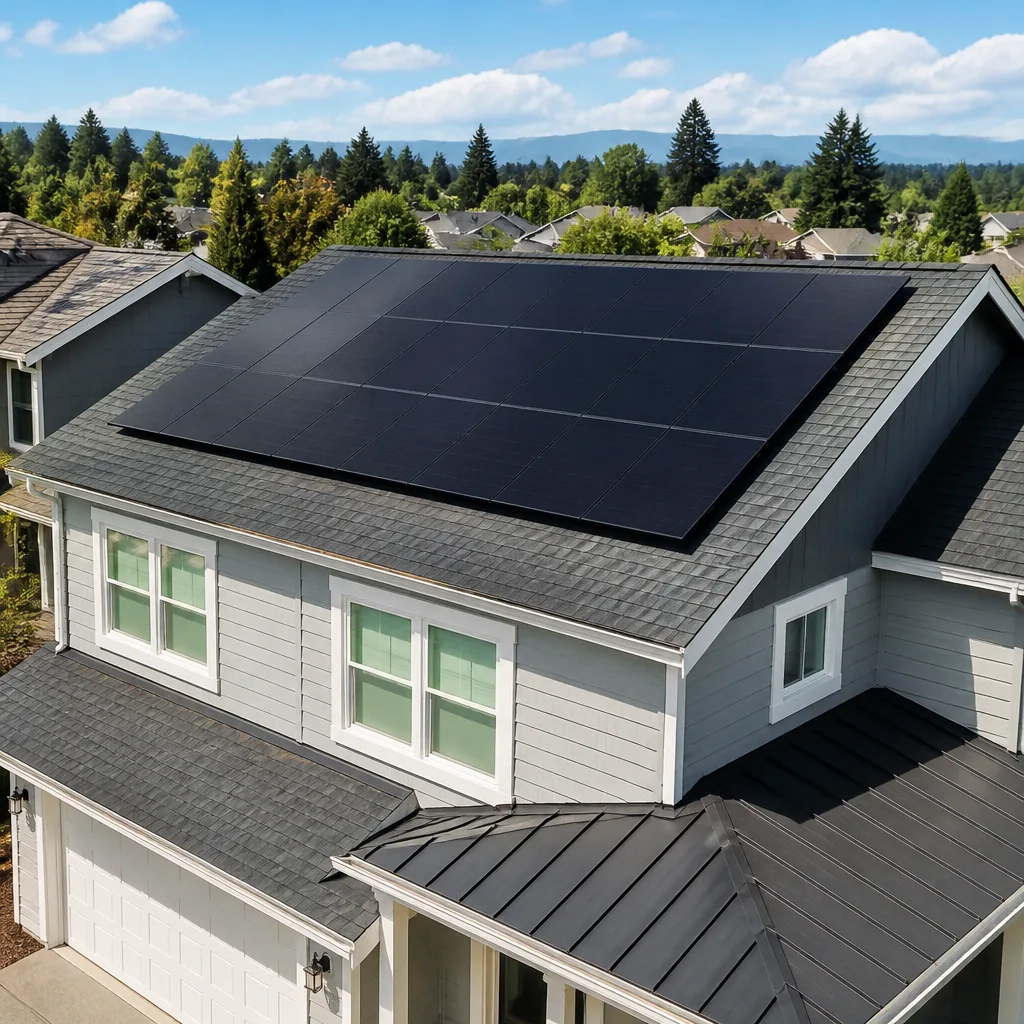
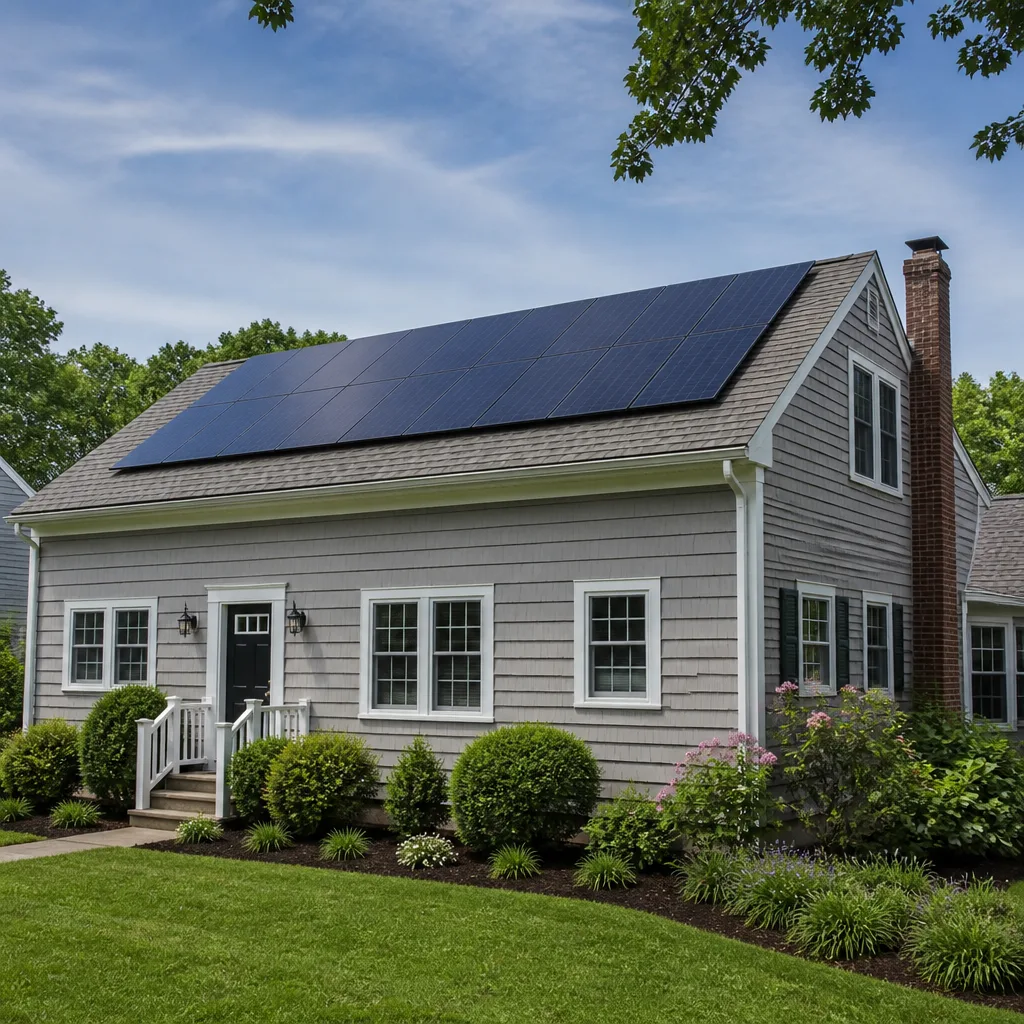
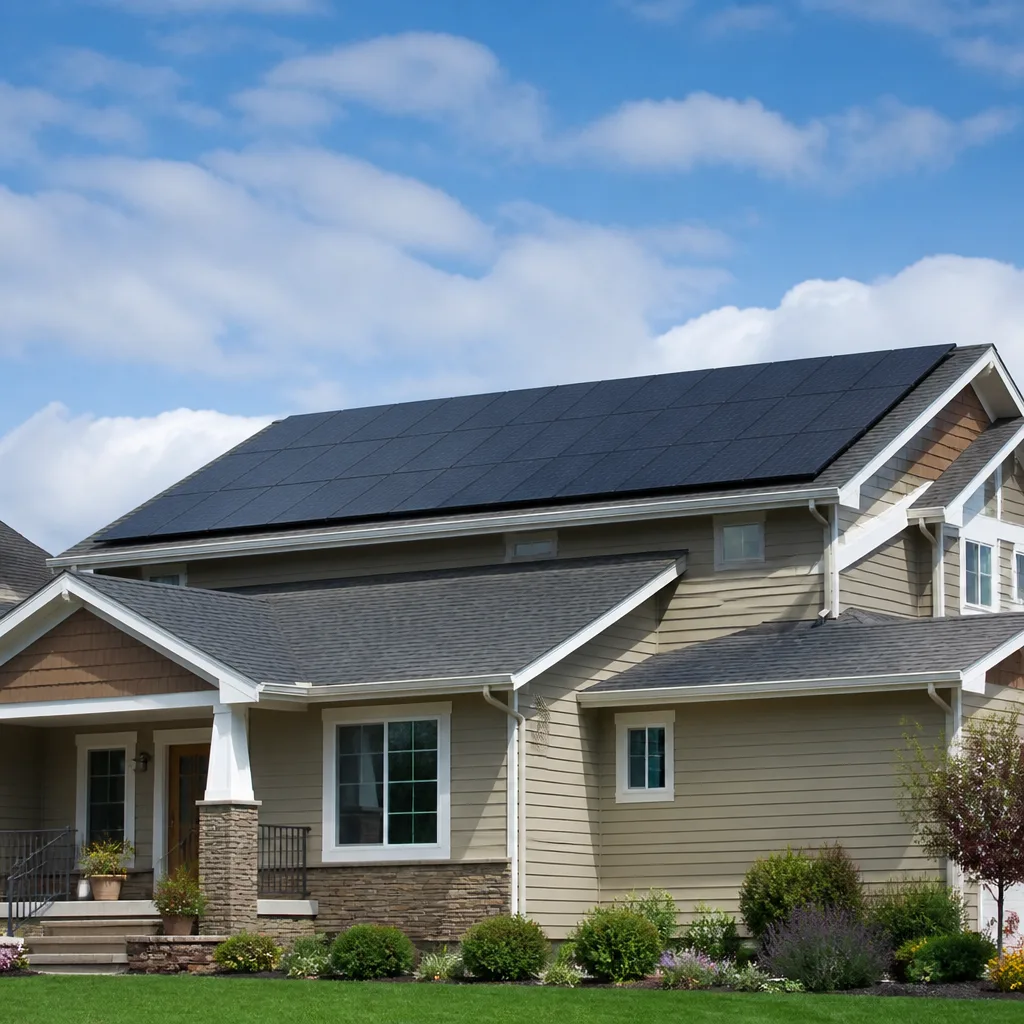
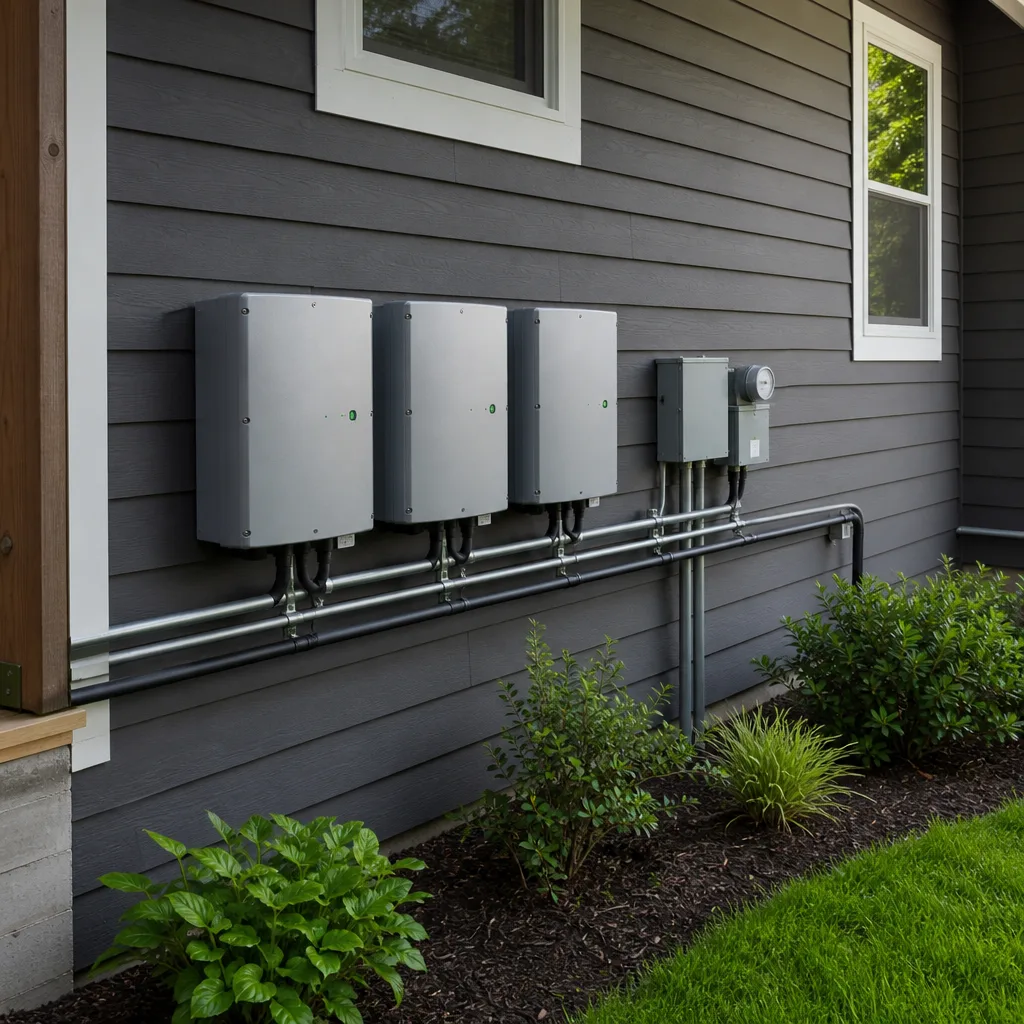
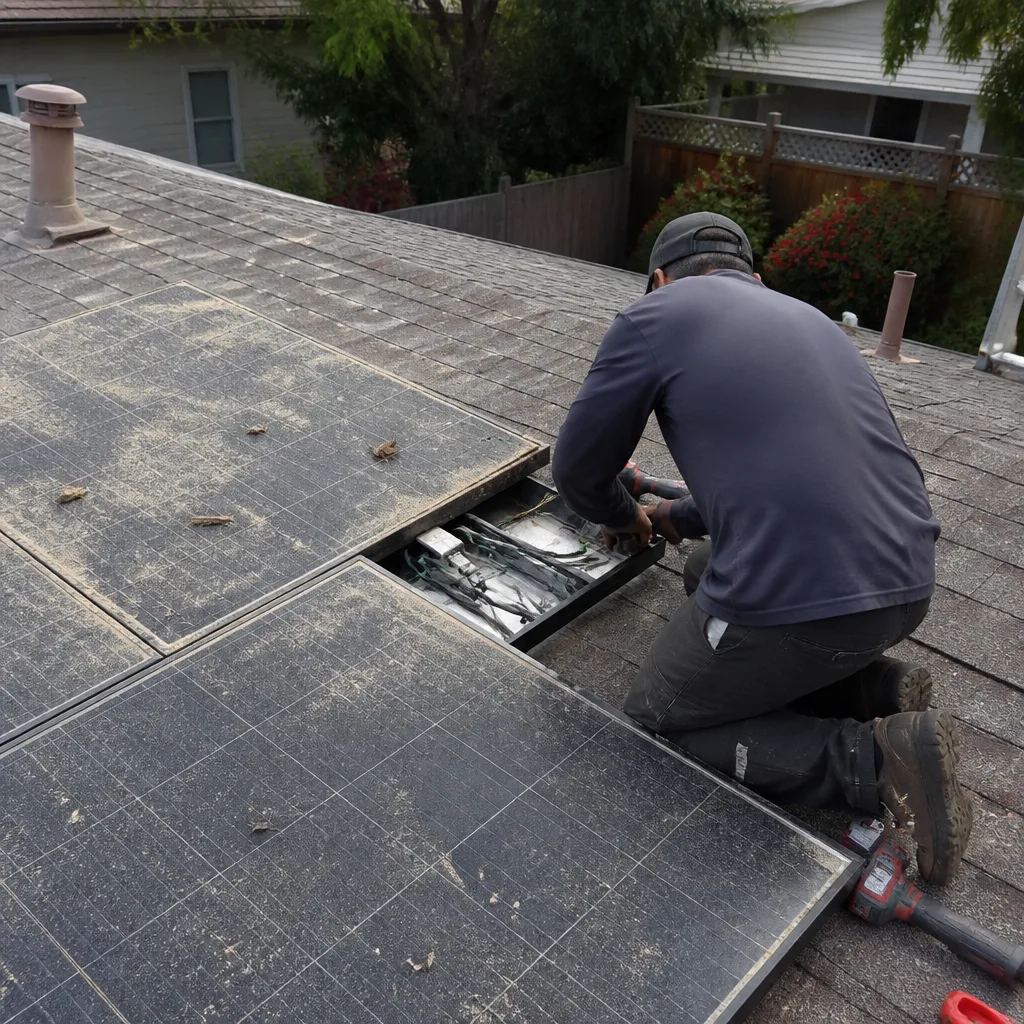 Before
 After
After Before
 After
After Before
 After
AfterFast, Reliable Commercial Solar Installation Across Santa Cruz
Commercial solar in Santa Cruz is not the same job as commercial solar in San Jose. The marine layer off Monterey Bay sits over beachfront and low-elevation rooftops well into mid-morning, and the redwoods up near UCSC throw shade on south-facing planes that a flat California sun model never accounts for. Get the production estimate wrong and you are not off by 3%. You are off by 15 to 20% on your annual kWh offset, which shows up as a true-up bill you did not plan for. Gus Petrakis has been designing systems for this exact microclimate since 2011, and he quotes the year-25 output, not the day-one brochure number. Call (877) 550-6892 and bring us a bill. We will bring you the math.
Why Gus’s Solar Is Santa Cruz’s Preferred Commercial Solar Installation Company
We are the shop where the owner’s name is on the building, not a door-knocking crew working on commission. Gus’s Solar is locally owned and owner-operated, and when you call (877) 550-6892, a live person answers. Not a voicemail, not a ticketing portal, not a call center three states away. For commercial property owners in Santa Cruz, that matters when your inverter throws a fault at 7:00 a.m. and you need someone who actually knows your roof.
Santa Cruz commercial customers keep our number because we do the site modeling the right way the first time. That means accounting for the marine layer in Seabright and Live Oak, the redwood canopy near UCSC, and the genuinely better winter sun along the Soquel corridor. Not a generic PVWatts assumption. A real estimate, built off your building’s actual orientation, actual shade, and actual utility bill. We back every job with our 90-Day Done Right Promise in writing. If it is not right, Gus makes it right and one call brings him back.
Background-checked, uniformed technicians do every install. No subs, no day-labor crews. The same team you meet is the team on your roof, and they flash every penetration properly because commercial flat roofs in Santa Cruz get hit with real rain and salt air every winter.
Our Commercial Solar Installation Services in Santa Cruz
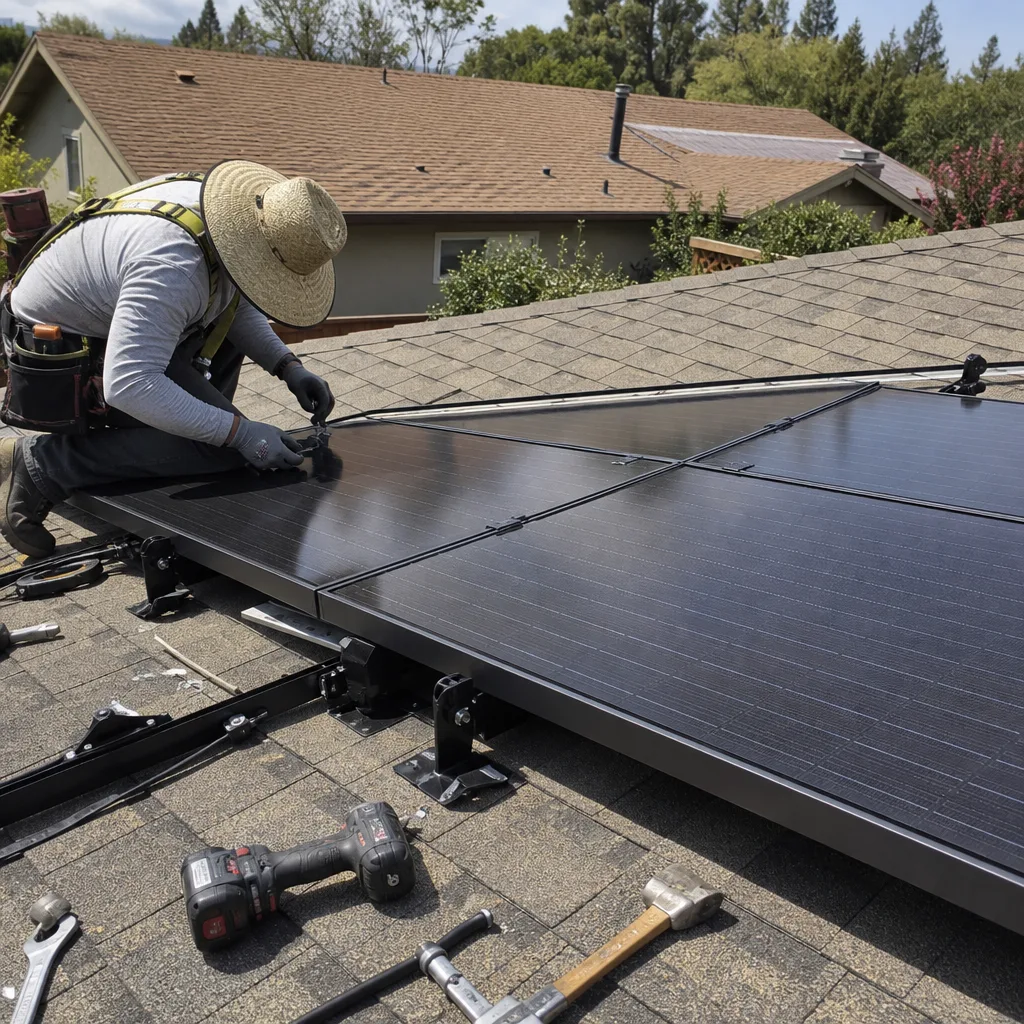
Commercial Rooftop Solar
Flat and low-slope commercial roofs dominate Santa Cruz’s light-industrial and retail stock, from the west side industrial pockets to the warehouses off Soquel Avenue. Our Commercial Solar Installation work starts with a structural and electrical review of your building’s actual condition, not an aerial-photo estimate. Many pre-1970 buildings in Beach Flats and lower Seabright carry undersized 100-amp or 125-amp service panels. PG&E will not approve interconnection until that panel is upgraded to 200 amps, and we flag that cost in the first quote. You should not find out about a $4,000 panel upgrade after you have signed.
Warehouse & Industrial Solar
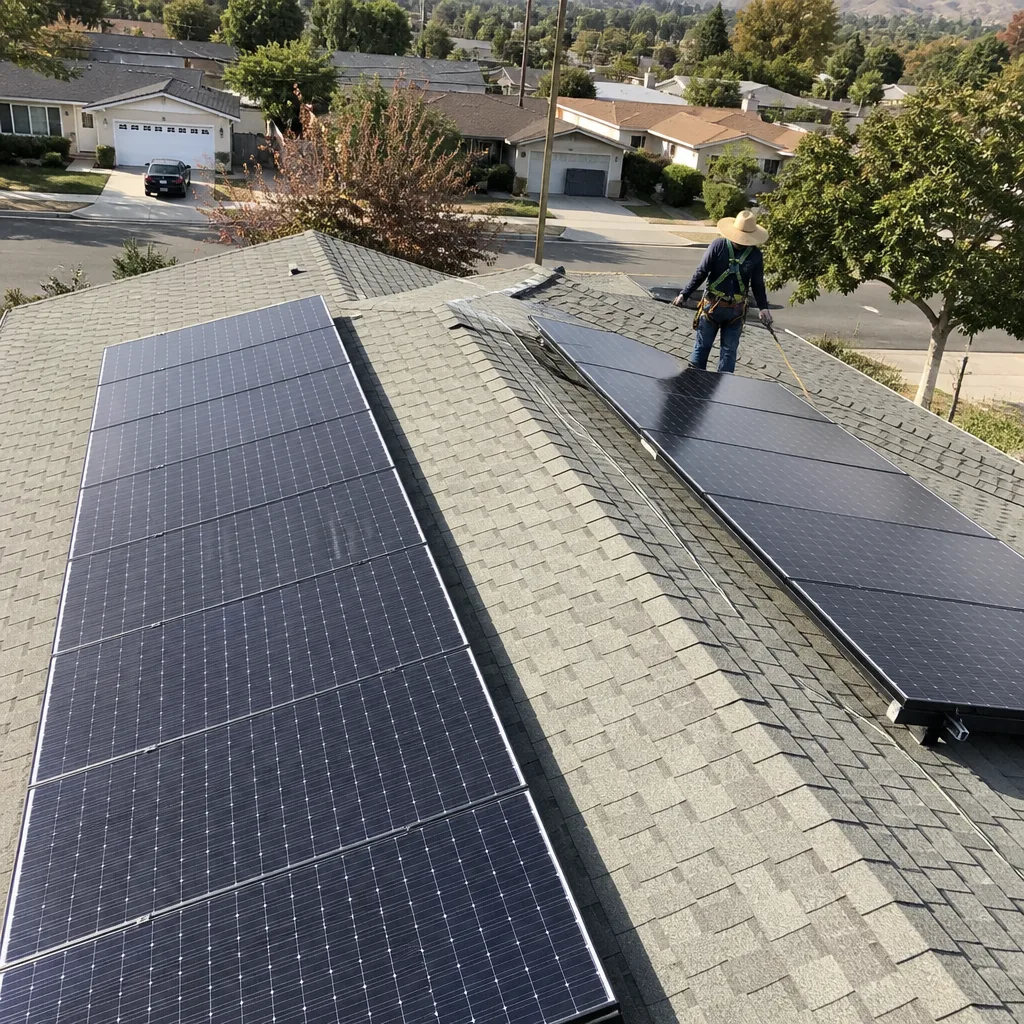
Warehouse rooftops in Santa Cruz are where bad shading math costs real money. On a warehouse in Live Oak (95062), our crew found the client’s initial quote from a string-inverter design was based on a PVWatts production estimate that ignored the marine layer’s late morning burn-off. We replaced the design with Enphase microinverters and adjusted the azimuth-based production estimate using actual shading data. The system now offsets 94% of the facility’s true-up statement, and the owner avoids a costly surprise at year-end settlement. That is the difference between a quote that looks cheap on paper and a system that actually performs.
Solar Carport Installation
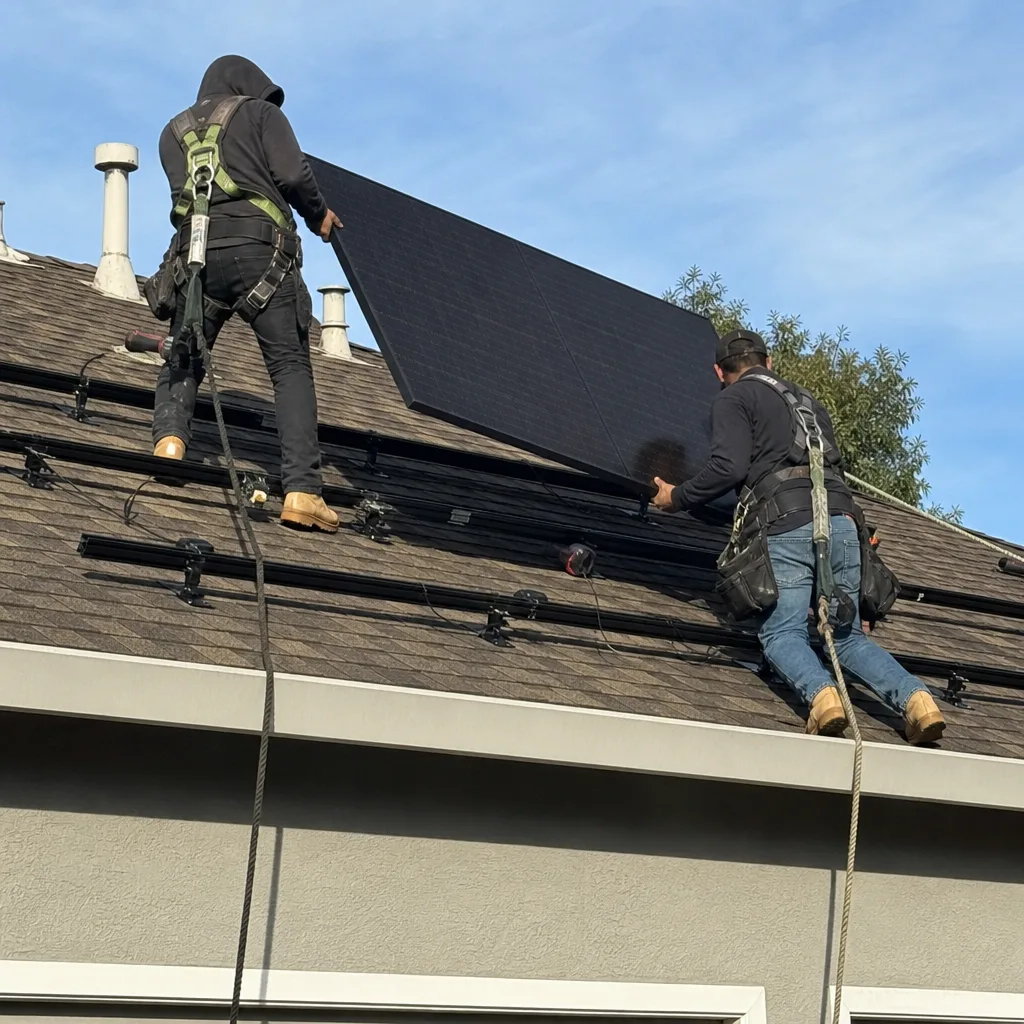
Carport solar makes sense for Santa Cruz lots with limited roof space or heavy tree cover, especially municipal and retail sites where a carport doubles as employee or customer parking. We design and build carport structures that meet Santa Cruz County’s wind-load requirements for coastal elevations and seismic standards that reflect post-1989 Loma Prieta retrofit codes. The structure is part of the system, not an afterthought. Every penetration is sealed for salt air, and every wire run is rated for a marine environment.
Commercial Battery Storage
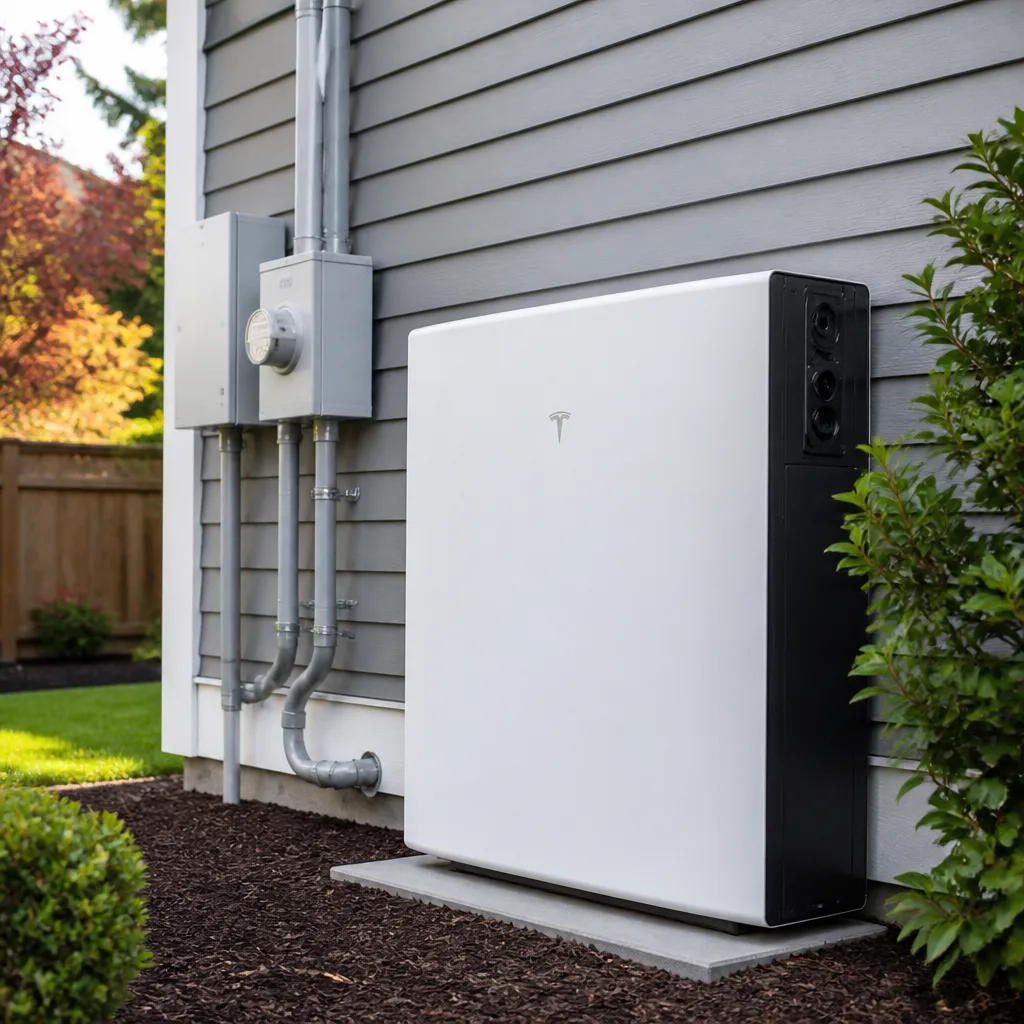
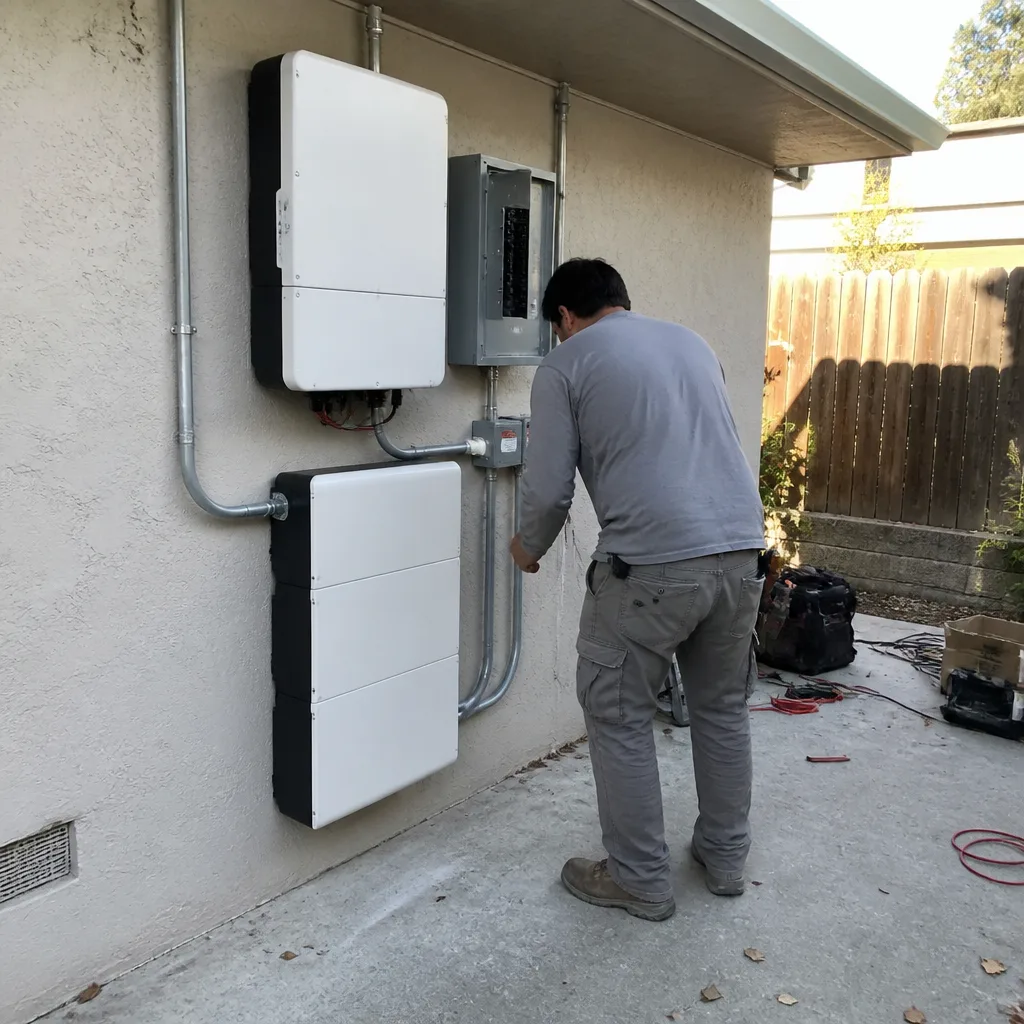
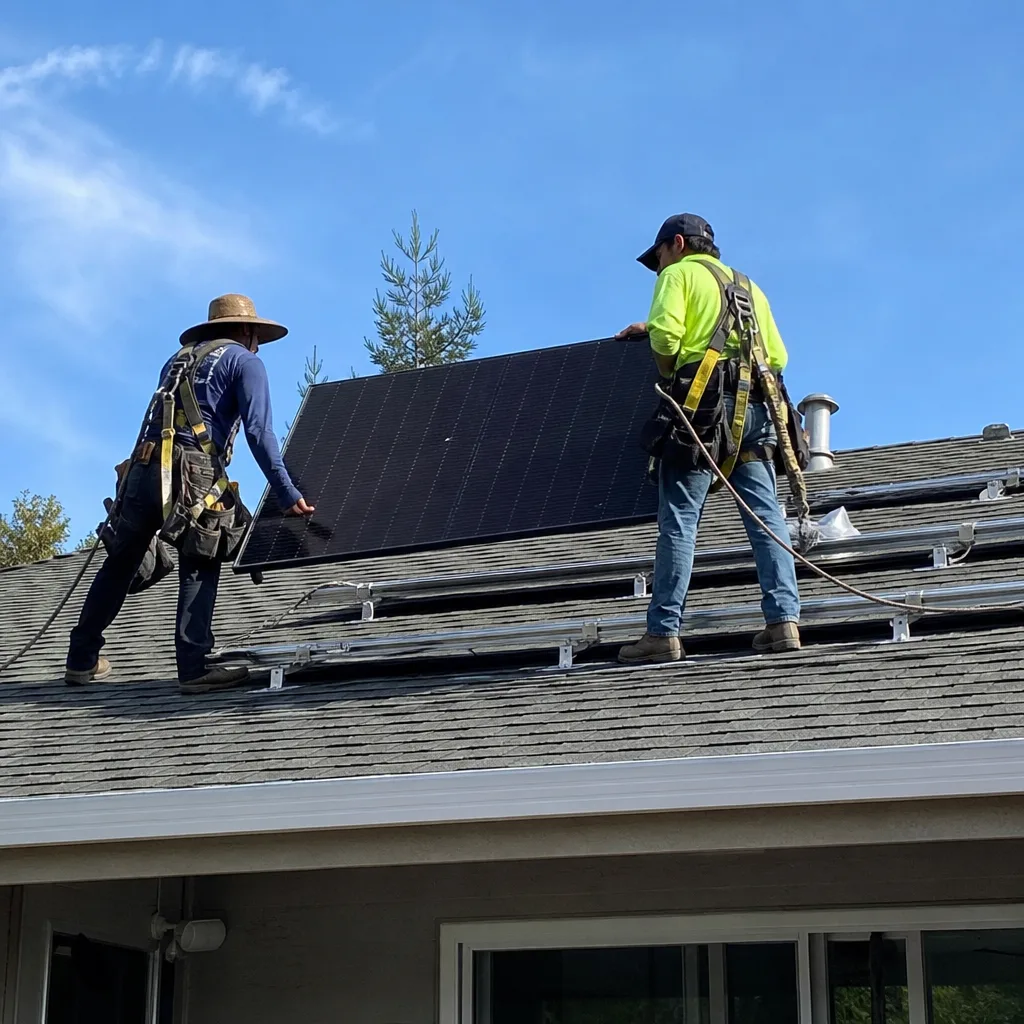
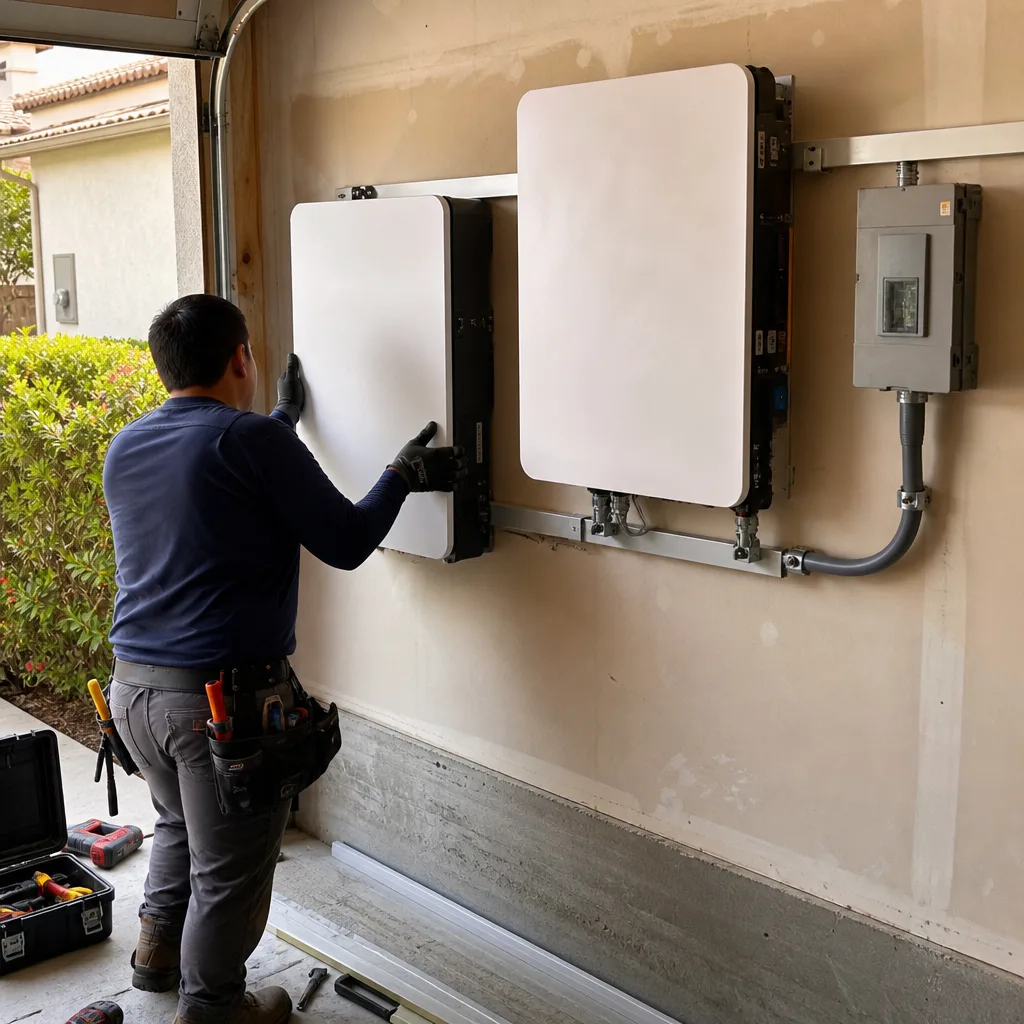
Battery storage is not optional for many Santa Cruz commercial properties. PG&E’s time-of-use rates in this territory push peak pricing into the late afternoon and evening, exactly when coastal fog can suppress rooftop output. A properly sized commercial battery from FranklinWH or another proven manufacturer shifts your stored solar into the expensive window and keeps critical loads running through public safety power shutoffs. For restaurants in Capitola Village, labs near UCSC, and cold-storage facilities on the west side, we size the battery not just to your array but to your actual winter production curve, which in Santa Cruz is shorter and foggier than the state average.
What happens when you call
- 1
A real person answersNo phone trees - you reach a local pro.
- 2
You get an upfront price rangeHonest numbers before anyone is dispatched.
- 3
A background-checked tech heads outLicensed & insured, dispatched right away.
- 4
You approve before work beginsNothing starts until you say go.
Trusted Brands We Service in Santa Cruz
We work with equipment that holds up to salt air, fog, and real winters: Panasonic and Canadian Solar modules, Enphase microinverters, and FranklinWH batteries. We are not locked into one manufacturer, because a warehouse in Live Oak needs different hardware than a hillside lab in 95064. We maintain stock of common parts for Santa Cruz customers so a failed microinverter does not leave your system dark for three weeks. When something breaks, we come out and fix it with parts on the truck, not a backorder notice.
Common Commercial Solar Installation Problems We See in Santa Cruz
- Undersized service panels on pre-1970 buildings. Beach Flats and lower Westside commercial structures commonly carry 100-amp panels that PG&E will not clear for interconnection without a 200-amp upgrade. If your quote does not include that upgrade, you are buying a delayed permit and a surprise invoice.
- String inverter shading on coastal flat roofs. Partial morning shading from the marine layer in 95062 triggers rapid-shutdown events on string inverter systems constantly. Production drops faster than module degradation alone would explain, and the fix is module-level power electronics from day one.
- Redwood canopy losses on hillside south-facing planes. Upper Westside and UCSC-adjacent buildings lose multiple hours of direct winter sun to protected coast redwoods. Since many of these trees meet county heritage thresholds, you cannot cut them back. The design has to work around them with microinverters or DC optimizers, not against them.
- Ground-mount underperformance near Soquel. Agricultural parcels in the Soquel corridor (95065) often use summer azimuth readings when designers lay out ground-mount arrays. By winter, the lower sun angle through redwood canopy cuts production far below what the summer data promised.
Pricing for Commercial Solar Installation in Santa Cruz, CA
Commercial solar in Santa Cruz runs on a scale, not a flat rate. A small commercial rooftop array on a Live Oak medical office typically lands between $60,000 and $95,000 before incentives. A mid-size warehouse or light-industrial system runs $140,000 to $240,000 depending on roof condition, panel capacity, and whether we are replacing an old service panel in the scope. Large agricultural or cold-storage ground mounts with battery backup can exceed $400,000. What changes the number most in Santa Cruz specifically is the shading work: a fog-exposed flat roof in 95062 needs microinverters and a careful production model, which adds 5 to 8% to equipment cost but returns far more than that in avoided true-up losses over 25 years. Every quote we give you is built off your actual PG&E bill, your actual roof, and your actual shade. No-brochure estimate. Bring us a bill and we will bring you the math. Estimates are free, and there is no trip charge inside Santa Cruz County. Take two weeks. Think about it. The price will be the same.
We Also Serve Cities Near Santa Cruz
Our crews serve commercial properties from Capitola and Soquel up through Scotts Valley and Ben Lomond. If your building sits in Santa Cruz proper or anywhere in the 95062, 95063, 95064, or 95065 ZIP codes, we are already local to you. Same-day site assessments are available for commercial properties, and our scheduling is coordinated from our regional Bay Area office with crews working in Santa Cruz County daily.
Serving Santa Cruz, CA - Our Local Coverage Area
We’re based in the Santa Cruz area and know this community well. Use the map below to see our service coverage - if you’re nearby, we can almost certainly help.
FAQs - Commercial Solar Installation in Santa Cruz
The marine layer in 95062 can reduce annual solar production by 15 to 20% compared to a system in Scotts Valley, where the elevation keeps rooftops above the fog line for more of the morning. What that means for payback is simple: a system sized on a standard PVWatts estimate in a coastal-elevation ZIP will underdeliver every year, pushing your true-up bill higher and your payback period out by several years. We size coastal systems with real shade data and microinverters because that is the only way the numbers hold up. Call (877) 550-6892 for a site-specific production estimate built off your building, not a regional average.
Yes, but not with a string inverter. Protected redwoods on upper Westside and UCSC-adjacent parcels cannot be legally removed or heavily trimmed, so the design has to work around the canopy. We use module-level power electronics such as Enphase microinverters so each panel performs independently even when a neighboring panel sits in shade. A string inverter on the same roof would drag the whole array down to the shaded panel’s output for hours every winter morning. The system will cost more up front, and it will actually produce what we promise.
Yes, in most cases. Commercial buildings in Live Oak and Beach Flats built before 1970 typically have a 100-amp or 125-amp service panel, and PG&E will not approve interconnection on a commercial array without 200-amp minimum service. The upgrade runs $3,500 to $6,000 depending on your building’s wiring and distance from the meter. A quote that omits this line item is not a real quote, and you will find the upgrade as a change order after you have signed. We include it in the first number we give you. Call (877) 550-6892 and we will check your panel during the first site visit.
A rooftop in downtown Santa Cruz at 95060 sits under the marine layer more often than not between November and February, while a rooftop in Soquel at 95065 is a few miles inland and upslope, where the fog burns off earlier or never settles. The Soquel roof can log 20 to 30% more usable sun hours during winter months. That difference directly affects system sizing and battery capacity. We model both locations with site-specific data because a winter-heavy commercial load in Soquel needs a different design than the same load downtown.
Yes, and this is exactly the situation where microinverters earn their cost. Net metering credits are calculated on total system production, not per-panel production. If half your roof is fog-shaded and the other half is clear, a string inverter caps the whole system at the worst panel’s output during shaded hours. Microinverters let the clear panels produce at full capacity while the shaded ones lag, which preserves your net metering credits and shortens your payback. For a quote that reflects your roof’s actual split, call (877) 550-6892. Estimates are free.
Call Gus’s Solar at (877) 550-6892 for a free commercial solar estimate in Santa Cruz. We will look at your roof, your bill, and your shade. Then we will give you a number that holds up for 25 years.
Written by Gus Petrakis, Owner at Gus’s Solar, serving Santa Cruz commercial properties since 2011.