
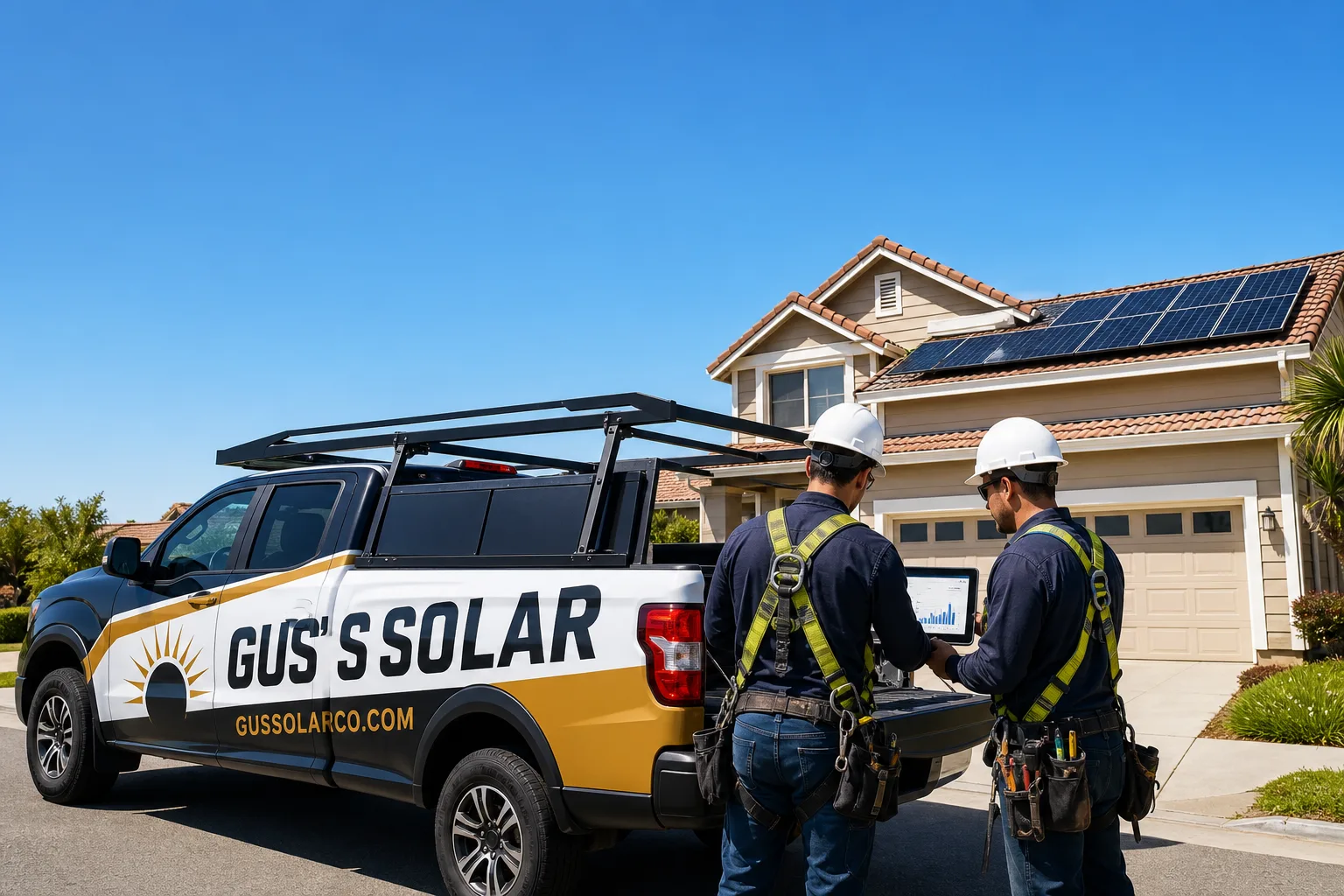
Free bill analysis - bring a power bill, get the production math for your actual roof, panel brands like Qcells and REC compared side by side
If the pitch starts at your door and ends with "sign tonight for the special," sleep on it. The sun will still be there tomorrow; so will we.
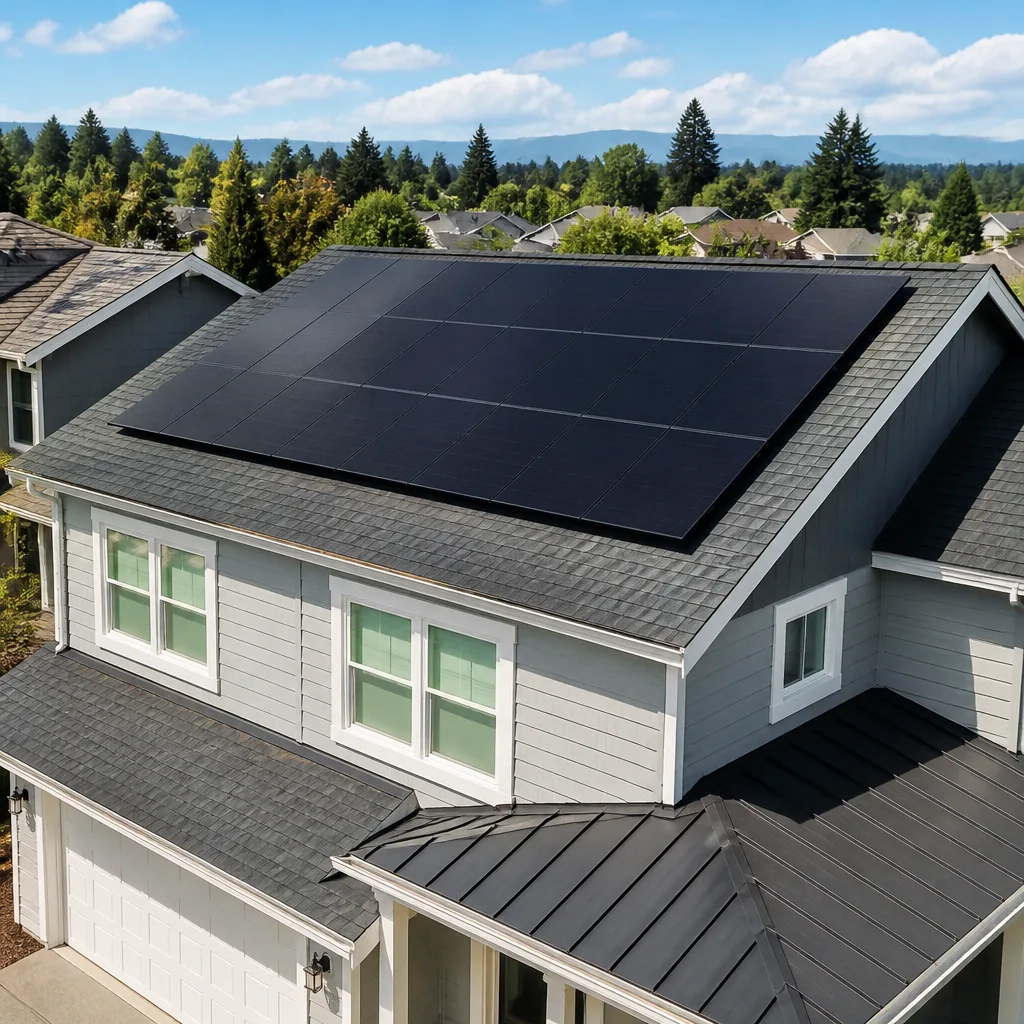
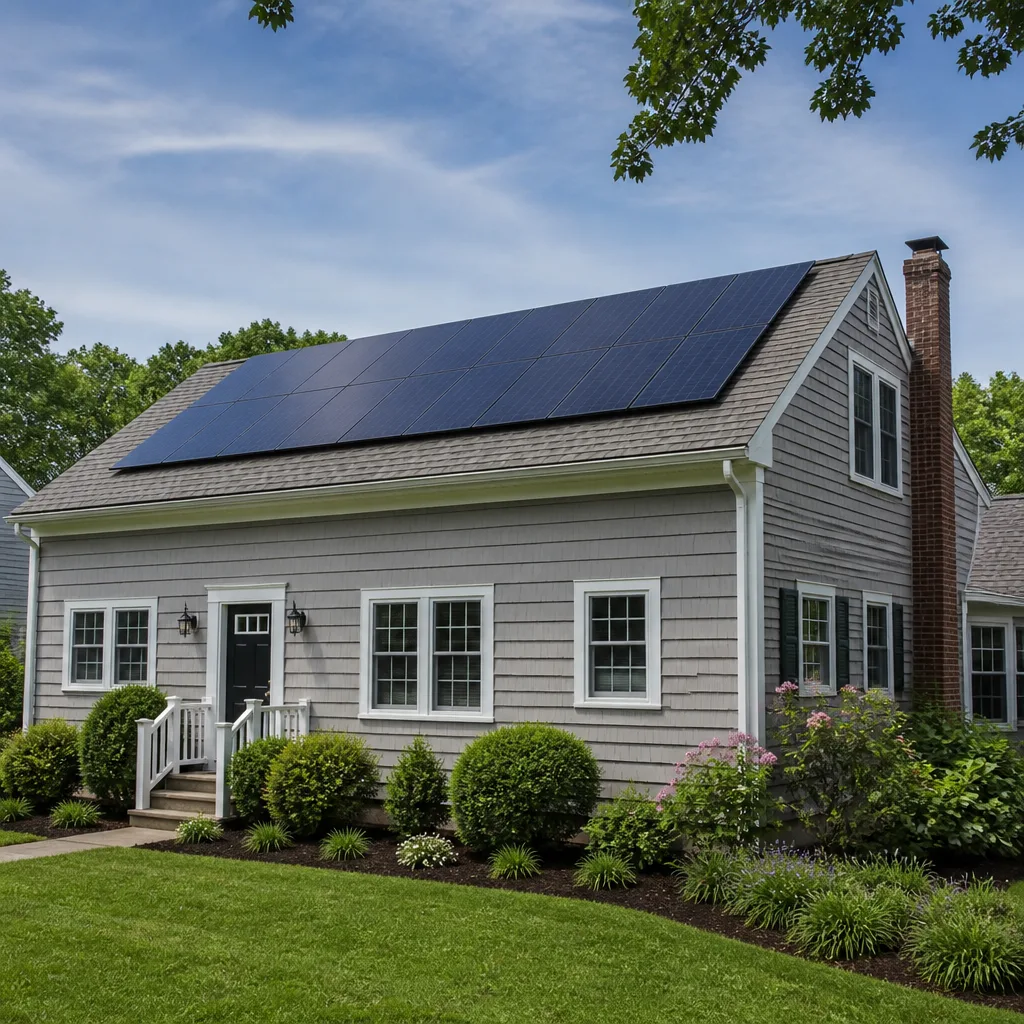
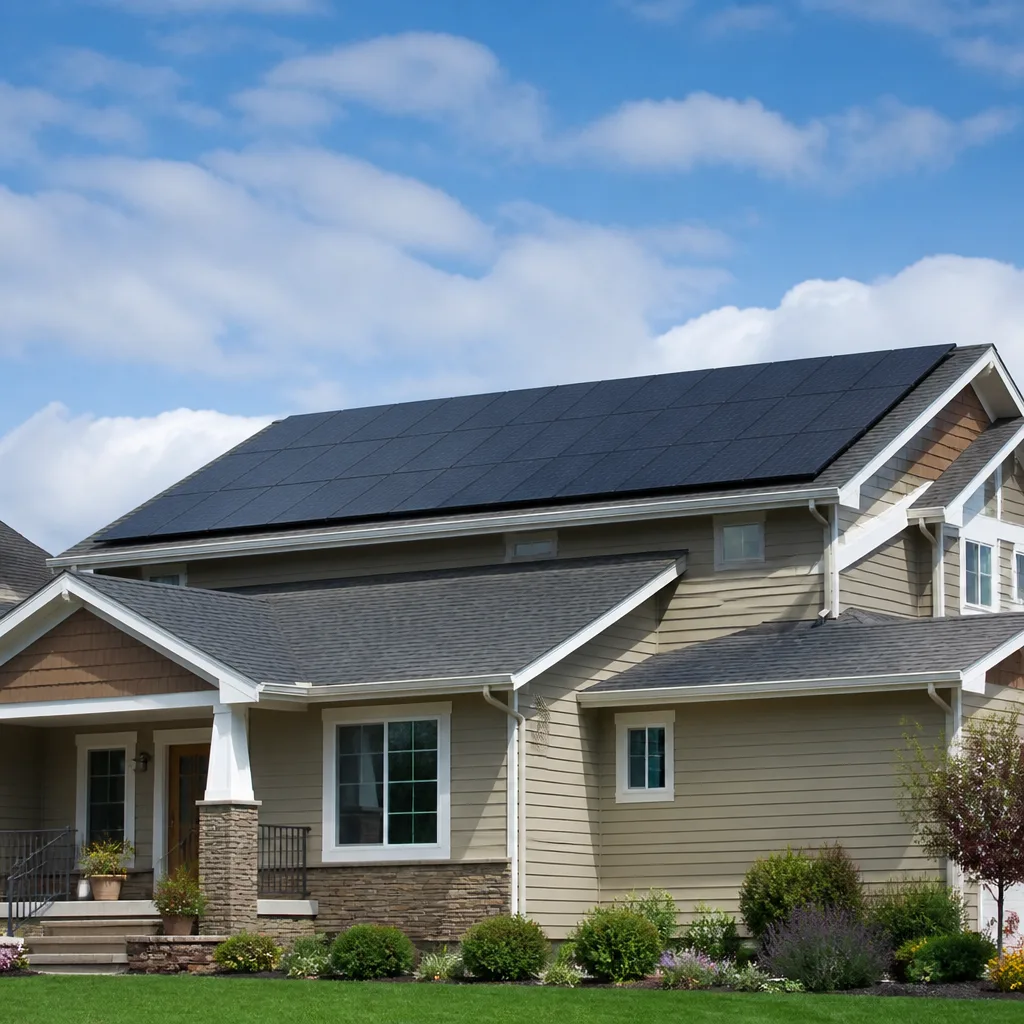
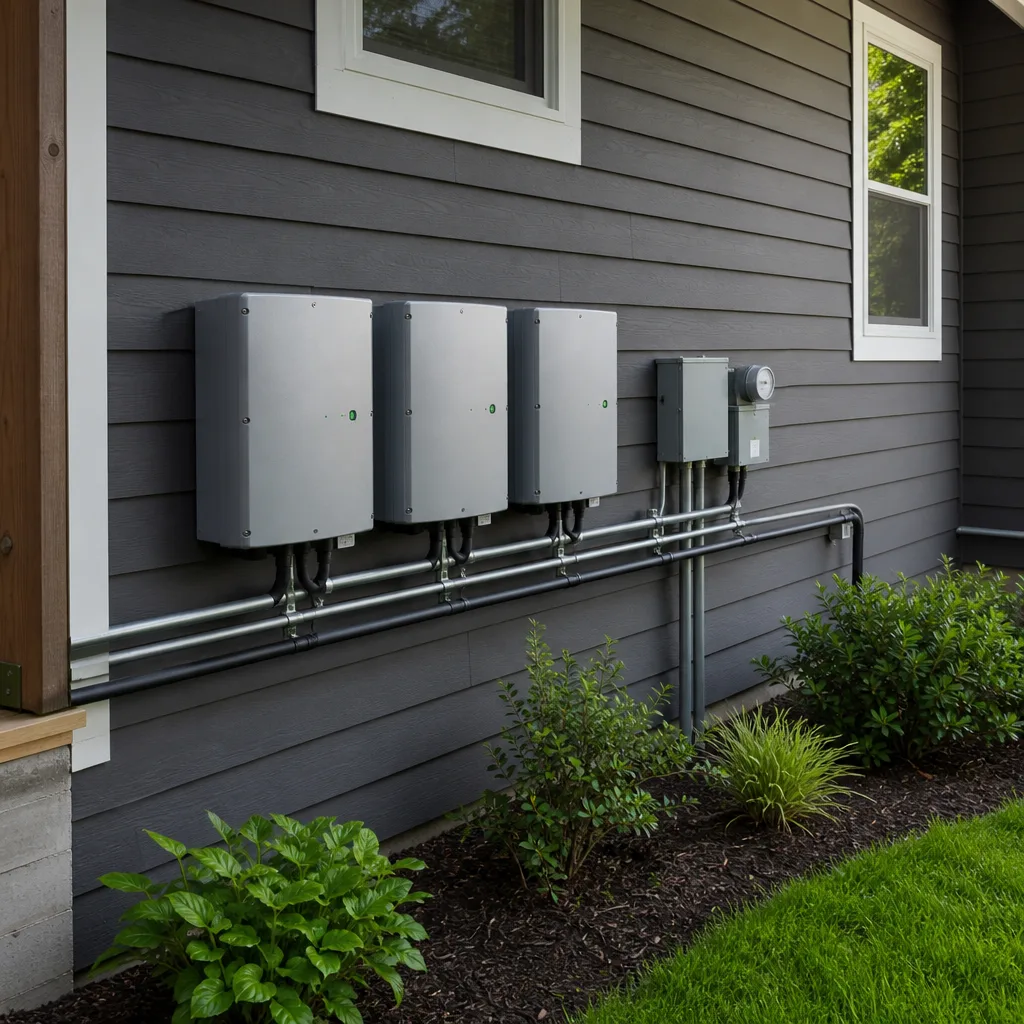
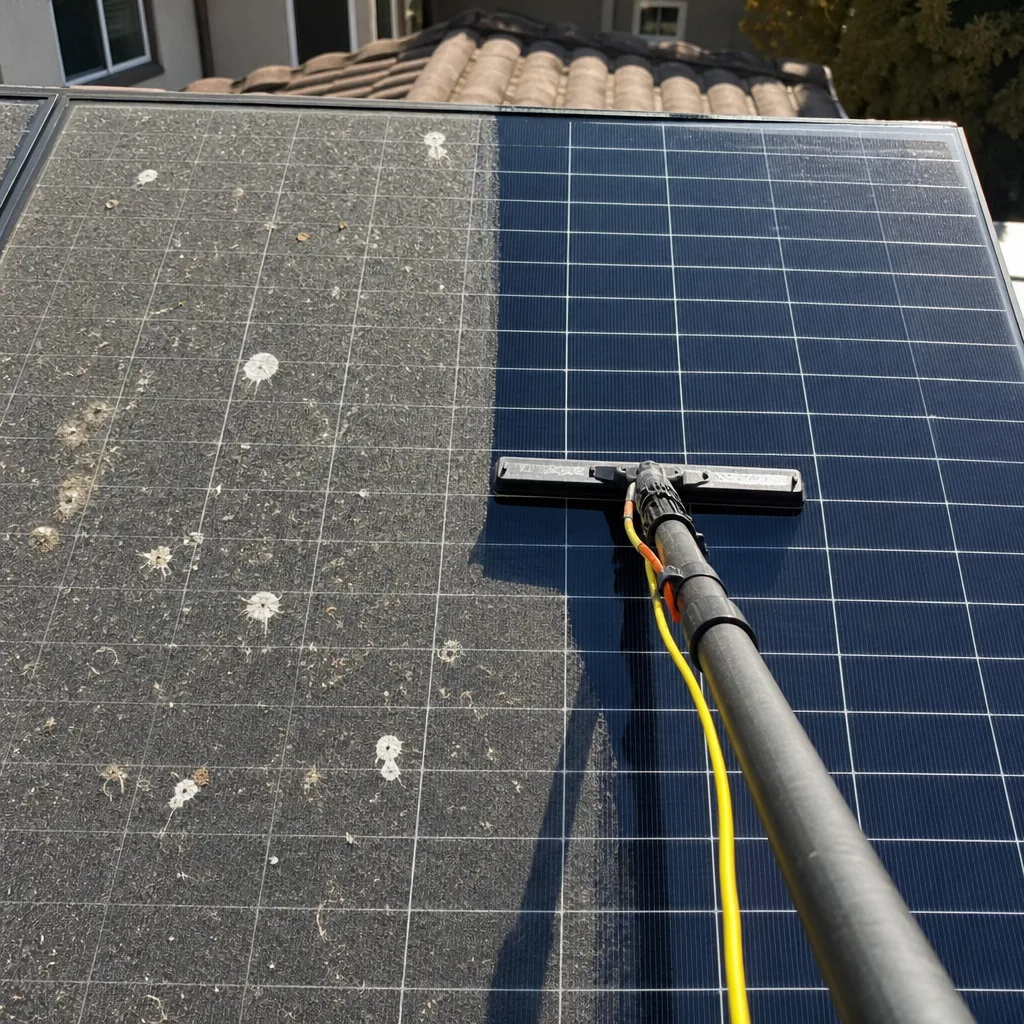
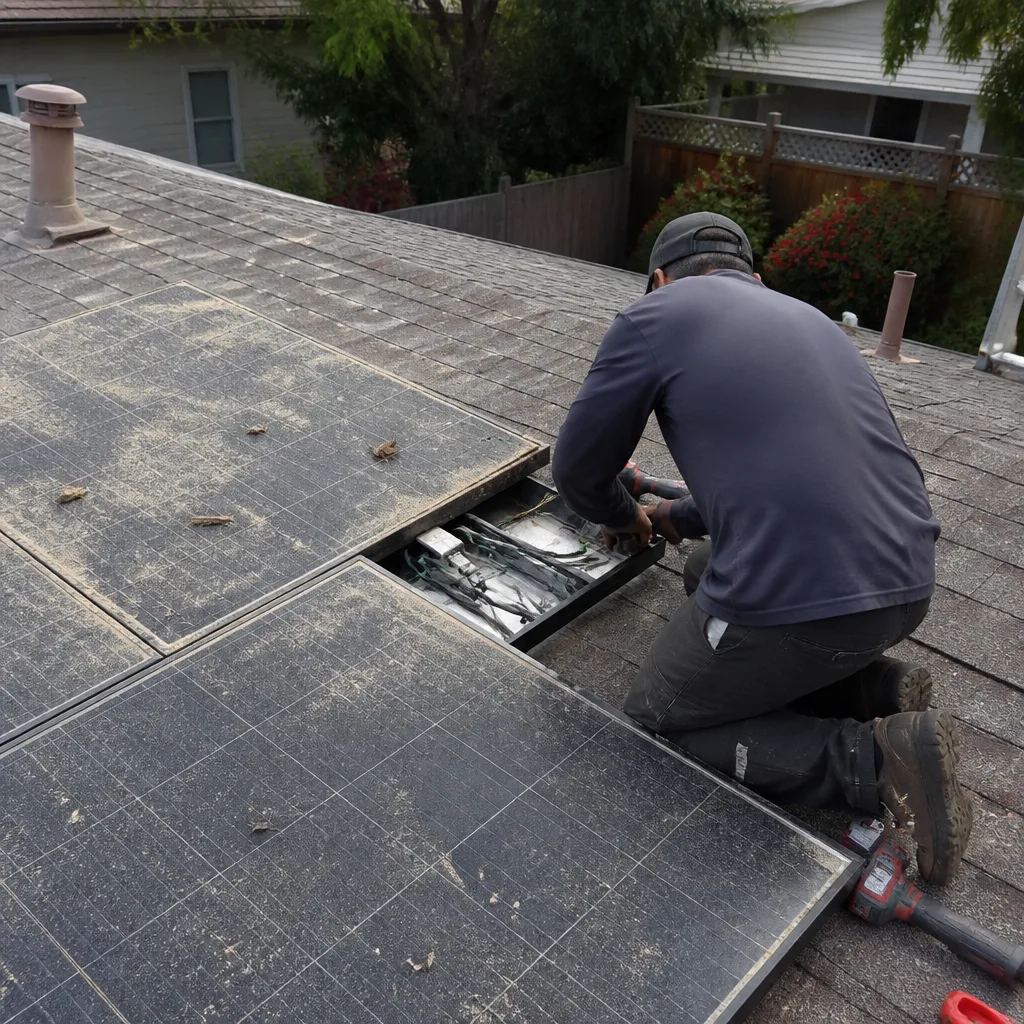 Before
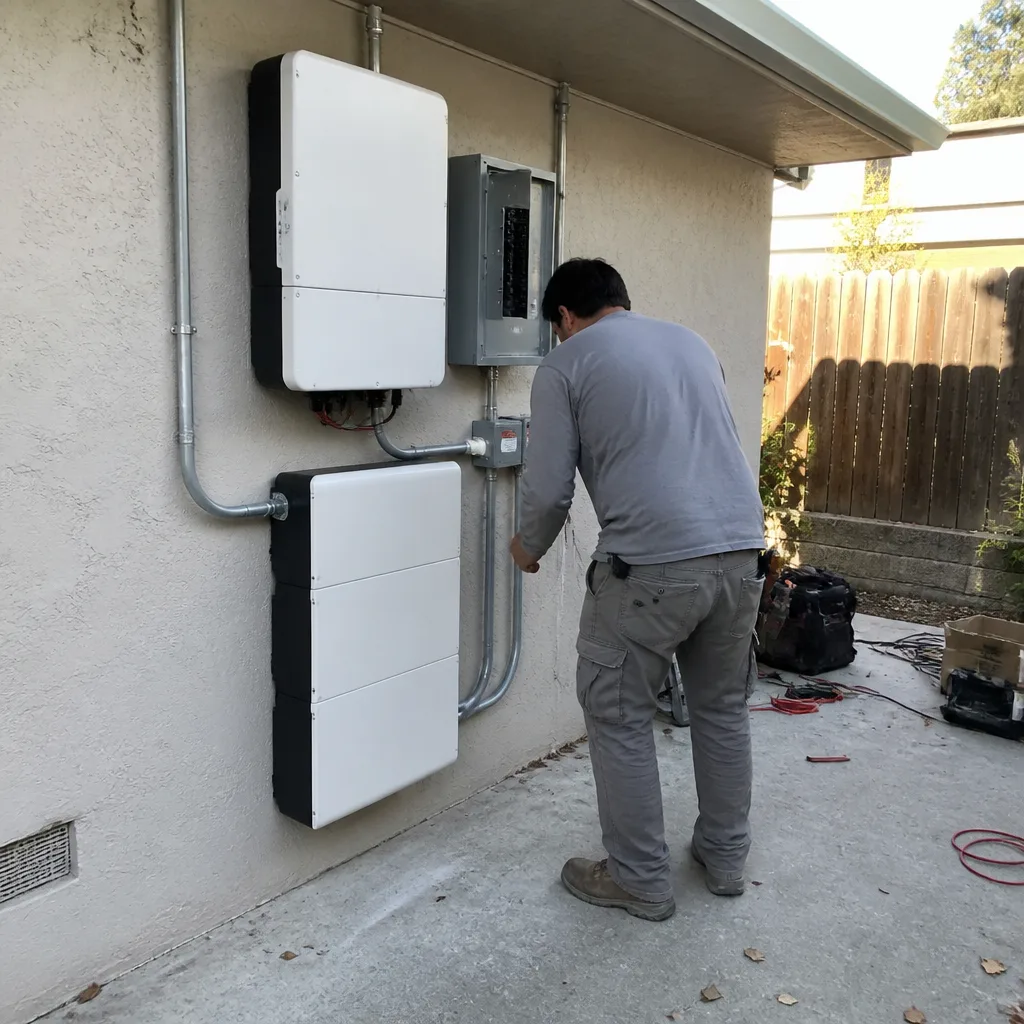 After
After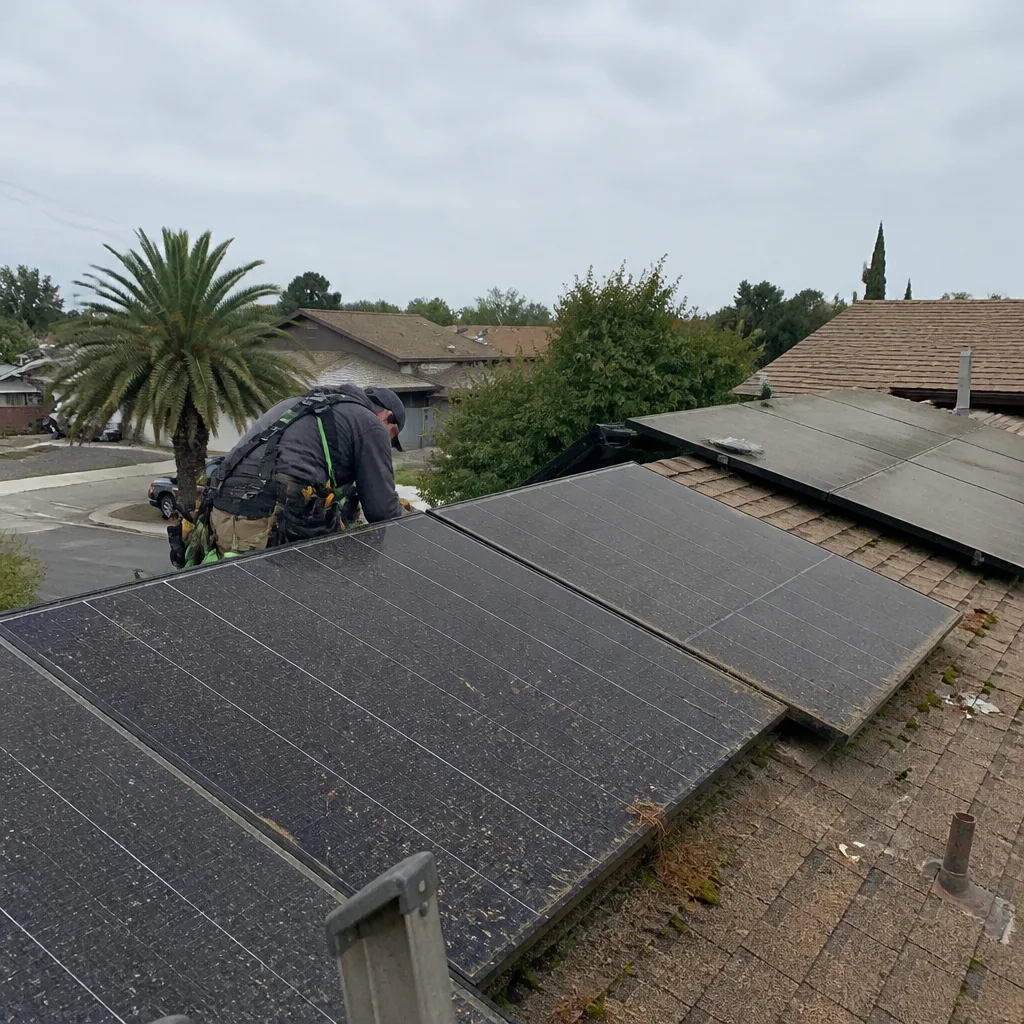 Before
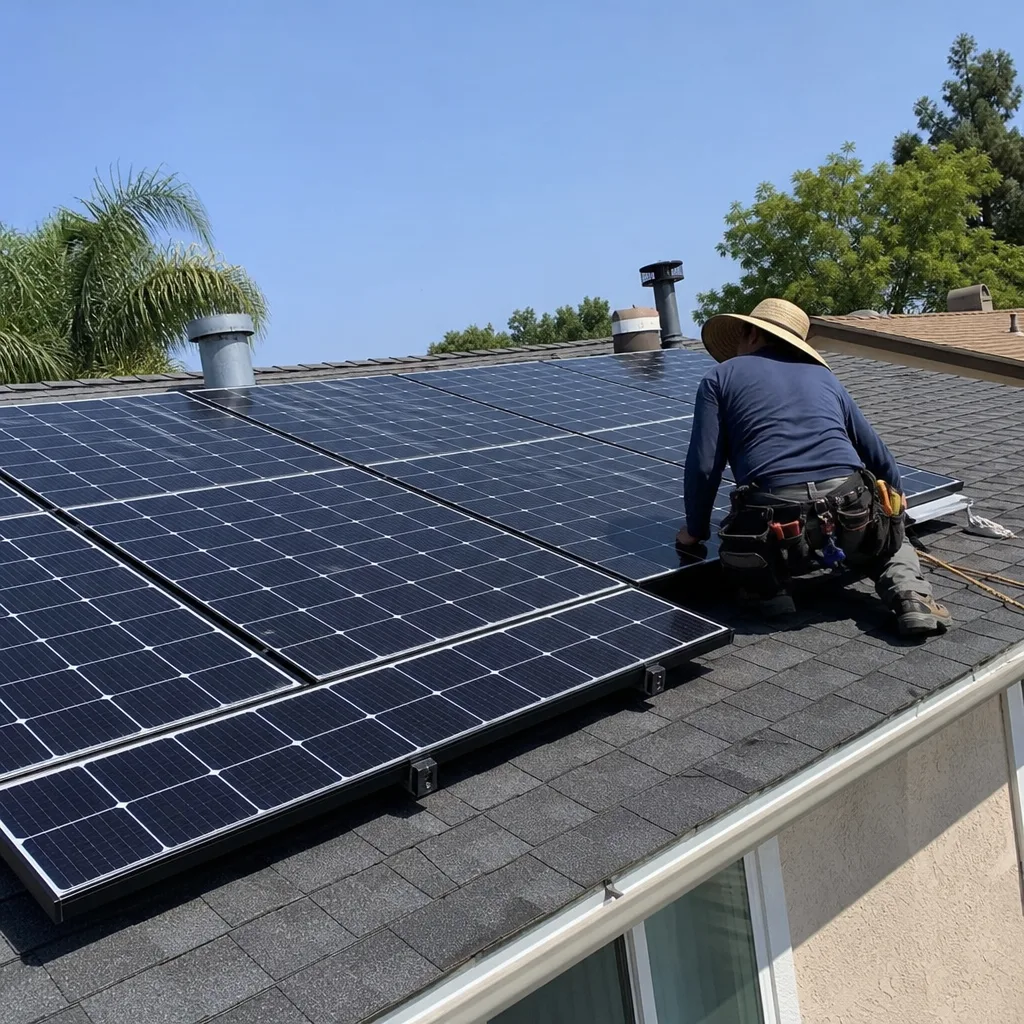 After
After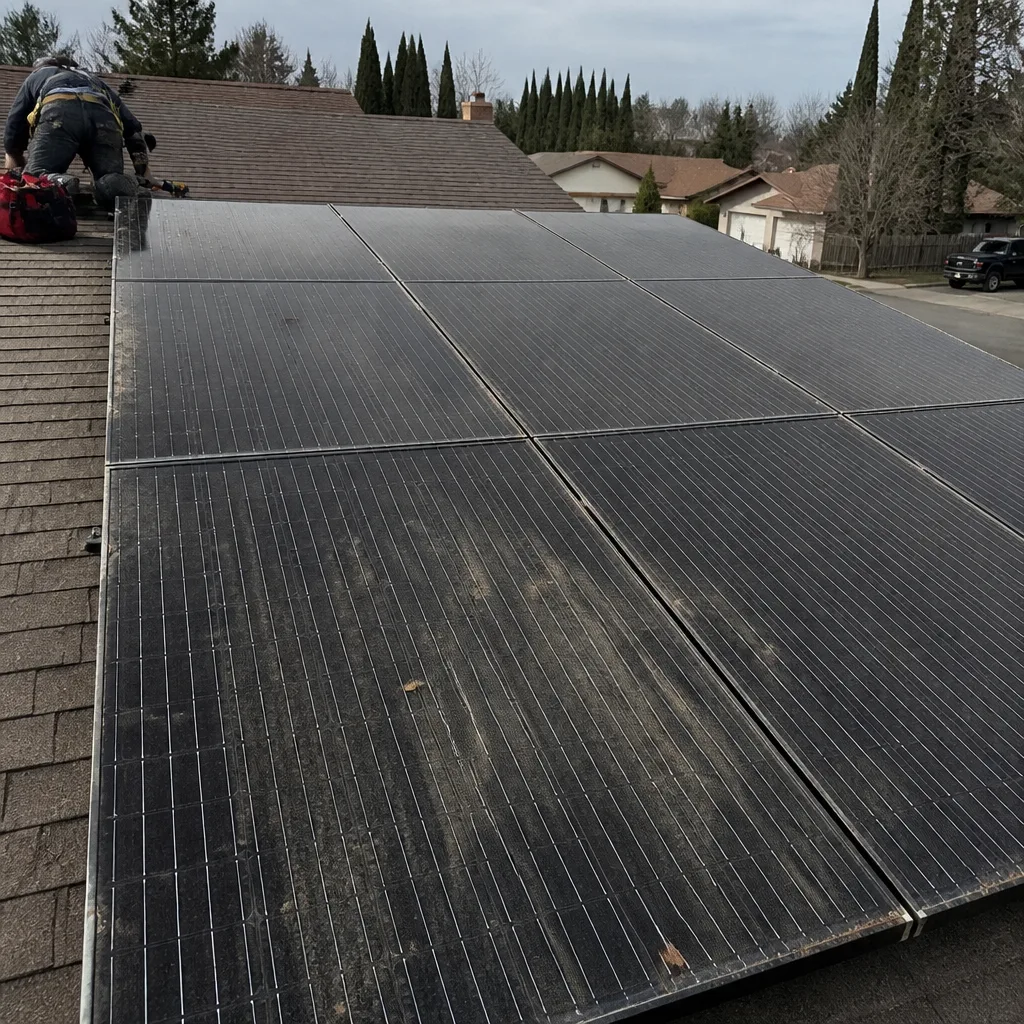 Before
 After
AfterFast, Reliable Commercial Solar Installation Across Nipomo
Commercial solar installation in Nipomo usually runs $2.35-$3.10 per watt installed, which puts a typical 50 kW commercial rooftop system between $117,000 and $155,000 before the 30% federal Investment Tax Credit. Most projects on the Mesa take 3-6 weeks from permit to power-on, depending on roof condition and PG&E interconnect scheduling. If you own a commercial building anywhere in the 93444 ZIP, you can call (877) 550-6892 and get a straight answer from a live person, not a voicemail queue. We’re Gus’s Solar, and we’ve been sizing commercial systems long enough to know that Nipomo is not like the rest of San Luis Obispo County. The fog that rolls off the Guadalupe-Nipomo Dunes changes everything about how your panels will actually perform, and we’ll tell you that before you sign anything, not after.
Why Gus’s Solar Is Nipomo’s Preferred Commercial Solar Installation Company
Gus Petrakis started this company in 2011 and put his own name on the building. That’s not a slogan; it’s how we operate. When you call about a commercial array on a Blacklake-area office building or a warehouse off Thompson Avenue, you’re talking to the same people who will show up on the roof. We don’t sub out the work. The crew that sizes your system is the crew that installs it, and they’re background-checked, uniformed, and local. You’ll see them at the hardware store. You’ll not get a different face every time you call.
Our reputation in Nipomo comes down to one habit: we quote the year-25 output, not the day-one brochure number. That matters more out here than it does inland. A commercial owner near Pomeroy Road might get 15% less morning production in July than someone in Santa Maria simply because the marine layer sits on the western Mesa until mid-morning. We build that into the math. Most installers running numbers off county averages won’t. That’s why business owners on the Mesa call us for the second opinion after the first quote didn’t hold up. We’re happy to do it. Bring me a bill, I’ll bring you the math. And if you already have a written estimate from someone else, we’ll review it for free. That’s our standing offer.
Every single commercial job comes with the 90-Day Done Right Promise in writing. If something isn’t right after we leave, Gus comes back. One call. Not a ticket. Not a portal. Gus. That’s the difference between us and the out-of-state outfits that quote one number on the phone and another at the door. We’re not one of them. We never will be.
Our Commercial Solar Installation Services in Nipomo
We handle the full lifecycle of commercial solar on the Mesa, from first site walk to year-20 maintenance. Here’s what that looks like in practice:
Commercial Rooftop Solar
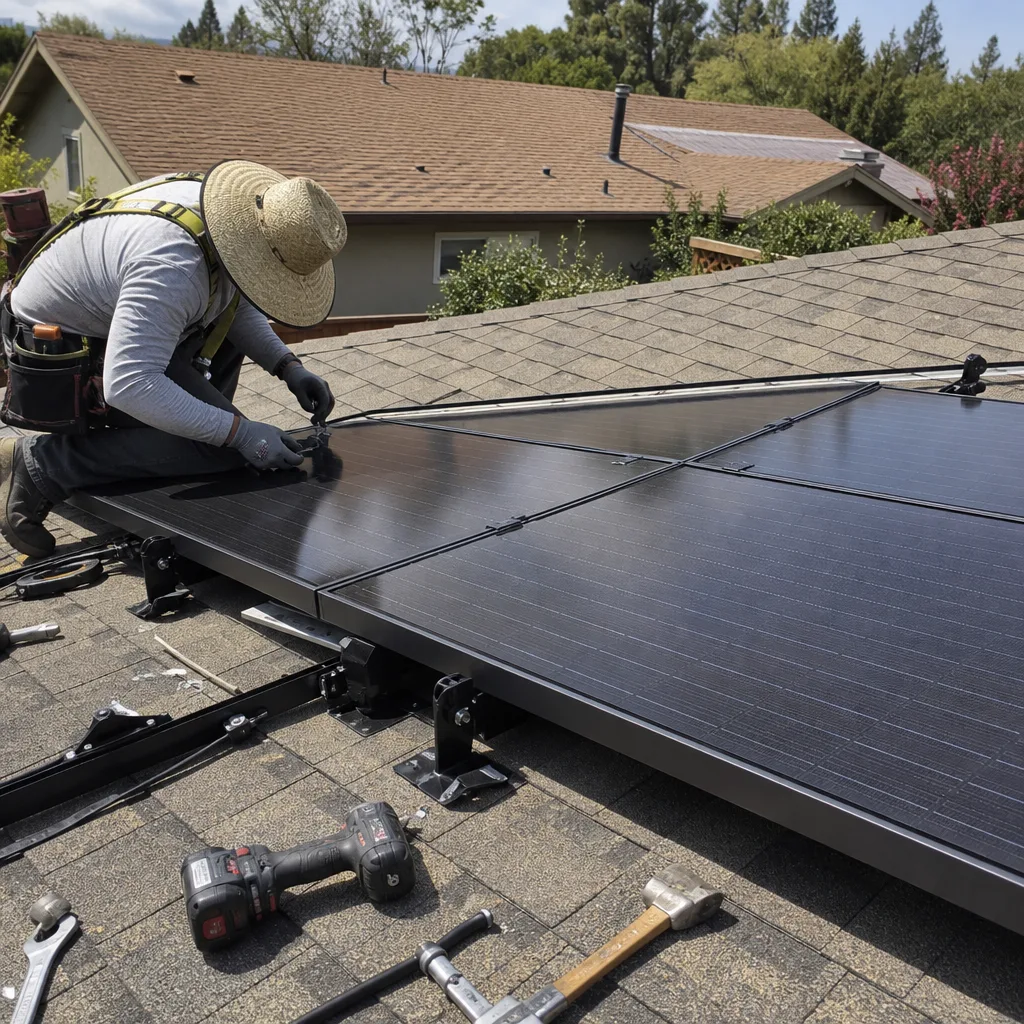
Most commercial buildings on the Nipomo Mesa were built between the 1990s and 2010s, and a large share of them have concrete tile roofs. That’s not a dealbreaker for solar; it’s a flashpoint if it’s handled wrong. Concrete tile is brittle, and if a crew doesn’t assess underlayment age and tile condition before committing to a mount plan, the first good rain season turns a solar project into a roof repair project. We inspect before we quote. No surprises. A typical flat-roof or low-slope commercial array on the Mesa runs 25 kW to 150 kW, and we size it using Nipomo-specific peak sun hour data, not a SLO County average that assumes inland sunshine.
Warehouse & Industrial Solar
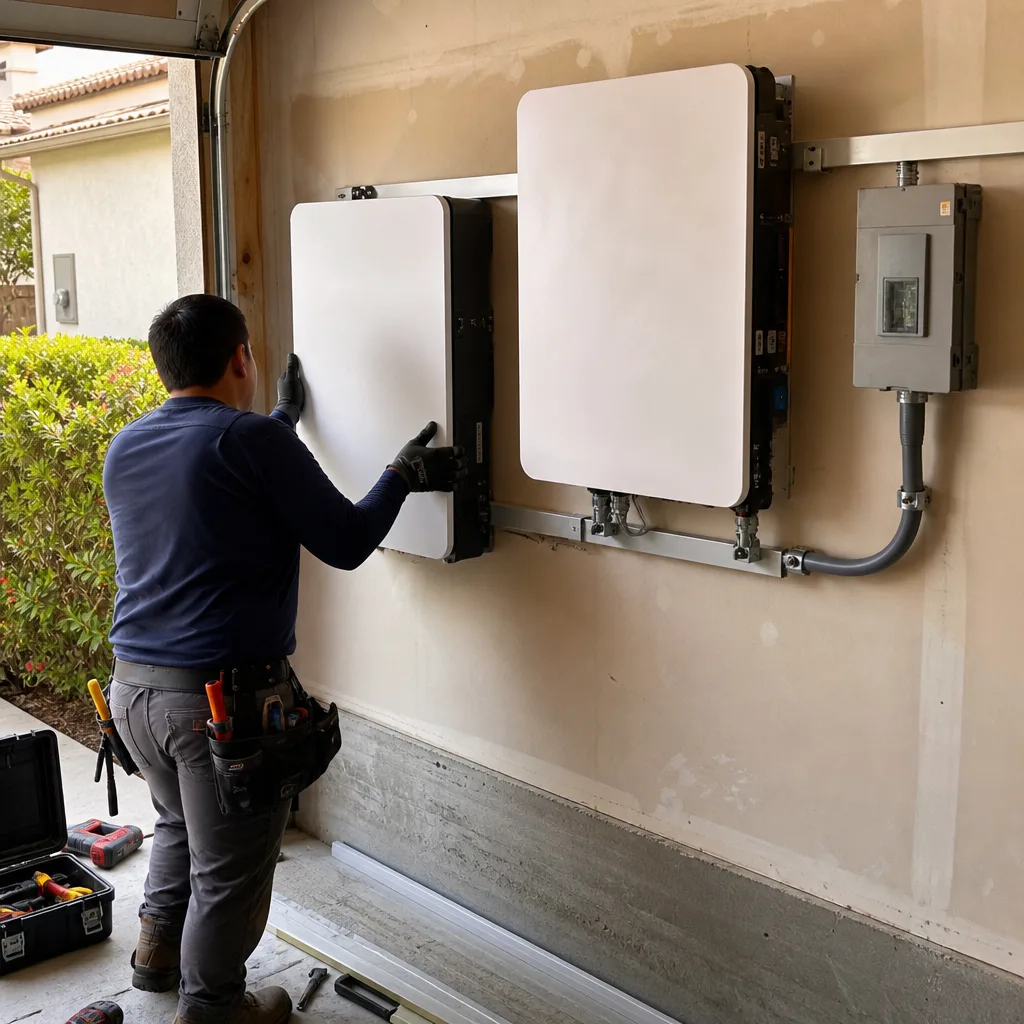
Warehouses on the eastern side of the Mesa toward Highway 101 and the industrial pockets around Division Street usually have large, unshaded roof planes and good southern exposure. That’s ideal for commercial solar, with one caveat: the marine layer doesn’t hit the eastern Mesa as long or as hard as it hits the western edge, so two buildings in the same ZIP can have meaningfully different annual production. We account for that micro-location variation. If your warehouse has a flat membrane roof, we use ballasted racking where the structural load allows, which means fewer penetrations and less risk to the roof warranty.
Solar Carport Installation
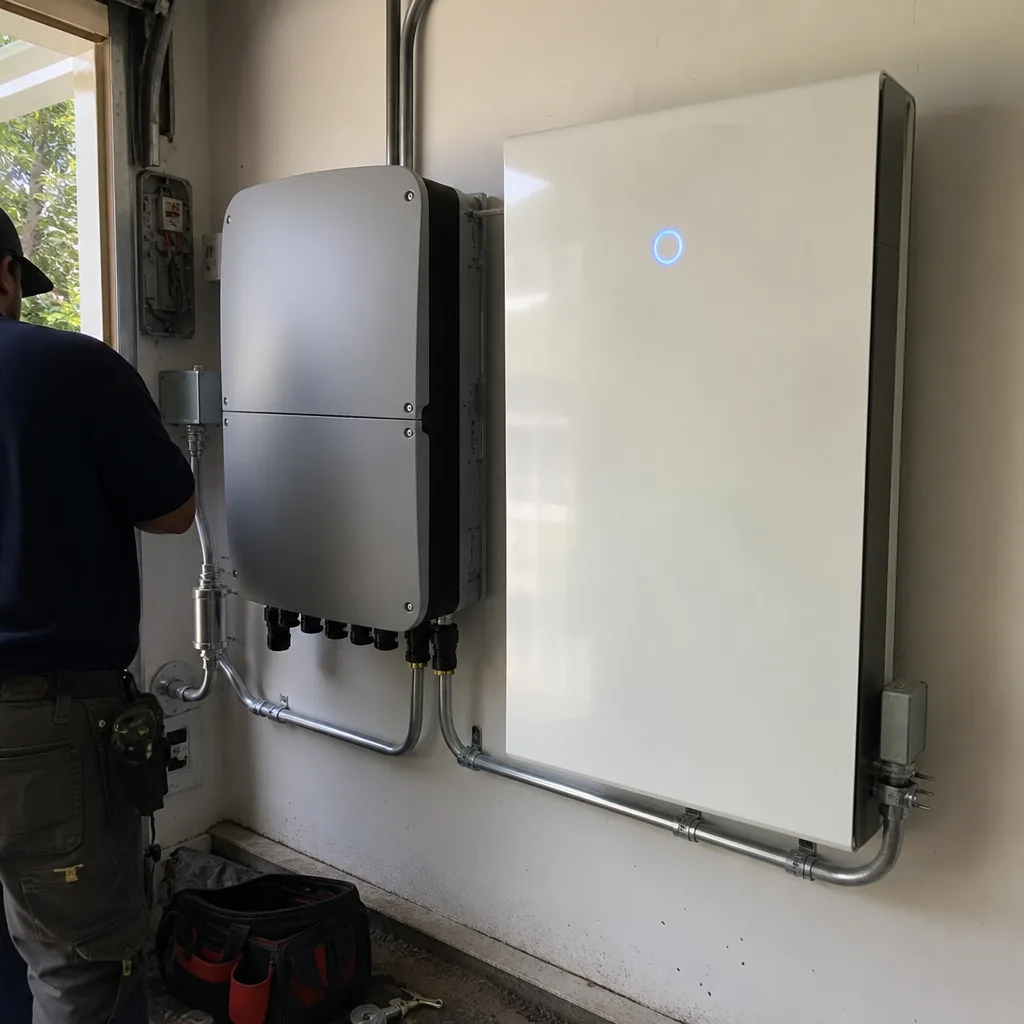
Carport solar makes sense for Nipomo businesses that don’t have enough unobstructed roof space or want covered employee parking. But it’s the most expensive mounting option, usually adding $0.50-$0.90 per watt compared to rooftop. Steel structures need to be engineered for wind exposure, and Nipomo gets real afternoon gusts off the dunes, especially along the western edges of the Mesa. We spec the racking for that, not for a generic Central California wind zone. A 50 kW carport array on the Mesa typically runs $160,000-$220,000 before incentives.
Commercial Battery Storage
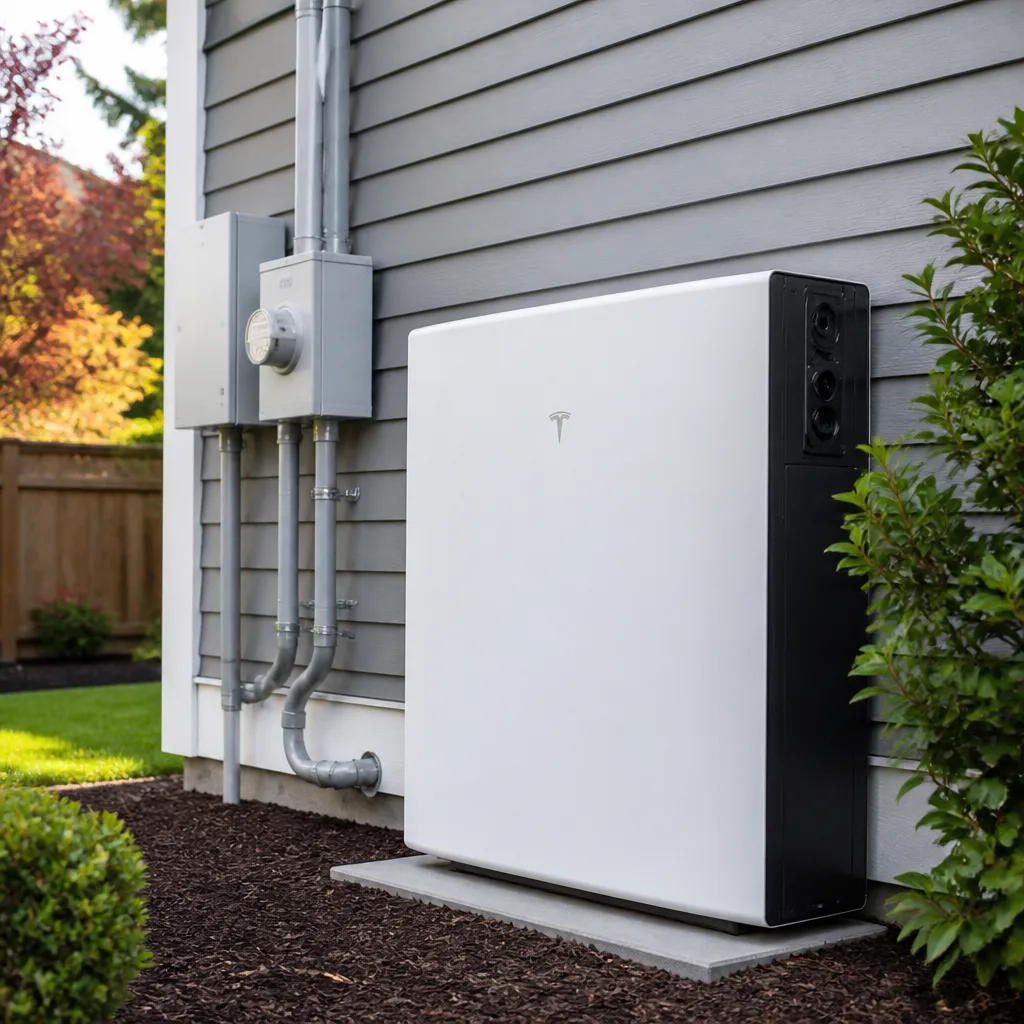
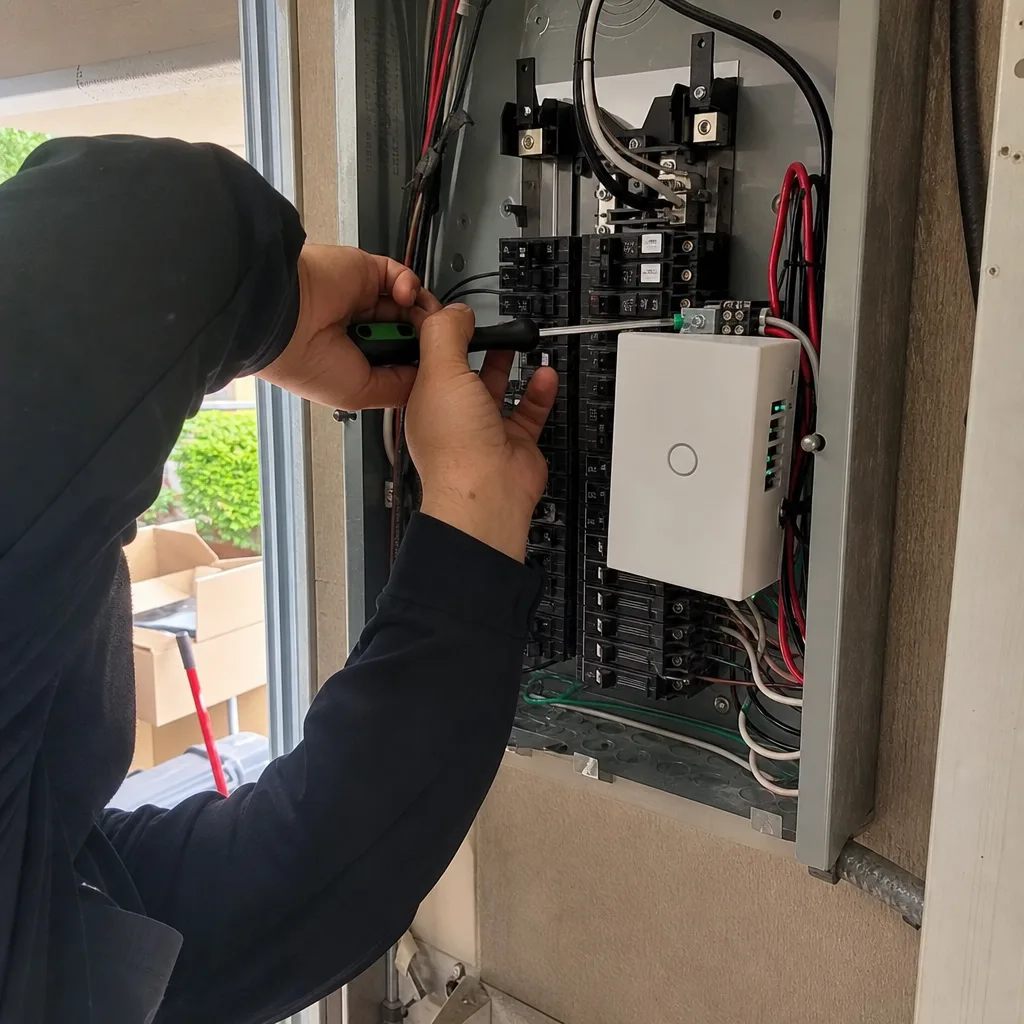
Battery storage changes the math for Nipomo businesses because of when the fog burns off. If your panels don’t start producing meaningful power until 10 or 11 a.m. during summer, you’re buying grid electricity during the most expensive morning hours. A commercial battery lets you shift afternoon solar into the evening or early morning, which is exactly what a dairy operation or a cold-storage facility on the Mesa needs when rates spike. We install FranklinWH, Tesla Powerpack, and Enphase commercial storage systems, sized to your actual load profile, not a generic 10 kW assumption. Expect commercial storage to add $400-$700 per kWh of usable capacity, installed.
We also provide ongoing Commercial Solar Installation support for every system we build, from monitoring to panel replacement. And for property owners anywhere in Nipomo, we come out for maintenance without a trip charge. That’s a standing policy inside our own county.
What happens when you call
- 1
A real person answersNo phone trees - you reach a local pro.
- 2
You get an upfront price rangeHonest numbers before anyone is dispatched.
- 3
A background-checked tech heads outLicensed & insured, dispatched right away.
- 4
You approve before work beginsNothing starts until you say go.
Trusted Brands We Service in Nipomo
We work with equipment we’d put on our own building. That means Enphase microinverters for commercial roofs with partial shading, SolarEdge for larger string-inverter applications, and FranklinWH for battery storage. Enphase matters particularly on the Mesa because the marine layer can shade half a roof while the other half gets full sun. One shaded panel dragging down an entire string is a real problem with cheap string designs. Microinverters isolate that. We stock a deep local inventory of replacement parts for these brands so if a panel or inverter fails on a Nipomo commercial system, we’re not waiting on a freight shipment from a distributor two states over. Live person, 24/7, and if it’s under warranty, we handle the claim. You don’t chase down the manufacturer.
Common Commercial Solar Installation Problems We See in Nipomo Homes
We didn’t say homes by accident. Commercial solar mistakes on the Mesa are the same mistakes residential owners get hit with, just bigger and more expensive. Here’s what we find when we come out to fix someone else’s work:
- Undersized arrays from county-average production estimates. An installer quotes a system based on Paso Robles or Atascadero irradiance data, and the owner gets a system that produces 12-18% less than promised because Nipomo’s May-through-October fog wasn’t in the numbers. The business still gets the bill. We fix this by sizing with Nipomo-specific peak sun hour data on every quote.
- Concrete tile roof penetrations that leak. A crew mounts racking on a 25-year-old tile roof without checking underlayment age. The first rainy season, water finds the penetrations. By the time anyone notices, the decking is compromised. We inspect tile condition and underlayment before we touch a roof on the Mesa.
- String inverter designs that can’t handle fog micro-locations. The western edge of the Mesa near the dunes gets longer, denser morning fog than the eastern slopes. A single string inverter can’t isolate the shaded panels, so the whole array drops output. We specify Enphase microinverters on any roof with partial shading risk, which is most roofs on the western Mesa.
- Salt-air corrosion on racking and fasteners. Nipomo sits 4-5 miles from the Pacific. Salt air attacks aluminum racking and galvanized hardware faster than inland installers expect. We use marine-grade stainless fasteners and coated racking systems rated for coastal exposure, then we schedule annual corrosion inspections as part of our maintenance agreement.
Pricing for Commercial Solar Installation in Nipomo, CA
A small commercial rooftop system of 25 kW on a Nipomo warehouse runs roughly $58,000-$78,000 before the 30% federal tax credit. A mid-size 50 kW array lands between $117,000 and $155,000. Carport systems add $0.50-$0.90 per watt. Battery storage runs $400-$700 per kWh of usable capacity. The biggest cost driver on the Mesa is roof condition and whether we need to repair or replace underlayment before mounting. That’s typically $4,000-$12,000 depending on square footage and tile count. We quote the full number upfront, including any roof work, so there’s no second number at the end. And we don’t want a signature tonight. Take two weeks. Think about it. The price will be the same. Estimates are free, and we’ll work the math off your actual utility bill and your actual roof, not a brochure.
We Also Serve Cities Near Nipomo
If your commercial property is just outside the 93444 boundary, we serve Commercial Solar Installation in Nipomo plus the surrounding communities: Guadalupe, Santa Maria, Arroyo Grande, and Oceano. Same crew, same pricing, same 90-Day Done Right Promise. We coordinate scheduling from our Los Angeles office, but the team that installs on the Mesa lives and works locally.
Serving Nipomo, CA - Our Local Coverage Area
We’re based in the Nipomo area and know this community well. Use the map below to see our service coverage - if you’re nearby, we can almost certainly help.
FAQs - Commercial Solar Installation in Nipomo
A commercial system on the western edge of the Mesa will typically produce 12-18% less annual energy than the same system in Paso Robles or Atascadero, and most of that loss happens between May and October when the morning fog lingers until 9:30 or 10:30 a.m. That’s a real production gap, and if your installer didn’t factor it into the payback math, your savings will come up short. We size every Nipomo commercial system using Nipomo-specific irradiance data. Call (877) 550-6892 and ask us to audit your existing proposal; the second opinion is free.
Yes. Western-facing slopes toward the dunes get longer and denser fog exposure than eastern or southern Mesa slopes, and the difference can be 8-15% in annual production for the same size array. We recently sized a rooftop array for a Blacklake-area commercial building on the western edge. Using Nipomo-specific data instead of county averages, we upsized the system by 18% and specified Enphase microinverters to handle partial shading, then walked the owner through the true-up statement math so their payback reflected real coastal production, not a Paso Robles estimate. That’s the difference between a system that performs and one that just looks good on paper.
They are safe if the underlayment and tile are sound, and that is a big if. Most commercial and residential roofs on the Nipomo Mesa were built in the 1990s-2010s, which means many are approaching the 20-30 year replacement window. We walk the roof before we quote, check tile condition and underlayment age, and tell you if a section needs work before we mount anything. If a crew quotes you without looking at the roof, that’s a red flag. Call (877) 550-6892 and we’ll come out and inspect it properly.
Net metering credits your business for excess solar energy sent back to the grid, and those credits show up on your PG&E true-up statement at the end of the annual billing cycle. In Nipomo, the pattern matters: your system overproduces from May through October when days are long, but the morning fog eats into those gains on the western Mesa, so your true-up credit may be smaller than an inland commercial owner sees. We build the true-up projection into every quote so you don’t get a surprise bill at the end of the year. Bring me a bill, I’ll bring you the math. Free, no pressure, no signature wanted tonight.
Most commercial panels degrade at 0.4-0.5% per year, but coastal salt air and fog retention can add a small acceleration factor if the panels aren’t maintained. We specify panels with salt-mist certification for coastal exposure and include annual cleaning and inspection in our maintenance agreements. A well-maintained coastal array on the Mesa should still produce over 85% of its day-one output at year 25. If your existing system hasn’t been inspected in years, call (877) 550-6892 and we’ll come out. No trip charge inside our own county.
Ready to talk commercial solar on the Mesa? Call (877) 550-6892 for a free estimate. A live person answers. No script, no pressure, no signature wanted tonight. That’s the L.O.C.A.L. way: Local roots, On time, Community first, Accountable, Loyal. Gus’s name is on the work.
Written by Gus Petrakis, Owner at Gus’s Solar, serving Nipomo and the surrounding Central Coast communities since 2011.