
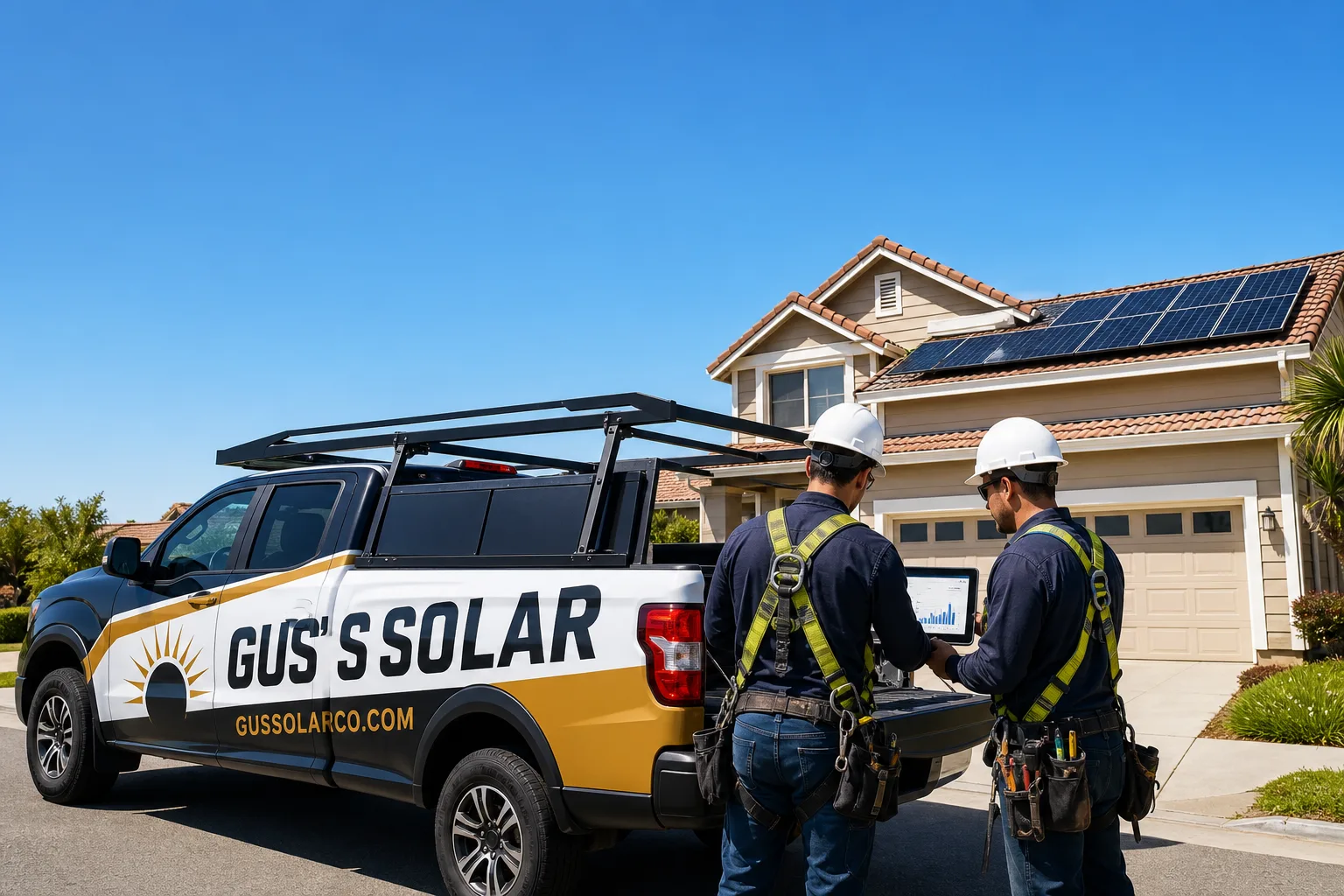
Free bill analysis - bring a power bill, get the production math for your actual roof, panel brands like Qcells and REC compared side by side
If the pitch starts at your door and ends with "sign tonight for the special," sleep on it. The sun will still be there tomorrow; so will we.
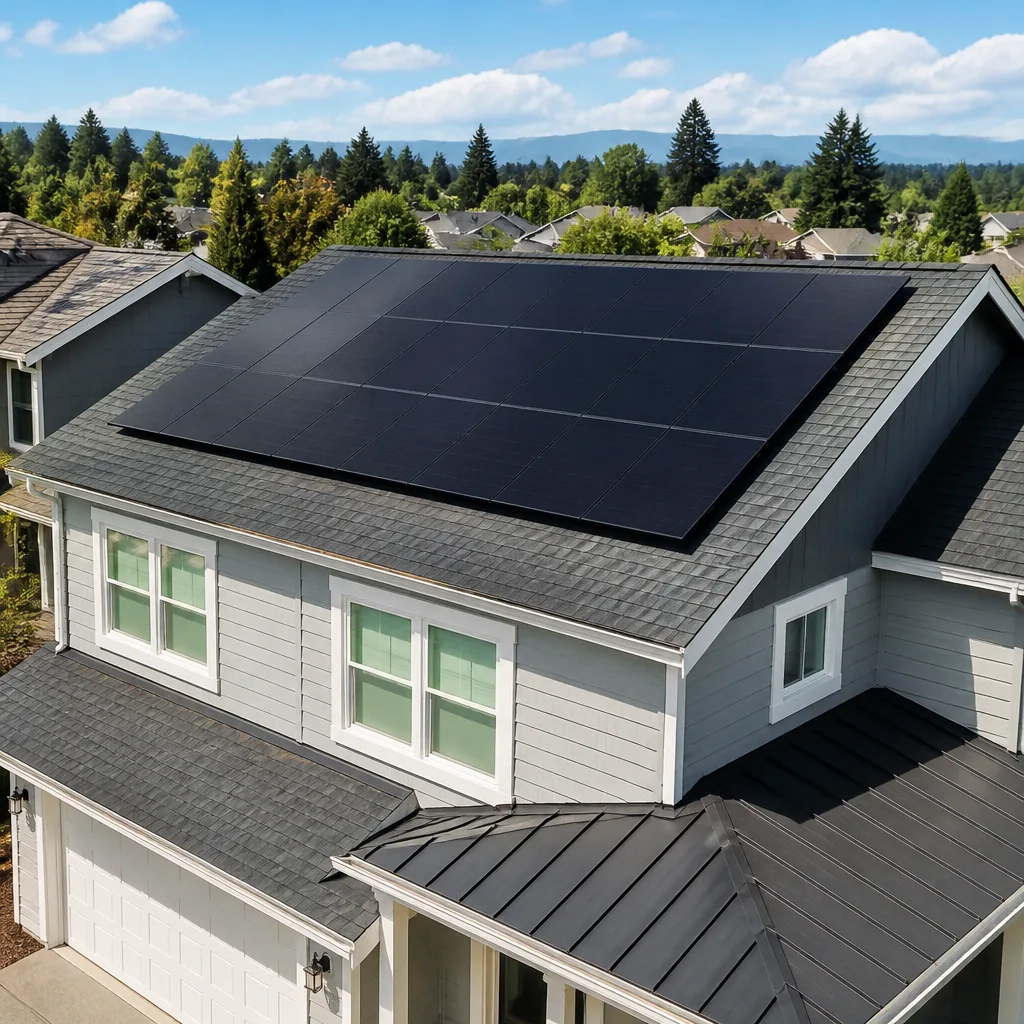
 Before
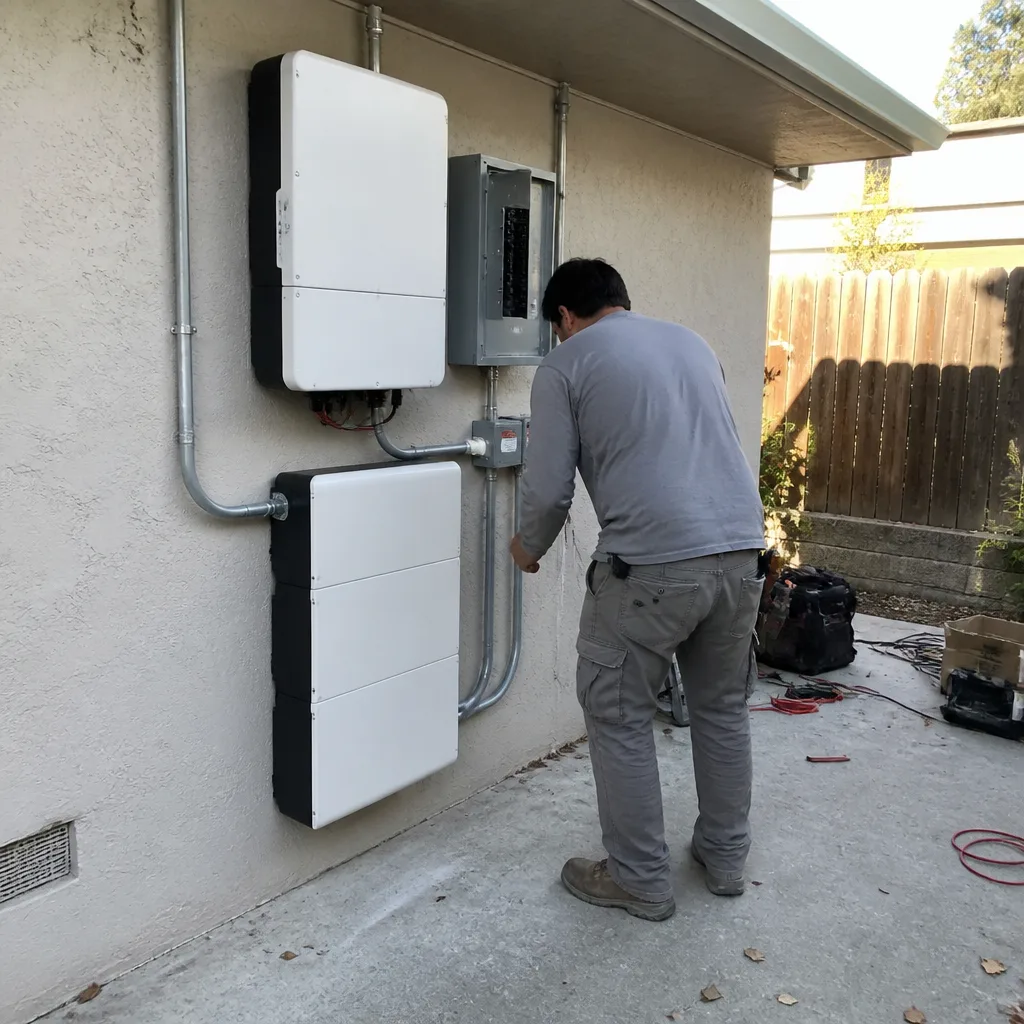 After
After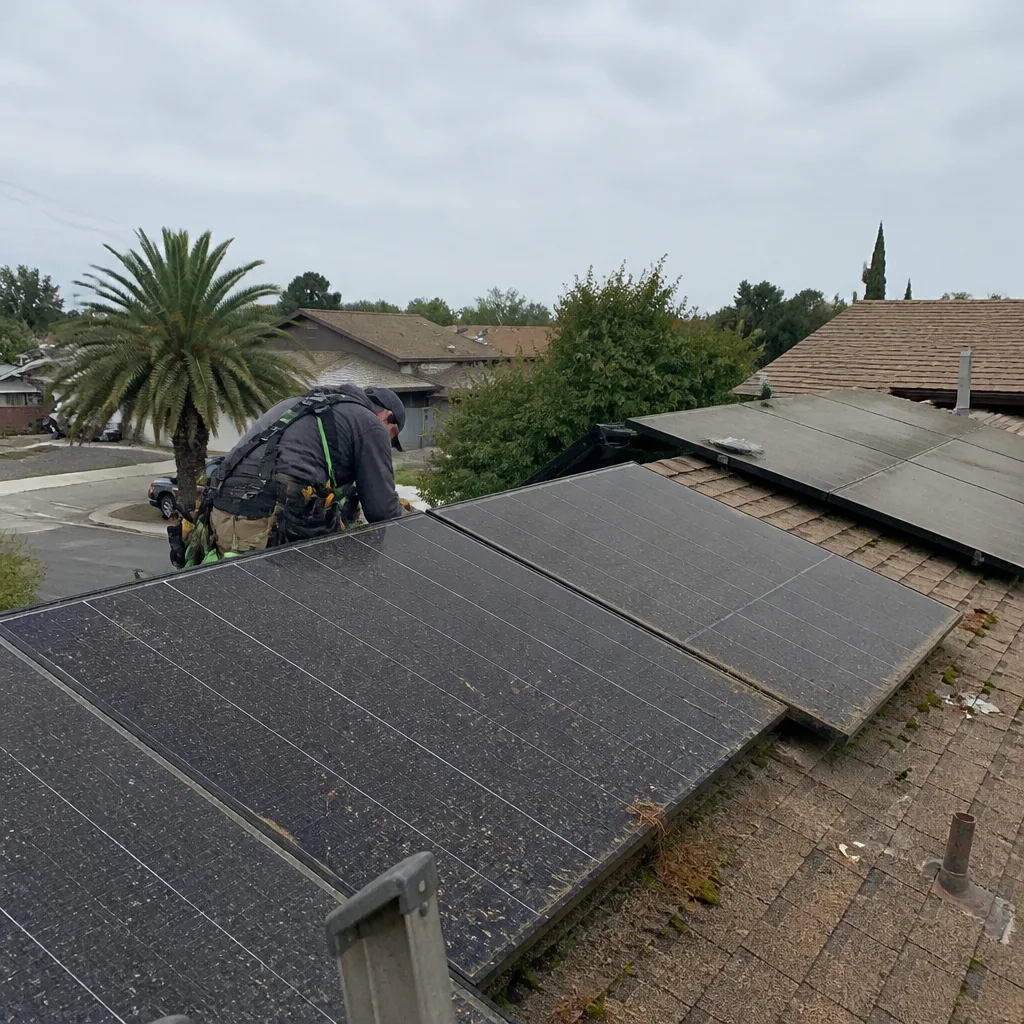 Before
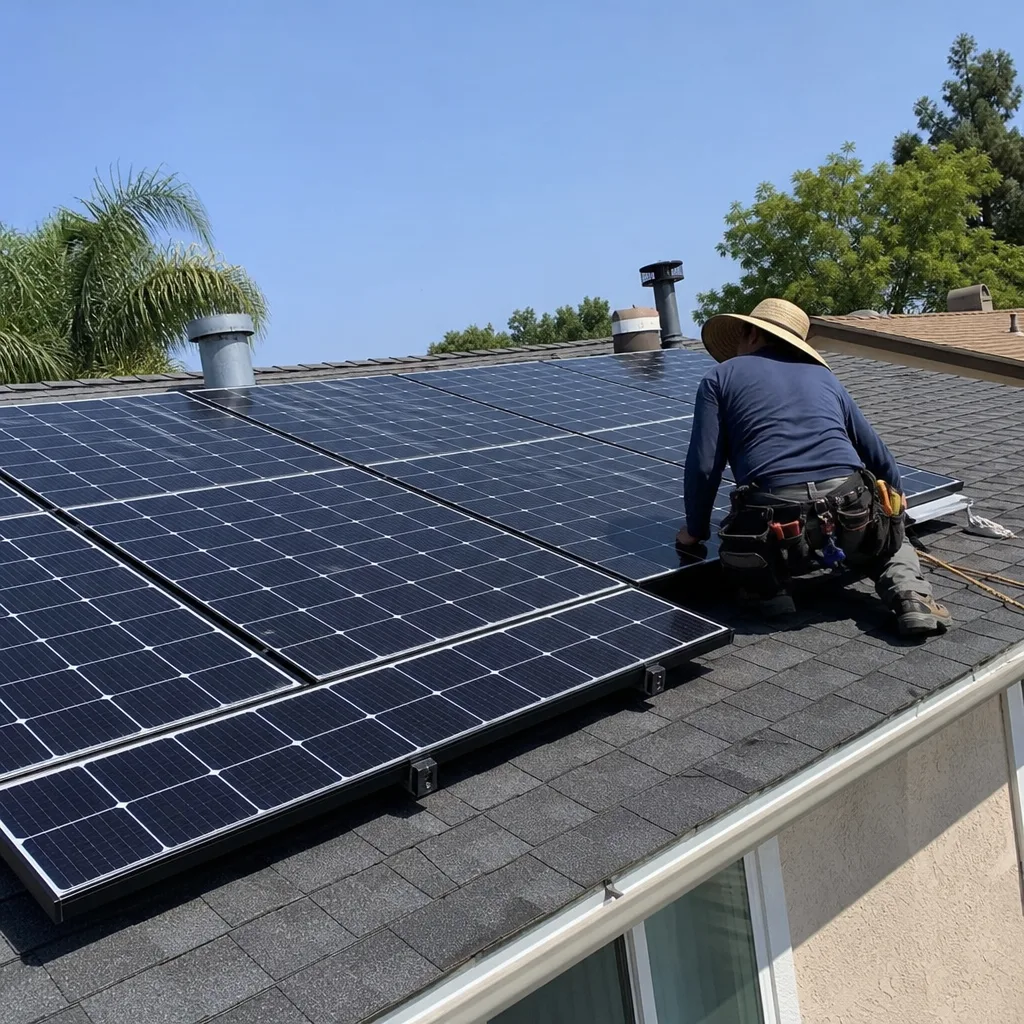 After
After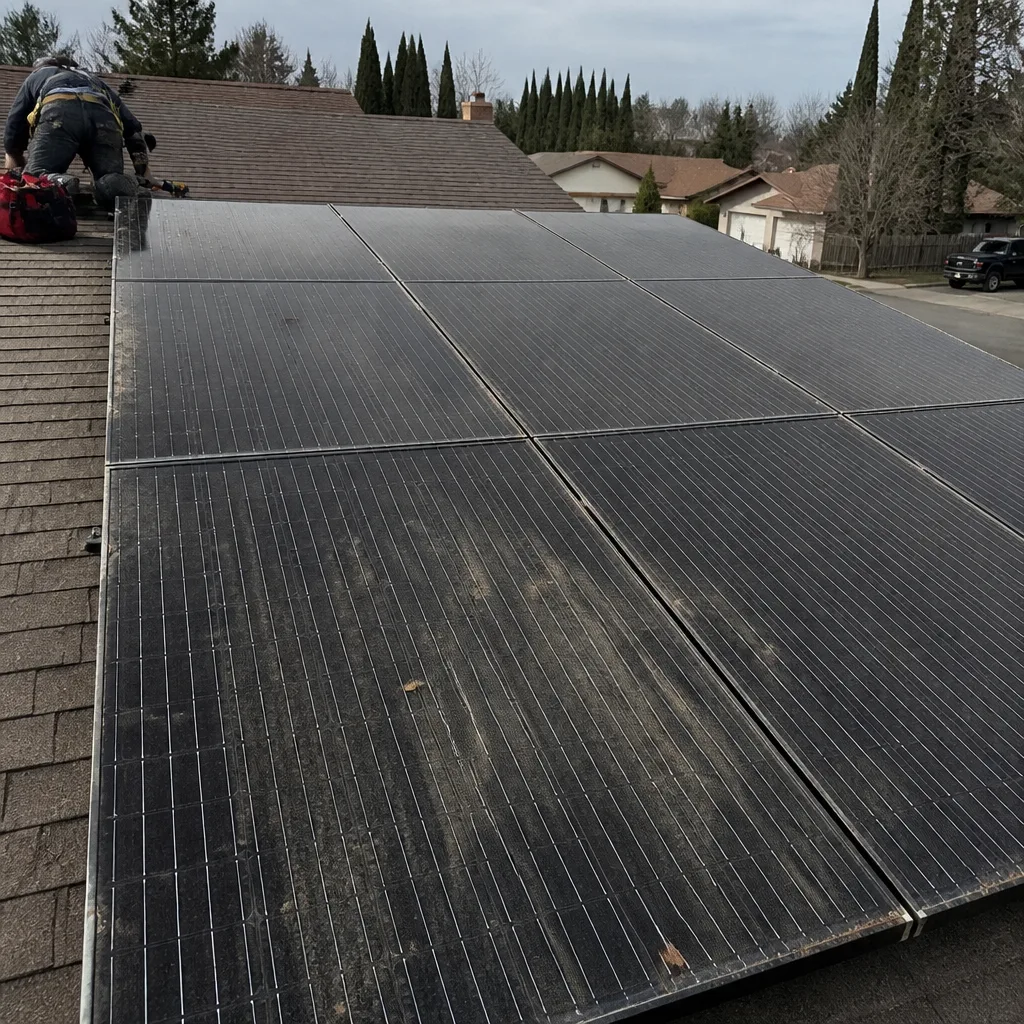 Before
 After
AfterFast, Reliable Commercial Solar Installation Across Mission District
Commercial solar in Mission District, CA is more feasible than most property owners realize. Directly: yes, 94110 gets measurably more sun than the Sunset or Richmond two miles west, and a properly sized rooftop array on a Mission commercial flat will typically generate enough to zero out the common-area load and return meaningful credits to tenants. The catch that trips most projects isn’t the sun. It’s the panel and the permitting. Call (877) 550-6892 and we’ll walk your specific building through both before you spend a dime.
We know the Mission. We know the difference between a Capp Street Edwardian with a rear-facing roof and a Shotwell flat boxed in by a taller neighbor. We know which blocks trigger PG&E panel-upgrade requirements and which ones clear interconnection with an existing 200A service. That local familiarity is the difference between a solar project that closes and one that dies on a designer’s desk. If you own commercial property in the Mission District, you need a crew that has actually cabled a pre-1925 flat building here, not a sales team reading a heat map from a call center three states away.
Why Gus’s Solar Is Mission District’s Preferred Commercial Solar Installation Company
Gus Petrakis has put his own name on the truck since 2011. He publishes his address, his license number, and his cell phone. When you call about a Mission District commercial roof, you get Gus’s crew, not a subcontractor handed a work order the morning of the install. The electrician who pulls the permit is the same person who torques the racking. The guy who answers questions about PG&E interconnection is the same guy who filled out the application.
We answer the phone 24/7 with a live person. Not a voicemail. Not a ticketing portal. If you call from the Mission at 9 p.m. with a question about whether your parapet triggers design review, you get a human being who can talk about SF Planning requirements. That matters when your project has a PG&E application deadline.
Our 90-Day Done Right Promise is in writing on every commercial solar job. If the system doesn’t perform as we estimated, if a wire run is ugly, if a seal looks questionable, one call brings Gus back to fix it. No arguing. No “that’s within spec.” If it’s not right, we make it right. That promise has kept us busy in the Mission District for years because property owners talk. One good rooftop job on a three-unit flat gets mentioned to three other landlords at the neighborhood association meeting.
Our Commercial Solar Installation Services in Mission District
Commercial Rooftop Solar
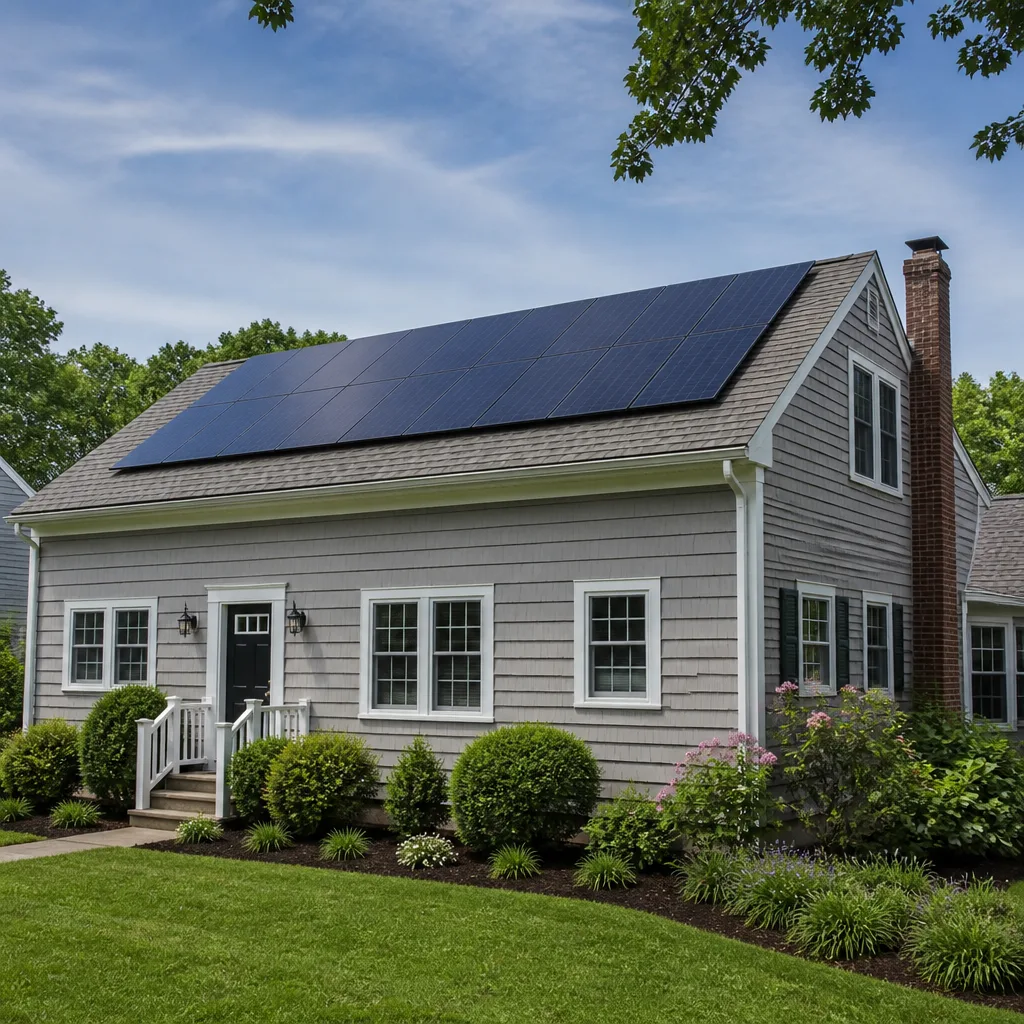
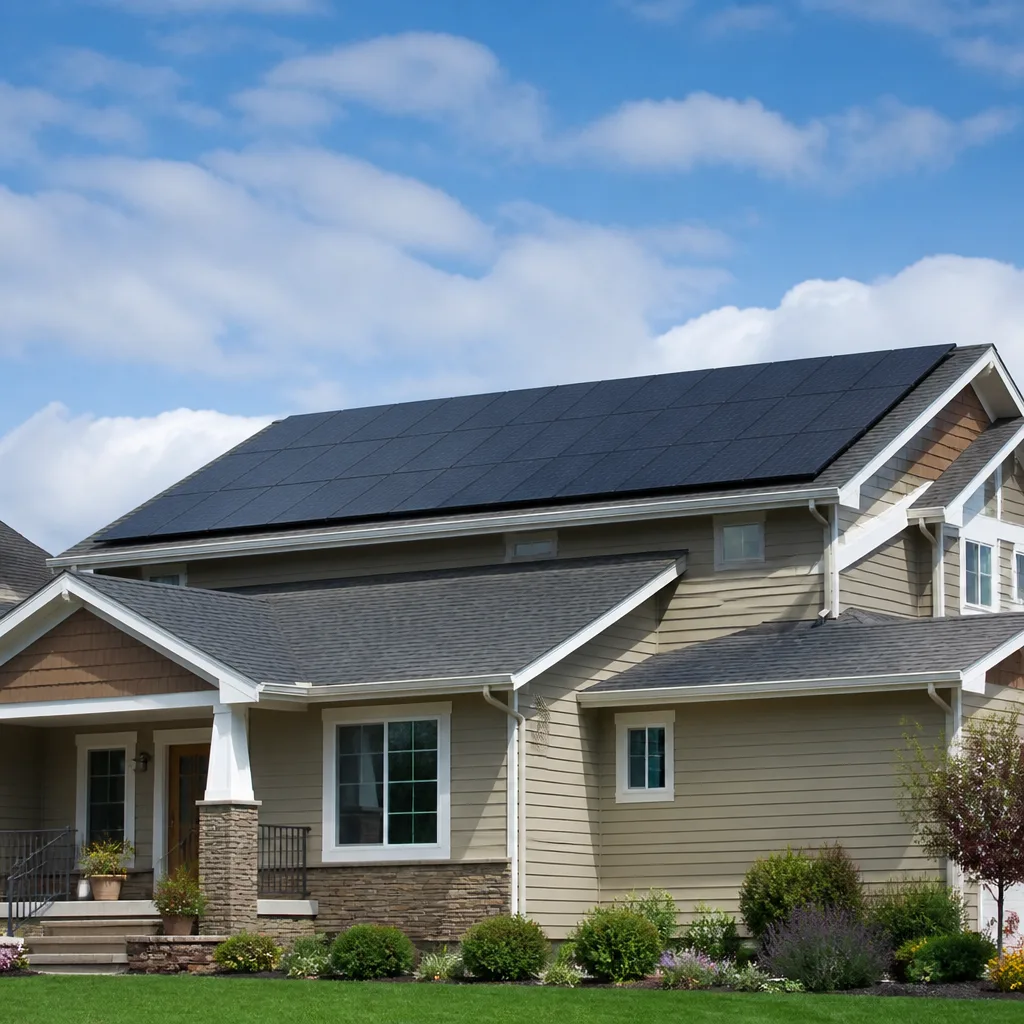
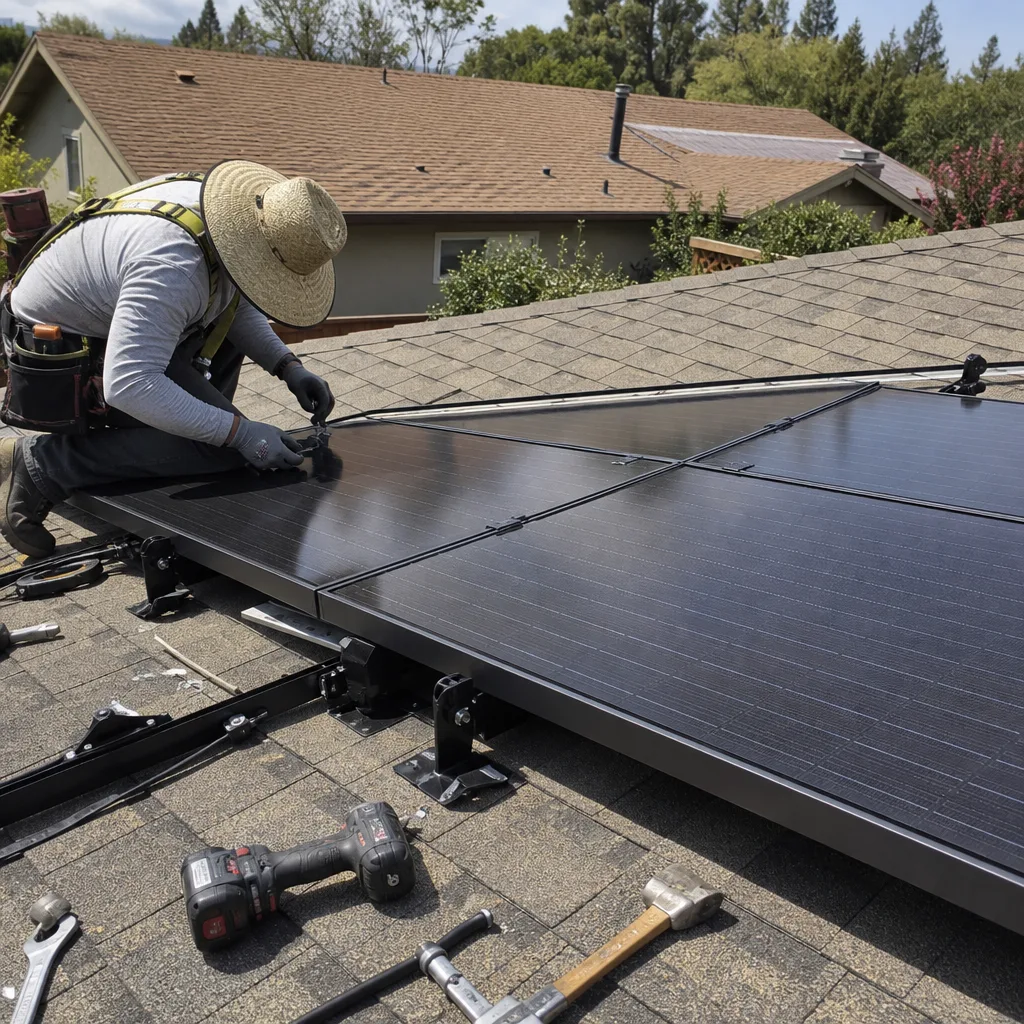
Most Mission commercial buildings are 2-to-4-unit Victorian and Edwardian flats constructed roughly between 1890 and 1925. That housing stock creates a very specific solar problem: street-facing parapets are ornate, historic, and protected by SF Planning design review, so arrays almost always land on the rear roof. Rear roofs in the Mission are frequently shaded by the adjacent building to the south. We design around that reality with module-level optimization, detailed shade analysis, and honest production estimates that account for the parapet behind you and the neighbor beside you. A typical commercial rooftop solar installation on a Mission flat runs $28,000 to $55,000 before incentives, depending on system size and whether a main panel upgrade is required.
Warehouse & Industrial Solar
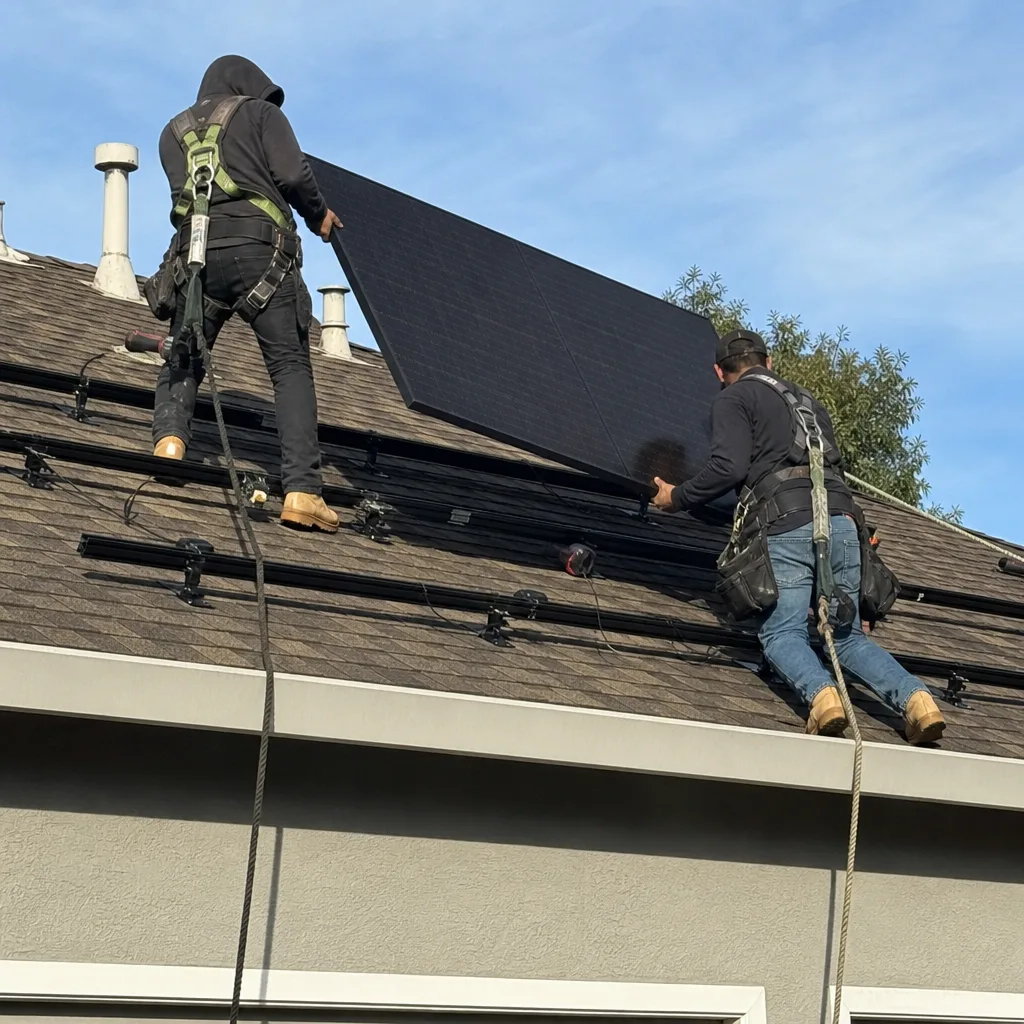
The Mission has fewer true warehouses than the Bayview or South of Market, but we service the industrial buildings and live/work spaces along the eastern edge of the neighborhood and near the 101 corridor. These roofs are usually flat, low-slope membrane or TPO systems with plenty of open square footage and good sun exposure east of Twin Peaks. The main constraint here is structural: some of these buildings carry original 1920s roof decking that needs a spot reinforcement before racking can be bolted down. We’ll tell you that during the estimate, not after the permit is pulled. Warehouse and industrial arrays in the Mission typically run $45,000 to $120,000 depending on system size and roof condition.
Solar Carport Installation
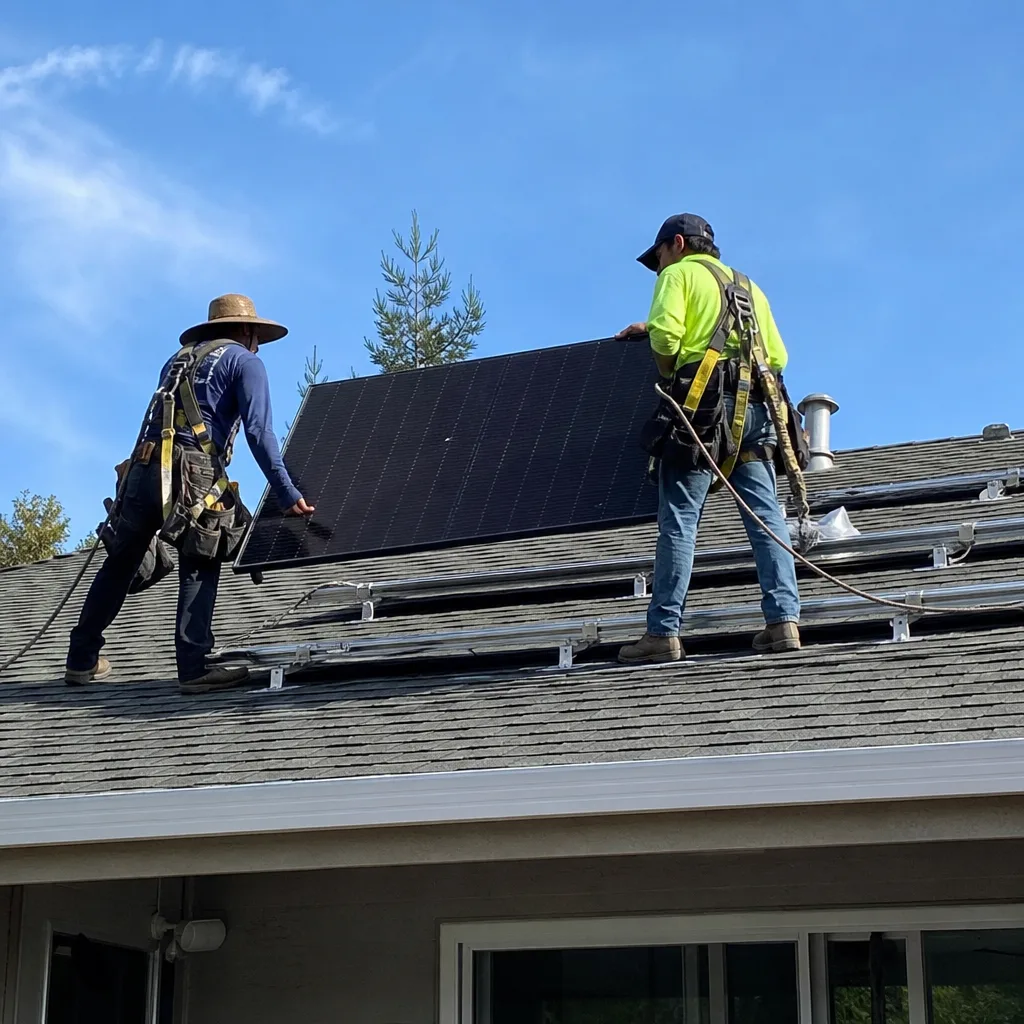
If your Mission commercial lot has parking, a carport array can be the best option when the building roof is too shaded or too historically constrained to host panels. We install steel-framed carport structures with integrated solar canopies that count toward your building’s Title 24 renewable energy requirements. For Mission commercial properties with tenant parking, a carport also keeps cars cooler in the fog-shadow sunshine and generates electricity on a structure that doesn’t touch the historic fabric of the building at all. Carport solar in the Mission typically starts around $60,000 for a 10-space structure and scales from there.
Commercial Battery Storage
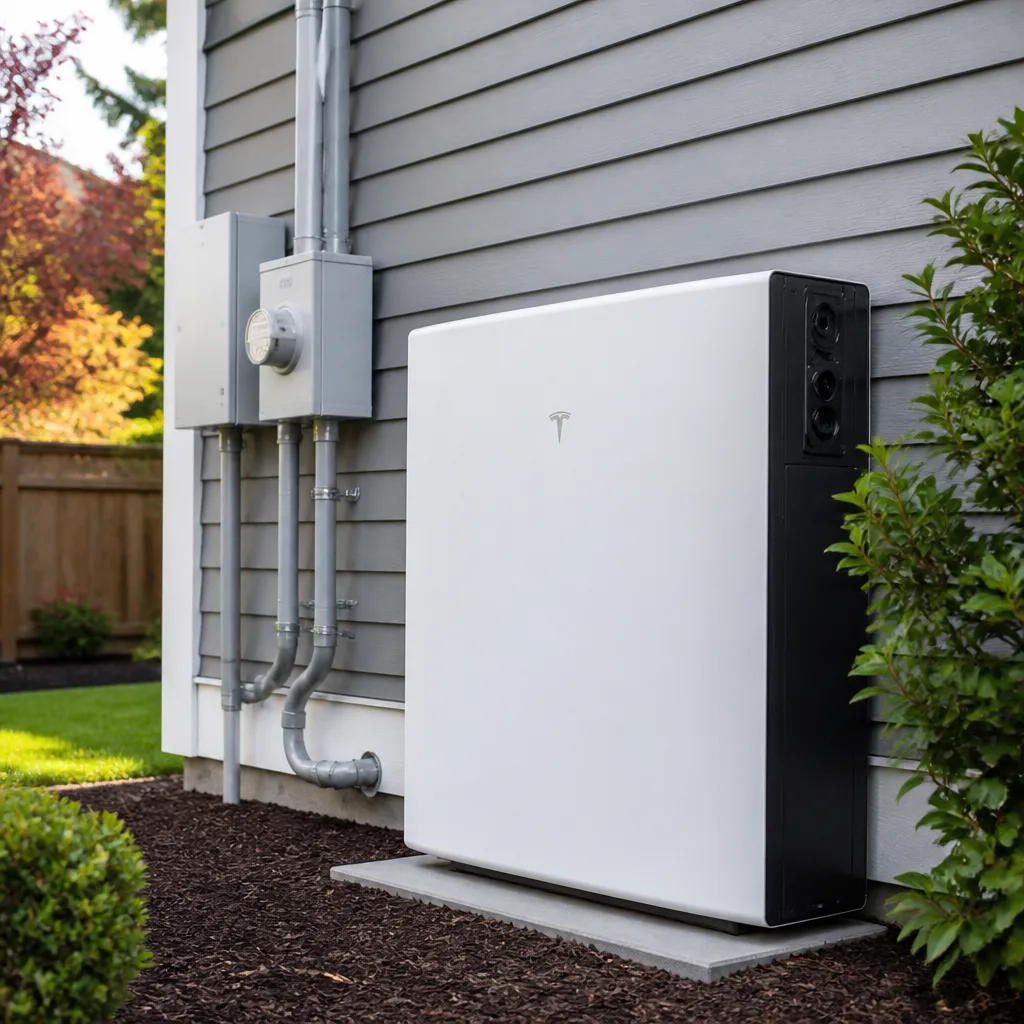
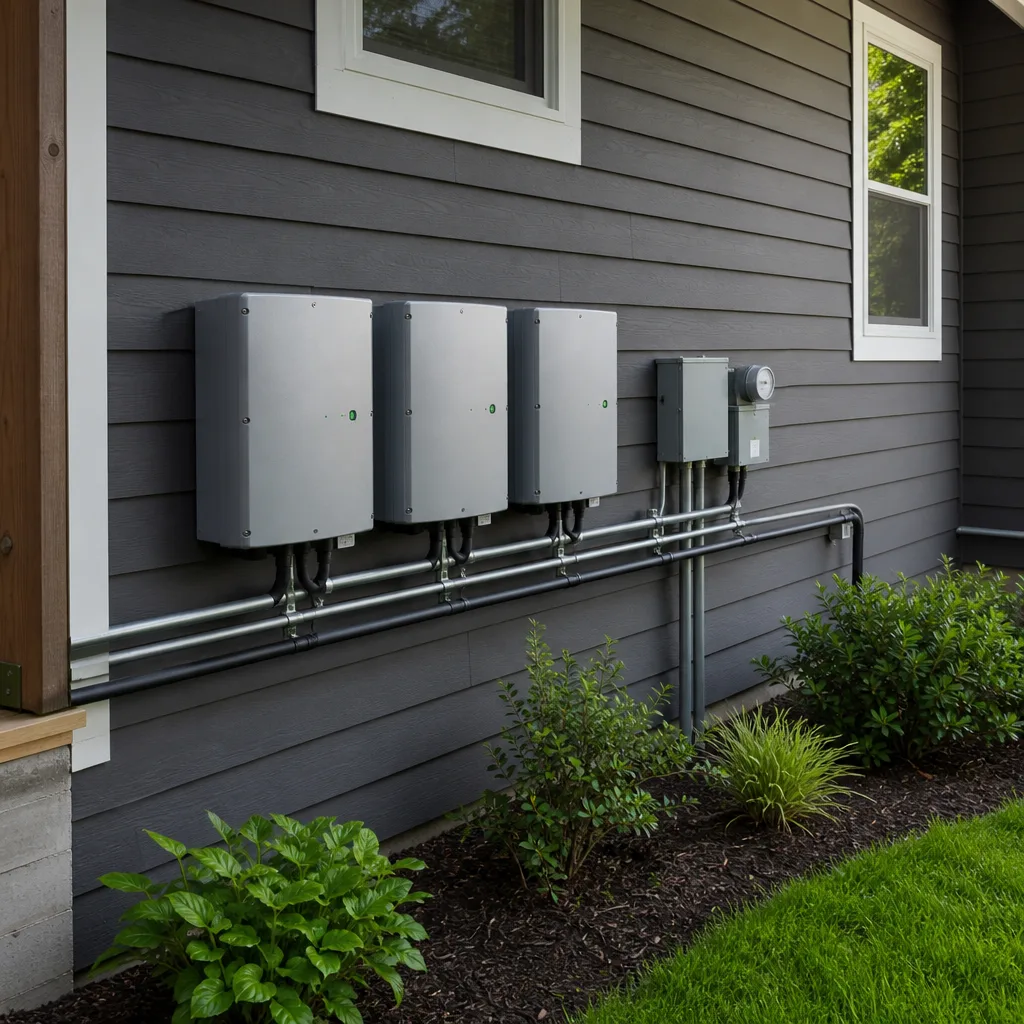
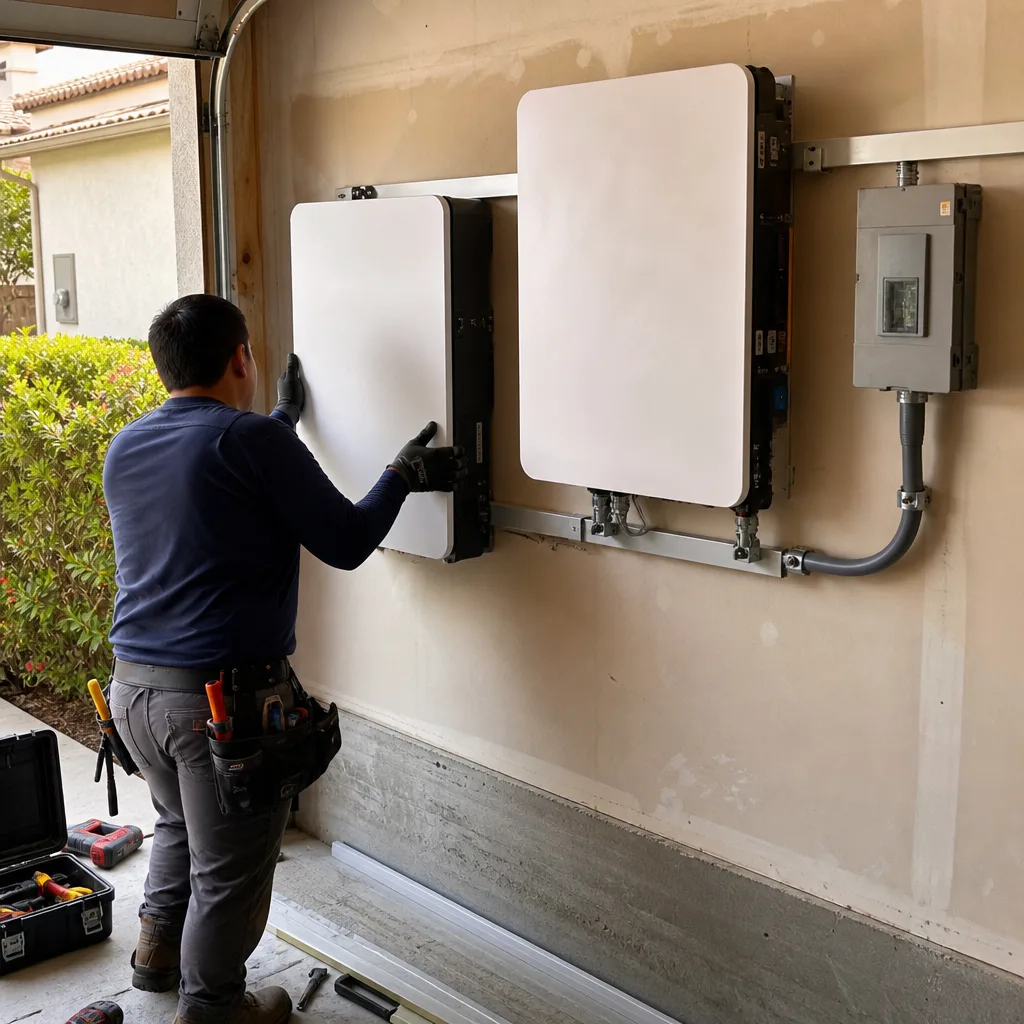
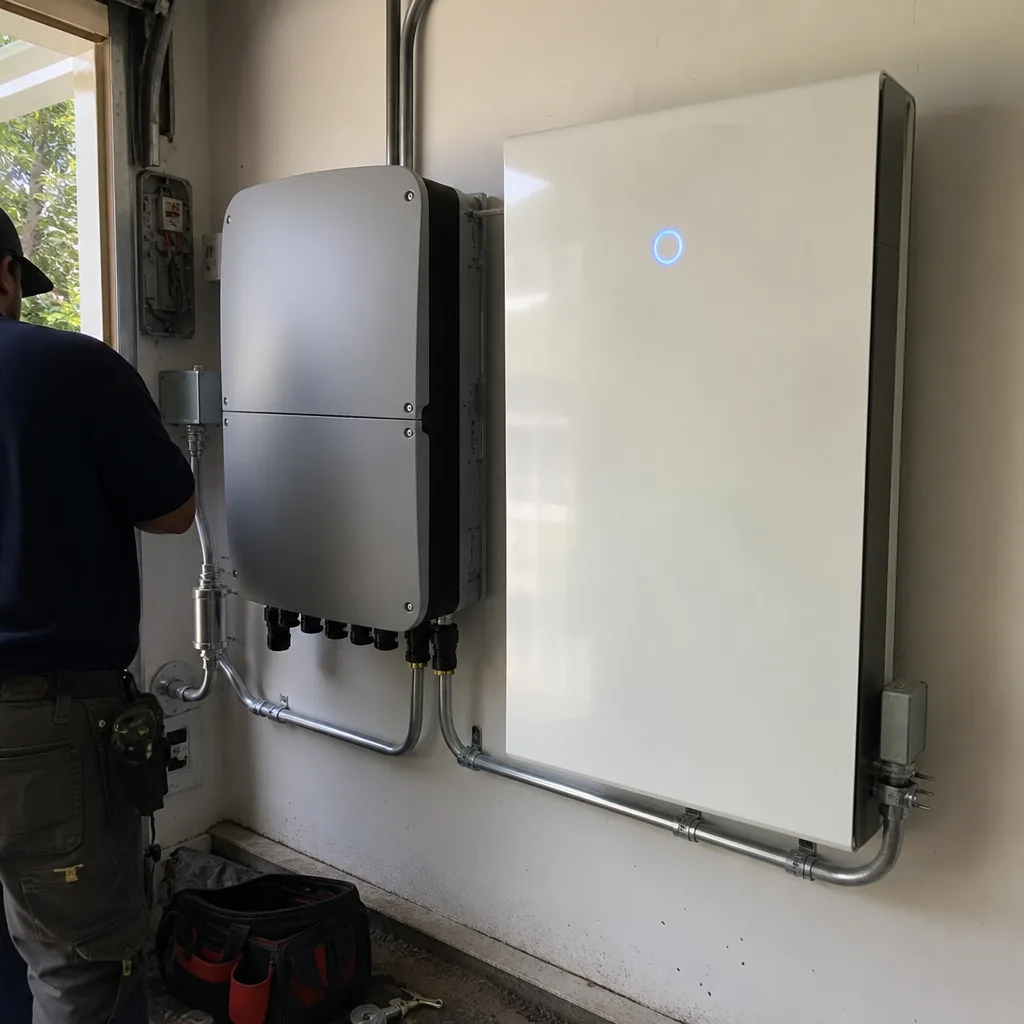
This is the piece that most Mission commercial solar projects actually hinge on. Because so many buildings here are multi-unit rentals where the landlord owns the roof but tenants pay the bills, battery storage is often what makes the economics close. We work with FranklinWH batteries on commercial projects with or without PG&E’s SGIP incentive. A battery lets you shift generation to the evening peak, buffer against the Mission’s afternoon shading patterns, and in some cases avoid the panel upgrade entirely by self-consuming rather than exporting. Commercial battery storage in the Mission District runs $14,000 to $32,000 per FranklinWH unit installed, before SGIP rebates.
What happens when you call
- 1
A real person answersNo phone trees - you reach a local pro.
- 2
You get an upfront price rangeHonest numbers before anyone is dispatched.
- 3
A background-checked tech heads outLicensed & insured, dispatched right away.
- 4
You approve before work beginsNothing starts until you say go.
Trusted Brands We Service in Mission District
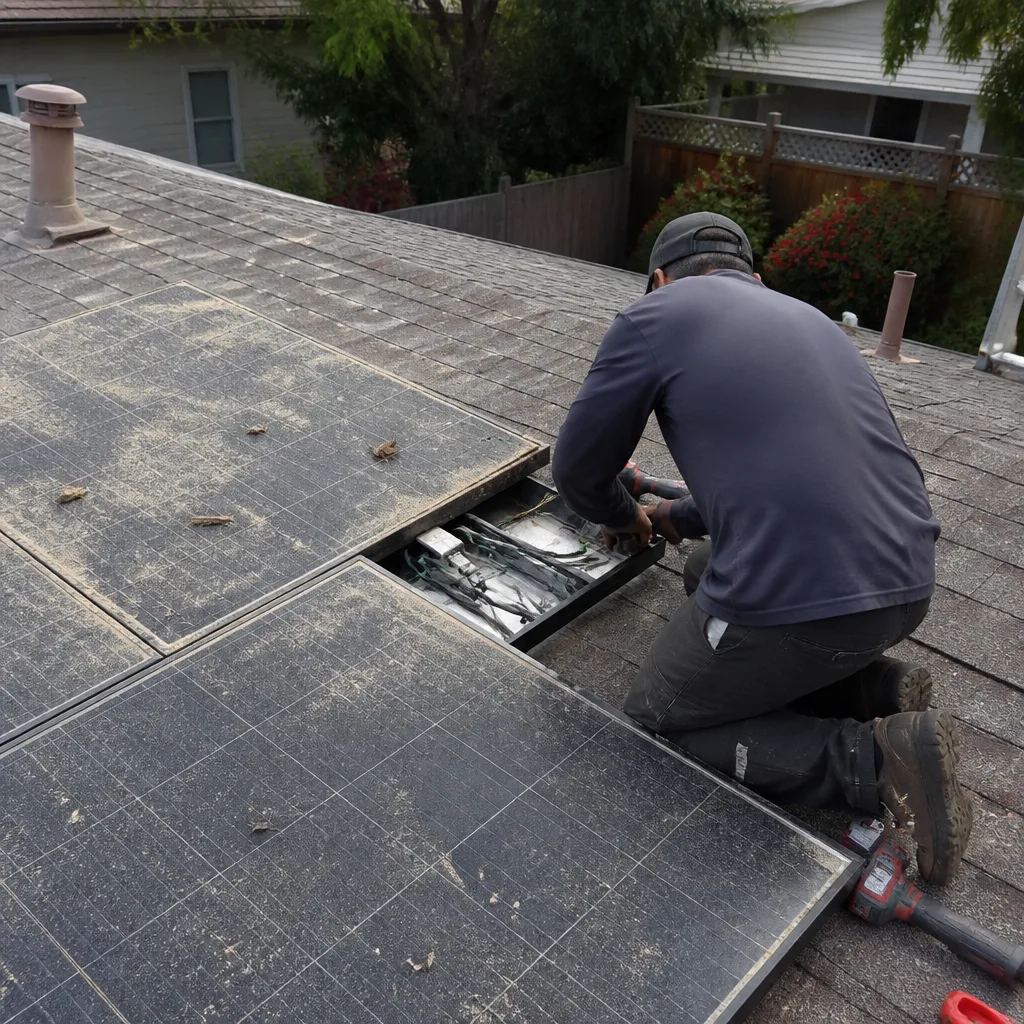
We install and service commercial equipment from Enphase, SolarEdge, Panasonic, Canadian Solar, JinkoSolar, and FranklinWH, among others. We stock common replacement parts locally so a Mission District owner isn’t waiting two weeks on a module from a distribution warehouse in Texas. If a monitoring device fails, if a microinverter drops offline, if a battery throws a fault, we can usually be on-site in the Mission the same day with the part in the truck. We quote the year-25 output, not the day-one brochure number, and the brands we carry are chosen for how they degrade in San Francisco’s coastal air, not just how they perform in a lab.
Common Commercial Solar Installation Problems We See in Mission District Homes
Mission District flat buildings are not like the suburban ranch houses solar companies learned on. Here’s what actually fails or blocks projects when the installer doesn’t know the neighborhood:
- The 100A panel rejection. PG&E will not approve interconnection on a 60A or 100A main service if the added solar breaker exceeds the panel’s busbar rating. Most Mission flats built before 1925 never got a 200A upgrade. We flag this at the estimate and quote the upgrade as a line item, not a surprise after you’ve signed.
- Street-facing parapet design review. SF Planning’s facade guidelines treat the Mission’s historic street-facing rooflines as protected. If you propose panels on the front roof of a Victorian flat, expect a design review request for revision. We design to the rear roof from day one.
- Rear-roof shading from the adjacent building. The Mission is dense. Your rear roof may look sunny at noon and be shaded by 2 p.m. by the taller flat next door. We use SolarEdge optimizers or Enphase microinverters on every module so one shaded panel doesn’t drag down the whole string.
- Virtual Net Metering complexity on multi-unit flats. When the landlord owns the roof and tenants pay the electric bills, standard net metering doesn’t fit. Many installers quote a system anyway, then the project stalls at PG&E because no one structured the VNEM allocation. We do the VNEM worksheet as part of the proposal, not as an afterthought.
Pricing for Commercial Solar Installation in Mission District, CA
Here are straight numbers for the Mission District market. A commercial rooftop array on a typical 2-to-4-unit Mission flat runs $28,000 to $55,000 before the 30% federal tax credit. A warehouse or industrial rooftop runs $45,000 to $120,000 depending on system size and structural work. Carport structures start around $60,000. Battery storage adds $14,000 to $32,000 per FranklinWH unit installed, before any SGIP rebate that applies. A 200A main panel upgrade, when PG&E requires it, typically adds $4,500 to $7,500 depending on the service entrance and any trenching. The right way to get a real number is to bring us a PG&E bill. I quote the year-25 output, not the day-one brochure number, and the math starts from your actual usage and current export rates. Call (877) 550-6892 for a free estimate. No signature wanted tonight. Take two weeks if you want. The price will be the same.
We Also Serve Cities Near Mission District
Our Commercial Solar Installation team works throughout the Mission District and the surrounding neighborhoods. We regularly serve commercial properties in Noe Valley, San Francisco, Visitacion Valley, and Chinatown. If your building is in one of those neighborhoods, the same crew, the same warranty, and the same owner shows up. Call (877) 550-6892 and we’ll tell you when we can be there.
Serving Mission District, CA - Our Local Coverage Area
We’re based in the Mission District area and know this community well. Use the map below to see our service coverage - if you’re nearby, we can almost certainly help.
FAQs - Commercial Solar Installation in Mission District
Most Mission flats built between 1890 and 1925 still carry their original 60A or 100A main service panel. PG&E’s Rule 21 interconnection standard requires that the solar breaker plus the main breaker not exceed 120% of the busbar rating. On a 100A panel, that leaves almost no room for a solar feed, so PG&E will reject the application until you upgrade to 200A. We quote the upgrade as part of the proposal so it’s never a surprise. Call (877) 550-6892 and we’ll check your panel’s rating over the phone in two minutes.
Probably not, and we’ll tell you that before you spend anything on design fees. SF Planning’s facade design review treats the Mission’s street-facing parapets and Victorian rooflines as historically significant, and solar panels on the front roof rarely clear that review without substantial pushback and delay. The practical answer for almost every Mission flat is the rear roof. We design to that constraint from the first site visit, so your permit application goes in clean. Call (877) 550-6892 and we’ll walk your specific roofline before you commit to anything.
VNEM is PG&E’s tariff that credits solar generation from a single rooftop array to multiple tenant meters in the same building. The landlord owns the system, and the PG&E bill credits get allocated to each tenant unit according to a percentage the owner sets. This is the deal structure that makes most Mission multi-unit commercial solar projects work, because without it the landlord pays for the system while tenants get the electric benefit. We handle the VNEM allocation worksheet as part of the proposal, not as a separate fee. Call (877) 550-6892 for a straight VNEM breakdown on your building.
It’s real and it’s measurable. The Mission sits east of Twin Peaks in a fog shadow. The ridge blocks the marine layer that sits over the Sunset and Richmond most summer mornings, so 94110 addresses get more annual peak sun hours than neighborhoods two miles west. The catch is that most Mission rooftops are rear-facing flats boxed in by neighboring buildings, so the azimuth advantage gets eaten by shading unless we design for it. We document the actual irradiance at your specific roof with shade analysis, and we quote the number that survives year-25 degradation, not the day-one brochure figure. Call (877) 550-6892 and we’ll pull the solar data for your exact parcel.
The panels we install for Mission commercial roofs, from brands like Canadian Solar and JinkoSolar, carry manufacturer warranties for 0.45% to 0.55% annual degradation over 25 years, meaning year-25 output lands around 85% to 87% of day-one output. It matters here for two reasons. First, the Mission’s coastal air corrodes racking and connectors faster than inland, so a cheaply framed module loses more than its spec sheet suggests. Second, because rear roofs are often partially shaded, starting from a higher-performing module gives you more headroom before morning or afternoon shade pushes production below what the financial model assumed. We quote the year-25 number, not the sticker. Call (877) 550-6892 and we’ll show you our math.
Contact Gus’s Solar in Mission District
If you own a commercial property in the Mission District and you’ve been told solar won’t work on your building, call us before you believe it. Bring me a bill, I’ll bring you the math. We’ll walk your roof, check your panel, run the VNEM worksheet if you need it, and give you an honest number. No pressure. No signature tonight. Just a straight answer from a local installer whose name is on the truck. Call (877) 550-6892 for your free estimate.
Written by Gus Petrakis, Owner at Gus’s Solar, serving Mission District commercial property owners since 2011.