
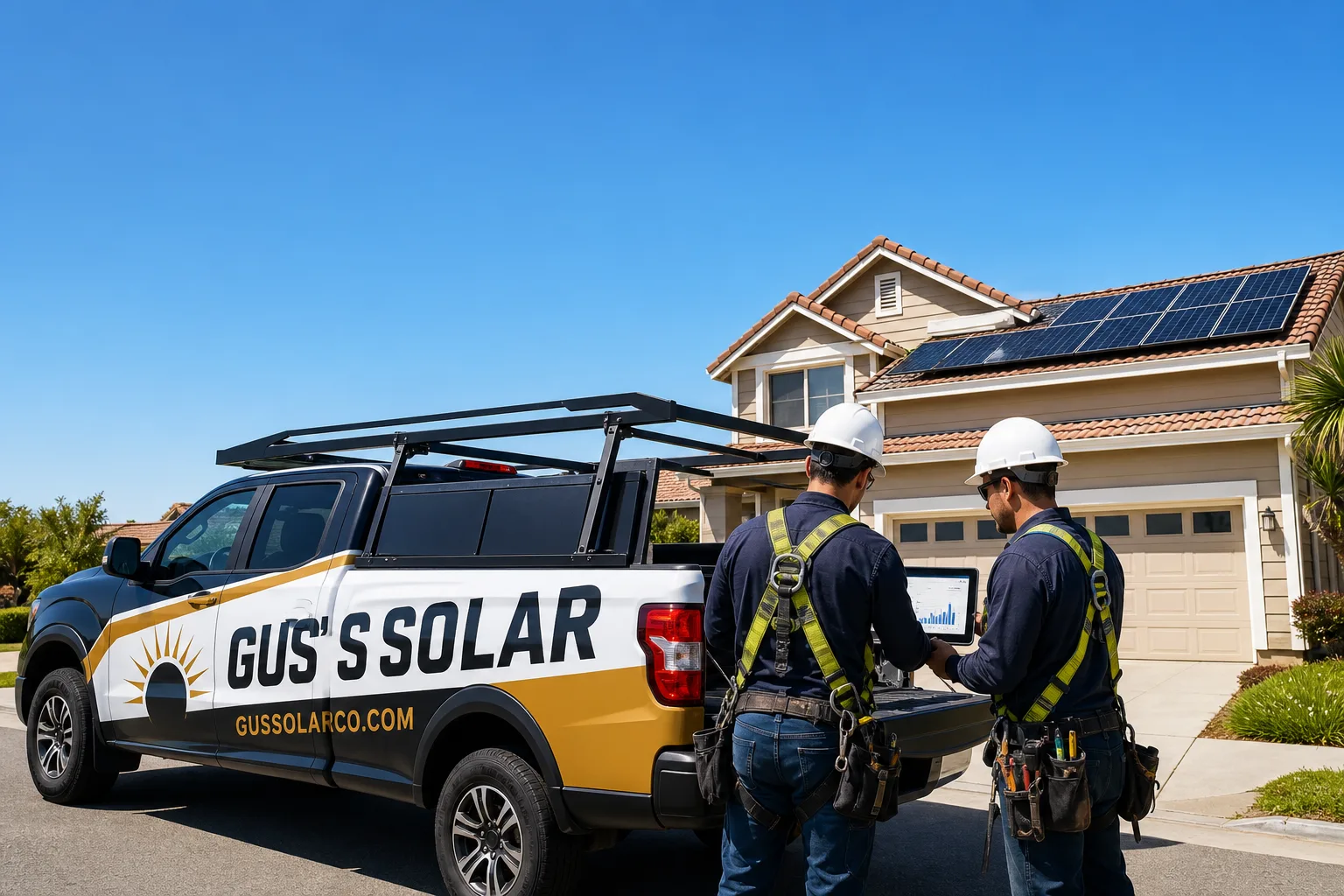
Free bill analysis - bring a power bill, get the production math for your actual roof, panel brands like Qcells and REC compared side by side
If the pitch starts at your door and ends with "sign tonight for the special," sleep on it. The sun will still be there tomorrow; so will we.
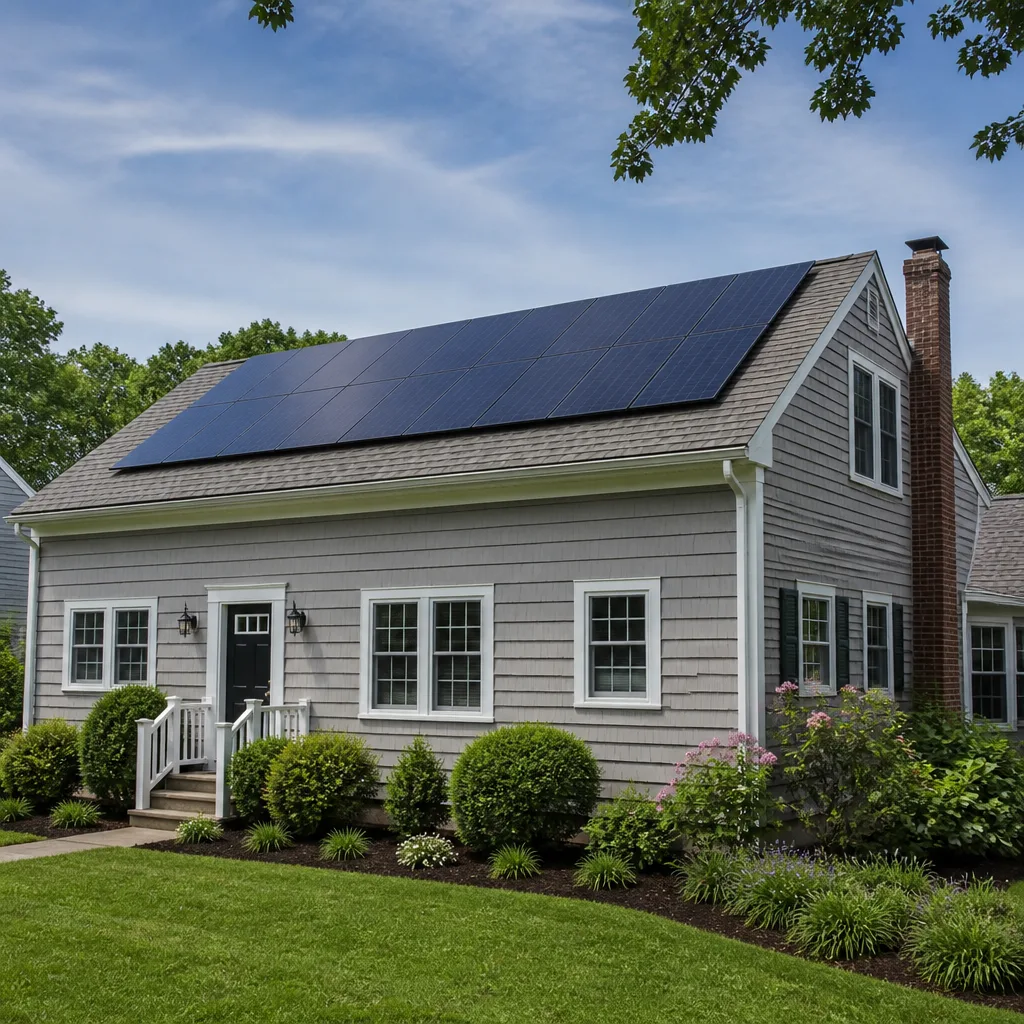
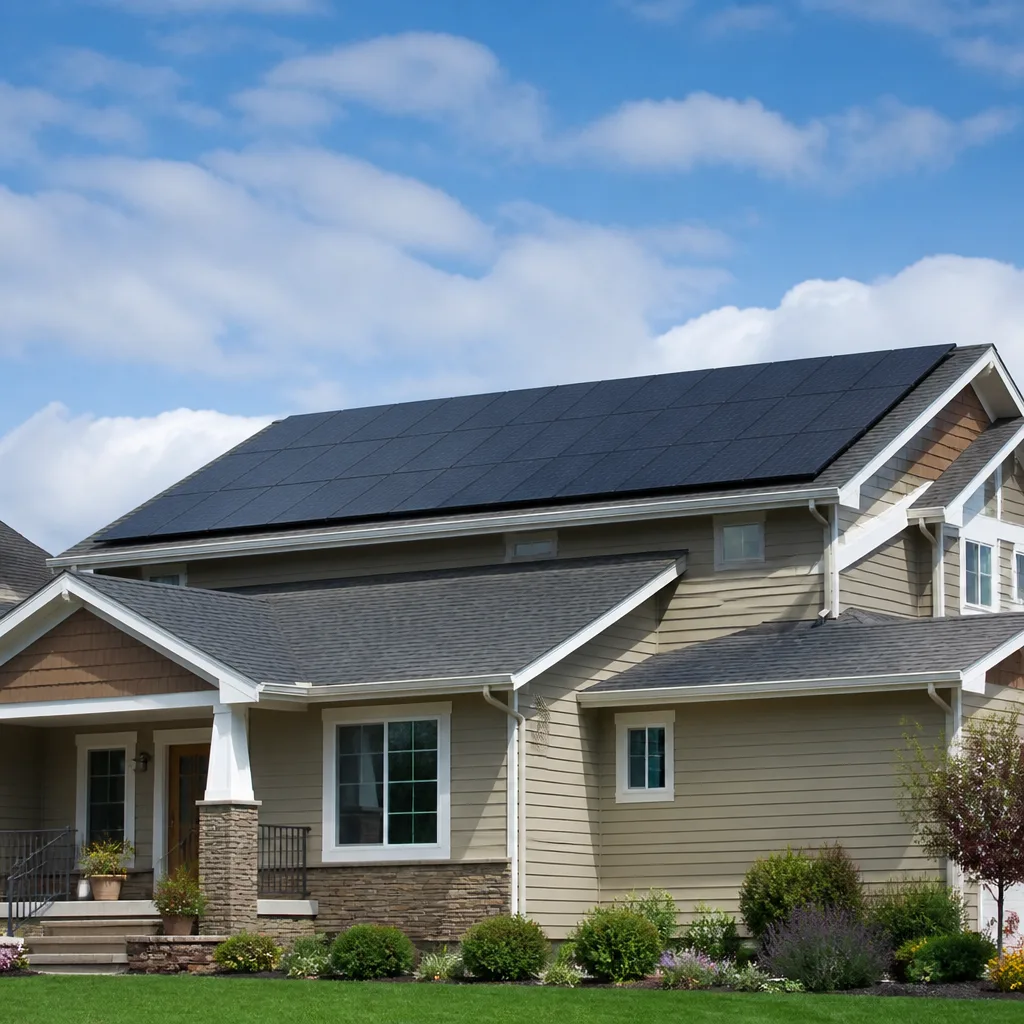
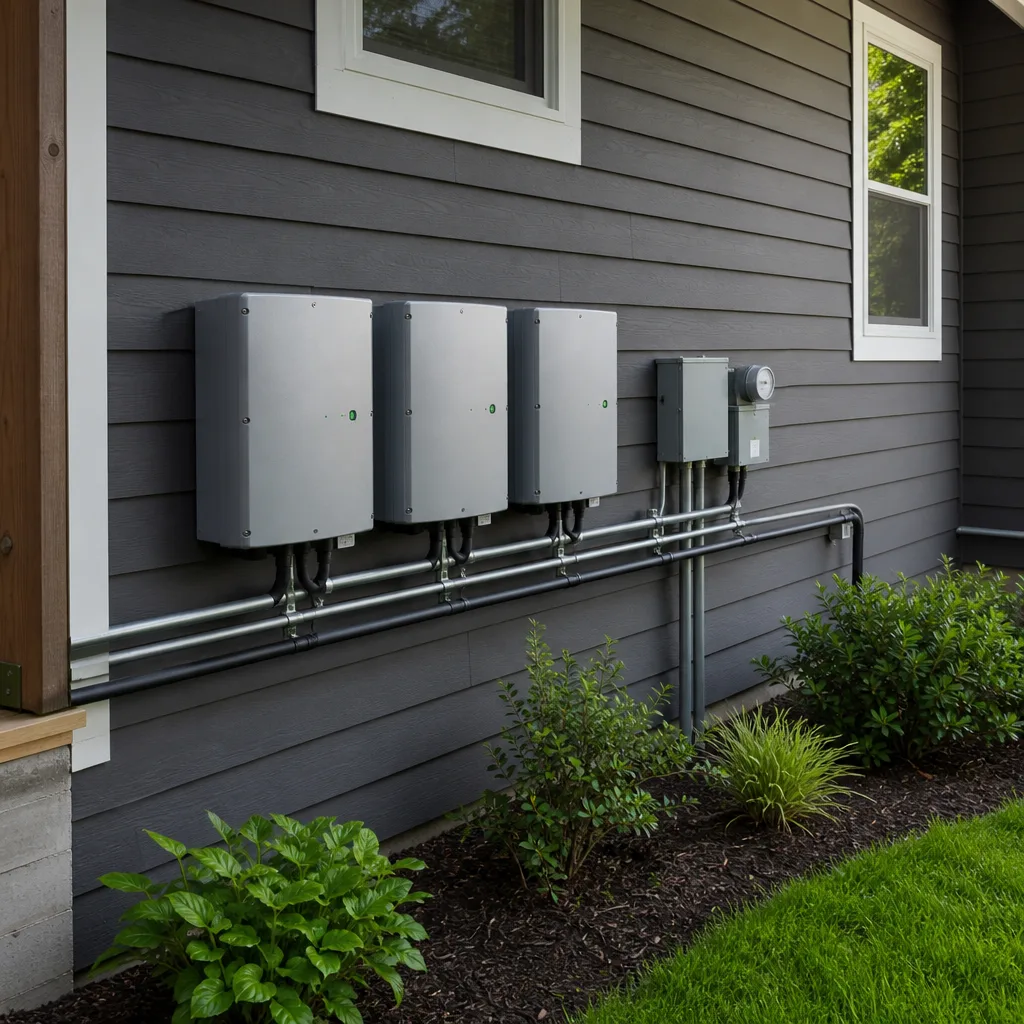
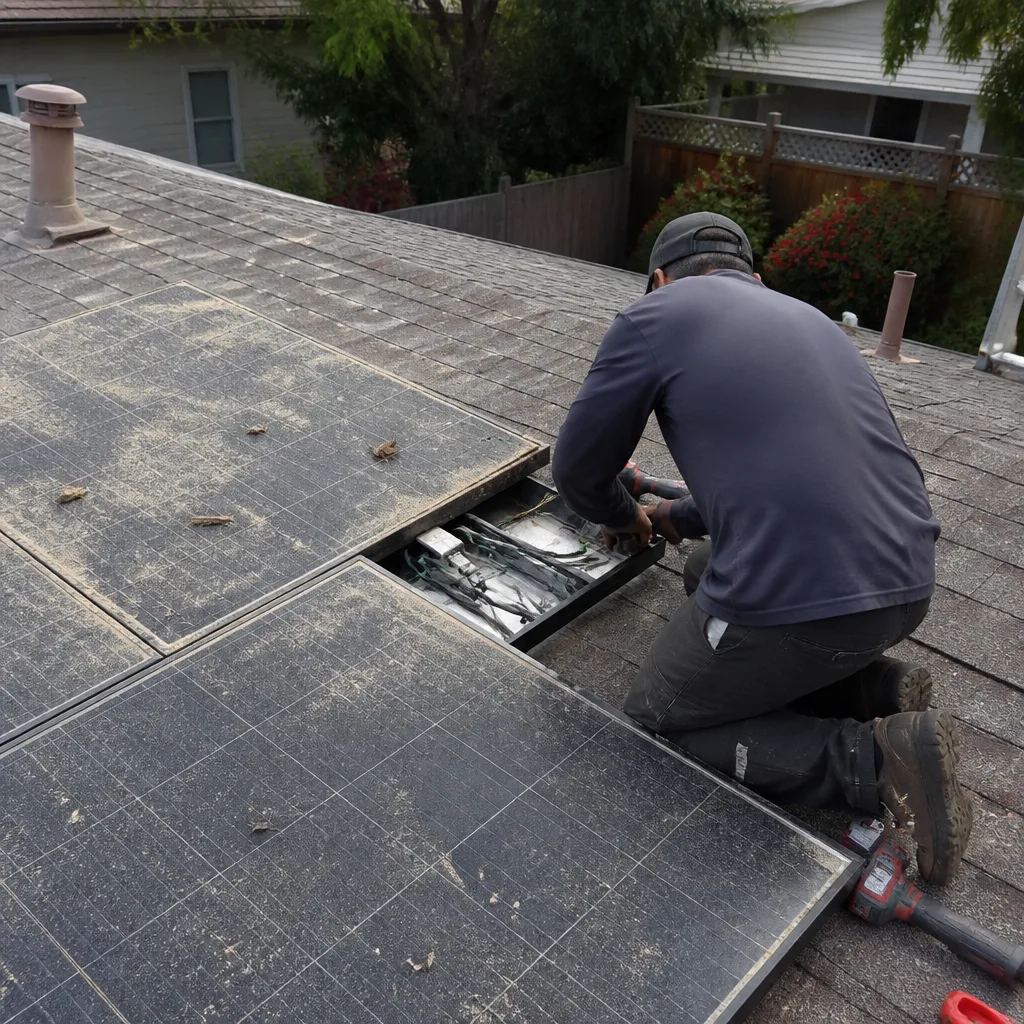 Before
 After
After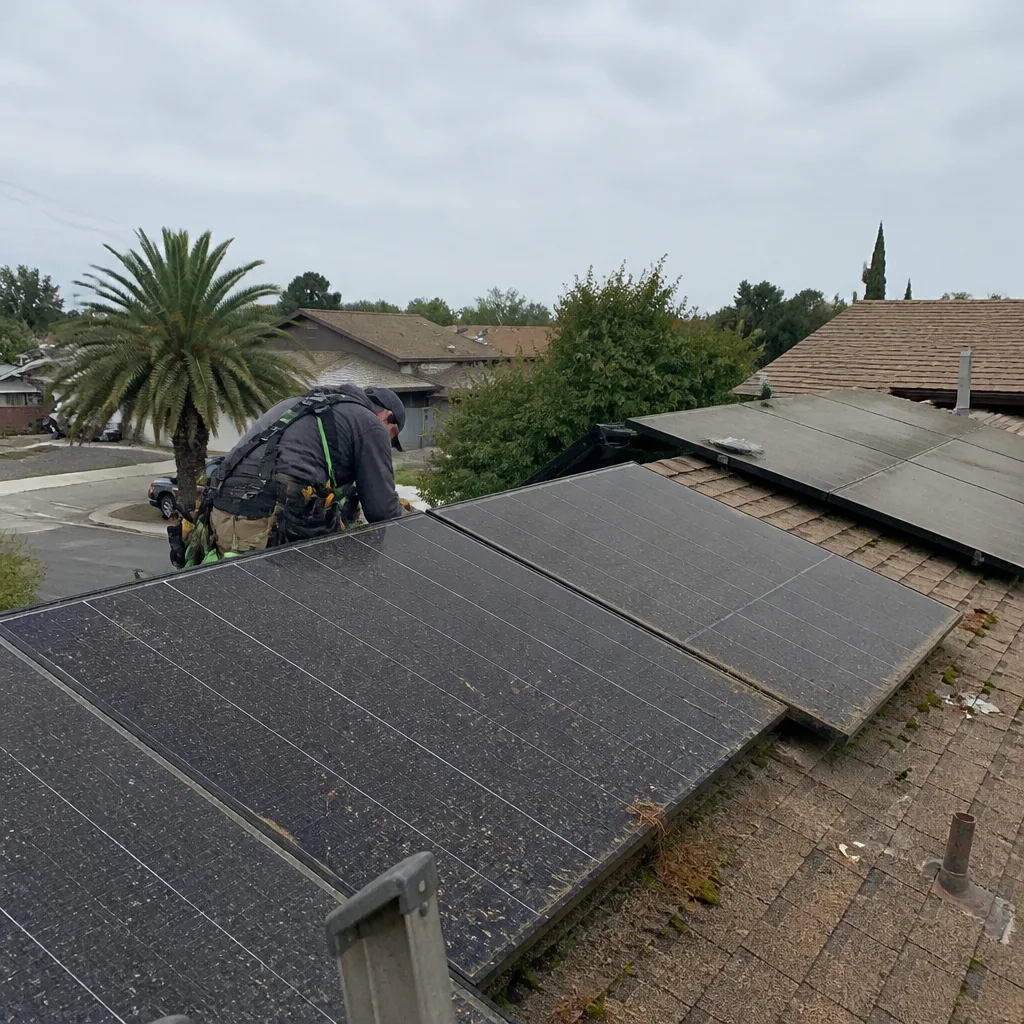 Before
 After
After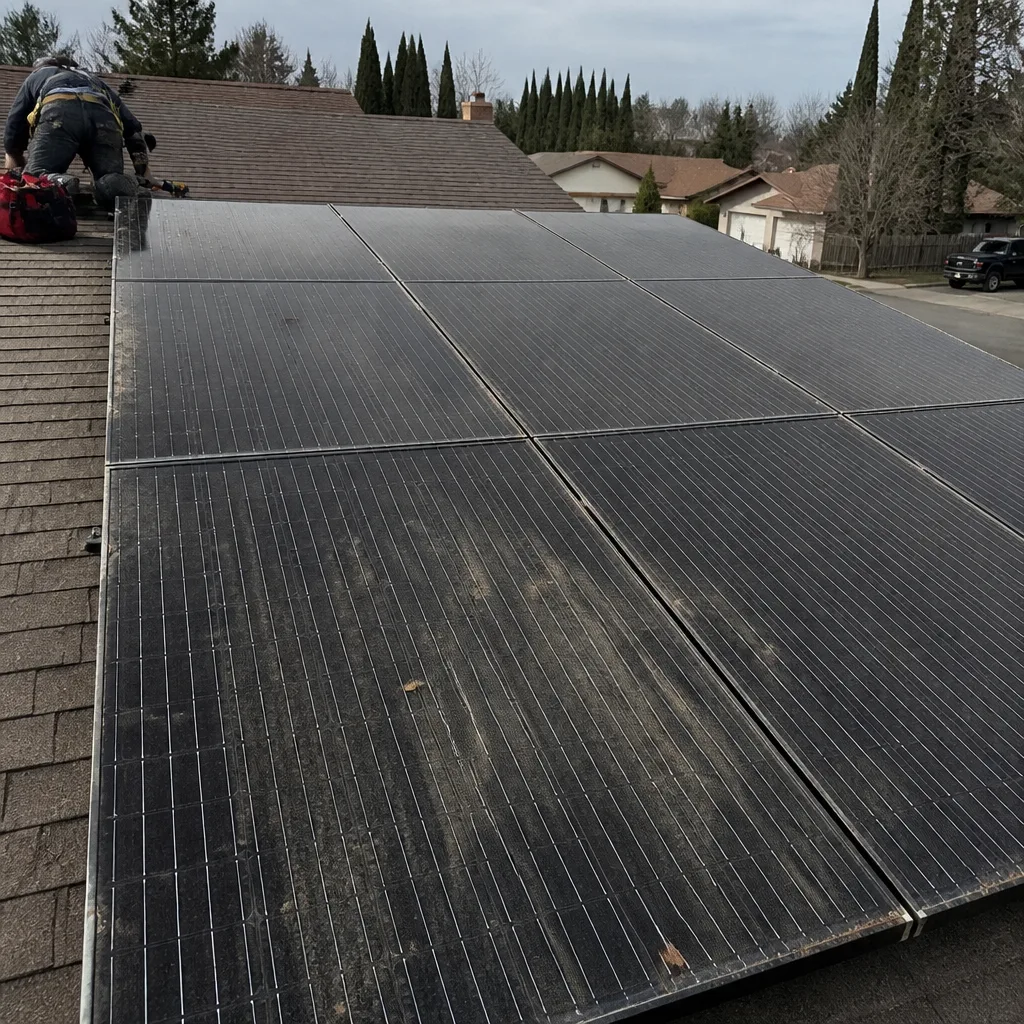 Before
 After
AfterFast, Reliable Commercial Solar Installation Across Mill Valley
Commercial solar in Mill Valley is a different animal than it is across the bridge in San Rafael or Novato, and the difference comes down to trees, fog, and hills. A flat, unshaded roof that pencils out beautifully on paper can lose 40 percent of its annual production to a single redwood that someone’s great-grandmother planted in 1930. We design systems around what the sun actually does here, not what a satellite photo suggests it should do. That’s the short answer. Call (877) 550-6892 and we’ll come look at your roof with a shade meter, not a brochure.
Why Gus’s Solar Is Mill Valley’s Preferred Commercial Solar Installation Company
Gus Petrakis started this company in 2011, and his name is on the truck and the license. When a commercial client in Mill Valley calls, they’re not reaching a call center in Phoenix. They’re reaching a live person, any hour, which matters when your refrigeration costs $900 a month and the inverter throws a fault at 6 a.m. We’ve been through the Mill Valley permitting gauntlet enough times to know exactly which tree-ordinance questions the planning department will ask before we even submit the application. That saves months.
Our crew wears uniforms, passes background checks, and does the install themselves. We don’t hand commercial work to a subcontractor who has never seen a Blithedale Canyon hillside roof. The reputation we’ve built in Mill Valley comes from being on time, answering the phone, and quoting numbers off your actual PG&E bill rather than a generic production calculator. Take two weeks. Think about it. The price will be the same.
Our Commercial Solar Installation Services in Mill Valley
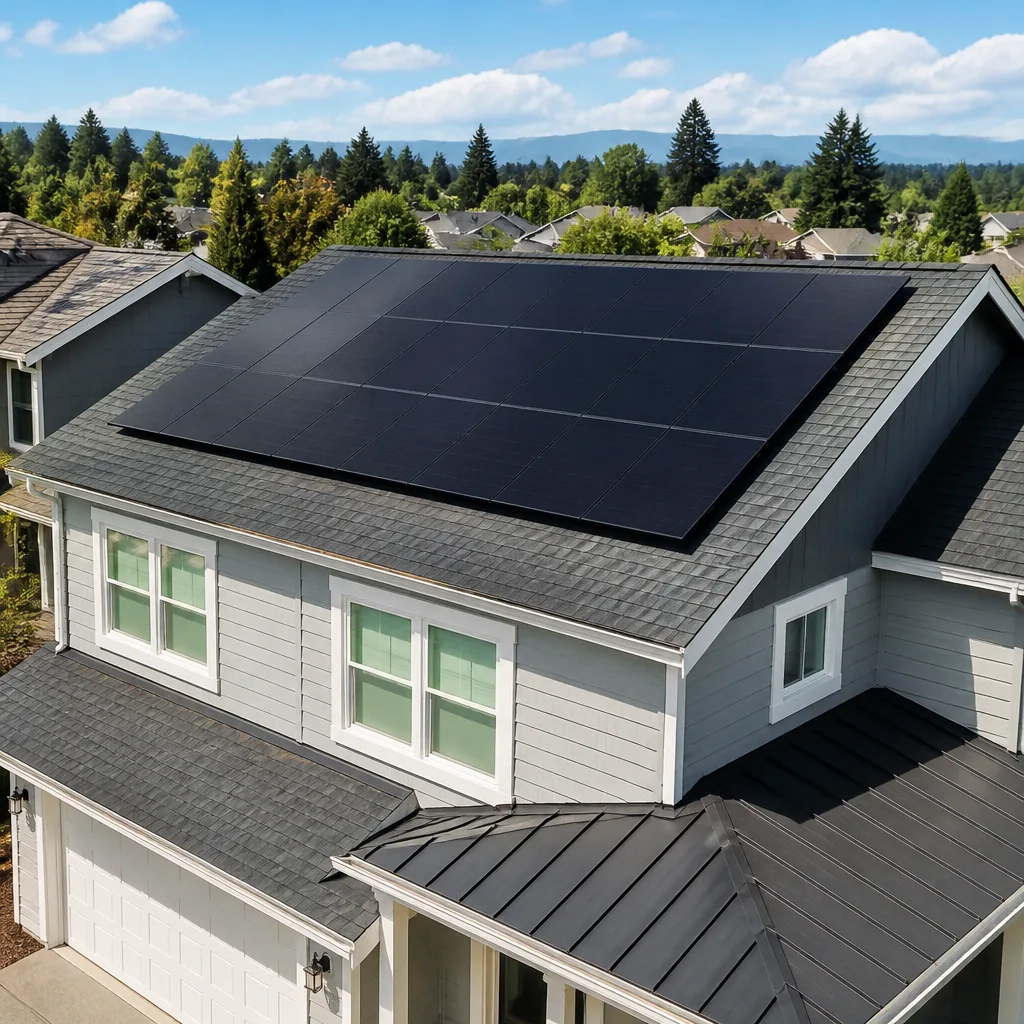
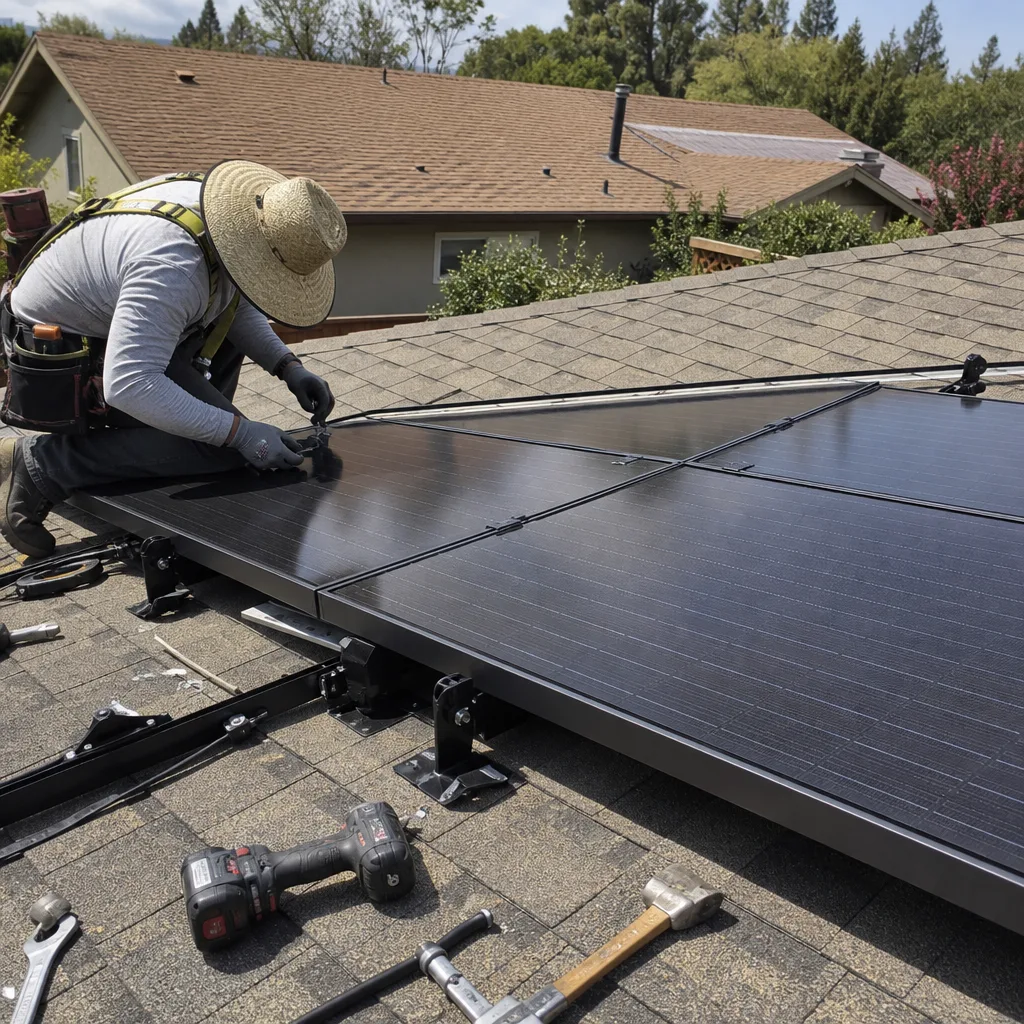
Commercial Rooftop Solar
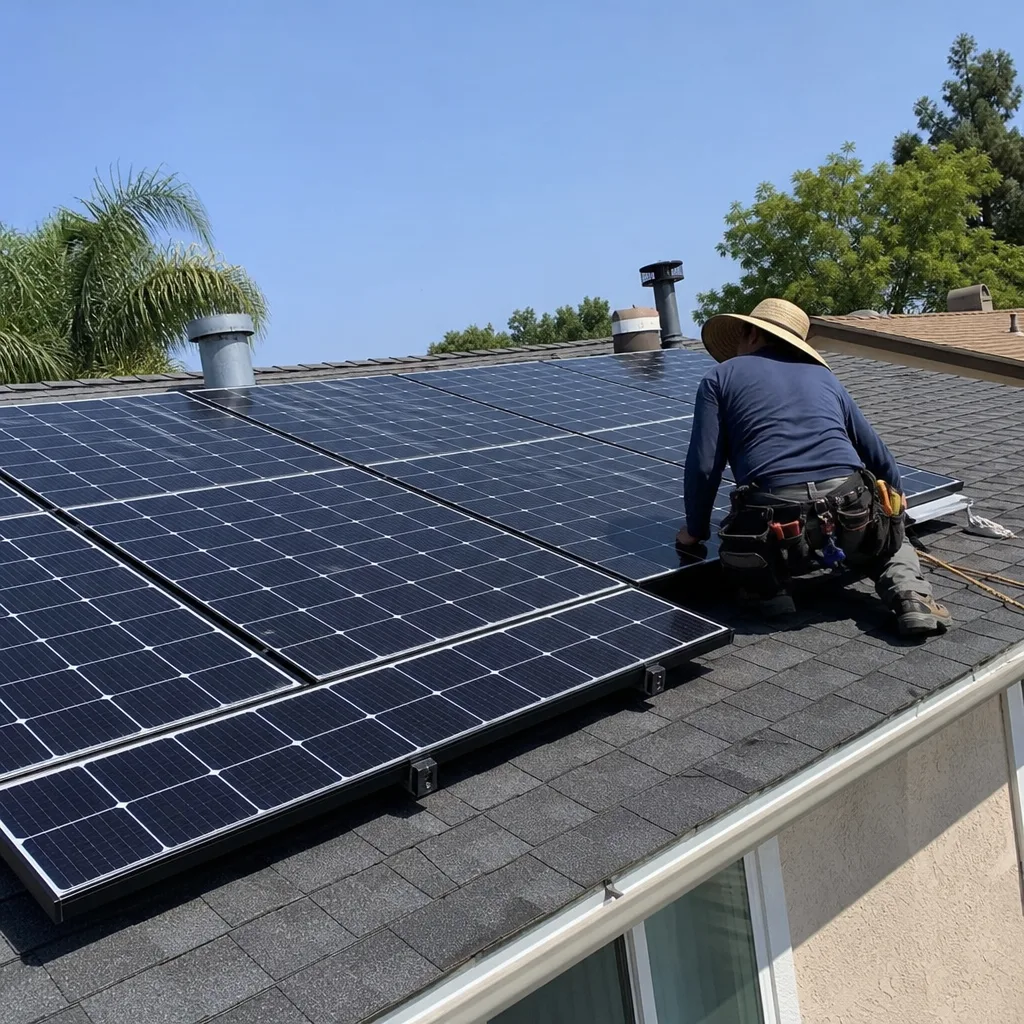
Mill Valley’s commercial rooftops run the gamut from 1920s flatland storefronts near downtown to 1970s hillside masonry buildings with wood-shake remnants and steep, irregular pitches. We start every rooftop project with a shade analysis that maps every tree within 100 feet of your building, because in the 94941 and 94942 zip codes, a 90-foot redwood on a neighbor’s parcel can kill a production estimate that a generic satellite proposal never even flags. Rooftop work here often requires a structural survey before mounting, especially on older hillside structures where framing was never designed for extra load.
Warehouse & Industrial Solar
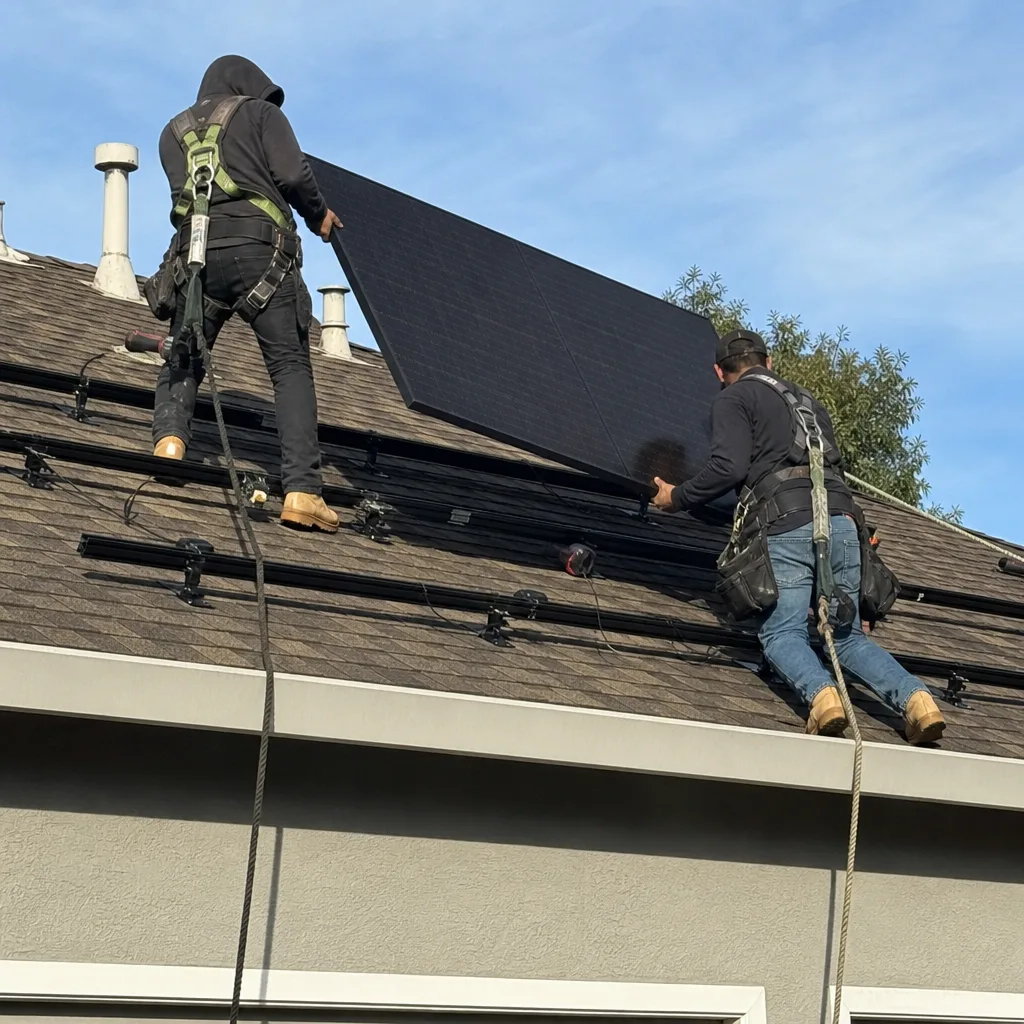
Warehouse clients in Mill Valley tend to run continuous loads: refrigeration, server rooms, workshop equipment. The marine layer that rolls in off the Marin Headlands most mornings compresses your peak production window to roughly four to five useful hours. That changes inverter sizing, panel layout, and whether battery storage makes financial sense. We’ve done warehouse installs where the east-facing roof looked ideal on a map but a 100-foot redwood canopy cut the estimate below break-even. We worked the permit board for three months to trim just enough lower branches to make the numbers work, then paired the array with battery storage to shave peak demand charges.
Solar Carport Installation
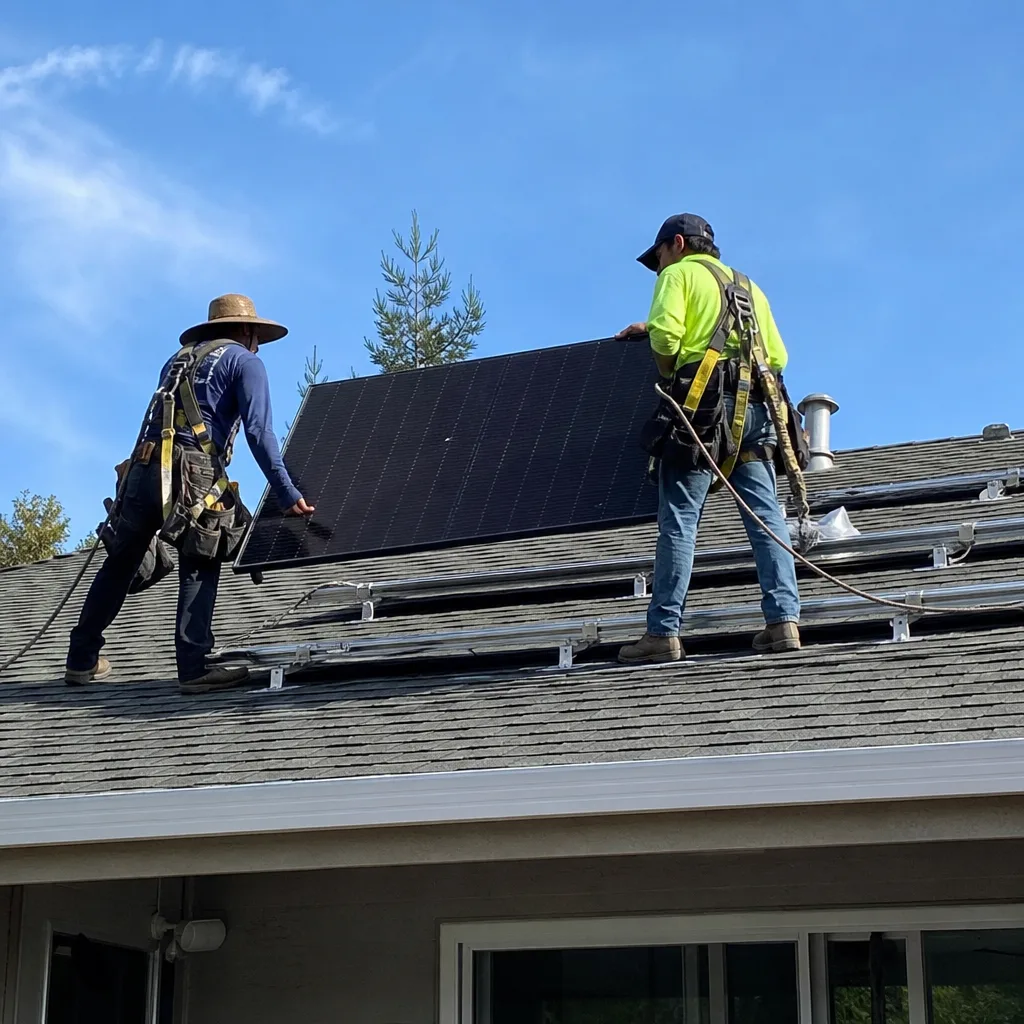
Where a rooftop is too shaded or structurally questionable, a carport array is often the better move. Mill Valley’s commercial lots with exposed parking areas, particularly along Miller Avenue and the flatter corridors near downtown, can host carport systems that generate clean power while also giving employees and customers covered parking. Carport work avoids the roof entirely, which matters when the building is a 1960s structure with wood-shake remnants that would need a full tear-off before any racking could go up. It also sidesteps the tree-ordinance conversation altogether.
Commercial Battery Storage
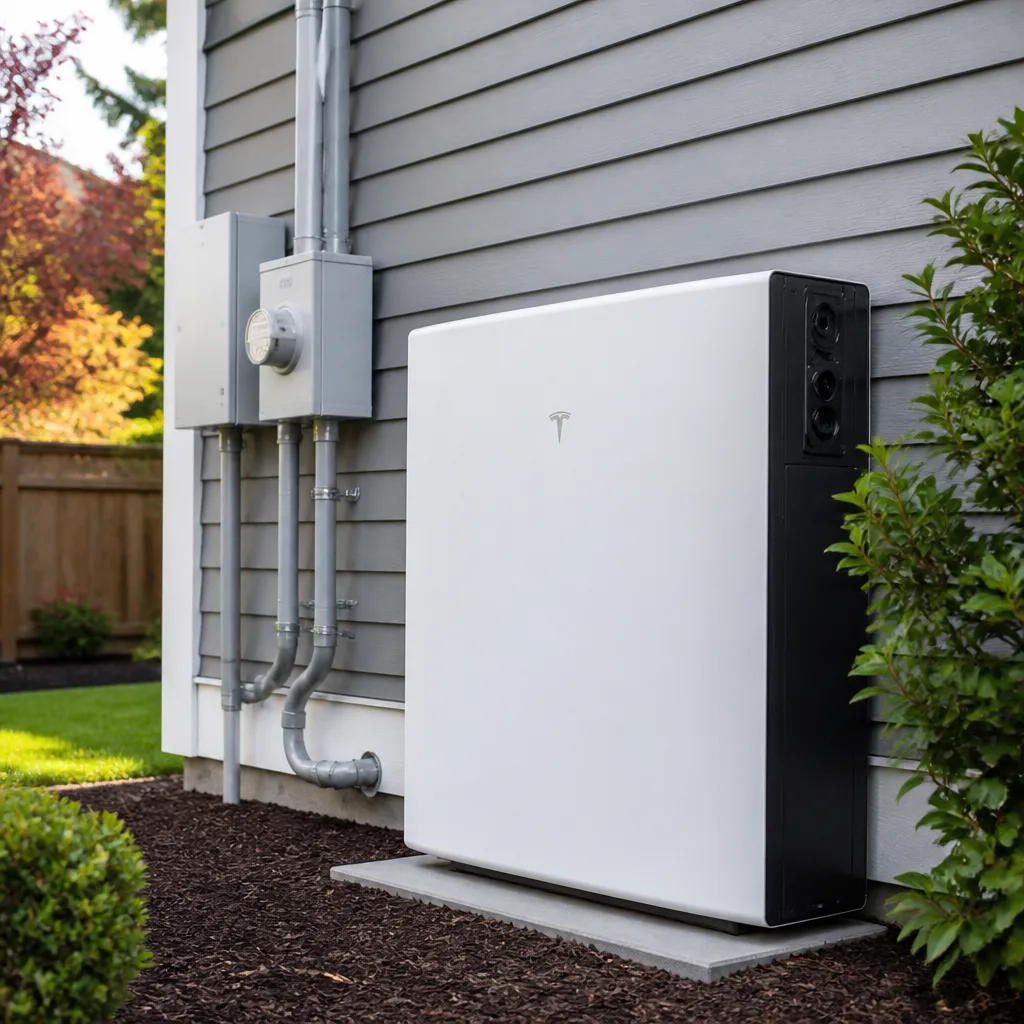
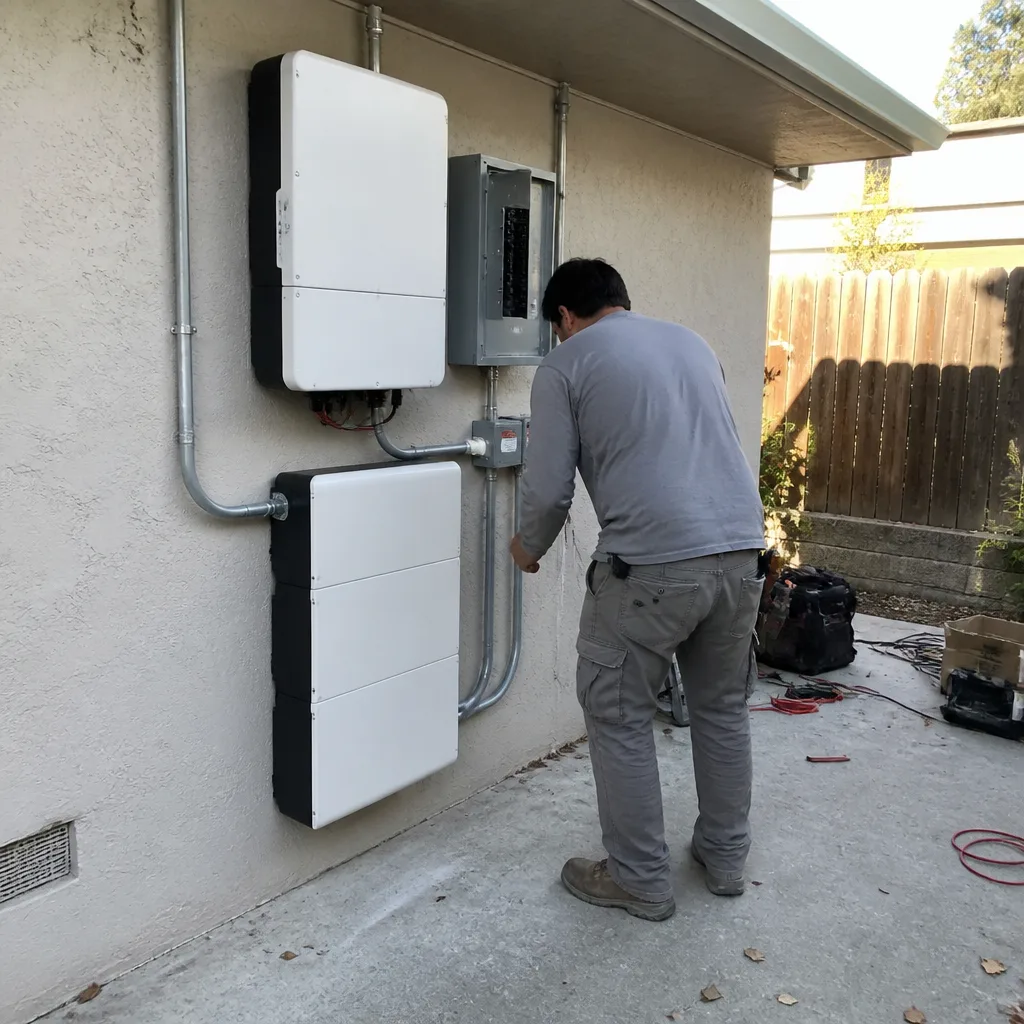
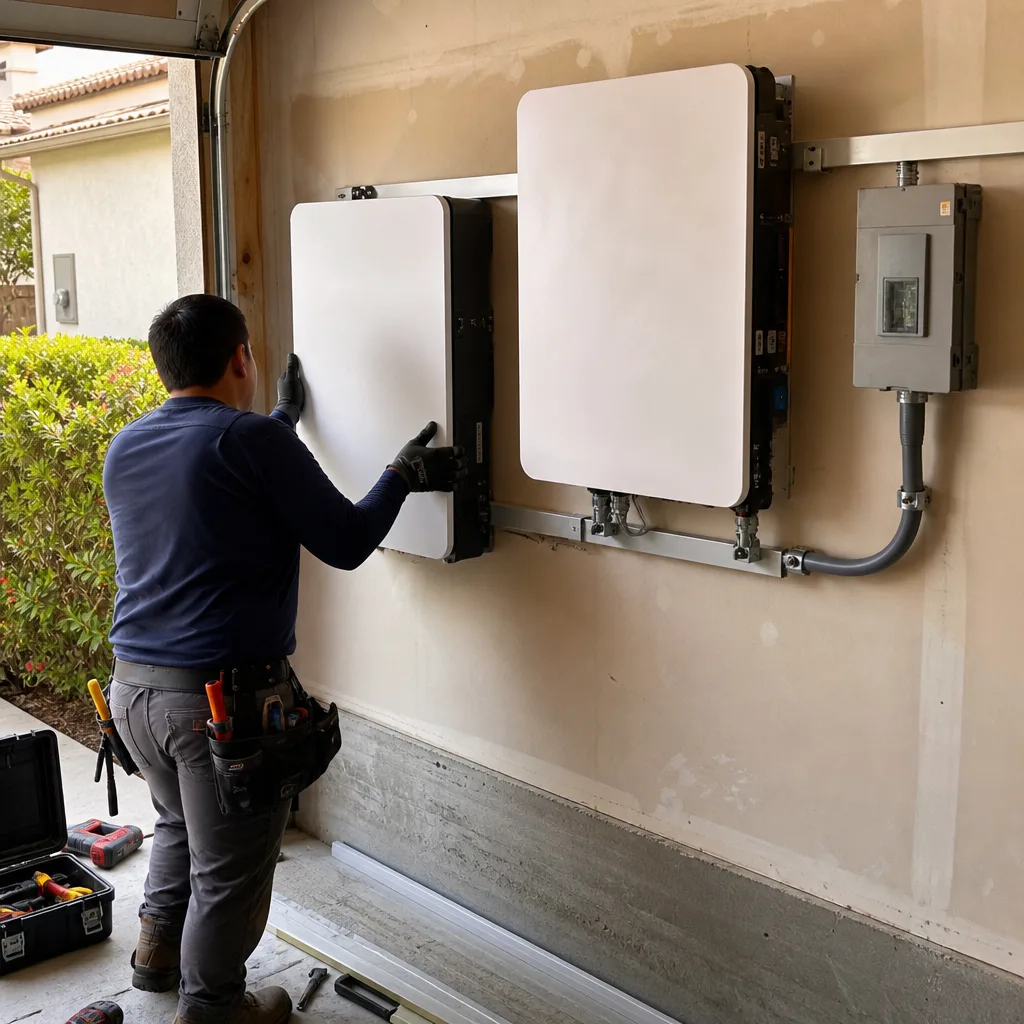
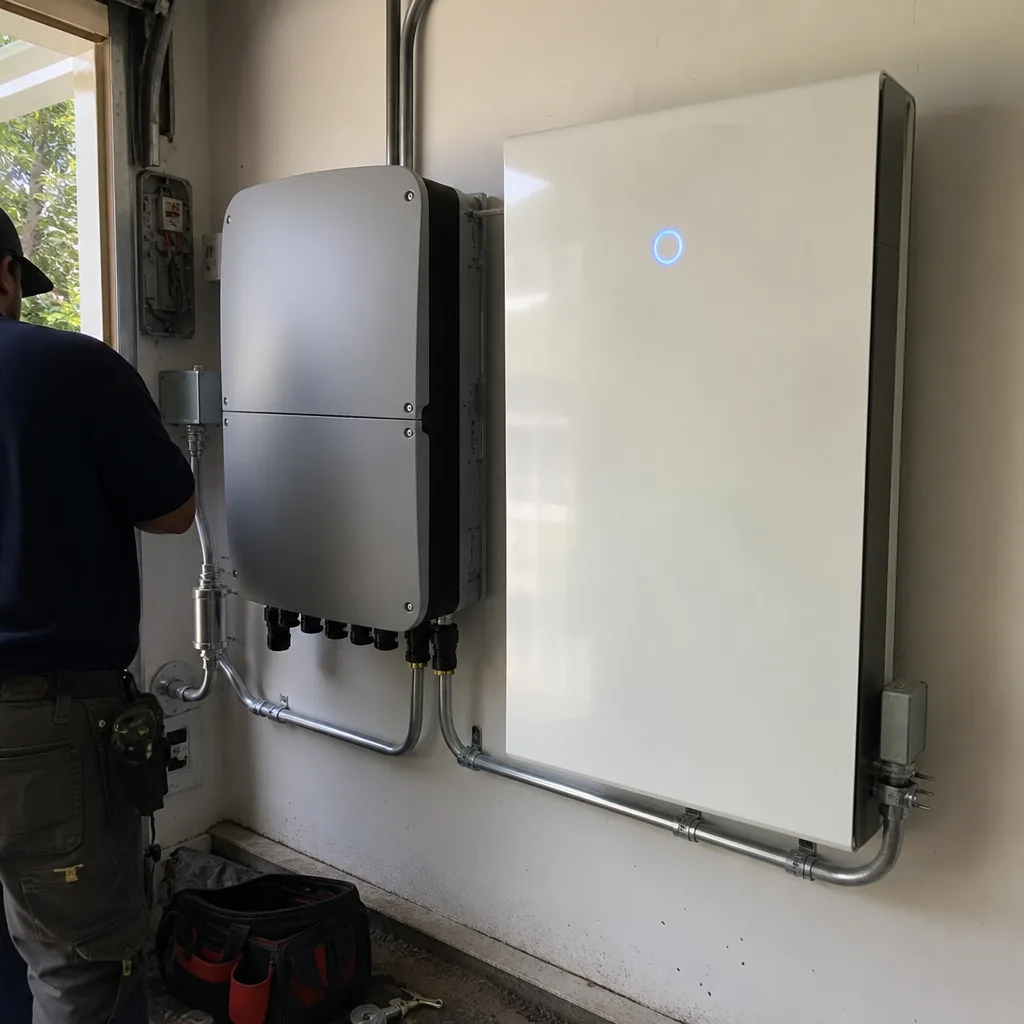
Battery storage pairs especially well with solar in Mill Valley because of the morning fog and early-afternoon ridgeline shadows. When the marine layer eats your first three hours of production, a battery lets you capture what the system does generate and discharge it during peak evening rates. For commercial accounts with demand charges, a FranklinWH or Tesla Powerpack sized to your actual load profile can cut a meaningful chunk off the bill without changing your operations at all. We quote the year-25 output on these systems, not the day-one brochure number.
What happens when you call
- 1
A real person answersNo phone trees - you reach a local pro.
- 2
You get an upfront price rangeHonest numbers before anyone is dispatched.
- 3
A background-checked tech heads outLicensed & insured, dispatched right away.
- 4
You approve before work beginsNothing starts until you say go.
Trusted Brands We Service in Mill Valley
We work with equipment that holds up in damp, foggy, shaded conditions: Tesla inverters and batteries, Enphase microinverters, SolarEdge power electronics, FranklinWH storage, plus panels from REC, Panasonic, and Qcells. For Mill Valley commercial clients, we keep common replacement parts locally available and our service runs cover the 94941 and 94942 area on a same-day basis whenever the problem calls for it. If your existing commercial system uses equipment we don’t stock, we can still service it and source parts quickly. Bring me a bill, I’ll bring you the math.
Common Commercial Solar Installation Problems We See in Mill Valley
- Redwood canopy shading the wrong roof face. In the Blithedale Canyon corridor and on wooded slopes off Old Mill and Cascade Drive, the structurally ideal roof face is frequently buried under a 100-foot canopy. Tree-ordinance permits and neighbor notification can stall a project for months before a panel layout is even finalized.
- String inverters on roofs with multiple shade patterns. A warehouse roof with three different morning shade regimes needs per-panel microinverters or optimizers, not one string inverter, to meet Mill Valley fire-code rapid shutdown rules without losing production on the unshaded faces.
- Wood-shake roof remnants on 1960s and 1970s commercial buildings. Some older hillside commercial structures still carry wood shake or partial wood-shake roofing. Skipping a structural survey here means discovering mid-project that a full tear-off is required, which stretches the payback period well past the system’s warranty assumptions.
- Marine-layer compression of peak production hours. The fog that funnels into Mill Valley from the Marin Headlands most mornings cuts early-day output, and the ridgelines below Mount Tamalpais shade east- and north-facing slopes by early afternoon. Designing without site-specific sun-path modeling leaves a customer paying for grid imports they thought they’d offset.
Pricing for Commercial Solar Installation in Mill Valley, CA
A typical commercial rooftop solar installation in Mill Valley runs $2.85 to $4.20 per watt before incentives, which puts a 50 kW system between $142,000 and $210,000 depending on roof condition, shade mitigation, and equipment choice. Warehouse and industrial systems with battery storage generally fall between $4.50 and $6.00 per watt installed. Solar carports in Mill Valley typically add 20 to 35 percent over an equivalent rooftop array because of structural steel and foundation work. What drives Mill Valley pricing higher than nearby cities is tree-trimming permits, structural reinforcement on older hillside buildings, and the custom engineering that comes with irregular roof orientations. We quote the number off your actual PG&E bill, not a generic estimate, and the price you see is the price you pay. Call (877) 550-6892 for a free, no-pressure estimate.
We Also Serve Cities Near Mill Valley
Beyond Mill Valley proper, our commercial crews cover Tamalpais Valley and Tamalpais-Homestead Valley daily, with regular runs to Corte Madera and Larkspur. If your building sits just outside the 94941 or 94942 boundary, give us a call anyway. You can also read more about how we approach Commercial Solar Installation across the Bay Area, or see specifics for Mill Valley and the surrounding communities.
Serving Mill Valley, CA - Our Local Coverage Area
We’re based in the Mill Valley area and know this community well. Use the map below to see our service coverage - if you’re nearby, we can almost certainly help.
FAQs - Commercial Solar Installation in Mill Valley
The ordinance covers pruning of protected trees, not just removal, and the city requires permits and neighbor notification for work on heritage trees regardless of whether you’re taking one limb or the whole crown. Branches that shade your roof are not exempt. We handle the permit paperwork and the neighbor outreach, and we’ve found the planning department is more cooperative when a project shows evidence of a good-faith effort to preserve the tree while recovering the roof’s exposure. Call (877) 550-6892 and we’ll tell you what’s likely to fly before you file anything.
Yes, it pays back, but only when the design accounts for the fog. Mill Valley’s morning marine layer and early-afternoon ridgeline shadows compress the useful production window to roughly four or five hours daily, which means the system has to be sized, tilted, and oriented for that window, not for a generic full-sun day. Systems designed without site-specific sun-path modeling routinely underproduce by 25 to 40 percent here and leave the owner with a true-up bill they didn’t plan for. Our estimates are built off year-25 output for this exact location.
Sometimes, but rarely on Mill Valley roofs with multiple shade regimes. If the existing inverter has headroom and the new panels go on an unshaded face, an addition can work. If the new panels will sit under a different shade pattern than the original array, you typically need microinverters or optimizers to keep the whole string from dragging down, and that usually means a new inverter architecture anyway. We do free second opinions on any written estimate, so if another contractor told you a simple panel-add is fine, we’ll come verify it against your actual roof and your actual bill.
Your weekday usage aligns well with solar production, but weekend generation gets exported to the grid at a lower value under current net metering rules, and the morning fog cuts into the window when refrigeration loads are highest. For a Mill Valley warehouse running 24/7 refrigeration, the math usually favors a system sized for weekday daytime loads with enough battery storage to shave demand charges during the fog-compressed morning and evening peaks. We map your hourly load profile from your PG&E data before we propose anything.
Mill Valley runs 15 to 30 percent longer on payback for the same roof because of three local factors: tree-ordinance delays, structural work on older hillside buildings, and the marine-layer compression of production hours. A building in San Rafael gets an extra hour of morning sun and likely faces no heritage-tree permit process at all. The extra cost in Mill Valley is real, and you should see it in the quote so you can plan for it. Call (877) 550-6892 for the exact numbers on your specific building, and take two weeks to think about it. The price will be the same.
Call Gus’s Solar for Commercial Solar Installation in Mill Valley
If you own or manage a commercial building in Mill Valley and you’re tired of estimates that don’t line up with your actual bill, call (877) 550-6892. Gus Petrakis answers his own phone, quotes real numbers off your PG&E statement, and never asks for a signature tonight. Serving Mill Valley, Tamalpais Valley, Tamalpais-Homestead Valley, Corte Madera, and Larkspur with the same crew, the same standards, and the same 90-Day Done Right Promise on every job. If it’s not done right, Gus makes it right. L.O.C.A.L. values: Local roots, On time, Community first, Accountable, Loyal.
Written by Gus Petrakis, Owner at Gus’s Solar, serving Mill Valley and the surrounding communities since 2011.