
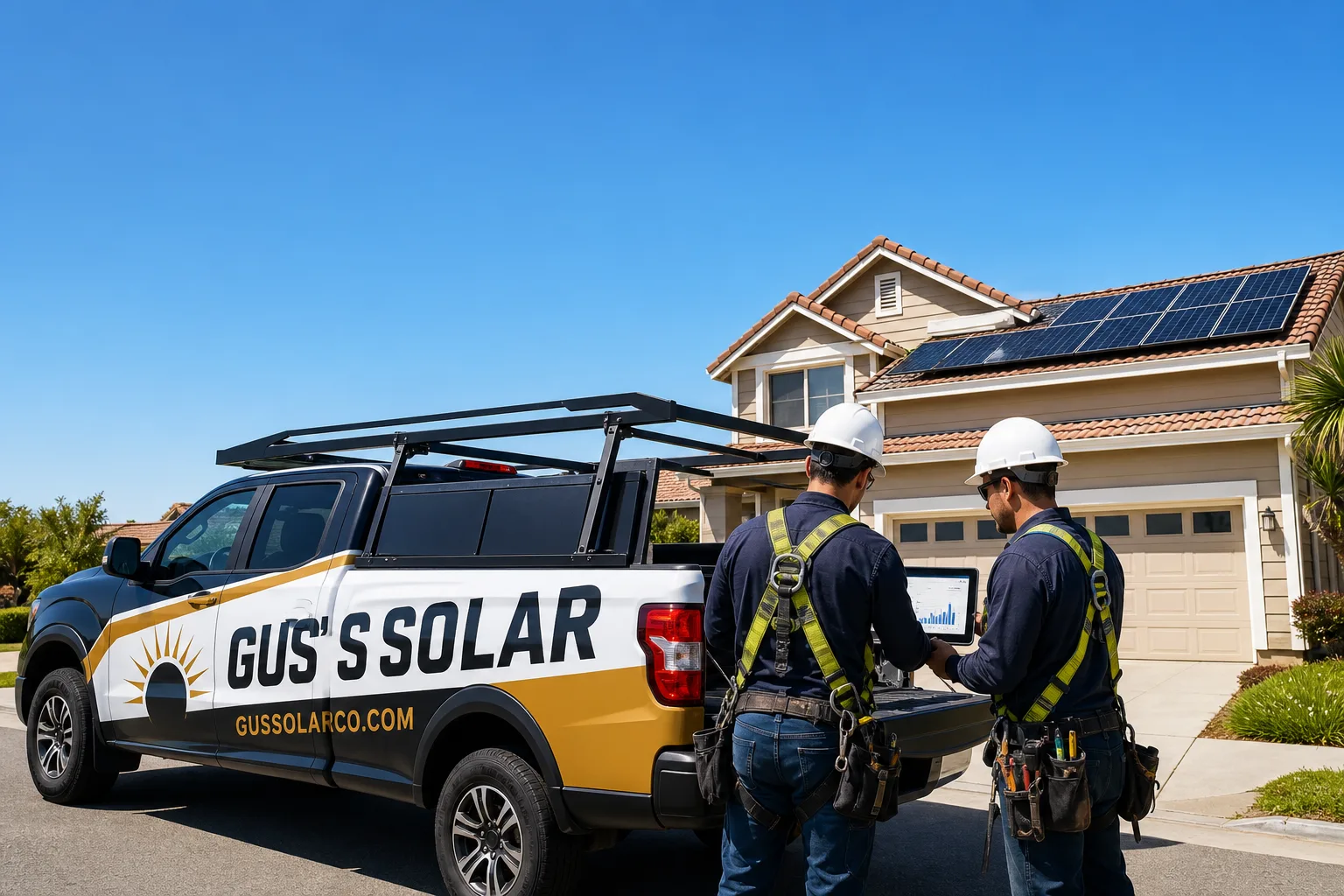
Free bill analysis - bring a power bill, get the production math for your actual roof, panel brands like Qcells and REC compared side by side
If the pitch starts at your door and ends with "sign tonight for the special," sleep on it. The sun will still be there tomorrow; so will we.
 Before
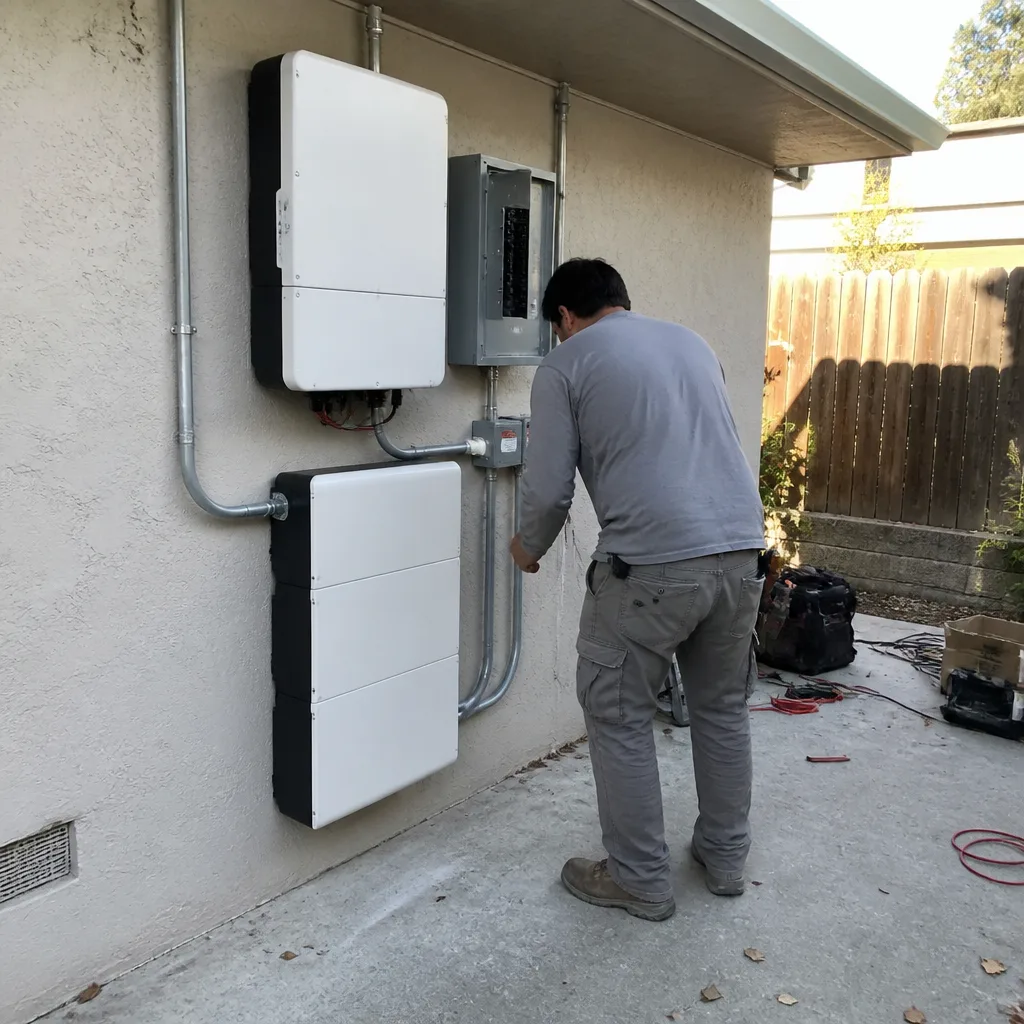 After
After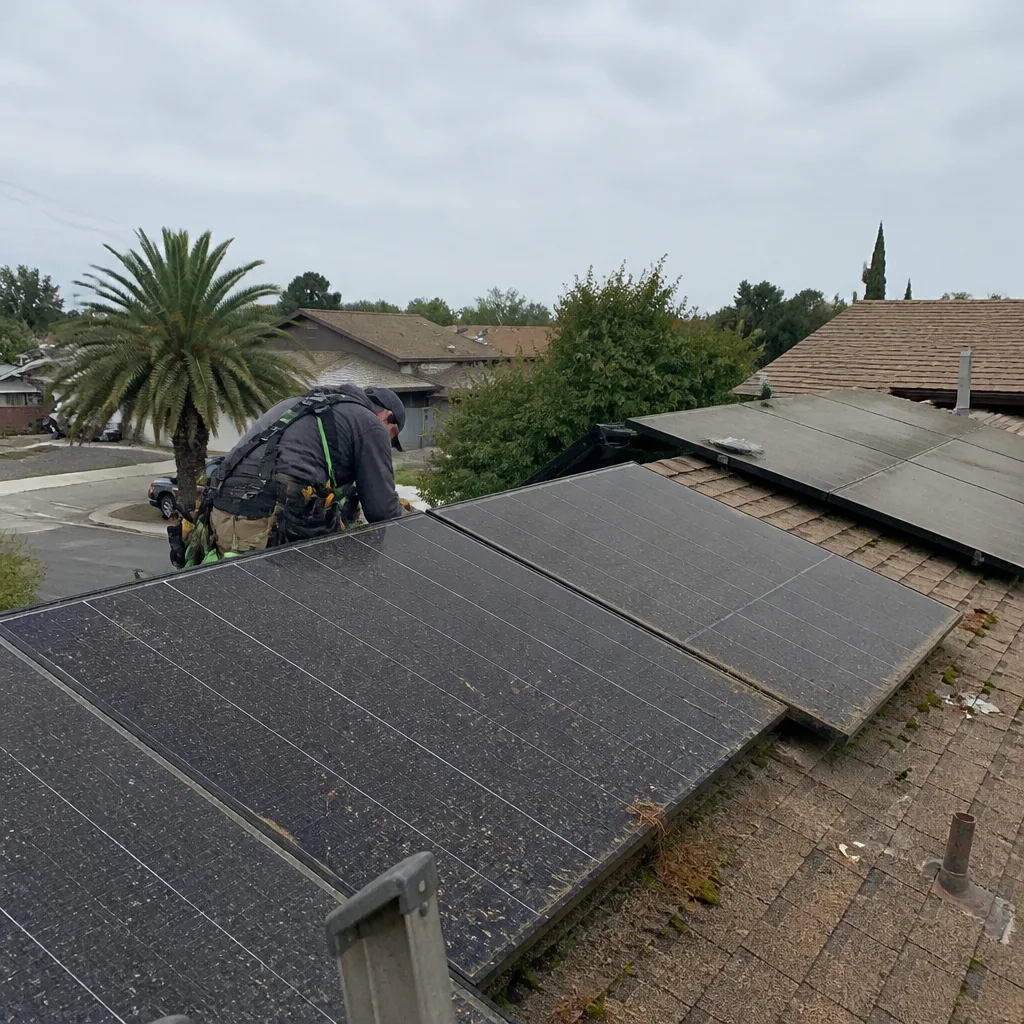 Before
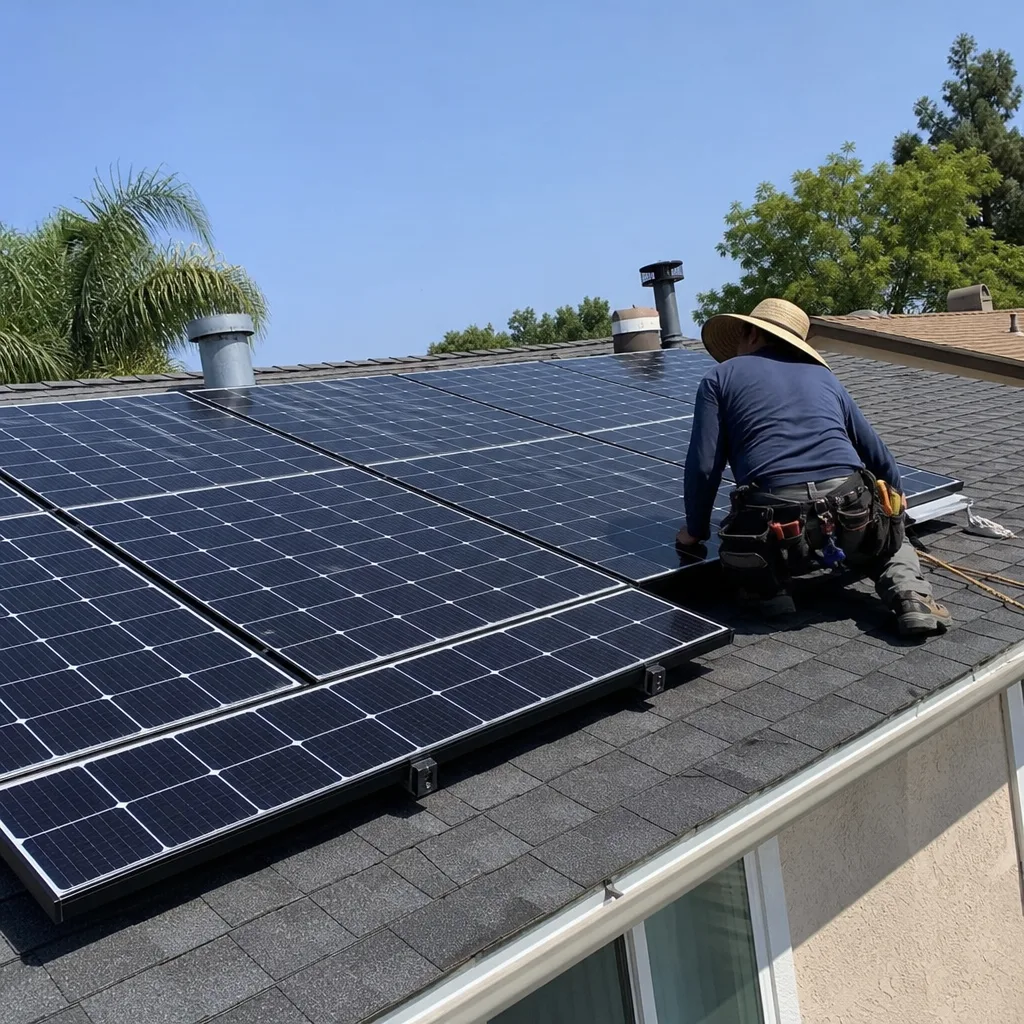 After
After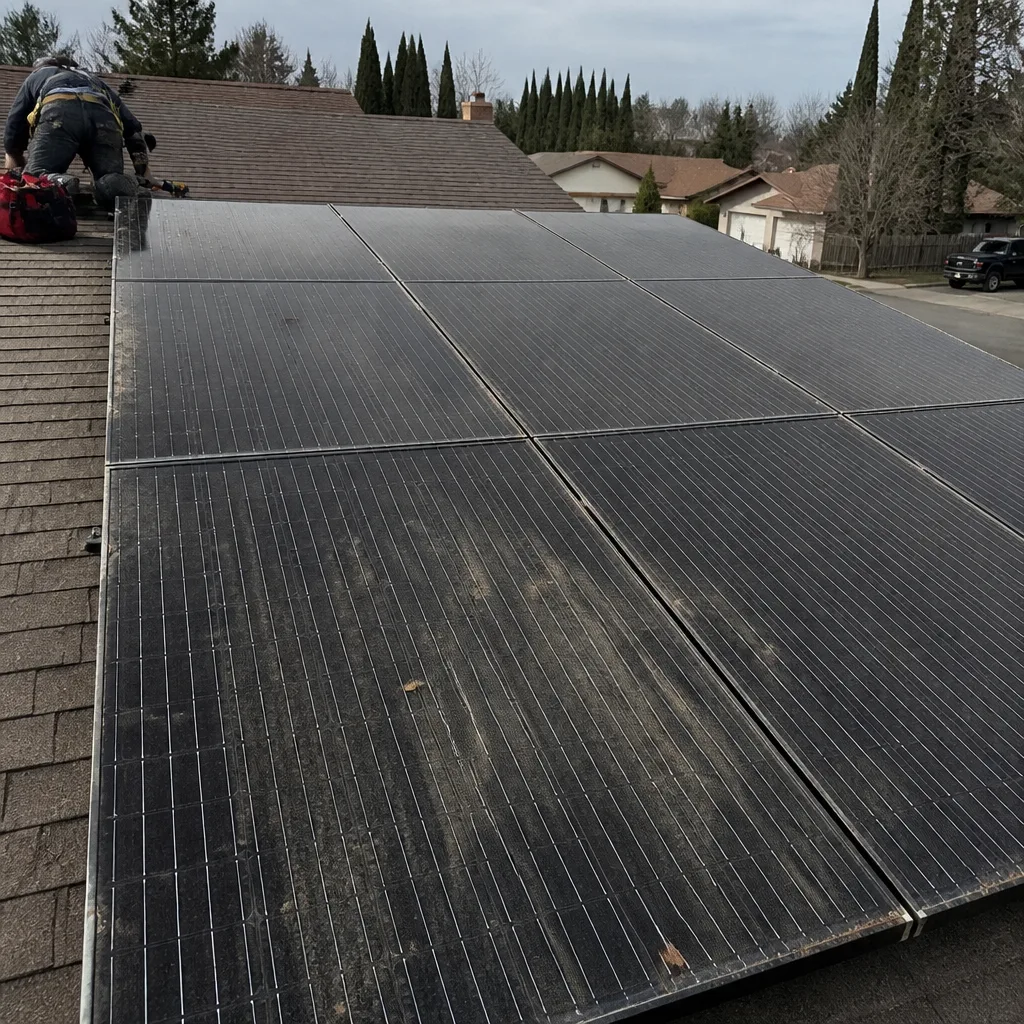 Before
 After
AfterFast, Reliable Commercial Solar Installation Across Liberty
Commercial solar installation in Liberty runs between $2.10 and $3.05 per watt installed, so a 100 kW warehouse array typically lands in the $210,000 to $305,000 range before federal tax incentives. Most commercial projects in the 77575 ZIP take 6 to 12 weeks from permit to final inspection, depending on floodplain documentation and utility interconnection. Gus’s Solar has been putting panels on Liberty warehouses, carports, and ag buildings long enough to know that every job here starts with two questions: where is the base flood elevation, and which trees are going to leaf out in May. Call (877) 550-6892 for a straight answer and a free site walk.
Why Gus’s Solar Is Liberty’s Preferred Commercial Solar Installation Company
Liberty is not Houston. The floodplain rules, the hurricane exposure, and the loblolly pine canopy all stack up differently here, and an installer who learned the trade in the western suburbs gets surprised in Liberty. We don’t. Gus Petrakis has been running a solar shop since 2011, and his crews have worked the Trinity River corridor enough to know that a warehouse roof on Highway 90 near the Dayton side faces different wind-load math than one off Main Street near the courthouse.
Liberty business owners tend to ask the same thing: will you still answer the phone after the system is live? The answer is yes. A live person answers calls 24/7, not a voicemail tree. When something throws a fault code at 11 p.m. on a Thursday, you get a real person who can tell you whether it’s safe to wait until morning or whether we’re sending someone now.
Every commercial job carries the 90-Day Done Right Promise in writing. If it’s not right, Gus makes it right. One call brings him back. That’s the standard, and it’s why Liberty business owners who got burned by an out-of-state door-knocker end up calling us for the rework.
Our Commercial Solar Installation Services in Liberty
We handle the full scope of Commercial Solar Installation work, but in Liberty the job almost always starts with floodplain compliance. Here’s what we do most often in the 77575 ZIP.
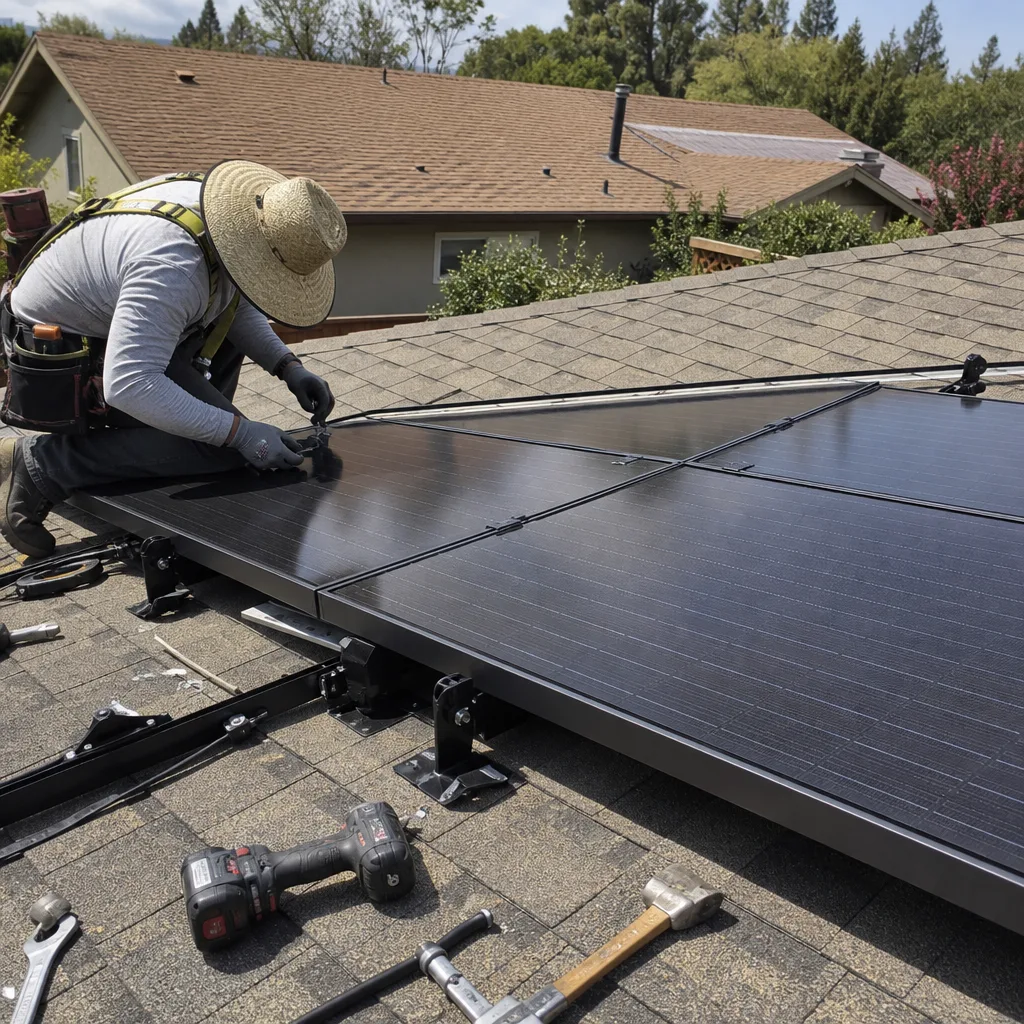
Warehouse & Industrial Solar
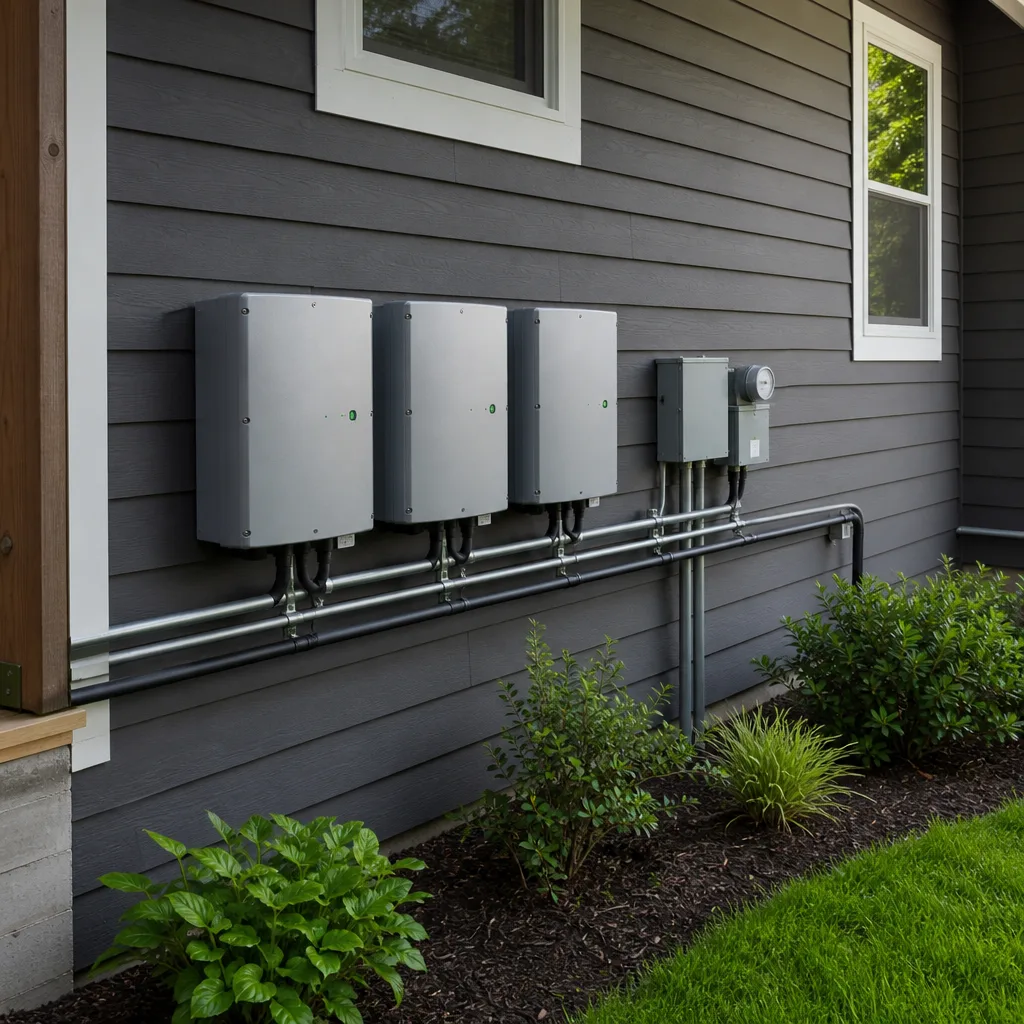
Liberty’s warehouses along the Highway 90 corridor and the industrial lots near the Trinity River need arrays sized for actual load data, not a square-footage guess. We pull your interval usage, match it against your peak demand charges, and quote the year-25 output, not the day-one brochure number. Most warehouse jobs here involve elevating inverters and DC disconnects above FEMA base flood elevation, which changes conduit runs and adds structural standoffs. We plan for that from the first site visit, so the inspector doesn’t red-tag the final.
Solar Carport Installation
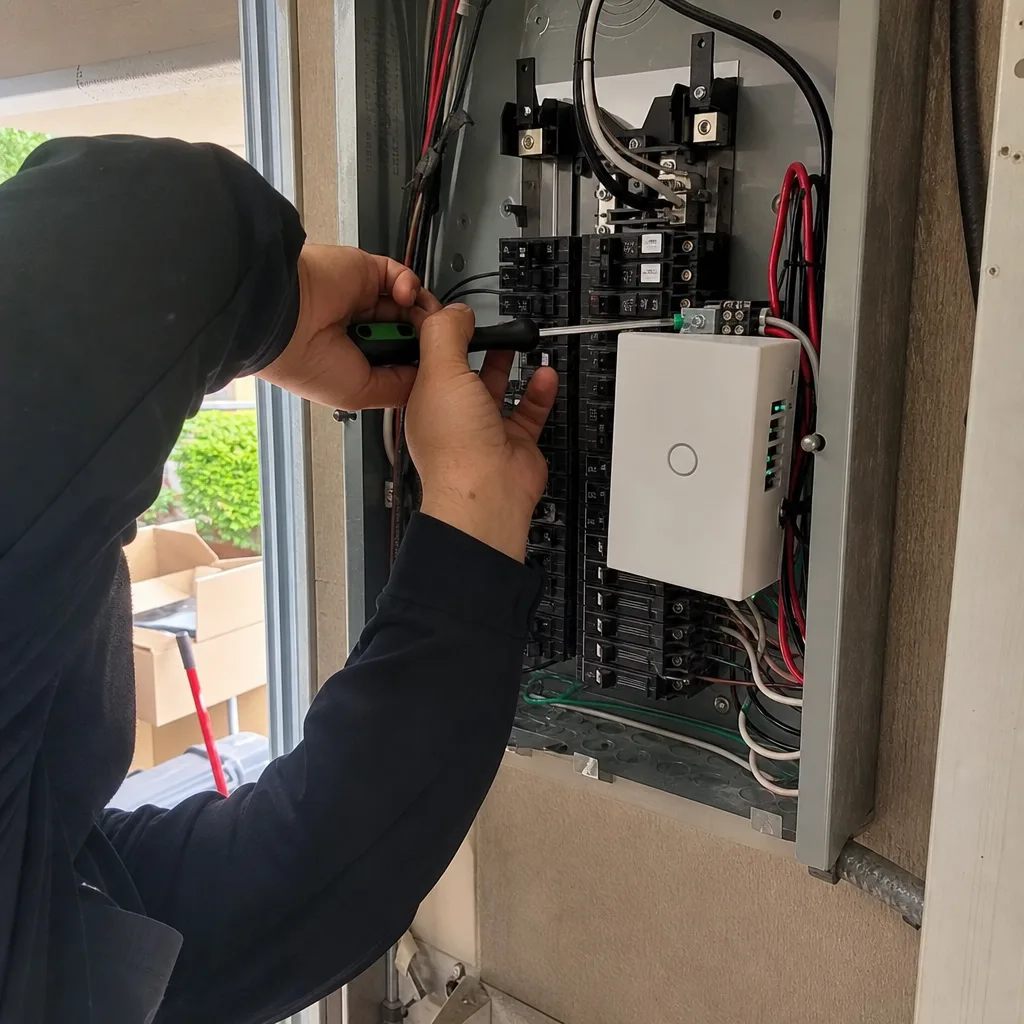
Carports make sense in Liberty for two reasons: they free up the usable warehouse roof, and they let you place the electrical gear at a height that satisfies floodplain rules without a separate standoff rack. A 50 kW carport over a commercial parking lot off North Main typically runs $135,000 to $165,000 including all elevated equipment mounting. We design the shade structure around existing drainage patterns, because in the Trinity bottomlands water goes where it wants, and a carport that blocks a drainage swale becomes a problem the first time a tropical system stalls overhead.
Commercial Battery Storage
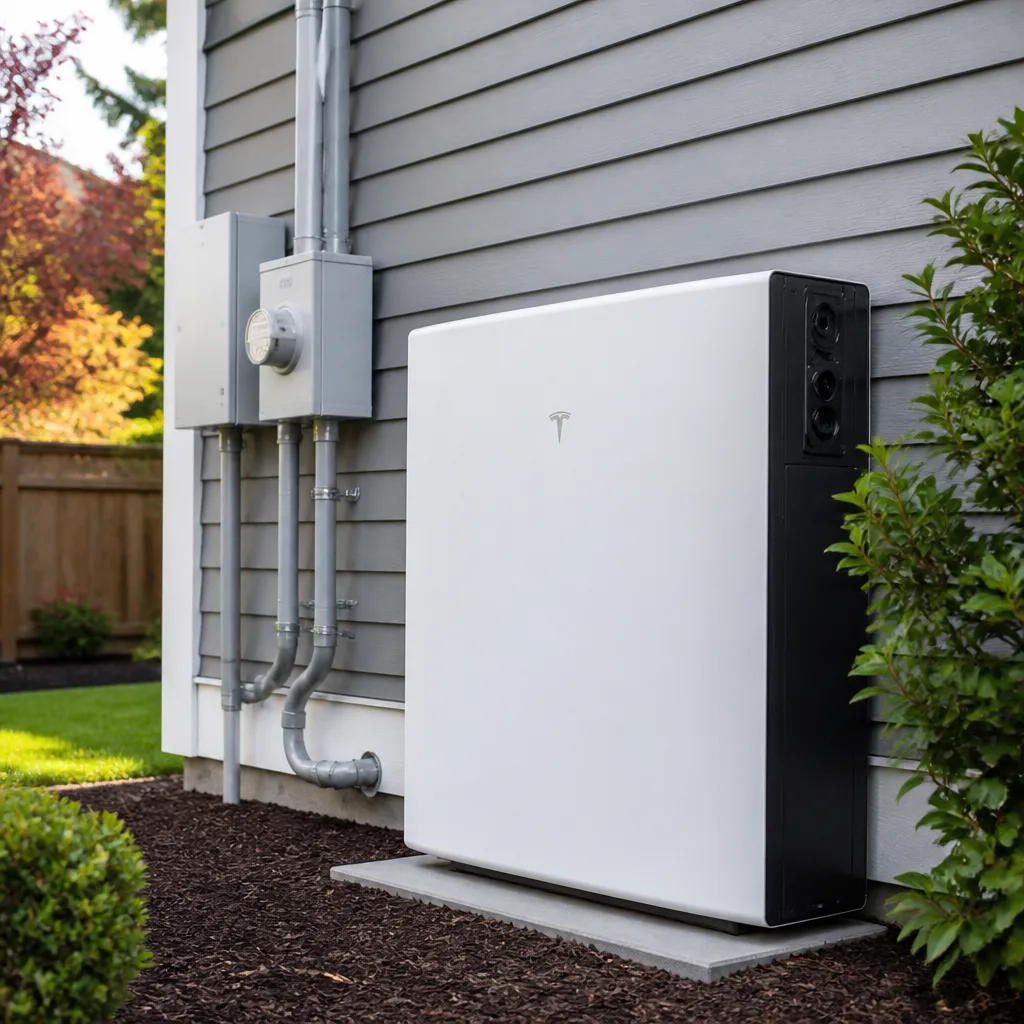
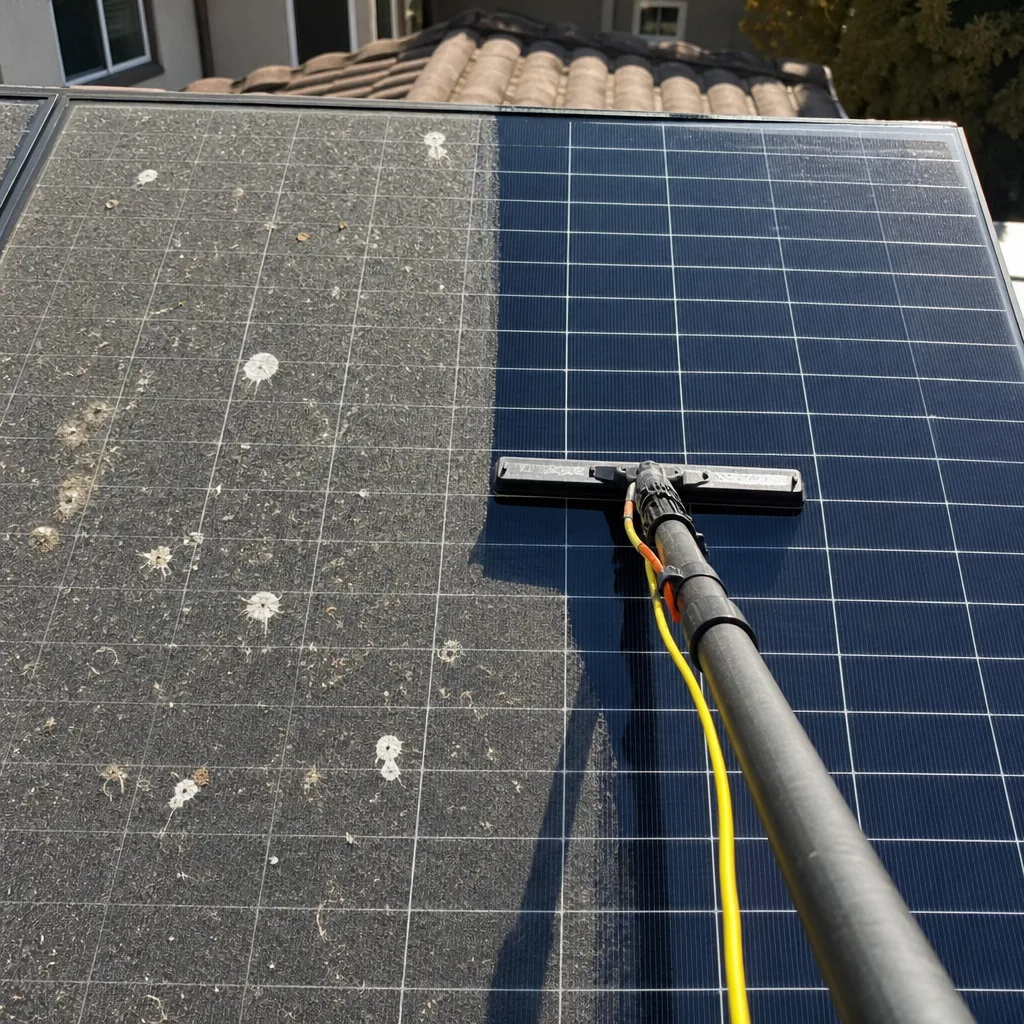
Liberty sits in direct hurricane-track exposure. When CenterPoint or the co-op shuts down the feeder during a named storm, the grid stays down longer than most business owners plan for. Commercial battery storage sized for critical loads, usually 30 to 100 kWh for small commercial operations, lets a Liberty business keep freezers, security systems, and point-of-sale running through the outage. We quote FranklinWH and other commercial-grade battery banks, mounted above flood elevation, with the same no-pressure math we use on every solar job. Bring us a bill, we’ll bring you the numbers.
Agricultural & Ground-Mount Solar
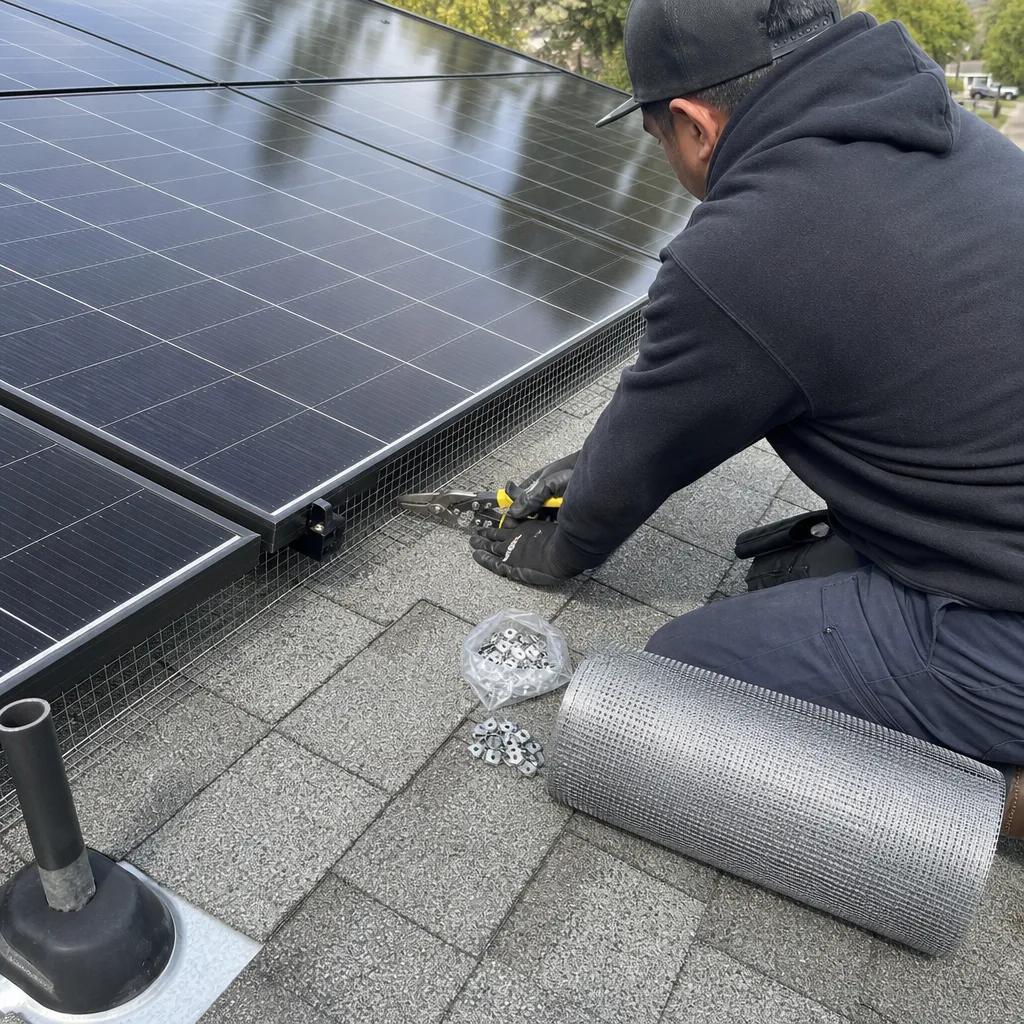
Liberty County has active hay operations, cattle leases, and rural properties with dead-load roof concerns on older metal buildings. Ground-mount arrays solve that. A 25 kW ground-mount on a rural lot east of the city typically runs $58,000 to $72,000 before incentives, including the elevated electrical pad and corrosion-resistant racking Liberty’s humidity demands. We survey the site in summer when the canopy is full, not winter when satellite imagery looks clear.
What happens when you call
- 1
A real person answersNo phone trees - you reach a local pro.
- 2
You get an upfront price rangeHonest numbers before anyone is dispatched.
- 3
A background-checked tech heads outLicensed & insured, dispatched right away.
- 4
You approve before work beginsNothing starts until you say go.
Trusted Brands We Service in Liberty
We install and service equipment from Liberty-area businesses can actually get parts for: Panasonic and Canadian Solar panels, JinkoSolar for budget-conscious commercial arrays, and FranklinWH for battery storage that holds up in a hurricane zone. We keep common failure parts, fuses, optimizers, and monitoring modules, stocked so a fault code on a Liberty warehouse doesn’t mean a two-week wait for a component from a distributor three states away. Gus’s crew works on the brands we quote, and we don’t hand the work off to a sub.
Common Commercial Solar Installation Problems We See in Liberty Homes
- Inverters mounted at grade on a commercial pad. Liberty inspectors will red-tag an installation if the equipment’s flood opening sits below FEMA base flood elevation. We see this most often on jobs originally quoted by out-of-town installers who didn’t pull floodplain maps. The fix is a galvanized standoff rack, re-run conduit, and a re-inspection, and every one of those costs money that a proper design would have avoided.
- Production estimates based on winter satellite imagery. The bottomland hardwoods and loblolly pines along the Trinity River corridor leaf out hard in late spring. A south-facing commercial roof that looks clear on a January satellite photo can lose 30 to 40 percent of production hours by June. We do on-site shading analysis in summer, because that’s the only season that tells the truth.
- Standard galvanized rail on warehouse and carport jobs. The humidity here is not a joke. Untreated racking rusts within a few hurricane seasons, and corroded torque-tube hardware on a carport starts making noise and losing structural margin faster than most owners expect. We specify corrosion-resistant coating on every Liberty commercial job, not just the ones near water.
- Manufactured and low-slope roofs with racking issues. Liberty’s commercial stock includes plenty of shallow-pitch metal buildings and post-Harvey roof replacements. Penetration flashing on a re-roof done after 2017 needs warranty documentation, and if the installer skips that step, the roofing manufacturer can void the warranty. We check before we drill.
Pricing for Commercial Solar Installation in Liberty, TX
Commercial solar pricing in Liberty breaks down like this: warehouse rooftop arrays run $2.10 to $2.75 per watt, carports run $2.65 to $3.05 per watt because of the steel structure, and ground-mount systems land at $2.40 to $2.90 per watt depending on soil conditions and trenching distance. Battery storage adds $900 to $1,200 per kWh of usable capacity. A 100 kW warehouse array in the 77575 ZIP typically costs $210,000 to $275,000 before the 30 percent federal tax credit. Floodplain elevation work, standoff racks, elevated disconnects, and any conduit rerouting add $4,000 to $12,000 depending on the existing pad layout. We quote the number, and the number is the number. Take two weeks. Think about it. The price will be the same.
We Also Serve Cities Near Liberty
Our commercial crews work regularly in Dayton, Mont Belvieu, Highlands, and Baytown, and we understand how the floodplain rules shift as you move toward the coast. If your business sits outside the 77575 ZIP, call and we’ll tell you straight whether it’s a service area we cover this month. When it comes to Commercial Solar Installation in Liberty and the surrounding county, we’d rather drive a little farther and do it right than quote a job we can’t stand behind.
Serving Liberty, TX - Our Local Coverage Area
We’re based in the Liberty area and know this community well. Use the map below to see our service coverage - if you’re nearby, we can almost certainly help.
FAQs - Commercial Solar Installation in Liberty
Yes, Liberty inspectors require inverters, combiners, disconnects, and battery cabinets to have their flood openings above FEMA base flood elevation for the specific parcel, and that often means mounting equipment on galvanized standoff racks instead of wall-mounting at grade. The requirement exists because the Trinity River floodplain put large sections of the 77575 ZIP underwater during Hurricane Harvey in 2017, and electrical equipment that sits below the 100-year flood elevation is a safety hazard and a code violation. Call (877) 550-6892 and we’ll pull the flood map for your parcel before quoting.
The dense bottomland hardwoods and loblolly pines along the Trinity River corridor cast heavy seasonal shading that winter satellite imagery can’t show, and a commercial roof that looks clear in January can lose 30 to 40 percent of production hours by late May once the canopy leafs out. We do on-site shading analysis in summer, not winter, and if the array azimuth needs to shift to dodge a mature pine, we’ll tell you before the racking goes up.
A Liberty commercial array should use IEC 61730-certified panels rated for high wind uplift, paired with corrosion-resistant racking and torque-tube hardware specified for the humid Trinity River bottomlands. Standard galvanized rail rusts within a few hurricane seasons here. We specify the hurricane-rated hardware on every commercial job in the 77575 ZIP, because the wind and the humidity both come for the racking eventually.
Net metering and export credit rates in Liberty are governed by the same utility tariff structures that apply across the region, so the rate you receive for exported kWh generally matches what a Houston commercial customer receives under the same utility. The real difference in Liberty is the floodplain equipment elevation requirement, which Houston’s western suburbs don’t face. Bring us a bill, we’ll bring you the math on what your specific system exports under your actual usage pattern.
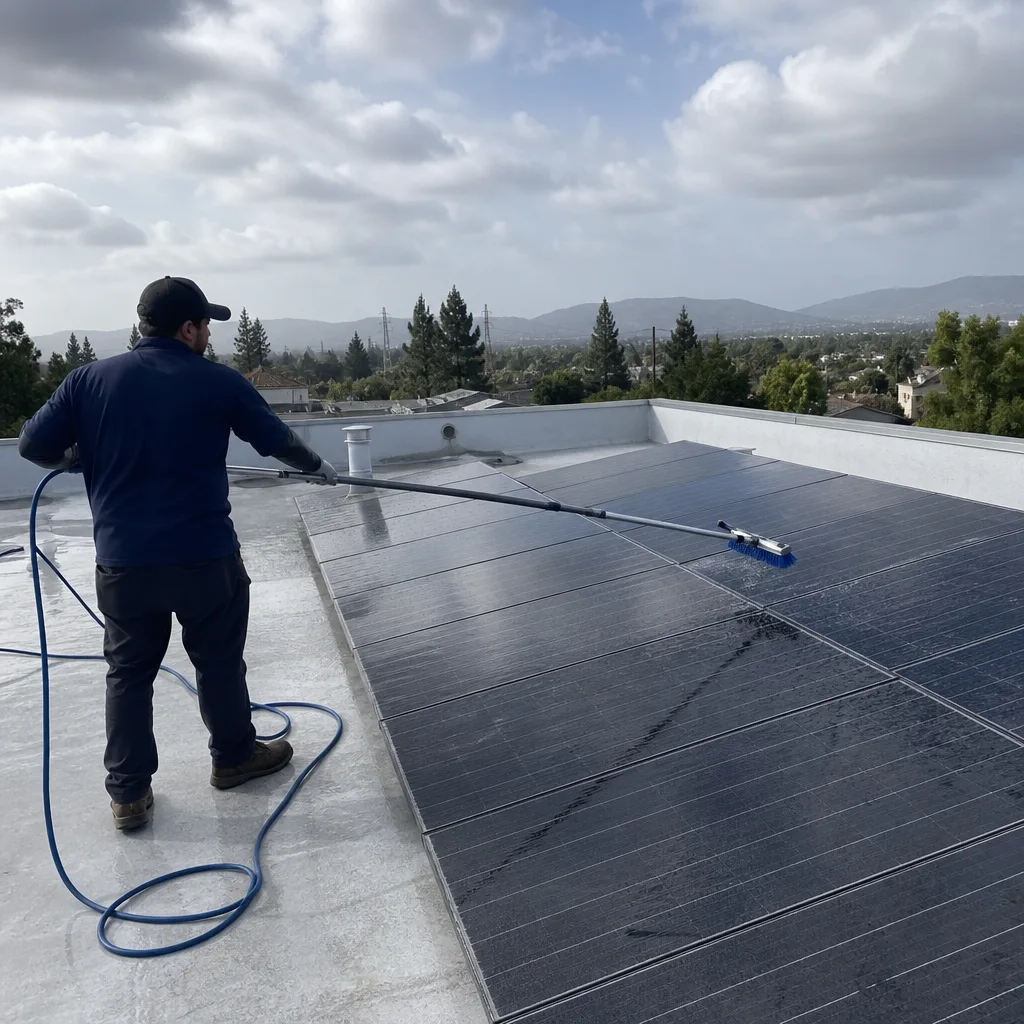
On a commercial rooftop near the Liberty-Dayton corridor, we elevated a three-phase SolarEdge inverter and AC disconnect onto a galvanized standoff rack because the owner’s post-Harvey rebuild documents showed the original pad location sat below the 100-year flood elevation. Our crew re-ran the DC conduit along the parapet, set the array azimuth at 188° to dodge a loblolly pine shadow that would have cut the production estimate by a third by June, and still finished before the afternoon storm line moved through. Wall-mounting at the original height would have failed inspection.
Written by Gus Petrakis, Owner at Gus’s Solar, serving Liberty since 2011.