
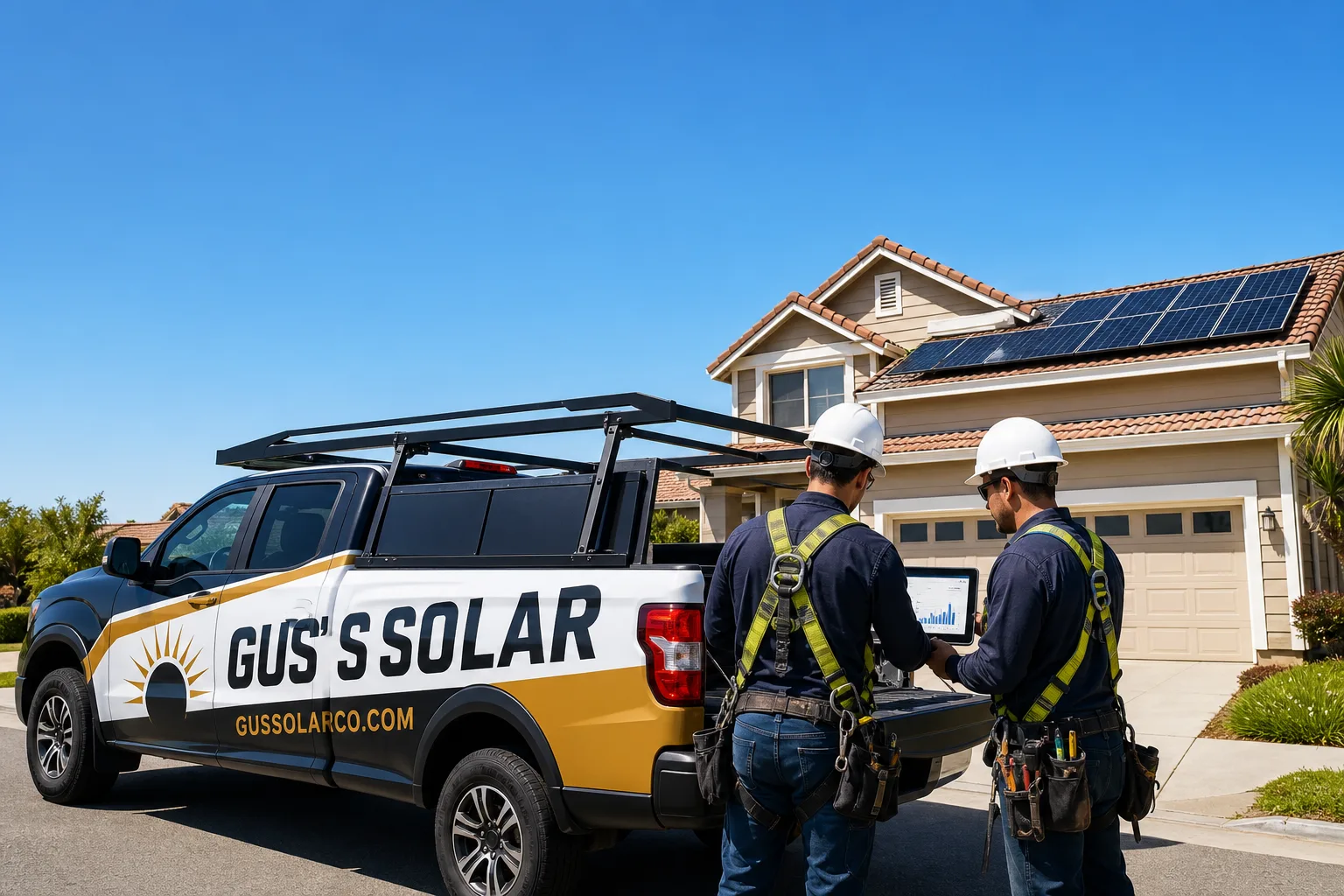
Free bill analysis - bring a power bill, get the production math for your actual roof, panel brands like Qcells and REC compared side by side
If the pitch starts at your door and ends with "sign tonight for the special," sleep on it. The sun will still be there tomorrow; so will we.
 Before
 After
After Before
 After
After Before
 After
AfterCommercial Solar Installation in Interlaken, CA: What It Costs and What Actually Works Here
Commercial solar installation in Interlaken typically runs $2.85 to $3.60 per watt before incentives, which puts a 50 kW warehouse system between $142,500 and $180,000, and a smaller 15 kW farm building array between $42,750 and $54,000. But the number that matters more in ZIP 95019 is the production estimate: Interlaken sits directly in the path of Monterey Bay’s summer marine layer, giving it some of the lowest peak sun hours of any ZIP code on California’s Central Coast. Generic “California solar” production models routinely overstate output here by 15 to 25 percent, which is why every proposal we write for Interlaken starts with marine-layer-adjusted irradiance data, not a brochure number. If you’re looking at quotes that promise a 4-year payback on a cold storage facility off Holohan Road, ask to see the irradiance dataset behind the math. If they can’t show you, call us at (877) 550-6892 and we’ll walk you through the real numbers.
Why Gus’s Solar Is Interlaken’s Preferred Commercial Solar Installation Company
Gus Petrakis founded Gus’s Solar in 2011 and has kept his name on the truck, the shop, and the contract ever since. That matters in a small unincorporated community like Interlaken, where word travels fast and a company that disappears after the install doesn’t get a second job. Our Commercial Solar Installation team has worked on berry cold storage buildings, agricultural pump stations, and farmhouse conversions throughout the Pajaro Valley. We know what the marine layer does to production curves here, and we know which PG&E rate schedules apply to which agricultural loads. That local fluency isn’t a sales talking point. It’s the difference between a system that performs as promised and one that quietly underdelivers for 25 years while the installer’s phone number stops working.
We background-check every technician and send our own uniformed crew to every job. Gus’s crew flashes every roof penetration properly, handles the structural inspection before rail install, and doesn’t hand work off to subcontractors. The 90-Day Done Right Promise is in writing on every solar job: if it’s not done right, Gus makes it right, and one call brings him back. You won’t get that from a door-knocker who needs a signature tonight.
When you call (877) 550-6892, a live person answers. Not a voicemail, not a ticketing portal. That’s true at 2 p.m. and 2 a.m. For a business owner in Interlaken running irrigation pumps or refrigeration, that’s not a luxury. It’s the whole point.
Our Commercial Solar Installation Services in Interlaken
Commercial Rooftop Solar
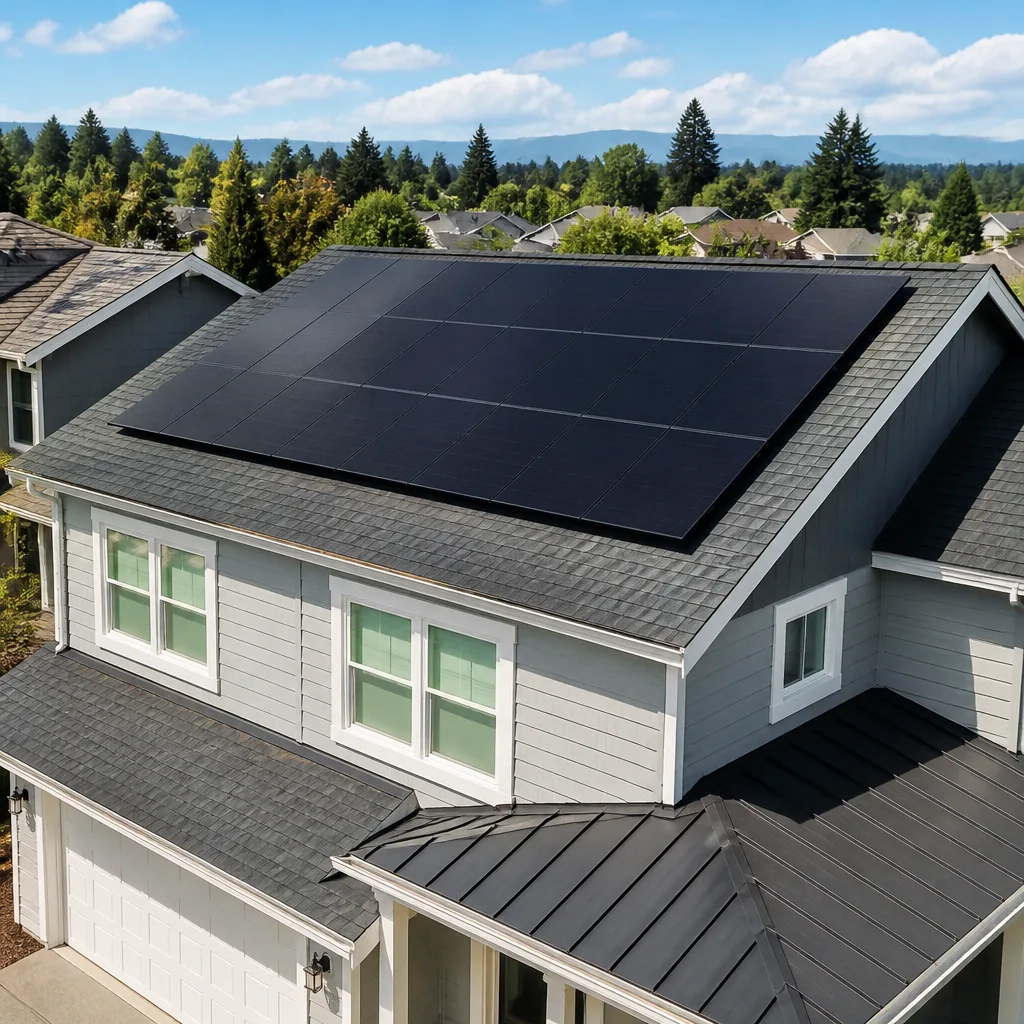
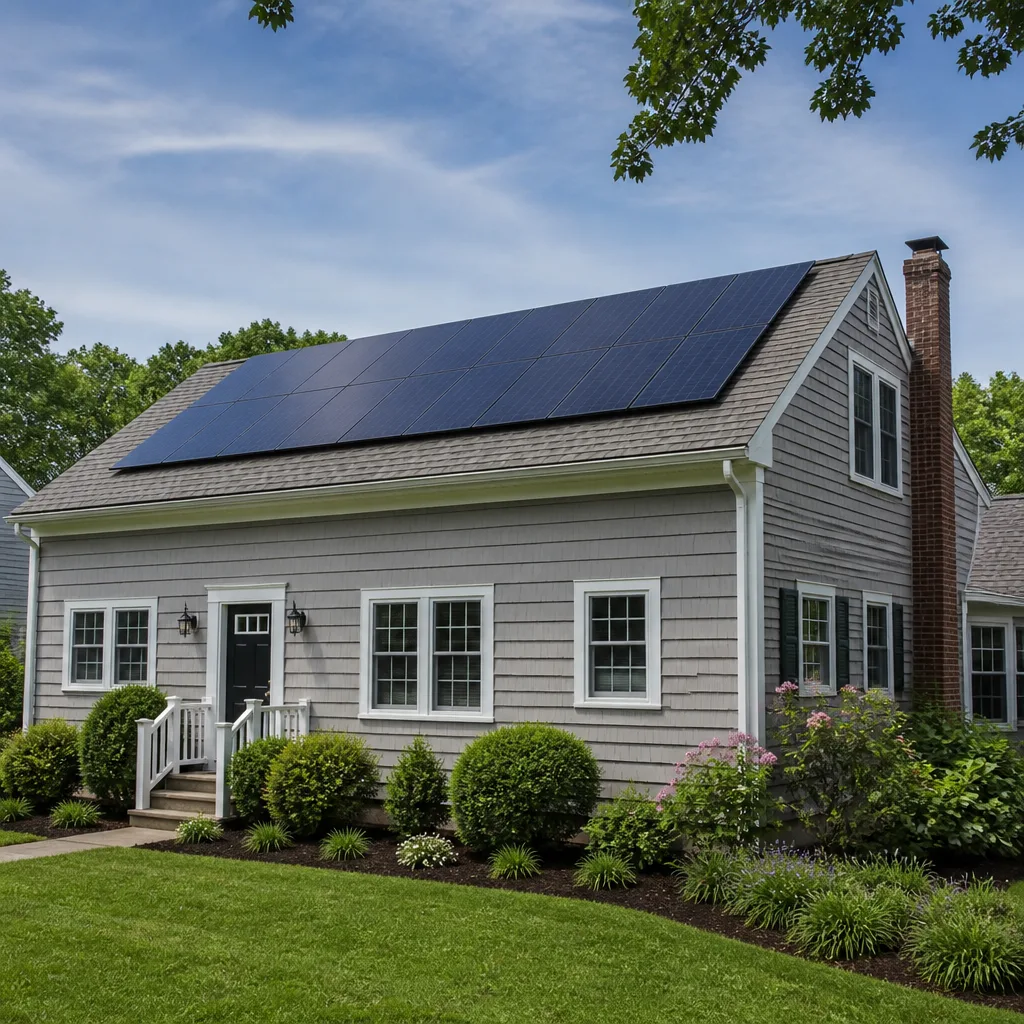
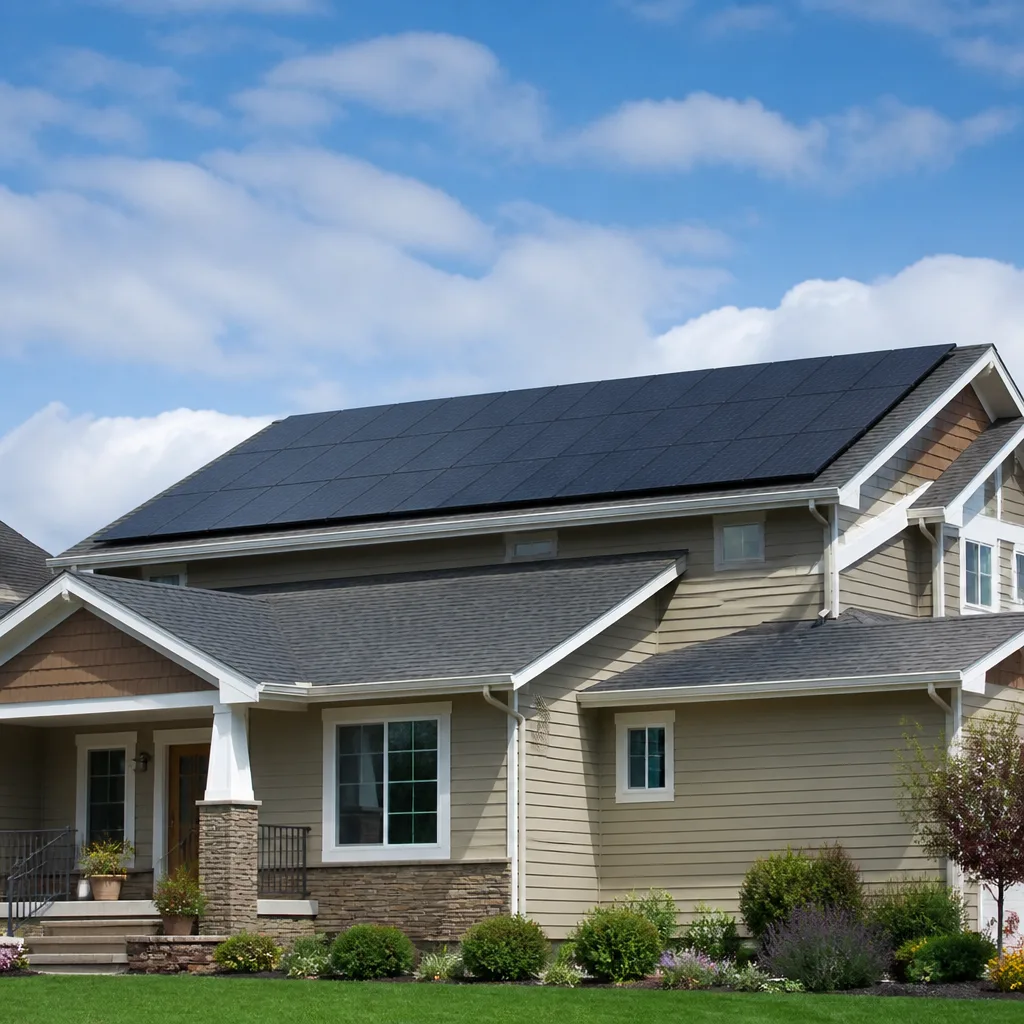
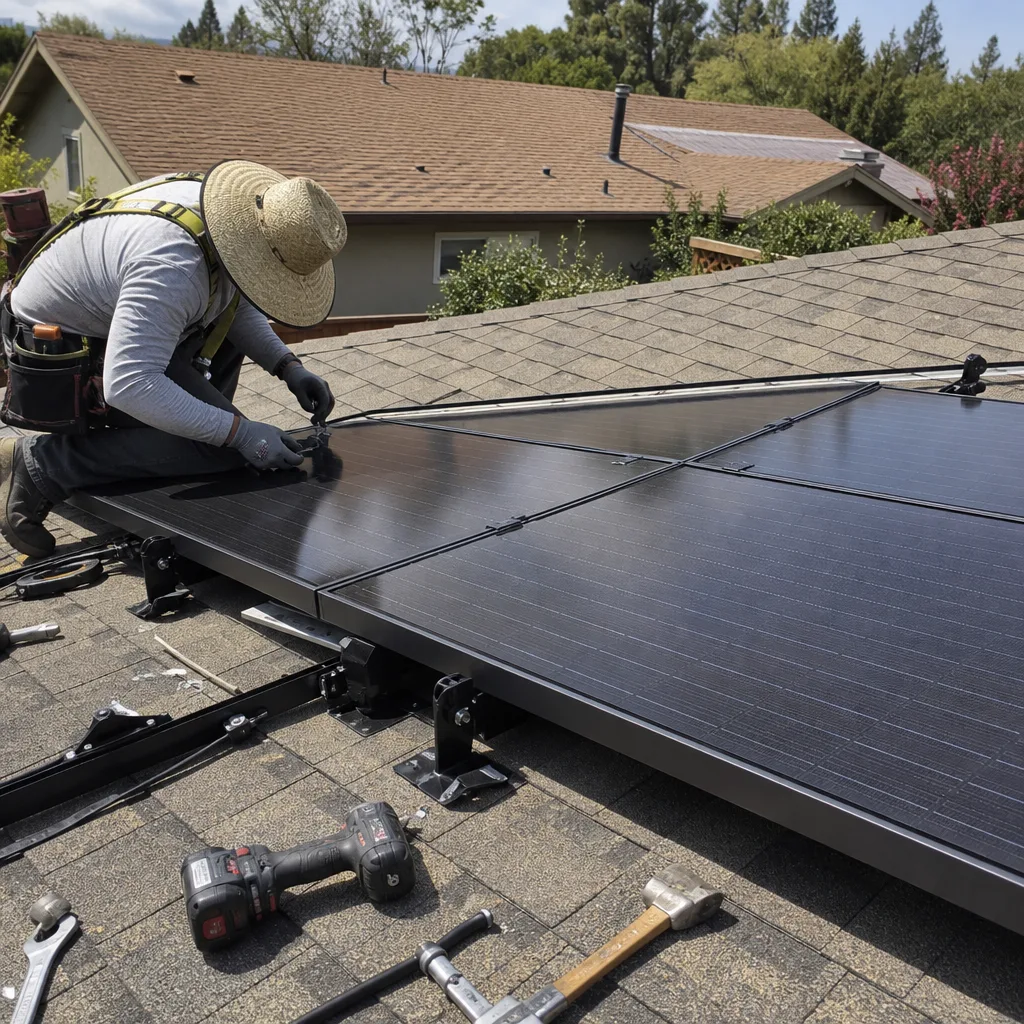
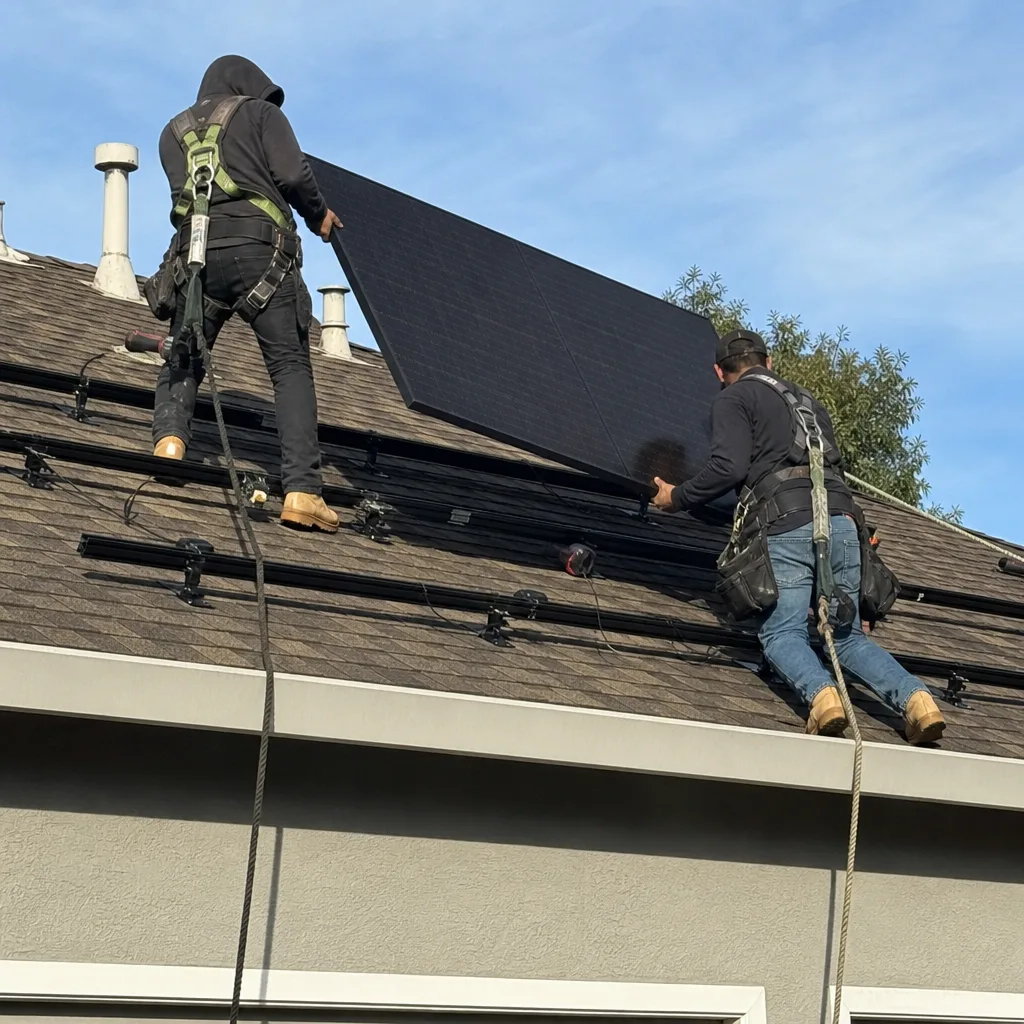
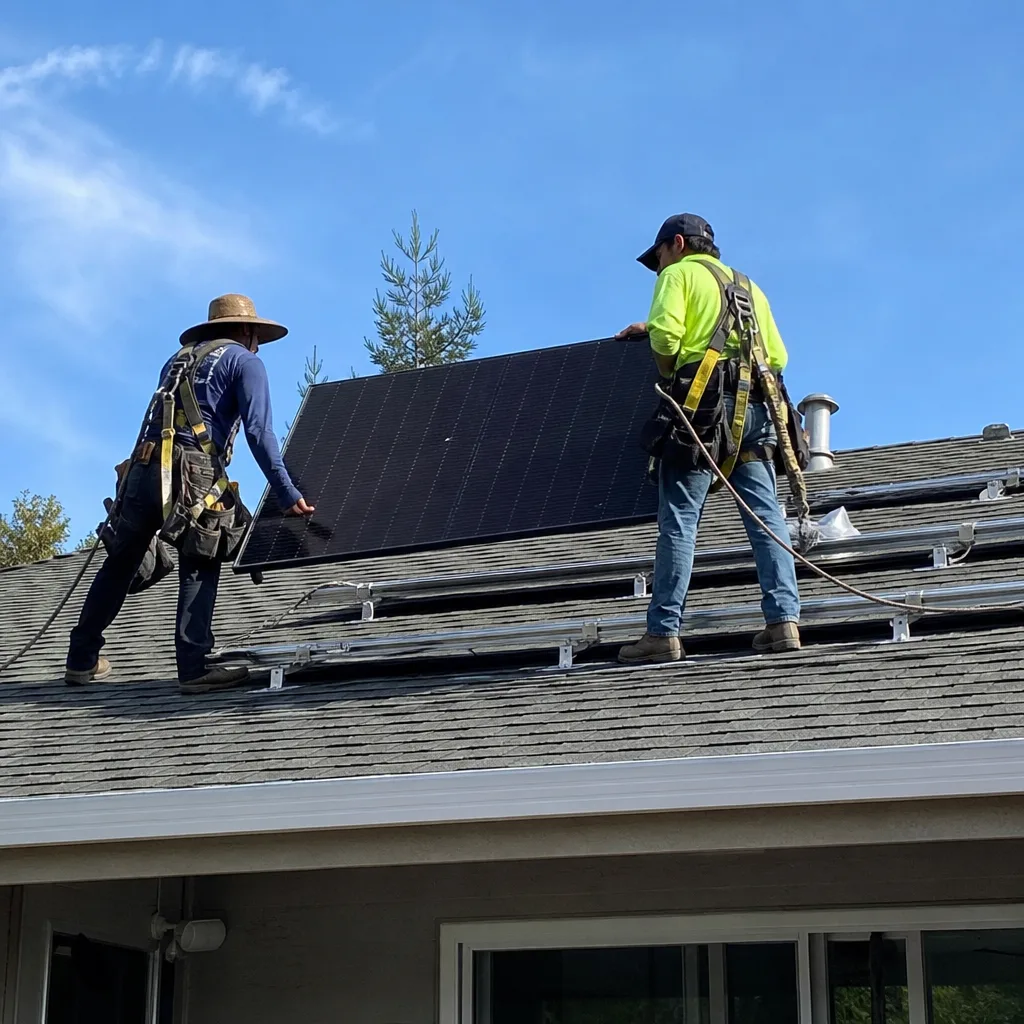
Our commercial rooftop solar in Interlaken starts with a structural assessment of the roof deck, not a sales pitch. Many of the older farmhouses and warehouse buildings along Holohan Road and Buena Vista Drive have composition shingle over skip sheathing, which can be structurally straightforward but needs inspection before any rail system gets mounted. We size the array using Interlaken-specific irradiance data, not zip-code-level averages that assume inland sun. For warehouses and cold storage facilities, that means realistic summer-suppressed production curves and honest year-one numbers.
Warehouse & Industrial Solar
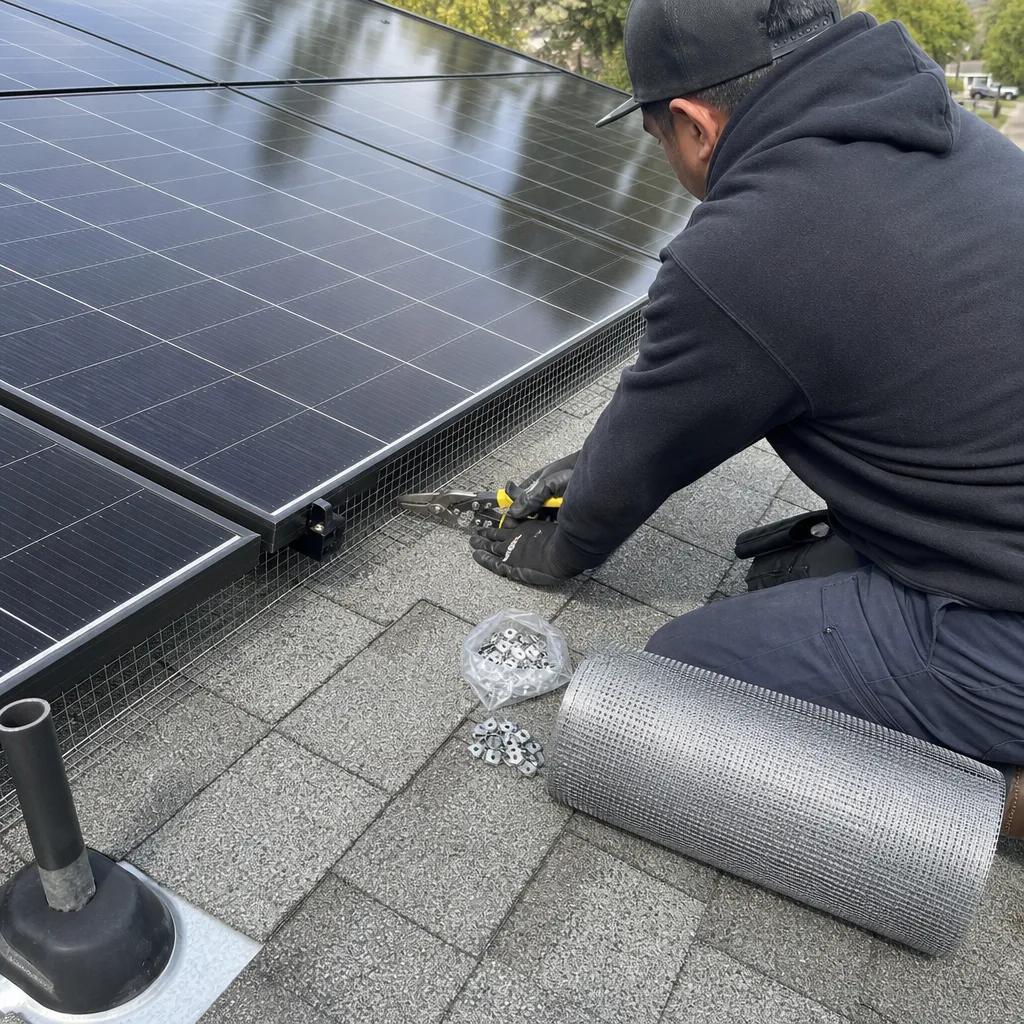
Refrigerated cold storage for berries and vegetables drives some of the most cost-effective solar projects in the 95019 ZIP code. These loads run all day, every day, and they don’t care whether the sun is shining. Pairing a rooftop array with a correctly configured interconnection and the right PG&E agricultural rate schedule can offset 80 to 95 percent of annual kWh usage. We’ve seen systems here where the refrigeration load runs at 92 percent annual offset after proper modeling, even with the marine layer compressing summer output.
Agricultural & Ground-Mount Solar
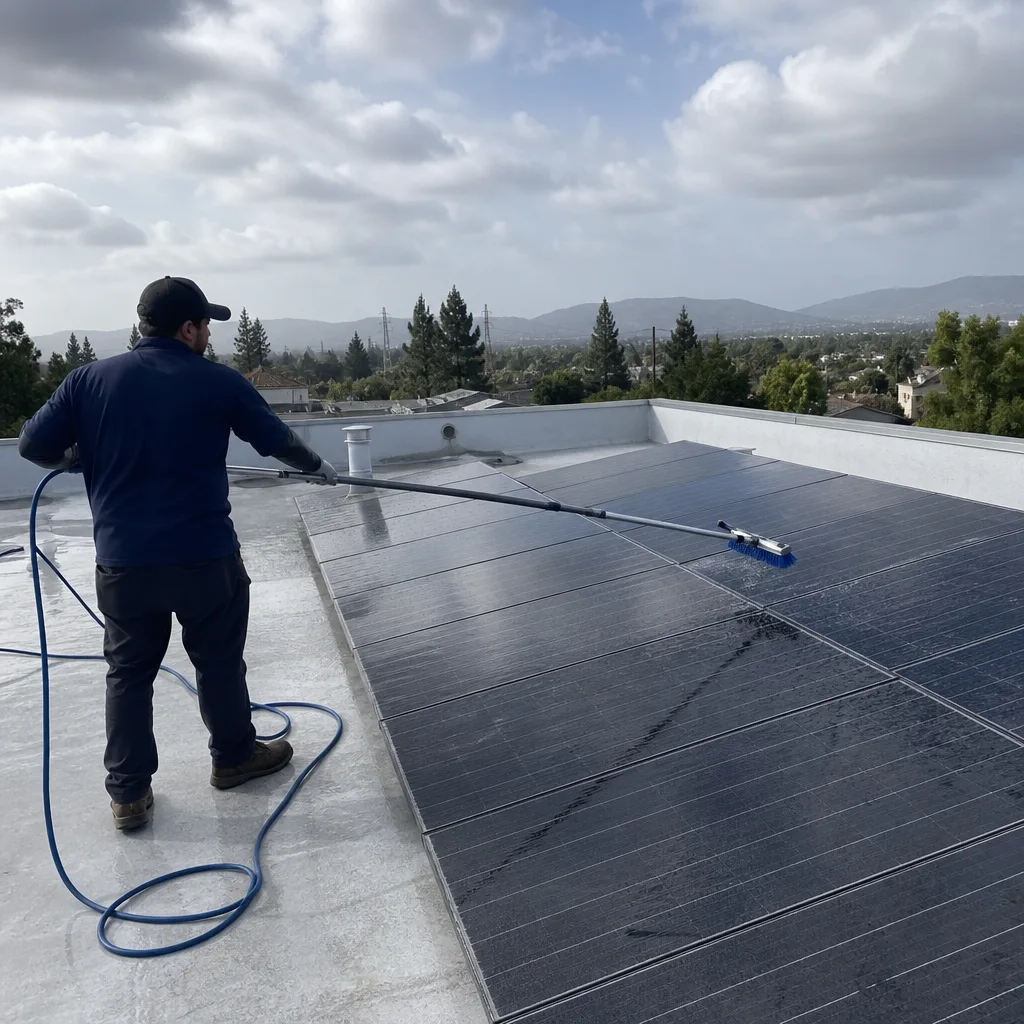
Ground-mount solar is often the better answer in Interlaken than a barn roof, especially for irrigation pumps and farm equipment loads. The Pajaro Valley’s agricultural properties tend to have open acreage, aging barn trusses, and equipment that needs dedicated circuits rather than a shared rooftop inverter. A ground-mount array lets us angle the panels for winter production, which is actually the clean-sky season here. That’s a counterintuitive detail most installers never explain, but it changes the annual output math considerably.
Commercial Battery Storage
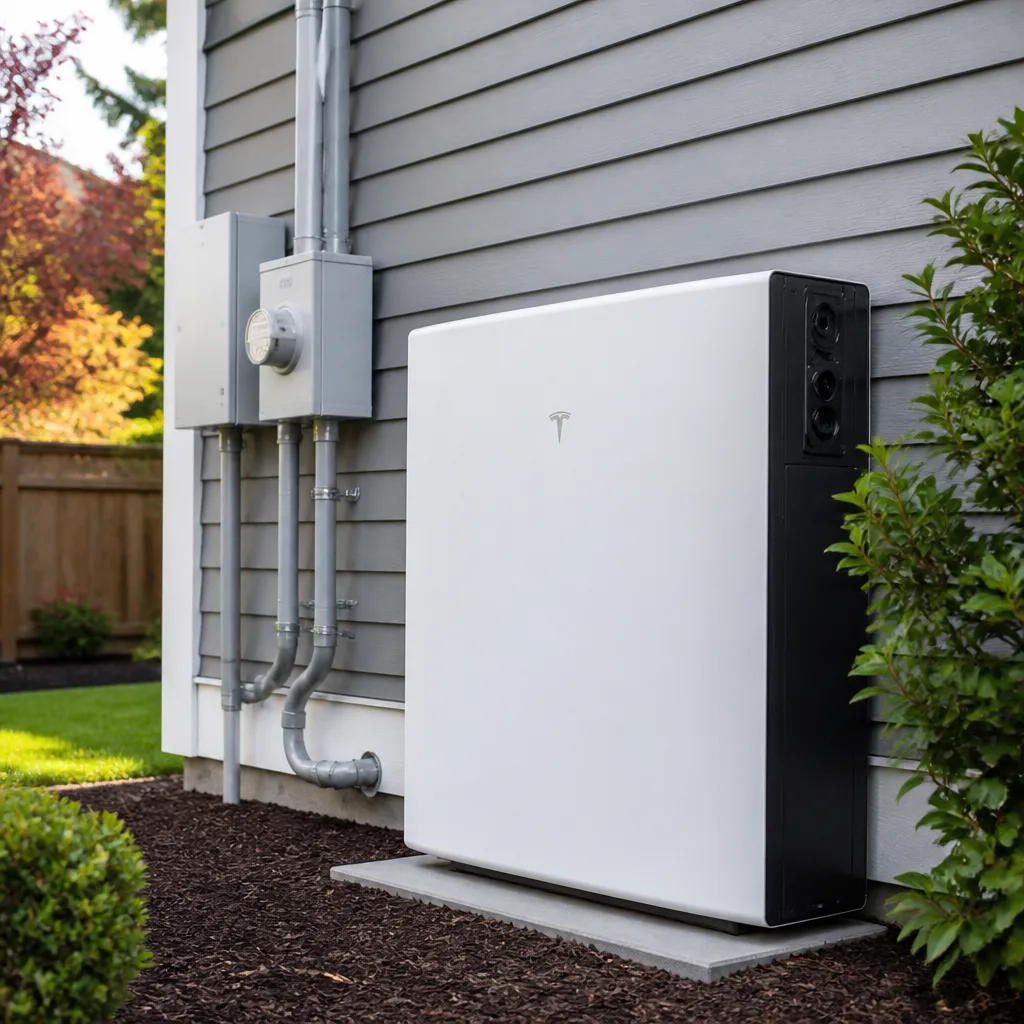
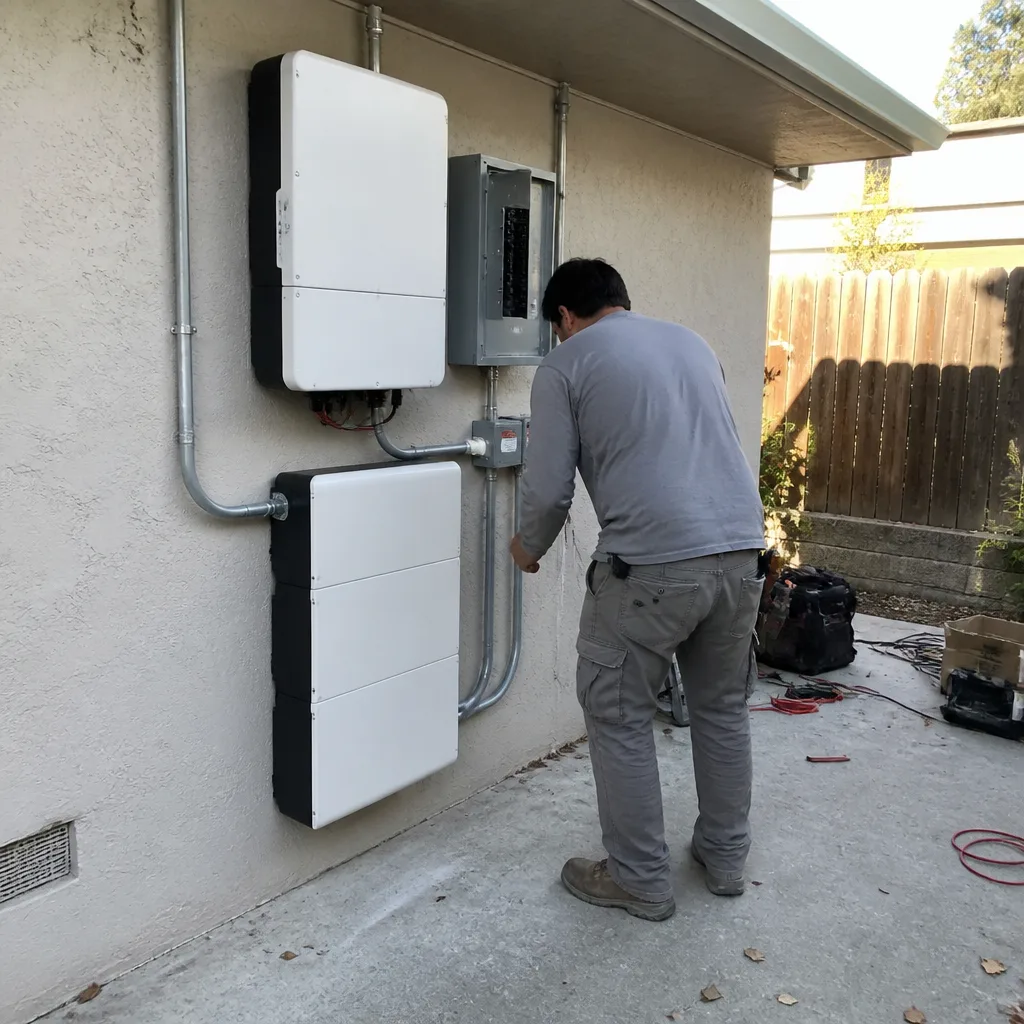
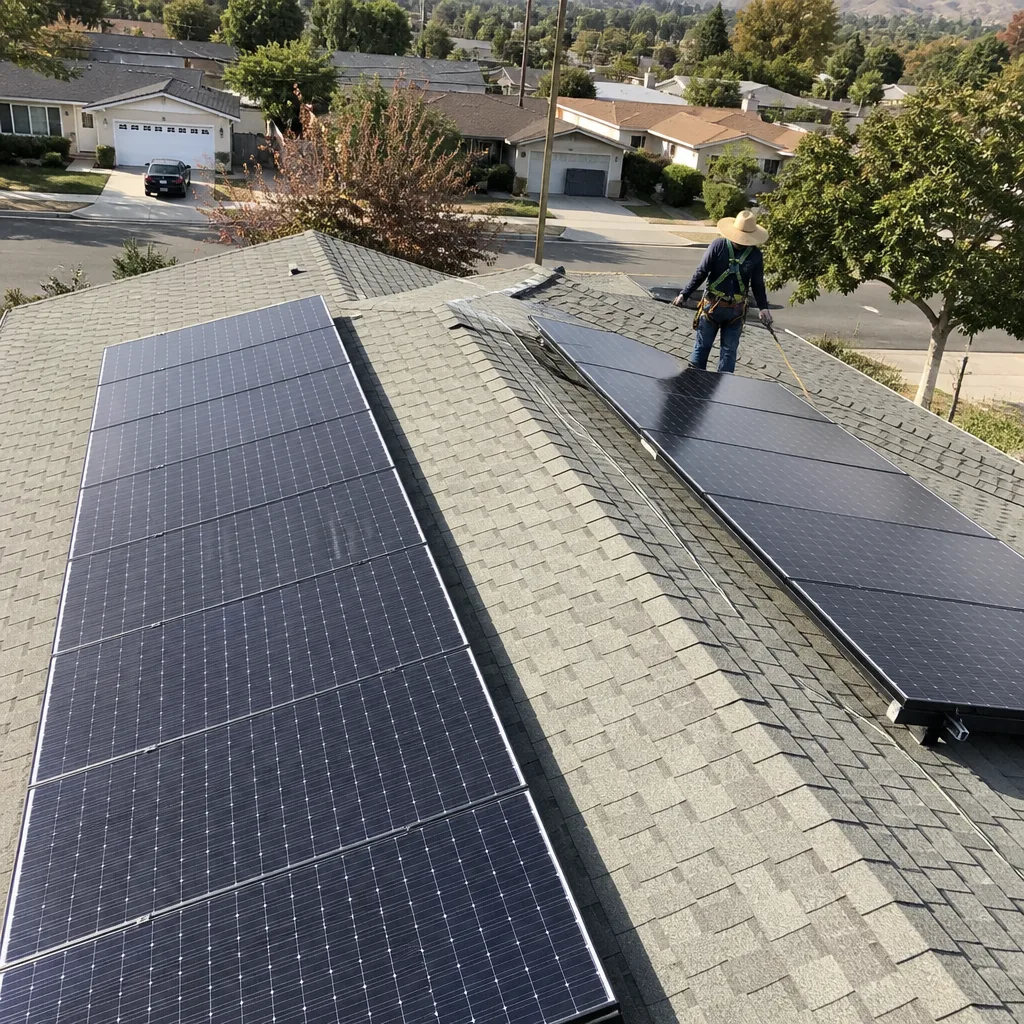
Commercial battery storage in Interlaken makes particular sense for operations that can’t afford a midday brownout while the marine layer suppresses output. With PG&E agricultural rate schedules, storage can shift your solar generation to the hours when your pumps or refrigeration actually draw power. We install FranklinWH and Tesla Powerpack systems sized to your real load profile, and we model the economics using your actual utility bill. Bring us a bill, we’ll bring you the math.
Solar Carport Installation
For Interlaken properties with parking areas for farmworkers or delivery vehicles, solar carports turn dead asphalt into generation capacity. They also keep vehicles out of the summer morning fog, which matters in a climate where everything stays damp until noon. Because these structures carry a different permitting track than rooftop arrays in Santa Cruz County, we handle the engineering and county paperwork as part of the job.
What happens when you call
- 1
A real person answersNo phone trees - you reach a local pro.
- 2
You get an upfront price rangeHonest numbers before anyone is dispatched.
- 3
A background-checked tech heads outLicensed & insured, dispatched right away.
- 4
You approve before work beginsNothing starts until you say go.
Trusted Brands We Service in Interlaken
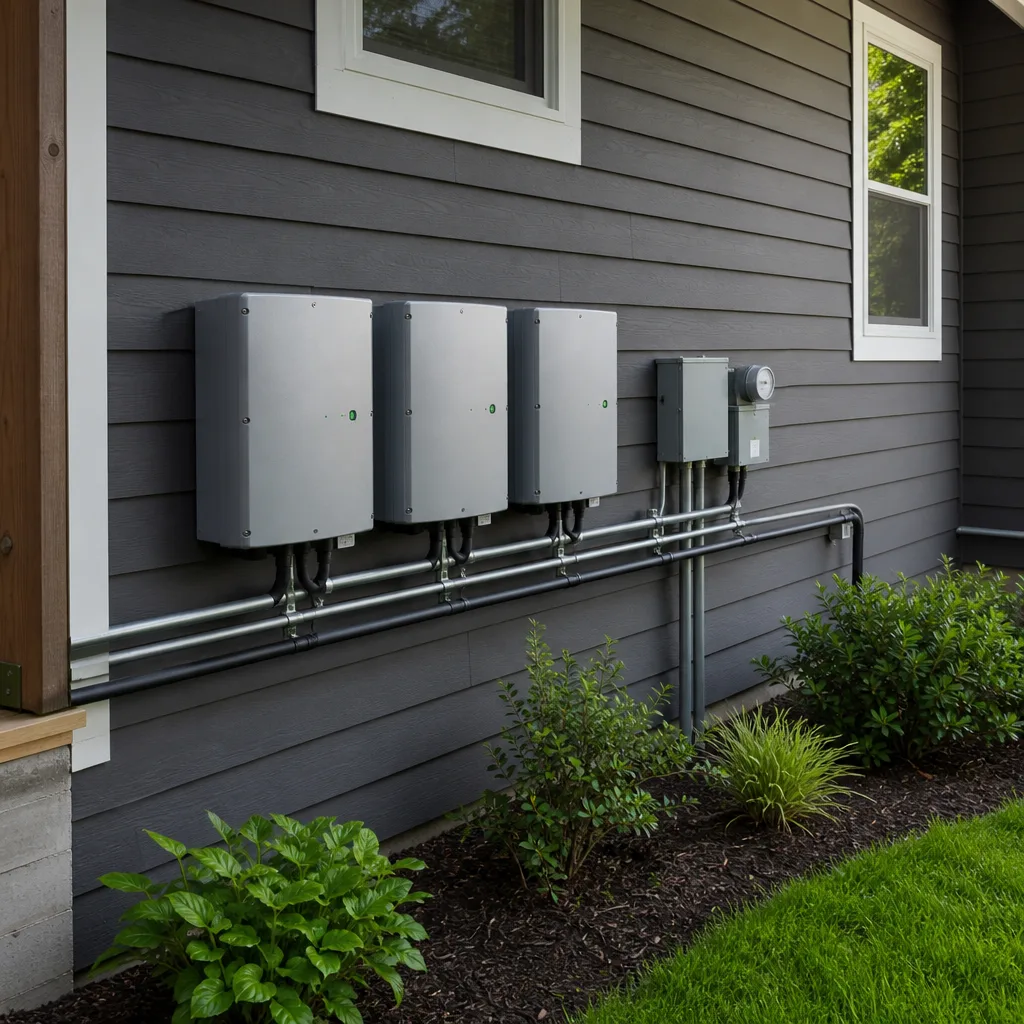
We install and service equipment from Qcells, Enphase, SolarEdge, and others, and we stock common parts locally so an inverter swap or monitoring fix doesn’t mean a two-week wait. For Interlaken’s commercial and agricultural loads, we frequently specify Qcells modules paired with Enphase microinverters or SolarEdge optimizers, depending on the roof geometry and shading. We also install FranklinWH and Tesla battery systems for operations that need backup during PG&E outages. Every brand we carry is one we’ve installed, monitored, and stood behind in the field here, not one chosen to hit a sales quota.
Common Commercial Solar Installation Problems We See in Interlaken
- Oversized arrays built on generic California irradiance data. A national sales tool assumes Central Valley sun and makes a 50 kW system look like a 4-year payback. In Interlaken, that same system with marine-layer-adjusted modeling is a 5.6-year payback. The problem isn’t the system; it’s the math the customer was shown. We quote the year-25 output, not the day-one brochure number.
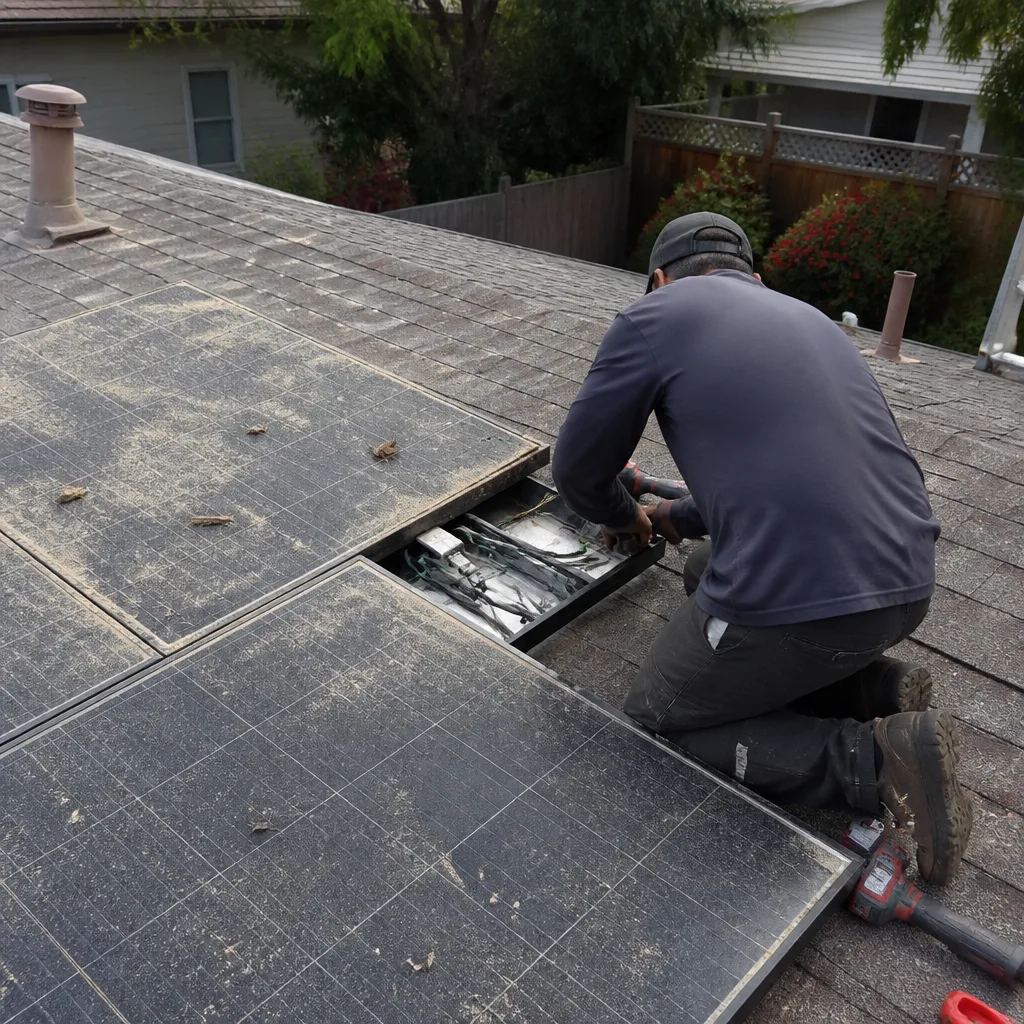
- Rail pull-out on old farmhouse roofs with composition shingle over skip sheathing. We see this on aging structures throughout the Pajaro Valley. The roof looks fine from the ground, but the deck isn’t rated for roof-mounted rail without reinforcement. We inspect before we quote, and we quote honestly if the roof needs work first.
- Wrong PG&E rate schedule on agricultural loads. Many commercial-ag clients in Interlaken end up on residential NEM because their previous installer didn’t understand the difference between the agricultural ET and AG schedules. That mistake silently erodes net metering credit value and can cause county interconnection delays. We handle both the rate analysis and the interconnection paperwork.
- Unexpected summer production dips that erode customer trust. Interlaken’s heaviest marine-layer months are June through August. A client expecting peak summer output sees the opposite. When that isn’t explained up front, the client thinks the system is broken. It isn’t. We show every Interlaken customer their expected seasonal curve before they sign anything.
Pricing for Commercial Solar Installation in Interlaken, CA
Here’s what commercial solar actually costs in Interlaken’s market, based on the jobs we’ve quoted and installed here:
- Small agricultural or farmhouse retrofit (10-25 kW): $28,500-$90,000 before incentives
- Mid-size warehouse or cold storage rooftop (25-60 kW): $71,250-$216,000 before incentives
- Large industrial or agricultural ground-mount (60-200 kW): $171,000-$720,000 before incentives
- Commercial battery storage add-on: $18,000-$95,000 depending on capacity and chemistry
- Solar carport structure (per bay): $4,200-$7,500 for the canopy structure, plus modules and electrical
What moves the price in Interlaken? Roof deck condition on older farmhouses, whether you need ground-mount engineering, which PG&E rate schedule you’re on, and how much of your load profile requires battery storage. We give you a written, no-signature-tonight quote built from your actual utility bill and your actual roof or property survey. You take two weeks. Think about it. The price will be the same.
Call (877) 550-6892 for a free estimate. A live person answers, and the estimate costs you nothing.
We Also Serve Cities Near Interlaken
While this page focuses on Interlaken, our commercial solar team regularly serves Watsonville, Aptos, Rio Del Mar, and Capitola. The same marine-layer modeling, PG&E rate fluency, and structural inspection discipline applies across the Pajaro Valley and along Santa Cruz County’s coastal strip. If your operation is in one of those nearby cities, the same crew and the same owner come out. The phone number is the same too: (877) 550-6892.
Serving Interlaken, CA - Our Local Coverage Area
We’re based in the Interlaken area and know this community well. Use the map below to see our service coverage - if you’re nearby, we can almost certainly help.
FAQs - Commercial Solar Installation in Interlaken
Your Interlaken warehouse will produce roughly 15 to 25 percent less annual kWh than a gas-station online estimate predicts, because those tools use inland irradiance values that don’t account for Monterey Bay’s summer marine layer sitting over ZIP 95019. The production curve is also shaped differently: Interlaken’s cleanest, most productive sky months are typically November through February, while June through August are suppressed. We model every Interlaken proposal with marine-layer-adjusted irradiance data and show you the seasonal curve before you sign. Call (877) 550-6892 for a real production estimate.
Yes. Many of Interlaken’s older farmhouses and small commercial buildings were built with composition shingle over skip sheathing, and that deck configuration generally cannot handle roof-mounted rail without an inspection and often reinforcement. Most of the time the roof itself is fine, but we verify it before we quote so there are no surprises after rail install. We include this inspection as part of our free estimate.
Agricultural loads in Santa Cruz County typically qualify for PG&E’s agricultural ET or AG rate schedules, not residential NEM. The correct choice depends on your load profile, your pump horsepower, and whether you’re running refrigeration. We analyze your actual utility bills and PG&E rate options as part of every commercial solar proposal in Interlaken, because the wrong schedule can quietly reduce your net metering credit value by enough to change the payback math significantly.
Because Interlaken’s summer marine layer, heaviest from June through August, blocks or diffuses morning and midday sun on most days of the season. Winter here tends to be the clean-sky period, which is unusual for California but true for ZIP 95019 and the immediate Pajaro Valley. Your monthly production curve will look different from an inland system, and we design every Interlaken array with that curve in mind.
Usually yes. Ground-mount arrays in Interlaken let you angle panels for the winter-skewed production curve, avoid the structural risk of aging barn rafters and old roofing, and keep the system electrically separate from buildings. For irrigation pump loads, we often recommend a ground-mount array paired with battery storage on an agricultural rate schedule, and we model that option against a roof mount so you can see the 25-year difference.
If you’re ready for real numbers for your Interlaken operation, call (877) 550-6892. Gus’s Solar gives free, no-pressure estimates modeled on your actual usage and this ZIP code’s actual sun. Take two weeks to think about it. The price will be the same.
Written by Gus Petrakis, Owner at Gus’s Solar, serving Interlaken and the Pajaro Valley since 2011.