
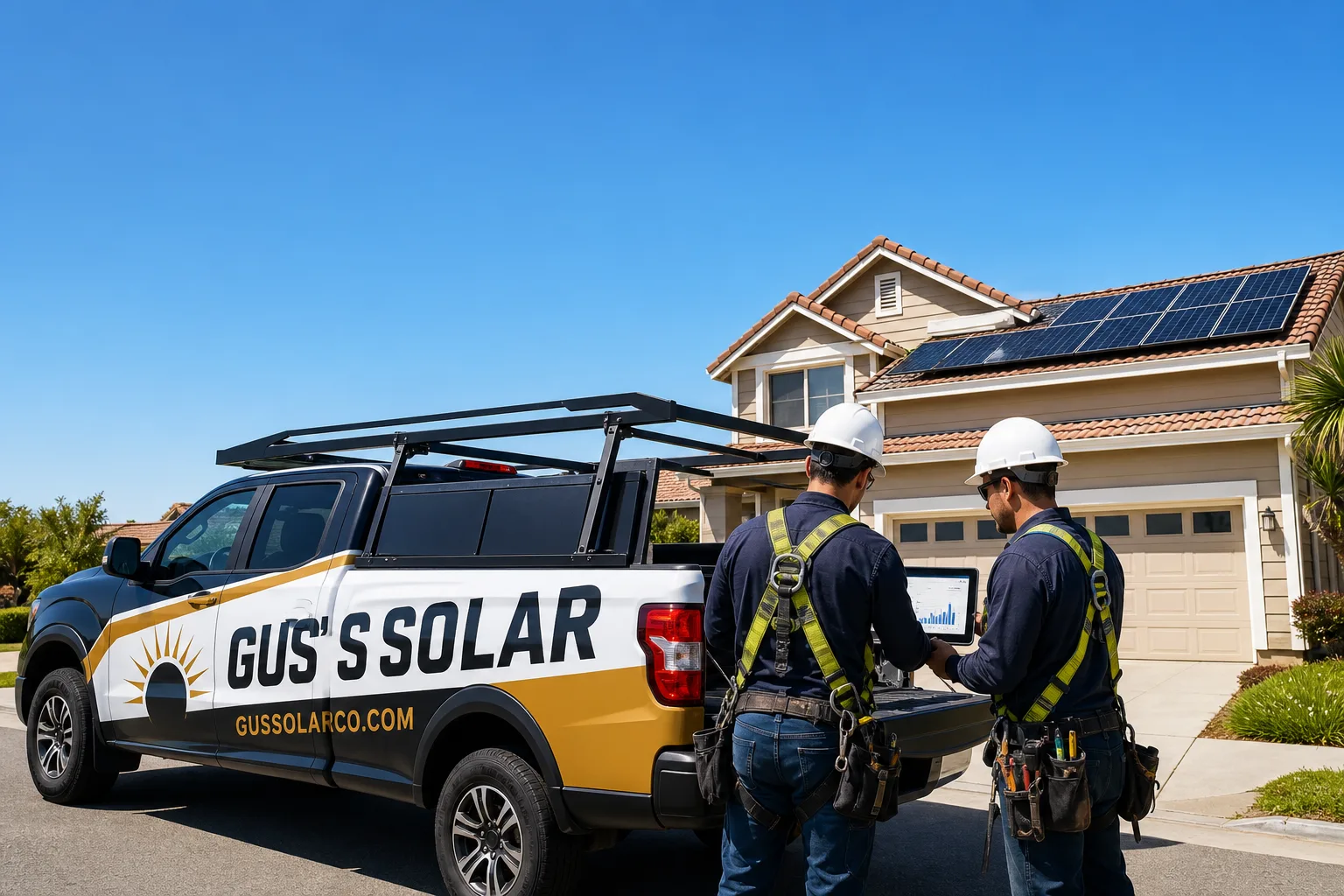
Free bill analysis - bring a power bill, get the production math for your actual roof, panel brands like Qcells and REC compared side by side
If the pitch starts at your door and ends with "sign tonight for the special," sleep on it. The sun will still be there tomorrow; so will we.
 Before
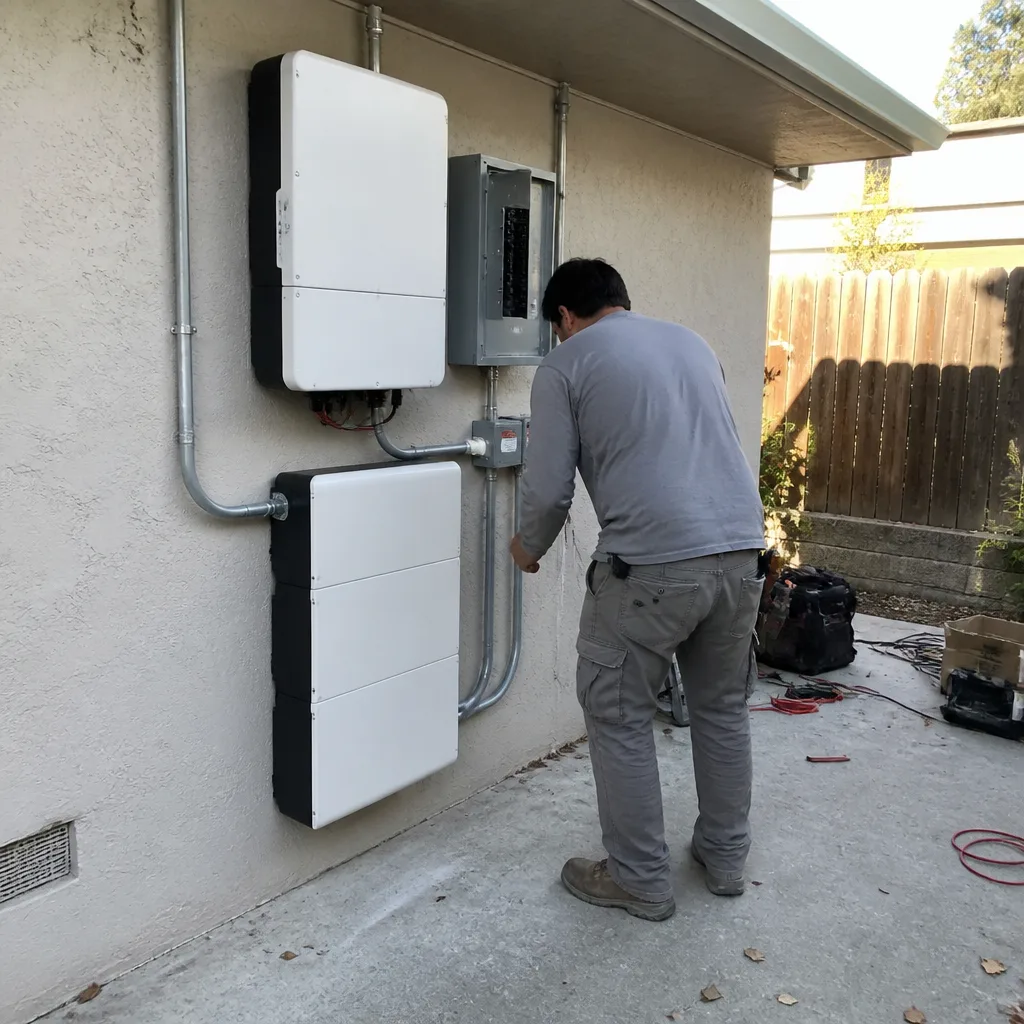 After
After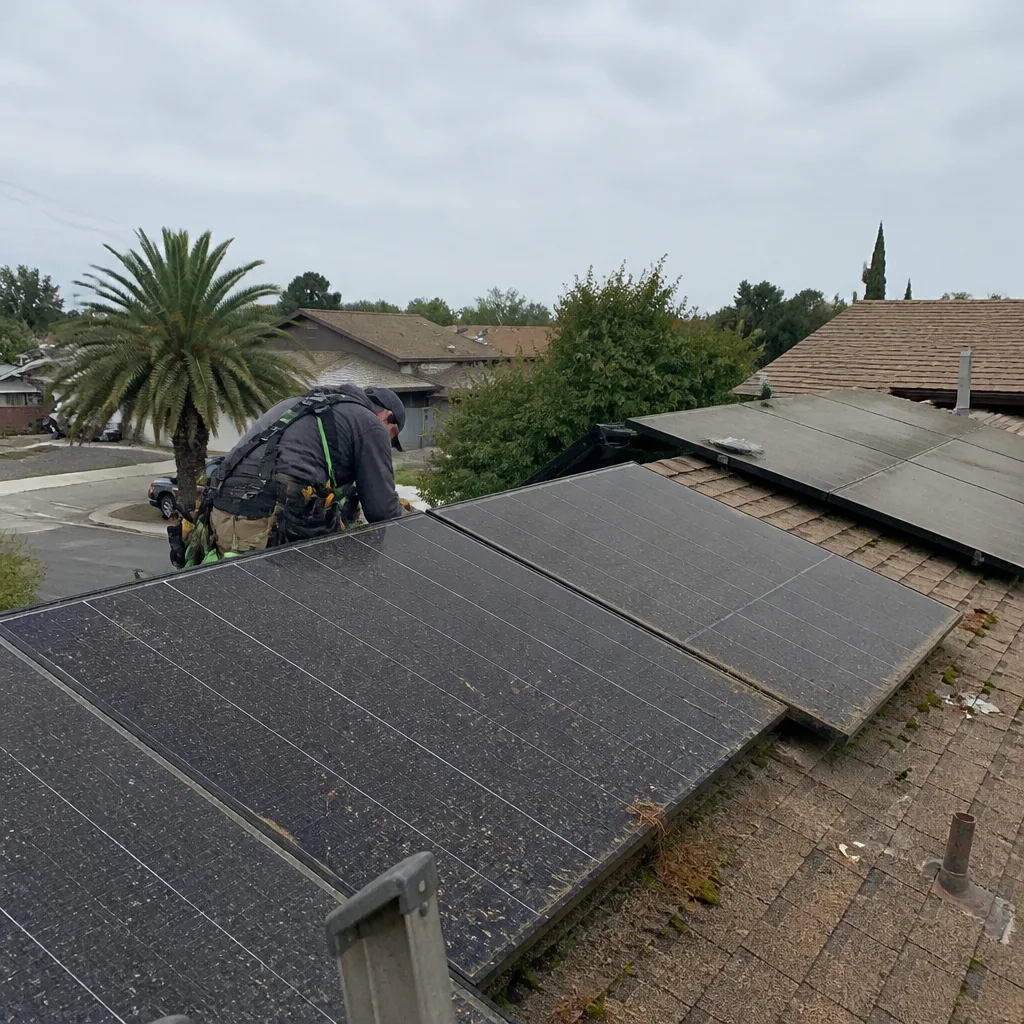 Before
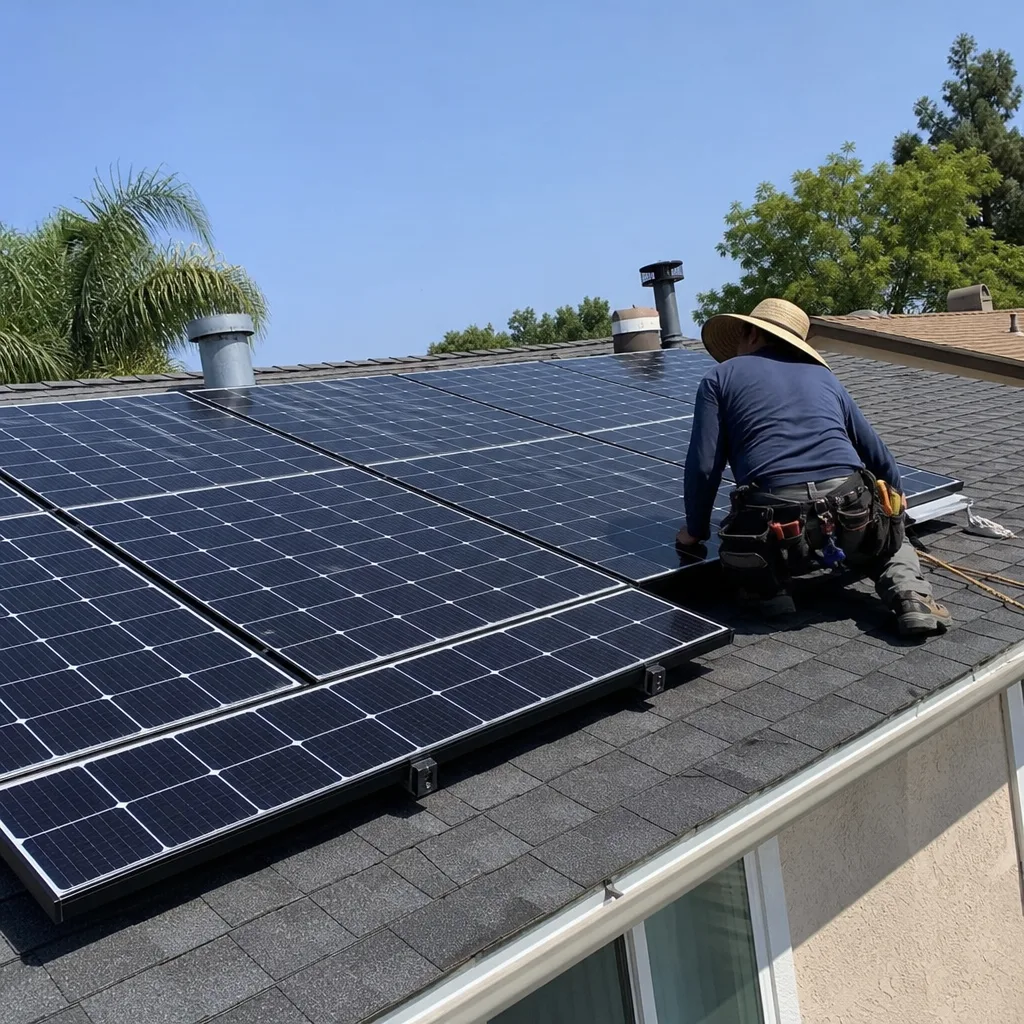 After
After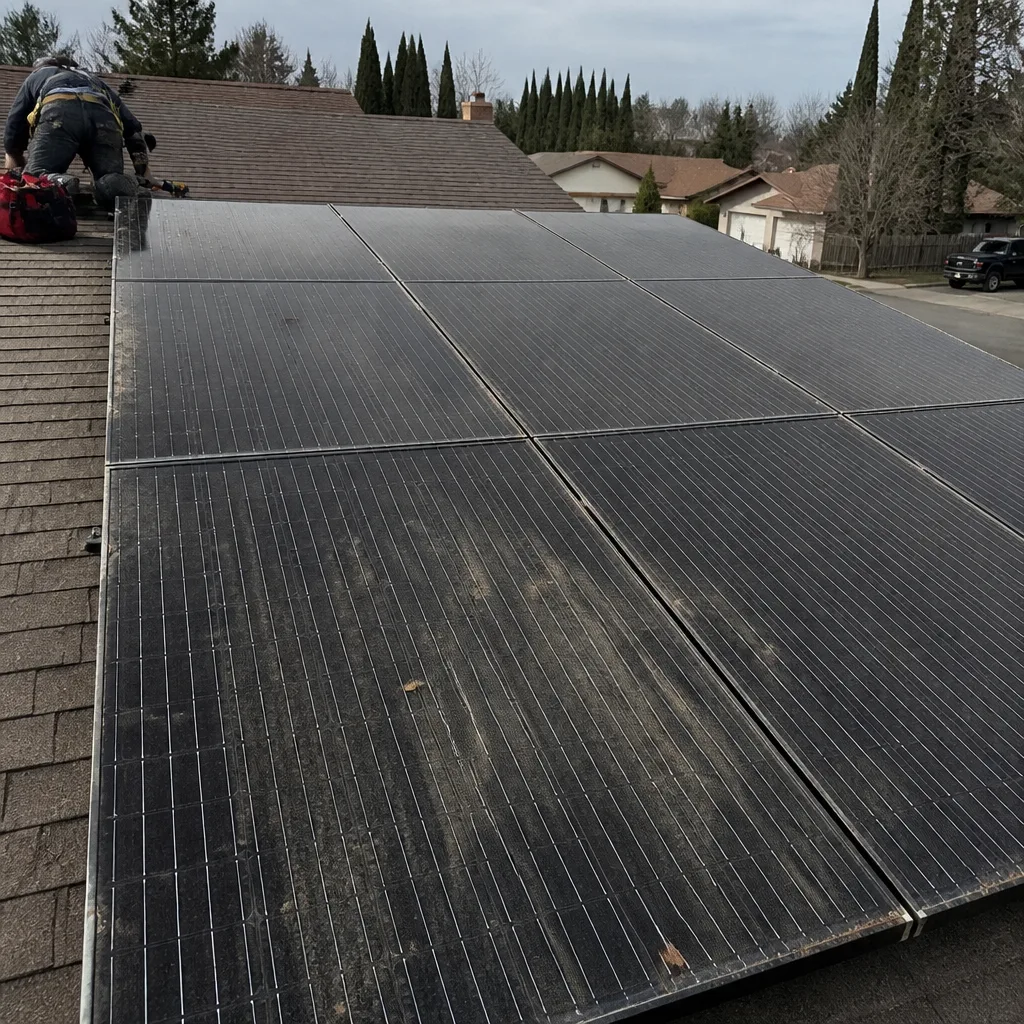 Before
 After
AfterFast, Reliable Commercial Solar Installation Across Gold River
Commercial solar installation in Gold River typically runs $2.35 to $3.10 per watt for a rooftop system after SMUD incentives, and most commercial projects take 4 to 8 weeks from HOA approval to utility interconnection. That’s the honest number we quote before we ever visit the site. Gold River’s HOA review process adds a layer most installers don’t mention until you’re already two weeks into paperwork, so we front-load that conversation from the first call. Our team knows the Gold River Architectural Review Committee’s requirements cold, and we’ll walk you through the whole sequence before you sign anything. Call (877) 550-6892 and bring a utility bill. We’ll bring the math.
—
Why Gus’s Solar Is Gold River’s Preferred Commercial Solar Installation Company
Gus Petrakis puts his own name on the truck. That’s not a slogan. When a Gold River business owner calls about a commercial rooftop system, Gus is the one who answers. He’s been doing Commercial Solar Installation since 2011, and his crew shows up in uniform, background-checked, and they don’t hand the work off to a sub.
Gold River customers talk to us because the high-pressure door-knockers and out-of-state outfits have already burned them once. We hear the same story all over 95670: a national company quoted one number over the phone, then found three change-order reasons to jack it up after the contract was signed. Gus’s Solar doesn’t do that. The price we quote is the price we charge. Take two weeks to think about it. The number will be the same.
We also answer the phone. Live person. 24/7. If your Gold River system throws an inverter fault at 9 p.m., you call (877) 550-6892 and a human picks up, not a ticketing portal three states away. When something goes wrong, Gus calls you back and his truck shows up. That’s the Gold River service standard he’s built for 29 years in the solar trade.
—
Our Commercial Solar Installation Services in Gold River
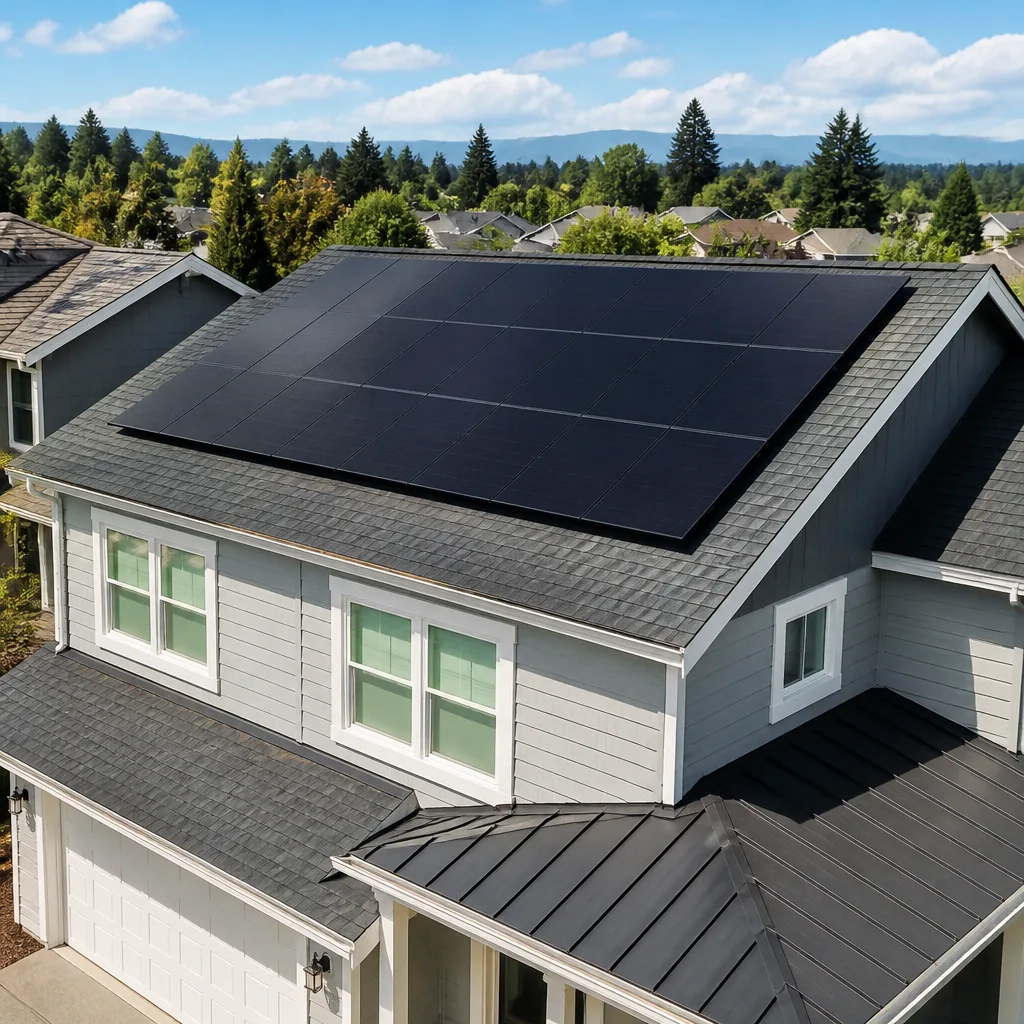
Commercial Rooftop Solar
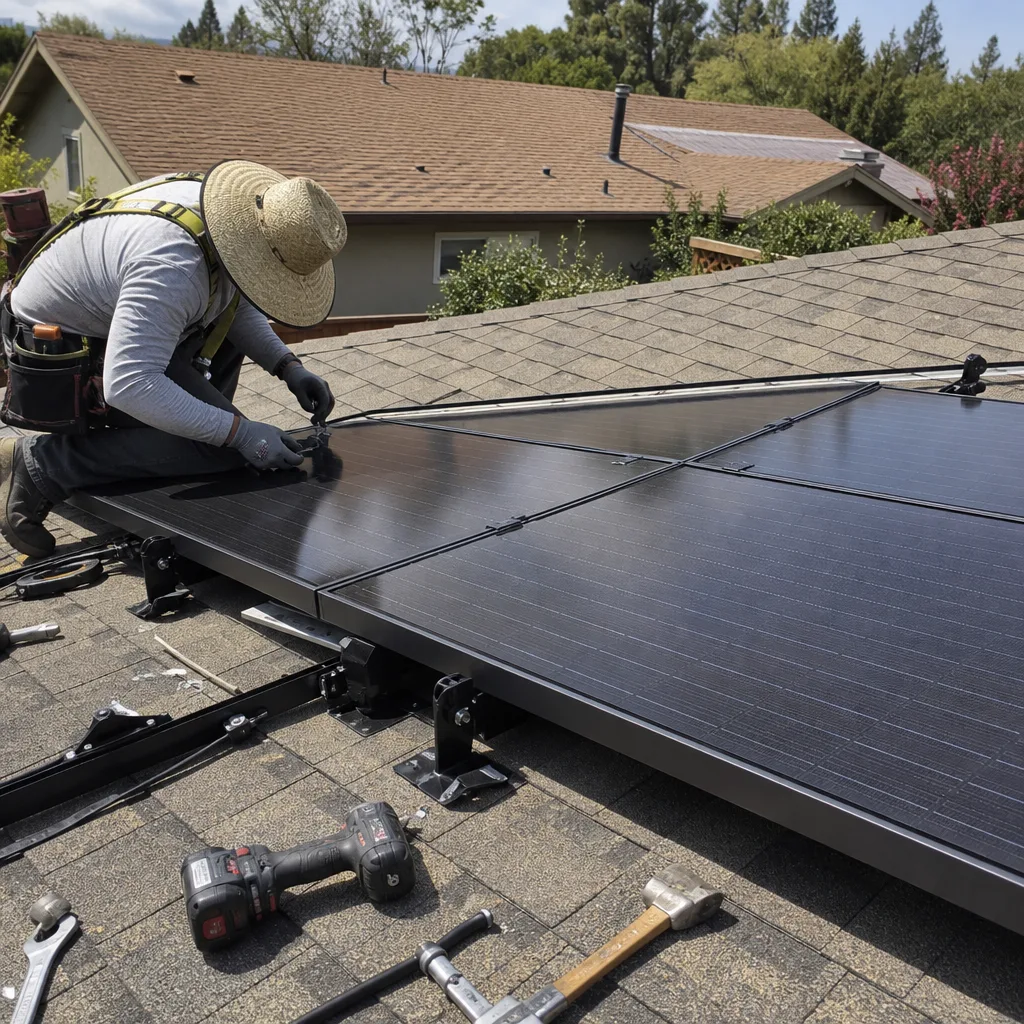
Gold River’s 1980s and 1990s commercial buildings sit on flat or low-slope roofs with concrete tile or modified bitumen, not the composition shingle you see in older Rancho Cordova stock. That means every rooftop mount needs proper flashing and structural review before a single panel goes down. We handle the engineering, the HOA paperwork, and the SMUD interconnection application as one package. If your roof is near the American River Parkway’s tree line, we run a shade-path analysis before quoting anything. Panels in Gold River’s 100°F summers lose 8 to 12 percent of their rated output from heat derating alone, so we size the array to the real number, not the brochure number.
Warehouse & Industrial Solar
Warehouse roofs along White Rock Road and Gold Center Drive carry big square footage and big A/C loads. A 50,000-square-foot warehouse in Gold River can often host a 250-400 kW array, but the payback hinges on how SMUD credits your exports and whether you add storage. We quote the year-25 output, not the day-one number. If a salesperson promises you a six-year payback without asking about your load profile and export schedule, walk away. We won’t rush you. The price will be the same in two weeks.
Solar Carport Installation
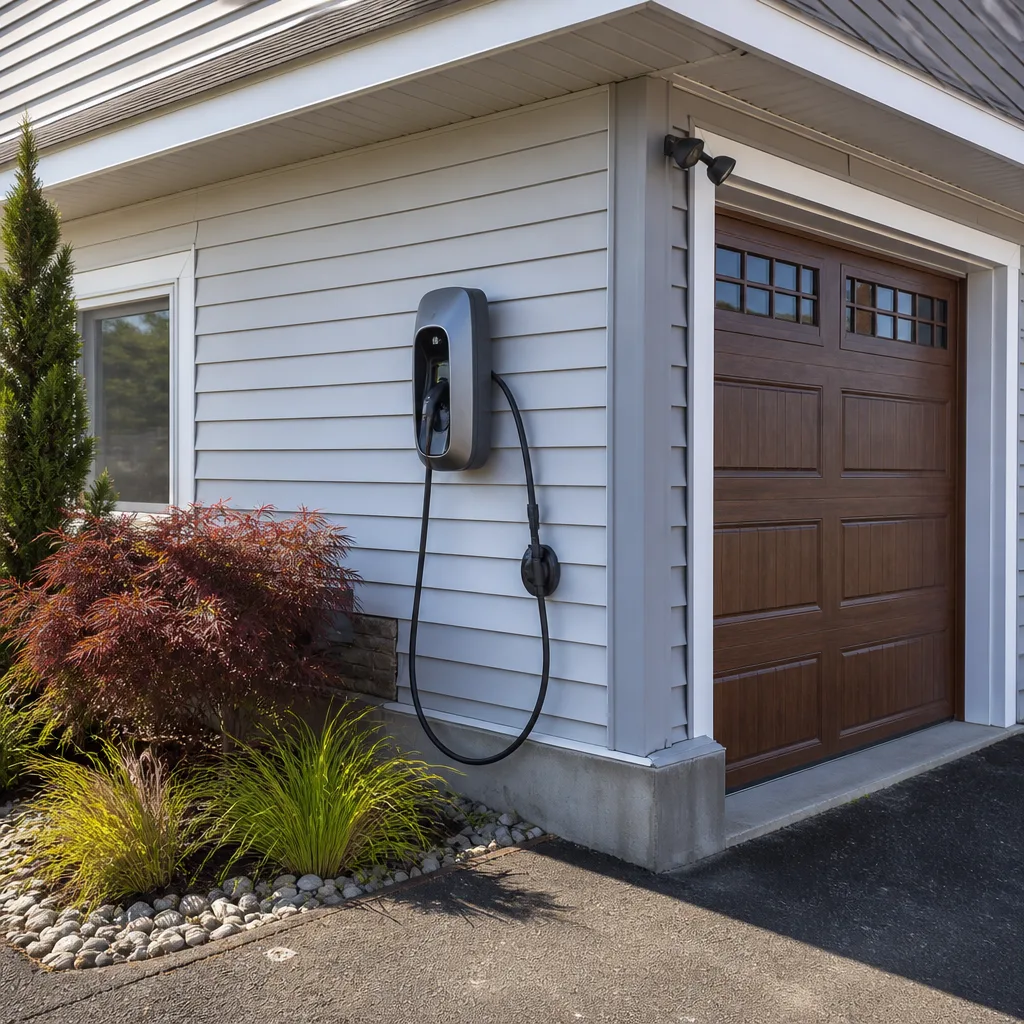
Gold River’s HOAs generally don’t object to carports as long as the design stays within Architectural Review Committee guidelines for setbacks, finish materials, and sight lines. A solar carport over a 20-space lot in Gold River typically runs $85,000 to $140,000 before incentives, depending on structural steel requirements and whether you add EV charging stations. Carports also keep vehicles shaded, which matters in July when asphalt hits 140°F. We’ll bring renderings to the ARC meeting with you if you want.
Commercial Battery Storage
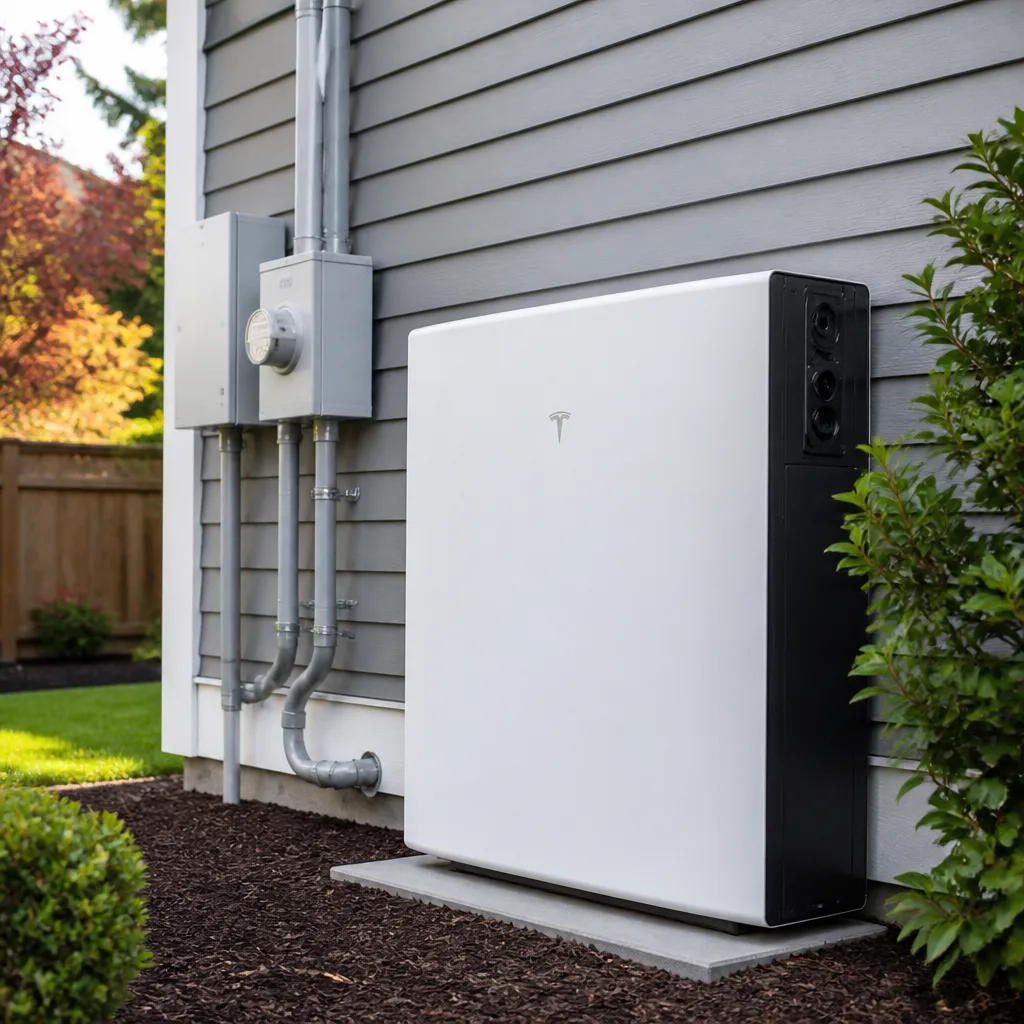
This is the conversation most Gold River contractors don’t lead with, and it’s the one that matters most. SMUD credits solar exports at avoided-cost rates, which are well below retail. A FranklinWH or Tesla Powerpack system paired with your array shifts that generation to evening hours when your building actually draws power. For a Gold River warehouse with a 2,000-square-foot office and heavy afternoon A/C load, commercial battery storage typically adds $45,000 to $90,000 to the project cost and can cut annual energy spend by 30 to 40 percent compared to solar alone. We quote both scenarios, side by side, off your actual bill.
Commercial Solar Maintenance
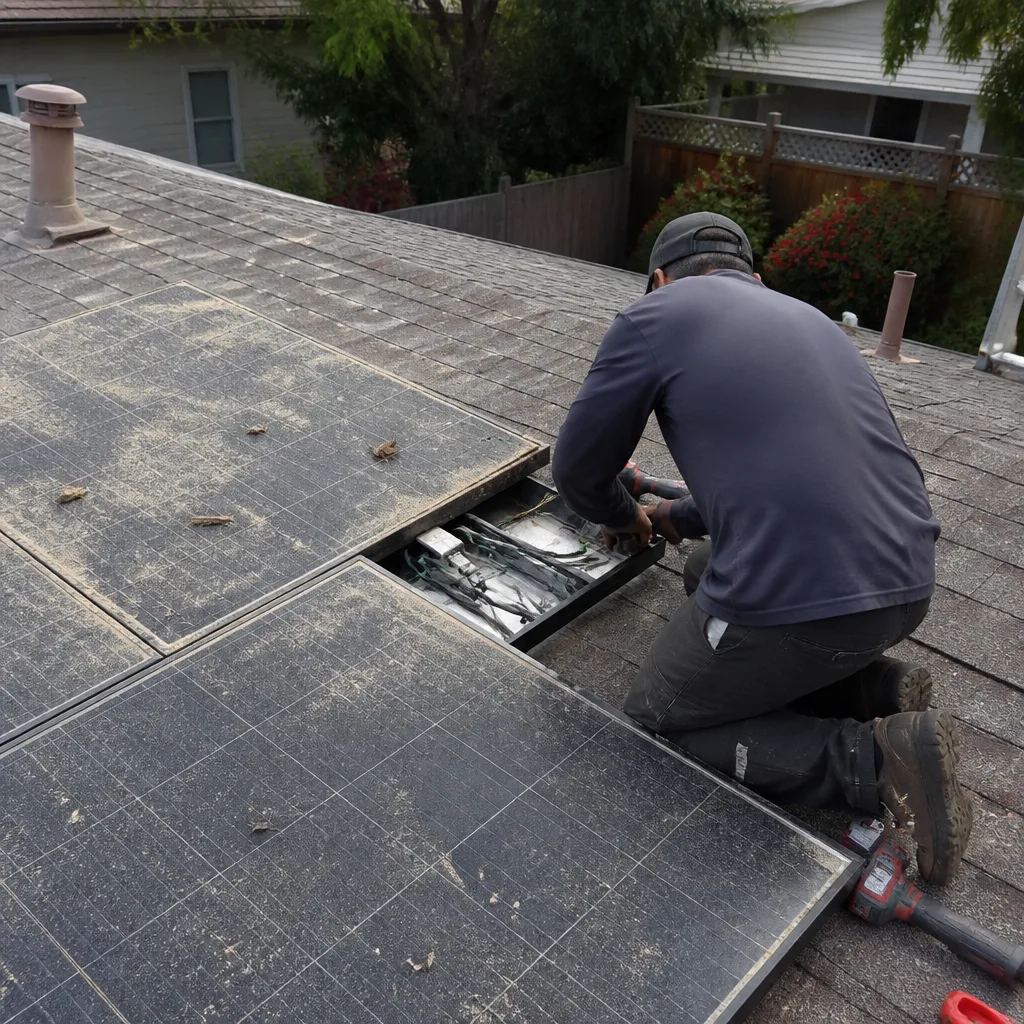
Gold River’s dry summers mean dust and pollen accumulate fast on flat commercial arrays, and the riparian trees along the Parkway drop fine debris that cuts panel output by 5 to 8 percent between cleanings. We offer annual maintenance programs that include cleaning, thermal imaging for hot spots, and inverter health checks. If a panel underperforms, we catch it before it drags the whole string down. Our maintenance customers get priority response when something fails, and a live person answers 24/7.
—
What happens when you call
- 1
A real person answersNo phone trees - you reach a local pro.
- 2
You get an upfront price rangeHonest numbers before anyone is dispatched.
- 3
A background-checked tech heads outLicensed & insured, dispatched right away.
- 4
You approve before work beginsNothing starts until you say go.
Trusted Brands We Service in Gold River
We stock and service equipment from Enphase, SolarEdge, Tesla, and FranklinWH, which covers the majority of commercial systems we see across Gold River’s office parks and the retail stretches along Sunrise Boulevard. Having local parts access means we diagnose and repair faster than a company that has to ship a microinverter from a warehouse in Phoenix. If you’ve got an existing SolarEdge system and a failed optimizer, we usually have the replacement on the truck when we arrive. That’s the difference between a contractor with a local shop and a call center with a subcontractor list.
—
Common Commercial Solar Installation Problems We See in Gold River Homes
- HOA approval done backwards. Gold River’s Architectural Review Committee requires sign-off before the city permit, and we regularly get calls from business owners who trusted an installer that pulled the city permit first. The job stalls for weeks. We handle ARC paperwork as step one, every time.
- String inverters on shaded roof sections. Lots along the American River Parkway’s northern edge catch heavy afternoon shade from riparian trees. A string inverter on that roof collapses the whole array’s output. We specify Enphase microinverters with per-panel optimization for any Gold River edge lot with tree-line shade.
- Missing the SMUD battery math. SMUD’s avoided-cost net metering means exported solar is worth much less than self-consumed solar. Contractors who don’t propose commercial battery storage leave 30 to 40 percent of the savings on the table. We quote storage from the first proposal, not as an upsell later.
- Tile-hook framing mistakes on older commercial roofs. Gold River’s 1980s-era buildings with S-tile or flat concrete tile need tile-hook or under-tile flashing mounts, not simple L-foot racking. The wrong mount leaks and voids the roof warranty. Our crew flashes every penetration properly and we stand behind it with the 90-Day Done Right Promise.
—
Pricing for Commercial Solar Installation in Gold River, CA
—
We Also Serve Cities Near Gold River
Our crew runs commercial solar projects in Rancho Cordova, Carmichael, Fair Oaks, and Arden-Arcade as well. If your building sits just over the city line, the SMUD interconnection rules are the same and our familiarity with Gold River’s HOA process carries over. We coordinate dispatch and scheduling from the Sacramento office, and crews serve Gold River locally, so response time here is same-day or next-day for service calls.
—
Serving Gold River, CA - Our Local Coverage Area
We’re based in the Gold River area and know this community well. Use the map below to see our service coverage - if you’re nearby, we can almost certainly help.
FAQs - Commercial Solar Installation in Gold River
How long does HOA Architectural Review Committee approval take in Gold River before SMUD interconnection can start?
Gold River’s ARC approval typically takes 2 to 4 weeks from submission to decision, and it must come before the city permit and before SMUD will accept the interconnection application. Some cases run longer if the committee requests design revisions, which is common when panels would face a public street. We prepare ARC submittal packages with elevation drawings and equipment spec sheets up front, and we’ve shepherded dozens through the process. Call (877) 550-6892 and we’ll give you a realistic timeline for your specific building.
Will SMUD’s avoided-cost net metering make commercial battery storage a better investment here than in PG&E territory?
Yes. SMUD credits solar exports at avoided-cost rates that are significantly below retail, while PG&E’s legacy NEM structures historically paid closer to retail rates. That difference means a Gold River commercial building that exports a third of its solar generation without storage is essentially giving that power away. Pairing a FranklinWH or Tesla battery system with your array shifts that generation to on-site use during peak pricing windows, typically adding 30 to 40 percent to your net savings versus solar alone. We’ll show you both scenarios off your actual bill before you decide.
Why do Gold River commercial roofs need tile hooks or under-tile flashing instead of standard L-foot racking?
Gold River’s commercial and mixed-use buildings from the 1980s and 1990s were mostly built with S-tile or flat concrete tile roofs, not composition shingle. L-foot racking with lag bolts doesn’t seal correctly through concrete tile and will eventually leak. Tile hooks and under-tile flashing lift the mounting point off the tile surface and carry the load to the structural decking below. It’s slower work and it costs more in labor, which is why some out-of-town contractors quote the cheaper method. Don’t accept it.
Can we still hit a strong production estimate if our roof faces the American River Parkway tree line?
Usually yes, but it takes honest shade analysis up front and the right inverter architecture. We recently installed a commercial rooftop system on a warehouse near the American River Parkway edge where dense riparian trees shaded the west-facing roof after 4 p.m. We used Enphase microinverters with per-panel rapid shutdown to handle the uneven shade, then showed the owner that moving 40 percent of the array to the unshaded north-facing section added a 12 percent kWh offset boost. A string-inverter quote would have missed that entirely. If your roof catches Parkway shade, call us before you accept any other quote.
What degradation rate should we expect from the commercial panels we install in Gold River’s hot summers?
The panels we install from Enphase, Tesla, and SolarEdge-compatible lines carry degradation rates around 0.25 to 0.5 percent per year, meaning the array still produces at 87 to 92 percent of its original output in year 25. Gold River’s heat is real, and July-August derating drops instantaneous production, but heat alone doesn’t accelerate degradation beyond the panel’s rated curve. We quote the year-25 number, not the day-one brochure figure. If a salesperson hands you a production estimate based on the first-year output and calls it the payback number, ask for the 25-year schedule. If they won’t provide it, call us instead.
—
Written by Gus Petrakis, Owner at Gus’s Solar, serving Gold River and the Sacramento Valley with straight numbers and no high-pressure sales. Call (877) 550-6892 for a free commercial solar estimate off your actual utility bill. Take two weeks before you sign. The price will be the same.