
Free bill analysis - bring a power bill, get the production math for your actual roof, panel brands like Qcells and REC compared side by side
If the pitch starts at your door and ends with "sign tonight for the special," sleep on it. The sun will still be there tomorrow; so will we.
 Before
 After
After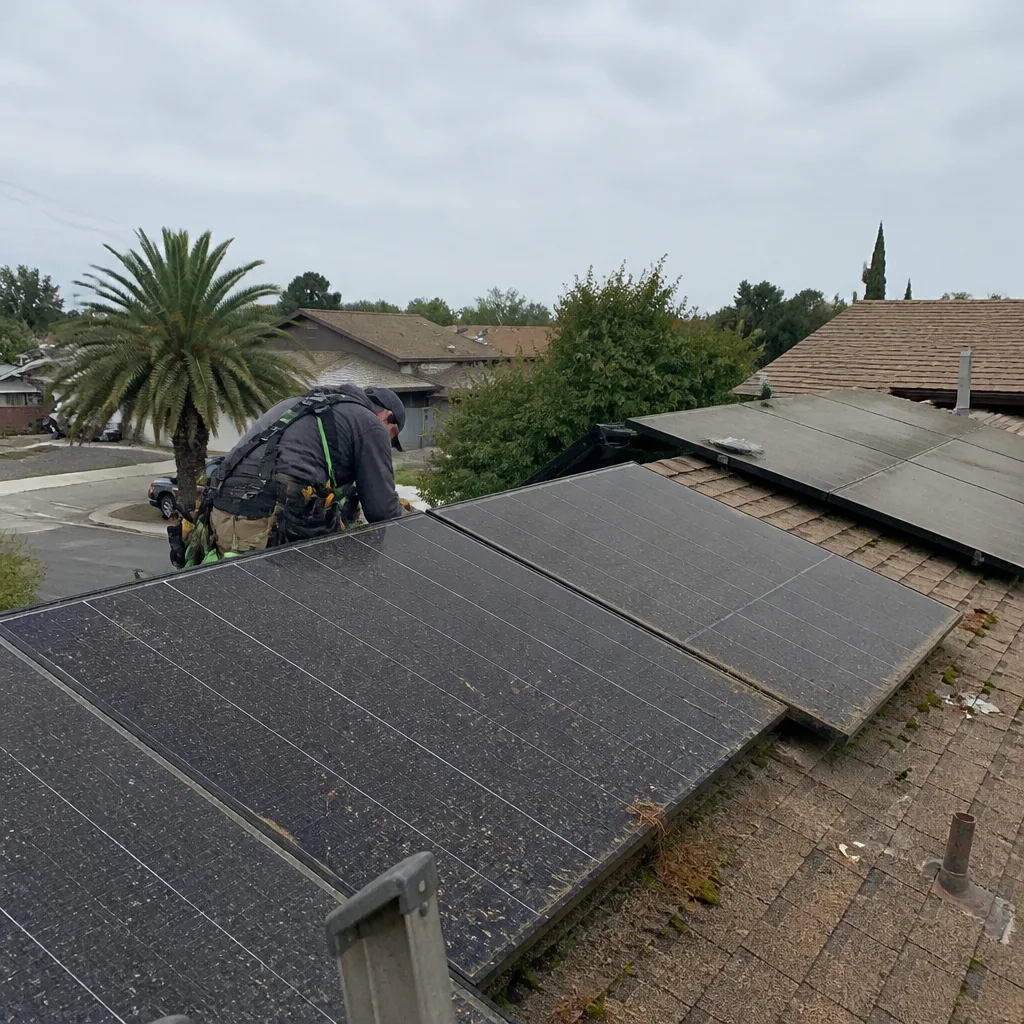 Before
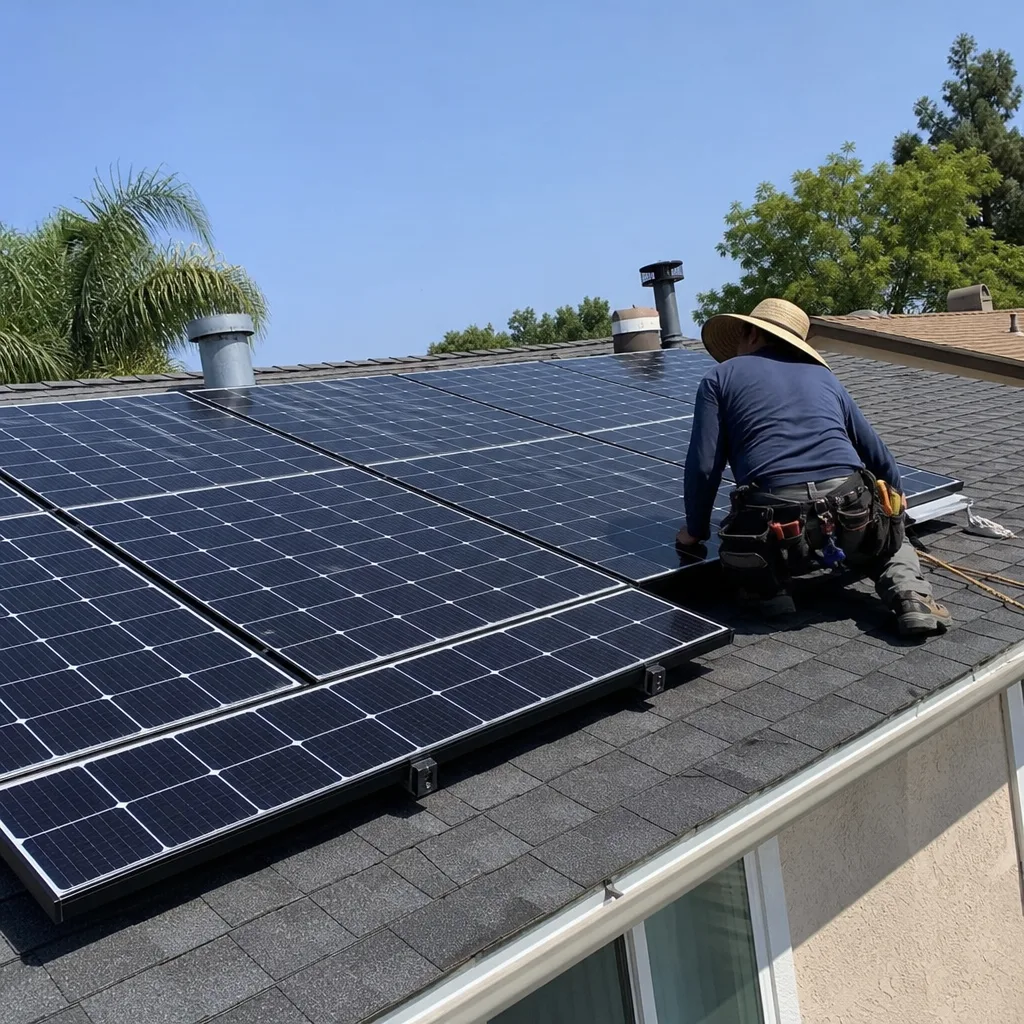 After
After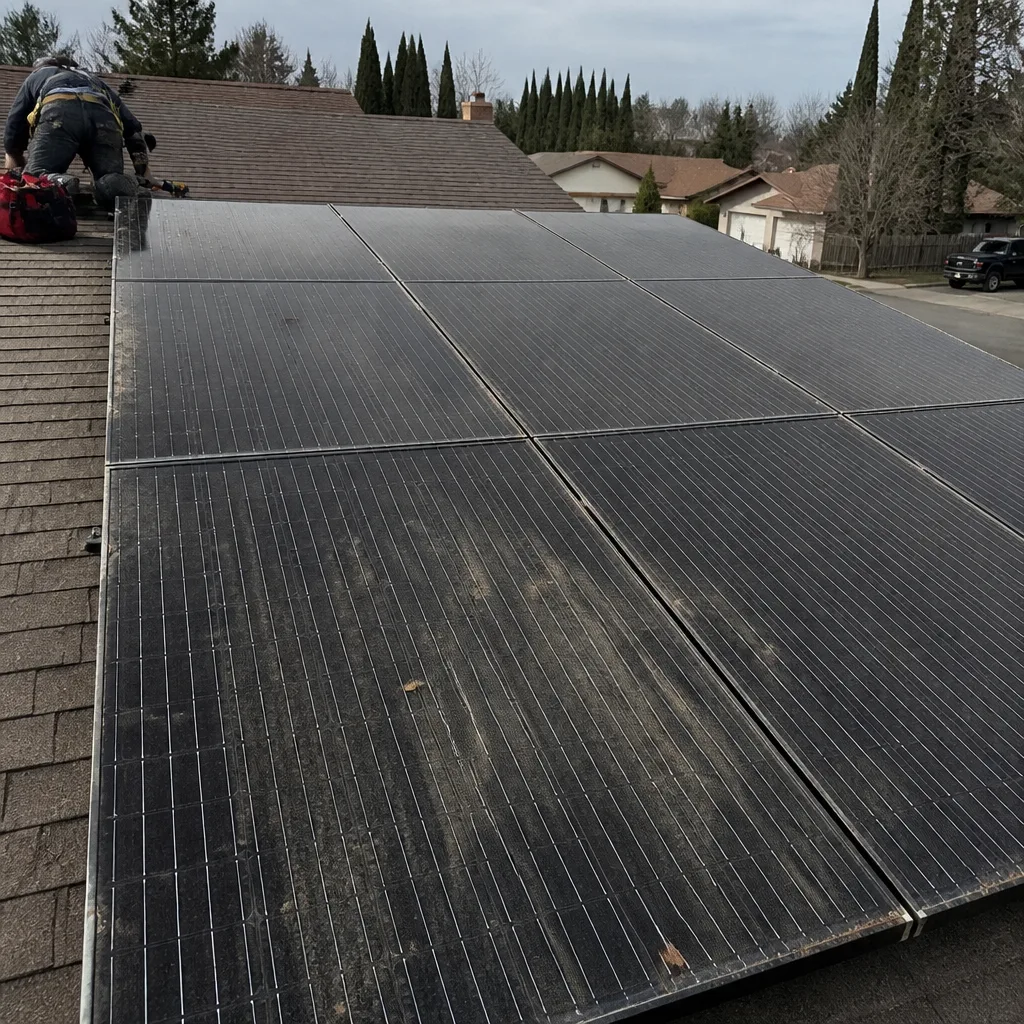 Before
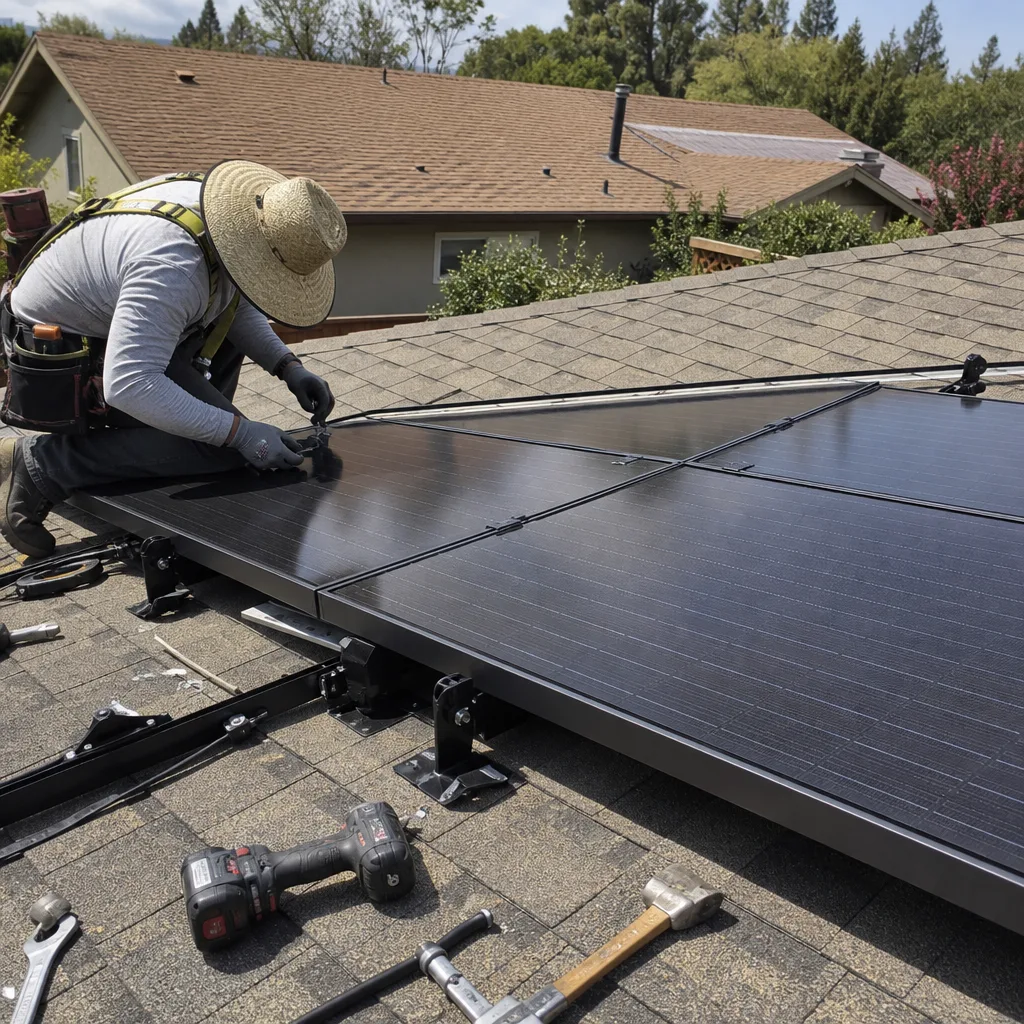 After
AfterFranklinWH EV Charger Installation: The San Jose Owner’s Guide
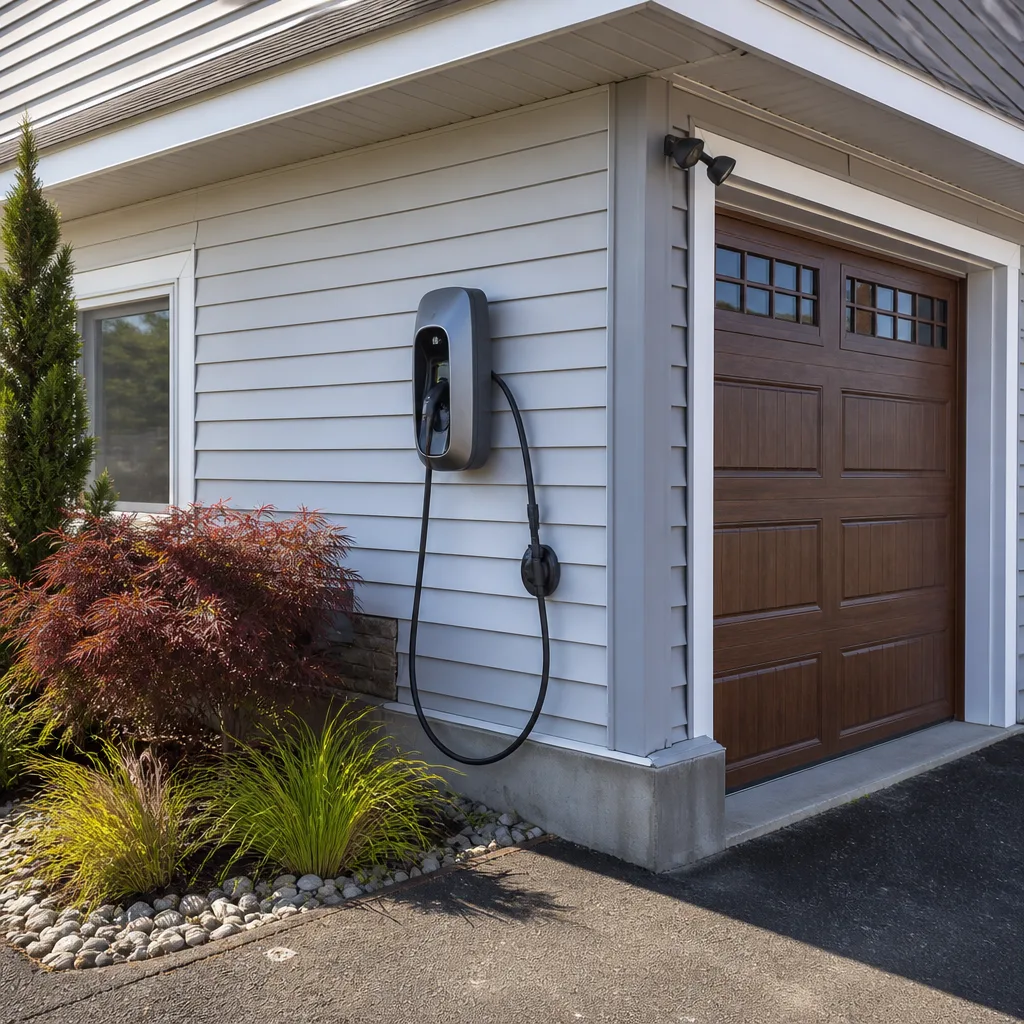
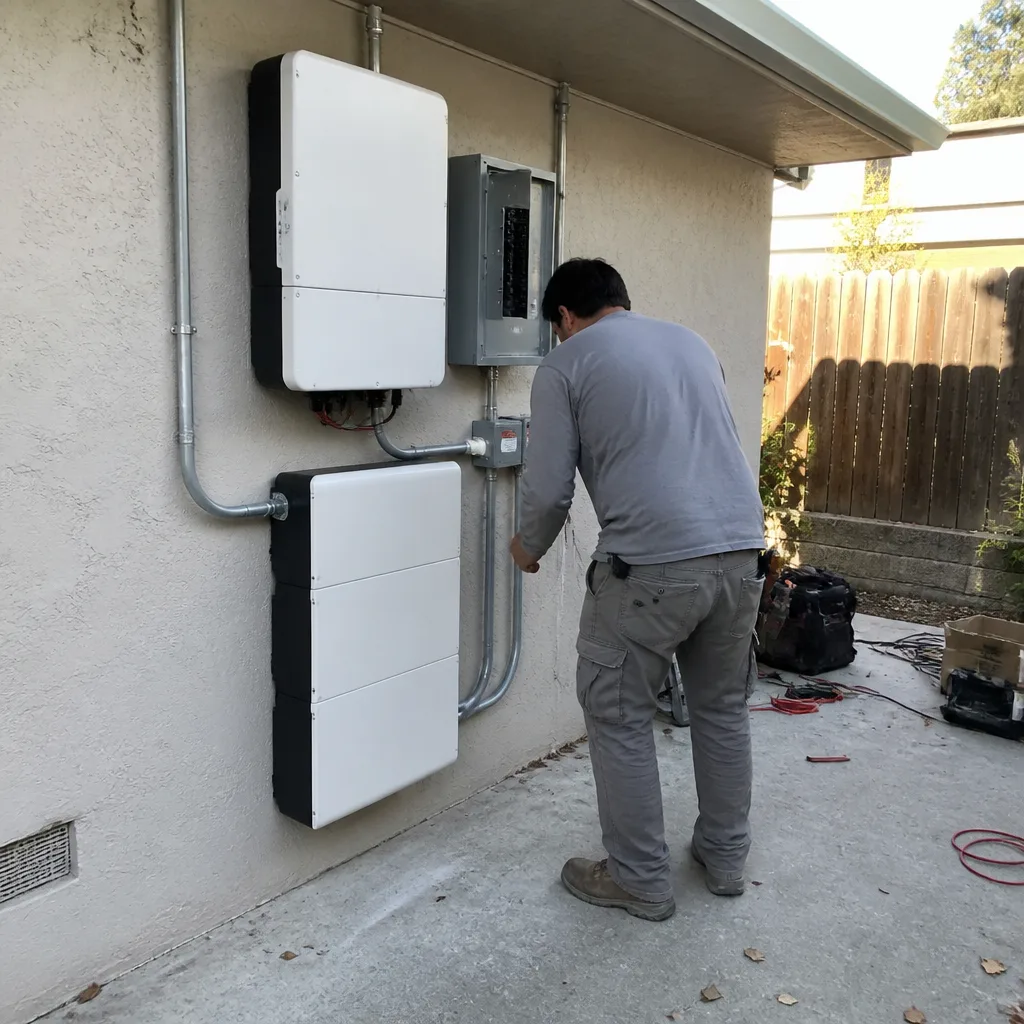
A FranklinWH EV charger installation in San Jose typically runs between $1,800 and $3,400, and we can usually install it the same week you call. The cost depends on how far your electrical panel sits from the charging location and whether your panel needs an upgrade. Most San Jose homeowners discover they need this work when a charger that worked fine for months suddenly clicks but won’t charge, or when they bought the FranklinWH charger online and realized the plug on the wall is just the start of the actual job.
We’re an independent service provider, not affiliated with FranklinWH, which means we give you straight answers about what’s failing and what isn’t. Gus Petrakis has been installing and repairing EV chargers in the South Bay for over a decade, and his crew keeps FranklinWH-compatible parts on the truck so we’re not driving back to the shop mid job.
Which FranklinWH Models This Applies To
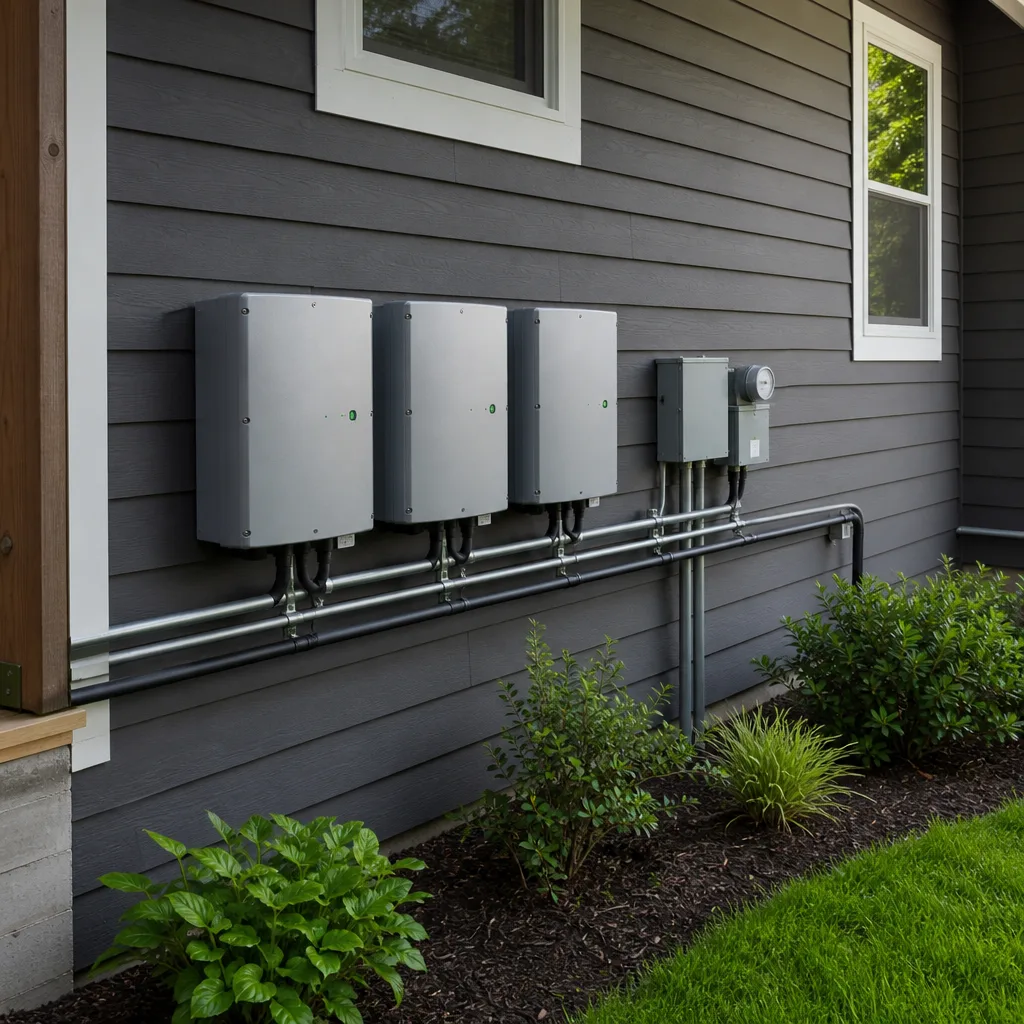
FranklinWH makes two charger lines that we see regularly in San Jose: the Franklin Home Power EV Charger and the newer FranklinWH EV Charger Pro. They look nearly identical from the front, but the Pro has a 48-amp max output versus the older unit’s 32-amp ceiling. The model number is printed on a silver label on the back of the unit, near the bottom edge. If yours reads FHP-EVCH-1, that’s the original; FHP-EVCH-PRO is the newer one.
Here’s a compatibility gotcha most owners don’t know: the Pro requires a 60-amp breaker and 4-gauge THHN copper wire. The original runs on a 50-amp breaker with 6-gauge. If you’re swapping an old unit for a Pro, the wiring itself often needs upgrading. We’ve seen several San Jose homes where installers from out-of-state companies put a Pro on the old 6-gauge wire because they didn’t read the spec sheet, and the breaker trips after two hours of charging. That’s a failure waiting to happen, and it’s the kind of thing we check before we turn anything on.
As for OEM versus aftermarket: FranklinWH chargers are still new enough that we recommend OEM components for anything inside the unit, especially the contactor and the control board. The aftermarket equivalents we’ve tested don’t hold up under California heat. The charging cable and plug, though, can be quality aftermarket without issue.
Signs Your FranklinWH EV Charger Installation Is Failing
- Charger lights up but the car won’t charge. This usually means the contactor inside the unit has welded or failed open. It’s the part that connects power to the cable when the charger and car shake hands. In San Jose’s summer heat, contactors on chargers mounted on south-facing garage walls fail early.
- The breaker trips mid-charge. That’s almost always undersized wiring for the load. A FranklinWH Pro pulling 48 amps through 6-gauge wire trips a 50-amp breaker every time. The fix is rewiring the run, not replacing the breaker with a bigger one, which is what we’ve seen three different handymen do and it’s a fire hazard.
- Charging works but noticeably slower than before. The charger’s internal temperature sensor may be throttling output because the cooling fan has failed. We see this on original Franklin Home Power chargers that are three or four years old, especially in garages that get direct afternoon sun.
- The cable feels stiff or warm near the plug end. That’s a sign the charging cable has internal strand damage, usually from being run over repeatedly or kinked sharply. A warm cable is not something to ignore; it needs replacement before it turns into an arc hazard.
- The unit makes a loud click but nothing happens. The relay is engaging but the pilot signal isn’t reaching the car. On FranklinWH units, this is often a loose internal connection on the control board that we can tighten and lock down in about twenty minutes.
Replacement Cost & What’s Included
For a FranklinWH EV charger installation in San Jose, here’s the honest math:
- Straight swap, wiring already in place: $350-$650
- New install, panel within 25 feet of the charger: $1,800-$2,400
- New install, panel on the far side of the house or a long garage run: $2,600-$3,400
- Panel upgrade needed (older 100-amp service): Add $1,500-$3,000 depending on your service size and panel type
That price includes the charger unit, the breaker, the wiring, conduit, mounting hardware, bonding, and the permit. We don’t surprise you with a permit fee at the end like some outfits do. The work is backed by our 90-Day Done Right Promise: if it’s not right, Gus makes it right, in writing. And if you bring us a written estimate from another San Jose-area company, we’ll give you a free second opinion on it.
DIY or Call Us?
Here’s what I’d do if it were my roof. If your FranklinWH charger is tripping the breaker occasionally, you can safely check one thing: the torque on the wire terminals inside the panel. Turn the breaker off first. If your charger is completely dead or the cable is warm, stop there and call us. The inside of an EV charger carries 240 volts at up to 48 amps, and the wrong move will do more than ruin your charger. We’ve replaced equipment after a well-meaning neighbor opened up a charger with the breaker off but forgot the neutral bond was still energized.
What we will say is this: if you open a FranklinWH charger and touch the wrong thing, the unit is outside any warranty anyway, and now you’ve got a $400 part that’s useless plus whatever an electrician costs to undo what you did. A call to (877) 550-6892 is free, and a live person answers any hour. We’ll tell you over the phone whether it sounds like a swap we can do in an afternoon.
FAQs
A FranklinWH charger installed in San Jose typically lasts 7 to 10 years, but chargers mounted on south- or west-facing walls, where the unit bakes in triple-digit afternoon heat, can fail in as little as 5. Heat is the killer here, not usage, and the contactor is almost always what goes first.
Yes, if the failure is a relay, a loose internal connection, or a failed cooling fan, we can repair it, usually for $200 to $400 parts and labor. If the control board itself is gone, replacement makes more sense, because a new board costs nearly as much as a new charger. Call (877) 550-6892 and we’ll tell you which situation you’re looking at.
A straight swap on existing wiring takes about two to three hours. A new install with a short panel run is a half-day job. If we need to pull a long run through an attic or crawl space or upgrade your panel, plan on a full day. We book most San Jose installs within five to seven days of your call.
We keep FranklinWH chargers, replacement contactors, and 48-amp charging cables on our trucks, along with parts for Tesla, Enphase, and SolarEdge equipment as well. If you need a part that’s specific to your unit, we can usually have it by the next morning from our local supply house in the South Bay.
Written by Gus Petrakis, Owner, Gus’s Solar at Gus’s Solar, serving San Jose and nearby areas.