
Free bill analysis - bring a power bill, get the production math for your actual roof, panel brands like Qcells and REC compared side by side
If the pitch starts at your door and ends with "sign tonight for the special," sleep on it. The sun will still be there tomorrow; so will we.
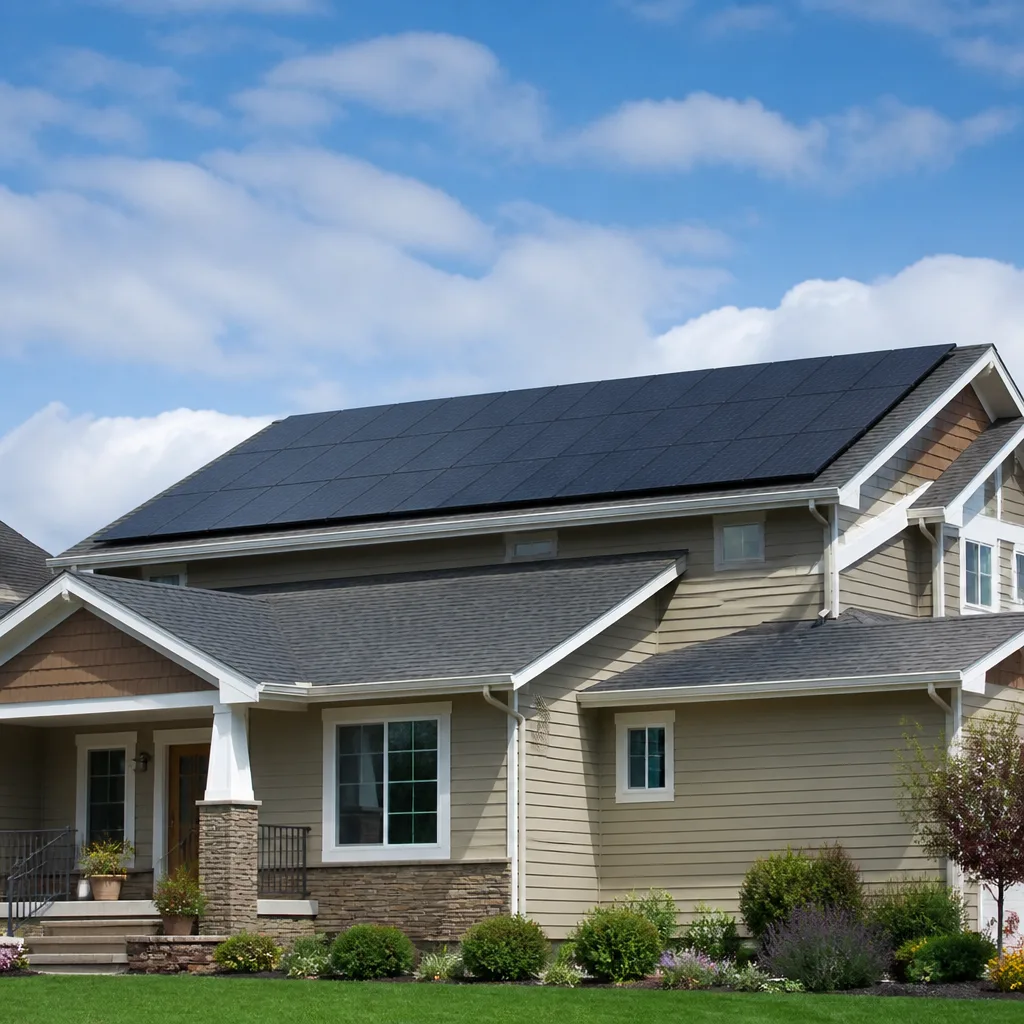
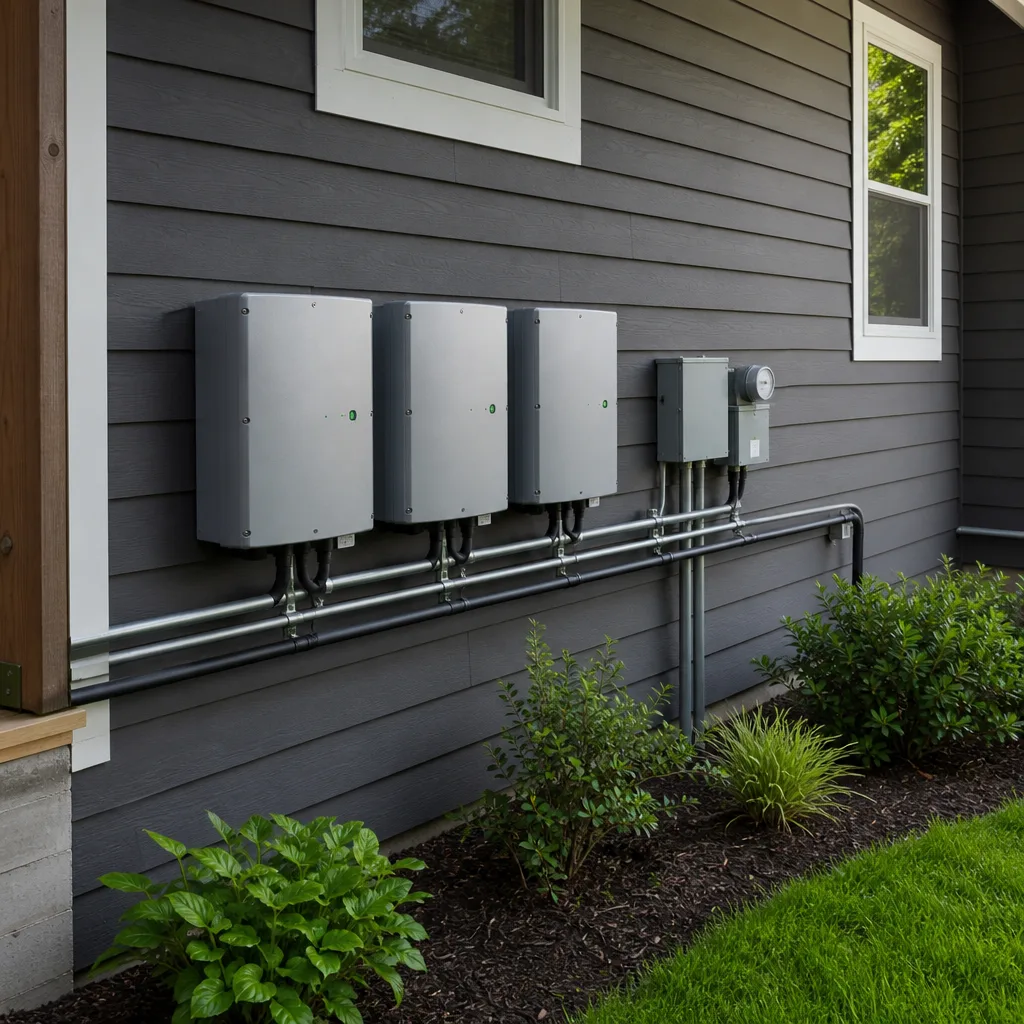
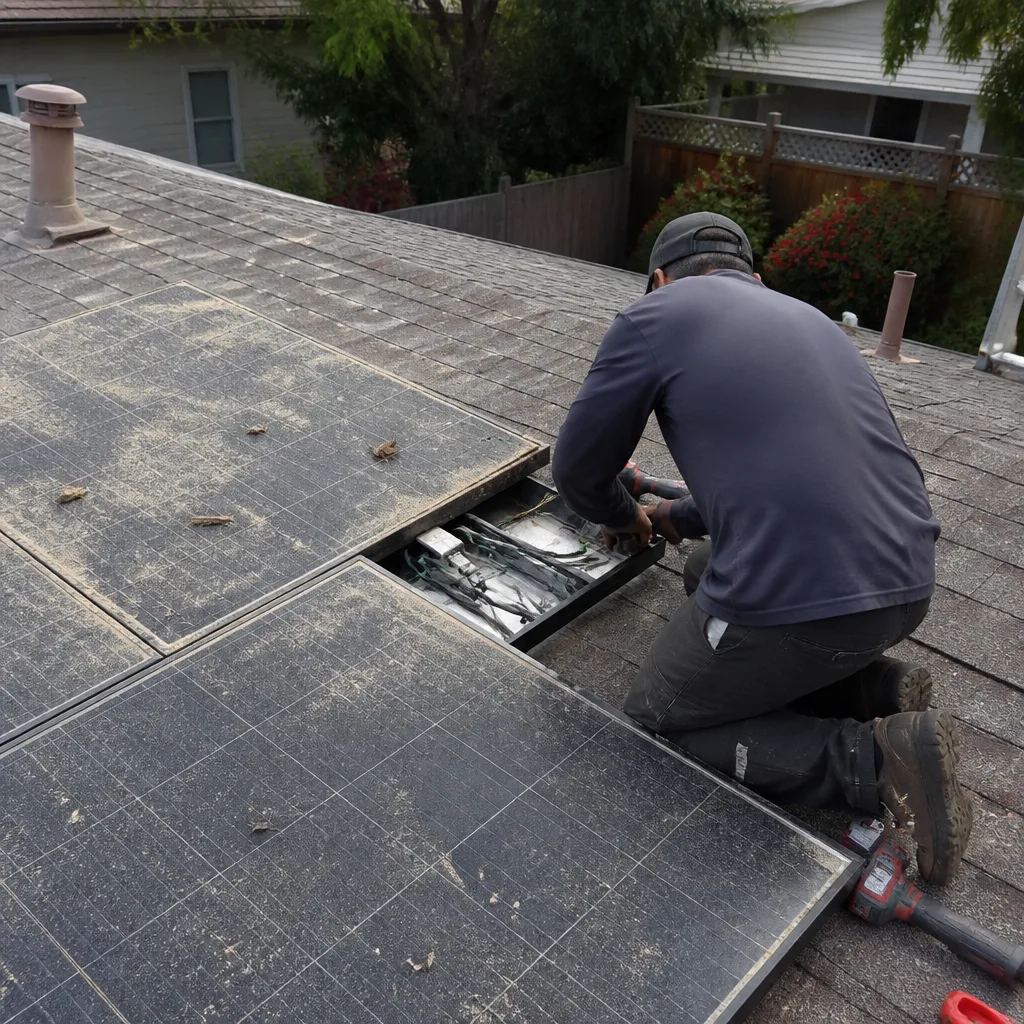 Before
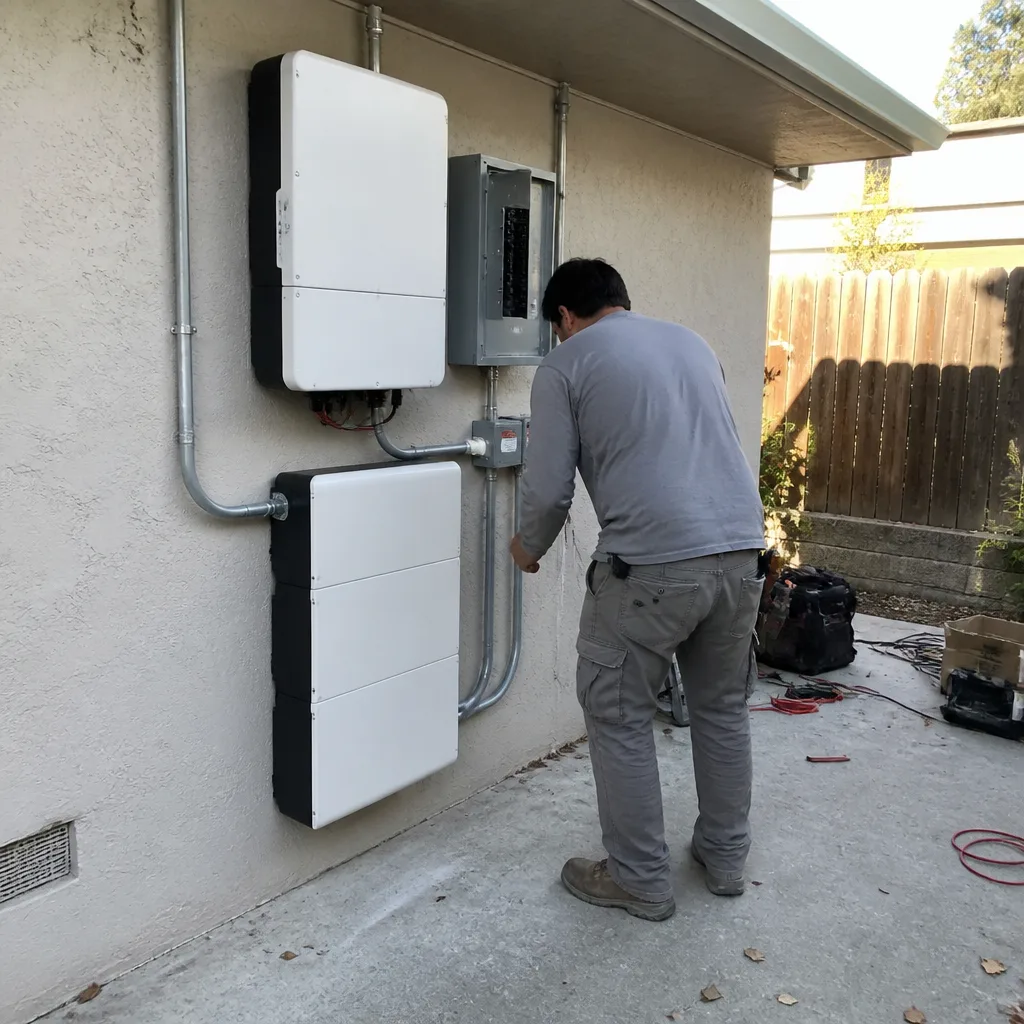 After
After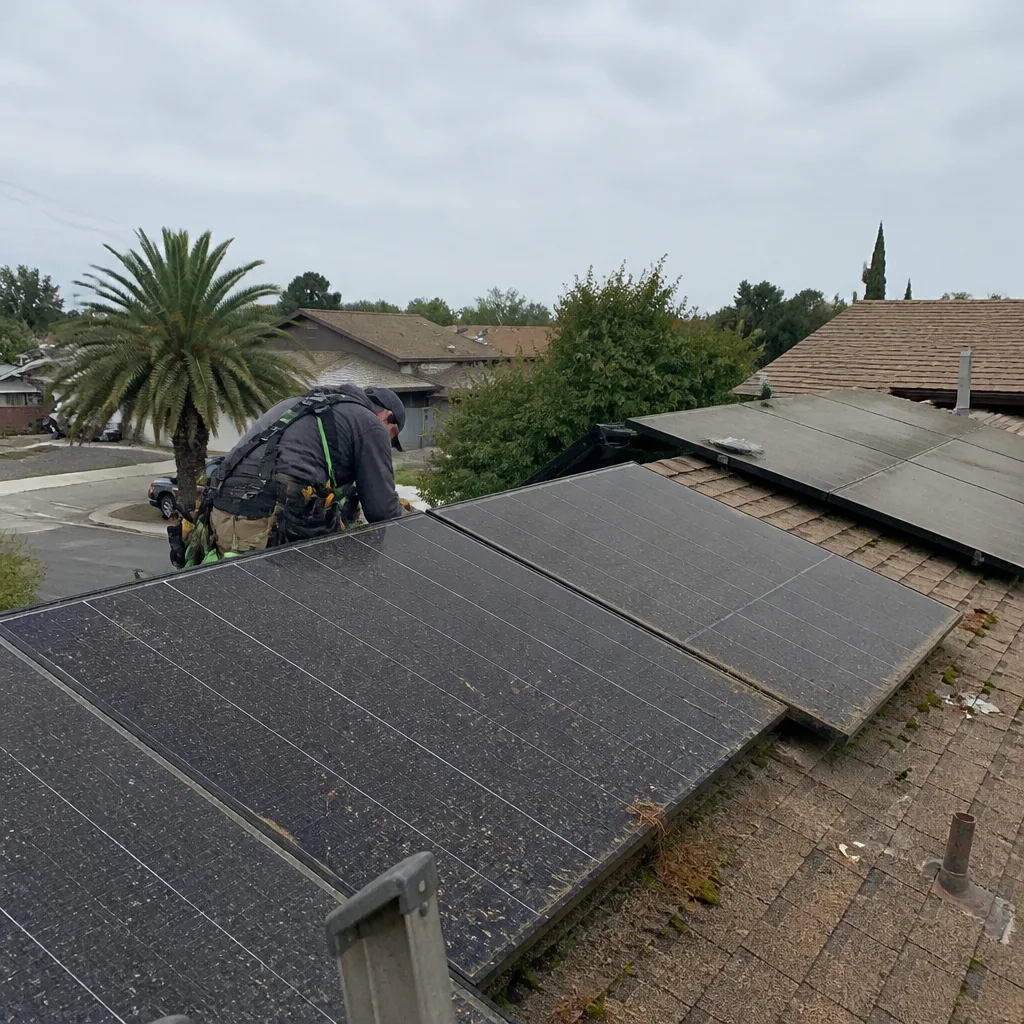 Before
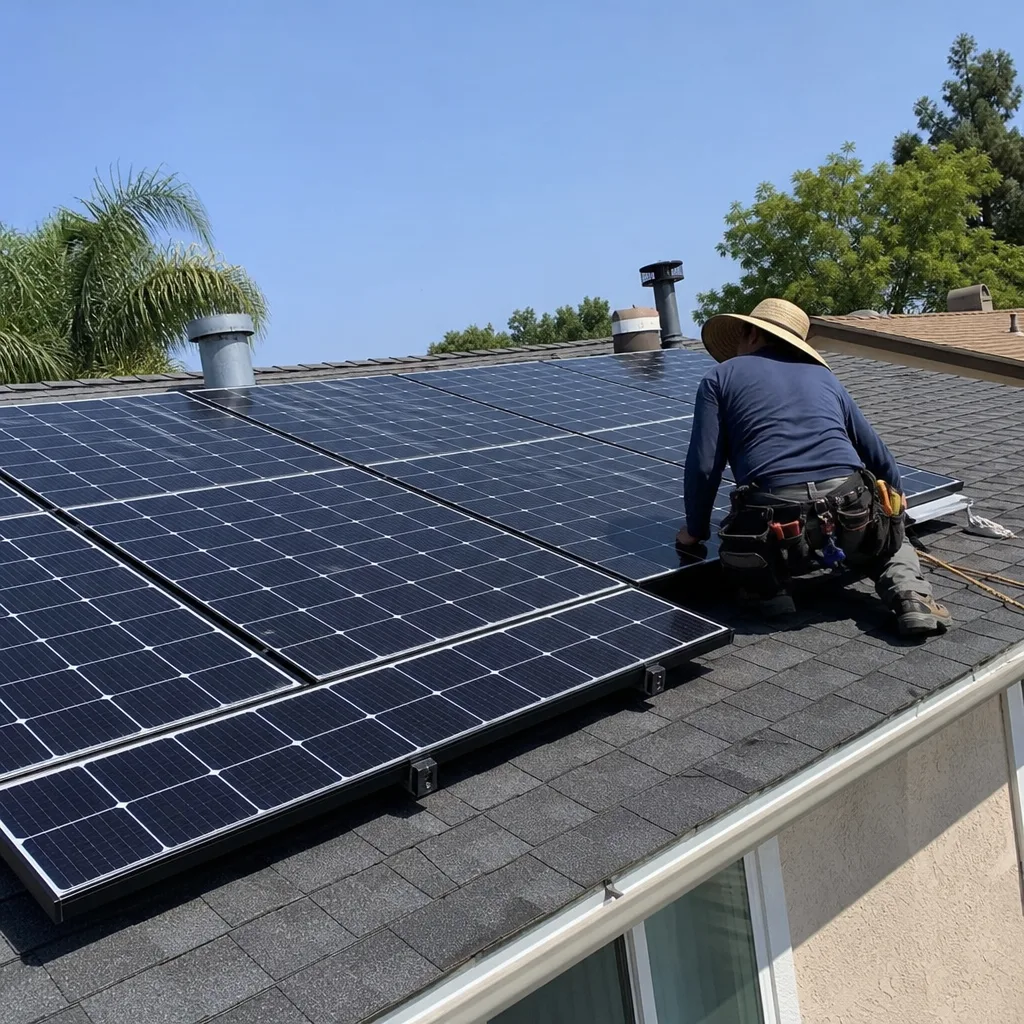 After
After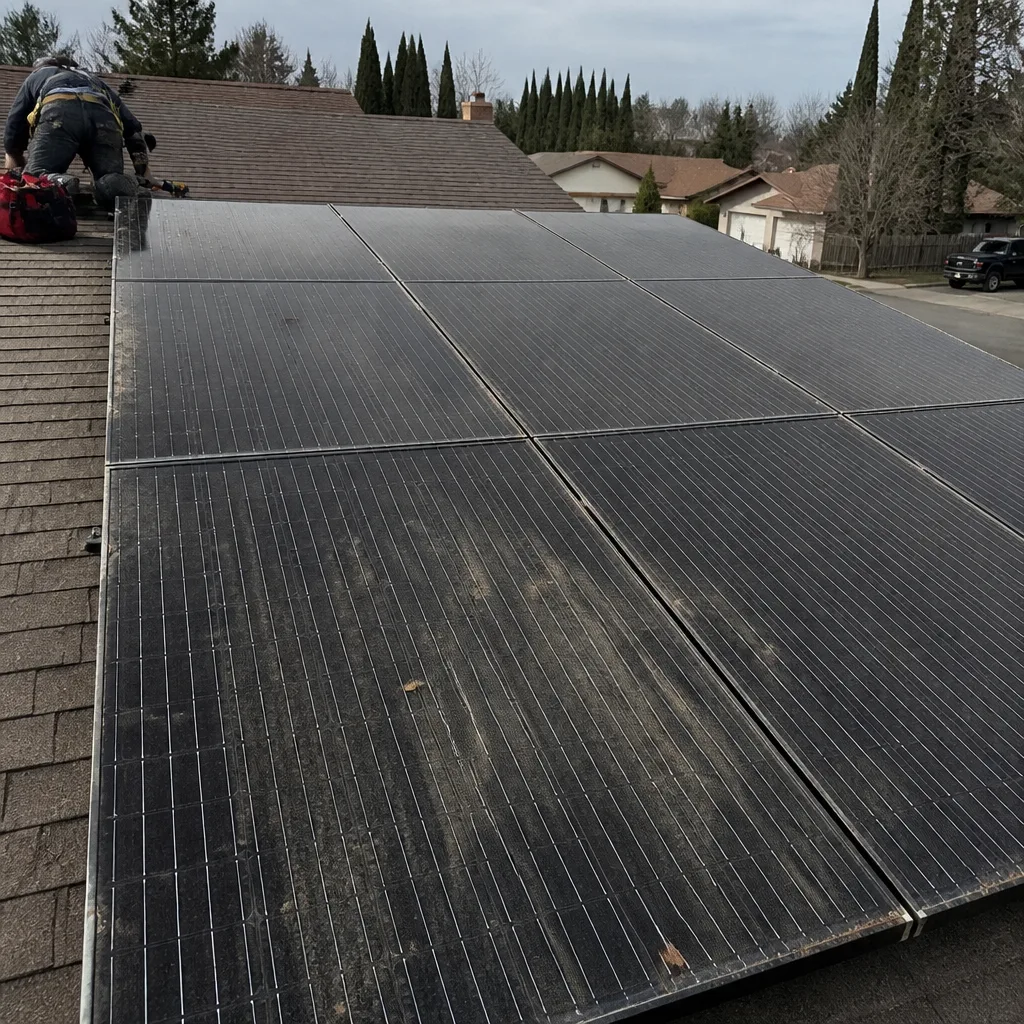 Before
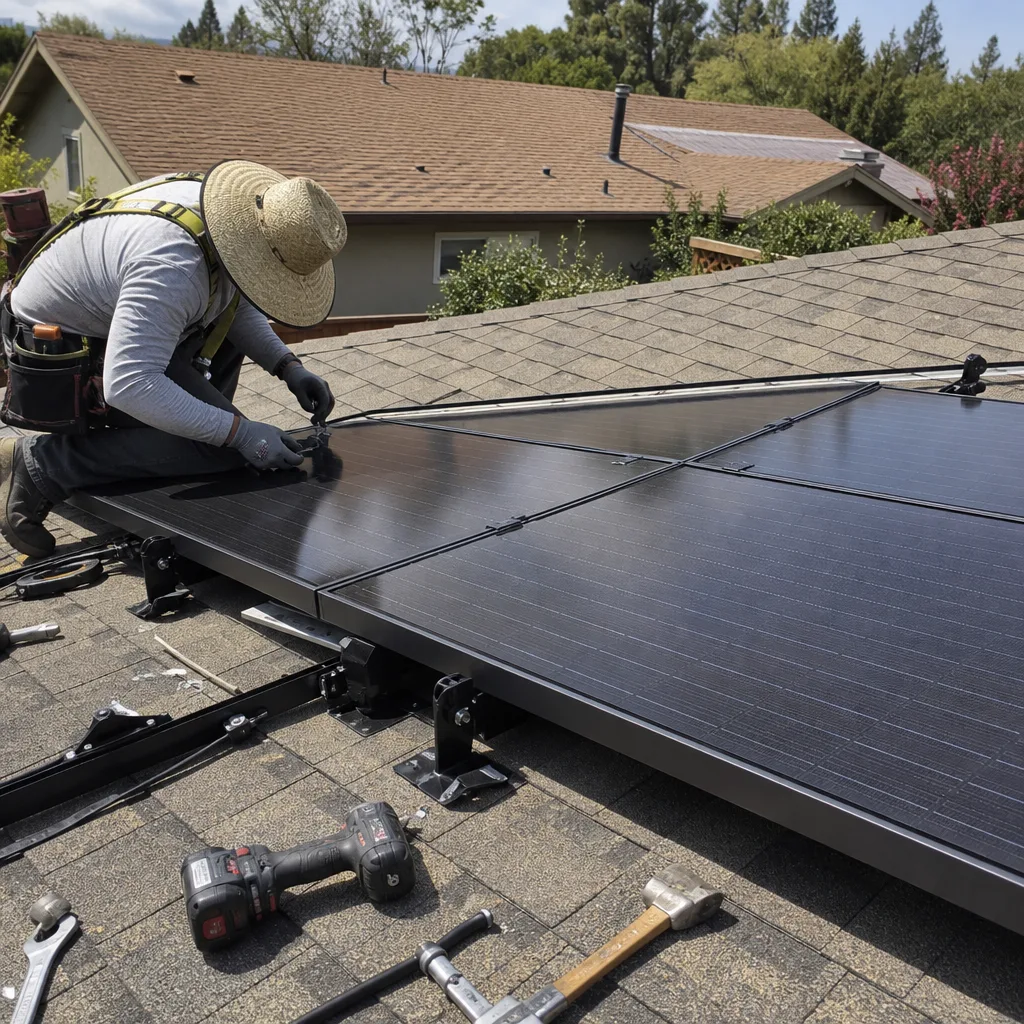 After
AfterFranklinWH Solar Panel Cleaning: The San Jose Owner’s Guide
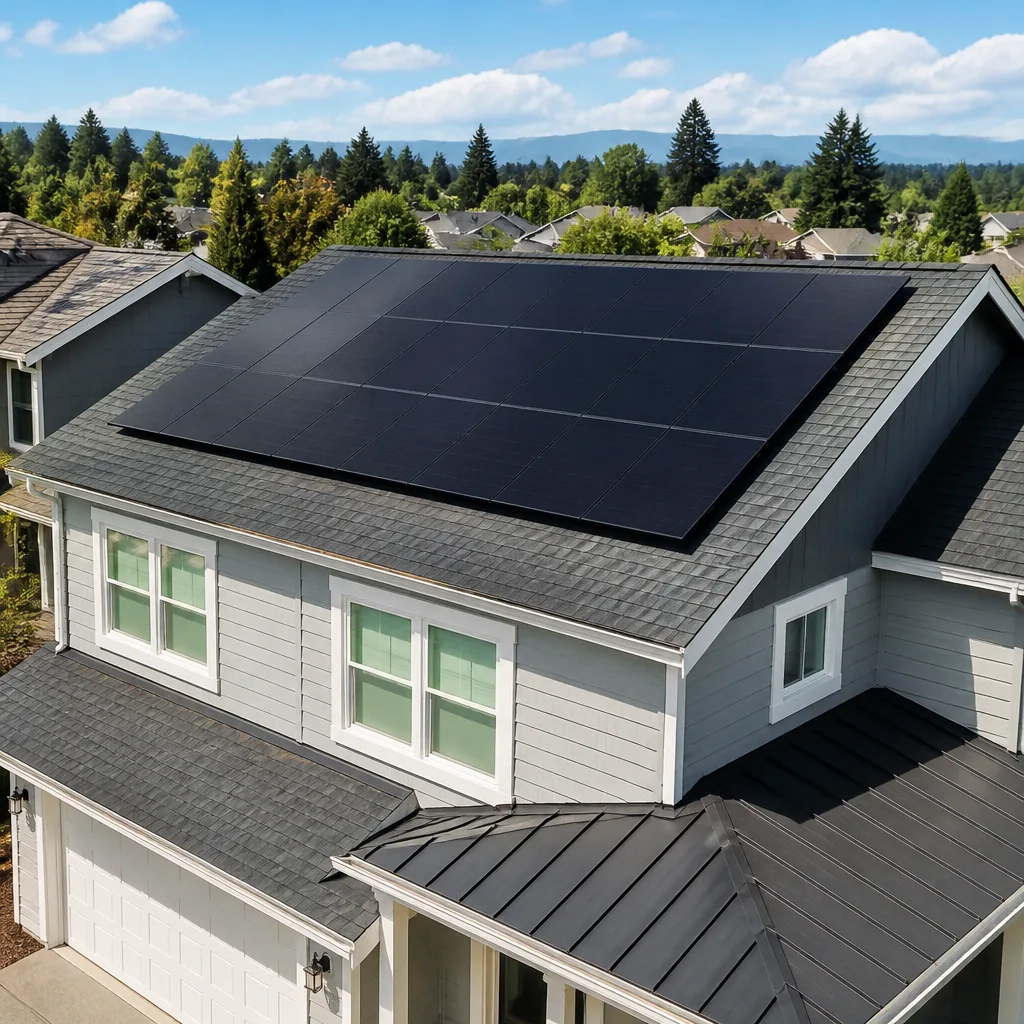
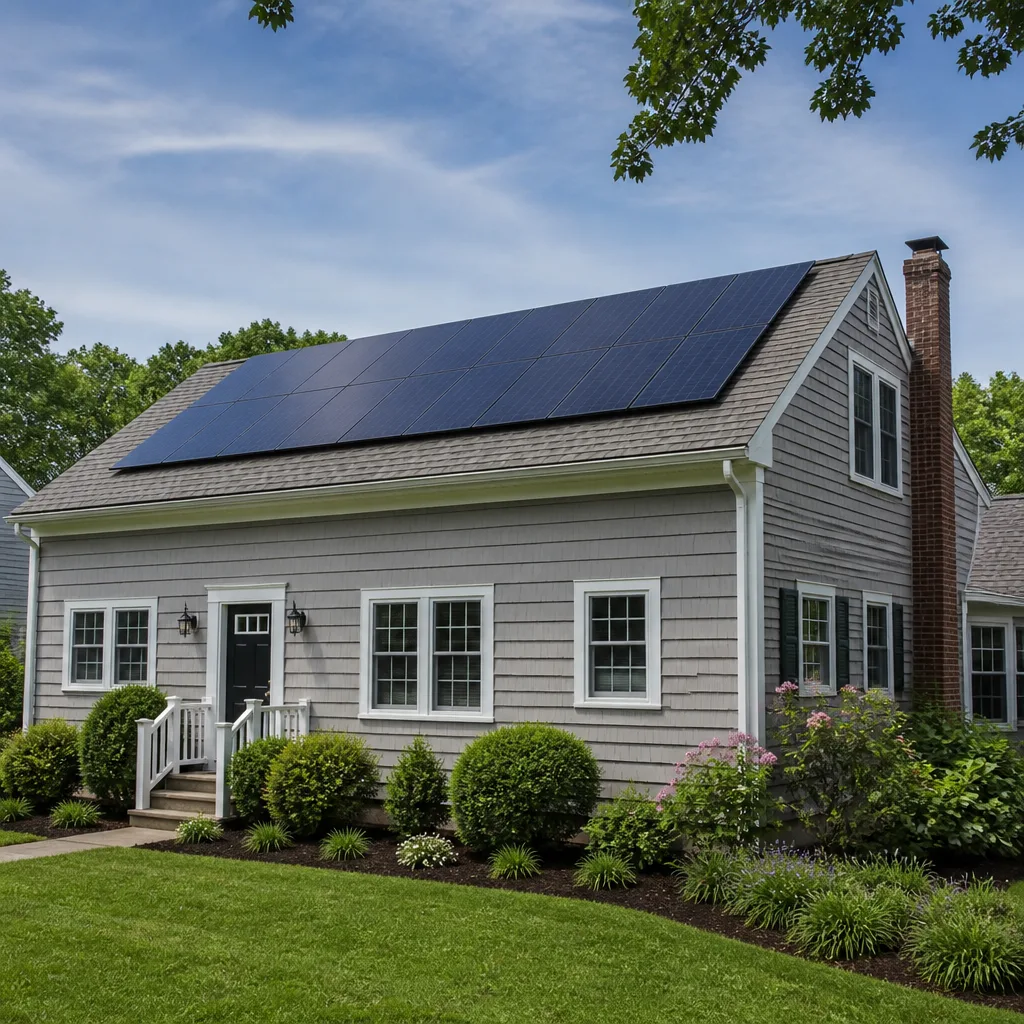
We clean FranklinWH solar arrays throughout San Jose, and a full panel cleaning for a typical FranklinWH-equipped home runs between $180 and $320 depending on array size, roof pitch, and how much buildup has accumulated. Most cleanings are done the same week you call, and we stock the right soft brushes and deionized water equipment so nothing abrasive touches your FranklinWH modules. The most common way a San Jose owner realizes they need a cleaning is either a visible haze on the glass or a slow, unexplained dip in daily kilowatt-hour production that doesn’t match anything on their FranklinWH app’s history.
You won’t damage a FranklinWH system by letting dust sit for a month. But let it sit through a full Central Valley dust season and a dry El Niño winter, and that layer stops being cosmetic. It starts blocking light, holding heat, and in some San Jose pockets with heavy tree pollen or freeway proximity, etching into the glass if it bakes on through a summer. The fix is straightforward, but it’s not just spraying water at a roof. Here’s what actually matters.
Which FranklinWH Models This Applies To
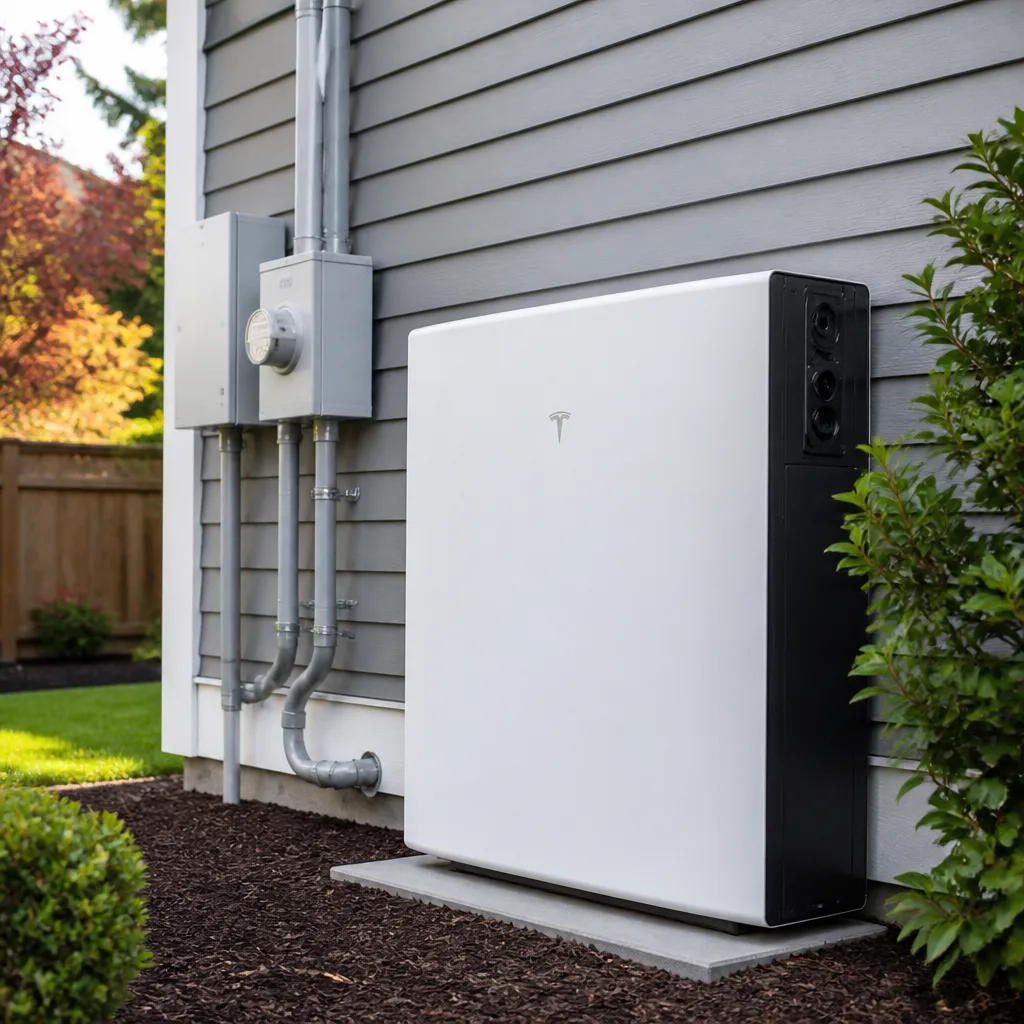
FranklinWH’s solar panels are paired with the aGate management hub and aPower battery, but the modules themselves vary by installation year and installer. We’ve cleaned FranklinWH arrays built with 400-watt modules, 450-watt bifacial panels, and early 370-watt versions that some San Jose roofs still run. The cleaning process doesn’t change much by wattage, but the glass coating does matter: FranklinWH modules have an anti-reflective coating that most generic cleaning products can haze up permanently.
Here’s the compatibility gotcha: if your array was installed before 2022, you’re more likely to have a panel with a shallow frame profile. Those shallow frames pool water at the bottom edge, which means mineral deposits collect along one horizontal band and need a targeted rinse instead of a general wash. Newer FranklinWH modules have a deeper channel that drains better, but they can collect debris at the corners where the clamps hold them. Before we touch anything, we check the serial label on the back of a panel, confirm the frame style, and match our approach to what’s actually up there. If you can’t read the label, a photo from the ground works.
Signs Your FranklinWH Solar Panel Cleaning Is Failing
If you had your FranklinWH panels cleaned recently and they already look rough again, one of these is usually the cause:
- Streaking or haze a week after a wash. This is almost always mineral residue from hard water. San Jose tap water carries enough dissolved solids that if it dries on the glass, the spots stay. We use deionized water for exactly this reason.
- Baked-on bird droppings or sap that won’t rinse. After two or three weeks of full sun, organic material bonds to the coating. It needs a soft soak and gentle removal, not scrubbing, or the coating will dull.
- Producción drops on your FranklinWH app with no equipment faults. When your aGate shows all systems nominal but daily generation is 5 to 8 percent below this same month last year, the array is telling you it can’t see the sun. A good cleaning usually recovers most of that.
- Pollen film that returns within days in spring. Certain San Jose neighborhoods with mature oaks and liquid amber trees get a yellow-green film that no rain fully clears. That film cuts output and breeds more buildup if left.
- White chalky marks near the lower frame edge. Water pooling from dew or overspray dries and leaves mineral lines. Once they’re thick enough, they won’t come off with rain alone.
Replacement Cost & What’s Included
For solar panel cleaning in San Jose, most FranklinWH owners pay between $180 and $320. Small arrays under 15 panels on a single-story roof sit at the low end. A two-story home with 25 or more panels, steep pitch, or heavy organic buildup lands at the higher end. Here’s the pricing picture:
- 15 panels or fewer, single story: $180-$220
- 16-30 panels, single story: $220-$280
- 16-30 panels, two story or steep pitch: $260-$320
- Heavy buildup or hard water spotting (extra labor): $40-$80 added
Every cleaning includes a production check after we’re done, a visual inspection of your FranklinWH panels, clamps, and wiring, and a note on anything we saw that needs attention down the road. We don’t upsell you on a garden hose and pretend it’s a service. You get clean glass, honest numbers, and a crew that doesn’t rush.
DIY or Call Us?
You can rinse your FranklinWH panels from the ground with a hose on a cool morning, and that’s genuinely better than nothing. But once you’re on a ladder, working a brush on a steep San Jose roof, the risk equation changes fast. Falls from residential roofs are a leading cause of serious home injury, and a wet roof next to live high-voltage DC wiring is not a place to learn. We’ve also seen owners use dish soap, pressure washers, or hard water, all of which can permanently fog the glass coating and void the panel warranty.
Here’s what we’d do if it were our roof: rinse from the ground when we notice visible dust, and call a crew with the right water, the right brushes, and the right harnesses for anything more. We clean FranklinWH arrays the same way we’d want ours cleaned, carefully, completely, and without leaving mineral spots. If you’re not sure whether yours needs a pro or just a rinse, call us at (877) 550-6892 and describe what you’re seeing. We’ll tell you straight.
FAQs
In San Jose’s climate, a proper cleaning typically holds up for 6 to 10 months. Pollen season in spring and dust blown in from the Diablo Range can shorten that window depending on your specific neighborhood. If you live near a major freeway corridor or under heavy tree cover, schedule twice a year. Most other owners are fine with once annually.
If we spot a cracked module, a failed diode, or a burnt connector during a cleaning, we can often repair it same day or order the exact part if it’s not on the truck. Cleaning won’t fix a panel that’s already failing, but it can stop you from mistaking dirt for damage. We’ll show you photos of anything concerning and give you a straight answer on whether it’s worth repairing.
Most FranklinWH arrays in San Jose are cleaned in 45 to 90 minutes once we’re set up. A steep two-story roof with heavy buildup can stretch to two hours. We work carefully, never rush off the roof, and leave the site looking like we were never there except for the clean glass.
Yes. Our trucks carry deionized water systems, soft brushes sized for FranklinWH frames, and the cleaning agents that are safe for anti-reflective glass coatings. You won’t wait on a shipment or a second visit because we didn’t bring the right gear. Call (877) 550-6892 and we’ll get you scheduled.
Gus’s Solar is an independent service provider and is not affiliated with FranklinWH. We also work on Tesla, Enphase, and SolarEdge systems. If your FranklinWH array needs a cleaning or you’re seeing production drops and want a straight answer, call us at (877) 550-6892. We’ll give you a real quote, no pressure, no signature tonight. Take two weeks. Think about it. The price will be the same.
Written by Gus Petrakis, Owner, Gus’s Solar at Gus’s Solar, serving San Jose and nearby areas.