
Free bill analysis - bring a power bill, get the production math for your actual roof, panel brands like Qcells and REC compared side by side
If the pitch starts at your door and ends with "sign tonight for the special," sleep on it. The sun will still be there tomorrow; so will we.
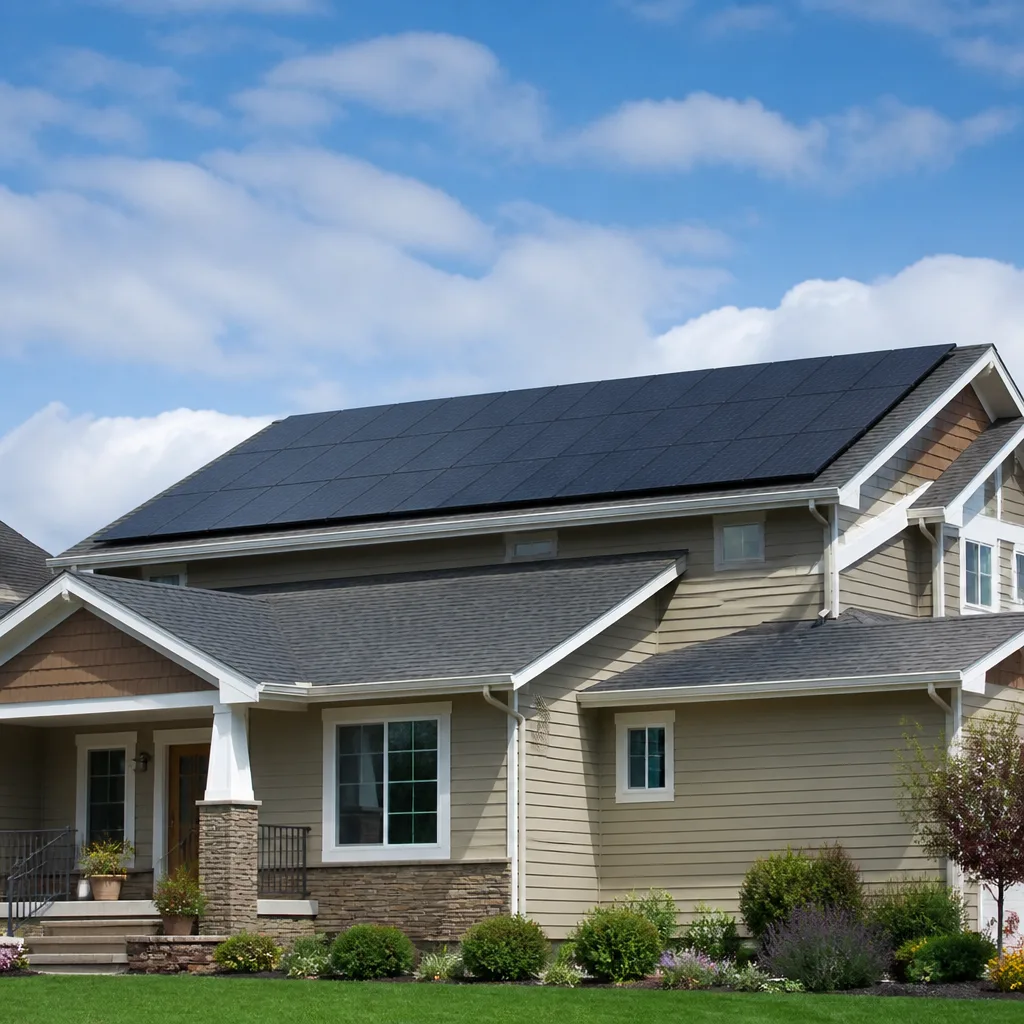
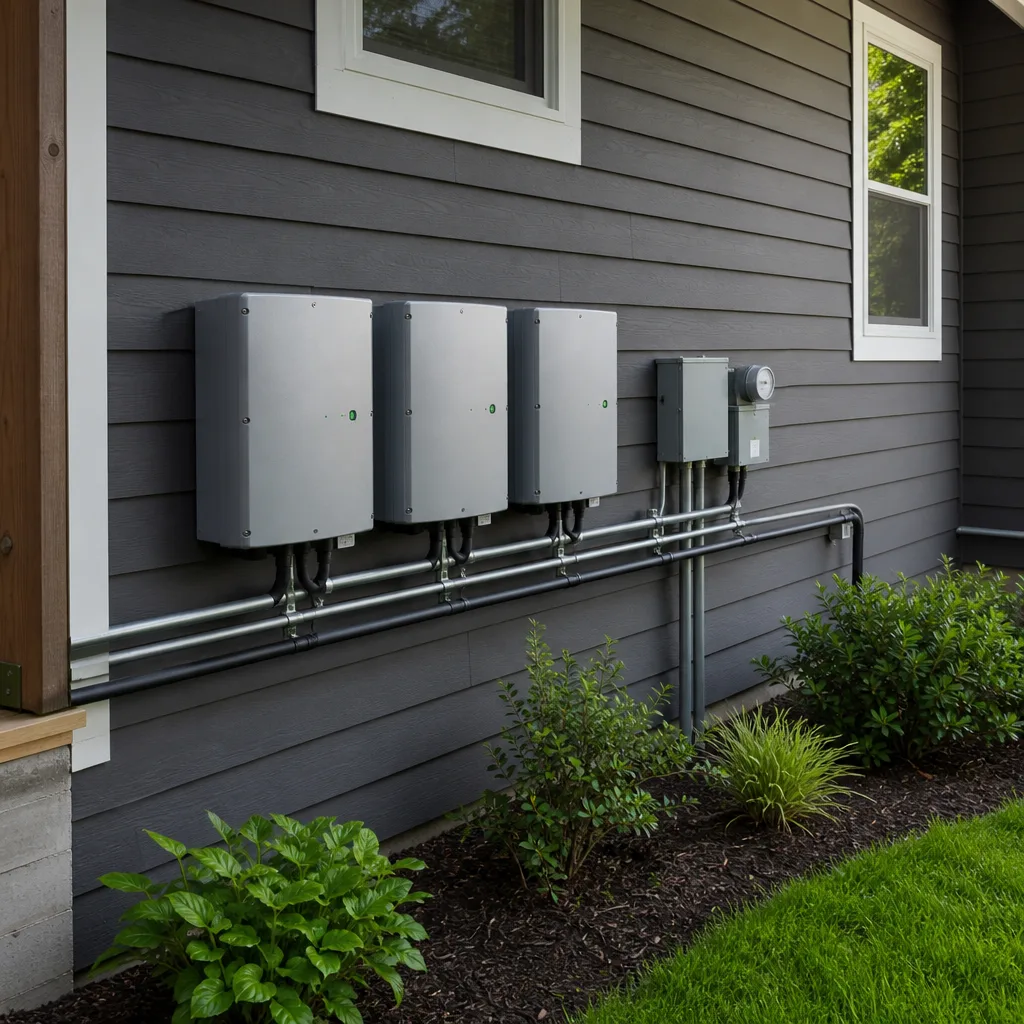
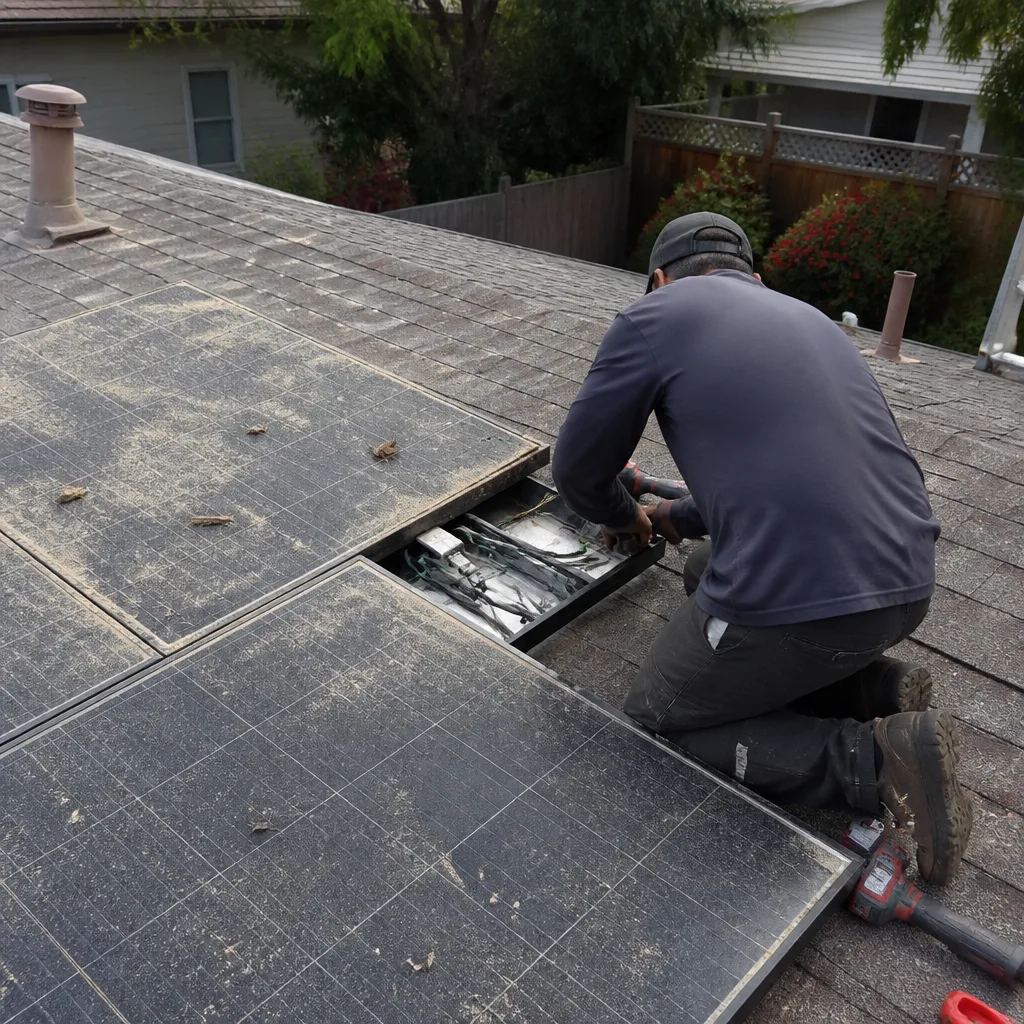 Before
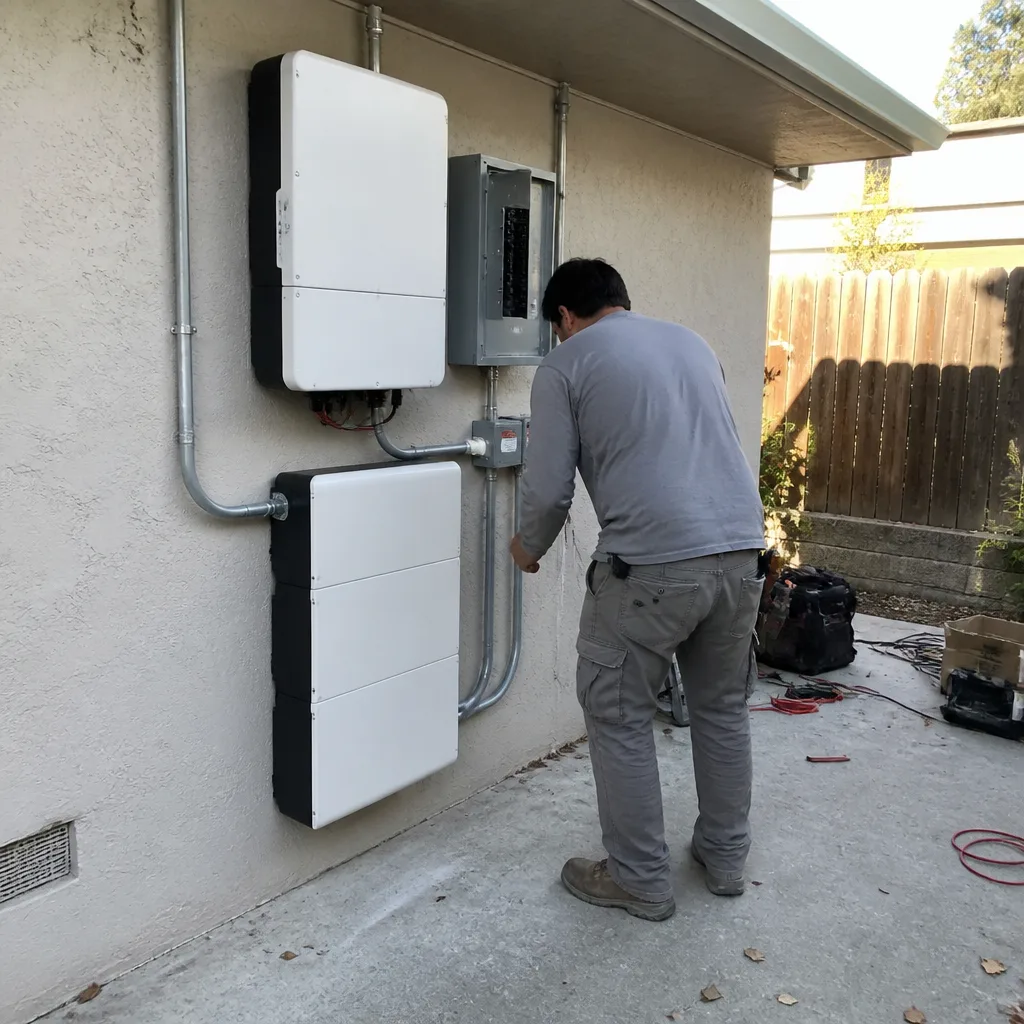 After
After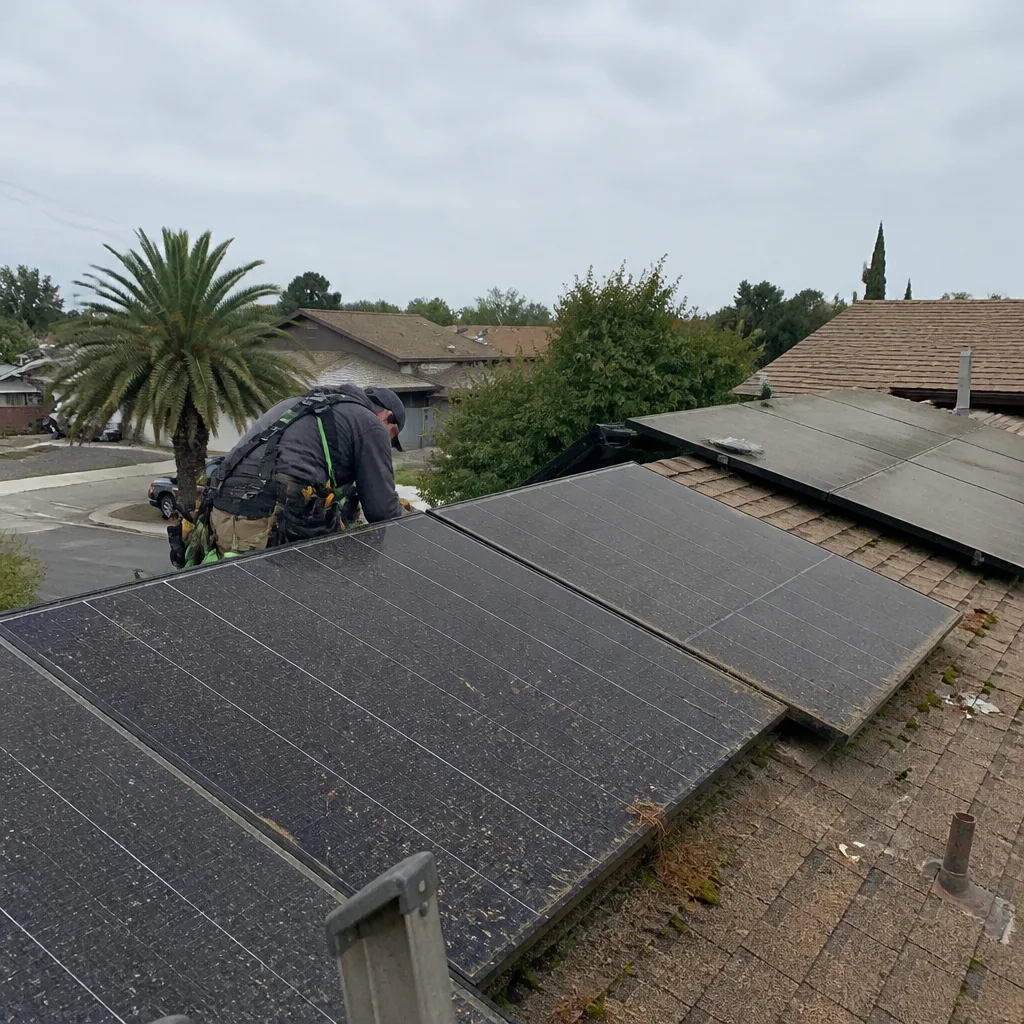 Before
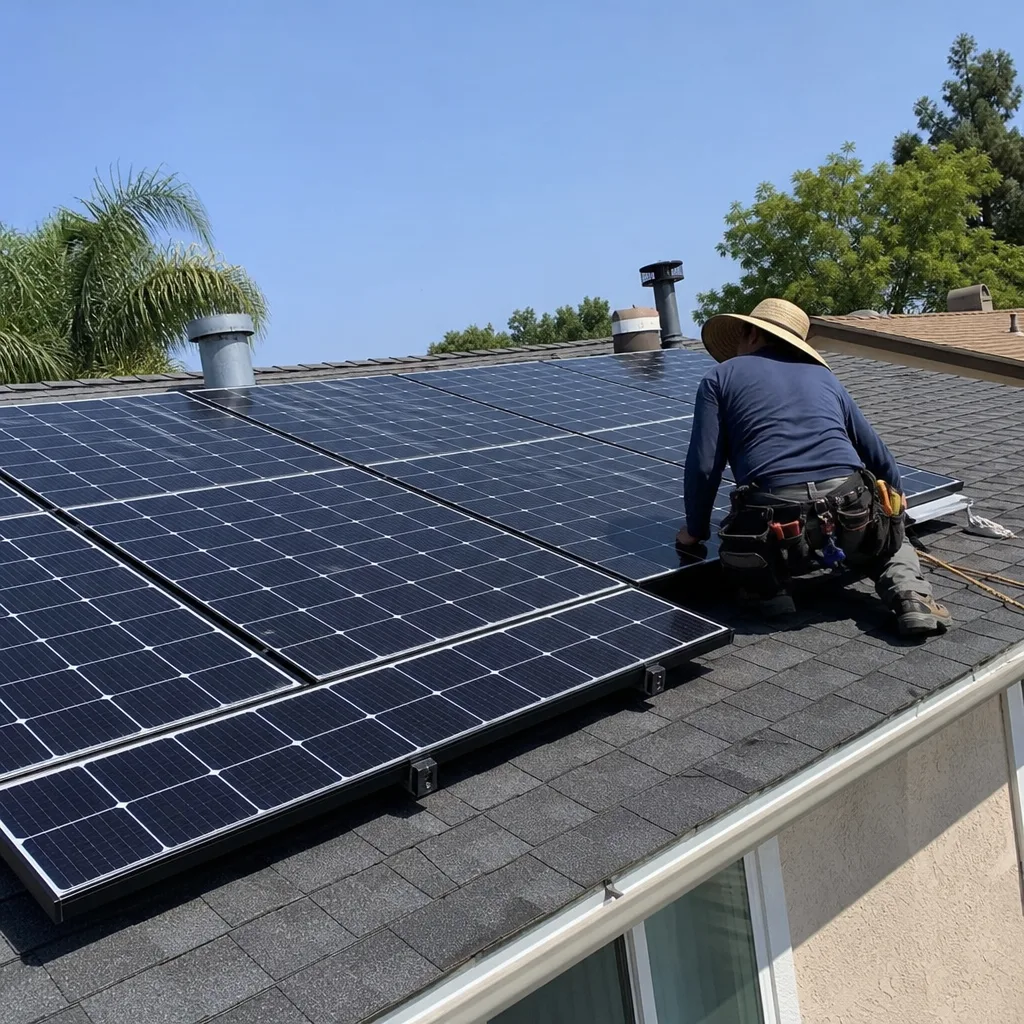 After
After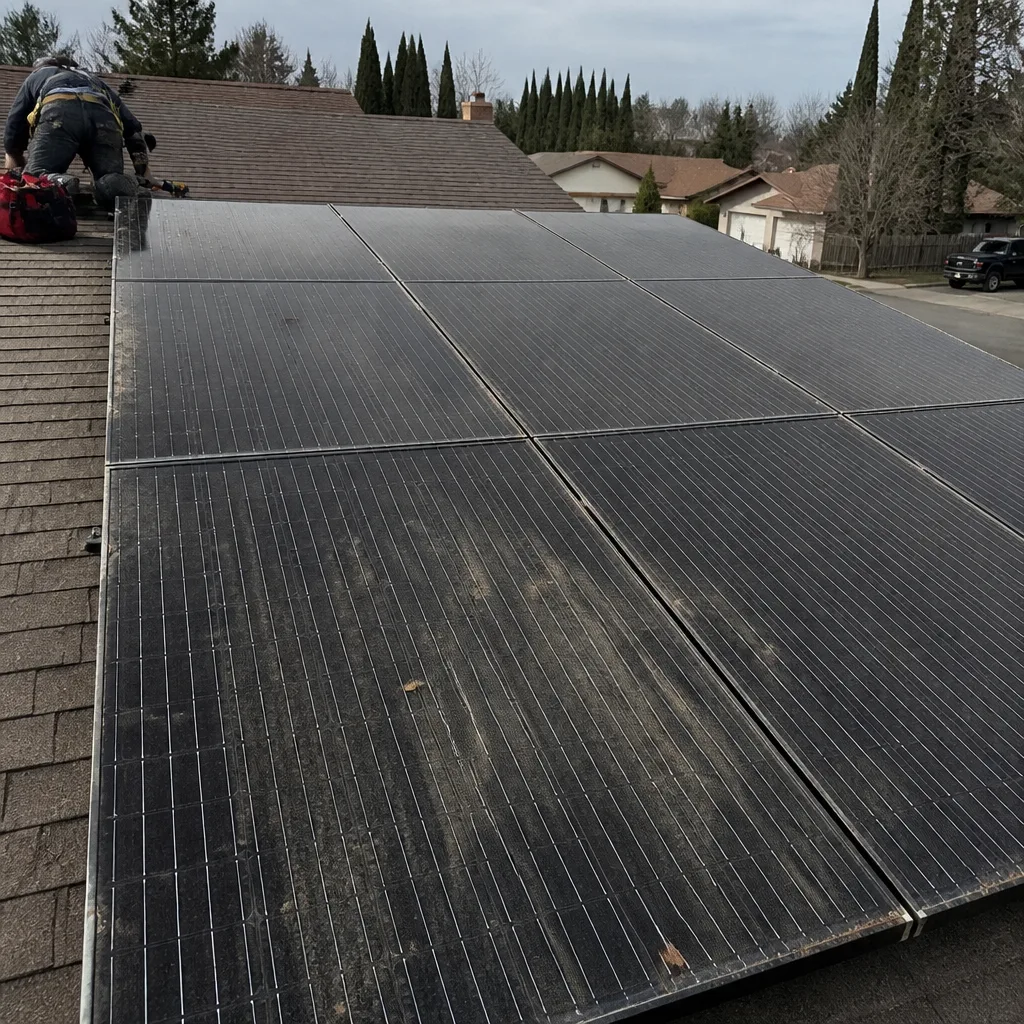 Before
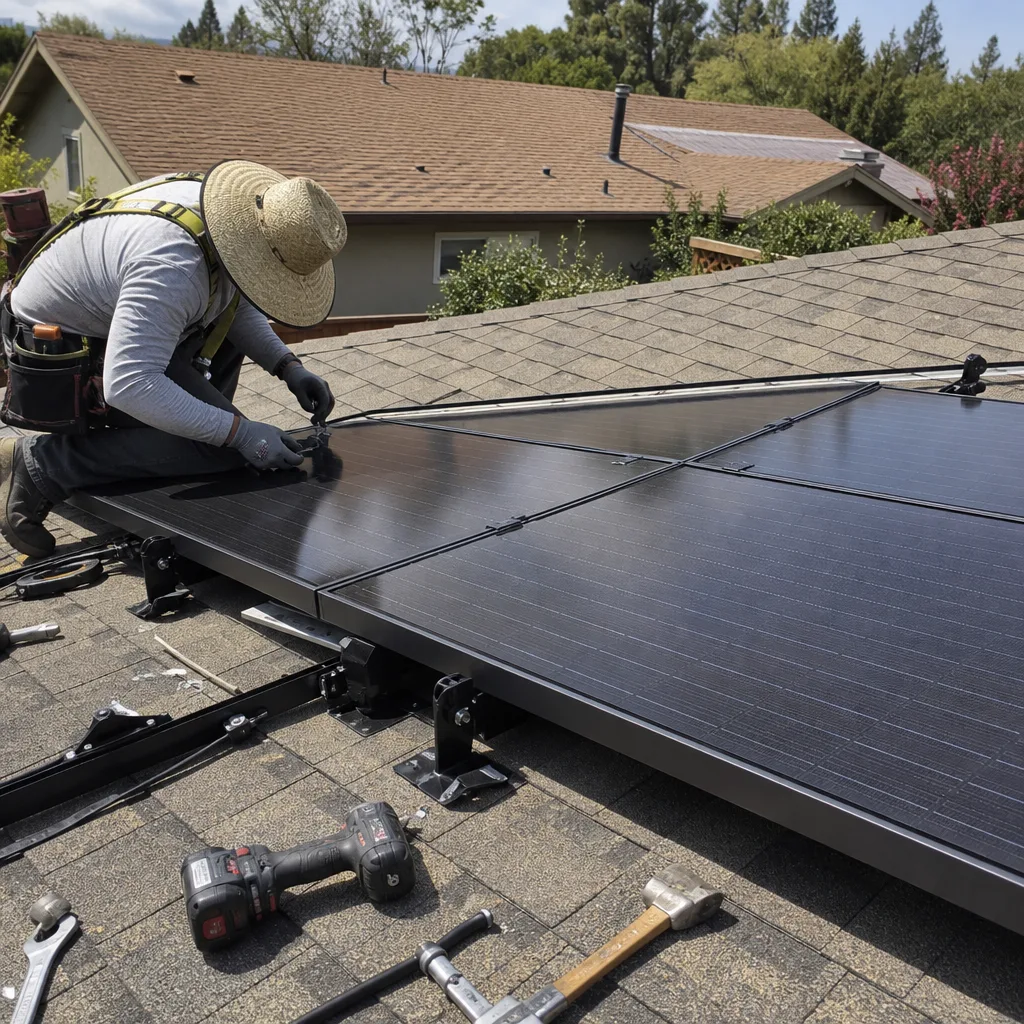 After
AfterFranklinWH Solar Panel Installation: The San Jose Owner’s Guide
If your FranklinWH system has a failed or failing solar panel installation component, we stock FranklinWH-compatible parts in San Jose and can typically complete the panel installation same-day or next-day. A FranklinWH panel installation in San Jose usually runs between $900 and $2,800 installed, depending on your system size, roof pitch, and whether we’re replacing one panel or rewiring a full string. Most owners discover the problem when their FranklinWH app shows a production drop on one array, or when PG&E net metering statements suddenly look wrong and nobody can say why.
Here’s the thing about solar panel installation in San Jose that most people don’t realize: panels rarely fail all at once. They fade, or a microinverter dies, or a connector loosens over three or four Central Valley summers. By the time you notice it, you’ve usually been losing production for weeks or months. That’s exactly the kind of slow leak Gus Petrakis has spent 14 years chasing down for homeowners across the South Bay.
Which FranklinWH Models This Applies To
FranklinWH entered the U.S. market with the aPower battery and aGate controller, and their panel line carries that same design philosophy: fewer high-output panels, not more low-wattage ones. The current FranklinWH panels run in the 400W to 450W range, which is a meaningful jump from the 320W to 360W panels that dominated San Jose roofs a decade ago. If your system was installed before 2022, you may have panels from an earlier FranklinWH generation that’s no longer manufactured, which is exactly when panel matching gets tricky.
Here’s what you need to know before anyone quotes you: FranklinWH panels are engineered to pair with their own energy storage, not to be mixed and matched with whatever’s on sale at a distributor. The voltage range on a FranklinWH string is narrower than what you’d see on a SolarEdge or Enphase setup. That means if one panel in the string goes bad, you can’t just drop in any 400W panel and expect the whole array to play nice. You need to match the spec sheet: open-circuit voltage, short-circuit current, and the exact connector type. We keep OEM FranklinWH panels and compatible equivalents on hand for exactly this reason.
One more thing: we’re an independent shop, not affiliated with FranklinWH. That means we fix what’s broken and match what’s needed without pushing anyone toward a brand-new full system unless the old one is genuinely done. Sometimes one panel swap is all you need. Sometimes the honest answer is “this system had a good run, let’s talk about what year-25 output looks like for your roof now.”
Signs Your FranklinWH Solar Panel Installation Is Failing
- A production dip on the FranklinWH app while the weather’s unchanged. One array is underperforming compared to the others. Cause: a dead microinverter, a loosened MC4 connector, or a panel that’s internally degraded from heat cycling. This is what we see most in San Jose, where summer roof temperatures routinely hit 140°F and connectors slowly bake.
- Visible discoloration or brown spots on the panel face. That’s not dirt. It’s usually delamination, which happens when moisture creeps in around the edges after years of thermal expansion and contraction. We see it on west-facing panels in the Almaden Valley and east-facing panels off Berryessa Road, where morning fog and afternoon heat create the worst cycle.
- The FranklinWH battery charges fine on grid power but not from solar. That points at the panel side, not the battery. We often find a failed DC isolator or a single underperforming panel dragging down the whole string.
- Your PG&E bill creeps up in months where it shouldn’t. Statistically, you might not notice it for a season. Then the app update comes and there it is: 18% under last year. That’s a panel installation issue, not a rate hike.
- Rust or corrosion around the panel frame or mounting hardware. San Jose doesn’t get much rain, but we do get marine layer off the bay and years of accumulated dust that holds moisture. Corroded mounts can shift panels out of alignment, which costs you production and eventually becomes a roof leak risk.
Replacement Cost & What’s Included
A single-panel FranklinWH-compatible installation in San Jose typically costs $900 to $1,400, including the panel, the roof work, and the electrical connection. A full string replacement (3 to 6 panels) usually lands between $2,400 and $3,800. If roof repairs or rerouting are needed, the number goes up, and we’ll tell you that before anyone climbs a ladder.
Every quote from us includes the part, the labor, the flashing and mounting hardware, and the production test after install. We show you the before-and-after numbers on the FranklinWH app before we leave the driveway. No separate line item for “miscellaneous electrical” that shows up later. No surprise trip charge inside San Jose and our home county. No signature wanted tonight. Bring me a real production report from the app, I’ll bring you the math. And take two weeks to think about it if you want. The price will be the same.
Our work is backed by the 90-Day Done Right Promise, in writing. If the panel installation isn’t right, Gus makes it right. One call brings us back.
DIY or Call Us?
You can check a few things yourself, safely and without a ladder: pull up the FranklinWH app and screenshot your production history, check your PG&E bill against the same period last year, and look at your panel array from ground level for obvious shading (a neighbor’s new tree, a satellite dish somebody mounted too close). That information saves us a trip and saves you money.
What you shouldn’t do is get on the roof. San Jose roofs are steep, and the tile work in Willow Glen, Cambrian, and Evergreen is older than it looks. More importantly, this is live electrical work, not a weekend project. A panel installation mistake can burn out a FranklinWH string, void your remaining warranty, or hurt you. Here’s what I’d do if it were my roof: I’d call a crew that does this every week. We’ll be there with the right panel matched to your exact specs, and we’ll have it producing before the sun sets. Call us at (877) 550-6892 and we’ll walk through what you’re seeing.
FAQs
FranklinWH panels are rated for 25 to 30 years of production, but in San Jose’s heat, real-world degradation usually runs about 0.5% to 0.8% per year, not the 0.4% on the spec sheet. That means a 450W panel installed in 2020 is likely producing around 430W to 440W by 2025, which is normal wear, not a failure. If your app shows a sharper drop than that, something else is wrong and it’s likely a connector or microinverter, not the panel itself. Call (877) 550-6892 if you want us to read your production curve and tell you which one it is.
In most cases, no. Delamination, internal cell cracks, and corroded junction boxes aren’t repairable on the roof. The repair that is common is a connector or microinverter swap, which costs $300 to $600 and buys the panel more years. If the panel itself is shot, replacement is the only honest fix. We’ll tell you which one you need after a 30-minute look, and we won’t sell you a panel if a $400 connector fixes it.
A single-panel swap takes 2 to 3 hours on the roof, including the electrical connection and app-side verification. A full string replacement is usually a one-day job in San Jose, though we’ll tell you if roof work or an older racking system adds a second day. We’re local, and our crew does the install ourselves, no subcontracted labor.
We keep FranklinWH-compatible 400W to 450W panels in stock, along with the connectors and microinverters we most often replace. For older FranklinWH panel generations that are no longer manufactured, we source certified-matching equivalents through our distributor network, which usually takes 3 to 5 business days. If you’re not sure which generation you have, send us a photo of the label on the back of the panel (or the spec sheet from your original install), and we’ll tell you the match before we ever schedule a visit.
Written by Gus Petrakis, Owner, Gus’s Solar at Gus’s Solar, serving San Jose and nearby areas.