
Free bill analysis - bring a power bill, get the production math for your actual roof, panel brands like Qcells and REC compared side by side
If the pitch starts at your door and ends with "sign tonight for the special," sleep on it. The sun will still be there tomorrow; so will we.
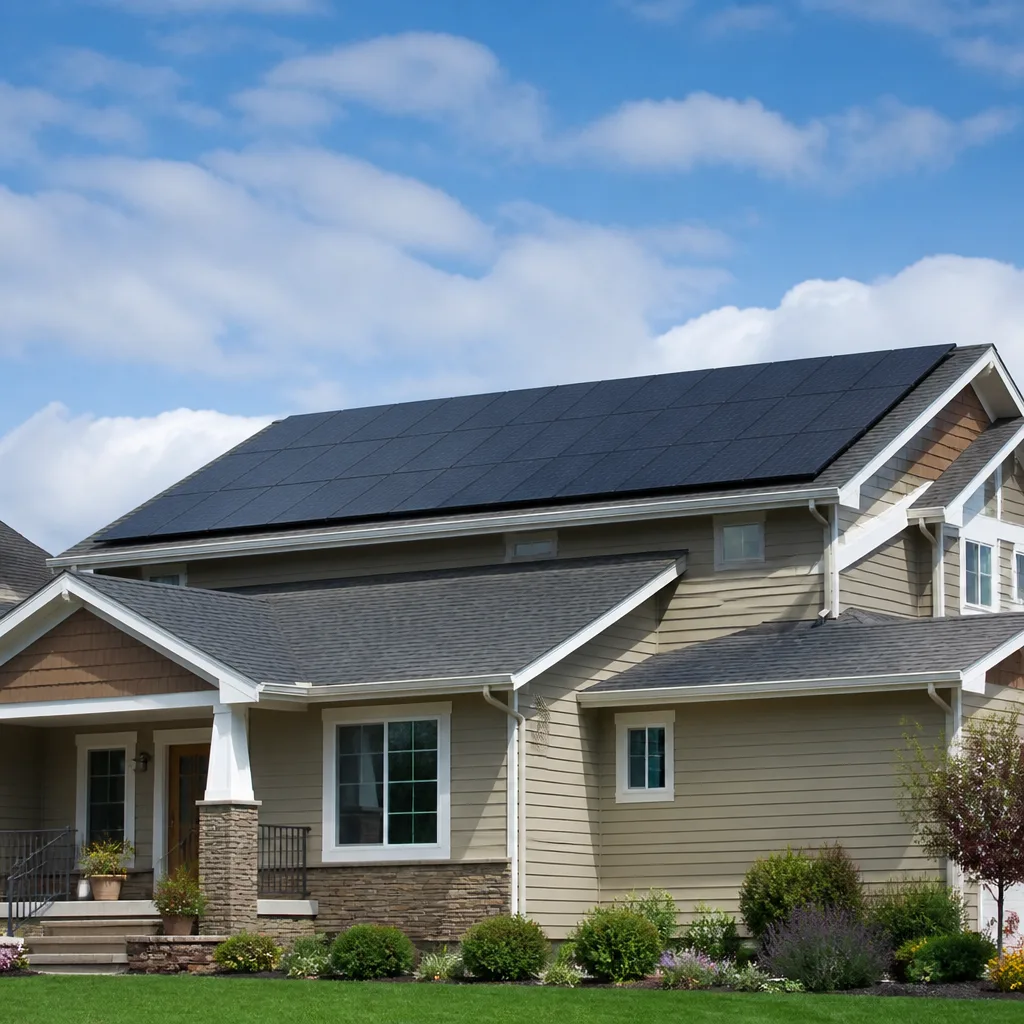
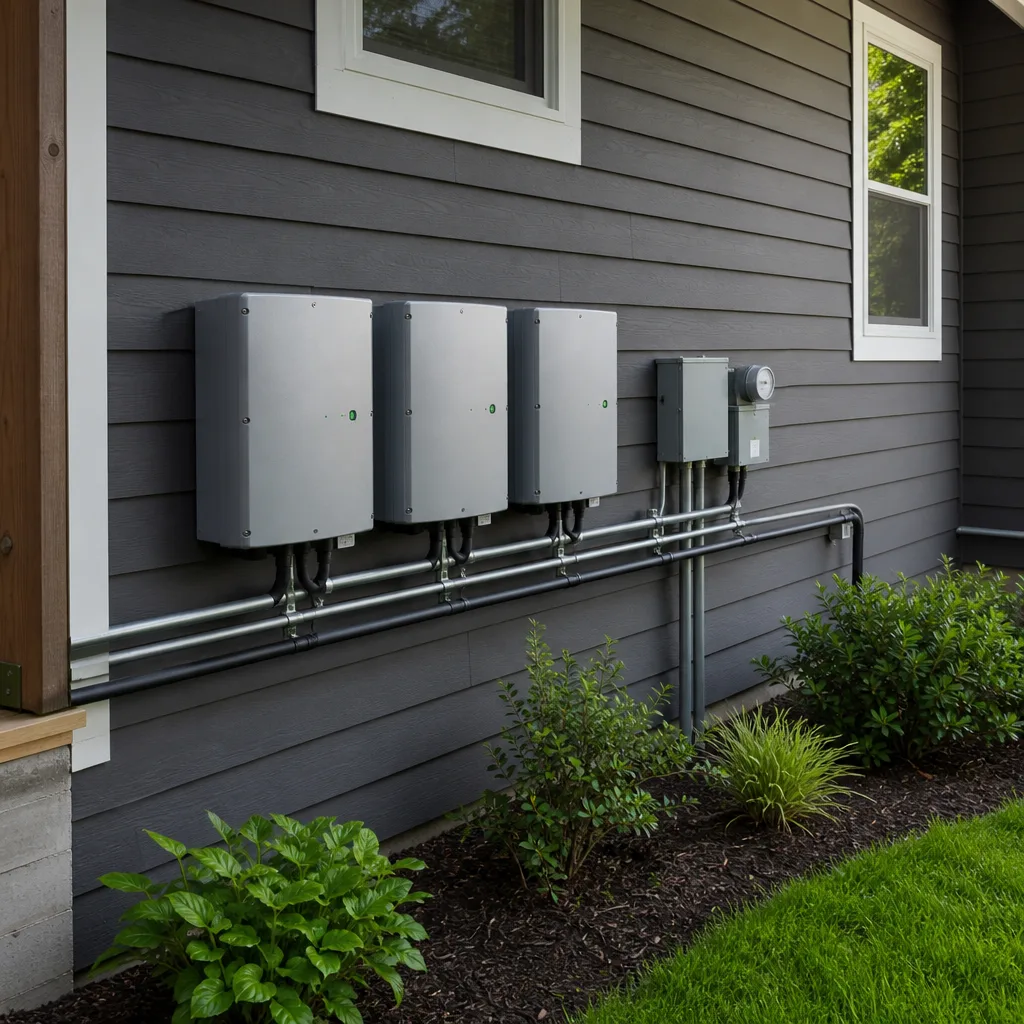
 Before
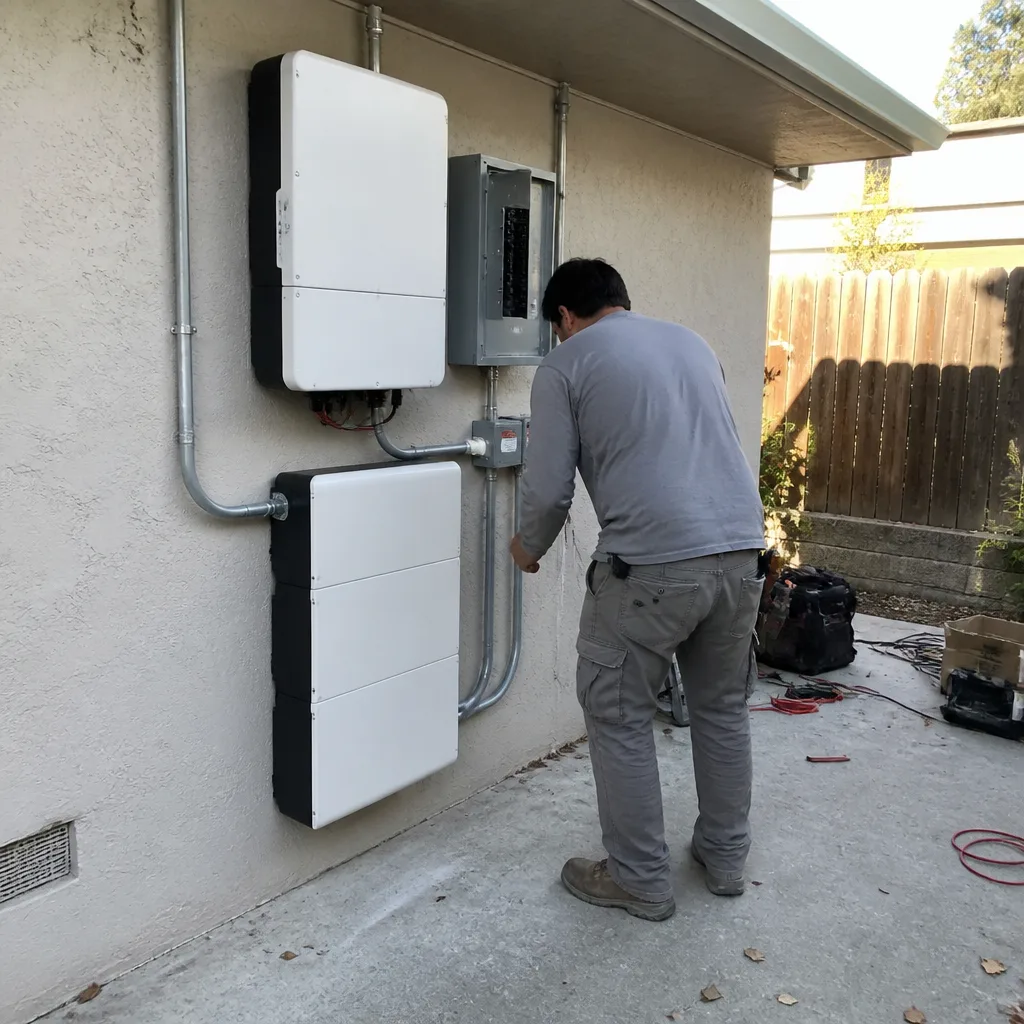 After
After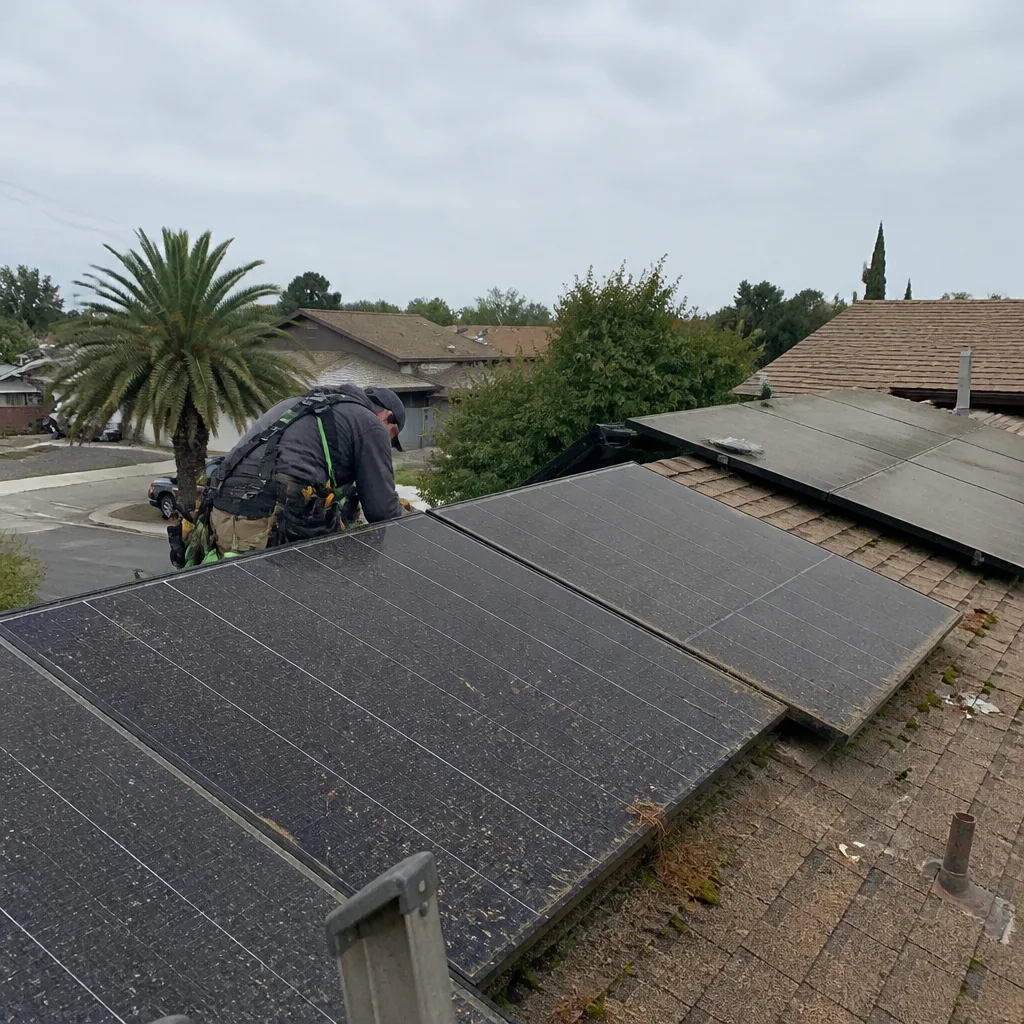 Before
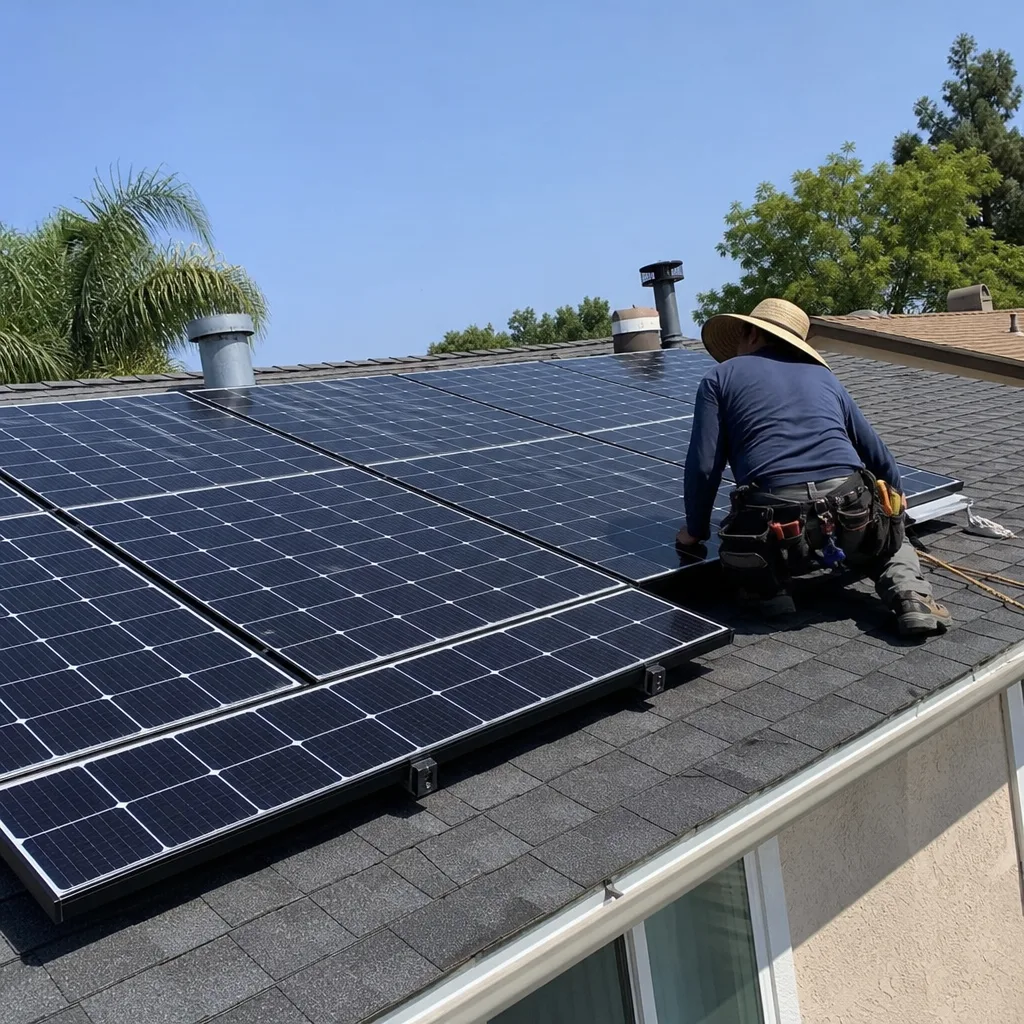 After
After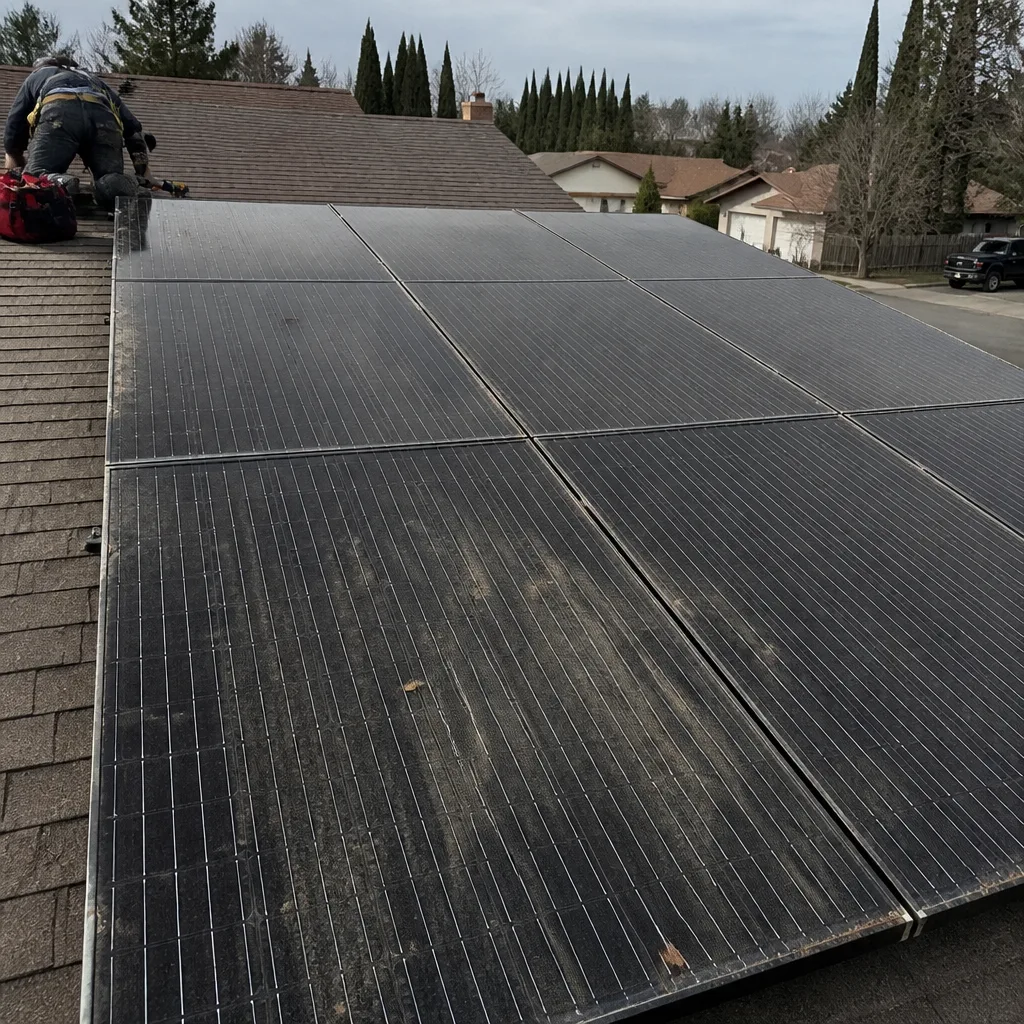 Before
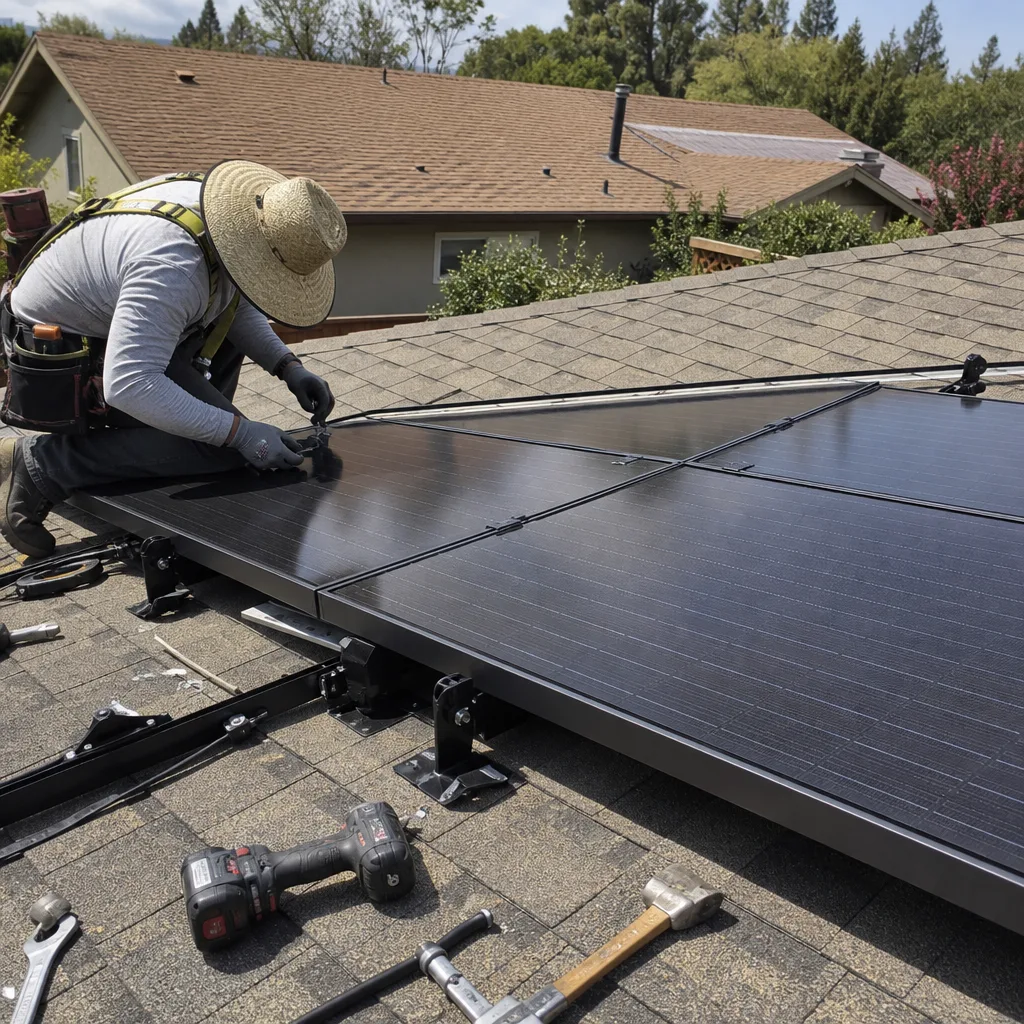 After
AfterJinkoSolar Solar Panel Repair: The San Jose Owner’s Guide
Most JinkoSolar panel failures in San Jose come down to one of three things: a failed bypass diode causing hot spots, a cracked cell from roof debris or a bad hail year, or a burned-out MC4 connector at the junction box. For a standard residential panel swap, you’re usually looking at $220 to $380 installed, including the replacement panel or part, and we can typically be on your roof same-day or next-day when you call (877) 550-6892. The way most owners around here find out is the hard way: the app shows one panel producing 60% of its neighbors, or the inverter throws a ground fault at 2 a.m., or they catch a brown scorch mark at the corner of a panel while cleaning gutters.
Here’s the thing about JinkoSolar panels specifically: they’re well-built, but nothing survives a South Bay summer without some wear. We’ve seen Cheetah and Tiger series panels hold up beautifully for 8, 9, 10 years, then a single underperforming panel drags down the whole string. You don’t need a whole new array. You need the right part matched to your exact model, installed by someone who’s done it a few hundred times.
Which JinkoSolar Models This Applies To
We repair and replace parts across the JinkoSolar residential lineup, including the Cheetah series (JKM330M-60 through JKM415M-72), the Tiger and Tiger Pro series (JKM440N-54, JKM460N-60, JKM475M-7RL3), and the newer Tiger Neo line with N-type cells. The compatibility gotcha most owners don’t know: JinkoSolar has quietly changed connector specifications between manufacturing years. A 2018 Cheetah panel uses MC4-compatible connectors with a different locking collar design than a 2022 Tiger Pro, and mixing them without the right adapter leads to arcing at the connection point. We match the connector generation, not just the panel wattage.
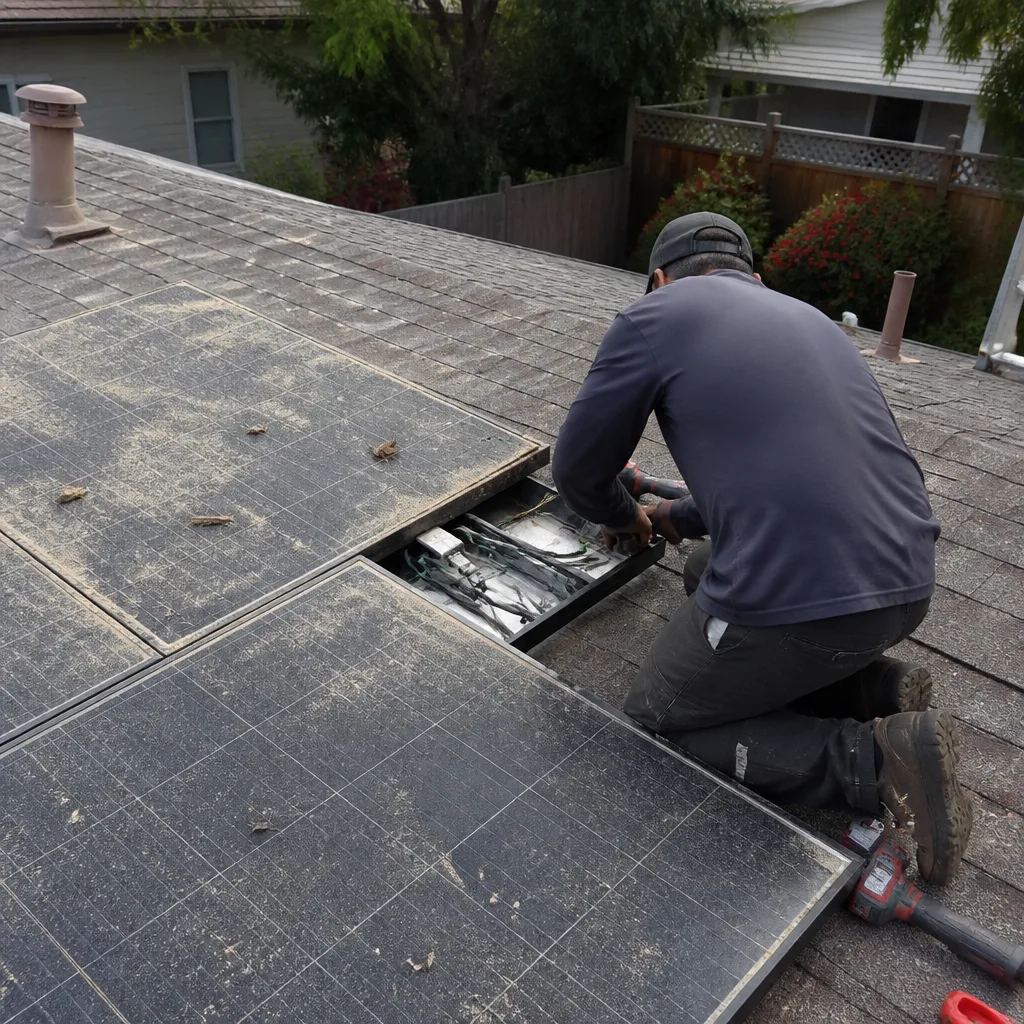
When one of JinkoSolar’s panels fails, the repair decision usually comes down to a single component, not the whole panel. Failed bypass diode? That’s a junction box repair on the roof, not a panel replacement. Cracked glass but the cells still produce? You’re buying a replacement panel. We stock a range of JinkoSolar-compatible parts on the truck: bypass diodes, MC4 connectors in both legacy and current locking specs, and full replacement panels in common wattages. For older Cheetah panels that JinkoSolar no longer manufactures, we use quality aftermarket equivalents that match the electrical specs within 3%, and we tell you that upfront before we sell you anything.
Gus’s Solar is an independent repair shop, not affiliated with JinkoSolar. That means we’re not beholden to their warranty department’s phone tree. We just fix the panel and get your array producing again.
Signs Your JinkoSolar Solar Panel Repair Is Failing
- One panel consistently reads 15-40% lower than its neighbors. This is almost always a failed bypass diode inside the junction box, which causes part of the panel to stop contributing while the rest keeps working. The fix is a junction box rebuild, not a panel replacement, and it’s a $180-$260 job in San Jose.
- Brown scorch marks or a visible burn spot at the panel corner. That’s the junction box or connector overheating, usually from water intrusion or a loose connection that’s been arcing. Do not ignore this one. It’s a fire risk, and it needs a real electrician’s attention this week.
- The inverter shows a ground fault or “insulation resistance low” error that clears when you isolate one string. A cracked backsheet or damaged cable insulation on a single JinkoSolar panel is letting moisture in and current leak to ground. The inverter is doing its job by flagging it.
- Visible snail trails or dark streaks across the cell surface. Snail trails mean micro-cracks in the cells, often from manufacturing stress that shows up after 3-5 years of thermal cycling. In San Jose’s 100-degree roof temperatures, these cracks expand and the panel output drops gradually until it fails altogether. Once you see snail trails, it’s a matter of when, not if.
- Water fogging inside the glass after rain. The panel’s edge seal has failed. Moisture is now inside the laminate, corroding cells and connectors from the inside. You can’t dry it out and reseal it. That panel gets replaced.
Replacement Cost & What’s Included
For a JinkoSolar panel repair in San Jose, here’s what we quote, and it’s what you pay:
- Bypass diode or junction box repair: $180-$260 installed. We replace the diode set or the junction box on the roof, re-seal, and test the panel under load before we come down.
- MC4 connector replacement (per panel): $75-$120. This includes the correct generation connector matched to your panel’s year and series, heat-shrink, and a pull test.
- Full panel replacement (common wattages): $220-$380 installed. Price varies by wattage and whether we’re matching an active JinkoSolar model or sourcing a quality equivalent for a discontinued series.
- String-level diagnostics (if we’re tracing a fault across multiple panels): $120, waived if we do the repair.
Every repair includes the part, labor, roof-safe work practices, and a written 90-Day Done Right Promise from Gus Petrakis. If we fix it wrong, we come back and make it right at no charge. That’s in writing, every job, no fine print. We also honor a Senior and Veteran 10% discount on every repair, and there’s no trip charge if you’re inside Santa Clara County.
DIY or Call Us?
Honest answer: if you’re comfortable testing voltage at the junction box with a multimeter and you can safely work on your roof, you can diagnose a failed diode or a dead connector yourself. But I have to say this plainly: these panels produce 300-450 volts DC in full sun, even when the inverter is off. That’s more than enough to kill you. A JinkoSolar panel does not have an off switch. Unless you genuinely know DC electrical work, leave the repair to someone who does it weekly.
What you can safely do: check your monitoring app for the underperforming panel, take a photo of the panel’s label from the ground with a zoom lens so we know the exact model and year, and look for visible scorch marks or cracked glass from the ground or a ladder without getting on the roof. That label photo saves us a second trip and saves you money. But when it’s connector work or anything inside the junction box, call us at (877) 550-6892. A $220 repair beats an ambulance ride, every single time.
Here’s what I’d do if it were my roof: I’d call, text a photo of the panel label, and let Gus’s crew handle the roof work. We’ve got the right connectors in the truck, the right diodes, and a live person answers the phone 24/7. No voicemail maze, no ticket number.
FAQs
Realistically, 25 to 30 years of useful production, though the first failure point is usually a bypass diode or connector at the 8- to 12-year mark, well before the cells themselves degrade. San Jose’s thermal cycling, hot days and cool nights year-round, puts stress on solder joints and plastic connector housings faster than coastal climates. Call (877) 550-6892 and we’ll tell you whether your panel is worth repairing or replacing.
Yes, if the failure is a bypass diode, a junction box, or an MC4 connector. Those are component-level repairs we handle on the roof. If the glass is cracked, the backsheet is delaminated, or water is inside the laminate, the panel gets replaced. We’ll tell you which one you need before we touch anything, and the quote is free.
Most single-panel repairs, diode, connector, or junction box, take 45 to 90 minutes on the roof. A full panel swap takes about two hours including testing the string. If you call before noon, we can usually be there the same day. Call (877) 550-6892 to get on the schedule.
We keep common JinkoSolar parts on the truck: bypass diodes, MC4 connectors in both legacy and current specs, and replacement panels in the wattages we see most often in San Jose installs. Discontinued series like the older Cheetah models sometimes need a day or two to source a quality equivalent. We’ll tell you upfront if that’s the case.
If your JinkoSolar panel is acting up and you want a straight answer on what’s wrong and what it costs to fix, call Gus’s Solar at (877) 550-6892. We’ll send Gus’s own background-checked, uniformed crew, we’ll quote the price before we start, and there’s no signature wanted tonight. Take two weeks to think about it. The price will be the same.
Written by Gus Petrakis, Owner, Gus’s Solar at Gus’s Solar, serving San Jose and nearby areas.