
Free bill analysis - bring a power bill, get the production math for your actual roof, panel brands like Qcells and REC compared side by side
If the pitch starts at your door and ends with "sign tonight for the special," sleep on it. The sun will still be there tomorrow; so will we.
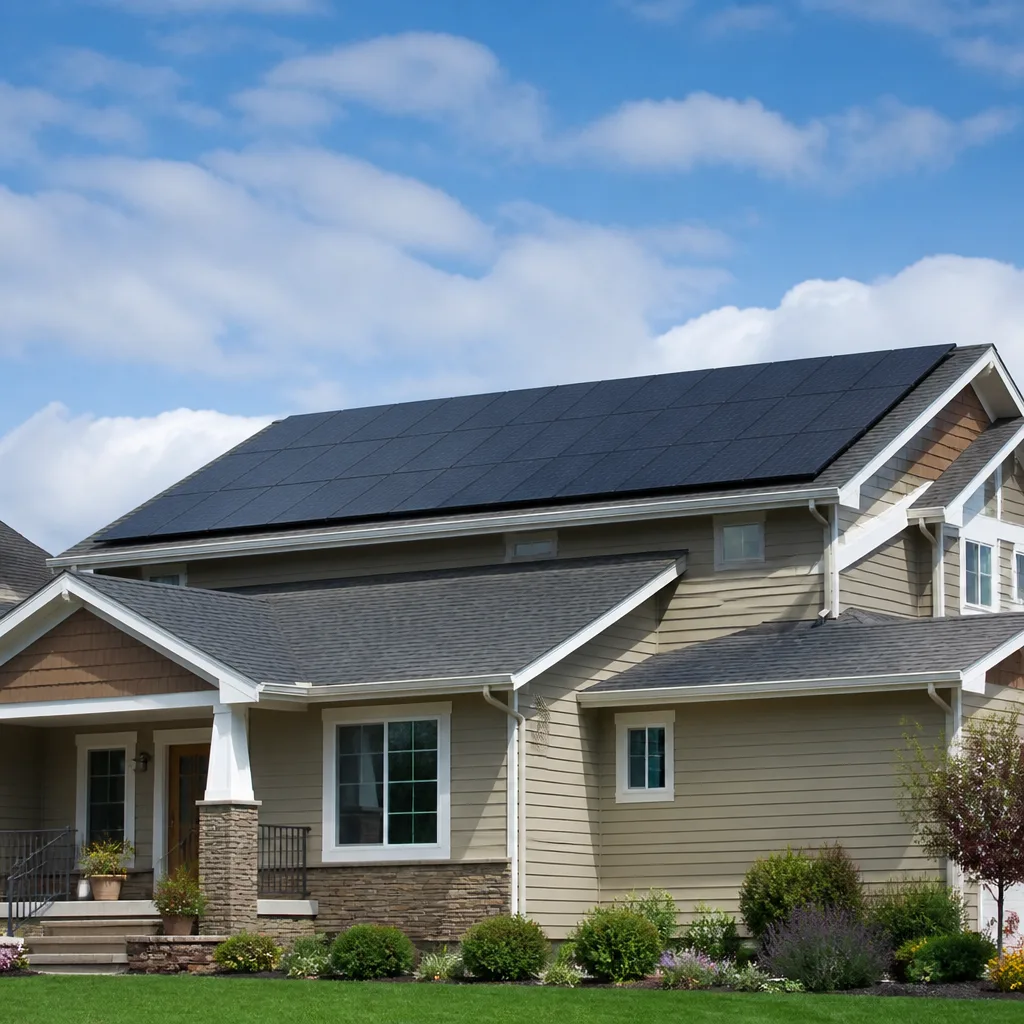
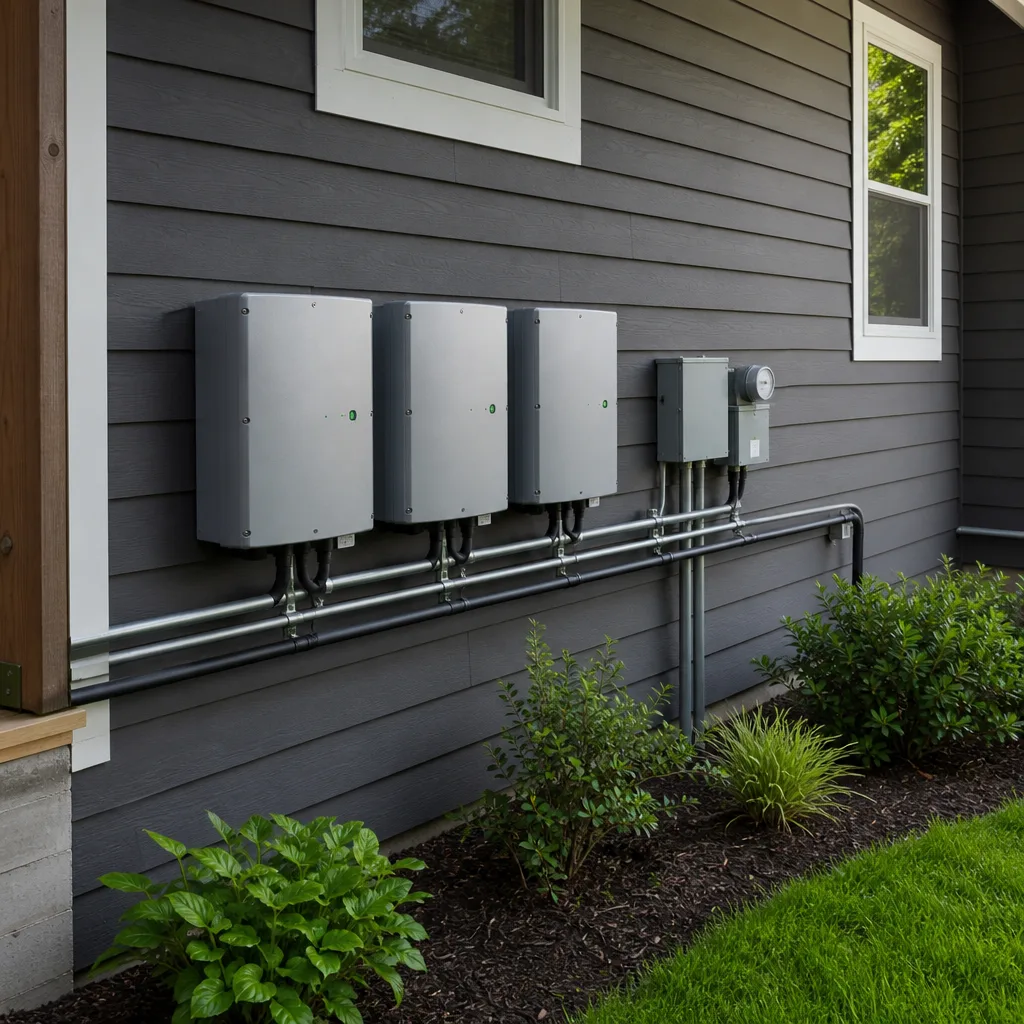
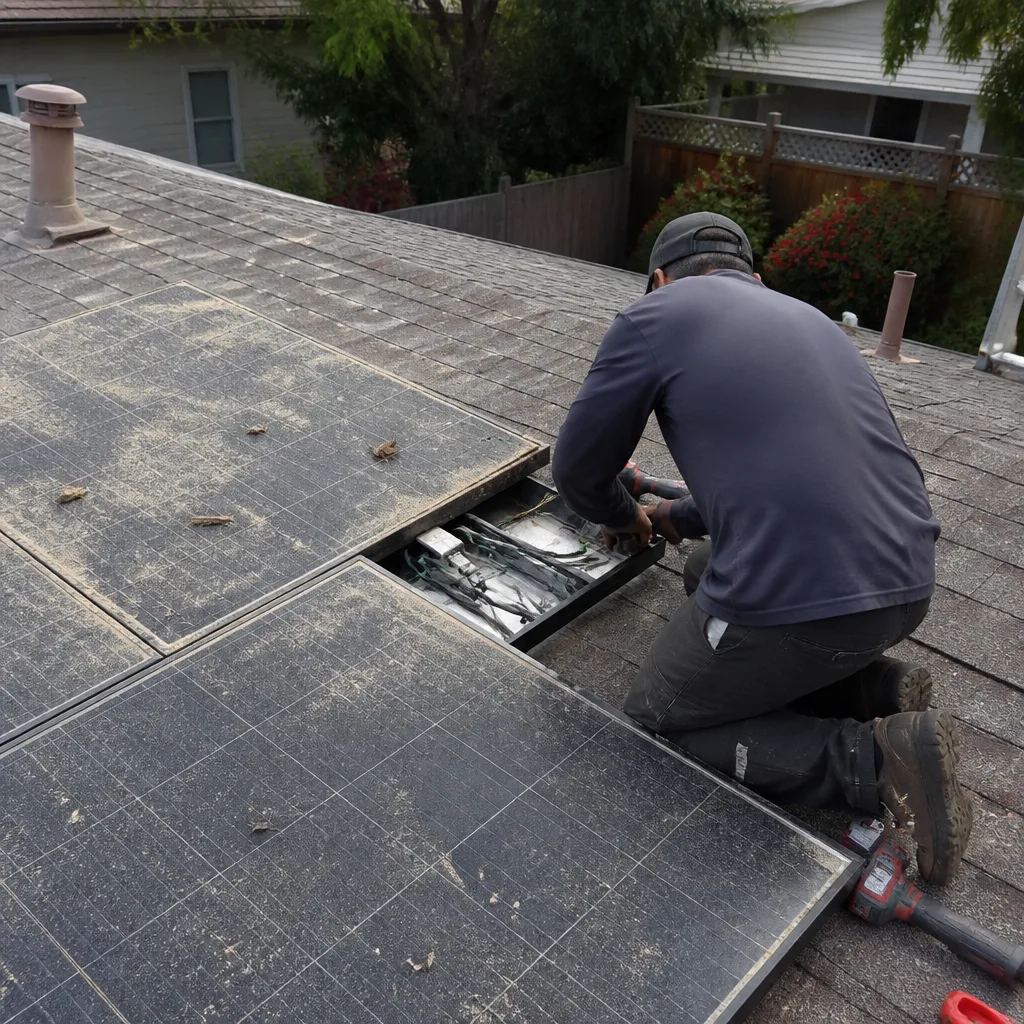 Before
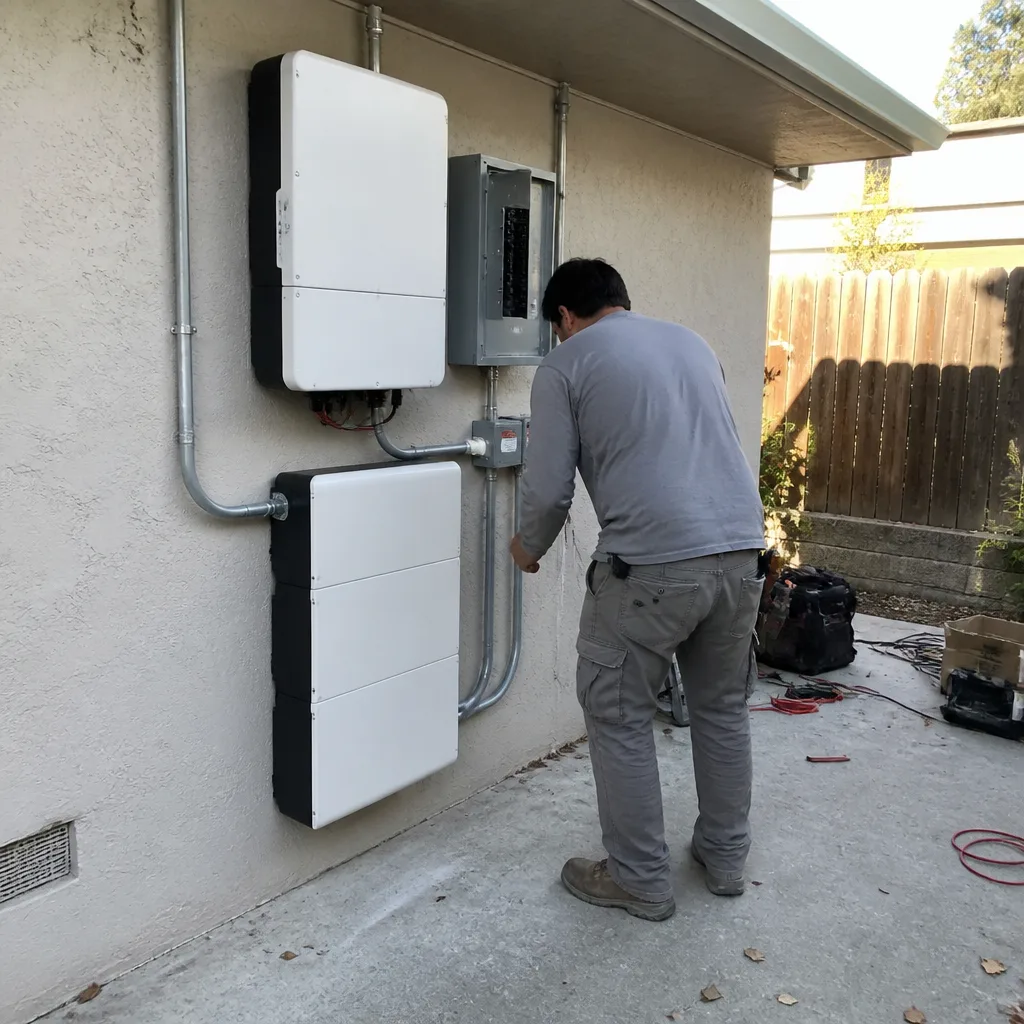 After
After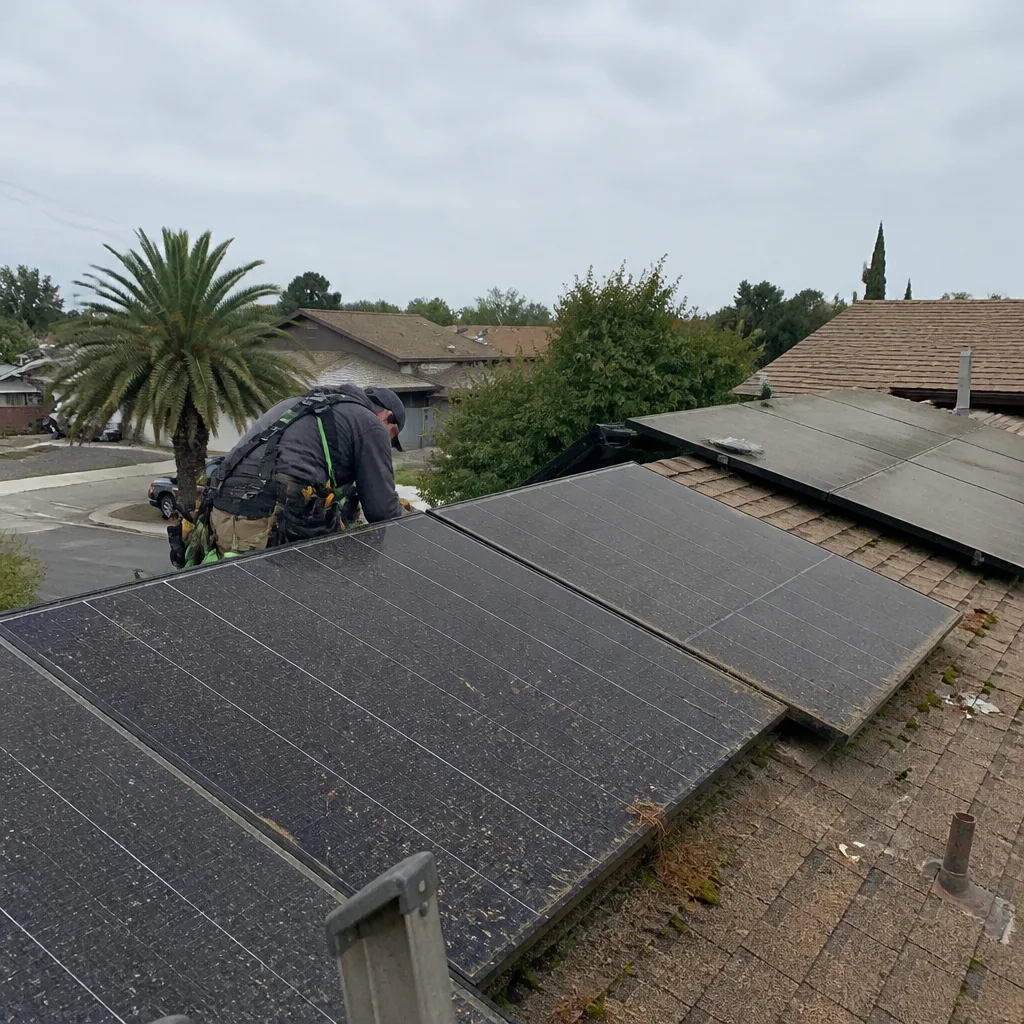 Before
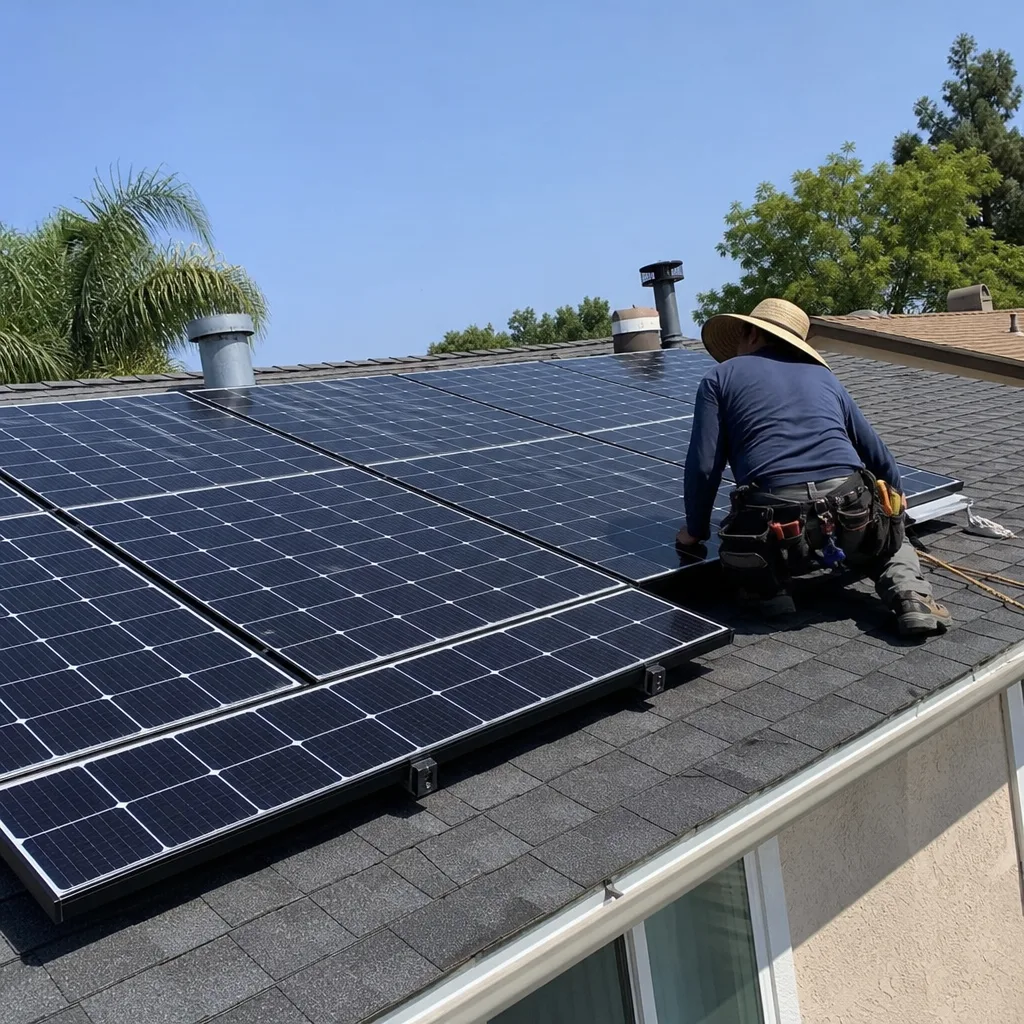 After
After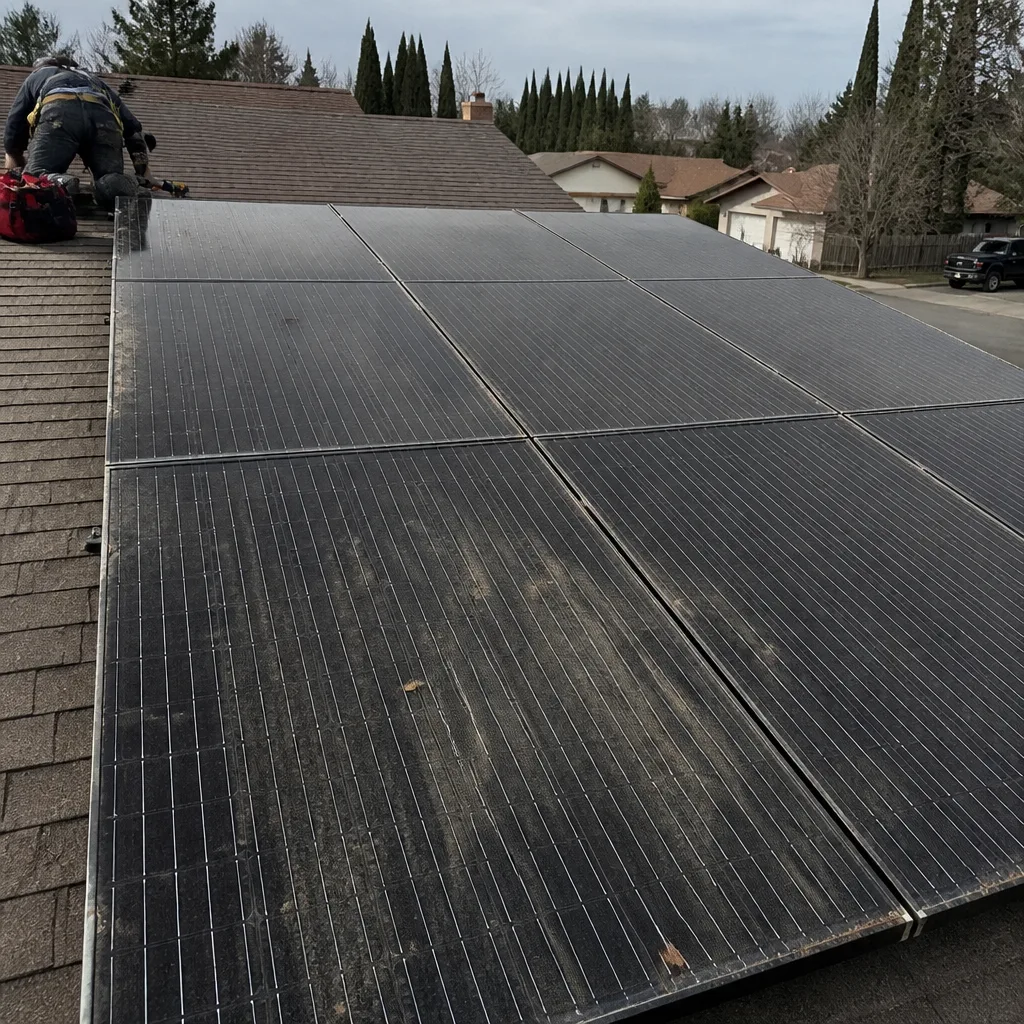 Before
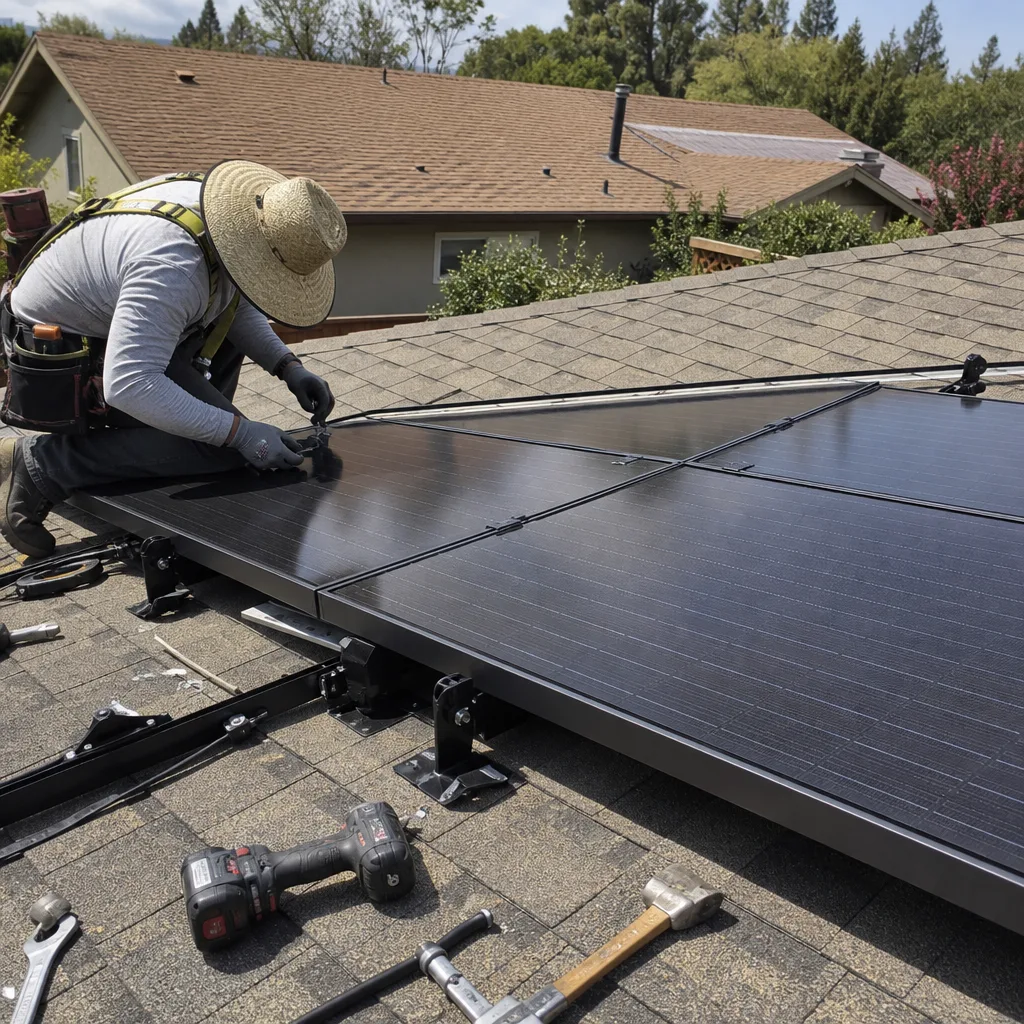 After
AfterJinkoSolar Solar Panel Maintenance & Monitoring in San Jose: What to Know First
If you’ve got JinkoSolar panels on your roof in San Jose and your production numbers are sliding, we can figure out why. As an independent JinkoSolar service provider, Gus’s Solar handles annual inspections, underperformance diagnostics, monitoring setup, and warranty support for JinkoSolar systems across the South Bay. Most maintenance visits wrap up in a single afternoon, and the diagnostic work comes with a straight answer before you spend a dime on repairs. Call (877) 550-6892 and we’ll tell you honestly whether we even need to come out.
This page is for homeowners who own JinkoSolar panels and want to keep them producing what they’re supposed to produce. Not a sales pitch. Just what breaks, why it breaks, and what it costs to fix in San Jose.
How JinkoSolar Products Fail - and How We Fix Them
Here’s what we actually see on service calls. These aren’t generic solar problems. They’re the patterns that show up on JinkoSolar arrays in this climate, year after year.
- Tiger Neo N-type MC4 connectors backing out. JinkoSolar’s Tiger Neo line uses MC4-compatible connectors that handle the N-type cell voltage fine, but under San Jose’s summer heat cycling, the locking tabs can get brittle and release slowly over time. You won’t see it from the ground. The panel keeps producing, just at 60 to 70 percent, and the monitoring doesn’t flag it because the string still reads. We find these with thermal imaging and fix them by re-seating or replacing the connector with a quality aftermarket unit that stays locked.
- Eagle series PID degradation from Santa Clara Valley morning marine layer. Potential Induced Degradation, or PID, is when moisture and voltage interact across the junction box. We’ve diagnosed PID on older Eagle 72-cell panels in Willow Glen and Campbell, where the fog settles in and burns off slowly. The symptom is a panel that tests fine on open circuit voltage but collapses under load. The fix starts with a proper IV curve trace, then grounding corrections or panel replacement depending on severity.
- Cheetah series junction box diode failures after partial shading from mature trees. San Jose has a lot of big, old trees, and when a branch shades one Cheetah panel, the bypass diodes in that panel’s junction box work harder than they were designed to. A failed diode drops a third of that panel’s output and drags the string down. Diode replacement is a straightforward repair if we catch it before the junction box heat-damages the backsheet.
- Optimizer and microinverter communication drops on mixed-brand systems. Plenty of San Jose homes have JinkoSolar panels paired with SolarEdge optimizers or Enphase microinverters. When the monitoring portal shows a panel grayed out, homeowners assume the panel failed. Half the time it’s the MLPE device underneath, not the JinkoSolar module itself. We test both before selling you either.
- Dust, ash, and pollen film on low-tilt JinkoSolar panels in the Almaden Valley. JinkoSolar panels with shallow tilt angles collect a fine film that cuts output by 5 to 8 percent by July. It’s not dramatic, but on a 7 kW system, that’s real money. A proper soft-brush, deionized-water cleaning once a year usually restores it, and we inspect mounting hardware and wire management while we’re up there.
Our JinkoSolar Solar Panel Maintenance & Monitoring Process
Here’s what happens when you call us about your JinkoSolar system.
- 1
The phone call. A live person answers, day or night. We’ll ask what you’re seeing: lower bill credits, a red light on the inverter, an alert in your monitoring app. If we can fix it over the phone, we will, and we won’t charge you for it.
- 2
The diagnostic visit. Our crew arrives in uniform, and we start by pulling your production history. If your monitoring isn’t set up right, we’ll get the app talking to the system and establish a baseline before touching anything else.
- 3
The roof inspection. We check every panel visually, then run thermal imaging and, when needed, IV curve tracing on suspect modules. We’re looking for the specific failure patterns listed above.
- 4
The parts decision. Where the manufacturer still honors the warranty, we document everything so your claim gets processed. Where parts are needed on your dime, we tell you the OEM cost and a quality aftermarket option, then let you decide. No pressure.
- 5
The repair or maintenance work. We fix what needs fixing, clean what needs cleaning, and torque and re-seal any connections we touch.
- 6
The verification and the guarantee. We confirm production numbers have recovered, walk you through the monitoring data, and leave you with the 90-Day Done Right Promise in writing. If it’s not right, one call brings Gus back.
What JinkoSolar Solar Panel Maintenance & Monitoring Costs in San Jose
Here are the ballpark numbers we quote on JinkoSolar work in the San Jose area. These are honest ranges, not brochure prices.
| Service | Typical Range |
|---|---|
| Annual inspection with thermal imaging | $180 – $280 |
| Underperformance diagnostic (full string test) | $150 – $250 |
| Monitoring setup & app configuration | $90 – $160 |
| Single panel diode or connector repair | $140 – $220 |
| Full panel replacement (module + labor) | $350 – $600 per panel |
| Array cleaning (standard 20-30 panel roof) | $200 – $350 |
What moves the price: roof pitch, two-story access, how many panels are involved, and whether we’re repairing or replacing. We don’t charge a trip fee inside our own county, and every senior and veteran gets 10 percent off, no expiration. Call (877) 550-6892 for a free estimate on your specific JinkoSolar system.
Why San Jose Homeowners Call Gus’s Solar for JinkoSolar Work
Gus Petrakis grew up in Willow Glen and still lives ten minutes from where he went to high school. He built this company in 2011, and his name is on the truck, the building, and every invoice. When you call about your JinkoSolar panels, you’re talking to a real local shop, not a call center three states over.
We’ve been maintaining and monitoring JinkoSolar arrays in San Jose for long enough to know their specific habits, and we also work on Tesla, Enphase, SolarEdge, and Qcells equipment, so when the problem turns out to be the inverter or the optimizers instead of the JinkoSolar panel itself, we can fix that too without making three phone calls. Here’s what I’d do if it were my roof. And honestly? That’s exactly what we’ll do on yours.
FAQs
No. As an independent JinkoSolar service provider, we perform warranty-safe maintenance and document everything so your module warranty stays intact. We follow JinkoSolar’s own service guidelines, and if a repair falls under the manufacturer’s warranty, we help you file the claim properly.
For underperformance and monitoring problems, we can usually be there within two to three business days. If your system is down completely, call (877) 550-6892 and we’ll do our best to get someone out same day.
Depends what’s wrong. A diode or connector fix runs $140 to $220 and usually makes sense. If the panel has PID damage or a cracked cell, replacing the module at $350 to $600 typically beats sinking repair money into a panel that will keep degrading. We’ll show you the test data and let you decide.
Monitoring is how you know it’s still producing fine. A system can lose 15 percent of output over three months and you’d never notice it on your bill because of seasonal changes. We set up monitoring so you see daily production per panel, and we can spot a failing JinkoSolar module before it drags the whole string down.
Most likely, and if not today, tomorrow or the day after. We keep our service area tight to Santa Clara County, and we don’t route calls through a dispatch queue. Call (877) 550-6892 and ask.
Written by Gus Petrakis, Owner, Gus’s Solar at Gus’s Solar, serving San Jose and nearby areas.