
Free bill analysis - bring a power bill, get the production math for your actual roof, panel brands like Qcells and REC compared side by side
If the pitch starts at your door and ends with "sign tonight for the special," sleep on it. The sun will still be there tomorrow; so will we.
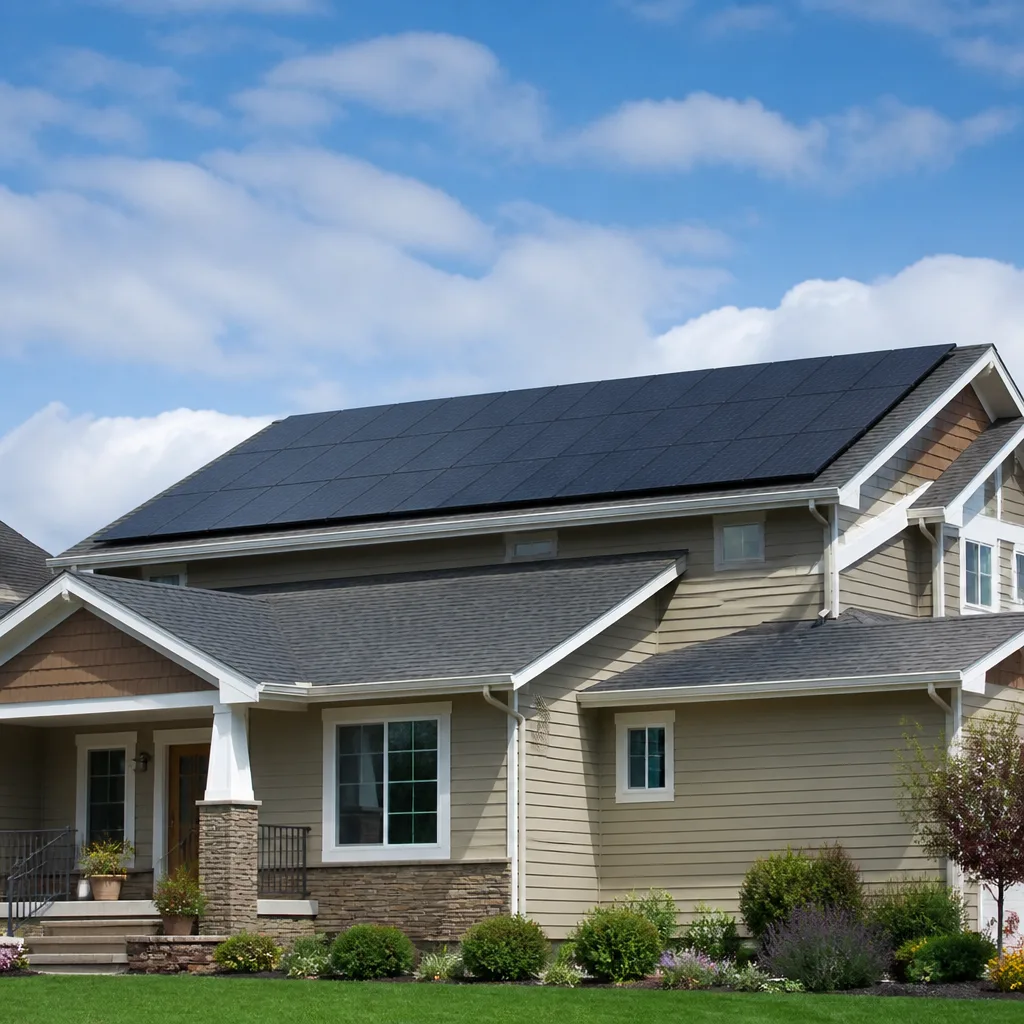
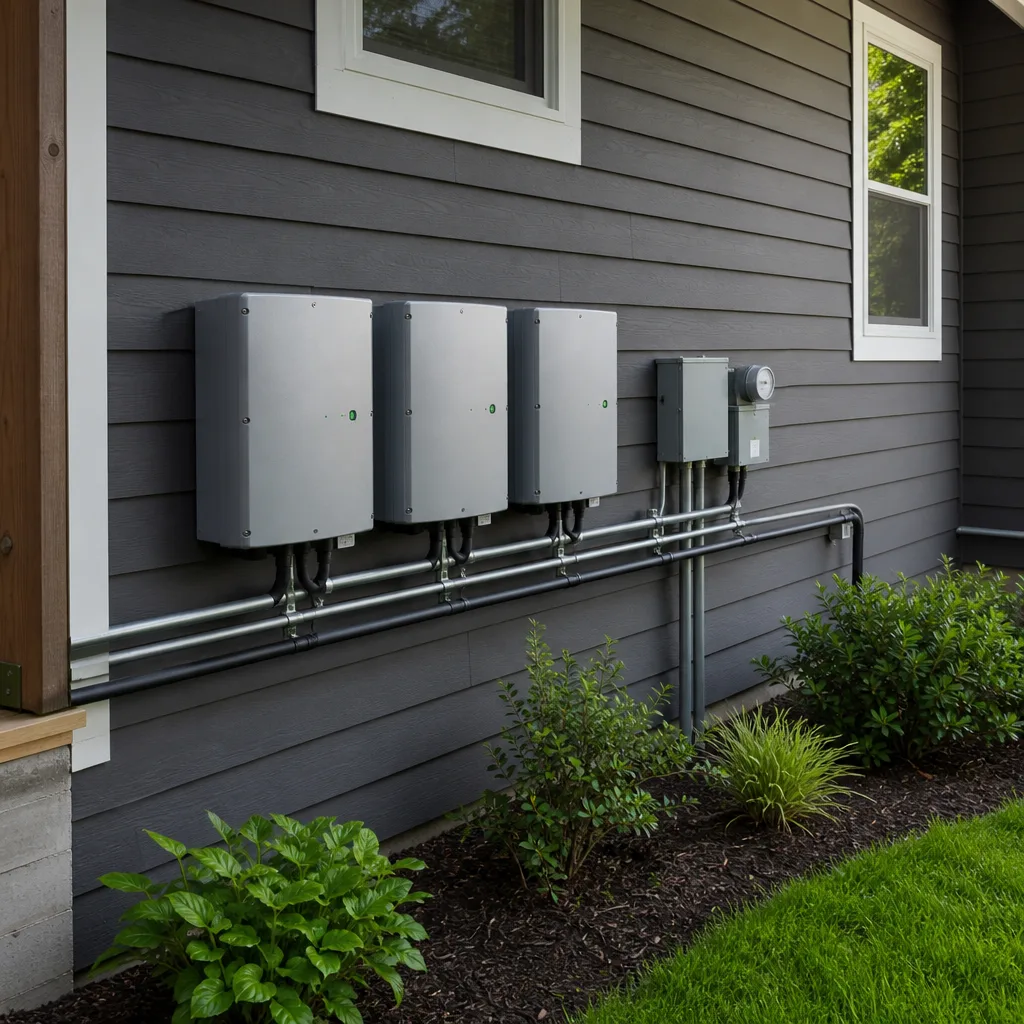
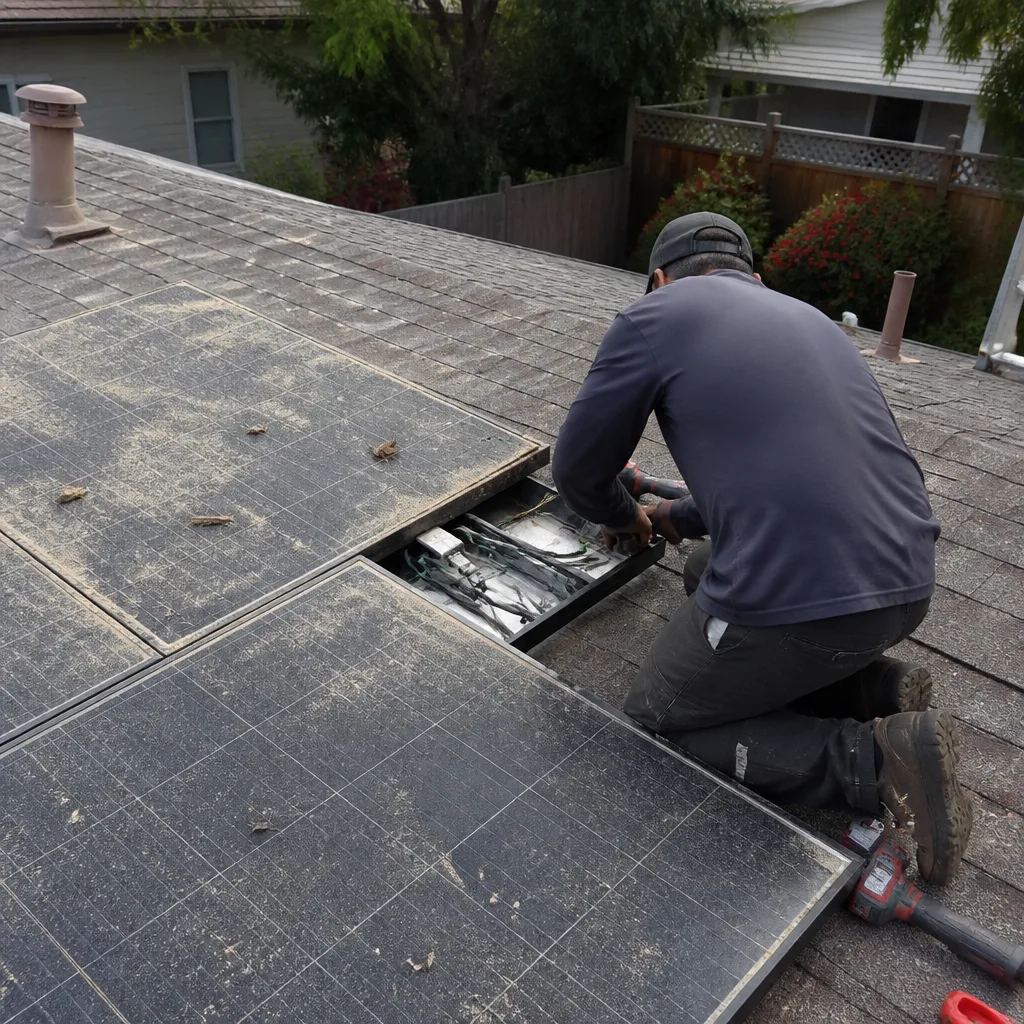 Before
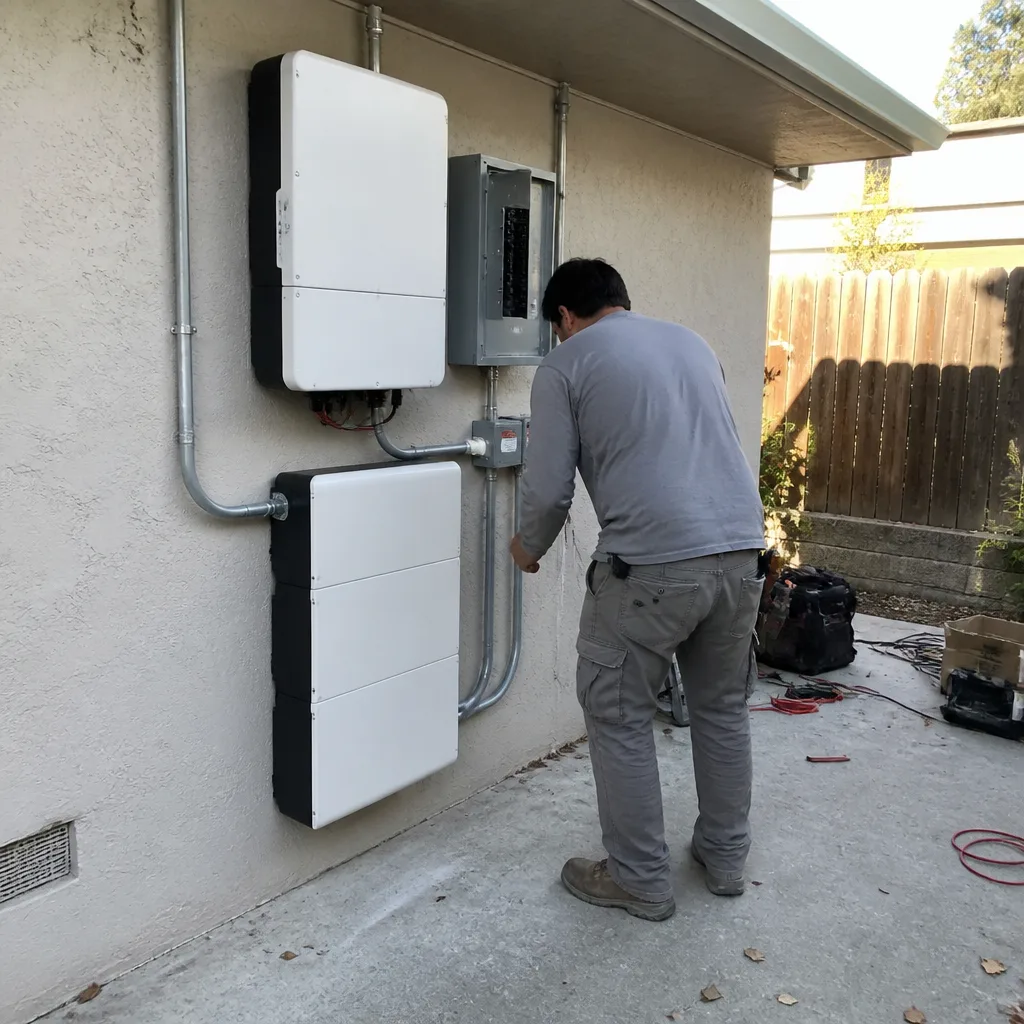 After
After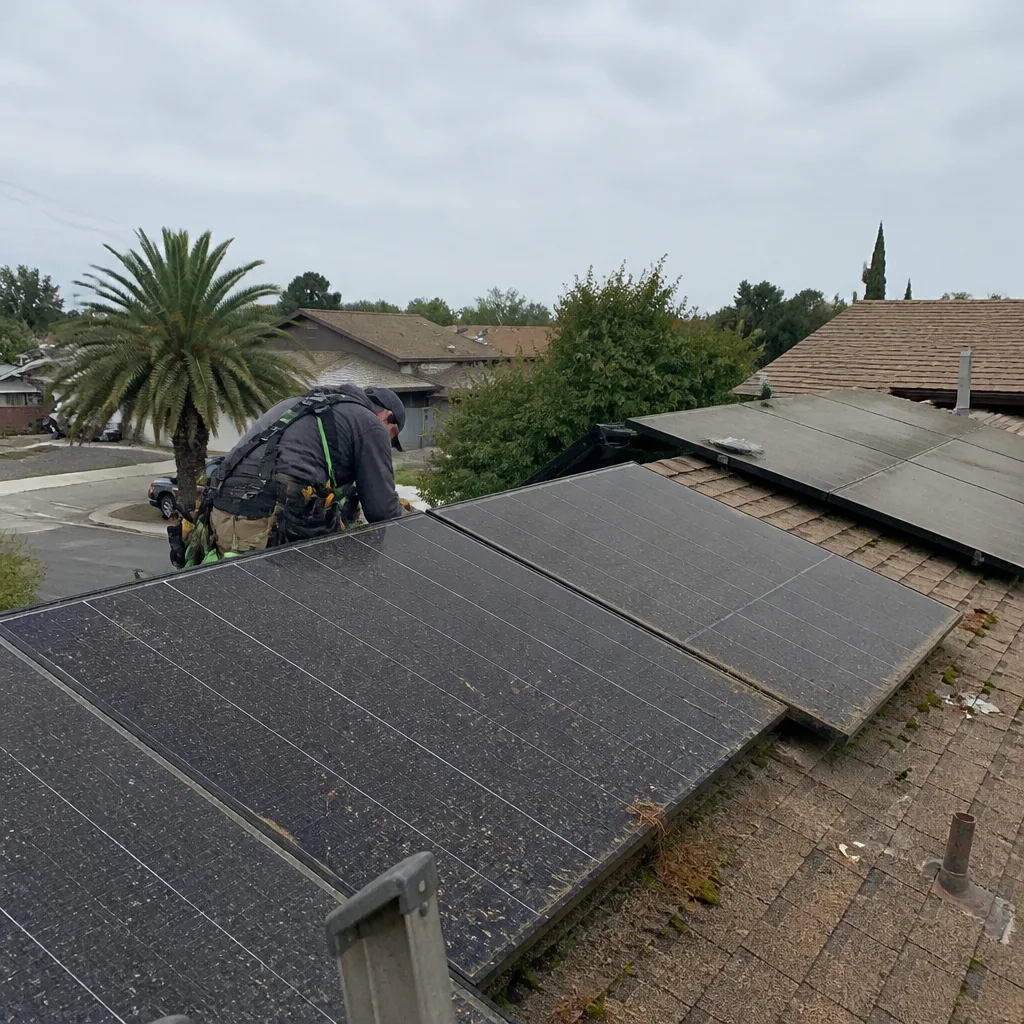 Before
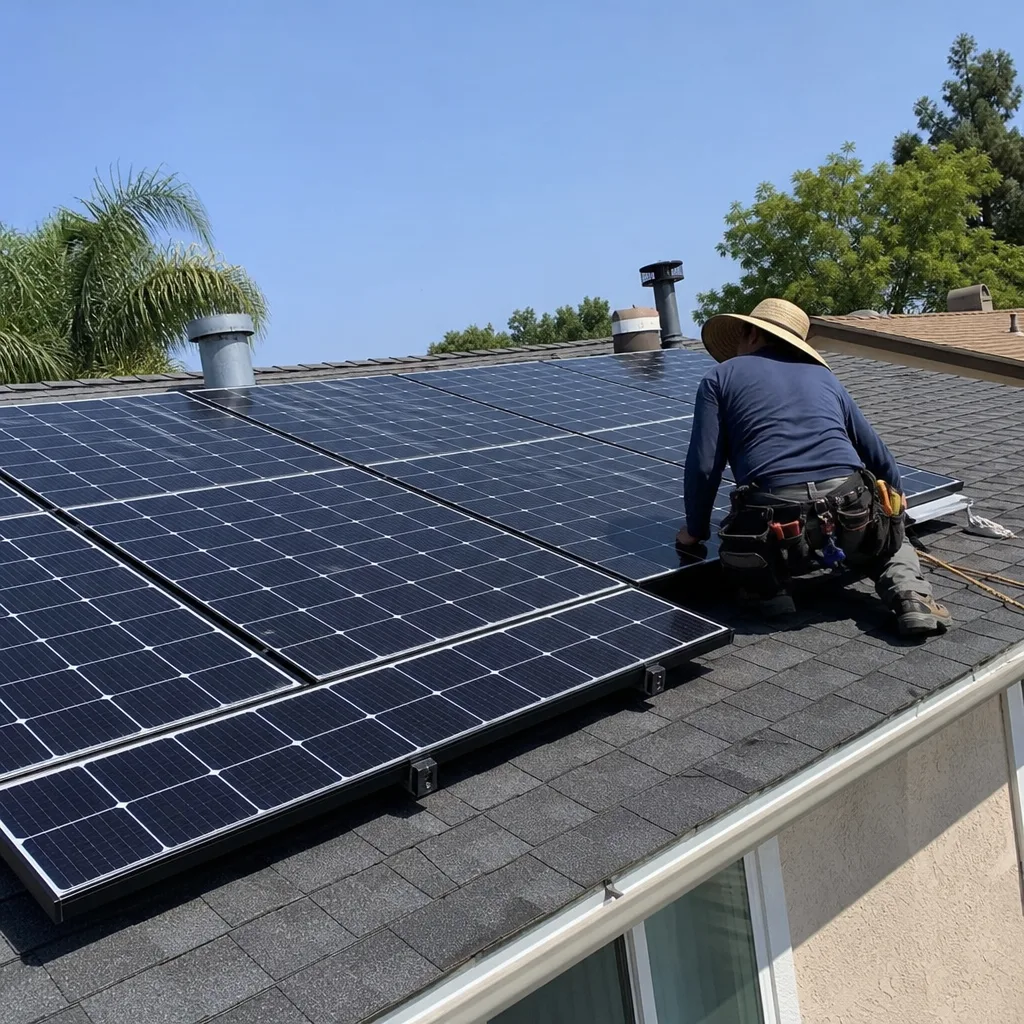 After
After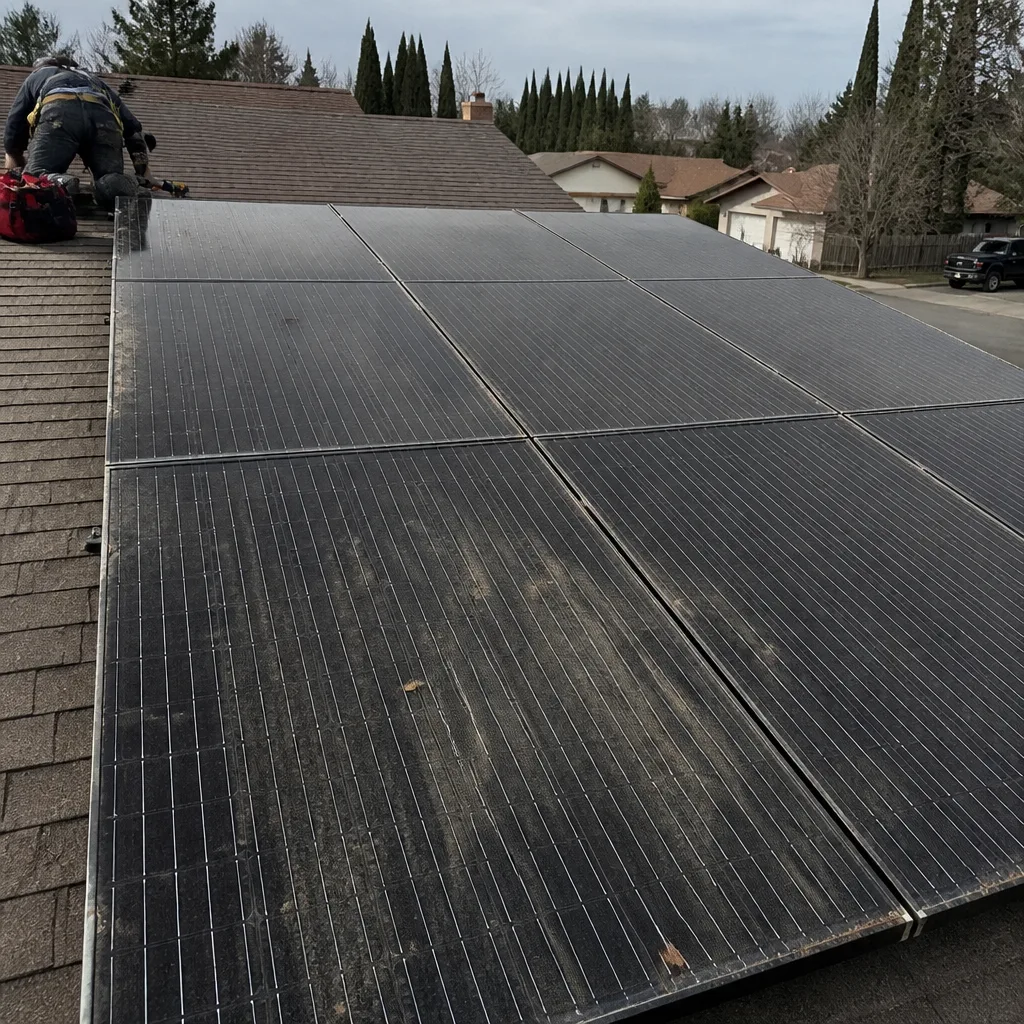 Before
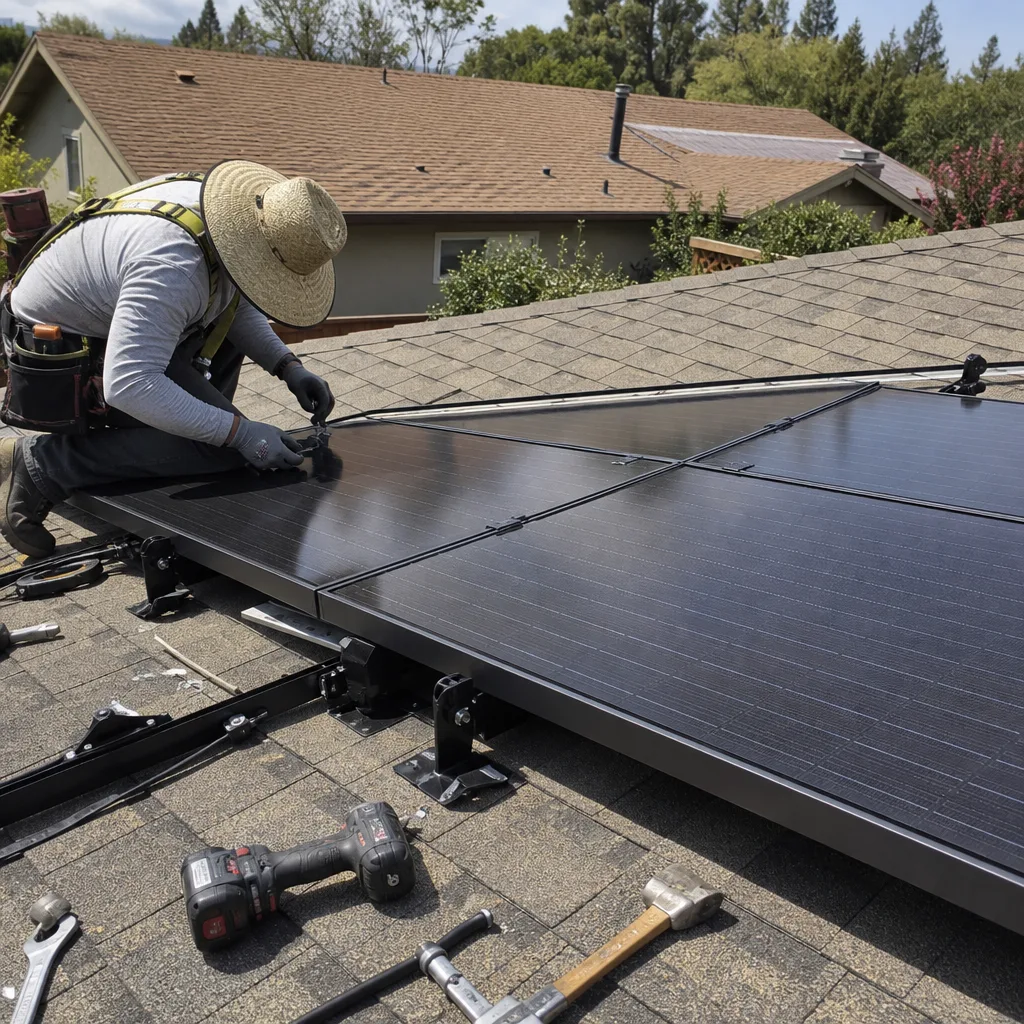 After
AfterCanadian Solar Solar Panel Repair: The San Jose Owner’s Guide
Replacing or repairing a failed Canadian Solar panel in San Jose typically runs $450 to $1,200 per panel installed, and we stock compatible replacement parts on our trucks so most swaps happen same-day. The honest answer on “repair” is that individual panels themselves are rarely fixable at the component level - what actually gets repaired or replaced is usually the connective hardware: microinverters, optimizers, MC4 connectors, junction boxes, or damaged wiring. Homeowners usually discover the problem one of two ways: a production drop on their monitoring app, or a PG&E bill that’s suddenly $40 to $80 higher than last summer.
Gus Petrakis has been climbing onto San Jose roofs since well before Canadian Solar became one of the biggest panel brands in the world. We’re an independent shop - not affiliated with Canadian Solar - but we work on their equipment every week, and we know which parts fail on which series and what’s worth fixing versus what’s worth leaving alone.
Which Canadian Solar Models This Applies To
Canadian Solar has shipped a few distinct panel families into the San Jose market, and parts compatibility depends on which one is on your roof. The older CS6P series (polycrystalline, 250 to 270 watts) was a workhorse through the 2010s. The CS6K and CS3K lines (mono PERC, 300 to 330 watts) followed. The current HiKu and KuMax series (350 to 450+ watts) are what we see on most systems installed since about 2019. The critical thing to check is what’s printed on the backsheet label: model number, wattage, and Voc (open-circuit voltage). The Voc matters because mixing a lower-voltage panel into a string with higher-voltage siblings drags down the whole array’s production, not just the one bad panel.
When a panel itself fails - cracked glass, delamination, internal short - it’s a straight replacement, not a board-level repair. For OEM versus aftermarket: Canadian Solar panels themselves don’t have an “aftermarket” in the usual sense. A failed panel gets replaced with either the same model, a physically similar model (same frame dimensions and voltage window), or a newer model that fits the existing racking. The compatibility gotcha most people don’t know is that Canadian Solar’s racking footprint changed slightly between the CS6K and HiKu generations - we’ve measured both - so a cheap online panel with the wrong frame width can mean drilling new rail holes on a perfectly good roof. We’d rather match the frame dimensions than gamble with a drill.
Signs Your Canadian Solar Solar Panel Repair Is Failing
- Monitoring shows one panel 30% to 60% below the rest. This is the most common call we get in San Jose. It usually points to a failed optimizer or microinverter rather than the panel itself, which is actually good news - those parts are cheaper than a full panel replacement.
- Yellowing or “snail trail” streaks across the glass. Snail trails are faint brownish lines that look like slug tracks. They signal micro-cracks in the cell, often from a manufacturing defect that took years to show itself. Canadian Solar has had fewer of these than some competitors, but we still see them on older CS6P arrays in the Cambrian Park area.
- Glowing or burned junction box on the back of the panel. This one is a fire hazard, not a production issue. A melted diode or failed MC4 connector can arc. If you can see burn marks, shut the system down at the disconnect and call us.
- Visible glass cracks after a storm or hit tree branch. San Jose’s occasional hail and the not-so-occasional acorn from a mature oak can crack tempered glass. A hairline crack soon becomes moisture ingress, and moisture kills cells fast.
- Production dropping across a whole string, not just one panel. This often means a single failed panel is acting like a bottleneck, dragging every panel in the string to its level. Replacing the one bad panel brings the whole string back up.
Replacement Cost & What’s Included
In San Jose, expect to pay $450 to $1,200 per panel installed, depending on what actually failed and the panel series. A quick reference on what we typically quote:
- Microinverter replacement (Enphase IQ7/IQ8 compatible): $275 to $450 installed
- Optimizer replacement (SolarEdge, for systems with a central inverter): $250 to $400 installed
- MC4 connector pair replacement: $120 to $250 (we cap this when we’re already on the roof)
- Full panel replacement, CS6K/CS3K era (300 to 330W): $500 to $750 installed
- Full panel replacement, HiKu/KuMax era (350 to 450W): $650 to $1,200 installed
The range comes down to roof pitch, single versus two-story access, and whether we’re pulling permits (a panel swap on an existing array usually doesn’t require one in San Jose, but we’ll tell you straight if yours does). Every quote includes the part, labor, connector replacement, and the 90-Day Done Right Promise in writing. You’ll also get the senior and veteran 10% discount if it applies - that one never expires.
DIY or Call Us?
Here’s what I’d do if it were my roof. A homeowner can safely do two things: read the monitoring data to identify which panel or part is underperforming, and visually inspect from the ground or a ladder for obvious glass damage or burned connectors. That’s it. The moment you’re dealing with roof work, DC voltage, or lifting a 50-pound panel off rails - that’s a job for someone with the right training and a harness. Solar arrays run at 300 to 600 volts DC, and DC arcs don’t self-extinguish the way AC arcs do. A bad MC4 connection can melt in seconds. We’re not saying that to scare you; we’re saying it because we’ve seen the aftermath of YouTube-special electrical work on Almaden Expressway rooftops. If you’re unsure whether it’s a panel, an optimizer, or just a dirty array, call (877) 550-6892 and we’ll tell you what we’d check first.
FAQs
Canadian Solar’s spec sheets list a 25-year production warranty with output degrading to about 83% to 85% by year 25, but in San Jose’s dry heat and mild coastal proximity, the panels themselves usually outlive their power electronics. The panel frame and glass can go 25 to 30 years. The microinverters or optimizers attached to them? Figure 10 to 15 years before the first one fails. Call (877) 550-6892 if your array is in that window and production has dropped.
No, not in any way that makes financial sense. Cracked glass, delaminated backsheets, and shorted cells aren’t repairable at the component level. The repairable parts are the connective hardware: microinverters, optimizers, MC4 connectors, and junction boxes. If a panel itself is bad, replacement is the only honest answer, and we’ll show you the test data before you spend a dime.
Most single-panel replacements or microinverter swaps take 90 minutes to two hours on site. We carry the common Canadian Solar-compatible parts on the truck, so same-day service is normal in San Jose and the South Bay. Two-story homes with steep roof pitches add time, and we’ll tell you that before we start.
We stock the common failure points on our trucks: MC4 connectors, Enphase and SolarEdge power electronics, and backsheet-compatible replacement panels in the most common San Jose frame sizes. Oddball orders - a specific 72-cell HiKu panel, for example - usually arrive within 3 to 5 business days. We’re an independent shop, so we also keep parts for Tesla, Enphase, and SolarEdge systems on hand, since many San Jose roofs mix brands.
If your Canadian Solar system is underperforming or you’ve spotted damage, call (877) 550-6892. We’ll walk through the symptoms on the phone, give you a straight quote, and schedule a time that works. No signature tonight, no pressure - just a real answer and a fair number.
Written by Gus Petrakis, Owner, Gus’s Solar at Gus’s Solar, serving San Jose and nearby areas.