
Free bill analysis - bring a power bill, get the production math for your actual roof, panel brands like Qcells and REC compared side by side
If the pitch starts at your door and ends with "sign tonight for the special," sleep on it. The sun will still be there tomorrow; so will we.
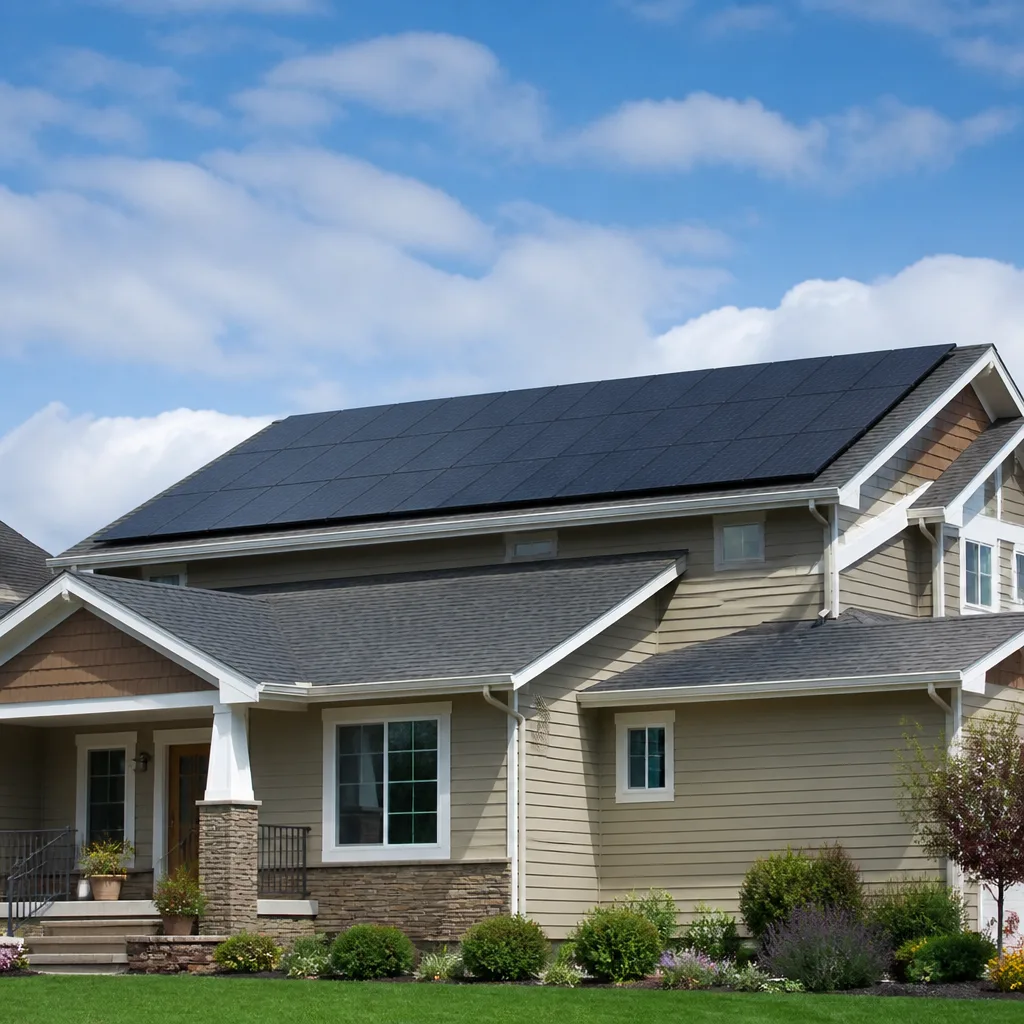
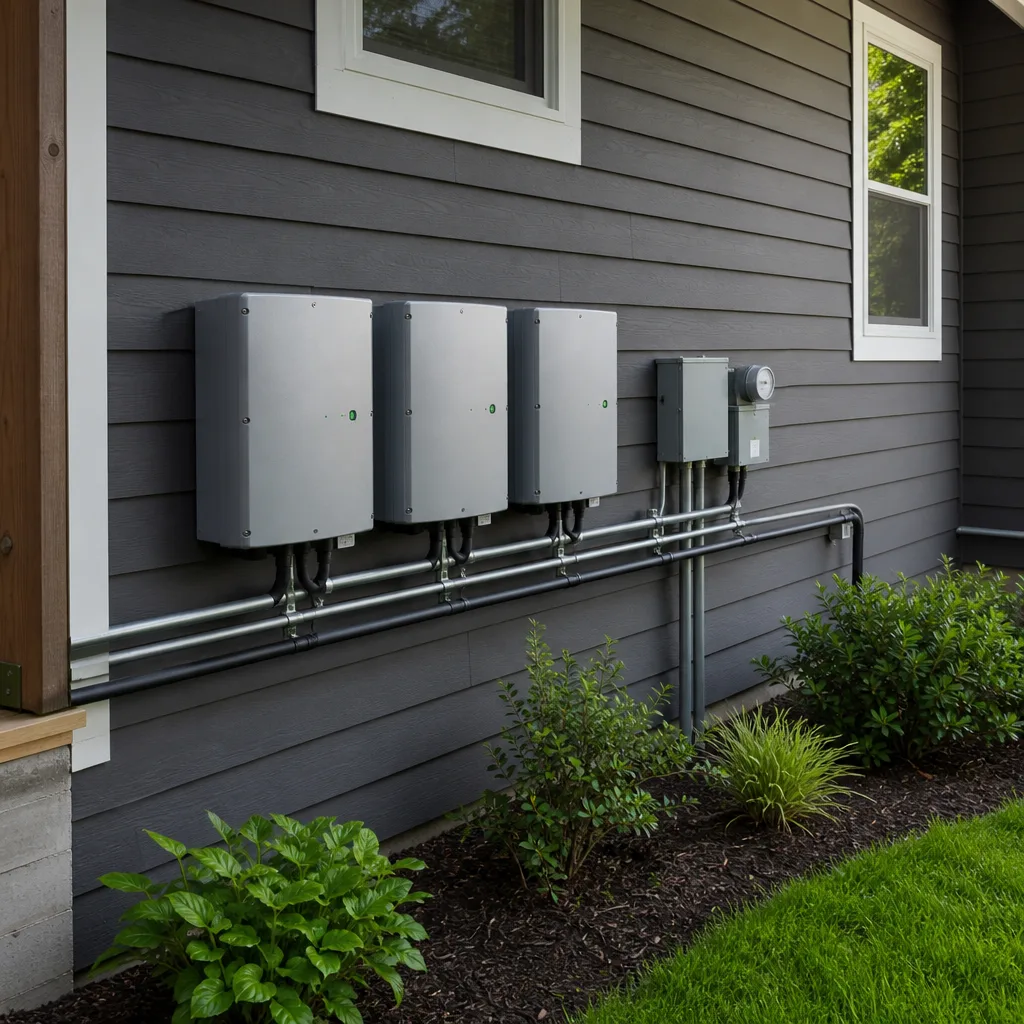
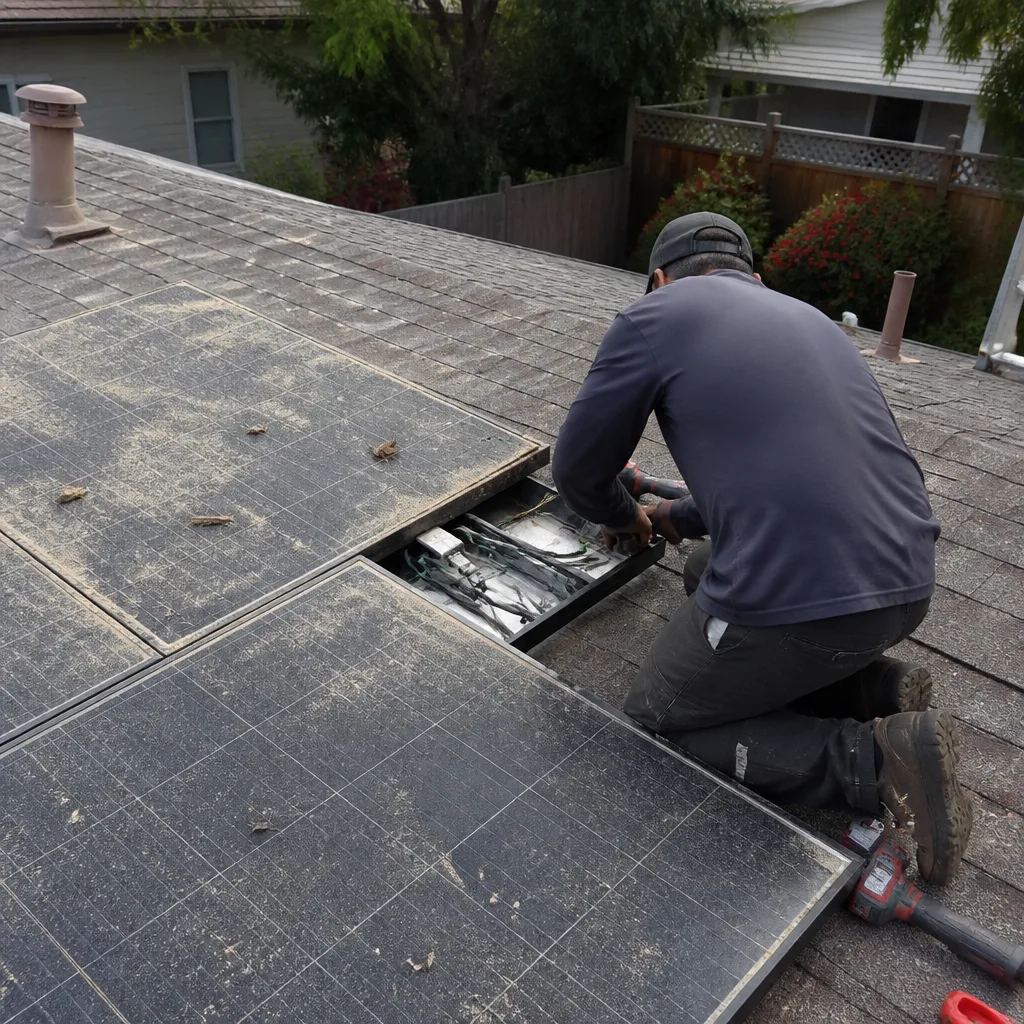 Before
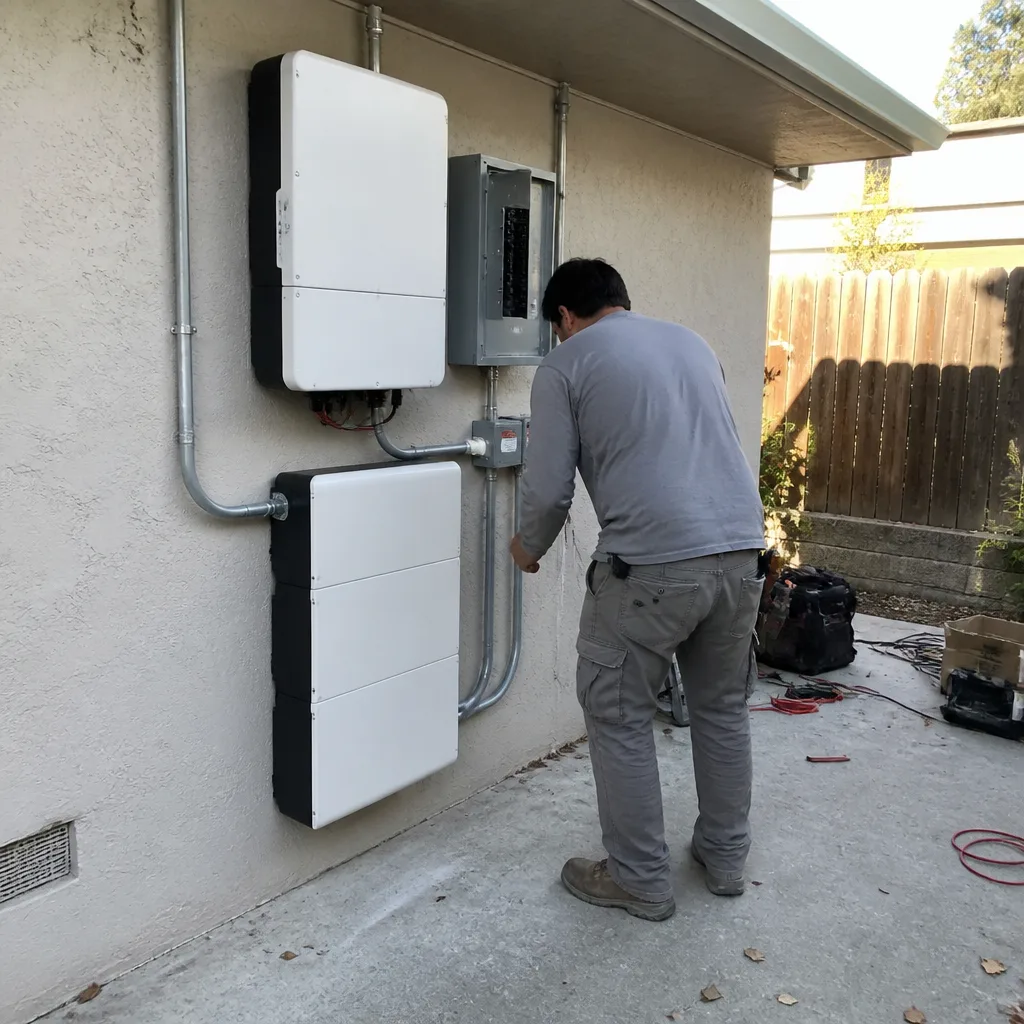 After
After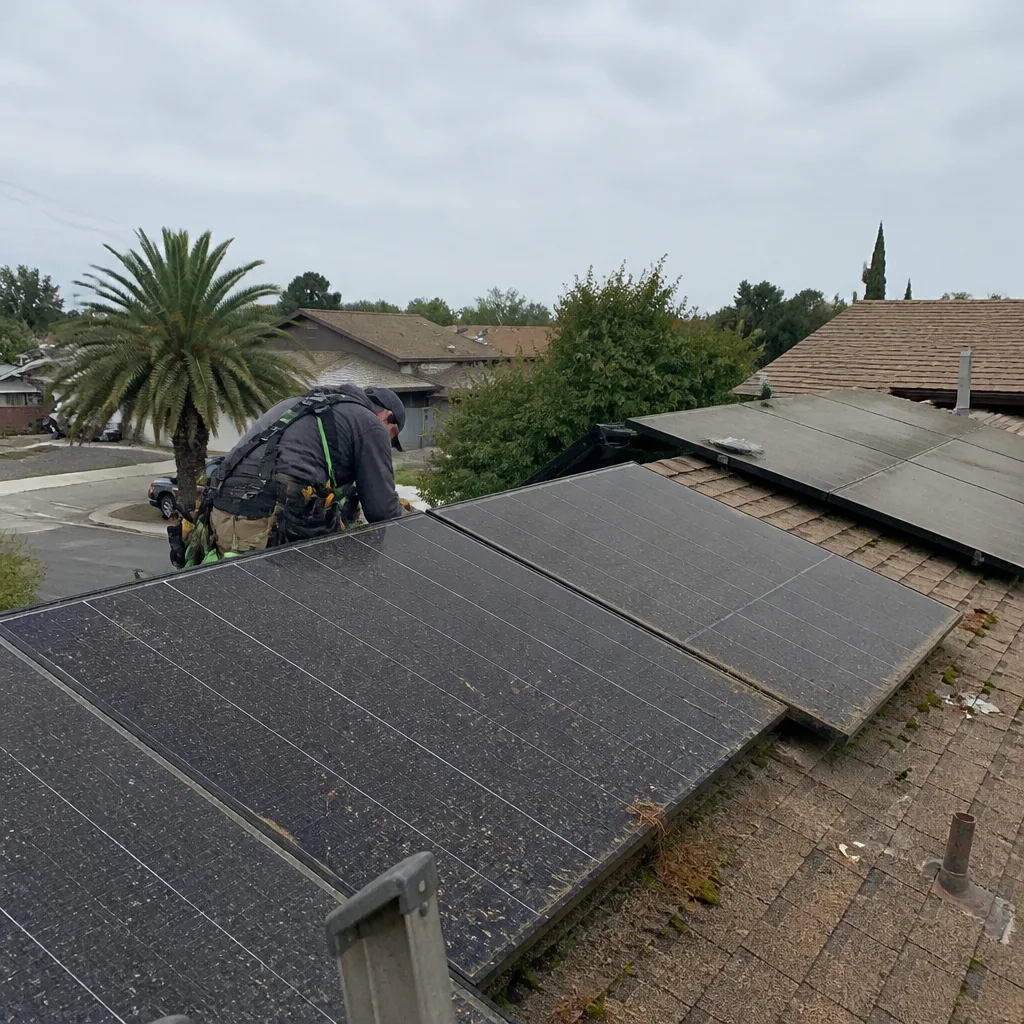 Before
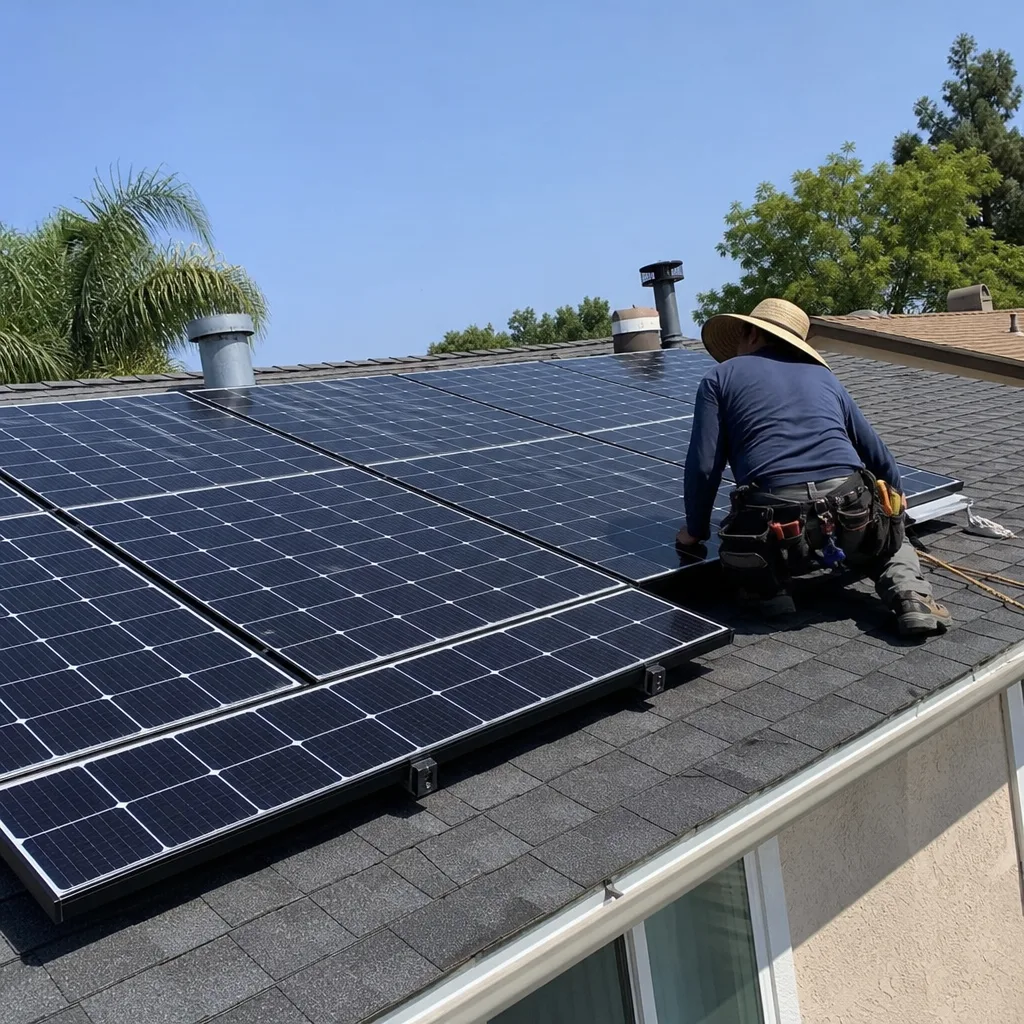 After
After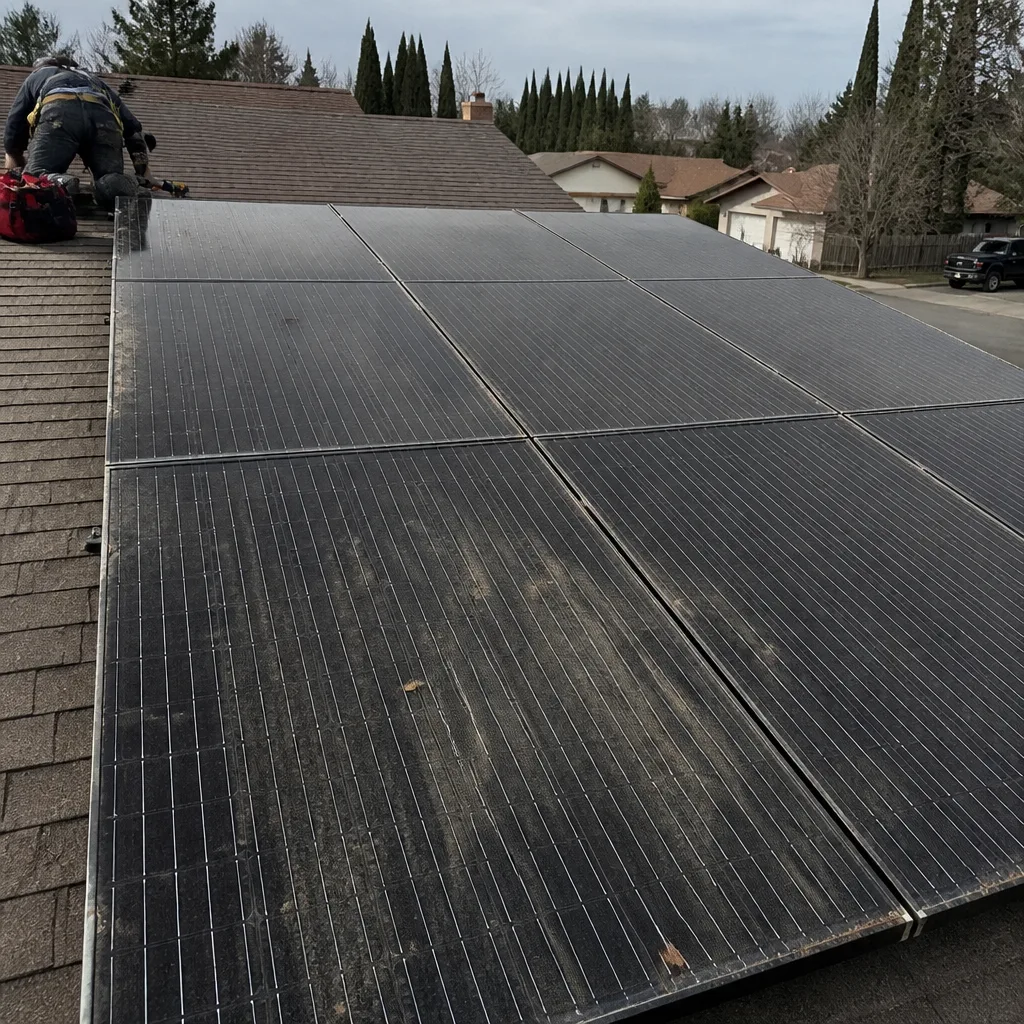 Before
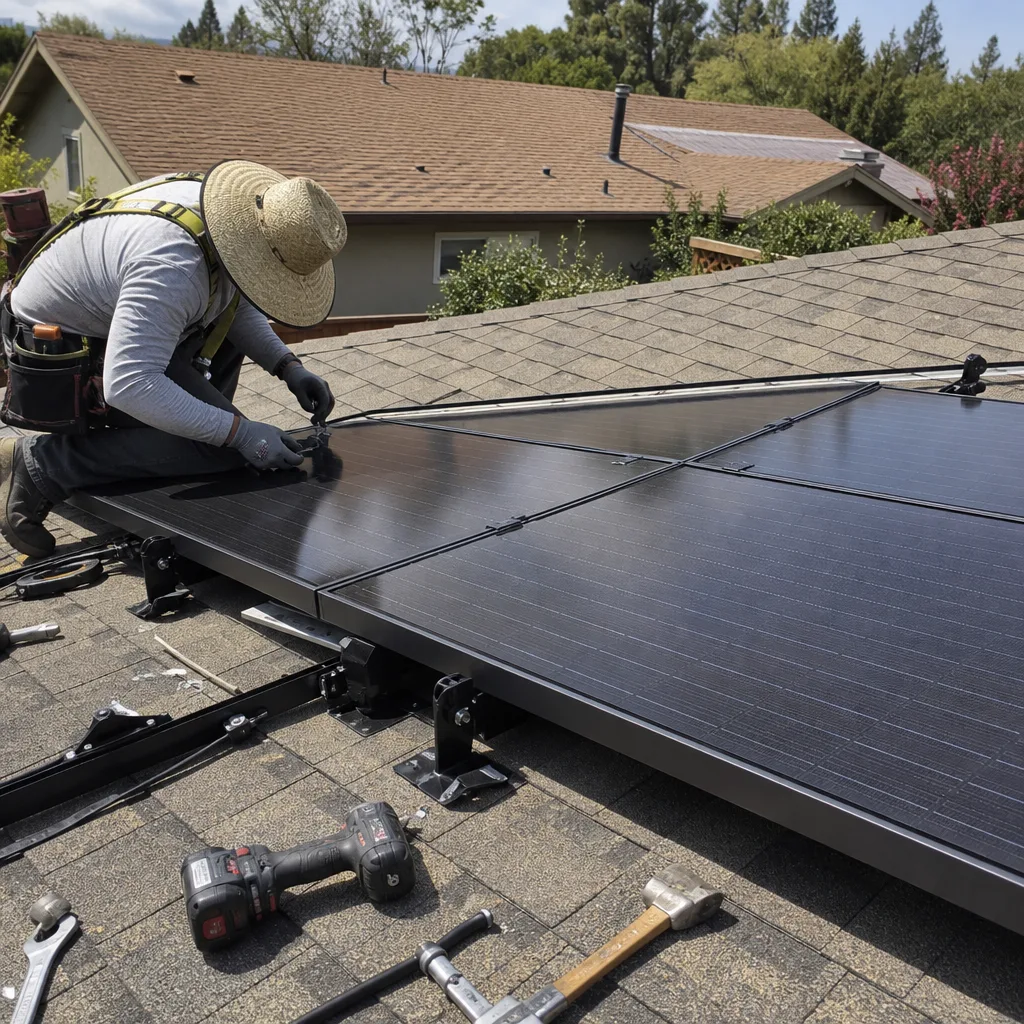 After
AfterCanadian Solar EV Charger Installation: The San Jose Owner’s Guide
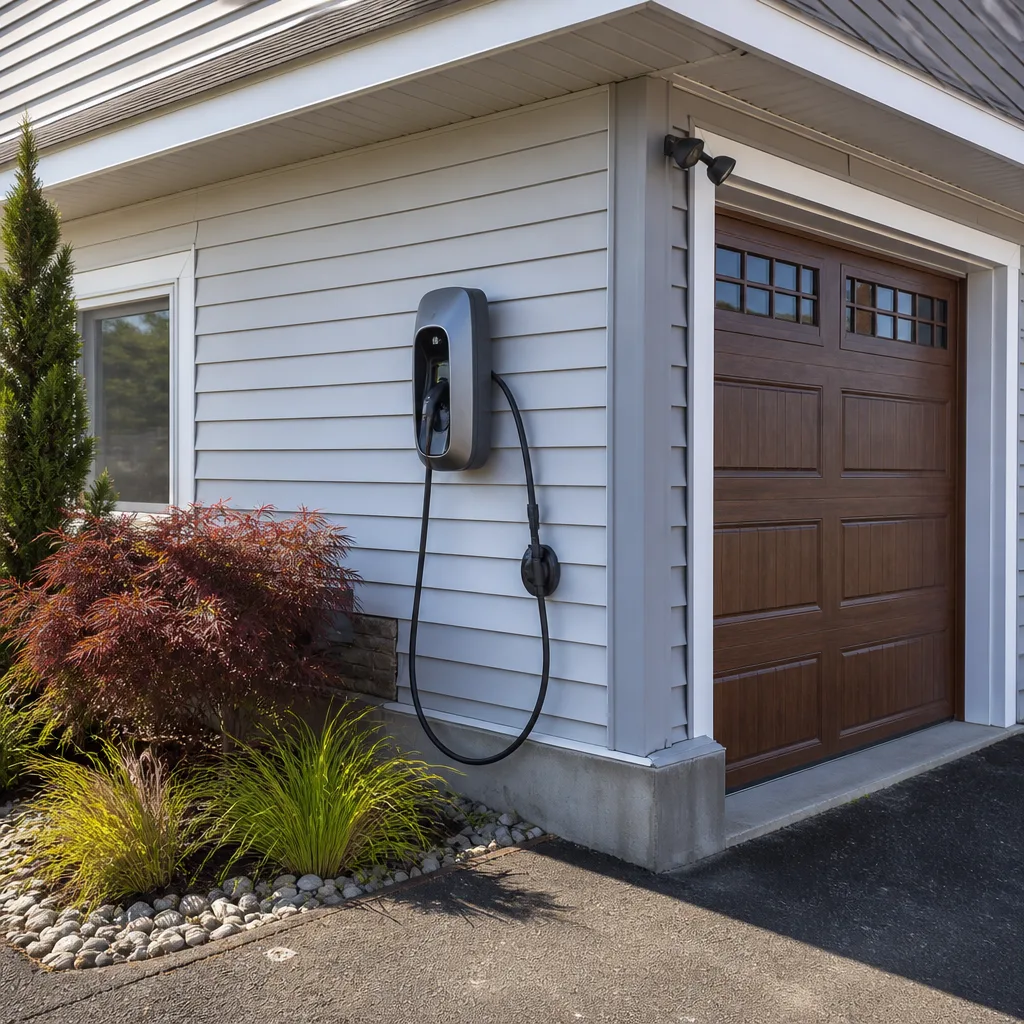
We install Canadian Solar-compatible EV chargers in San Jose and stock the common hardware on our trucks, so most installations are done in one visit. A typical Canadian Solar EV charger installation in San Jose runs $650 to $1,400, depending on your panel’s available capacity, the charger’s amperage, and how far the wiring has to travel from your main panel. Most San Jose homeowners call us after their charger stops communicating with their Canadian Solar monitoring app, or after the breaker trips every time the car pulls current.
Here’s what usually happens: the charger works fine for a few years, then one evening it simply doesn’t start charging. Sometimes it’s the unit itself. Sometimes it’s the wiring between the panel and the charger that’s been quietly overheating in a San Jose garage that hits 110 degrees in August. Either way, we can tell you what’s actually wrong before replacing anything.
Key takeaways:
- We install and replace EV chargers paired with Canadian Solar systems in San Jose, usually same week.
- Installed pricing is upfront: parts plus labor, no surprises after the work starts.
- Gus Petrakis has been working on South Bay electrical systems since he was at Evergreen Valley College, and he still lives ten minutes from Willow Glen.
- One call to (877) 550-6892 gets you a live person, 24/7, not a voicemail.
Which Canadian Solar Models This Applies To
Canadian Solar doesn’t manufacture their own EV chargers. They build panels, inverters, and battery storage. So when we talk about a “Canadian Solar EV charger installation” in San Jose, we mean charging equipment that integrates with your existing Canadian Solar system, usually through your electrical panel and sometimes through a smart energy management system.
The compatibility question comes down to your home’s electrical service and your Canadian Solar inverter model. If you have a Canadian Solar EP Cube battery system, your charger can be wired to draw from stored solar energy during peak PG&E rate hours. If you have a standard grid-tied Canadian Solar array with a SolarEdge or Enphase inverter (both of which we also service), the charger simply pulls from your panel like any other large appliance.
We stock chargers from ChargePoint, Enphase, Tesla, and Wallbox on the truck, plus the breakers, conduit, and wiring needed for a clean install. The OEM-versus-aftermarket decision here is less about the charger brand and more about matching the charger’s amperage to your panel’s actual capacity. A 48-amp charger on a 100-amp panel? We’ll tell you honestly whether you need a panel upgrade first, or whether a 32-amp unit makes more sense. That’s the conversation we have in San Jose every week.
Signs Your Canadian Solar EV Charger Installation Is Failing
Here’s what a failing EV charger installation looks like in San Jose garages, based on what we see on service calls:
- Charger won’t start or stops mid-charge. This is often a relay inside the charger wearing out, or a communications fault between the charger and your Wi-Fi. We test the unit before condemning it; sometimes it’s a firmware issue that a reset fixes.
- Breaker trips when the car is charging. This is usually an overloaded circuit or a loose connection at the breaker. In older San Jose homes with 100-amp panels, the charger is often sharing a circuit with a dryer or AC unit. We trace the load, not just swap the breaker.
- Burnt smell or warm outlet faceplate. Heat means resistance. If you’re plugging a charger into a standard 240-volt outlet and the faceplate feels warm, stop using it and call us. That’s a fire hazard, not a nuisance.
- Charger works intermittently. Loose internal connections, worn pins in the charging handle, or a failing circuit board can cause random shutdowns. We replace the handle assembly first, which fixes about half of these without a full charger swap.
- Your Canadian Solar app shows charging but the car isn’t gaining range. This is almost always a communication mismatch between the charger, the car, and your energy monitor. We check the CT meters and the charger’s data feed before replacing anything.
Replacement Cost & What’s Included
A hardwired EV charger replacement in San Jose typically runs $900 to $1,400 installed, and a plug-in charger replacement runs $650 to $1,000. Here’s the breakdown of what drives that range:
| Item | Typical San Jose Cost |
|---|---|
| Level 2 charger unit (ChargePoint, Wallbox, Enphase, Tesla) | $450-$800 |
| Labor (including wiring, breaker, conduit) | $250-$600 |
| Panel upgrade (if needed) | $2,500-$4,500, quoted separately |
Our quote includes the charger, all required breakers and wiring, the permit-ready workmanship, and cleanup. What it doesn’t include is an after-the-fact upcharge for “unexpected complications.” If your panel can’t handle the load, we tell you before we start, and we give you the panel upgrade number as a separate line item. No signature needed tonight. Take two weeks. Think about it. The price will be the same.
DIY or Call Us?
Here’s what I’d do if it were my roof. If the charger isn’t turning on, you can safely check two things: the breaker in your panel and the GFCI reset button on the charger itself. That’s it. Anything beyond that involves 240 volts, and that’s not a friendly voltage.
We’ve seen DIY charger swaps in San Jose that looked fine for a month and then overheated because the wire gauge was wrong or the connections weren’t torqued. Loose terminals arc. Arcs start fires. A permit-ready install by a licensed electrician costs less than a single insurance deductible. If your Canadian Solar system is feeding the charger, there’s also the question of whether the charger is pulling from solar or from the grid when your battery is full. We can set that up correctly the first time. Call us at (877) 550-6892 and we’ll be there, usually within a day or two in San Jose.
FAQs
A properly installed Level 2 charger lasts 8 to 12 years in San Jose, though the charging handle may need replacement sooner if it’s used daily and left outside. Heat is the main killer here: a charger housed in an uninsulated San Jose garage facing the afternoon sun ages faster than one in a shaded carport. We factor that into our hardware recommendations.
Yes, roughly half of the failed chargers we see in San Jose can be repaired, usually by replacing the charging handle assembly or a worn relay. If the charger is more than 8 years old, replacement is usually the better money. Call (877) 550-6892 and we’ll test the unit before recommending either route.
A straightforward EV charger replacement takes 2 to 4 hours, including wiring and testing. If a panel upgrade is required, expect a full day and a separate inspection. We book San Jose installs within the week in most cases.
We carry ChargePoint, Wallbox, Enphase, and Tesla chargers plus common breakers and wiring on our trucks, so most San Jose installations happen in a single visit. If your Canadian Solar system needs a specific integration component we don’t have on board, we’ll have it in hand within a day or two and schedule around that.
Written by Gus Petrakis, Owner, Gus’s Solar at Gus’s Solar, serving San Jose and nearby areas.