
Free bill analysis - bring a power bill, get the production math for your actual roof, panel brands like Qcells and REC compared side by side
If the pitch starts at your door and ends with "sign tonight for the special," sleep on it. The sun will still be there tomorrow; so will we.
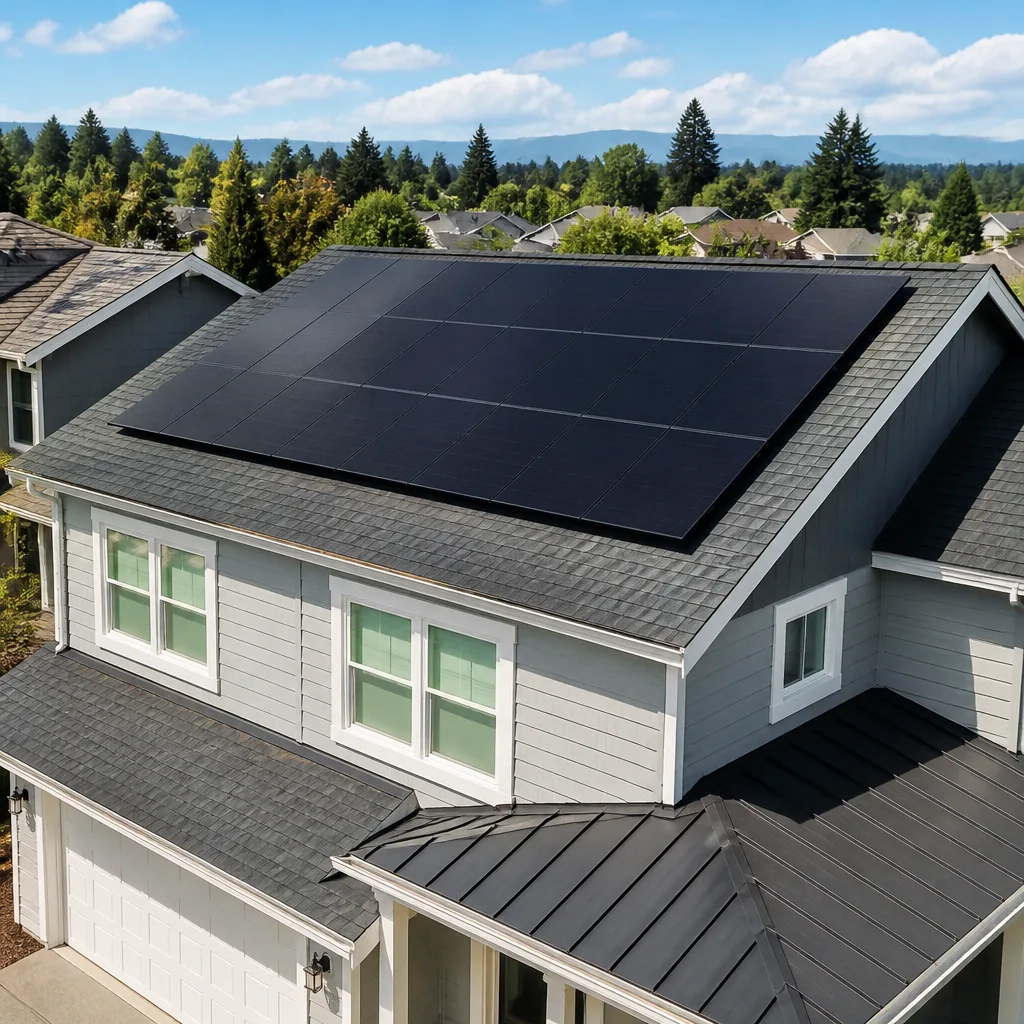
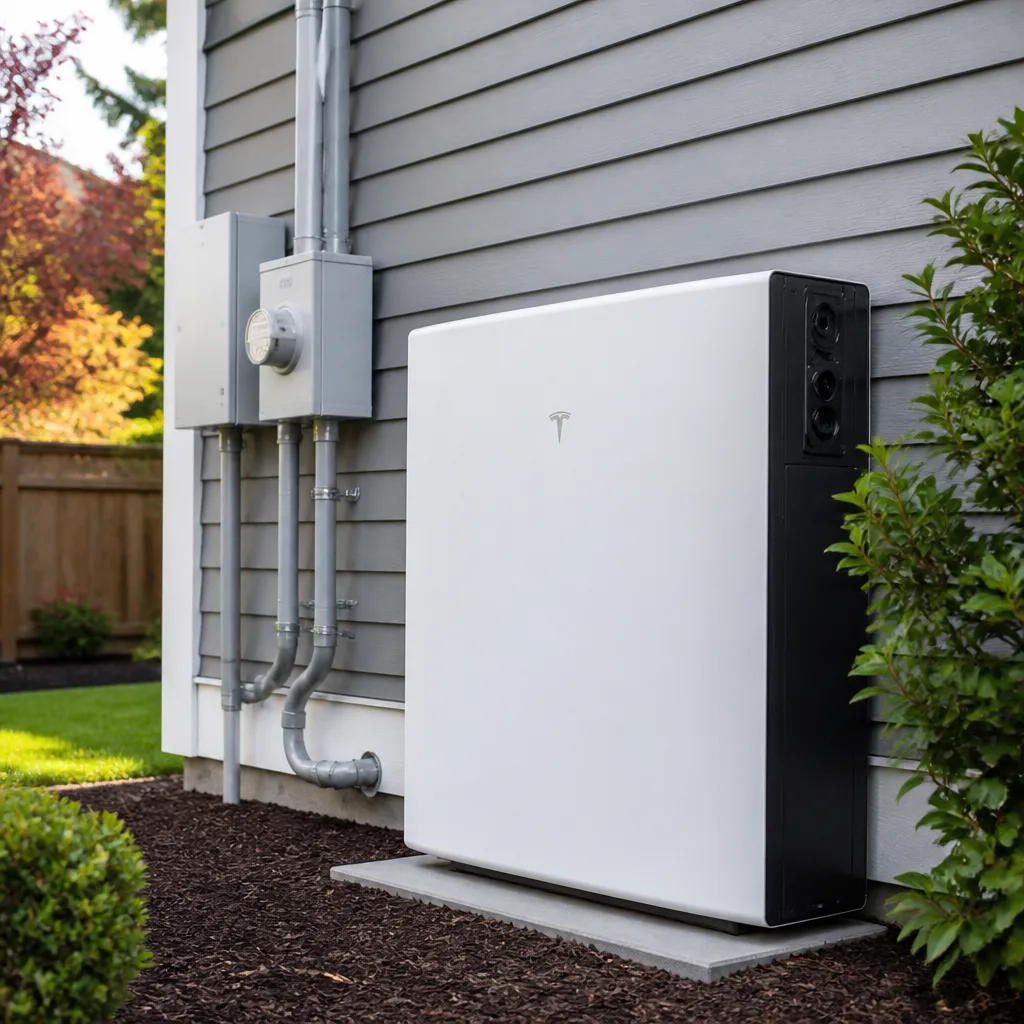
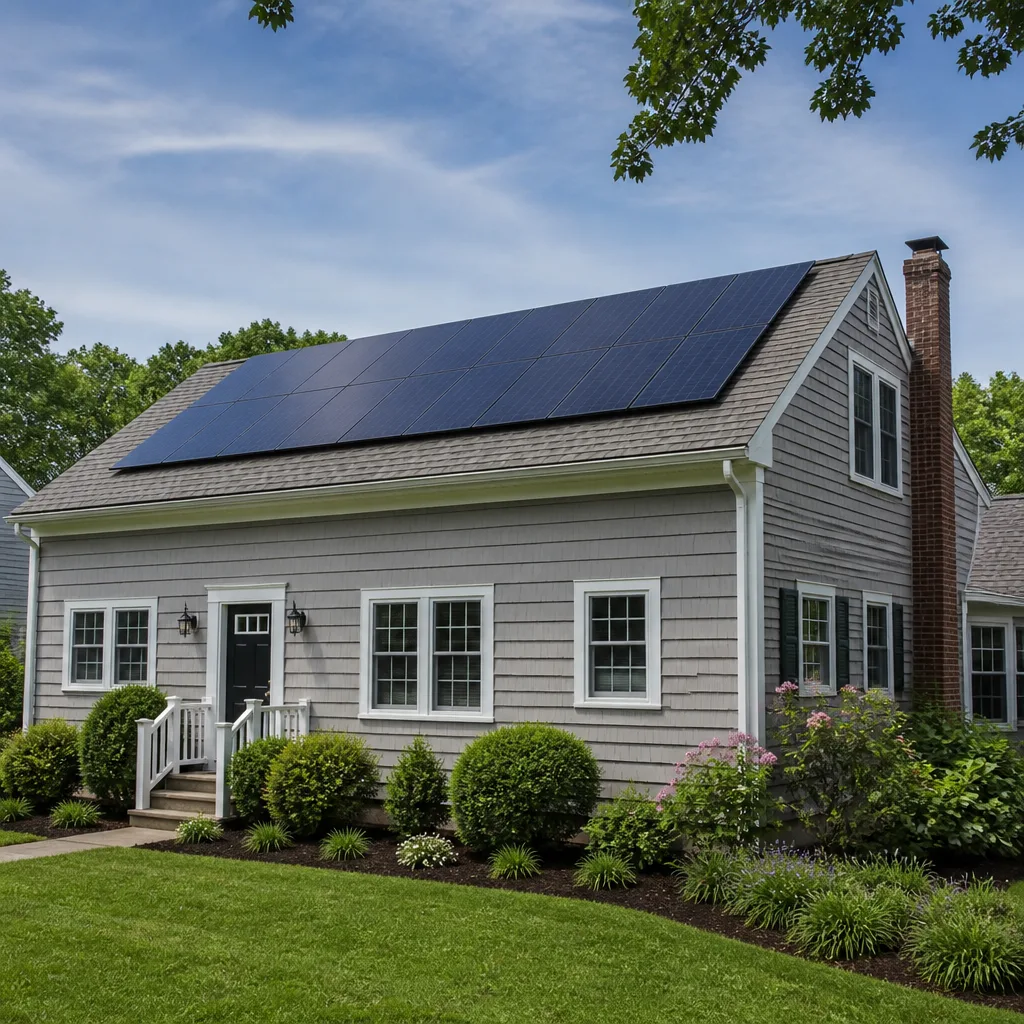
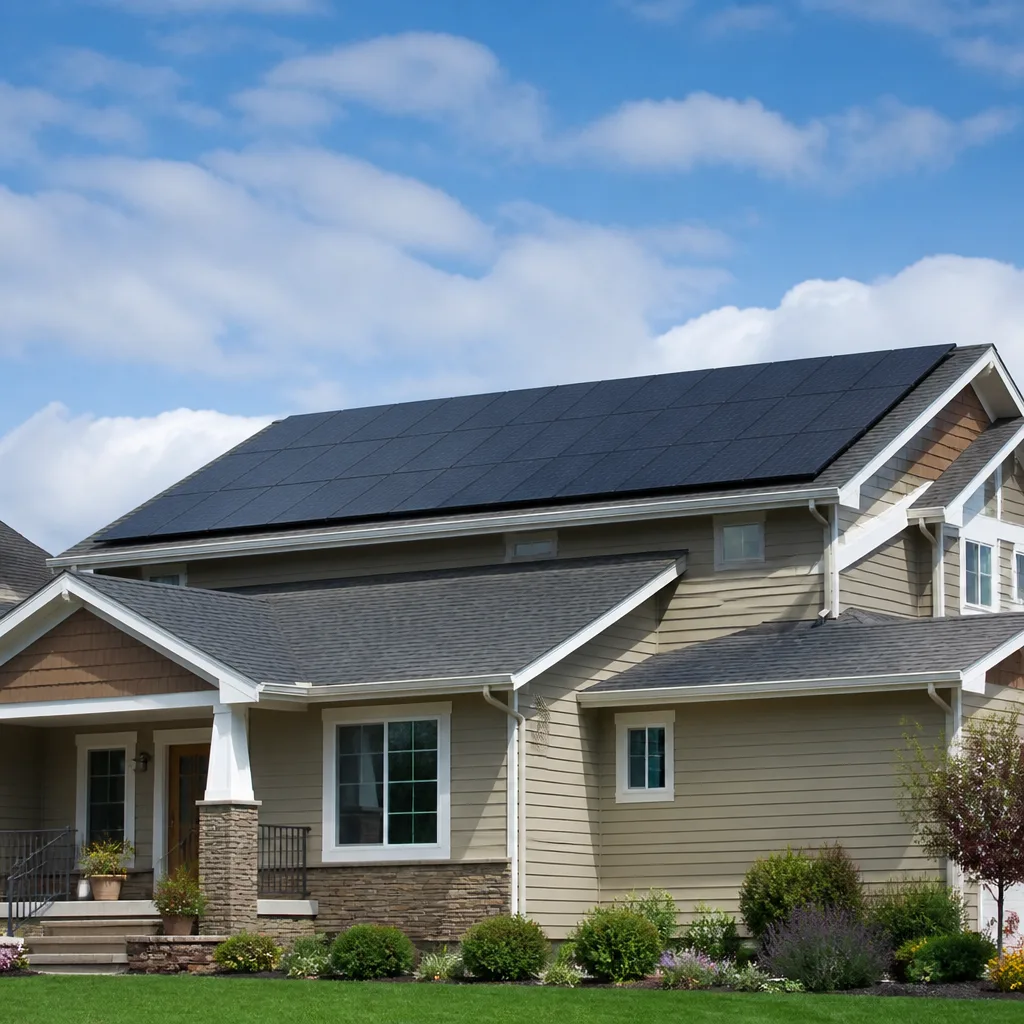
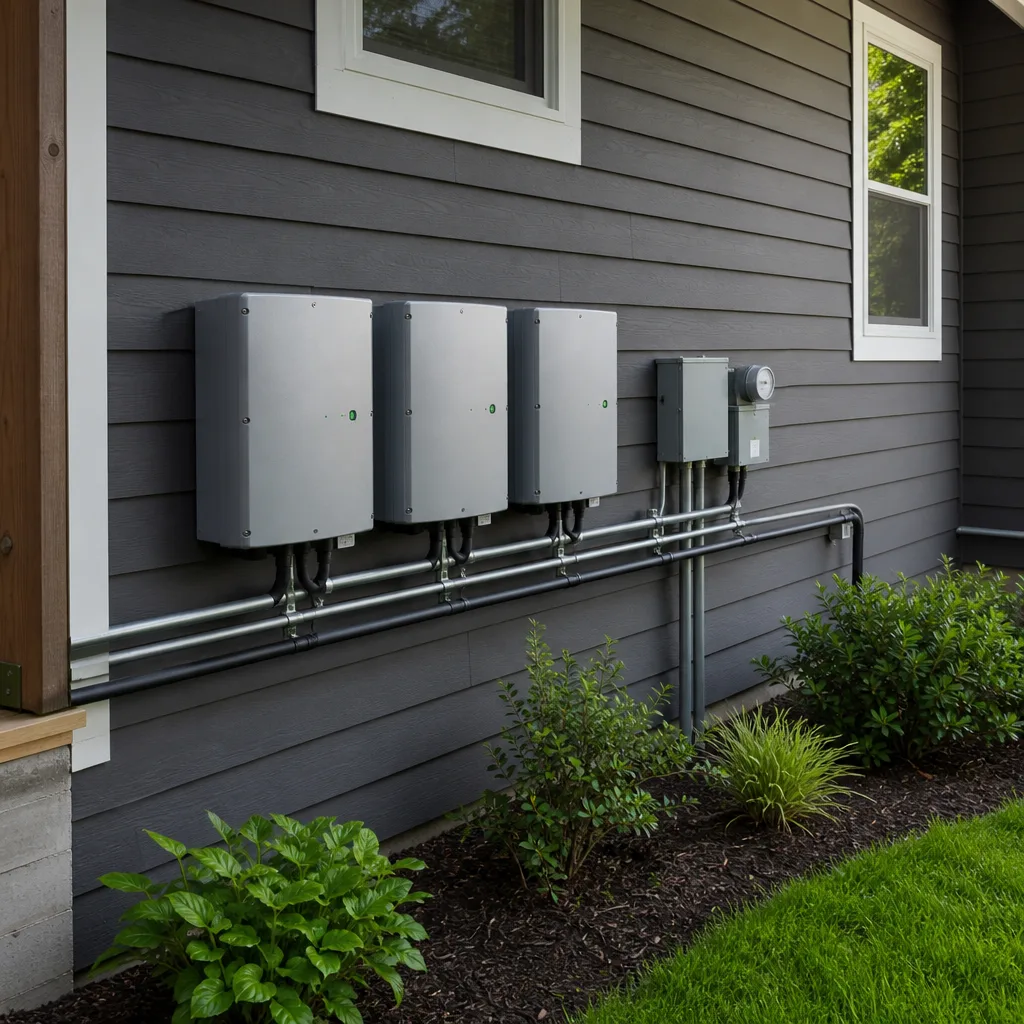
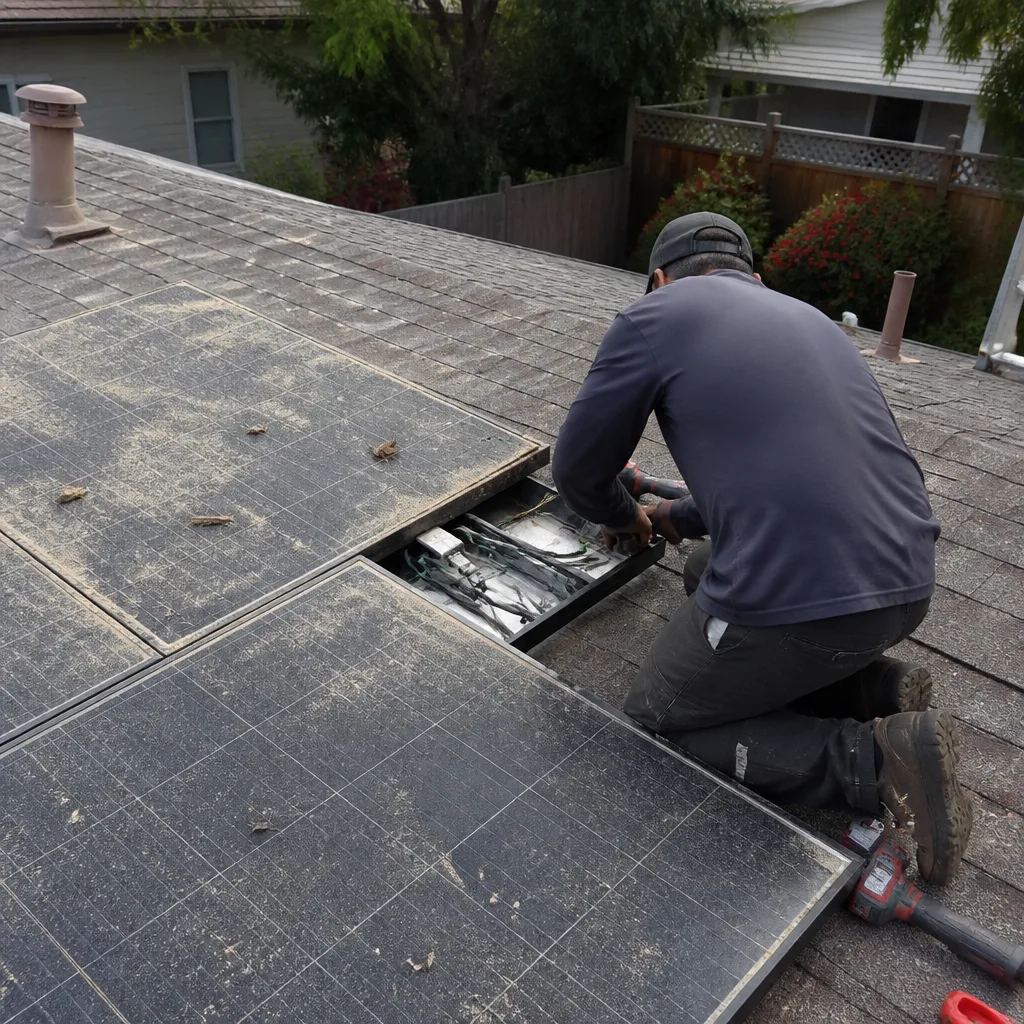 Before
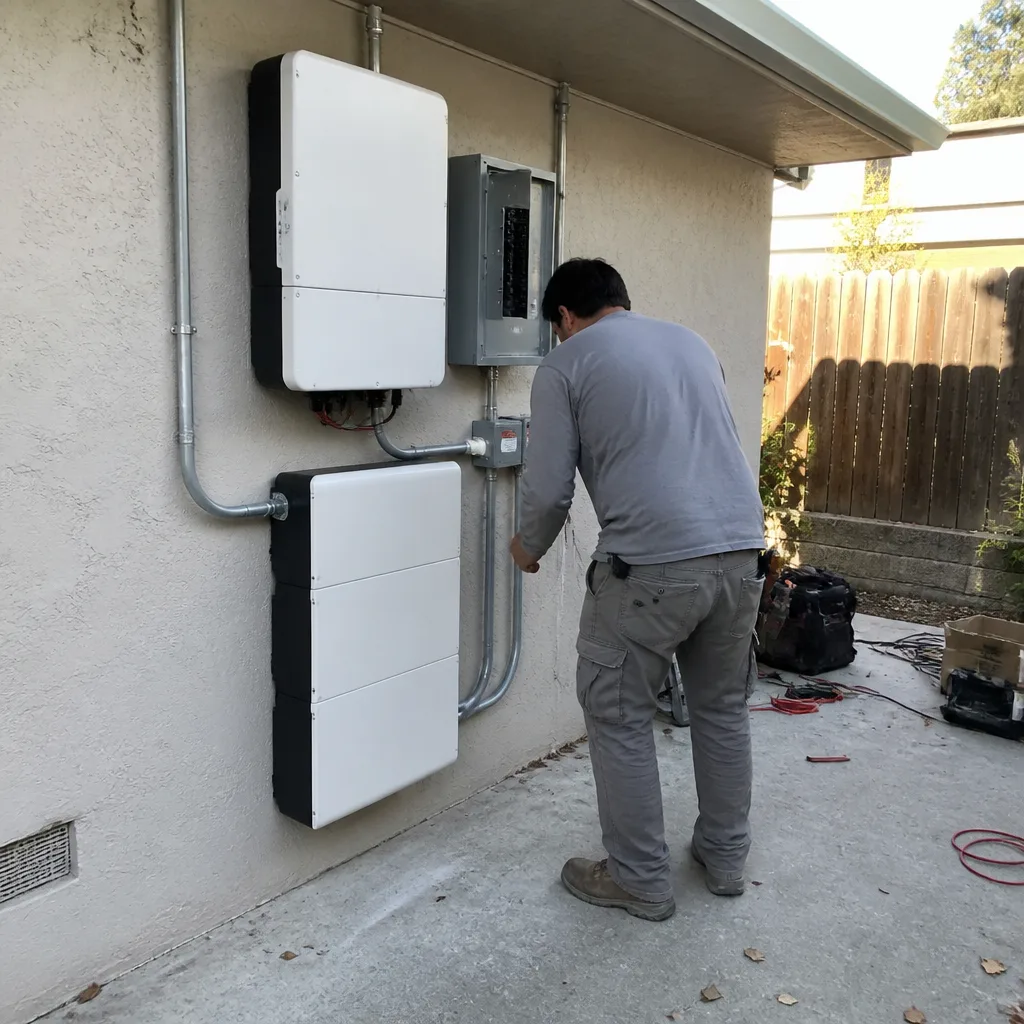 After
After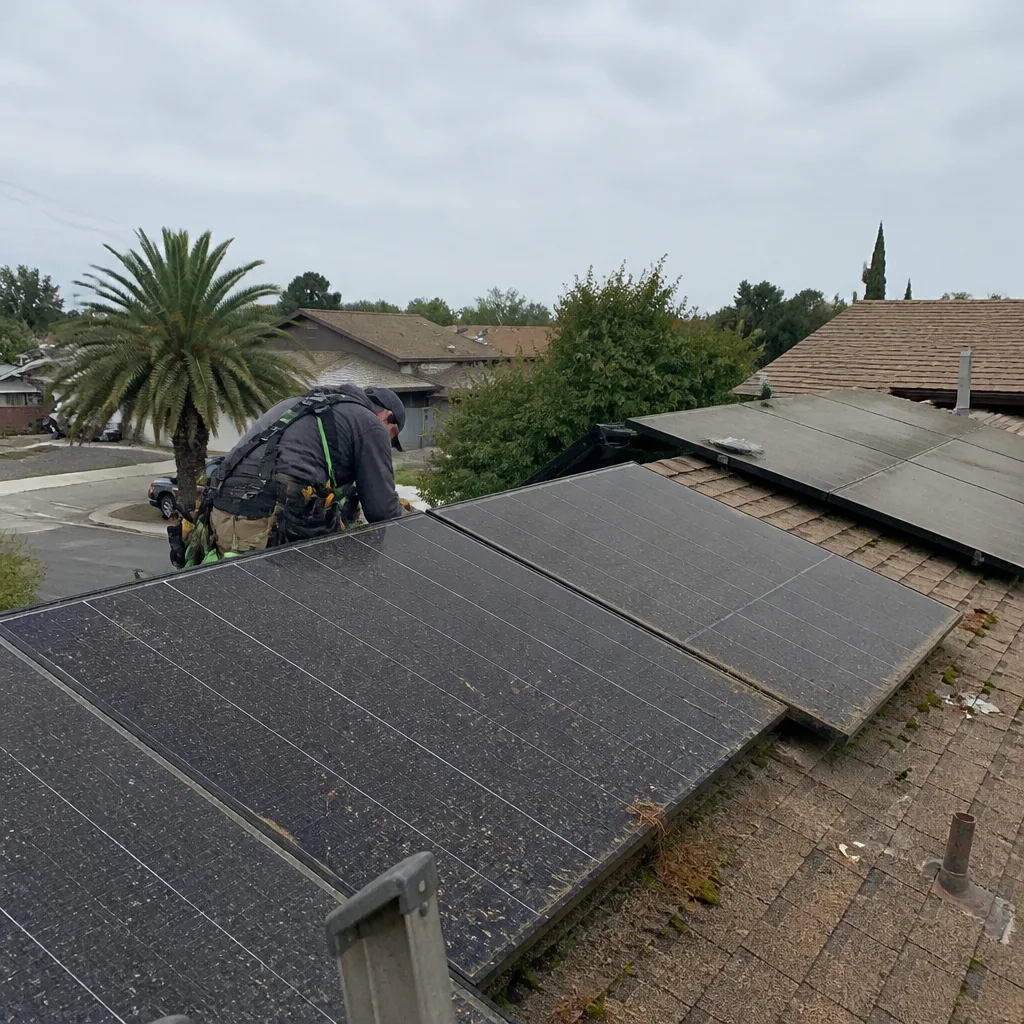 Before
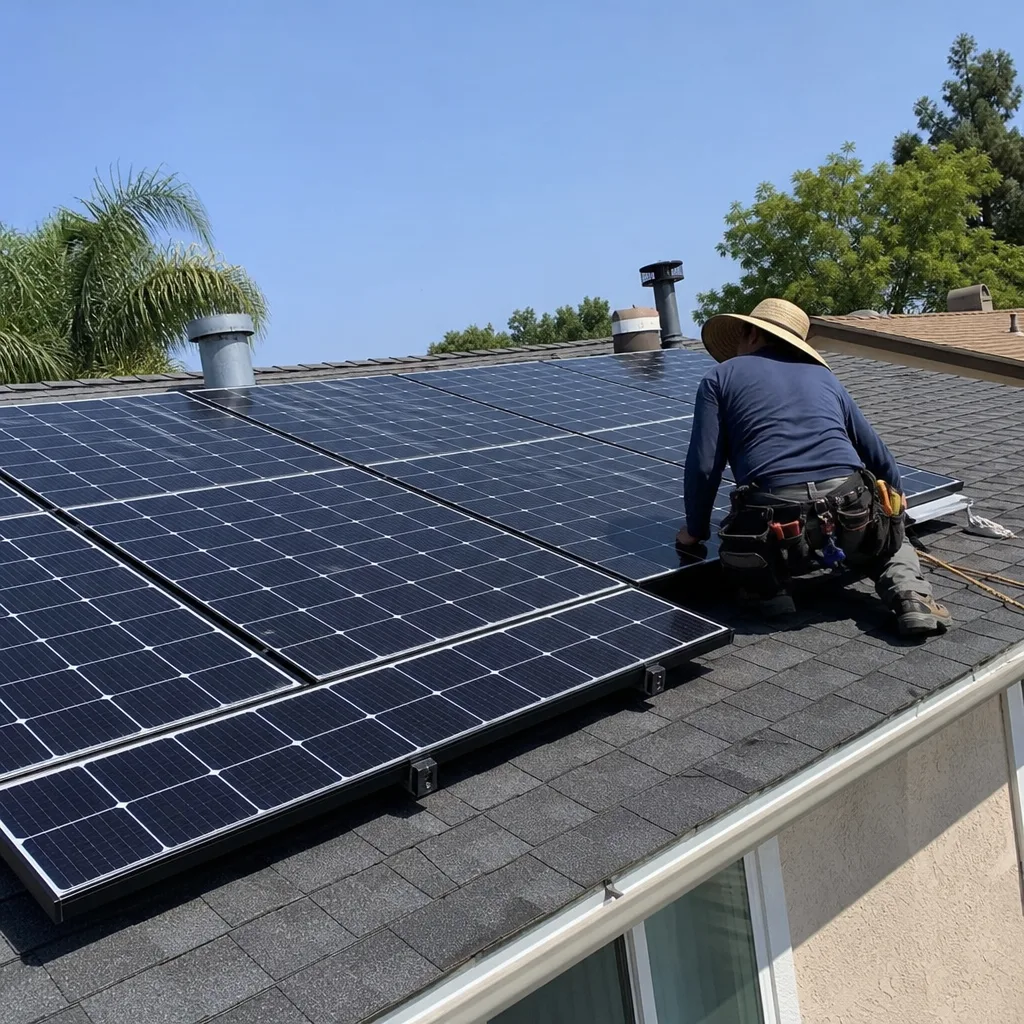 After
After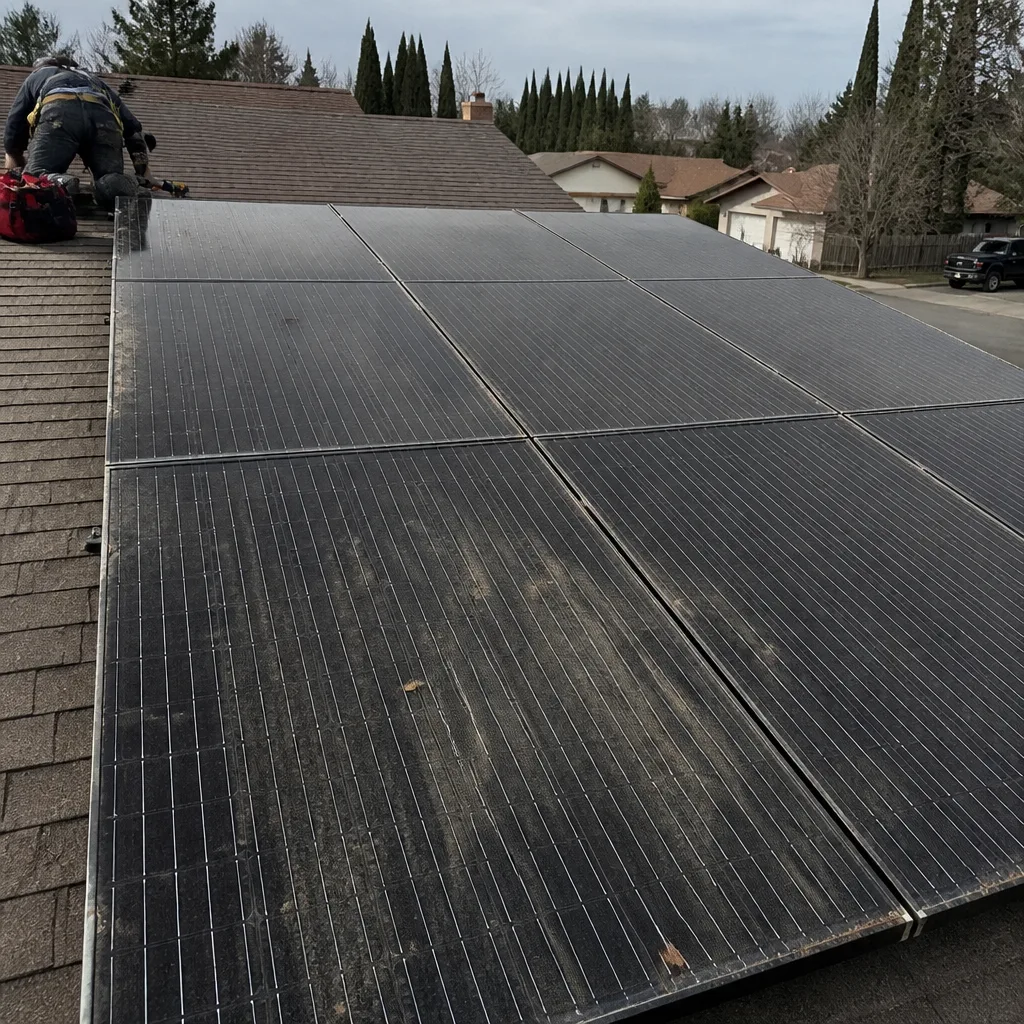 Before
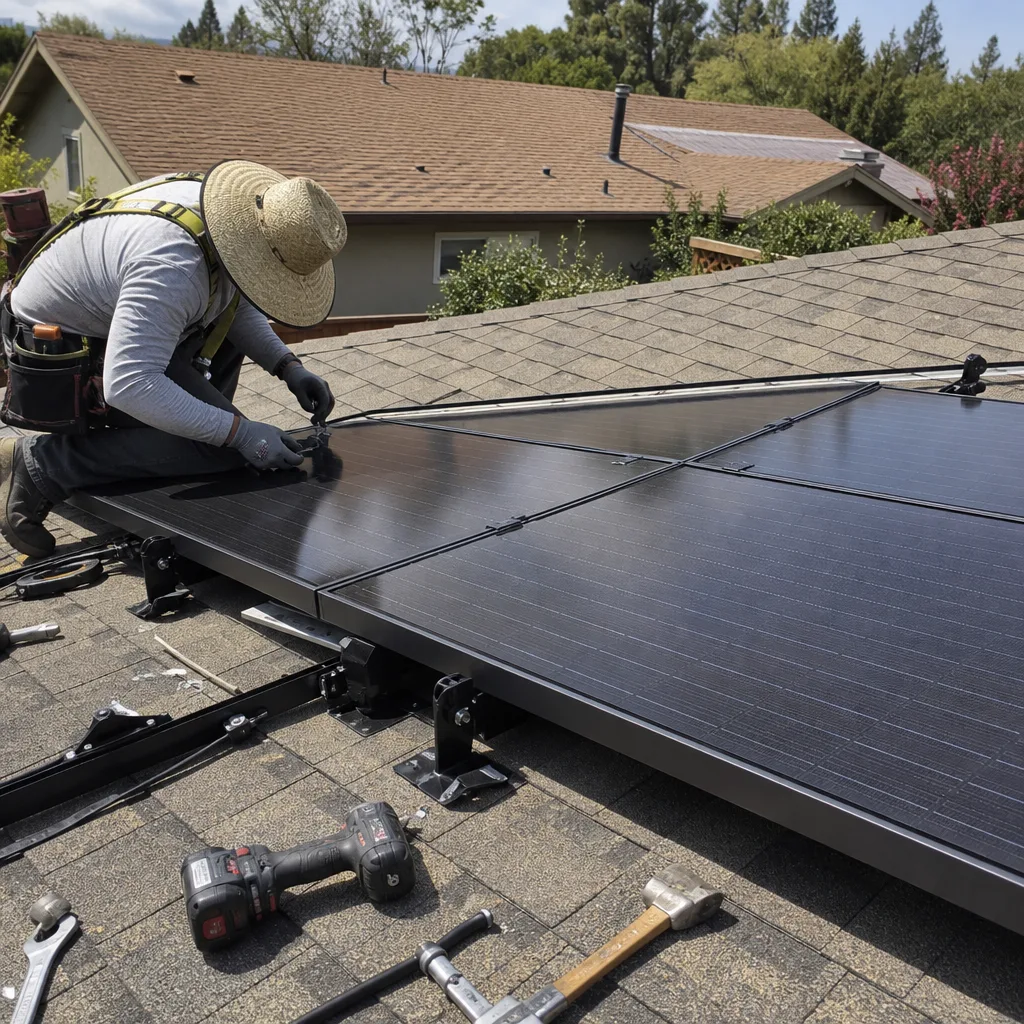 After
AfterPanasonic Solar Panel Installation: The San Jose Owner’s Guide
Panasonic solar panel installation in San Jose typically runs $2.85 to $3.60 per watt fully installed, which puts a standard 7.2 kW system with Panasonic EverVolt panels between $20,500 and $26,000 before the federal tax credit. We stock Panasonic-compatible mounting hardware, microinverters, and rail systems on our trucks, and we can usually start within 5 to 7 business days of your site visit. Most San Jose homeowners call us after a specific problem shows up: a panel cracked by a falling branch, a microinverter that stopped reporting to the monitoring app, or an older Panasonic HIT panel that’s producing noticeably less than its neighbors on the same roof. You should know that we’re an independent installer, not affiliated with Panasonic, but we’ve worked with their panels and hardware long enough to know exactly what fits and what doesn’t.
Before we dig into the details, here’s the short version for someone who wants the answer without scrolling:
- Typical installed cost in San Jose: $2.85-$3.60 per watt, parts and labor included
- Most common failure points: microinverters, MC4 connectors, mounting feet, and cracked glass from debris
- What we stock: Panasonic EverVolt mounting kits, Enphase IQ series microinverters (the standard pairing for Panasonic AC modules), rail hardware, and weather seals
- Turnaround: most repairs or single-panel swaps are done in one visit, 3-4 hours on the roof
- Cost transparency: we quote the year-25 output, not the day-one brochure number, so you’ll know what the system actually produces over its life, not just what it does in perfect June sun
Which Panasonic Models This Applies To
Panasonic has shipped a few distinct panel lines into the California market over the years, and they don’t all use the same mounting holes, connectors, or microinverter pairings. The main series we see on South Bay roofs include the older HIT N330/N340 (black frame, very common from 2015-2020), the EverVolt series (EVPV360 through EVPV410, current generation), and a smaller number of the older HIT+ and VBHN series panels. When a San Jose owner calls us about a Panasonic-specific issue, the first thing we ask is for a photo of the label on the back of the panel or the serial sticker, because the part numbers vary even within the EverVolt line: an EVPV370 and an EVPV400 use different mounting hole spacing in some model years.
The OEM vs. aftermarket decision matters more with Panasonic than with some other brands. Panasonic’s own rails and mounting feet are well made, but honestly, we often recommend aftermarket rail from IronRidge or Unirac because it’s easier to source locally in San Jose, costs less, and carries the same wind and seismic ratings for Santa Clara County. The one thing we don’t compromise on for Panasonic panels is the microinverter: EverVolt AC panels are engineered around Enphase IQ7 or IQ8 series units, and swapping in a cheaper string inverter means losing panel-level monitoring, which is one of the biggest reasons people choose Panasonic in the first place. Here’s what I’d do if it were my roof: keep the Enphase microinverters, upgrade the mounting hardware to aftermarket, and put the savings toward better flashings around every penetration.
Signs Your Panasonic Solar Panel Installation Is Failing
Solar panels don’t usually fail loudly. They degrade quietly, and by the time you notice a problem on your utility bill, it’s often been going on for months. These are the five things we hear most from San Jose homeowners, with the cause behind each one:
- One panel shows low production in the monitoring app. This is almost always a microinverter starting to die, not the panel itself. Panasonic’s own panels hold their output well over time; the Enphase units bolted beneath them are the weak link. Sometimes it’s a firmware issue that a simple update fixes, but if the inverter is 8+ years old, replacing it is usually the honest call.
- Water stains on the ceiling below the array. This comes from a mounting penetration that wasn’t flashed correctly, or a flashing that has dried out after years of San Jose’s hot, dry summers followed by winter rain. We see this more often on homes where the original install was done by a crew that rushed the roof work.
- Visible cracks or snail-trail marks on the glass. Cracks usually come from debris impacts: a tumbling branch in a winter storm, a stray baseball, a bird dropping a rock. Snail trails (the silvery, meandering lines under the glass) are a manufacturing defect that can appear years later, and while they don’t always kill a panel, they do reduce output.
- Intermittent dropouts across the whole array. When production flickers across multiple panels, the problem is usually the AC trunk cable, a loose MC4 connector, or a junction box that has taken on water. These are the jobs where we often find a corroded connector hiding behind a panel, getting hot every afternoon when the sun hits it.
- Your utility bill creeps back up despite no change in usage. If your system used to cover 90% of your usage and now covers 70%, and you haven’t added an EV or a hot tub, something in the array has degraded. It could be one dead microinverter, a panel with a hairline crack, or just the normal 0.5% annual degradation rate catching up with a 10-year-old system. Either way, we’d rather come look at it before another summer of PG&E rates makes the gap worse.
Replacement Cost & What’s Included
In San Jose, replacing a single failed Panasonic panel with a matching current-generation EverVolt unit (parts and labor, old panel removed and disposed of) typically runs $550 to $850 depending on the wattage and whether your roof is single-story or two-story. A microinverter swap is usually $350 to $500. A full rail and flashing re-seal on an average roof runs $400 to $700, and if we’re replacing all the flashings we also re-torque every mounting foot, which a lot of installers skip. These are the numbers we quote and the numbers we charge; no surprise add-ons when the crew arrives.
What drives the range, honestly, is roof access and permitting. A one-story rancher in Willow Glen with an easy ladder line is the low end. A two-story tile roof in Almaden with a steep pitch and a PG&E service panel that needs an upgrade to meet current code is the high end. Every quote includes the parts, the labor, the disposal of the old equipment, and our workmanship warranty. And every solar job we do, repair or full install, is covered by our 90-Day Done Right Promise: if it’s not right, Gus makes it right, in writing. That’s been the standard since 2011, and it isn’t going to change.
| Service | Typical Price in San Jose |
|---|---|
| Single panel replacement (Panasonic EverVolt, installed) | $550-$850 |
| Microinverter replacement (Enphase IQ7/IQ8, installed) | $350-$500 |
| Full rail re-seal and re-flash (average roof) | $400-$700 |
| Full system install (Panasonic EverVolt, 7.2 kW) | $20,500-$26,000 before tax credit |
Bring me a bill, I’ll bring you the math. That’s how every estimate starts: your actual 12 months of PG&E usage, your current rate schedule, and what your export credits actually earn you. No brochure math.
DIY or Call Us?
Here’s the honest split, because I’d rather you spend your Saturday doing something else if the job is over your head. The safe checks you can do yourself: log into your Enphase monitoring portal and look for a panel that’s consistently 20% below its neighbors (that’s data, not guesswork), visually inspect your panels from the ground for obvious cracks or debris, and check your breaker box for a tripped solar breaker. None of those require a ladder.
What you should not do yourself is get on the roof and start unbolting panels. A rooftop solar array is live DC electricity up to 600 volts, and Panasonic EverVolt panels can’t simply be “switched off” while the sun is out. A bad MC4 connector can arc, a cracked panel can deliver a shock through the glass, and a loose microinverter trunk cable can energize a rail. Then there’s the roof itself: one wrong step on a tile roof and your leak problem gets twice as expensive. Gus’s crew is background-checked, uniformed, and carries the right harnesses and meter gear for the job. If it’s electrical or it’s on the roof, call us at (877) 550-6892 and let us come out. Estimates are free, and there’s no trip charge inside our own county, which covers all of San Jose and the surrounding South Bay cities.
FAQs
Panasonic’s current EverVolt panels are rated to produce at least 92% of their original output after 25 years, and in San Jose’s mild climate (no snow, no hail, moderate heat) we typically see them outperform that spec by a few points. The heat we do get in Livermore or Gilroy speeds up microinverter wear more than panel degradation, which is why we recommend checking your monitoring data at least twice a year. Call (877) 550-6892 if you want us to pull a health report on your system; it only takes a few minutes.
Generally no. Cracked glass and delamination are not repairable in a way that restores the panel’s safety and output, and any attempt to re-seal a cracked panel will fail within a season or two in San Jose’s sun. The exception is the microinverter beneath the panel, which absolutely can be swapped out without touching the panel itself. Give us a call and we’ll tell you which one you’re dealing with before we ever set foot on the roof.
A single panel swap or microinverter replacement takes about 3 to 4 hours from ladder setup to cleanup, and most San Jose customers are back up and producing before lunch. A full rail re-flash and re-seal takes a full day because we re-torque every foot and replace every flashing, not just the ones that are already leaking. You’ll have a firm time window when we schedule, and we show up when we say we will.
We carry Panasonic EverVolt mounting hardware, Enphase IQ series microinverters, MC4 connectors, rail hardware, and weather seals on our trucks for the San Jose and South Bay area. If you’ve got an older HIT series panel and we need an exact wattage match, we can usually have it sourced from a local distributor within two business days. We also stock parts for Tesla, Enphase, and SolarEdge systems if you’ve got a mixed-brand roof. Call us at (877) 550-6892 and we’ll tell you over the phone whether we can fix it same-day.
Why San Jose Homeowners Call Gus’s Solar for Panasonic Work
We’ve been doing this in San Jose since 2011, and Gus Petrakis grew up right here in Willow Glen, about ten minutes from where he went to high school. He learned the electrical and solar fundamentals at Evergreen Valley College, then spent years on South Bay roofs before hanging his own shingle. That’s the difference: when you call Gus’s Solar, you’re calling a real shop with a published address, a live person answering the phone 24/7, and a name on the truck that the owner stands behind. We don’t subcontract your roof to a crew we’ve never met. The people who show up are our people, background-checked and uniformed, and they flash every penetration like it’s their own house.
We also run on the L.O.C.A.L. values, because Gus built this company on them: Local roots, On time, Community first, Accountable, Loyal. If you want a second opinion on any written estimate you’ve received, we’ll give it to you free. If you’re a senior or a veteran, there’s a 10% discount that never expires. And if a salesman at your door needs an answer tonight, the answer is no. Take two weeks. Think about it. The price will be the same.
Call (877) 550-6892 for a free estimate on Panasonic solar panel installation, repair, or replacement in San Jose. A live person answers, day or night, and we’ll give you a straight answer before we ever ask for your signature.
Written by Gus Petrakis, Owner, Gus’s Solar at Gus’s Solar, serving San Jose and nearby areas.