
Free bill analysis - bring a power bill, get the production math for your actual roof, panel brands like Qcells and REC compared side by side
If the pitch starts at your door and ends with "sign tonight for the special," sleep on it. The sun will still be there tomorrow; so will we.
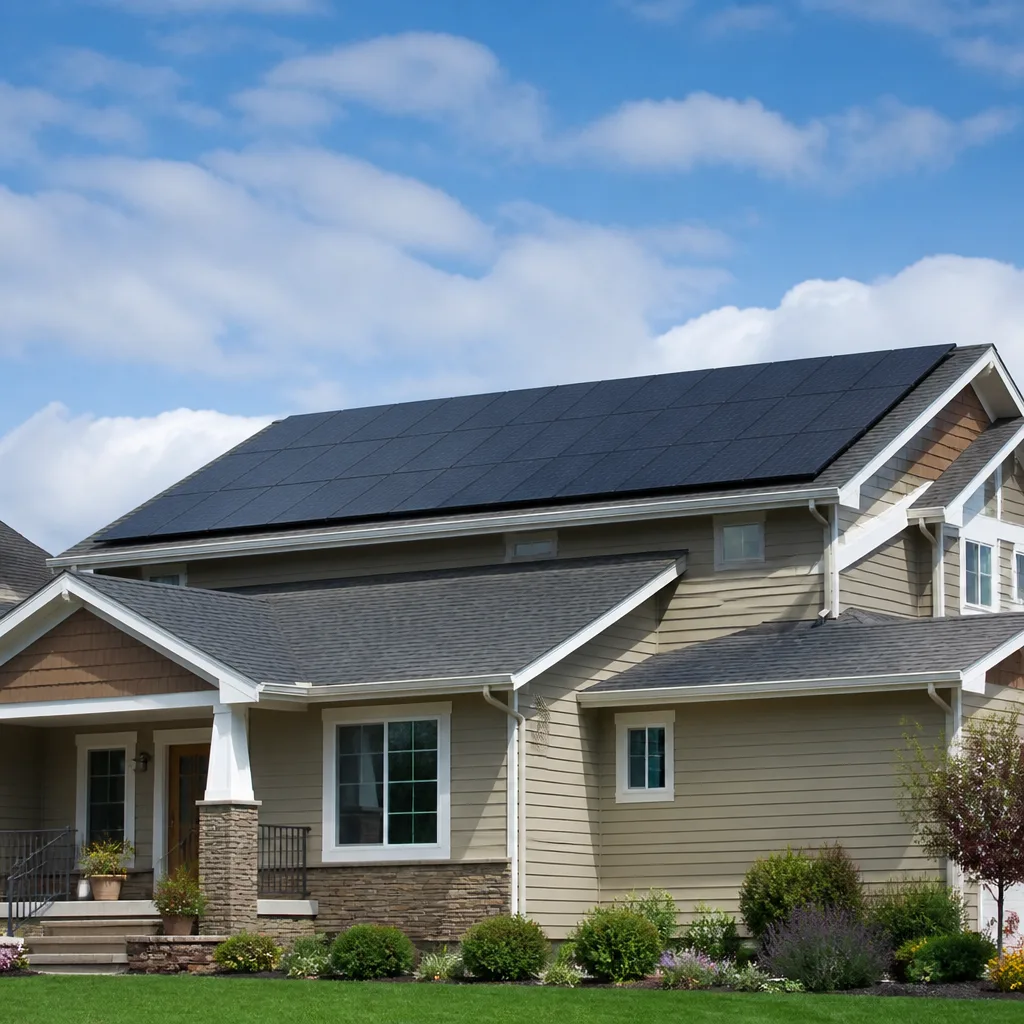
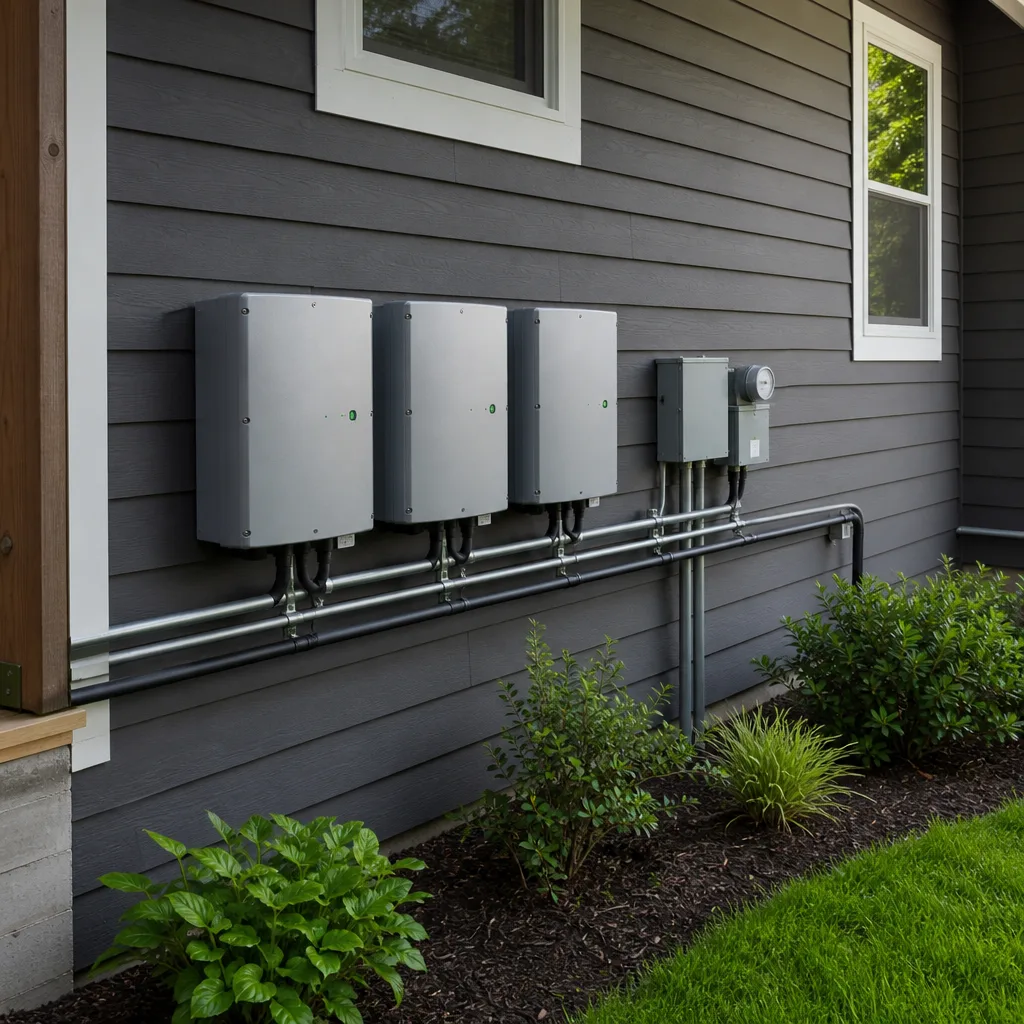
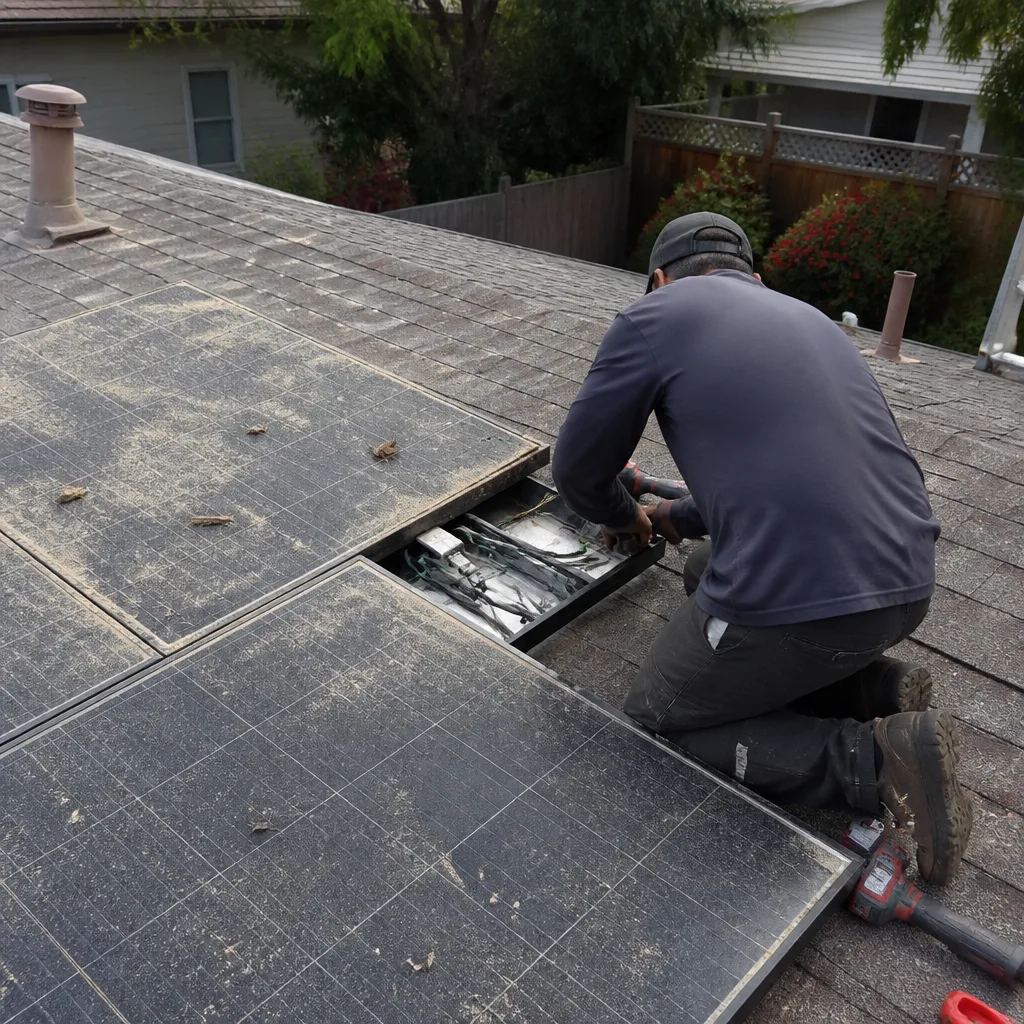 Before
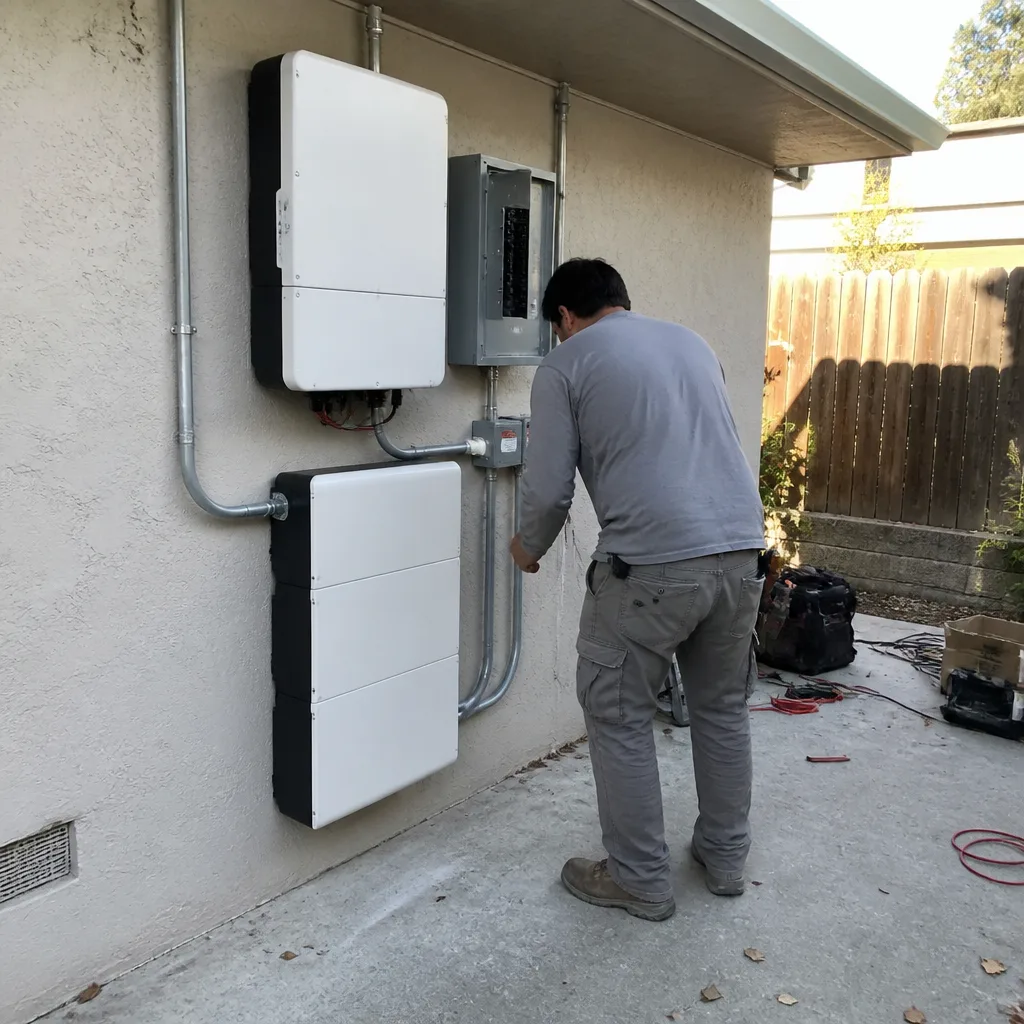 After
After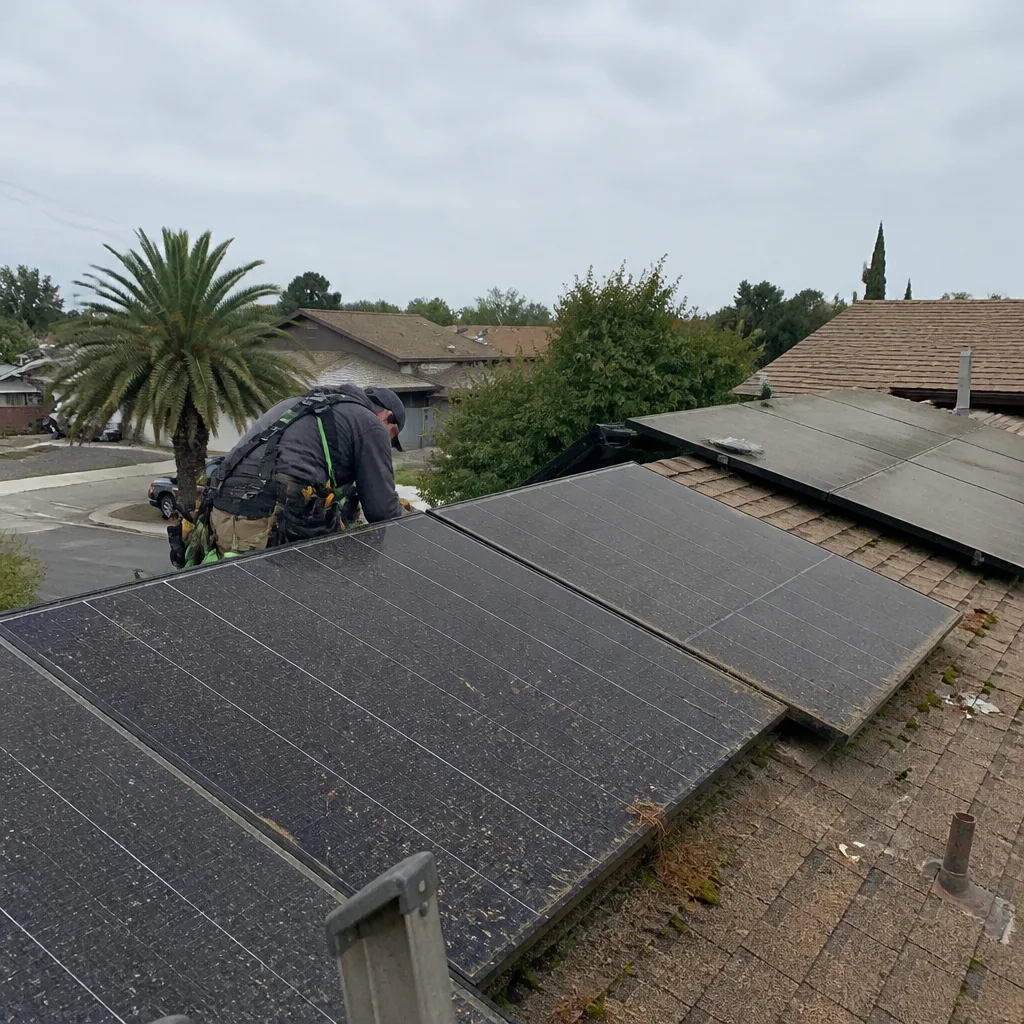 Before
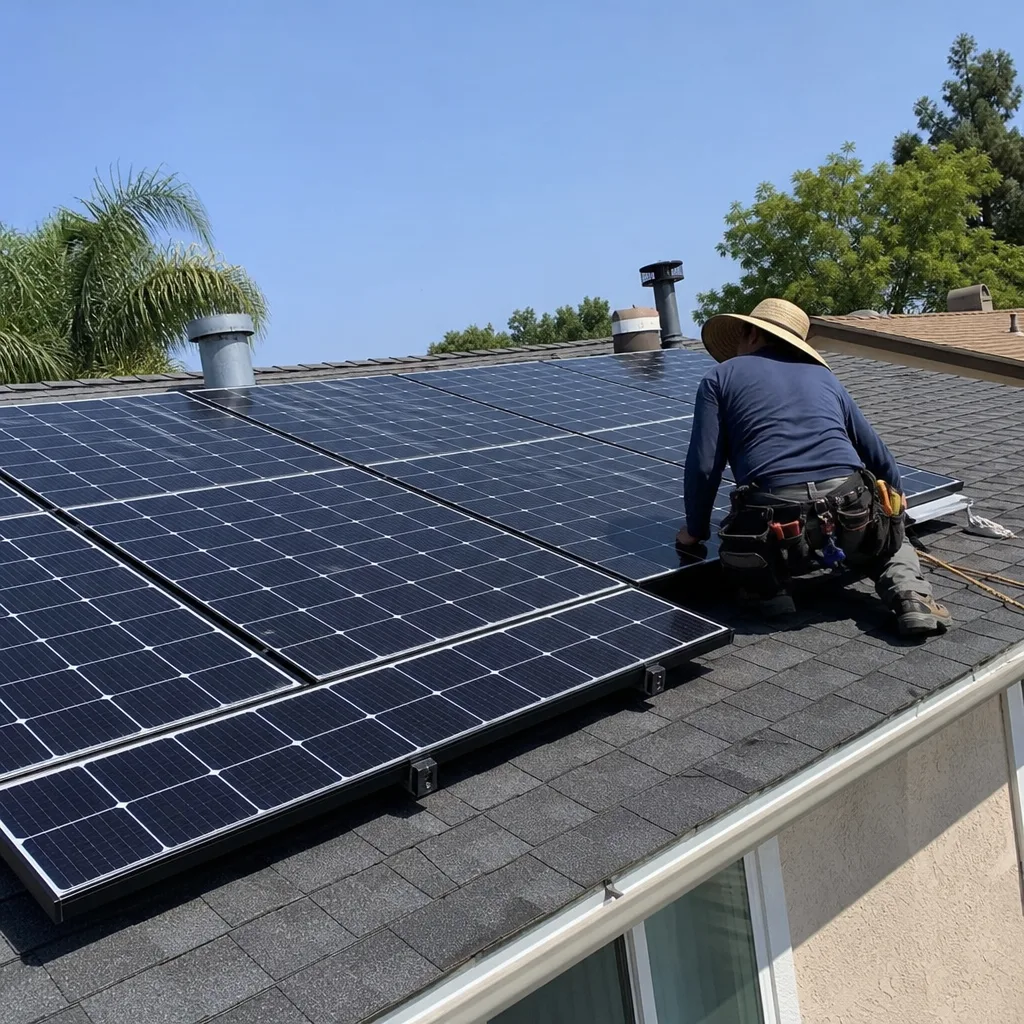 After
After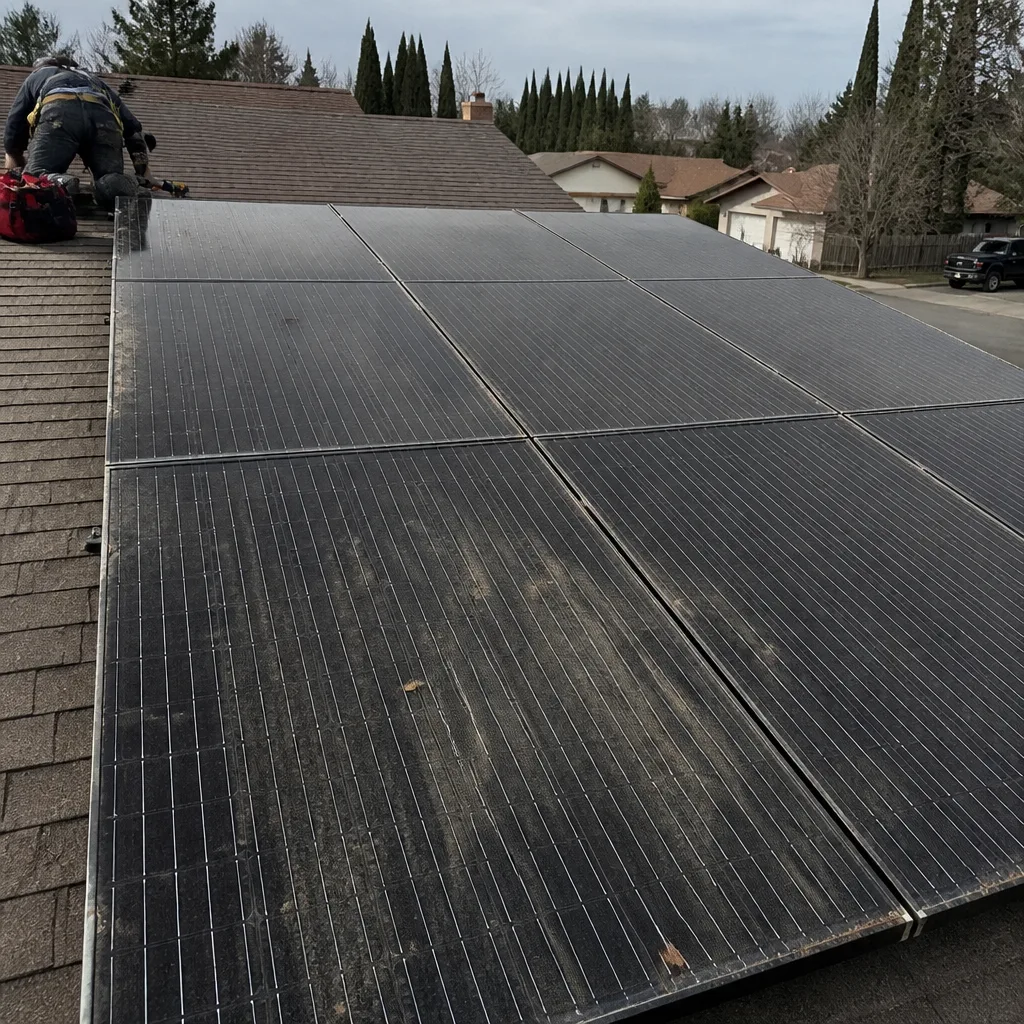 Before
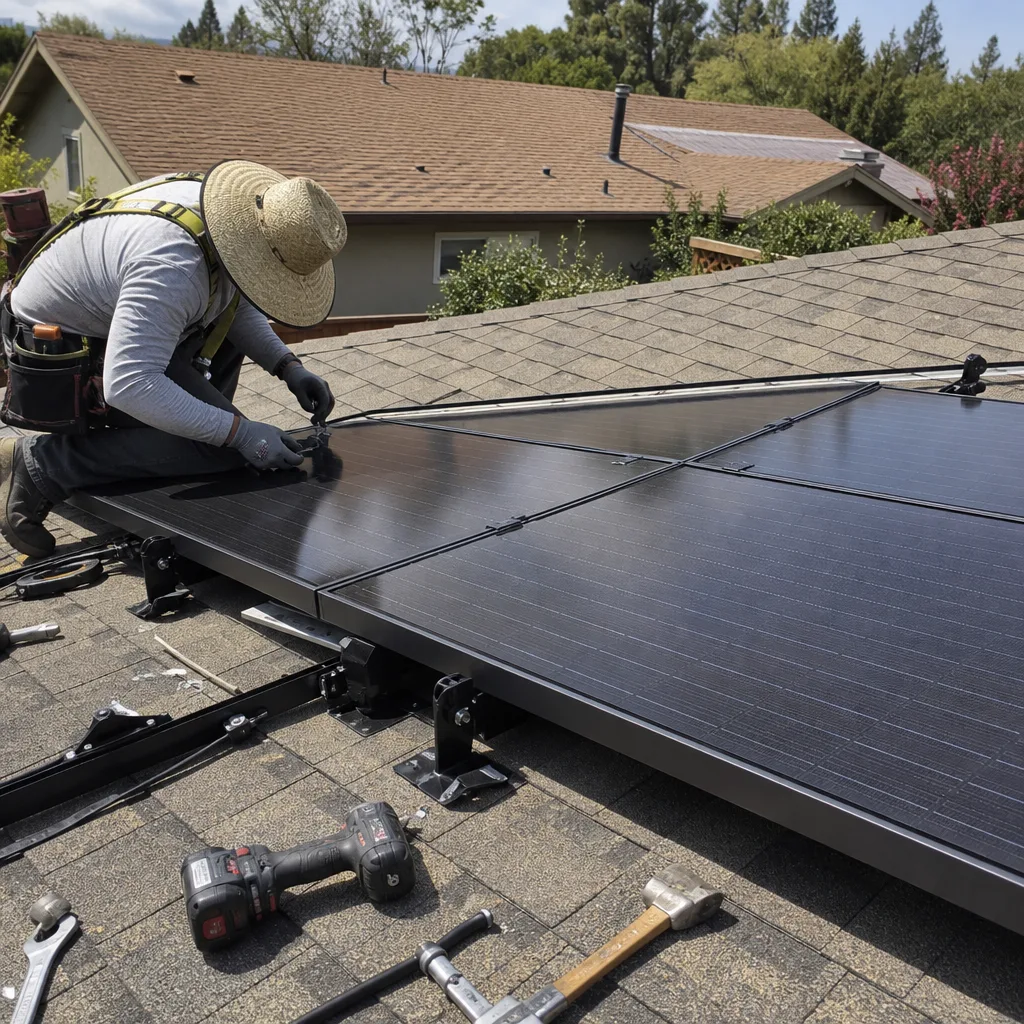 After
AfterSunPower Solar Panel Cleaning: The San Jose Owner’s Guide
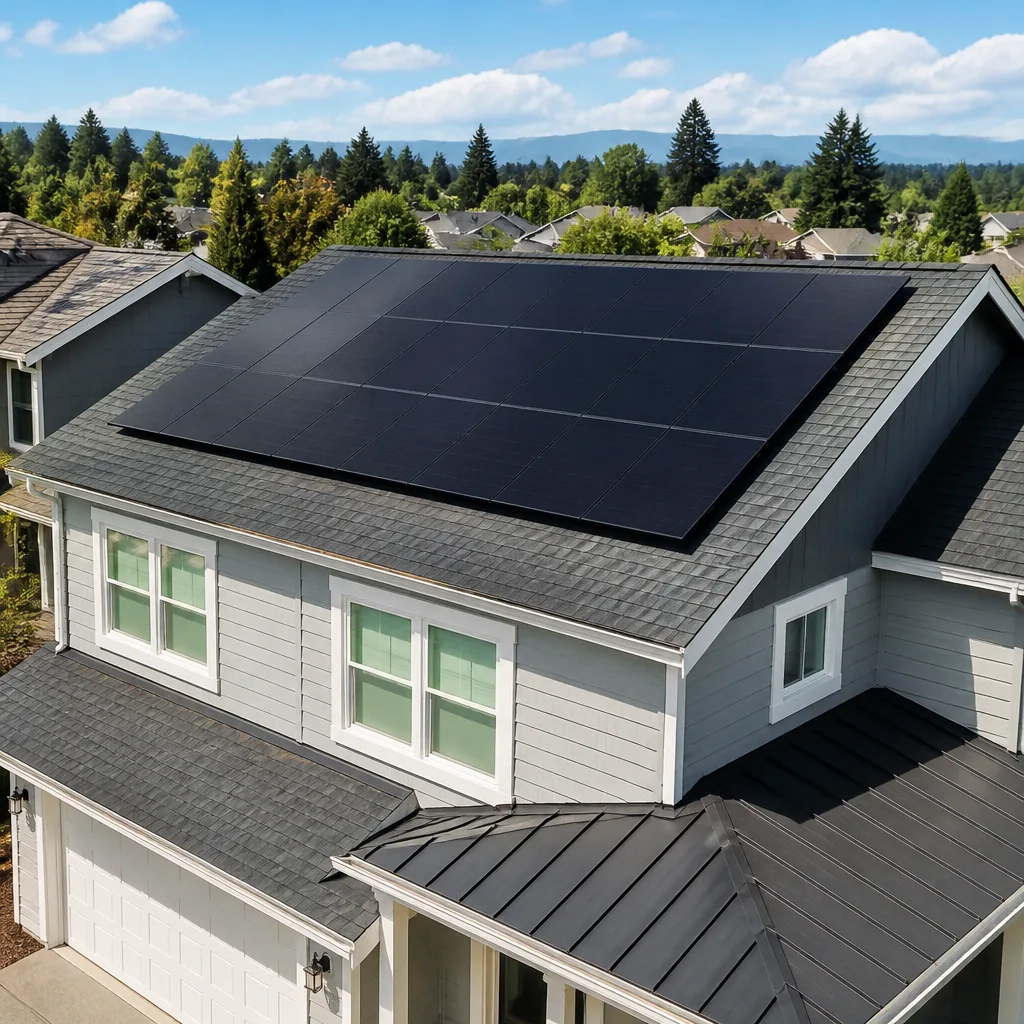
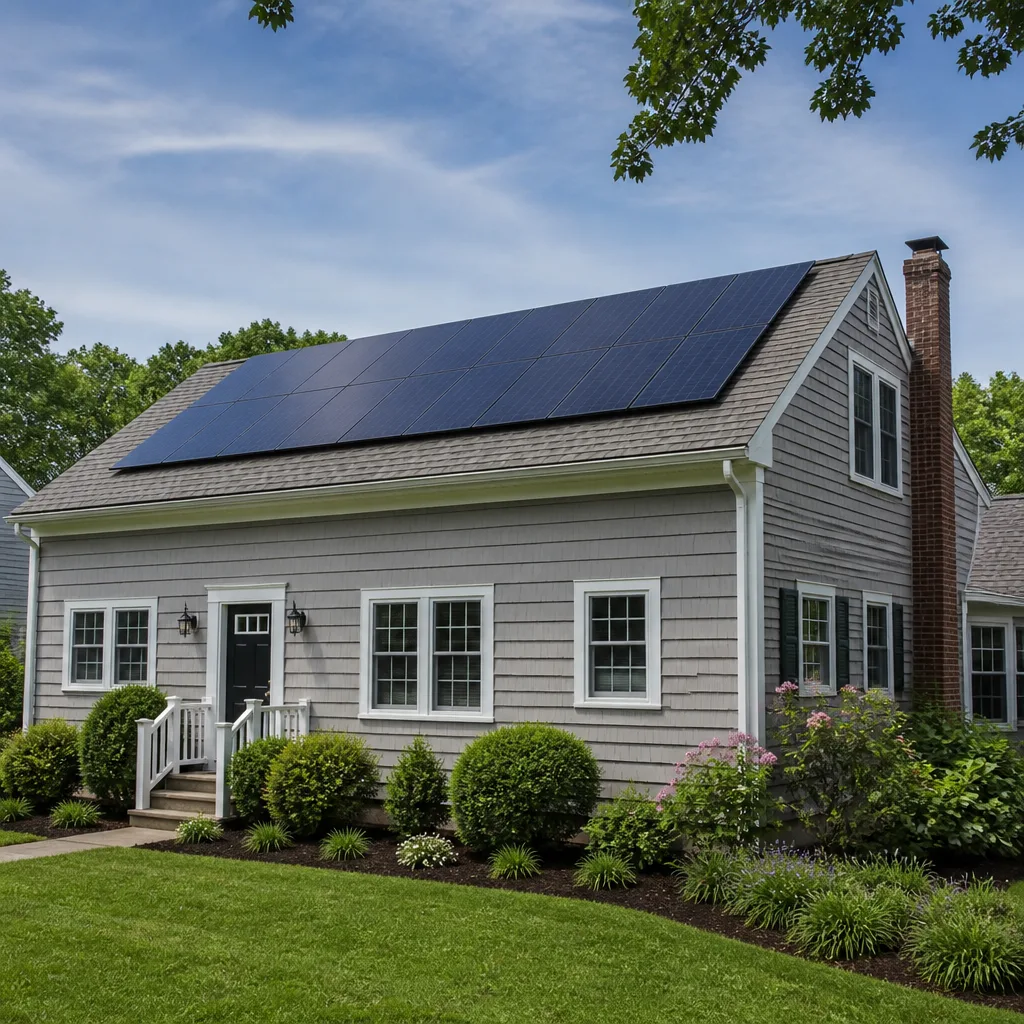
Professional SunPower solar panel cleaning in San Jose typically runs $150 to $350 for a full residential array, and we can usually be out within a few days. Most SunPower owners call us because their monitoring app shows output creeping downward even though the system is only a few years old, or they can see a layer of dust and pollen built up on the glass from their second-story window. SunPower panels are tough, but they still lose real production when they sit dirty, especially during San Jose’s dry summer months when rain doesn’t do the washing for you.
Here’s what we see most often: a homeowner notices their SunPower system producing 10 to 18 percent less than it did last spring, and the panels have a film of dust, bird droppings, or tree sap that hasn’t budged in months. That’s the SunPower-specific reality. Their panels are built for efficiency and long-term output, so even a thin layer of grime shows up in your production data faster than it would on cheaper panels. Gus Petrakis and our crew have cleaned SunPower systems throughout San Jose, Willow Glen, Evergreen, and the surrounding South Bay, and we see the same pattern every summer.
Which SunPower Models This Applies To
Our cleaning process works across the full SunPower residential lineup, including the A-Series, M-Series, X-Series, and the older E-Series and SPR models still running on rooftops around San Jose. SunPower panels use a solid copper foundation and a tempered anti-reflective glass coating that holds up well to cleaning, but it also means you don’t want harsh chemicals or abrasive brushes touching the surface. The glass is the same across series lines, so the cleaning approach doesn’t change from one SunPower panel to the next, but we always confirm the series and panel count before quoting.
One compatibility gotcha to know: SunPower systems often use integrated microinverters built into the panel frame, not a separate box on the wall. That doesn’t change how the glass is cleaned, but it does mean the panel itself has electronics inside, and you want someone who understands that before water gets involved. We clean SunPower panels with deionized water and soft-bristle brushes, then check that each panel’s production data looks right after. We’re an independent service provider, not affiliated with SunPower, which means we can give you straight advice about your system without running it through a corporate script. If you’re cleaning a system where the panels are no longer under warranty, it’s especially worth having someone who knows SunPower’s quirks take a look.
Signs Your SunPower Solar Panel Cleaning Is Overdue
- Production is down 10 to 15 percent with no obvious fault. SunPower monitoring gives you panel-level data, and when a whole row dips together, that’s almost always grime, not a wiring issue. A uniform drop across the array is the classic dirty-panel signature.
- Visible dust film or bird droppings on the glass. San Jose’s dry season means weeks without rain, and pollen from the East Foothills settles everywhere. If you can see it from the ground, it’s already costing you production.
- Water spots or mineral haze that won’t rinse away. Irrigation overspray and occasional rain leave calcium deposits on the glass that harden in the sun. Those spots shade cells underneath them and don’t come off with a garden hose.
- Sap, berry stains, or leaf debris in the corners of panels. If your array sits near oaks or fruit trees, sap bakes into the coating and blocks light in streaks. This is common in the Almaden and Los Gatos foothill areas.
- Your last cleaning was more than a year ago. SunPower panels are efficient enough that you’ll notice the difference a cleaning makes, but we recommend an annual or twice-yearly cleaning in San Jose depending on what’s near your roof. In wildfire season, ash from the hills can add another layer of buildup quickly.
Replacement Cost & What’s Included
For a typical San Jose home with 20 to 30 SunPower panels, a full cleaning runs $150 to $350. Smaller arrays of 10 to 15 panels usually land between $100 and $180. What moves the price: roof pitch and height, how much debris has accumulated, whether we need to clear gutters or remove tree coverage to access panels safely, and how long it’s been since the last cleaning. We don’t charge per panel, and we don’t add trip charges inside our own county.
Every cleaning includes deionized water, soft-brush cleaning by hand, a visual inspection of the panels and mounting hardware while we’re up there, and a before-and-after production check on your SunPower monitoring app when you have access to it. If we find a cracked panel, loose wire, or failing microinverter while we’re up there, we’ll tell you and give you a number for the fix, but we won’t upsell you on work you don’t need. The work is backed by our 90-Day Done Right Promise: if it’s not done right, Gus makes it right. One call brings us back, no arguing.
DIY or Call Us?
You can safely do some things from the ground: rinse panels with a garden hose on a cool morning, clear leaves and pine needles from the lower edges, and keep an eye on your SunPower app for production dips. What you shouldn’t do is get on a ladder with a pressure washer, a scrub brush, or a bucket of soap. SunPower’s anti-reflective coating is scratch-resistant but not scratch-proof, and a pressure washer can force water past the panel seals and into the electronics. A fall from even a single-story roof is life-changing, and it’s not worth saving a couple hundred dollars.
If the panels are on a second story or a steep pitch, or if there’s any risk of losing footing while reaching, we’d rather you call us. Here’s what I’d do if it were my roof: I’d watch the production data for another month, and if it’s still down from last year, I’d spend the money on a professional cleaning with deionized water and a soft brush. We answer the phone 24/7 at (877) 550-6892, and we’ll tell you honestly if a cleaning is worth it for your system or if something else is causing the drop.
FAQs
Most SunPower systems in San Jose do well with a cleaning once every 12 months, though homes near dusty roads, fruit trees, or the East Foothills often need twice a year. If your monitoring app shows a steady decline without rain to rinse things off, that’s your cue to book a cleaning. Call (877) 550-6892 and we’ll help you decide if it’s due based on your specific roof and surroundings.
Cleaning is almost always the right call when a panel is dirty, because SunPower panels themselves rarely fail, and a good cleaning restores most or all of the lost production. Replacement only makes sense if we find physical damage like a cracked face, a failed microinverter, or severe delamination. A cleaning costs a fraction of replacement and often tells us whether replacement is even worth discussing.
A typical 20 to 30 panel SunPower cleaning in San Jose takes 1 to 2 hours from setup to final production check, depending on access and how much buildup there is. We schedule a window, show up in uniform, and you’ll know exactly who’s on your roof before they climb up. Call us at (877) 550-6892 to get on the schedule.
Yes, our trucks carry deionized water systems, soft-bristle brushes, and everything needed to clean SunPower panels without scratching the glass or forcing water into the electronics. We also stock parts for SunPower, Tesla, Enphase, and SolarEdge systems if we find something that needs attention during the visit. If you want to do light rinsing between professional cleanings, we can point you to the right hose nozzle and technique.
If your SunPower panels are producing less than they should and you’re in San Jose or the surrounding South Bay, give us a call at (877) 550-6892. We’ll ask a few questions about your system, tell you what a cleaning would cost, and set up a time that works. No pressure, no signature tonight. Take two weeks if you want; the price will be the same.
Written by Gus Petrakis, Owner, Gus’s Solar at Gus’s Solar, serving San Jose and nearby areas.