
Free bill analysis - bring a power bill, get the production math for your actual roof, panel brands like Qcells and REC compared side by side
If the pitch starts at your door and ends with "sign tonight for the special," sleep on it. The sun will still be there tomorrow; so will we.
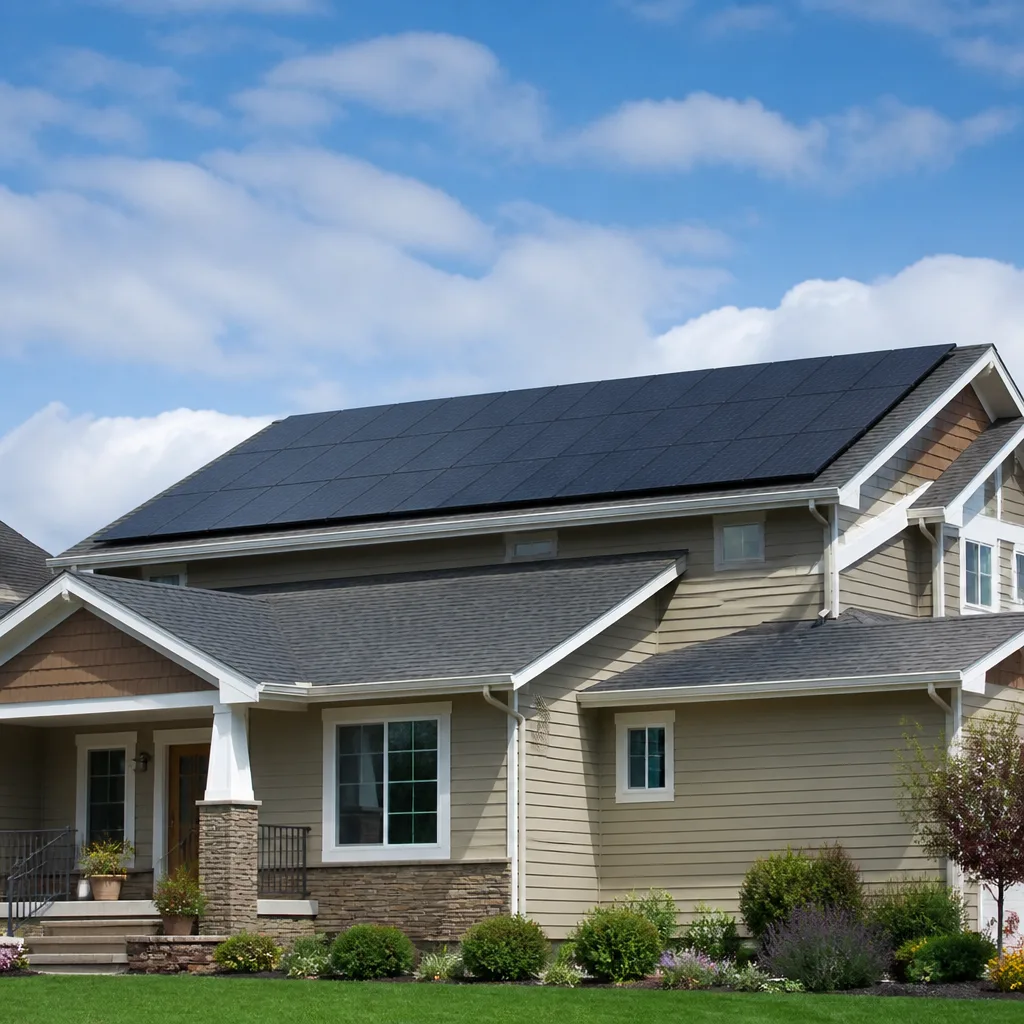
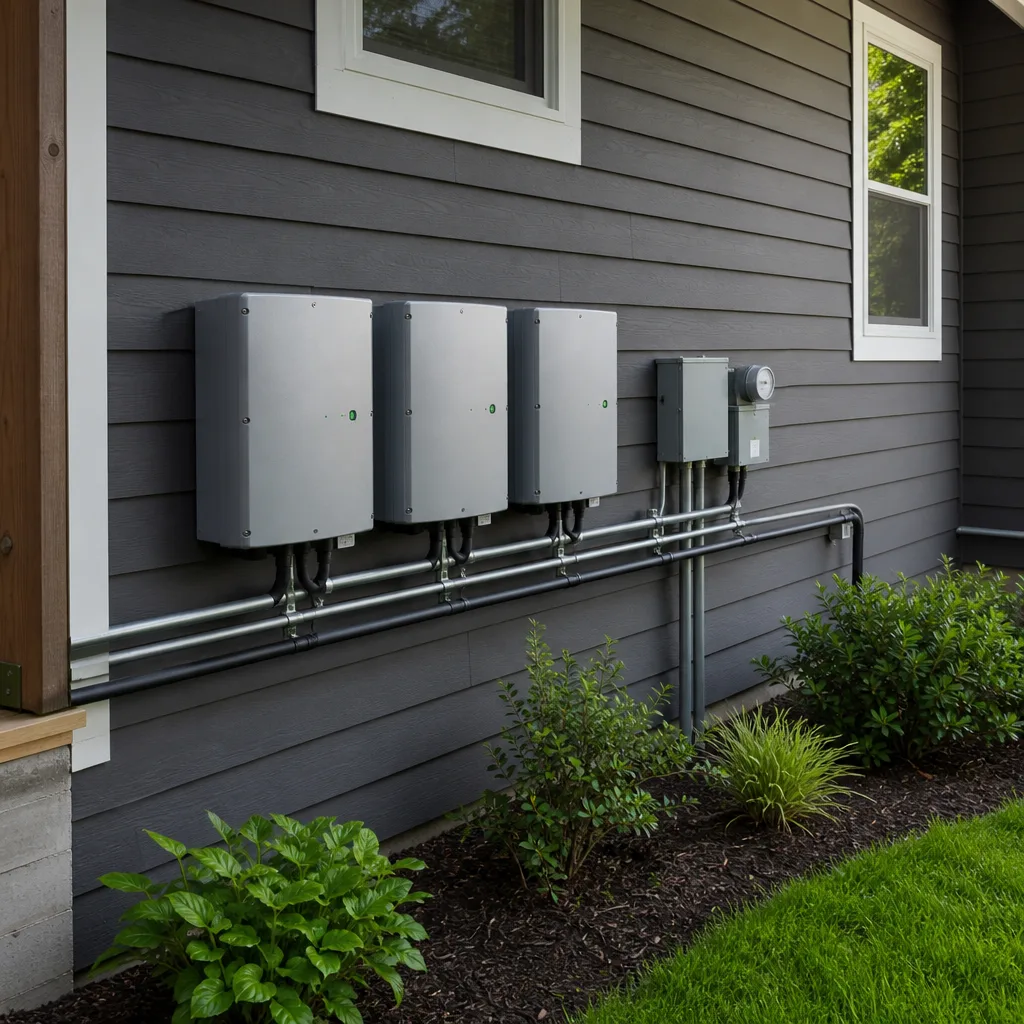
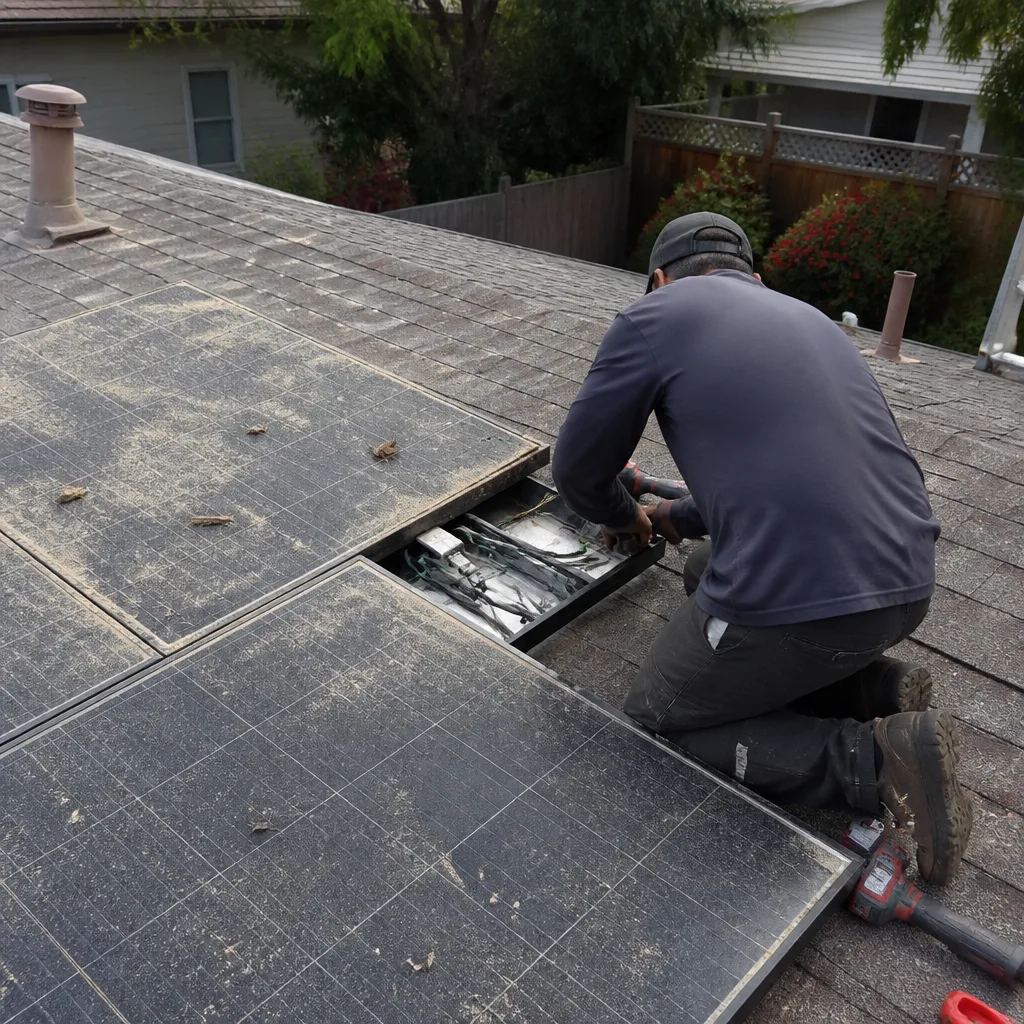 Before
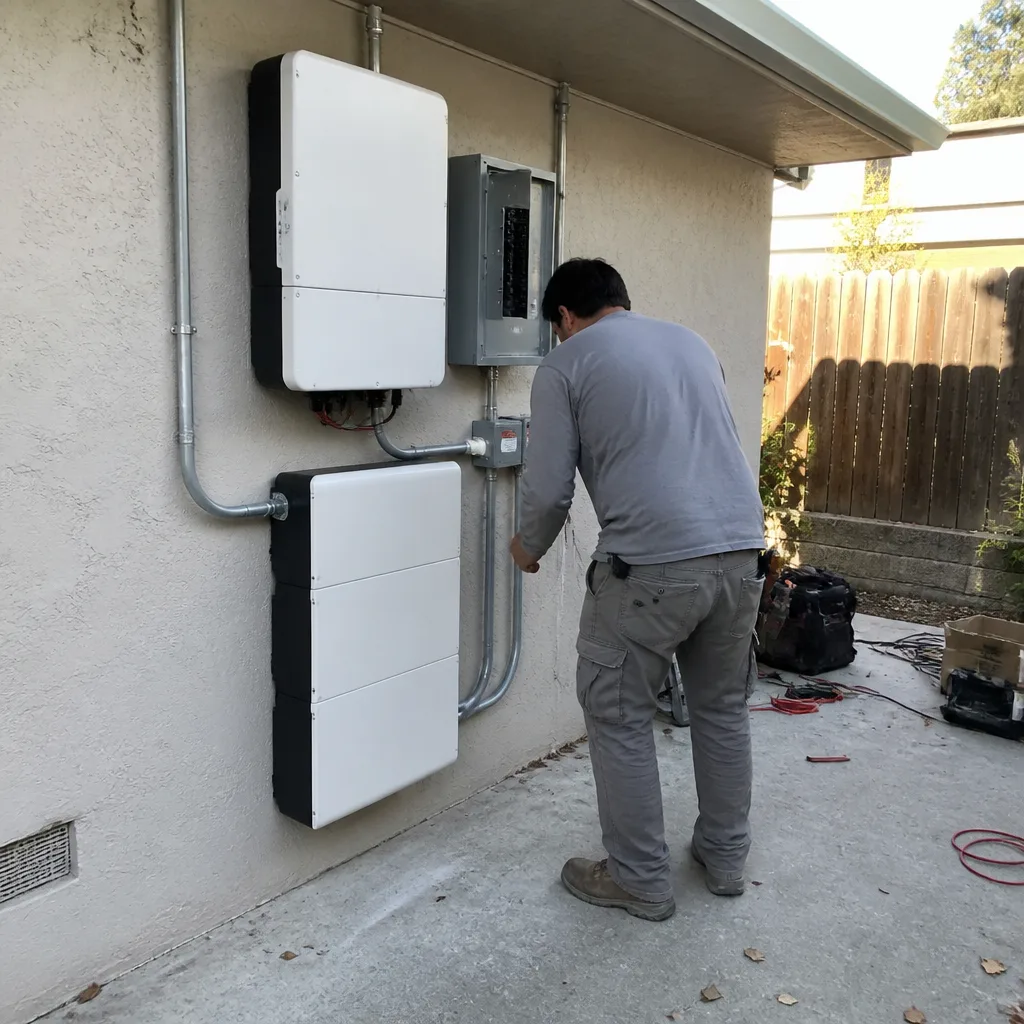 After
After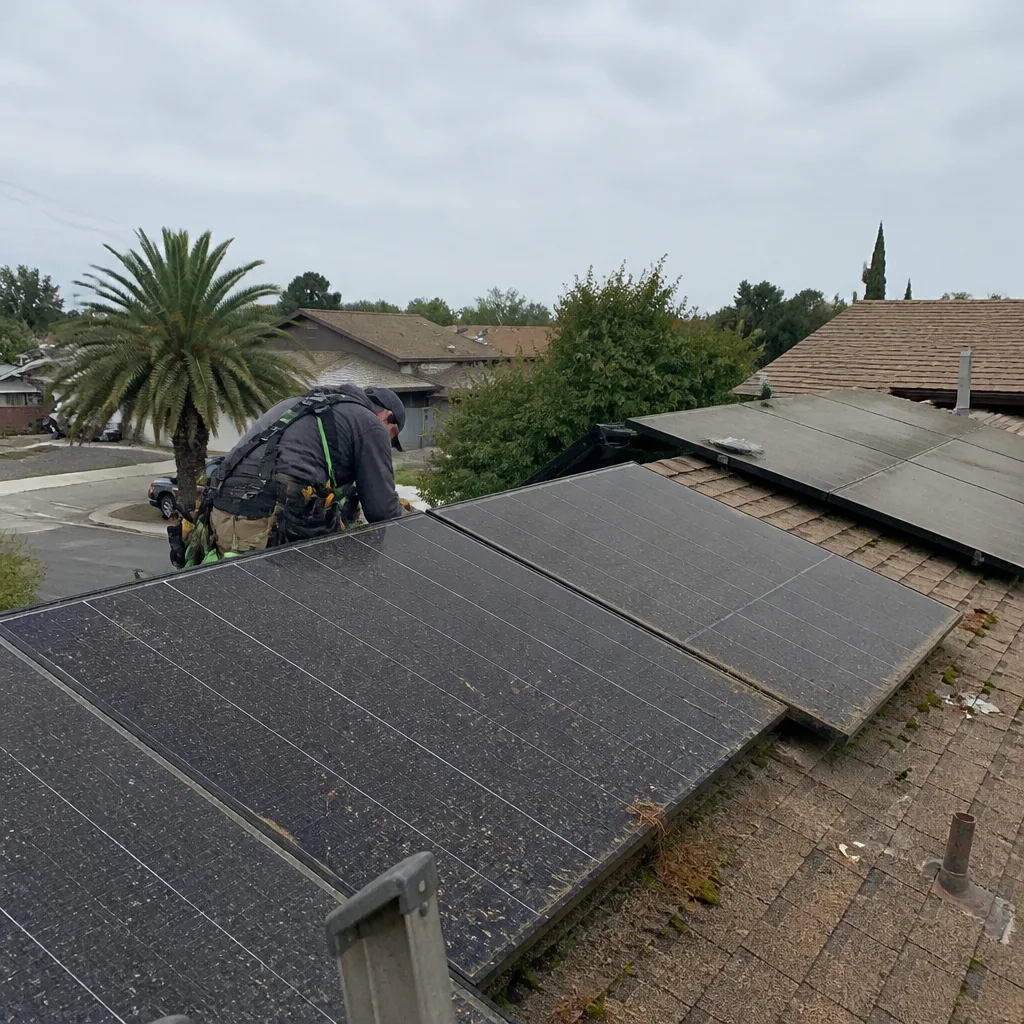 Before
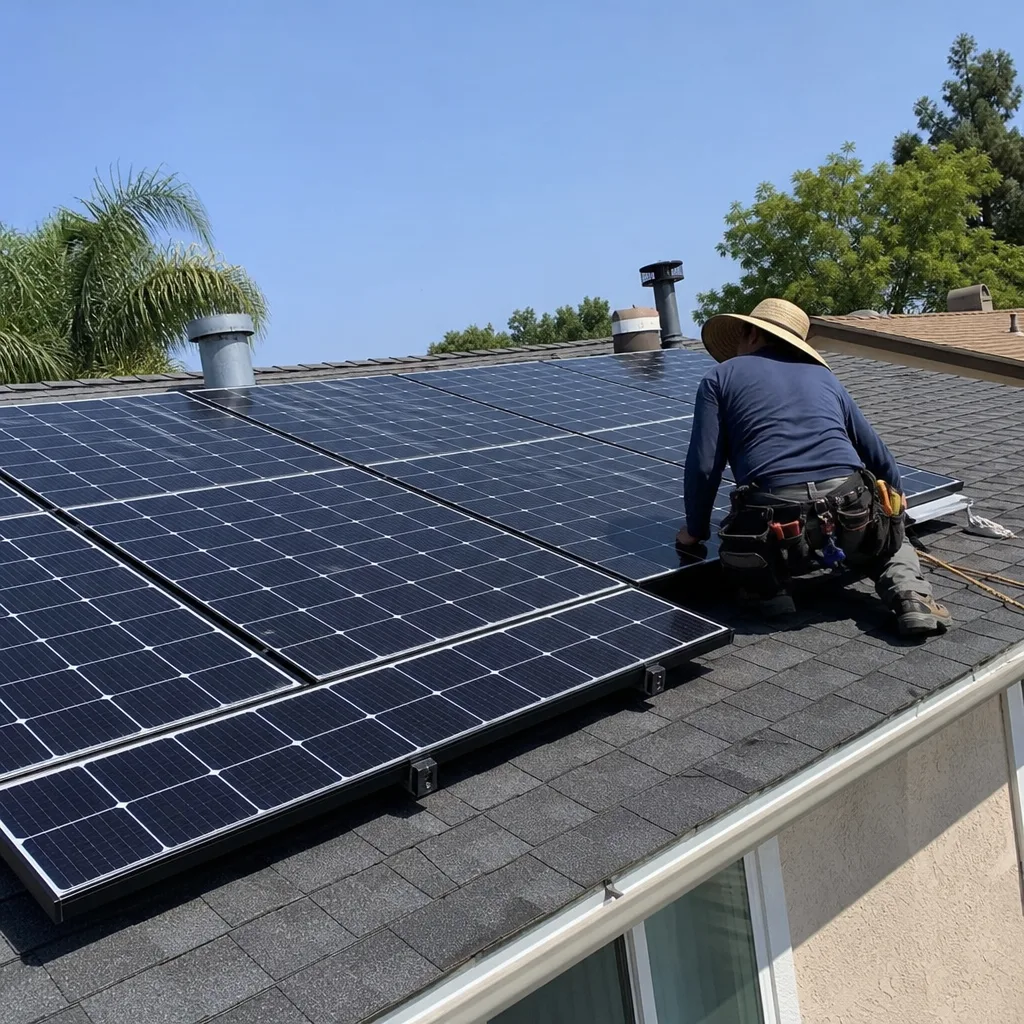 After
After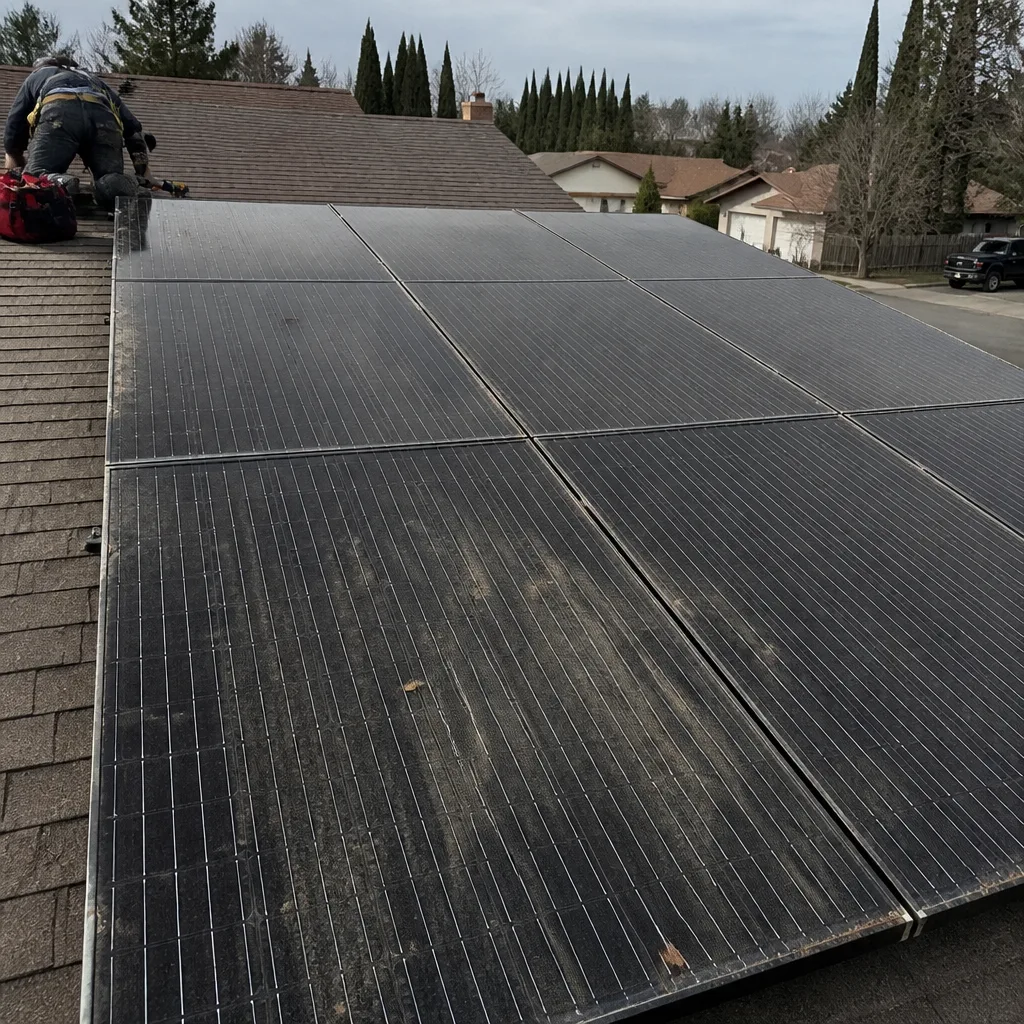 Before
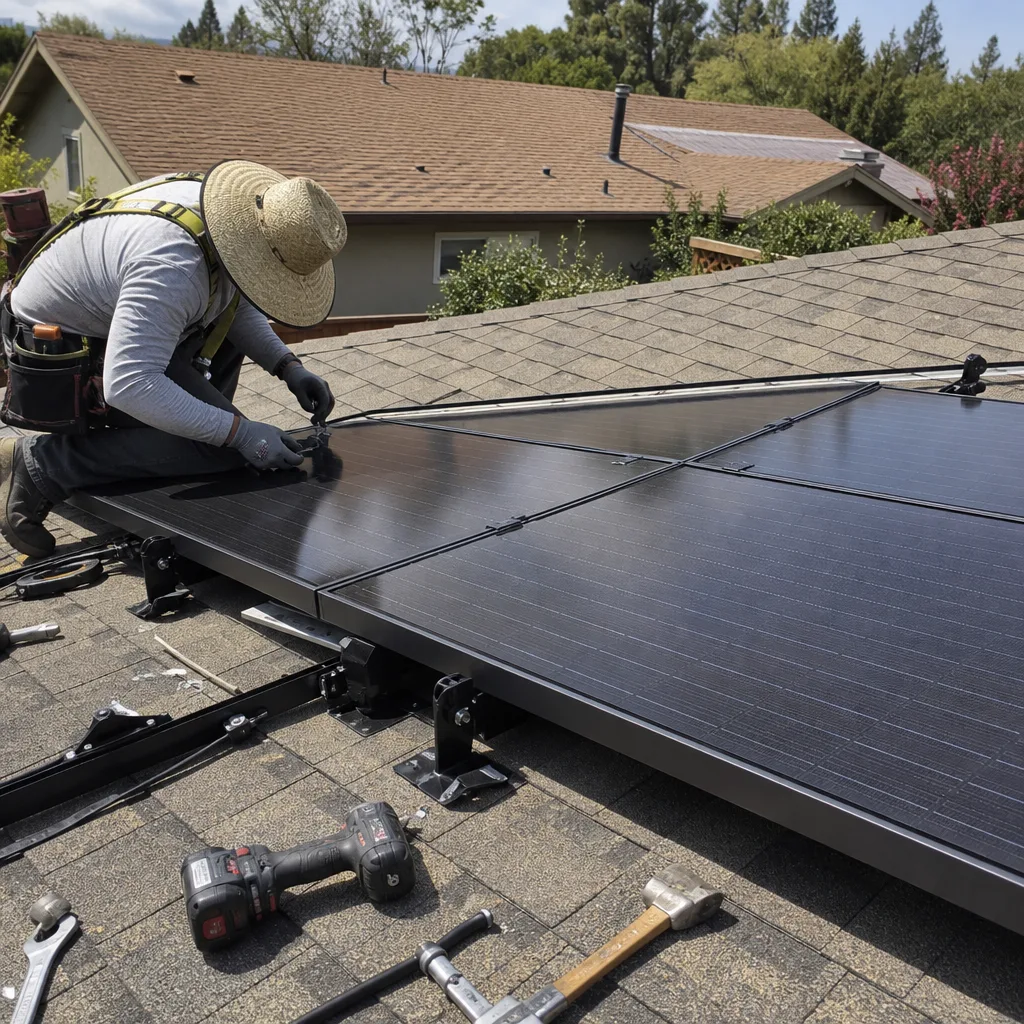 After
AfterREC EV Charger Installation: The San Jose Owner’s Guide
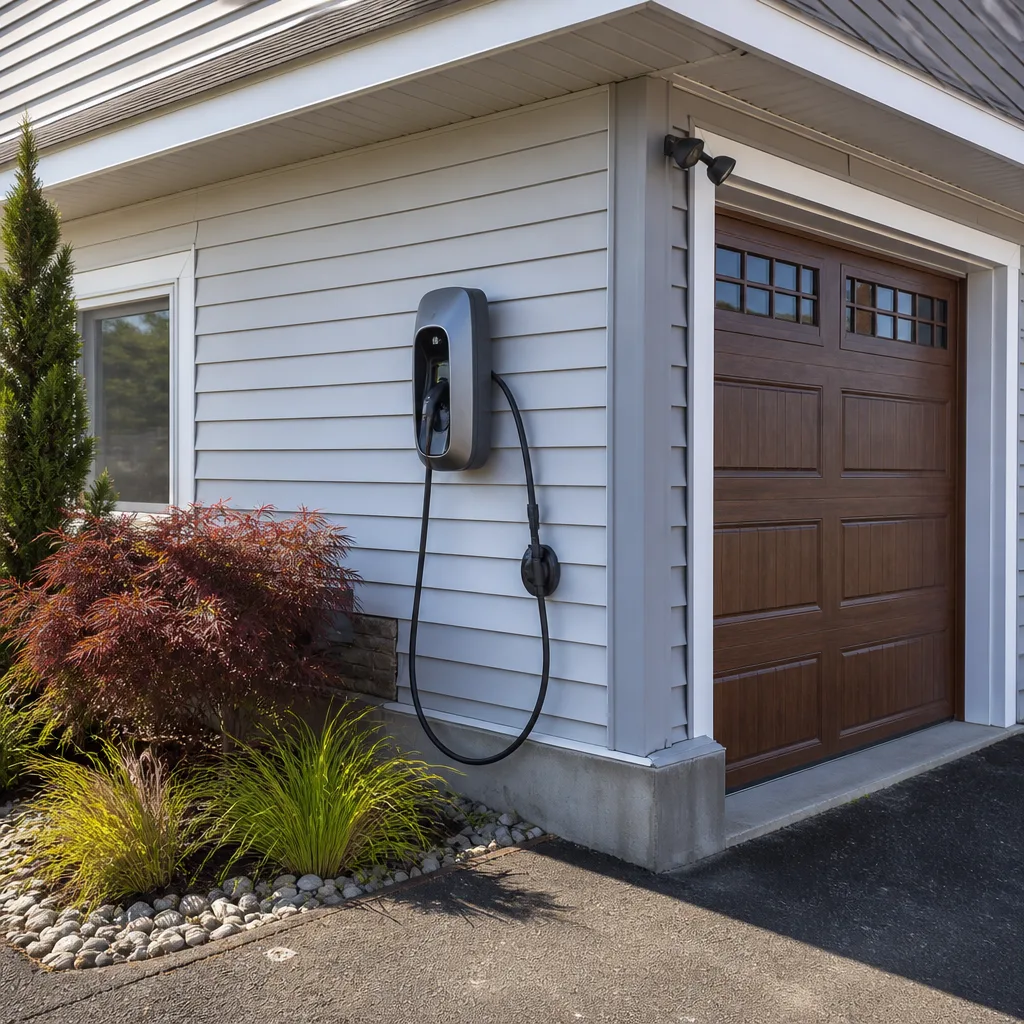
If you have an REC solar array on your San Jose home and want to charge an EV off it, you need a charger circuit that talks correctly to your inverter and panel setup. We install REC-compatible EV charger circuits across San Jose every week, with typical turnkey pricing between $1,400 and $3,200 depending on panel capacity and run distance. Same-week scheduling is standard, and we keep Enphase, SolarEdge, and Tesla parts on the truck alongside REC-spec gear so we’re not making you wait on a second trip.
Most San Jose owners call us after they add an EV to the driveway and realize their existing electrical panel is out of headroom, or after a contractor quoted them a number that did not include the panel derate the city inspector will insist on. By the time the phone rings, someone has often already bought a charger and is trying to figure out how to make it work with a 100-amp panel and a 2008 code cycle. That is the part we fix.
Key takeaways:
- Typical REC-compatible EV charger install in San Jose runs $1,400 to $3,200 installed.
- The charger itself is about 25 to 35 percent of the job; the rest is the circuit, the panel work, and the permit.
- San Jose code requires a dedicated circuit, a load calculation, and usually a permit for a new 240V circuit.
- We install charger circuits that work with REC, Enphase, SolarEdge, and Tesla battery systems.
- Gus’s Solar is an independent service provider; we are not affiliated with REC. We stock and install their gear because it is good gear.
Which REC Models This Applies To
REC panels themselves do not talk to your EV charger. What matters is the inverter and the home’s electrical architecture. Most San Jose homes with REC panels run either an Enphase microinverter system or a SolarEdge string inverter, and the charger circuit we build has to match that system’s grounding and breaker layout. The charger is a circuit load, not a panel accessory; the REC part of the equation is that your array was likely sized for a pre-EV household, and now the charger is competing for the same panel headroom.
The compatibility question that actually bites people in San Jose is panel ampacity. If you have a 100-amp main panel, a 40-amp charger circuit will often push the load calculation over the line. The city inspector wants a line-item load calculation, not a handshake. On 200-amp panels the install is usually clean and quick. On 100-amp panels we typically quote a derate or a small subpanel, which changes the price by several hundred dollars. This is the number one thing a phone quote gets wrong. The second gotcha is older REC systems with a line-side tap already in place; adding a second tap is often disallowed, so we route the charger through a backfed breaker instead. These are the details that determine whether your inspection passes the first time.
When we spec the charger itself, we prefer units that play well with a solar-aware home: load-managed chargers that throttle when the panel is near capacity. We install the charger brand you want, but if you ask us what we would put on our own wall in San Jose, it is a load-managed unit every time. It costs about $100 more and it saves you the whole upgrade conversation on a tight panel.
Signs Your REC EV Charger Installation Is Failing
- Charger trips the breaker mid-session. The circuit is running too hot for the breaker rating, usually because a previous installer undersized the wire or did not derate for San Jose attic temperatures. We see this on summer afternoons when the garage hits 110 degrees and the wire is already warm.
- Car charges fine at night, throttles or faults during the day. This points to a load-management setting that is fighting your REC system’s midday production curve. The charger thinks the panel is maxed when it is not, or vice versa.
- The charger works but your home’s lights flicker when it ramps up. That is a loose neutral or an undersized main service. It is not a charger defect; it is a panel-level problem the charger exposed.
- Burnt-smelling outlet, warm faceplate, or discoloration at the plug. Do not run the charger. Kill the breaker and call us. This is the one where we tell you plainly: an EV charger circuit that is arcing will start a fire. It is not worth the diagnosis fee savings. Shut it off.
- Intermittent communication errors between the charger and the home energy monitor. Often a firmware mismatch or a bad run of control wire. Not dangerous, but it defeats the point of charging from your REC array when production is highest.
We have seen every one of these in San Jose, from Willow Glen to Almaden to the Cambrian Park split-levels. The fix is usually straightforward once we trace the circuit. What we will not do is tell you to keep using a component that is failing in a way that heats up. That is a line we hold.
Replacement Cost & What’s Included
Here is the honest San Jose pricing picture, not a teaser rate. A straightforward charger circuit install where the panel has headroom and the garage is near the panel runs about $1,400 to $1,900. Add a derate or a small subpanel and you are at $2,200 to $2,800. If the run is long, through finished drywall, or needs a service upgrade to 200 amps, you are at $3,000 to $3,200 and up. Here is what the number includes:
- Parts: the charger (we install the brand you choose at our cost plus a modest markup), the breaker, the wire, the conduit, and a hardwire disconnect where code requires it.
- Labor: Gus’s own crew does the work. No subs, no day-labor. Uniformed, background-checked, and they have done this before.
- Permit: we pull it, we schedule the inspection, we are on-site for it. San Jose permits run $75 to $450 depending on scope.
- Warranty: the charger carries its manufacturer warranty. Our workmanship carries our 90-Day Done Right Promise, in writing. If it is not right, Gus comes back and makes it right.
- No-hassle pricing: the number we quote is the number you pay. No change orders because the inspector frowned at something we should have seen.
Bring me a bill, I’ll bring you the math. If you show us your PG&E bill and tell us how many miles you drive, we will tell you what the charger will actually cost you per month at San Jose rates. That is a number nobody else quotes because it makes the savings honest. Call (877) 550-6892 and we will walk you through it.
DIY or Call Us?
Here’s the straight version. You can safely do a few things yourself: confirm your panel amperage by reading the main breaker, measure the distance from the panel to your parking spot, and check whether you already have a 240V outlet in the garage. That information makes our phone quote accurate, and it costs you ten minutes.
What you should not do, ever, is open the panel and start adding breakers on a home with an REC solar system already backfeeding into that same panel. A solar-integrated panel has live current on buses that do not de-energize when you kill the main. The shutdown procedure is not the same as a non-solar panel, and getting it wrong is not a learning experience. It is a hospital visit. We have done this for 29 years, and we still treat every live panel like it has something to prove.
If the install is straightforward and you want to do it yourself with a permit, we will sell you advice for free over the phone. If you want it done right and inspected, call (877) 550-6892. Here’s what I’d do if it were my roof: I would not let a non-solar electrician touch a panel that a $30,000 REC array is feeding into. This is the one place where the roofer’s cousin is the wrong guy.
FAQs
A hardwired charger circuit installed with properly sized wire and a real permit should last 20 to 30 years in San Jose, with the charger itself typically needing replacement at the 8 to 12 year mark. Heat is the main killer here, so a garage-mounted charger in Almaden lasts longer than one bolted to a south-facing exterior wall in full sun. We see chargers from 2014 still running fine and chargers from 2019 cooked by direct afternoon exposure. Call (877) 550-6892 and we will tell you honestly how yours looks.
Yes, about half our San Jose EV charger calls are repairs, not fresh installs. Loose lugs, an undersized breaker that a previous installer used because it was on the truck, a burnt outlet, a failed manual disconnect. Those are all repairable at a fraction of a new install, typically $350 to $900. We start every service with diagnosis, and if it is not worth fixing we will say so. Call (877) 550-6892 for a straight answer.
A standard panel-to-garage install with available panel headroom takes one day on-site, usually 4 to 6 hours. Permitting and inspection add 1 to 2 weeks depending on San Jose’s current inspection backlog. A panel derate or subpanel adds half a day. We schedule the job, pull the permit, do the work, and sit with the inspector so you do not have to take off work. Call (877) 550-6892 and we will give you a real date.
We stock load-managed chargers and the standard breakers, wire, conduit, and disconnects for an REC-integrated home on every truck. We also stock Enphase and SolarEdge consumption monitors for systems that need them. If you want a specific charger brand we do not carry, we will tell you where to buy it and install it for a flat labor price. Either way, no second trip because we forgot a part. Call (877) 550-6892 with your panel photo and we will know before we show up.
Written by Gus Petrakis, Owner, Gus’s Solar at Gus’s Solar, serving San Jose and nearby areas.