
Free bill analysis - bring a power bill, get the production math for your actual roof, panel brands like Qcells and REC compared side by side
If the pitch starts at your door and ends with "sign tonight for the special," sleep on it. The sun will still be there tomorrow; so will we.
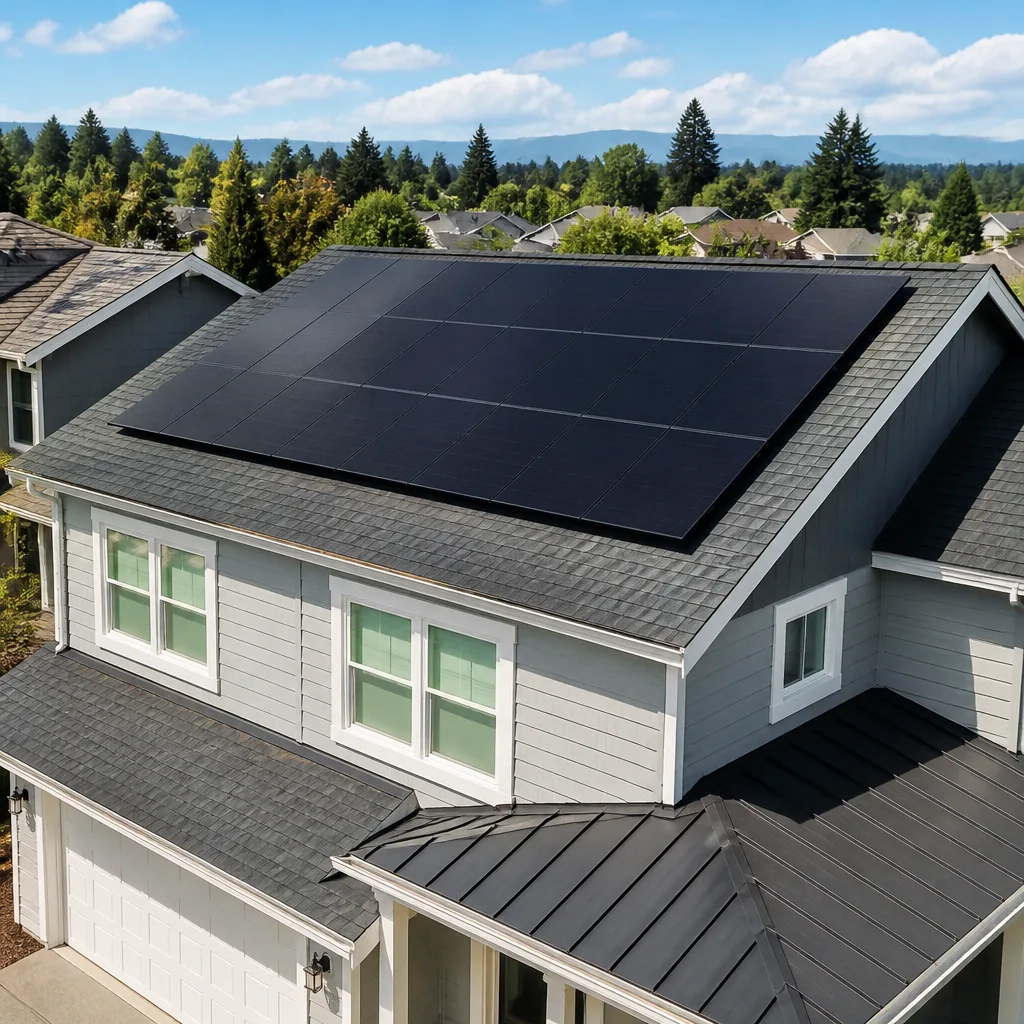
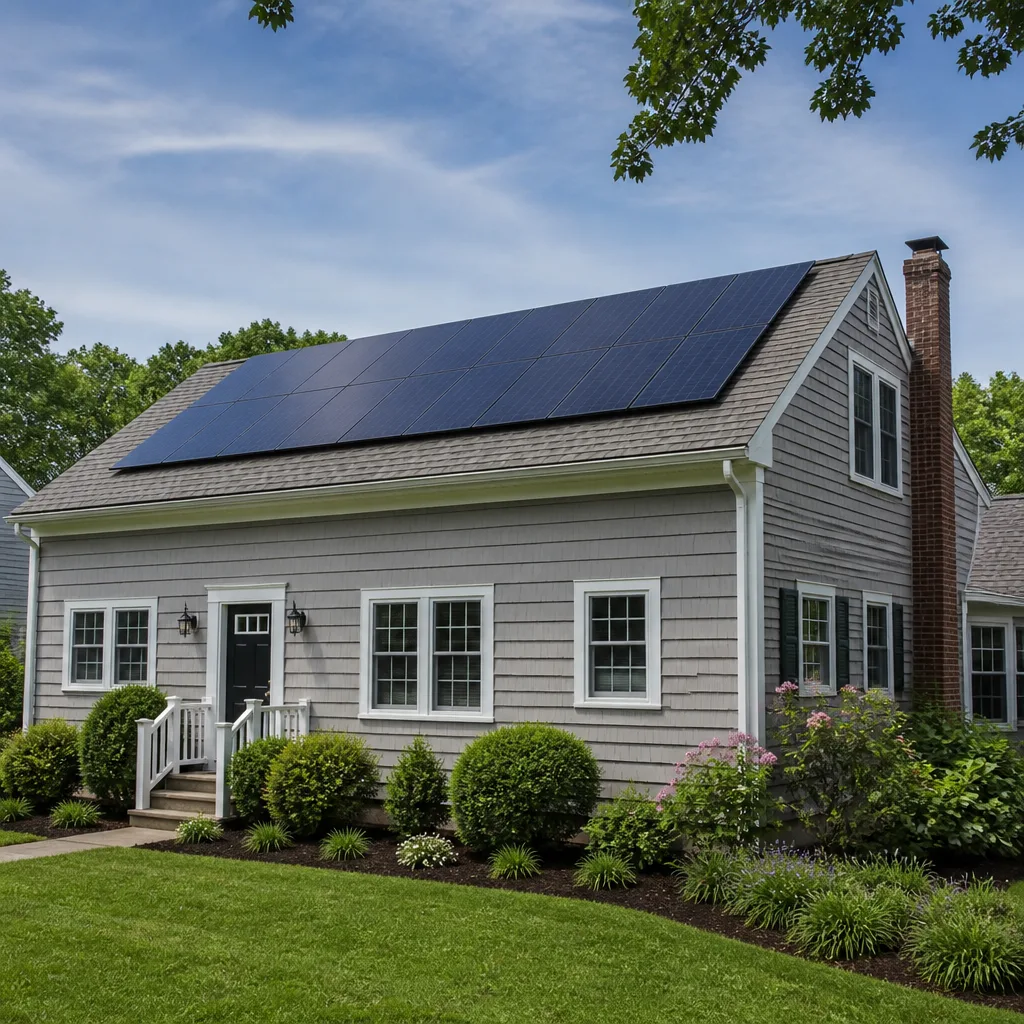
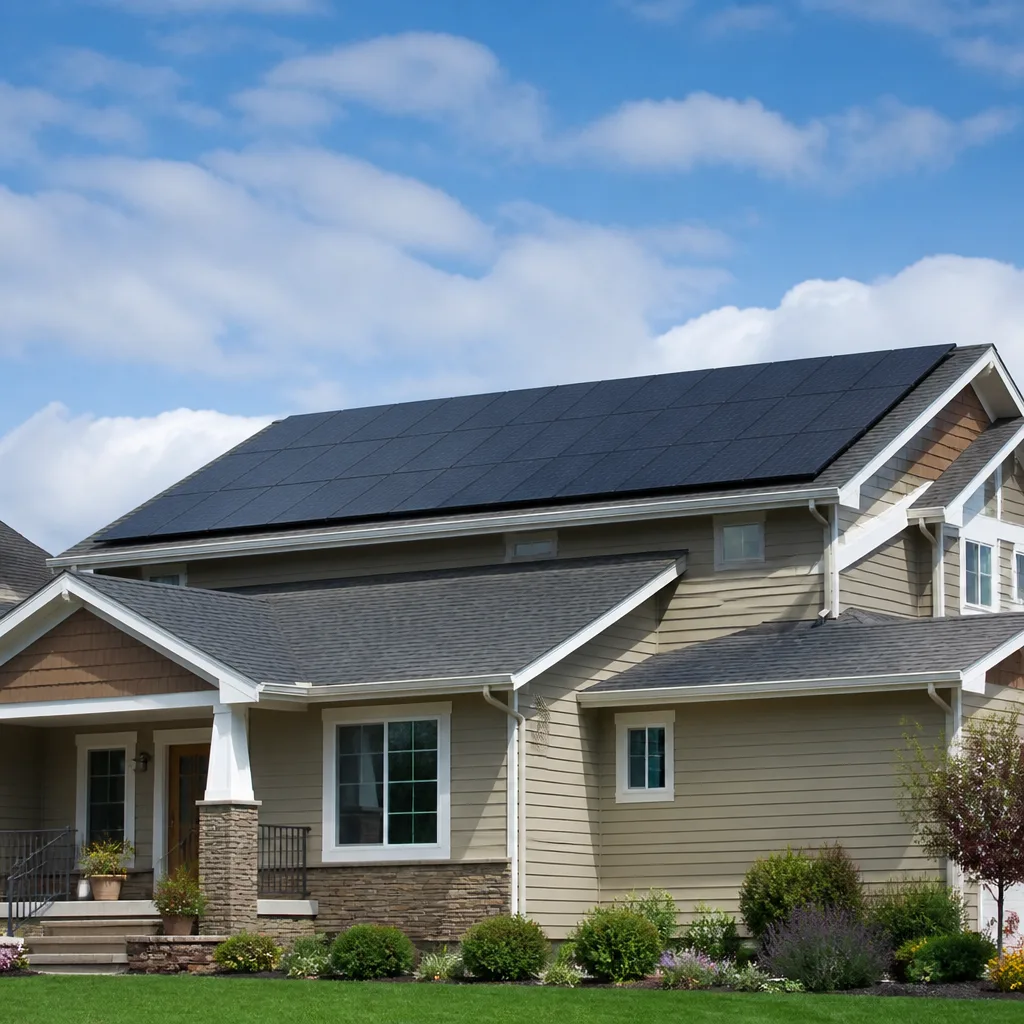
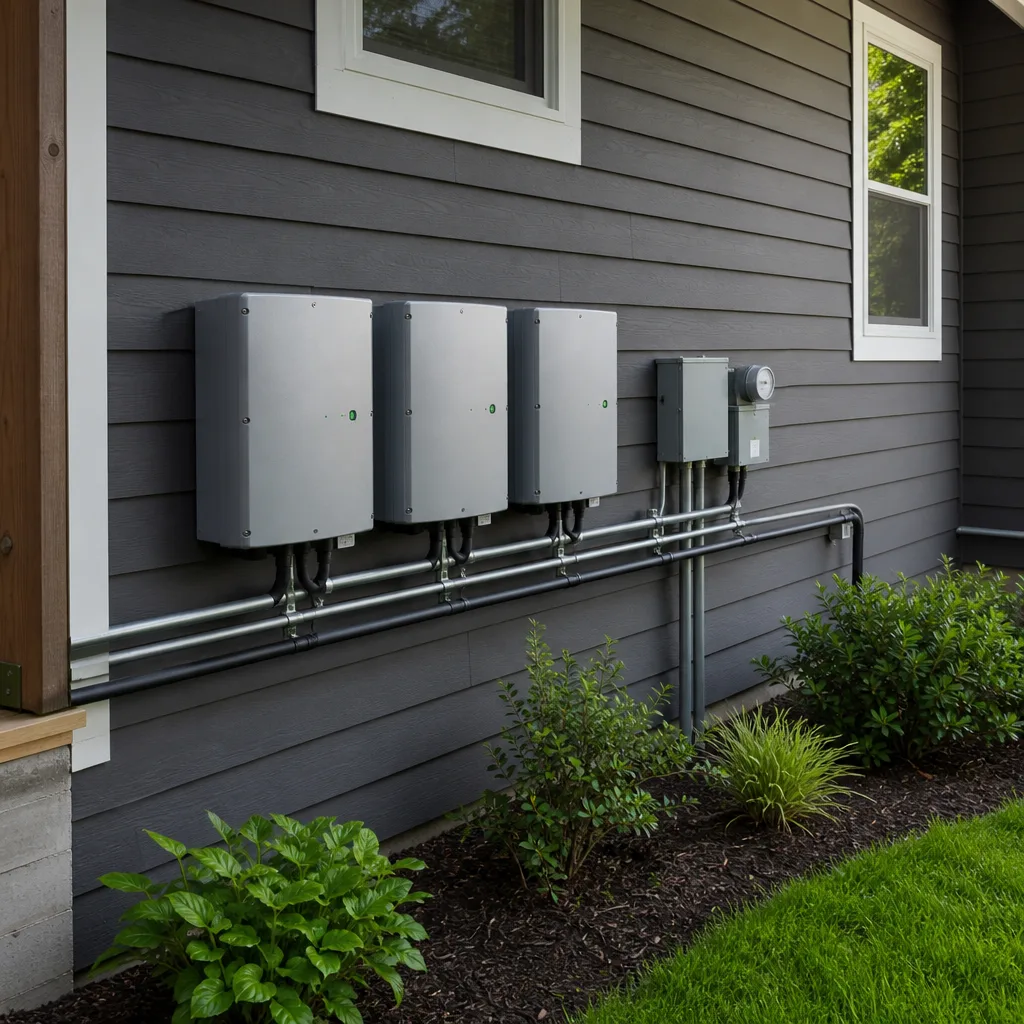
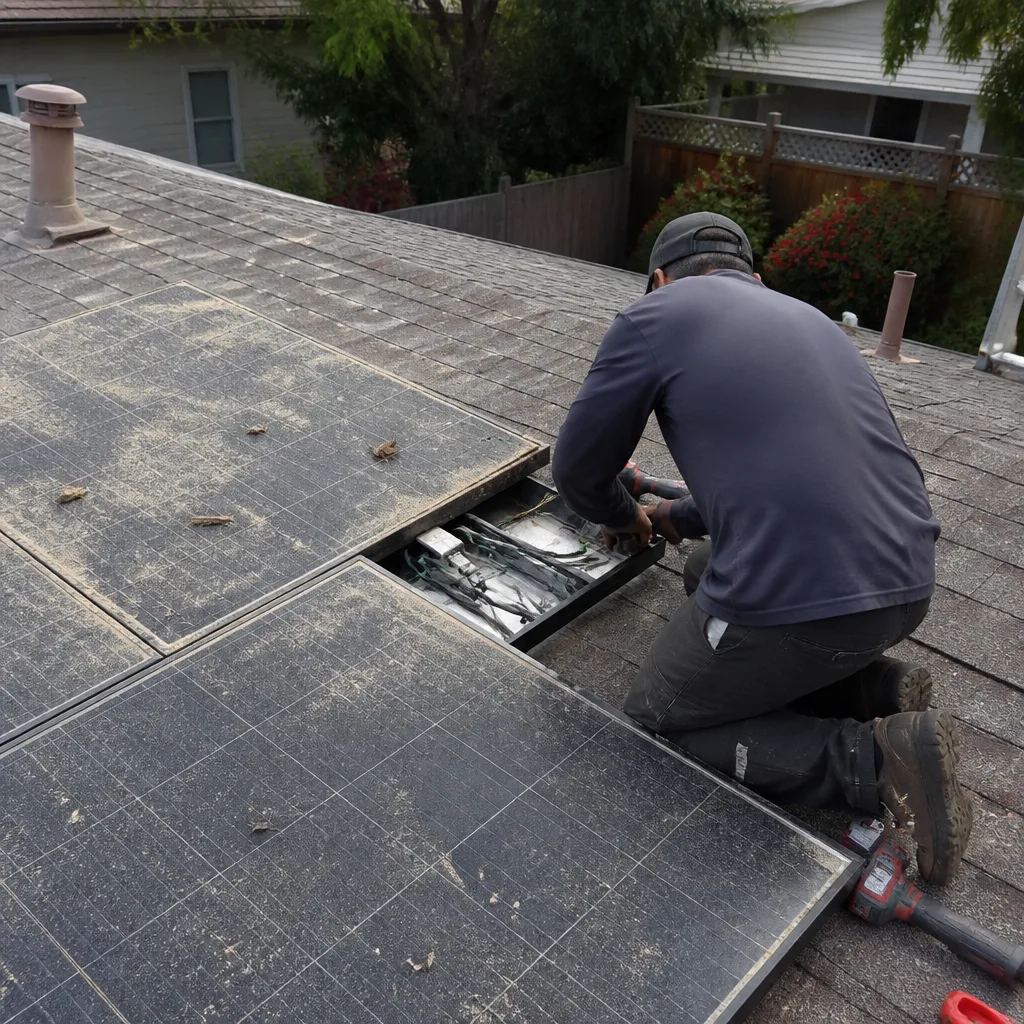 Before
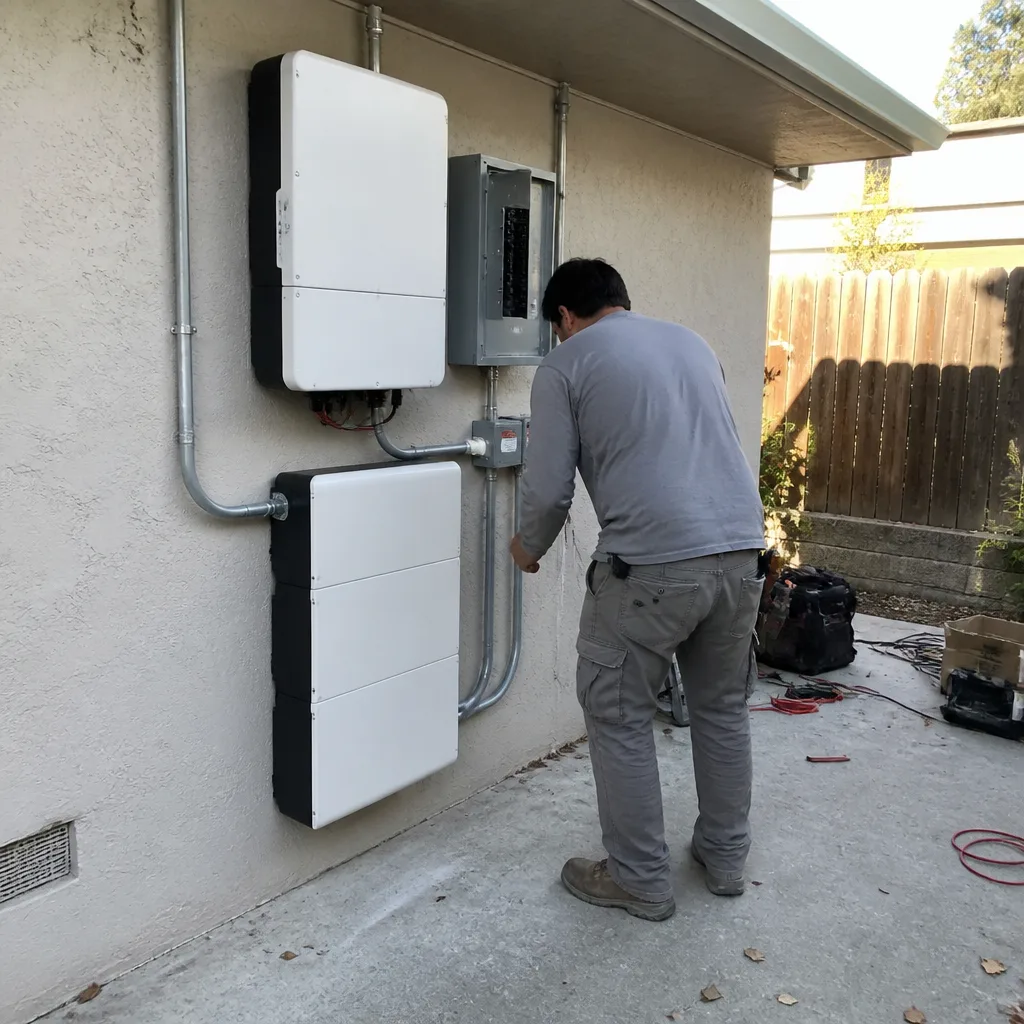 After
After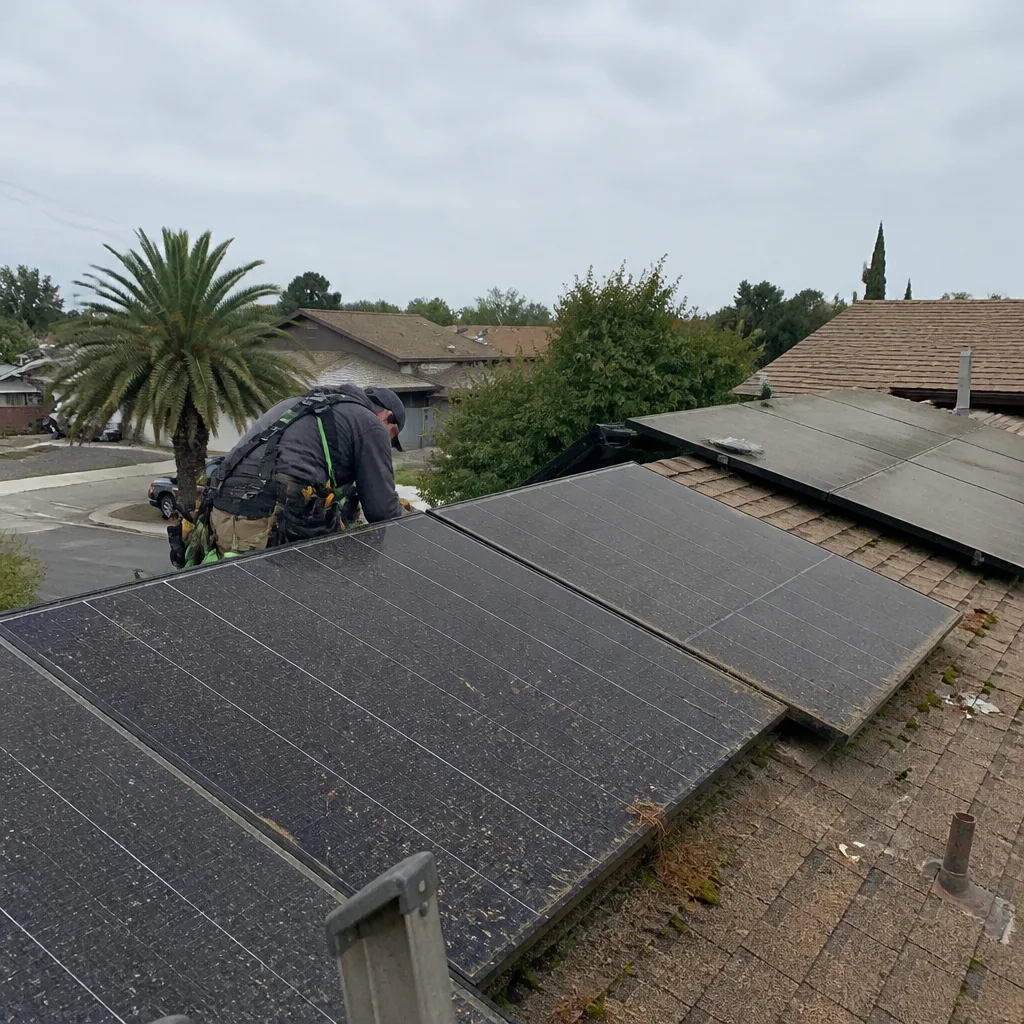 Before
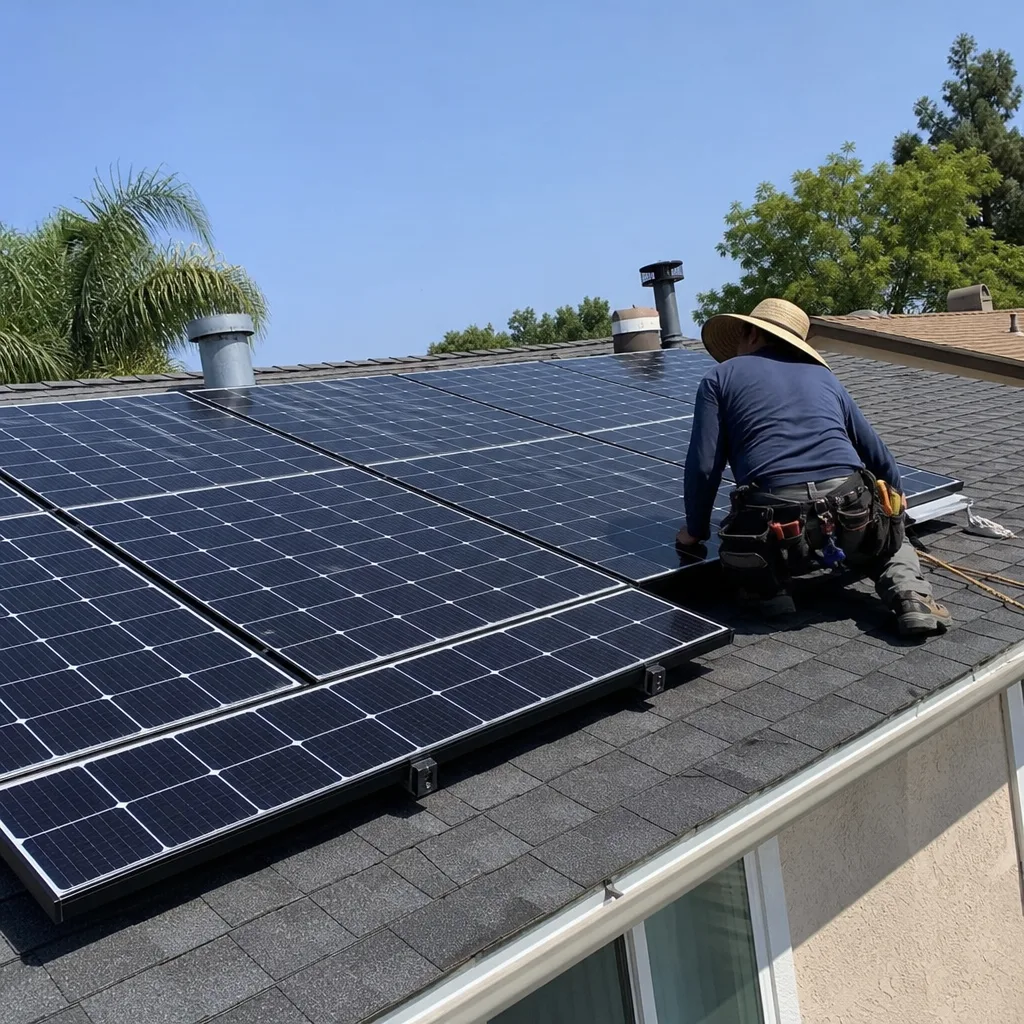 After
After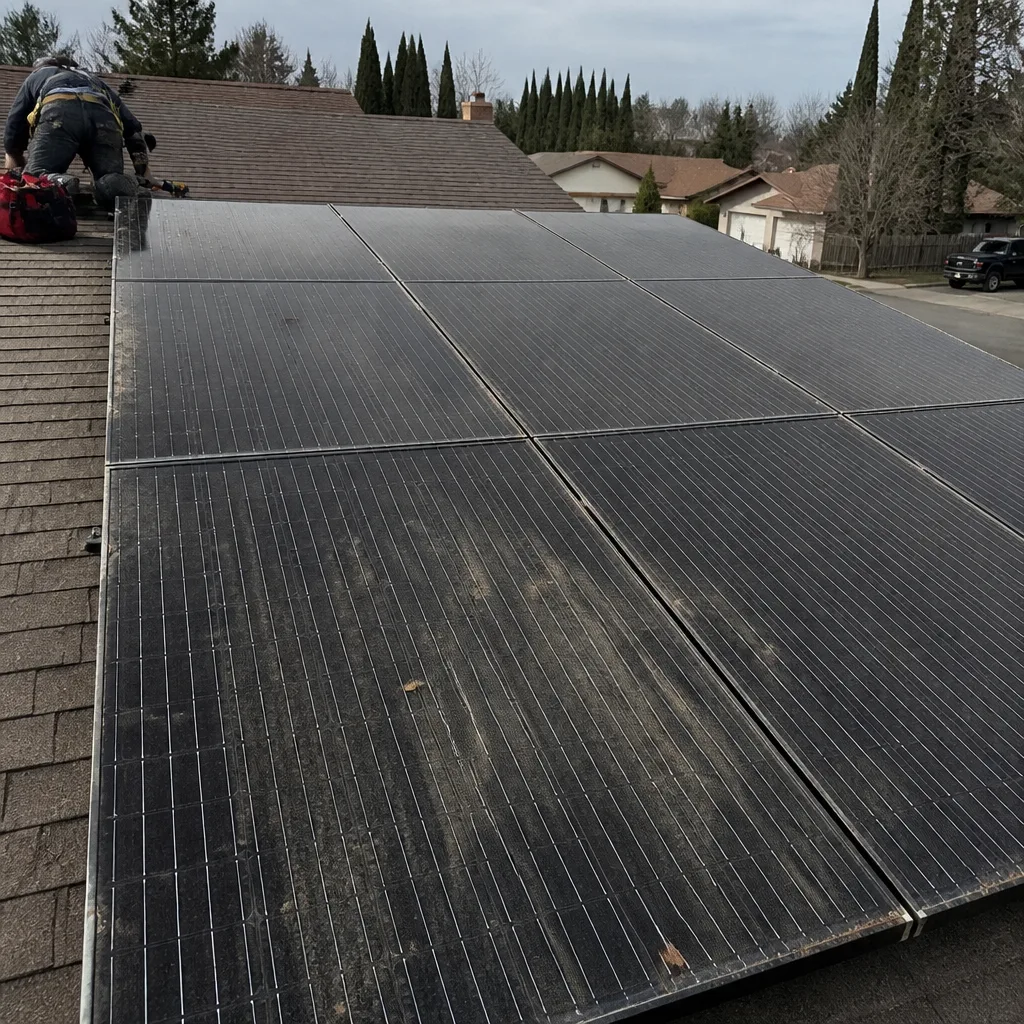 Before
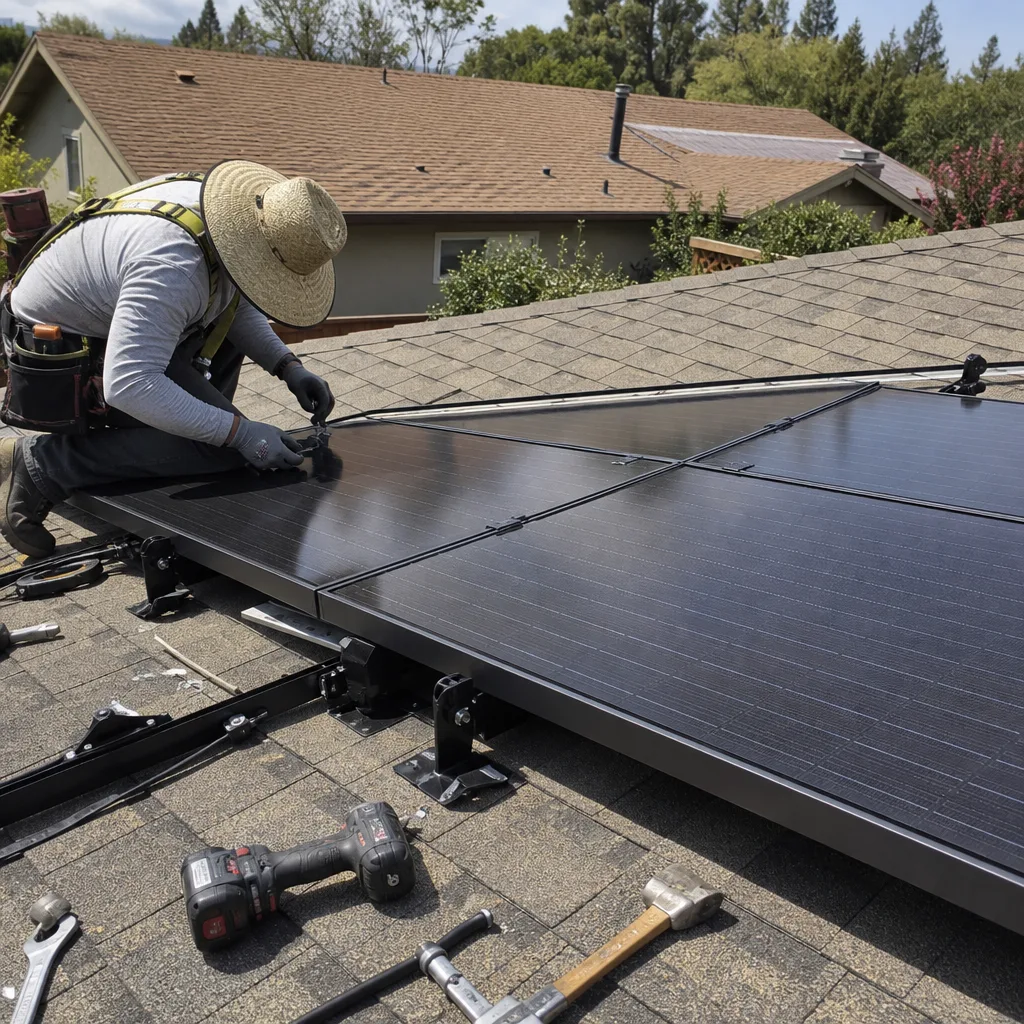 After
AfterREC Solar Panel Cleaning: The San Jose Owner’s Guide
REC solar panel cleaning in San Jose typically runs $149 to $289 for a full residential array, and we schedule most cleanings within 3 to 5 business days. REC panels are built with a hydrophobic anti-reflective coating that sheds water better than most brands, but San Jose’s dry summers layer fine dust, pollen, and ash onto that coating until it can’t do its job. The panels don’t so much “fail” as they slowly lose output, usually 5% to 15% depending on how many months of grime have accumulated and whether birds have taken an interest in your rooftop.
Here’s the symptom picture: your February production looked fine, but by August your monitoring app shows a steady slide. You’ve had a few windless weeks, maybe a wildfire season that left a film on everything. REC panels are among the best in the industry, but no panel cleans itself. The good news is this is the cheapest performance fix in solar, and it’s one of the easiest services we do. If you’re in San Jose and your REC array is underproducing, a cleaning is the first thing to try before you call about a repair.
Key Takeaways:
- REC panel cleaning in San Jose costs $149-$289 for most homes; larger arrays or steep two-story roofs run toward the high end.
- REC’s anti-reflective coating means less frequent cleaning than older panels, but San Jose dust and wildfire ash still cut output measurably over time.
- We’re an independent San Jose shop, not affiliated with REC. We work on every REC model currently on Bay Area roofs and we bring our own water.
- Cleaning is safe to have done and risky to DIY on a two-story roof. We’ll cover that honestly below.
Which REC Models This Applies To
Every REC panel on a San Jose roof today is fair game for cleaning, from the older REC Peak Energy series you might have installed back in 2015, to the REC TwinPeak and TwinPeak 2 lines, through the current REC Alpha Pure and Alpha Pure-R series. One thing that separates REC from a lot of other panel makers: the frame profile and the glass coating stay remarkably consistent across model years. That means our cleaning process, from water filtration to brush pressure to rinse pattern, doesn’t change much from one REC panel to the next. The main variable is roof access, not the panel itself.
If you’re not sure which model you have, look at the label on the underside of the frame near the junction box. That white sticker lists the model number and wattage. Alpha Pure panels are all-black with a thin frame; TwinPeak 2 panels have the distinctive split-cell look with two rows of cells separated by a thin line. For cleaning purposes, the relevant distinction is whether your REC panels have the original hydrophobic coating intact. That coating can degrade after 10 to 15 years of San Jose sun, and once it does, soiling sticks faster and hitches production a little harder. On REC specifically, we don’t use abrasive brushes or harsh detergents; the anti-reflective glass layer is too valuable to risk for a speedier rinse.
Signs Your REC Solar Panel Cleaning Is Overdue
- Production dips 5% to 15% from the same month last year. This is the most common clue. Compare your monitoring app’s current monthly output against last year’s. If weather was similar but production slid, soiling is usually the culprit. In San Jose, pollen peaks in April and May, and that yellow film on your car windshield is also on your panels.
- Visible dust, bird droppings, or leaf debris from the ground. You don’t always need a roof walk. From your driveway or the street, a clear day will show you a dull gray layer or obvious white spots. Bird droppings are worse than dust because they shade cells unevenly and can etch the glass over time.
- Your panels sit under a Sycamore, Oak, or Pine. San Jose neighborhoods like Willow Glen and Almaden have mature trees that drop sap, pollen, and needles. Those don’t wash off with morning dew. Tree-adjacent arrays need cleaning more often than fully exposed roofs.
- Wildfire season left a film you can see on your patio furniture. When the hills around San Jose burn, ash settles everywhere. That film is fine enough to bake onto panel glass and tough enough to resist a garden hose. We saw exactly this after the 2020 SCU Lightning Complex fires; production dropped noticeably even for panels that looked clean from the ground.
- Your inverter or monitoring app flags low DC voltage on one string but not others. Uneven soiling, like a single dust channel or a cluster of droppings, can knock one string down while another runs fine. That’s a sign a targeted cleaning fixes fast, and it’s worth checking before you assume a module or microinverter failed.
Replacement Cost & What’s Included
Let’s talk straight money. For a standard San Jose single-story home with 20 to 30 panels, REC-compatible cleaning runs $149 to $229. For a two-story home or a steep tile roof, budget $209 to $289. If your array is commercial-sized or sits on a roof with tricky access, we quote it after seeing photos or visiting. The price includes purified water (low total dissolved solids so we don’t leave mineral spots), soft brushes that won’t scratch that REC anti-reflective coating, a full rinse, and a production check before and after. We don’t use pressure washers on panels. That voids warranties and cracks glass.
What’s not included: repairs found during the visit. If we spot a damaged lead, a failing microinverter, or a cracked panel, we’ll show you photos and give you a written repair quote. You’re not obligated to say yes that day. And yes, we bring our own water. San Jose’s hard tap water leaves calcium spots that reduce output almost as much as the dirt you just removed. We have a filtration system on the truck.
Every cleaning is covered under our 90-Day Done Right Promise. If a bird leaves a surprise a week after we leave and your production shows it, call us. We’ll come back and spot-rinse at no charge. Gus Petrakis put his name on that promise, and it holds.
DIY or Call Us?
Some maintenance you can do safely from the ground or a ladder that never touches the roof. You can clear leaves and pine needles out of your gutters so debris doesn’t blow back onto the panel edges. You can check your mounting rails for obvious shifting after a big storm. You can watch your monitoring app and track production against the same month last year; it’s the single best diagnostic tool on your side. And you can hose panels down from the ground if your roof is low, your water is soft, and you’re just trying to knock off a light dust layer. That’s honest advice.
What we’d tell you not to do: climb a two-story roof with a garden hose and a squeegee. Every year, solar panel cleaning injuries land people in the ER, and the savings on a $200 service call don’t cover the hospital copay. Tile roofs in San Jose get slick. Panels get hot. The coating gets scratched by the wrong brush. Here’s what I’d do if it were my roof: I’d track my production for two weeks, compare it to last year, and if the slide is real, I’d call a crew that brings purified water and knows REC panels. That’s us, at (877) 550-6892. We do this every week, not once every five years.
FAQs
In San Jose’s climate, a professional cleaning typically holds for 9 to 14 months. The exact answer depends on your trees, your proximity to a busy road (brake dust is a real thing), and whether wildfire smoke settles on your side of the valley. If you have no overhanging trees and no construction nearby, you might stretch it to 18 months. Call (877) 550-6892 and we’ll give you an honest interval for your specific roof.
Almost always, yes. Cleaning is routine maintenance, not a repair. The exception is when soiling has been left so long that tree sap or bird droppings have etched the glass, or when a panel is already cracked and water intrusion becomes a risk. In that case, we’ll show you before cleaning and recommend panel replacement separately. We never pressure you into a repair that isn’t needed.
Most San Jose residential cleanings take 60 to 90 minutes from the time we knock on your door to the time we hand you the after-report. A two-story home with a steep roof might run two hours. We schedule in a way that doesn’t leave you waiting through a four-hour window; we’re a local crew, not a call center three states away.
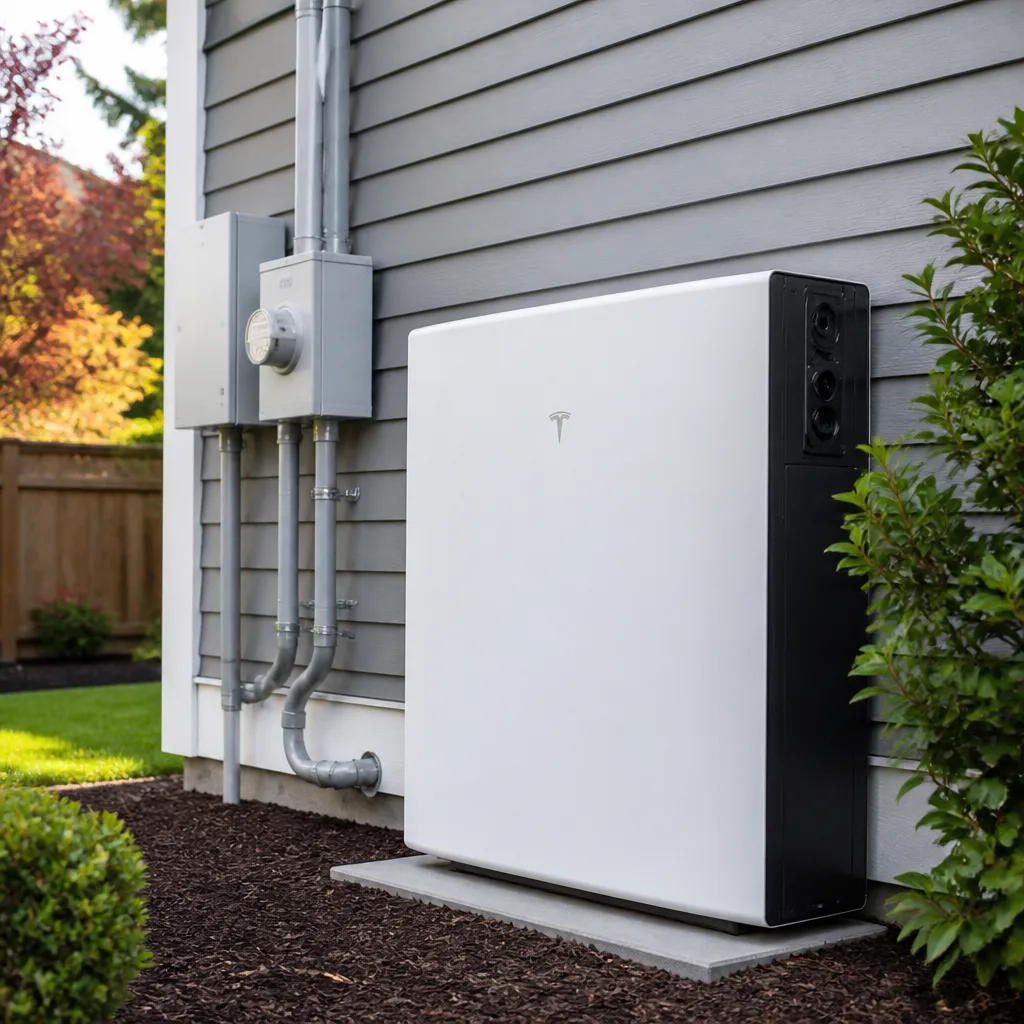
We stock everything on our truck: purified water, soft-bristle brushes rated for solar glass, and rinsing equipment that won’t scratch REC’s anti-reflective coating. We also handle the brands we work with across other services, including Tesla, Enphase, and SolarEdge inverters and storage. If you want your REC array cleaned and your inverter checked in the same visit, we’re set up for that. Call (877) 550-6892 to schedule; a live person answers, even at 7pm on a Tuesday.
Written by Gus Petrakis, Owner, Gus’s Solar at Gus’s Solar, serving San Jose and nearby areas.