
Free bill analysis - bring a power bill, get the production math for your actual roof, panel brands like Qcells and REC compared side by side
If the pitch starts at your door and ends with "sign tonight for the special," sleep on it. The sun will still be there tomorrow; so will we.

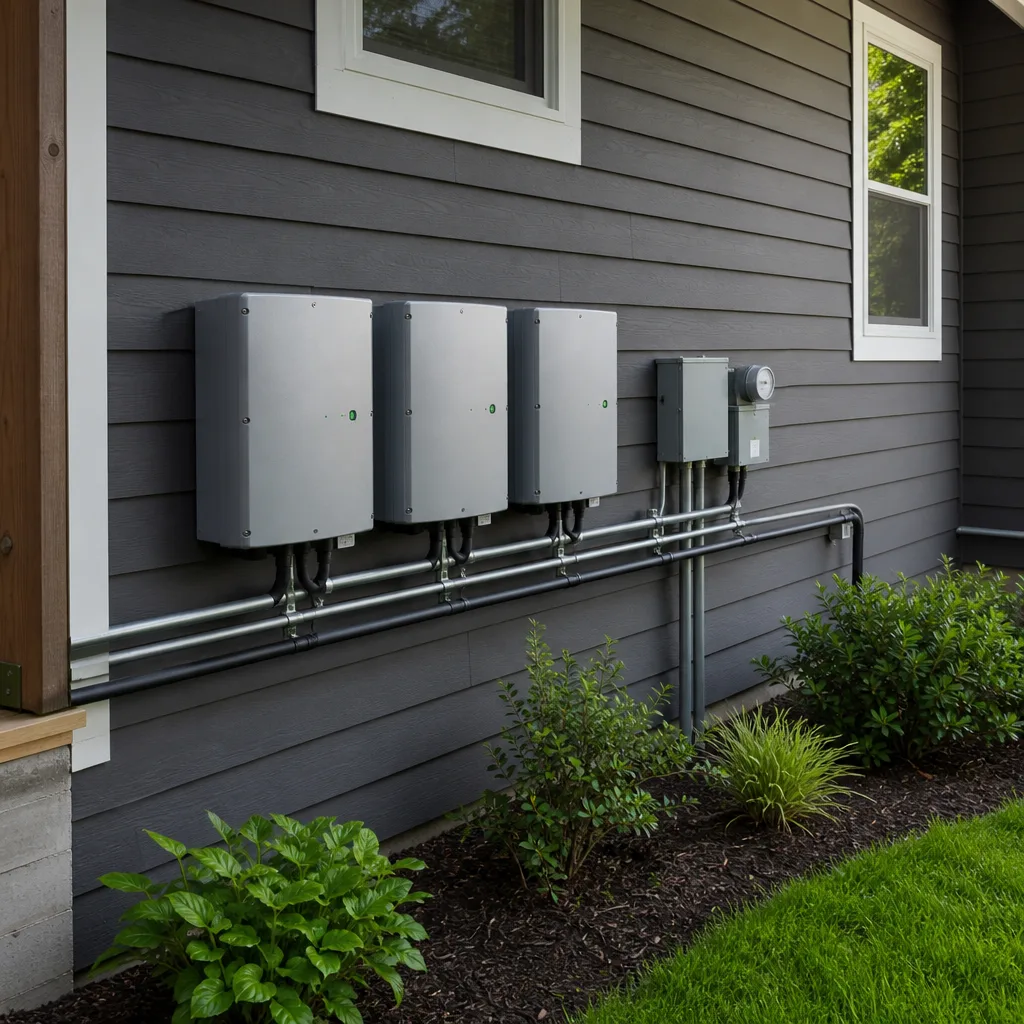
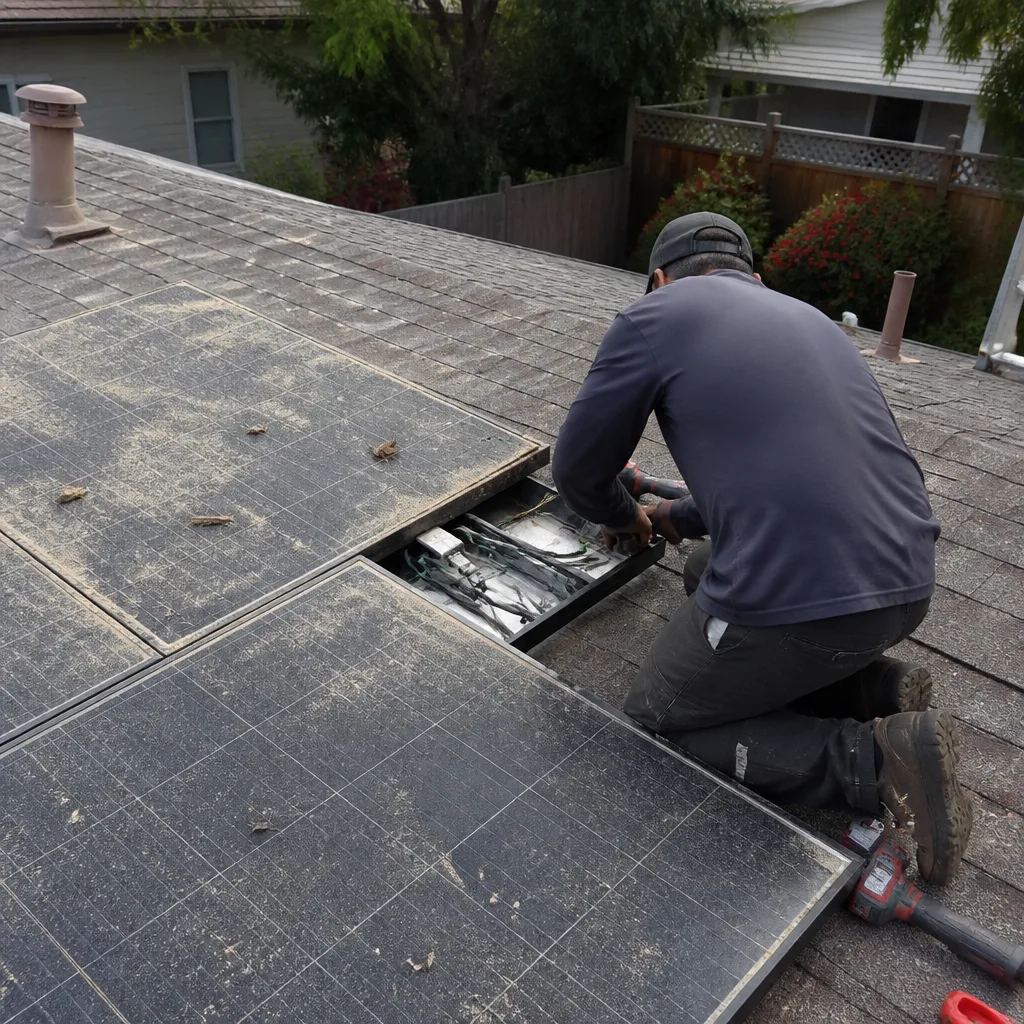 Before
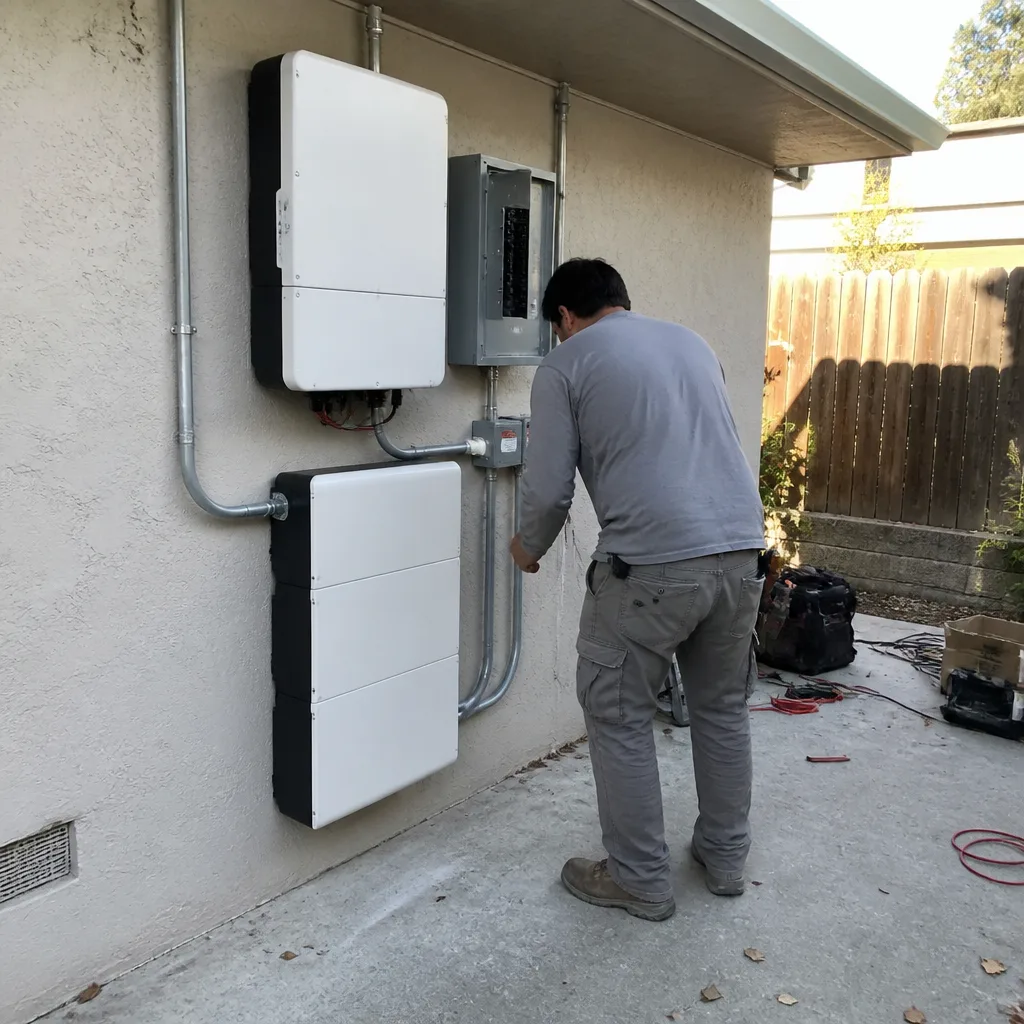 After
After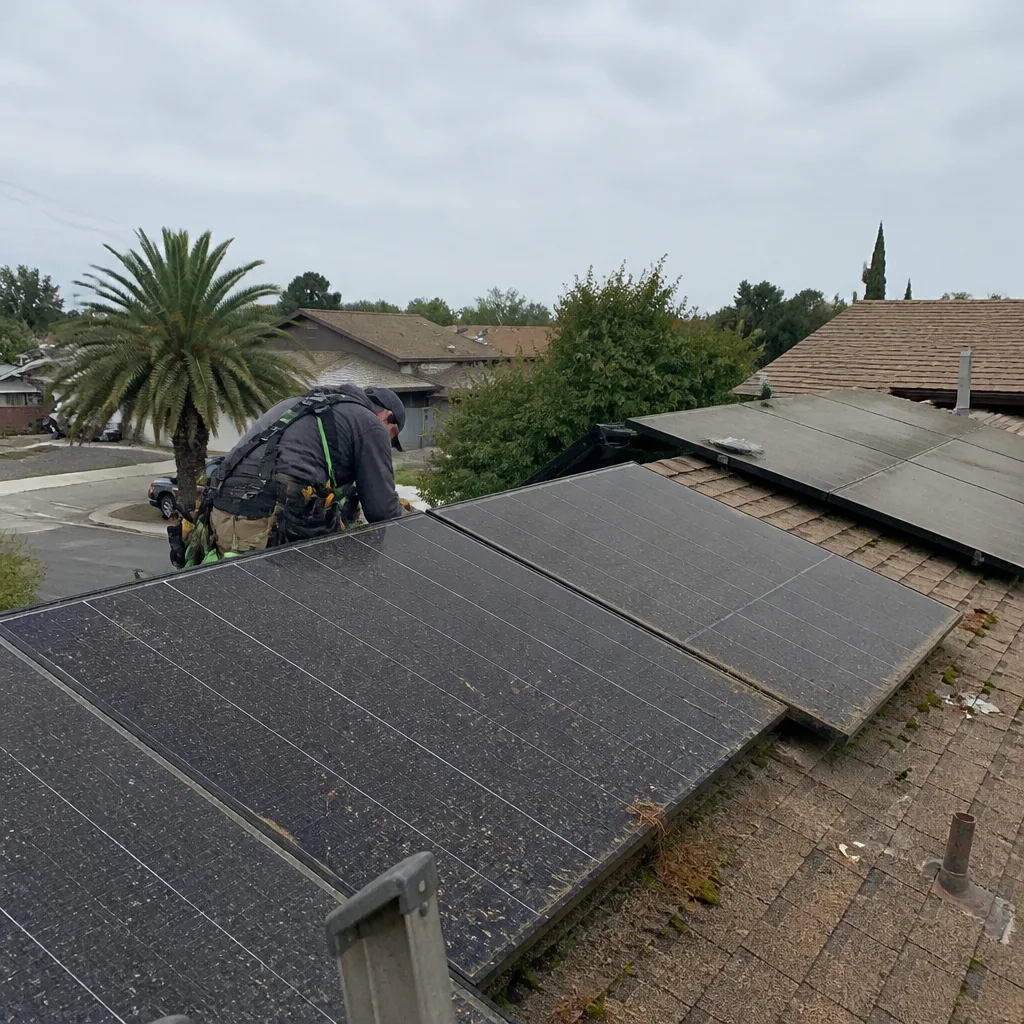 Before
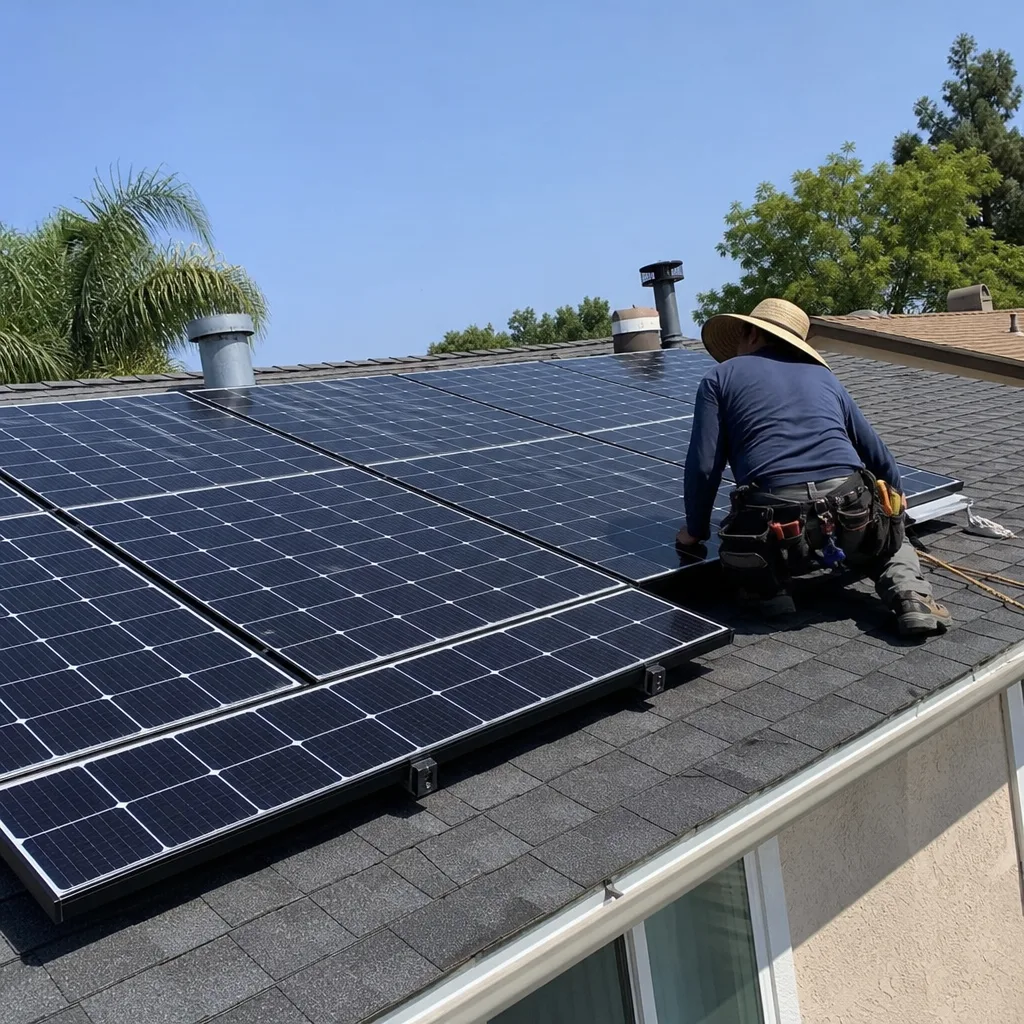 After
After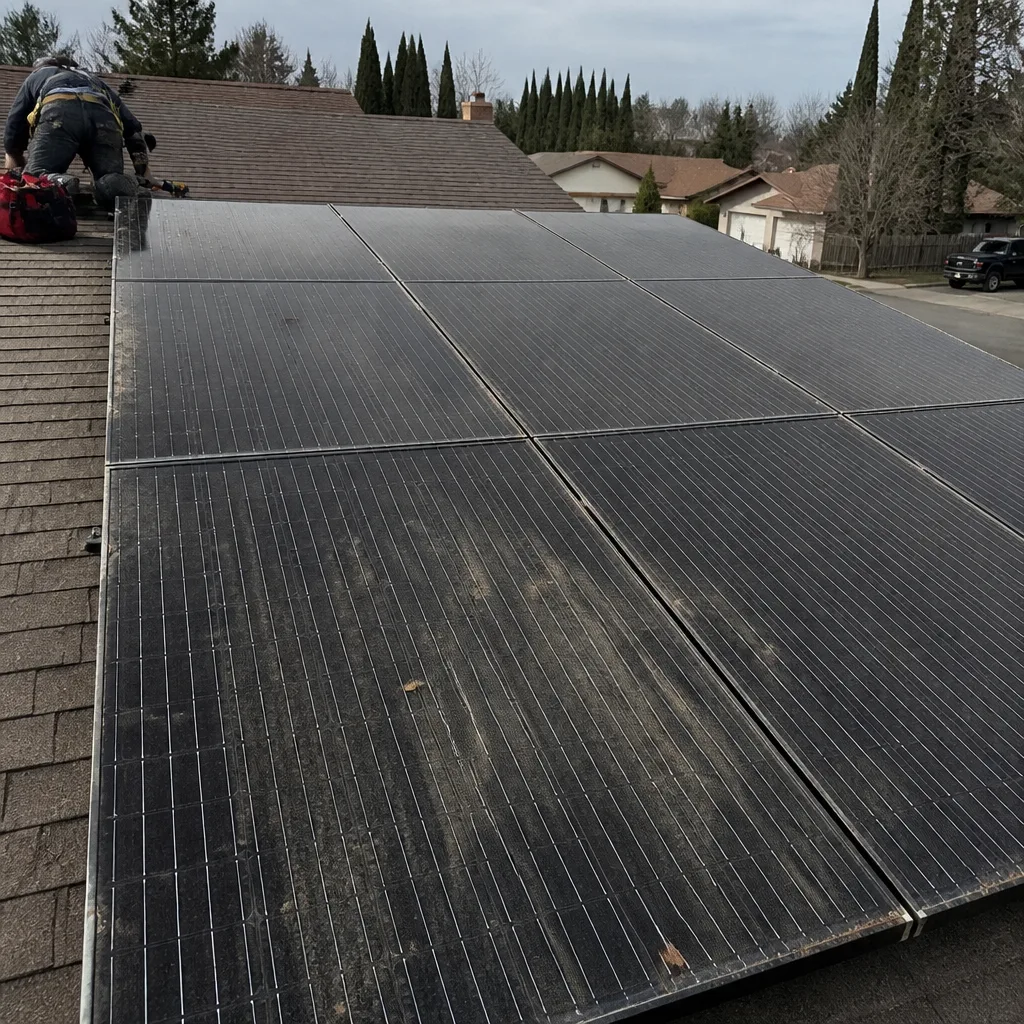 Before
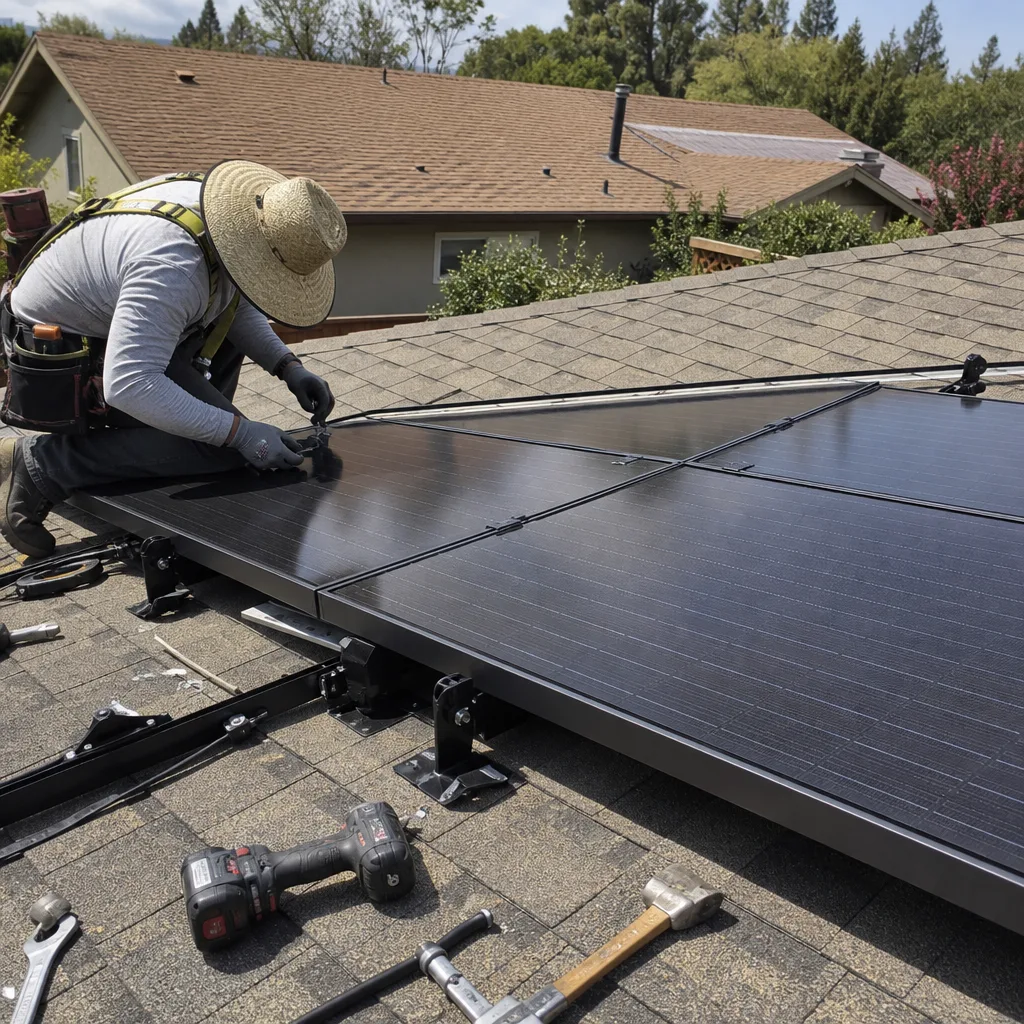 After
AfterREC Solar Battery Storage & Backup: The San Jose Owner’s Guide
We stock, service, and install REC-compatible solar battery storage and backup equipment throughout San Jose, with most full replacements running between $3,800 and $9,500 installed depending on your system’s age and whether you’re replacing one failed component or the whole storage unit. Same-day and next-day appointments are available for San Jose homeowners, and we carry common REC battery parts on the truck so we’re not making two trips. Most owners discover a problem the same way: the battery stops holding a charge the way it used to, the backup circuit doesn’t kick in during a PG&E outage, or the monitoring app shows a fault code that nobody explained at the original install. You bought REC because the panels are some of the best made. The storage side has its own quirks, and that’s what this page is about.
Which REC Models This Applies To
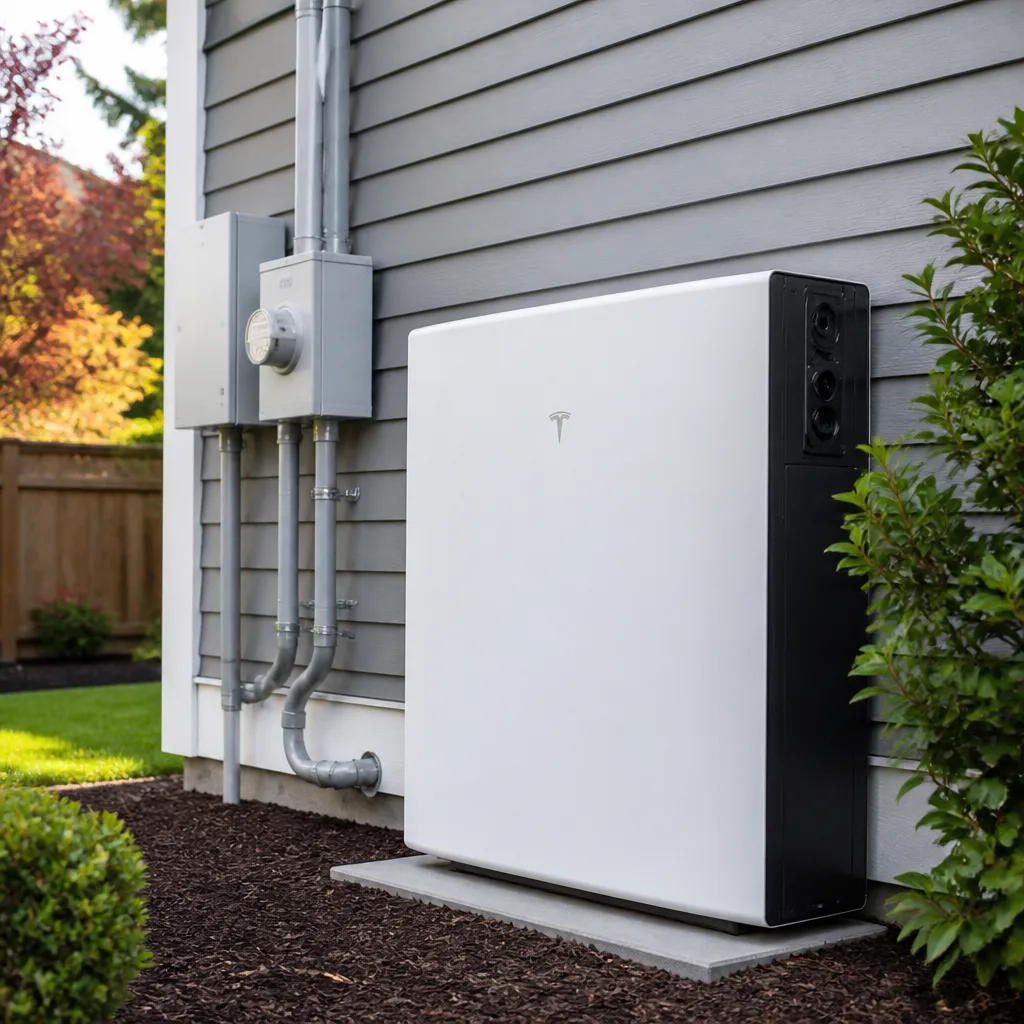
There’s a common misunderstanding we run into in San Jose: people think they have an “REC battery” when what they actually have is REC panels paired with a third-party storage system like a FranklinWH aPower, a Tesla Powerwall, or an Enphase IQ Battery. REC Group does not manufacture its own residential battery line in the US market. So when we talk about REC solar battery storage and backup, we mean two things: first, making sure your REC panel array (Alpha, Alpha Pure, TwinPeak, N-Peak, or the newer Alpha Pure-RX) is correctly feeding whatever storage system you have, and second, repairing or replacing that storage system when it fails.
The compatibility gotcha we see regularly: older REC TwinPeak and N-Peak arrays wired with certain SolarEdge inverters do not play well with every battery brand’s backup gateway, and in San Jose’s flat-roof ranch neighborhoods with limited wall space, finding a code-compliant location for a second battery often requires a rework of the original install. Before you buy any replacement part, check the label on the side of your battery module and the model number on your inverter. If you can’t find it, call us and read what you see on the equipment, and we’ll tell you what you actually have.
We’re an independent service provider, not affiliated with REC, but we stock REC panel connectors, Enphase and SolarEdge gateway parts, Tesla Powerwall components, and FranklinWH modules, plus quality aftermarket equivalents where they’re actually better for San Jose’s climate.
Signs Your REC Solar Battery Storage & Backup Is Failing
- The battery charges but drains to empty overnight with minimal load. This is the classic sign of degraded lithium-iron-phosphate or NMC cells, and it usually shows up in San Jose after 7 to 10 years because our warm inland summers accelerate cell chemistry wear faster than the manufacturer’s coastal test conditions. A battery that used to carry you through a full evening now dies by midnight.
- The system passes fault codes you have to clear every few days. Communication failures between the battery, the inverter, and the gateway are the most common service call we run for storage systems paired with REC arrays, and it’s often a firmware mismatch or a loose CAN bus connection, not a dead battery. It’s fixable, but it needs someone who’s seen the specific combination before.
- Backup power only runs for a few minutes during an actual outage. If the battery shows 100% charged but shuts down within minutes when the grid drops, you likely have a failed relay or a voltage sag issue inside the battery management system. This is the one that catches people off guard because everything looks fine until the moment it matters.
- You hear a hum, buzz, or clicking from the battery enclosure. Some noise is normal, but a new sound, especially a rhythmic clicking or a high-pitched whine under load, points to failing capacitors or a struggling thermal management fan. In San Jose’s dry, dusty air, we see clogged cooling fans on garage-mounted batteries far more often than on coastal installs.
- The monitoring app shows one module offline while the rest read normal. Most residential storage systems are modular, and a single failed module drags down the whole stack. The fix is often swapping one module rather than the entire unit, which is a very different price point.
Replacement Cost & What’s Included
Here’s the straight math for San Jose. A single replacement module for a modular system like FranklinWH or Enphase typically runs $1,800 to $3,400 installed. A full battery replacement, meaning new main unit, gateway firmware update, and re-commissioning, lands between $3,800 and $9,500 depending on capacity (5 kWh to 15 kWh range) and how much rewiring your existing REC array requires. What drives the range? Wall real estate for the new battery, whether your main panel needs a new breaker or sub-panel, and whether your existing inverter needs a firmware or hardware update to talk to the new storage.
Here’s what we include, and you’ll see it itemized on the quote: the part itself at our supplier cost plus a straight markup, labor at our hourly rate, any conduit, wire, and breakers, the gateway programming, and a full system test to verify your REC panels, inverter, and new battery all handshake properly. No “miscellaneous” lines. No surprise trip charge if you’re in our own county. And the work is covered by our 90-Day Done Right Promise: if it’s not right, Gus makes it right, in writing before we start.
One thing worth saying plainly: if the quote you’re looking at includes a new main panel, the price jumps meaningfully. San Jose code requires AFCI breakers on most new panel installs, and that’s a $2,500 to $4,000 line item by itself. Here’s what I’d do if it were my roof: get the battery diagnosis done first. Half the time the storage issue is repairable for under $500, and you’ll know exactly what you’re dealing with before anyone asks you to sign for a full replacement.
DIY or Call Us?
There are a few things an owner can safely check, and then there’s the line you shouldn’t cross. Safely check: whether the battery’s AC breaker in your main panel has tripped, whether the gateway is plugged in and its status LEDs are lit, and whether the app shows an obvious network disconnect. Those are the “is it even on?” checks, and they save everyone time.
What you should not do is open the battery enclosure. Residential batteries hold 380 to 600 volts DC, and that’s a different animal from your AC household current. A DC arc doesn’t stop the way an AC arc does, and the battery management system can still hold charge even when the unit appears dead. Same goes for the inverter wiring and any connections between your REC array and the storage system. If the problem isn’t a tripped breaker or an unplugged gateway, call us at (877) 550-6892 and describe what you’re seeing. We’ll tell you over the phone whether it’s worth a service call or something you can handle yourself. No charge for the conversation.
FAQs
Most residential battery systems last 10 to 15 years in San Jose’s climate, though we see meaningful capacity loss starting around year 7 or 8 because our inland summer heat stresses the cells more than coastal fog zones. A battery that hits 70% of its original capacity is usually when San Jose owners start noticing the shorter backup times. Call (877) 550-6892 and we can run a capacity test to see where your unit stands.
About half the battery issues we diagnose in San Jose are repairable without replacing the whole unit. Failed communication boards, tripped internal breakers, clogged cooling fans, and loose connections are all fixable, and one bad module in a modular stack can be swapped individually. Full replacement only makes sense when the cells themselves are degraded beyond usefulness or the unit is old enough that repair money is better spent toward new hardware.
A single-module swap takes us 2 to 3 hours on site, and a full battery system replacement is typically a 4 to 6 hour job, including gateway programming and system testing against your REC array. We stock common parts on the truck in San Jose, so we’re often done in a single visit, not a three-week back-and-forth. Call us and we’ll give you a straight time estimate for your specific setup.
We keep the most common storage parts on our trucks and in our San Jose shop: FranklinWH modules, Enphase IQ components, Tesla Powerwall gateway parts, SolarEdge communication boards, and the REC panel connectors and MC4 fittings that fail most often in our dry, sunny climate. If your part is obscure, we source it through our supplier network and have it in hand within 3 to 5 business days, and we’ll tell you up front which category your repair falls into before you commit to anything.
Written by Gus Petrakis, Owner, Gus’s Solar at Gus’s Solar, serving San Jose and nearby areas.