
Free bill analysis - bring a power bill, get the production math for your actual roof, panel brands like Qcells and REC compared side by side
If the pitch starts at your door and ends with "sign tonight for the special," sleep on it. The sun will still be there tomorrow; so will we.
 Before
 After
After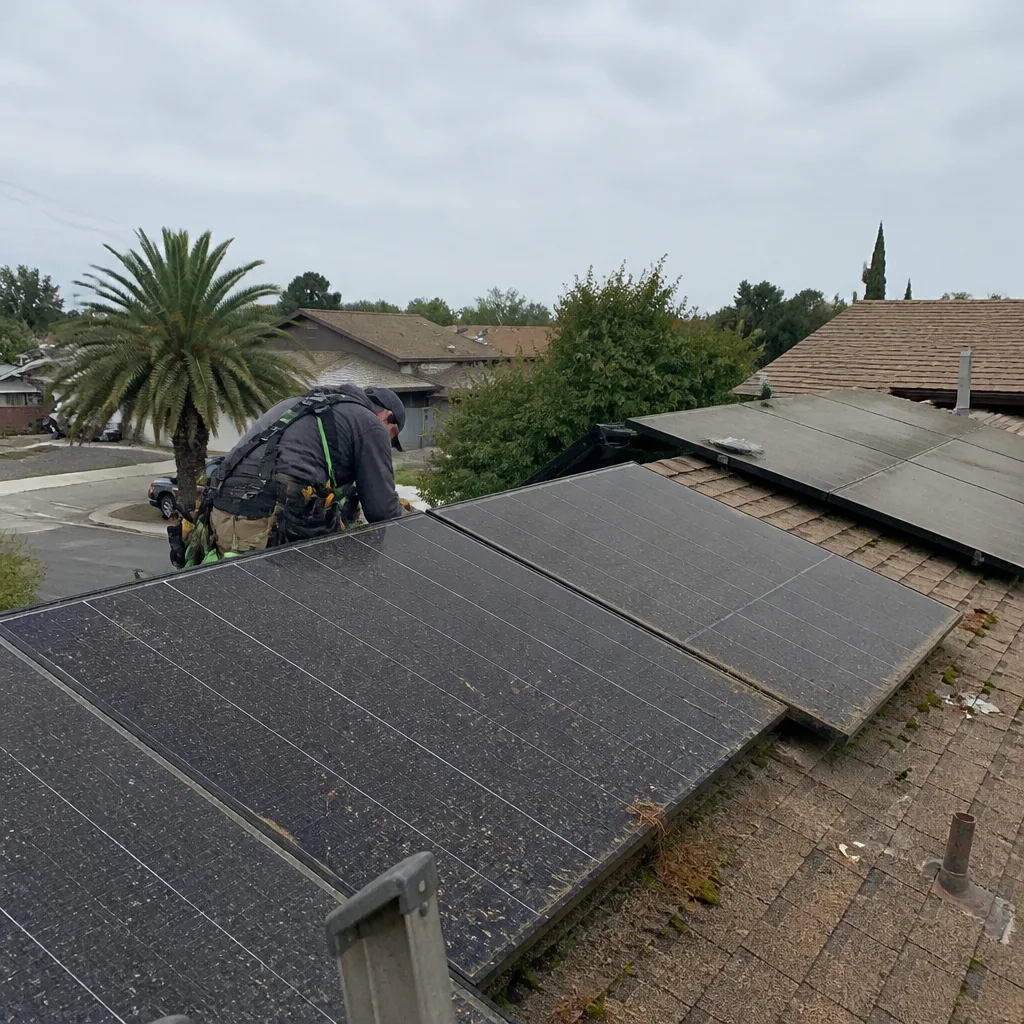 Before
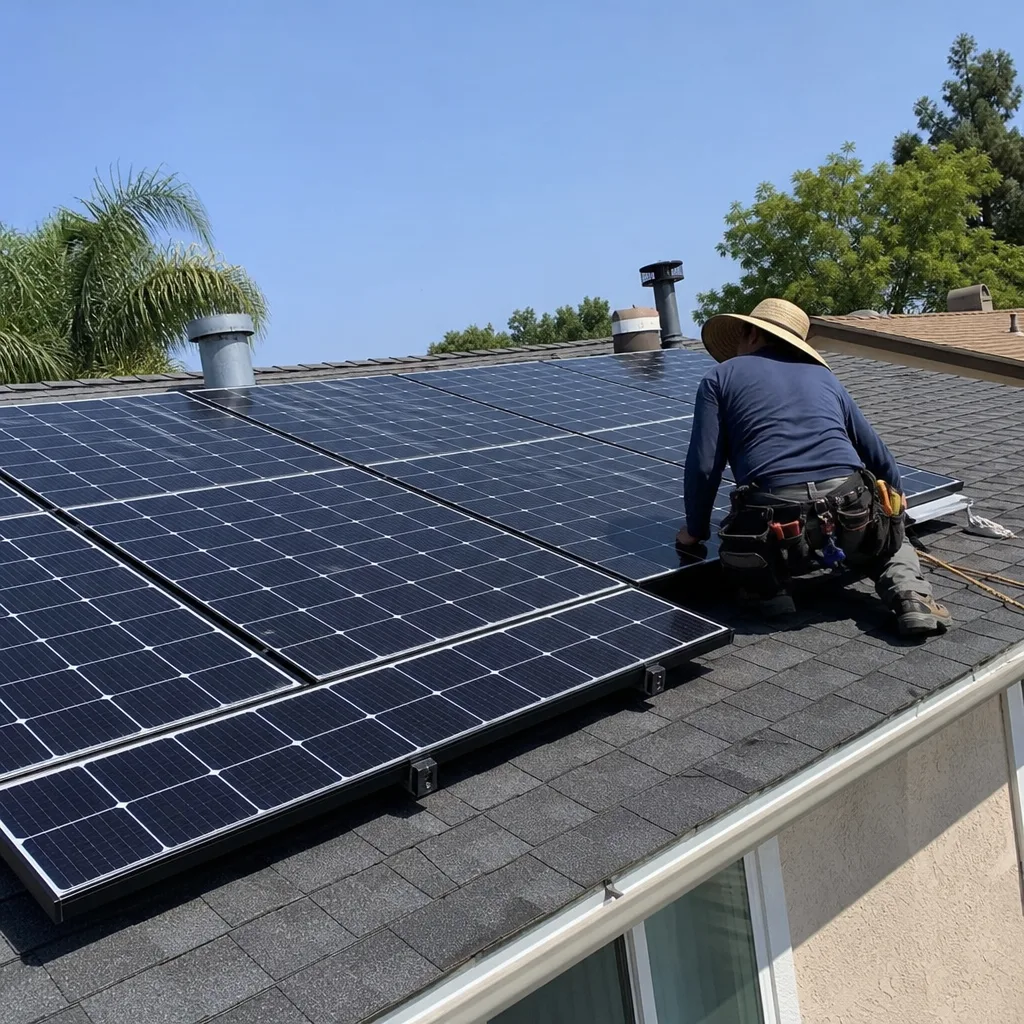 After
After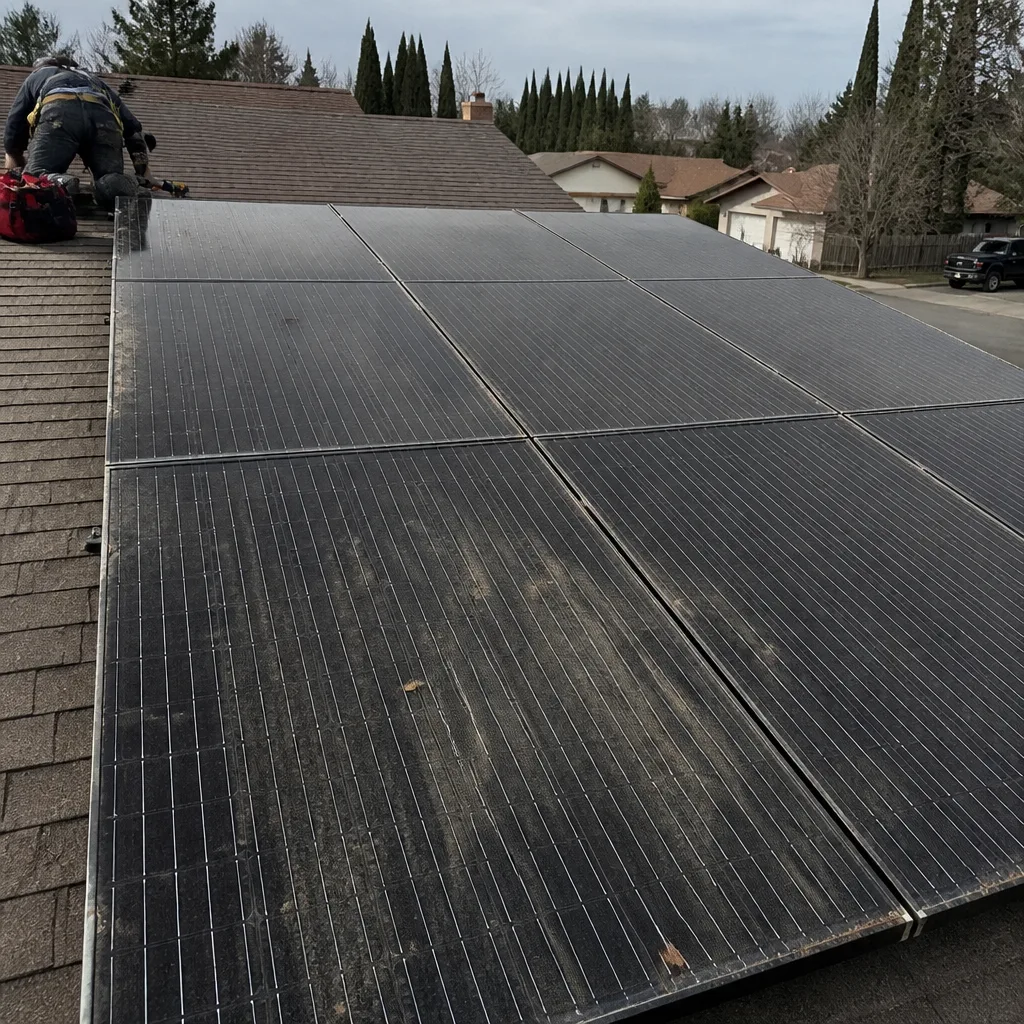 Before
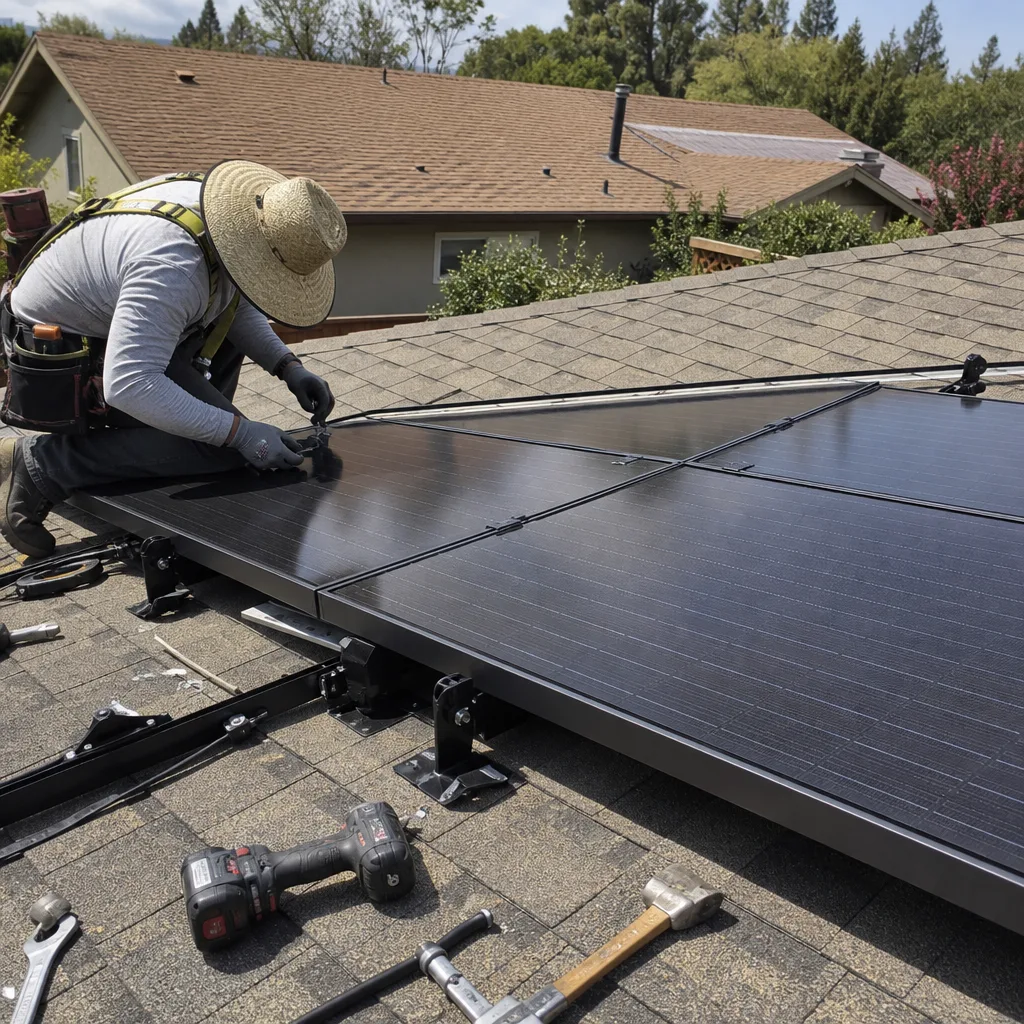 After
AfterQcells EV Charger Installation: The San Jose Owner’s Guide
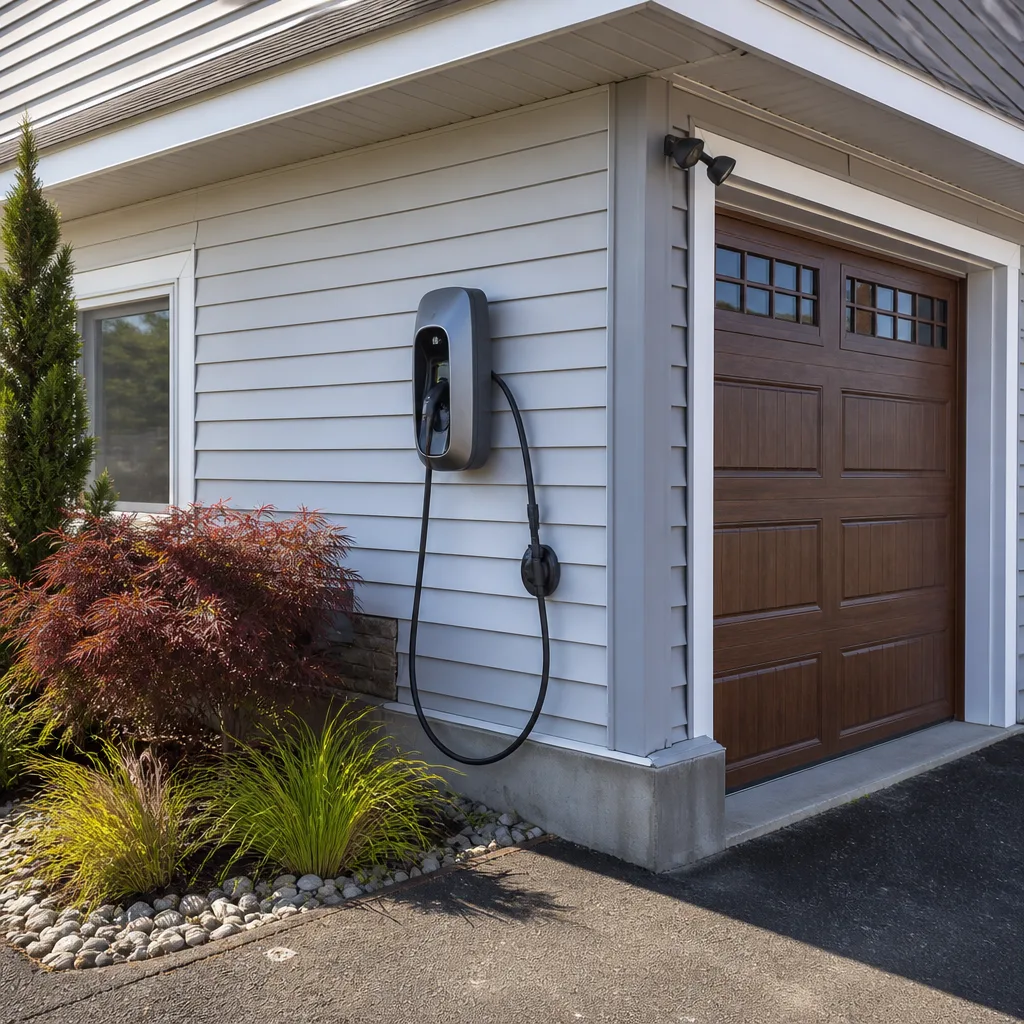
A Qcells home EV charger installation in San Jose typically runs between $900 and $2,400 depending on your panel’s spare capacity, the distance from your main service to the garage, and whether we’re running surface conduit or fishing wire through finished walls. If your existing charger has failed, we carry Qcells-compatible units and parts on the truck and can typically have you charging again same-day or next morning. The most common way owners find us is a charger that worked fine for two years and then started tripping the breaker at 3 a.m. or a unit that clicks but never actually delivers current to the car. We’ll walk you through exactly what’s happening, what it costs, and whether you even need a replacement at all.
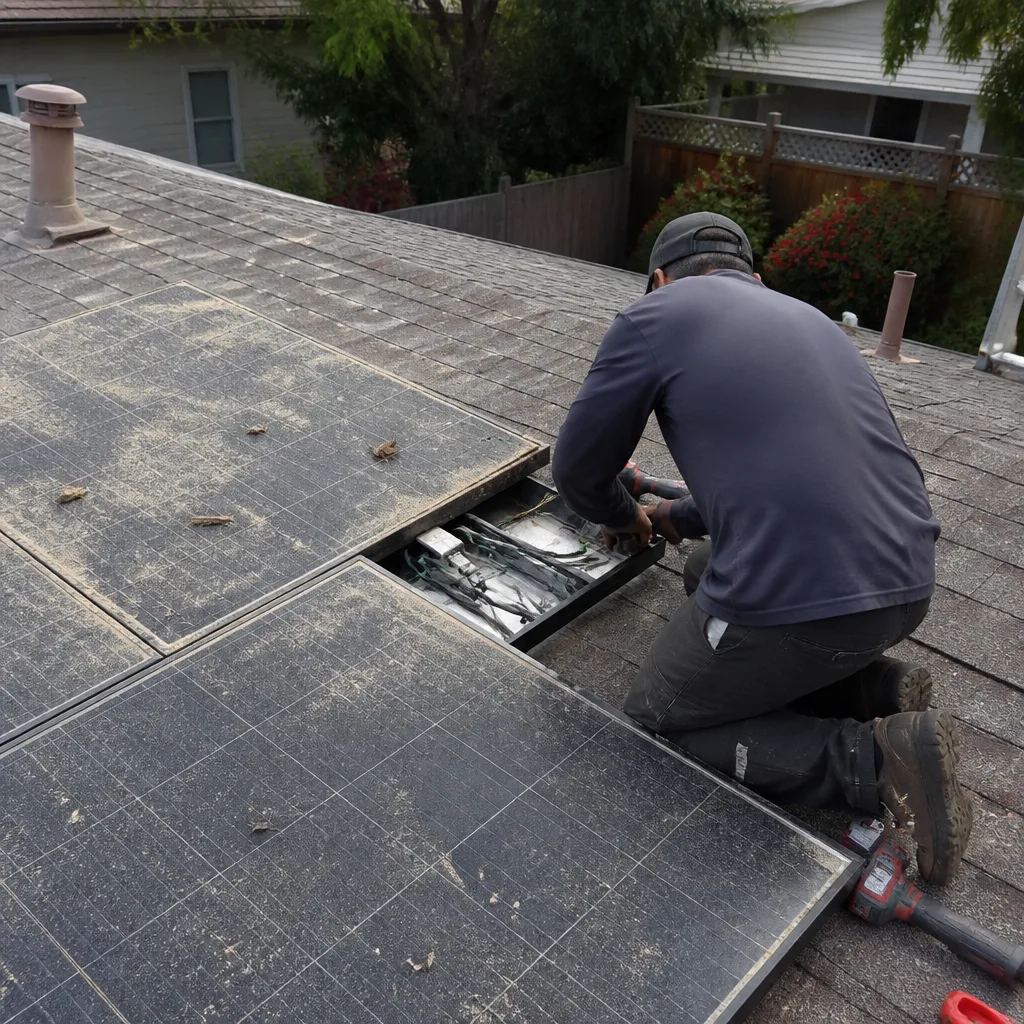
Here’s the thing most national outfits won’t tell you: a “failed” EV charger is often a failed connection, not a failed unit. Before you spend a dollar on new hardware, check the terminal block inside the charger for loose lugs or scorch marks. We see it a dozen times a year across San Jose neighborhoods like Willow Glen, Almaden, and Rose Garden. Heat cycles loosen connections over time, and a loose connection arcs, which trips breakers and eventually destroys the relay board. Sometimes the fix is fifteen minutes and a torque wrench. Sometimes it’s a new charger. Either way, you’ll know the truth before any money leaves your pocket.
Key Takeaways:
- Installed replacement cost in San Jose: $900-$2,400, depending on circuit length and panel capacity
- Qcells makes integrated EV charging through their home energy system, but most San Jose homes run a standalone Level 2 charger fed from a Qcells-inverter-equipped solar array
- We stock Qcells-compatible chargers and repair parts on the truck, so most jobs are done in one visit
- If your charger is hardwired and over 35 amps, do not open the unit yourself. Call us first.
- Every install carries the same 90-Day Done Right Promise we put on solar jobs
Which Qcells Models This Applies To
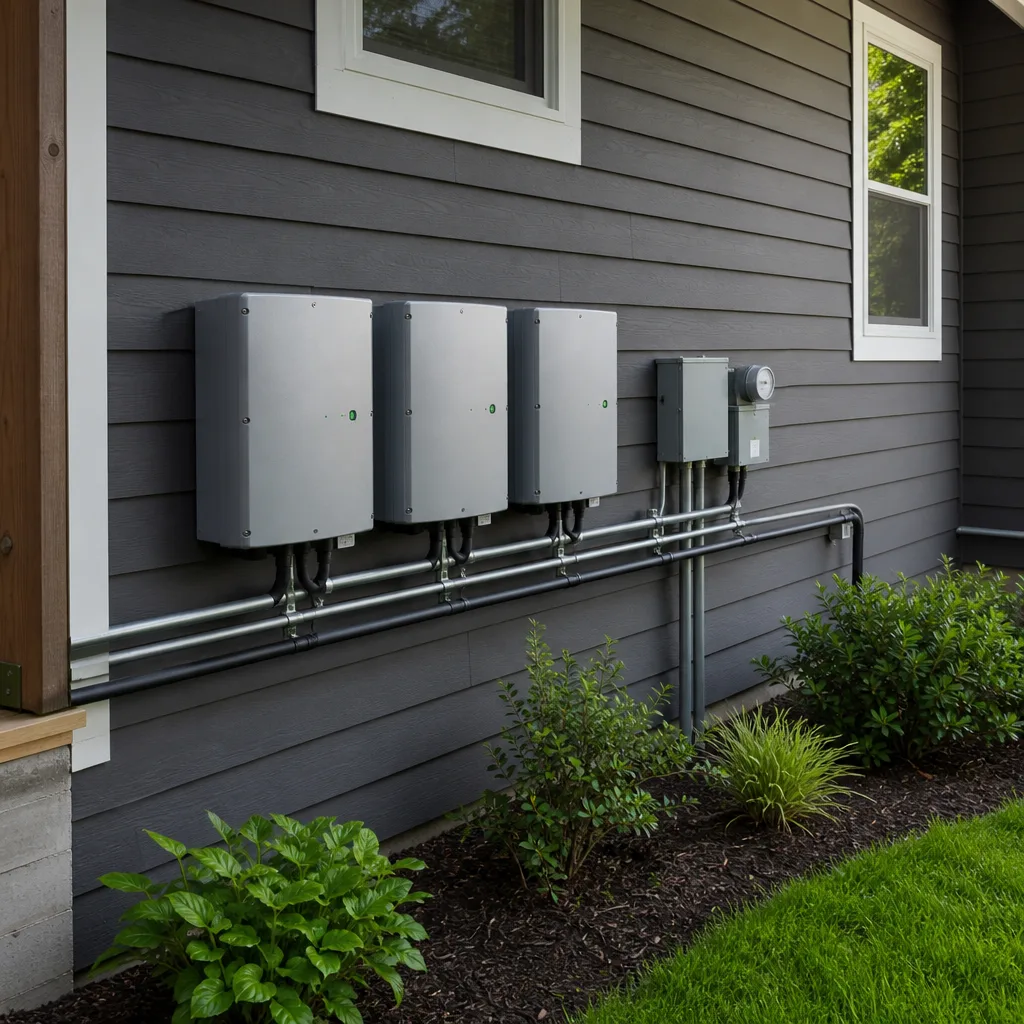
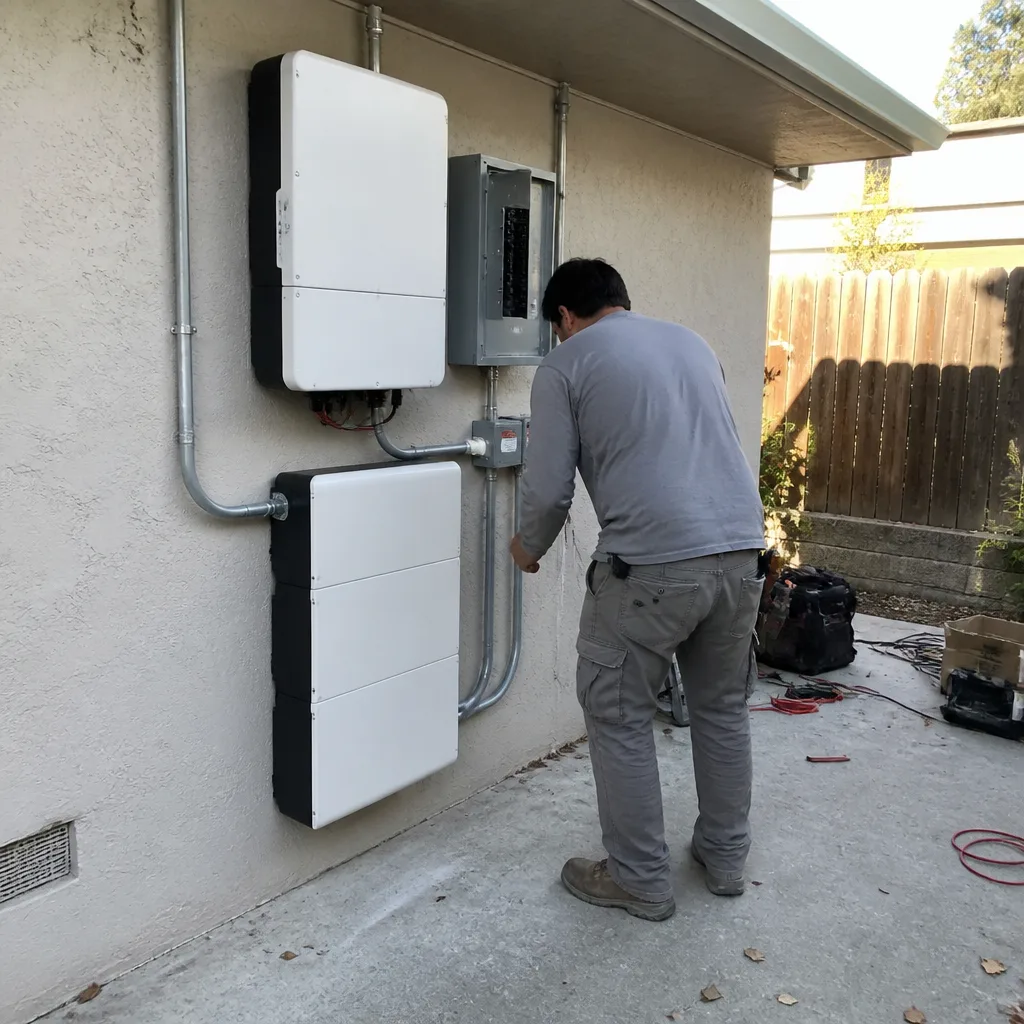
So, Qcells itself doesn’t make a dedicated residential EV charger. What they make is the solar and storage side of the equation: Q.PEAK modules, the Q.HOME+ ESS hybrid inverter, and the Q.VOLT battery system. When San Jose owners talk about “Qcells EV charging,” they’re almost always referring to a Qcells Q.HOME energy storage system pushing power to a third-party Level 2 charger like a ChargePoint Home Flex, a Wallbox Pulsar Plus, or a Tesla Wall Connector. The charger is the accessory; the Qcells equipment is the engine room.
That integration is where the compatibility gotchas live. If your charger is wired through the Q.HOME+ inverter’s backup capabilities, the charger’s amperage setting matters more than most installers realize. A Q.HOME+ inverter’s backup output is limited, and a charger pulling 48 amps during a grid outage can overload the backup circuit and trip the whole system. We see this regularly in San Jose’s older neighborhoods where homes run multiple high-draw appliances. The fix is usually setting the charger to a lower continuous draw during backup or running a separate circuit that bypasses the backed-up panel. But it requires knowing how the Q.HOME+ handles load management, and that’s not something a generic electrician always has in their head. We do.
Also worth knowing: Qcells North America has gone through significant restructuring over the last few years. If your Q.HOME system was installed before 2023, replacement parts and firmware support can be slower than you’d like. We still service those systems, but we’ll be straight with you about part availability before we start the job.
Signs Your Qcells EV Charger Installation Is Failing
- Breaker trips in the middle of a charge. This is the #1 failure call we get from Qcells owners in San Jose. It usually points to a loose terminal inside the charger or an undersized breaker for the continuous load. A 48-amp charger needs a 60-amp breaker by code. If someone installed a 50-amp breaker to save money, it’ll trip every time the charger runs at full draw for more than an hour.
- The charger clicks, the car doesn’t charge. That click is the contactor trying to close. If it clicks but no current flows, the contactor itself is welded or burned. This part fails first on hardwired chargers in coastal humidity, and San Jose gets more of it than people expect in the winter months. It’s a repairable part on most units, but many manufacturers don’t sell the contactor separately. We can source aftermarket equivalents for most brands.
- Charging works, but slower than it used to. If your car used to pull 11.5 kW and now sits at 6 kW, that’s often a dip-switch or internal setting change after a firmware update. Some units reset to 24 amps after a power surge. Before you assume the worst, let us check the configuration. It might be a five-minute fix at no parts cost.
- Burning smell or discolored outlet. If your charger plugs into a NEMA 14-50 outlet and the outlet face is yellowing or smells hot, stop using it immediately. That’s resistance heat, and it’s how garages catch fire. We replace these outlets with industrial-grade Hubbell or Bryant units rated for continuous EV load. The $12 builder-grade outlet that came with the house is not that.
- The unit powers on, but the app shows no communication. Smart chargers rely on Wi-Fi or cellular. If the unit is mounted near the metal garage door opener or inside a stucco wall cavity, signal can degrade over time as firmware updates demand more bandwidth. Sometimes it’s a simple access point adjustment. Sometimes the onboard radio dies and you’re better off swapping the unit than living without smart features you paid for.
Replacement Cost & What’s Included
In San Jose, expect these installed price ranges for a Qcells-integrated EV charger replacement:
- Replacement hardwired Level 2 charger, standard install. $900-$1,400 installed. Includes new dedicated breaker if needed, up to 40 feet of wire, and the charger unit. Covers brands we stock: ChargePoint Home Flex, Wallbox Pulsar Plus, Tesla Universal Wall Connector, and Emporia.
- New installation, panel has capacity. $1,200-$1,800 including all labor, parts, wire, and permit coordination. This is the most common Qcells-home scenario: the solar array already sized the panel, and the EV circuit is an add-on.
- New installation, panel is full. $1,800-$2,400 including a subpanel or load management device. We use DCC-9 or DCC-10 load shed devices to avoid the cost and disruption of a full service upgrade, which keeps the job price sane and avoids six weeks of waiting on PG&E for a service change.
The spread comes down to wire distance, conduit work, and whether your panel needs a tandem or sub. Every quote is line-itemed with parts and labor separated, and if we bring a part you can buy for less at Platt Electric, we’ll tell you. That’s how we’ve done it since day one. And the 90-Day Done Right Promise applies to every charger install: if something about the job isn’t right, one call brings Gus back.
DIY or Call Us?
Here’s what I’d do if it were my roof. Actually, here’s what I’d do if it were my garage. You can safely check a few things yourself: the breaker position, the outlet face temperature (with the back of your hand, not your palm), and whether the charger’s status light is behaving normally. You can read the charger’s manual error codes. You can verify the car’s charge settings haven’t been changed after a dealership software update. All useful information to have ready when you call.
You should not open a hardwired charger unless you are confident with a torque screwdriver and you know how to test for dead circuits. These units carry 240 volts at up to 48 amps. That’s enough to kill you, and enough to start a fire in the wall if a connection is left loose. If your Qcells system is wired through a battery backup, there’s the additional learning curve of making sure you’re not working on an energized circuit during a backup event. We’ve been doing this in San Jose since 2011, and honestly, the cases where a homeowner saved money by doing it themselves are rare. The cases where a homeowner made it worse are unfortunately more common. Call us at (877) 550-6892 and we’ll be straight about whether it’s a repair we should handle or a swap you can do yourself.
FAQs
In our experience, a well-installed Level 2 charger in San Jose lasts 7 to 12 years before the relay board or contactor fails. Units installed outdoors under carports or facing afternoon sun die faster from UV and thermal cycling; garage-mounted units with good airflow tend to hit the top of that range.
Yes, often. The contactor, relay board, and terminal block are the three parts that fail most often, and we can source replacements for most major brands. If the unit is more than 10 years old, we’ll also tell you honestly whether throwing $300 in parts at an older charger makes sense versus replacing it.
Most charger replacements are done in 2 to 4 hours from arrival to power-on, including a full test charge on your vehicle if you’re home. If we’re running new conduit from a full panel, expect a half day. We’ll tell you the expected window before we start, and we show up when we say we will.
We keep ChargePoint, Wallbox, Tesla Universal Wall Connector, and Emporia units stocked on the truck, along with repair parts for common failure points. If you’re set on a different brand, we’ll give you the exact model to order and schedule the install once it arrives. The price changes by whatever the unit costs; labor stays the same and we quote it before any work begins.
Written by Gus Petrakis, Owner, Gus’s Solar at Gus’s Solar, serving San Jose and nearby areas.