
Free bill analysis - bring a power bill, get the production math for your actual roof, panel brands like Qcells and REC compared side by side
If the pitch starts at your door and ends with "sign tonight for the special," sleep on it. The sun will still be there tomorrow; so will we.
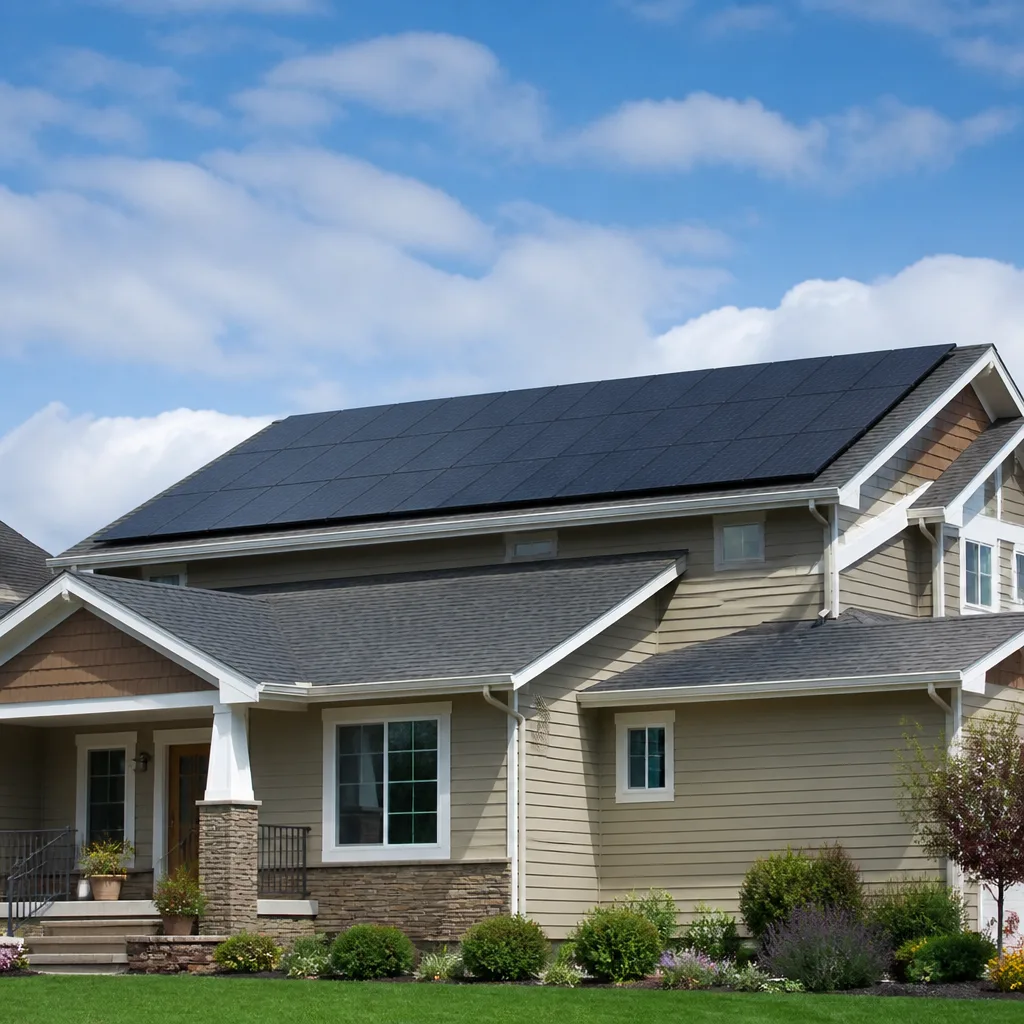
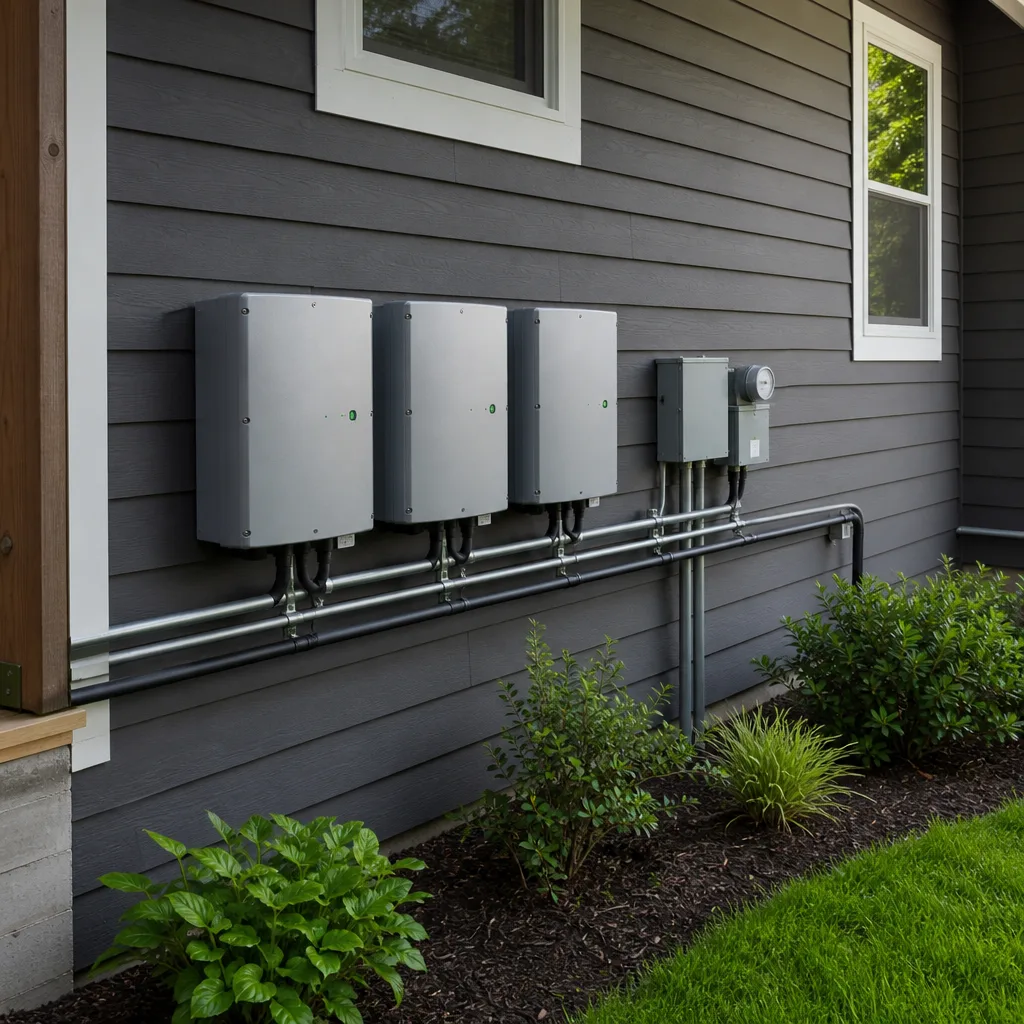
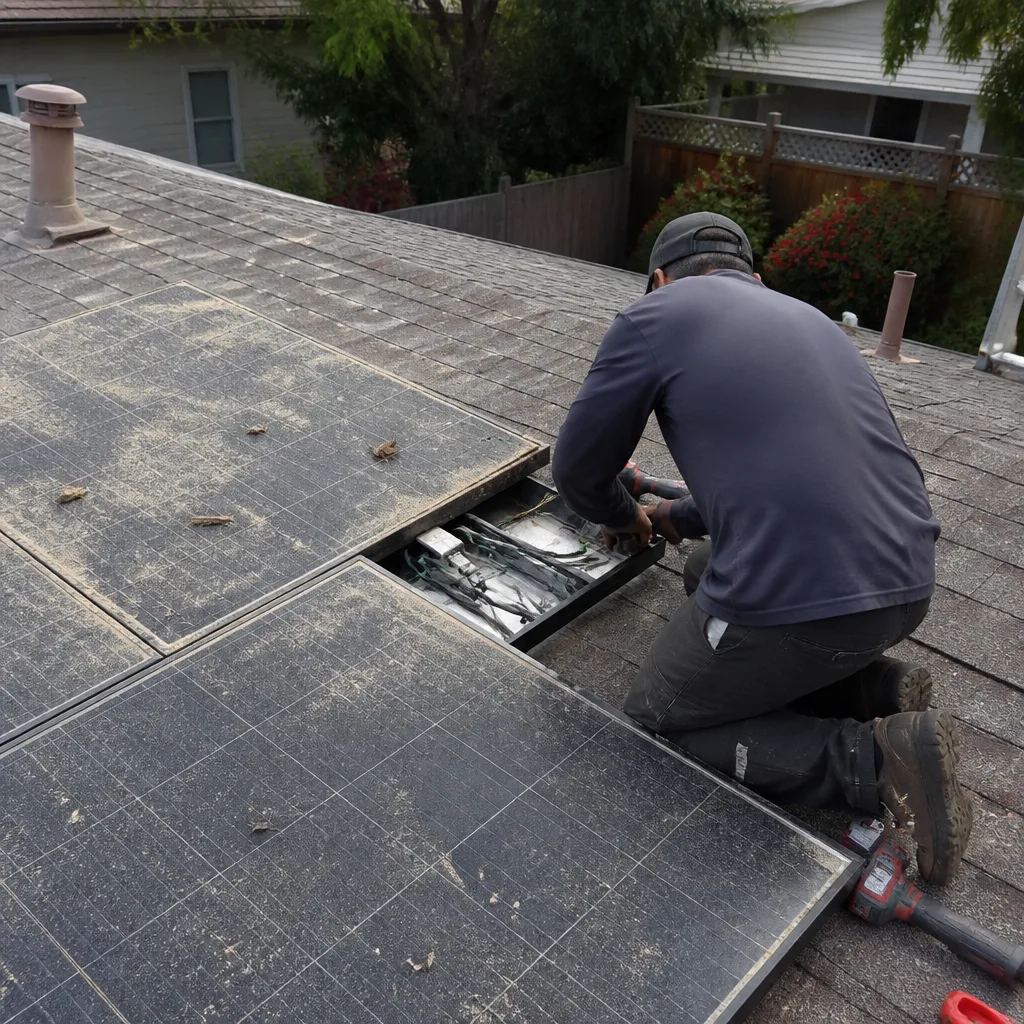 Before
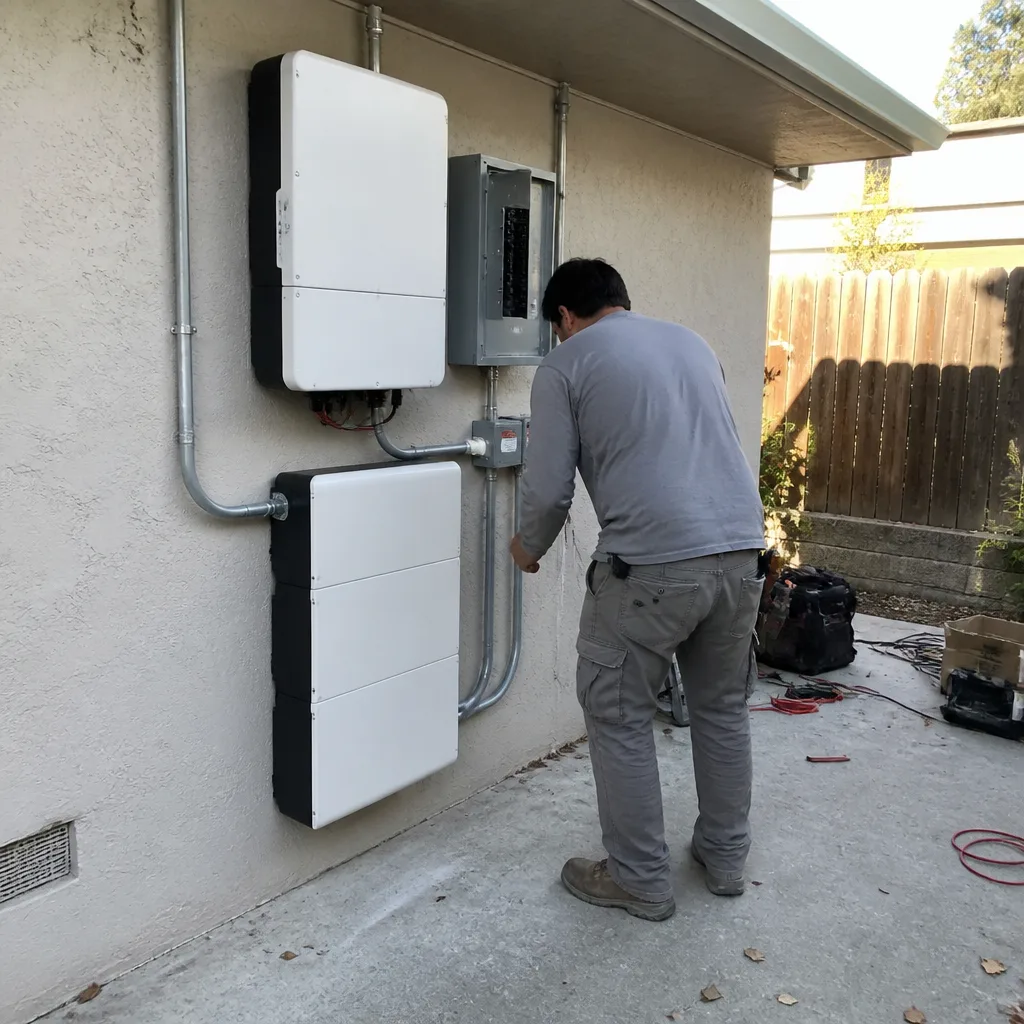 After
After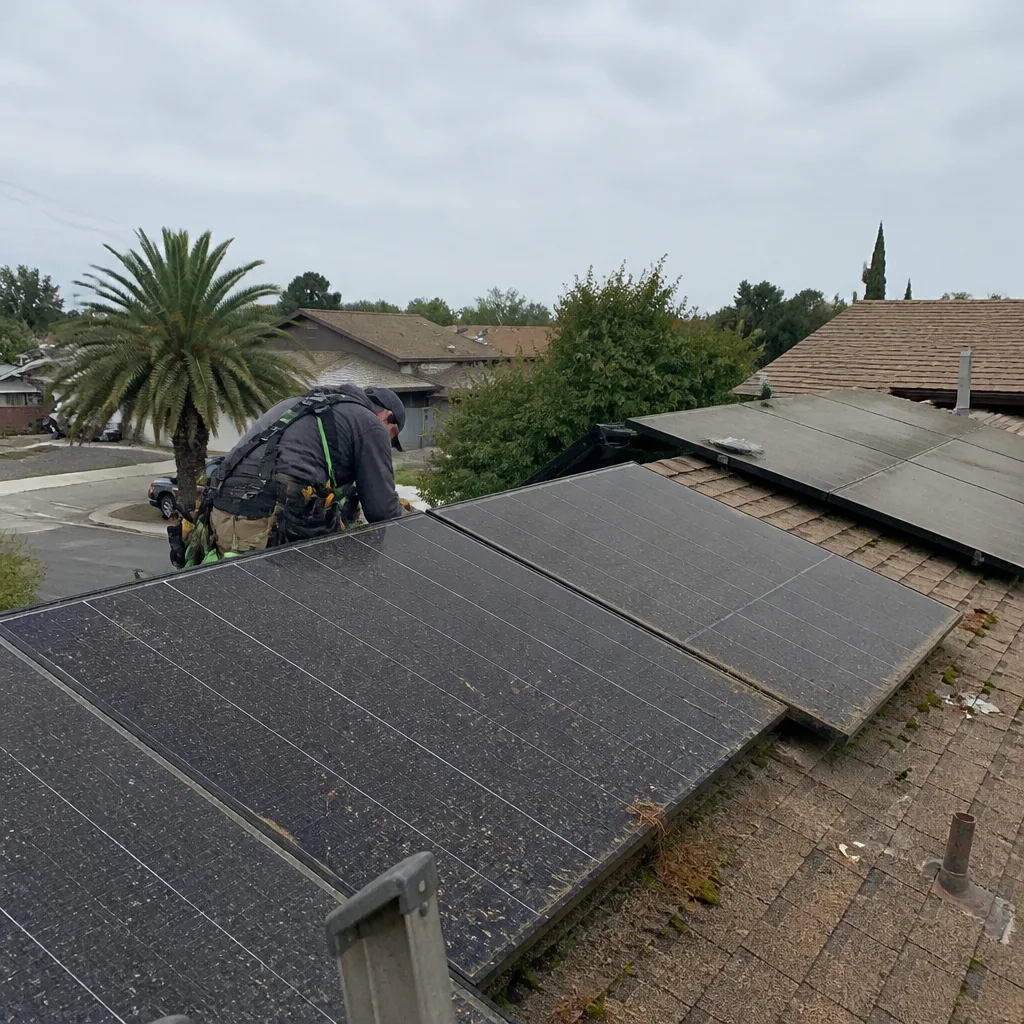 Before
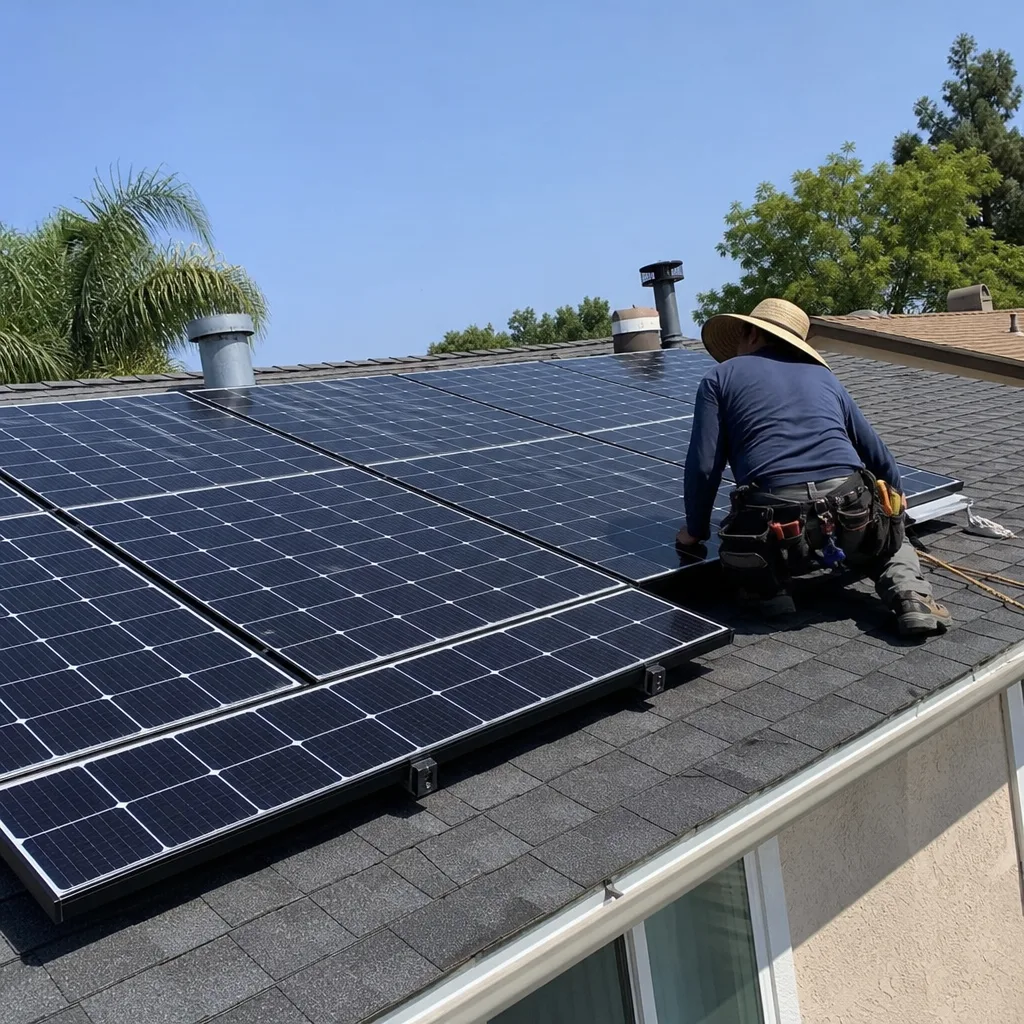 After
After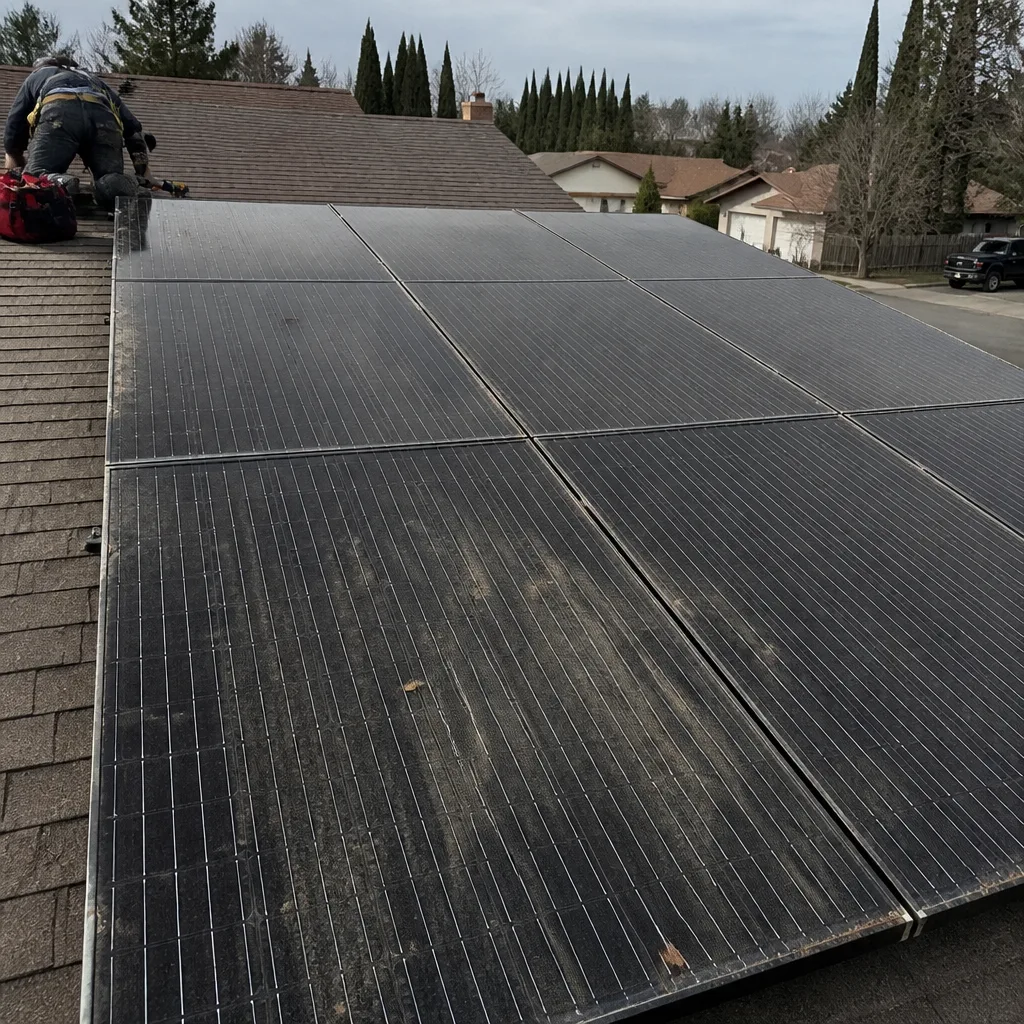 Before
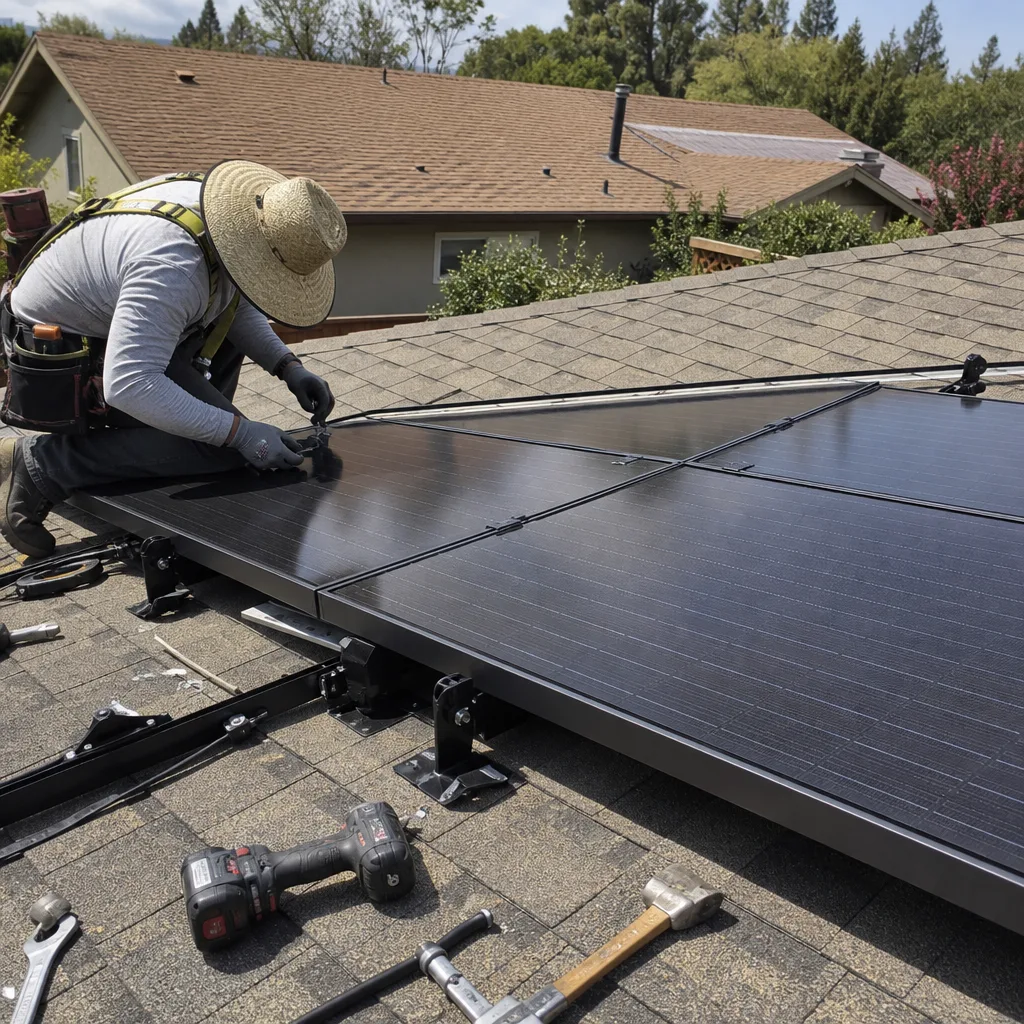 After
AfterSolarEdge Solar Panel Repair: The San Jose Owner’s Guide
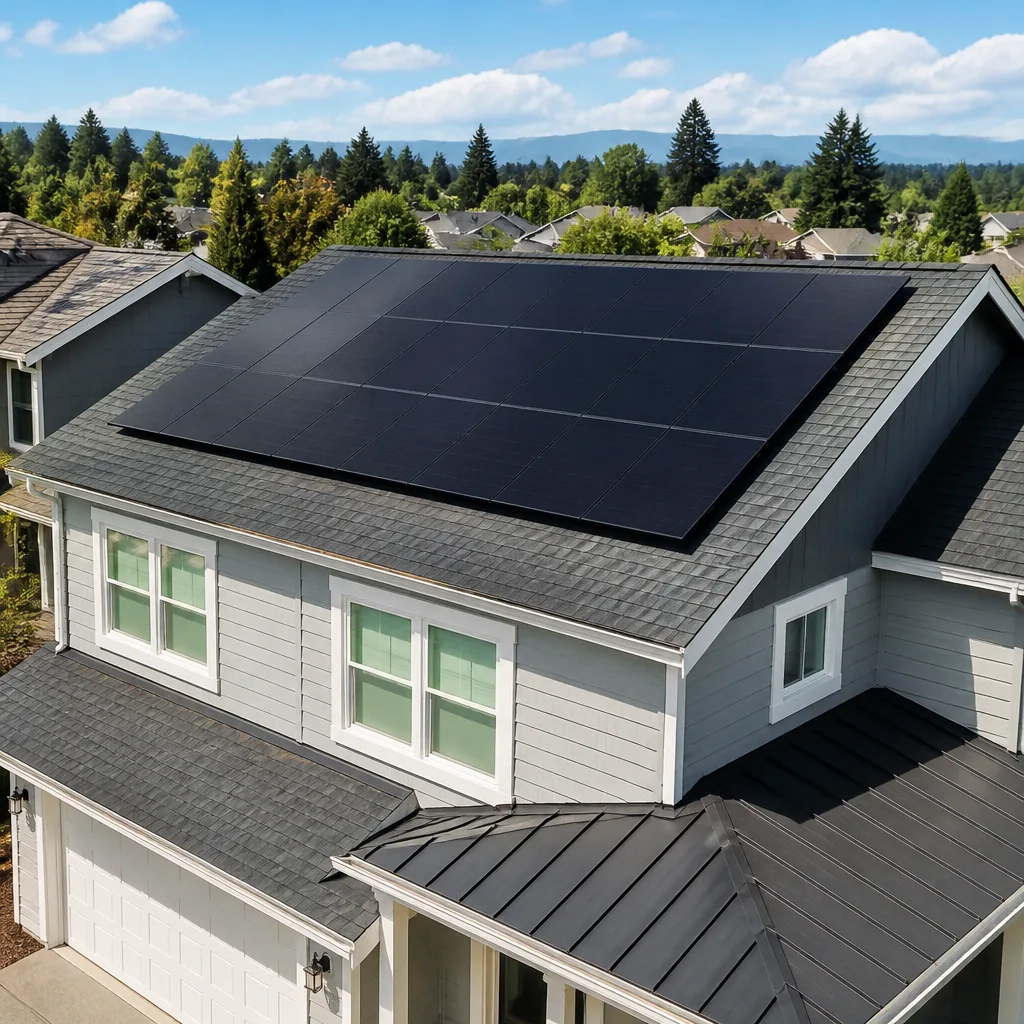
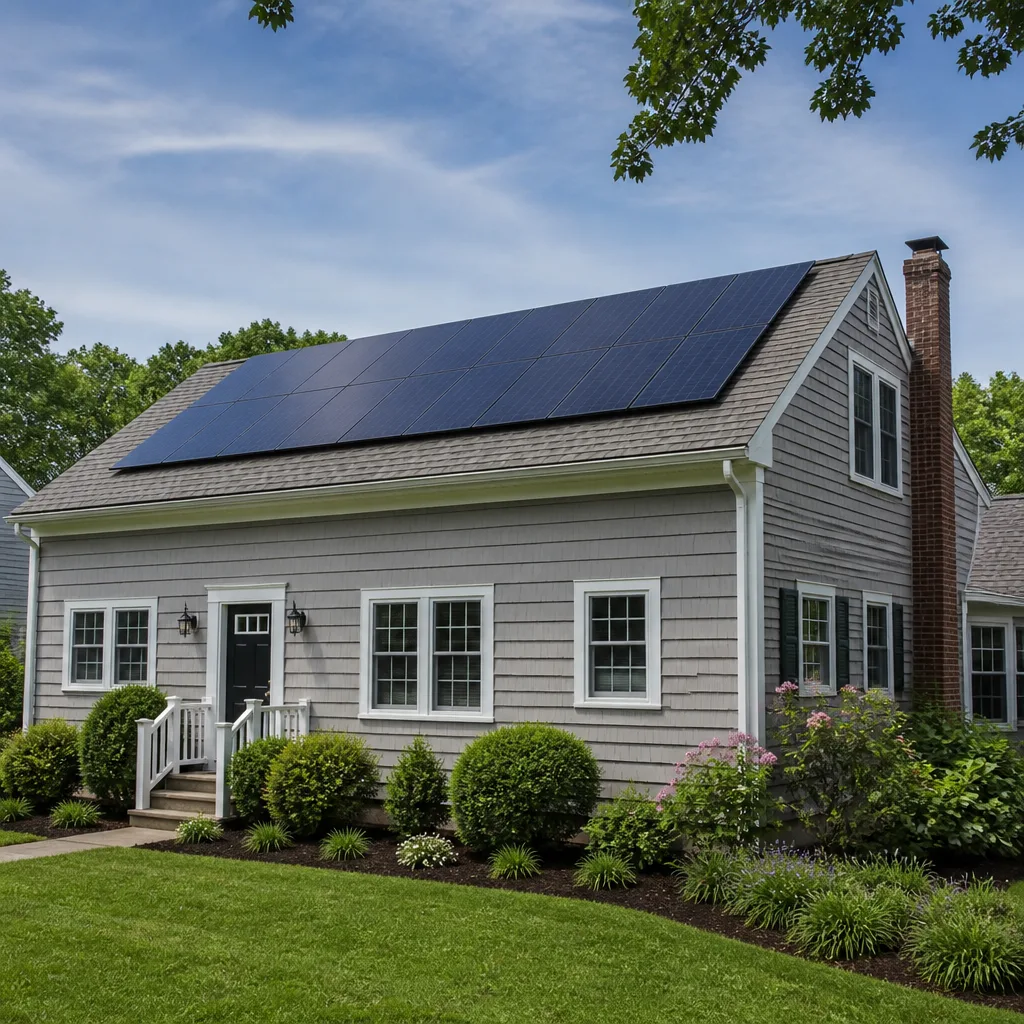
SolarEdge solar panel repair in San Jose typically runs $180 to $420 for most common fixes, and we usually complete the work same-day when parts are on the truck. Panels paired with SolarEdge optimizers and inverters tend to fail in predictable ways: optimizer communication drops, connectors under the panel arc or corrode, or the panel itself develops micro-cracks from the temperature swings we get here between the Santa Cruz Mountains and the East Foothills. Most owners first notice it as one panel showing zero production in the monitoring app while the rest of the array hums along fine. That’s the giveaway: a single dead panel on an otherwise healthy string points straight at a panel-level or optimizer-level problem. Since 2011, we’ve been climbing on San Jose roofs and fixing exactly this kind of issue for homeowners from Willow Glen to Almaden Valley, and we stock SolarEdge-compatible parts right on the truck.
Which SolarEdge Models This Applies To
Before we go further, one thing worth saying plainly: Gus’s Solar is an independent service shop, not a SolarEdge dealer or affiliate. We work on their equipment every week, but we’re not on their payroll and we don’t have quotas to hit. That means we’ll tell you honestly when a part has life left in it and when it doesn’t.
SolarEdge uses a system of power optimizers bolted under each panel, paired with either a string inverter or their newer HD-Wave and Energy Hub inverters. The optimizer is the piece that fails most often, and it’s where most solar panel repair calls actually end up. The compatibility gotcha that surprises San Jose homeowners: optimizers are generation-specific. The older OP250-LV and P300 models talk to the older SE and SE-HD inverter series. The newer S440, S500, and S500B optimizers pair with HD-Wave and Energy Hub inverters, and they use a different communication protocol. You can’t mix them on the same string without triggering fault codes. If your inverter screen shows “No Optimizers Found” or your app displays “S_OK” on every panel except one, that’s where we start. We match by the label on the underside of the panel and the inverter serial number, not by guesswork.
On the panel side, SolarEdge doesn’t manufacture the panels themselves; your SolarEdge system likely has Qcells, Canadian Solar, REC, or JinkoSolar panels mounted on top of those optimizers. When we replace a failed panel in San Jose, we often have Qcells or Canadian Solar equivalents on hand, and we match wattage, voltage, and frame dimensions so the new panel sits flush with its neighbors and plays nice with the existing optimizer.
Signs Your SolarEdge Solar Panel Repair Is Failing
- One panel flatlined in the monitoring app. This is the most common call we get in San Jose. The panel shows 0 kWh while surrounding panels produce normally, which usually means the optimizer stopped communicating or the panel itself developed a fault. The inverter sees the optimizer’s absence and flags the string.
- Arc fault errors on the inverter display. SolarEdge inverters run continuous arc-fault detection, and when a DC connector under a panel loosens or corrodes (Bay Area marine layer in the western part of San Jose doesn’t help), the inverter throws an “Error Code 18x” series and shuts the string down for safety. That’s not a panel problem, but it lives in the same repair family.
- Visible discoloration or snail trails on the panel face. Those silvery-gray trails aren’t just cosmetic; they track micro-crack paths through the cell structure. Once moisture gets in through the backsheet, output drops a few percent per year and accelerates. We see this most often on south-facing arrays in the Rose Garden and Naglee Park areas that get full sun exposure year-round.
- Inverter shows reduced production on one string. If the entire string drops by 20 to 30 percent but never goes to zero, one panel in that string is dragging everyone down. SolarEdge optimizers normally isolate panel-level losses, so this points to an optimizer that’s partially failed but still reporting. In San Jose’s heat, the weak point tends to be the optimizer’s DC-to-DC converter; it runs hot on long summer days, and the thermal cycling takes years off its life.
- Random, intermittent production dips that recover on their own. That’s classic connector looseness. Temperature swings cause the MC4 connectors between panel, optimizer, and string wire to expand and contract, and over years in a San Jose climate with 30-degree overnight-to-afternoon swings, a barely-seated connector can open enough to drop the circuit. It’ll drive you nuts unless someone who knows what to look for gets on the roof.
Replacement Cost & What’s Included
Here’s the honest pricing picture for San Jose, based on what we’ve quoted over the last year:
- Optimizer replacement (single unit): $180 to $340 installed, depending on the generation and whether it’s a roof-mount or ground-mount access. The part itself runs $70 to $130; the rest is the roof time, rewiring, and re-pairing with the inverter.
- Panel replacement (matched wattage, like-for-like form factor): $280 to $420 installed. The panel cost depends on wattage and brand; a 400W Qcells runs less than a 370W SunPower, for example, but labor lands similar either way.
- DC connector replacement (MC4 pair): $90 to $160. Cheap part, real labor; you still need the roof time and the re-torqueing of every connector on the string.
- Arc fault diagnostics and trace down: $120 to $220, and if we find a connector or optimizer failing while we’re up there, we’ll show you the photo and quote the fix before we touch it.
What drives the range in San Jose specifically: roof pitch (some of the older Campbell-adjacent homes have steep gables that need a safety harness setup), whether your array is two stories up or one, and whether the optimizer is a current model we have on the shelf or a discontinued one we need to source. No-hassle upfront pricing means the number we quote is the number you pay; we don’t discover fees halfway through an install. The 90-Day Done Right Promise covers the work: if it’s not right, Gus makes it right, in writing, and a live person answers the phone when you call about it. Gus Petrakis is the one who stands behind that, and he’s been doing it since 2011 out of his own shop, not a call center three states away.
DIY or Call Us?
I want to be straight with you on safety, because this matters more than any repair bill. SolarEdge panels and optimizers carry up to 600 volts DC on the string under full sun. That’s not like a wall outlet that just gives you a jolt; DC at that voltage can stop your heart without kicking you across the room first. We do not recommend any DIY work on panel connections, optimizers, or string wiring. Even with the inverter shut down and the DC disconnect off, the panels themselves produce voltage the moment sunlight hits them, and you can’t turn that off. There is no safe way for a homeowner on a San Jose roof to isolate a live panel string without training, proper insulated tools, and arc-flash rated gloves.
What you can safely do, before you call us, is check the monitoring app and write down which panel drops out and when. Look at the inverter for error codes and jot the number down. Check that the inverter’s DC disconnect hasn’t tripped. Look at your panel from the ground for obvious cracking, bird damage (pigeons love the microclimate under panels in the Berryessa area), or leaf buildup at the edges. None of that will fix it, but it gives our crew a head start and it saves you a second trip charge. Once you’ve done that, call (877) 550-6892 and talk to a person. We’ll tell you over the phone whether it sounds like an optimizer, a panel, or a connector, and we’ll give you a number before we ever set foot on your roof.
FAQs
In our experience across the South Bay, SolarEdge optimizers realistically last 8 to 12 years before they start throwing communication faults, and panels paired with them last 20 to 25 years before output degrades below useful levels. San Jose’s heat is the culprit: roof temperatures hit 140°F on 95-degree August days, and the thermal cycling from hot afternoons to cool foggy nights wears out the electrolytic capacitors inside the optimizer faster than the 25-year spec sheet would suggest. We routinely see 2013 and 2014 SolarEdge installs around Evergreen and Alviso coming due for their first optimer replacements right now. If yours is older than that and showing faults, it’s probably not worth chasing one-off fixes; call (877) 550-6892 and we’ll talk about whether a string-wide replacement pencils out better for you.
You replace it. Optimizers are potted in epoxy and sealed; there’s no field-repairable component inside, and any attempt to open one voids the UL listing and creates a fire risk. We replace the failed optimizer with a matched or upgraded generation unit, re-pair it with the inverter through the SetApp or display menu, and you’re back online in under two hours. Call us at (877) 550-6892 if you want an exact quote for your model before you commit to anything.
Most single-panel or single-optimizer repairs take 90 minutes to two hours on site, and we usually carry the parts on the truck same-day. If your array is on a steep two-story roof we may need to set up a harness anchor, which adds 30 to 45 minutes. Call us in the morning and we can typically have your system producing again by the afternoon, depending on whether we need to source a discontinued optimizer generation.
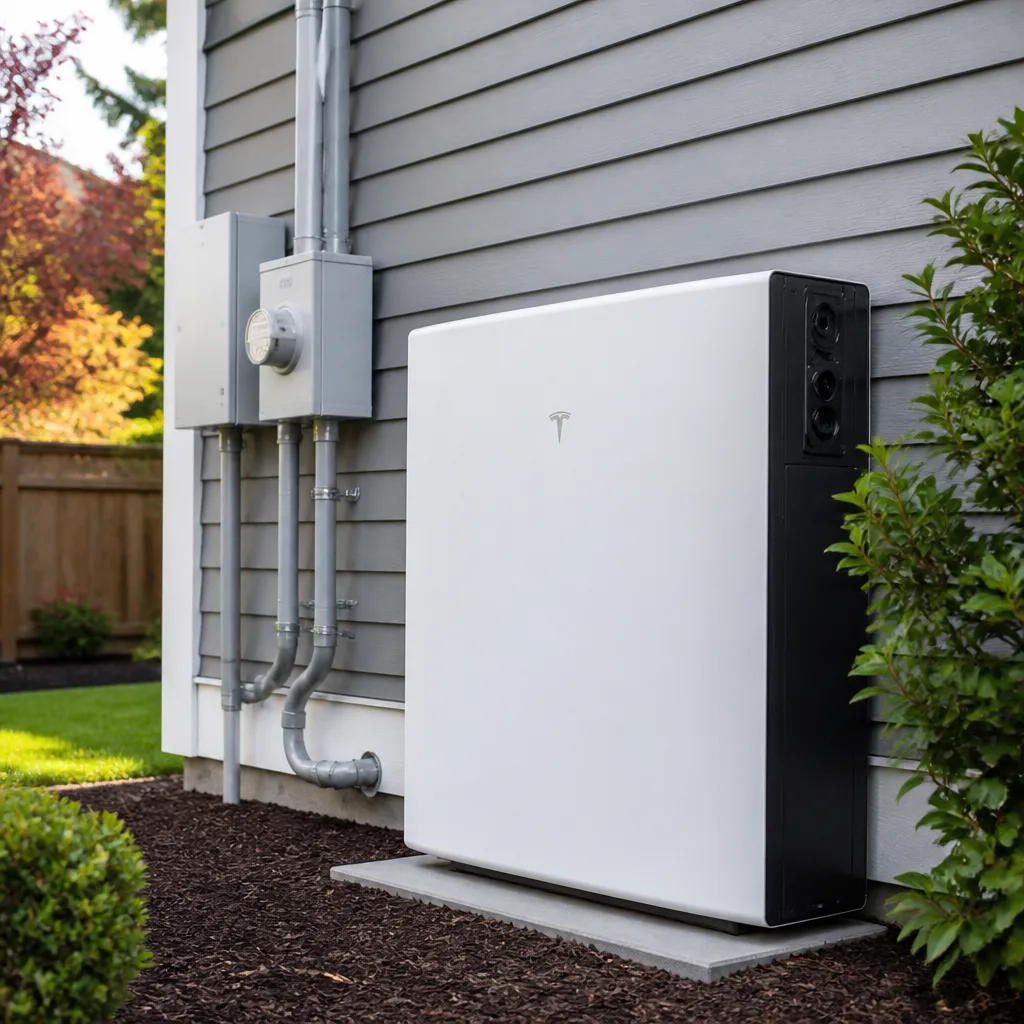
We stock the most common SolarEdge optimers (S440, S500, and several legacy P-series units), MC4 connector kits, and a rotating selection of 370W to 410W panels from Qcells, Canadian Solar, and REC on our trucks in San Jose. Discontinued optimizers sometimes require a day or two to source from a regional distributor, but we’ll tell you honestly before you pay for a site visit whether we’ll be able to finish the job same-day. We also carry parts for Tesla, Enphase, and Qcells systems, because plenty of San Jose roofs have mixed equipment these days.
Have a dead panel or a fault code on your SolarEdge inverter? Call (877) 550-6892 and talk to someone who’ll give you a straight answer about what’s wrong and what it costs to fix. Free estimates, no pressure, and no signature wanted tonight. Bring me a bill, I’ll bring you the math. Here’s what I’d do if it were my roof: I’d call before the next heat wave hits, because a dead panel in June costs you more than a dead panel in March. Take two weeks. Think about it. The price will be the same.
Written by Gus Petrakis, Owner, Gus’s Solar at Gus’s Solar, serving San Jose and nearby areas.