
Free bill analysis - bring a power bill, get the production math for your actual roof, panel brands like Qcells and REC compared side by side
If the pitch starts at your door and ends with "sign tonight for the special," sleep on it. The sun will still be there tomorrow; so will we.
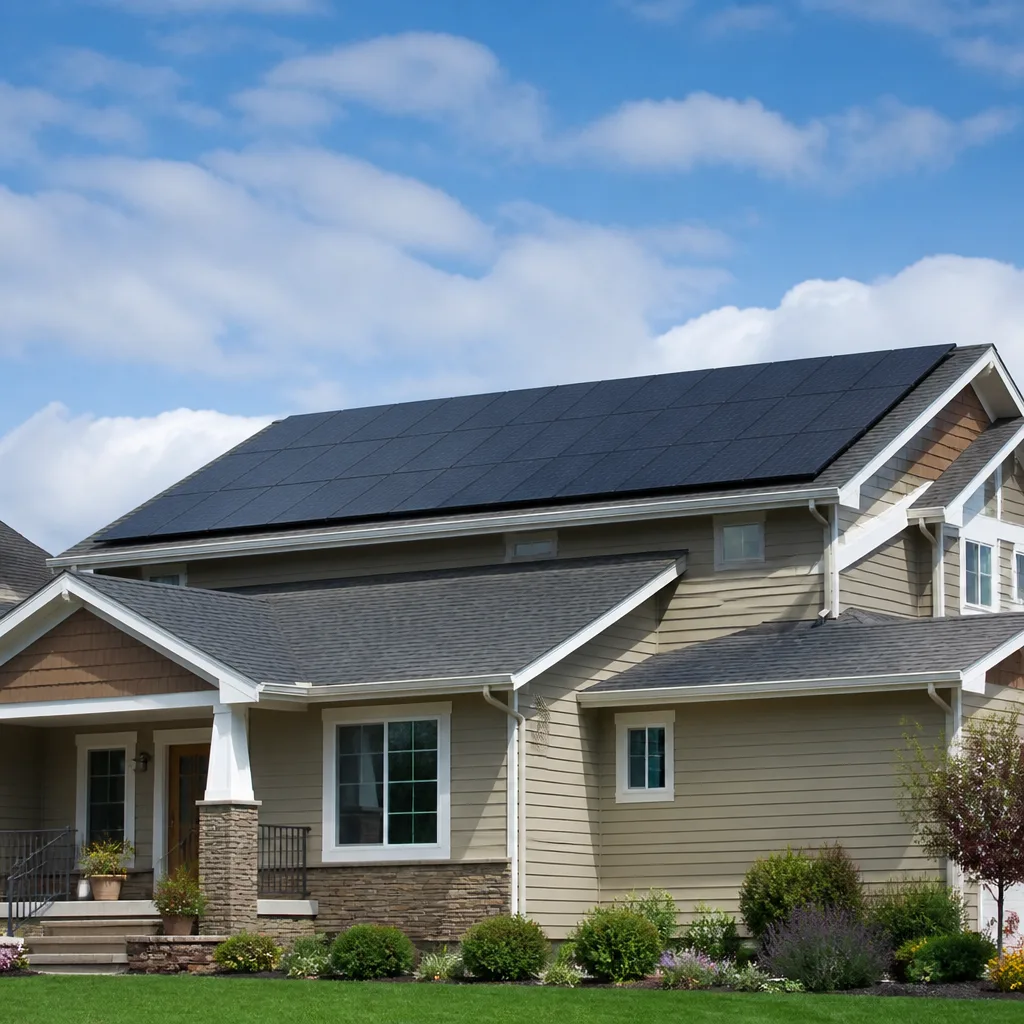
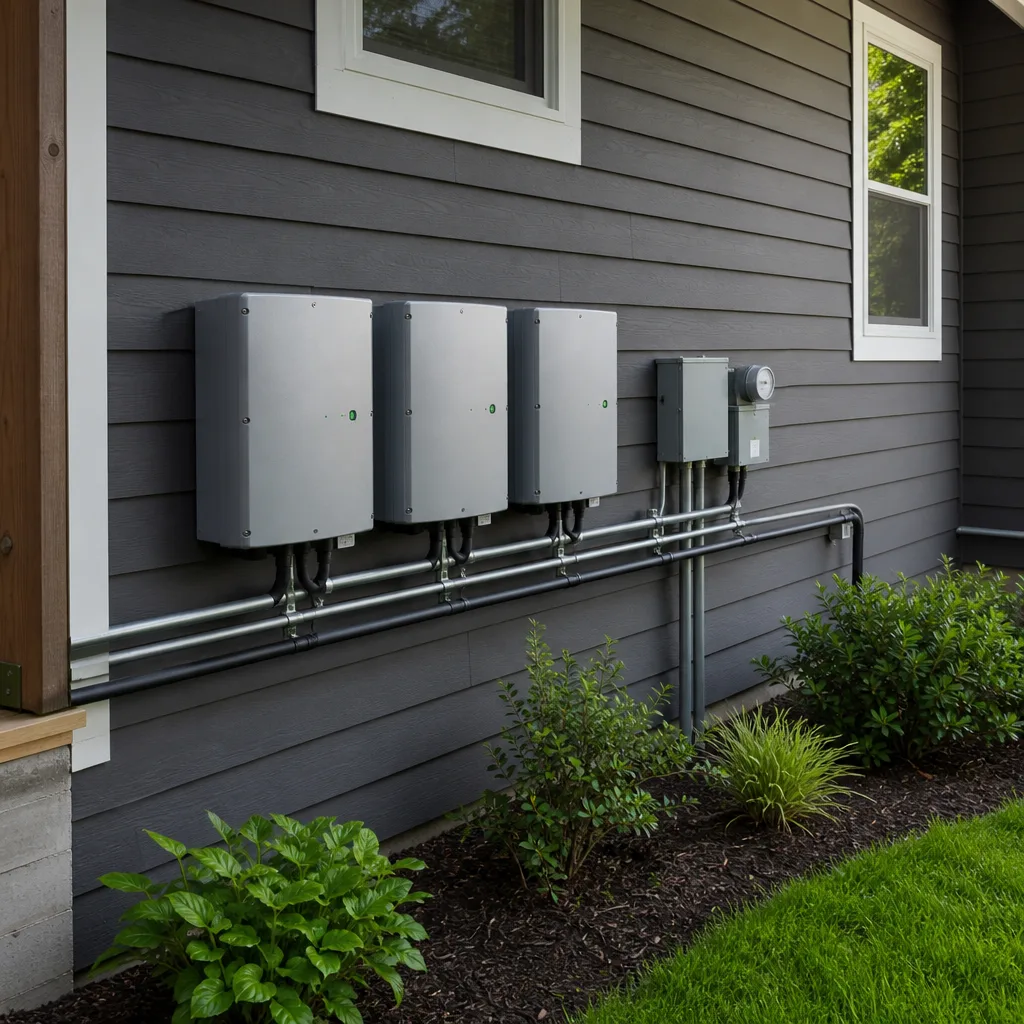
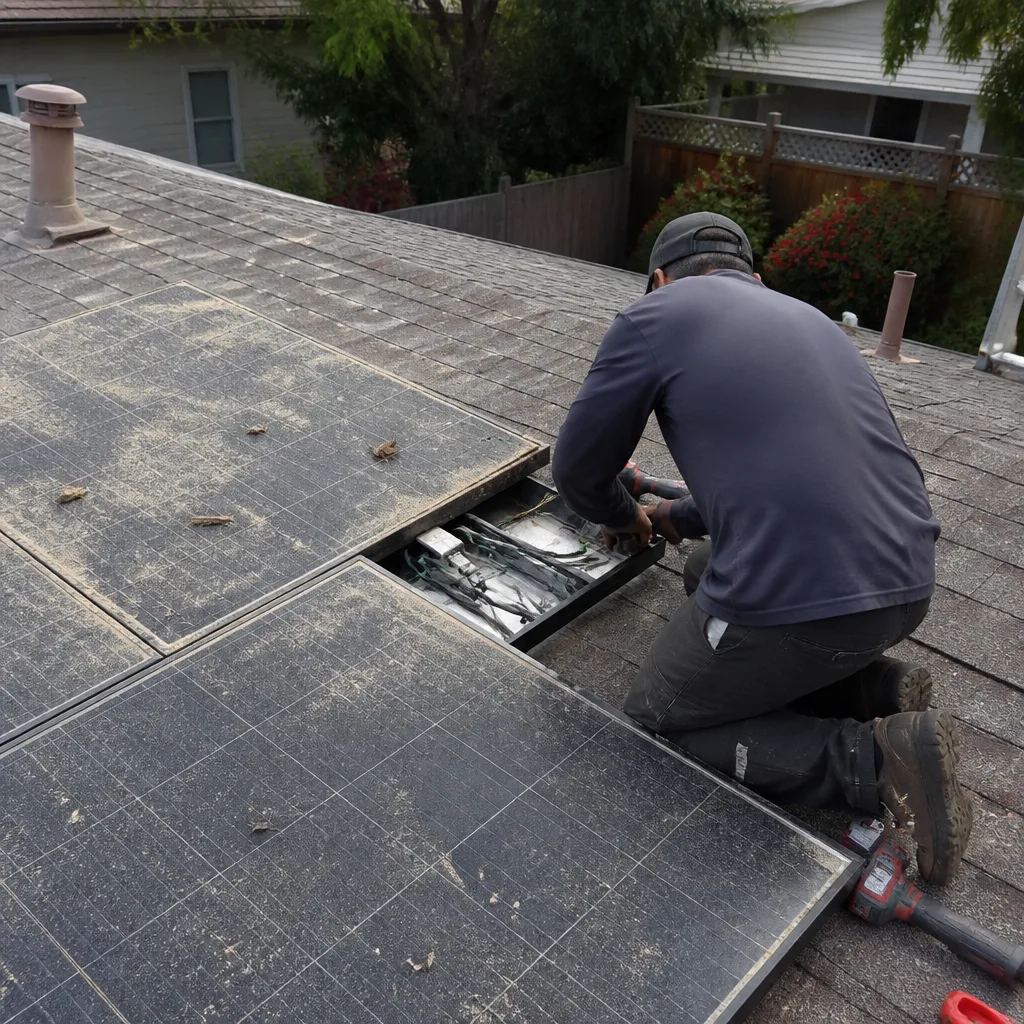 Before
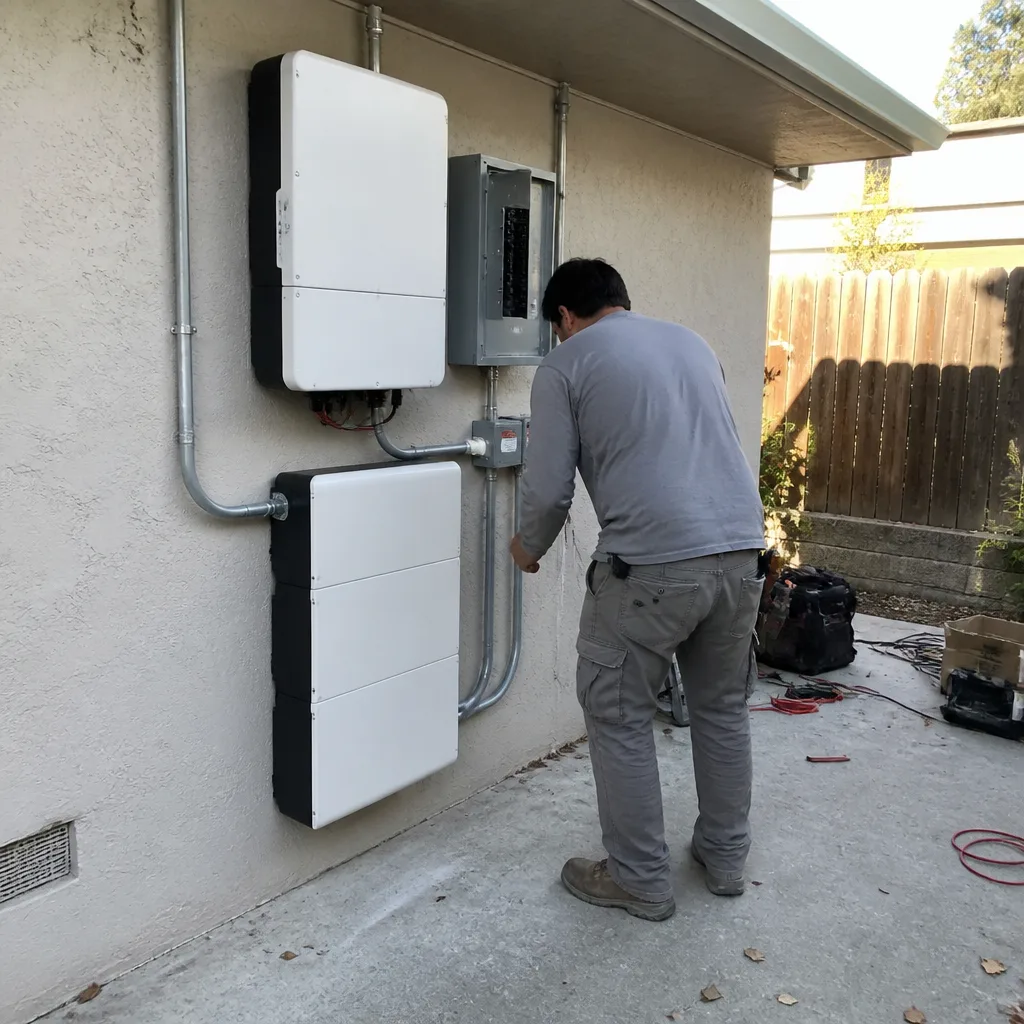 After
After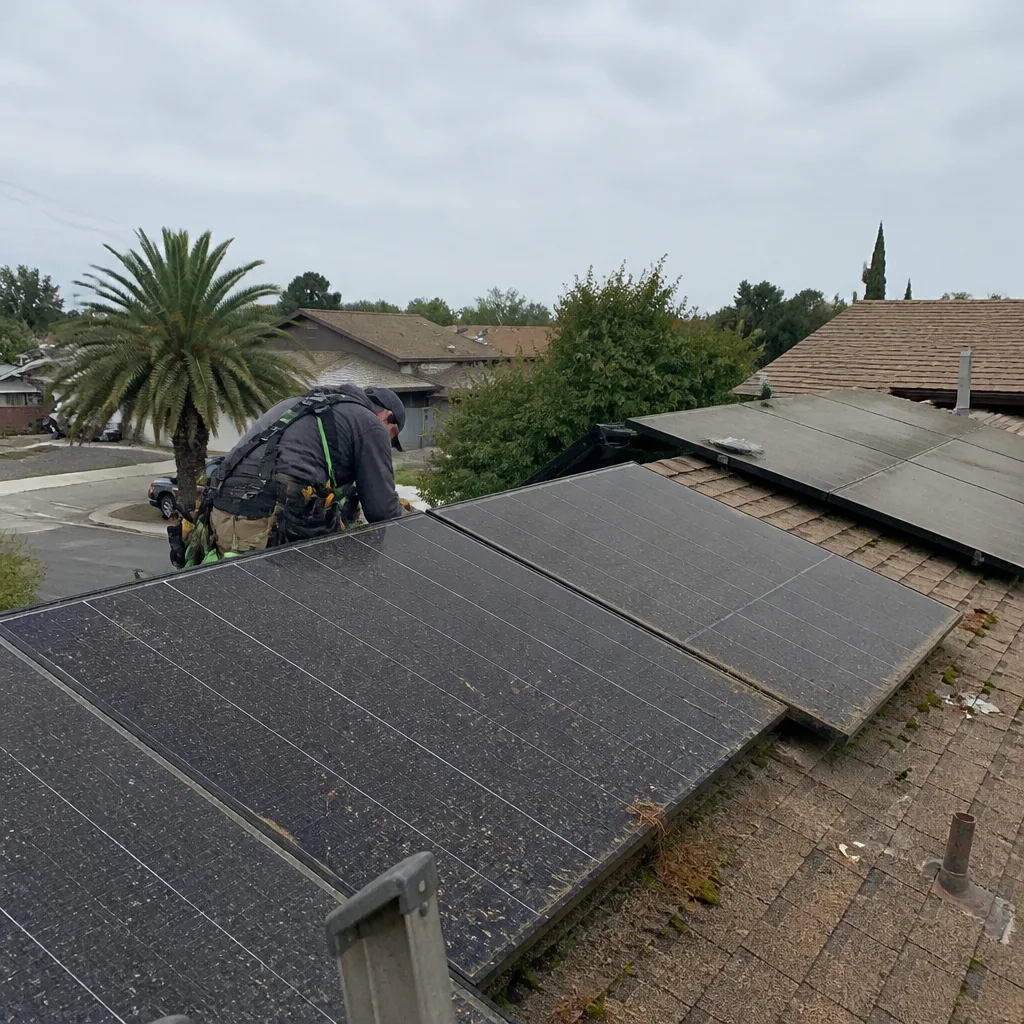 Before
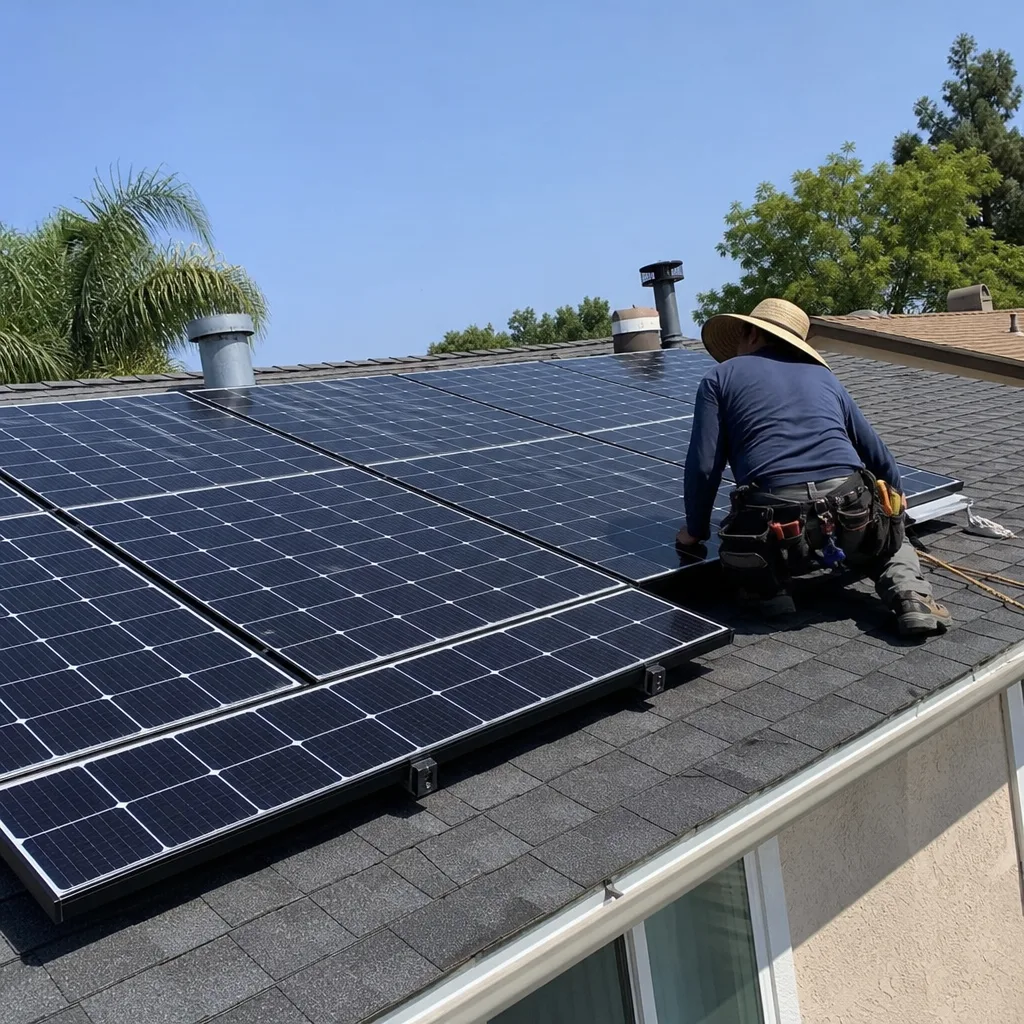 After
After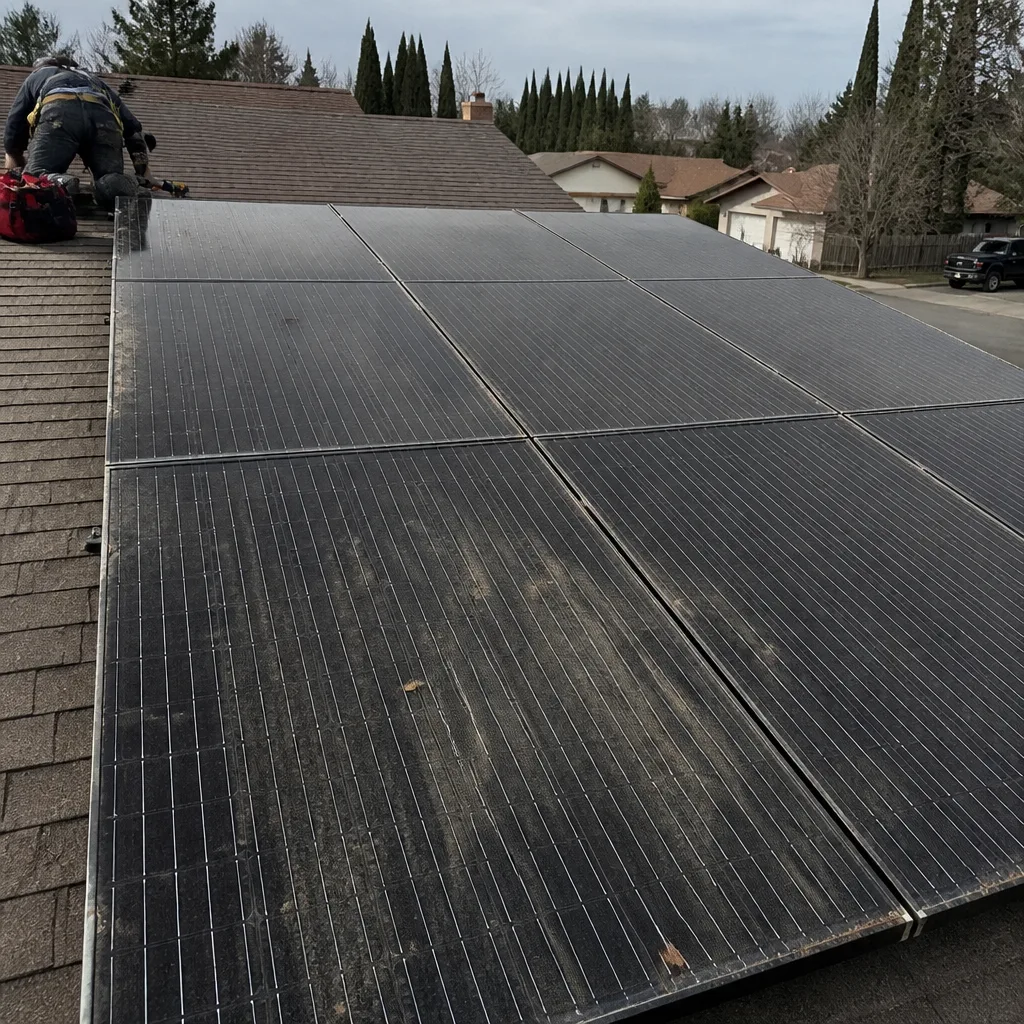 Before
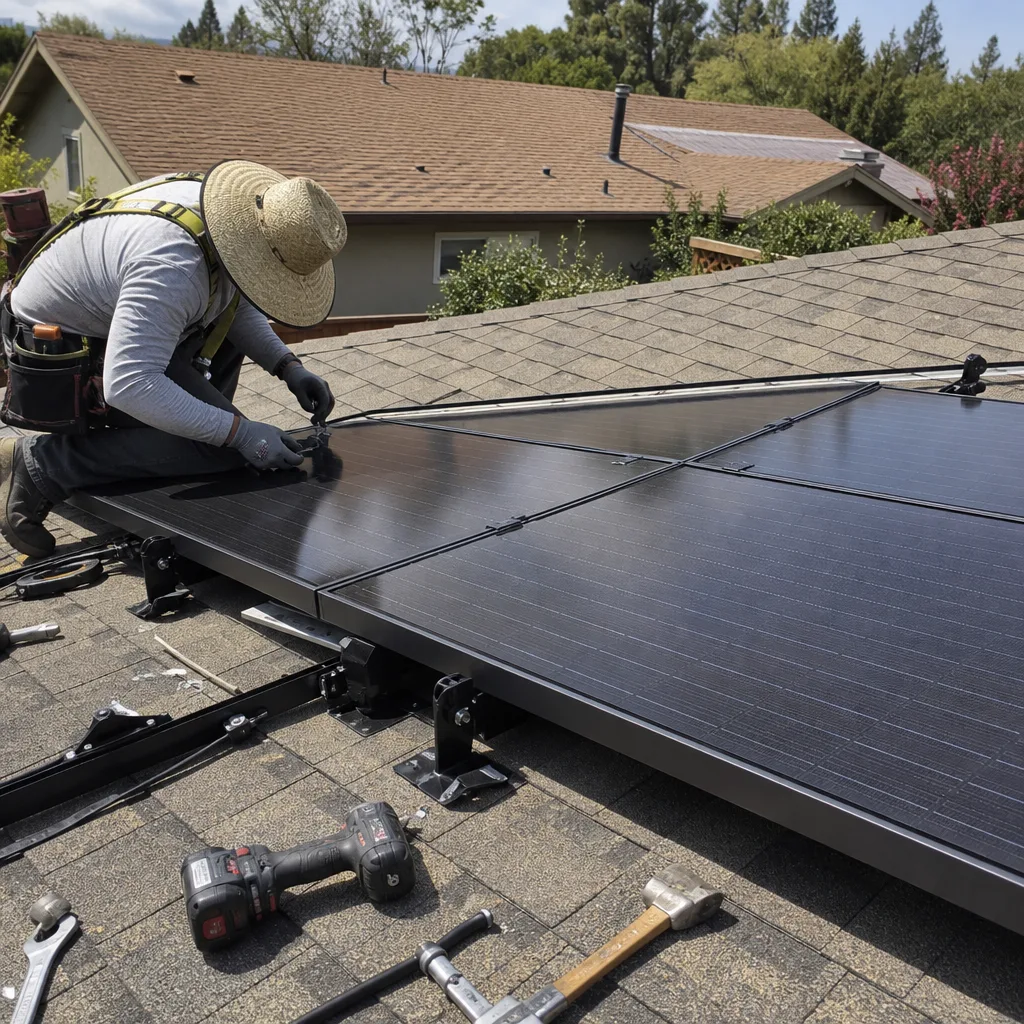 After
AfterQcells Solar in Long Beach, CA | Gus’s Solar
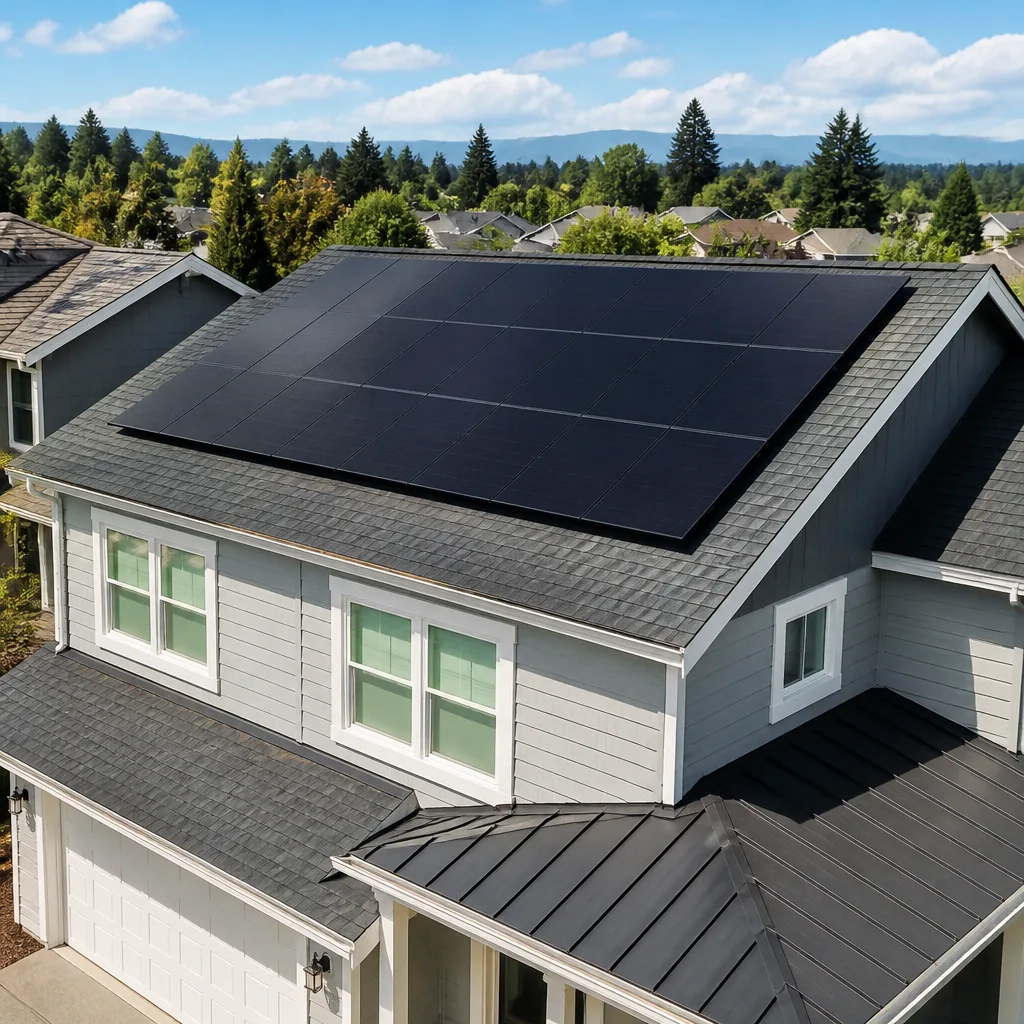
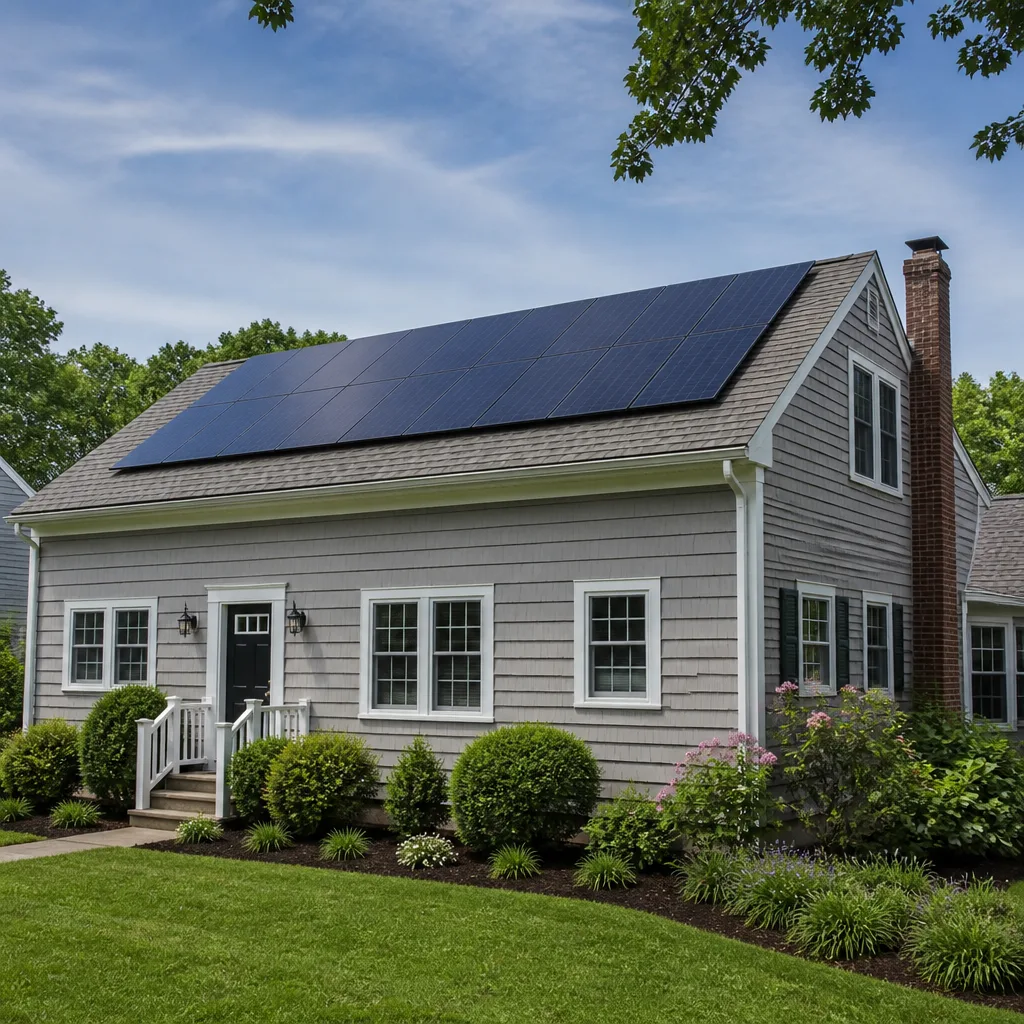
We provide Long Beach Solar Panel Installation and independent Qcells solar service across Long Beach, from Rose Park to Naples Island. The one thing that makes our Qcells work different here comes down to the air itself: salt from the Pacific and diesel soot from the Port of Long Beach settle on panels faster than almost anywhere in Southern California. If your Qcells system is underperforming, call Gus’s Solar at (877) 550-6892 and we’ll figure out whether it’s the equipment, the coastal buildup, or both. We’ve been working on Qcells hardware in Long Beach long enough to know the difference on sight.
Why Long Beach Residents Choose Us for Qcells Service
We’re not a manufacturer call center reading from a script. Gus Petrakis started this company in 2011, and when you call, you get a live person who knows Qcells equipment and knows Long Beach. That combination matters more than most homeowners realize until something goes wrong. A Q.PEAK DUO array behaving oddly in Wrigley means something different than the same array acting up in El Dorado Park Estates. Salt air, port soot, June Gloom, old bungalow wiring: these are all part of the diagnostic picture here.
We use genuine Qcells replacement parts where the manufacturer still produces them. For discontinued panels like the older Q.PEAK BLK-G4 series, we source certified aftermarket components with matching electrical specs. We carry common Qcells connectors, optimizers, and monitoring hardware in our local stock, so a service call in Long Beach doesn’t mean waiting a week for parts to ship from a warehouse in Texas. And our crew does the work themselves. Background-checked, uniformed, and accountable to one name: Gus’s Solar. If a repair isn’t right, our 90-Day Done Right Promise brings us back to make it right, in writing.
Gus grew up in Willow Glen up in San Jose and picked up his solar fundamentals at Evergreen Valley College before spending years on rooftops across the South Bay. He’s the one who answers the phone, and he’s the one who will tell you straight if a repair isn’t worth the money. That’s how we’ve always operated in Long Beach, and it’s why a lot of our work here comes from neighbors who’ve already been through the national-installer wringer once.
Common Qcells Solar Problems We Solve in Long Beach
- Salt-air corrosion at Q.ANTUM cell tabbing connections. Long Beach’s marine air is rough on panel internals, especially in Belmont Shore and Naples Island where Alamitos Bay pushes salt spray from two directions. On older Q.PEAK DUO panels, we regularly find corrosion at the tabbing connections that accelerates power fade within five to seven years. This isn’t a failure you see in inland installs. It’s a Long Beach pattern, and we know how to spot it early.
- Microcracks from wind-driven debris near the port. ZIP codes 90806 and 90810 sit close to the Port of Long Beach, where container trucks and cranes kick up fine particulates, and strong afternoon winds carry grit across rooftops. Q.PEAK DUO BLK-G modules are built well, but repeated impact from wind-driven sand and debris can create microcracks over time. Those cracks become hot spots, and hot spots quietly drain output. We use thermal imaging to find them before they get worse.
- Q.HOME CORE battery communication faults from marine-layer moisture. The Q.HOME+ ESS system pairs a Q.HOME CORE battery with an inverter, and that pairing depends on clean communication. When consistent coastal fog and humidity work their way into the electronics, fault codes start appearing and battery capacity gets stranded. We see this most often from May through August, when the marine layer sits over Long Beach for days at a time.
- Backsheet delamination on older Q.PEAK BLK-G4 panels. Belmont Shore and the peninsula see constant salt spray and high humidity year-round. On the older Q.PEAK BLK-G4 series, those conditions break down lamination edges, and the backsheet begins to peel. Once delamination starts, moisture intrusion follows, and output drops fast. We’ll tell you honestly whether a repair makes sense or whether replacement is the smarter call.
- Output drop from port soot and pigeon nesting. This one catches a lot of Long Beach homeowners off guard. Diesel particulate from port truck traffic settles on panels quickly, and the sheltered space under a rooftop array is a magnet for pigeons. Combine the two, and you can lose a third of your production in two months. More on that below.
Qcells Service in Long Beach: What Local Conditions Mean for Your Equipment
The Port of Long Beach is the busiest container port in the Western Hemisphere. Nearly 20% of all goods entering the United States pass through it, and every one of those containers moves on a diesel truck, a diesel crane, or a diesel ship somewhere along the line. That diesel particulate matter drifts over the western neighborhoods of Long Beach and settles on everything, including rooftop solar panels. In ZIP codes like 90806 and 90810, a Qcells array can lose up to 8% of its output from soiling within two months of a cleaning. That’s not a national statistic. That’s this port, this air, and this city.
Our crew serviced a Q.PEAK DUO BLK-G6 system on a 1940s bungalow in Rose Park where the homeowner saw a 35% output drop over two months. We traced it to a combination of port soot and pigeon nesting under the array. After installing a marine-grade critter guard and deep-cleaning the modules, output returned to expected coastal production curves. That kind of drop isn’t a panel failure. It’s a Long Beach condition, and our cleaning schedules and maintenance plans account for it directly.
Then there’s the marine layer. Locals call it June Gloom, but it often stretches from May into August, suppressing peak sun hours compared to cities 20 or 30 miles inland. That means production estimates borrowed from Riverside, or even from central LA irradiance data, overstate what a Qcells system will actually generate in Long Beach. We model everything off Long Beach-specific TMY irradiance data. If a salesperson quotes you a number based on inland sun hours, that number is wrong for your roof. Bring us a bill, and we’ll bring you the math that reflects what your panels will really produce here.
And for Qcells owners in Belmont Shore and Naples Island specifically: standard aluminum racking hardware can show visible oxidation within two to three years in that concentrated salt air. Marine-grade stainless fasteners and anodized mounts aren’t an upsell there. They’re the difference between a rack that lasts and one that needs replacing before the panels do. An installer from an inland valley wouldn’t anticipate that walking in cold. We do, because we’ve been on those rooftops.
We’re an independent Qcells service provider, not manufacturer-affiliated or authorized. That independence means we tell you what your equipment actually needs, not what a corporate warranty flowchart says to say. For more on how we work with this brand across the region, see our Qcells sales & service page.
Qcells Models & Products We Service in Long Beach
We service the full Qcells residential lineup that has appeared on Long Beach rooftops over the past decade: the Q.PEAK DUO BLK-G series, the Q.PEAK DUO BLK ML-G series, the Q.PEAK DUO XL-G series, and the Q.HOME+ ESS system with the Q.HOME CORE battery. We also still see older Q.PEAK BLK-G4 panels around town, particularly on mid-century ranch homes on the east side, and we diagnose those honestly, with a clear repair-versus-replace recommendation.
When a panel fails, we use genuine Qcells replacements where production is still active. For discontinued models, we source certified aftermarket components with matching electrical specs, and we only recommend full-array replacement when individual panel degradation exceeds 20%. That threshold keeps us from selling you a new array when one or two panels would do the job. If you’re in a zone served by our broader Long Beach service area, we can usually have common parts on hand the same week.
Qcells Service Pricing in Long Beach
Here’s what Qcells service generally runs in Long Beach: a diagnostic service call typically falls between $100 and $250 depending on your system size and location. Individual panel replacement usually ranges from $350 to $600 per panel including labor. Inverter or optimizer replacement runs $400 to $900 for most residential Qcells systems. Bird and critter guard installation for a typical rooftop array is $600 to $1,400 depending on perimeter length and roof pitch. And a full cleaning plus inspection service for a standard residential system is $150 to $350. We offer $40 off any repair over $200 and a free second opinion on any written estimate. Seniors and veterans get 10% off, and that discount never expires. Call (877) 550-6892 for an exact quote on your system. Estimates are free, and we’ll never ask you to sign anything tonight. Take two weeks. Think about it. The price will be the same.
Serving Long Beach, CA - Our Local Coverage Area
We’re based in the Long Beach area and know this community well. Use the map below to see our service coverage - if you’re nearby, we can almost certainly help.
FAQs - Qcells Solar in Long Beach
Long Beach sits right against the Pacific, and the marine layer that locals call June Gloom parks over the city from May through August more consistently than it does over inland Orange County. That cloud cover suppresses peak sun hours meaningfully. Add port soot accumulation on top of the reduced irradiance, and a Qcells array in Long Beach can underperform an identical Orange County system by 5% to 10% during those months. Cleaning and proper panel positioning help, but the marine layer is a geographic reality. Call (877) 550-6892 and we’ll evaluate your specific production data against Long Beach irradiance curves, not generic Southern California figures.
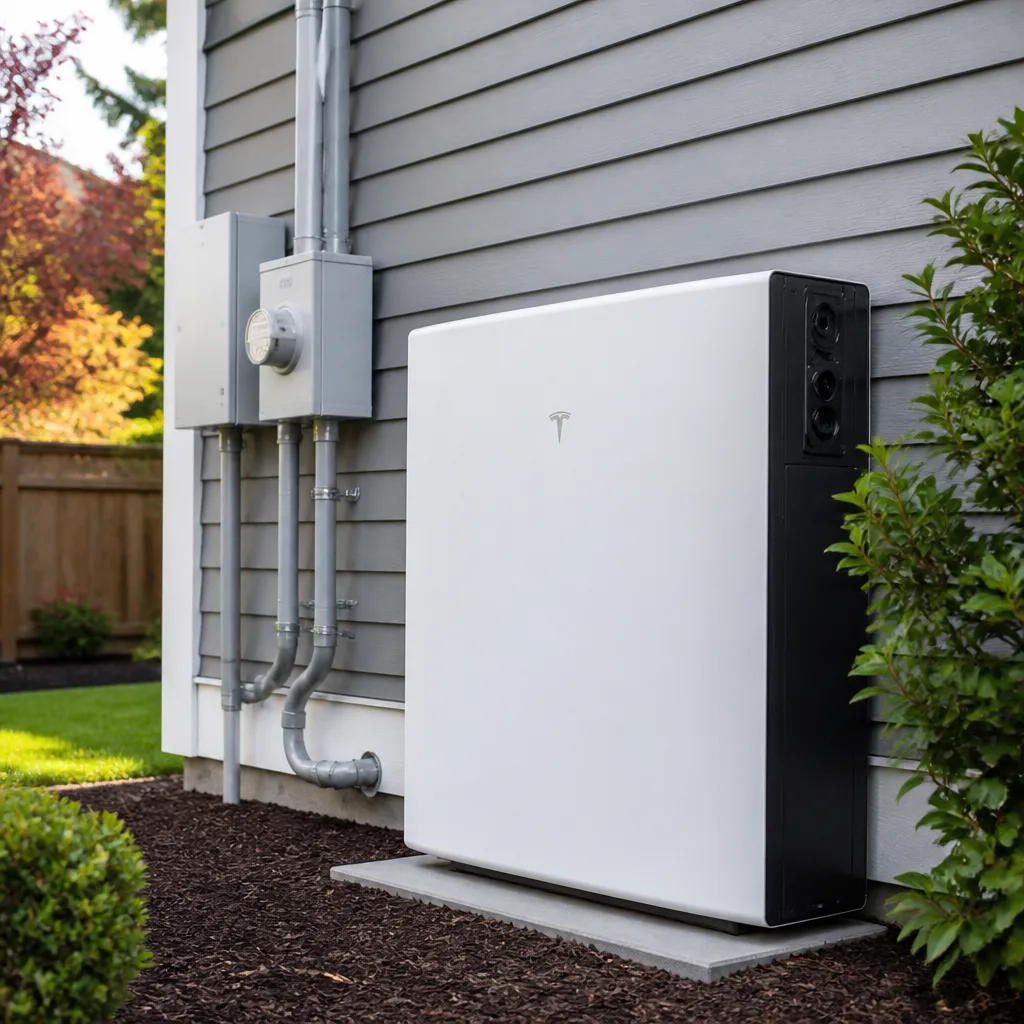
Yes, in most cases you can retrofit a battery to an older Qcells array, but it usually means adding a new inverter that supports battery integration, since older string inverters were never designed for storage. We’ve done Solar Battery Storage & Backup in Long Beach retrofits for existing Qcells systems throughout the city, and the Q.HOME CORE is a natural pairing when the existing inverter is replaced with a compatible model. Your main electrical panel matters too, especially in the older Long Beach housing stock where 100-amp service is common. Call (877) 550-6892 for an assessment of what your specific roof can support.
Yes. In Belmont Shore and Naples Island, where Alamitos Bay surrounds the homes and salt air comes from two directions, standard aluminum racking can show visible oxidation within two to three years. Marine-grade stainless fasteners and anodized mounts are the functional standard there, not an upgrade. We specify that hardware on every bay-adjacent install and retrofit we do in Long Beach. If your existing racking is corroding, we can replace it before it compromises the array.
Most Long Beach Qcells owners should clean their panels every three to four months, but if you live west of the 710 in ZIP codes like 90806 or 90810, every two to three months is more realistic. Diesel particulate from port truck traffic and ships settles fast, and a panel can lose up to 8% of its output from that soiling within two months. Our maintenance plans set cleaning intervals based on your specific distance from the port and prevailing wind patterns. Call (877) 550-6892 to schedule a cleaning or set up a plan.
Yes, a properly sized Q.HOME battery will carry your essential circuits through most summer outages, but your older home’s electrical panel often determines how much of the house the battery can actually back up. Many Long Beach bungalows still run on 100-amp panels, and some Rose Park and Wrigley homes have original knob-and-tube wiring that requires a panel upgrade before the battery can be fully integrated. Here’s what we’d do if it were our roof: start with a load assessment from your actual utility bill, then size the battery to the circuits that matter most. Call (877) 550-6892 for a straight answer on what a Q.HOME battery would realistically do for your home.
Service Areas Near Long Beach
We serve all of Long Beach and the surrounding communities including Lakewood, Signal Hill, Seal Beach, Huntington Beach, and Carson. We also provide Qcells service in Irvine and Qcells service in Las Vegas for clients with properties in those areas.
Book Your Qcells Service in Long Beach Today
If your Qcells system is underperforming, showing fault codes, or you simply want a professional assessment of its coastal condition, call Gus’s Solar at (877) 550-6892. We answer the phone 24/7 with a live person, and we can often be out the same day for urgent issues in Long Beach. No voicemail, no ticket queue, no runaround. Just a straight answer and a fair quote.
Written by Gus Petrakis, Owner at Gus’s Solar, serving Long Beach since 2011.