
Free bill analysis - bring a power bill, get the production math for your actual roof, panel brands like Qcells and REC compared side by side
If the pitch starts at your door and ends with "sign tonight for the special," sleep on it. The sun will still be there tomorrow; so will we.
 Before
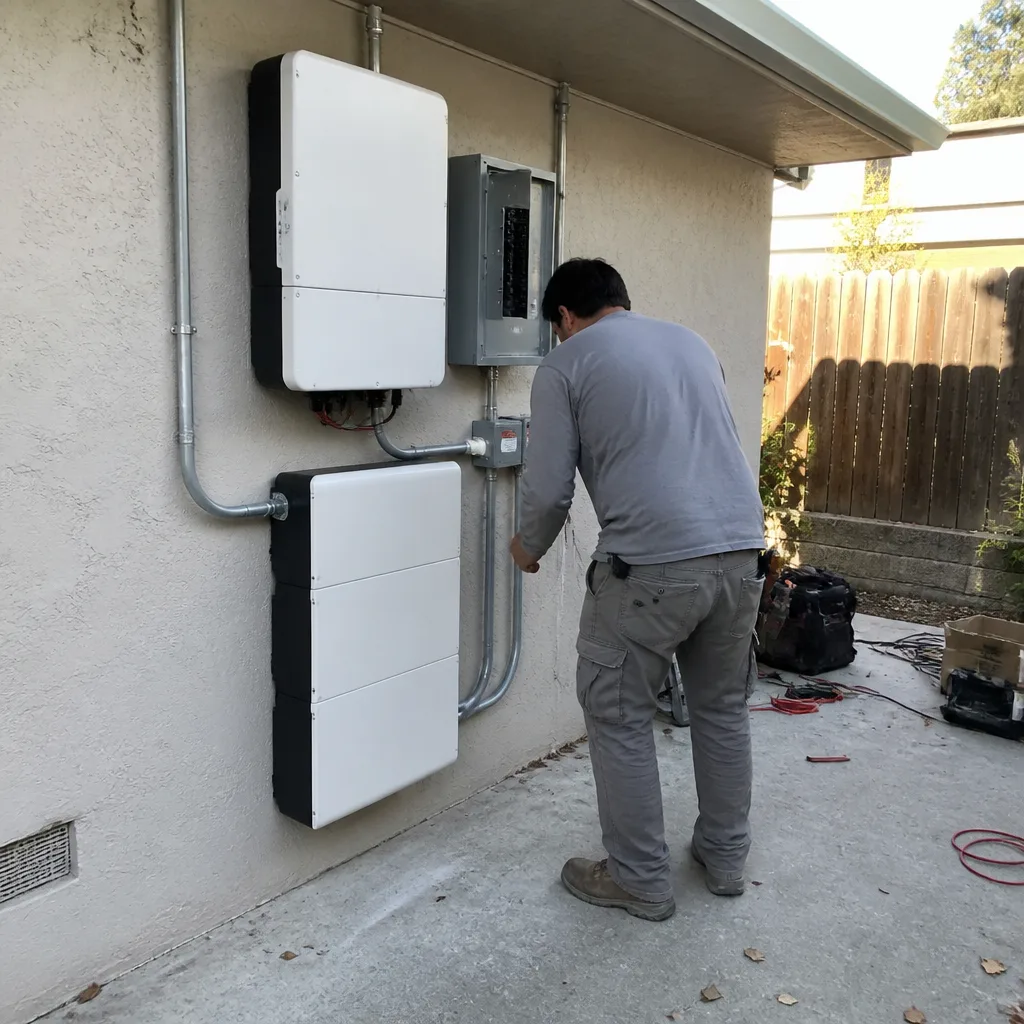 After
After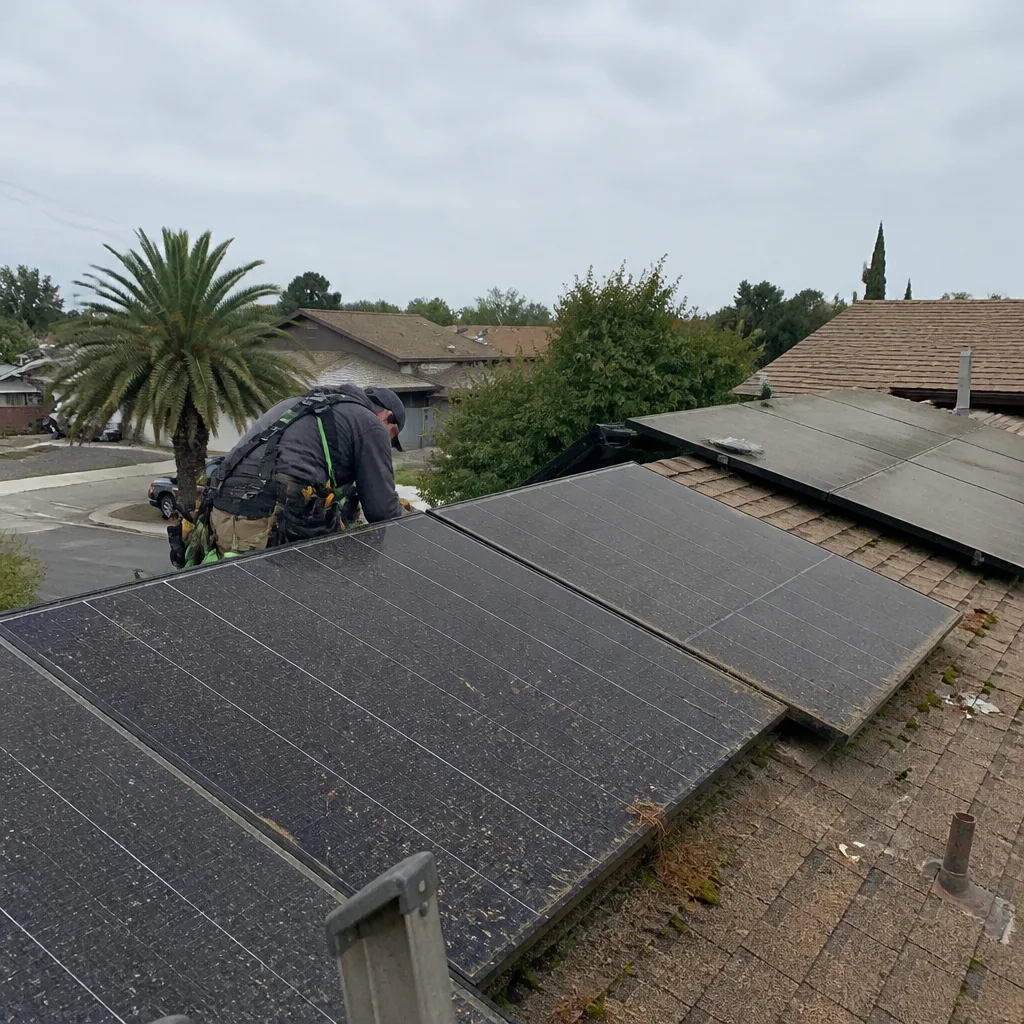 Before
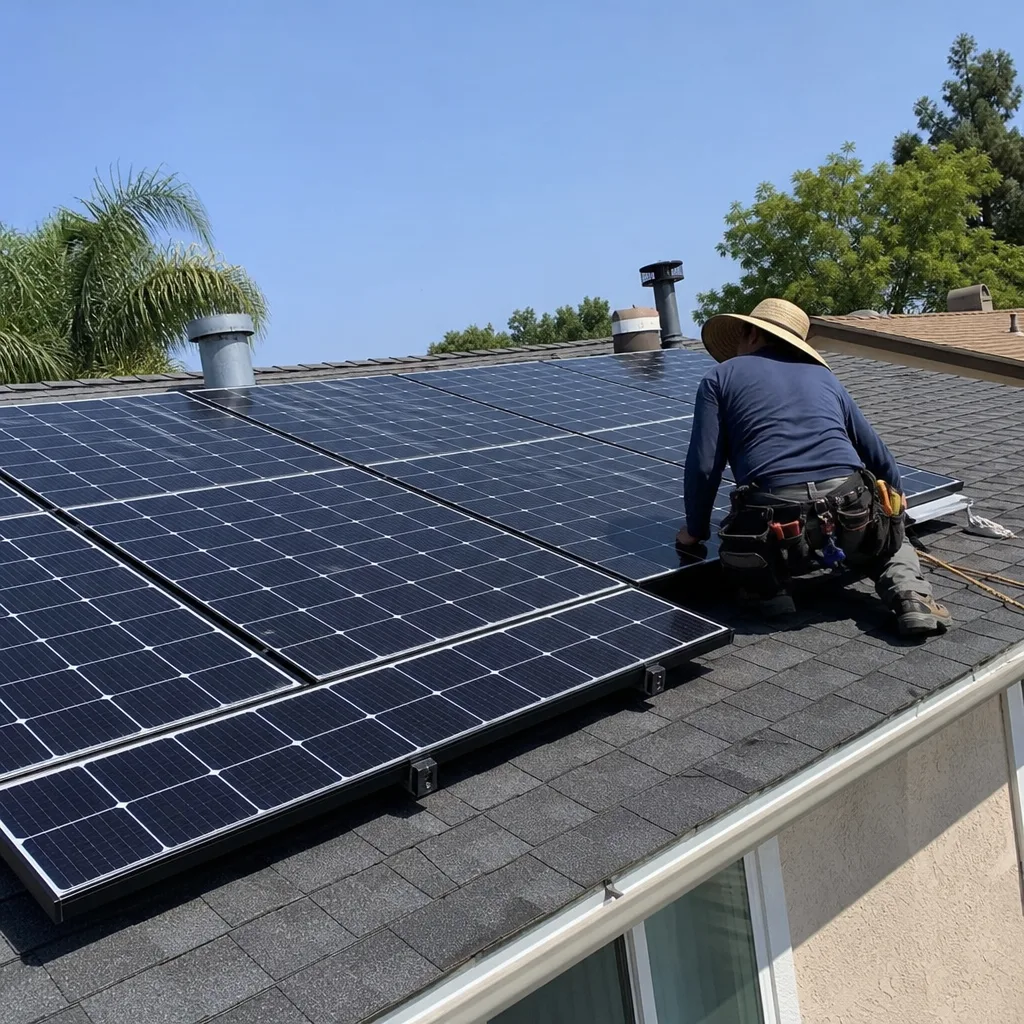 After
After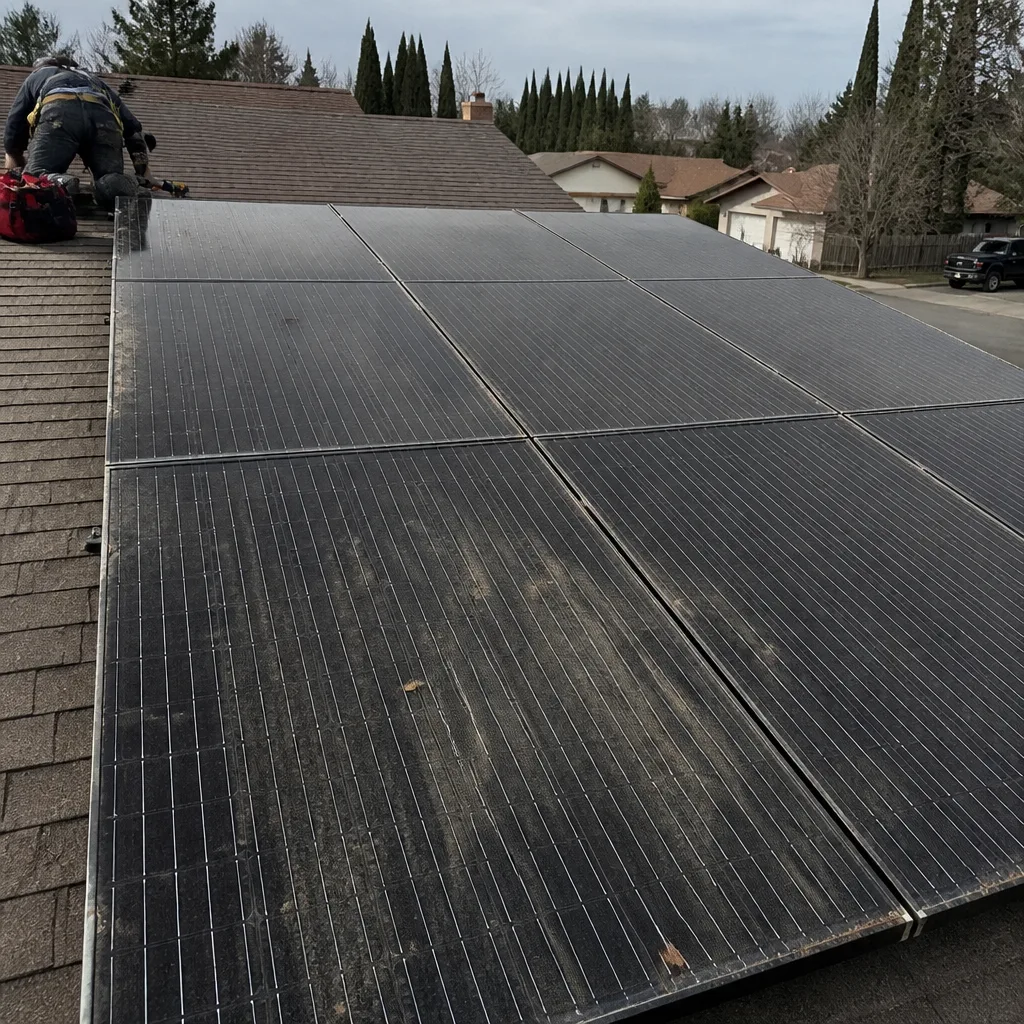 Before
 After
AfterFast, Reliable Commercial Solar Installation Across Dayton
Commercial solar installation in Dayton, NV typically runs $2.10 to $2.80 per watt before incentives, which puts a 100 kW rooftop system between $210,000 and $280,000 before the 30% federal tax credit and NV Energy rebates. Most commercial projects in the Dayton Valley take 8 to 14 weeks from signed contract to interconnection, with Lyon County permitting being the single biggest variable in that timeline. We’ve been doing this long enough to know exactly where the delays hide, and we schedule around them from day one.
Gus Petrakis owns Gus’s Solar, and when you call (877) 550-6892, you get a real person who knows Dayton, knows Lyon County’s building department, and knows what a commercial rooftop on Highway 50 actually produces in year 25, not just year one. That’s the difference between a quoted number and an honest one.
Why Gus’s Solar Is Dayton’s Preferred Commercial Solar Installation Company
Dayton is unincorporated Lyon County, which means your commercial solar permit runs through the Building Department in Yerington, over an hour from your site. An installer who doesn’t know that will quote you a Carson City-style timeline, then blame “county delays” when your tenant move-in date slips. We’ve been working with Lyon County long enough that we build their actual review backlog into the contract schedule before you sign, so the date we give you is the date that holds.
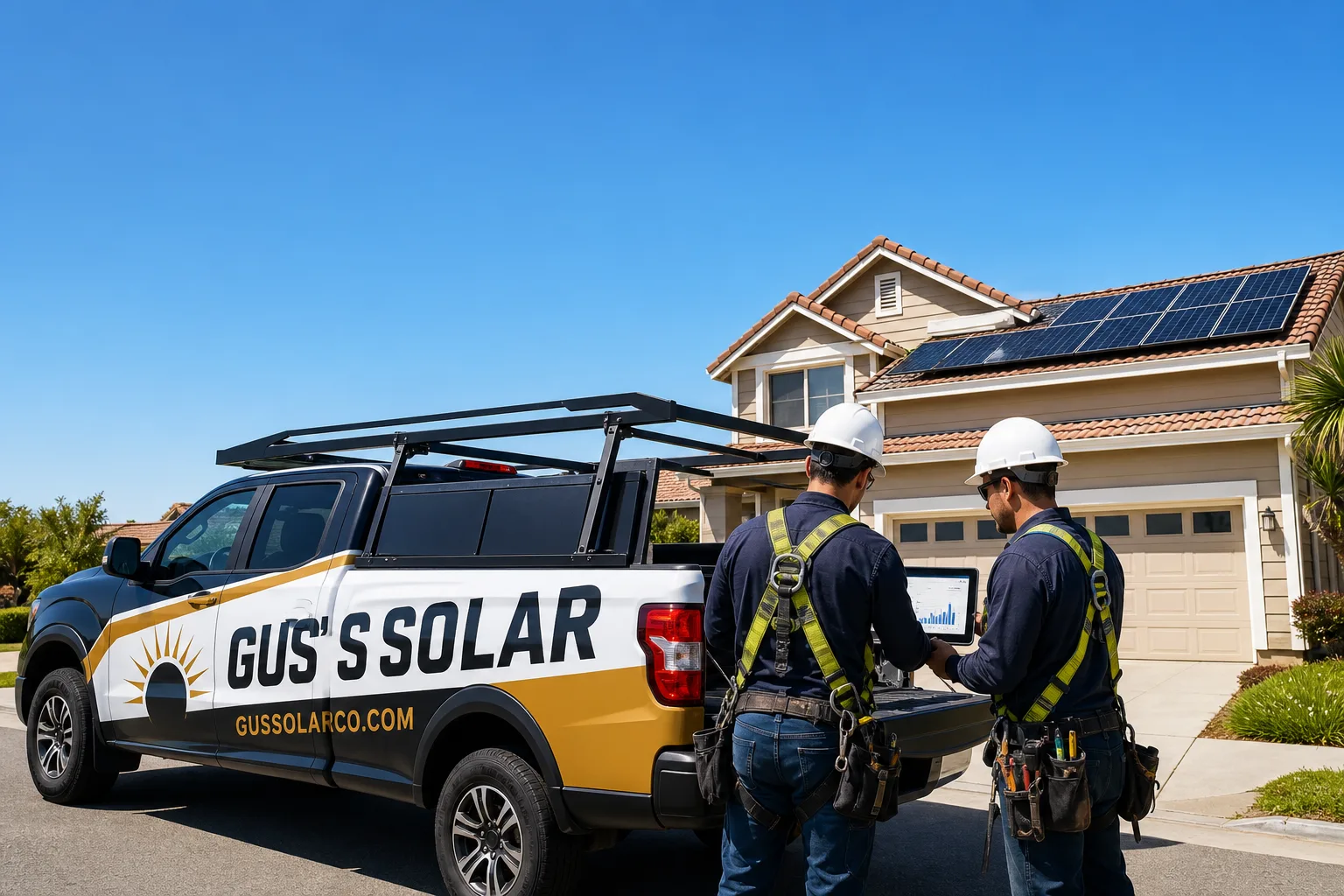
There’s another reason Dayton businesses choose us over the out-of-state crews that canvass the valley each spring. Gus puts his name, his address, and his license number on every proposal. When the system underperforms or a fault code shows up, you call the same number you called on day one, and the same owner who walked your roof answers. We don’t hand work off to a sub, and we don’t disappear after the final inspection. We’ve been locally owned since 2011, and the L.O.C.A.L. code we operate by is not a marketing slogan, it’s how we run a business: Local roots, On time, Community first, Accountable, Loyal.
Our response time to Dayton is same-day for emergencies and typically within 24 to 48 hours for diagnostics on a non-urgent fault. Our background-checked, uniformed crew doesn’t change between the sales call and the install date. The faces you meet are the faces on your roof.
Our Commercial Solar Installation Services in Dayton
Commercial Rooftop Solar
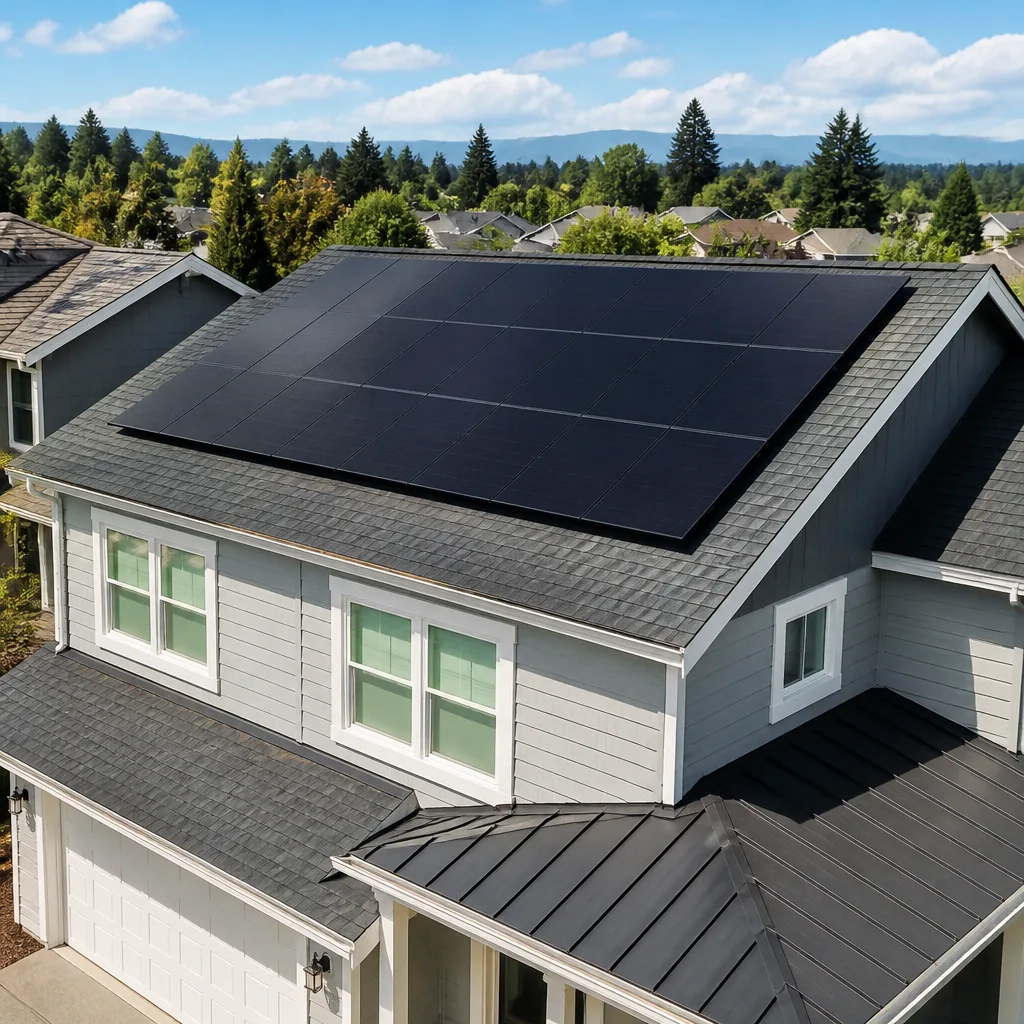
A commercial rooftop array on a Dayton Valley warehouse or retail building produces measurably more kWh per installed kilowatt than the same system in Carson City or Reno. That’s not marketing fluff. It’s the Sierra Nevada rain shadow doing its job: less cloud cover, more peak sun hours, and a shorter payback period on your capital outlay. We size every system off your actual 12-month utility usage, not a square-footage estimate, because a metal building on Highway 50 with a 480V service has entirely different production math than a 2000s strip-mall building near the Comstock-era core.
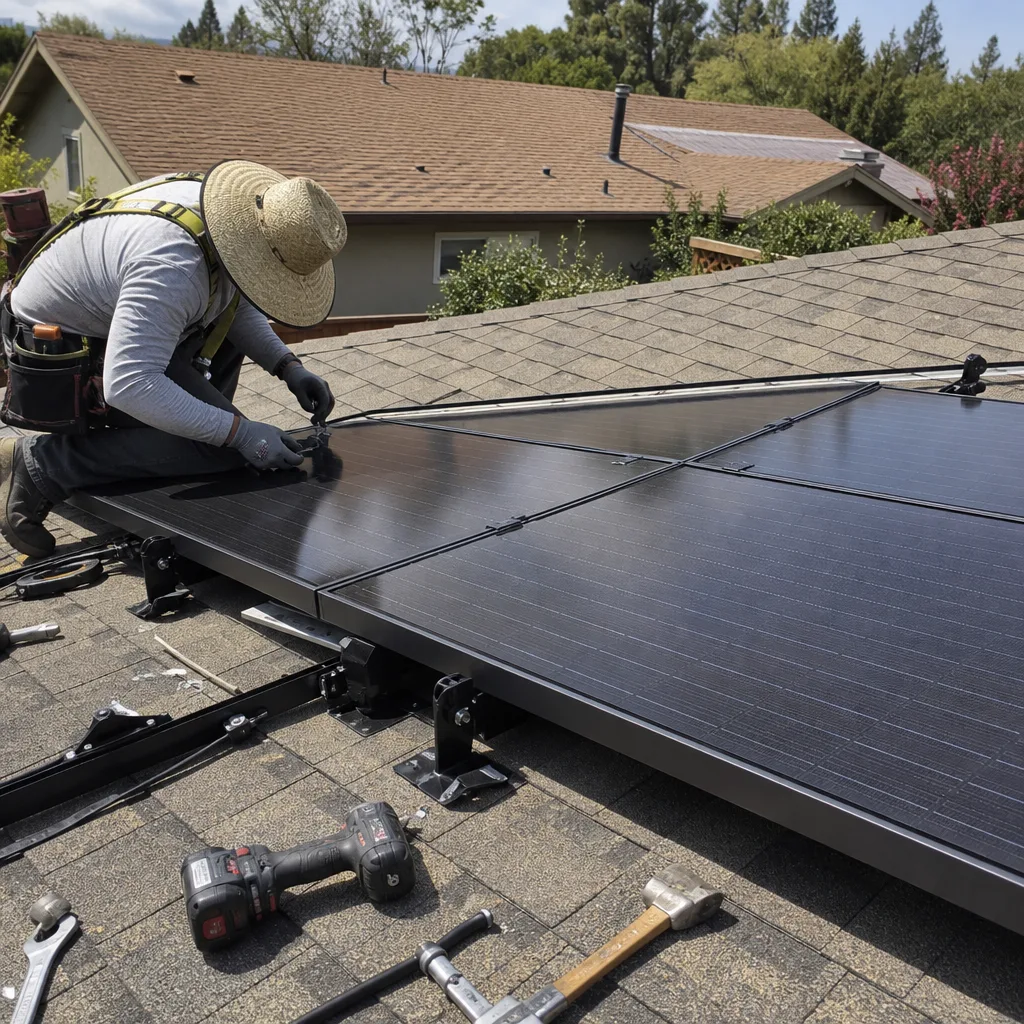
Our Commercial Solar Installation team handles low-slope membrane roofs with ballasted racking, standing-seam metal with clamp-on attachments, and the occasional older TPO roof that needs a recovery board before we flash a single penetration. Every penetration gets flashed properly. Every time.
Warehouse & Industrial Solar
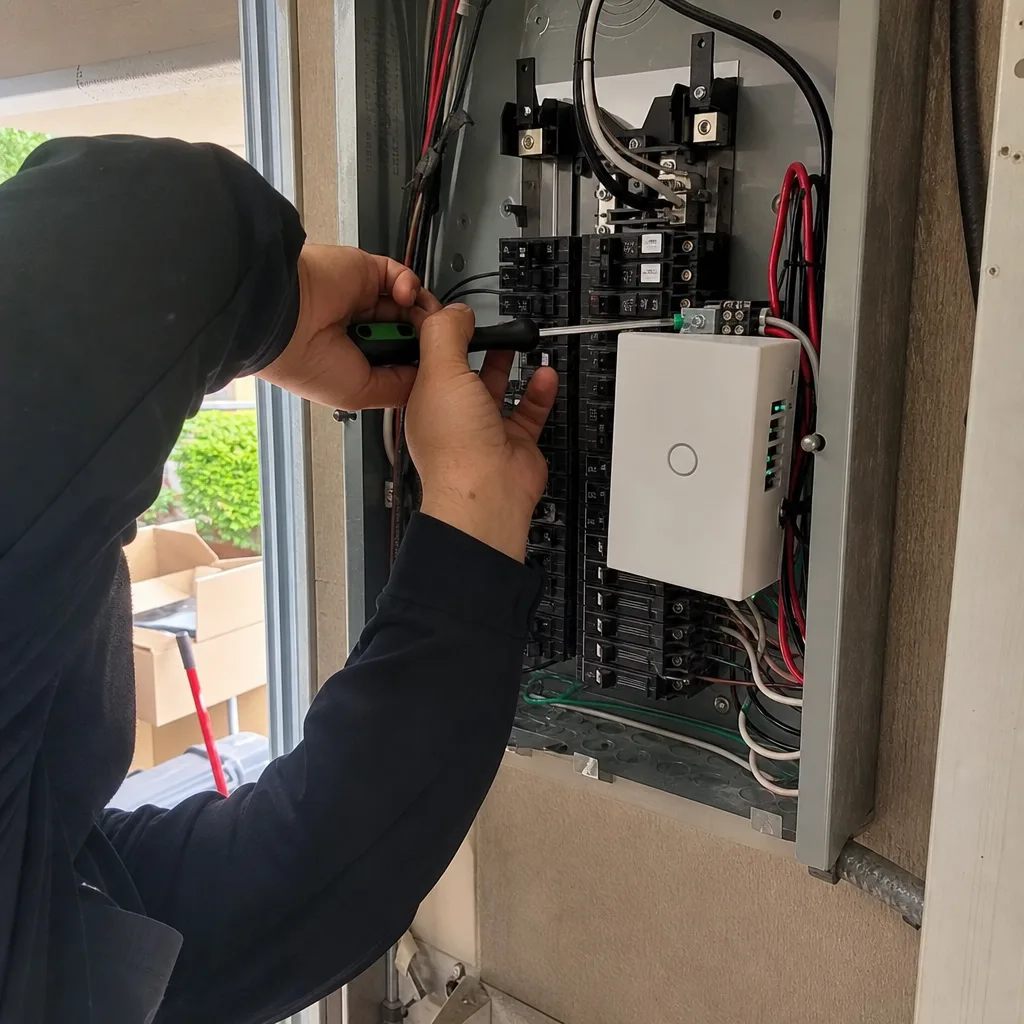
Dayton’s industrial lots along Highway 50 and the parcels south toward the Carson River corridor mostly went up in the 2000s and early 2010s, which means they’re approaching the age where the original roof warranty is expiring and the electrical service is sized for what the building was, not what it’s become. We walk the roof before we quote, and we check the actual service size at the meter, because a 98 kW array on a building that was permitted for a 125A panel is not a permitting problem, it’s a re-pull waiting to happen.
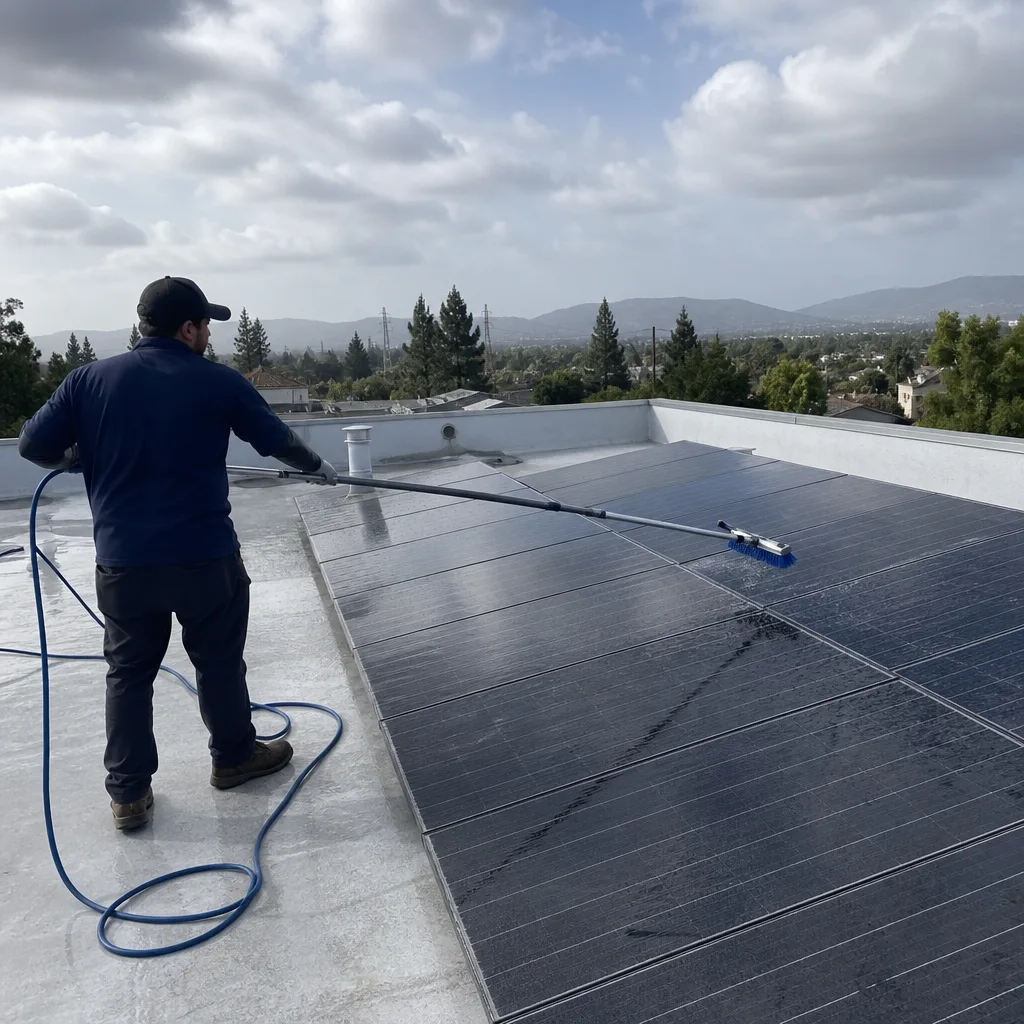
We recently installed a 98 kW commercial rooftop array on a warehouse off Highway 50 in the Dayton Valley. The steel building’s low-slope roof needed a ballasted racking system with rapid shutdown and Enphase microinverters to handle the site’s single 480V service. The client had been quoted by an out-of-town installer who ignored Lyon County’s longer permit review timeline, but we had already factored the Yerington Building Department’s backlog into the schedule, so the final interconnection and utility approval for the meter swap happened without a penalty clause being triggered.
Solar Carport Installation
A carport array in Dayton does double duty: it generates power and shades vehicles through the valley’s summer afternoons, when surface temperatures on asphalt easily push past 130°F and afternoon ambient temperatures regularly exceed 95°F. For a commercial lot with employee parking, a carport is often the cheapest way to add significant capacity without touching the building’s roof membrane, which matters if your roof is near end-of-life and you’d rather not re-roof before you go solar.
Commercial Battery Storage
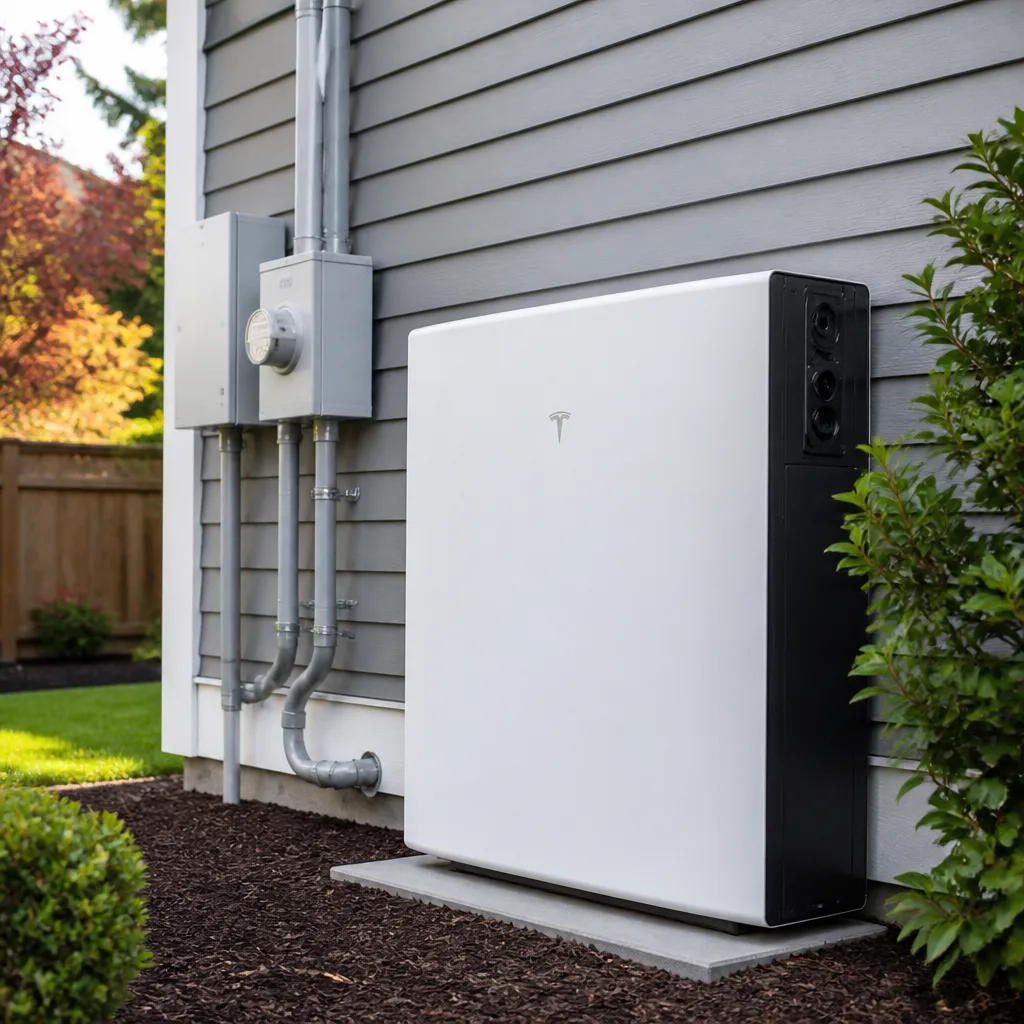
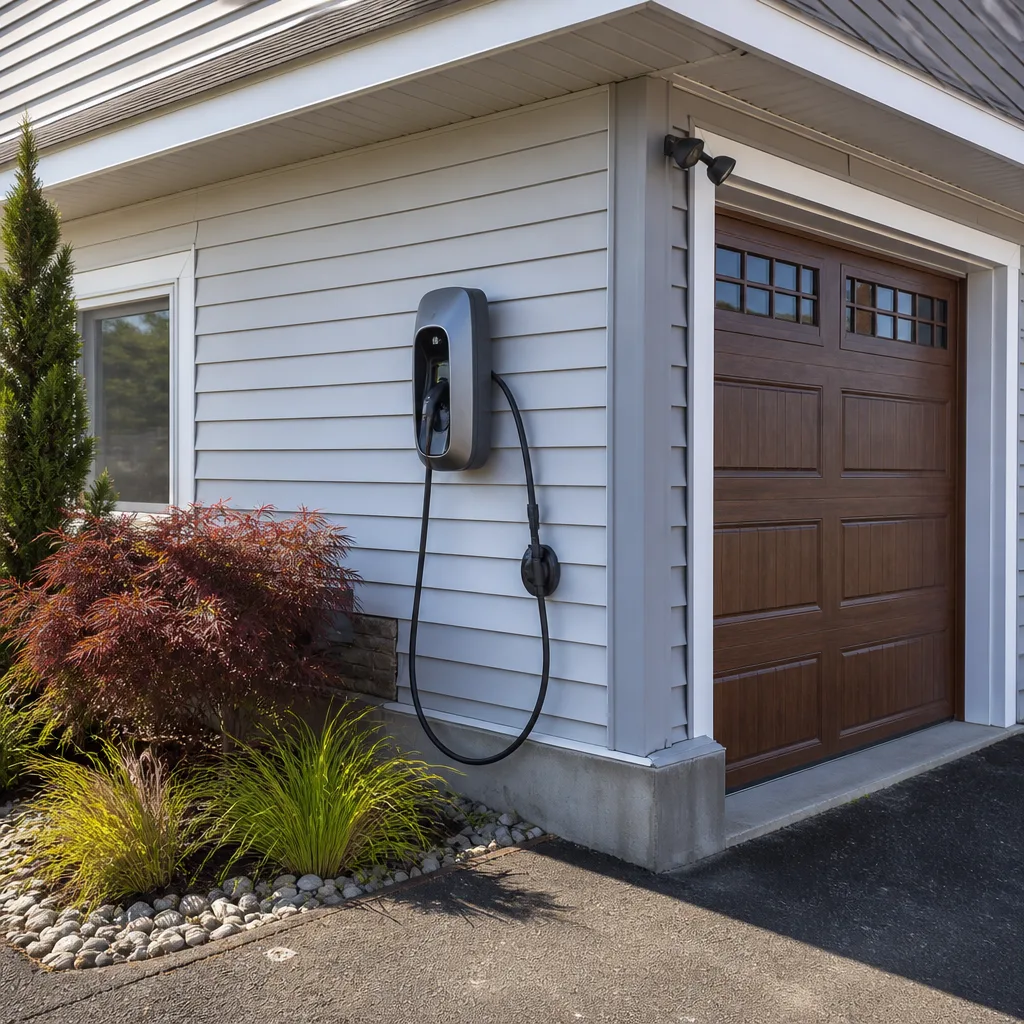
NV Energy’s commercial time-of-use rates make battery storage a genuine cost-saver in Dayton, not a backup luxury. A FranklinWH or Tesla battery configured for peak-shaving charges during the midday surplus and discharges during the afternoon rate window, which is exactly when Dayton’s heat drives your AC load highest. If your building also hosts EV chargers in the fleet lot, a battery buffers that demand spike so your 200A service doesn’t brown out on a 100°F afternoon. We’ll model it off your actual interval data, not a generic load curve.
What happens when you call
- 1
A real person answersNo phone trees - you reach a local pro.
- 2
You get an upfront price rangeHonest numbers before anyone is dispatched.
- 3
A background-checked tech heads outLicensed & insured, dispatched right away.
- 4
You approve before work beginsNothing starts until you say go.
Trusted Brands We Service in Dayton
We install and service equipment from Tesla, Enphase, SolarEdge, and FranklinWH, among others. The brand we recommend for your Dayton building depends on your roof type, service voltage, and whether you’re adding battery storage now or planning for it in three years. We stock common microinverter and rapid-shutdown components in our Nevada warehouse, so a warranty replacement on an Enphase system doesn’t mean a two-week wait for a part to ship from the manufacturer’s distribution center. For Dayton clients, that’s the difference between a same-week fix and a lost month of production.
Common Commercial Solar Installation Problems We See in Dayton Homes
- Counting on Carson City-style permit turnaround. Carson City’s consolidated city-county building department moves faster than Lyon County’s separate, Yerington-based review process. We schedule for Lyon County’s actual timeline so your building’s opening date doesn’t slip.
- Modeling production off a Carson City weather file. Dayton’s higher solar resource means a system here outperforms a Carson City or Reno model by a real margin. A bid built on the wrong azimuth and wrong weather data underpromises what your roof will actually produce.
- Specifying a 125A panel for a 2000s Dayton tract building’s solar-plus-EV upgrade. Plenty of the 2000s commercial and mixed-use buildings here were built with 125A services. Add an EV charger and an inverter, and the busbar gets tight fast. We check the service size before we design, not after the permit gets rejected.
- Ignoring winter inversion mornings. Dayton’s valley floor gets cold-air inversions that deposit frost and light snow on panels more often than you’d expect from a desert town. Production dips in the mornings even when the forecast looks clear. We build that seasonal pattern into the production model so the first-year true-up statement matches the promise.
Pricing for Commercial Solar Installation in Dayton, NV
A commercial rooftop array in Dayton typically runs $2.10 to $2.80 per watt, including design, racking, inverters, installation, and Lyon County permitting. A 50 kW system lands around $105,000 to $140,000 before incentives; a 100 kW system runs $210,000 to $280,000. Battery storage adds $650 to $1,000 per kWh of usable capacity depending on chemistry and brand. Ground-mount arrays on Dayton Valley agricultural parcels run slightly higher on the racking side, $2.30 to $3.00 per watt, because the footings and trenching cost more than a roof-attached rack. The 30% federal Investment Tax Credit and NV Energy’s commercial net metering rate apply in Dayton just as they do in Carson City, but the production numbers on this side of the valley are better, which shortens your payback period by real months, not just rounding.
Bring us a bill, we’ll bring you the math. Every estimate is built off your actual utility data, and every quote is free. Call (877) 550-6892 and we’ll come out to Dayton, walk your roof, and give you a number you can plan a budget around.
We Also Serve Cities Near Dayton
Our crew regularly works in Silver Springs to the east, Carson City and Johnson Lane over the county line to the west, and Indian Hills just up the hill. If your building sits in any of those communities, or anywhere in Lyon County’s commercial corridor, the same team that serves Dayton will handle your project with the same local permit knowledge and the same production modeling accuracy.
Serving Dayton, NV - Our Local Coverage Area
We’re based in the Dayton area and know this community well. Use the map below to see our service coverage - if you’re nearby, we can almost certainly help.
FAQs - Commercial Solar Installation in Dayton
Lyon County processes commercial solar permits through the Building Department in Yerington, which sits over an hour from Dayton and reviews both the electrical plans and the structural drawings separately, adding two to four weeks to a typical commercial timeline compared to Carson City’s consolidated city-county review. We factor that specific delay into every Dayton project schedule before you sign, so the completion date we quote is the date that actually holds. Call (877) 550-6892 and ask us how the Yerington desk is scheduling right now; we check before we quote.
A commercial array spreads its fixed costs, like engineering, permitting, and racking, across a much larger kilowatt count, so the extra 5-8% annual production from Dayton’s rain-shadow advantage translates into thousands of extra kWh per year instead of a few hundred. That’s real money on a 100 kW system: enough to move the payback period a full year earlier on some projects. We model it off your actual roof azimuth and Dayton weather data, not a regional average.
Dayton’s valley-floor inversions deposit frost and light snow on panels more often than Carson City’s slightly higher, more wind-scoured sites, which means morning production drops for an hour or two after sunrise on cold, still days, even when the afternoon is clear and bright. An honest bid models that morning dip. A Carson City bid built on a cleaner winter profile will overpromise the January and February numbers. We show you the monthly production curve, not just the annual total.
Yes. Panel temperature derating reduces output above 77°F on the module surface, and Dayton’s summer afternoons routinely exceed 95°F ambient, which puts the module surface over 120°F. That cuts output by roughly 10-12% during peak heat compared to a nameplate rating. Reno runs a few degrees cooler most afternoons. We account for that in the production model because pretending it doesn’t exist is how first-year true-up statements fall short. It also means a ballasted or ground-mount system with more air gap under the panels runs cooler and produces more than a flush rooftop mount.
NV Energy’s net metering rules generally require the solar generation to be behind the same meter and on the same customer’s service as the load it’s offsetting, which means a ground-mount on a separate parcel in the same Dayton complex typically can’t share a building’s meter unless the parcels share an electrical service and the array is wired to that specific service. If your building and the adjacent parcel are separately metered, the ground-mount system needs its own interconnection. Before you buy land for a solar field, call (877) 550-6892 and we’ll pull your actual utility rate schedule and tell you whether a separate-parcel array pencils out.
Written by Gus Petrakis, Owner at Gus’s Solar, serving Dayton and the surrounding valley since 2011.