
Free bill analysis - bring a power bill, get the production math for your actual roof, panel brands like Qcells and REC compared side by side
If the pitch starts at your door and ends with "sign tonight for the special," sleep on it. The sun will still be there tomorrow; so will we.
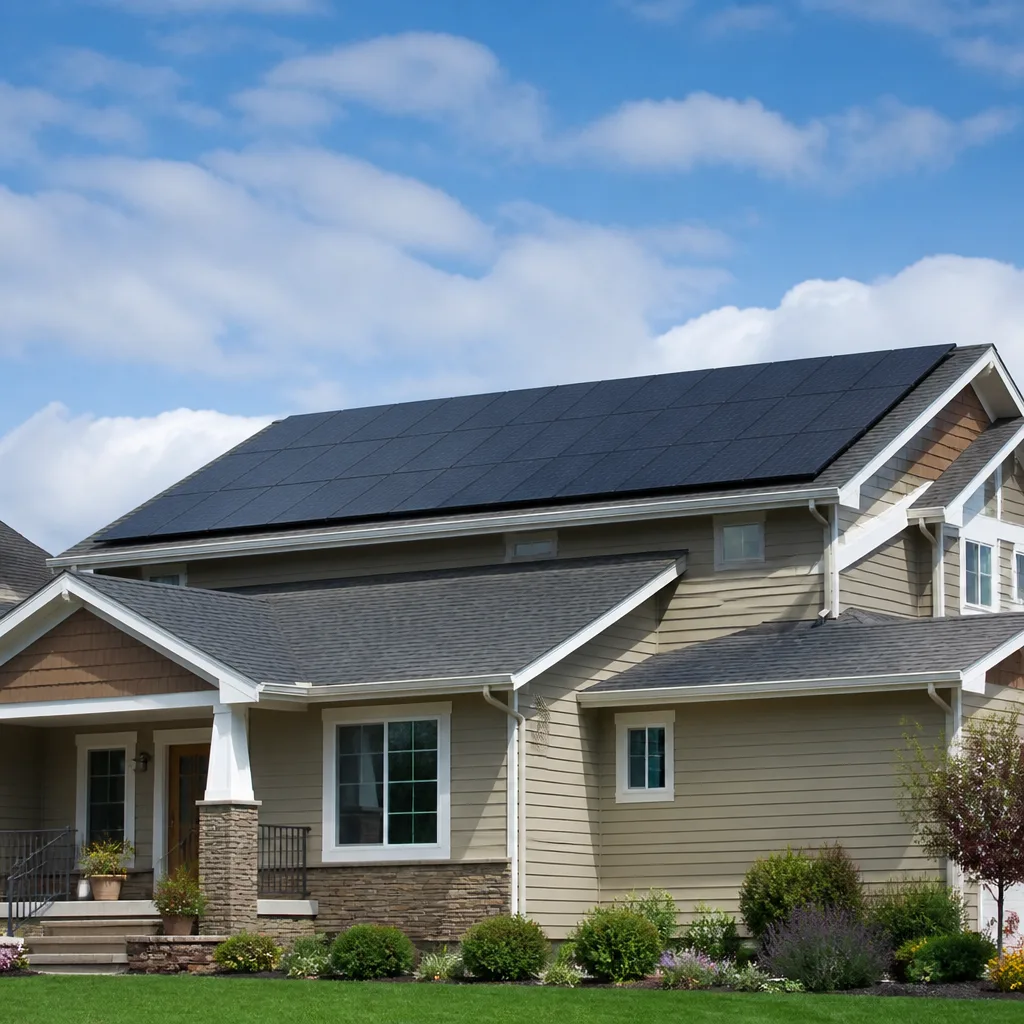
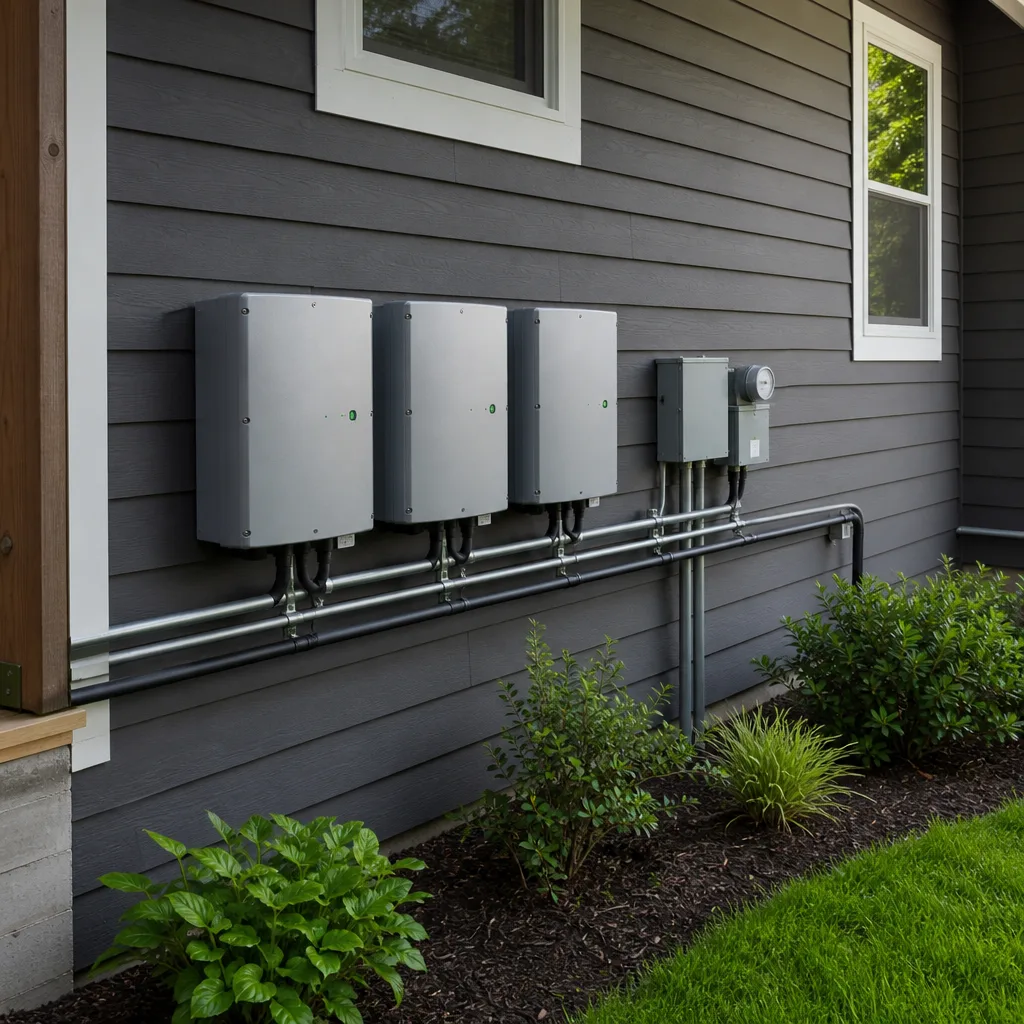
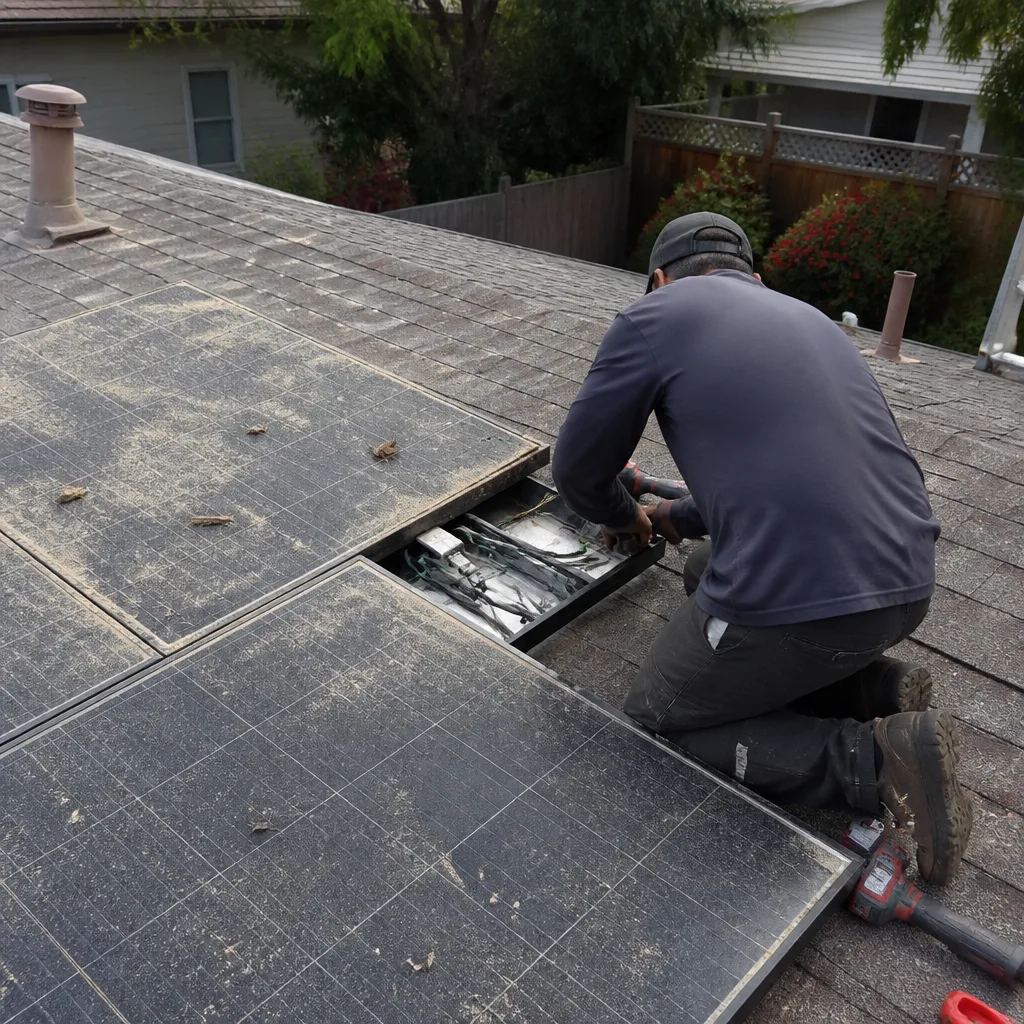 Before
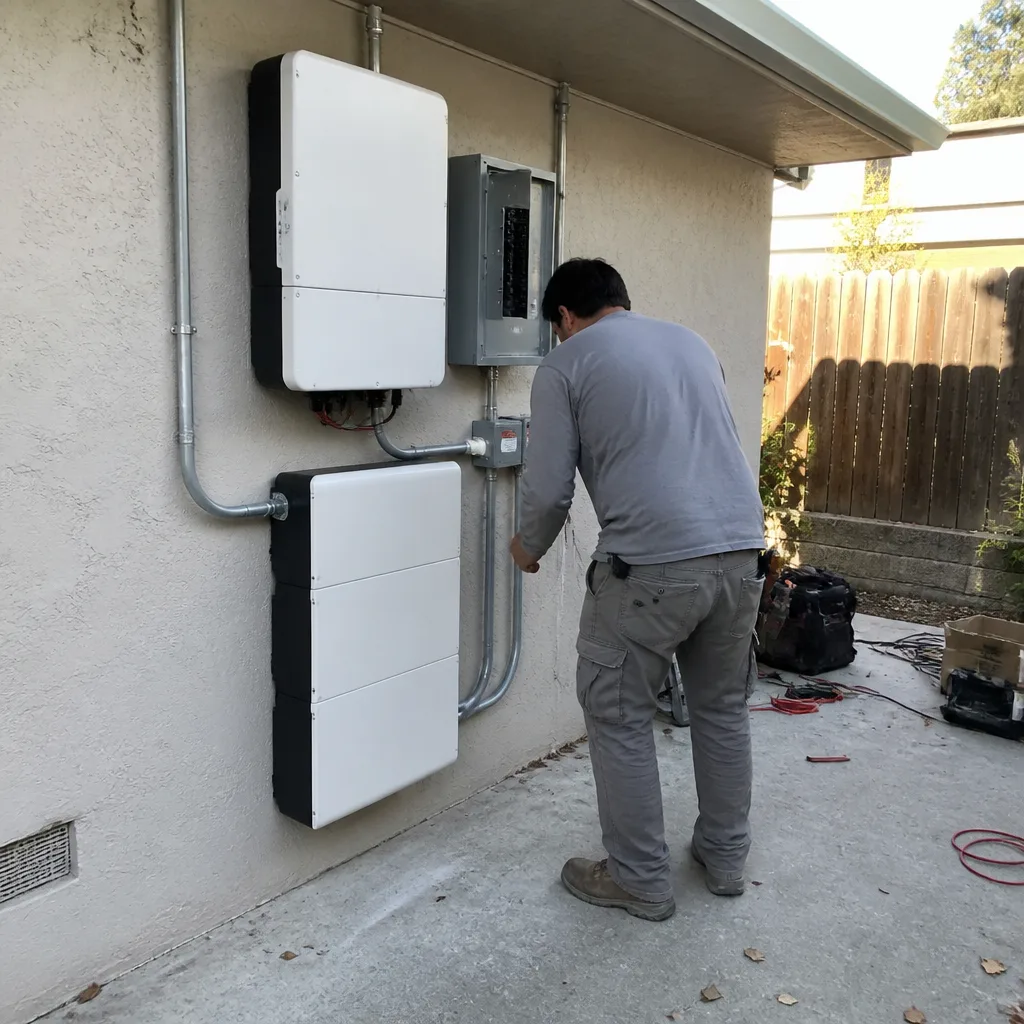 After
After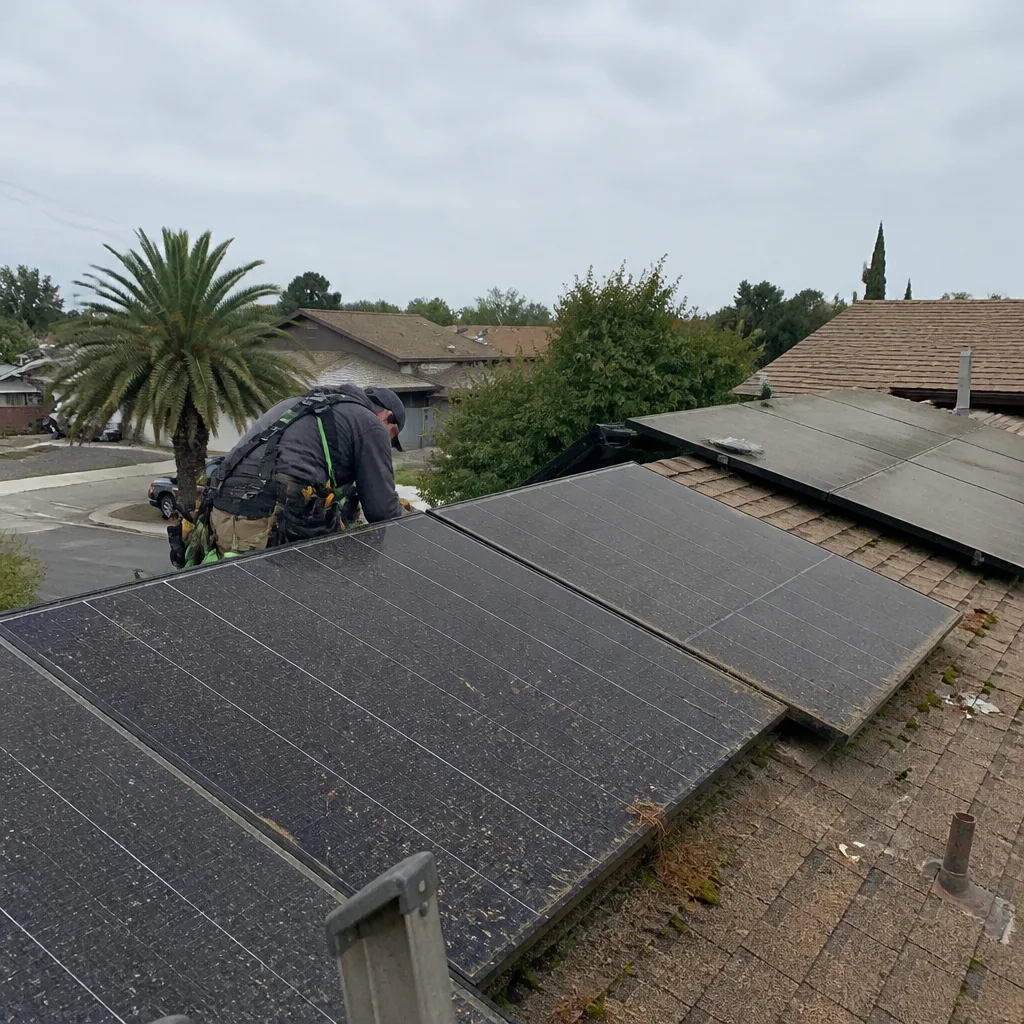 Before
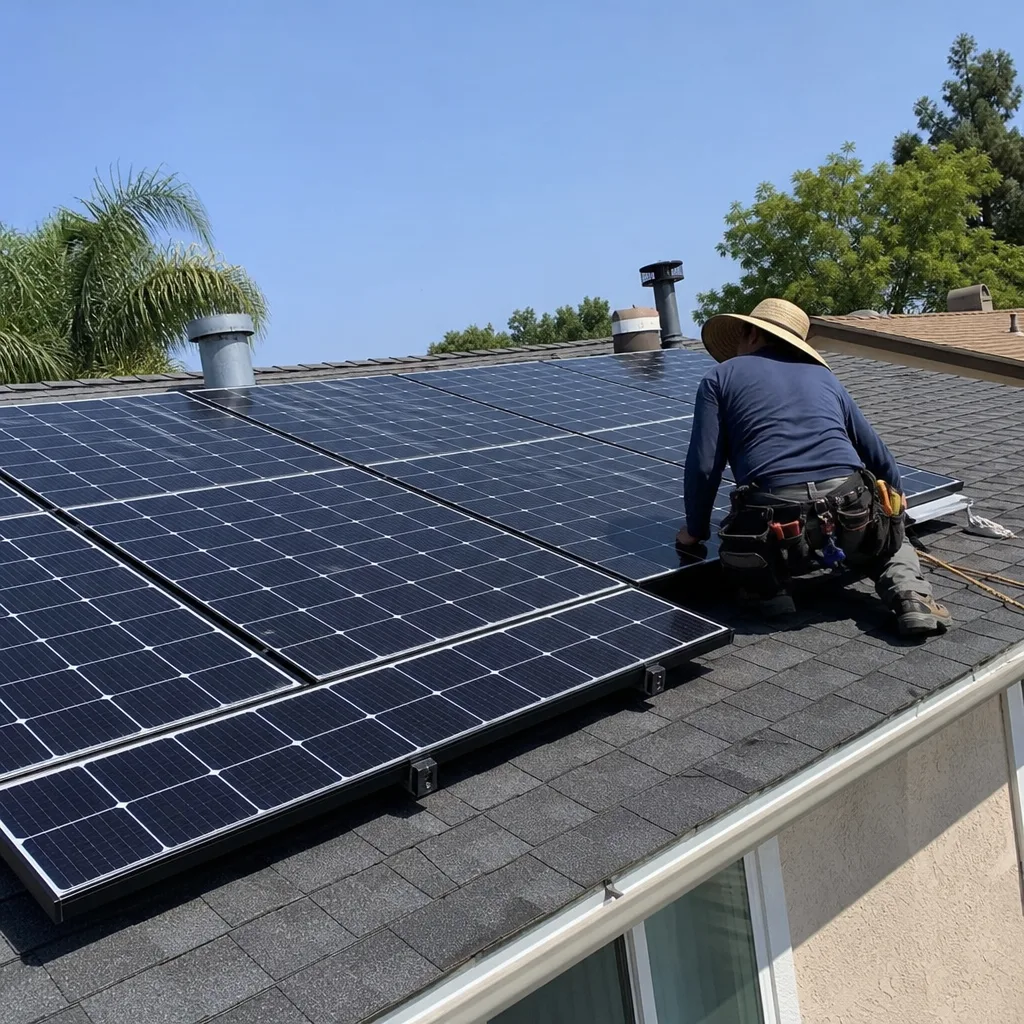 After
After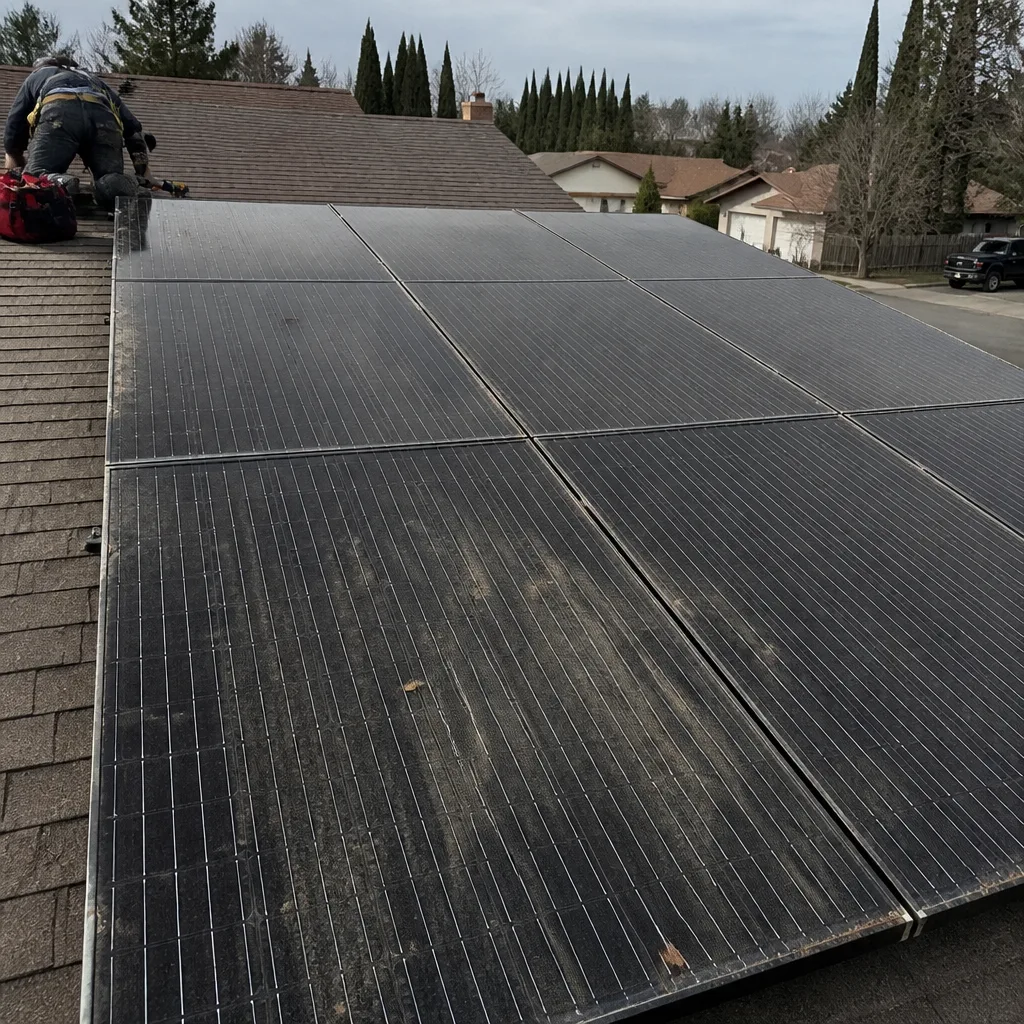 Before
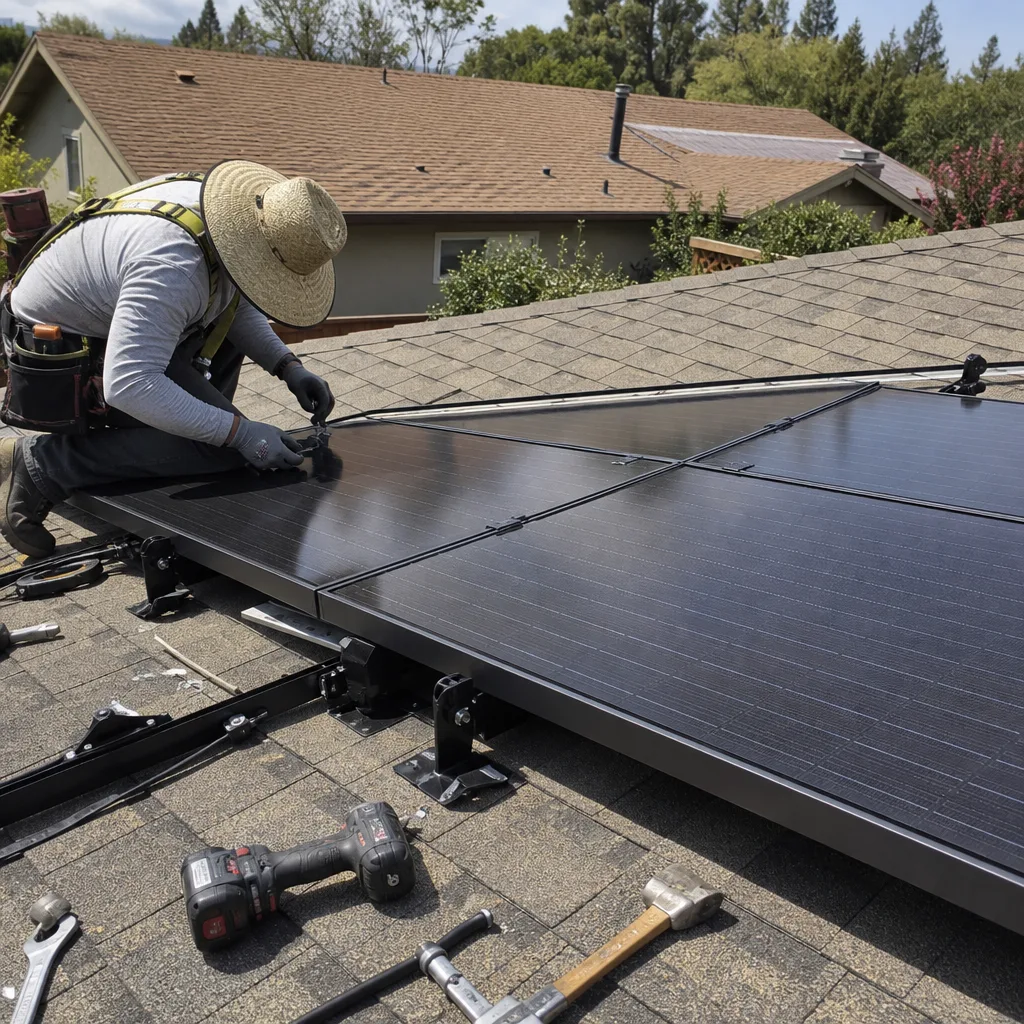 After
AfterWhy San Jose Homeowners Choose Qcells Solar
We’re an independent Qcells repair in San Jose provider, and we handle everything from single-panel replacements to full system diagnostics for Q.PEAK DUO, Q.TRON, and Q.HOME battery owners. Most Qcells service calls in San Jose come down to three things: microcracks from tile-roof thermal stress, connector seating issues on newer Q.TRON modules, or panels that simply stopped producing and need a swap. We stock Qcells-compatible mounting hardware locally, our crew works on these panels every week across neighborhoods from Berryessa to Almaden Valley, and we’ll give you a straight answer about repair versus replace, not a pitch for a full re-roof or a new system you don’t need. Call us at (877) 550-6892 and a live person answers, day or night.
One thing you should know up front: Gus’s Solar is not authorized by Qcells. We’re an independent service shop. That means when we tell you a repair makes sense, or a replacement is the honest call, there’s no manufacturer quota steering the recommendation. Our loyalty is to the homeowner whose bill we’re looking at.
Why do San Jose homeowners specifically run into Qcells issues that other Bay Area cities like Qcells in Pleasanton see less often? It comes down to the roof stock. San Jose’s older ranch homes in East San Jose and Berryessa often have composition shingle roofs that flex under decades of dry-summer heat, while the newer two-story homes in Silver Creek and Evergreen sit under clay and concrete barrel tile that holds heat and stresses mounting rails. Both conditions put real mechanical load on panels. We see the results of that stress in the Q.PEAK DUO line more than anywhere else in the South Bay.
Why Trust Gus’s Solar for Your Qcells Solar?
Our crew has pulled Q.PEAK DUO BLK-G6+ 340W panels off tile roofs in Silver Creek, diagnosed arc faults on Q.TRON BLK M-G2+ modules in Evergreen, and retrofitted Q.HOME CORE batteries onto existing arrays across San Jose. That’s not a brochure claim. It’s what we did last month. Gus Petrakis grew up in Willow Glen and still lives about ten minutes from his old high school, and he got into solar the slow way: a friend’s electric bill hit four digits one summer, Gus spent a weekend figuring out why, and that led to panels, then to a career. He picked up his electrical and solar fundamentals at Evergreen Valley College and spent years running installations across the South Bay before going out on his own in 2011.
Why does that matter for your Qcells system? Because the person answering the phone is the person whose name is on the truck. When you call about a Q.TRON panel throwing an arc-fault code, you’re talking to someone who has seen that exact fault on a San Jose roof, knows what the connector seating issue looks like, and can tell you whether it’s a quick fix or a panel replacement. We don’t route you to a call center. We don’t hand work to subcontractors. Gus’s crew does the work, background-checked and uniformed, and every job is backed by a 90-Day Done Right Promise in writing. If it isn’t right, one call brings Gus back.
On the parts side, we use genuine Qcells panels and factory-recommended mounting hardware for replacements. We don’t cut corners with off-brand rails or mismatched connectors, because a saved dollar on a mounting foot becomes a leak or a microcrack down the line. Our Qcells service work keeps your 25-year performance warranty intact, which is the whole point of hiring someone who knows the product line instead of a generalist who’s seeing a Q.PEAK DUO for the first time.
Common Qcells Solar Problems We Fix in San Jose
- Microcrack-induced power loss on tile roofs. Q.PEAK DUO BLK-G6+ and ML-G10+ panels have thin silicon wafers that don’t tolerate sustained mechanical flex. On San Jose’s barrel-tile roofs in Almaden Valley and Silver Creek, thermal expansion and contraction cycles put stress on the module frame, and over three or four dry summers that can grow a hairline fracture along the busbar. The symptom is a string underproducing by 20-40% relative to its neighbors. We trace it with an I-V curve test, not a guess.
- Delamination at module edges on Q.PEAK DUO panels. Delamination is when the backsheet or encapsulant starts peeling at the panel’s edge, and we see it most often on Q.PEAK DUO panels that have baked through several San Jose heat waves. It usually shows up as a cloudy or milky border near the frame, and it’s worse on systems installed on dark tile roofs that hold more heat. It doesn’t always kill production immediately, but it will, and it’s a warranty-relevant condition worth documenting before it degrades further.
- Intermittent DC arc faults on Q.TRON BLK M-G2+. Q.TRON’s higher current design is picky about connector seating. If an MC4-style connector wasn’t fully seated at install, or if dust filtering into the junction box creates a weak contact, the inverter can log intermittent arc-fault codes that clear and reappear. In San Jose’s dry climate, dust accumulation in connectors happens faster than in foggy coastal markets. We inspect and re-seat connectors, replace junction boxes when needed, and only move to panel replacement if the issue follows the module.
- Optimizer communication dropouts on Qcells-plus-SolarEdge systems. A lot of San Jose installs pair Qcells panels with SolarEdge optimizers. When the optimizer loses communication with the inverter, the whole string can look like it’s underproducing when actually one module’s optimizer is offline. We see this on both Q.PEAK DUO and Q.TRON systems. The fix is often as simple as a re-pairing, but sometimes it’s a failed optimizer that needs swapping, and we carry compatible replacements.
- Q.HOME CORE battery communication faults and firmware issues. Qcells got into the battery game with the Q.HOME CORE, and in San Jose’s NEM 3.0 environment, a lot of those batteries are working hard every day. We’ve handled communication faults between the battery and inverter, firmware update glitches, and charge-cycle irregularities. Some of these are remote-fixable; some need a site visit; and some indicate a deeper BMS issue that requires manufacturer escalation.
Qcells Parts & Our Repair-vs-Replace Approach
Here’s the honest version of how we decide between repairing and replacing a Qcells panel. If the panel is under 5 years old and the problem is a connector, a junction box, or an optimizer, we repair it. If the panel is over 5 years old and the issue is a microcrack, delamination, or internal cell damage, we recommend replacement. Replacing a failed panel with a new Q.PEAK DUO or Q.TRON module that matches your array’s dimensions and electrical characteristics keeps your system’s 25-year performance warranty terms intact. Patching an old panel that’s already lost integrity just delays the inevitable and risks dragging down the string’s overall output.
We keep a working stock of genuine Qcells panels and factory-recommended mounting hardware in San Jose, which means most replacement jobs happen within days, not weeks. If you’ve got a written estimate from another company, bring it in. We offer a free second opinion on any written estimate, and there’s no trip charge inside our own county. Call (877) 550-6892 and we’ll give you the math off your actual production data, not a generic price sheet.
Our Qcells Service Process - Step by Step
- 1
Diagnosis. We pull your inverter’s production logs, check string-level output, and if needed, run an I-V curve trace on individual Q.PEAK DUO or Q.TRON modules to isolate the fault. For Q.HOME CORE battery issues, we check firmware levels and error codes first. You get a plain-English summary of what’s wrong, not an acronym dump.
- 2
Repair or replacement. If it’s a connector or junction box issue on a young panel, we fix it on the spot. If it’s a microcracked or delaminated panel with years of service behind it, we quote a replacement with a matching Qcells module. No pressure. Take two weeks. The price will be the same.
- 3
Testing. After any repair or replacement, we re-test the string and the whole array, confirm production is back to spec, and document everything. On Q.TRON systems, we re-check connector seating across the array while we’re up there, because a second poorly-seated connector is cheaper to fix now than to diagnose later.
- 4
Warranty and documentation. We give you before-and-after production numbers, photos of the work, and the documentation you need if a Qcells warranty claim applies. If it’s a warranty-eligible failure, we walk you through the claim process. We don’t disappear after the invoice clears.
Qcells Products We Service & Install in San Jose
We service the full Qcells residential lineup: Q.PEAK DUO BLK-G6+, Q.PEAK DUO BLK ML-G10+, Q.TRON BLK M-G2+, and the Q.HOME CORE battery. That covers the panels San Jose homeowners installed between roughly 2019 and today, as well as older Q.PEAK BLK-G4 and Q.PLUS models that are still on roofs. For replacements, we stock current Q.PEAK DUO and Q.TRON modules locally. We also install new Qcells systems for San Jose homeowners going solar under NEM 3.0, where battery pairing is now nearly mandatory to make the economics work. Need a single panel swapped? A whole array serviced? A Q.HOME CORE added to an existing system? We do all three.
We Also Service These Brands
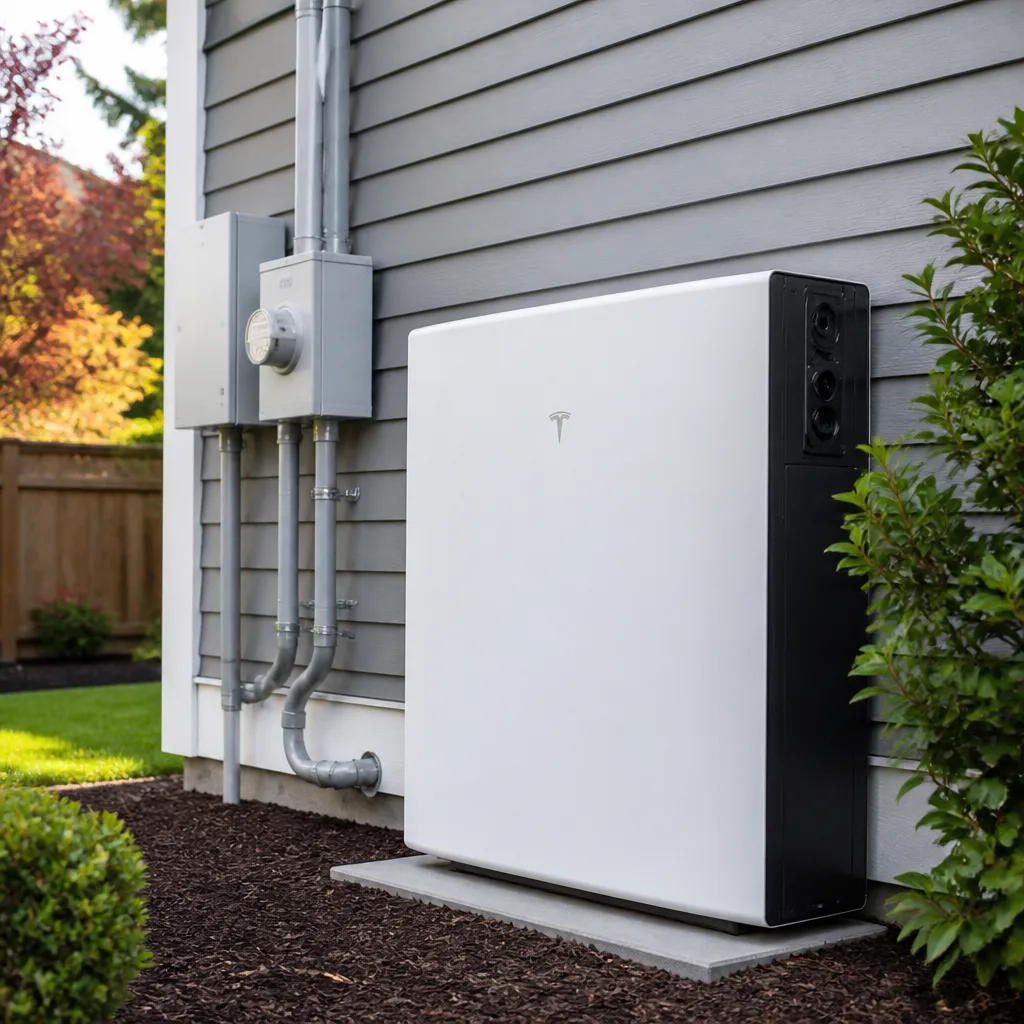
While this page covers Qcells, our San Jose crew works across the major inverter and storage brands every week: Tesla Powerwall, Enphase microinverters and IQ batteries, and SolarEdge inverters and optimizers. If your system mixes Qcells panels with any of those, you’re still talking to the right shop. We’re not tied to one manufacturer’s line, which means our recommendation is about what’s right for your roof, your bill, and your panels.
FAQs - Qcells Solar Service in San Jose
Yes, and it’s not unique to Qcells, but it shows up more often on Q.PEAK DUO panels mounted on San Jose’s clay and concrete tile roofs in Almaden Valley, Silver Creek, and Evergreen than on Qcells service in Concord systems we see. The mechanism is thermal stress: tile holds heat, the mounting rails expand and contract across hot dry summers, and over years that flex transfers strain to the module frame and silicon wafers. The result is a microcrack along a busbar that drops string output by 20-40%. We diagnose this with an I-V curve test rather than guessing. Call (877) 550-6892 and we’ll check your production data first.
Yes. If your Qcells array is in good condition, we can add battery storage without touching the panels. In San Jose, this usually means adding a Q.HOME CORE or a third-party battery paired with your existing inverter, then updating the interconnection agreement through San Jose Clean Energy and PG&E’s approval process, similar to how we handle Qcells in Modesto. Under NEM 3.0, most San Jose homeowners need storage to make self-consumption work, since export rates are too low to justify exporting midday generation. The panels stay; the economics change. Call (877) 550-6892 for an exact quote off your actual bill.
Delamination, where the backsheet or encapsulant separates at the module’s edge, is typically caused by sustained heat and UV exposure over multiple years. San Jose’s dry, hot summers accelerate it, especially on dark tile roofs. Qcells’ 25-year performance warranty covers manufacturing defects, and delamination is generally considered a defect rather than wear and tear. We document the condition with photos and production data, then help you file the claim. A quick note: if delamination is caught early, the panel may still produce fine for years; if left, moisture ingress follows. If you’re seeing milky edges on your panels, call (877) 550-6892.
A Q.TRON panel that intermittently arc-faults is almost always a connector seating problem, not a panel failure. The Q.TRON’s higher current design makes it sensitive to dust and weak MC4 contacts, and San Jose’s dry inland air means more dust finds its way into junction boxes than in coastal cities. We re-seat connectors, clean junction box contacts, and re-test. If the fault follows the panel after all that, we replace the module. Most of these calls are fixed in one visit.
Replace the single failed panel. Replacing a whole string because one module has a microcrack or a bad junction box is wasteful. Q.PEAK DUO and Q.TRON panels are designed so one underperforming panel doesn’t permanently degrade the others in the string. The only time we’d recommend string-level replacement is if your panels are old enough that matching replacements aren’t available, or if multiple panels in the same string are showing the same failure mode. For a straight answer on your specific array, call (877) 550-6892 and we’ll pull your production data.
No. We’re an independent Qcells service provider. We use genuine Qcells panels and factory-recommended mounting hardware, and we follow warranty-safe practices on every repair and replacement. But we’re not a Qcells-authorized installer, and we won’t pretend to be. What that means for you: our advice about repair versus replace is based on what’s best for your roof and your bill, not on what Qcells wants us to sell.
Book Your Qcells Service in San Jose, CA
If your Qcells system is underproducing, throwing codes, or just hasn’t been checked in years, call (877) 550-6892. A live person answers, 24/7. We’ll pull your production data, tell you what we see, and give you a free estimate. No signature wanted tonight. No pressure, ever.
Written by Gus Petrakis, Owner at Gus’s Solar, serving San Jose since 2011.