

Free bill analysis - bring a power bill, get the production math for your actual roof, panel brands like Qcells and REC compared side by side
If the pitch starts at your door and ends with "sign tonight for the special," sleep on it. The sun will still be there tomorrow; so will we.
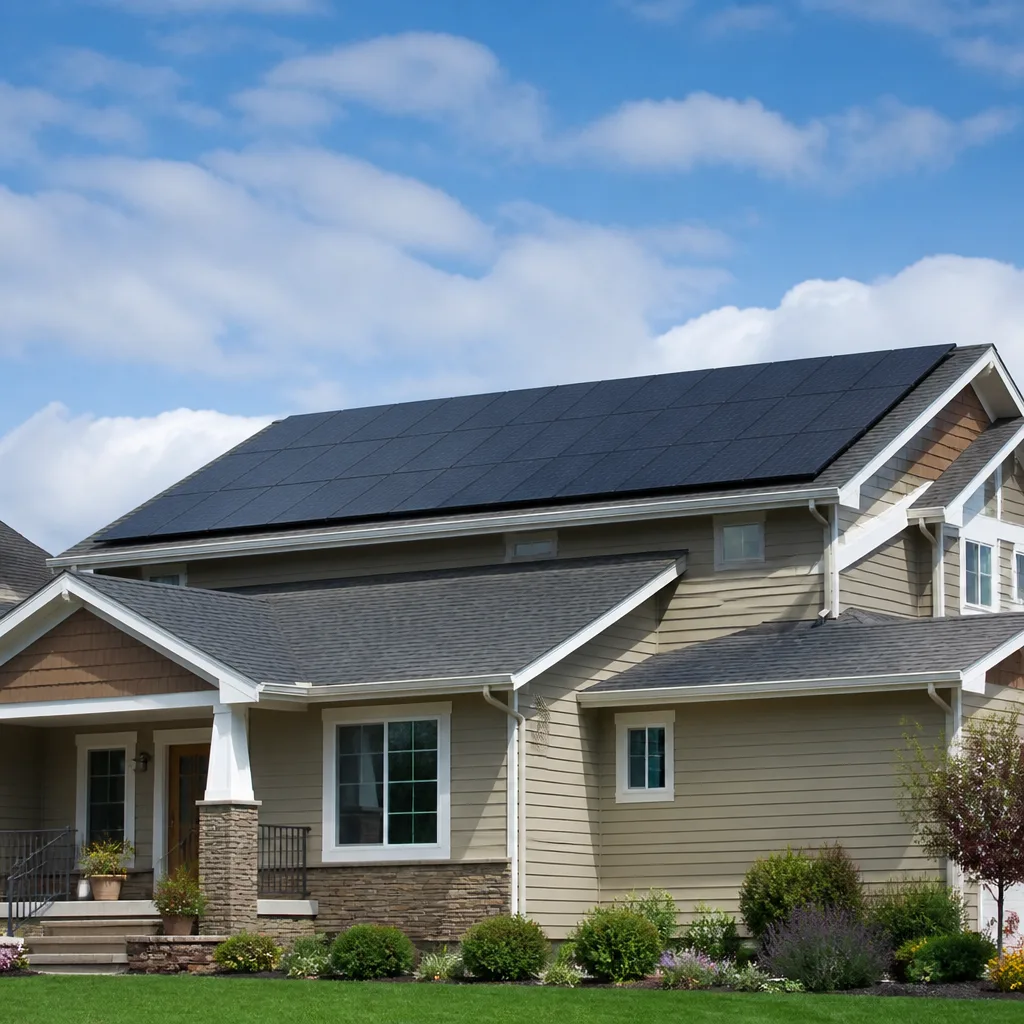
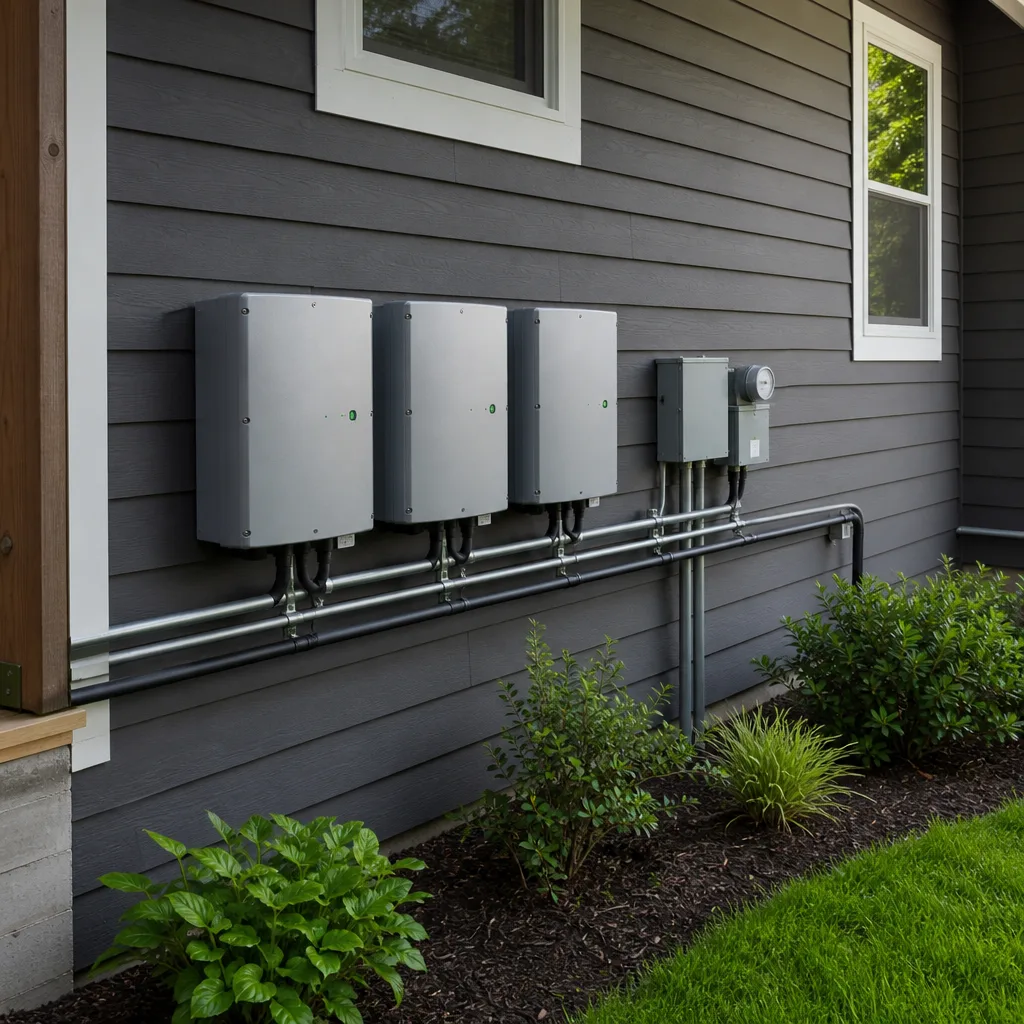
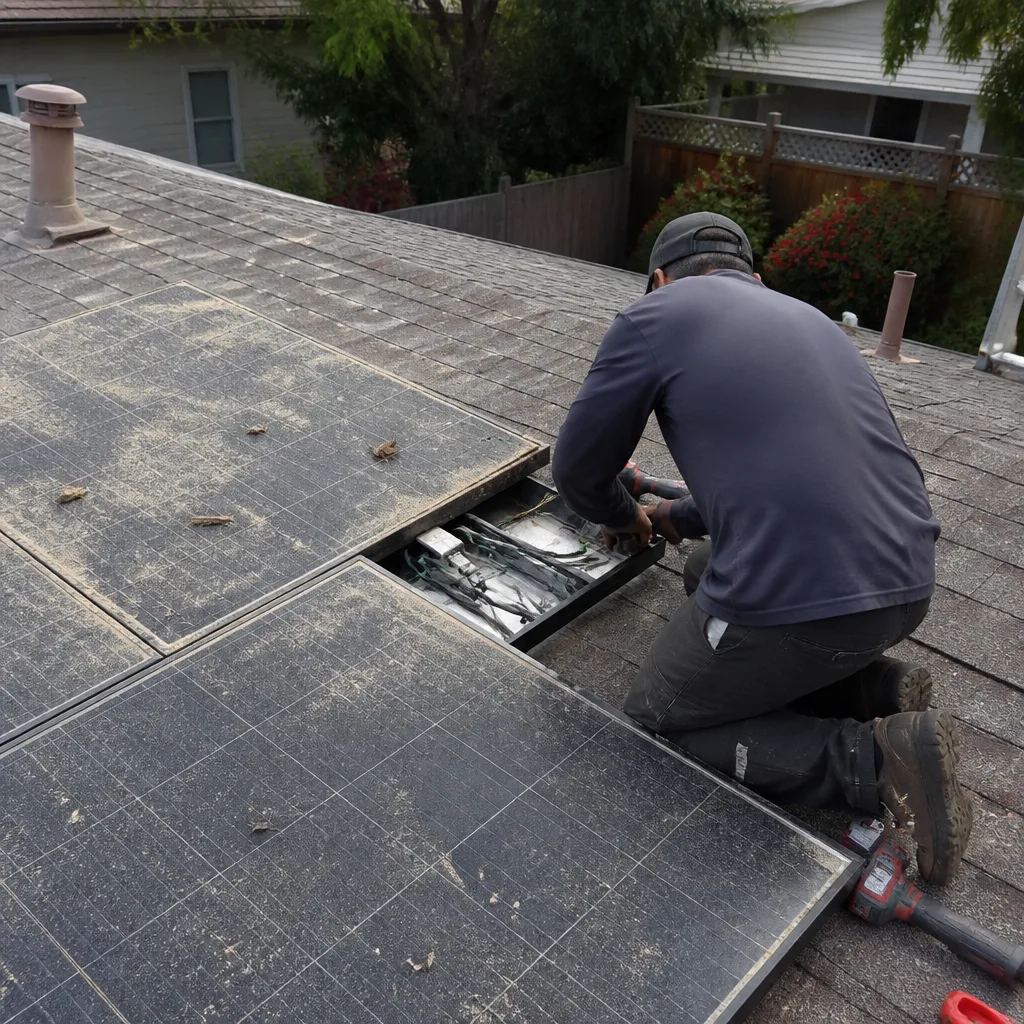 Before
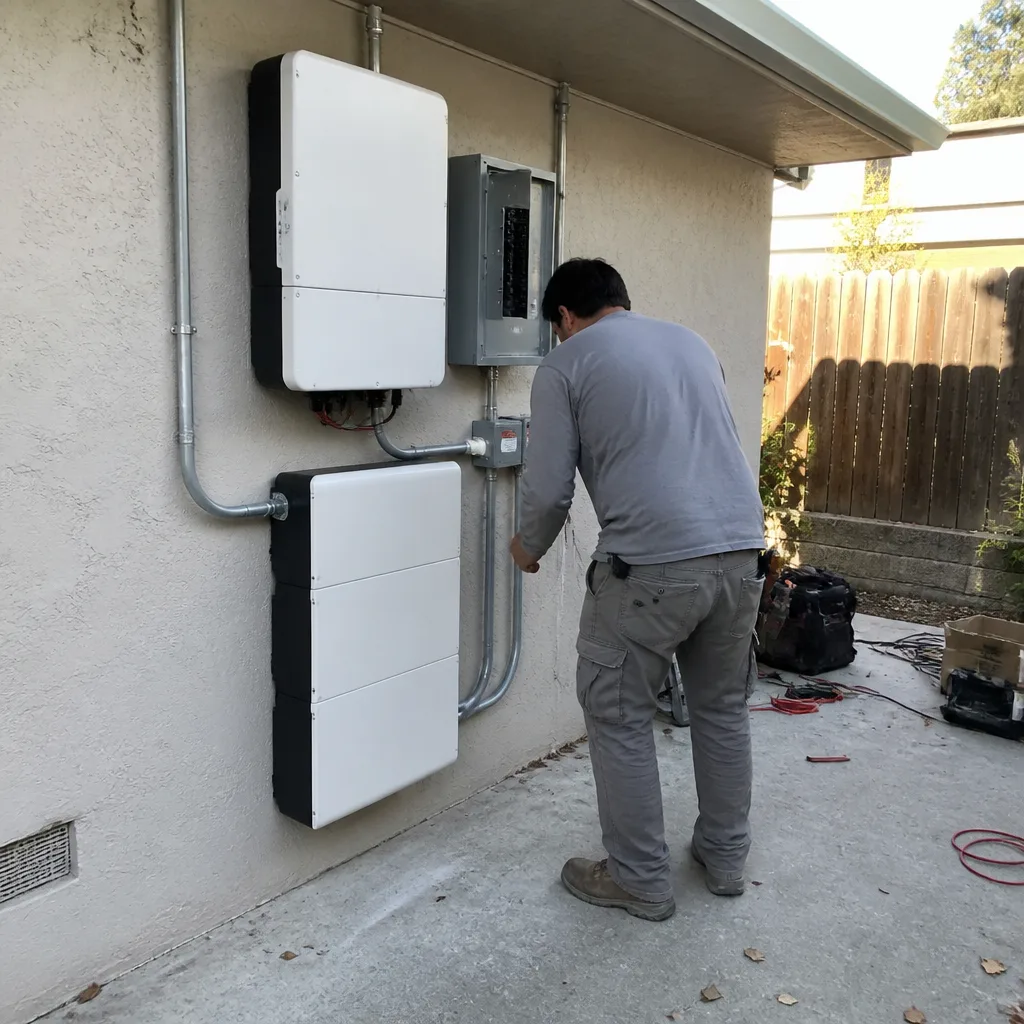 After
After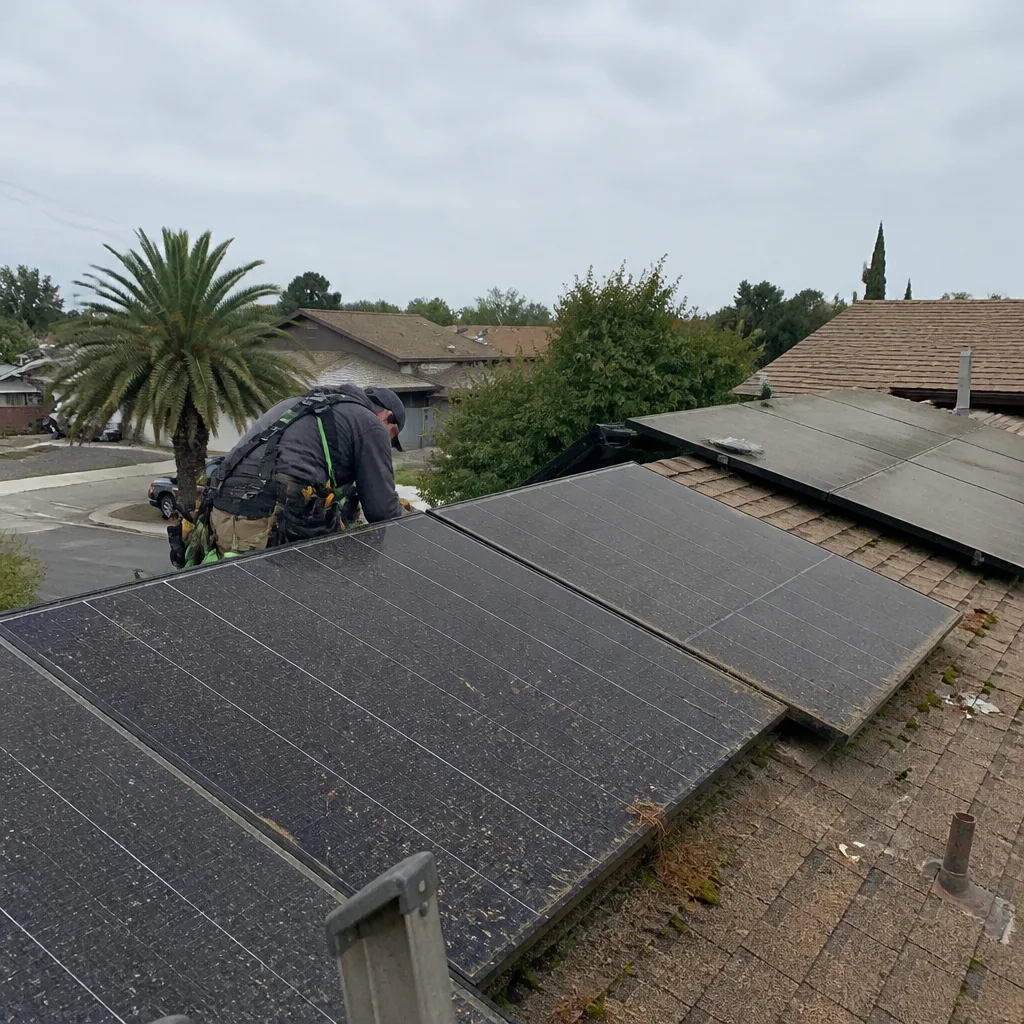 Before
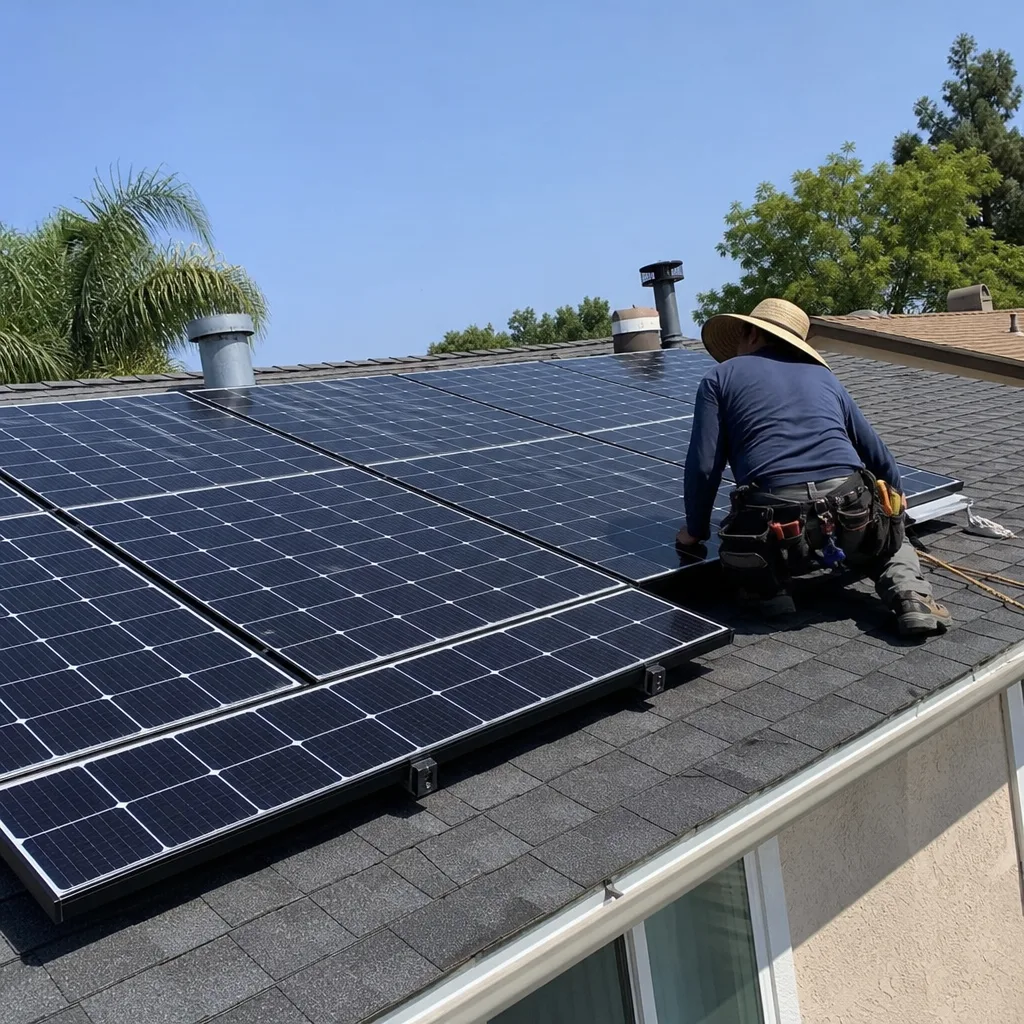 After
After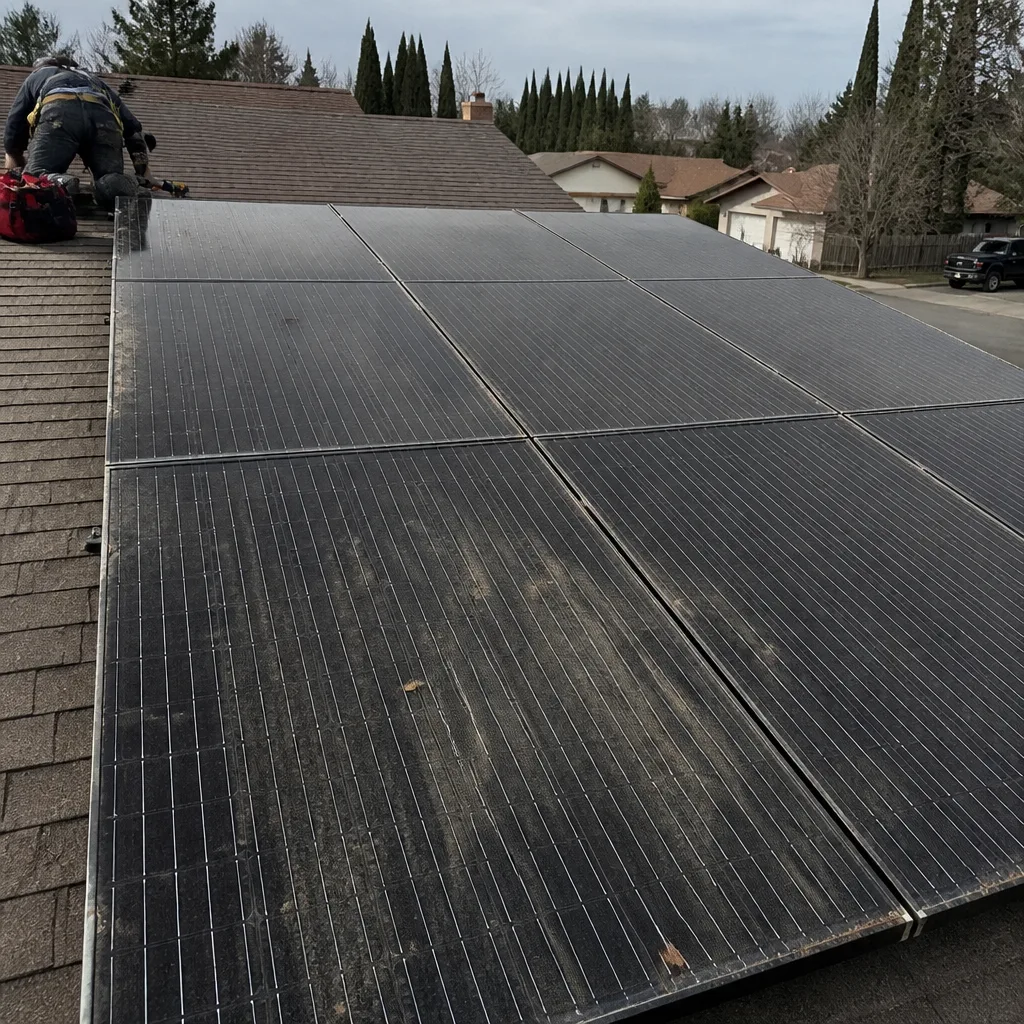 Before
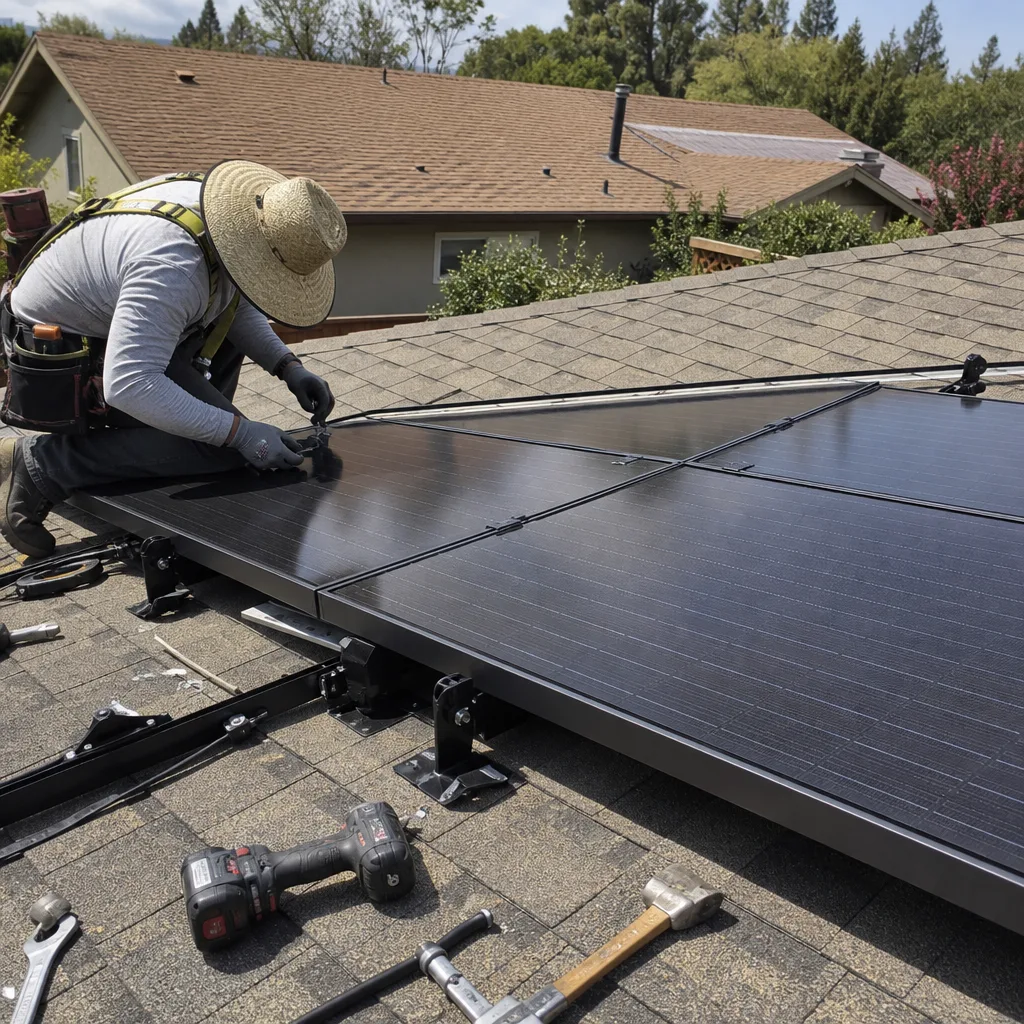 After
AfterFast, Reliable Solar Panel Repair Across Stanford
Solar panel repair in Stanford runs about $280 to $1,800 depending on whether you’re replacing a microinverter or a whole inverter, and most jobs take one afternoon once parts are in hand. But here’s what makes Stanford different from every other ZIP code we work in: almost every roof in 94305 belongs to Stanford University, so before we can even order parts, there’s usually a Facilities work order and an architectural review standing between you and a working system. We know that process. Call (877) 550-6892 and we’ll walk you through what your specific repair requires.
Why Gus’s Solar Is Stanford’s Preferred Solar Panel Repair Company
Gus Petrakis has been running Solar Panel Repair crews in the Bay Area since 2011, and he’s built the business on something simple: his name is on the truck, and his phone rings when you call. We’ve worked on university-owned faculty housing, graduate student apartments in Stanford, and research buildings where the roof is older than most states. That institutional experience matters because Stanford doesn’t approve repairs the way a homeowner in Menlo Park would. You need a contractor who knows the difference between a PG&E interconnection and an SESI meter, and who won’t get turned away at the permit desk.
Our Stanford customers tell us the same thing: the crew showed up on time, explained the repair in plain English, and didn’t try to upsell them on a new system. We answer calls live, 24/7. If your inverter throws a fault at 9pm on a Sunday, you get Gus or someone from his own crew, not an answering service. For a repair call in Stanford, we’re typically on-site within 48 hours, often sooner if it’s an emergency shutdown situation.
Every job is backed by the 90-Day Done Right Promise. If something’s not right, Gus comes back and makes it right, in writing. That’s not a marketing line. It’s on every invoice.
Our Solar Panel Repair Services in Stanford
Inverter Repair & Replacement
A dead string inverter is the most common failure we see across Stanford, including on the mid-century ranch homes along Gerona Road and Frenchman’s Hill. These units sit on south-facing walls in direct sun, and after 10 to 12 years the capacitors wear out. A standard inverter replacement in Stanford runs $1,200 to $2,800 installed, depending on the unit size and whether your system is grid-tied through SESI’s internal metering or a legacy PG&E interconnection. We stock SolarEdge and Enphase hardware locally, so once Stanford Facilities signs off, we’re not waiting on a slow freight shipment.
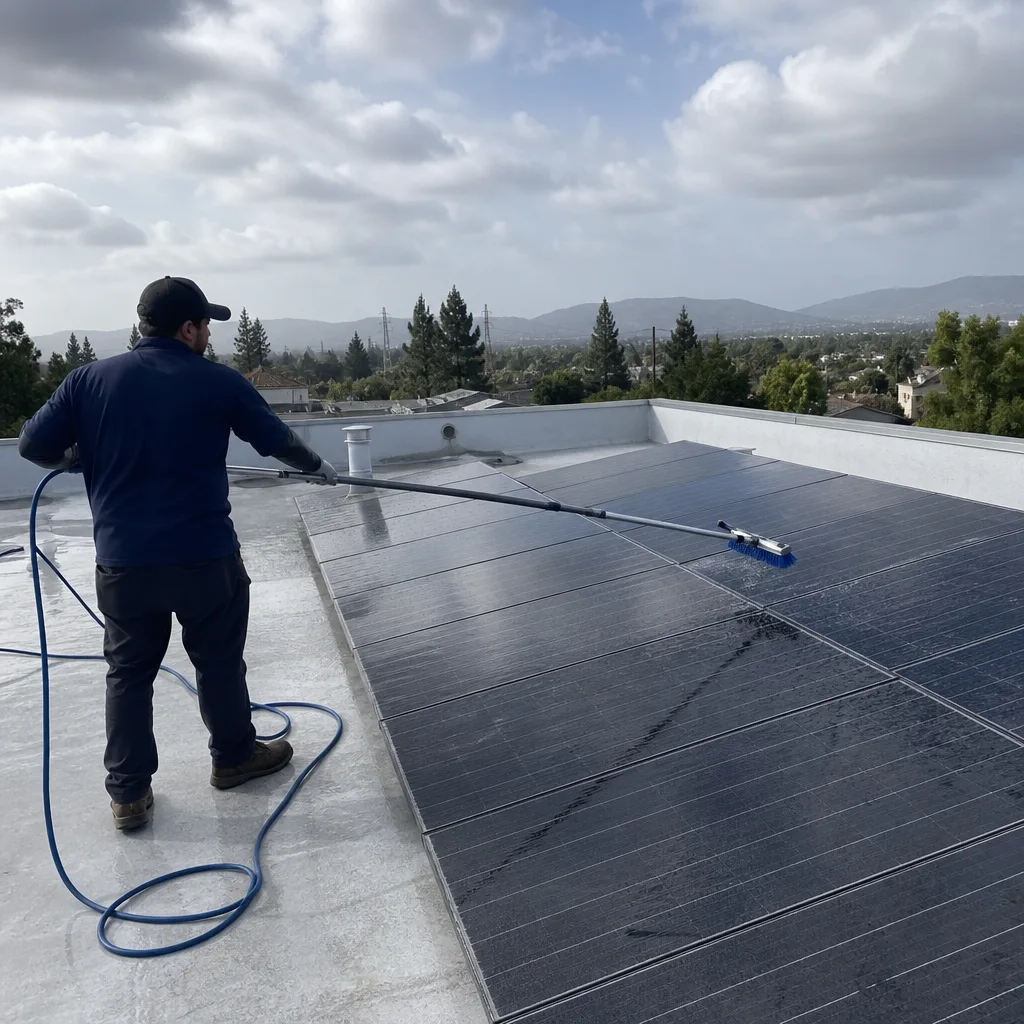
Microinverter Replacement
Faculty staff housing built in the 1950s and 60s often got early Enphase microinverter systems when solar was first approved on campus. Those M190 and M215 units are now hitting their failure curve. Replacing one microinverter in Stanford runs $350 to $600 per unit, including the Enphase part, rooftop labor, and re-commissioning through the Envoy gateway. But here’s the Stanford-specific wrinkle: when a replacement triggers a production estimate change, the university’s energy managers may request an SESI audit before we can place the parts order. We handle that paperwork for you.
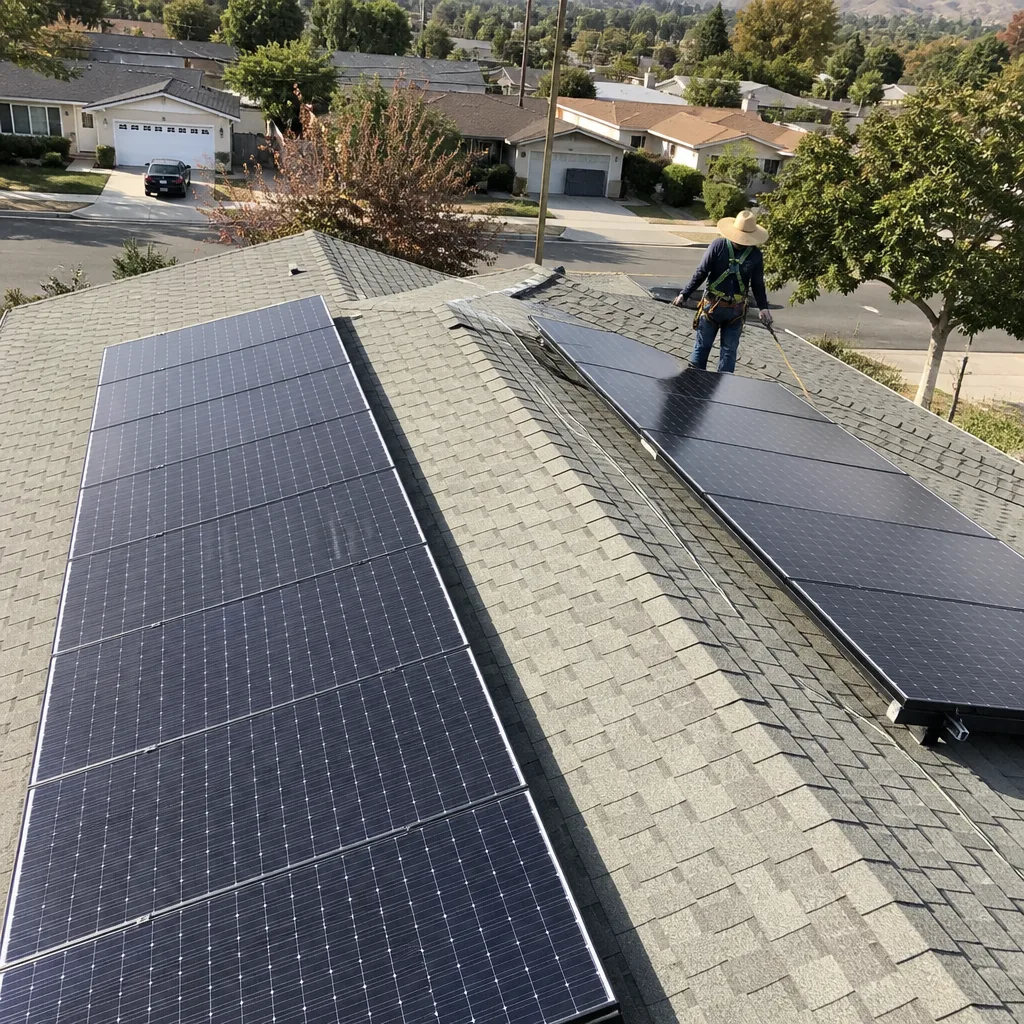
Wiring & Connector Repair
Corrosion is a bigger problem in Stanford than most people expect, not because of coastal fog but because of campus irrigation. Sprinkler overspray hits ground-mounted and low-roof arrays along Mayfield Avenue, and the minerals in that water eat through MC4 connectors over four or five years. What looks like an inverter failure is often just a corroded connector causing a ground fault. We test each string before quoting a repair, so you’re not paying for a $2,000 inverter when a $185 connector replacement fixes the problem.
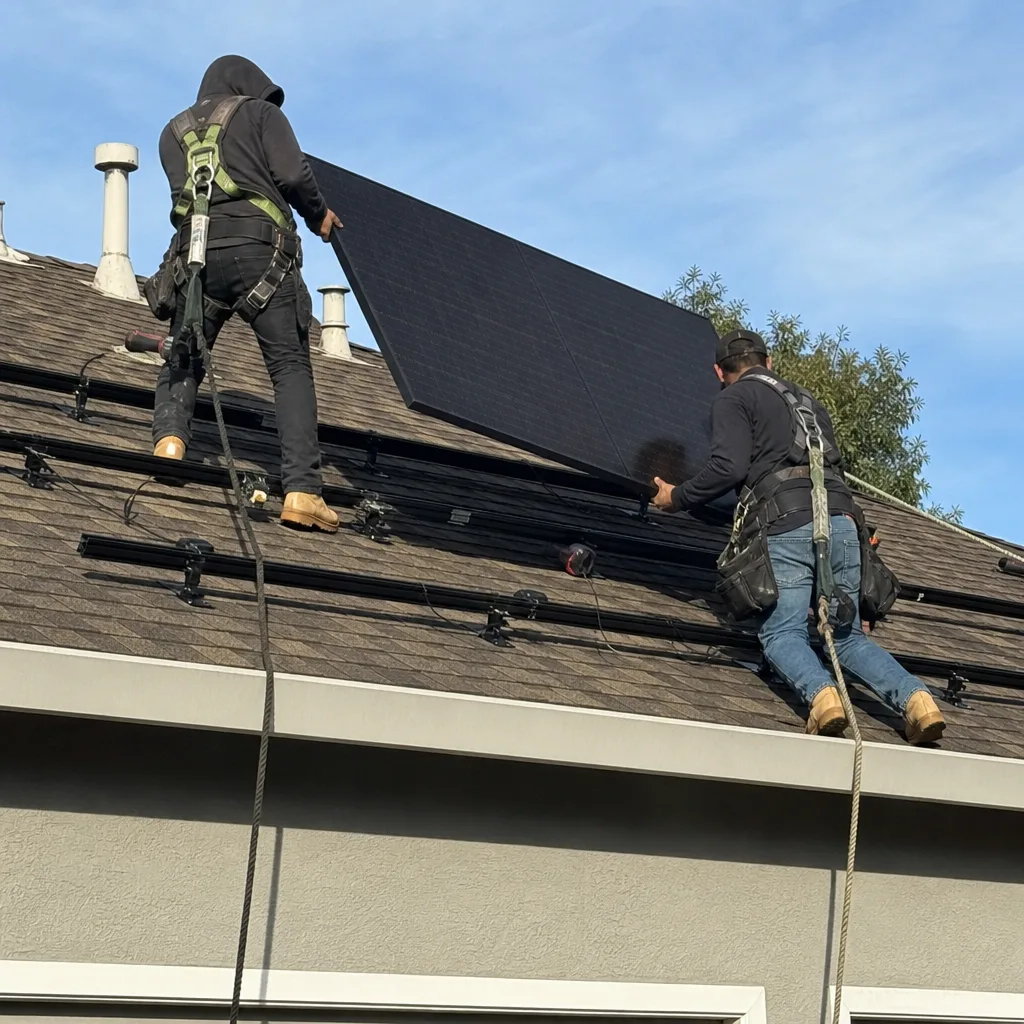
Panel Replacement After Damage
Hail is rare in Stanford, but tree debris from mature oaks on Frenchman’s Hill and wind-driven branches during winter storms do crack glass. A single panel replacement in Stanford typically runs $450 to $800 for the panel plus labor, but here’s the catch most contractors miss: Stanford’s architectural review requires matching panels of identical dimensions and similar appearance for all visible roof surfaces. That often means sourcing a discontinued frame style, which adds 7 to 10 days. We manage the sourcing and the paperwork.
What happens when you call
- 1
A real person answersNo phone trees - you reach a local pro.
- 2
You get an upfront price rangeHonest numbers before anyone is dispatched.
- 3
A background-checked tech heads outLicensed & insured, dispatched right away.
- 4
You approve before work beginsNothing starts until you say go.
Trusted Brands We Service in Stanford
We service and repair systems built with Panasonic, Canadian Solar, JinkoSolar, and FranklinWH equipment, among others. Because we maintain a parts inventory in our Bay Area warehouse, we can often complete a Stanford repair in one visit. If you’ve got a Panasonic panel that’s no longer in production, we know which current model meets Stanford’s visual matching requirements. If your JinkoSolar array has a failed optimizer, we stock replacements. And if you’re running FranklinWH batteries alongside a legacy solar system, we’ll coordinate the repair so your backup power isn’t interrupted by a firmware mismatch.
Common Solar Panel Repair Problems We See in Stanford Homes
- Inverter failures on legacy systems: Most Stanford faculty housing solar was installed between 2009 and 2014, which means string inverters and first-generation microinverters are now past their expected service life. We’re replacing these units weekly across 94305.
- Roof leaks around mounting hardware: The older ranch-style homes on Gerona Road and Mayfield Avenue have composition shingle roofs that are 20 to 40 years old. When a mount’s flashing fails, water gets in. Stanford requires us to use university-approved sealants, so we keep those materials on the truck specifically for Stanford jobs.
- SESI metering conflicts: Systems installed before Stanford’s campus energy overhaul sometimes still show PG&E interconnection in their records. When we replace an inverter and reset the system, it can fall out of sync with the university’s internal meters. We re-commission against Stanford’s grid code before we leave the site.
- Ground fault errors from corroded connectors: Irrigation overspray on campus grounds hits low-mounted arrays and accelerates connector corrosion. These ground fault codes often get misdiagnosed as inverter failures, which drives up repair costs unnecessarily.
Pricing for Solar Panel Repair in Stanford, CA
Here are honest numbers for Stanford’s market. A diagnostic visit runs $125, and that fee rolls into the repair if you hire us. Microinverter replacement runs $350 to $600 per unit. A full string inverter replacement lands between $1,200 and $2,800. Wiring and connector repairs run $185 to $450 depending on how many connectors need replacement. Roof leak repair around mounts runs $400 to $900, depending on the extent of the water damage and whether Stanford requires a full mounting reset. Panel replacement runs $450 to $800 per panel. These are the ranges we’ve quoted across Stanford over the last two years. Free estimates are standard. If you want a second opinion on a written estimate from another company, we’ll give you one free.
Why Stanford’s Approval Process Changes Everything
Every residential solar array in 94305 sits on land owned by Stanford University. That means a simple panel repair almost always requires a Stanford Facilities work order and compliance with their architectural review, not the normal homeowner approval a crew sees one ZIP code over in Palo Alto. Most contractors who don’t work Stanford regularly get stuck here. They quote a repair, order parts, and then discover they can’t get on the roof without a Facilities sign-off. We file the work order, coordinate with the building manager, and schedule the repair so the crew arrives with approvals already in hand.
We replaced a failed SolarEdge inverter on a mid-century Faculty Staff Housing home on Gerona Road where the original installer had filed a PG&E interconnection that no longer matched SESI’s metering protocols. Our crew retrofitted the new unit’s rapid shutdown settings to Stanford’s internal grid code and re-commissioned the system, recovering the array’s lost kWh offset in a single afternoon. That’s the kind of repair that goes sideways for crews who don’t know Stanford’s utility landscape.
Stanford’s Climate and Your Solar System
Stanford sits far enough inland from the Pacific that it largely escapes the persistent marine fog layer that suppresses solar production along the coast. The campus gets strong annual irradiance, and the dry summers mean minimal production loss from overcast. That’s good news for your panel output, but it also means roof-mounted hardware bakes in direct sun for months at a time. Inverters fail faster in that heat. Seals around mounts dry out and crack. And when winter storms roll through, the mature oaks on Frenchman’s Hill drop branches that crack panel glass. We inspect for heat-related stress and storm damage on every service call, because those are the two things that actually shorten system life in Stanford.
Roof Leak Repair Around Mounts in Stanford
When an array on a Stanford-owned roof starts leaking, the fix isn’t just a tube of silicone. Stanford’s Facilities department requires university-approved roofing materials for all sealing work, which means we can’t use the standard off-the-shelf sealants most contractors carry. We keep the approved materials stocked for Stanford jobs specifically, because ordering them mid-repair adds a week. On older Faculty Staff Housing stock with composition shingle roofs, a leak around a mount usually means the flashing failed, not the shingle. We remove the mount, inspect the underlayment, seal with approved materials, and re-set the hardware. That’s a $400 to $900 repair in Stanford, and it’s almost always cheaper than waiting until the leak damages ceiling drywall.
Orphaned-System Takeover on Stanford Property
Faculty and staff move. When a new family takes over a university-owned home on Mayfield Avenue or in the Escondido Village graduate apartments, they often inherit a solar system with zero documentation and no monitoring login. We take over these orphaned systems regularly across Stanford. We map the array, identify the inverter and monitoring hardware, update the firmware, and re-register the system with the university’s energy office. If the system was installed before SESI, we also re-commission it against current Stanford grid code so it doesn’t get flagged during the next campus energy audit. A takeover diagnostic and re-commissioning in Stanford runs $350 to $700. You get full access to your production data and a system that actually reports correctly.
We Also Serve Cities Near Stanford
Our Stanford crews also cover Palo Alto, Atherton, East Palo Alto, and Los Altos Hills. If you’re in a neighboring city and need a repair, same crew, same phone number. Call (877) 550-6892 and we’ll schedule you just as fast.
Serving Stanford, CA - Our Local Coverage Area
We’re based in the Stanford area and know this community well. Use the map below to see our service coverage - if you’re nearby, we can almost certainly help.
FAQs - Solar Panel Repair in Stanford
Yes. Almost all residential property in 94305 is Stanford-owned, so any roof work, including solar panel repair, requires a Stanford Facilities work order and architectural review approval before a crew can begin. We file the work order on your behalf and schedule the repair only after the approval clears. Call (877) 550-6892 and we’ll start that process today.
It shouldn’t, but only if the repair is re-commissioned correctly. Systems installed before Stanford’s Energy System Innovations rollout often have legacy PG&E interconnection records that no longer match the university’s internal metering. If a contractor replaces an inverter without re-commissioning against SESI grid code, your production data can stop reporting correctly and you may lose net metering credit until it’s fixed. We handle the re-commissioning as part of every Stanford repair. Call (877) 550-6892 for an exact quote.
Generally no. The sandstone Romanesque buildings on the Main Quad are protected by university historic-character guidelines that effectively prohibit visible rooftop solar changes, including panel replacements with different dimensions or appearance. For these buildings, any repair must match the original panel exactly, which often means sourcing discontinued frames. We’ll evaluate what’s allowed under current guidelines and give you a straight answer before you spend any money. Call (877) 550-6892 and we’ll review your building’s status.
Stanford requires university-approved roofing materials for all sealing work around solar mounts, which means standard silicone or off-the-shelf sealants won’t pass inspection. We keep the approved materials stocked specifically for Stanford jobs. The repair involves removing the mount, inspecting the underlayment, applying approved sealant, re-setting the hardware, and verifying the seal. In Stanford, this runs $400 to $900 depending on the extent of the leak. Call (877) 550-6892 for a free estimate and we’ll explain exactly what your repair requires.
Yes, we take over orphaned systems across Stanford regularly. We map the array, identify the inverter and monitoring hardware, update firmware, and re-register the system with the university’s energy office. If the system predates SESI, we re-commission it against current Stanford grid code. A takeover diagnostic and re-commissioning runs $350 to $700. Call (877) 550-6892 and ask about our Orphaned-System Takeover service.
Written by Gus Petrakis, Owner at Gus’s Solar, serving Stanford since 2011.